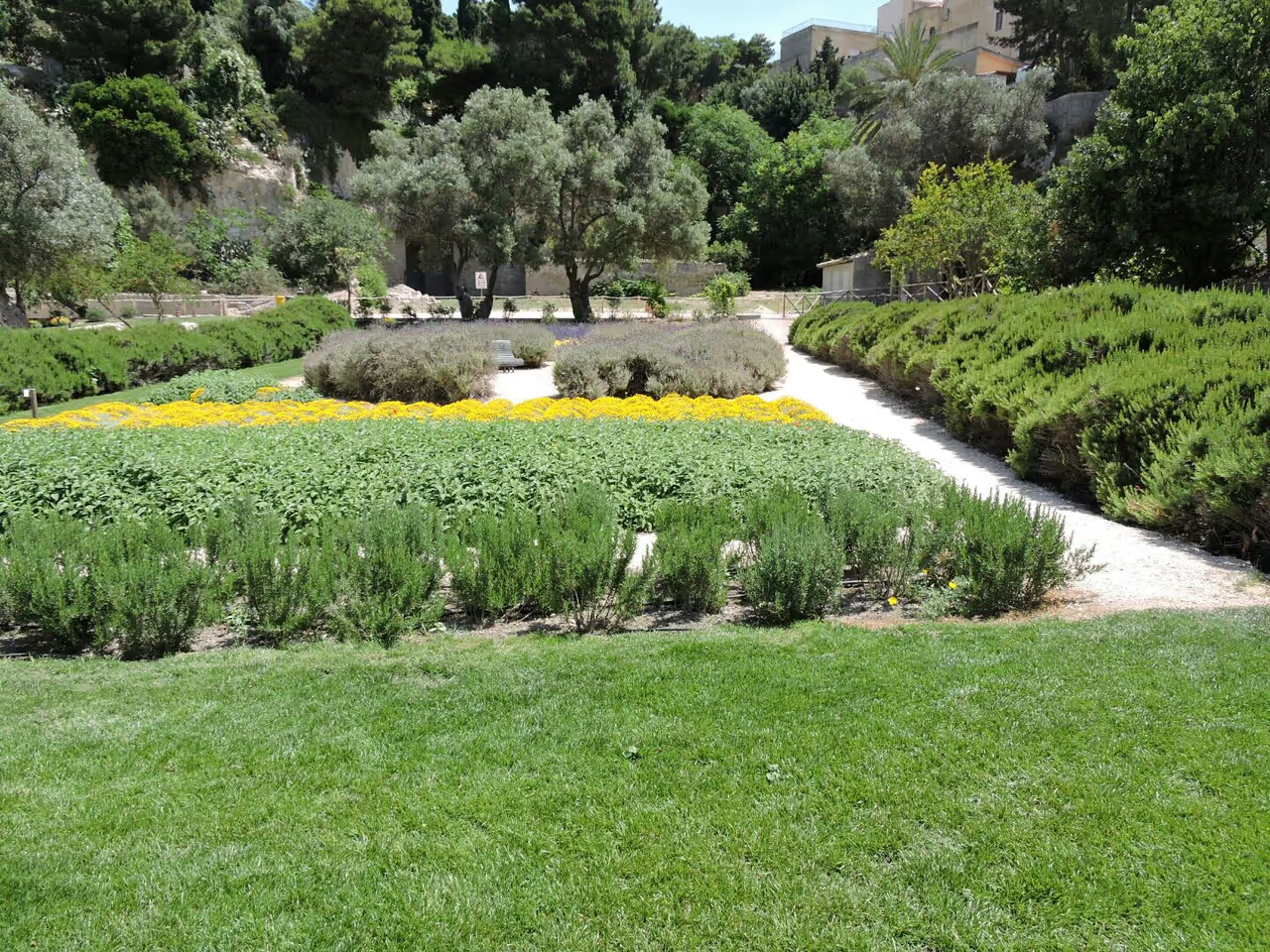
Capuchin Garden
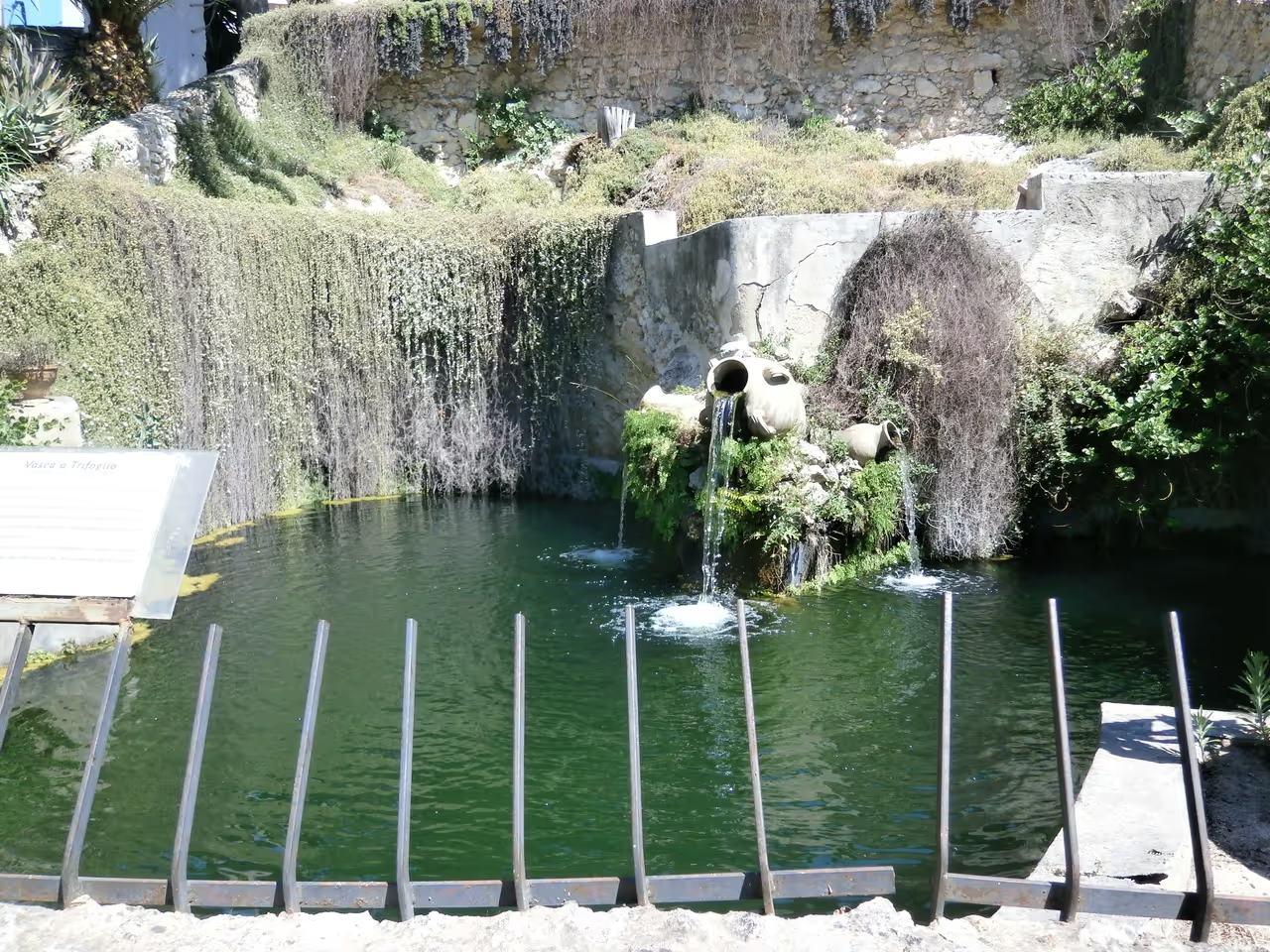
Step into a tranquil oasis that balances ecclesiastical history with the rugged beauty of an ancient Roman past. Located on Viale Merello, this lush garden offers a peaceful retreat where you can wander among Mediterranean greenery and reflect on the centuries of stories embedded in its limestone foundations. Once a secluded sanctuary for friars, the grounds are now open for everyone to enjoy a quiet moment away from the city centre. Discover the hidden cisterns and admire the thoughtful restoration that brought this historic site back to life. It is a wonderful spot to experience the layers of heritage that define the character of Cagliari.
Videos
History of Capuchin Garden
The story of this garden began in 1595 when the Capuchin friars established their very first convent in Sardinia upon this hillside. They transformed the rocky landscape into a thriving garden, creating a self-sustaining environment that served their humble lifestyle for centuries. The site became a spiritual sanctuary, far removed from the clamour of daily life, where religious contemplation met the cultivation of the earth. During the nineteenth century, the property changed hands when the Municipality of Cagliari acquired the land and the convent buildings. The focus shifted from monastic seclusion to community care, as the structures were repurposed into a retirement home. Beneath the soil, a forgotten layer of history surfaced, as workers encountered ancient quarries that dated back to the Roman period. These cavities, once carved by human hands to extract stone, were ingeniously adapted into cisterns to collect water, showcasing the resourcefulness of those who lived here long ago. After years of being hidden from public view, the site underwent a careful restoration process that breathed new life into the area. In May 2016, the gates opened to the public, inviting locals and visitors alike to wander through this green oasis. Today, the garden serves as a peaceful bridge between the ancient history of the city and its modern identity, offering a unique space where one can appreciate both the Mediterranean flora and the enduring legacy of the Capuchin friars.
Events spanning 421 years
Fun Facts
- • Before its public opening in 2016, the grounds remained largely inaccessible to the general population for decades while serving as residential facilities.
- • During the nineteenth century, the municipality transformed the monastic buildings into a retirement home, serving the community in a completely different capacity.
- • The ancient Romans used these quarries as a source of stone for construction, and later generations ingeniously repurposed the voids into large water cisterns.
- • The garden maintains a direct visual and historical connection to the nearby Roman Amphitheatre, illustrating the vast scale of Roman activity in this area.
- • The garden provides a rare, elevated vantage point that offers unique perspectives of the surrounding Cagliari hillside.
- • The restoration project aimed to highlight the archaeological features, allowing visitors to see the remnants of ancient industrial activity alongside living plant life.
- • The site is celebrated for its lush Mediterranean vegetation, which was carefully preserved and curated to reflect the traditional botanical practices of the friars.
- • The site represents the historical starting point of the Capuchin order in Sardinia, dating back to the late sixteenth century.
- • Workers excavating the site during the nineteenth century discovered extensive underground quarries that date back to the Roman occupation of the island.
Capuchin Garden FAQ
While we strive to keep this information accurate and up to date, we recommend verifying any details independently before making decisions based on them.
Capuchin Garden Map & Neighborhood Explorer
This interactive map is centered on Capuchin Garden. Zoom in and move the map around to automatically discover Wikipedia photos and summaries of other nearby sights, monuments, and historical points of interest and stories in real-time!
Places near Capuchin Garden
Make the most of your trip. Check out these top-rated spots located nearby.
 909m
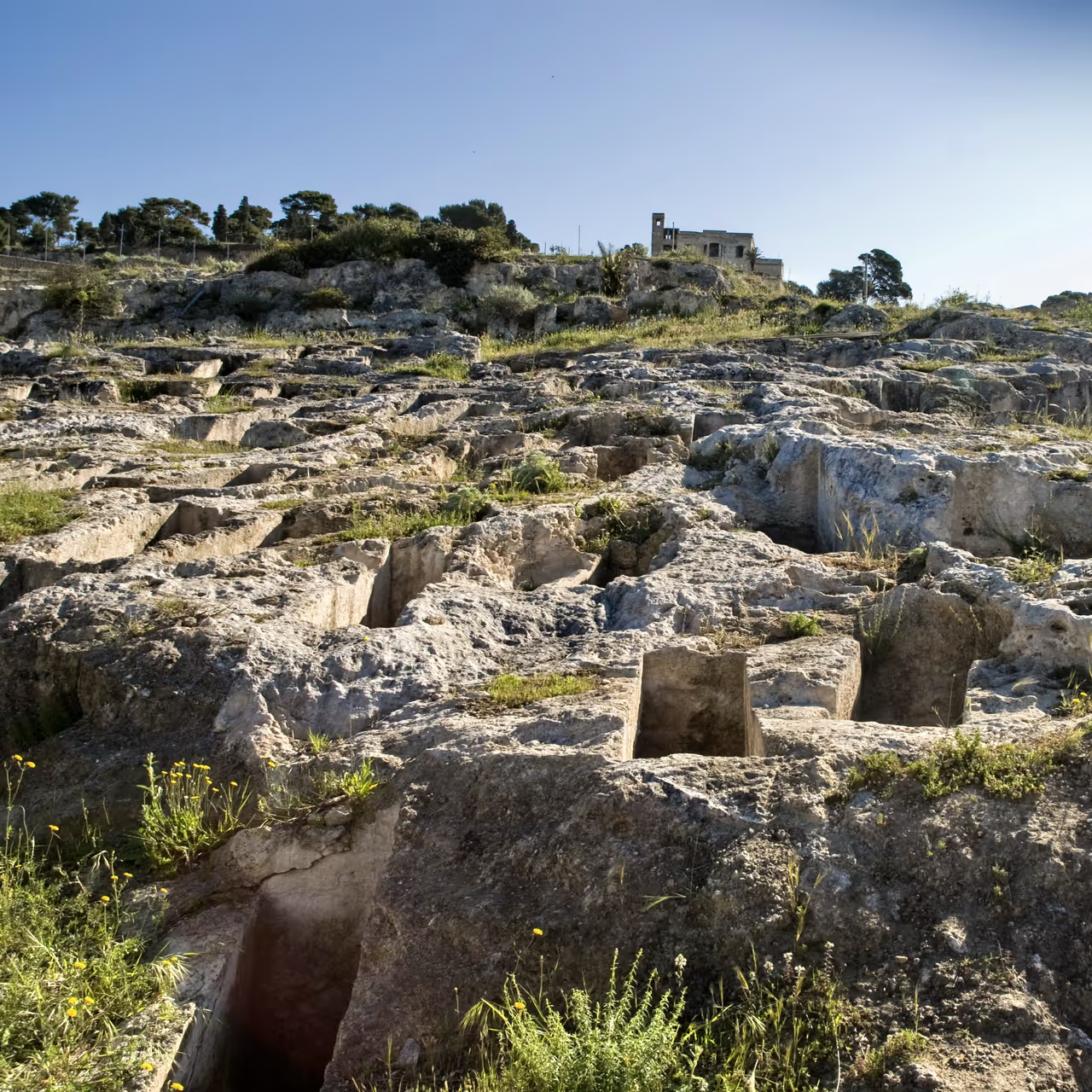
909mTuvixeddu Necropolis
Stretching across a prominent hill, this site represents the largest known Punic burial ground in the Mediterranean. Thousands of vertical shaft tombs were meticulously carved into the soft limestone by the Carthaginians between the sixth and third centuries BC. Later, the Romans also utilised the area, adding their own architectural tombs to the landscape. While you cannot enter the shafts, walking the paths alongside them evokes a profound sense of antiquity. It is a striking testament to the city's ancient importance as a major maritime hub.
highlight view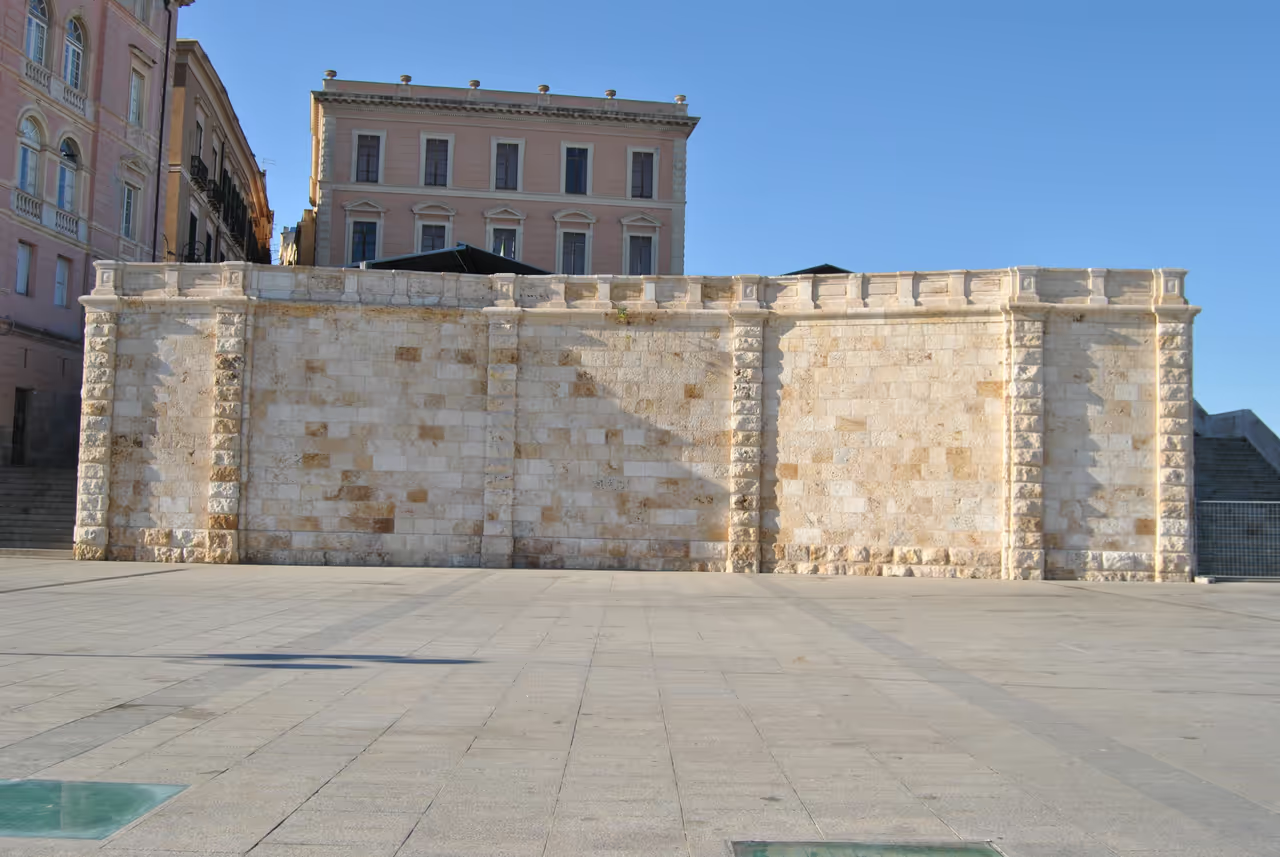 2015m
2015mWalk the Citadel Walls
Following the ancient perimeter of the high citadel offers a superb, cost-free journey through centuries of military architecture. You can trace the massive limestone blocks laid by the Pisans and the later, sprawling bastions added by the Spanish to combat cannon fire. The elevated path provides continuous, breathtaking views down over the different lower neighbourhoods and out to the shimmering sea. It is a fantastic way to understand the physical and social divide that shaped the city's history. The experience is particularly magical during the soft light of early morning or late afternoon.
free thing to do view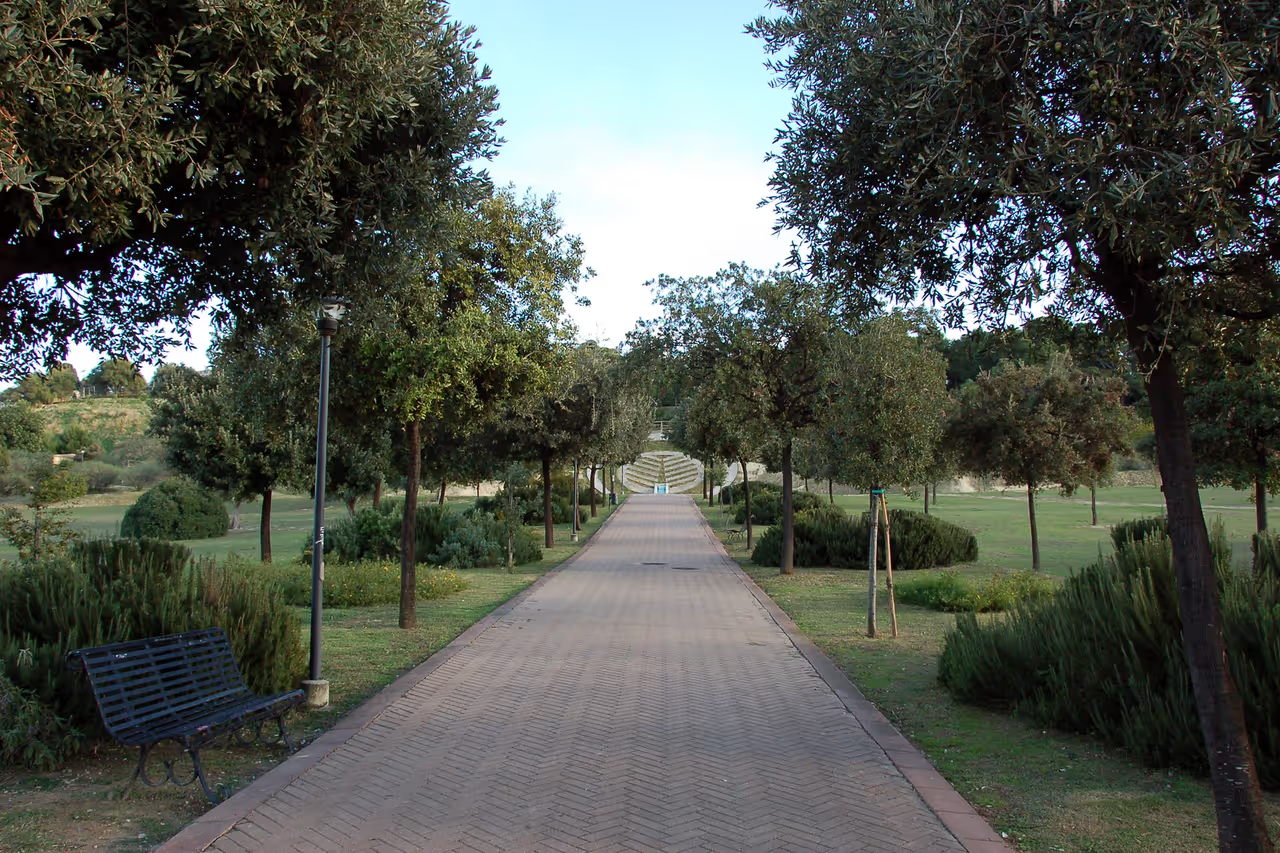 2109m
2109mMonte Claro Park
Covering a prominent hill just outside the historic centre, this expansive green space is deeply cherished by locals but rarely visited by tourists. Beyond its manicured lawns, peaceful lake, and wide walking paths, the park hides a remarkably ancient secret beneath its soil. It is the namesake of an entire prehistoric civilisation, the Copper Age 'Monte Claro culture', whose artefacts were first discovered right here. Today, it offers a serene escape where families picnic, students read under the trees, and walkers enjoy sweeping views over the urban landscape. It is the perfect spot to experience authentic daily life away from the busy coastal and tourist hubs.
hidden gem view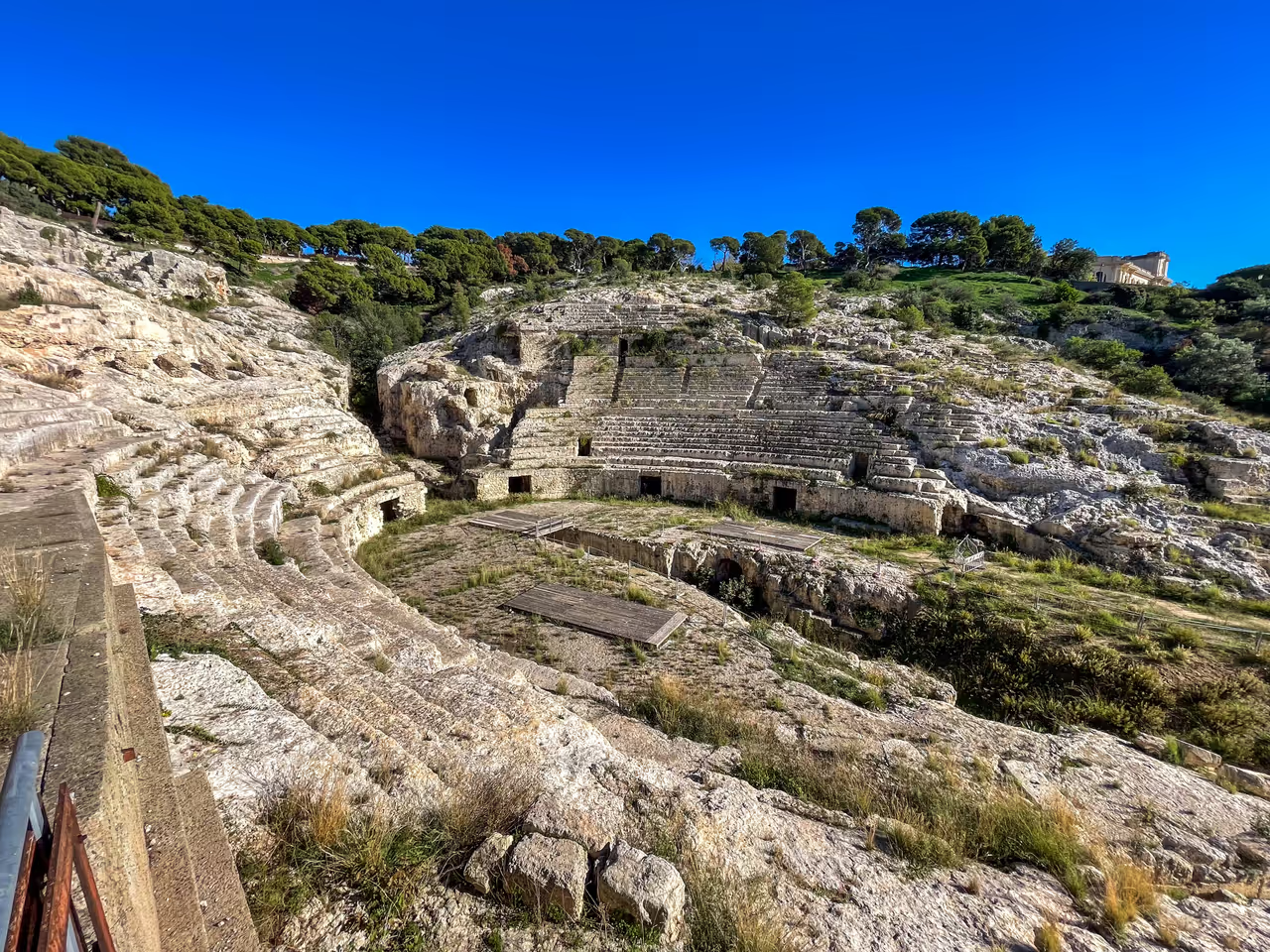 2147m
2147mRoman Amphitheatre of Cagliari
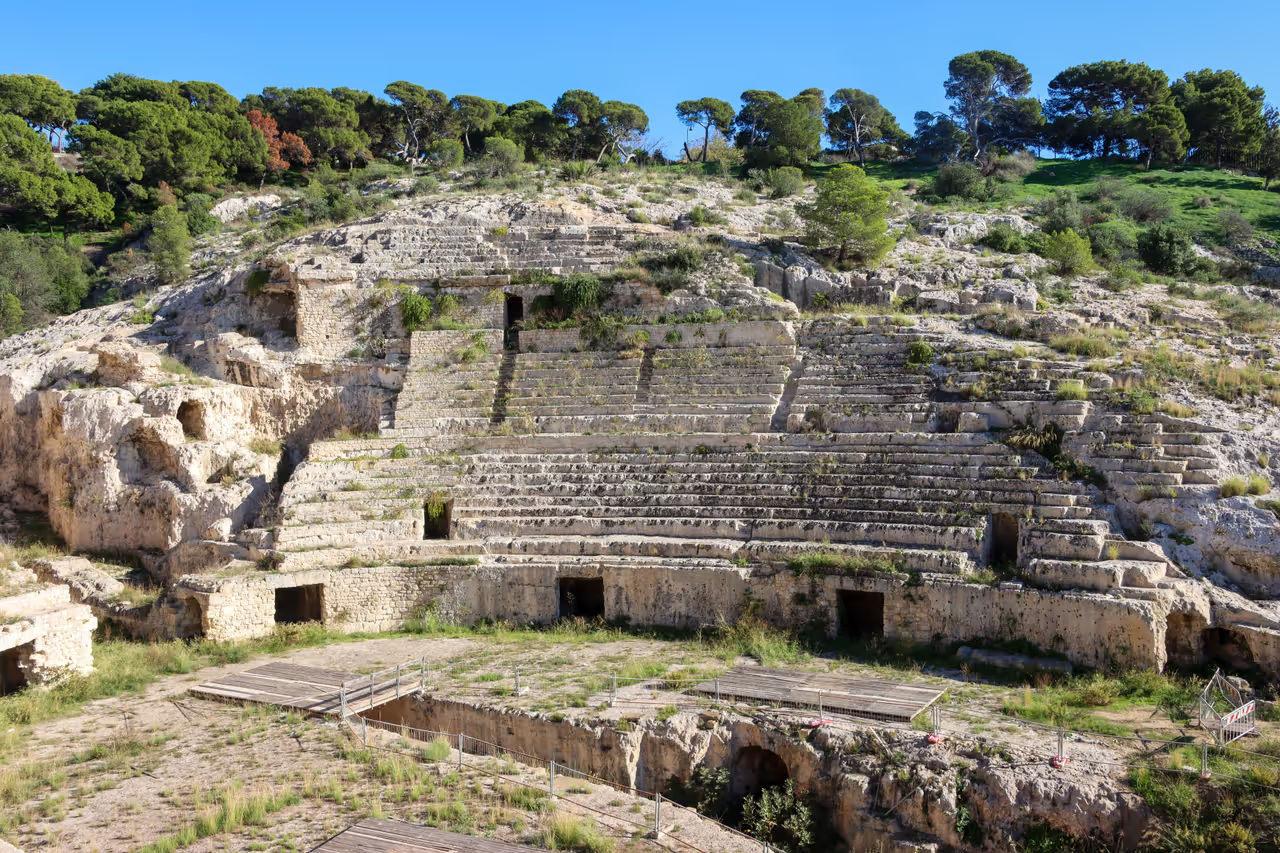
Carved into the limestone hillside, the Roman Amphitheatre stands as a testament to the ancient engineering prowess of Cagliari. This historic landmark served as the social hub of the ancient city of Carales, once echoing with the intensity of gladiatorial combat and dramatic performances. Today, it offers a serene atmosphere where visitors can walk amongst the ruins and visualise the tiers that held thousands of spectators in antiquity. It is a rare site where nature and architecture merge seamlessly, providing a tangible connection to the Sardinian past. Exploring this amphitheatre provides an evocative journey through centuries of history, leaving visitors with a deeper appreciation for the city's layered heritage.
attraction view
Featured on This Route
See all nature & parks in Cagliari
Cagliari Botanical Garden, Molentargius-Saline Regional Park, Monte Urpinu, Music Park, Public Gardens of Cagliari...