Roman Amphitheatre of Cagliari
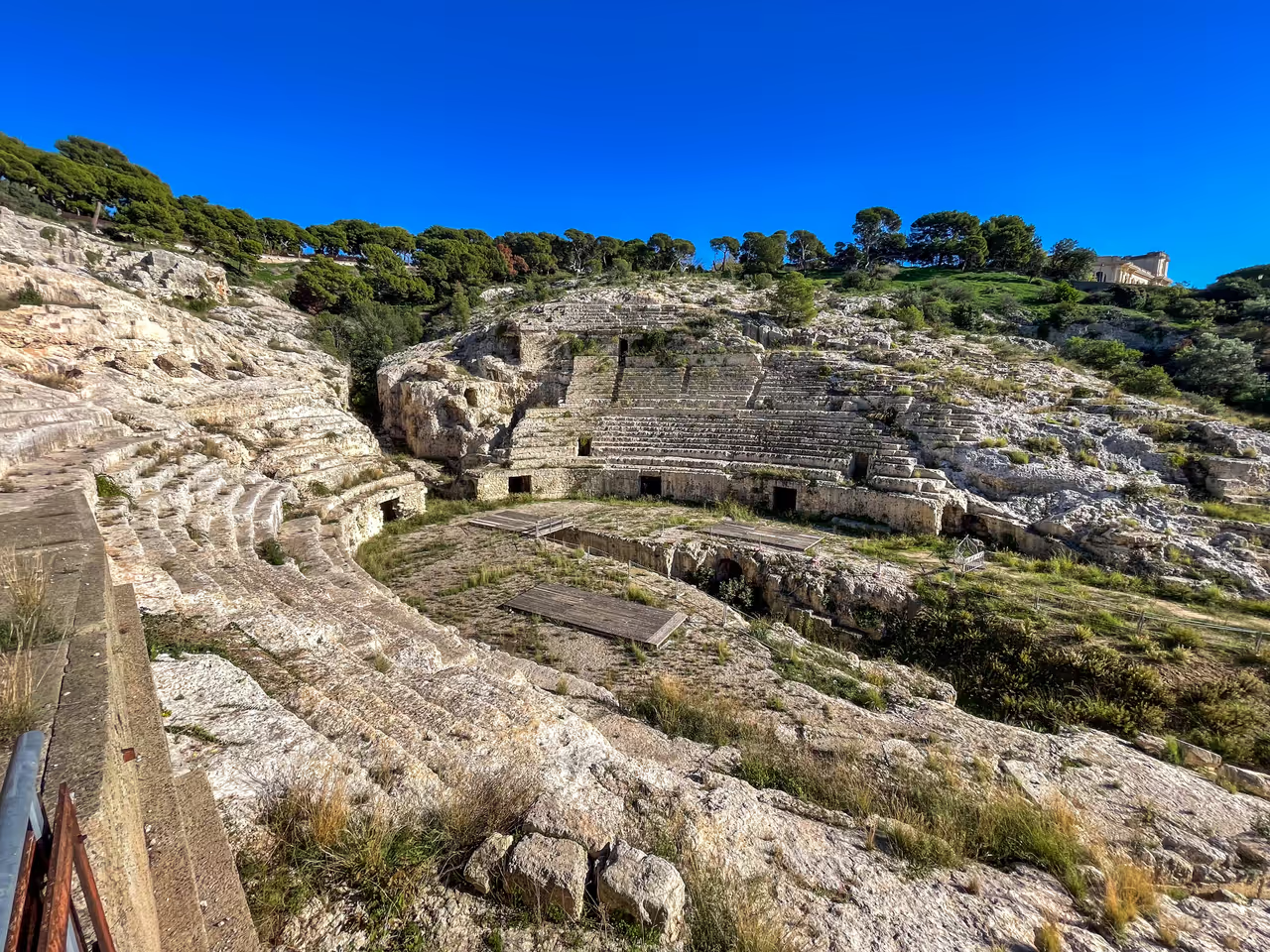
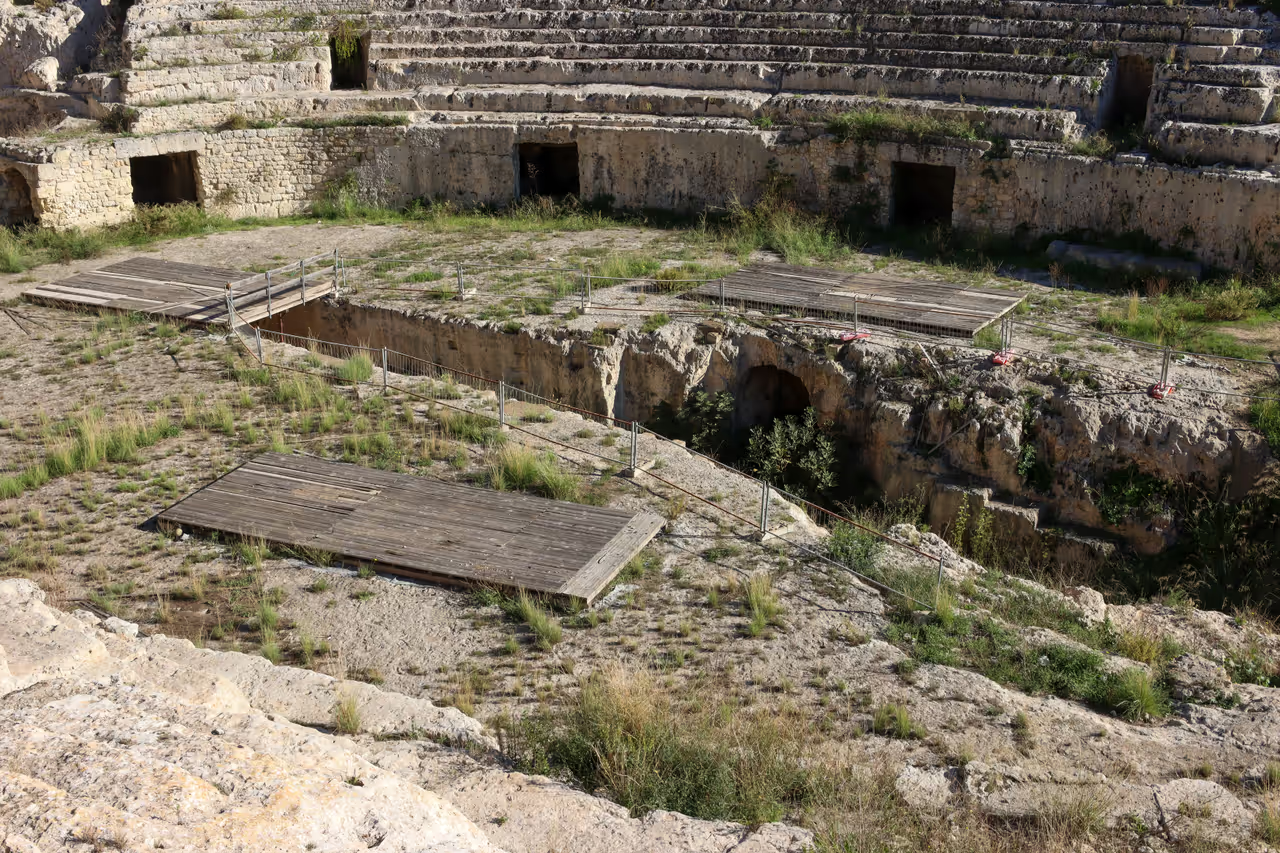
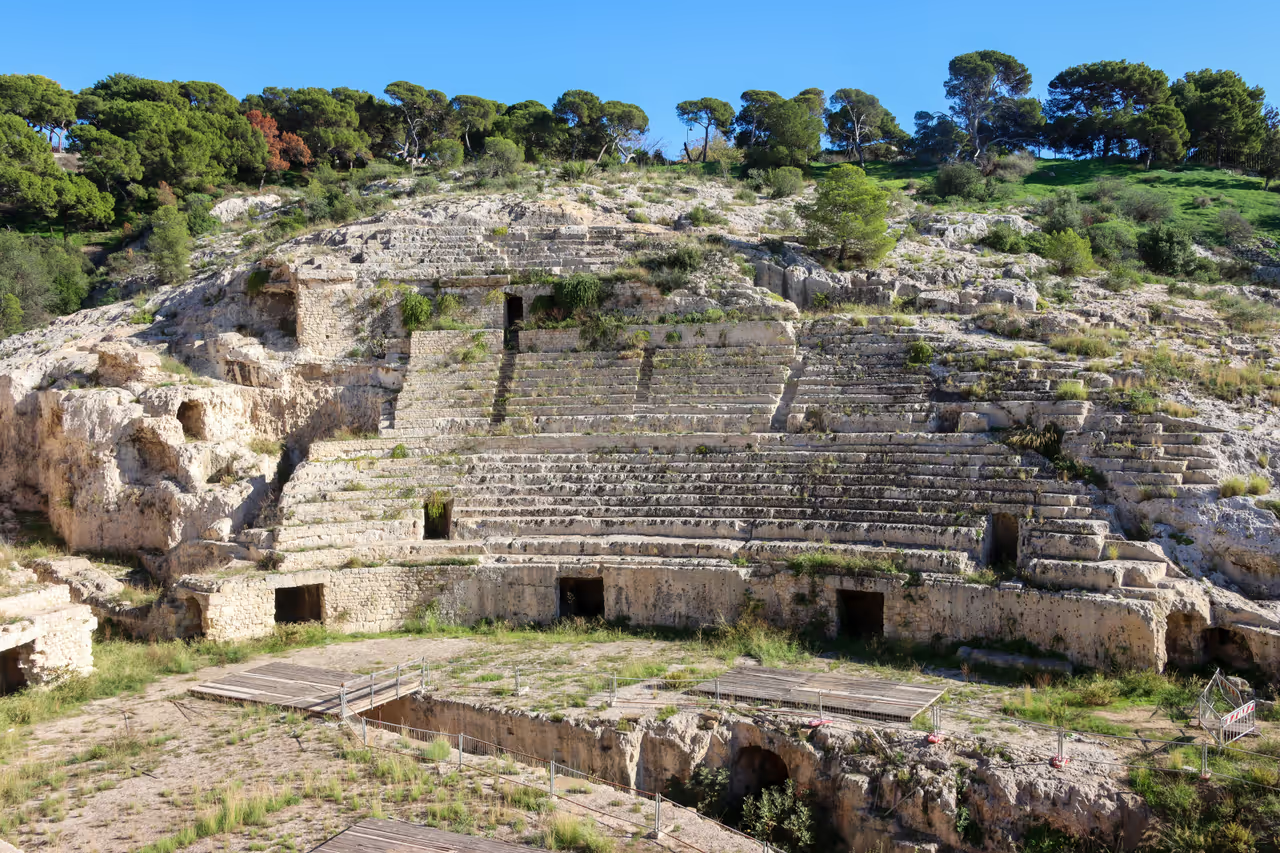
Carved into the limestone hillside, the Roman Amphitheatre stands as a testament to the ancient engineering prowess of Cagliari. This historic landmark served as the social hub of the ancient city of Carales, once echoing with the intensity of gladiatorial combat and dramatic performances. Today, it offers a serene atmosphere where visitors can walk amongst the ruins and visualise the tiers that held thousands of spectators in antiquity. It is a rare site where nature and architecture merge seamlessly, providing a tangible connection to the Sardinian past. Exploring this amphitheatre provides an evocative journey through centuries of history, leaving visitors with a deeper appreciation for the city's layered heritage.
Videos
History of Roman Amphitheatre of Cagliari
The Roman Amphitheatre was forged during a period when Sardinia stood as a key territory within the vast Roman Empire. Engineers of the time displayed remarkable skill by carving the arena into the limestone hillside, utilising the natural landscape to support the immense weight of the structure. This fusion of cut rock and masonry created a colossal arena where the citizens of Carales gathered to witness the spectacles that defined Roman cultural life for generations. It served as a definitive marker of Roman authority and social order in the Mediterranean. As the influence of Christianity spread across the empire, the cultural values governing public entertainment shifted significantly. The brutal nature of gladiatorial games eventually fell out of favour, leading to the imperial ban in the fifth century. Deprived of its original purpose, the amphitheatre entered a long period of dormancy. Through the subsequent centuries, the site was stripped of its grandeur, becoming a source of raw materials for various occupying powers. The Byzantines, Pisans, and Aragonese all harvested the white limestone to construct their own defensive fortifications, leaving the amphitheatre as a skeleton of its former self. By the nineteenth century, the site had been reclaimed by the earth and lay entirely buried beneath the soil of the city. The rediscovery of this treasure came through the dedication of local historians, particularly Canon Giovanni Spano, who led the efforts to unearth the remains. His work peeled back layers of sediment to reveal not only the architecture but also fragments of the marble that once adorned the arena floor. Today, the amphitheatre stands as a restored monument to Cagliari, serving as a quiet witness to the city's long and complex history.
Events spanning 1856 years
Fun Facts
- • At its peak, the venue could accommodate roughly 10,000 spectators, which represented nearly a third of the total population of the ancient city of Carales.
- • Canon Giovanni Spano, who managed the 19th century excavations, was instrumental in documenting the site and recovering artefacts such as coins and marble fragments.
- • During the Middle Ages, the site was treated as a convenient quarry, with materials being repurposed by various rulers including the Pisans and the Aragonese for their own fortifications.
- • Half of the amphitheatre structure is carved directly into the natural rock, while the missing southern facade was originally constructed from white limestone.
- • In the early 2000s, temporary structures were installed to host summer concerts, though these were later removed to restore the site to its original archaeological character.
- • Social hierarchy was strictly enforced through seating, with a podium reserved for dignitaries, while the highest, covered tiers were strictly for women and slaves.
- • The amphitheatre remained largely buried under soil until the purposeful archaeological interventions of the 19th century revealed its true scale.
- • The arena floor was once covered in thin marble slabs, evidence of which was discovered during the systematic cleaning of the site.
- • The site functioned for diverse purposes, hosting everything from wild animal hunts and gladiator battles to theatrical plays.
Roman Amphitheatre of Cagliari FAQ
While we strive to keep this information accurate and up to date, we recommend verifying any details independently before making decisions based on them.
Roman Amphitheatre of Cagliari Map & Neighborhood Explorer
This interactive map is centered on Roman Amphitheatre of Cagliari. Zoom in and move the map around to automatically discover Wikipedia photos and summaries of other nearby sights, monuments, and historical points of interest and stories in real-time!
Places near Roman Amphitheatre of Cagliari
Make the most of your trip. Check out these top-rated spots located nearby.
 367m
367mPublic Gardens of Cagliari
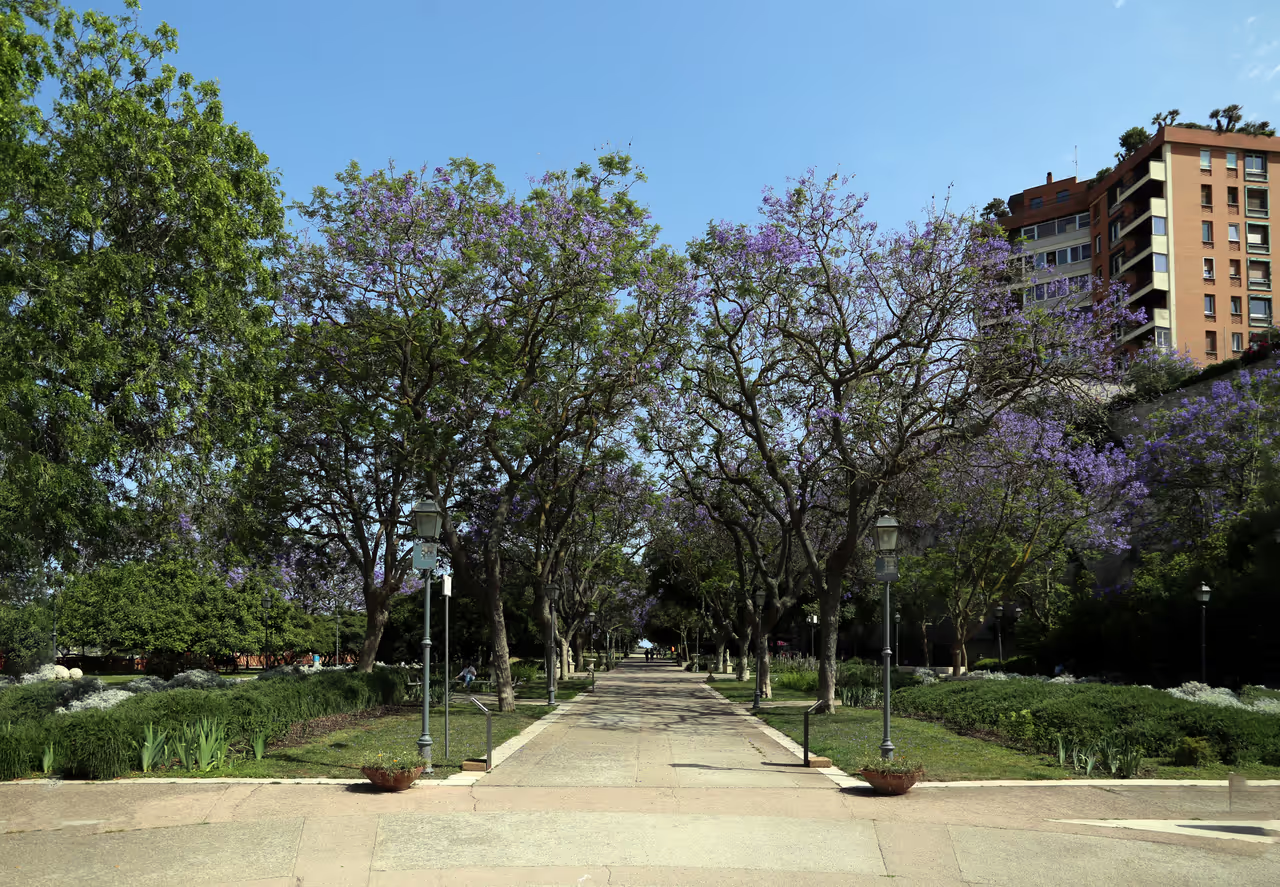
Tucked away between the historic Castello district and La Vega, the Public Gardens of Cagliari offer a peaceful green sanctuary that feels miles away from the urban energy. Once a site for a gunpowder magazine, this land has transformed into a lush retreat filled with towering palm trees and exotic vegetation. You will find yourself walking under the shade of century old trees, including magnificent ficus specimens that have stood here for over 125 years. The park is home to the Municipal Art Gallery, housed in what was once a military powder magazine, adding a layer of architectural intrigue to your stroll. Whether you are seeking a quiet moment of reflection or a scenic walk, the fountains and manicured paths provide the perfect setting. It is a wonderful example of how Cagliari has reclaimed its military past to create a space of beauty and art for everyone to enjoy.
park & nature view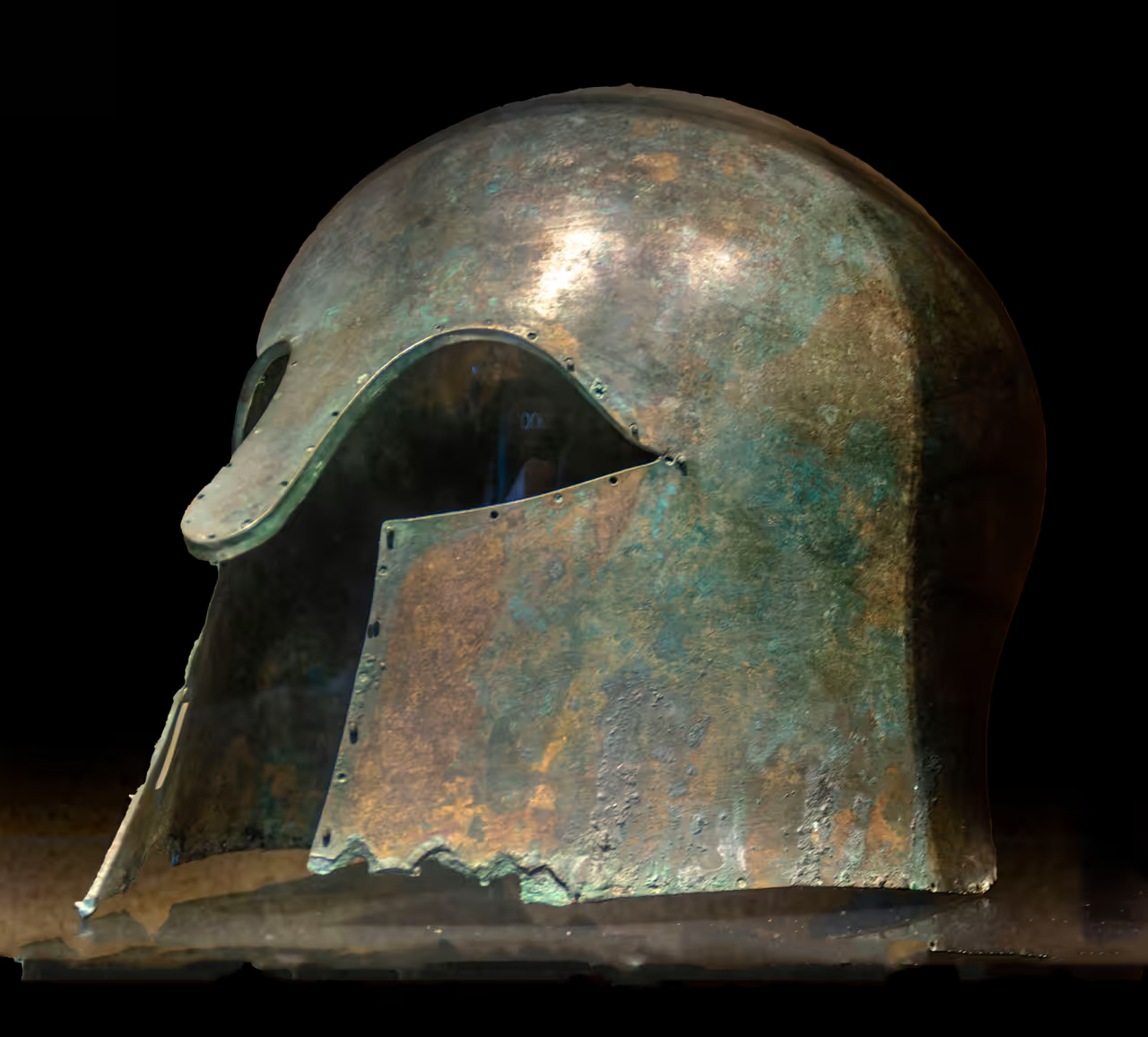 382m
382mNational Archaeological Museum of Cagliari
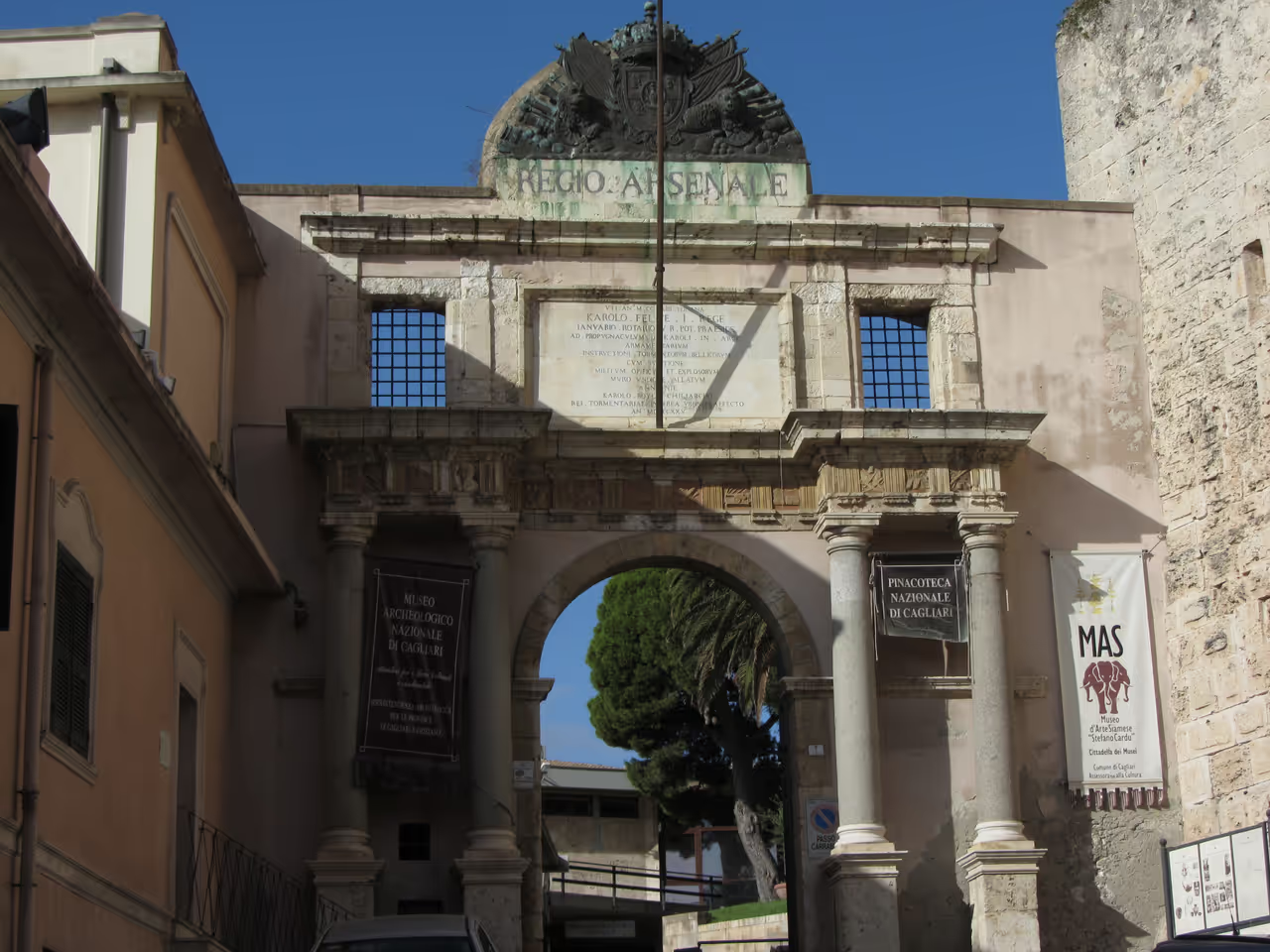
Step into the most prestigious treasury of Sardinian history, a place where the ancient past feels remarkably present. This museum serves as the island's primary storyteller, housing a collection that spans from the Neolithic age to the Byzantine era. You will encounter the mysterious Giants of Mont'e Prama, towering stone figures that represent some of the oldest large-scale sculptures in the Mediterranean. The atmosphere is one of quiet awe, set within a modern architectural masterpiece that cleverly repurposes the city's old defensive bastions. Beyond the statues, the museum showcases exquisite Nuragic bronzes and delicate Phoenician jewellery that reveal the island's deep-rooted connections across the sea. It is a vital stop for anyone wanting to understand the unique cultural identity of Sardinia and its strategic importance in the ancient world.
attraction view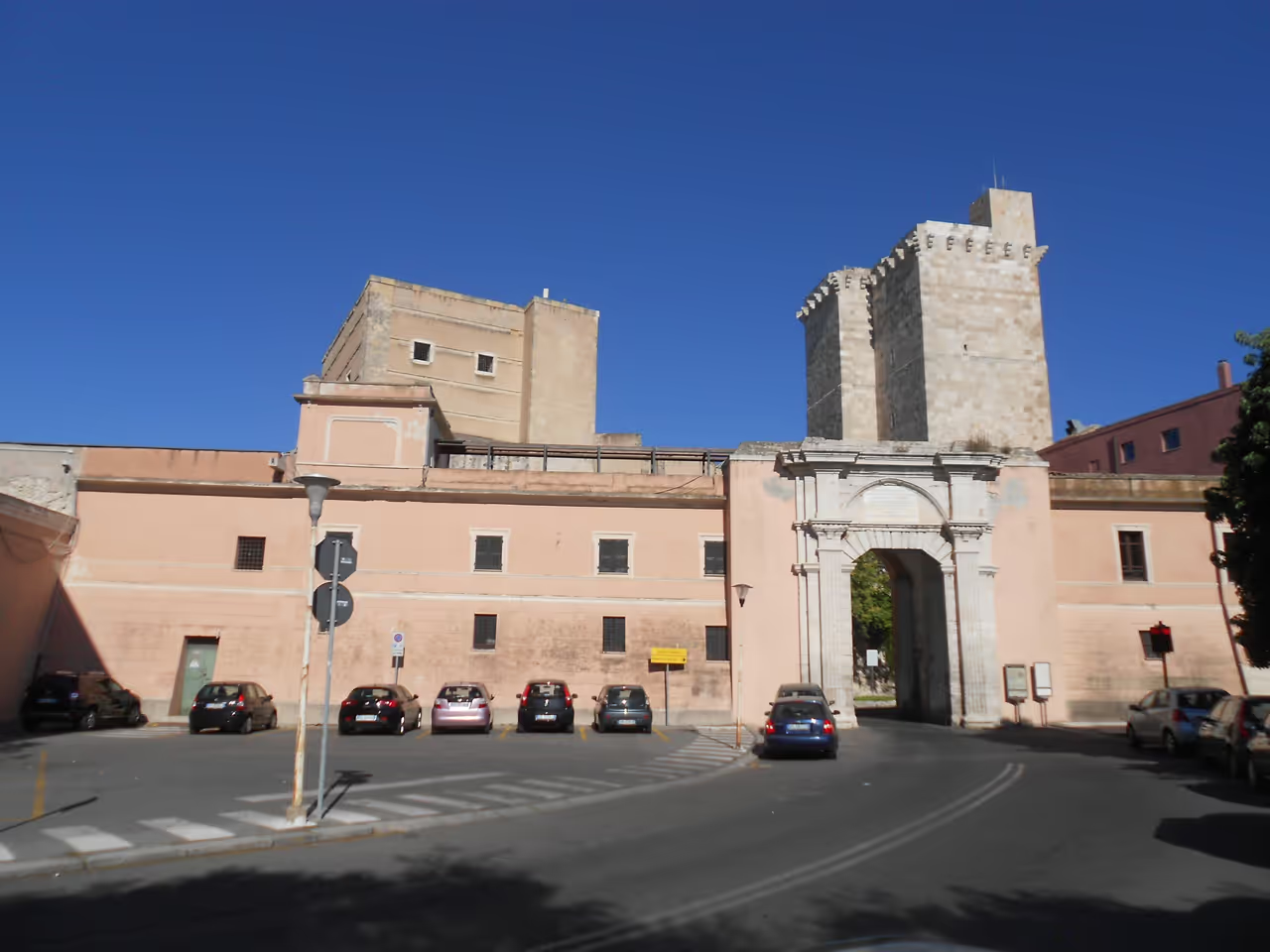 425m
425mCristina Gate
This monumental archway serves as an elegant Neoclassical entrance into the fortified Castello district, replacing an older, narrower military gate. Built in 1825, its design was consciously modelled on the grand Porta Pia in Rome, signalling a shift from purely defensive architecture to aesthetic grandeur. It was named in honour of Maria Cristina of Bourbon, wife of the ruling Savoy king. Passing beneath its grand arch provides a dramatic, theatrical entrance into the narrow medieval streets beyond. It stands as a symbol of the city's nineteenth-century refinement.
architecture view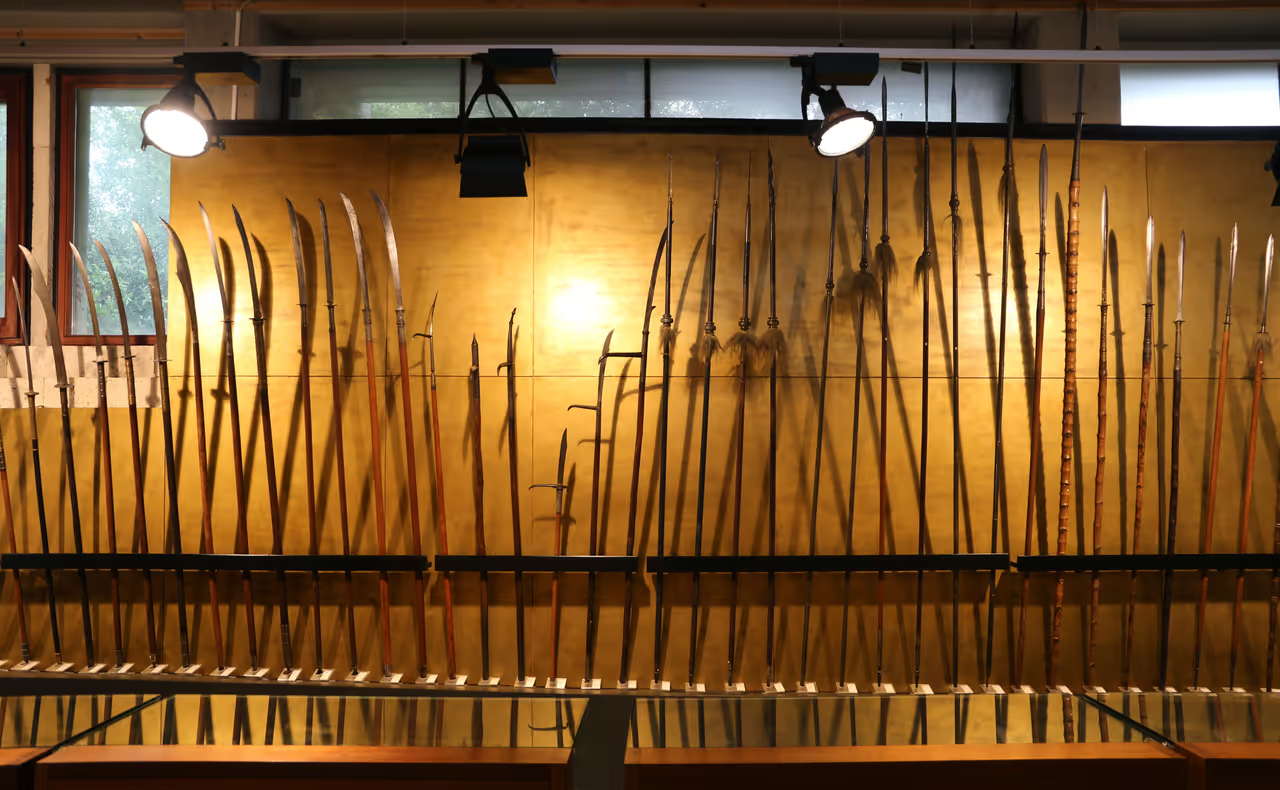 425m
425mStefano Cardu Siamese Art Museum
This surprising collection offers a completely unexpected journey into Southeast Asian culture, located right in the heart of the Mediterranean. It houses an extraordinary array of artefacts collected by Stefano Cardu, an adventurous local who worked as an architect in the royal court of Siam (modern-day Thailand) in the late nineteenth century. The small museum is packed with intricate silverwork, fearsome antique weaponry, beautifully illustrated manuscripts, and delicate porcelain. It is a fascinating testament to an eccentric, globetrotting local son. Finding such a focused oriental collection within the medieval citadel is a delightful anomaly.
hidden gem view
Explore Similar Places in These Collections
Featured on These Itineraries and Routes
1 Day in Cagliari: Historical Itinerary
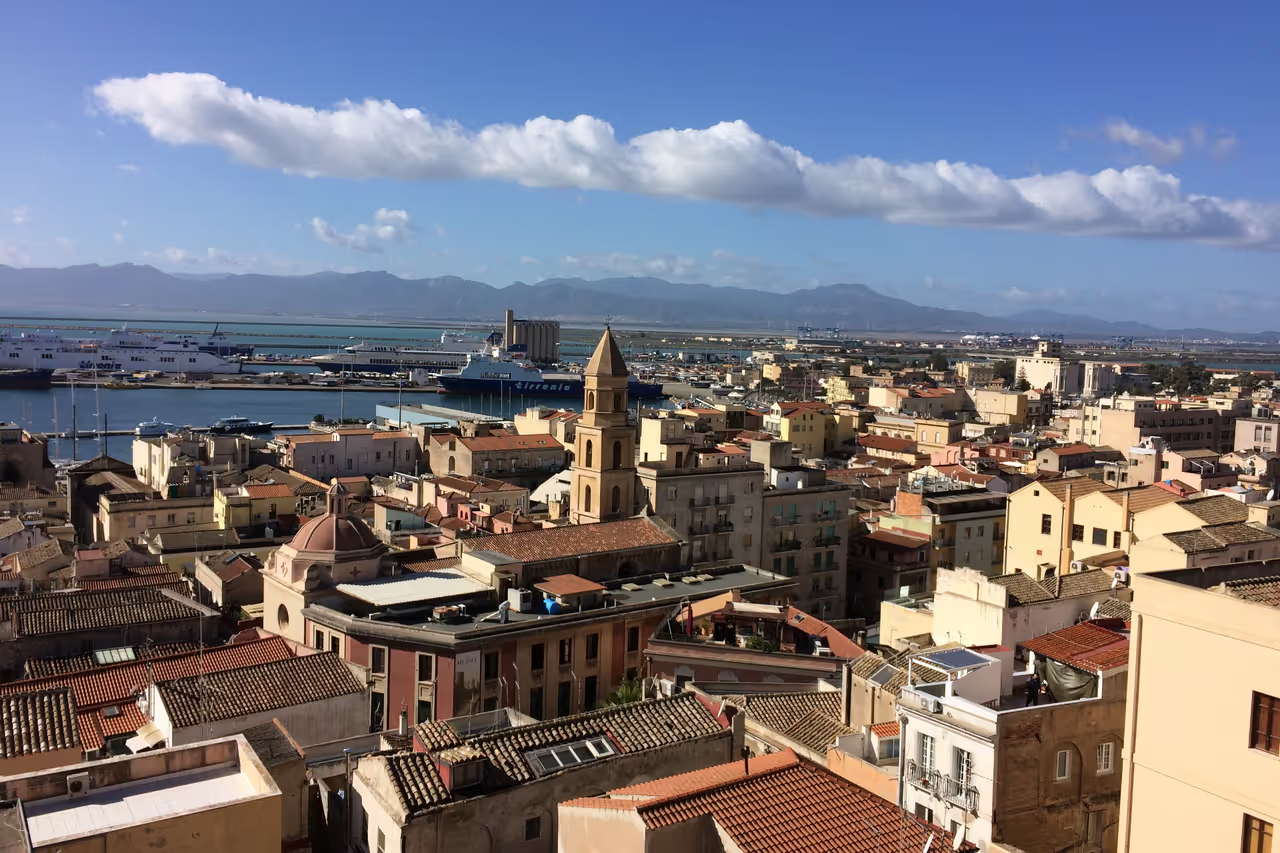
This tightly packed itinerary focuses exclusively on the city's rich, layered history, taking visitors from the heights of the medieval citadel down to the ancient Roman ruins. It is designed to hit the absolute most iconic architectural and archaeological landmarks in a logical, descending path. The day demands comfortable walking shoes, as it navigates the steep inclines and cobblestones of the old town. It perfectly captures the essence of the city's past, offering breathtaking views, ancient artifacts, and magnificent churches. It is the ideal plan for a quick, impactful visit.
view itinerary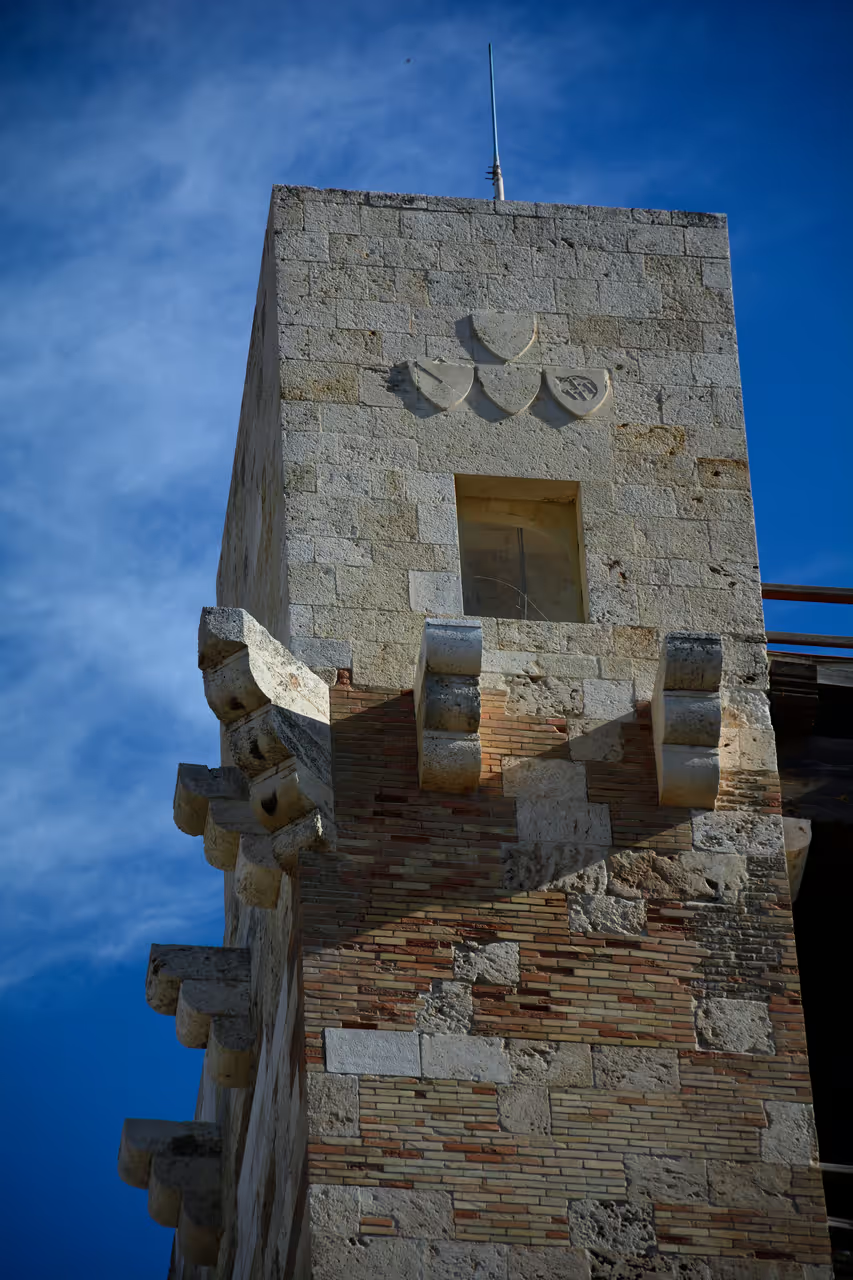

3 Days in Cagliari: City and Sea Itinerary
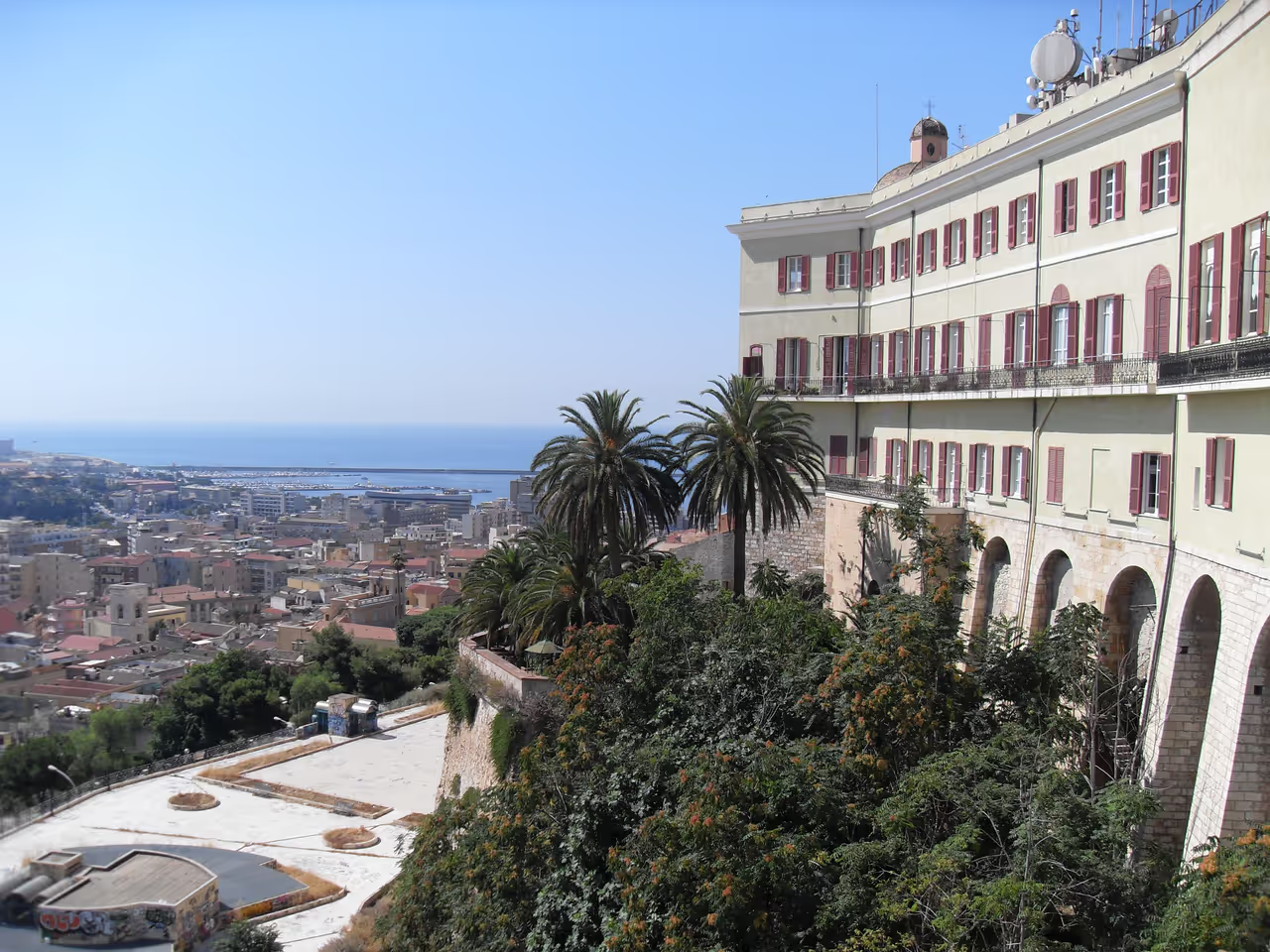
This balanced schedule allows visitors to fully appreciate both the dense historical core and the spectacular natural environments that surround it. The first day tackles the grand monuments and museums of the high city, immersing travellers in history. The second day shifts to authentic local life, exploring vibrant markets and the maritime heritage of the lower districts. The final day is dedicated to the coastline, offering time to relax on the long beaches and cycle alongside the flamingo-filled lagoons. It provides a comprehensive, relaxed overview of everything the area has to offer.
view itinerary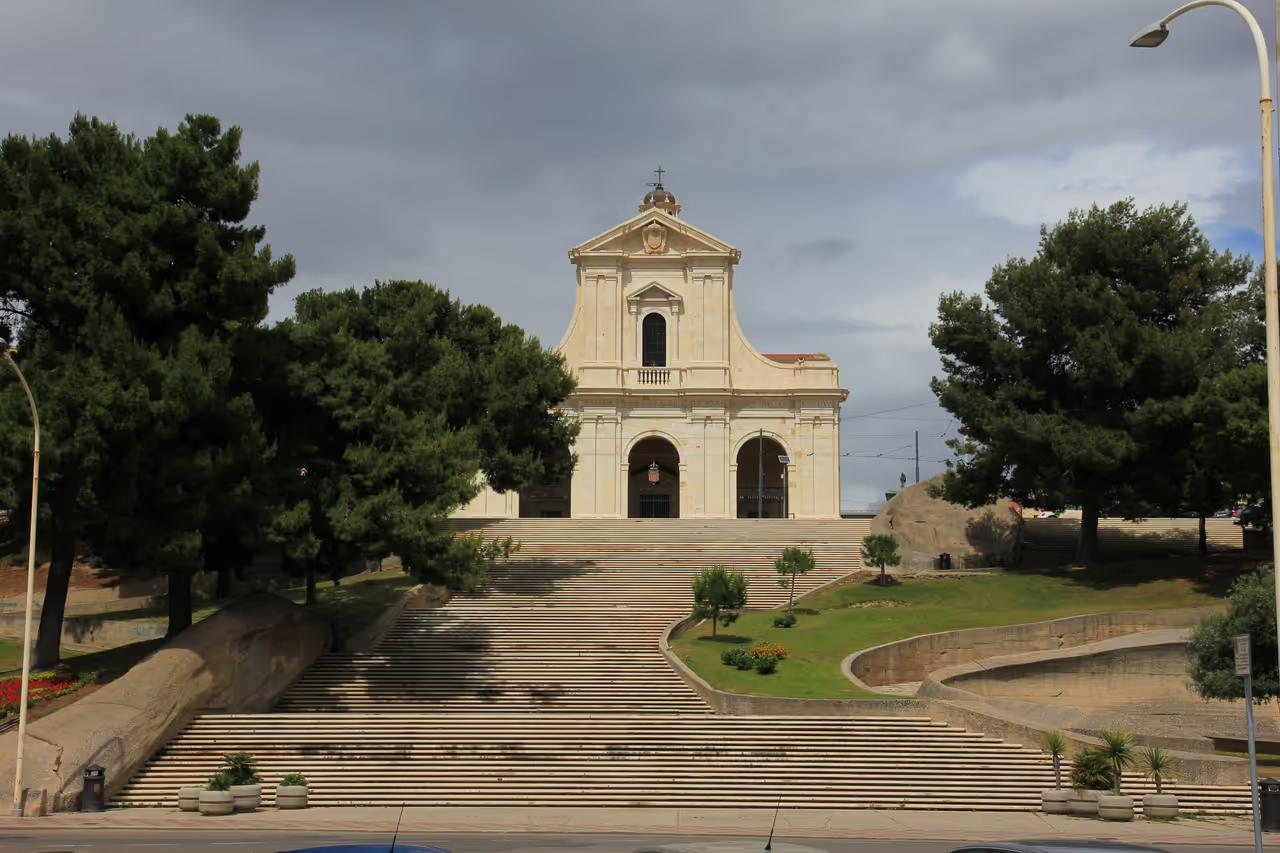
5 Days in Cagliari: Deep Immersion Itinerary
A luxuriously paced itinerary allowing for a deep dive into the city's hidden gems, diverse neighbourhoods, and complex history without feeling rushed. It covers all the major attractions while carving out time for specialized museums, quiet cloisters, and extended coastal relaxation. Visitors will truly get to know the distinct character of the four historic quarters: Castello, Marina, Stampace, and Villanova. It offers ample opportunity to savour the local gastronomy, from morning market visits to long, leisurely seafood dinners. This is the ultimate way to fully absorb the local culture and lifestyle.
view itinerary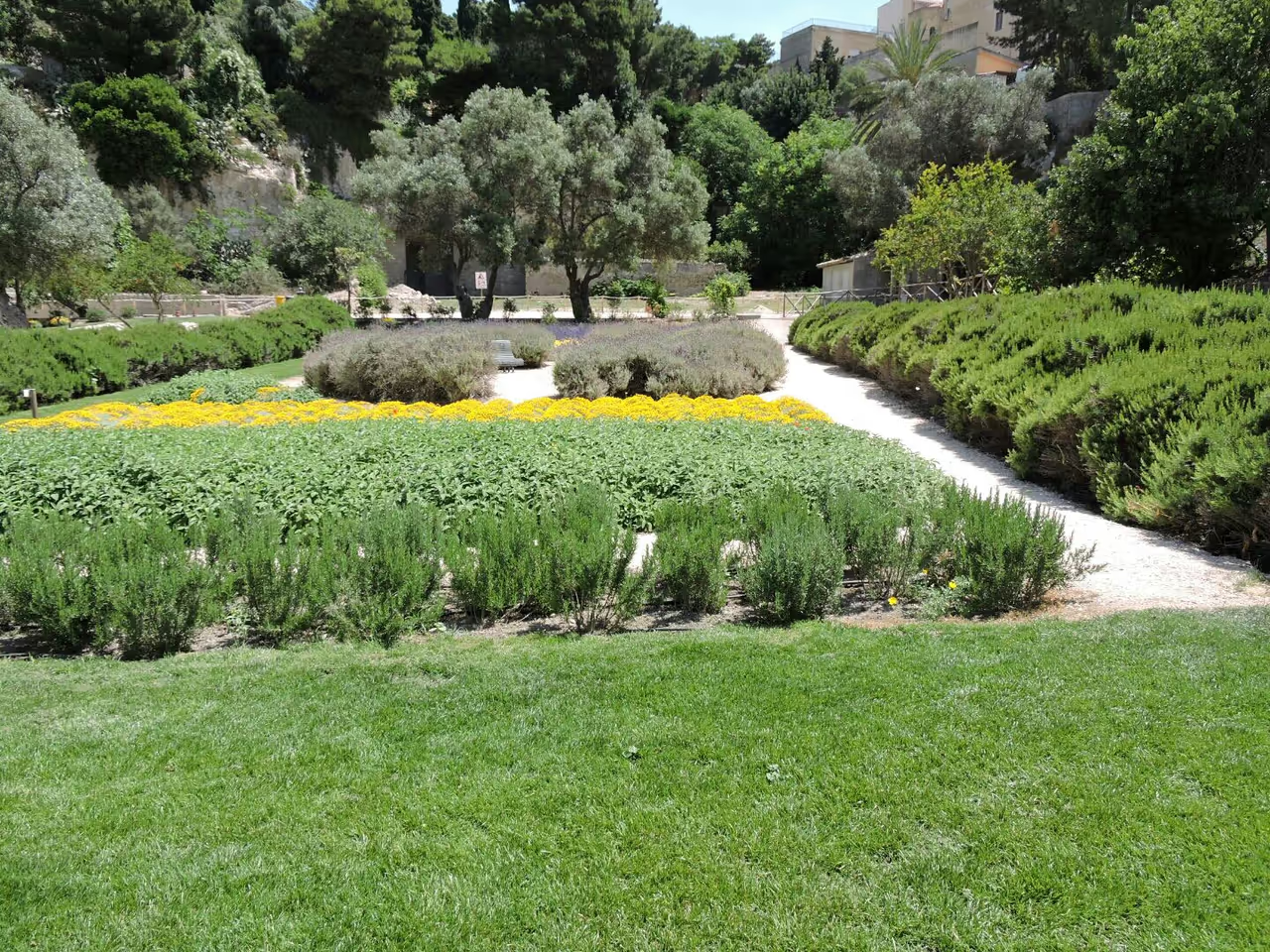
Botanical Garden Path
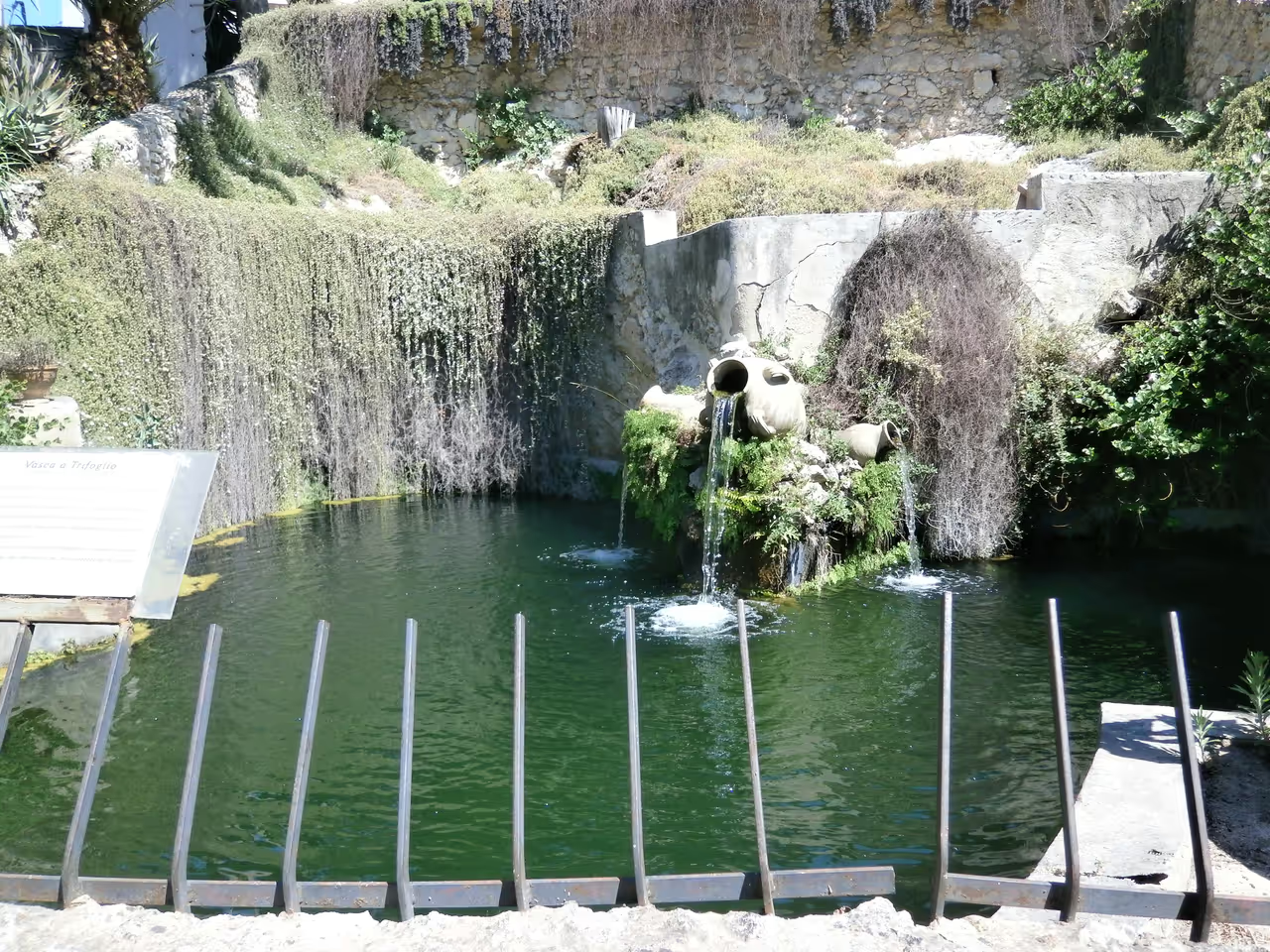
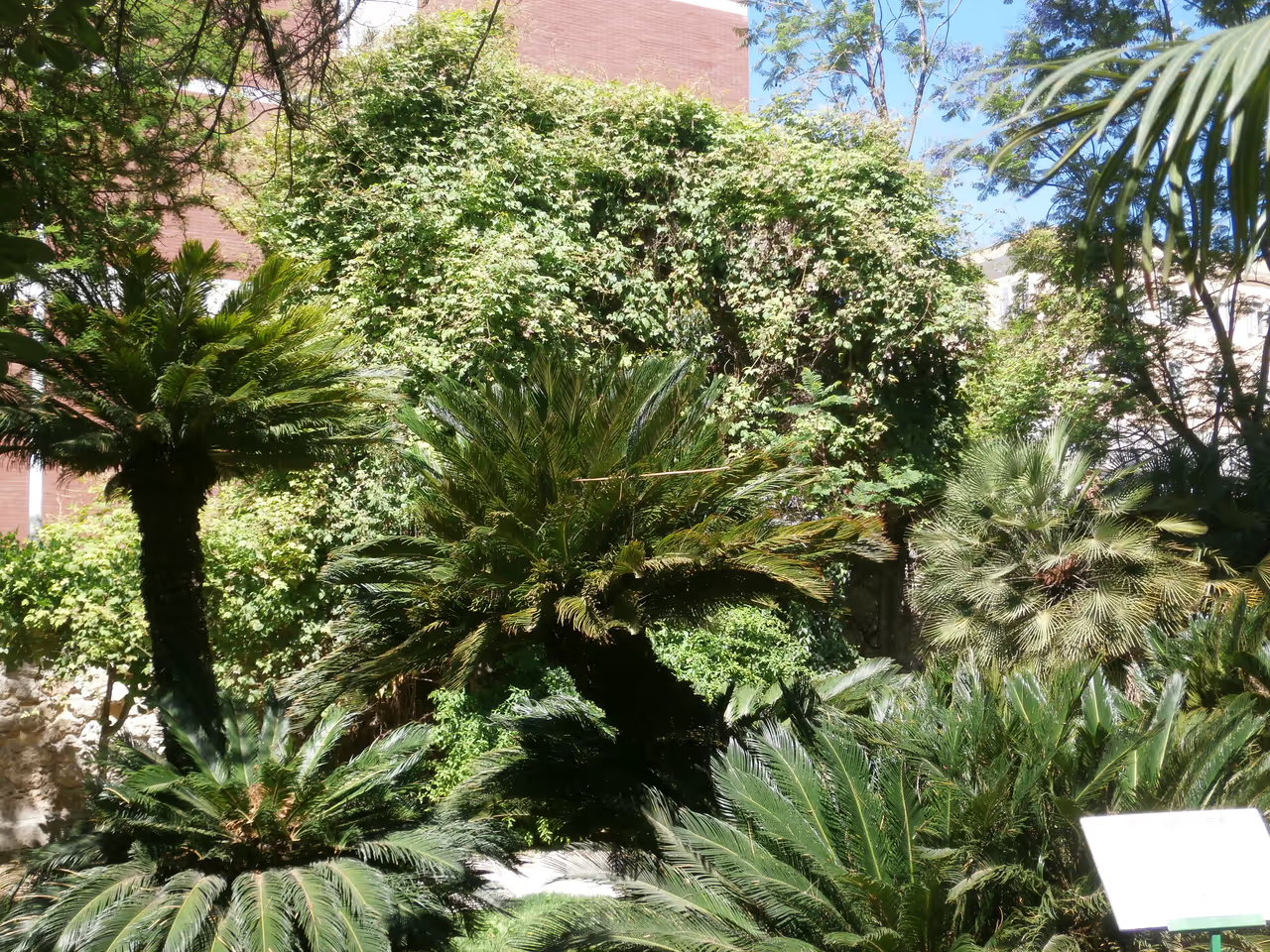
This walk provides a deeply peaceful escape into a lush, shaded sanctuary situated right in the city centre. The path winds through a remarkable collection of Mediterranean and exotic plants, many of which have thrived here for over a century. Visitors walk beneath towering palms, past ancient Roman cisterns cleverly repurposed as water features, and through fragrant herb gardens. The temperature drops noticeably under the thick canopy, offering respite on hot days. It highlights the city's rich intersection of nature, academia, and ancient history.
view walking route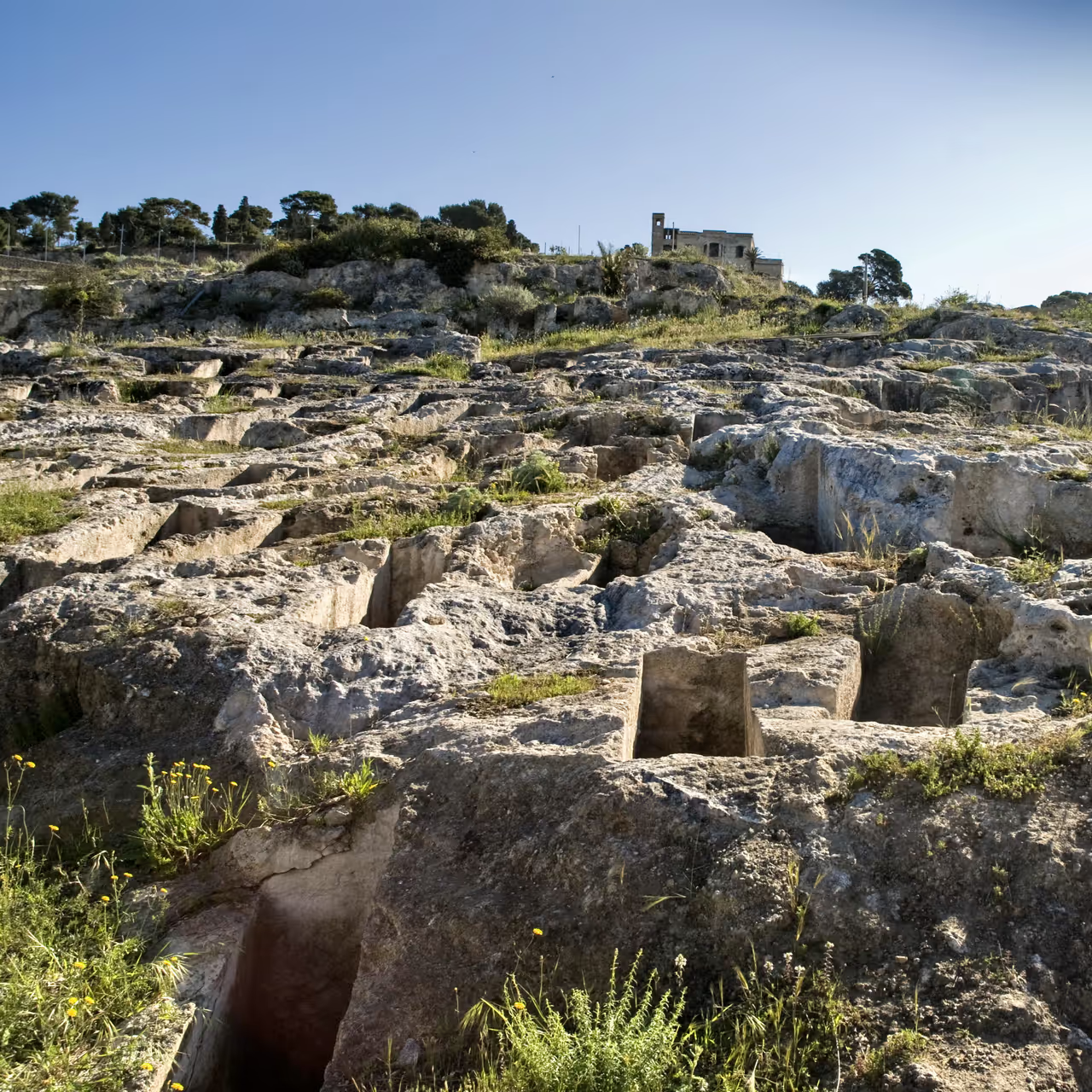
Roman and Punic History
This deep-time journey connects the scattered monumental remnants of the city's earliest civilisations. It moves from the vast burial grounds of the Carthaginians to the grand public works constructed by Roman engineers. The tour requires some imagination to visualise the ancient city that now lies buried beneath modern streets. It reveals how the unique limestone geology of the area was utilised for both death and entertainment by ancient peoples. It is a profound exploration of the foundations upon which the entire modern metropolis rests.
view self-guided tour
See all attractions in Cagliari
Bastione Saint Remy, Cagliari Cathedral, National Archaeological Museum of Cagliari, Saint Pancras Tower, Sanctuary of Our Lady of Bonaria, Elephant Tower...