Public Gardens of Cagliari
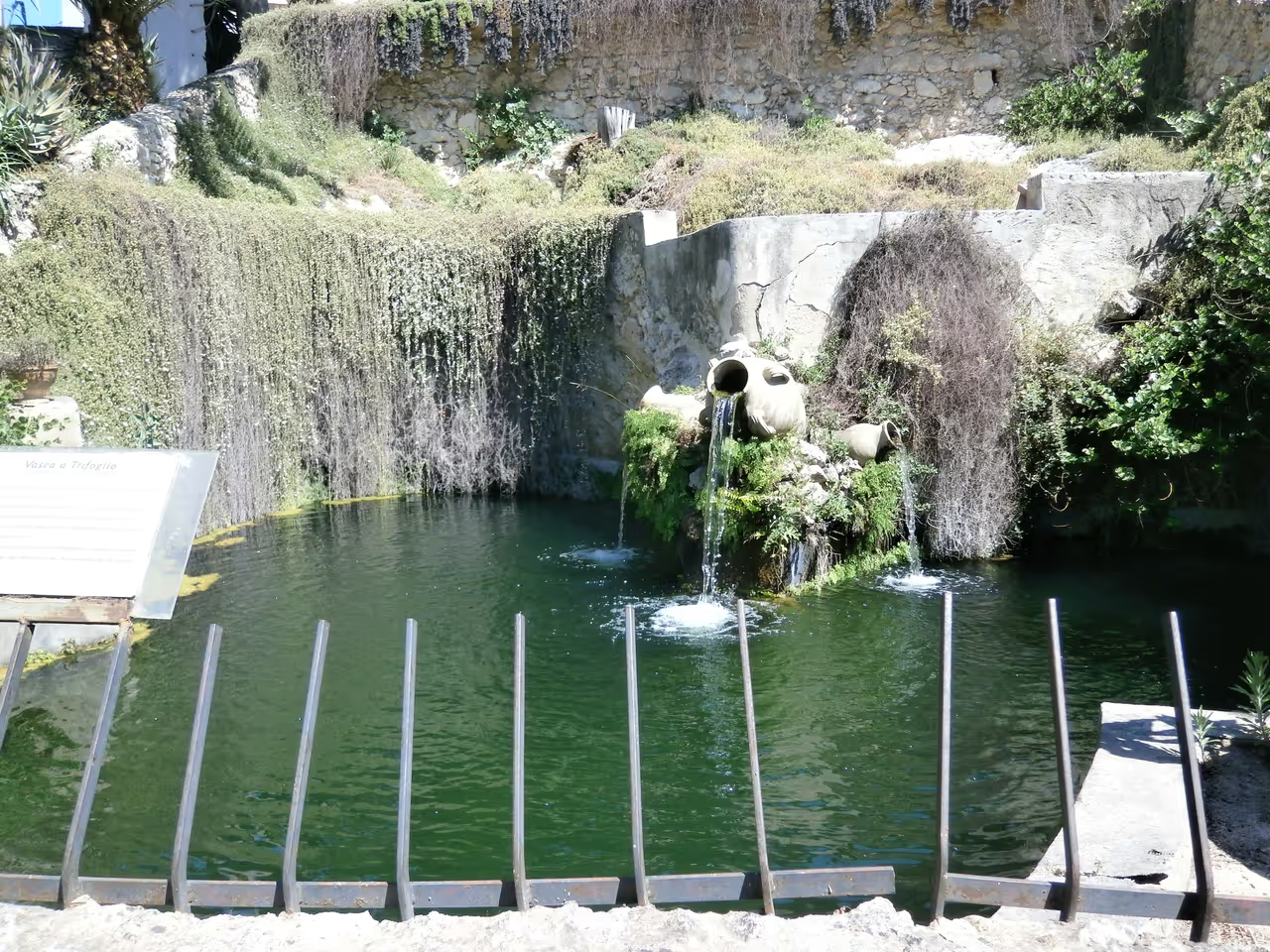
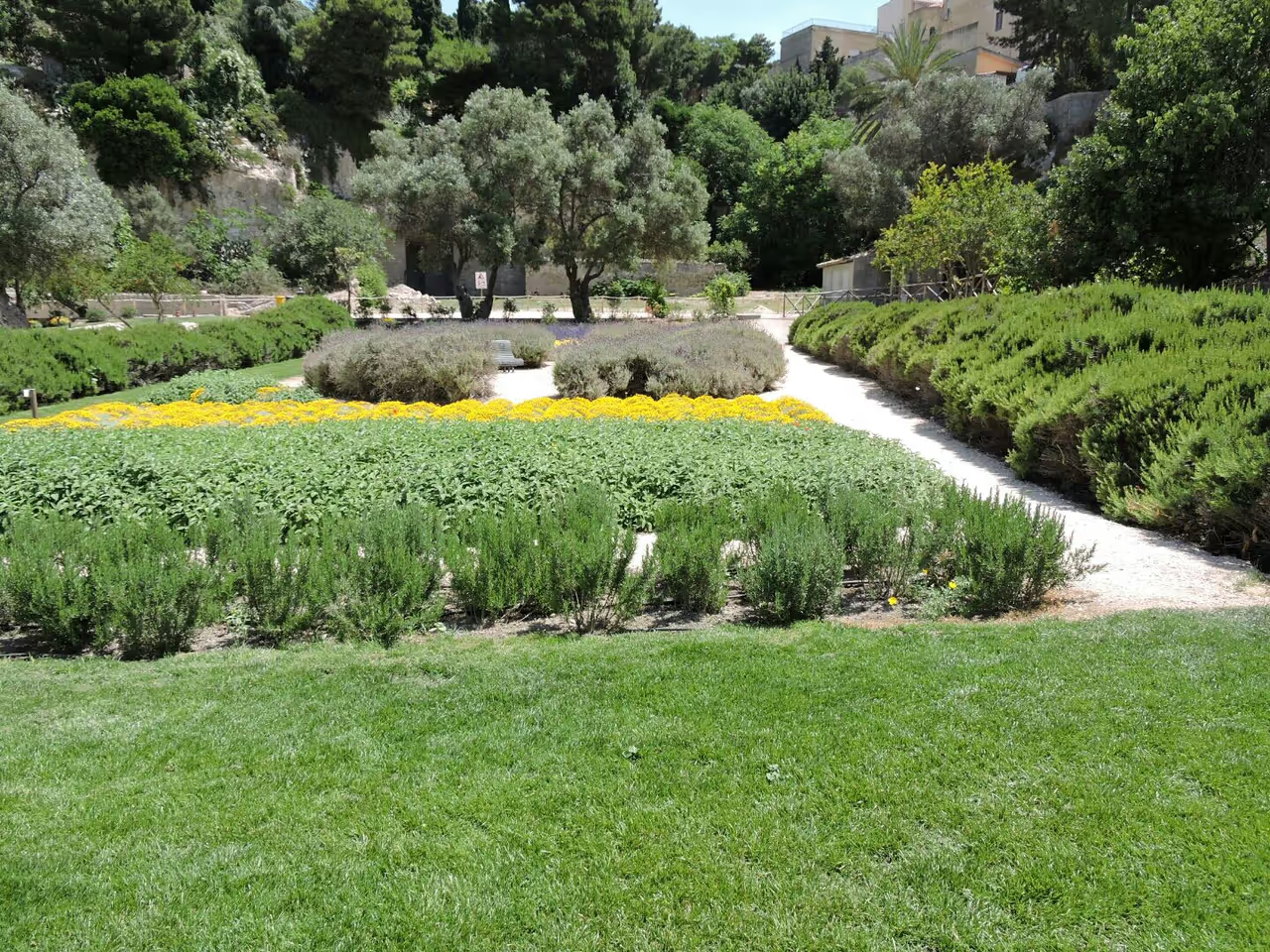
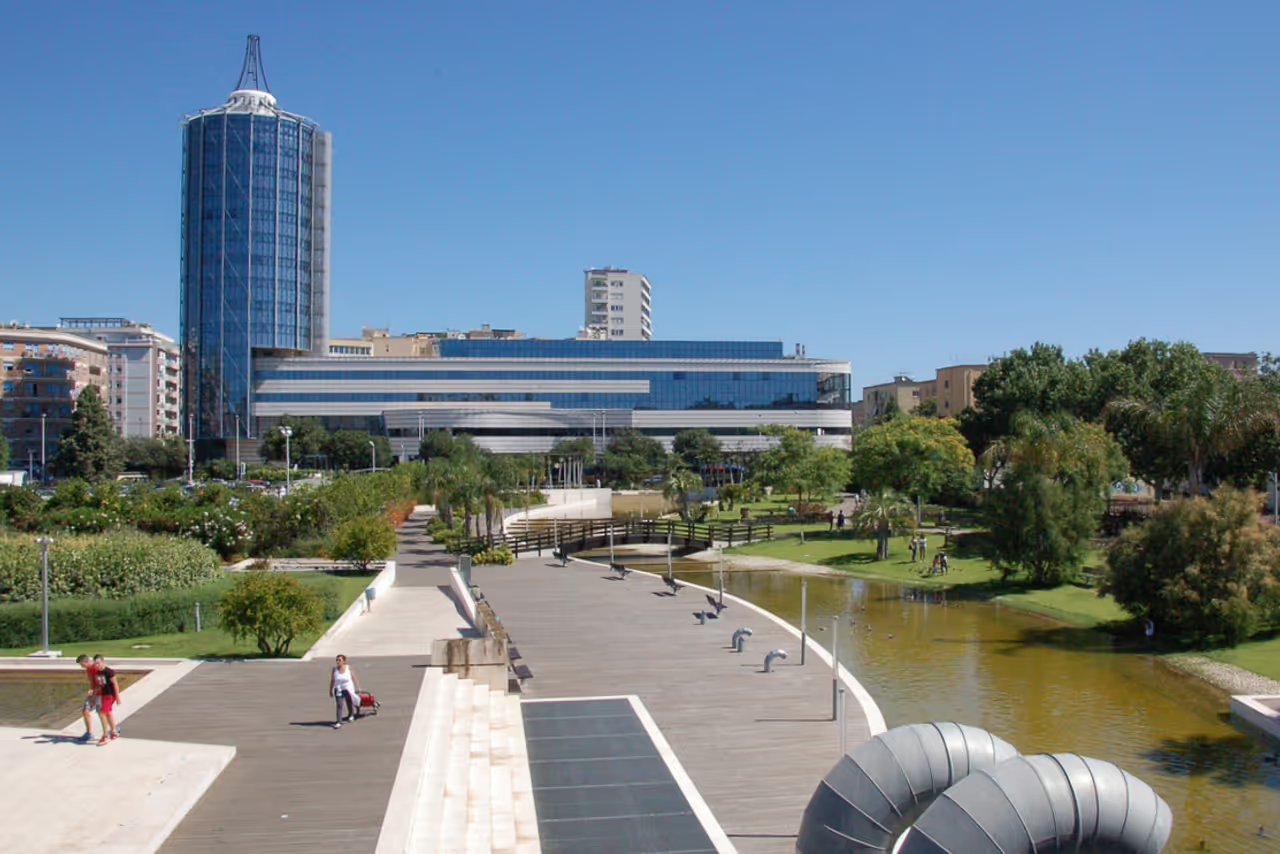
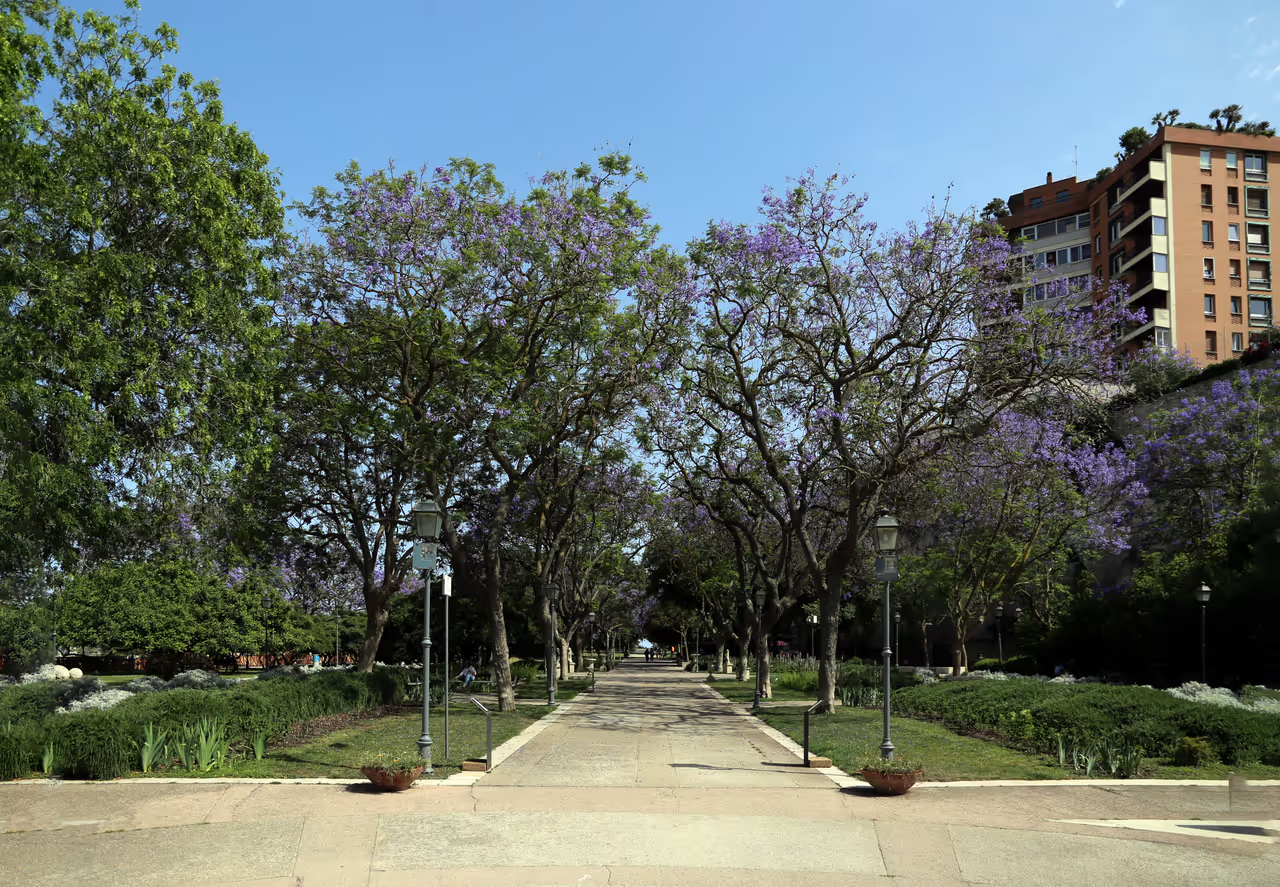
Tucked away between the historic Castello district and La Vega, the Public Gardens of Cagliari offer a peaceful green sanctuary that feels miles away from the urban energy. Once a site for a gunpowder magazine, this land has transformed into a lush retreat filled with towering palm trees and exotic vegetation. You will find yourself walking under the shade of century old trees, including magnificent ficus specimens that have stood here for over 125 years. The park is home to the Municipal Art Gallery, housed in what was once a military powder magazine, adding a layer of architectural intrigue to your stroll. Whether you are seeking a quiet moment of reflection or a scenic walk, the fountains and manicured paths provide the perfect setting. It is a wonderful example of how Cagliari has reclaimed its military past to create a space of beauty and art for everyone to enjoy.
Videos
History of Public Gardens of Cagliari
The origins of the Public Gardens lie in a dramatic shift from military utility to public recreation. During the early nineteenth century, the area served as a functional space for the Regia Polveriera, a gunpowder magazine that stored dangerous supplies for the city. After a devastating explosion in 1822, the site required a complete rethought. The municipality eventually acquired the land in 1840, seeing potential for a green oasis that the city desperately needed to balance its dense urban architecture. The gardens evolved under the Savoy reign, gradually shedding their military identity. A pivotal architectural moment arrived in 1933 when architect Ubaldo Badas designed the entrance on Viale Regina Elena, adding a distinct style that still welcomes visitors today. This entrance acts as a grand gateway into a space where the remnants of the past, such as the former powder magazine building, have been repurposed into a sophisticated home for the Municipal Art Gallery. Today, the park stands as a testament to thoughtful urban renewal. The substantial restoration efforts completed in 2005 brought the gardens into the modern era, introducing fountains and revitalising the central promenade. These improvements ensured that the park remained a vital part of Cagliari life, preserving the historical trees and the unique character of the grounds for future generations to explore.
Events spanning 189 years
Fun Facts
- • The 2005 restoration project included the installation of a completely new water system to ensure the health of the historical vegetation.
- • The Municipal Art Gallery inside the park occupies the former gunpowder depot building, turning a site of military function into one of artistic expression.
- • The gardens host over sixty centenarian trees, showcasing a unique blend of Mediterranean and exotic flora that provides shade throughout the year.
- • The land was originally chosen as a site for a gunpowder magazine because it was considered an isolated and non residential area at the time.
- • The park acts as a botanical bridge that connects the ancient, elevated Castello district with the lower, vibrant La Vega neighbourhood.
- • The two massive Ficus macrophylla trees within the park have flourished for over 125 years.
- • Until 2005, two large cannons from wartime periods were proudly displayed within the park grounds as historical remnants.
RESOURCES
Official WebsitePublic Gardens of Cagliari FAQ
While we strive to keep this information accurate and up to date, we recommend verifying any details independently before making decisions based on them.
Public Gardens of Cagliari Map & Neighborhood Explorer
This interactive map is centered on Public Gardens of Cagliari. Zoom in and move the map around to automatically discover Wikipedia photos and summaries of other nearby sights, monuments, and historical points of interest and stories in real-time!
Places near Public Gardens of Cagliari
Make the most of your trip. Check out these top-rated spots located nearby.
 287m
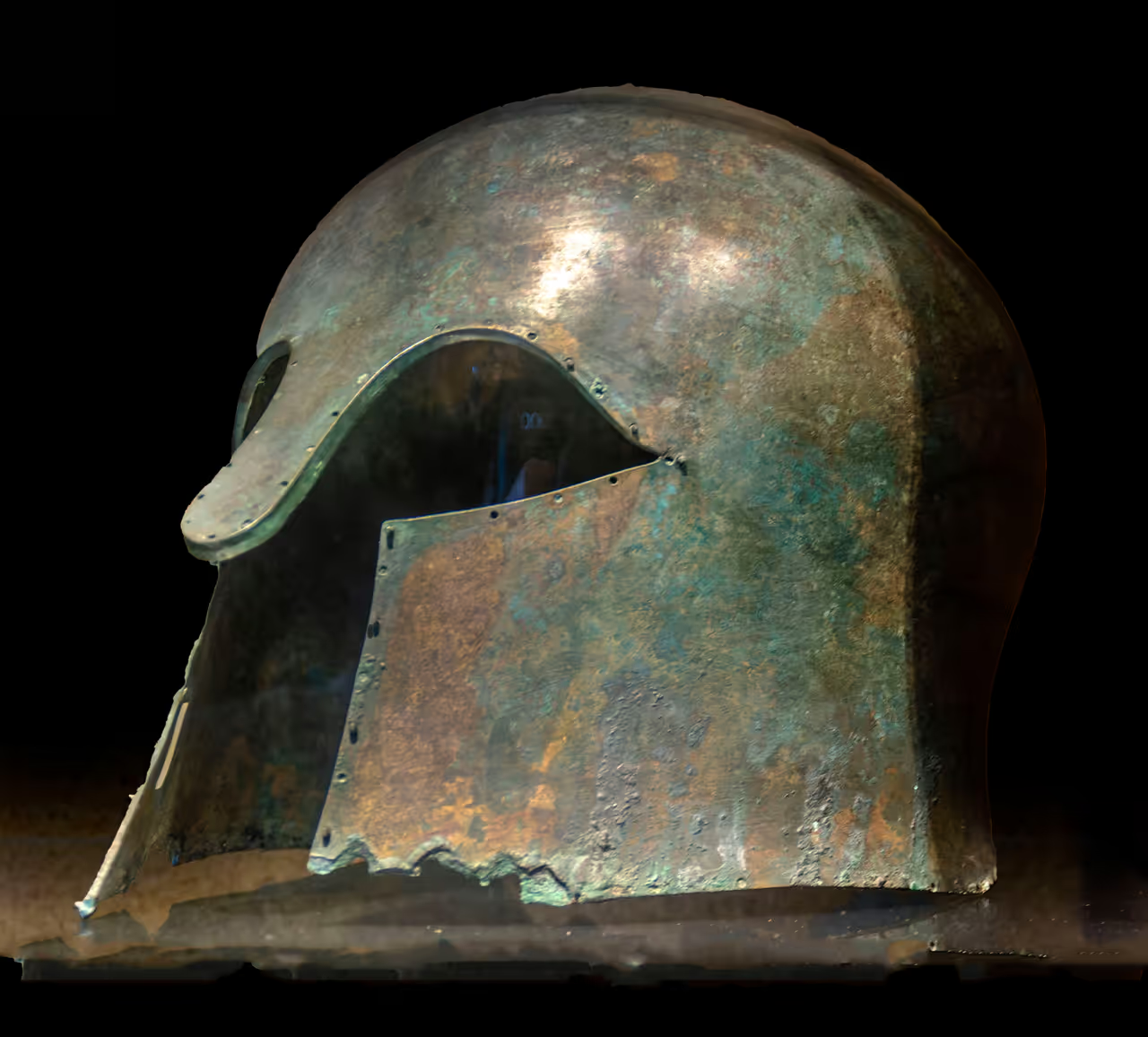
287mNational Archaeological Museum of Cagliari
Step into the most prestigious treasury of Sardinian history, a place where the ancient past feels remarkably present. This museum serves as the island's primary storyteller, housing a collection that spans from the Neolithic age to the Byzantine era. You will encounter the mysterious Giants of Mont'e Prama, towering stone figures that represent some of the oldest large-scale sculptures in the Mediterranean. The atmosphere is one of quiet awe, set within a modern architectural masterpiece that cleverly repurposes the city's old defensive bastions. Beyond the statues, the museum showcases exquisite Nuragic bronzes and delicate Phoenician jewellery that reveal the island's deep-rooted connections across the sea. It is a vital stop for anyone wanting to understand the unique cultural identity of Sardinia and its strategic importance in the ancient world.
attraction view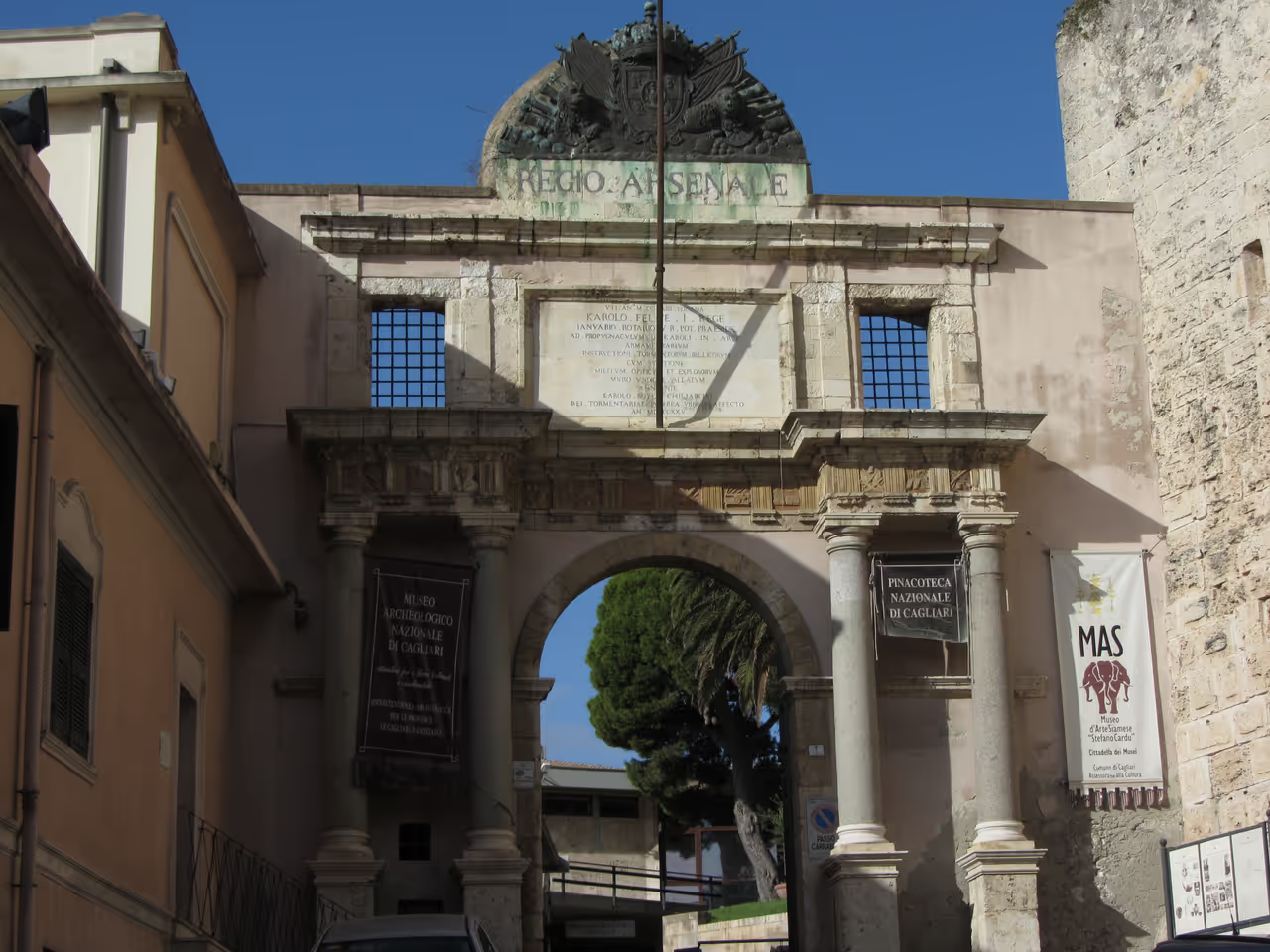 322m
322mCitadel of Museums
Perched at the highest northern point of the Castello district, this modern complex was brilliantly constructed over the ruins of an ancient arsenal. It now serves as the primary cultural hub of the city, housing multiple distinct institutions in one convenient location. Visitors pass through a majestic historic gateway to enter a tranquil courtyard surrounded by world-class exhibitions. Beyond the impressive National Archaeological Museum, it also hosts fascinating collections of Siamese art and anatomical wax models. It is an essential stop for anyone wanting to delve deep into the island's rich heritage.
highlight view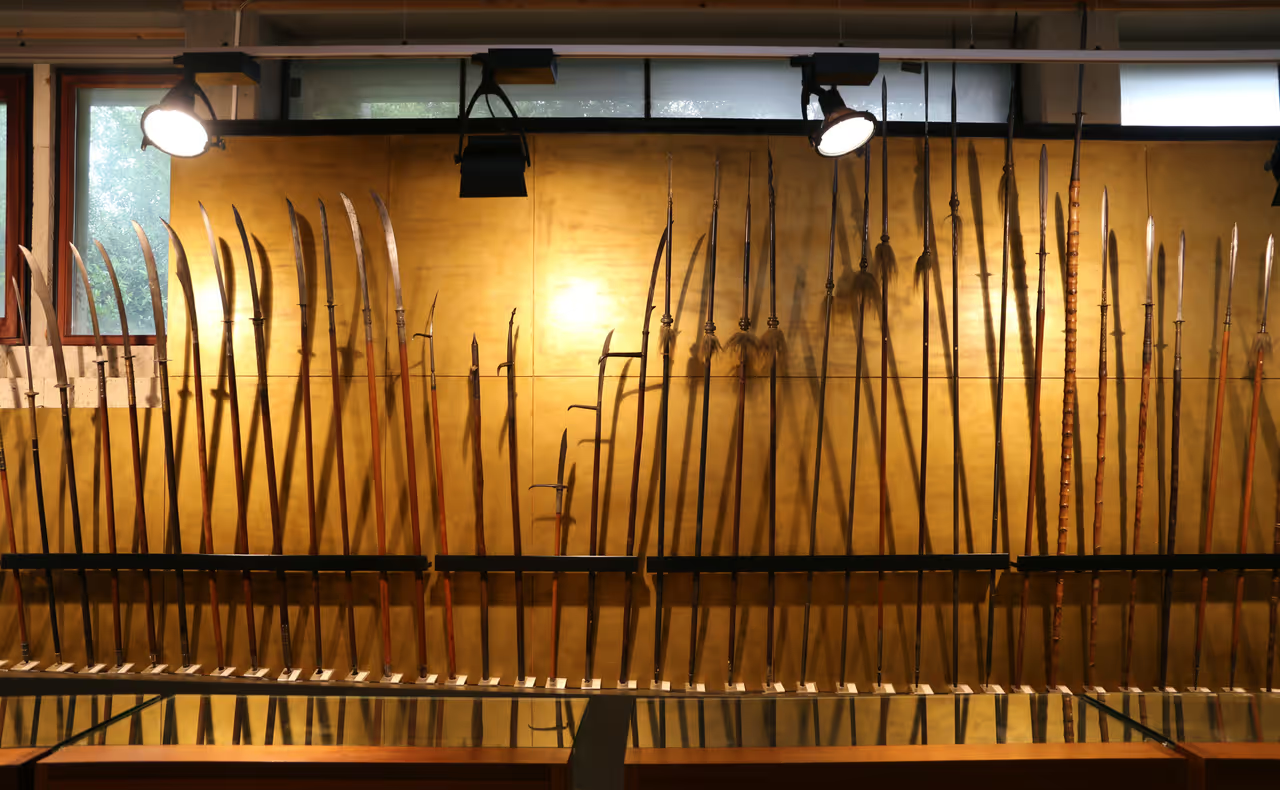 358m
358mStefano Cardu Siamese Art Museum
This surprising collection offers a completely unexpected journey into Southeast Asian culture, located right in the heart of the Mediterranean. It houses an extraordinary array of artefacts collected by Stefano Cardu, an adventurous local who worked as an architect in the royal court of Siam (modern-day Thailand) in the late nineteenth century. The small museum is packed with intricate silverwork, fearsome antique weaponry, beautifully illustrated manuscripts, and delicate porcelain. It is a fascinating testament to an eccentric, globetrotting local son. Finding such a focused oriental collection within the medieval citadel is a delightful anomaly.
hidden gem view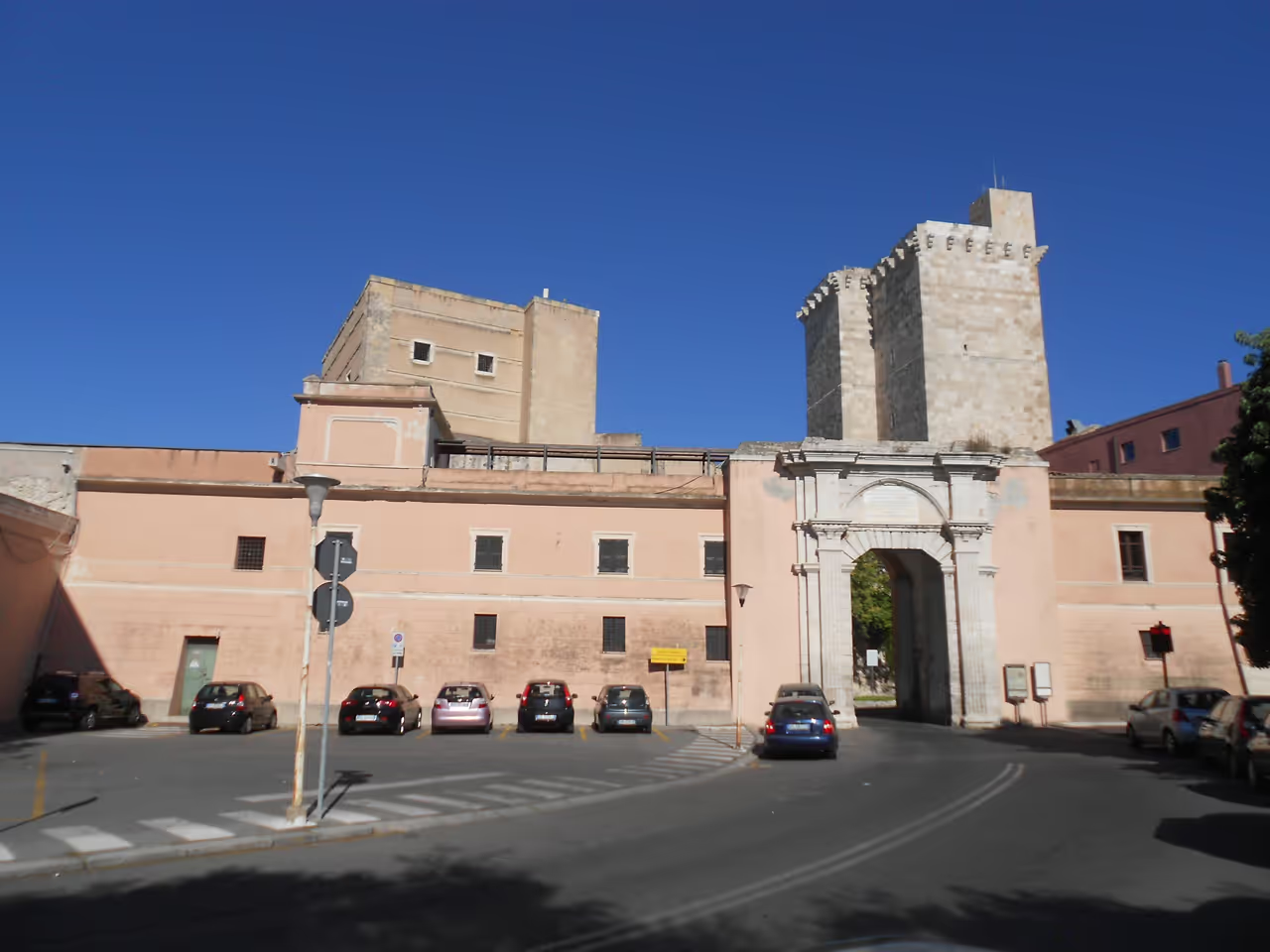 364m
364mCristina Gate
This monumental archway serves as an elegant Neoclassical entrance into the fortified Castello district, replacing an older, narrower military gate. Built in 1825, its design was consciously modelled on the grand Porta Pia in Rome, signalling a shift from purely defensive architecture to aesthetic grandeur. It was named in honour of Maria Cristina of Bourbon, wife of the ruling Savoy king. Passing beneath its grand arch provides a dramatic, theatrical entrance into the narrow medieval streets beyond. It stands as a symbol of the city's nineteenth-century refinement.
architecture view
See all nature & parks in Cagliari
Cagliari Botanical Garden, Capuchin Garden, Molentargius-Saline Regional Park, Monte Urpinu, Music Park...