Villa Borghese
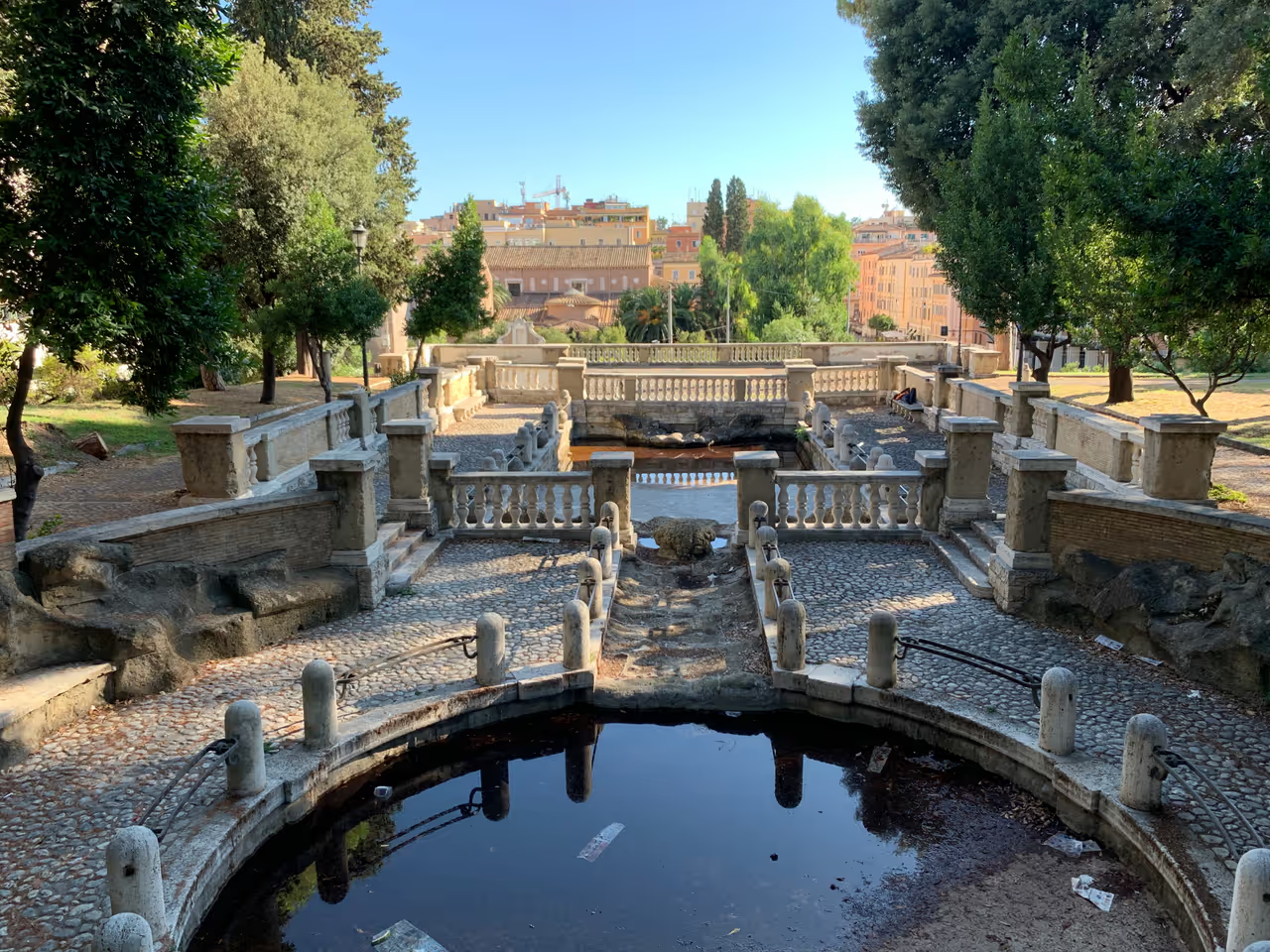
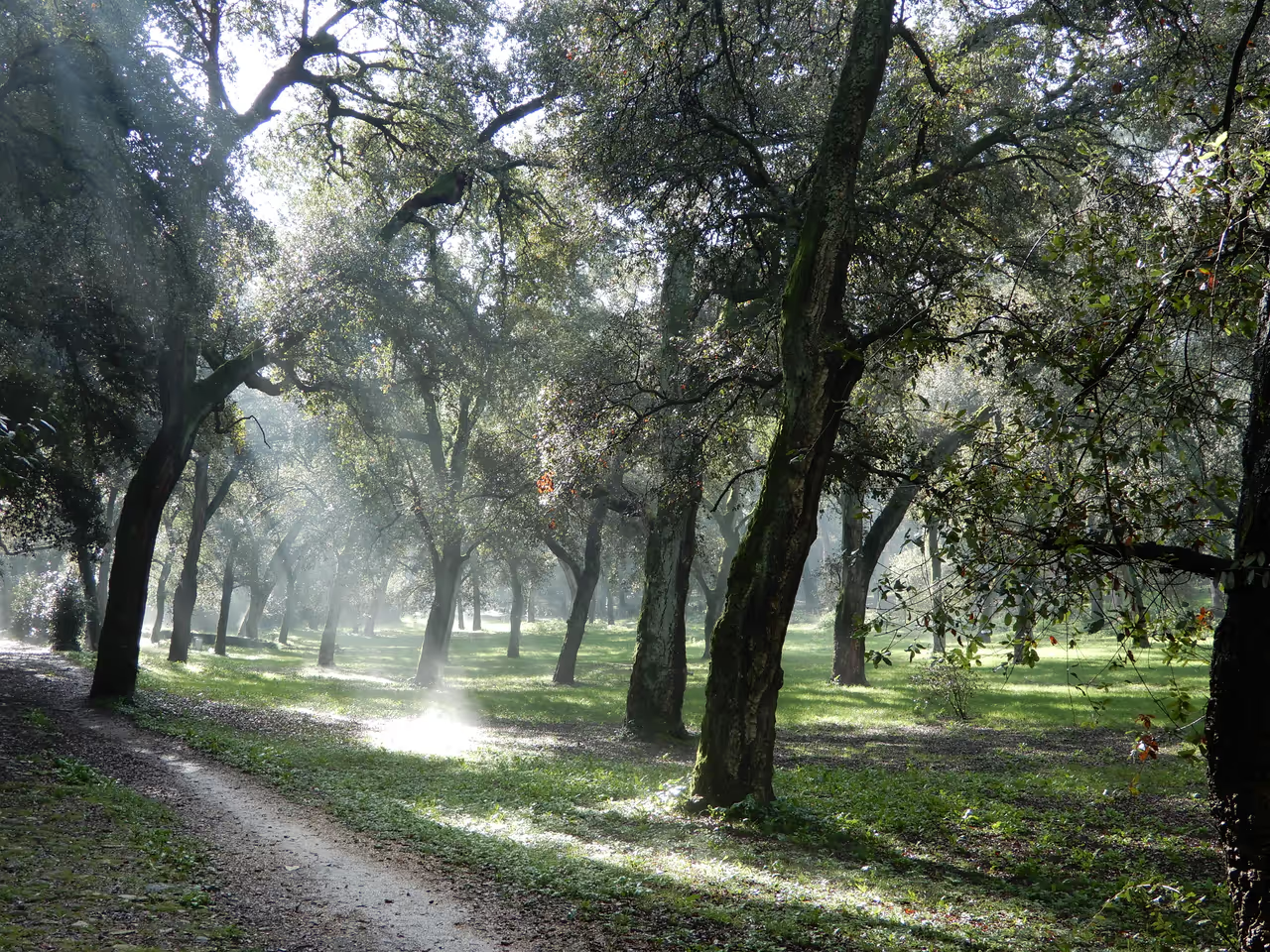
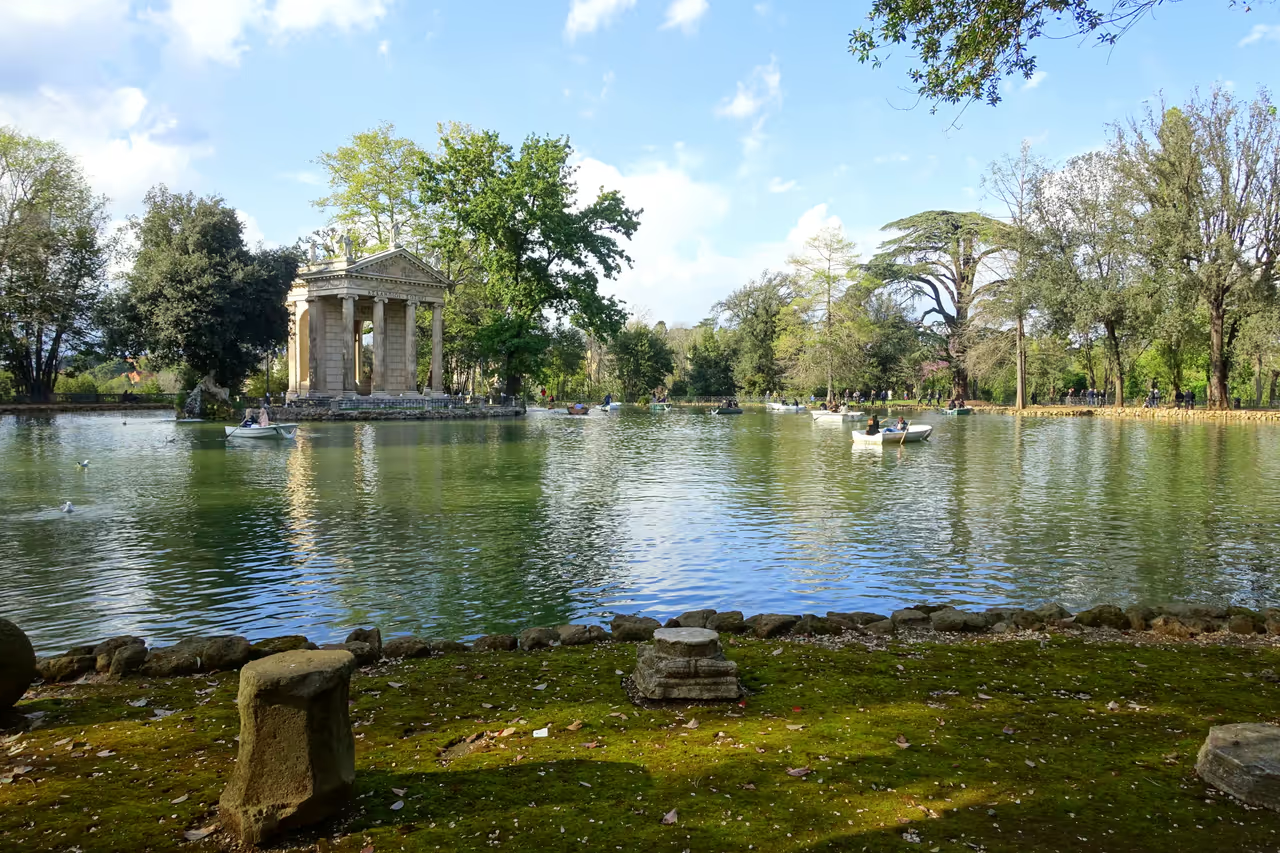
Villa Borghese is the most famous park in Rome, offering a perfect blend of lush greenery and world class art. You can wander through English style gardens, admire neoclassical temples, or rent a rowboat on the picturesque lake. The park is home to the stunning Galleria Borghese, where masterpieces by Bernini and Caravaggio wait to be discovered. It provides a peaceful escape from the city heat and offers one of the best panoramic views of Rome from the Pincio Terrace. Whether you are looking for a romantic stroll or a family visit to the Bioparco, there is something here for everyone. Its rich history as a seventeenth century aristocratic estate makes every path feel like a journey through time.
Videos
History of Villa Borghese
The story of Villa Borghese begins with the ambition of Cardinal Scipione Borghese, a nephew of Pope Paul V and a legendary patron of the arts. In the early 1600s, he sought to create a villa of delights that would reflect the prestige of his family and house his growing collection of masterpieces. He transformed a simple vineyard into an expansive estate where art and nature coexisted in a way the city had not seen since the days of the Roman Empire. This was the era when Gian Lorenzo Bernini, still a young man, was carving his breathtaking marble figures in the rooms of the Casino Nobile. Over the centuries, the park evolved as tastes shifted from the formal, geometric patterns of the Italian Renaissance to the romantic, wilder aesthetics of the English garden. In the late eighteenth century, Prince Marcantonio IV Borghese reimagined the landscape, adding the iconic artificial lake and the neoclassical temples that give the park its fairytale atmosphere today. The estate was not just a private playground; even then, the family often opened it to the public for festivals and celebrations, making it a space where high society and common citizens occasionally crossed paths. The transition to a public park was finalised at the start of the twentieth century when the Italian State purchased the land to save it from the rapid urban development threatening Rome's historic villas. Today, it stands as the green heart of the capital, a place where joggers, artists, and historians mingle. It retains the aristocratic elegance of its past while serving as a modern cultural hub, containing everything from a replica of Shakespeare’s Globe Theatre to a zoo dedicated to conservation, ensuring that Scipione’s legacy of delight lives on for every visitor.
Events spanning 397 years
Fun Facts
- • Many of the ancient sculptures now in the Louvre Museum in Paris originally belonged to the Borghese family before being sold to Napoleon Bonaparte.
- • Ottorino Respighi was so inspired by the park that he composed the famous symphonic poem Pines of Rome, specifically featuring the trees of Villa Borghese.
- • Paolina Bonaparte, Napoleon’s sister and wife of Prince Camillo Borghese, famously posed for Antonio Canova’s sculpture of Venus, which remains a highlight of the gallery.
- • The Bioparco within the park is one of the oldest zoos in Europe, having transitioned from a traditional menagerie to a modern conservation centre.
- • The Galleria Borghese is so popular that it has a strict reservation policy, meaning you must book your tickets weeks in advance to see the Bernini masterpieces.
- • The Valle dei Platani contains several plane trees that were planted during the original seventeenth century landscaping, making them some of the oldest in the city.
- • The lake features a replica of a Greek temple dedicated to Aesculapius, the god of healing, which was designed to look like a half submerged ancient ruin.
- • The park is home to a functioning hydro chronometer, an ingenious water clock built in 1873 that still tells time using the flow of water.
- • The park's Piazza di Siena has hosted a prestigious international horse show every year since the 1920s, attracting elite riders from around the globe.
- • Villa Borghese contains the Cinema dei Piccoli, which is officially recognised by the Guinness World Records as the smallest cinema in the world.
RESOURCES
Official WebsiteVilla Borghese FAQ
While we strive to keep this information accurate and up to date, we recommend verifying any details independently before making decisions based on them.
Villa Borghese Map & Neighborhood Explorer
This interactive map is centered on Villa Borghese. Zoom in and move the map around to automatically discover Wikipedia photos and summaries of other nearby sights, monuments, and historical points of interest and stories in real-time!
Places near Villa Borghese
Make the most of your trip. Check out these top-rated spots located nearby.
 596m
596mBorghese Gallery
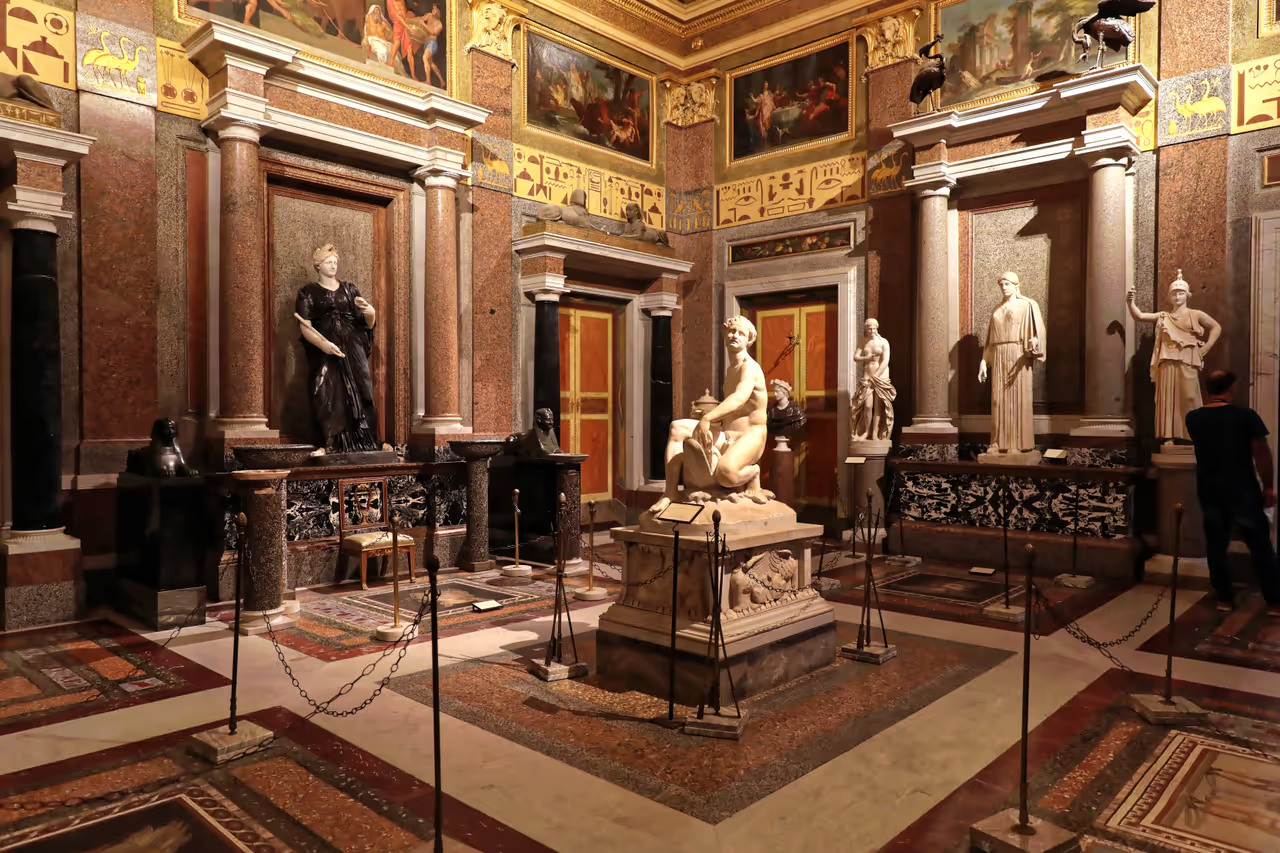
Housed in a spectacular, elegantly proportioned seventeenth century villa, this gallery contains what is arguably the most exquisite private art collection in the world. The opulent, intimately sized rooms are packed with absolute masterpieces of Renaissance and Baroque art, originally collected by a ruthless and passionate cardinal. The collection is particularly famous for its breathtaking, hyper realistic marble sculptures by Bernini, which seem to capture the illusion of soft flesh and dynamic movement. The walls are adorned with masterful, dramatic canvases by Caravaggio, Titian, and Raphael. Because entry is strictly limited to a small number of visitors at a time, the experience remains peaceful and deeply contemplative. It is an absolute jewel for any lover of classical art and refined architecture.
highlight view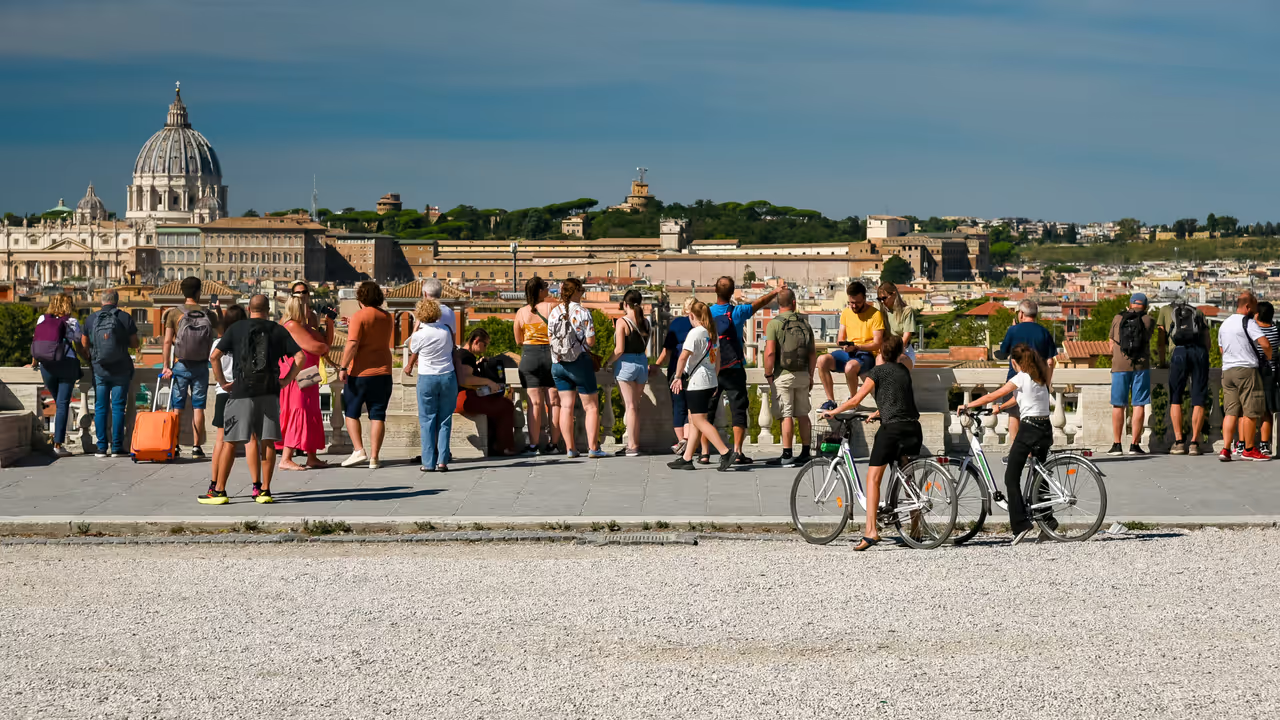 636m
636mPincio Terrace
Located at the very edge of the lush Villa Borghese gardens, this elegant balcony provides a spectacular, perfectly framed view over the vast Piazza del Popolo. Looking westward, the vista extends across the dense rooftops of the historic centre directly towards the imposing, unmistakable dome of St. Peter's Basilica. It is a highly popular, lively spot where musicians play and locals gather to enjoy the cool evening breeze. The sweeping, neoclassical staircases leading up to the terrace add a dramatic architectural element to the experience. It is universally considered one of the finest places in the capital to watch the sun dip below the horizon.
viewpoint view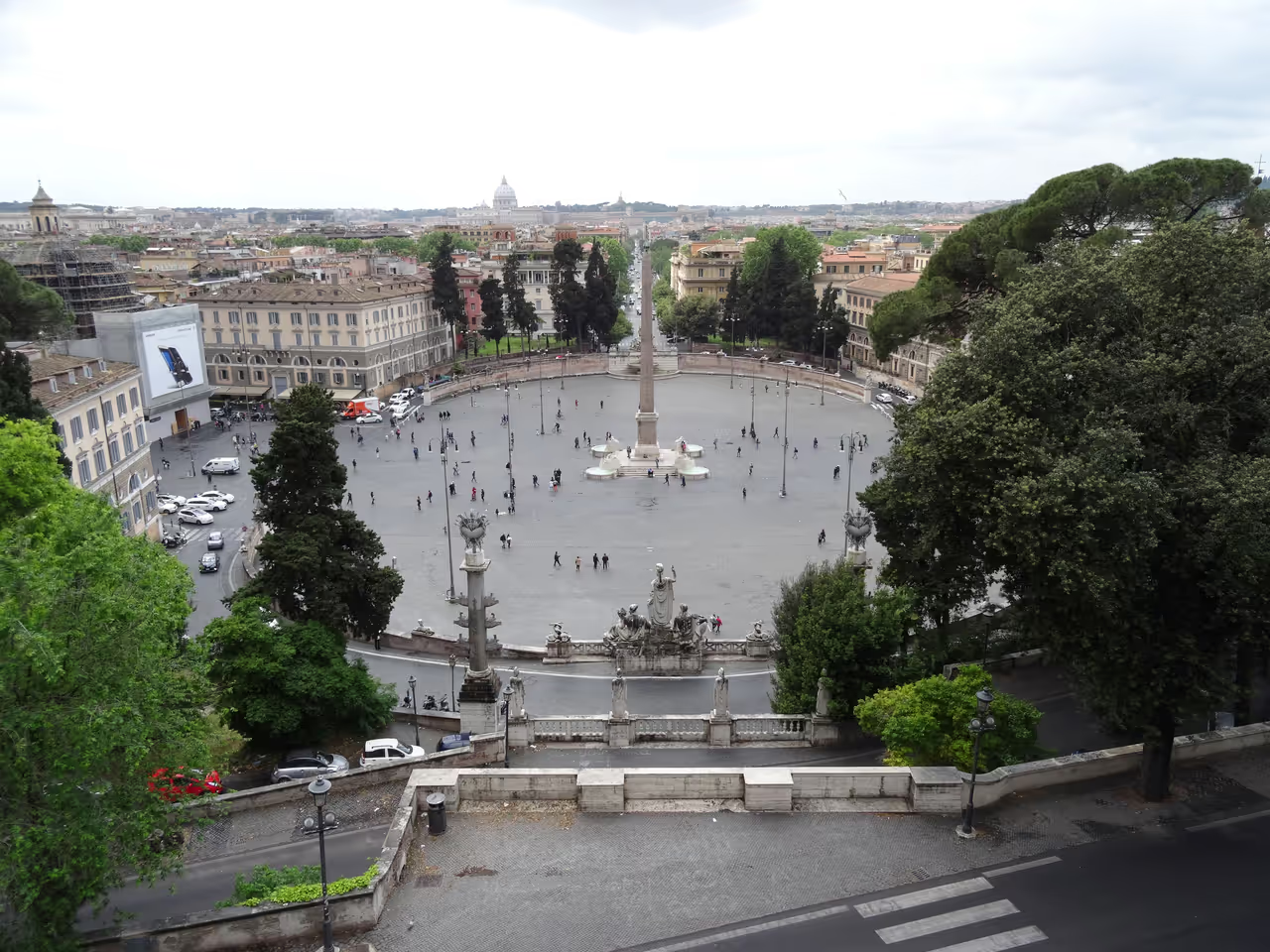 805m
805mPeople's Square
This vast, perfectly symmetrical oval square served as the grand entrance to the city for centuries of northern travellers. It is a stunning example of neoclassical urban planning, anchored by a massive, ancient Egyptian obelisk rising from the centre. The southern edge is defined by two seemingly identical, beautiful twin churches that frame the beginning of the famous commercial streets. The expansive, pedestrianised space offers a wonderful sense of openness and breathing room within the densely packed historic centre. Elegant lion fountains and sweeping staircases lead up to the leafy terraces above, integrating the urban space with nature. It is a breathtaking starting point for exploring the elegant northern districts.
highlight view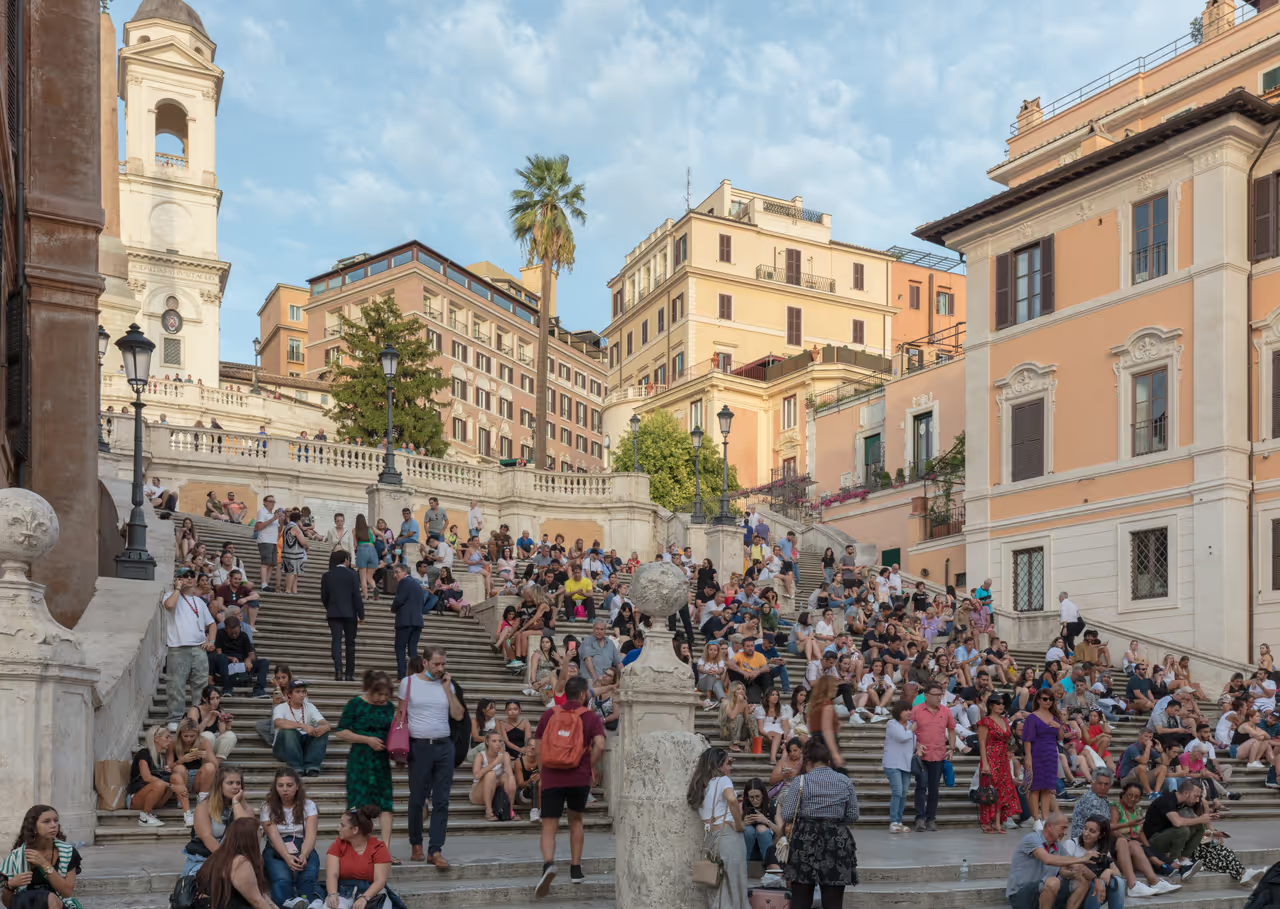 824m
824mSpanish Steps
This monumental, beautifully sweeping staircase is one of the most famous and romantic gathering spots in the city. The elegant, curving stone steps cascade down from the Trinità dei Monti church to the bustling square below, creating a dramatic theatrical effect. At the base sits a charming, boat shaped fountain designed by the father of the famous sculptor Bernini. Historically a meeting place for artists and poets, it remains an incredibly popular spot for locals and tourists to sit, chat, and soak in the vibrant atmosphere. In the spring, the steps are famously adorned with hundreds of blooming azaleas, creating a spectacular floral display. It perfectly embodies the glamorous, fashionable heart of the surrounding shopping district.
highlight view
Featured on These Itineraries and Routes
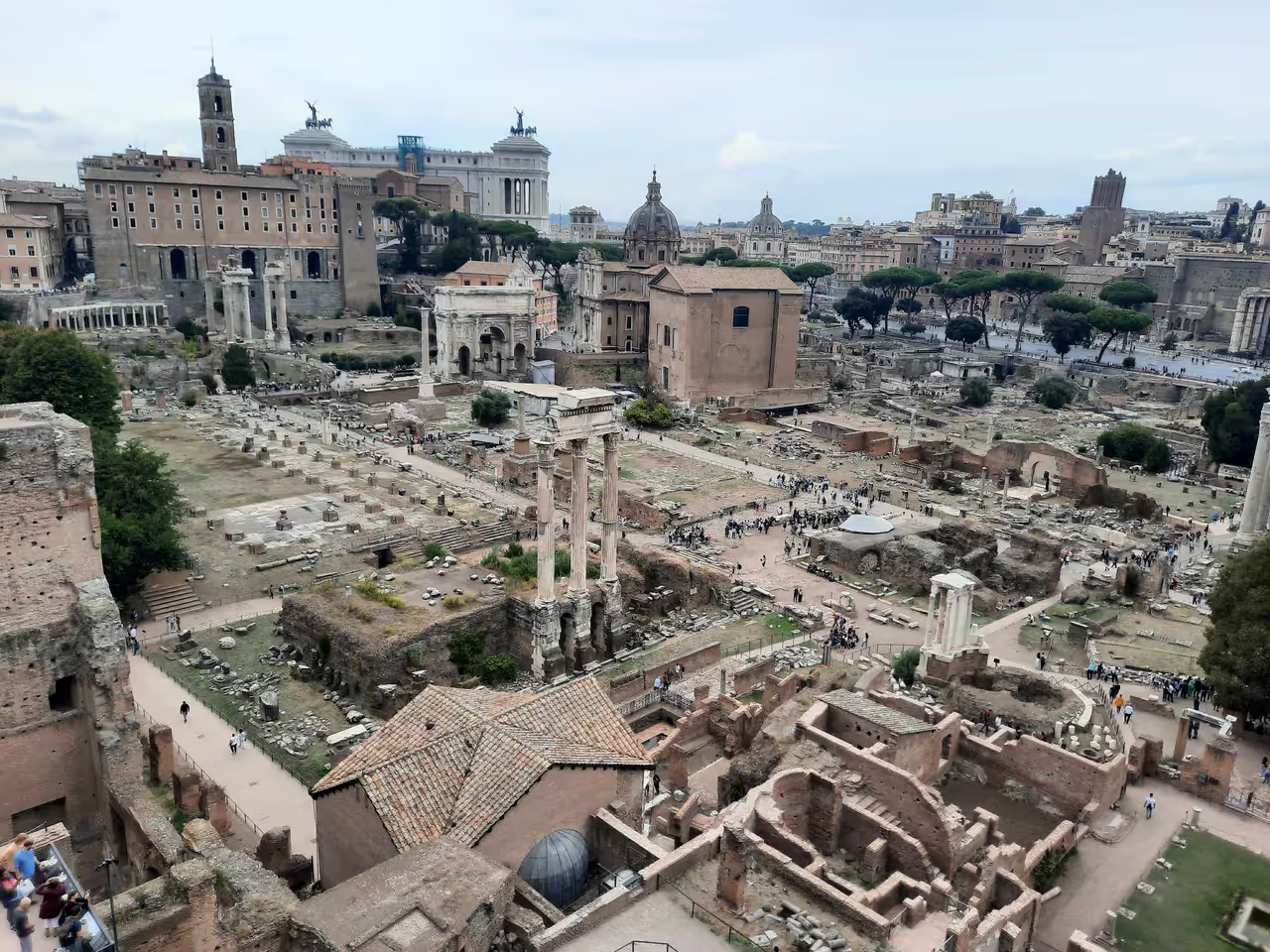
3 Days in Rome: History and Art Itinerary
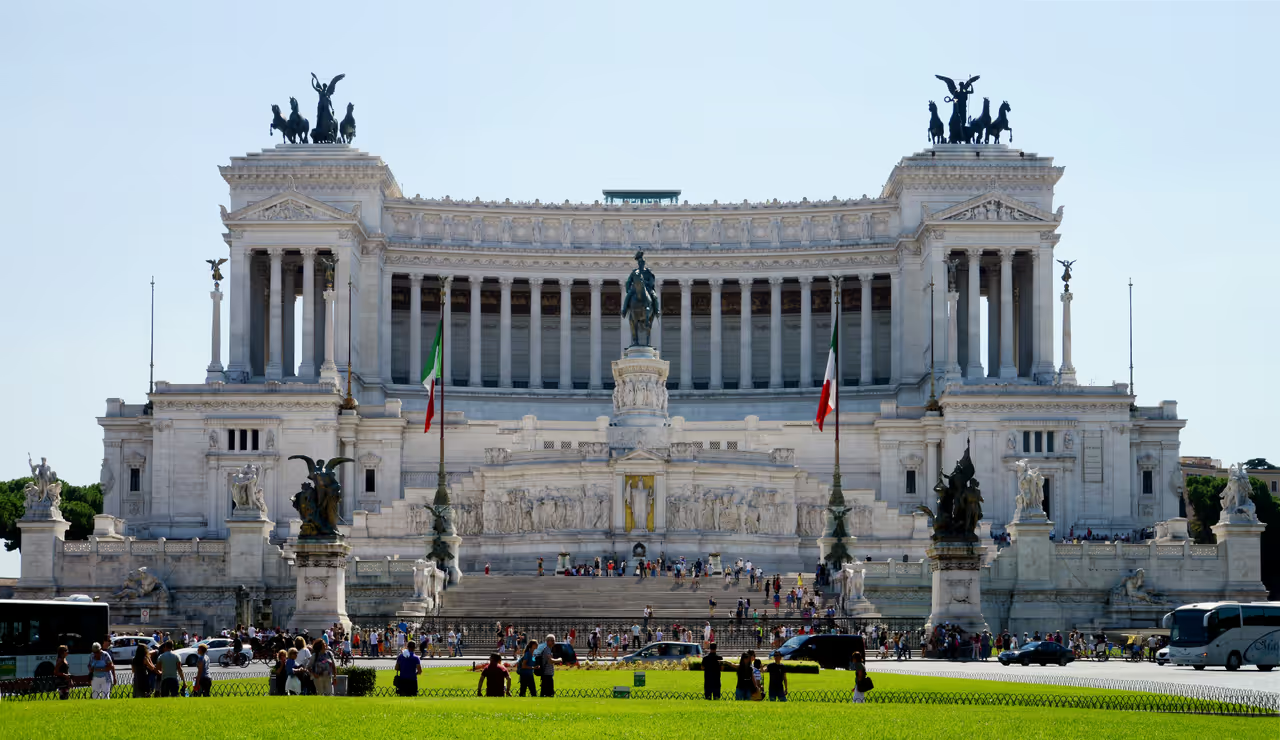
This balanced, deeply satisfying three day journey allows for a proper, immersive exploration of the city's distinct historical eras. It cleverly dedicates one full day to the sheer power of the ancient empire, another to the breathtaking spiritual grandeur of the Vatican, and the final day to the elegant art and romantic squares of the Renaissance. The pacing is comfortable, leaving ample time to enjoy long, leisurely lunches and appreciate the vibrant local street life. It offers a comprehensive, highly enriching overview of the cultural and architectural evolution of the capital. It is the ideal introductory tour for first time visitors.
view itinerary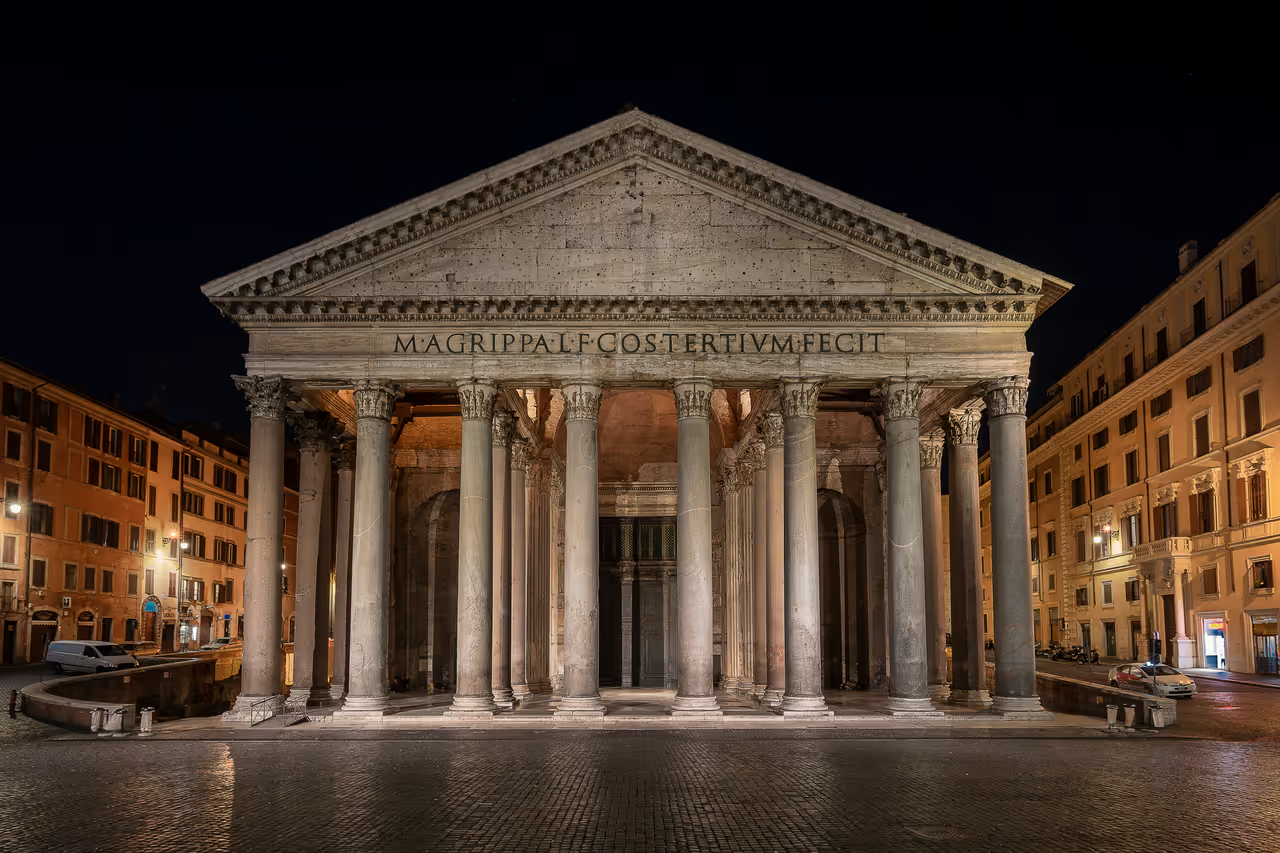
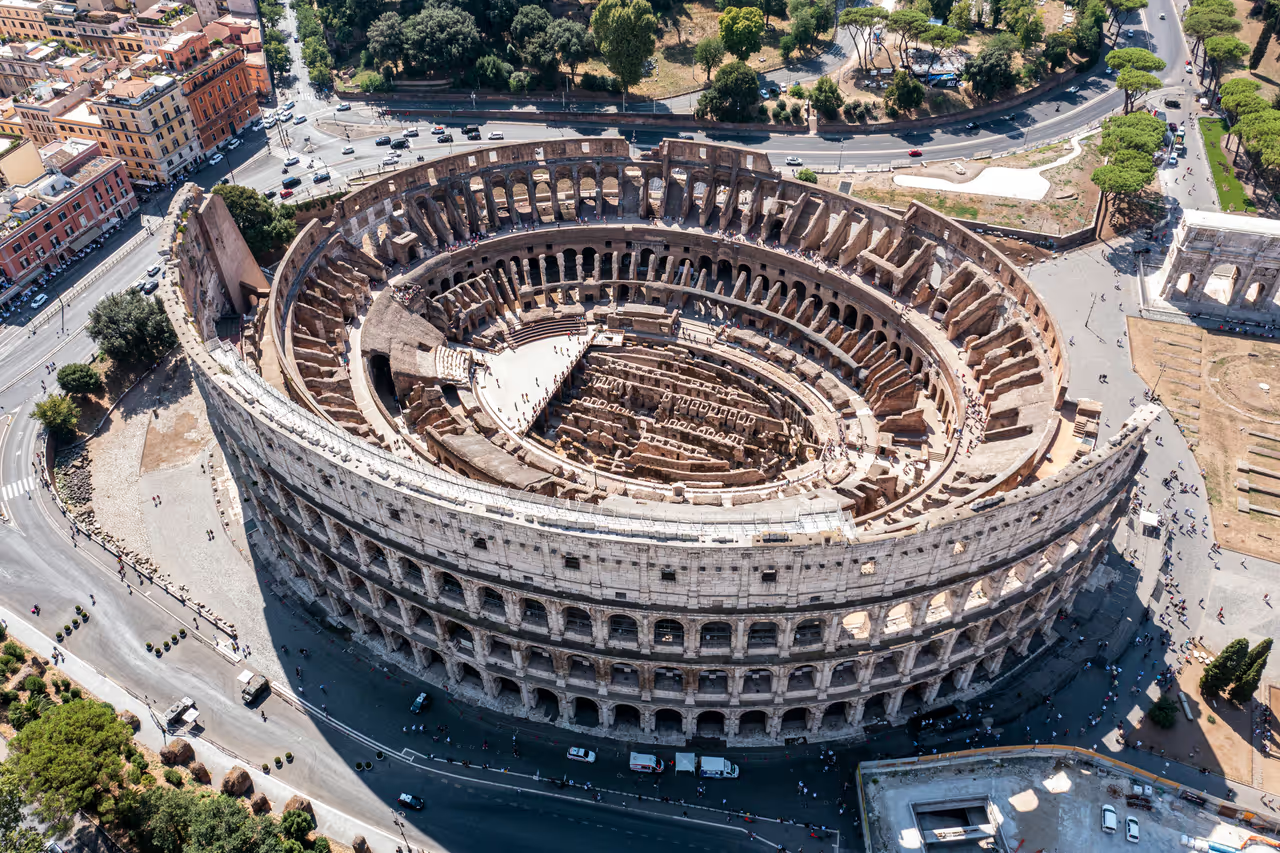
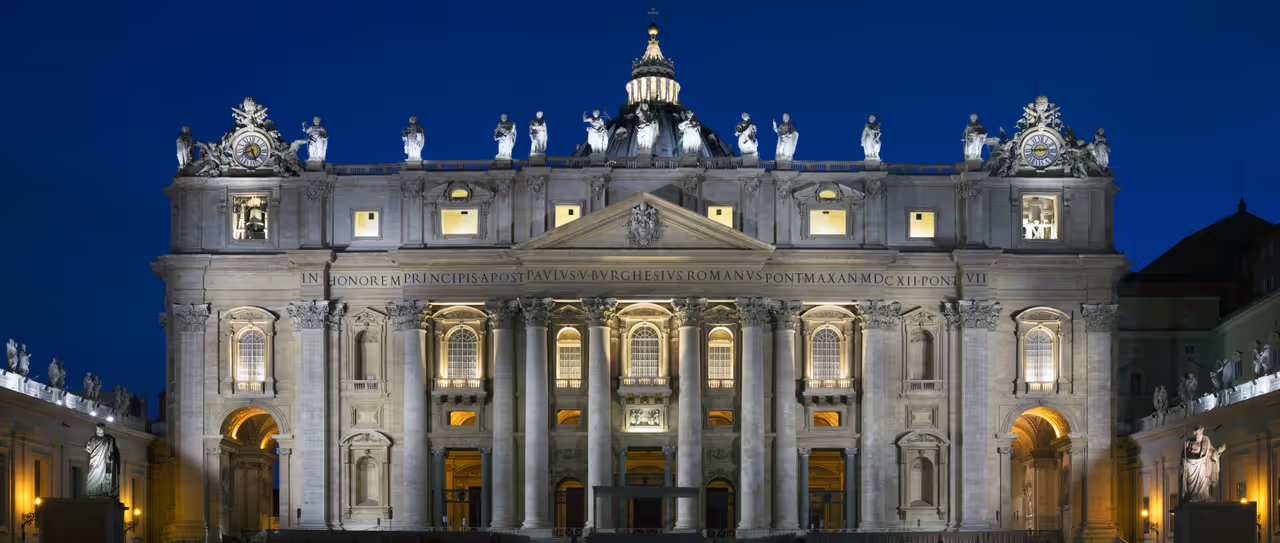
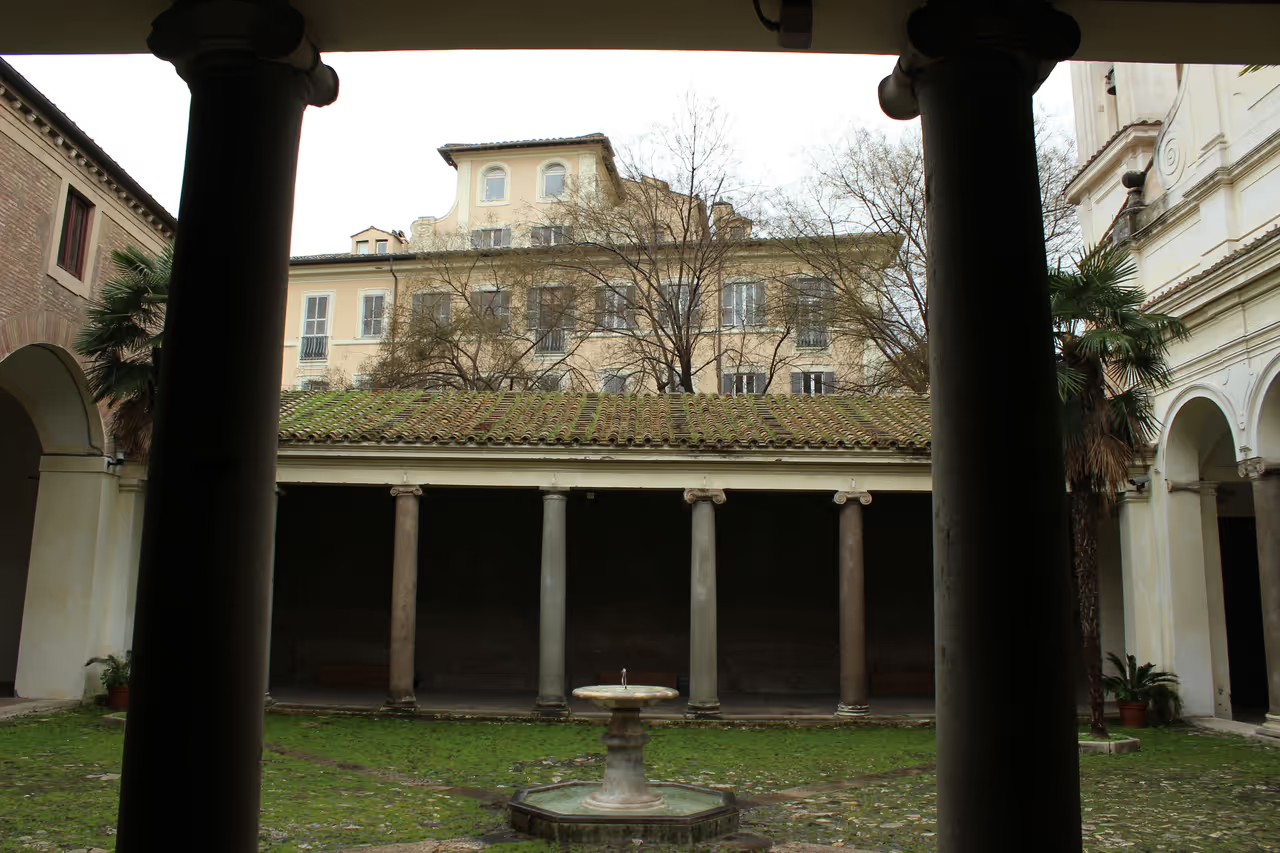
5 Days in Rome: In Depth Discovery Itinerary
This extensive, highly rewarding itinerary is crafted for those who want to move beyond the famous highlights and discover the complex, hidden layers of the city. Building upon the essential classical and Renaissance sights, it introduces fascinating underground archaeological explorations, expansive rural parklands, and gritty, authentic working class districts. It provides a much deeper, nuanced understanding of how the ancient past continuously interacts with modern daily life. The relaxed timeframe allows for genuine cultural immersion, unhurried museum visits, and extensive culinary indulgence. It is a spectacular, complete experience of the multifaceted capital.
view itinerary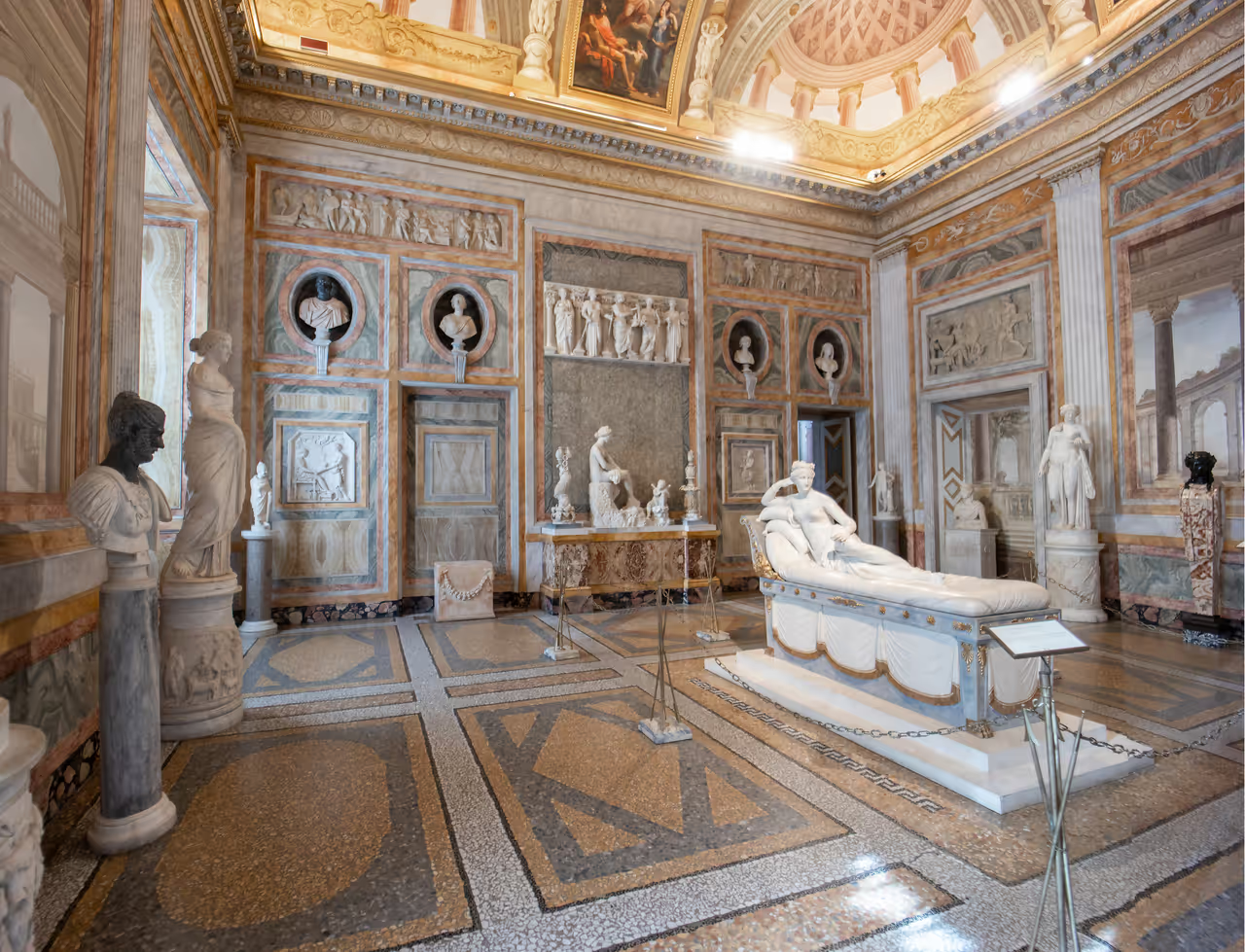
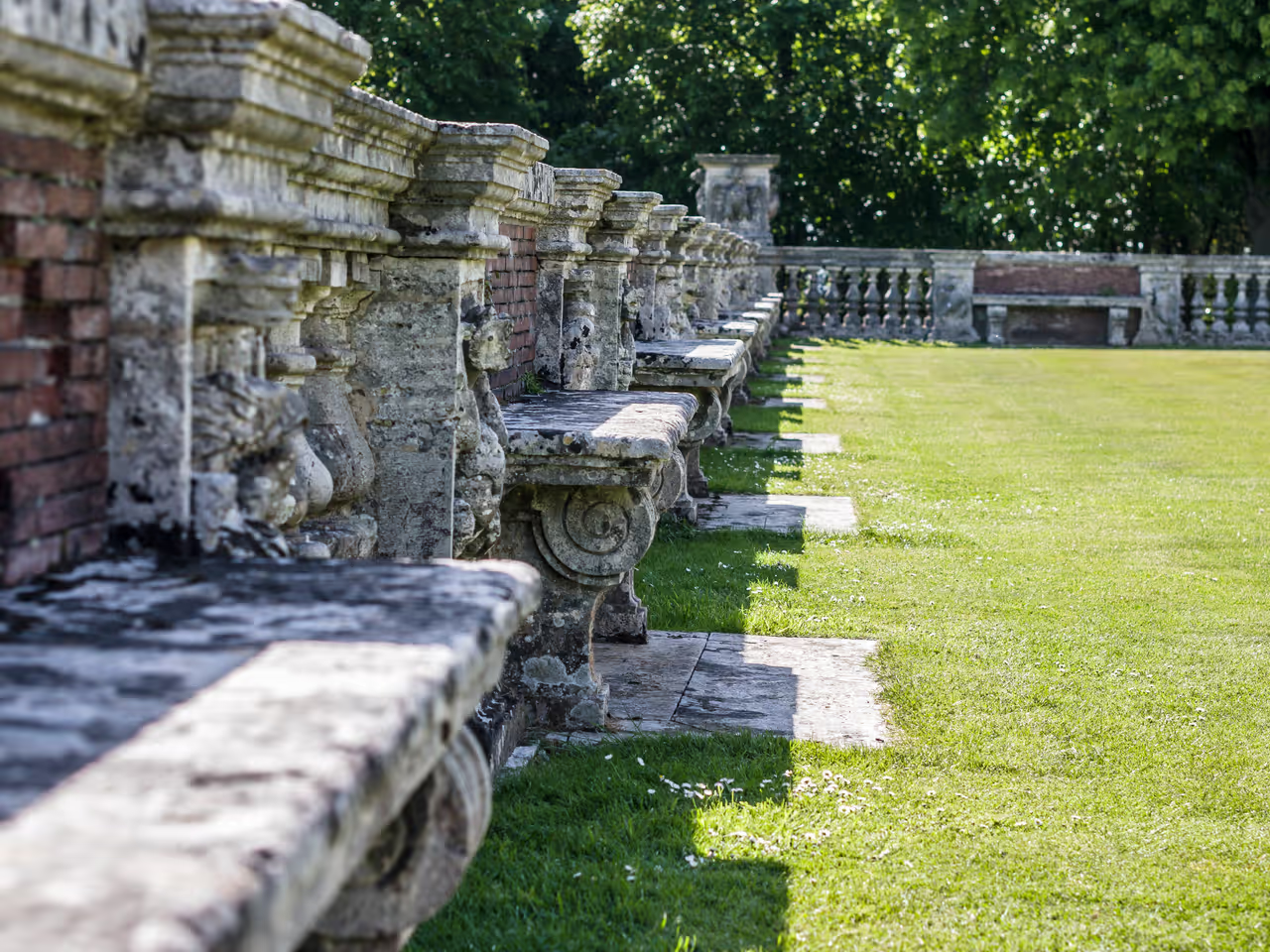
Villa Borghese Gardens Cycle
This delightful route navigates the expansive, heart shaped public park that serves as the most elegant green oasis in the capital. The wide, shaded avenues are largely free of cars, making it an incredibly relaxing and safe environment for a leisurely ride. Cyclists will pass by romantic lakes, beautifully manicured English style gardens, and numerous ornate neoclassical temples. The journey offers several stunning vantage points over the historic skyline, blending natural beauty with architectural elegance. It is a wonderfully romantic and easy going ride suitable for all skill levels.
view cycling route
See all nature & parks in Rome
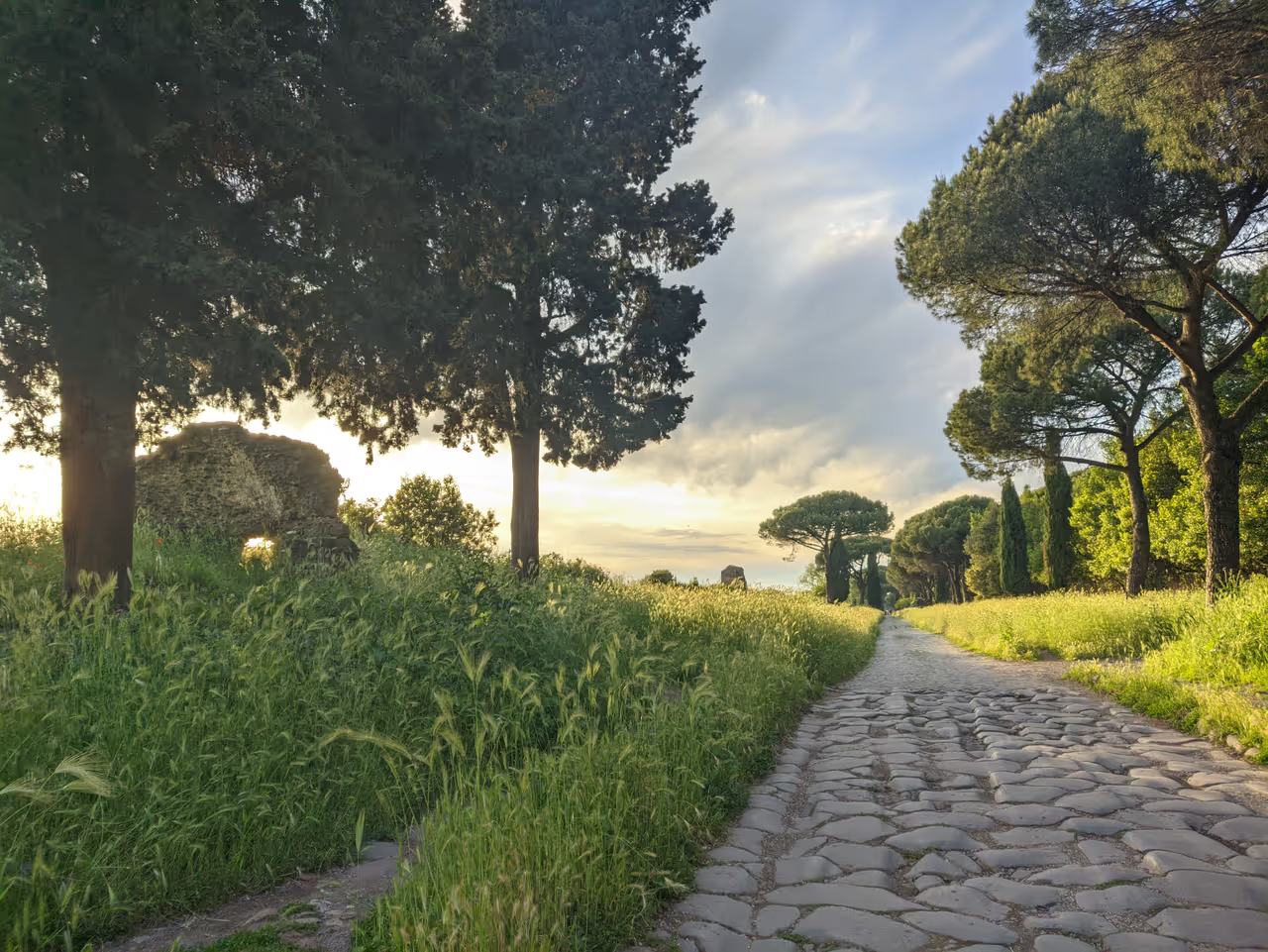
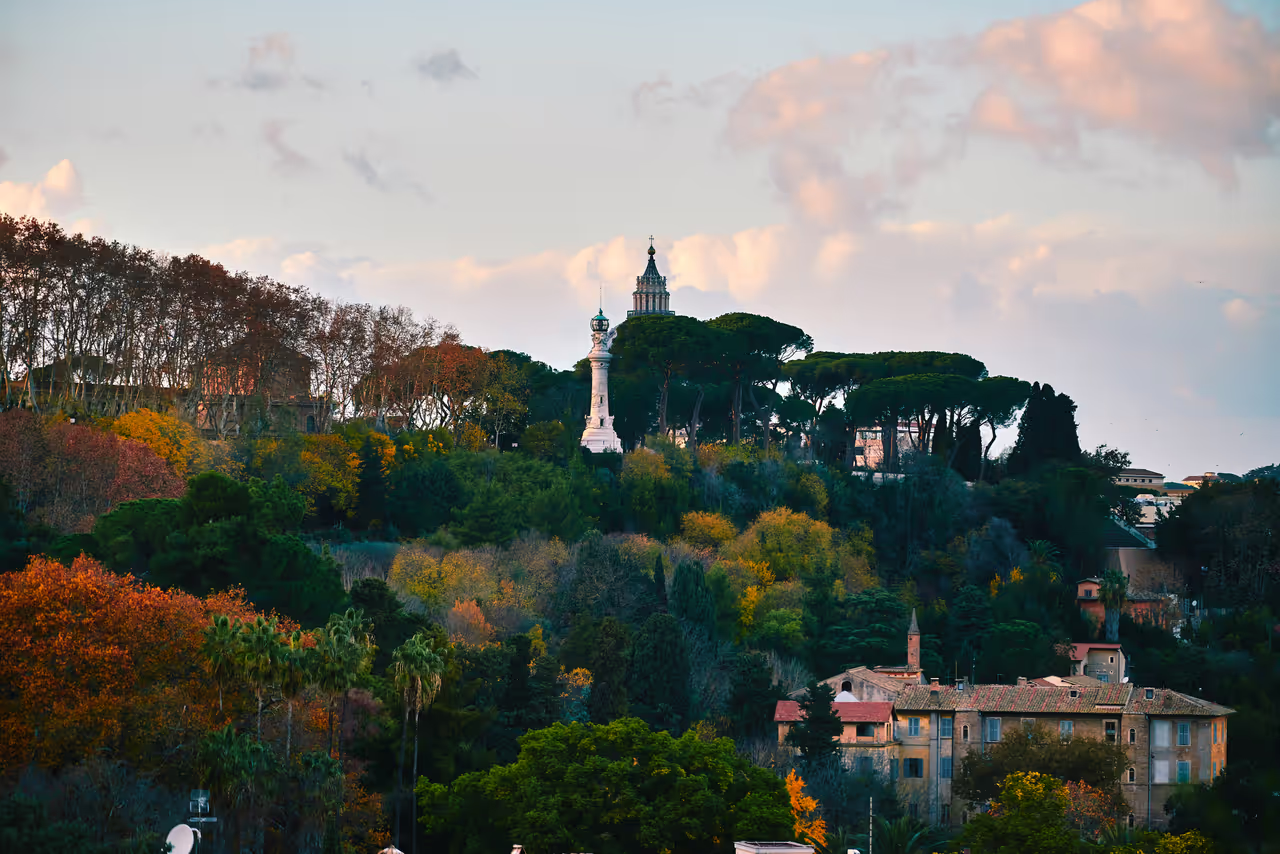
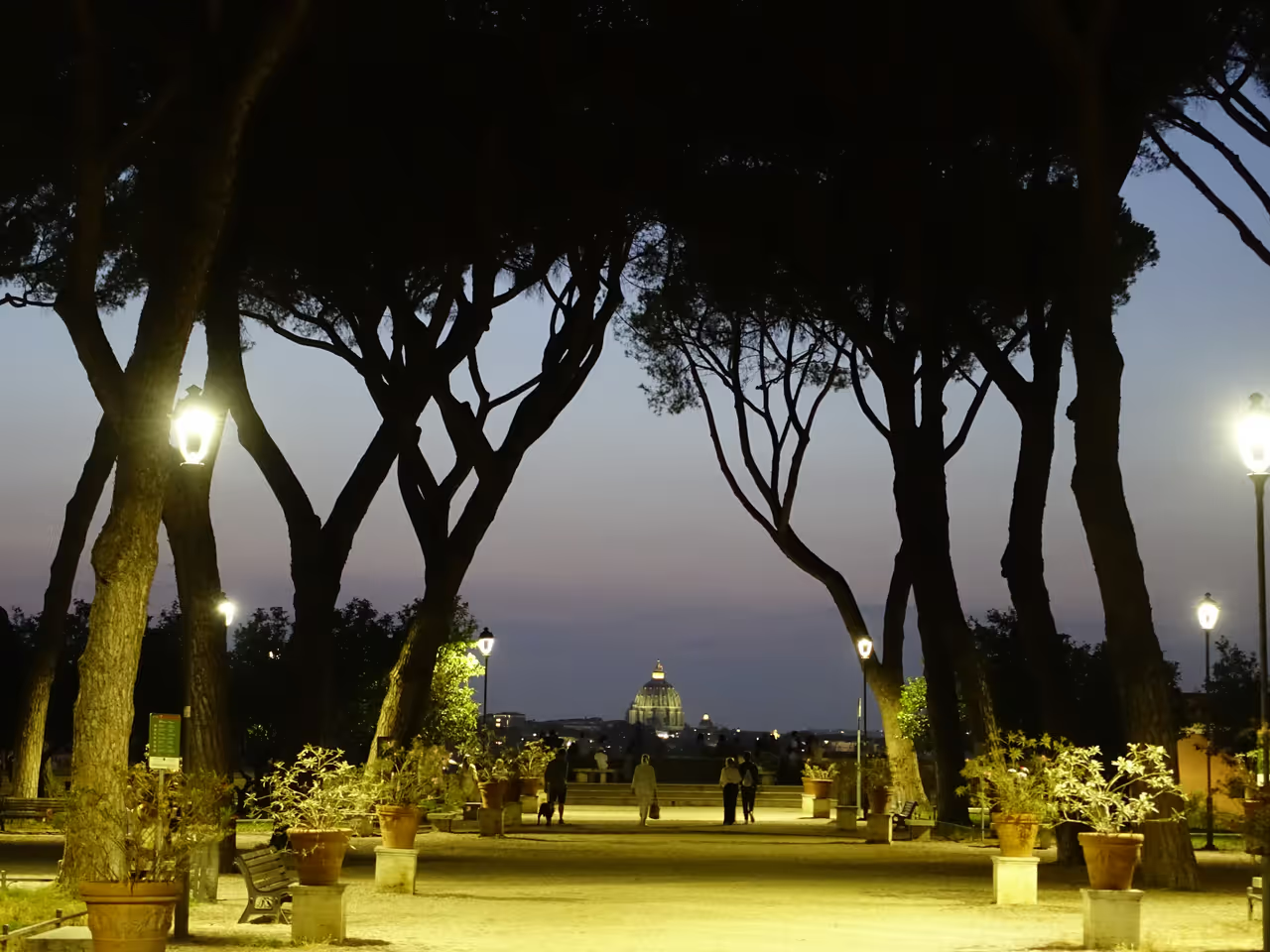
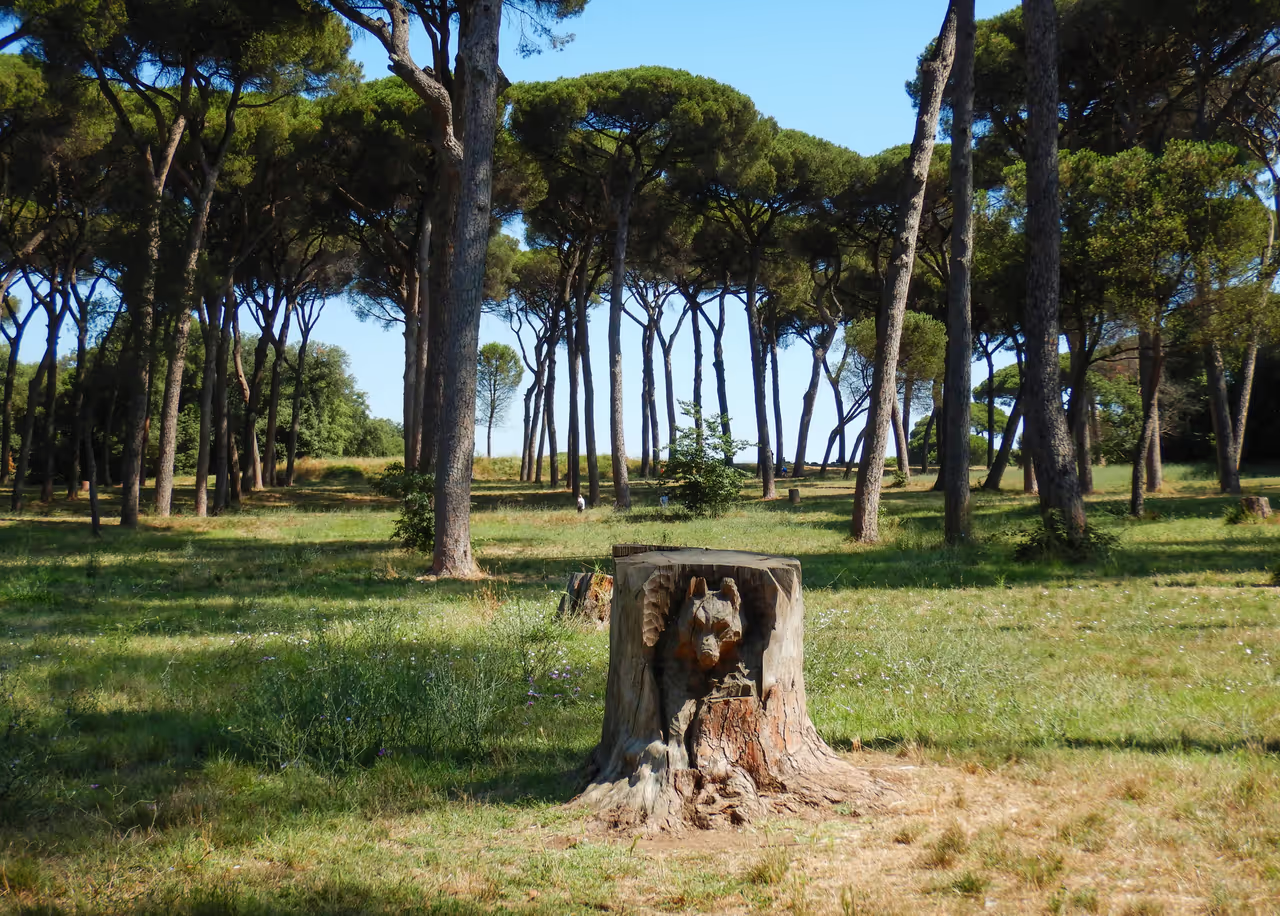
Appian Way Regional Park, Janiculum Hill, Orange Garden, Villa Doria Pamphili, Colle Oppio Park and Baths of Trajan, Villa Ada Savoia...