Lucca
Full City Guide, Map & 117 Things To Do
88,798 people live here.
That's 0.15% of the entire population of Italy.
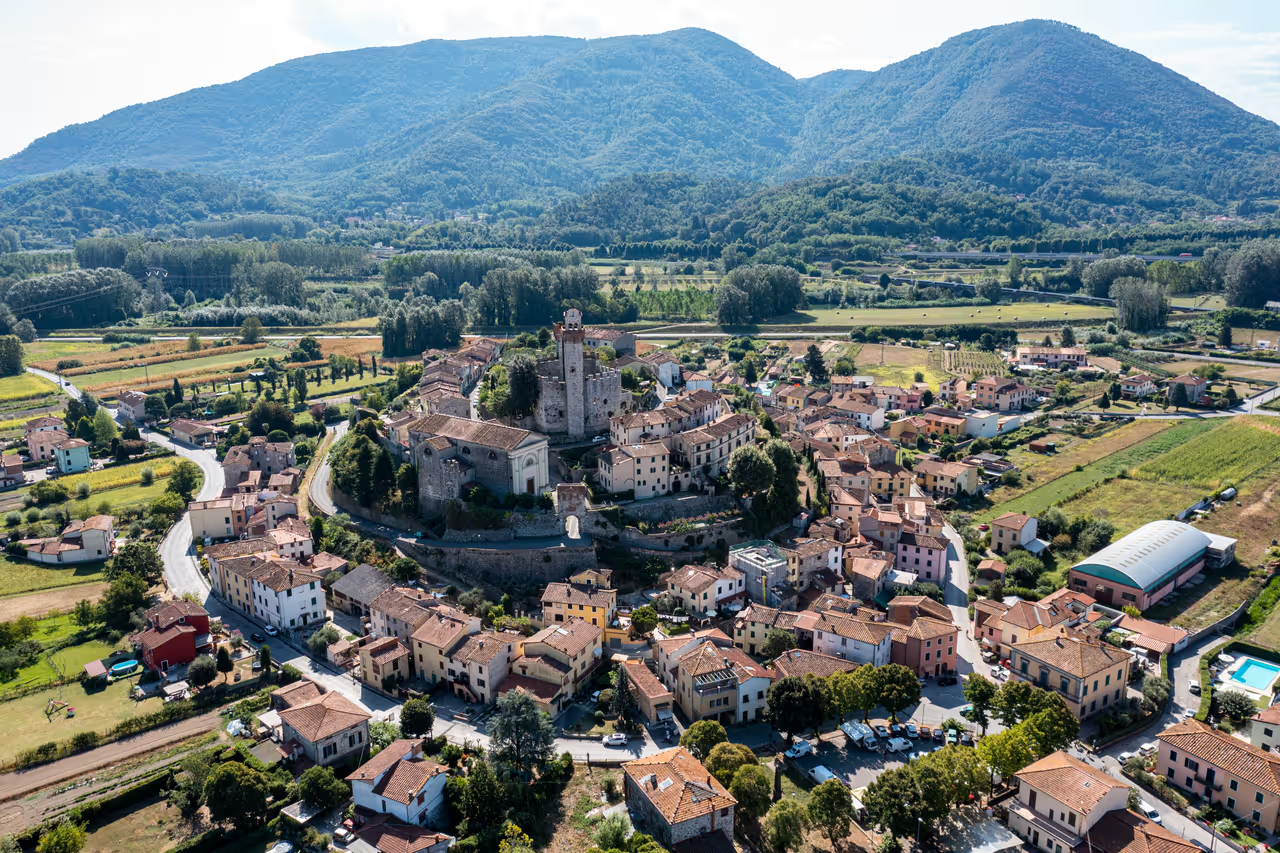
Enclosed completely within massive, tree-lined Renaissance walls, Lucca is one of Tuscany's most beloved and immaculately preserved treasures. Known affectionately as the city of a hundred churches, its historic heart is a captivating maze of cobbled streets, Romanesque facades, and elegant piazzas that echo with centuries of prosperous history. Unlike many neighbouring cities, Lucca managed to retain its independence until the arrival of Napoleon, allowing it to cultivate a distinct cultural identity and remarkable architectural wealth. Visitors are drawn to its relaxed atmosphere, where cycling atop the broad city walls is a quintessential local experience. From the sweeping elliptical curves of Piazza dell'Anfiteatro to the shaded heights of the Torre Guinigi, the city offers endless visual delight. It is also a city of music, celebrating its proud status as the birthplace of the legendary composer Giacomo Puccini.
Lucca DNA
History of Lucca
In 56 BC, Julius Caesar, Pompey, and Crassus sat down in the fortress town of Lucca to carve up the Roman Republic. They chose this location because it sat on the "olive border" of the peninsula, marking the very edge of Roman Italy proper. The military grid they laid out remains perfectly legible today. The city's main artery, Via Fillungo, follows the exact path of the ancient cardo. Just a few streets over, Piazza dell'Anfiteatro retains the precise elliptical footprint of the old Roman arena. Medieval builders simply erected their curved, yellow stucco houses directly onto the ruined arches of the grandstands. When the classical world fractured, the city transitioned into the capital of the Lombard Duchy of Tuscia. Pilgrims walking the Via Francigena route from Canterbury to Rome stopped here to venerate the Volto Santo, a wooden crucifix housed in the Cathedral of San Martino. Wealth flowed in alongside the foot traffic. By the time the Carolingians took over the region, locals had established a highly lucrative silk trade. Merchants across Europe coveted Lucchese textiles for their fine threads and intricate patterns. This economic engine funded an aggressively independent republic that constantly clashed with neighbouring powers. In the early fourteenth century, the warlord Castruccio Castracani turned the city into Florence's worst nightmare. He crushed the Florentine army at the Battle of Altopascio in 1325 and chased the retreating soldiers all the way back to their own city gates. Florence never forgot the humiliation. A century later, a vengeful Florentine army laid siege to Lucca and attempted a radical engineering trick to force a surrender. They built a dam to divert the Serchio River, intending to completely drown the town. The ambitious waterworks failed spectacularly. The floodwaters rushed backward and swallowed the Florentine camp instead. Through diplomatic cunning, Lucca maintained its status as a free republic for nearly five hundred years, a rare feat in a region dominated by larger expansionist states. The government spent decades financing a massive ring of brick fortifications to deter invaders. These heavy Renaissance walls were an engineering marvel of their era, yet they were never actually tested in battle. Because they never faced an artillery bombardment, the ramparts survived completely intact. In the nineteenth century, the city planted avenues of plane and chestnut trees along the wide bastions, transforming a military defence system into an elevated park. For several decades in the twentieth century, impatient locals bizarrely used these historic ramparts as a two-lane ring road for heavy car traffic before sanity prevailed and vehicles were banned. The ancient republic finally collapsed in 1799 when Napoleon's troops marched through the gates. He handed the newly minted Principality of Lucca to his sister, Elisa Bonaparte Baciocchi. She immediately reshaped the urban landscape, knocking down a medieval church and surrounding buildings to create Piazza Napoleone, a wide open plaza modelled on Parisian squares. Even with these imperial updates, the physical boundaries of the old centre never expanded. Entering the historic core today still requires passing under one of the six heavy stone gates, like Porta San Pietro, where the original portcullis tracks remain visible in the brickwork.
14 Events spanning 2197 years
Map of Lucca
Interactive Destination & Itinerary Map
This map blends our curated city guides—featuring best photo spots, scenic walks, viewpoints, hidden gems and much more—with a live Wikipedia explorer. Click on our numbered pins to plan your routes, or zoom in on the surrounding neighborhoods to discover verified local landmarks, museums, and stories with dynamic Wikipedia summaries and photos!
Fun Facts
- • The massive brick walls surrounding the historic centre were built to defend against Florence, but they were never actually used in a battle.
- • The city was once famously dubbed the 'city of a hundred churches' due to the incredible density of religious buildings crammed inside its walls.
- • Giacomo Puccini, one of the world's most renowned opera composers, was born right inside the city walls in a house you can still visit today.
- • The iconic Piazza dell'Anfiteatro gets its perfect oval shape because the medieval houses were built directly onto the foundations of an ancient Roman amphitheatre.
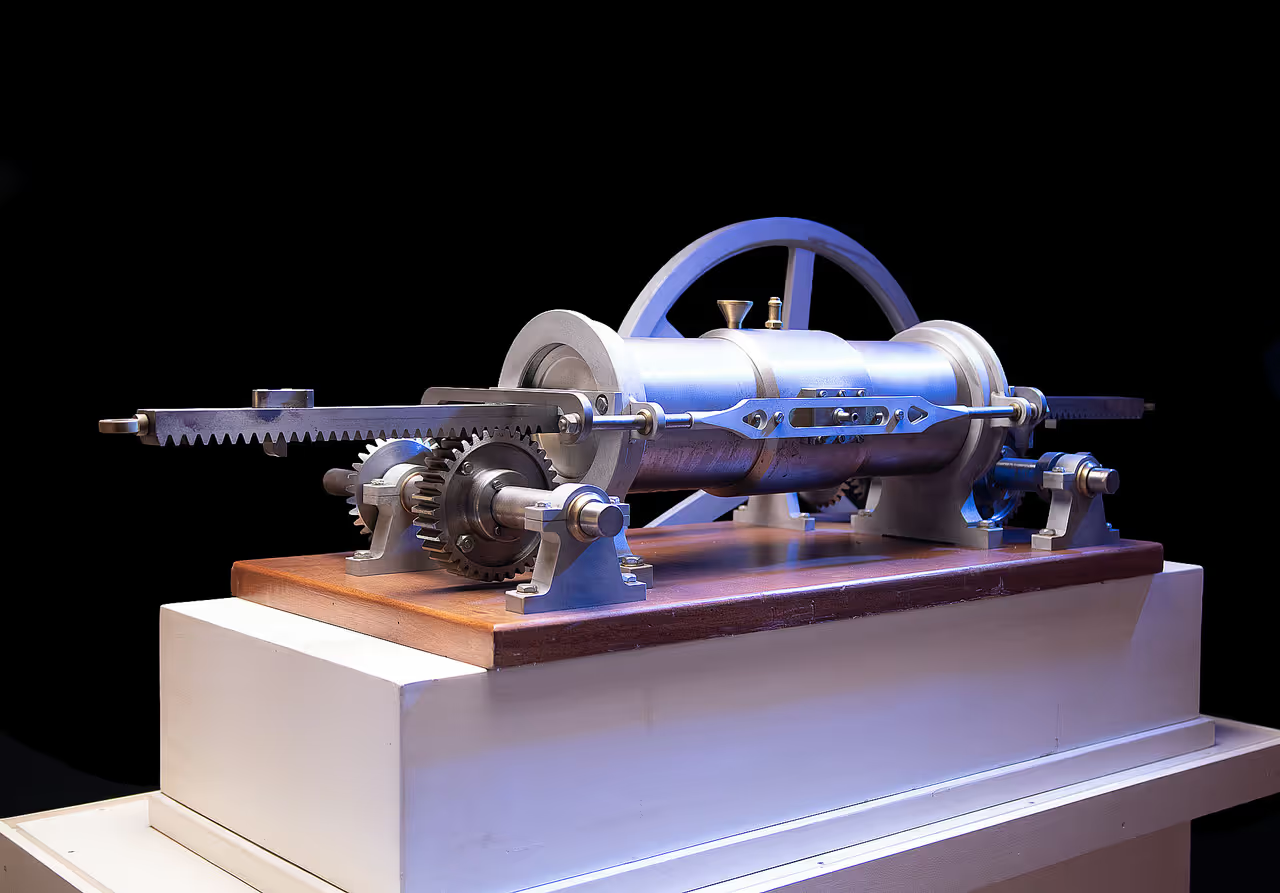
- • Lucca is home to a dedicated museum celebrating the invention of the internal combustion engine, pioneered by two local engineers.
- • The city hosts the oldest continuously running crossbow competition in Europe, operating under rules that were officially codified in 1443.
- • Unlike many traditional Tuscan loaves, the bread baked in Lucca actually contains salt, making it a delicious exception to regional culinary rules.
Did You Know?
- • During the sixth century, Lucca served as the powerful capital of the Longobard Duchy of Tuscia, making it one of the most important political centres in early medieval Italy.
- • The city's silk industry was so dominant in the 11th and 12th centuries that Lucchese merchants practically controlled the luxury fabric markets across the entire European continent.
- • The venerated Volto Santo crucifix, housed in the cathedral, is considered one of the oldest surviving wooden sculptures in the Western world.
- • Lucca is one of only four provincial capitals in Italy to have maintained its Renaissance-era defensive walls completely intact.
- • The Roman statesman Cicero explicitly mentioned Lucca in a letter written in 46 BC to Brutus, indicating its early significance within the Roman Republic.
- • In 1325, the Lucchese army, led by Castruccio Castracani, dealt a devastating blow to the vastly superior forces of Florence at the Battle of Altopascio.
- • A sophisticated aqueduct system, built in the 19th century and featuring over 400 arches, brought fresh mountain water directly into the city fountains.
RESOURCES
Official WebsiteVideos of Lucca
Seasons
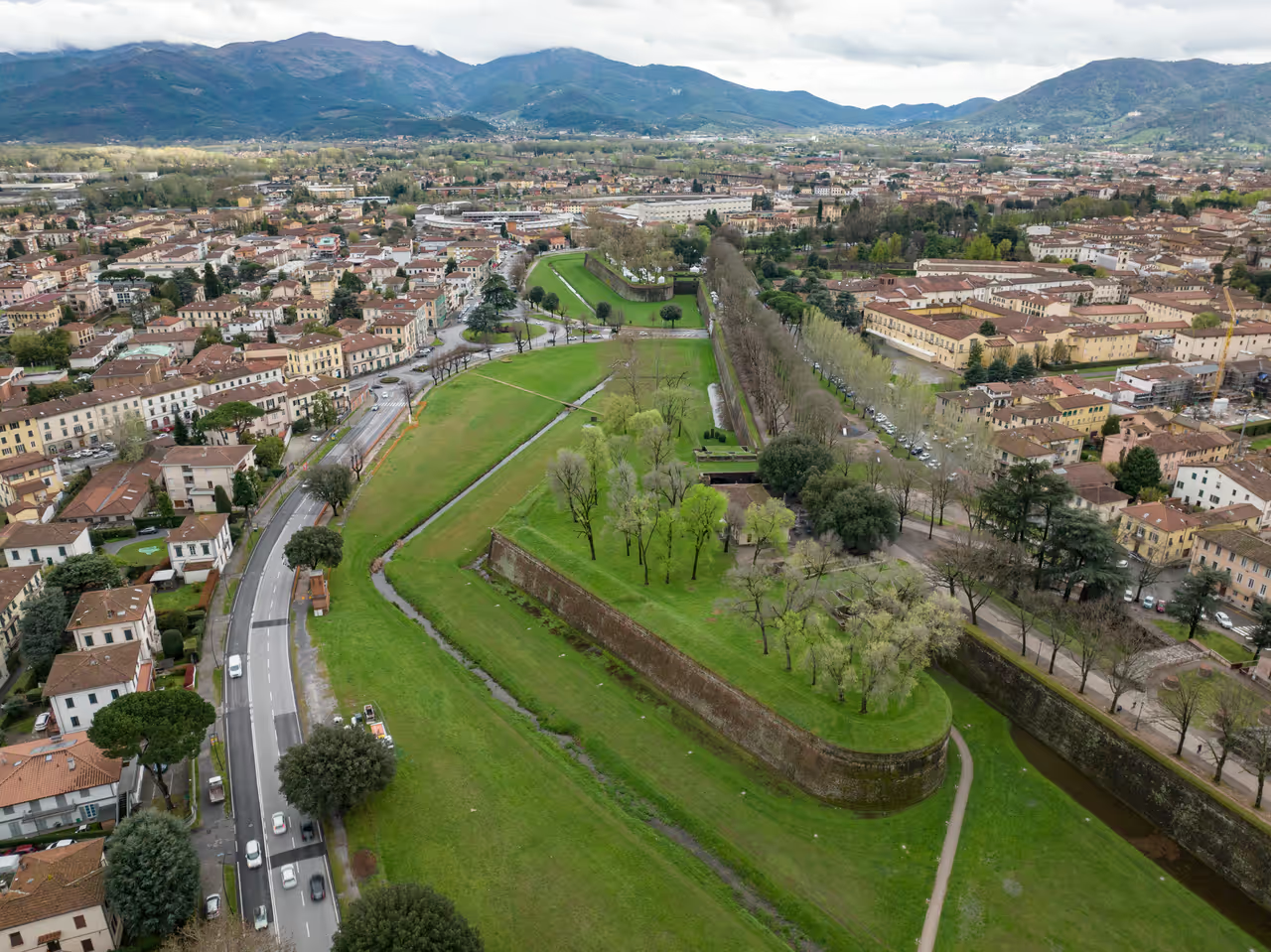
Spring
The city shakes off the winter chill, and the massive trees lining the defensive walls explode into vibrant green. It is...
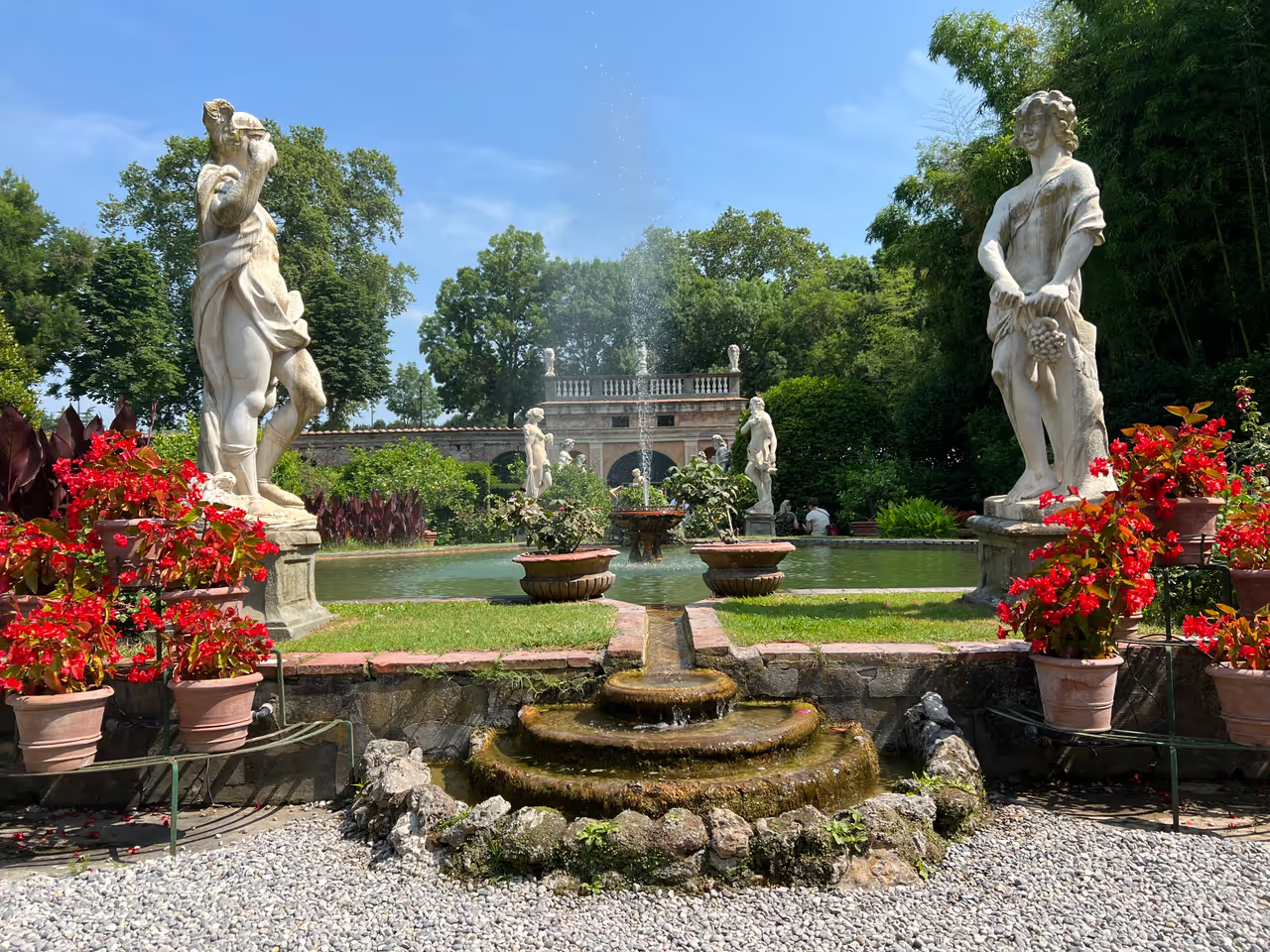
Summer
Expect hot, sunny, and sometimes humid days, making the shaded pathways of the walls an essential retreat. The city bursts into...
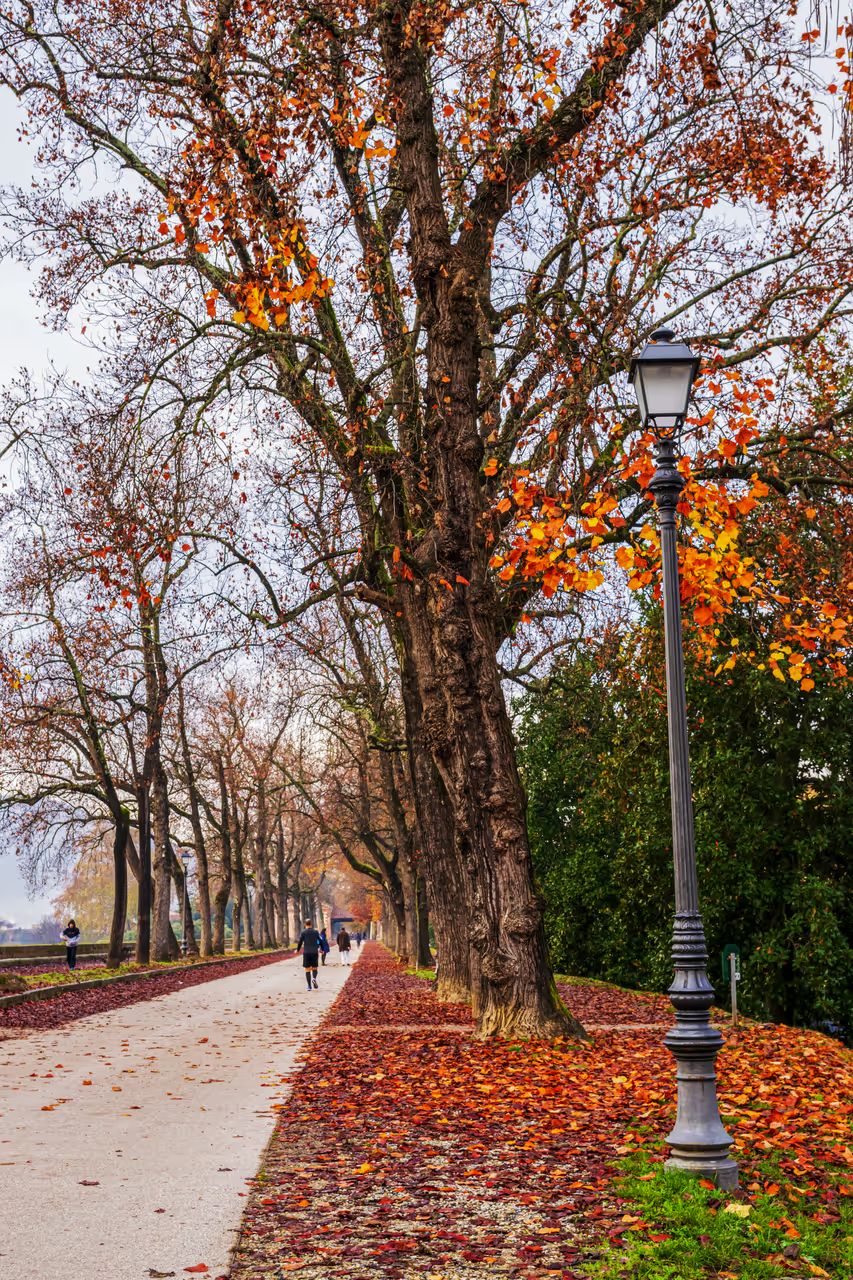
Autumn
A spectacularly beautiful time to visit, as the foliage on the walls and the surrounding hills turns brilliant shades of gold...
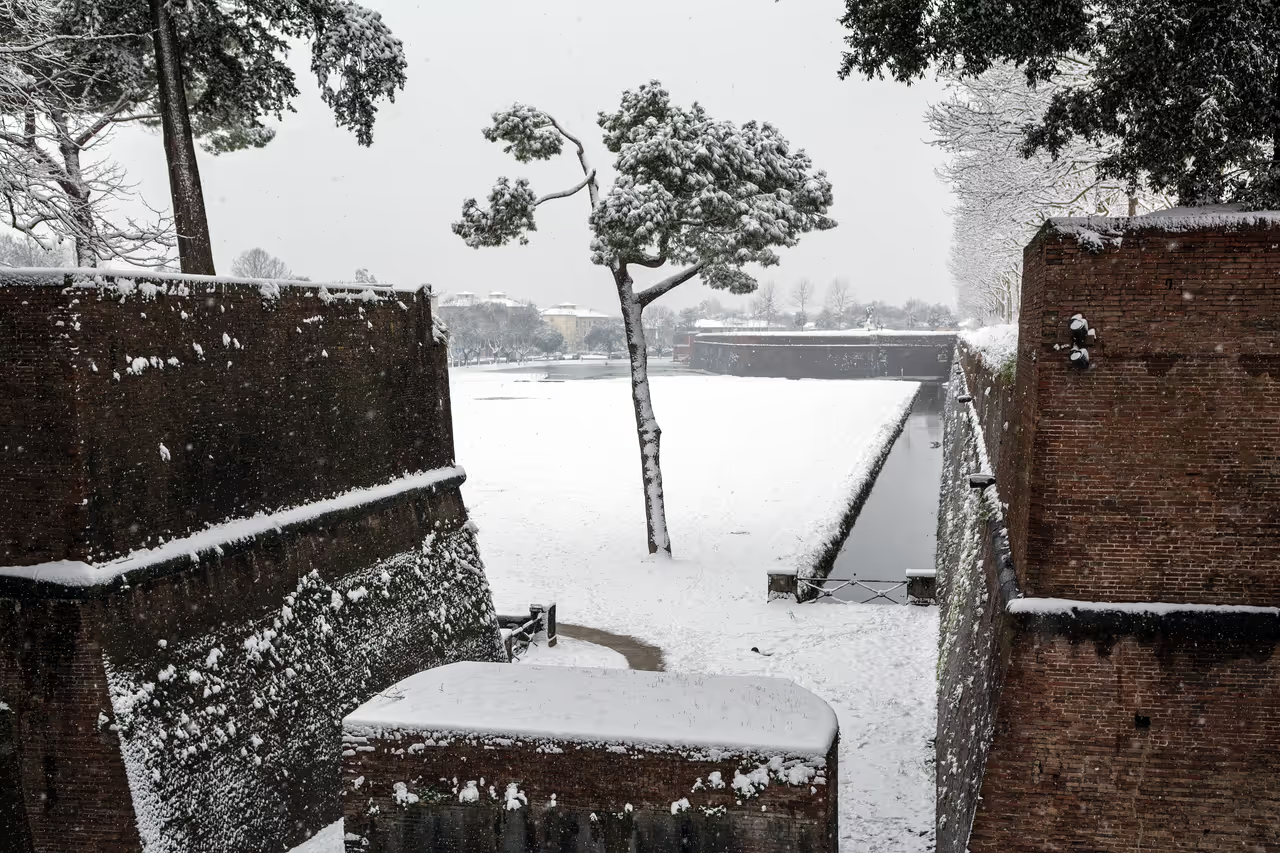
Winter
The city becomes incredibly peaceful, quiet, and atmospheric, occasionally dusted with a light, magical frost. While...
Top Attractions in Lucca
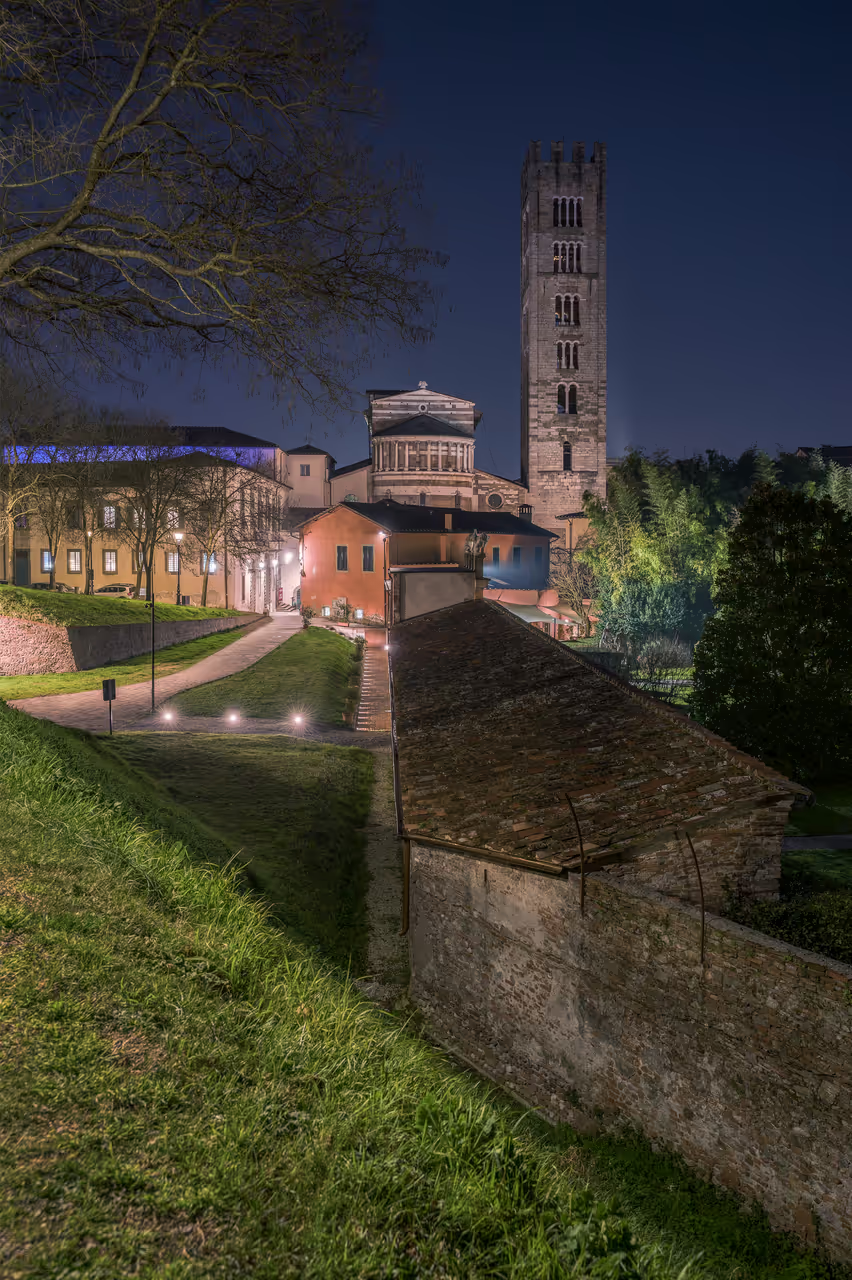
Basilica of San Frediano
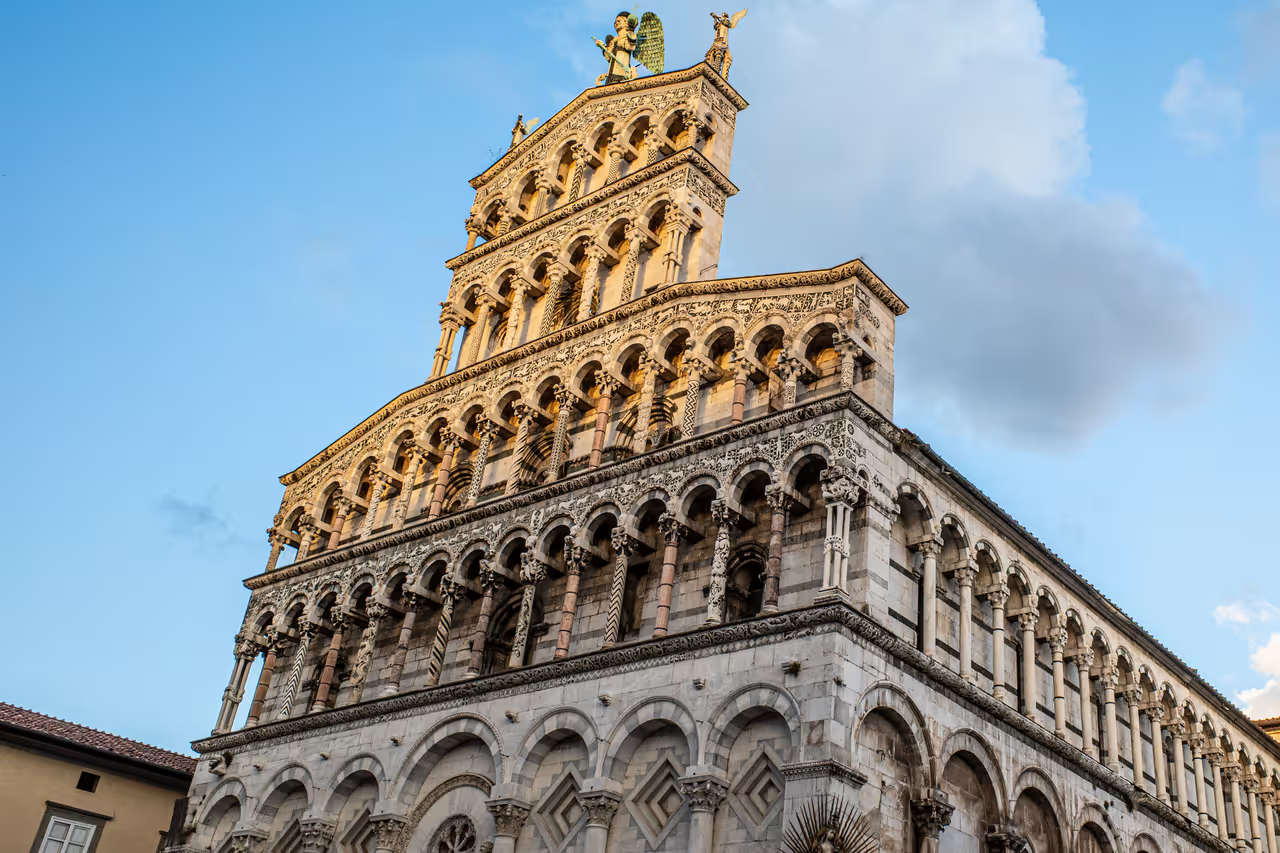
The Basilica of San Frediano is a standout gem in the heart of Lucca, instantly recognisable by the radiant, golden mosaic...
view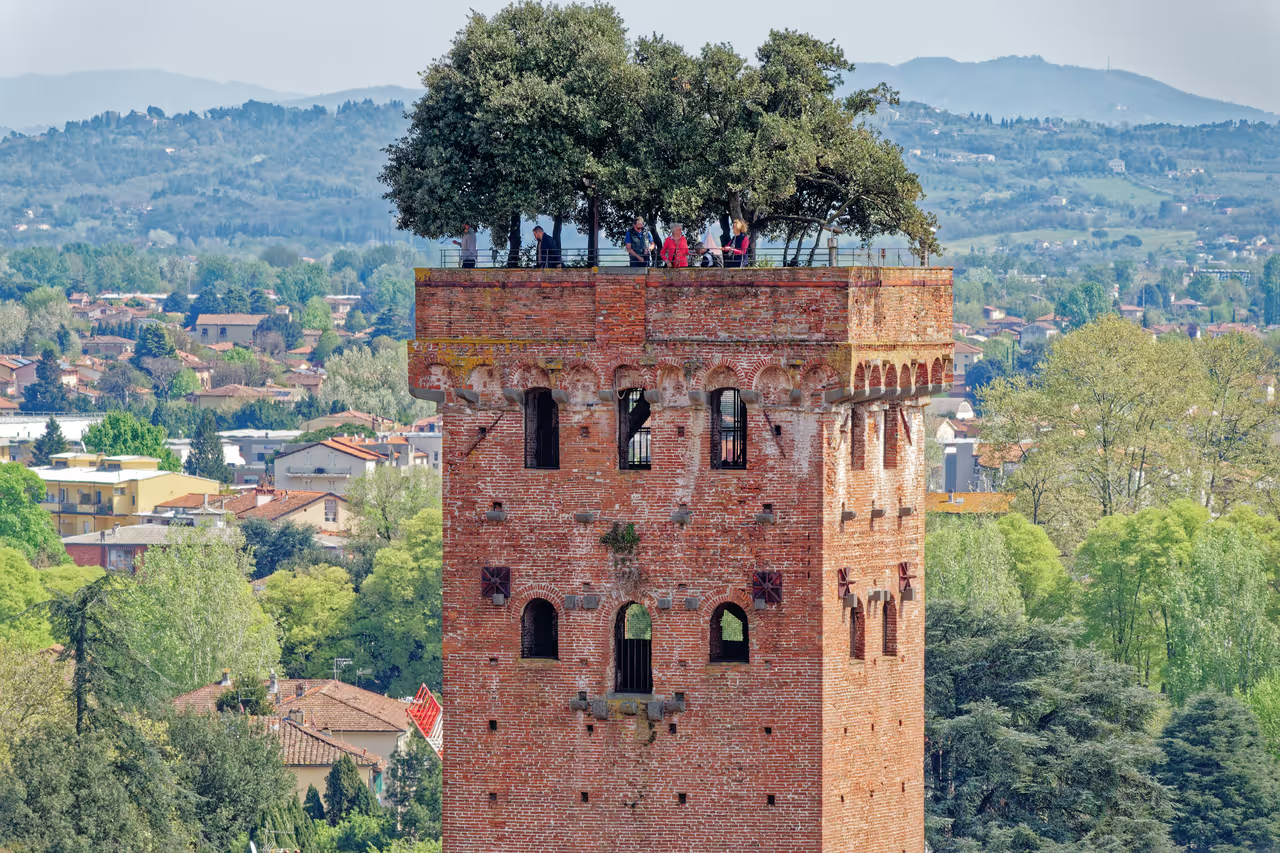
Guinigi Tower
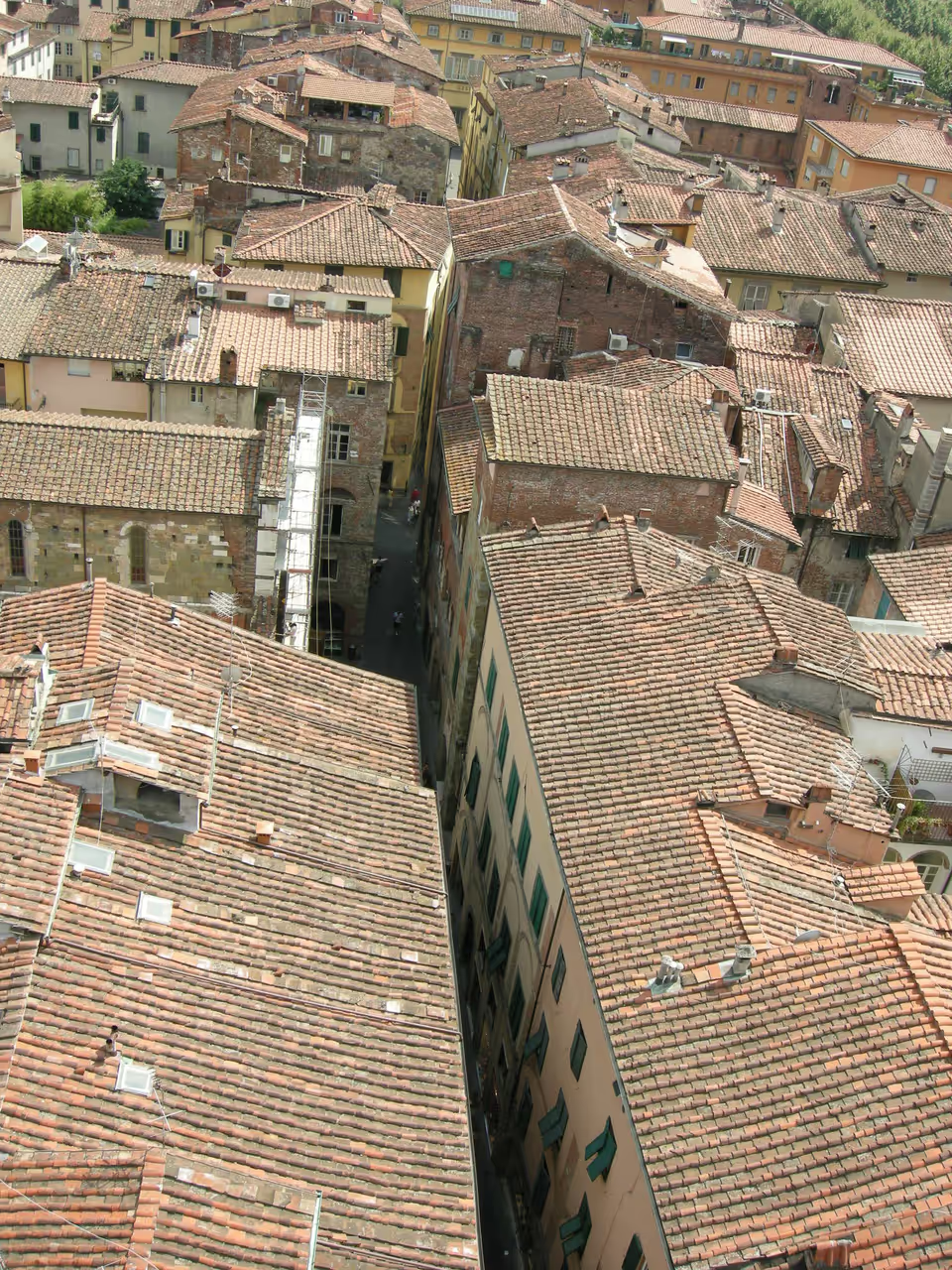
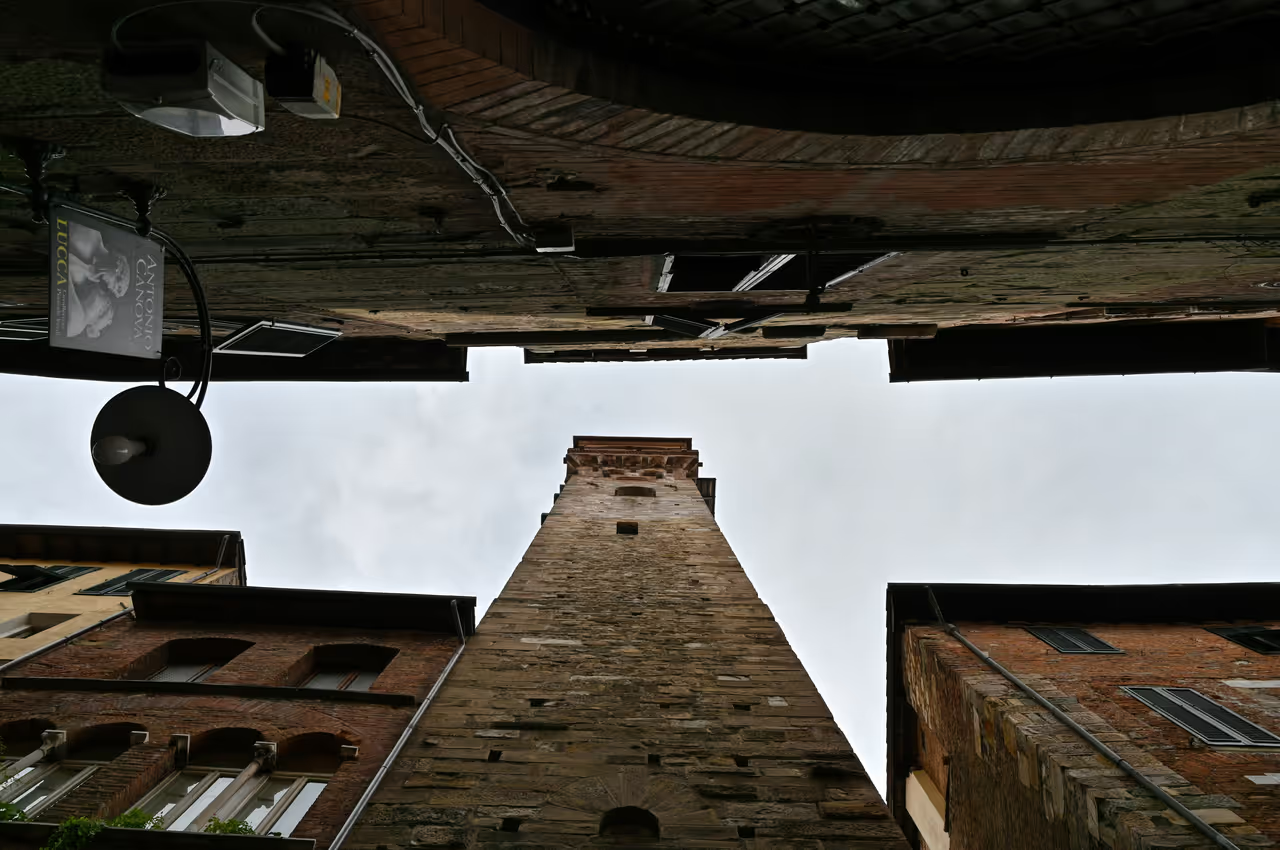
Standing tall above the terracotta rooftops of Lucca, the Guinigi Tower is the city's most iconic landmark, instantly...
view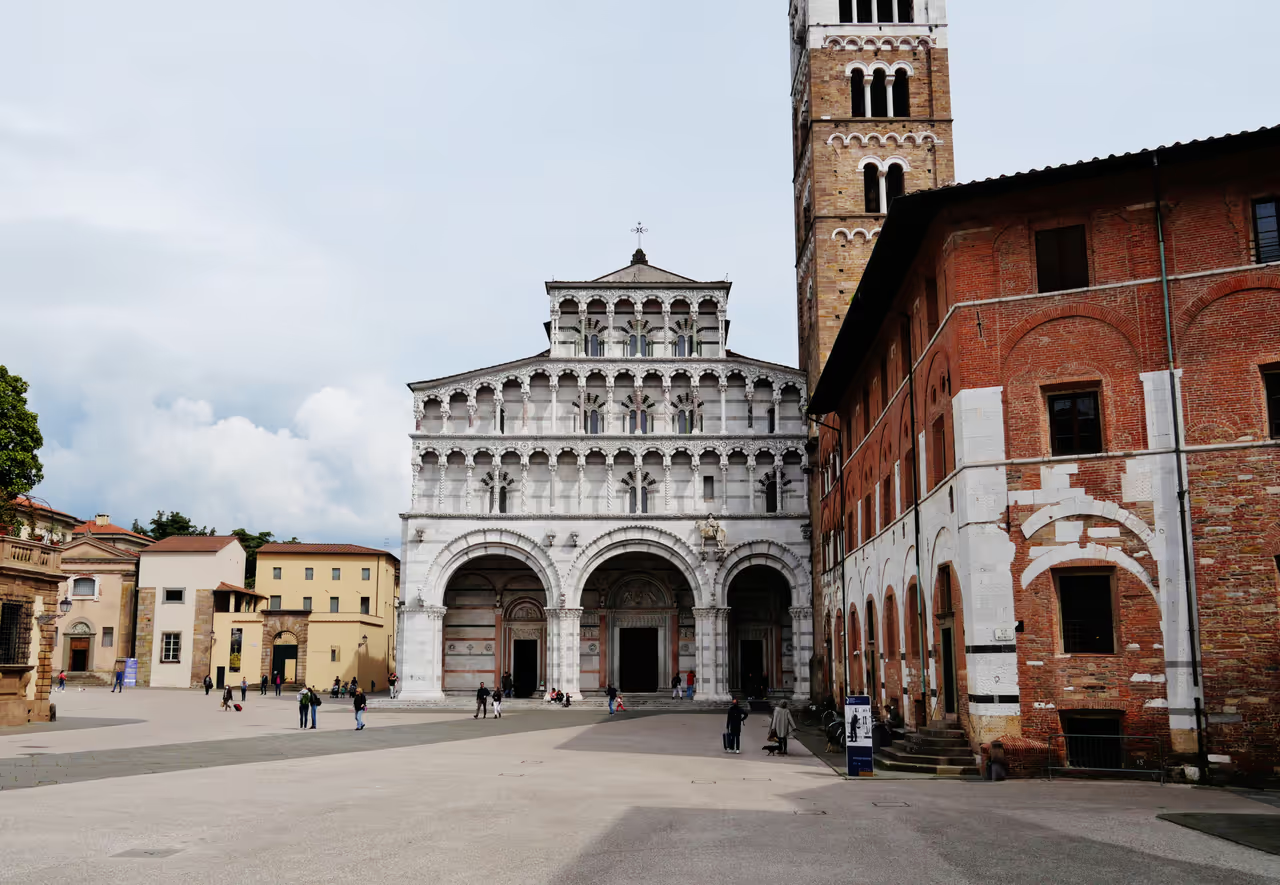
Lucca Cathedral
Step into the heart of Lucca and stand before the magnificent Cattedrale di San Martino, a marvel of Pisan Romanesque...
view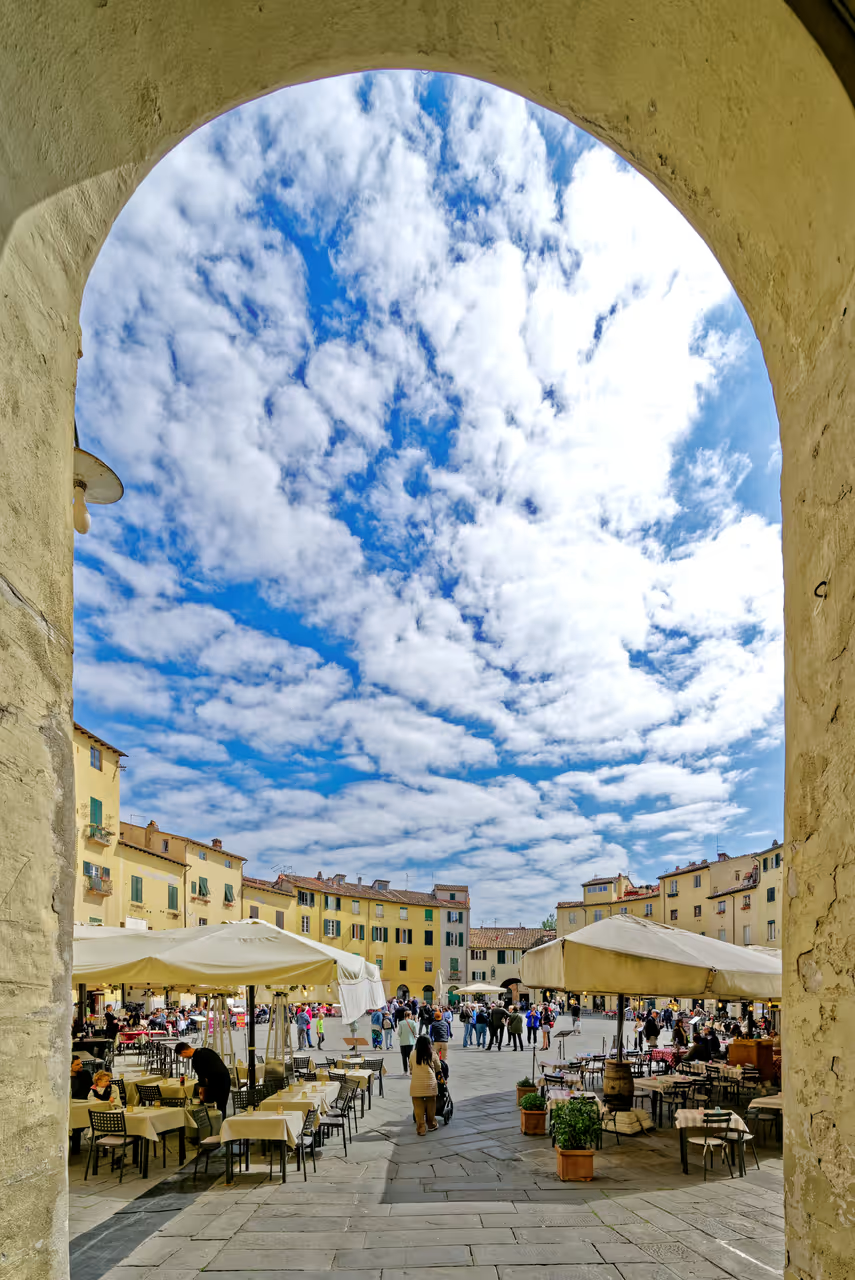
Piazza dell'Anfiteatro
Step into the vibrant heart of Lucca, a place where Roman history seamlessly blends with the rhythm of everyday life. This...
view
Best Views
Lucca Itineraries
TRIP PLANNER
3 Days Recommended
Three days provides the perfect amount of time to fully absorb Lucca's unhurried charm without feeling rushed. It allows enough time to cycle the entire perimeter of the walls, explore the major churches and museums at a leisurely pace, and indulge in long, relaxed Tuscan lunches. You will also have a spare morning to visit a nearby villa or take a gentle excursion into the surrounding hills.
1 Day in Lucca Itinerary
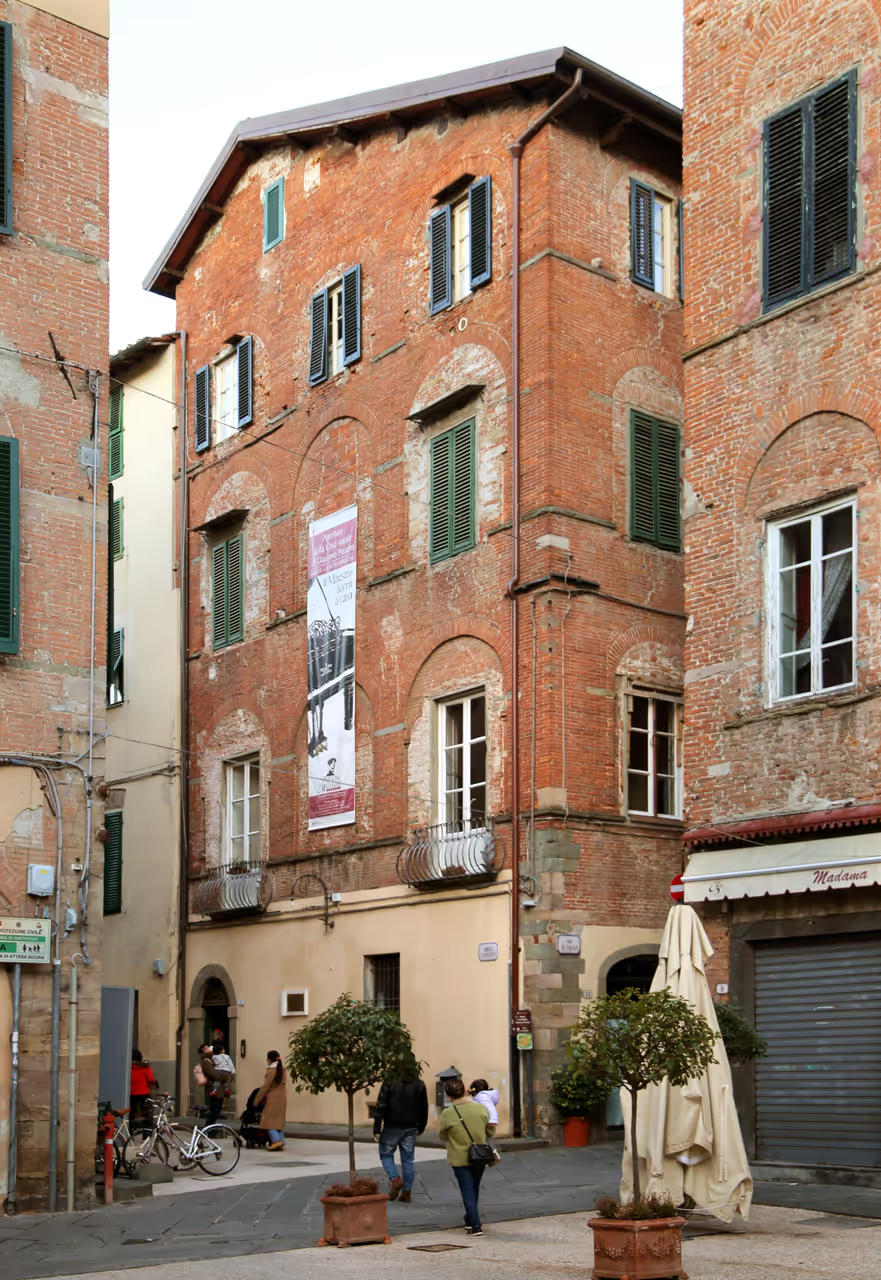
If you only have a single day to experience the magic of this walled city, this highly focused plan ensures you see the absolute must-visit highlights. You will explore the stunning Romanesque churches, navigate the narrow medieval commercial streets, and take in the unique oval beauty of the ancient amphitheatre footprint. The day balances awe-inspiring architecture with relaxed walking, culminating in a highly scenic sunset ride above the city.
view itinerary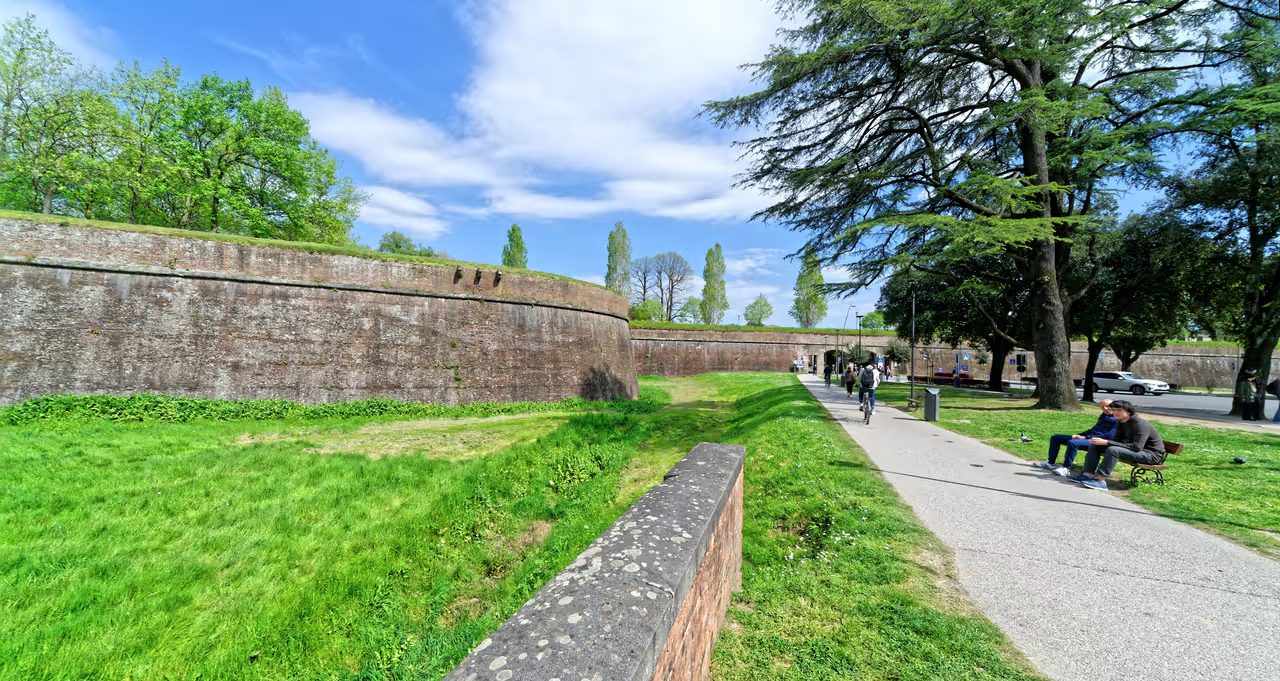
3 Days in Lucca: Palaces, Music, and Panoramas Itinerary
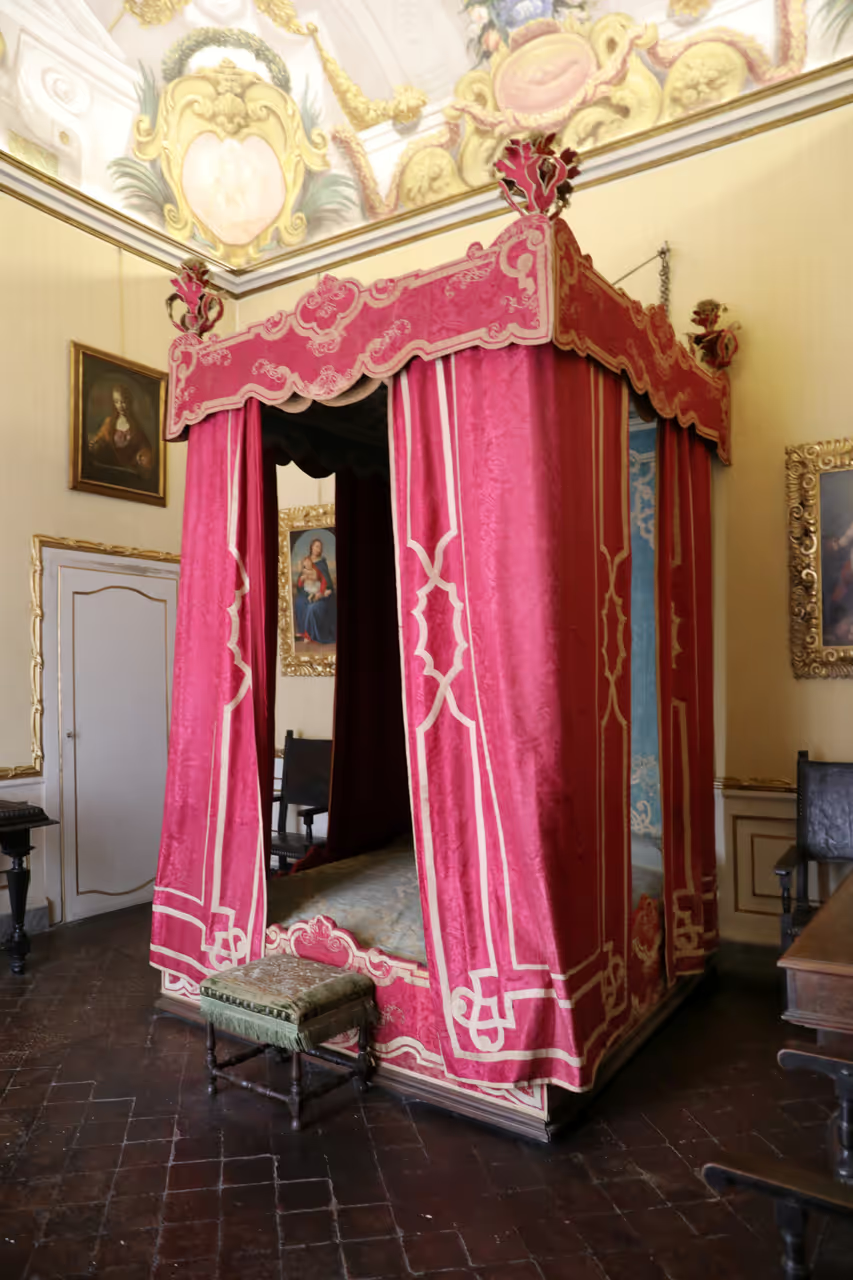
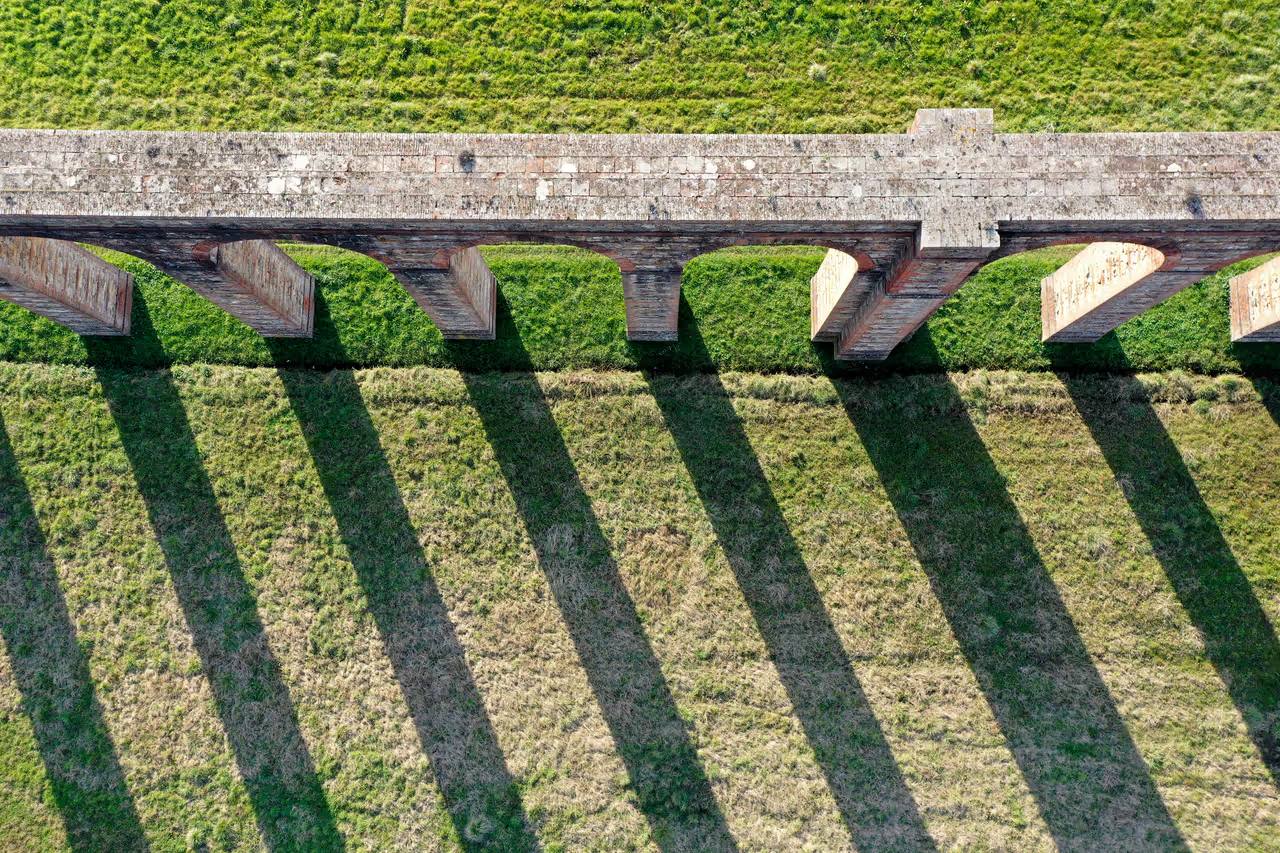
With three days, you can slow down and truly embrace the unhurried lifestyle that makes this city so beloved. After covering the iconic churches and squares, you will dive into the opulent history of the wealthy silk merchants by visiting their lavishly decorated palaces and hidden gardens. You will also have ample time to trace the footsteps of the legendary composer Giacomo Puccini, before venturing just outside the walls to admire the monumental civil engineering of the aqueduct.
view itinerary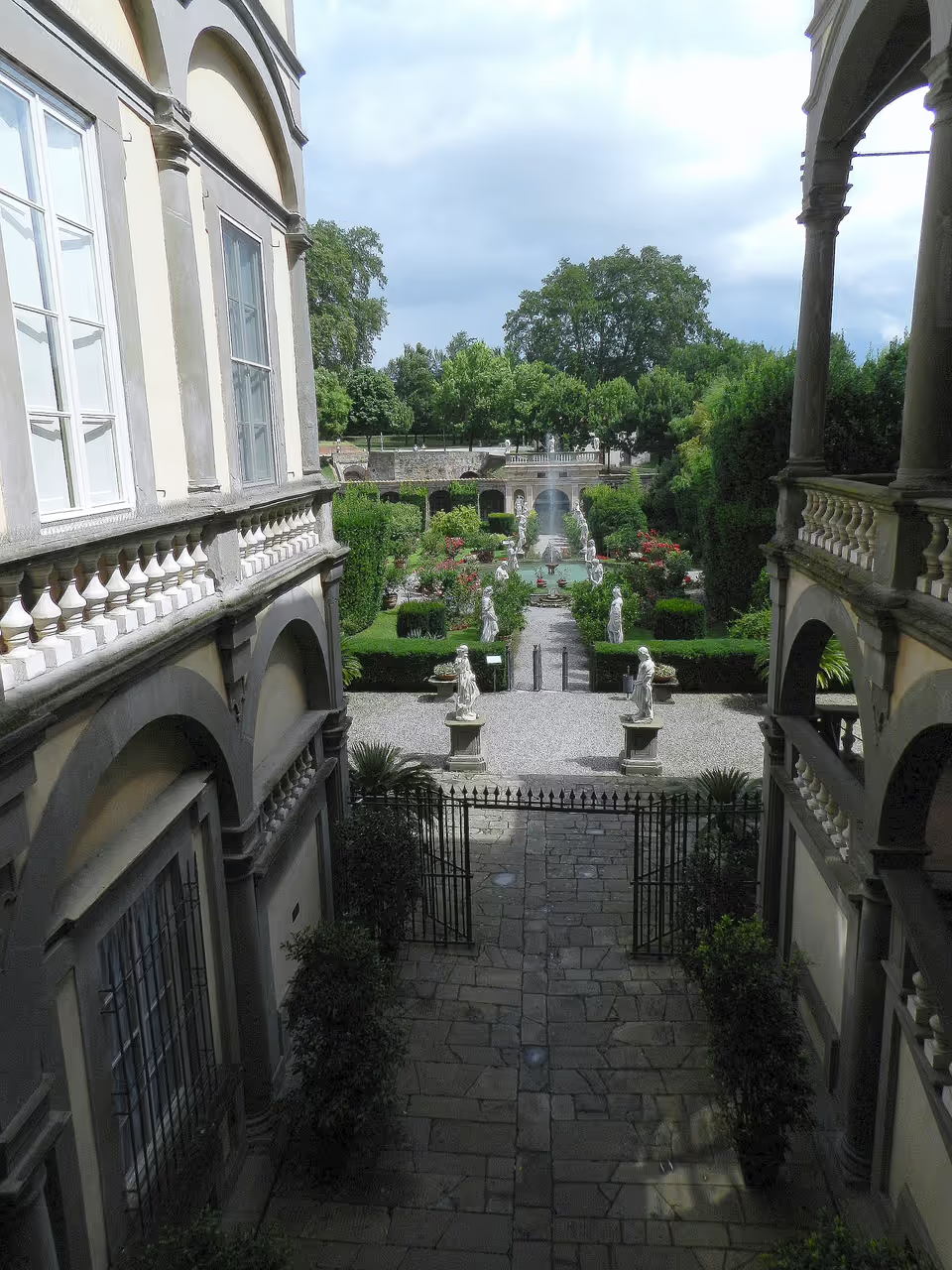
5 Days in Lucca: Complete Cultural Immersion Itinerary
Five days allows you to completely sink into the rhythm of the city, exploring its most famous monuments as well as its fascinating, lesser-known hidden gems. You will discover ancient Roman mosaics buried in basements, quirky local museums, and the beautiful nature reserves that sit just beyond the fortifications. This extended itinerary gives you the luxury of taking long, leisurely lunches, engaging deeply with the city's complex history, and enjoying the vibrant evening bar scene like a true local.
view itinerary
Food in Lucca
Free Things to do in Lucca
Parks & Nature
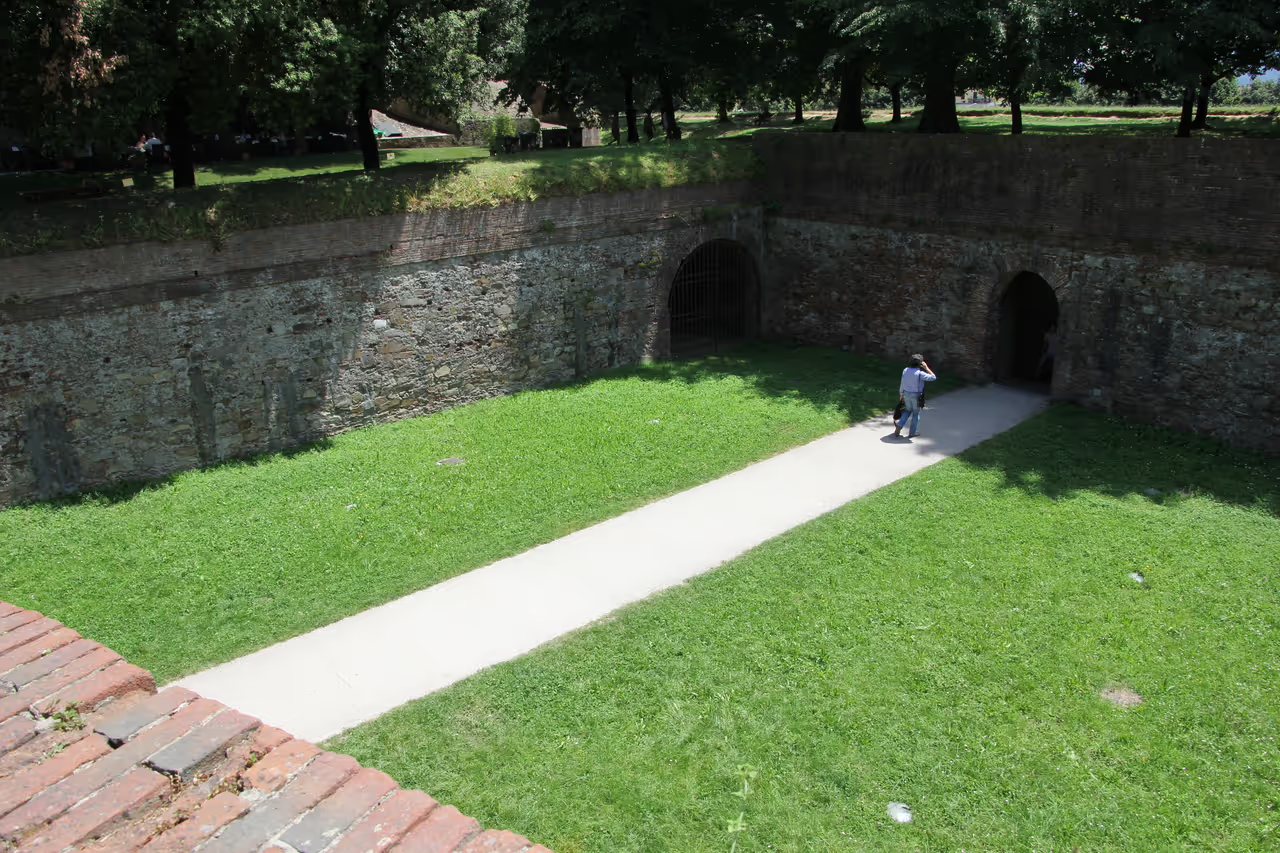
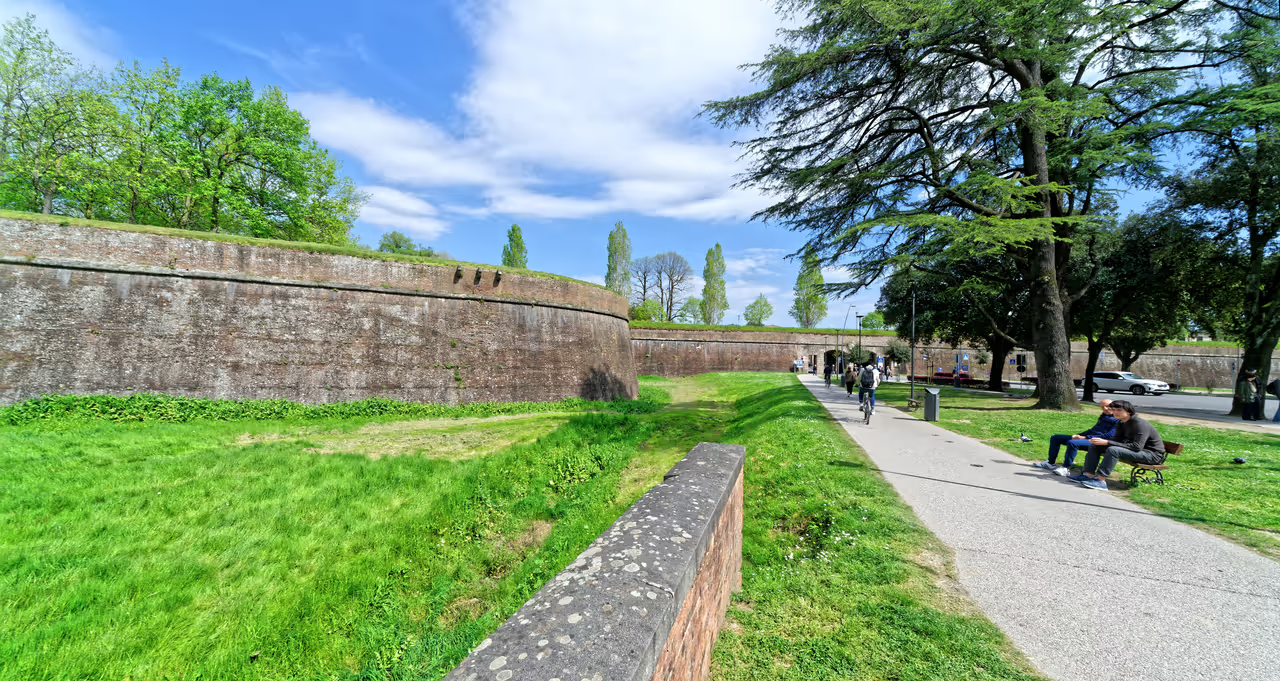
Renaissance Walls of Lucca
Walk atop one of the world's most beautiful and perfectly preserved Renaissance fortifications. These magnificent walls surround...
view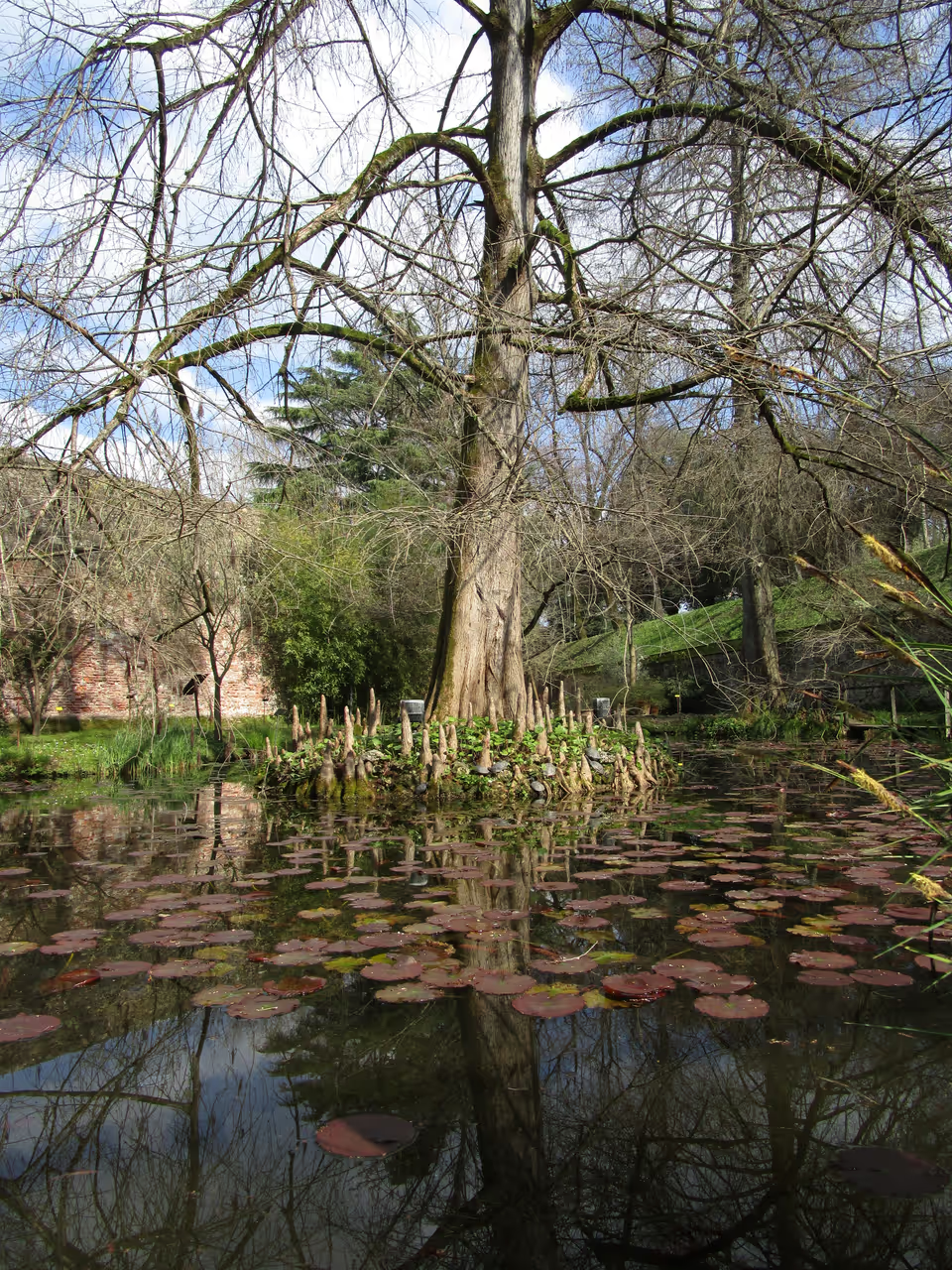
Lucca Botanical Garden
Nestled in the quiet southeastern corner of Lucca’s historic city walls, this botanical garden is a serene oasis of biodiversity...
viewPalazzo Pfanner
Step into the elegant embrace of Palazzo Pfanner, a baroque jewel tucked just inside the historic walls of Lucca. This stunning...
view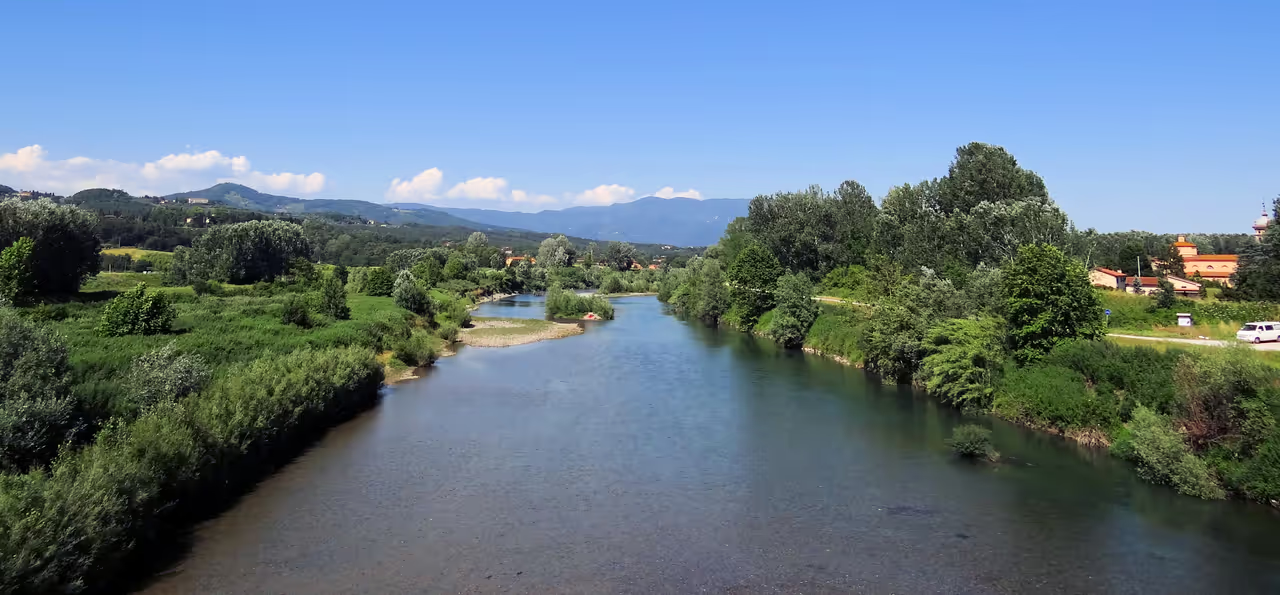
Serchio River Park
The Serchio River Park offers a tranquil escape from the urban historic centre, stretching along the banks of one of Tuscany's...
view
Highlights & Must-Sees
Fillungo Street
Winding its way through the historic centre, this narrow, gently curving street is the undisputed commercial and social artery...
viewPuccini Birthplace Museum
Located in the very apartment where the great composer Giacomo Puccini was born in 1858, this museum is a touching homage to his...
viewClock Tower
Standing proudly as the highest tower in the city, this slender structure has been keeping time for the citizens since the 14th...
viewMansi Palace National Museum
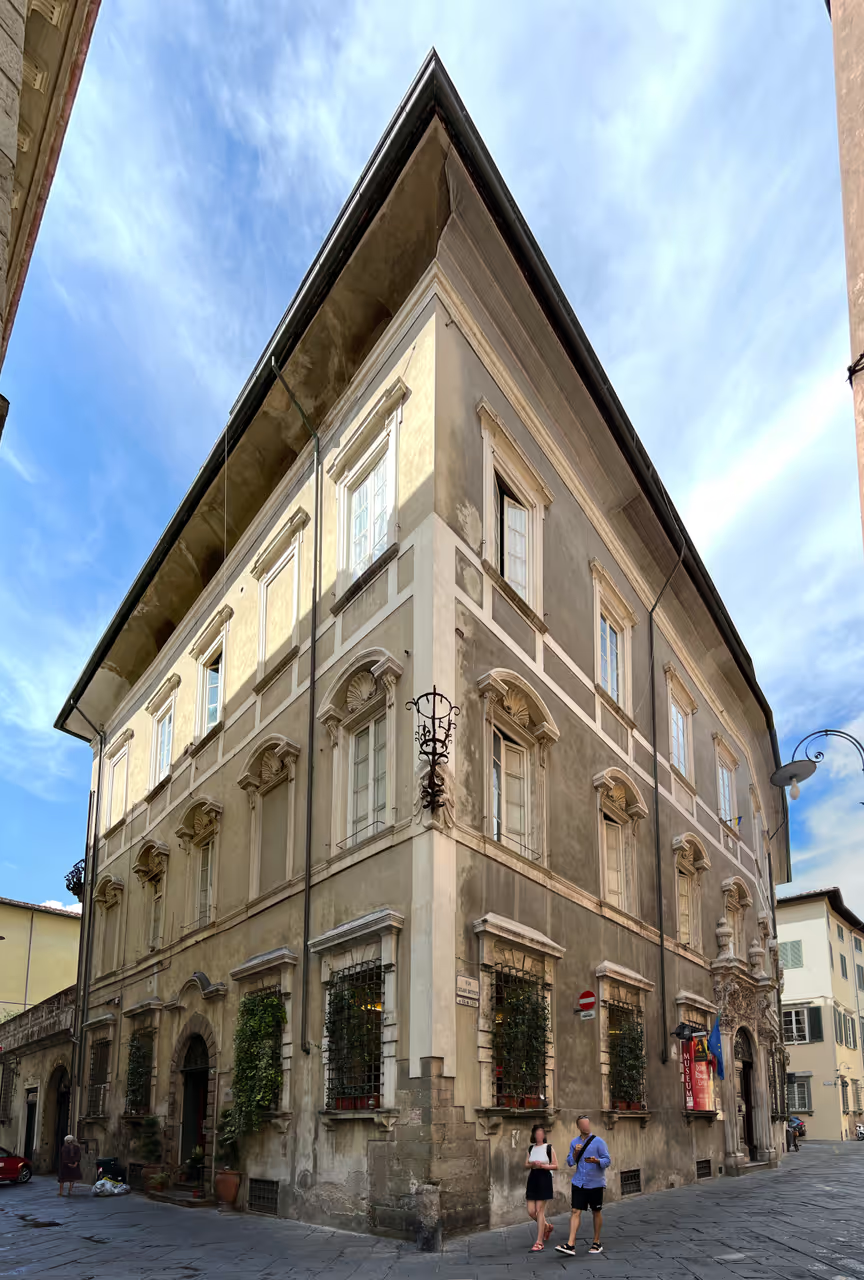
From the outside, this aristocratic residence appears relatively restrained, but crossing the threshold reveals a staggering...
view
Best Walks in Lucca
- HIGHLY RECOMMENDED
Medieval Heart & Hidden Squares
This highly atmospheric walk wanders aimlessly through the dense, pedestrianised core of the ancient city, where every turn reveals centuries of history. It traces narrow, shaded alleyways that suddenly open up into vast, sun-drenched piazzas surrounded by towering patrician houses. The route is designed to soak in the incredible density of Romanesque architecture and the lively hum of boutique shopping. It is a sensory journey filled with the smell of fresh bakeries and the visual splendour of ornate marble facades.
In the Footsteps of Puccini
This culturally rich route winds through the elegant piazzas and imposing religious buildings that heavily influenced the city's famous musical sons. It connects the birthplaces and primary performance venues of world-renowned composers, steeping the walker in a deeply refined, artistic atmosphere. As you wander, it is not uncommon to hear faint strains of classical music drifting from open conservatory windows or churches. The stroll showcases the grandiose, theatrical side of the city's architecture.
High Walls Promenade
Walking atop the massive defensive perimeter provides a uniquely elevated and peaceful perspective on the bustling town below. The wide paths are treated as a linear park by locals, dotted with benches, grassy outcroppings, and centuries-old trees providing dappled shade. From this height, you can peek into the private, walled gardens of wealthy estates on one side, and gaze out over the deep defensive trenches to the mountains on the other. It is a relaxing, highly social environment where the city comes to unwind.
Architecture & Landmarks
Clock Tower
This incredibly tall, slender brick structure is the highest tower surviving in the city, reaching 50 metres into the sky. Built...
viewDucal Palace
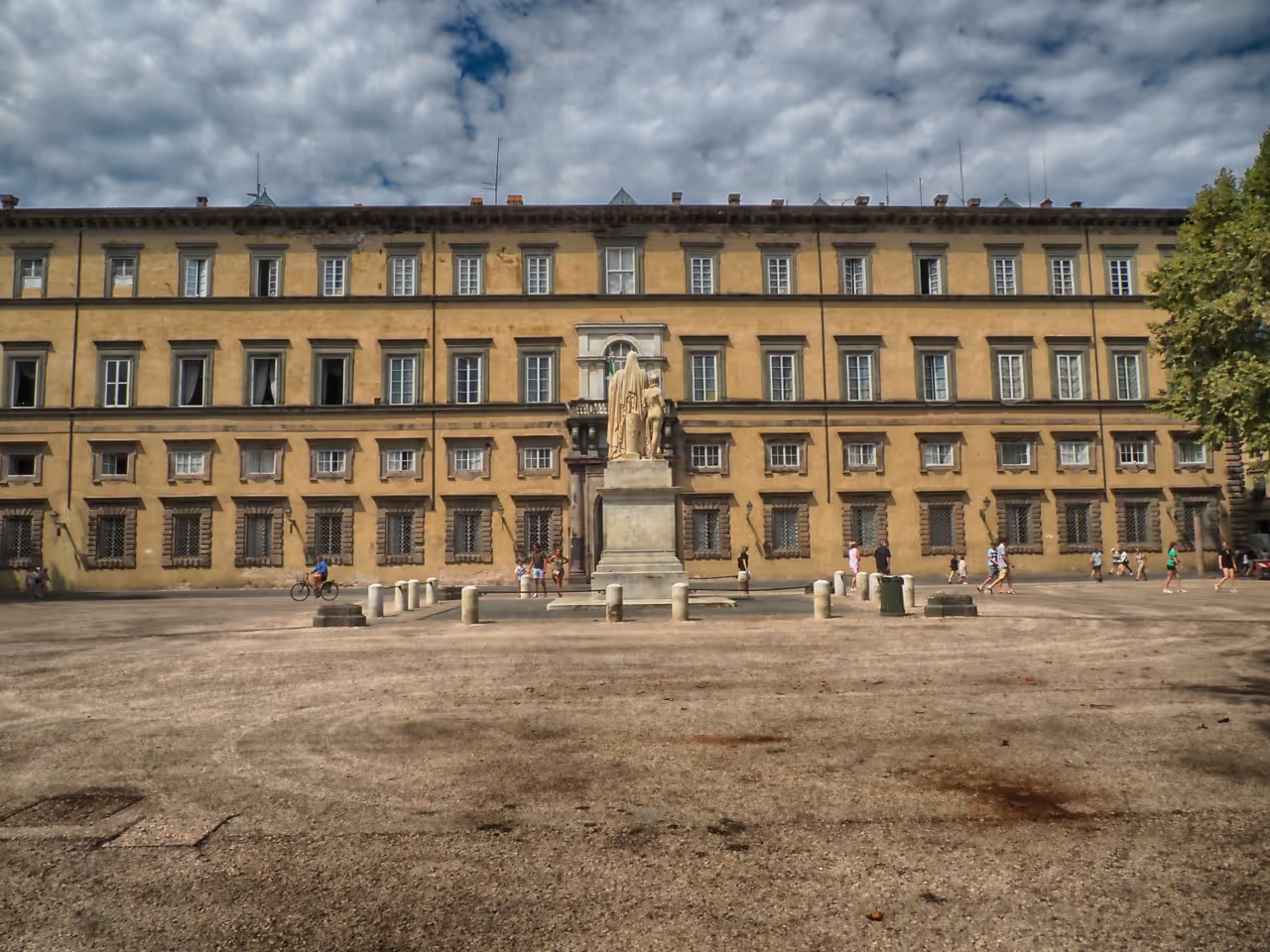
Dominating the western side of Piazza Napoleone, this massive administrative complex represents the shifting power dynamics of...
viewMansi Palace
While its exterior respects the somewhat severe, blocky aesthetic expected of 16th-century patrician homes, the interior of this...
viewPfanner Palace
Originally built for a wealthy silk merchant family in the 17th century, this structure is a brilliant example of transition in...
view
Markets & Shopping
Lucca Nightlife
Photo Spots
Activities & Experiences
Cycling Routes
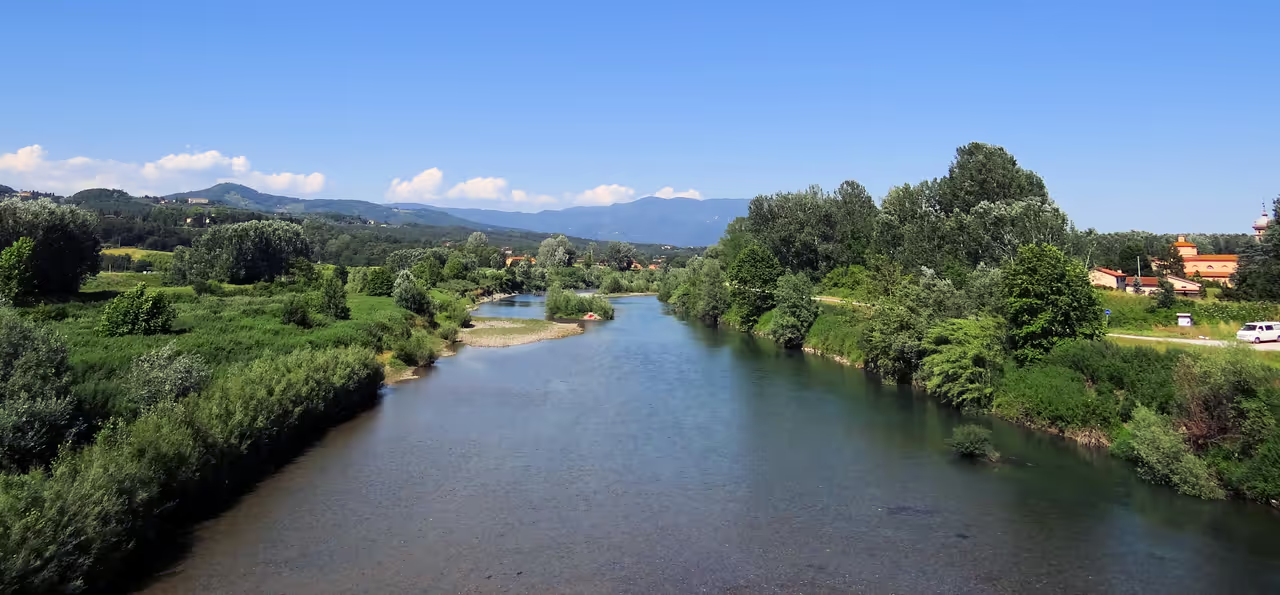
Serchio River Nature Trail
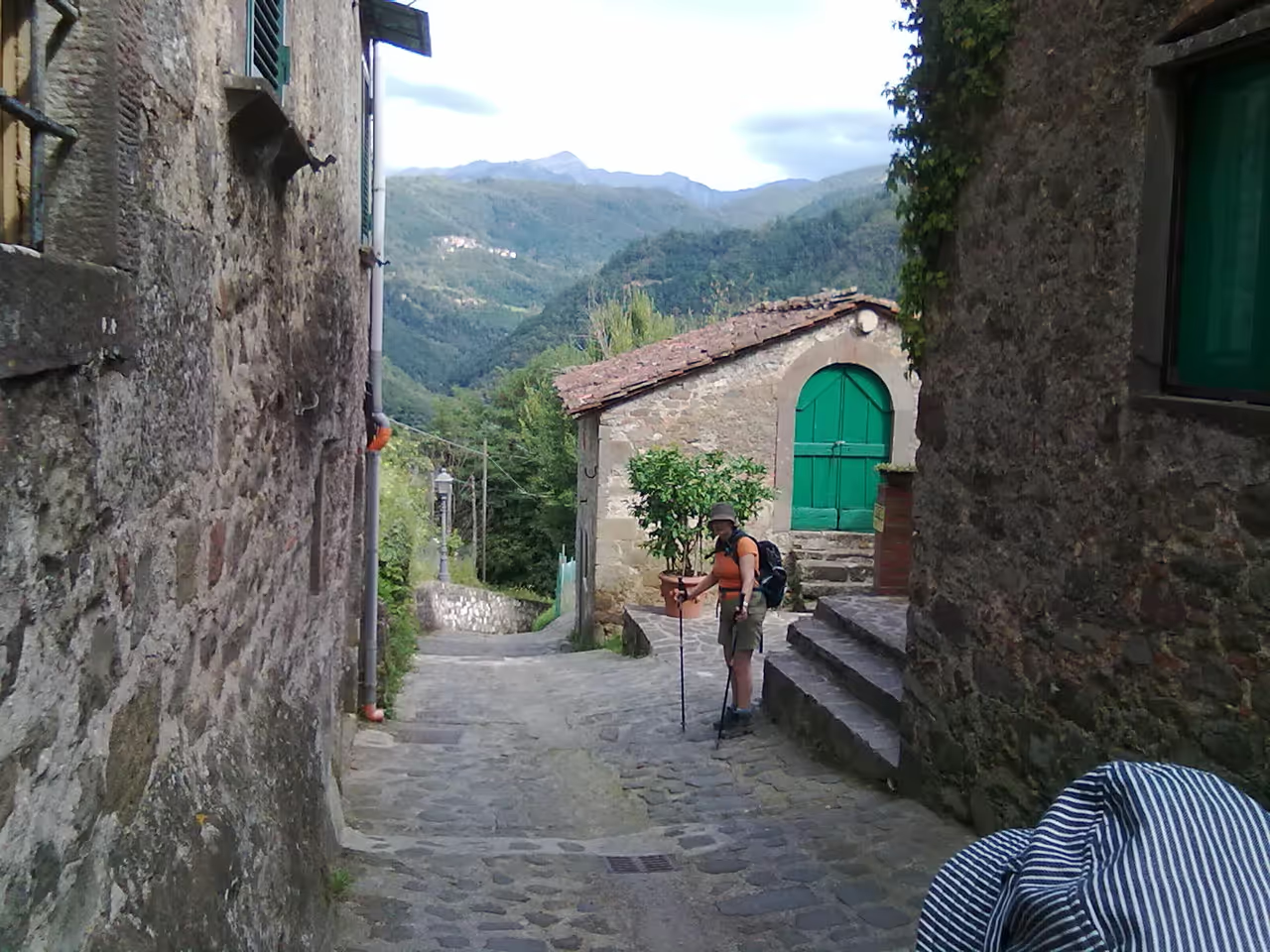
Leaving the stone streets behind, this tranquil route follows the gentle curves of the nearby river through a lush green valley. The well-packed dirt and gravel paths run right alongside the water, offering a cooling breeze and plenty of shade from the riverside vegetation. It is a flat, incredibly peaceful ride that provides a glimpse into the rural Tuscan landscape just minutes from the city walls. The environment is rich with local birdlife and dotted with small historical footbridges.
- HIGHLY RECOMMENDED
City Walls Circuit
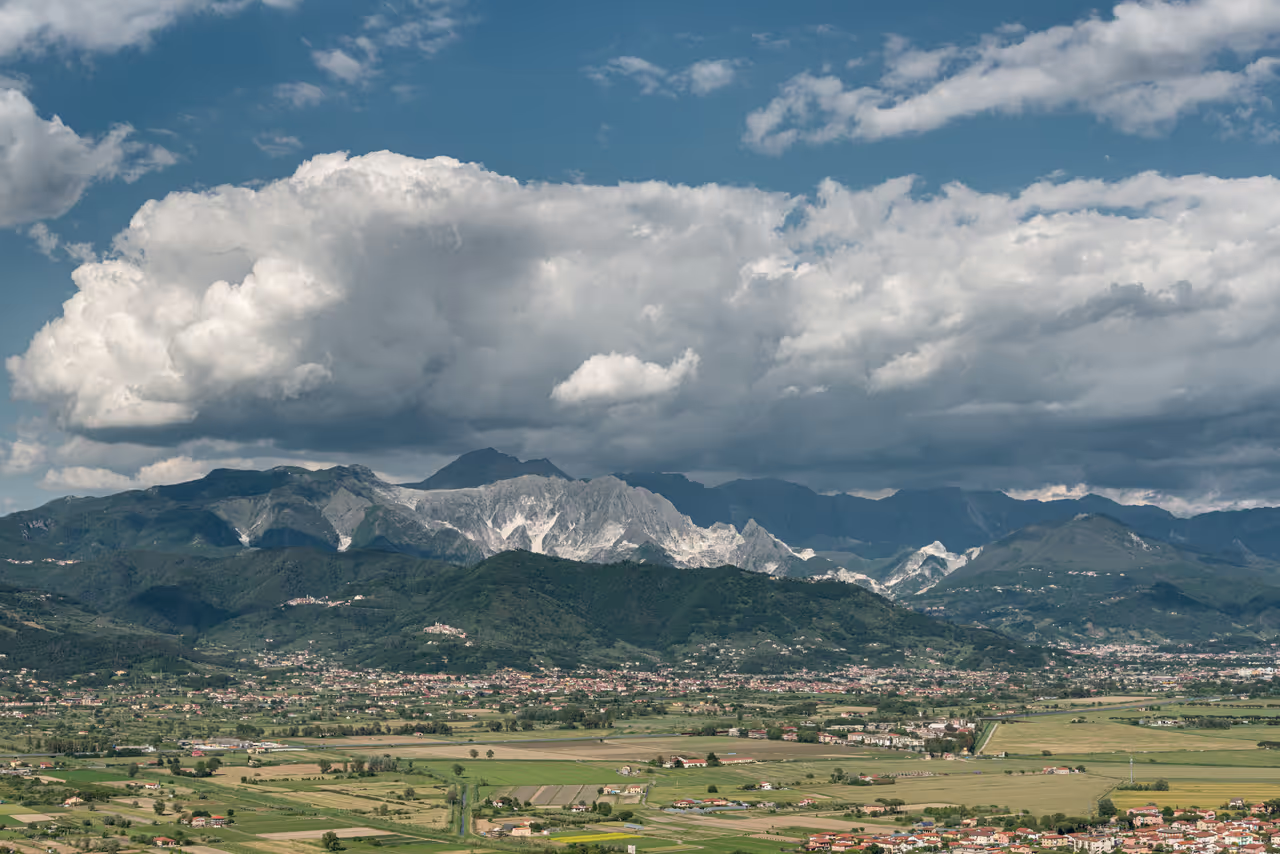
This is a brilliantly effortless and entirely traffic-free loop along the top of the monumental fortifications that encircle the historic town. Shaded by a continuous canopy of magnificent old trees, the broad path offers stunning, elevated vantage points over the red-tiled roofs, medieval towers, and hidden palace gardens. It provides an immediate and joyous orientation to the city's layout. The ride is entirely flat and wide, making it wonderfully accessible for casual riders on rented city bikes.
Aqueduct & Countryside Ride
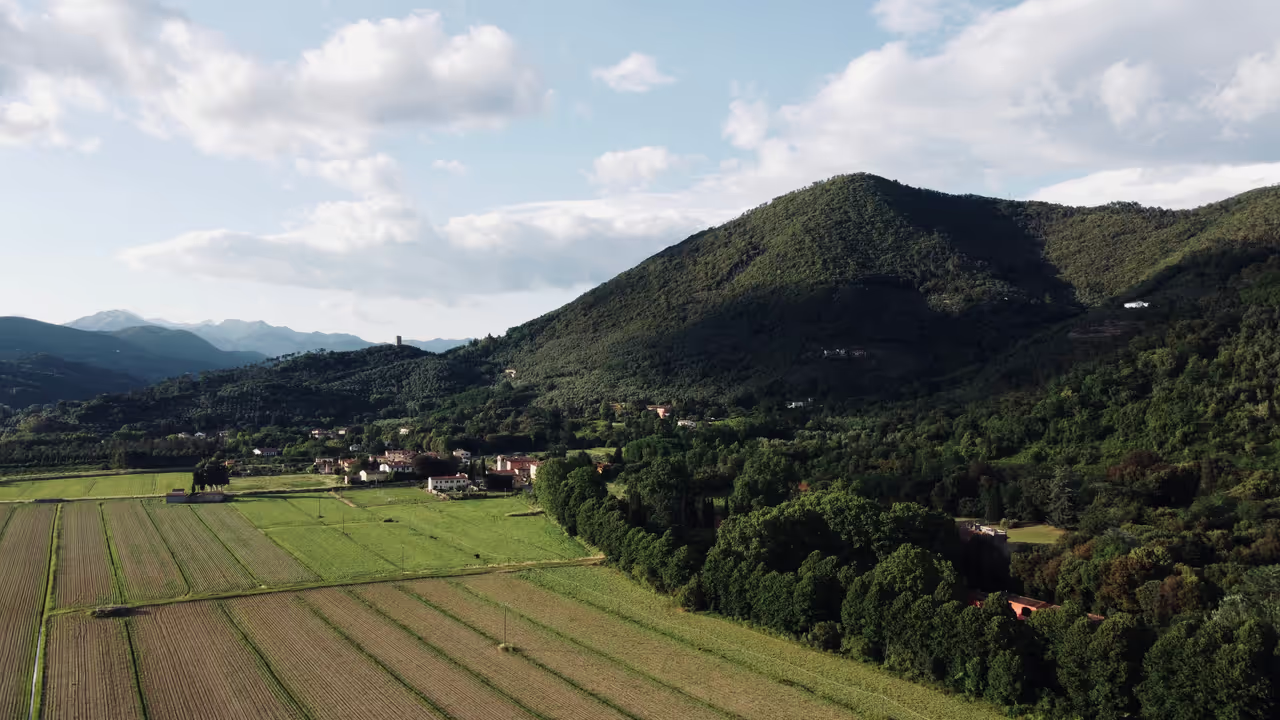
This remarkably scenic route traces the majestic, towering arches of a nineteenth-century aqueduct straight out into the rolling countryside. The path mostly follows quiet service roads and rural lanes, keeping you right beside the continuous line of over four hundred brick arches that stretch towards the mountains. It is a brilliant blend of grand civil engineering and pastoral beauty, cutting through fields and small villages. As you approach the foothills, the landscape becomes increasingly dramatic and lush.
Self-Guided Tours
Unearthing the Roman Footprints
Peeling back the layers of Renaissance and medieval brickwork, this fascinating route reveals the stubborn persistence of the original Roman colony founded in 180 BC. It traces the ancient grid system where the primary thoroughfares, the cardo and decumanus, still dictate the flow of modern traffic. The journey explores how colossal imperial structures were ingeniously recycled into domestic housing and religious foundations. It is an archaeological treasure hunt right in the middle of a bustling, living city.
Hundred Churches Pilgrimage
This thematic walk explores the stunning density of religious architecture that earned the city its famous nickname. Focusing on the monumental Romanesque facades that dominate the piazzas, the route deciphers the rich, symbolic carvings of mythical beasts, saints, and hunting scenes etched into the marble. It also visits quieter, hidden chapels that offer a stark contrast to the grandeur of the main basilicas. The tour highlights the immense spiritual importance the city held as a primary stop on the medieval Via Francigena.
- HIGHLY RECOMMENDED
Silk Lords & Palaces Tour
This opulent journey dives into the immense wealth generated by the city's medieval and Renaissance silk trade, which funded an explosion of lavish civic construction. The route connects the towering strongholds of fiercely competitive merchant families with their later, highly decorated Baroque residences. It explores how economic power manifested itself in architecture, moving from imposing brick defensive towers to delicate, manicured pleasure gardens. You will walk through the corridors of power that kept the Republic independent for centuries.
Annual Festivals & Events
 HIGHLY RECOMMENDED
Festival of the Holy Cross Luminara
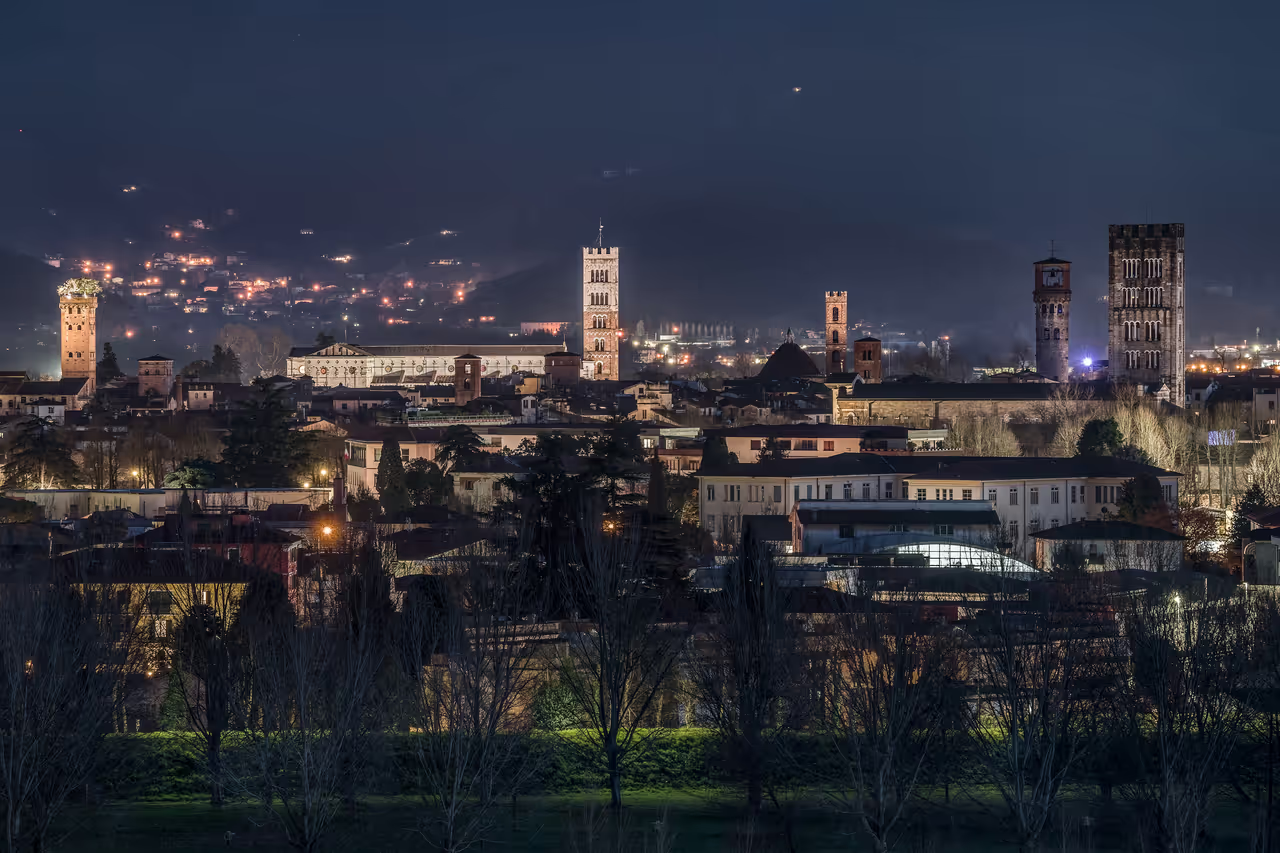
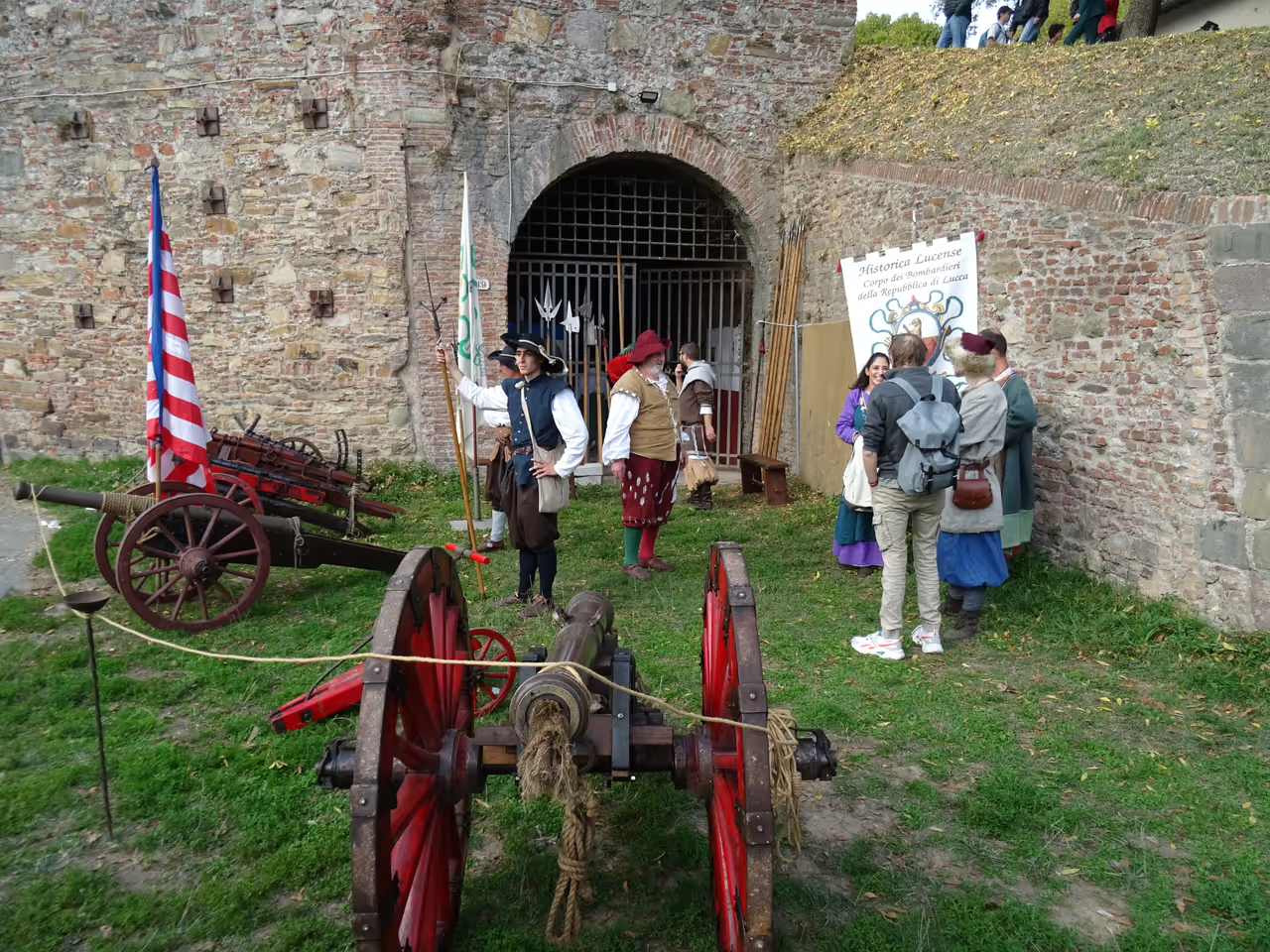
This deeply spiritual and visually stunning festival is the most important religious event in the city's calendar. On the evening of September 13th, the entire historic centre is plunged into darkness, illuminated only by thousands of wax candles outlining the windows and doors of every building. A massive, solemn procession makes its way through the flickering streets to the Cathedral to venerate the ancient Volto Santo crucifix. Complete with medieval costumes, chanting choirs, and marching bands, it is a hauntingly beautiful display of local devotion.
 HIGHLY RECOMMENDED
Lucca Comics & Games
This is widely considered the largest comic book, animation, and gaming festival in Europe, transforming the entire city into a vibrant hub of pop culture. The historic squares and narrow streets are completely taken over by elaborate pavilions, outdoor stages, and market stalls. Tens of thousands of passionate fans and highly dedicated cosplayers in spectacular costumes roam the medieval alleys, creating a surreal and joyous contrast with the ancient architecture. It is an incredibly energetic event that attracts major international guests from the entertainment industry.
Lucca Summer Festival
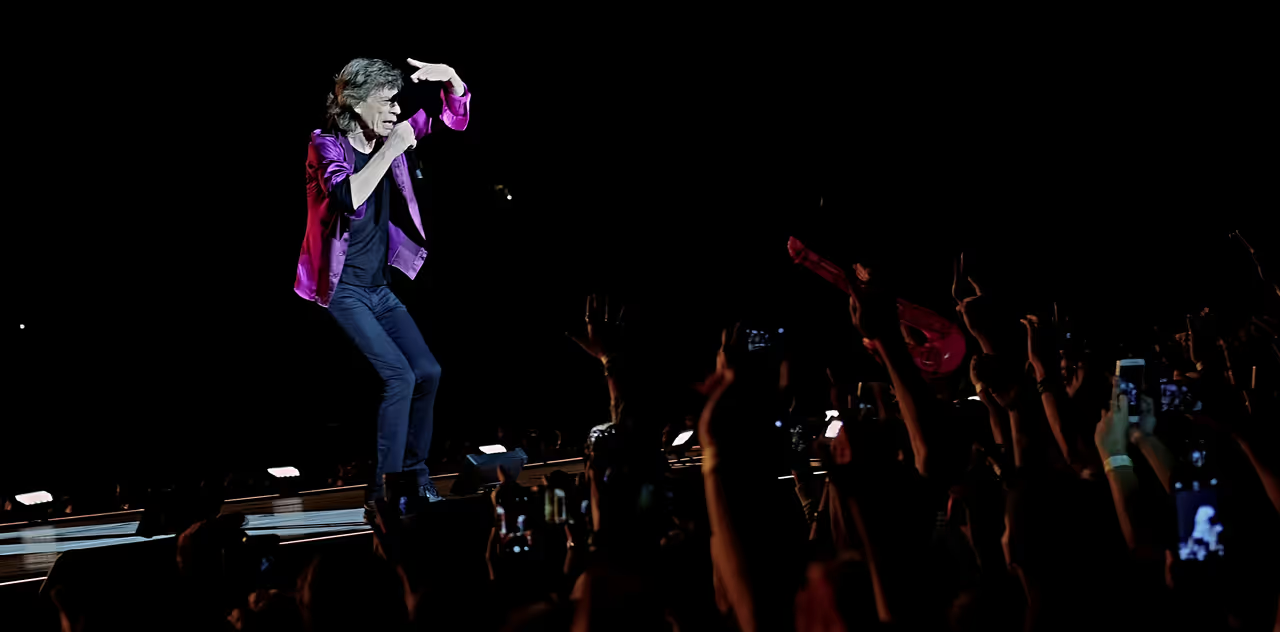
A premier music event that brings some of the biggest names in international rock and pop to the heart of Tuscany. Unlike muddy field festivals, this elegant concert series takes place within the historic city walls, primarily in the grand Piazza Napoleone. The atmosphere of watching world-renowned artists perform surrounded by centuries-old palazzos is truly unmatched. It attracts music lovers from all over the country and breathes a massive wave of nocturnal energy into the tranquil city.
Insider Tips
Hire a bicycle on your very first day to ride the entire 4.2-kilometre circuit of the city walls; it provides the best mental map of the historic centre below.
Do not attempt to drive into the historic centre unless your accommodation provides specific clearance, as the strict ZTL (Limited Traffic Zone) cameras will issue hefty fines.
Carry a reusable bottle and fill up at the numerous public drinking fountains scattered around the city; the water arrives directly from the mountains and is exceptionally fresh.
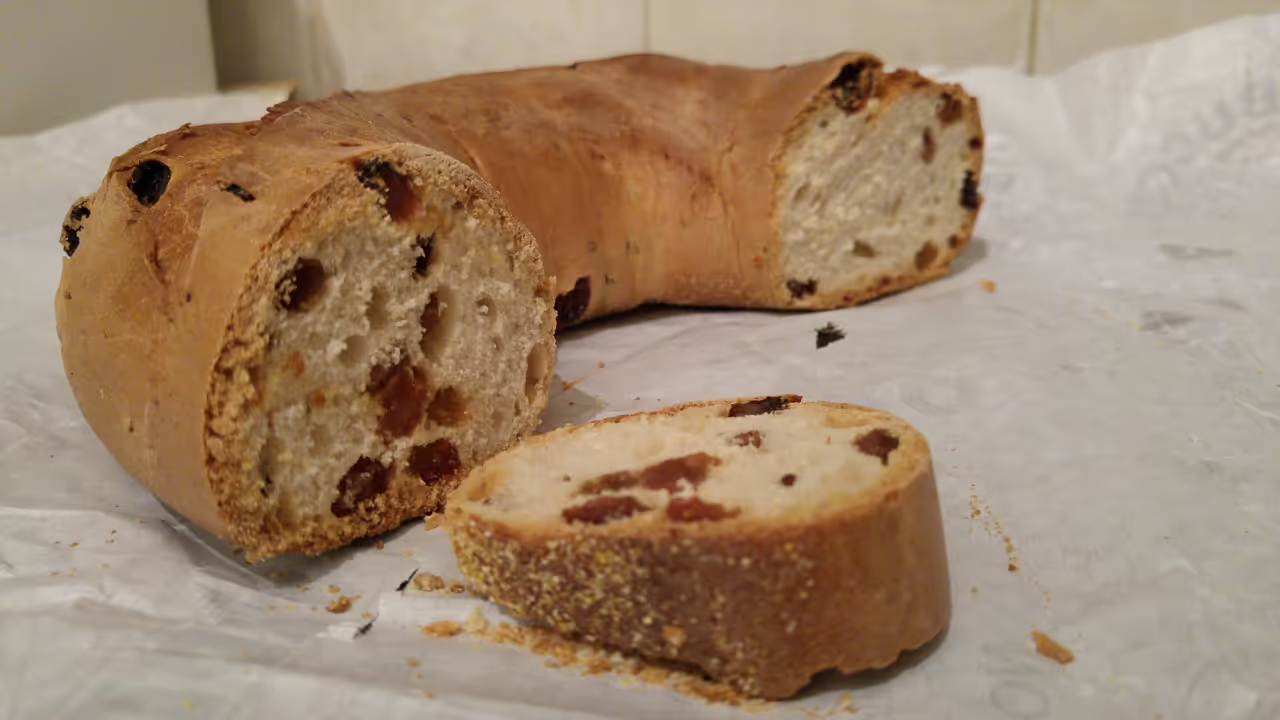
Try the famous Buccellato sweet bread at the historic Taddeucci bakery near San Michele; it is a local institution and the definitive taste of the city.
Order a glass of China Massagli after dinner; this unique, locally produced bitter herbal liqueur is the true Lucchese digestif of choice.
If you plan to use the local mini-buses, known as 'navetti', be aware that services generally stop running at 8:00 PM, so plan your evening walks accordingly.
Purchase a combined entry ticket if you intend to climb both the Torre Guinigi and the Torre delle Ore; it will save you money and also includes access to the Botanical Garden.
PERFECT FOR
Lucca is an absolute dream for slow-paced travellers, history enthusiasts, and culture lovers who appreciate art and architecture without the overwhelming crowds of larger Italian cities. It caters beautifully to romantic couples seeking atmospheric evening strolls, as well as active visitors who will enjoy cycling the historic walls and exploring the nearby Tuscan hills. Foodies and classical music aficionados will also find themselves completely at home in this refined, sensory-rich destination.
VIBE
Lucca feels like a perfectly preserved pocket of time where elegance meets an incredibly relaxed pace of life. The absence of heavy traffic within the ancient walls creates a serene, almost village-like atmosphere, punctuated by the cheerful ringing of bicycle bells and the scent of freshly baked pastries. It is a place that invites slow wandering, where every narrow alleyway reveals a stunning Romanesque facade or a sun-drenched piazza filled with locals enjoying life.
Frequently Asked Questions about Lucca
While we strive to keep this information accurate and up to date, we recommend verifying any details independently before making decisions based on them.
Similar Destinations in Italy
Continue your journey. Explore these highly recommended cities and uncover more of what Italy has to offer.