Renaissance Walls of Lucca
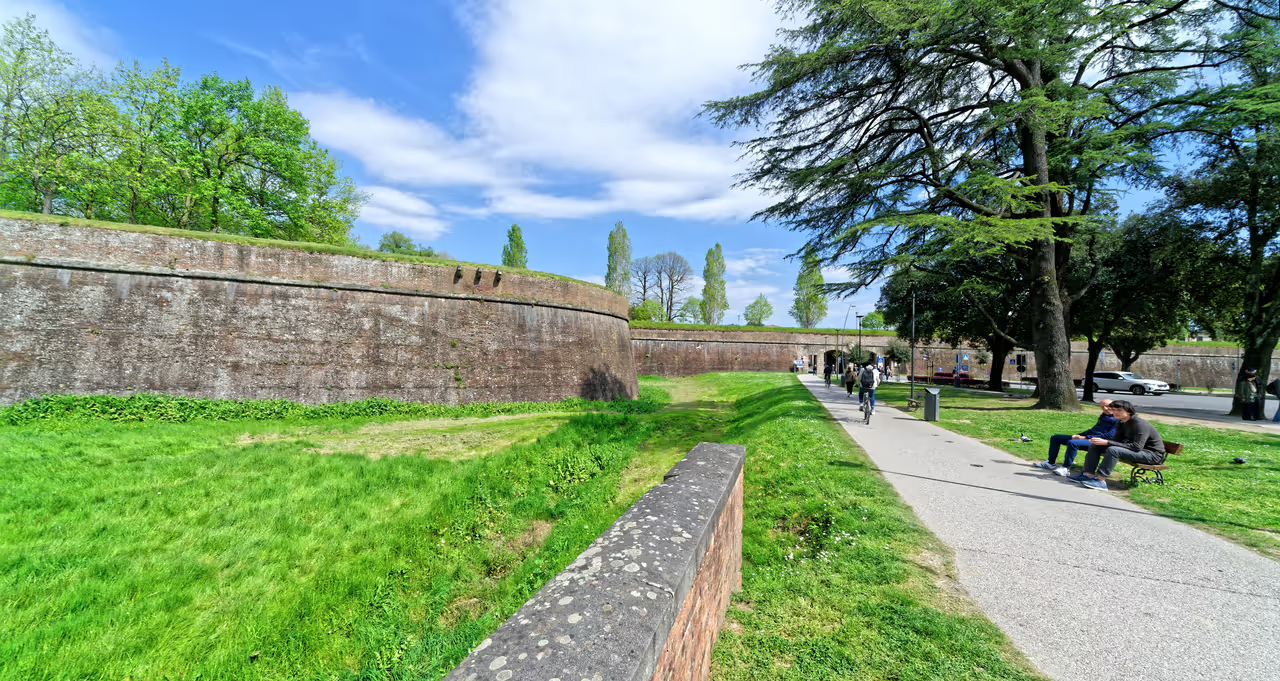
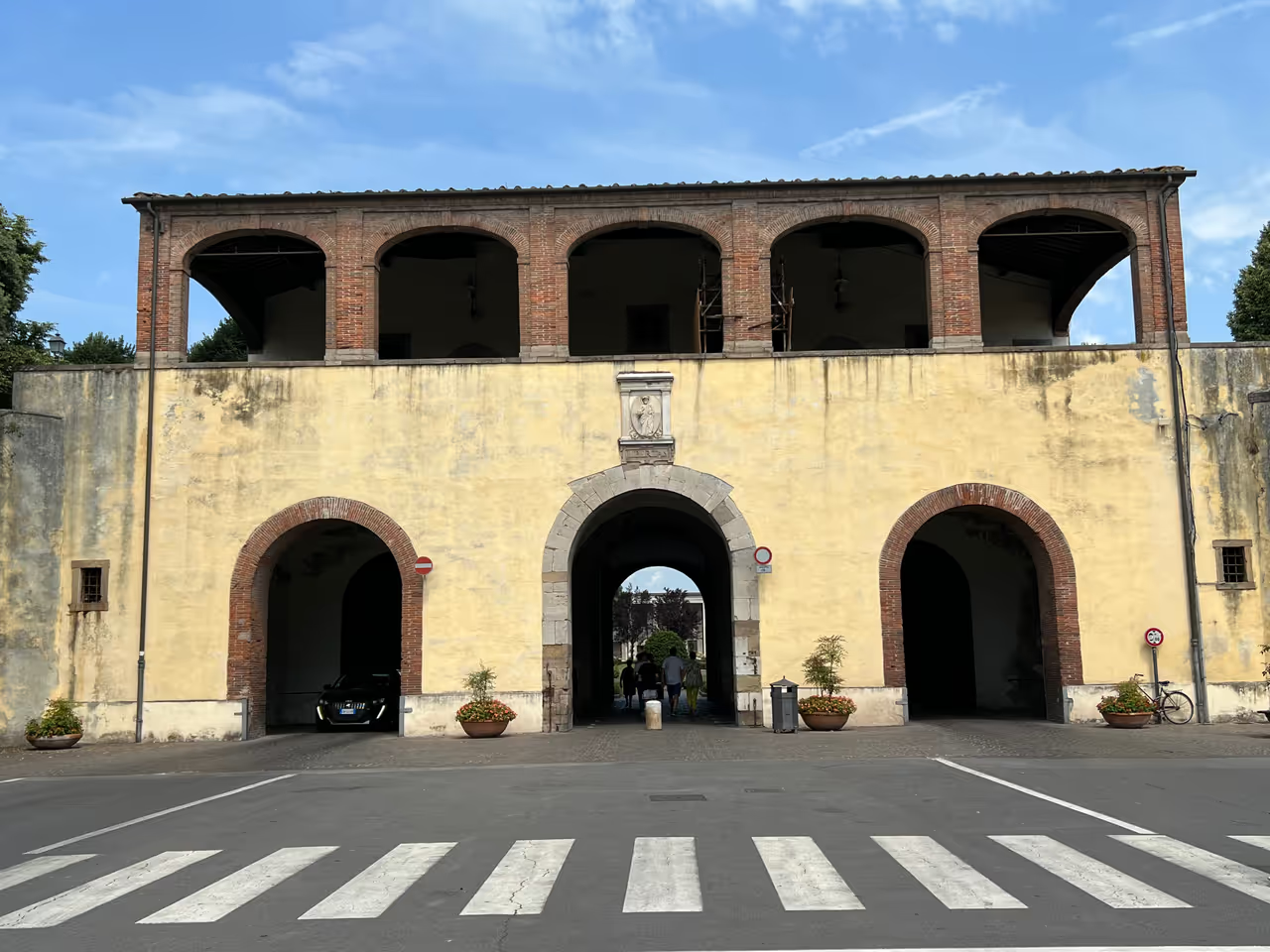
Walk atop one of the world's most beautiful and perfectly preserved Renaissance fortifications. These magnificent walls surround the city in a green embrace, offering a four kilometre tree lined promenade that has never witnessed a siege. It is a living park where locals cycle, jog, and socialise high above the cobblestone streets. With eleven bastions and six main gates, the walls provide a panoramic view of the Tuscan landscape and the charming city skyline. Visiting Lucca is incomplete without experiencing the peaceful and elevated perspective offered by this remarkable architectural masterpiece.
Videos
History of Renaissance Walls of Lucca
The Renaissance walls of Lucca serve as a monumental testament to the city's desire for independence. During the sixteenth century, the Republic of Lucca lived in constant anxiety over the territorial ambitions of Florence and the Grand Duchy of Tuscany. In response, local leaders embarked on an ambitious architectural project, enlisting elite military engineers from across Europe to design an impenetrable barrier that would define the city's silhouette for centuries. The construction effort spanned over a century, consuming vast resources and forever altering the landscape surrounding the historical centre. Despite their formidable design and defensive purpose, the walls were destined to never see an actual siege. Their only true test arrived in the form of a catastrophic flood of the River Serchio in November 1812. As the waters rose to threaten the city, the heavy gates were sealed, and citizens managed to keep the historic heart of Lucca dry. In a striking image of the era, Elisa Bonaparte, the Princess of Lucca and Piombino, had to be hoisted over the walls with a pulley system because the gates remained firmly closed against the deluge. The legacy of these walls changed dramatically in the nineteenth century when Maria Luisa of Bourbon transformed them into an expansive public promenade. By planting trees and creating pathways atop the wide embankments, she gifted the citizens a four kilometre park in the sky. This ingenious repurposing saved the structure from the demolition that befell many other fortified cities across Europe. Today, the walls stand as a living monument, where history and modern recreation merge, providing a unique vantage point to witness the life of Lucca unfolding beneath the canopy of ancient trees.
Events spanning 387 years
Fun Facts
- • Construction took over a century to complete, beginning in 1544 and concluding in 1648.
- • In 1812, Elisa Bonaparte had to be hoisted over the walls because the gates were sealed against a massive flood.
- • Maria Luisa of Bourbon converted the ramparts into a public park in the early nineteenth century.
- • Subterranean sections of the bastions still contain remnants of ancient Roman and medieval walls.
- • The Officio delle Fortificazioni managed the project for three centuries.
- • The design incorporates extensive tree planting as an eco engineering technique to stabilise the soil and prevent erosion.
- • The perimeter of the walls spans exactly 4.223 kilometres.
- • The poet Gabriele D Annunzio famously described Lucca as the city of the tree lined circle.
- • The primary motivation for their construction was to deter the expansionist ambitions of Florence.
- • The structure features eleven bastions and twelve curtain walls.
- • The walls have never been used in a real military siege.
- • The walls host major cultural events including the Lucca Comics and Games festival and the Lucca Summer Festival.
Renaissance Walls of Lucca FAQ
While we strive to keep this information accurate and up to date, we recommend verifying any details independently before making decisions based on them.
Renaissance Walls of Lucca Map & Neighborhood Explorer
This interactive map is centered on Renaissance Walls of Lucca. Zoom in and move the map around to automatically discover Wikipedia photos and summaries of other nearby sights, monuments, and historical points of interest and stories in real-time!
Places near Renaissance Walls of Lucca
Make the most of your trip. Check out these top-rated spots located nearby.
 248m
248mMurabilia Flower Market
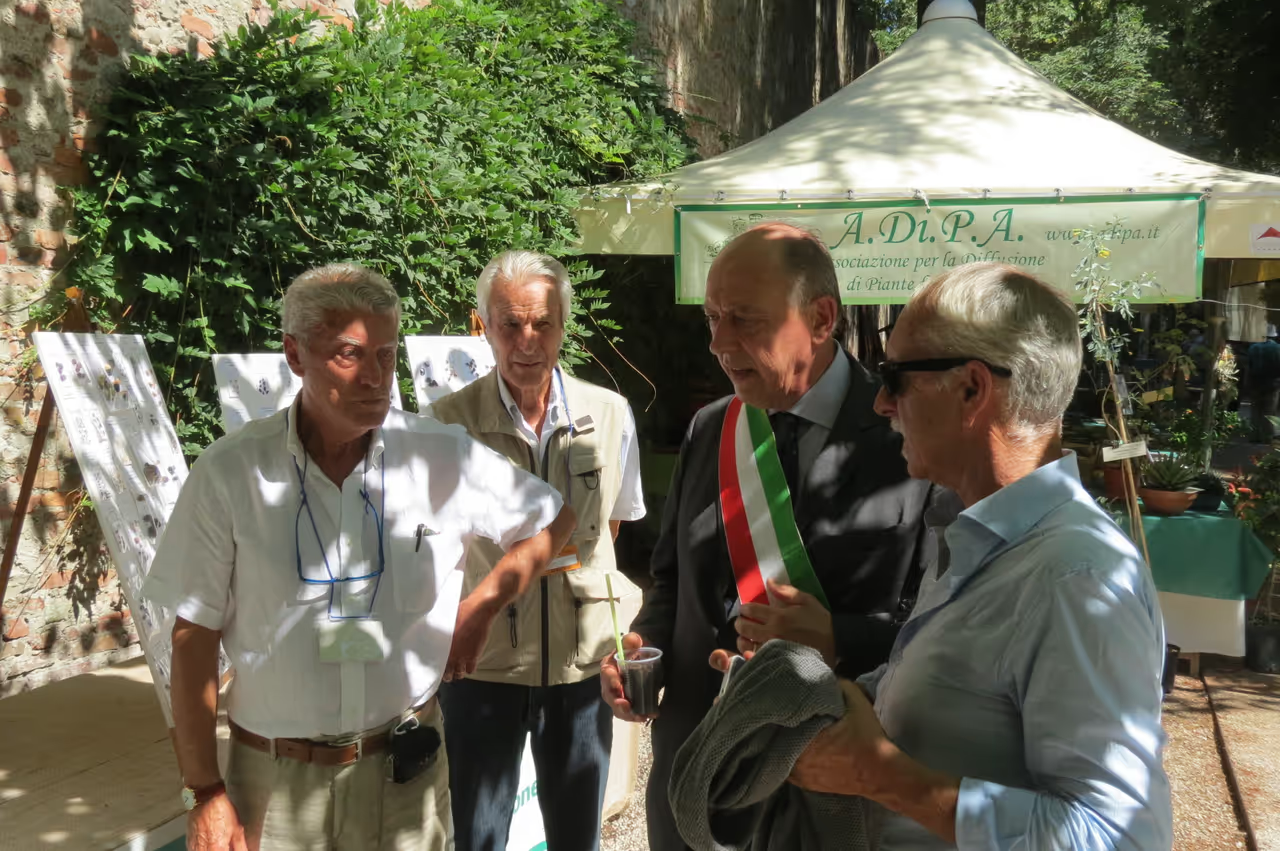
This incredibly vibrant and fragrant market transforms the city's historic bastions into a spectacular botanical showcase. Taking place directly on the massive Renaissance walls, it gathers passionate nurserymen, amateur gardeners, and rare plant collectors from all over Europe. You can browse an astonishing variety of flora, from exotic orchids to traditional Tuscan herbs, while enjoying the elevated views over the old town. It is a peaceful, colourful event that perfectly marries the city's love for nature and heritage.
market view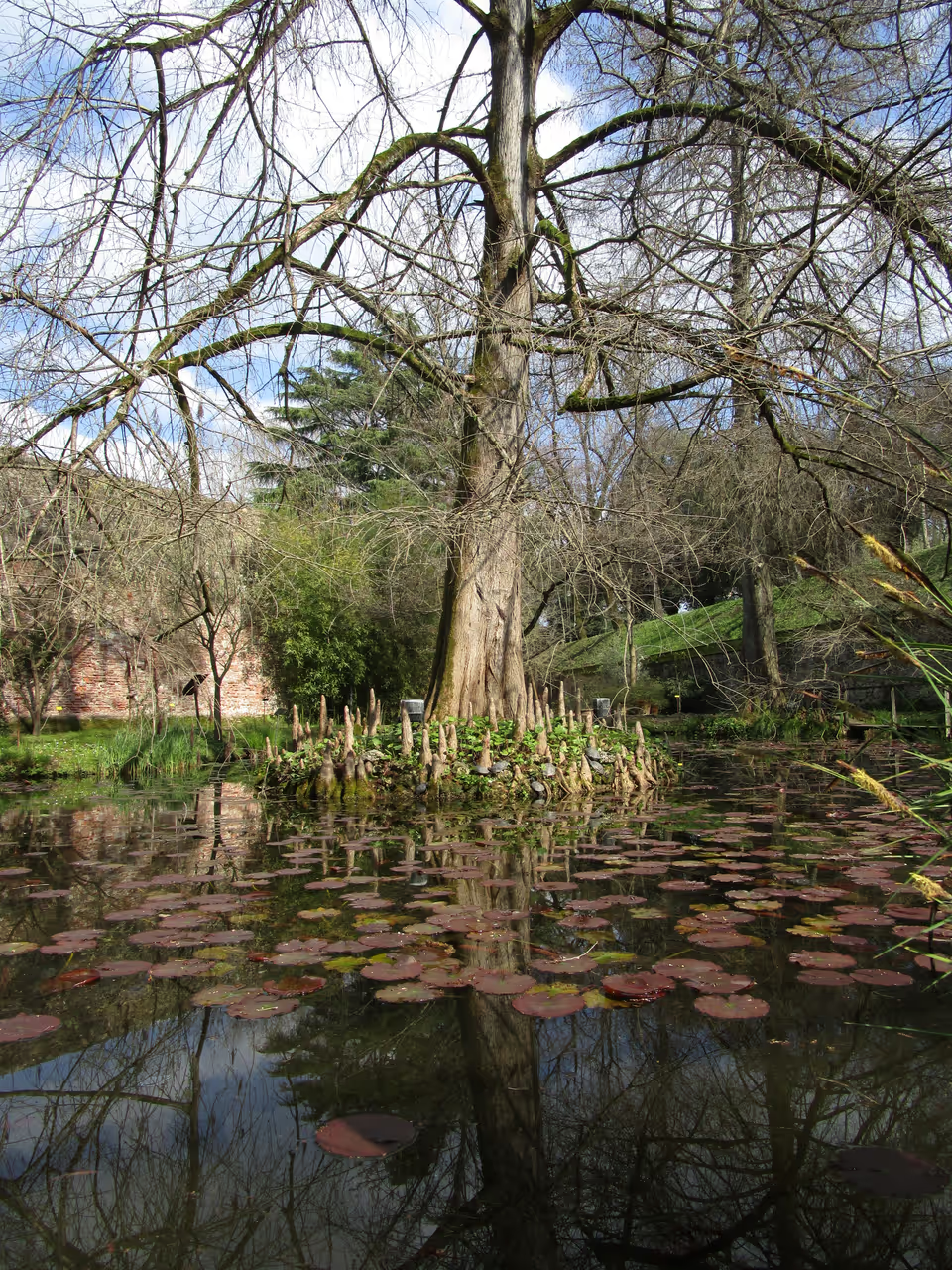 330m
330mLucca Botanical Garden
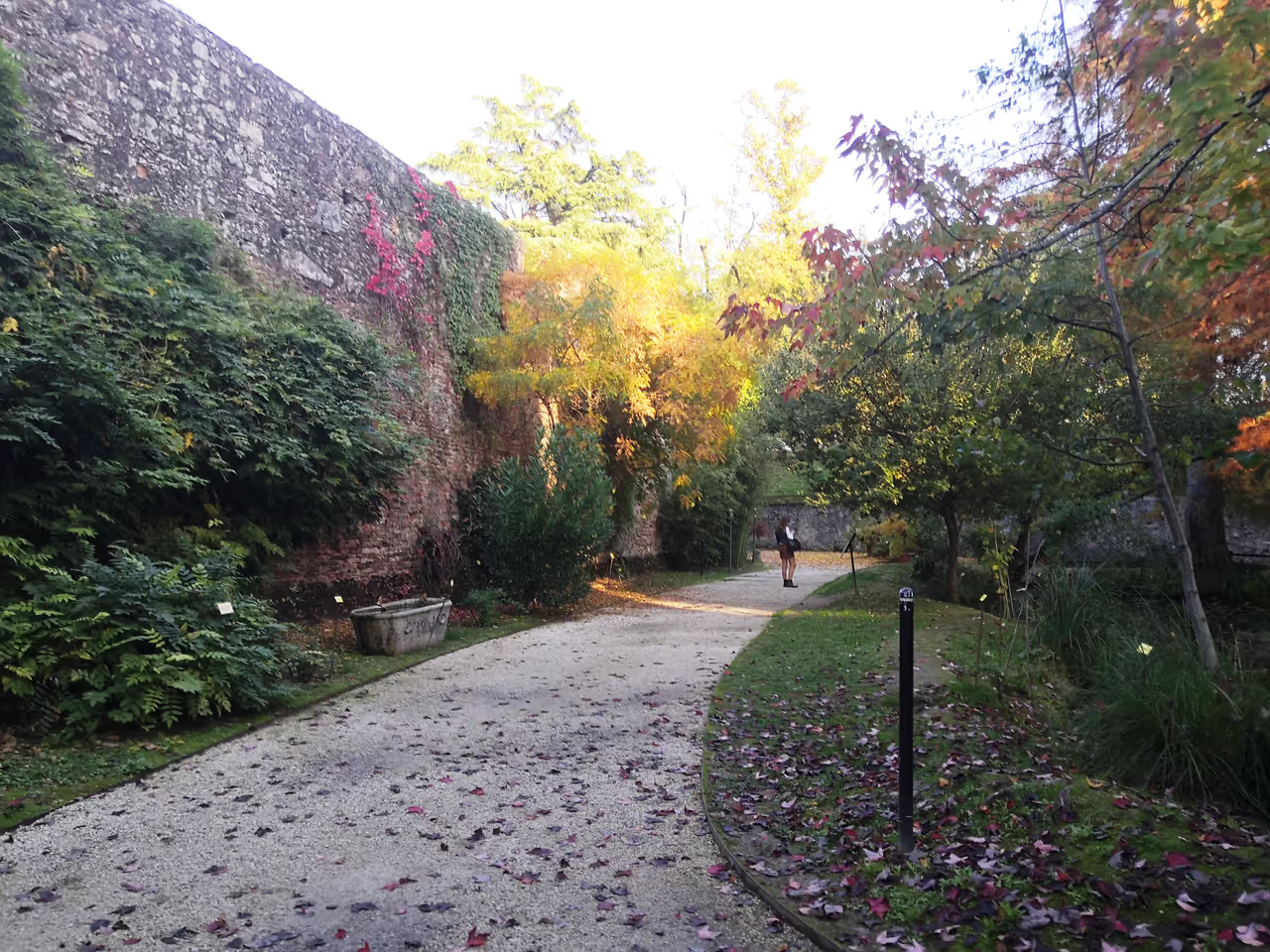
Nestled in the quiet southeastern corner of Lucca’s historic city walls, this botanical garden is a serene oasis of biodiversity and history. Established in 1820, it serves as a living museum where centuries of scientific dedication meet the beauty of rare flora. Visitors can stroll through a verdant arboretum, stand beneath the ancient, towering Lebanon Cedar, or explore greenhouses filled with exotic tropical plants and desert succulents. The garden also features tranquil ponds and specialized collections of medicinal herbs, making it a perfect spot for both plant enthusiasts and those seeking a peaceful retreat. It is a remarkable testament to Lucca's intellectual heritage and a truly refreshing escape from the city's bustling streets.
park & nature view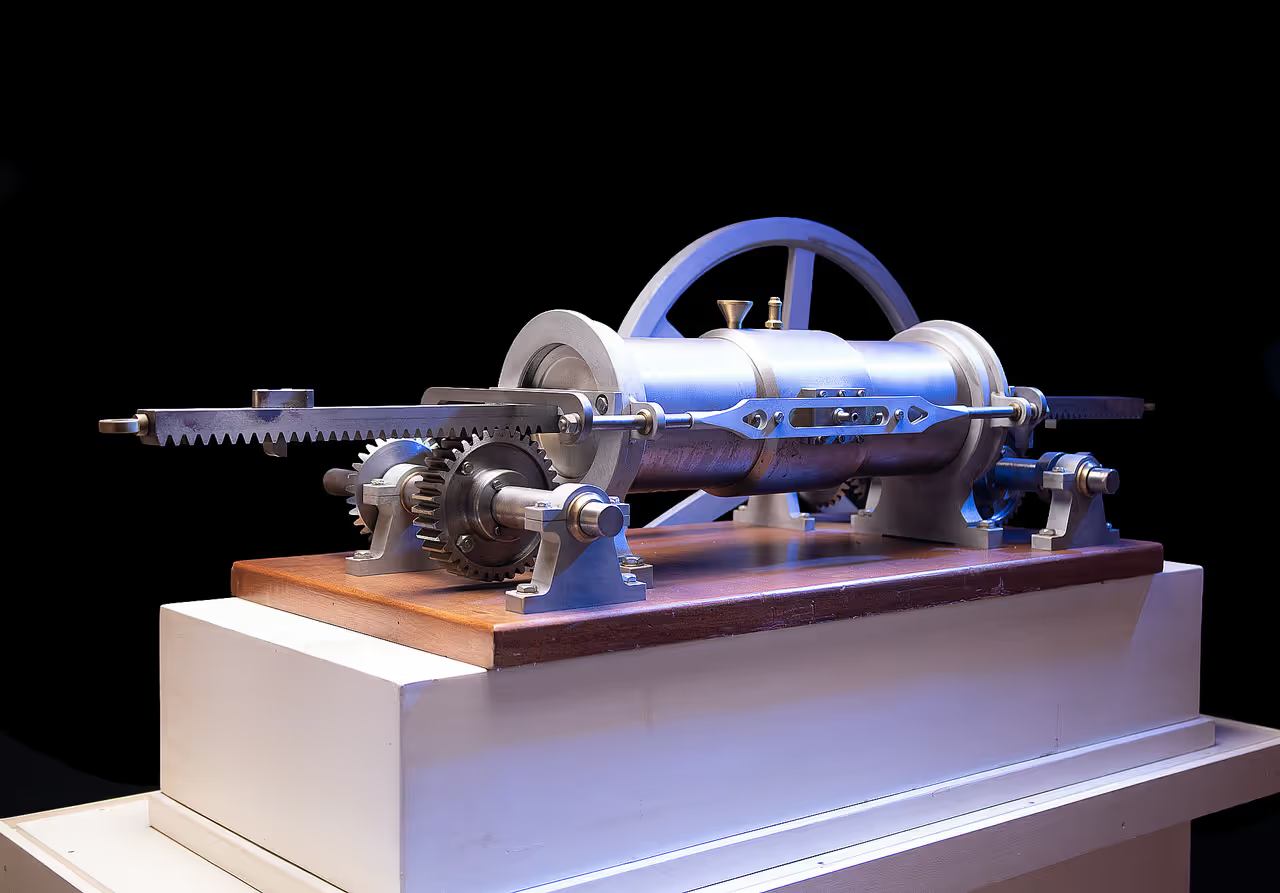 522m
522mInternal Combustion Engine Museum
This small, highly niche museum celebrates a monumental, yet often overlooked, moment in global engineering history that occurred right here in the city. It is dedicated to two local scientists, Eugenio Barsanti and Felice Matteucci, who officially patented the very first internal combustion engine in 1854, predating the more famous German inventors. The museum houses fascinating, fully working scale models of their original engine designs that visitors can see in motion. It is a quirky, proud celebration of local ingenuity that appeals greatly to science and history buffs.
hidden gem view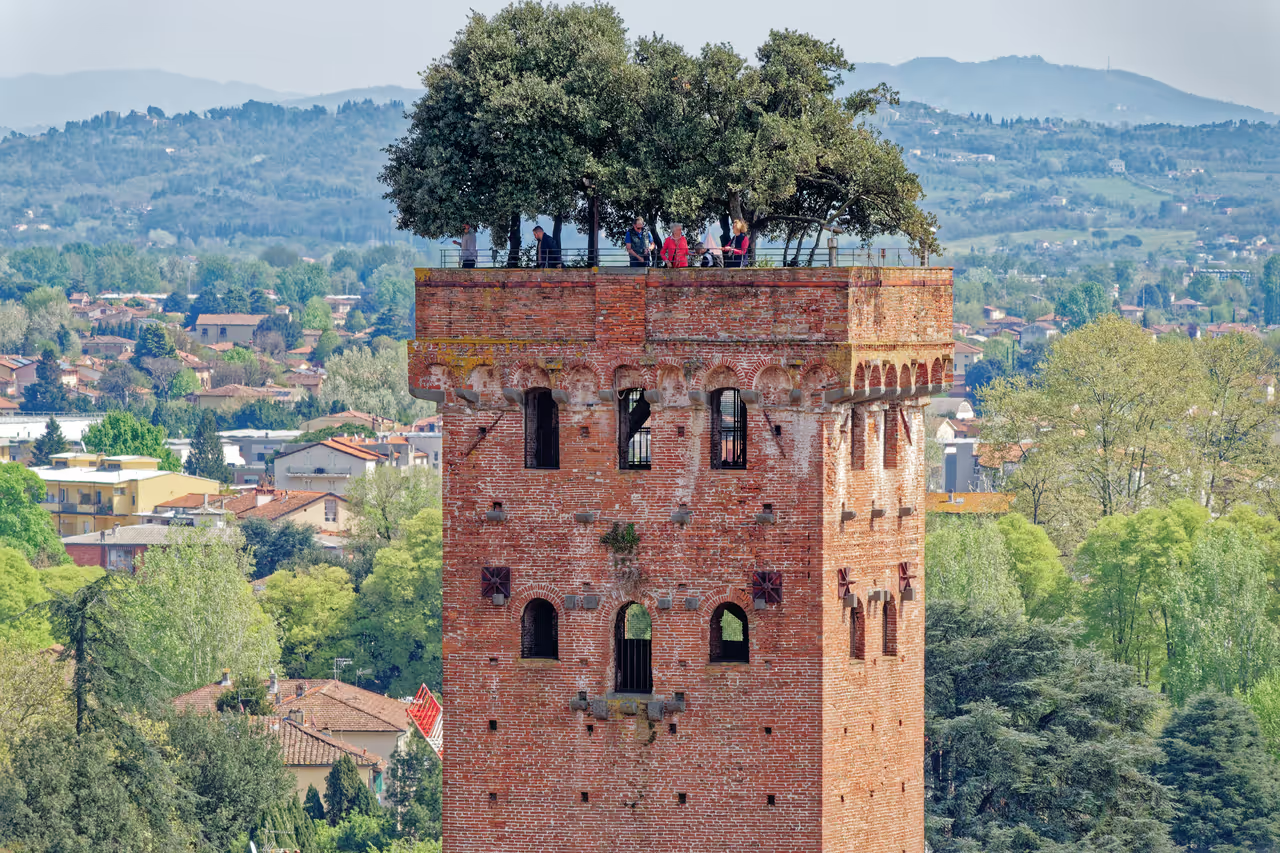 559m
559mGuinigi Tower
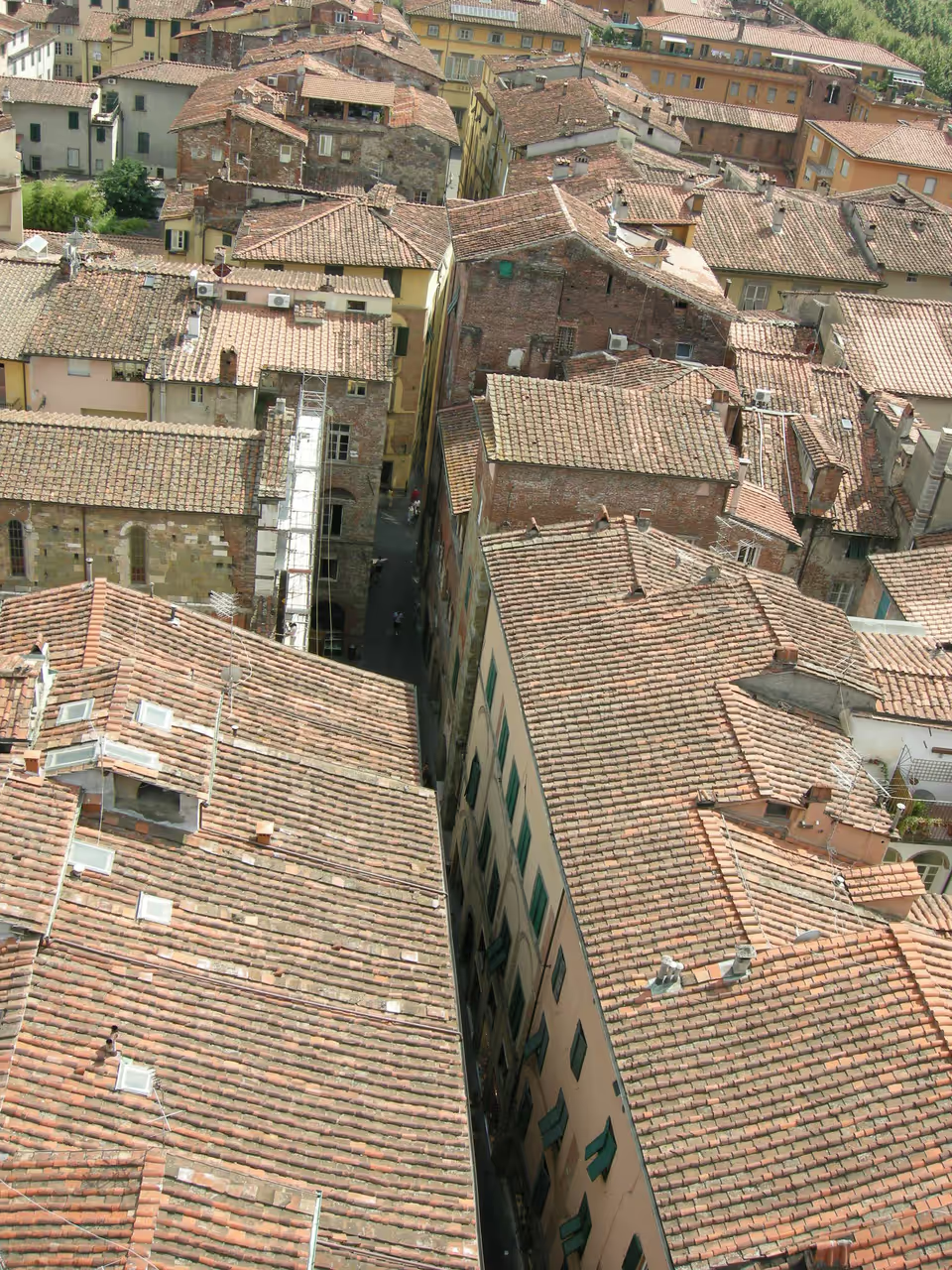
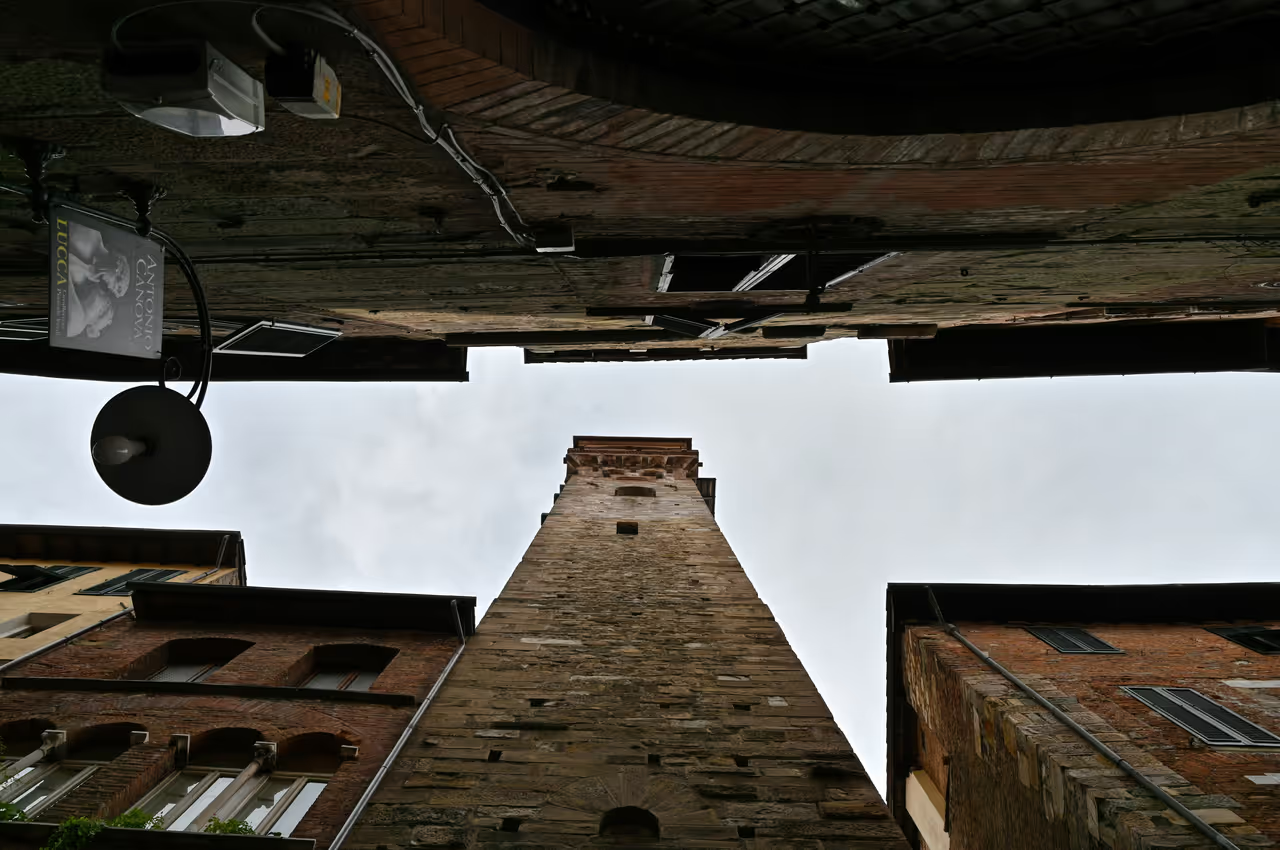
Standing tall above the terracotta rooftops of Lucca, the Guinigi Tower is the city's most iconic landmark, instantly recognisable by the seven ancient holm oaks crowning its summit. Climbing its 233 steps offers a unique journey through history, rewarding your effort with panoramic vistas that sweep across the medieval city, the golden Piazza Anfiteatro, and the dramatic backdrop of the Apennine Mountains. This 14th-century marvel is a rare survivor of the medieval period, offering a glimpse into a time when powerful families competed by building ever-taller stone fortresses. It is a place where nature meets medieval architecture in a truly harmonious way, providing one of the most memorable experiences in all of Tuscany. Visiting this site is essential for anyone who wants to capture the true spirit and silhouette of Lucca.
attraction view
Featured on These Itineraries and Routes
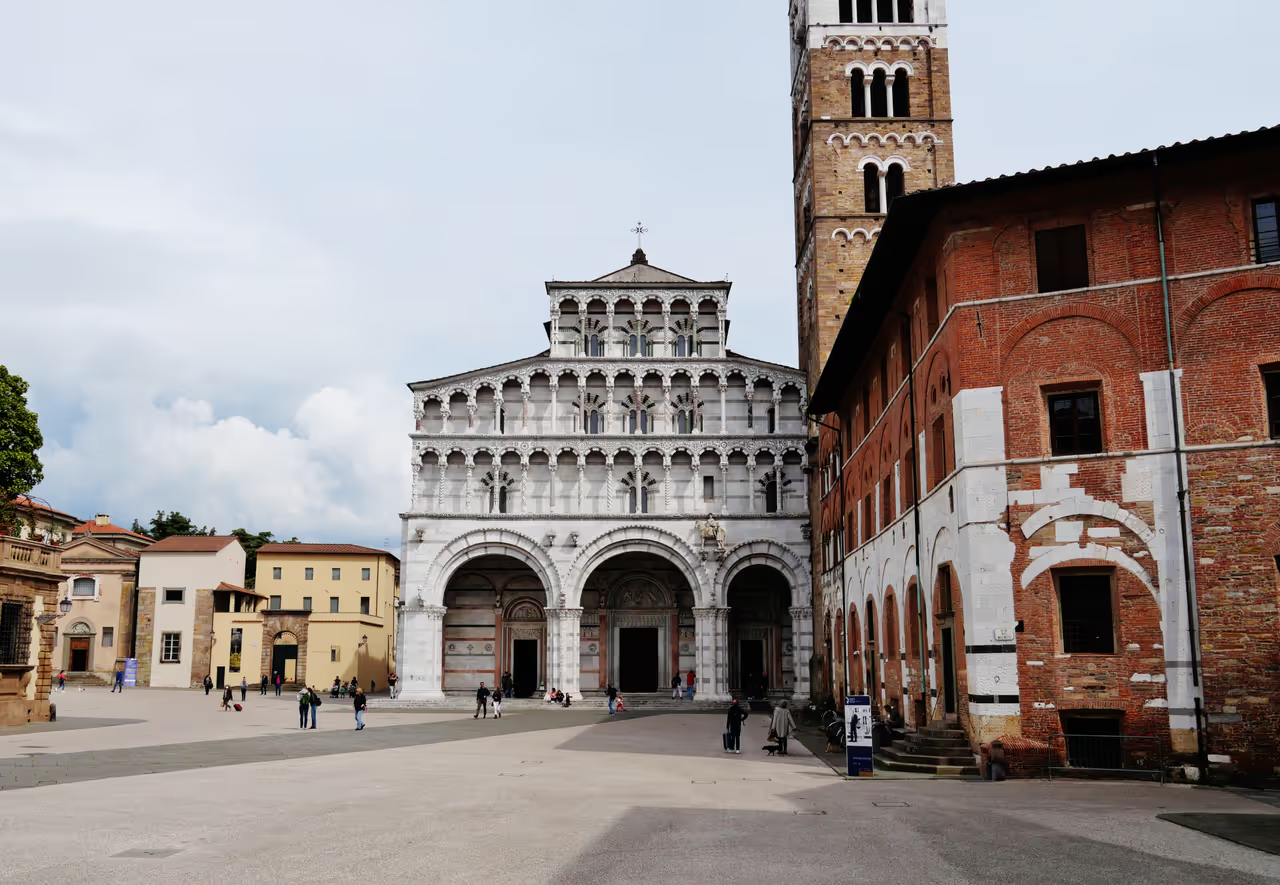
1 Day in Lucca Itinerary
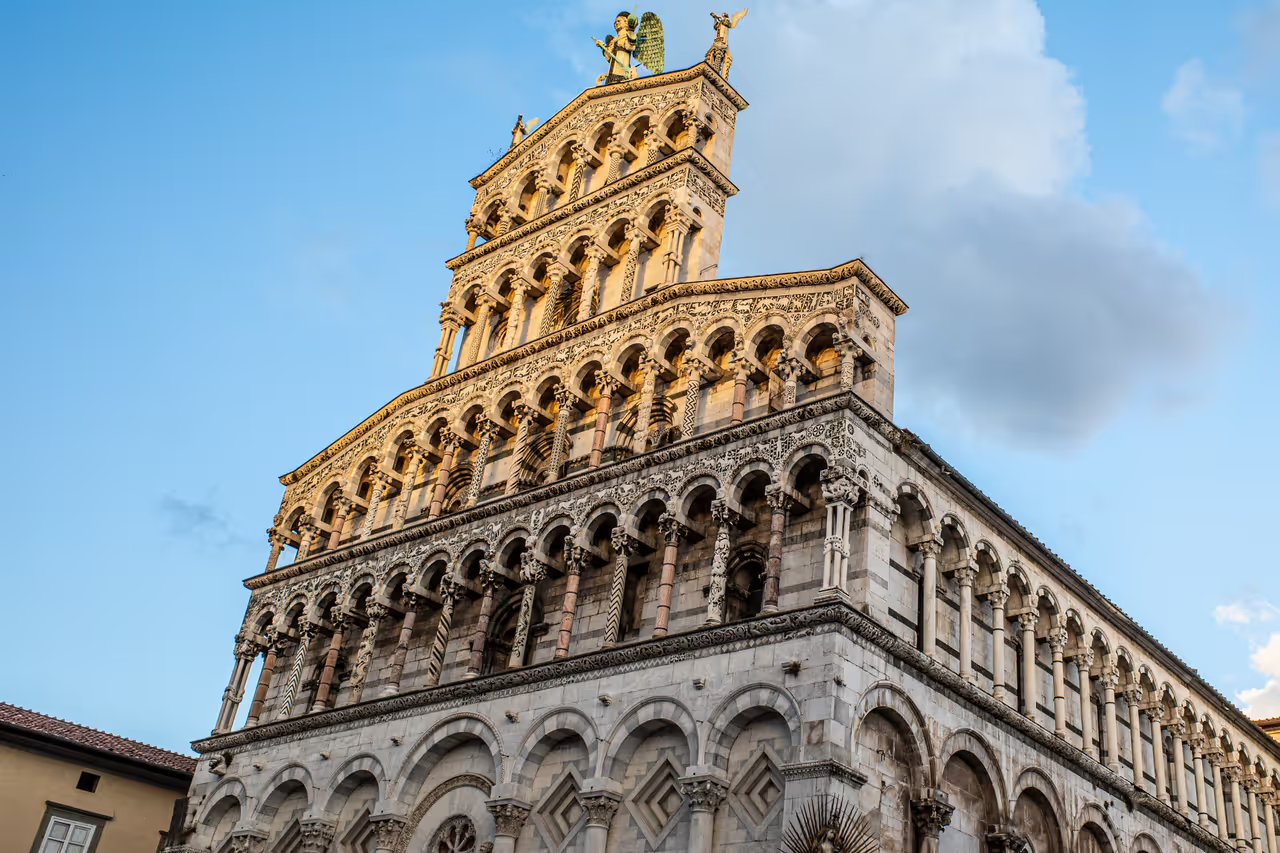
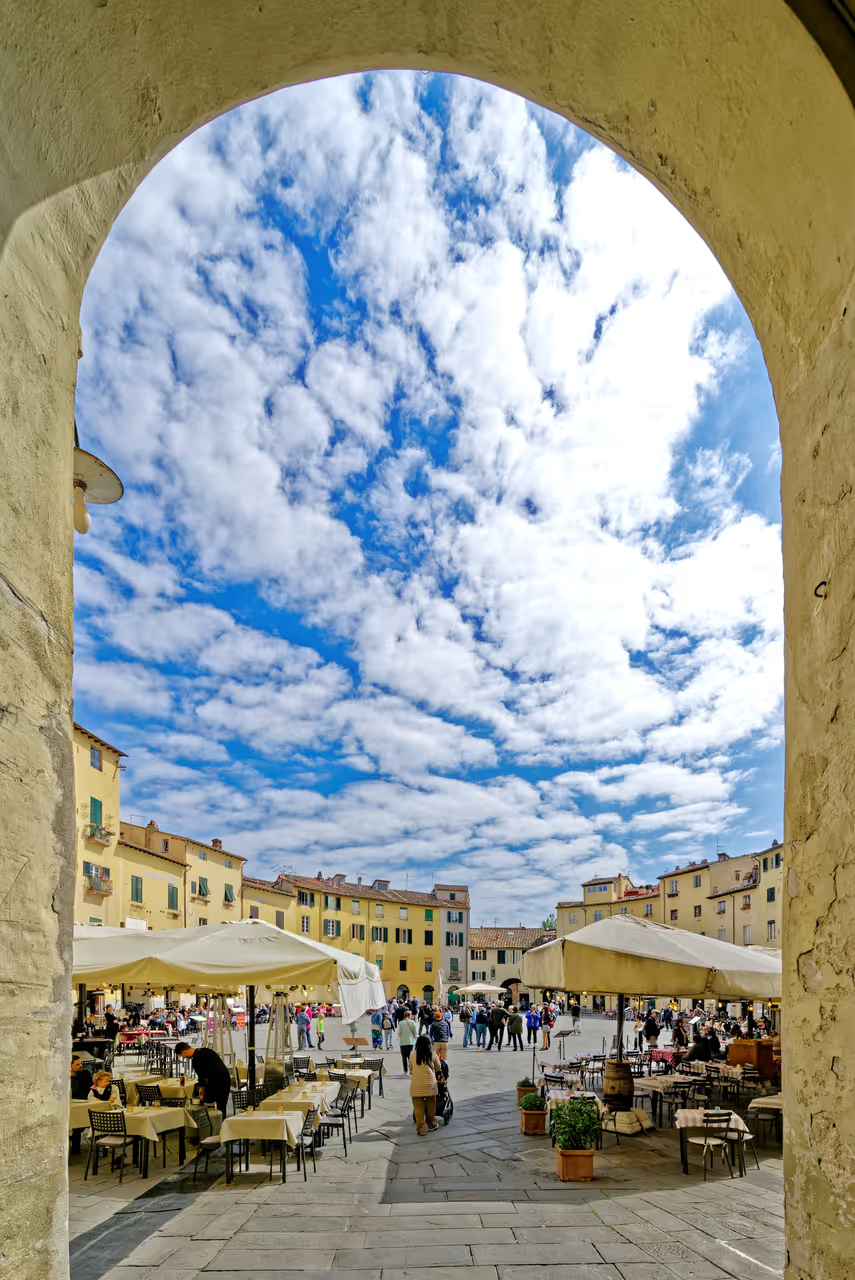
If you only have a single day to experience the magic of this walled city, this highly focused plan ensures you see the absolute must-visit highlights. You will explore the stunning Romanesque churches, navigate the narrow medieval commercial streets, and take in the unique oval beauty of the ancient amphitheatre footprint. The day balances awe-inspiring architecture with relaxed walking, culminating in a highly scenic sunset ride above the city.
view itinerary
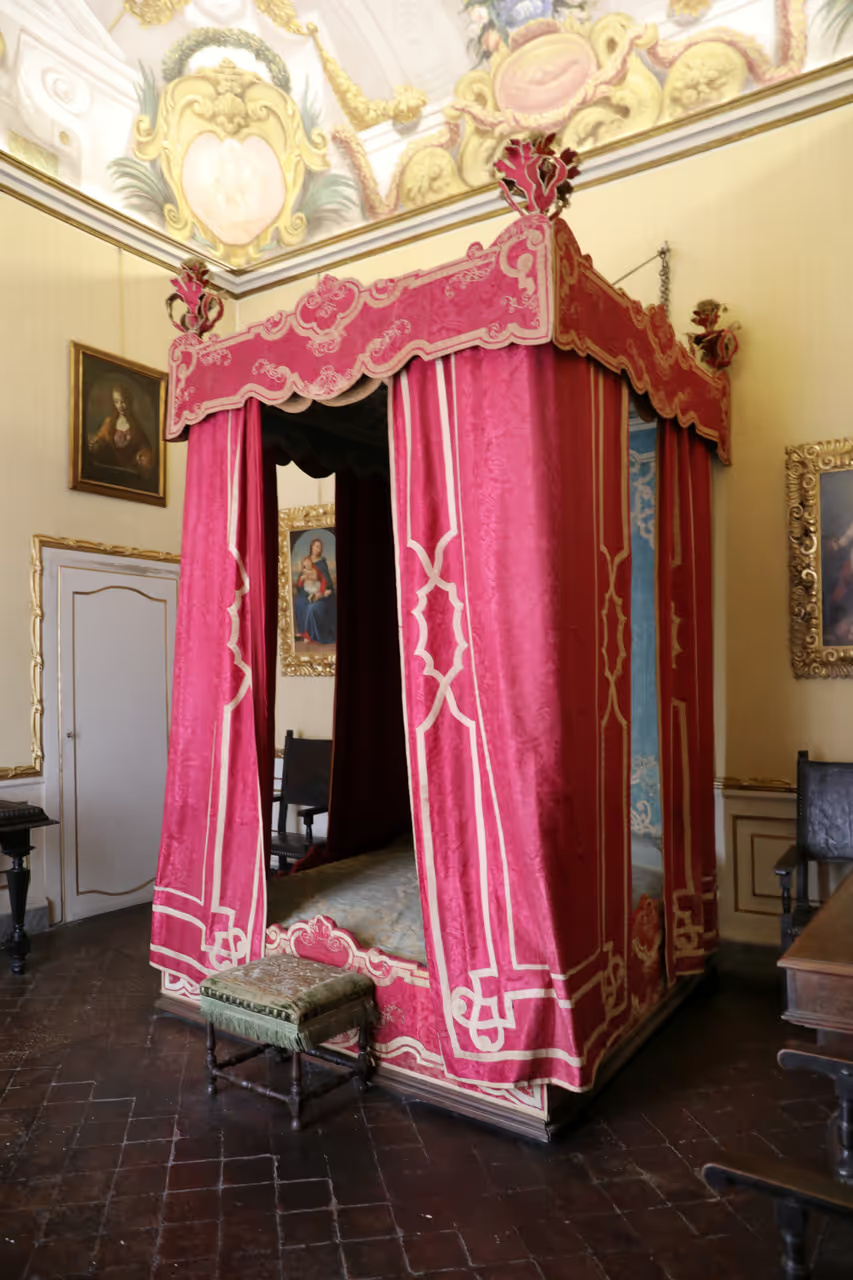
3 Days in Lucca: Palaces, Music, and Panoramas Itinerary
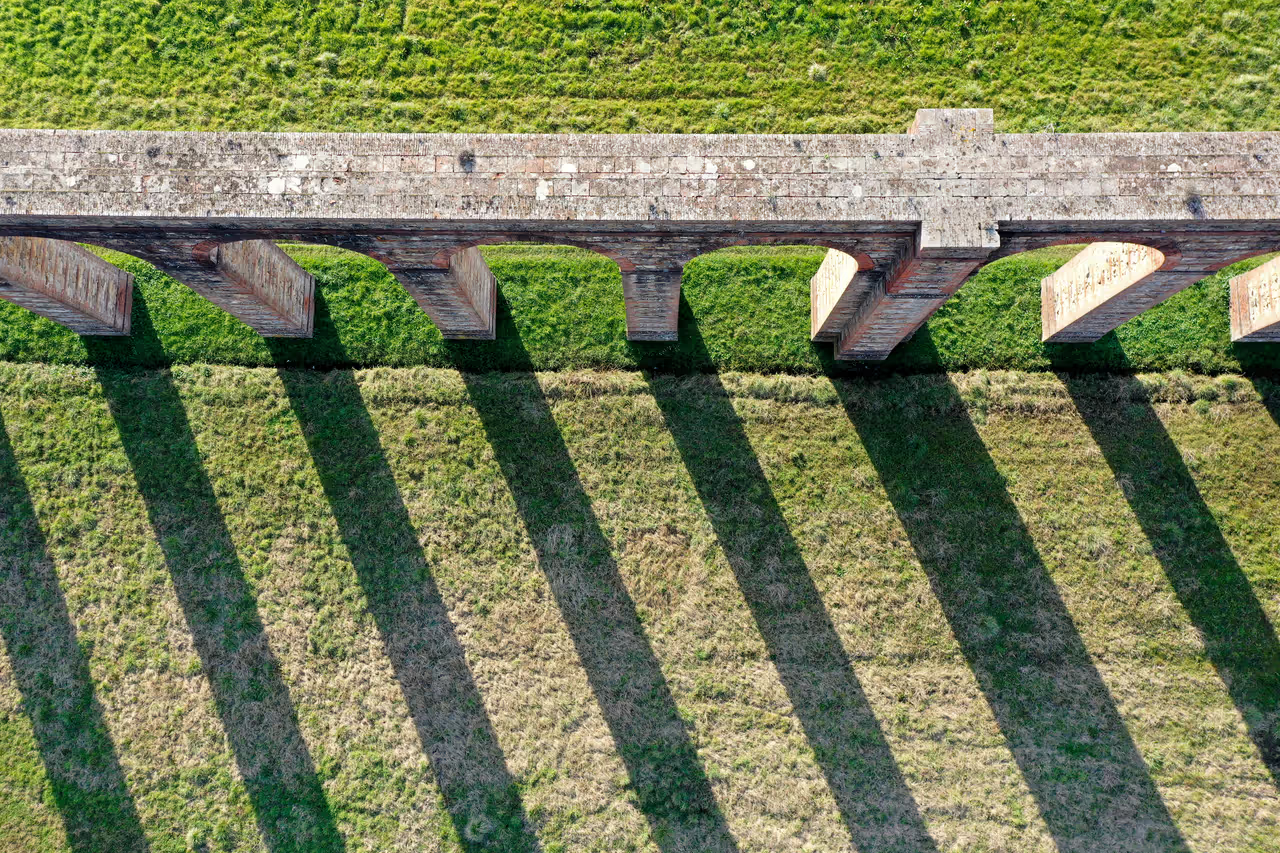
With three days, you can slow down and truly embrace the unhurried lifestyle that makes this city so beloved. After covering the iconic churches and squares, you will dive into the opulent history of the wealthy silk merchants by visiting their lavishly decorated palaces and hidden gardens. You will also have ample time to trace the footsteps of the legendary composer Giacomo Puccini, before venturing just outside the walls to admire the monumental civil engineering of the aqueduct.
view itinerary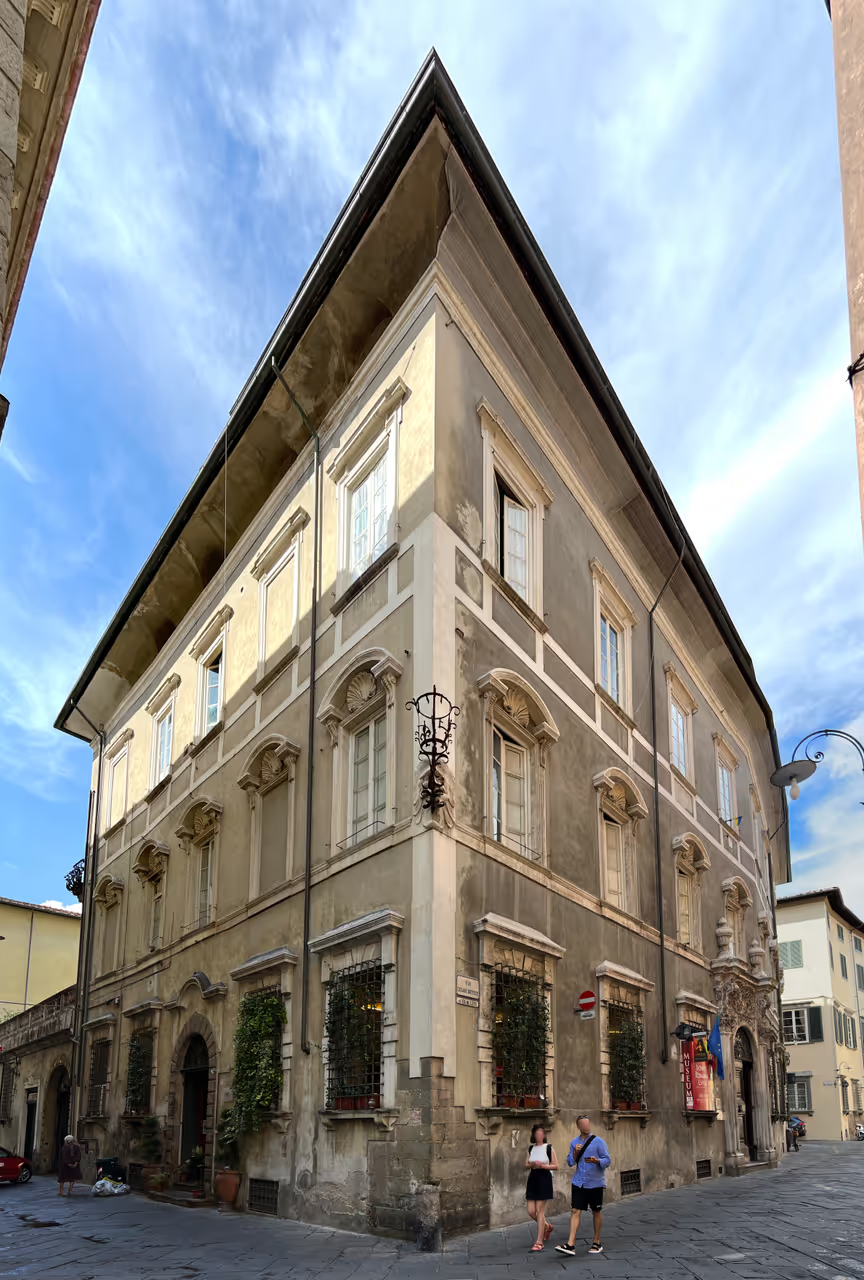
5 Days in Lucca: Complete Cultural Immersion Itinerary
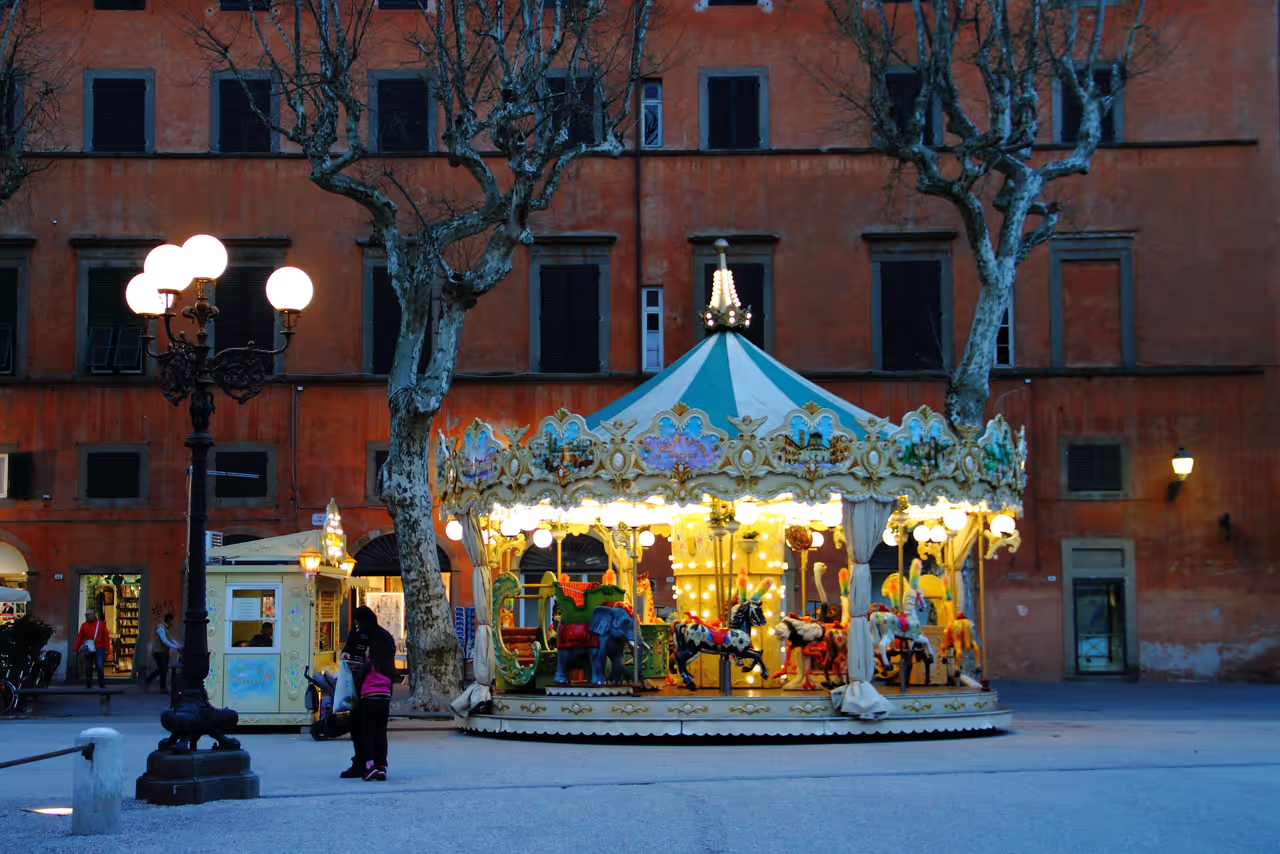
Five days allows you to completely sink into the rhythm of the city, exploring its most famous monuments as well as its fascinating, lesser-known hidden gems. You will discover ancient Roman mosaics buried in basements, quirky local museums, and the beautiful nature reserves that sit just beyond the fortifications. This extended itinerary gives you the luxury of taking long, leisurely lunches, engaging deeply with the city's complex history, and enjoying the vibrant evening bar scene like a true local.
view itinerary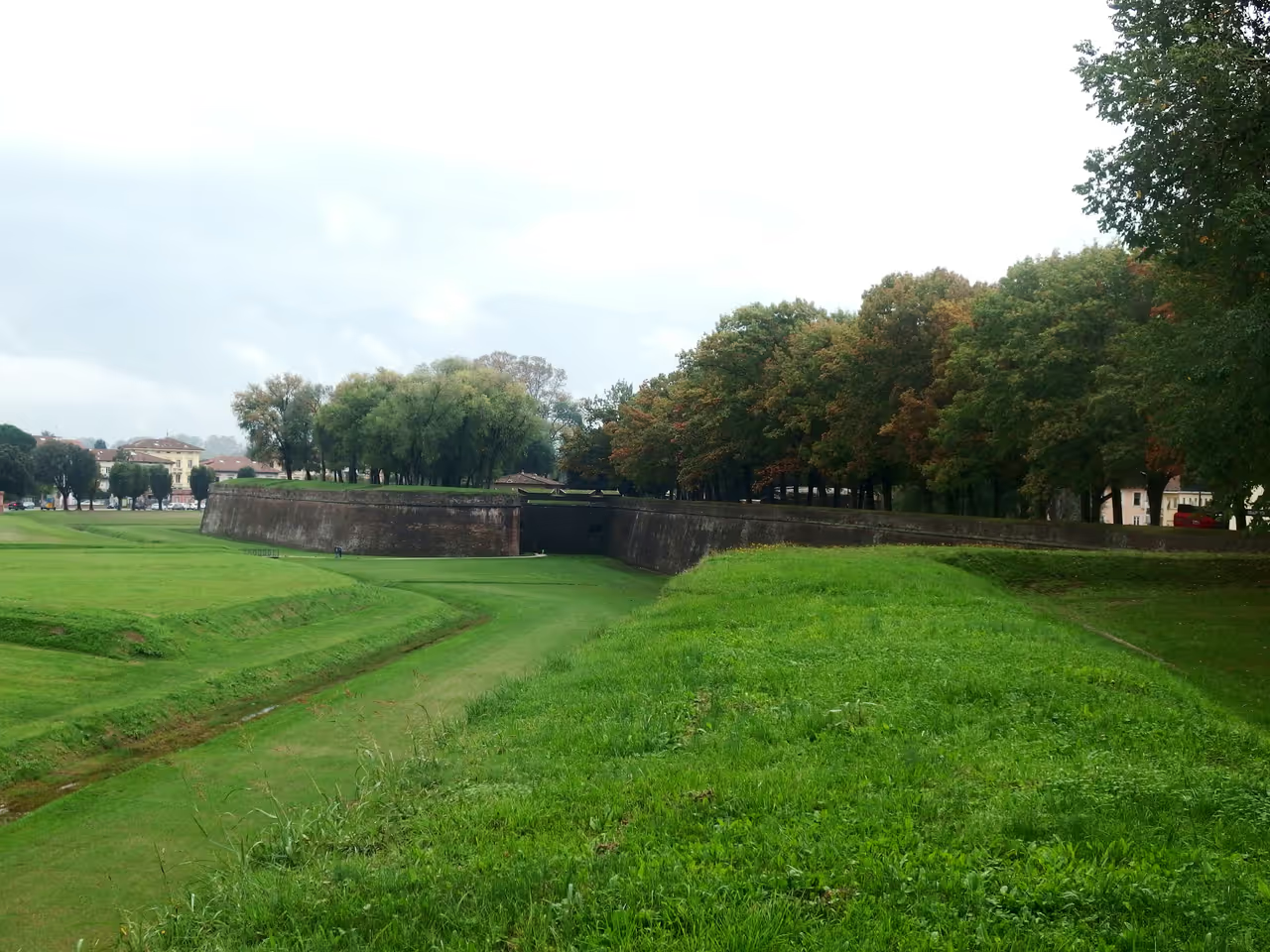
City Walls Circuit
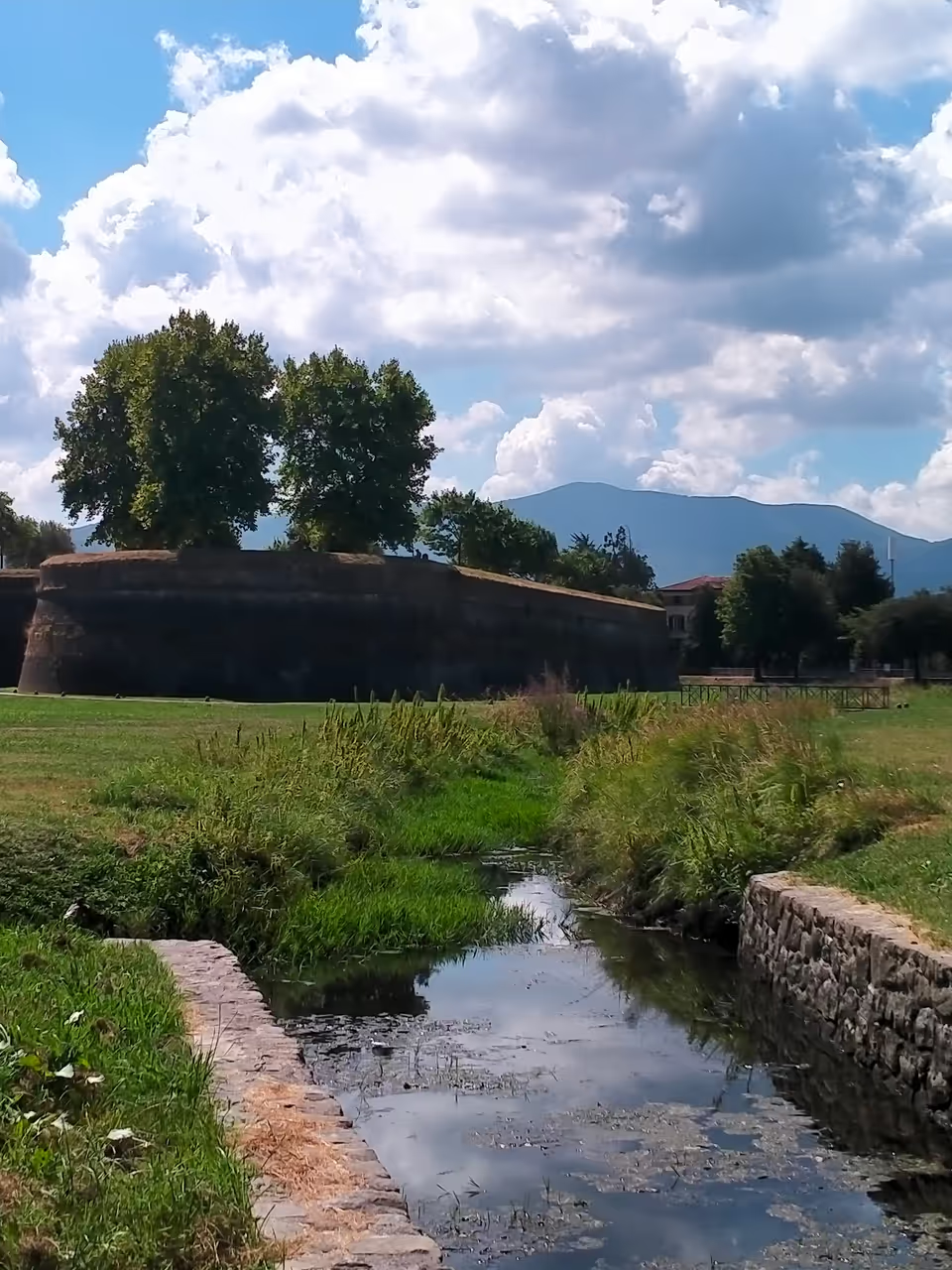
This is a brilliantly effortless and entirely traffic-free loop along the top of the monumental fortifications that encircle the historic town. Shaded by a continuous canopy of magnificent old trees, the broad path offers stunning, elevated vantage points over the red-tiled roofs, medieval towers, and hidden palace gardens. It provides an immediate and joyous orientation to the city's layout. The ride is entirely flat and wide, making it wonderfully accessible for casual riders on rented city bikes.
view cycling route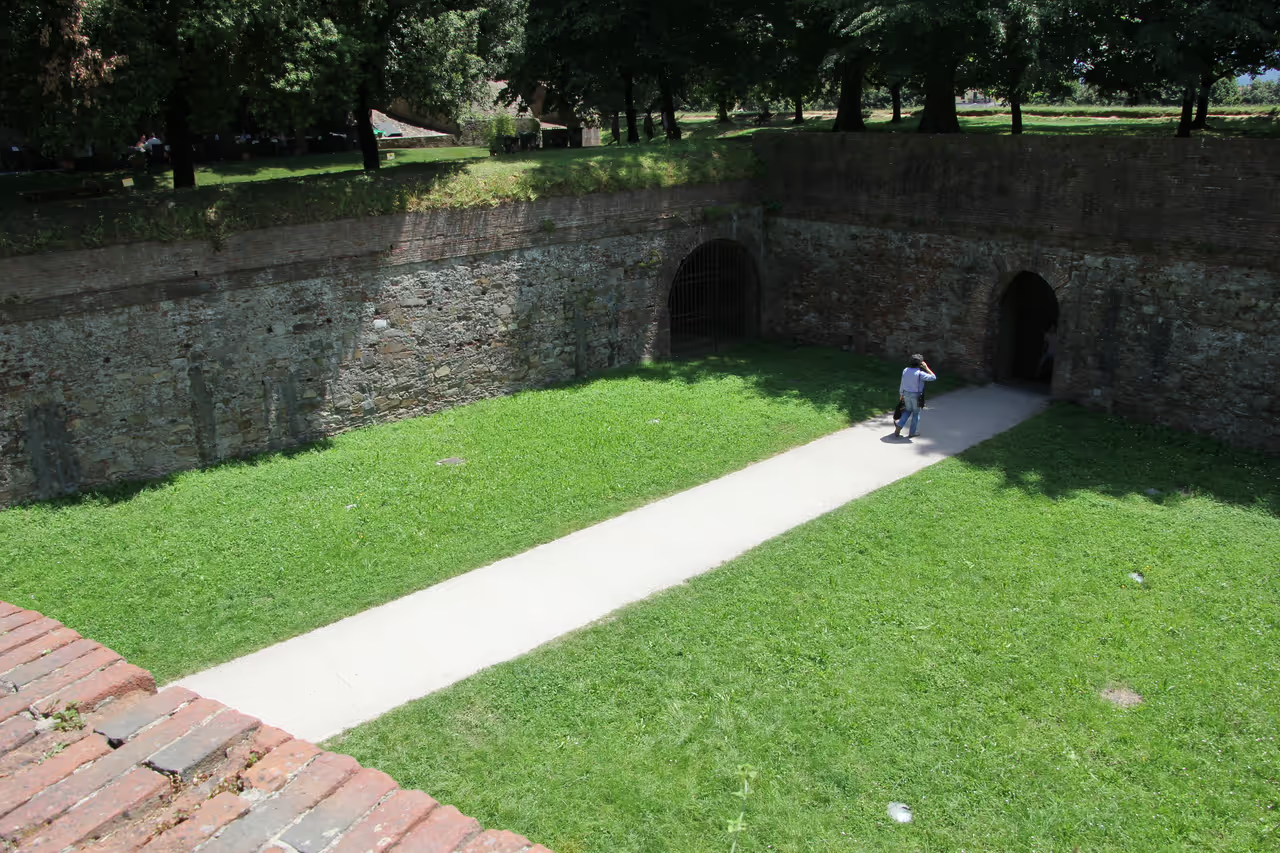
High Walls Promenade
Walking atop the massive defensive perimeter provides a uniquely elevated and peaceful perspective on the bustling town below. The wide paths are treated as a linear park by locals, dotted with benches, grassy outcroppings, and centuries-old trees providing dappled shade. From this height, you can peek into the private, walled gardens of wealthy estates on one side, and gaze out over the deep defensive trenches to the mountains on the other. It is a relaxing, highly social environment where the city comes to unwind.
view walking route
See all nature & parks in Lucca
Lucca Botanical Garden, Palazzo Pfanner, Serchio River Park...