Lucca Botanical Garden
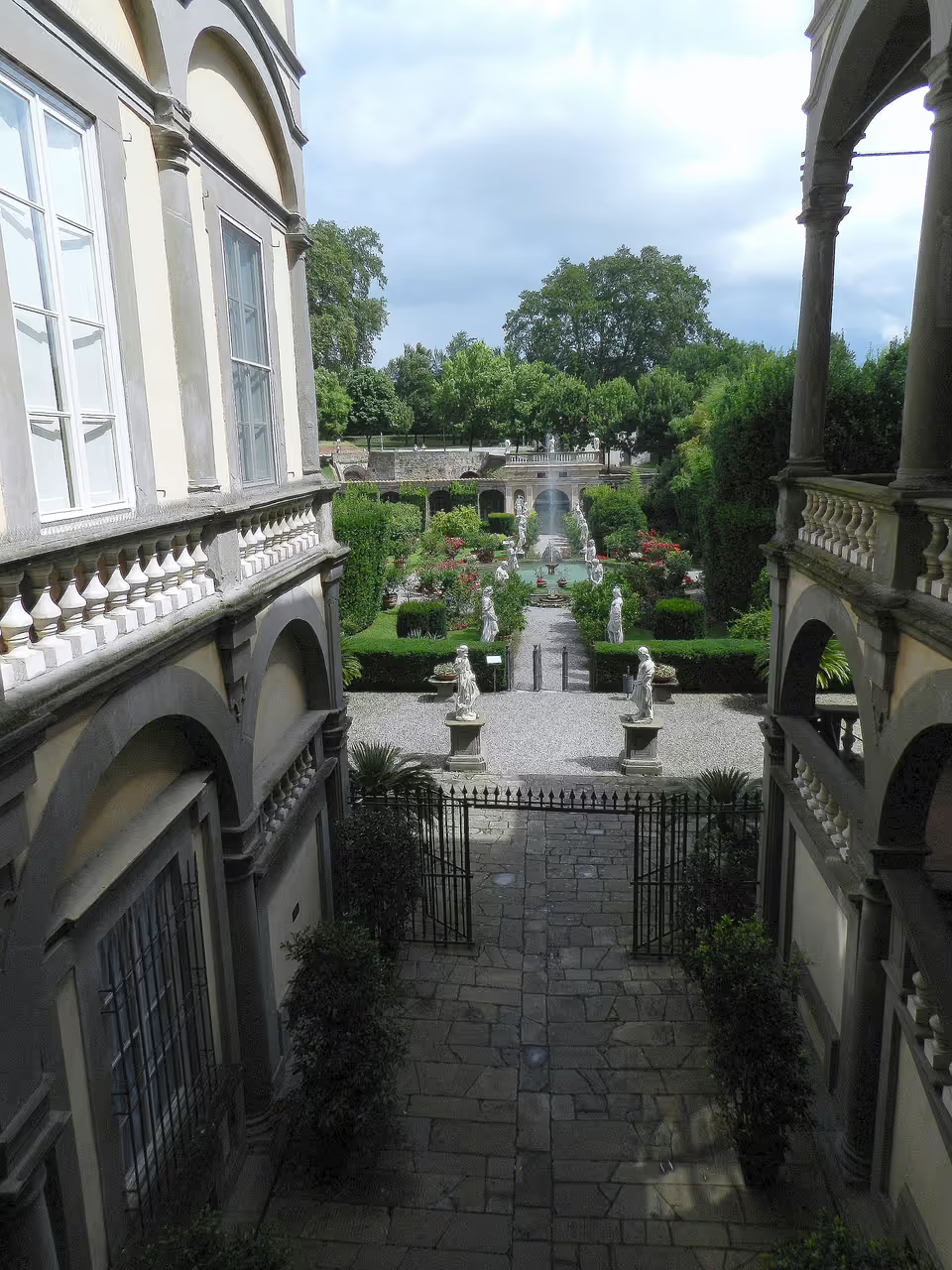
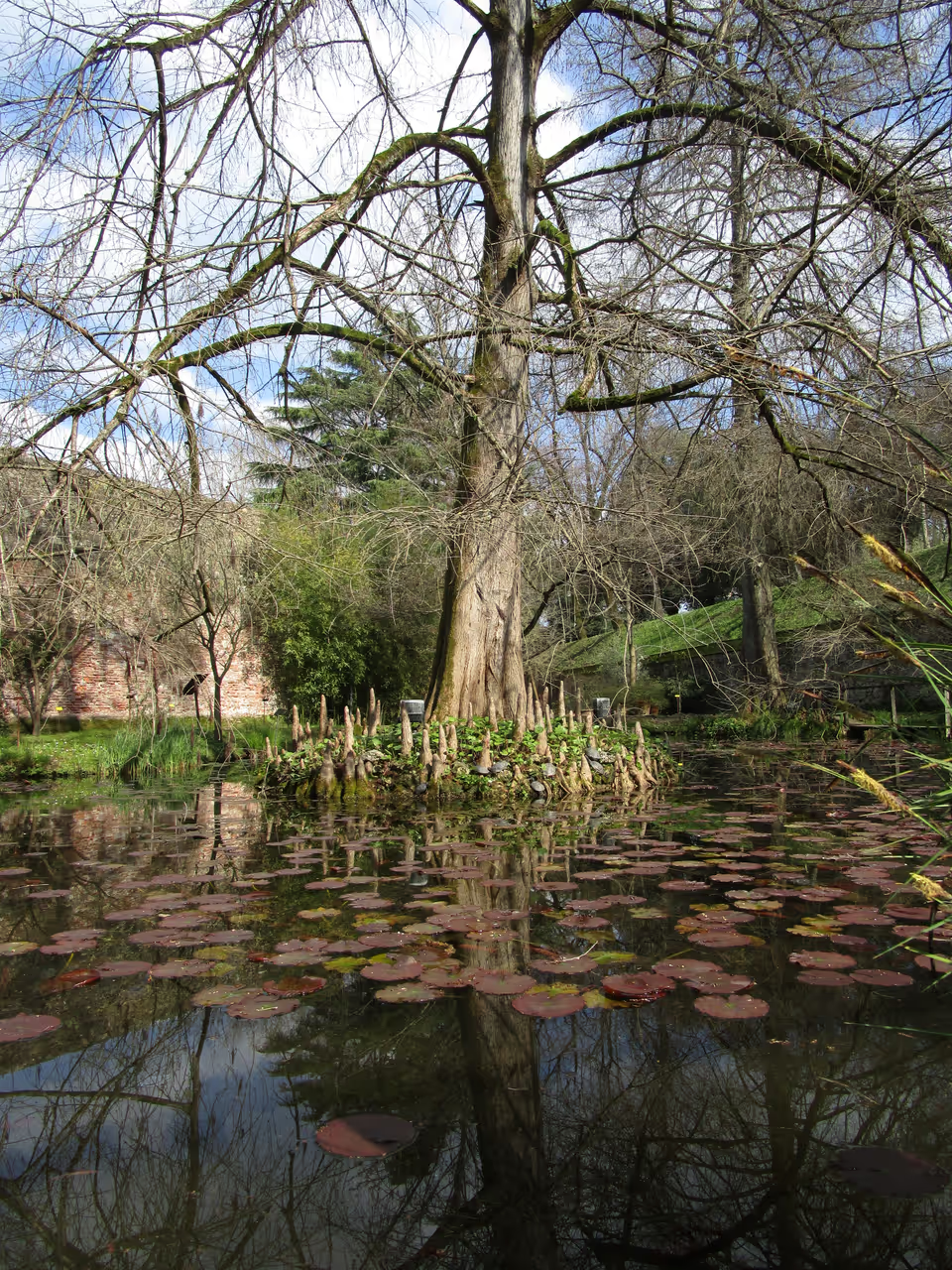
Nestled in the quiet southeastern corner of Lucca’s historic city walls, this botanical garden is a serene oasis of biodiversity and history. Established in 1820, it serves as a living museum where centuries of scientific dedication meet the beauty of rare flora. Visitors can stroll through a verdant arboretum, stand beneath the ancient, towering Lebanon Cedar, or explore greenhouses filled with exotic tropical plants and desert succulents. The garden also features tranquil ponds and specialized collections of medicinal herbs, making it a perfect spot for both plant enthusiasts and those seeking a peaceful retreat. It is a remarkable testament to Lucca's intellectual heritage and a truly refreshing escape from the city's bustling streets.
Videos
History of Lucca Botanical Garden
The origins of Lucca's commitment to botany run deep, tracing back to the 16th century when private 'gardens of simples' were established to cultivate medicinal herbs. These early collections were vital for pharmacists and physicians of the era, reflecting an Enlightenment spirit that prized scientific inquiry. By the early 19th century, this local curiosity evolved into a formal project under the patronage of Maria Luisa di Borbone. In 1820, she established the current Botanical Garden to serve the city's university, creating a sophisticated environment that functioned as both a teaching laboratory for medical students and a refuge for exotic species. Throughout the 19th century, the garden became a dynamic centre for research. Distinguished botanists like Paolo Volpi and Benedetto Puccinelli curated vast collections, turning the site into a living catalogue of diverse plant life from around the globe. They designed the layout to accommodate an arboretum, lecture halls, and greenhouses, ensuring that the garden remained at the forefront of scientific education. Despite the political upheaval that saw the end of the Grand Duchy of Tuscany, the institution remained steadfast, often acting as a guardian for unique species that might have otherwise disappeared from the regional landscape. In the modern era, the garden has transcended its original role as a purely academic space. It is now a focal point for conservation and public appreciation, hosting prestigious botanical exhibitions such as Murabilia that attract visitors from across Europe. The garden bridges the gap between historical preservation and contemporary science, maintaining everything from its 1822 Lebanon Cedar to its rare aquatic collections. It stands today as a living testament to Lucca's intellectual past, inviting visitors to experience the beauty of nature while walking atop the ancient ramparts of a city that has always cherished its green heritage.
Events spanning 181 years
Fun Facts
- • A local legend tells of the noblewoman Lucida Mansi, who supposedly made a pact with the devil for eternal youth and was dragged into the garden pond to pay her debt.
- • It features a rare 'sfagneta' or sphagnum bog, which helps protect and study unique glacial relict plants in a controlled environment.
- • It maintains a living 'Hortus Sanitatis' containing nearly 500 species of medicinal plants, continuing the tradition of the ancient gardens of simples.
- • Lucca has a deep historical connection to camellias, and the garden hosts a significant collection of these flowers, with some species being carefully restored and catalogued over the last several decades.
- • The garden actively contributes to global botanical research by sending a yearly 'Index Seminum' to other gardens, offering free seed exchanges.
- • The garden includes a specialized collection of wax fruit models from the 19th century, originally commissioned for the city's natural history museum.
- • The garden was built on land that served as a cemetery for heretics and a soccer pitch before being transformed into a botanical sanctuary.
- • The iconic Lebanon Cedar in the arboretum was planted in 1822 and stands as the garden's most enduring and significant botanical landmark.
- • The monumental entrance gate was designed by the renowned architect Lorenzo Nottolini and originally featured sphinxes, later replaced by stone lions.
- • The site houses a historical library that dates back to the 17th century, preserving thousands of rare texts for future botanical research.
RESOURCES
Official WebsiteLucca Botanical Garden FAQ
While we strive to keep this information accurate and up to date, we recommend verifying any details independently before making decisions based on them.
Lucca Botanical Garden Map & Neighborhood Explorer
This interactive map is centered on Lucca Botanical Garden. Zoom in and move the map around to automatically discover Wikipedia photos and summaries of other nearby sights, monuments, and historical points of interest and stories in real-time!
Places near Lucca Botanical Garden
Make the most of your trip. Check out these top-rated spots located nearby.
 144m
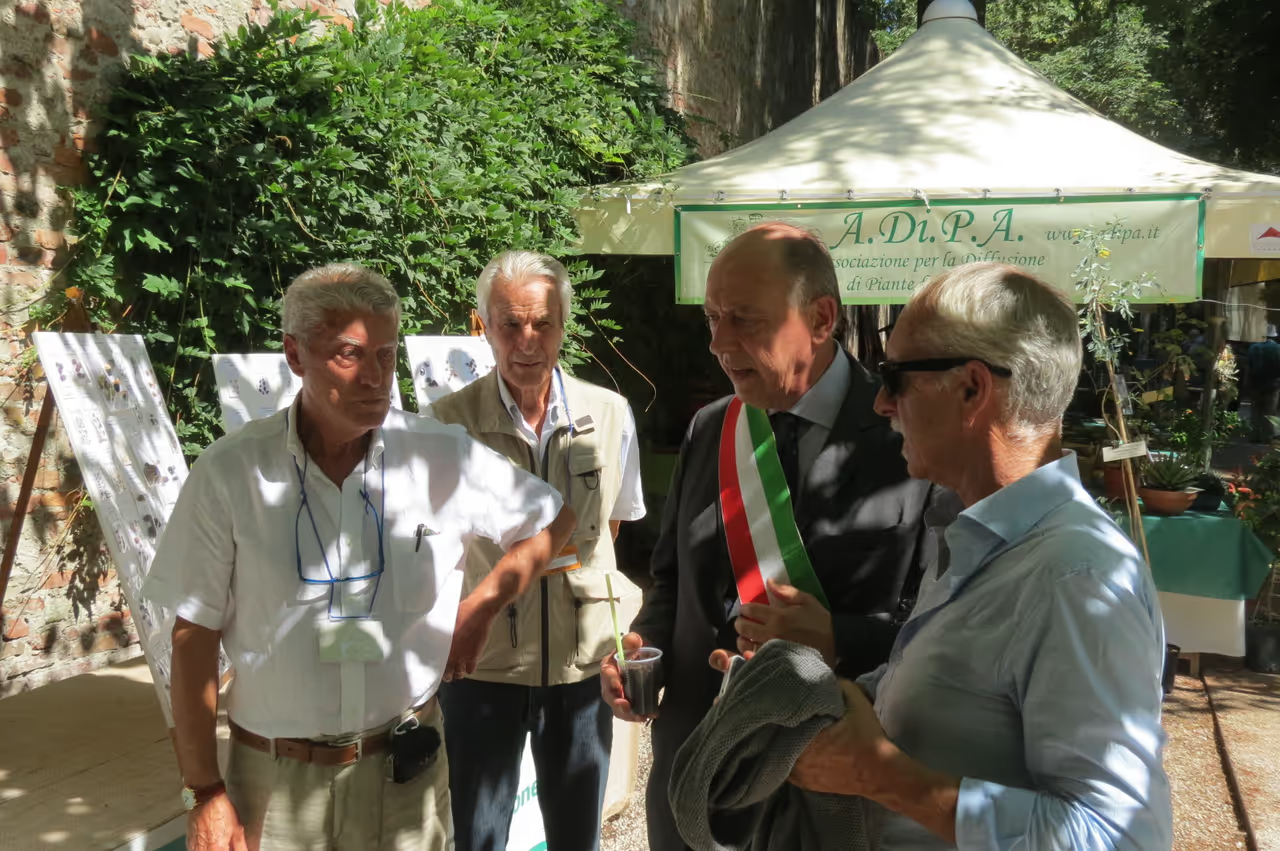
144mMurabilia Flower Market
This incredibly vibrant and fragrant market transforms the city's historic bastions into a spectacular botanical showcase. Taking place directly on the massive Renaissance walls, it gathers passionate nurserymen, amateur gardeners, and rare plant collectors from all over Europe. You can browse an astonishing variety of flora, from exotic orchids to traditional Tuscan herbs, while enjoying the elevated views over the old town. It is a peaceful, colourful event that perfectly marries the city's love for nature and heritage.
market view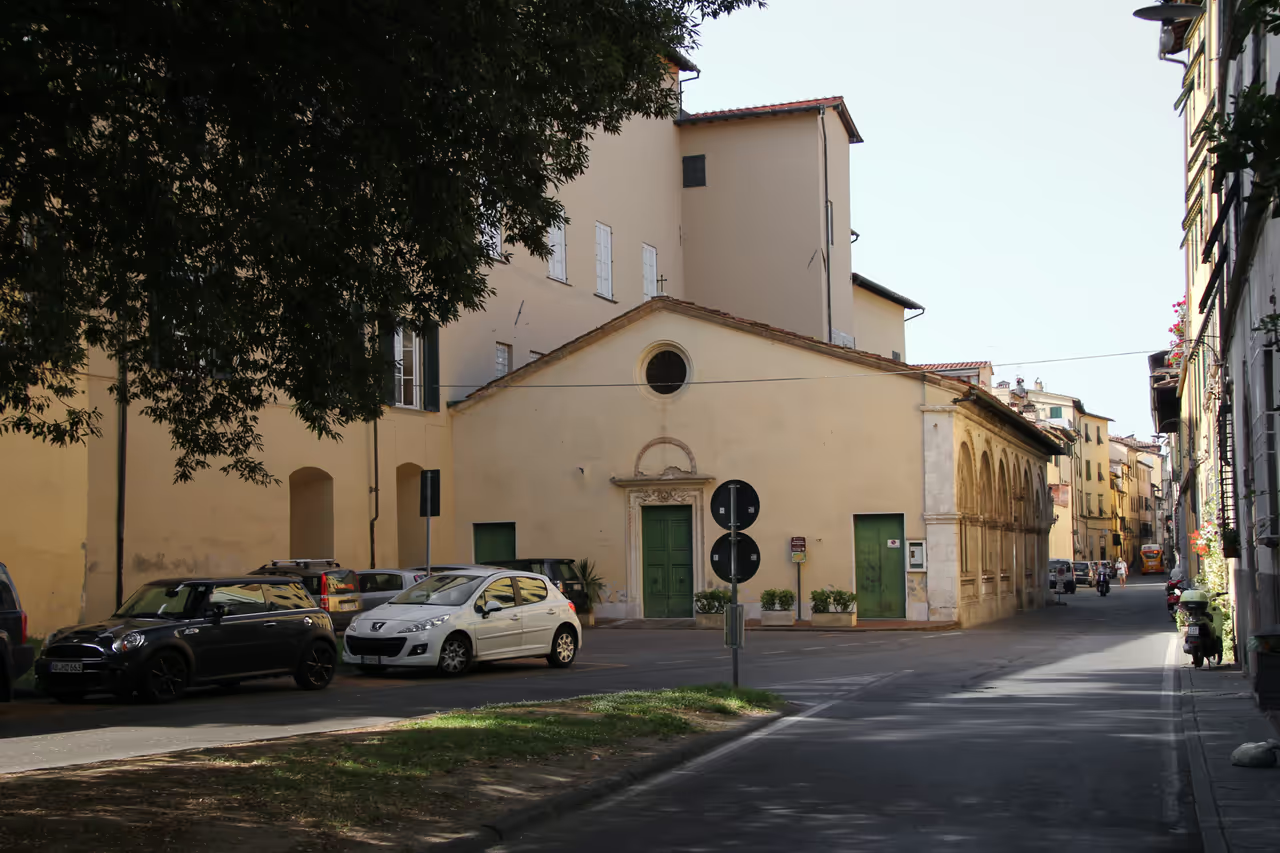 286m
286mChurch of Santa Maria della Rosa
Tucked away on a quiet side street just behind the massive cathedral, this enchanting little church is a rare and brilliant example of Gothic architecture in a city dominated by the Romanesque style. Its exterior is exquisitely decorated with delicate carvings of roses, paying homage to its name. Uniquely, the church was built directly against, and physically incorporates, a surviving section of the ancient Roman defensive walls, which are still clearly visible on its flank. It provides a stunning, peaceful contrast to the sprawling grandeur of the main basilicas.
hidden gem view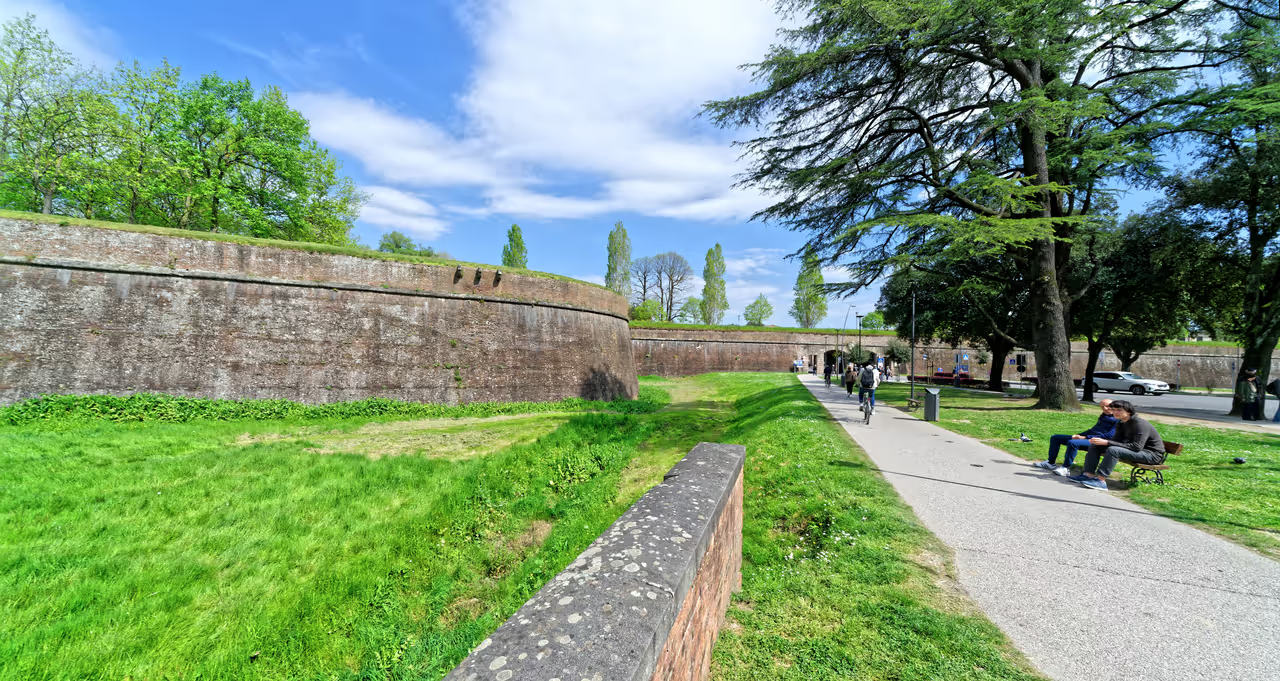 330m
330mRenaissance Walls of Lucca
Walk atop one of the world's most beautiful and perfectly preserved Renaissance fortifications. These magnificent walls surround the city in a green embrace, offering a four kilometre tree lined promenade that has never witnessed a siege. It is a living park where locals cycle, jog, and socialise high above the cobblestone streets. With eleven bastions and six main gates, the walls provide a panoramic view of the Tuscan landscape and the charming city skyline. Visiting Lucca is incomplete without experiencing the peaceful and elevated perspective offered by this remarkable architectural masterpiece.
park & nature view 352m
352mInternal Combustion Engine Museum
This small, highly niche museum celebrates a monumental, yet often overlooked, moment in global engineering history that occurred right here in the city. It is dedicated to two local scientists, Eugenio Barsanti and Felice Matteucci, who officially patented the very first internal combustion engine in 1854, predating the more famous German inventors. The museum houses fascinating, fully working scale models of their original engine designs that visitors can see in motion. It is a quirky, proud celebration of local ingenuity that appeals greatly to science and history buffs.
hidden gem view
Explore Similar Places in This Collection

Featured on These Itineraries and Routes
3 Days in Lucca: Palaces, Music, and Panoramas Itinerary
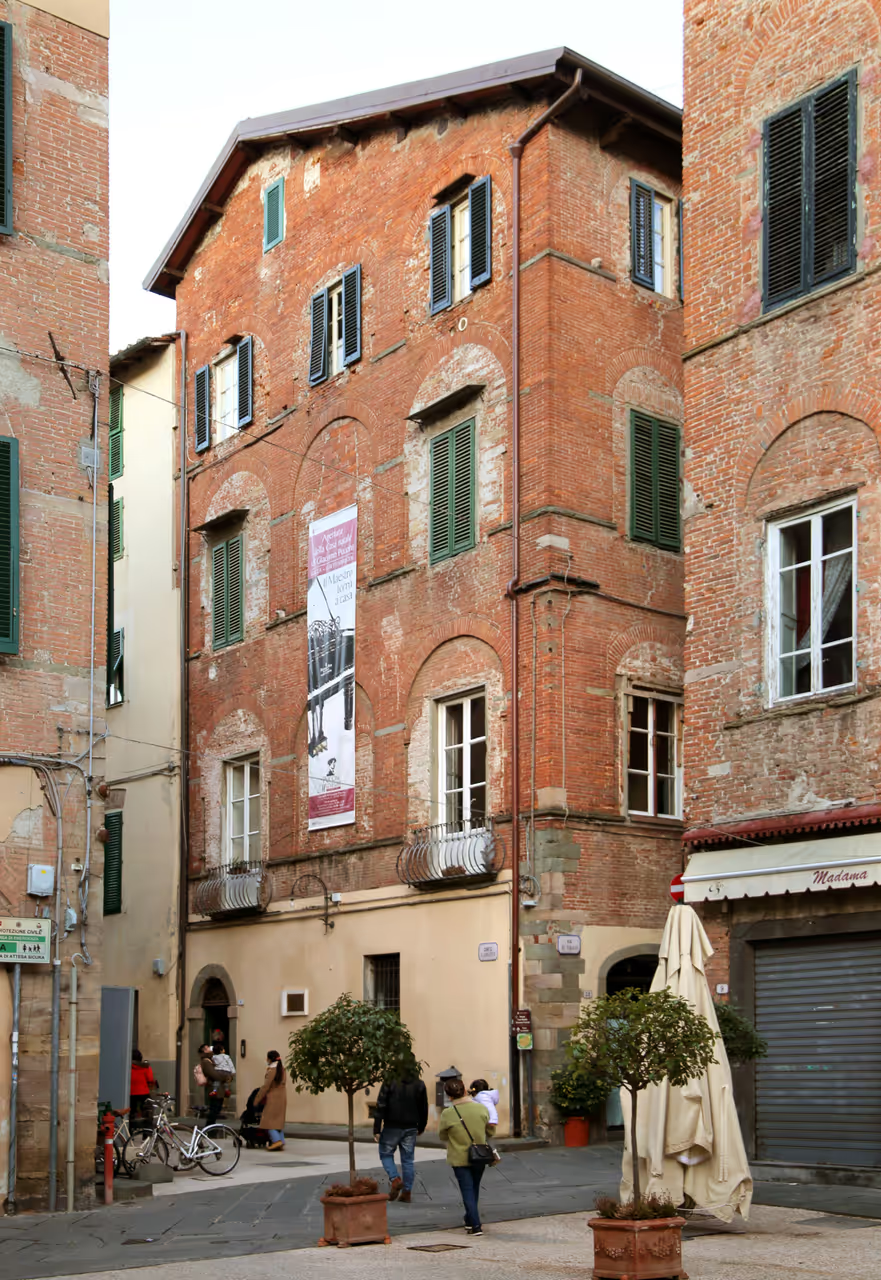
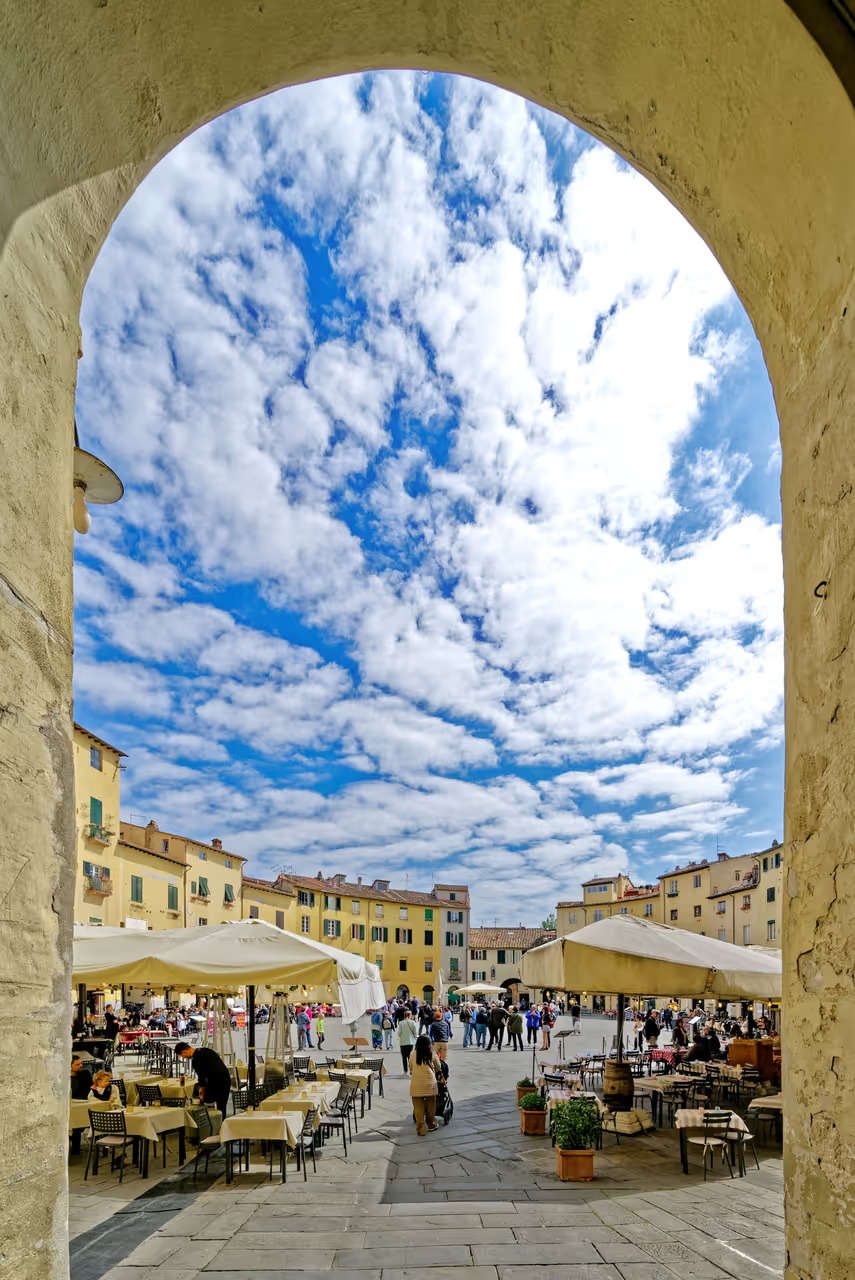
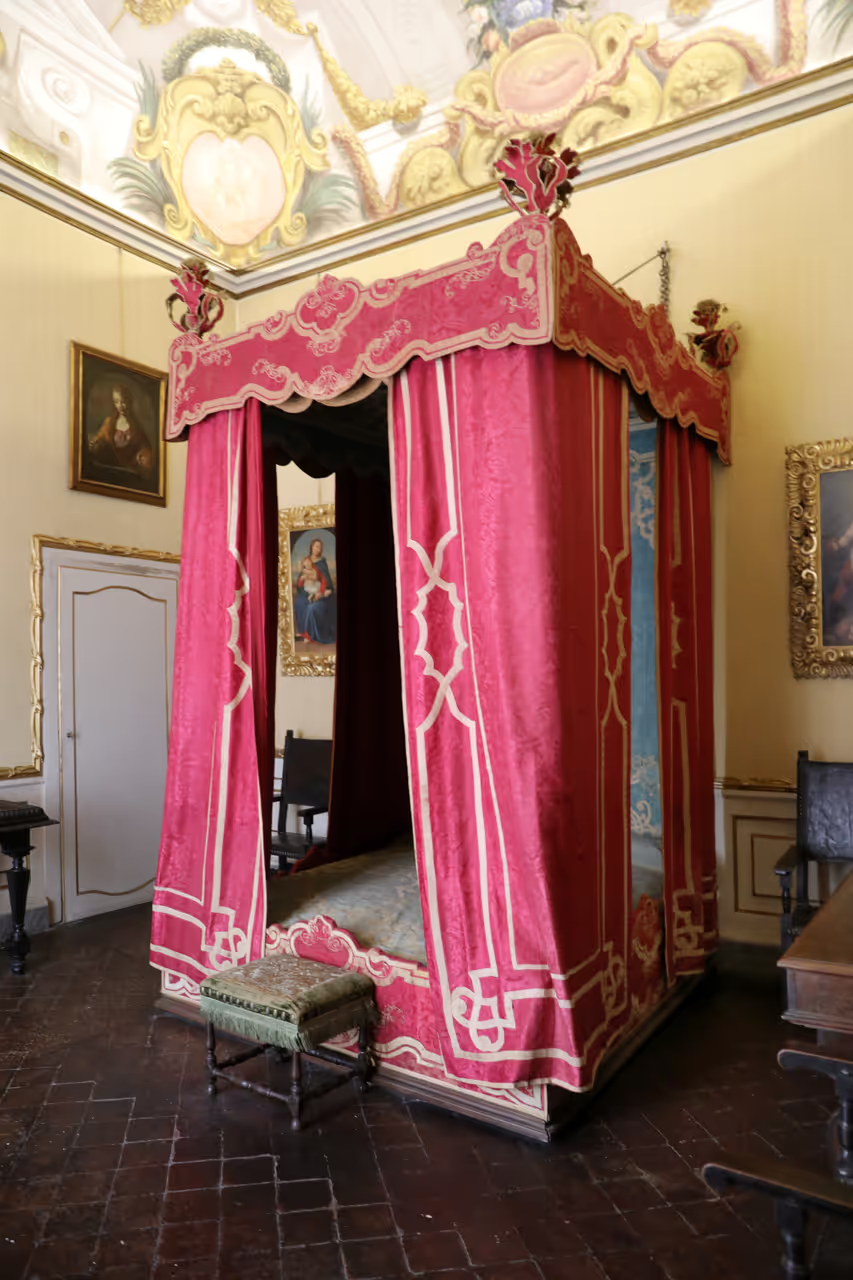
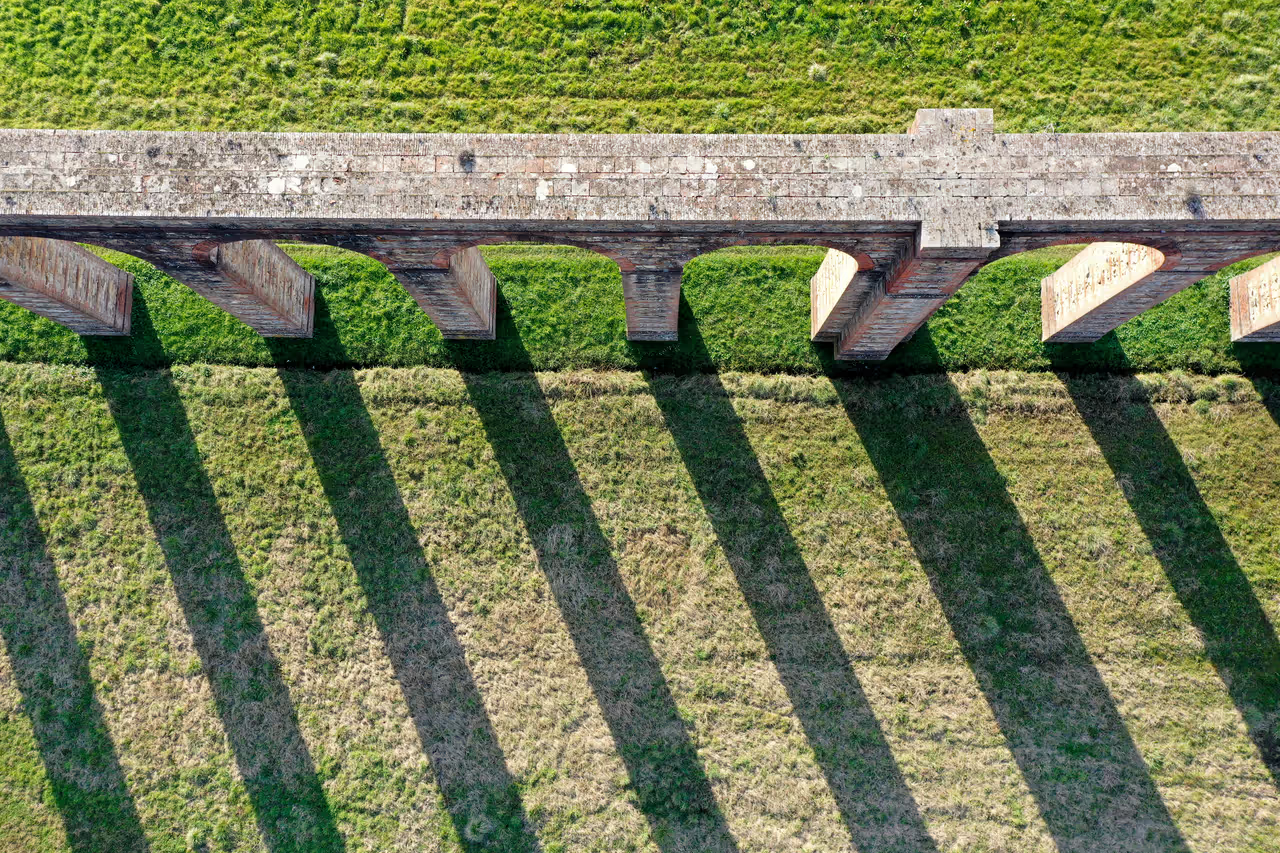
With three days, you can slow down and truly embrace the unhurried lifestyle that makes this city so beloved. After covering the iconic churches and squares, you will dive into the opulent history of the wealthy silk merchants by visiting their lavishly decorated palaces and hidden gardens. You will also have ample time to trace the footsteps of the legendary composer Giacomo Puccini, before venturing just outside the walls to admire the monumental civil engineering of the aqueduct.
view itinerary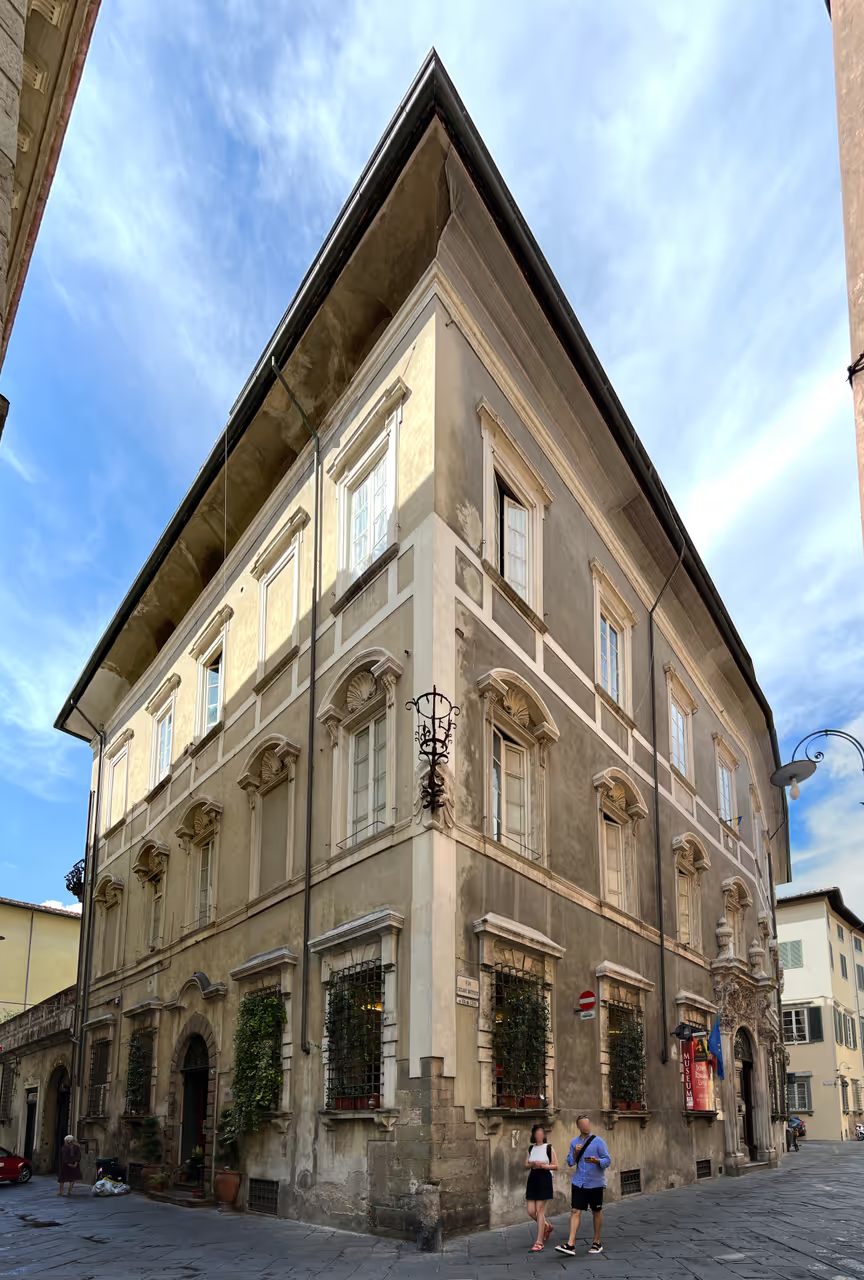
5 Days in Lucca: Complete Cultural Immersion Itinerary
Five days allows you to completely sink into the rhythm of the city, exploring its most famous monuments as well as its fascinating, lesser-known hidden gems. You will discover ancient Roman mosaics buried in basements, quirky local museums, and the beautiful nature reserves that sit just beyond the fortifications. This extended itinerary gives you the luxury of taking long, leisurely lunches, engaging deeply with the city's complex history, and enjoying the vibrant evening bar scene like a true local.
view itinerary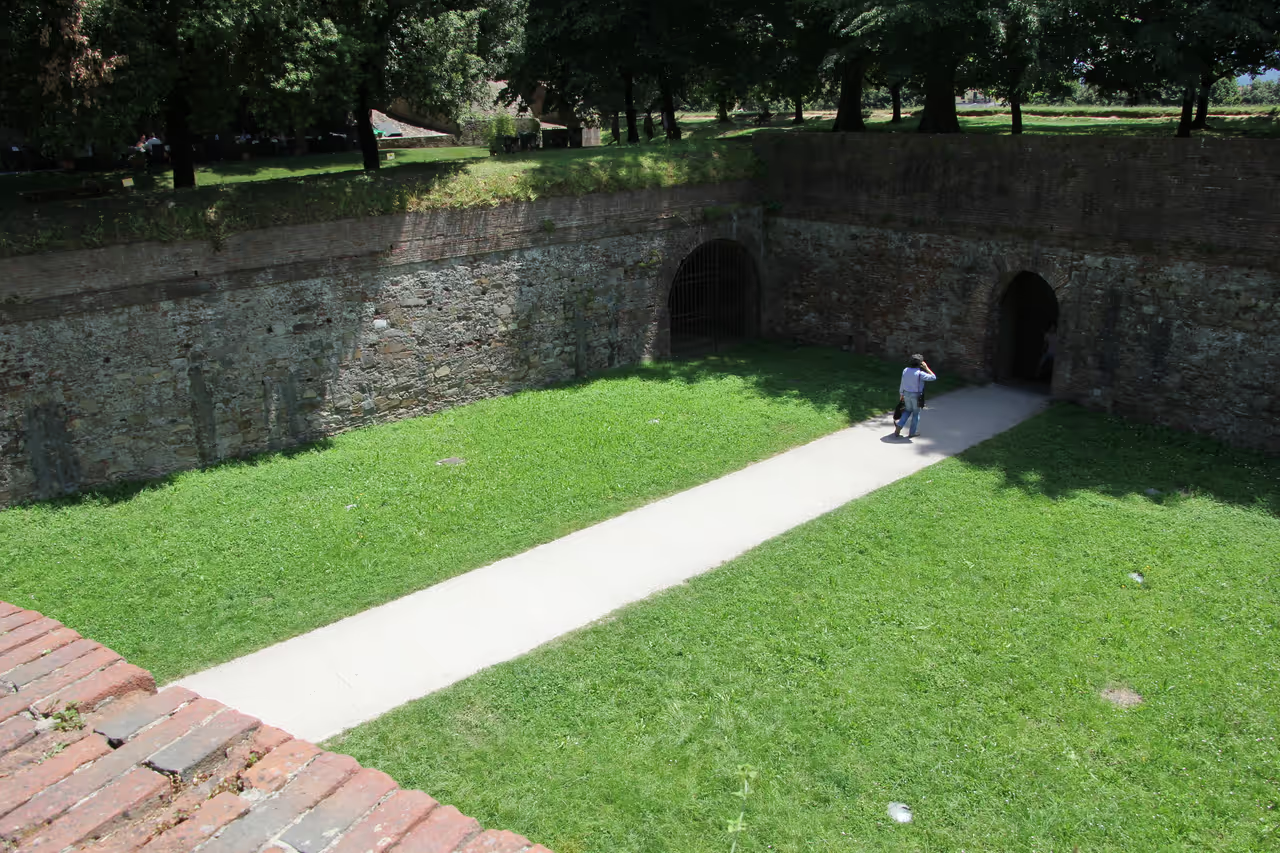
High Walls Promenade
Walking atop the massive defensive perimeter provides a uniquely elevated and peaceful perspective on the bustling town below. The wide paths are treated as a linear park by locals, dotted with benches, grassy outcroppings, and centuries-old trees providing dappled shade. From this height, you can peek into the private, walled gardens of wealthy estates on one side, and gaze out over the deep defensive trenches to the mountains on the other. It is a relaxing, highly social environment where the city comes to unwind.
view walking route
See all nature & parks in Lucca
Renaissance Walls of Lucca, Palazzo Pfanner, Serchio River Park...