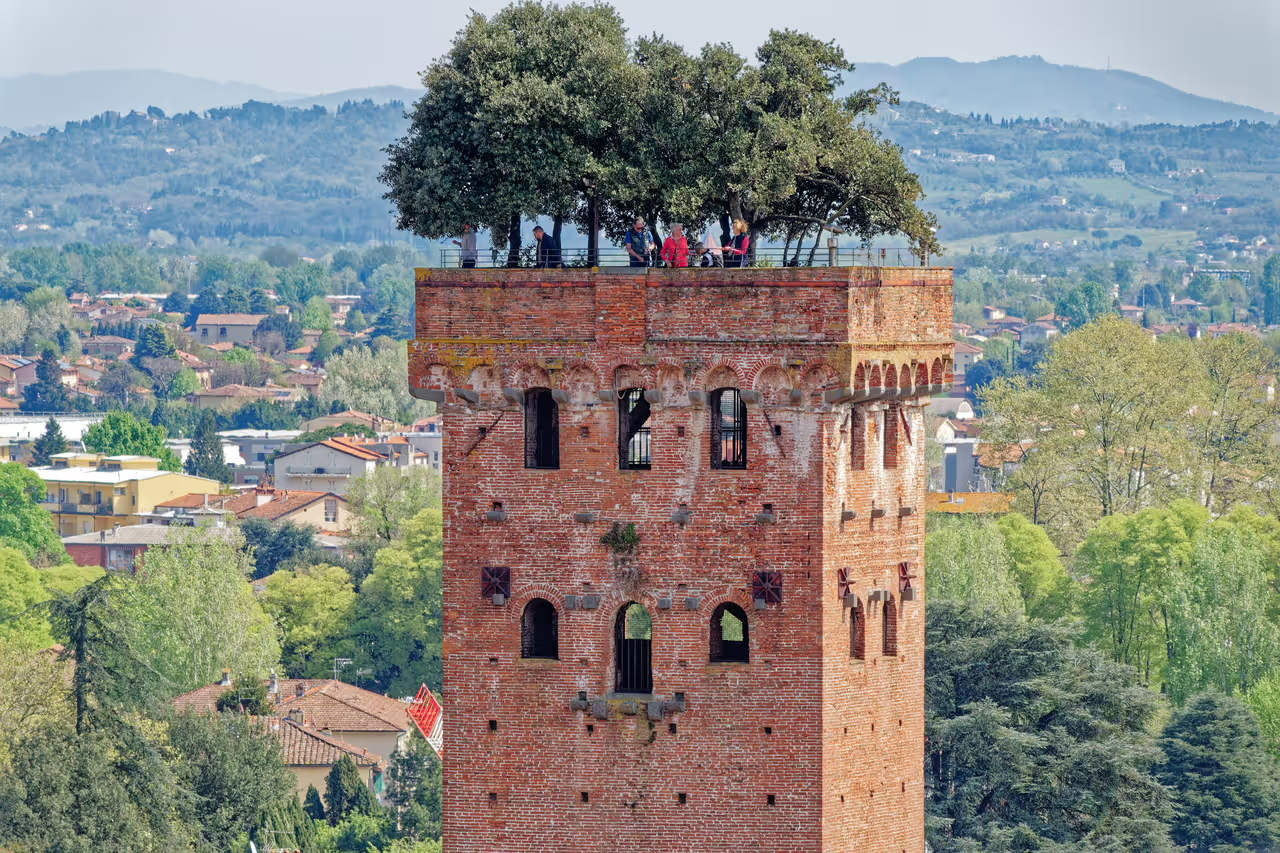
Guinigi Tower
Standing tall above the terracotta rooftops of Lucca, the Guinigi Tower is the city's most iconic landmark, instantly recognisable by the seven ancient holm oaks crowning its summit. Climbing its 233 steps offers a unique journey through history, rewarding your effort with panoramic vistas that sweep across the medieval city, the golden Piazza Anfiteatro, and the dramatic backdrop of the Apennine Mountains. This 14th-century marvel is a rare survivor of the medieval period, offering a glimpse into a time when powerful families competed by building ever-taller stone fortresses. It is a place where nature meets medieval architecture in a truly harmonious way, providing one of the most memorable experiences in all of Tuscany. Visiting this site is essential for anyone who wants to capture the true spirit and silhouette of Lucca.
Videos
History of Guinigi Tower
In the medieval era, Lucca was a city defined by competition. It was not enough to simply be wealthy, one had to be visible. The city skyline was a dense forest of over 250 towers, each acting as a stone manifesto of a family's power, influence, and martial prowess. Among the most prominent of these were the Guinigi, merchant princes who dominated local politics. To signal their rebirth and their standing above the fray, they commissioned a tower that transcended the standard fortified structures of the time. They did not just build a fortress, they adorned it with a hanging garden, planting holm oaks at the summit to create a living symbol of prosperity that would touch the clouds. The 16th century, however, brought a harsh climate of political consolidation. Across Lucca, families were forced to cut down or demolish their towers to prevent them from being used in civil warfare or to limit the political weight of the aristocracy. The Guinigi Tower, however, escaped this wave of destruction. It stands today as one of the few authentic remnants of that chaotic, ambitious medieval landscape. Its survival is a testament to the family's legacy and the respect the city eventually held for the structure. Today, the tower serves as the definitive silhouette of Lucca. It connects the modern visitor to a time when architectural choices were matters of life, death, and social standing. When you climb the 233 steps to the top, you are not just ascending a staircase, you are retracing the footsteps of the men who built a city and the generations of citizens who have looked up at these trees as a permanent feature of their horizon. The tower remains a proud guardian of the city's identity, inviting travellers to witness a history that nature has reclaimed and preserved.
Events spanning 600 years
Fun Facts
- • During the early 14th century, Lucca was a dense forest of over 250 towers, and the Guinigi family built their structure to stand out among the crowded skyline.
- • Historical records indicate the trees are not original to the 14th century but have been replanted and cared for over the centuries to maintain the tower's unique identity.
- • The Guinigi Tower serves as a vertical museum, as the internal walls are decorated with a collection of paintings depicting scenes of medieval life.
- • The iconic holm oaks atop the tower were likely first planted in the 15th century, acting as a profound symbol of renewal and status for the family.
- • The rooftop garden is a self-contained ecological wonder, consisting of a massive, walled earth container that has sustained these trees for centuries.
- • The structure reaches a height of 44.25 metres, and visitors must conquer 233 steps to reach the garden at the top.
- • The tower's architecture consists of brick and stone, showcasing the robust engineering skills of medieval Lucchese builders.
- • The view from the top is one of the best in the region, offering clear sightlines towards the Alpi Apuane in the north-west, the Apennines in the north-east, and Mount Pisano to the south.
- • Unlike the vast majority of Lucca's medieval towers, which were shortened or destroyed during the 16th century to consolidate power, the Guinigi Tower was miraculously left at its full, original height.
Guinigi Tower FAQ
While we strive to keep this information accurate and up to date, we recommend verifying any details independently before making decisions based on them.
Guinigi Tower Map & Neighborhood Explorer
This interactive map is centered on Guinigi Tower. Zoom in and move the map around to automatically discover Wikipedia photos and summaries of other nearby sights, monuments, and historical points of interest and stories in real-time!
Places near Guinigi Tower
Make the most of your trip. Check out these top-rated spots located nearby.
 40m
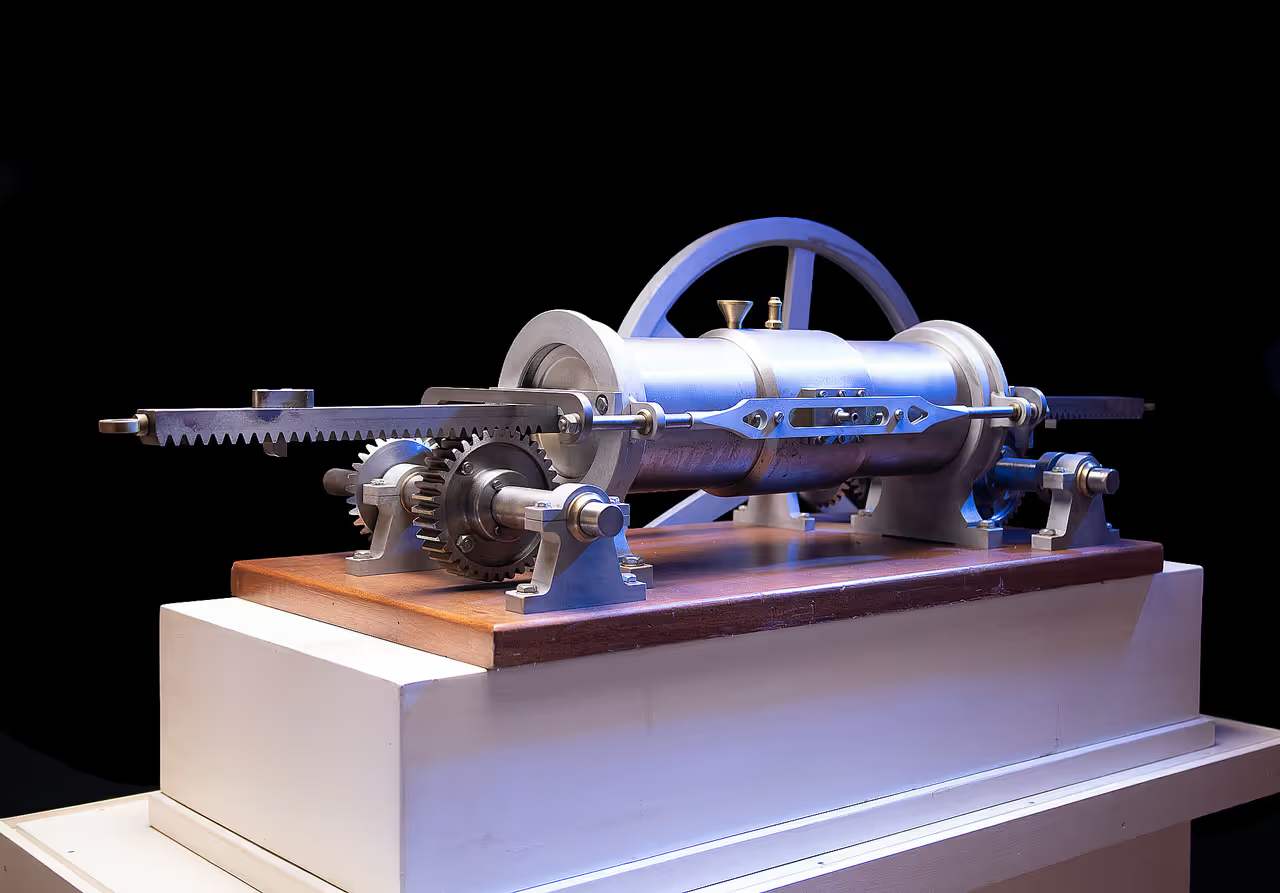
40mInternal Combustion Engine Museum
This small, highly niche museum celebrates a monumental, yet often overlooked, moment in global engineering history that occurred right here in the city. It is dedicated to two local scientists, Eugenio Barsanti and Felice Matteucci, who officially patented the very first internal combustion engine in 1854, predating the more famous German inventors. The museum houses fascinating, fully working scale models of their original engine designs that visitors can see in motion. It is a quirky, proud celebration of local ingenuity that appeals greatly to science and history buffs.
hidden gem view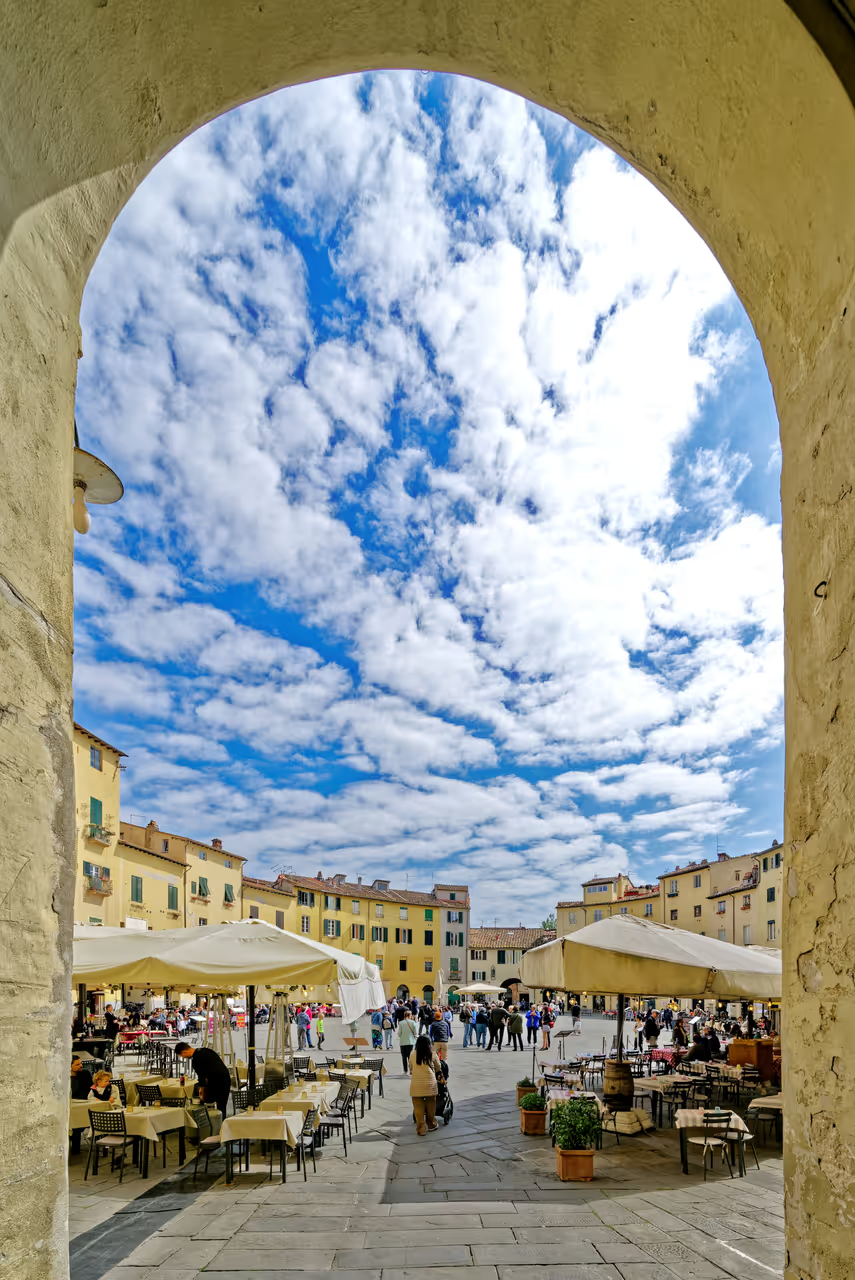 210m
210mPiazza dell'Anfiteatro
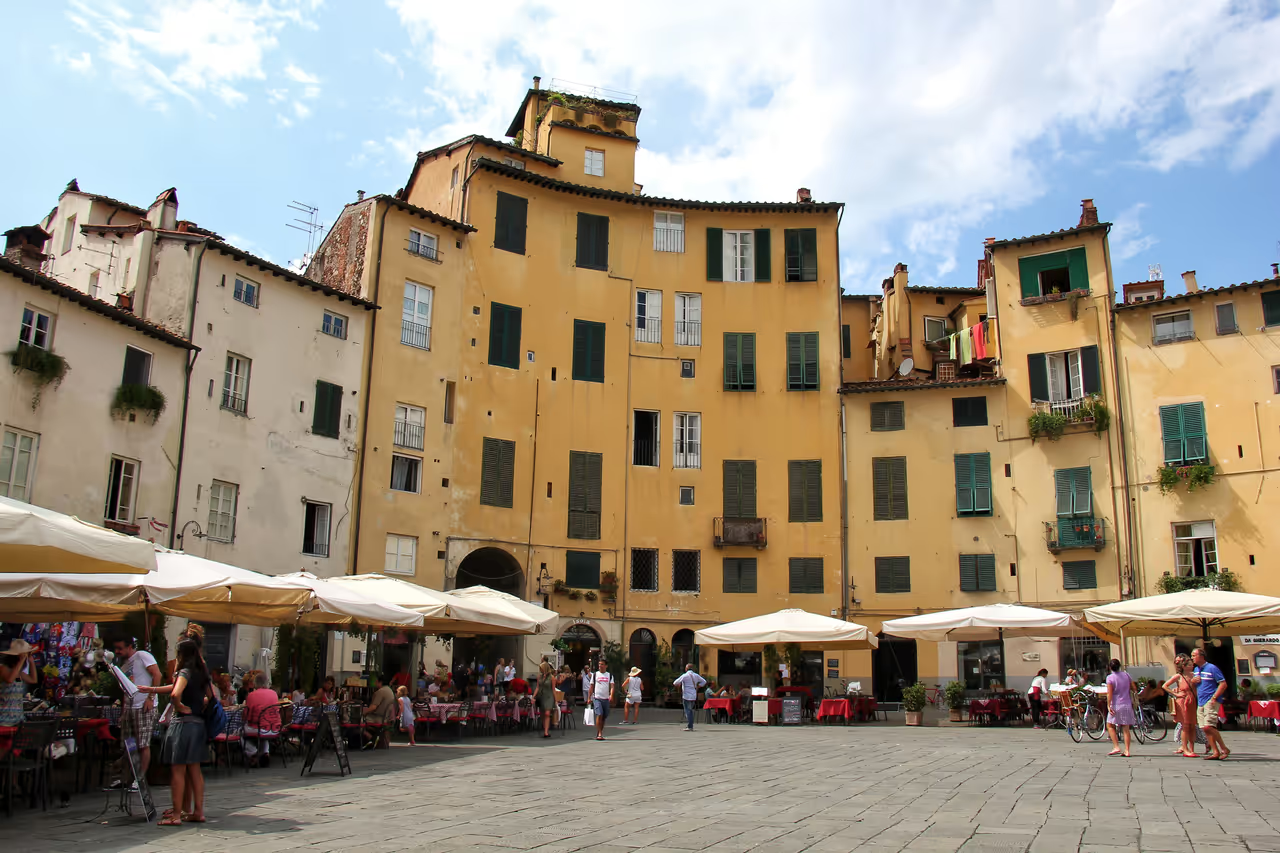
Step into the vibrant heart of Lucca, a place where Roman history seamlessly blends with the rhythm of everyday life. This unique square follows the exact elliptical footprint of an ancient Roman amphitheatre that stood here during the second century. Today, the surrounding medieval buildings follow the curve of the old stone structure, creating an intimate and enclosed space that feels like a private courtyard for the entire city. It is the perfect spot to enjoy an authentic Italian coffee or an aperitivo while admiring the colourful facades that define the square. Whether you are wandering through its four arched entrances or hunting for the hidden cross on the central tile, the piazza offers a captivating atmosphere that lingers long after you leave.
attraction view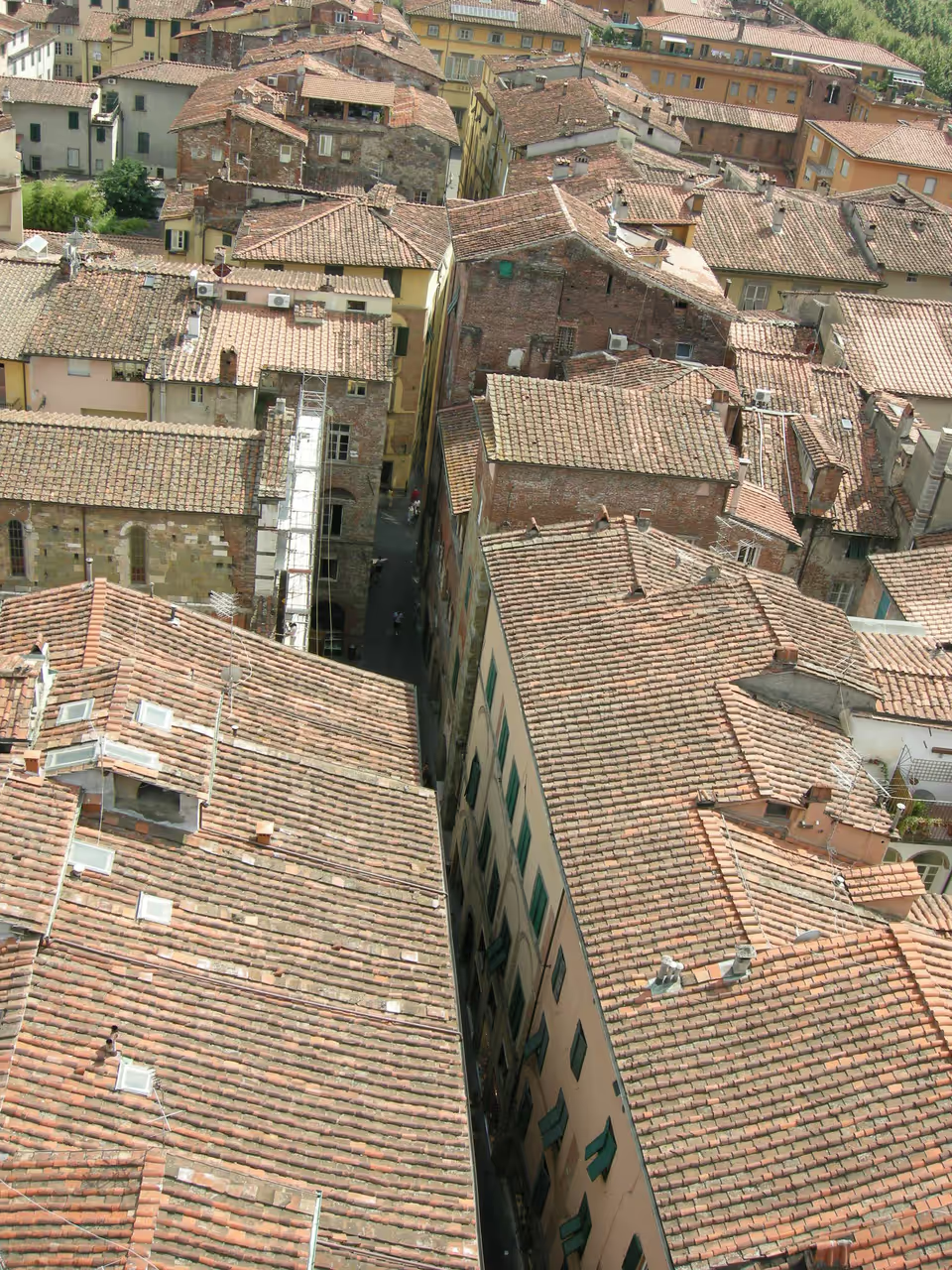 219m
219mVia Fillungo & Side Streets
The main pedestrian artery of the city transforms from a busy shopping street by day to a lively corridor of pubs and small bars by night. Tucked into the medieval alleyways branching off the main street, you will find excellent craft beer pubs and casual spots drawing a younger, energetic crowd. It is the perfect area for a leisurely bar crawl, hopping from a sleek modern wine bar to a traditional pub serving local snacks. The narrow streets amplify the hum of conversation, creating a highly engaging street scene.
nightlife view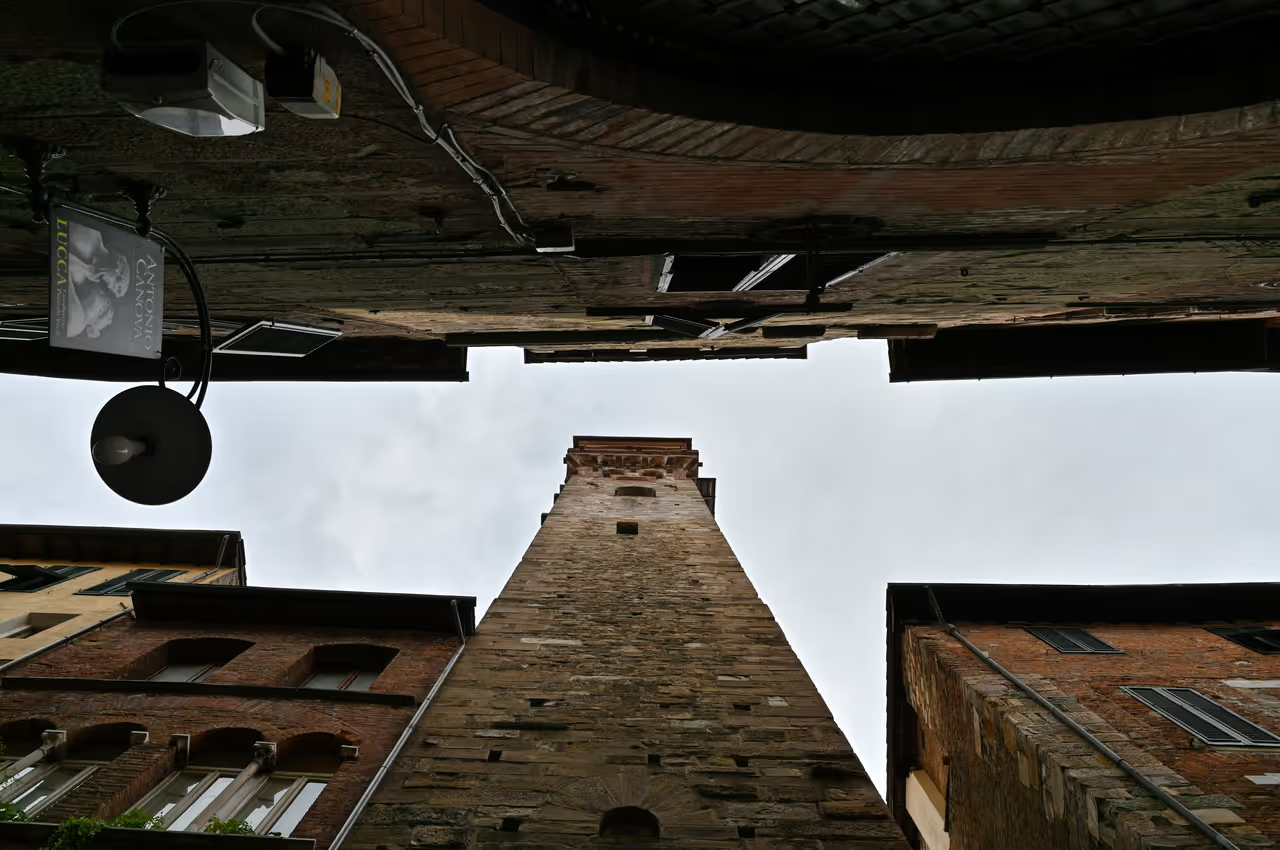 227m
227mClock Tower
Standing proudly as the highest tower in the city, this slender structure has been keeping time for the citizens since the 14th century. Visitors can climb the 207 wooden steps to the very top, where the fascinating, original hand-wound clock mechanism from 1754 is still fully operational and visible. The effort of the climb is massively rewarded by breathtaking, sweeping views across the terracotta rooftops toward the surrounding Apennine mountains. It offers a quieter, yet equally spectacular, alternative to the more famous tree-topped tower nearby.
highlight view
Explore Similar Places in This Collection
Featured on These Itineraries and Routes
1 Day in Lucca Itinerary
If you only have a single day to experience the magic of this walled city, this highly focused plan ensures you see the absolute must-visit highlights. You will explore the stunning Romanesque churches, navigate the narrow medieval commercial streets, and take in the unique oval beauty of the ancient amphitheatre footprint. The day balances awe-inspiring architecture with relaxed walking, culminating in a highly scenic sunset ride above the city.
view itinerary
3 Days in Lucca: Palaces, Music, and Panoramas Itinerary
With three days, you can slow down and truly embrace the unhurried lifestyle that makes this city so beloved. After covering the iconic churches and squares, you will dive into the opulent history of the wealthy silk merchants by visiting their lavishly decorated palaces and hidden gardens. You will also have ample time to trace the footsteps of the legendary composer Giacomo Puccini, before venturing just outside the walls to admire the monumental civil engineering of the aqueduct.
view itinerary
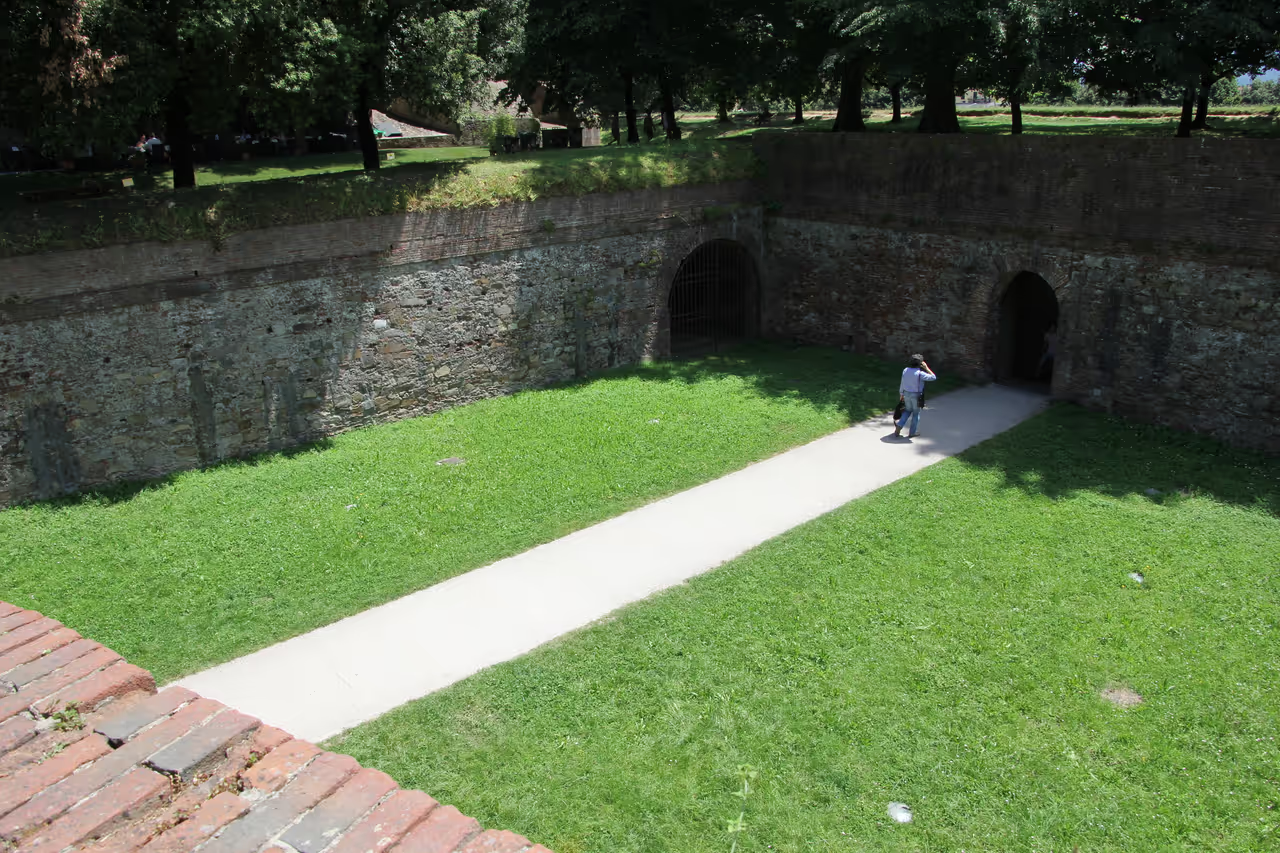
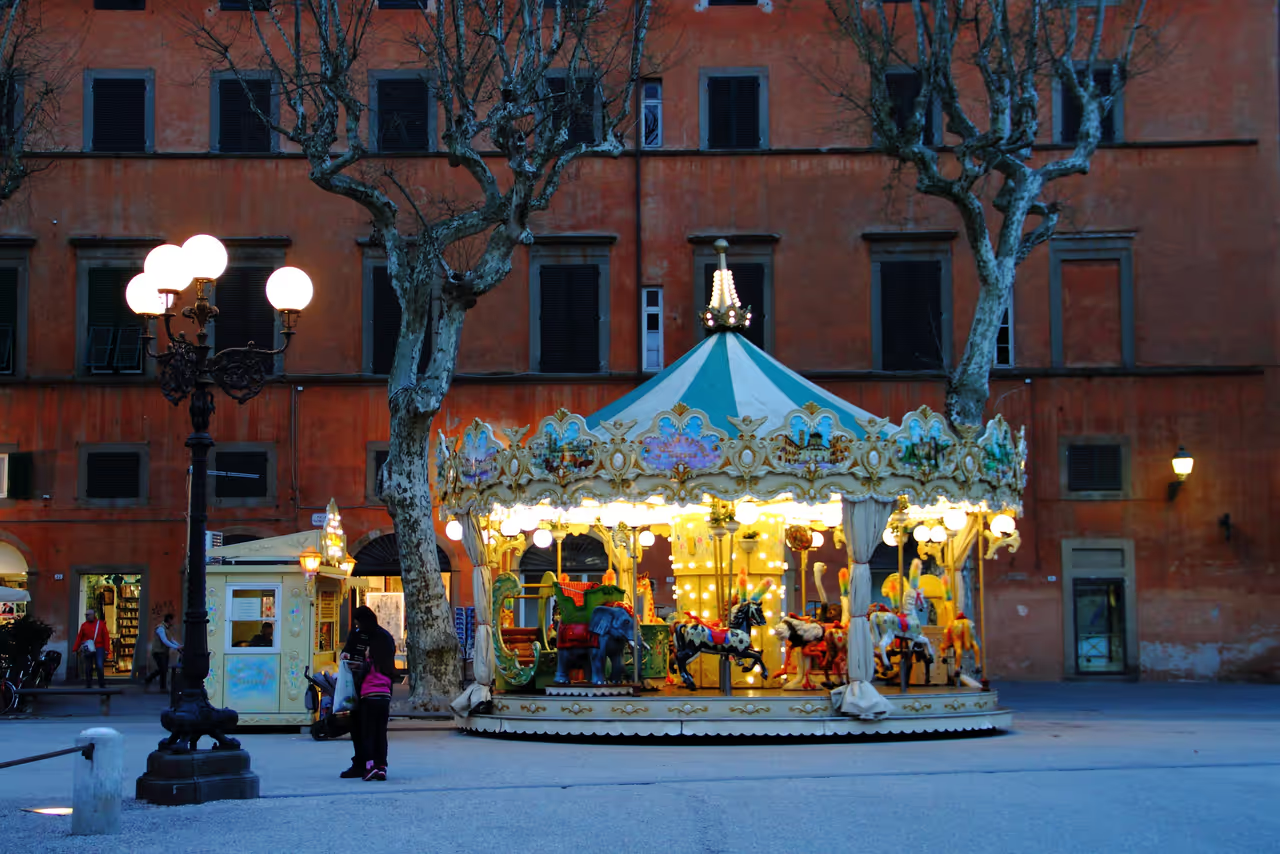
5 Days in Lucca: Complete Cultural Immersion Itinerary
Five days allows you to completely sink into the rhythm of the city, exploring its most famous monuments as well as its fascinating, lesser-known hidden gems. You will discover ancient Roman mosaics buried in basements, quirky local museums, and the beautiful nature reserves that sit just beyond the fortifications. This extended itinerary gives you the luxury of taking long, leisurely lunches, engaging deeply with the city's complex history, and enjoying the vibrant evening bar scene like a true local.
view itinerary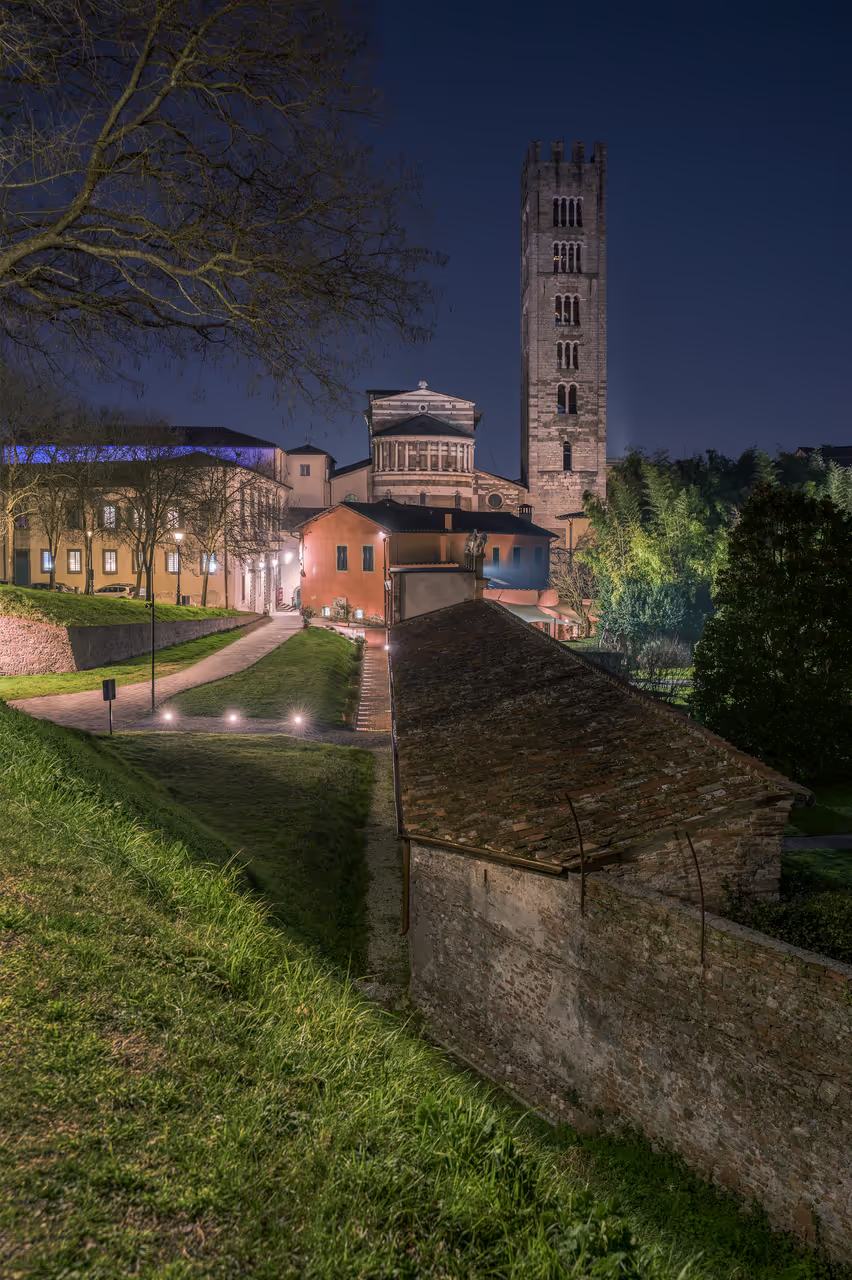
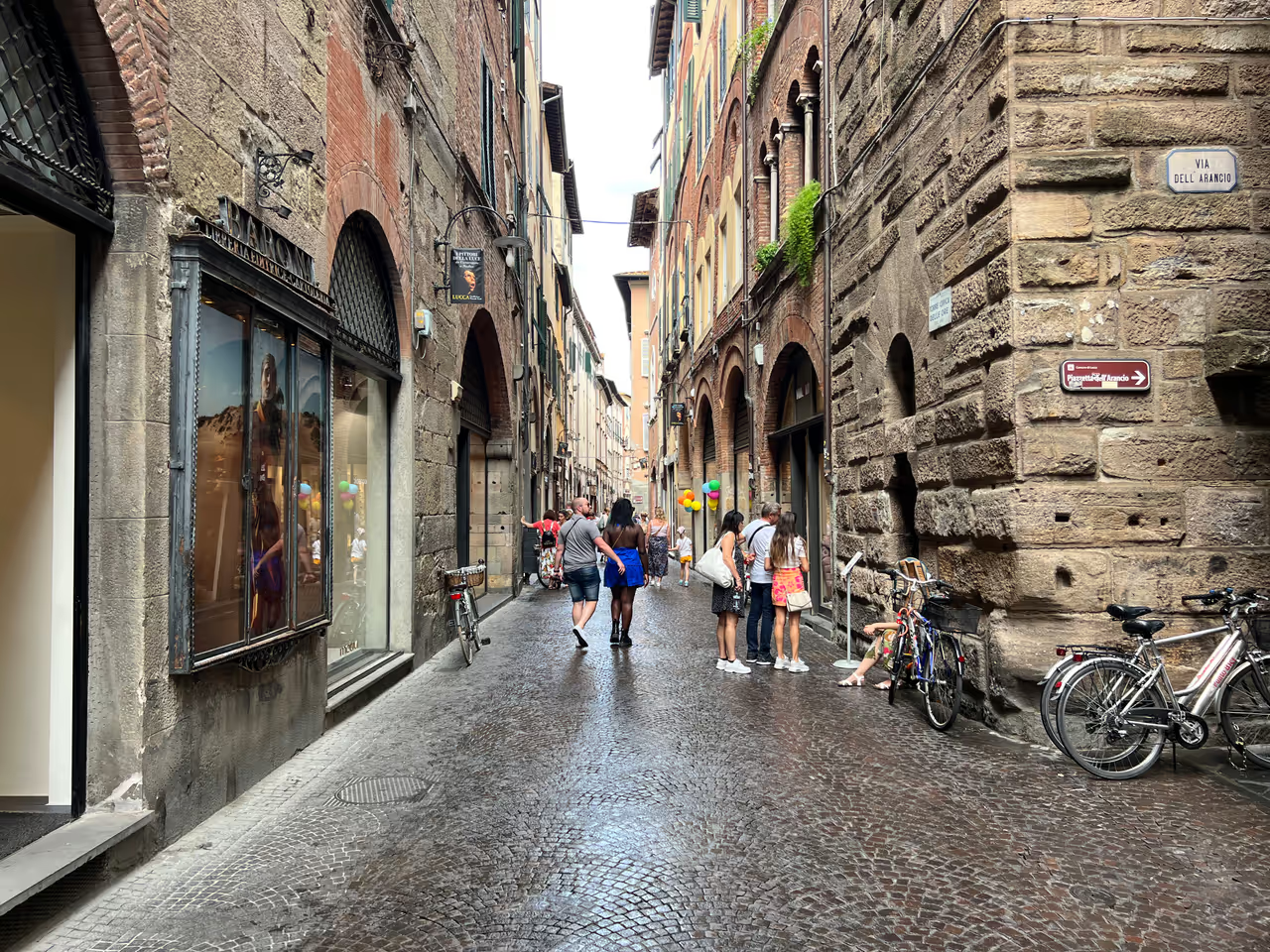
Medieval Heart & Hidden Squares
This highly atmospheric walk wanders aimlessly through the dense, pedestrianised core of the ancient city, where every turn reveals centuries of history. It traces narrow, shaded alleyways that suddenly open up into vast, sun-drenched piazzas surrounded by towering patrician houses. The route is designed to soak in the incredible density of Romanesque architecture and the lively hum of boutique shopping. It is a sensory journey filled with the smell of fresh bakeries and the visual splendour of ornate marble facades.
view walking route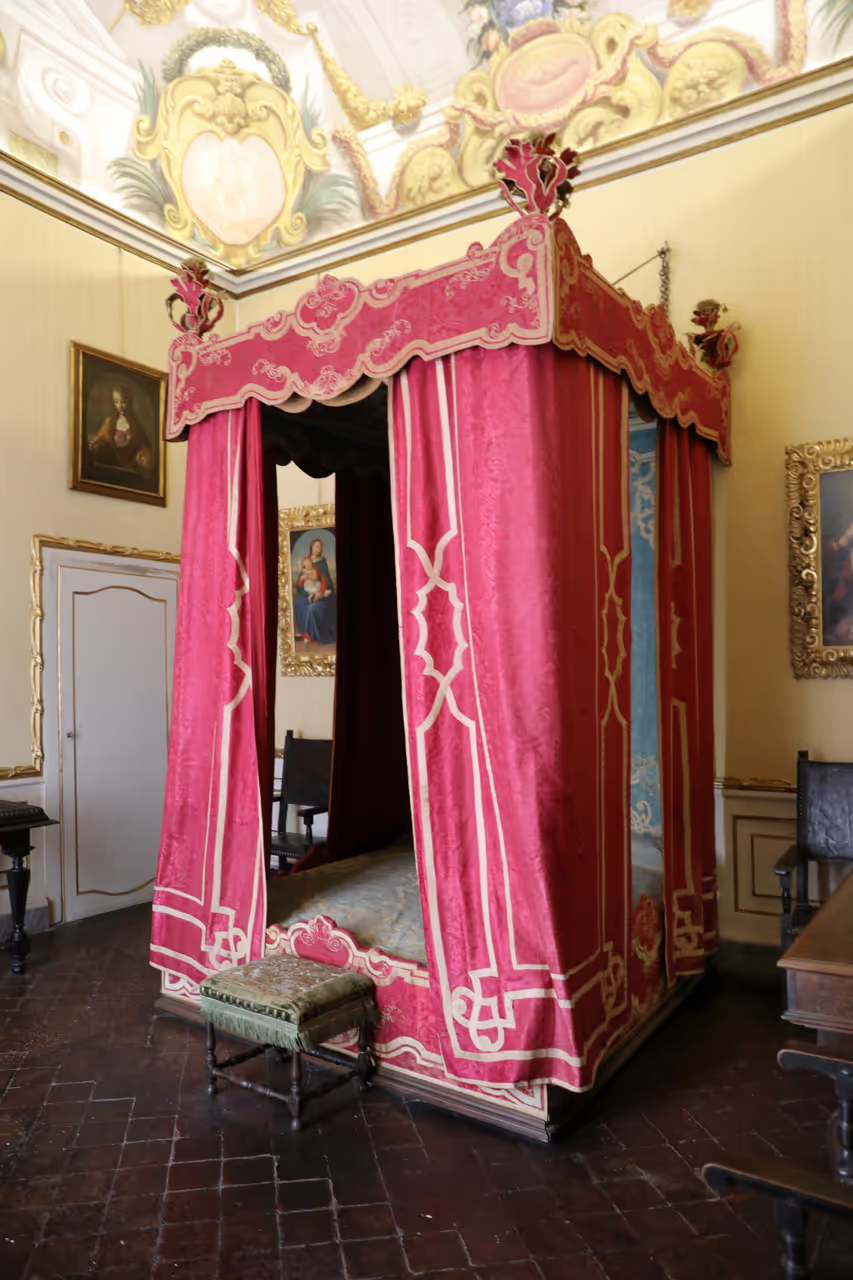
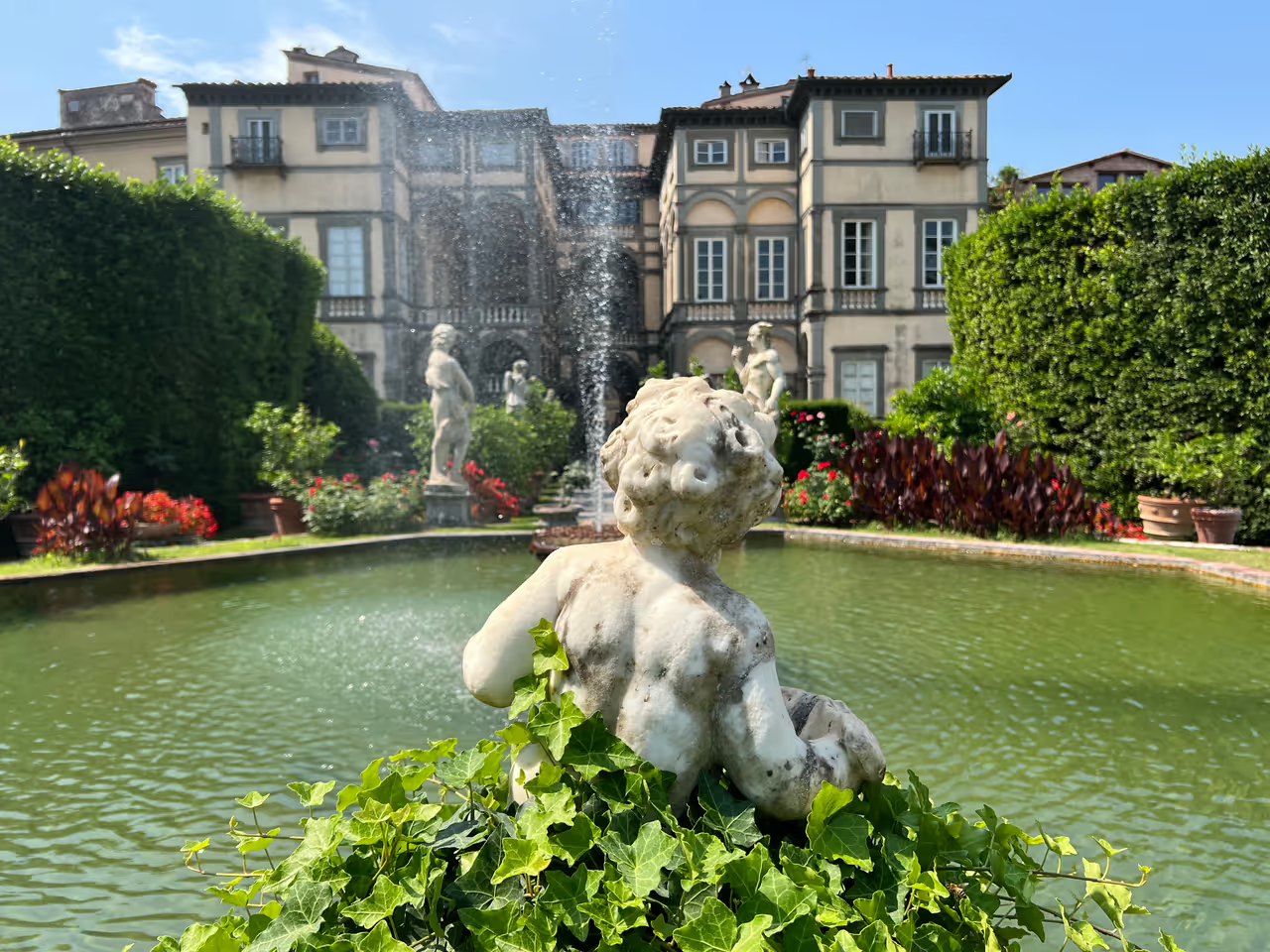
Silk Lords & Palaces Tour
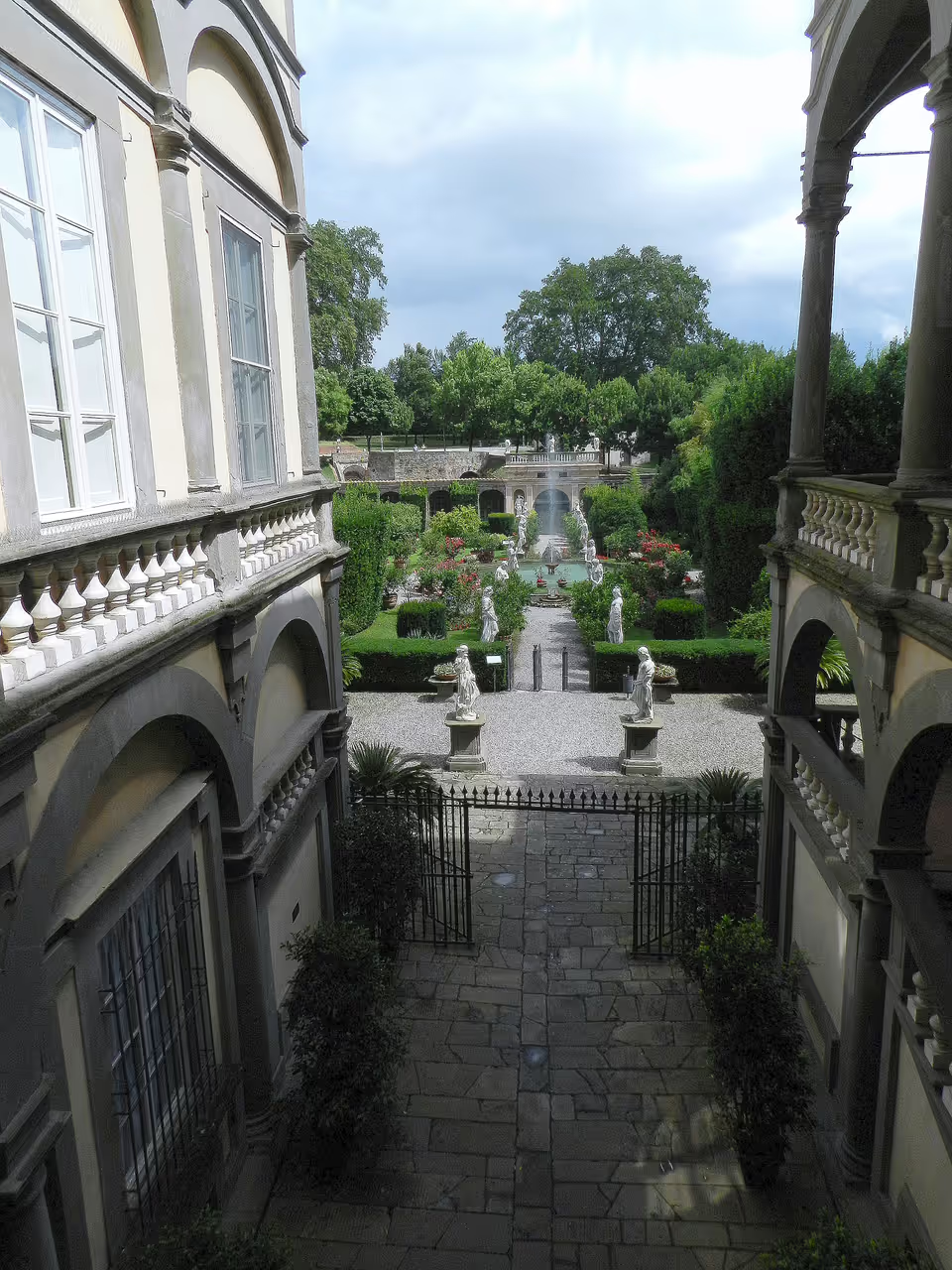
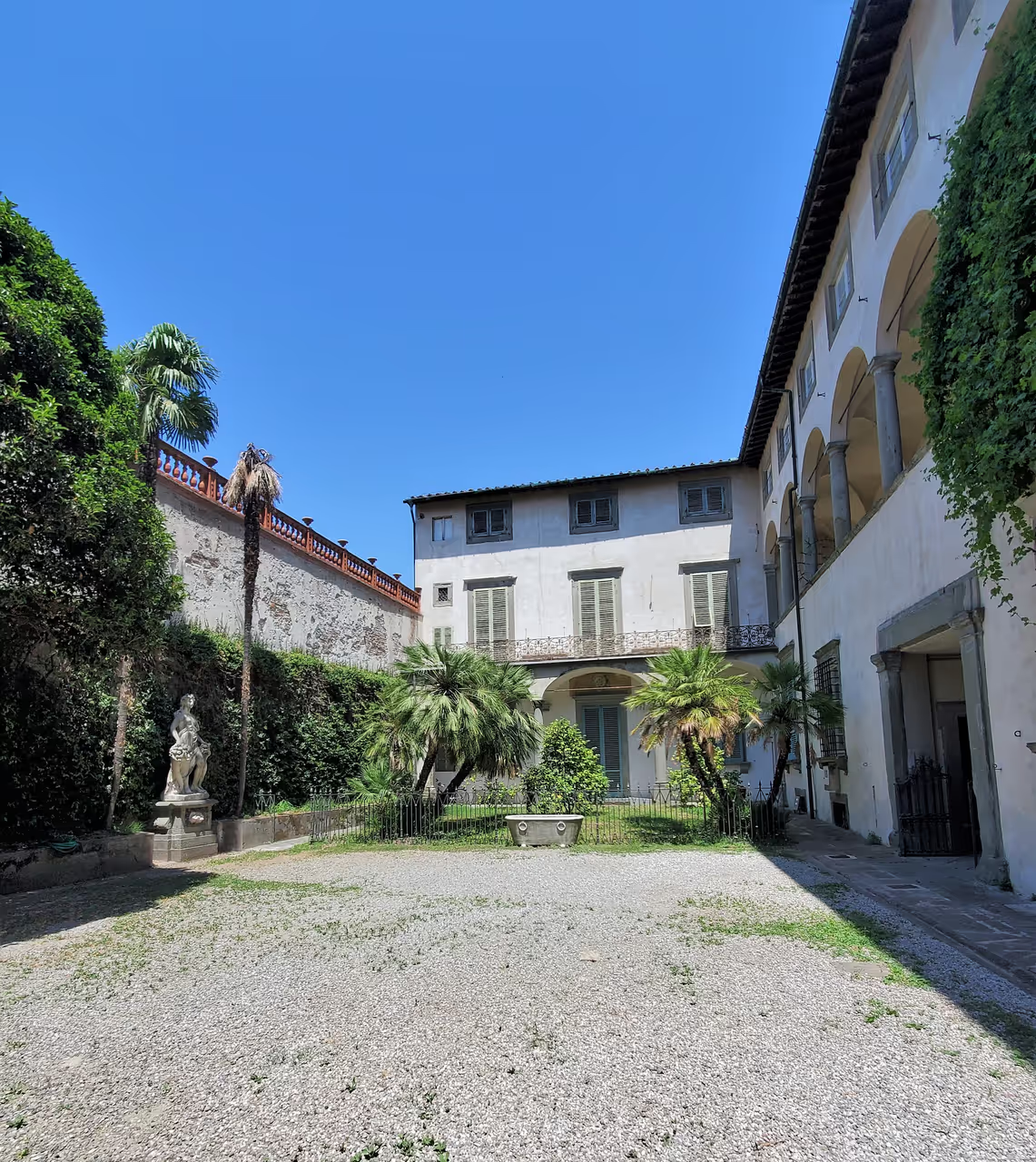
This opulent journey dives into the immense wealth generated by the city's medieval and Renaissance silk trade, which funded an explosion of lavish civic construction. The route connects the towering strongholds of fiercely competitive merchant families with their later, highly decorated Baroque residences. It explores how economic power manifested itself in architecture, moving from imposing brick defensive towers to delicate, manicured pleasure gardens. You will walk through the corridors of power that kept the Republic independent for centuries.
view self-guided tour
See all attractions in Lucca
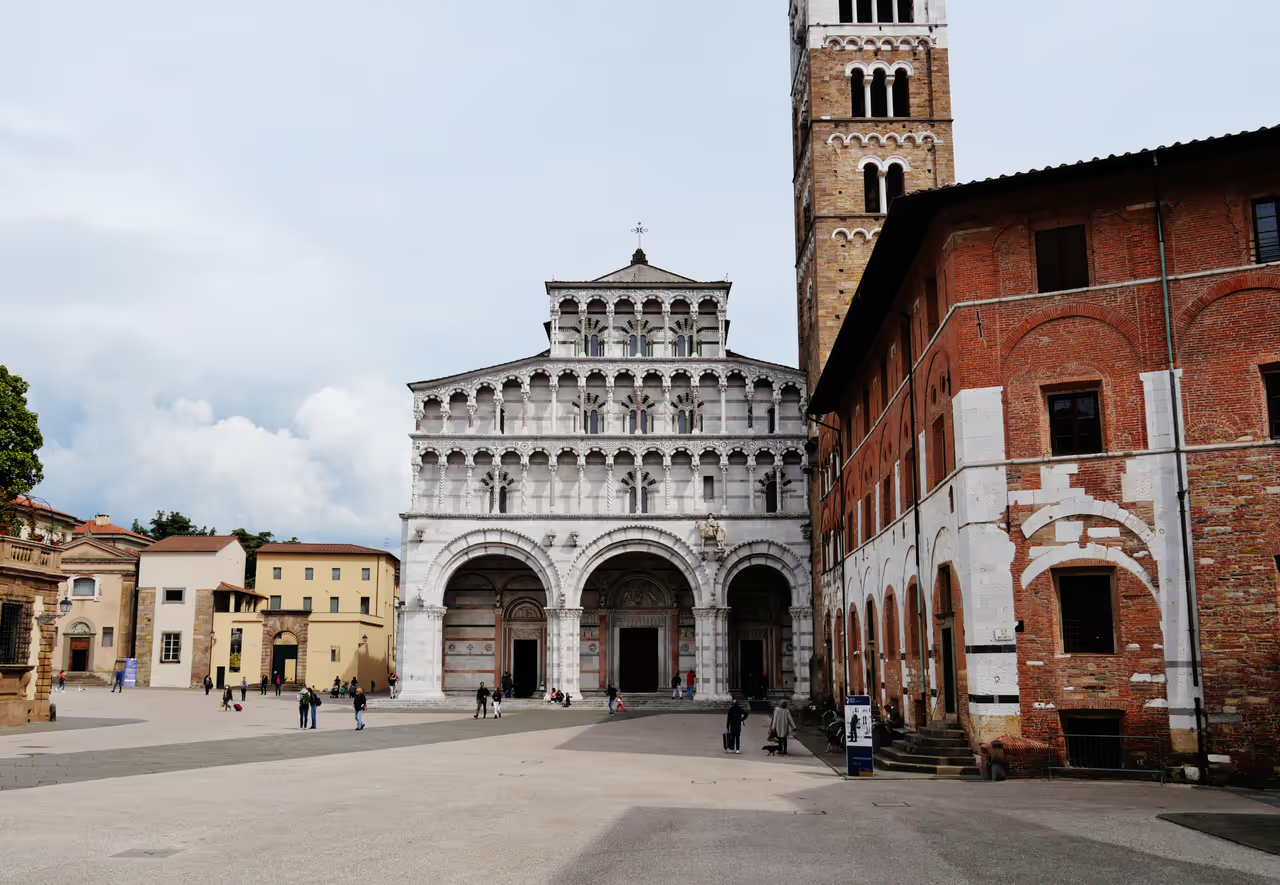
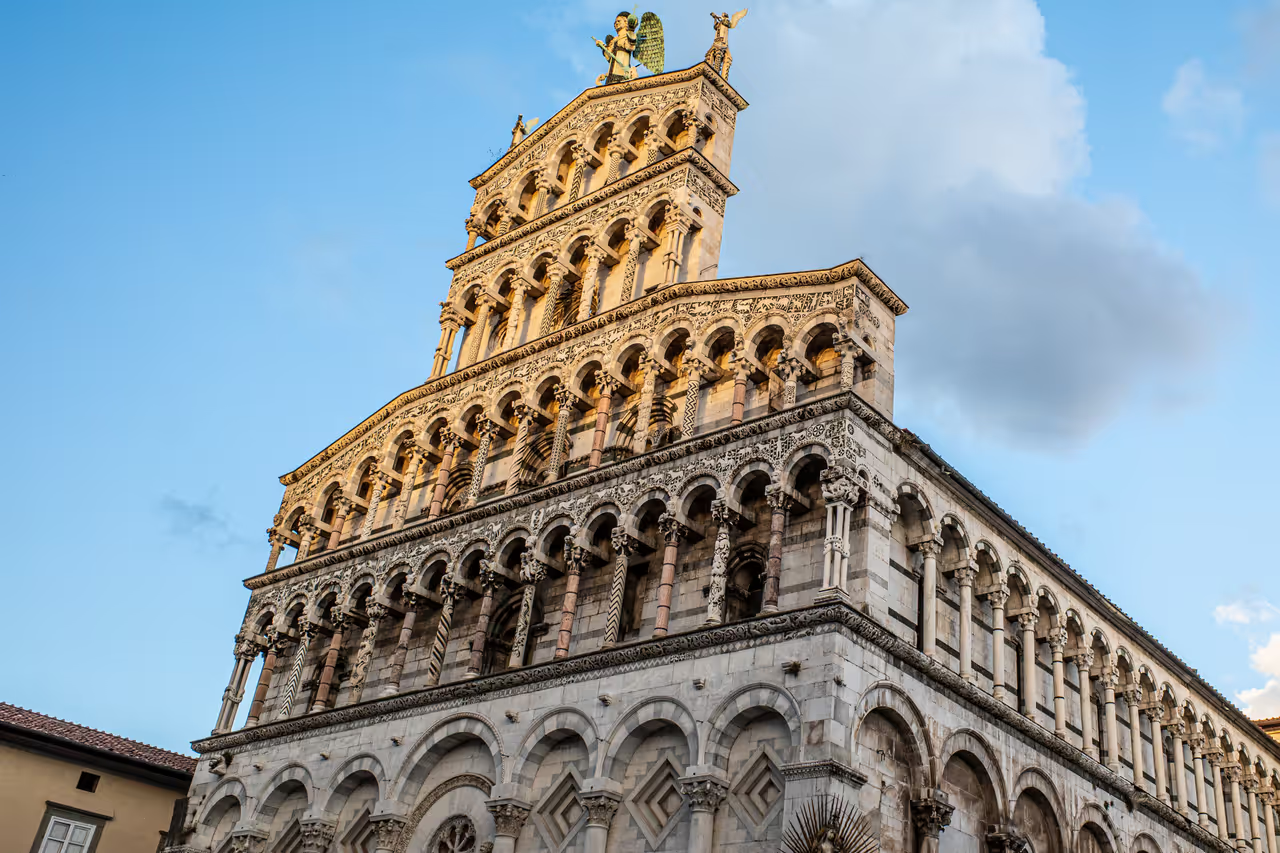
Basilica of San Frediano, Lucca Cathedral, Piazza dell'Anfiteatro, Church of Saint Michael in the Forum...