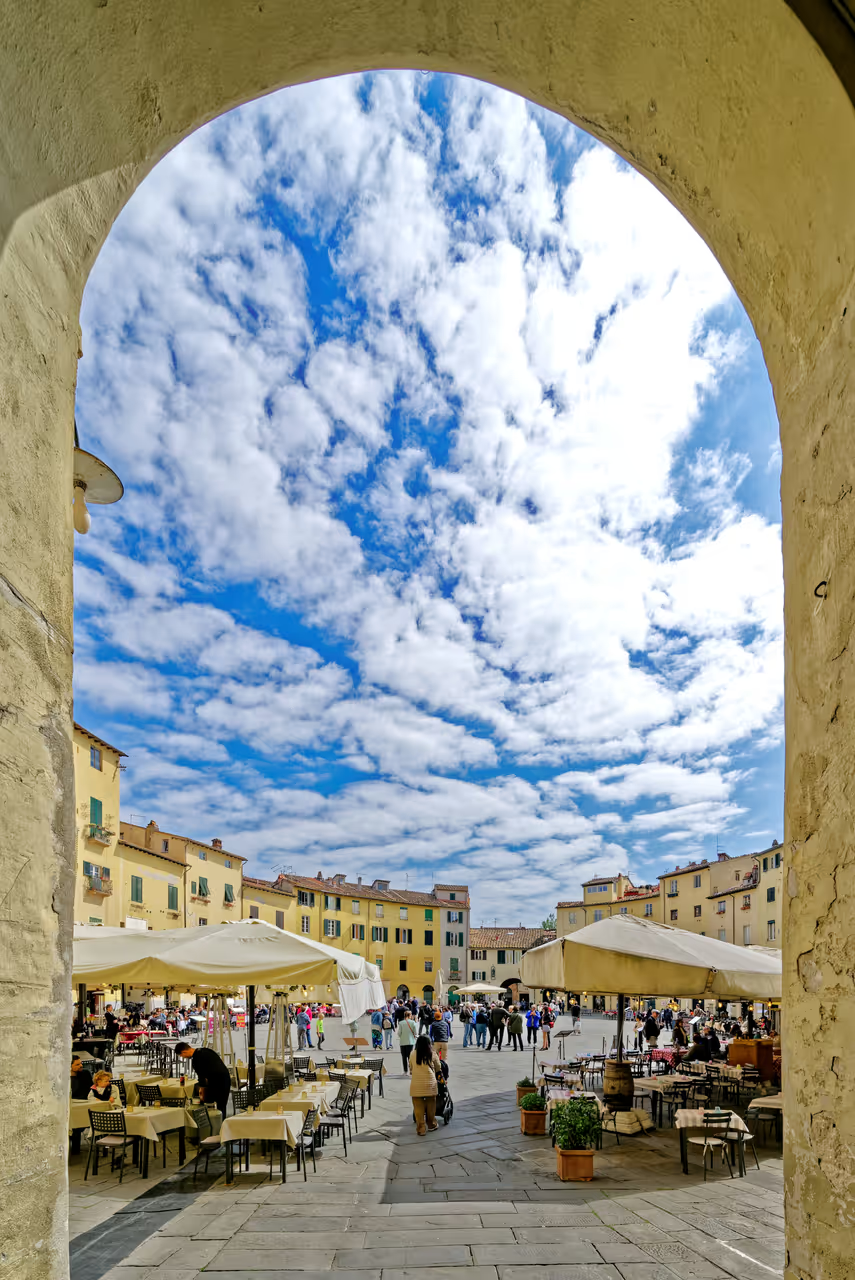
Piazza dell'Anfiteatro
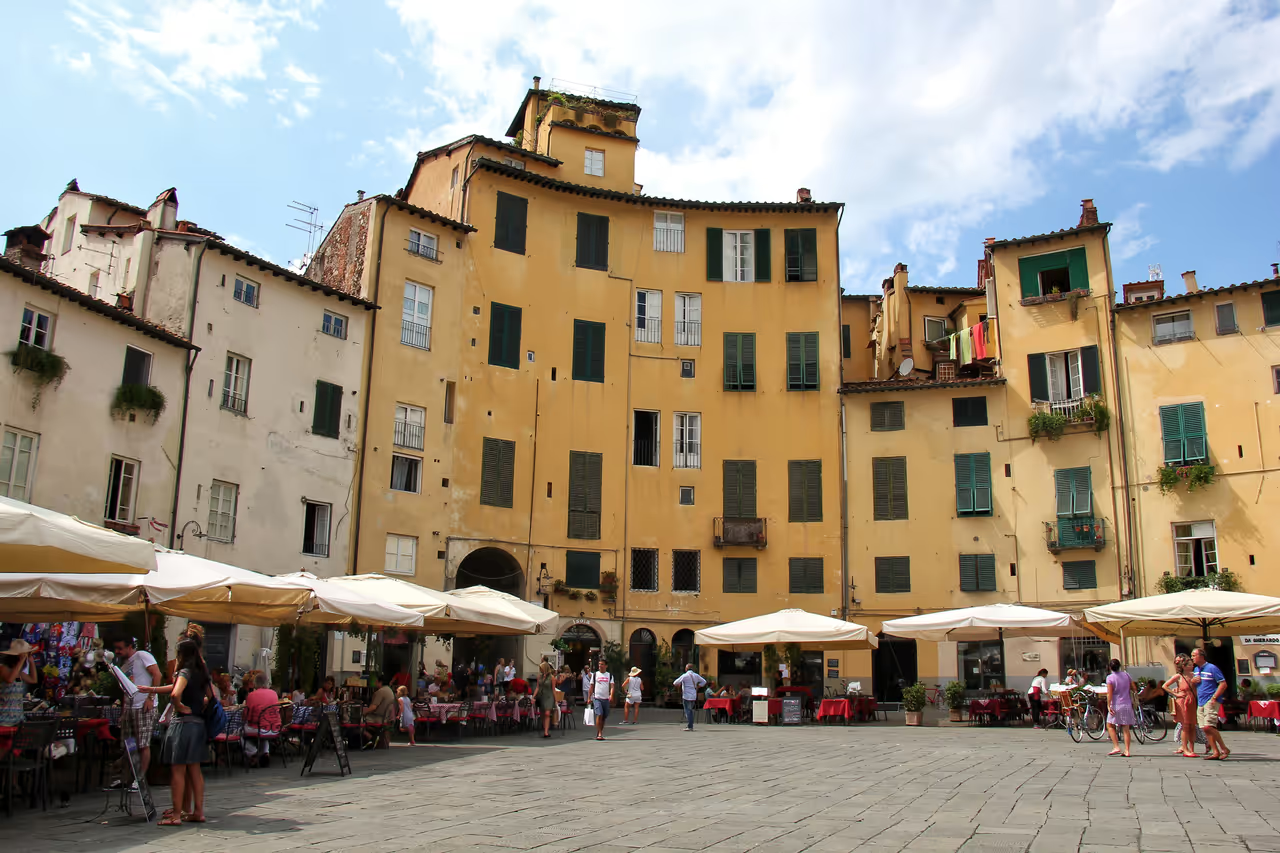
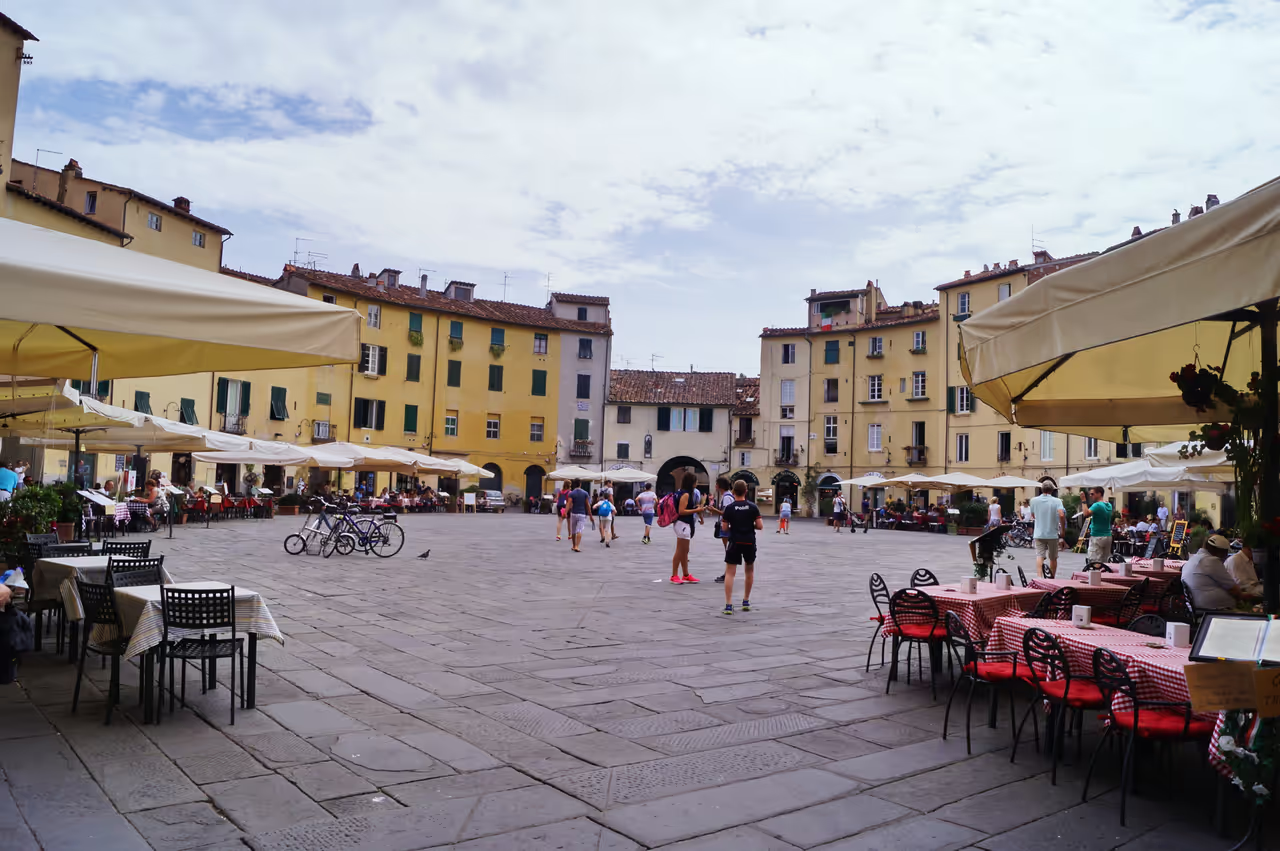
Step into the vibrant heart of Lucca, a place where Roman history seamlessly blends with the rhythm of everyday life. This unique square follows the exact elliptical footprint of an ancient Roman amphitheatre that stood here during the second century. Today, the surrounding medieval buildings follow the curve of the old stone structure, creating an intimate and enclosed space that feels like a private courtyard for the entire city. It is the perfect spot to enjoy an authentic Italian coffee or an aperitivo while admiring the colourful facades that define the square. Whether you are wandering through its four arched entrances or hunting for the hidden cross on the central tile, the piazza offers a captivating atmosphere that lingers long after you leave.
Videos
History of Piazza dell'Anfiteatro
The story of this square begins in the second century, when Roman engineers constructed a massive amphitheatre to entertain the citizens of Lucca. As the Roman Empire faded, the structure fell into disuse and began a slow decline. By the Middle Ages, the arena was no longer a place of spectacle but a defensive fortress and later a cluster of dwellings and warehouses. Locals called it the Parlascio, a term derived from a misunderstanding of the Latin word for amphitheatre, which morphed into a belief that this was where public assemblies were held. For centuries, the site was hidden beneath layers of later construction, serving as a prison, a salt depot, and a gunpowder store. The modern transformation began in the nineteenth century, thanks to the vision of local architect Lorenzo Nottolini. He recognised the immense potential of the space and spearheaded an ambitious urban renewal project. Workers cleared the cramped dwellings that had invaded the arena, allowing the original elliptical profile to re emerge from the medieval clutter. This intervention turned a forgotten series of ruins into one of the most elegant public spaces in Italy. Nottolini successfully cleared the site and curated the architecture to create a flowing, open space that respected the ancient geometry while welcoming the modern community. Today, the floor of the square sits roughly three metres above the original Roman arena, hiding the ancient foundations beneath the cobblestones. While it once housed a lively produce market, those commercial activities moved away in the twentieth century, leaving the space open for cafes, restaurants, and residents. Visitors can still spot the four arched gateways that provide entry to the square, with one of them matching the orientation of a Roman entrance. A small, subtle cross carved into a tile at the centre marks the intersection of these ancient pathways, a quiet detail that invites curious travellers to pause and reflect on the deep layers of history beneath their feet.
Events spanning 1840 years
Fun Facts
- • A small cross is engraved on a single tile at the exact centre of the piazza, marking the intersection point of the four gated entrances.
- • Architect Lorenzo Nottolini was the mastermind who liberated the arena from the haphazard buildings that filled it, creating the elegant public square seen today.
- • During the Middle Ages, the site was known as the Parlascio, a term that likely evolved from the Latin word for amphitheatre, though locals long believed it referred to a place where they held public debates.
- • Of the four arched entrances providing access to the square, only one corresponds exactly to an original gateway used by Roman spectators.
- • The floor level of the modern square sits approximately three metres higher than the original Roman arena floor, burying the ancient foundations beneath the current surface.
- • The square is built directly upon the footprint of a Roman amphitheatre from the second century, which explains its distinct elliptical shape.
- • The square served as the primary city produce market for decades before the activity was relocated to the purpose built Mercato del Carmine in the twentieth century.
- • The surrounding buildings incorporate materials and structural remnants from the ancient Roman amphitheatre, essentially creating a wall of history around the square.
- • Unlike many other Italian squares that were designed as open plazas, this space was created by the architecture closing in on itself, forming a complete oval.
Piazza dell'Anfiteatro FAQ
While we strive to keep this information accurate and up to date, we recommend verifying any details independently before making decisions based on them.
Piazza dell'Anfiteatro Map & Neighborhood Explorer
This interactive map is centered on Piazza dell'Anfiteatro. Zoom in and move the map around to automatically discover Wikipedia photos and summaries of other nearby sights, monuments, and historical points of interest and stories in real-time!
Places near Piazza dell'Anfiteatro
Make the most of your trip. Check out these top-rated spots located nearby.
- 113m
Museum of Torture
Not for the faint of heart, this small, highly provocative museum delves into the dark, grim reality of medieval and Renaissance justice. It houses an extensive, chilling collection of authentic and faithfully reconstructed instruments of torture and execution used across Europe. The informative, often sobering placards explain the historical context and the twisted legal logic that justified their use, particularly during the Inquisition. It provides a stark, fascinating contrast to the refined beauty and elegance of the palaces located just outside its doors.
hidden gem view 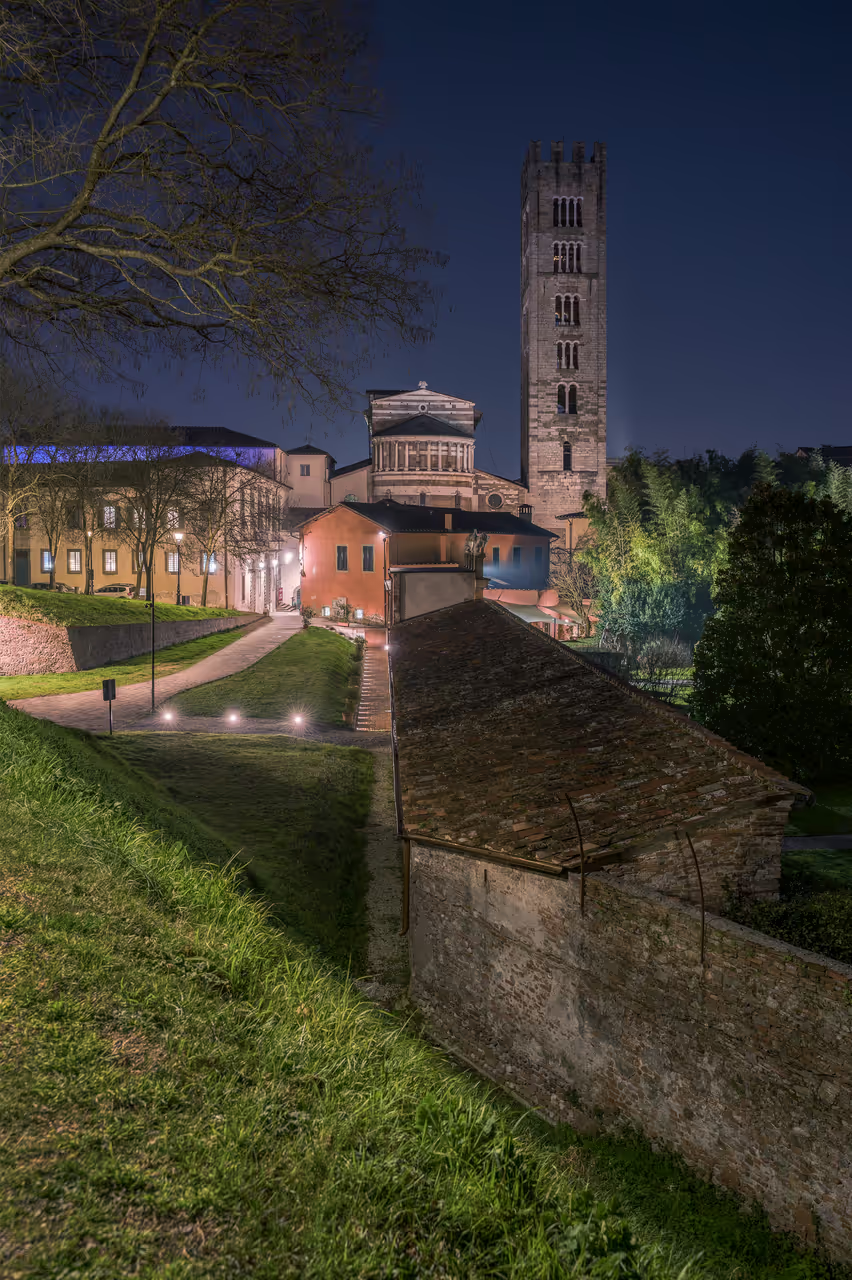 134m
134mBasilica of San Frediano
The Basilica of San Frediano is a standout gem in the heart of Lucca, instantly recognisable by the radiant, golden mosaic crowning its Romanesque façade. Stepping inside, you leave the modern city behind, entering a sanctuary where centuries of history feel almost tangible in the cool, quiet air. This is one of the oldest places of worship in the city, its walls holding stories of Irish saints, powerful guilds, and elaborate funerary art. Visitors are often struck by the contrast between the stern, simple stone architecture and the surprisingly vibrant masterpieces hiding in the side chapels. It remains an active part of local spiritual life, notably as the departure point for the famous Luminara di Santa Croce procession every September. Whether you are an art lover or simply looking for a peaceful moment, this basilica offers a deeply moving and visually stunning experience.
attraction view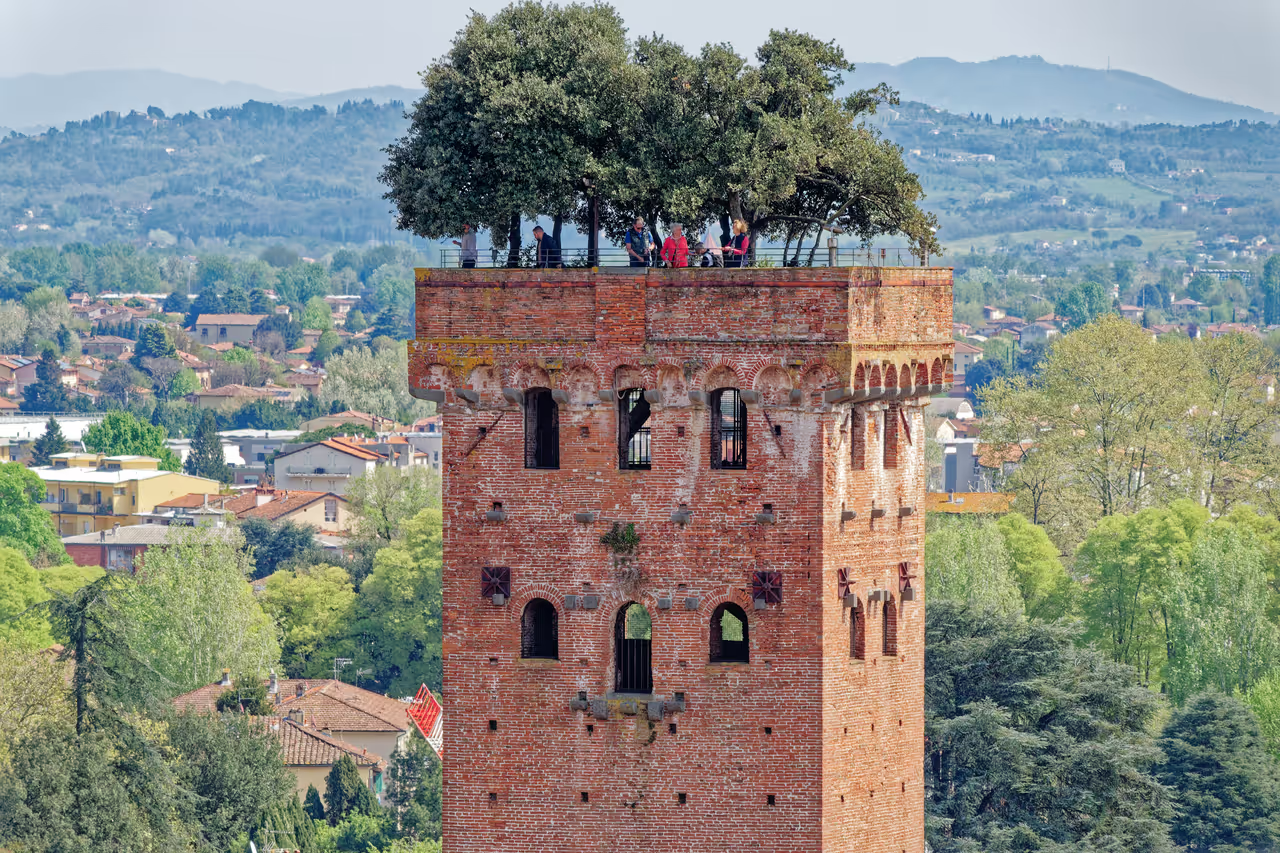 210m
210mGuinigi Tower
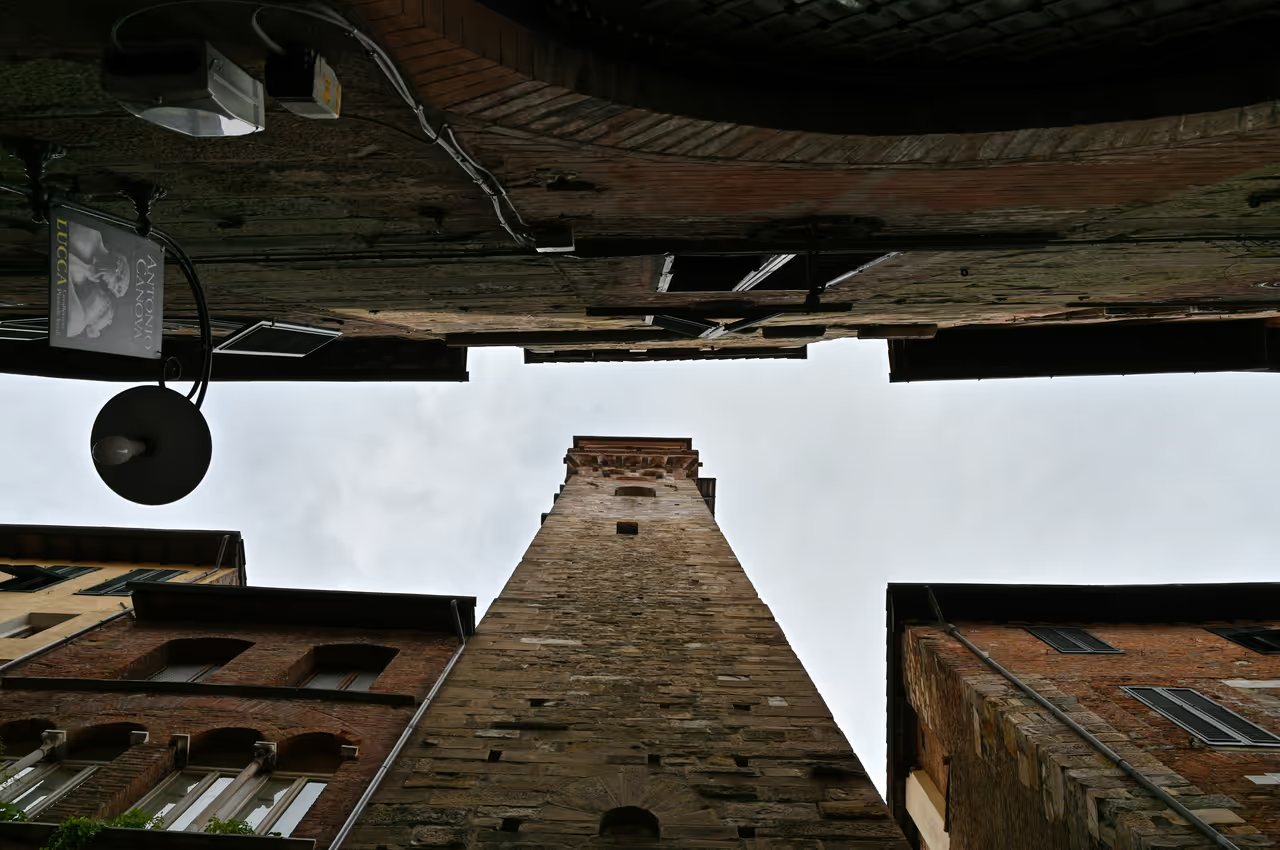
Standing tall above the terracotta rooftops of Lucca, the Guinigi Tower is the city's most iconic landmark, instantly recognisable by the seven ancient holm oaks crowning its summit. Climbing its 233 steps offers a unique journey through history, rewarding your effort with panoramic vistas that sweep across the medieval city, the golden Piazza Anfiteatro, and the dramatic backdrop of the Apennine Mountains. This 14th-century marvel is a rare survivor of the medieval period, offering a glimpse into a time when powerful families competed by building ever-taller stone fortresses. It is a place where nature meets medieval architecture in a truly harmonious way, providing one of the most memorable experiences in all of Tuscany. Visiting this site is essential for anyone who wants to capture the true spirit and silhouette of Lucca.
attraction view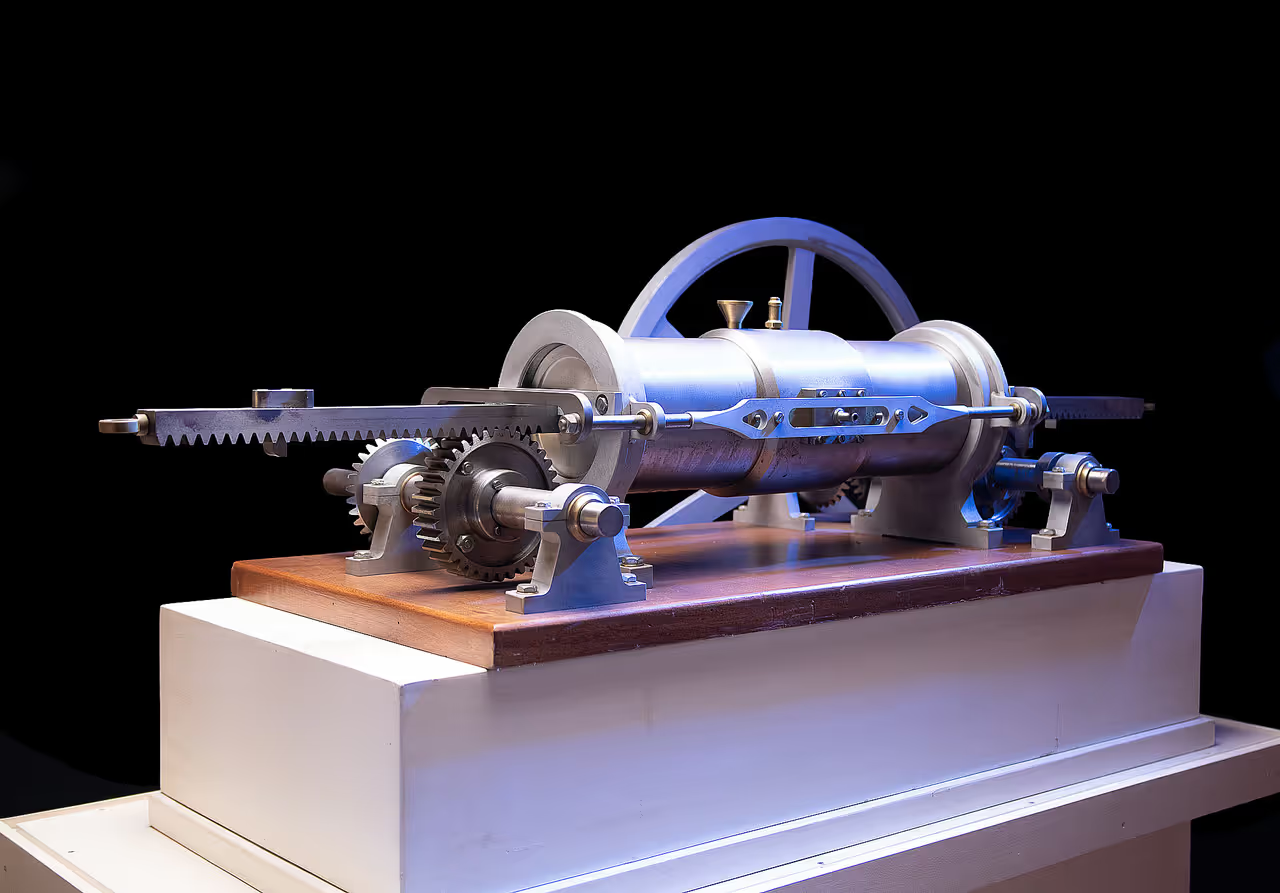 239m
239mInternal Combustion Engine Museum
This small, highly niche museum celebrates a monumental, yet often overlooked, moment in global engineering history that occurred right here in the city. It is dedicated to two local scientists, Eugenio Barsanti and Felice Matteucci, who officially patented the very first internal combustion engine in 1854, predating the more famous German inventors. The museum houses fascinating, fully working scale models of their original engine designs that visitors can see in motion. It is a quirky, proud celebration of local ingenuity that appeals greatly to science and history buffs.
hidden gem view
Featured on These Itineraries and Routes
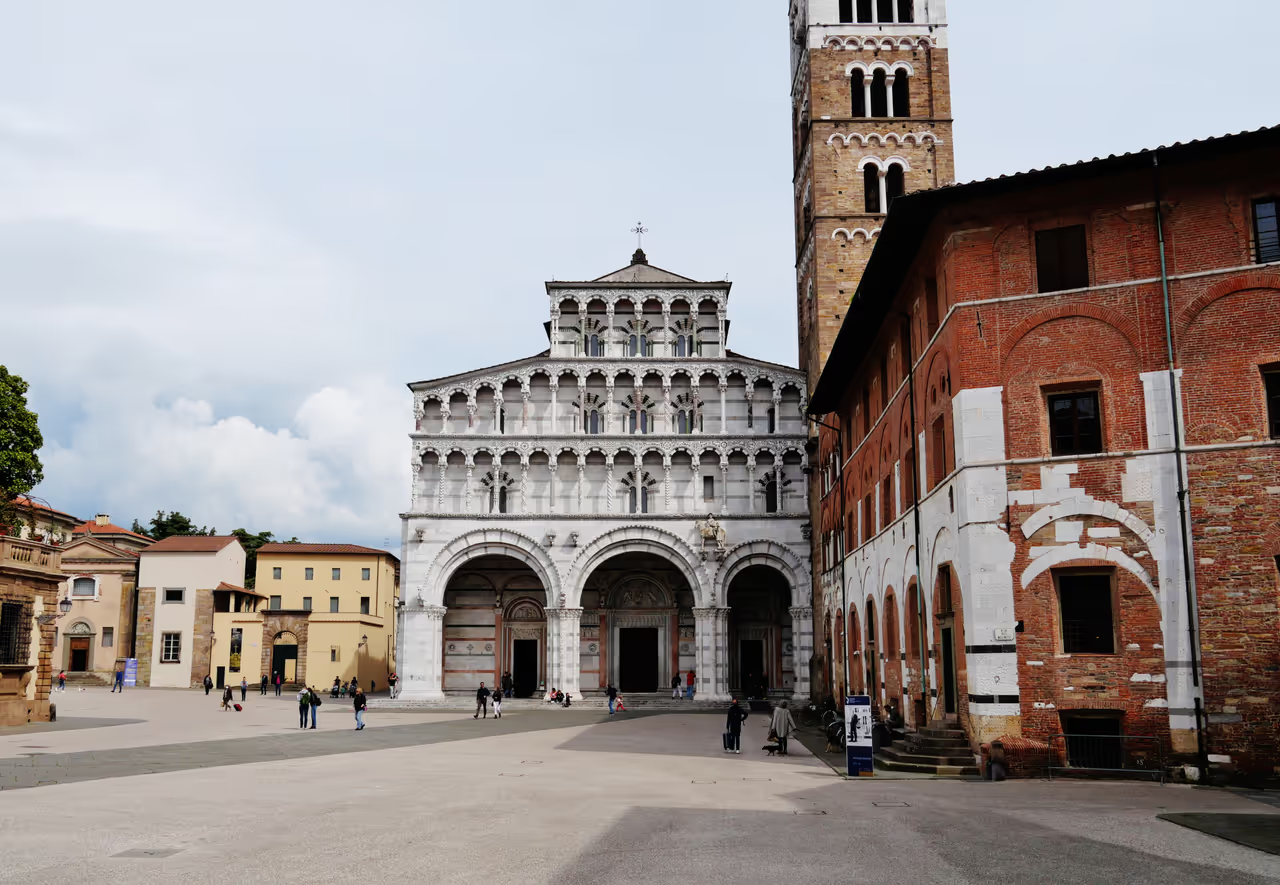
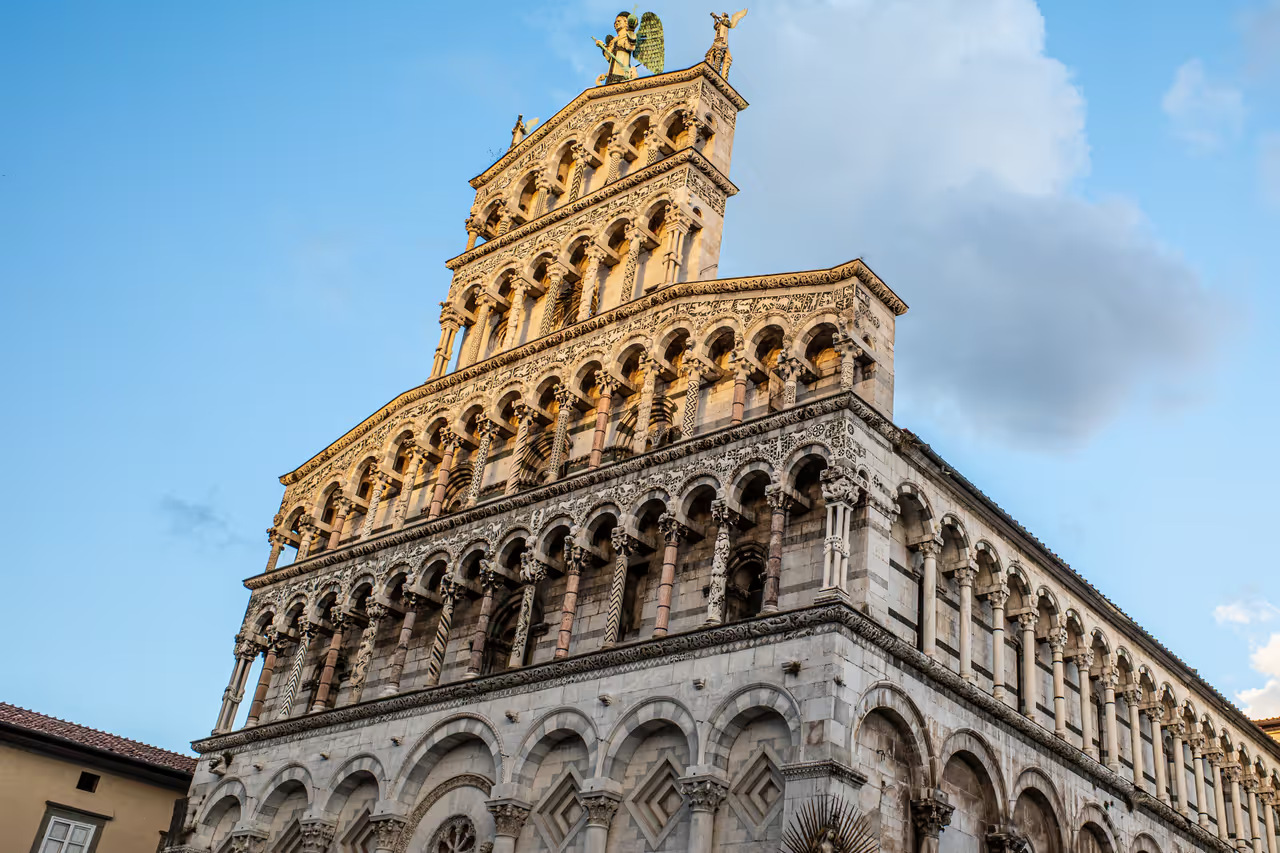
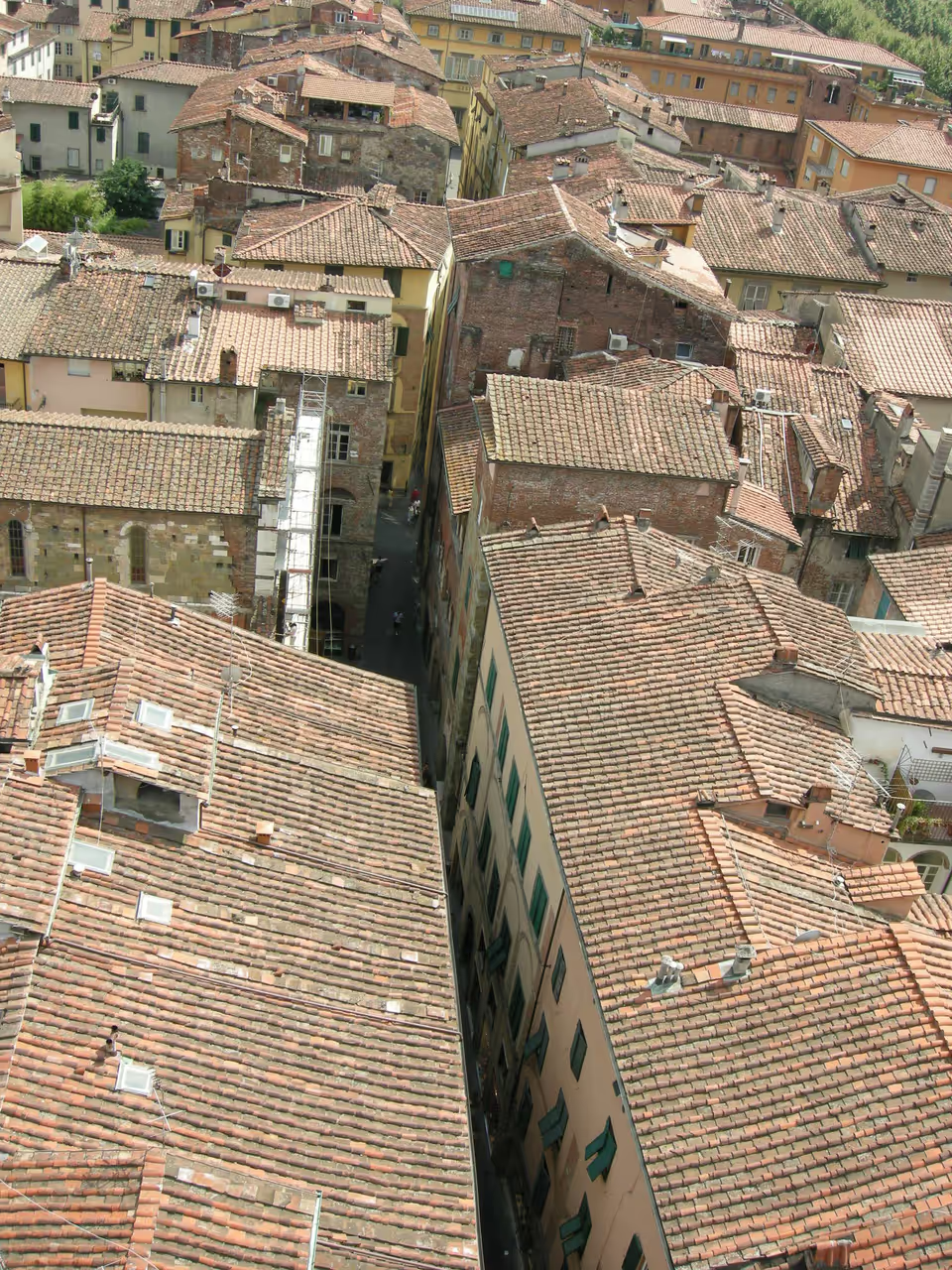
1 Day in Lucca Itinerary
If you only have a single day to experience the magic of this walled city, this highly focused plan ensures you see the absolute must-visit highlights. You will explore the stunning Romanesque churches, navigate the narrow medieval commercial streets, and take in the unique oval beauty of the ancient amphitheatre footprint. The day balances awe-inspiring architecture with relaxed walking, culminating in a highly scenic sunset ride above the city.
view itinerary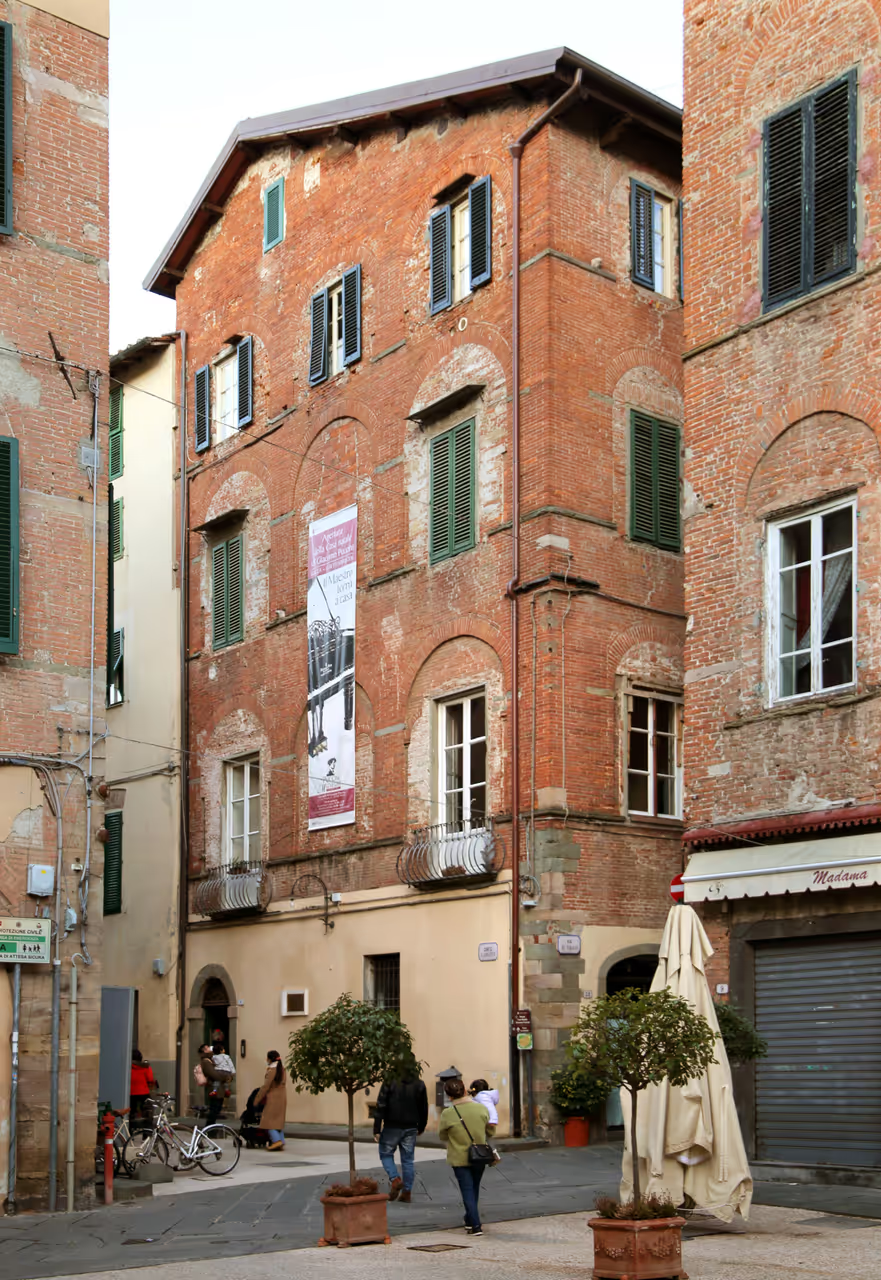
3 Days in Lucca: Palaces, Music, and Panoramas Itinerary
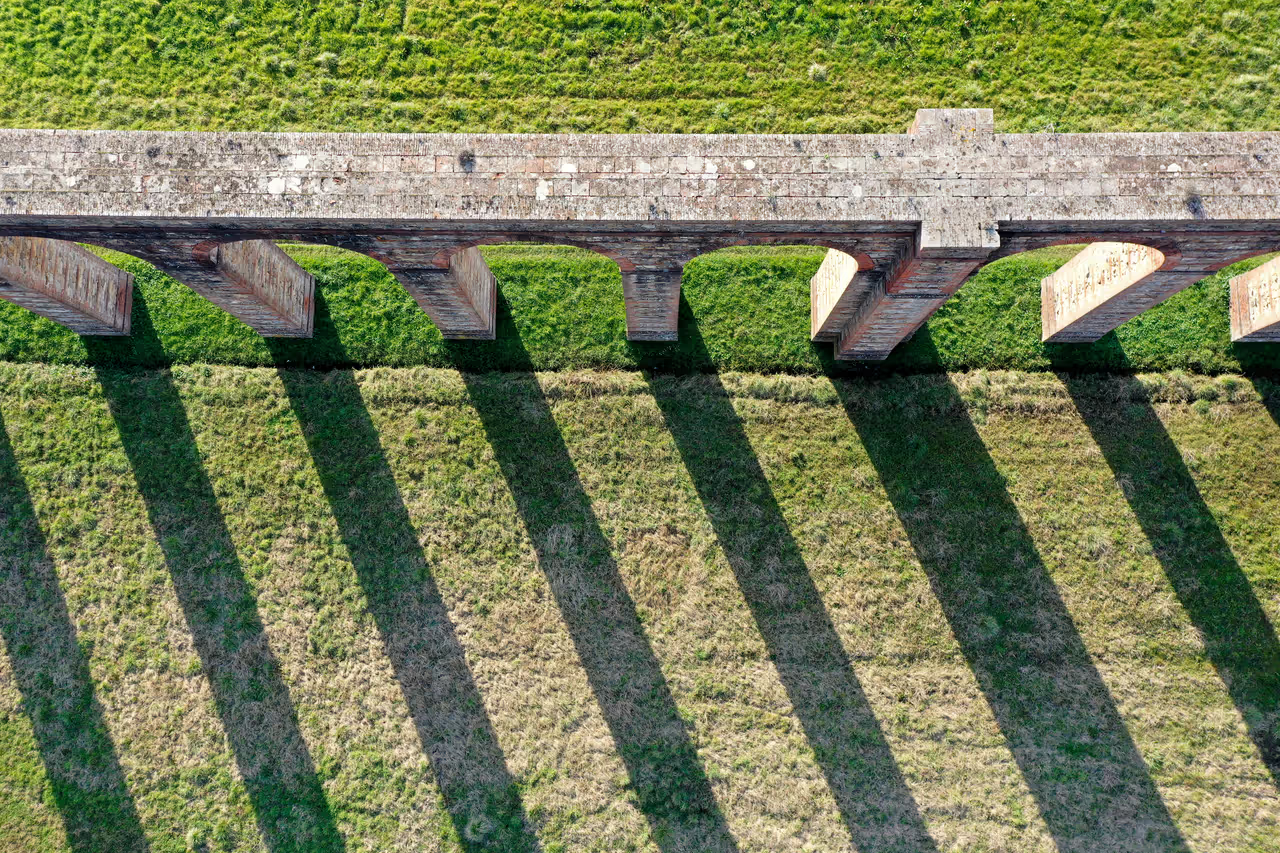
With three days, you can slow down and truly embrace the unhurried lifestyle that makes this city so beloved. After covering the iconic churches and squares, you will dive into the opulent history of the wealthy silk merchants by visiting their lavishly decorated palaces and hidden gardens. You will also have ample time to trace the footsteps of the legendary composer Giacomo Puccini, before venturing just outside the walls to admire the monumental civil engineering of the aqueduct.
view itinerary
5 Days in Lucca: Complete Cultural Immersion Itinerary
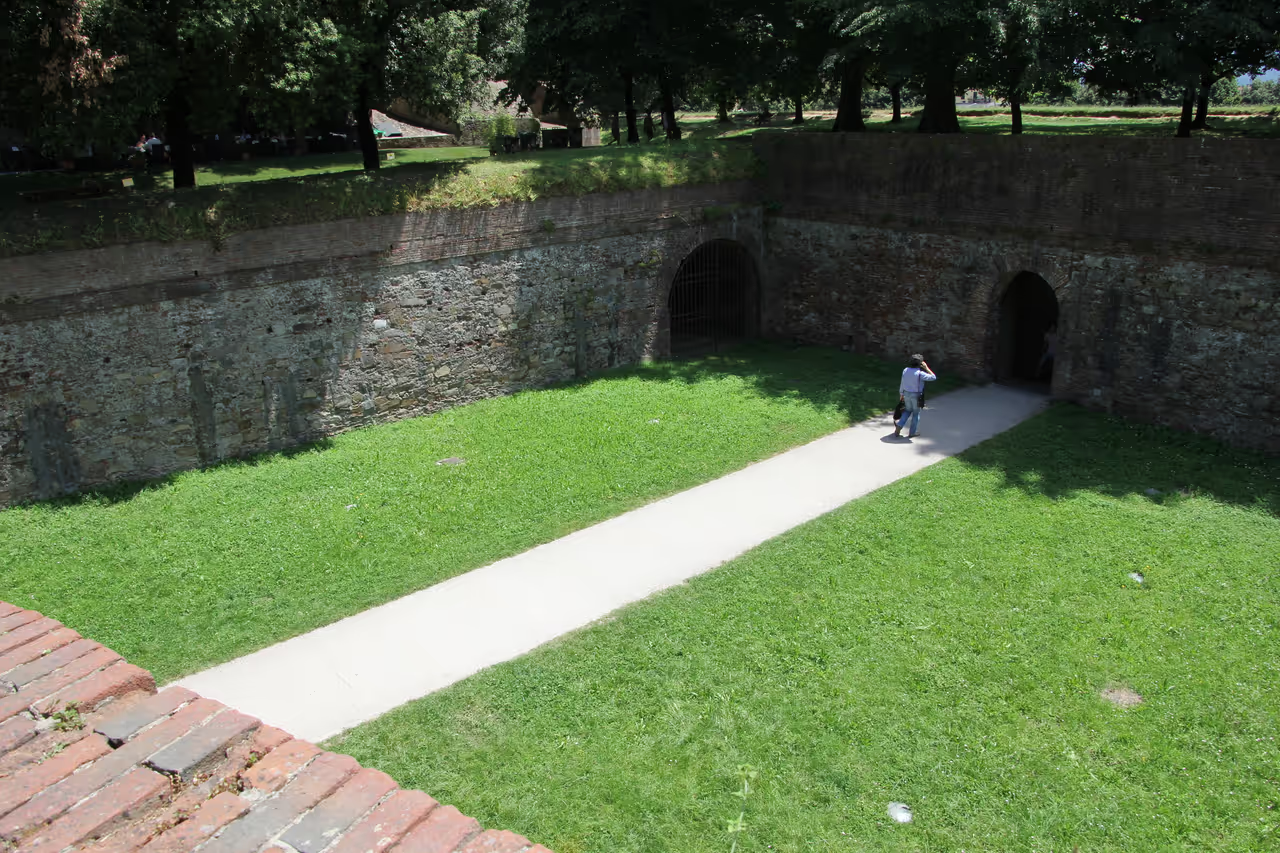
Five days allows you to completely sink into the rhythm of the city, exploring its most famous monuments as well as its fascinating, lesser-known hidden gems. You will discover ancient Roman mosaics buried in basements, quirky local museums, and the beautiful nature reserves that sit just beyond the fortifications. This extended itinerary gives you the luxury of taking long, leisurely lunches, engaging deeply with the city's complex history, and enjoying the vibrant evening bar scene like a true local.
view itinerary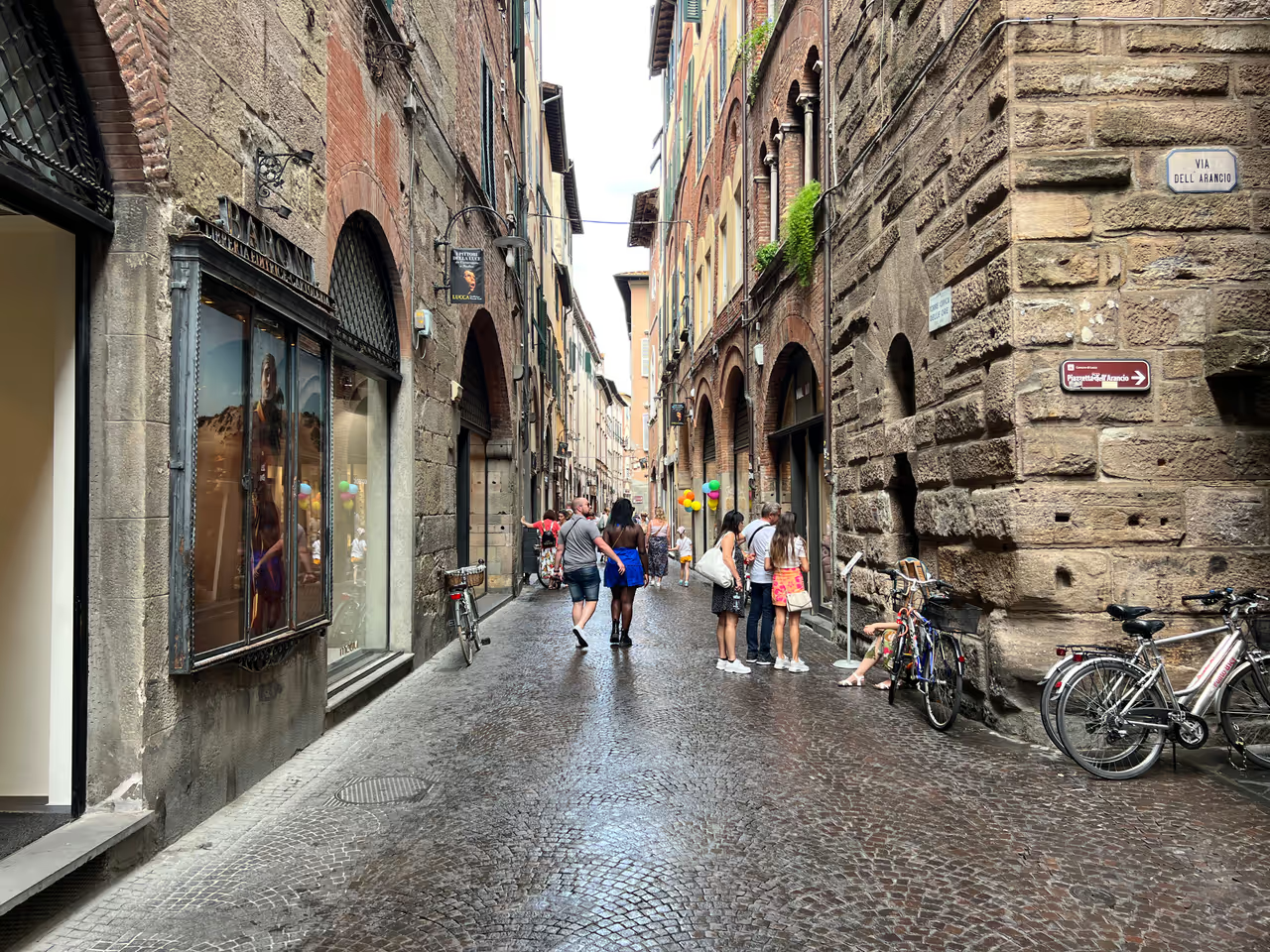
Medieval Heart & Hidden Squares
This highly atmospheric walk wanders aimlessly through the dense, pedestrianised core of the ancient city, where every turn reveals centuries of history. It traces narrow, shaded alleyways that suddenly open up into vast, sun-drenched piazzas surrounded by towering patrician houses. The route is designed to soak in the incredible density of Romanesque architecture and the lively hum of boutique shopping. It is a sensory journey filled with the smell of fresh bakeries and the visual splendour of ornate marble facades.
view walking route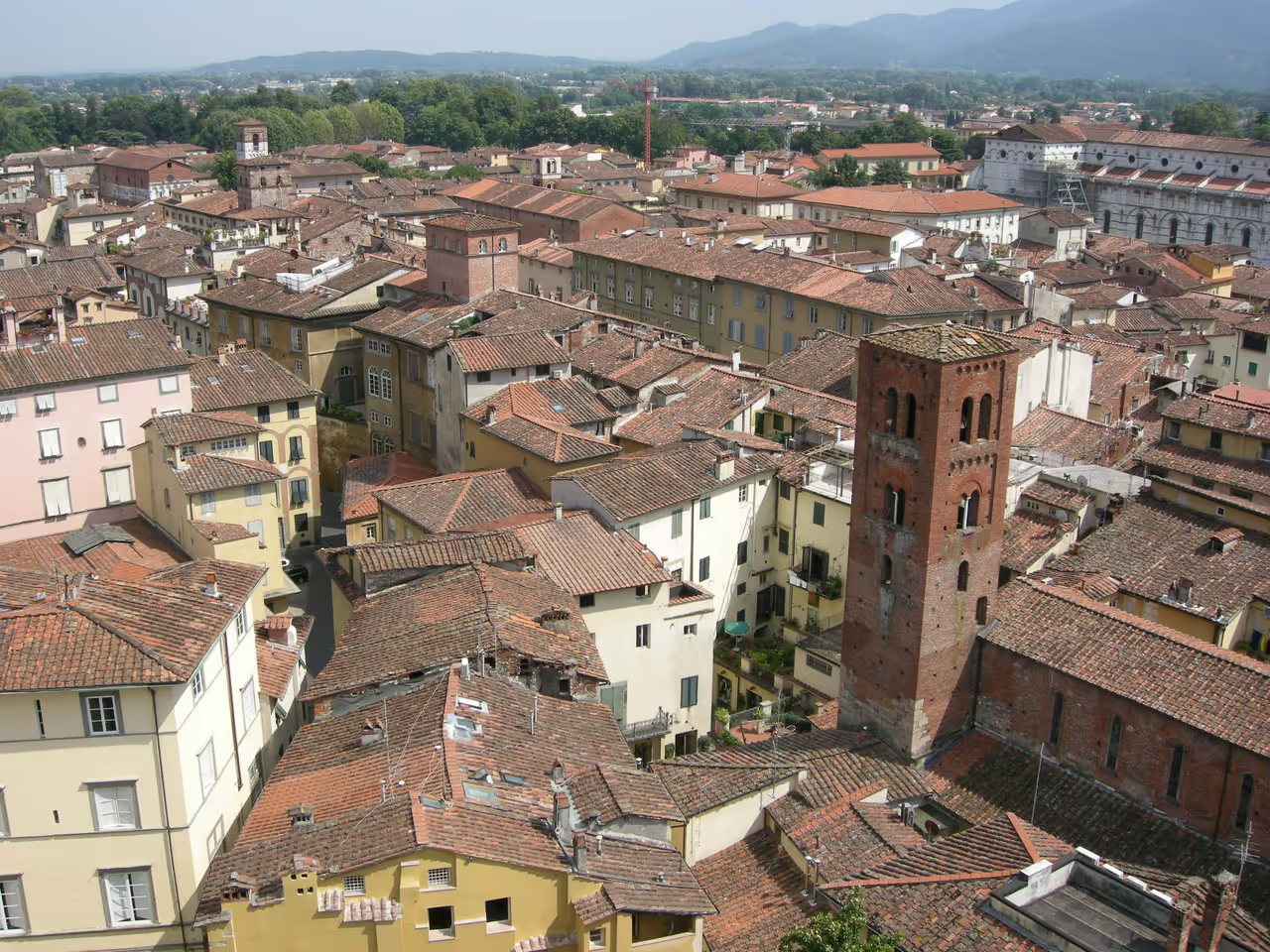
Unearthing the Roman Footprints
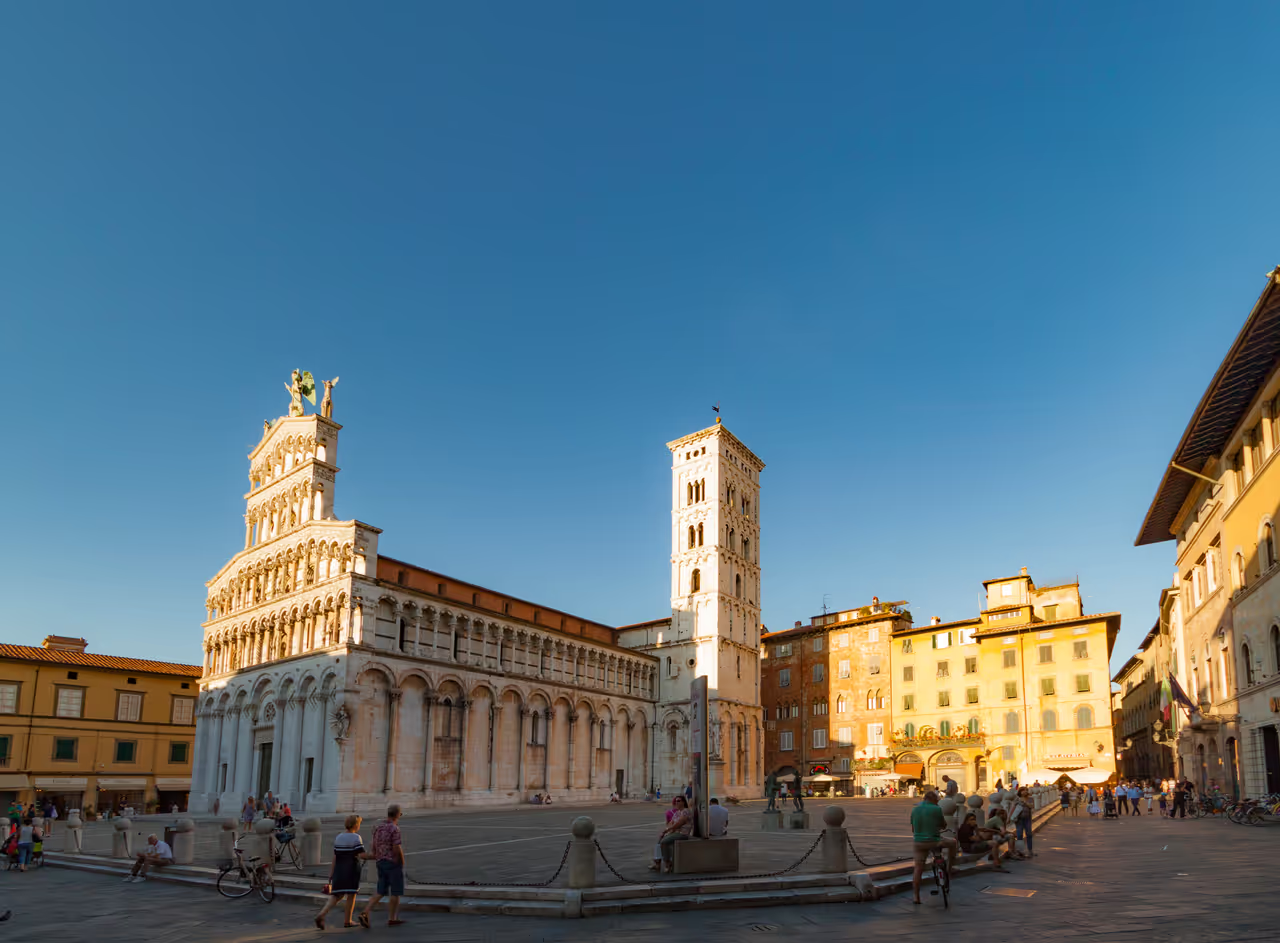
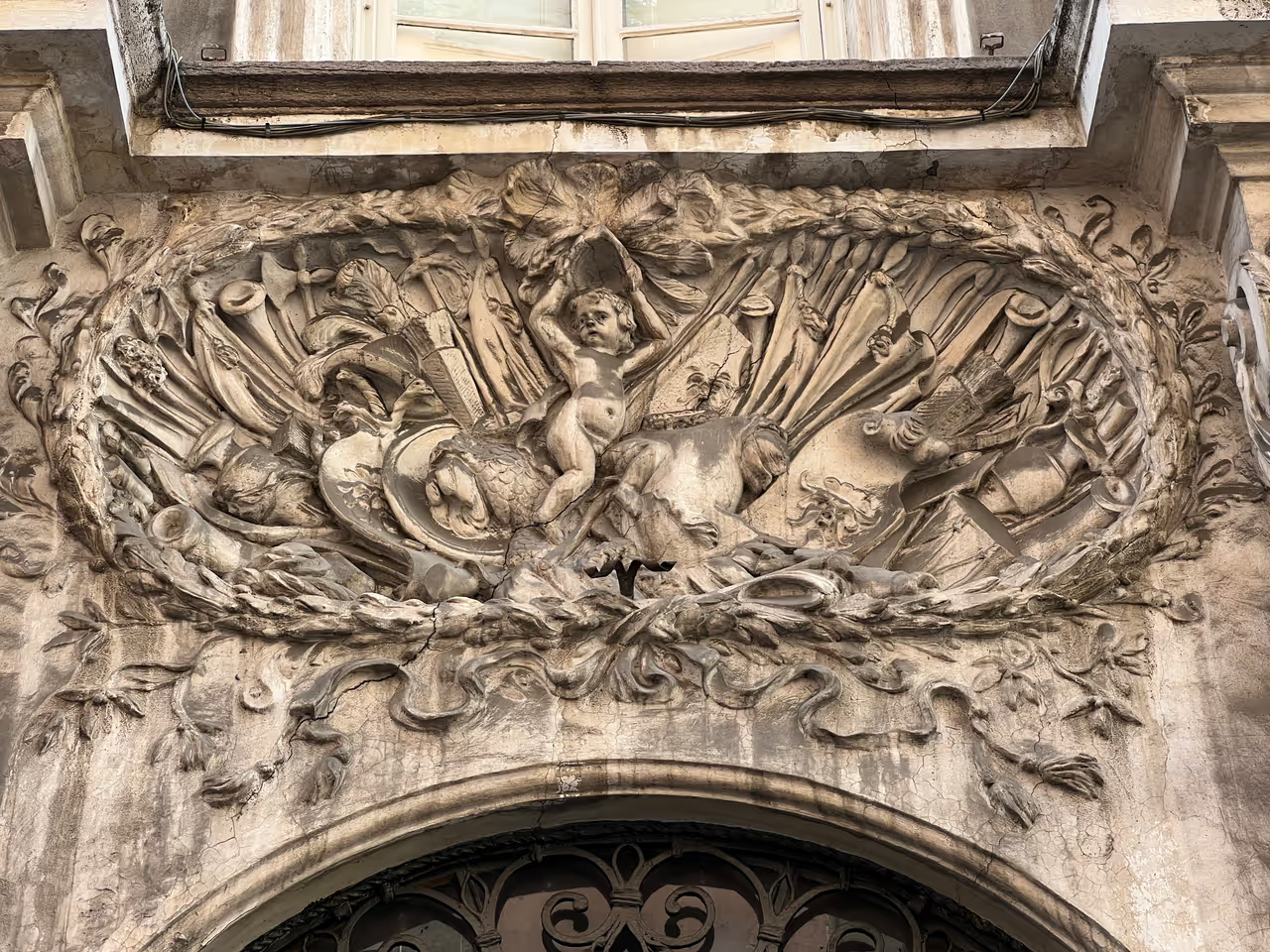
Peeling back the layers of Renaissance and medieval brickwork, this fascinating route reveals the stubborn persistence of the original Roman colony founded in 180 BC. It traces the ancient grid system where the primary thoroughfares, the cardo and decumanus, still dictate the flow of modern traffic. The journey explores how colossal imperial structures were ingeniously recycled into domestic housing and religious foundations. It is an archaeological treasure hunt right in the middle of a bustling, living city.
view self-guided tour
See all attractions in Lucca
Basilica of San Frediano, Guinigi Tower, Lucca Cathedral, Church of Saint Michael in the Forum...