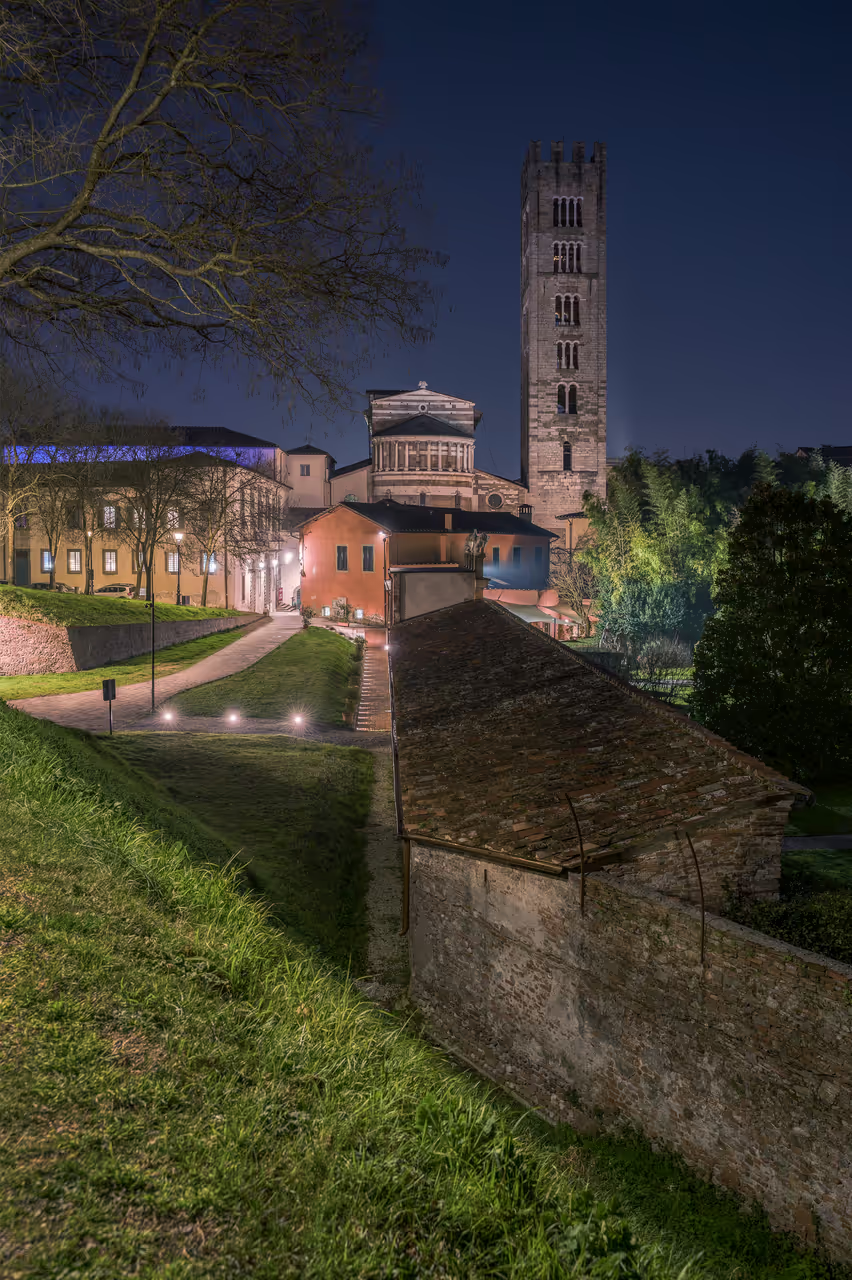
Basilica of San Frediano
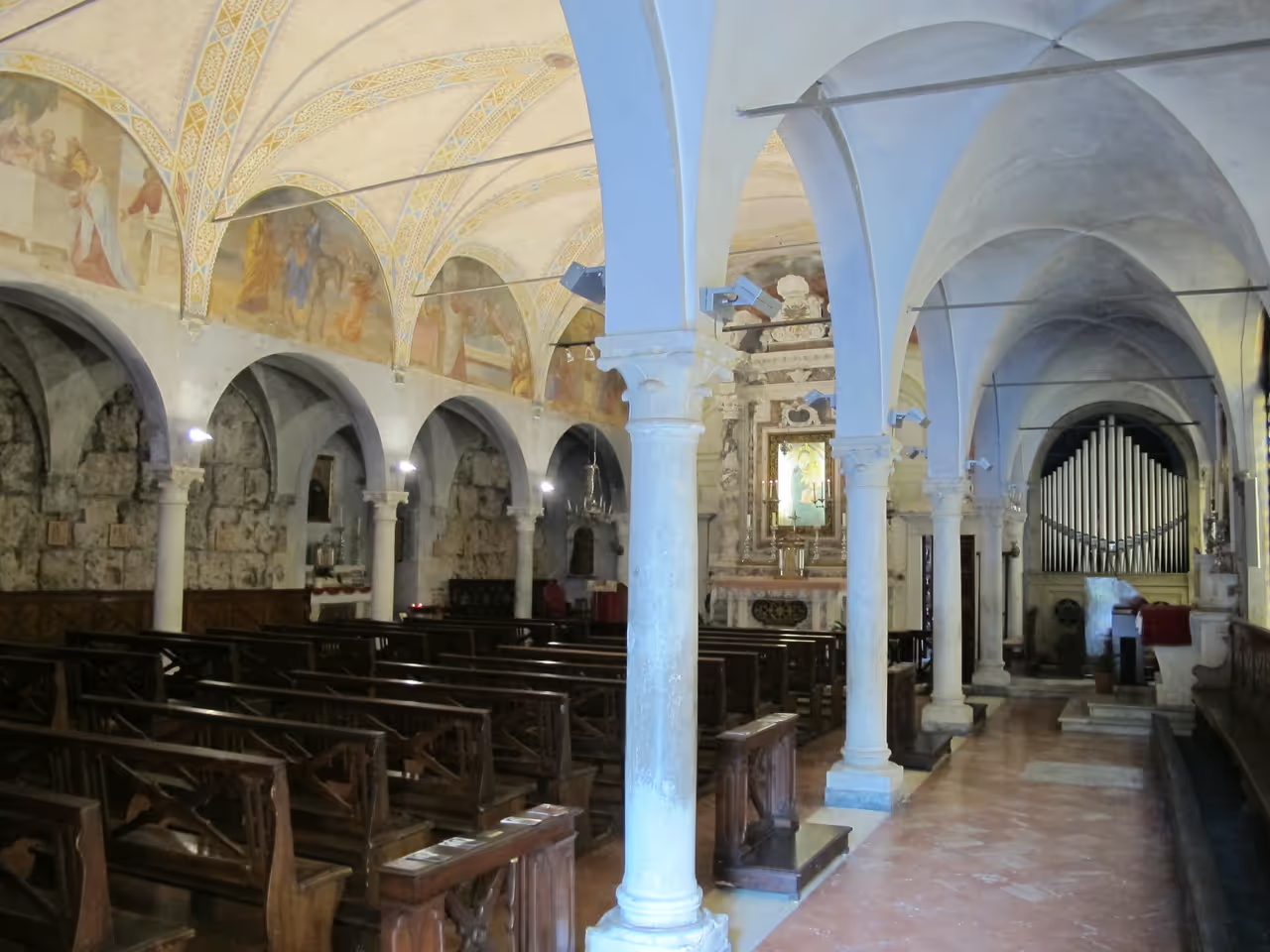
The Basilica of San Frediano is a standout gem in the heart of Lucca, instantly recognisable by the radiant, golden mosaic crowning its Romanesque façade. Stepping inside, you leave the modern city behind, entering a sanctuary where centuries of history feel almost tangible in the cool, quiet air. This is one of the oldest places of worship in the city, its walls holding stories of Irish saints, powerful guilds, and elaborate funerary art. Visitors are often struck by the contrast between the stern, simple stone architecture and the surprisingly vibrant masterpieces hiding in the side chapels. It remains an active part of local spiritual life, notably as the departure point for the famous Luminara di Santa Croce procession every September. Whether you are an art lover or simply looking for a peaceful moment, this basilica offers a deeply moving and visually stunning experience.
Videos
History of Basilica of San Frediano
Frediano, an Irish pilgrim who rose to become the bishop of Lucca, established the original church in the sixth century, laying the foundation for what would become a vital spiritual anchor for the city. By the twelfth century, the local clergy undertook a grand reconstruction, shifting the architectural focus and creating a Romanesque masterpiece that defied the common practices of the time. Even the orientation of the building was a bold choice, as the façade looks towards the east rather than the traditional west, signalling a unique local identity that persists today. The interior serves as a gallery of shifting artistic tides. While the austere columns hint at its ancient origins, the side chapels bloom with Renaissance brilliance. The Trenta Chapel stands as a pinnacle of this evolution, where the sculptor Jacopo della Quercia crafted tomb slabs and a magnificent marble altarpiece that bridged the gap between Gothic tradition and Renaissance grace. Each chapel added over the centuries tells the story of the powerful families who sought to secure their legacy within these sacred walls. The basilica continues to breathe with the rhythm of the city. Every September, the massive, illuminated procession of the Luminara di Santa Croce begins here, a tradition that has unified the people of Lucca for centuries. Beyond the art and the history, the church remains a sanctuary where the incorrupt body of Saint Zita lies, drawing pilgrims and history enthusiasts alike to witness a site that has anchored the community since the dawn of the Middle Ages.
Events spanning 1397 years
Fun Facts
- • Many of the chapels along the sides were added by wealthy families between the fourteenth and sixteenth centuries to serve as private burial places.
- • The Trenta Chapel contains tombstones and a polyptych by Jacopo della Quercia, which are considered pivotal works that bridged the Gothic and Renaissance eras.
- • The baptismal font inside is a curious piece of art, created by three different anonymous masters, resulting in a unique clash of styles.
- • The basilica height was increased in the thirteenth century to support a wooden truss roof, drastically altering its profile.
- • The basilica is named after Saint Frediano, an Irish monk who was elected Bishop of Lucca in the sixth century.
- • The basilica remains a rare example of a Romanesque building that has largely preserved its medieval spatial character despite centuries of renovations.
- • The bell tower is a visible patchwork of history, with its dark stone base dating to an earlier period than the lighter upper sections.
- • The building breaks the traditional architectural rules of its time by having the façade face east, diverging from the customary western orientation.
- • The church serves as the starting point for the Luminara di Santa Croce, a breathtaking annual night procession where the city is lit by thousands of candles.
- • The columns supporting the nave were repurposed from ancient Roman structures, a common practice known as spolia during the medieval era.
- • The interior houses the incorrupt body of Saint Zita, a beloved local saint and domestic servant whose life story continues to inspire pilgrims.
- • The stunning mosaic on the façade is an anomaly in Lucchese architecture, as mosaics were rarely used in the city during this period.
RESOURCES
Official WebsiteBasilica of San Frediano FAQ
While we strive to keep this information accurate and up to date, we recommend verifying any details independently before making decisions based on them.
Basilica of San Frediano Map & Neighborhood Explorer
This interactive map is centered on Basilica of San Frediano. Zoom in and move the map around to automatically discover Wikipedia photos and summaries of other nearby sights, monuments, and historical points of interest and stories in real-time!
Places near Basilica of San Frediano
Make the most of your trip. Check out these top-rated spots located nearby.
 114m
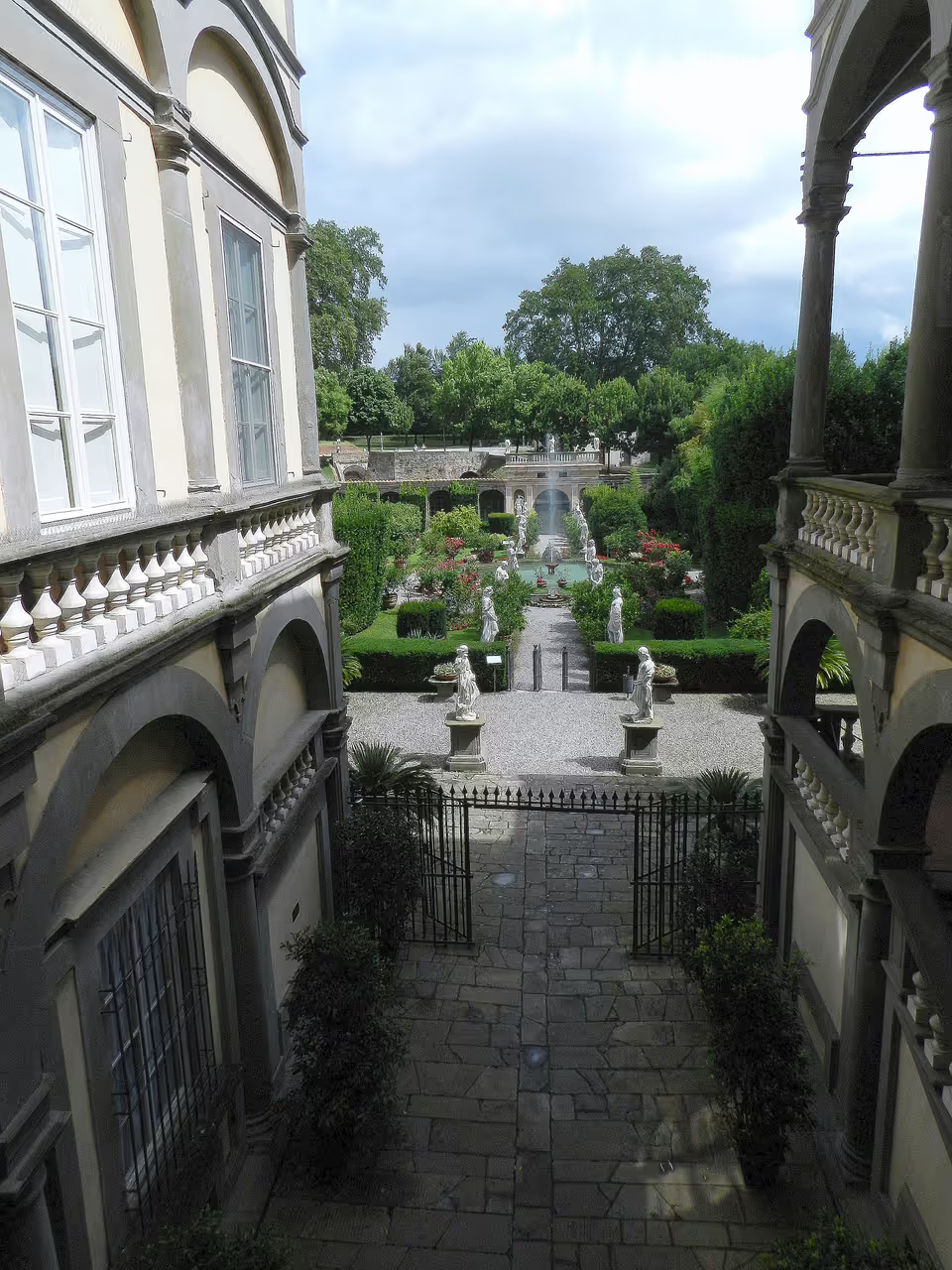
114mPalazzo Pfanner
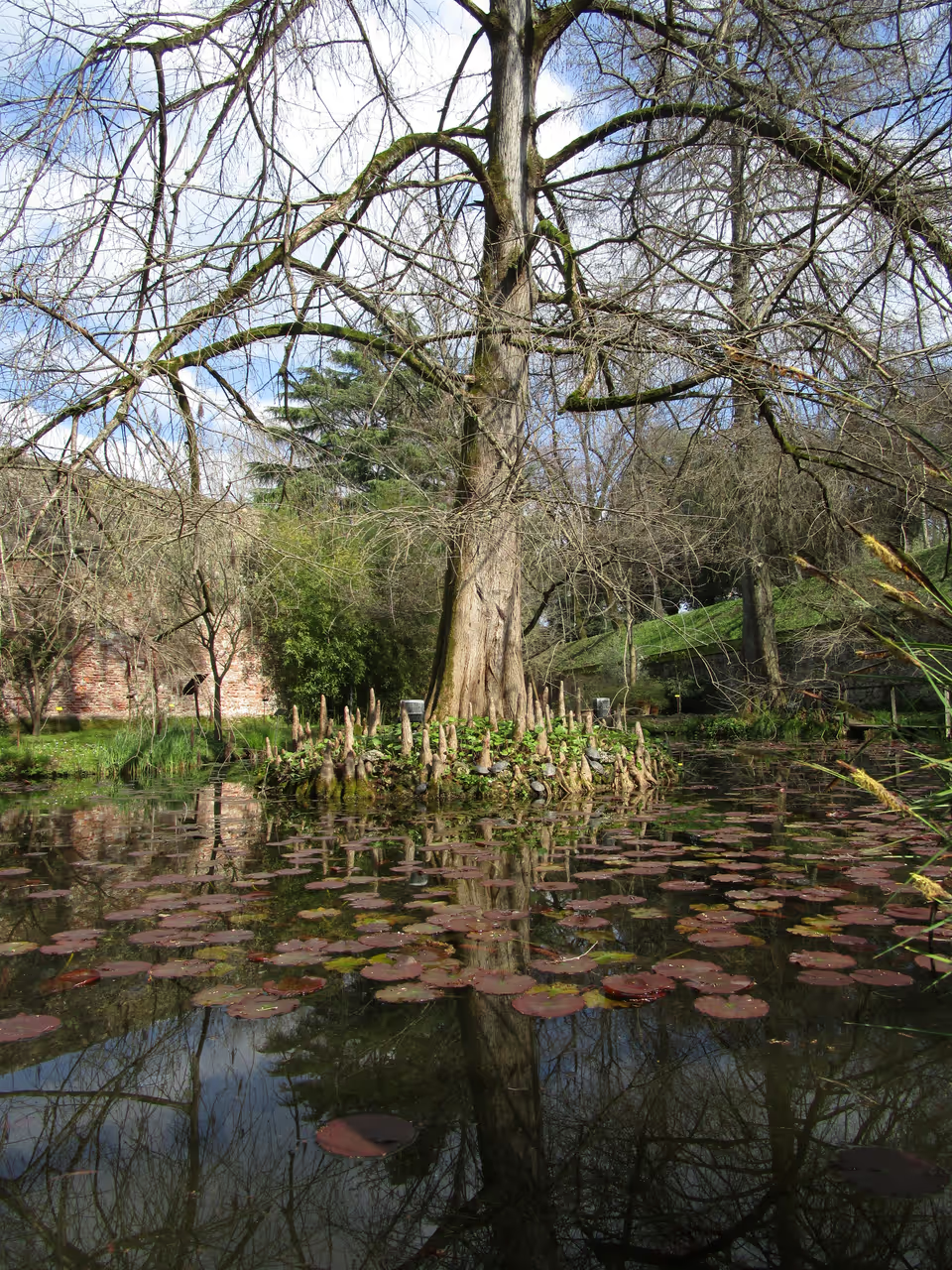
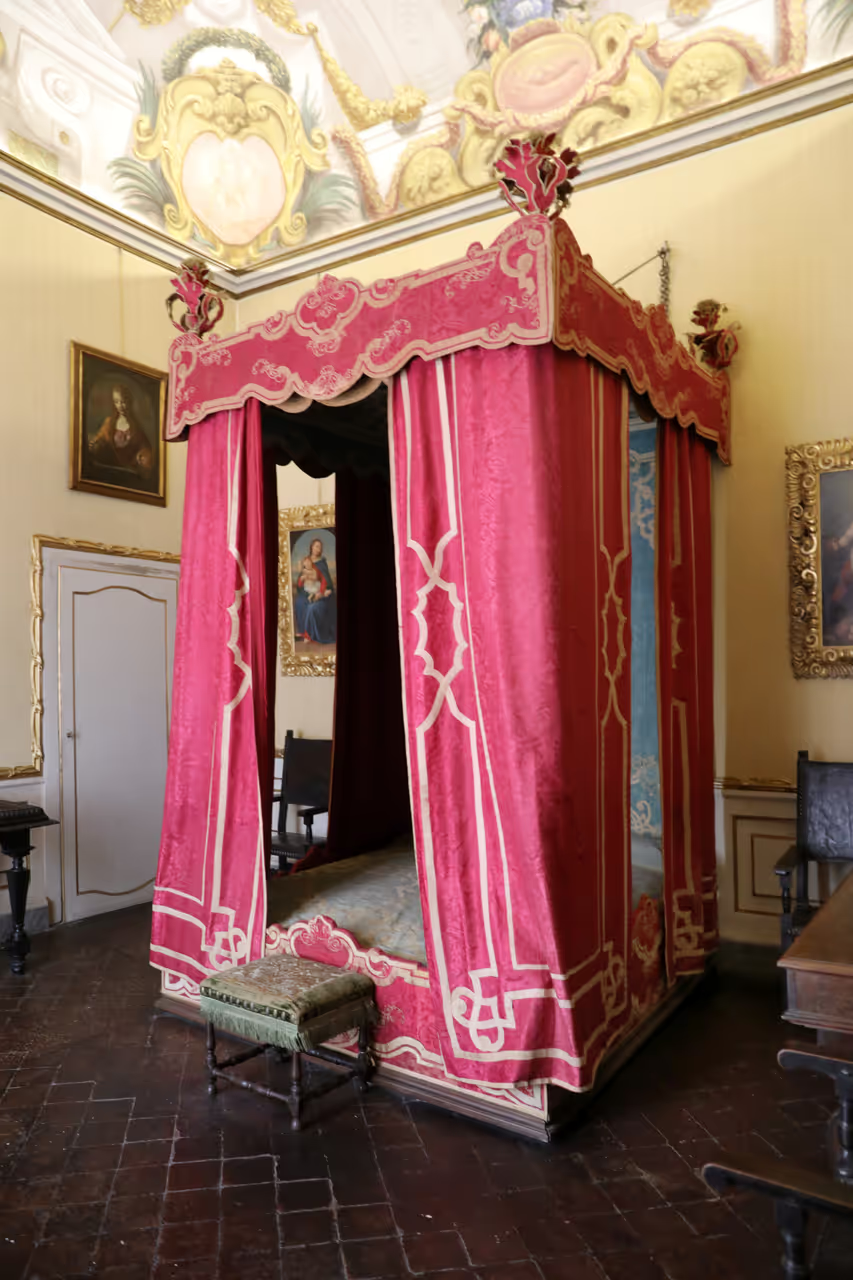
Step into the elegant embrace of Palazzo Pfanner, a baroque jewel tucked just inside the historic walls of Lucca. This stunning residence invites you to wander through its meticulously preserved Italian garden, where centuries-old statues of Olympian gods stand sentinel amidst lush greenery and fragrant lemon trees. Beyond the serene outdoor space, you can admire the grand monumental staircase and halls adorned with exquisite eighteenth-century frescoes. Once home to silk merchants and later the site of an innovative brewery, the palace now opens its doors to offer a glimpse into the opulent lifestyle of Lucca's nobility. It is a place where history feels alive, bridging the gap between the grandeur of the past and the vibrant culture of today.
park & nature view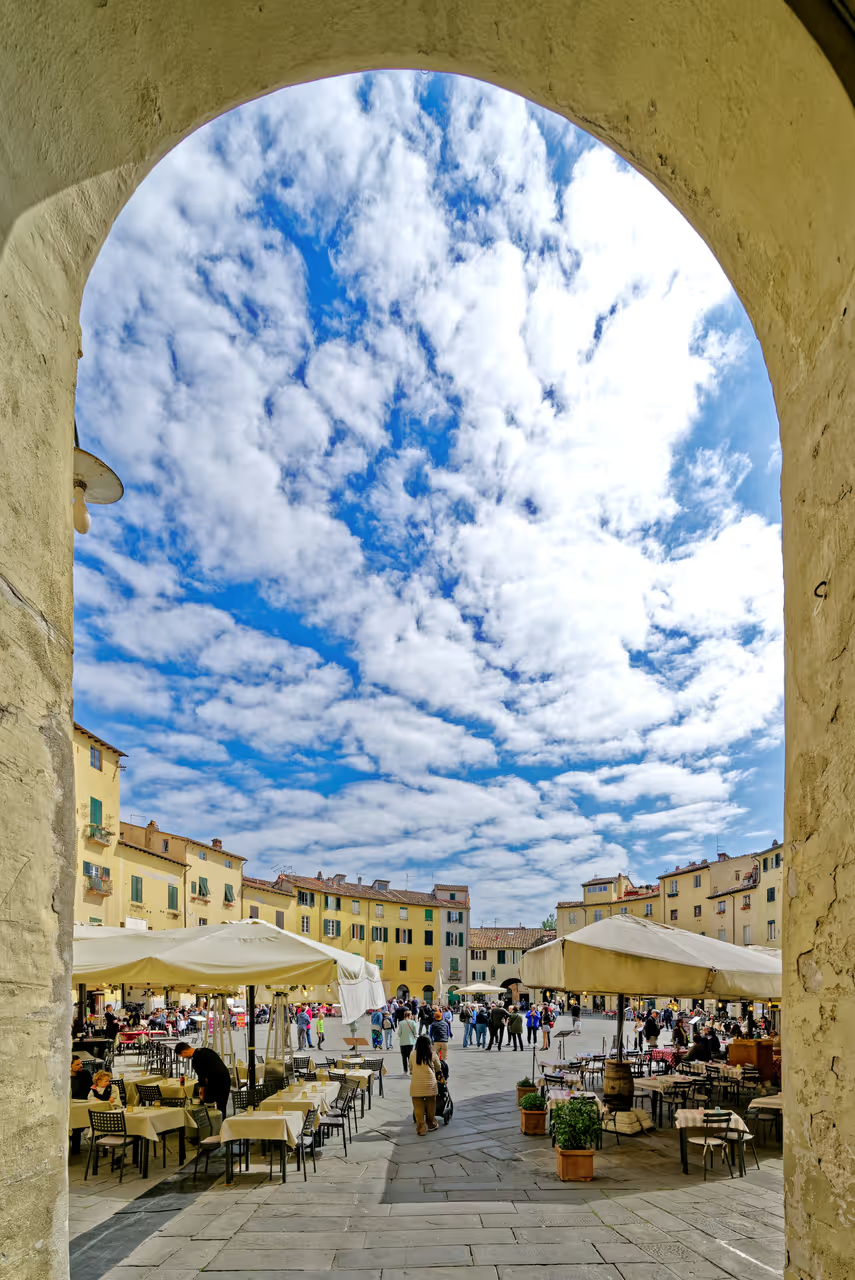 134m
134mPiazza dell'Anfiteatro
Step into the vibrant heart of Lucca, a place where Roman history seamlessly blends with the rhythm of everyday life. This unique square follows the exact elliptical footprint of an ancient Roman amphitheatre that stood here during the second century. Today, the surrounding medieval buildings follow the curve of the old stone structure, creating an intimate and enclosed space that feels like a private courtyard for the entire city. It is the perfect spot to enjoy an authentic Italian coffee or an aperitivo while admiring the colourful facades that define the square. Whether you are wandering through its four arched entrances or hunting for the hidden cross on the central tile, the piazza offers a captivating atmosphere that lingers long after you leave.
attraction view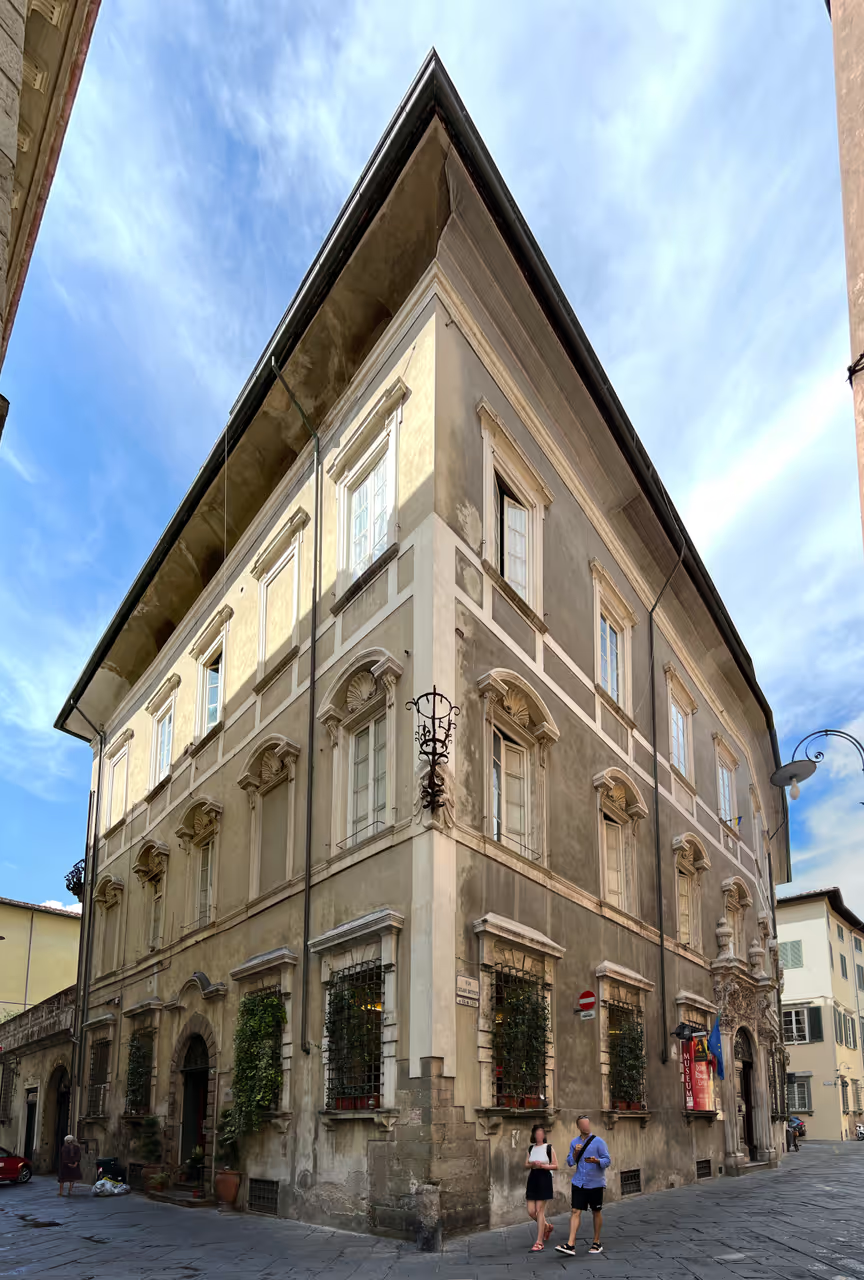 157m
157mRoman House
Hidden beneath the bustling streets, this fascinating archaeological site was discovered relatively recently in 2010 during routine building renovations. It reveals the remarkably preserved foundations and beautifully intricate floor mosaics of a wealthy 1st-century Roman household. Visitors can walk right alongside the ancient brickwork and view everyday artifacts, including coins and delicate glasswork, offering an intimate glimpse into domestic life two millennia ago. The passionate guides bring the ruins to life, explaining how the ancient structures seamlessly evolved into the medieval foundations above.
hidden gem view- 184m
Museum of Torture
Not for the faint of heart, this small, highly provocative museum delves into the dark, grim reality of medieval and Renaissance justice. It houses an extensive, chilling collection of authentic and faithfully reconstructed instruments of torture and execution used across Europe. The informative, often sobering placards explain the historical context and the twisted legal logic that justified their use, particularly during the Inquisition. It provides a stark, fascinating contrast to the refined beauty and elegance of the palaces located just outside its doors.
hidden gem view
Explore Similar Places in This Collection
Featured on These Itineraries and Routes
3 Days in Lucca: Palaces, Music, and Panoramas Itinerary
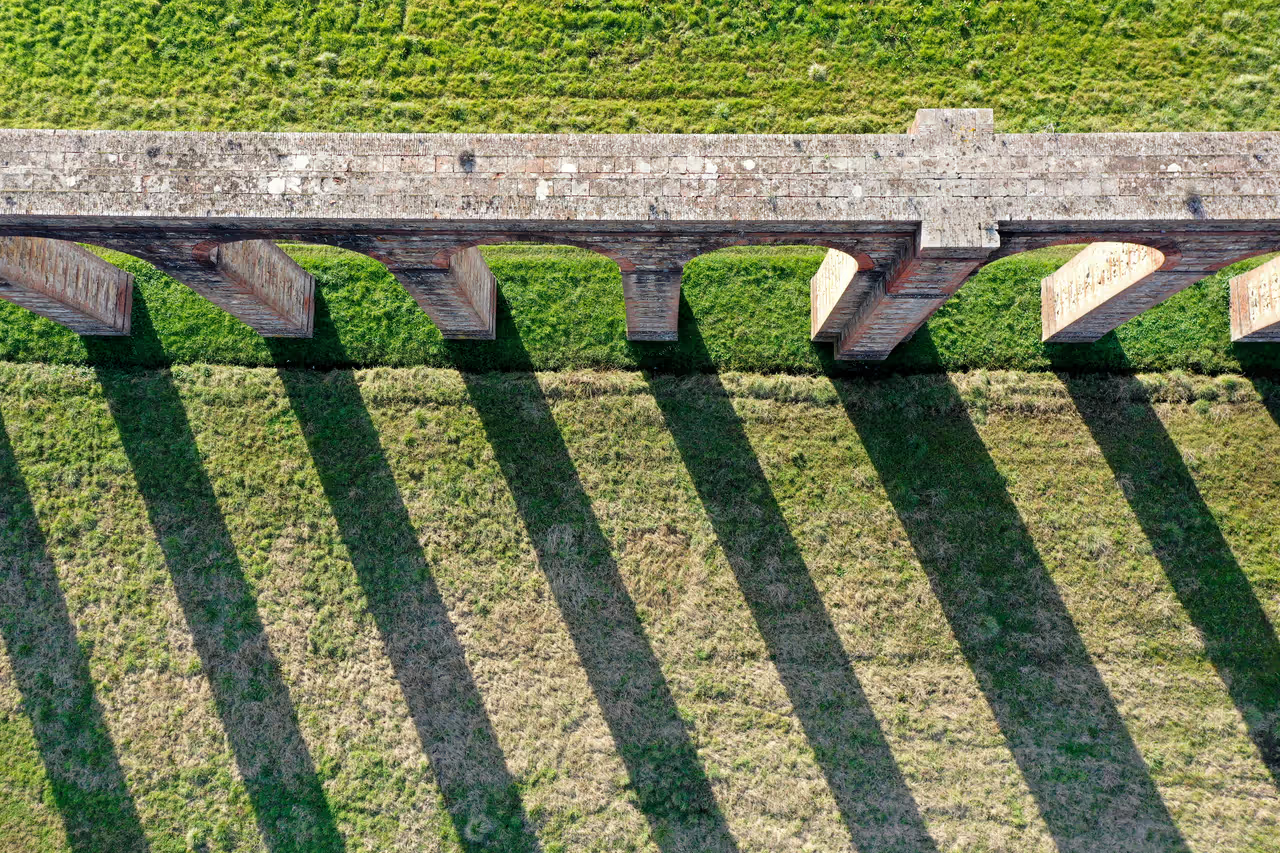
With three days, you can slow down and truly embrace the unhurried lifestyle that makes this city so beloved. After covering the iconic churches and squares, you will dive into the opulent history of the wealthy silk merchants by visiting their lavishly decorated palaces and hidden gardens. You will also have ample time to trace the footsteps of the legendary composer Giacomo Puccini, before venturing just outside the walls to admire the monumental civil engineering of the aqueduct.
view itinerary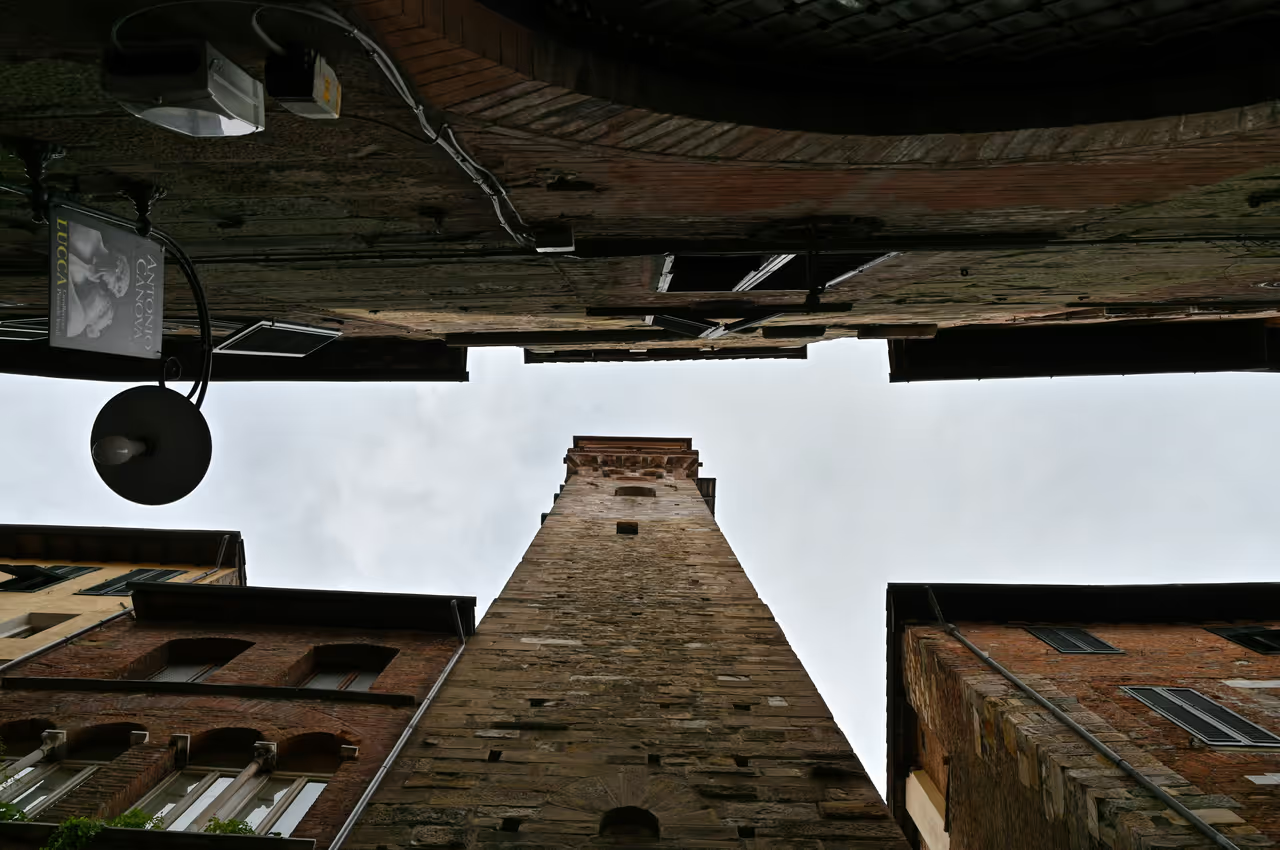
5 Days in Lucca: Complete Cultural Immersion Itinerary
Five days allows you to completely sink into the rhythm of the city, exploring its most famous monuments as well as its fascinating, lesser-known hidden gems. You will discover ancient Roman mosaics buried in basements, quirky local museums, and the beautiful nature reserves that sit just beyond the fortifications. This extended itinerary gives you the luxury of taking long, leisurely lunches, engaging deeply with the city's complex history, and enjoying the vibrant evening bar scene like a true local.
view itinerary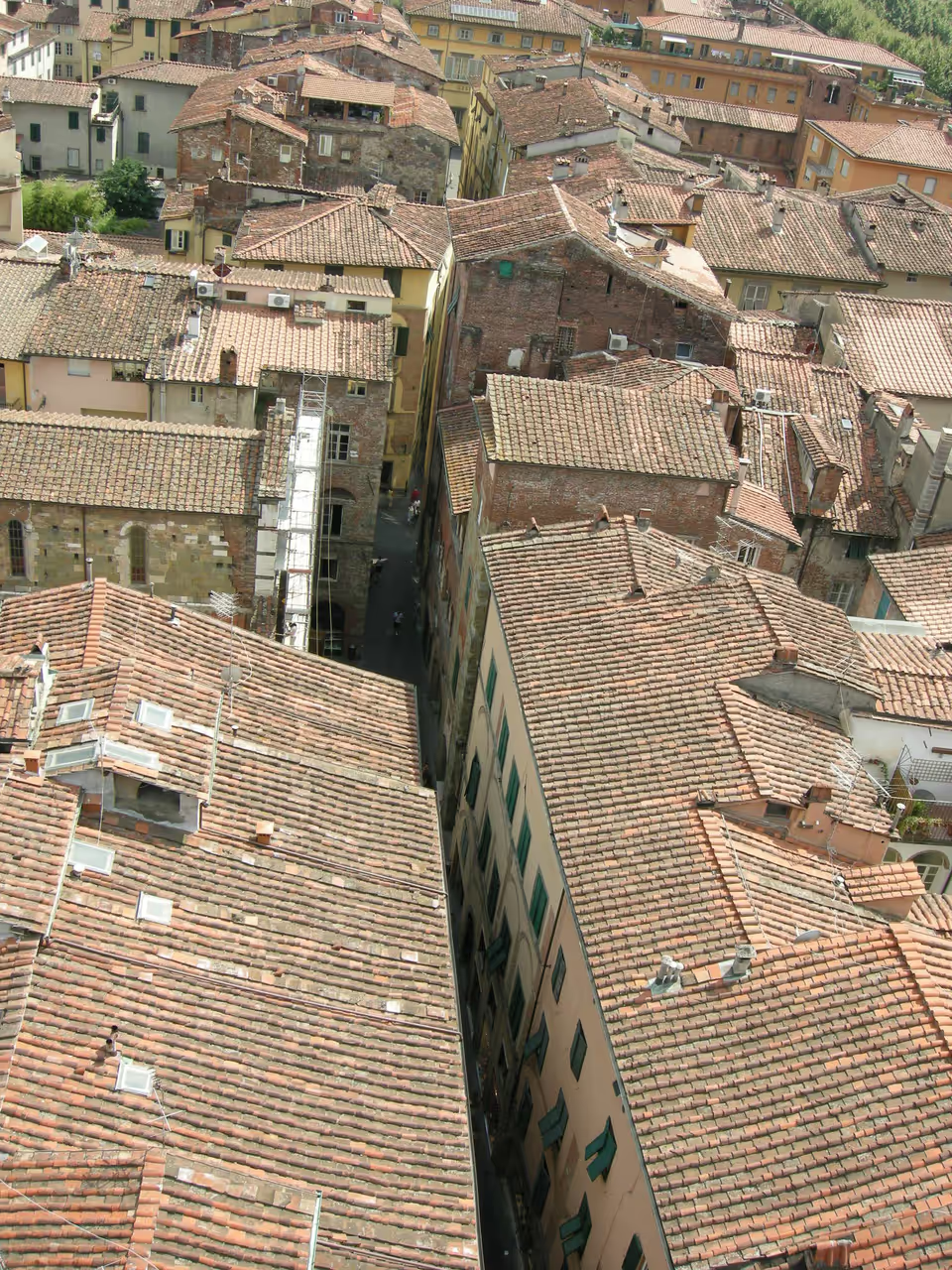
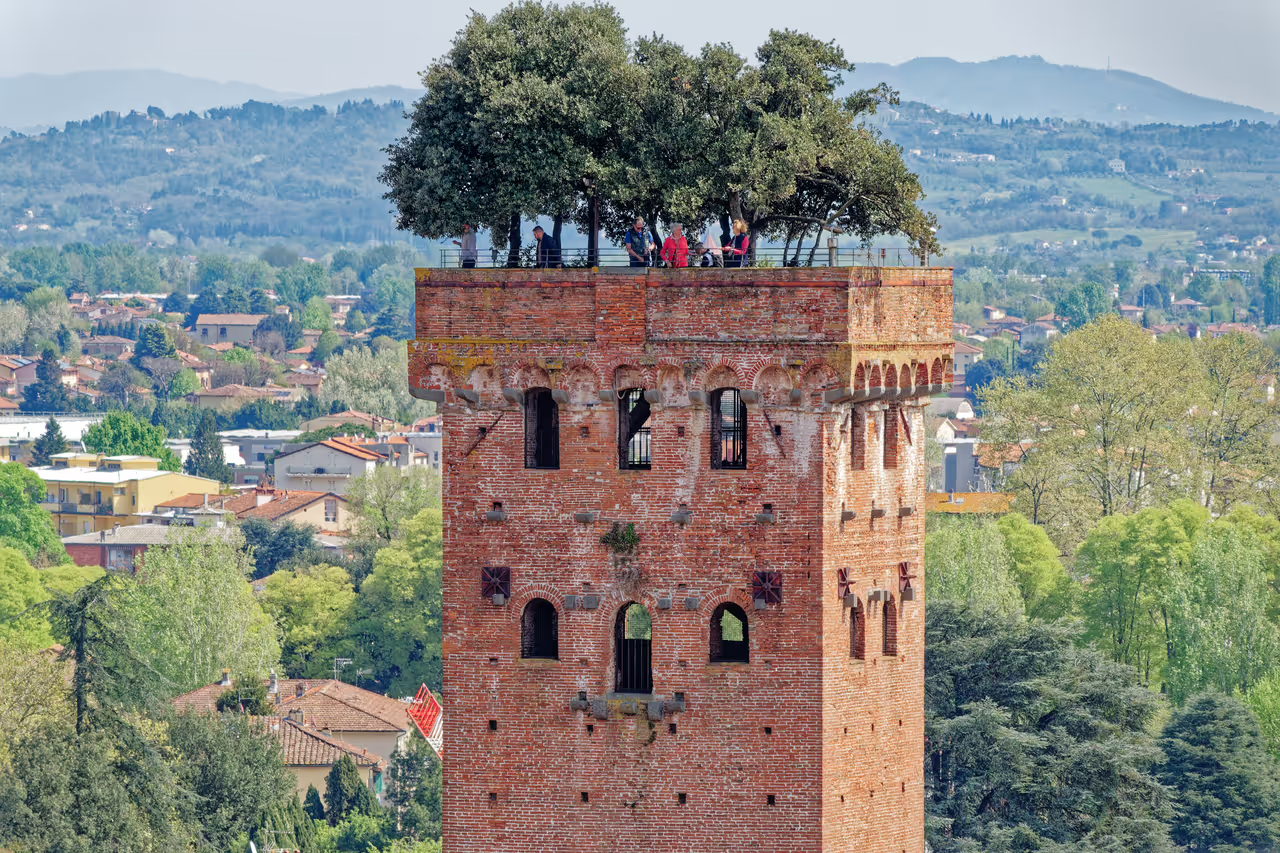
Medieval Heart & Hidden Squares
This highly atmospheric walk wanders aimlessly through the dense, pedestrianised core of the ancient city, where every turn reveals centuries of history. It traces narrow, shaded alleyways that suddenly open up into vast, sun-drenched piazzas surrounded by towering patrician houses. The route is designed to soak in the incredible density of Romanesque architecture and the lively hum of boutique shopping. It is a sensory journey filled with the smell of fresh bakeries and the visual splendour of ornate marble facades.
view walking route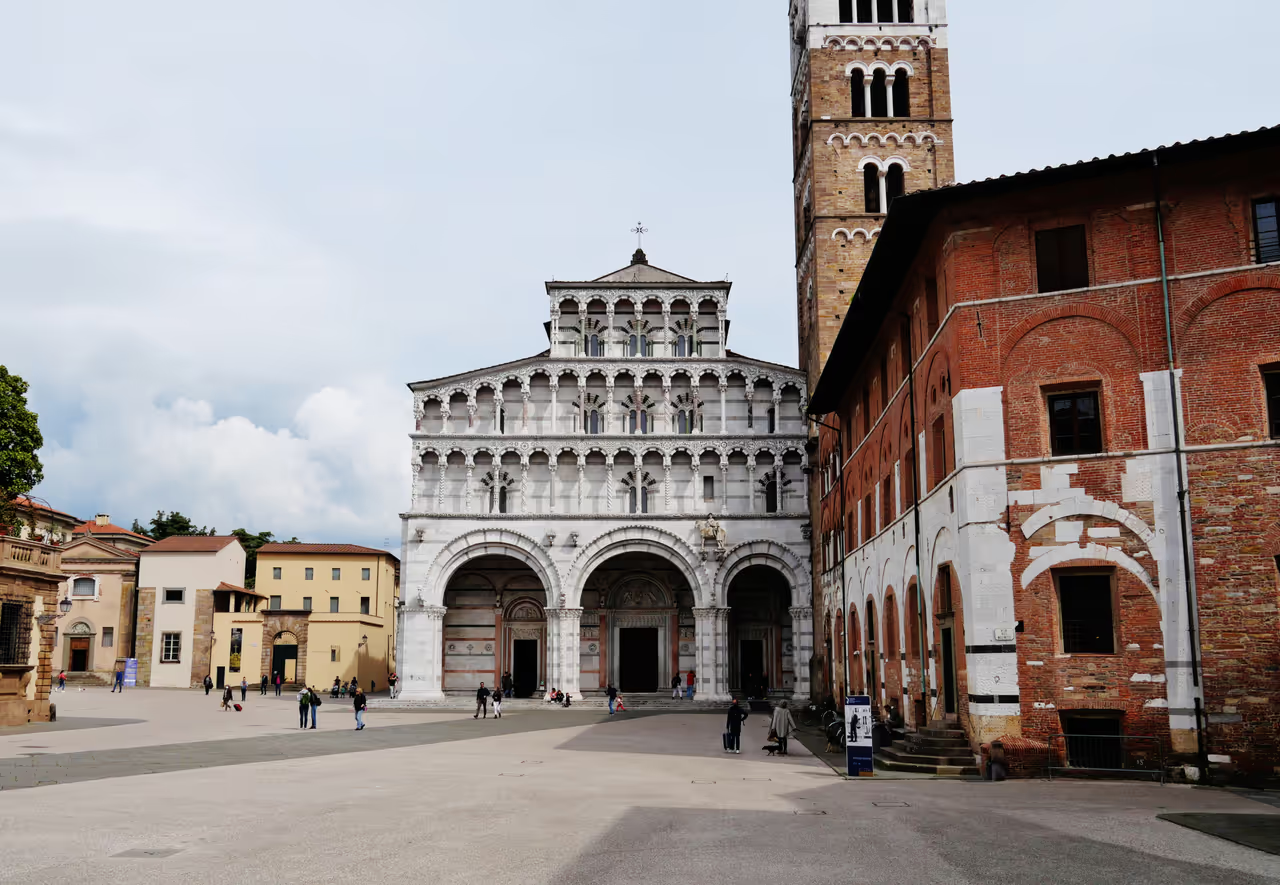
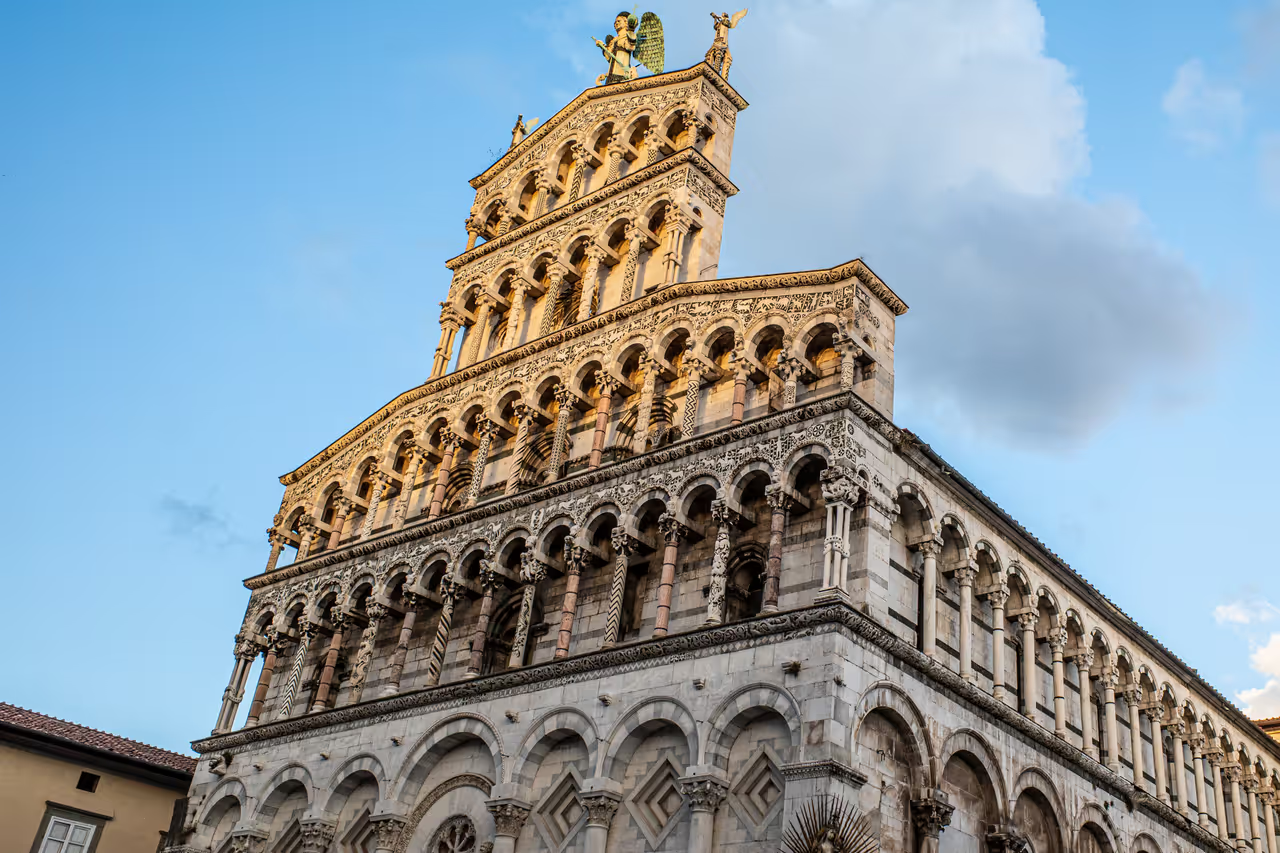
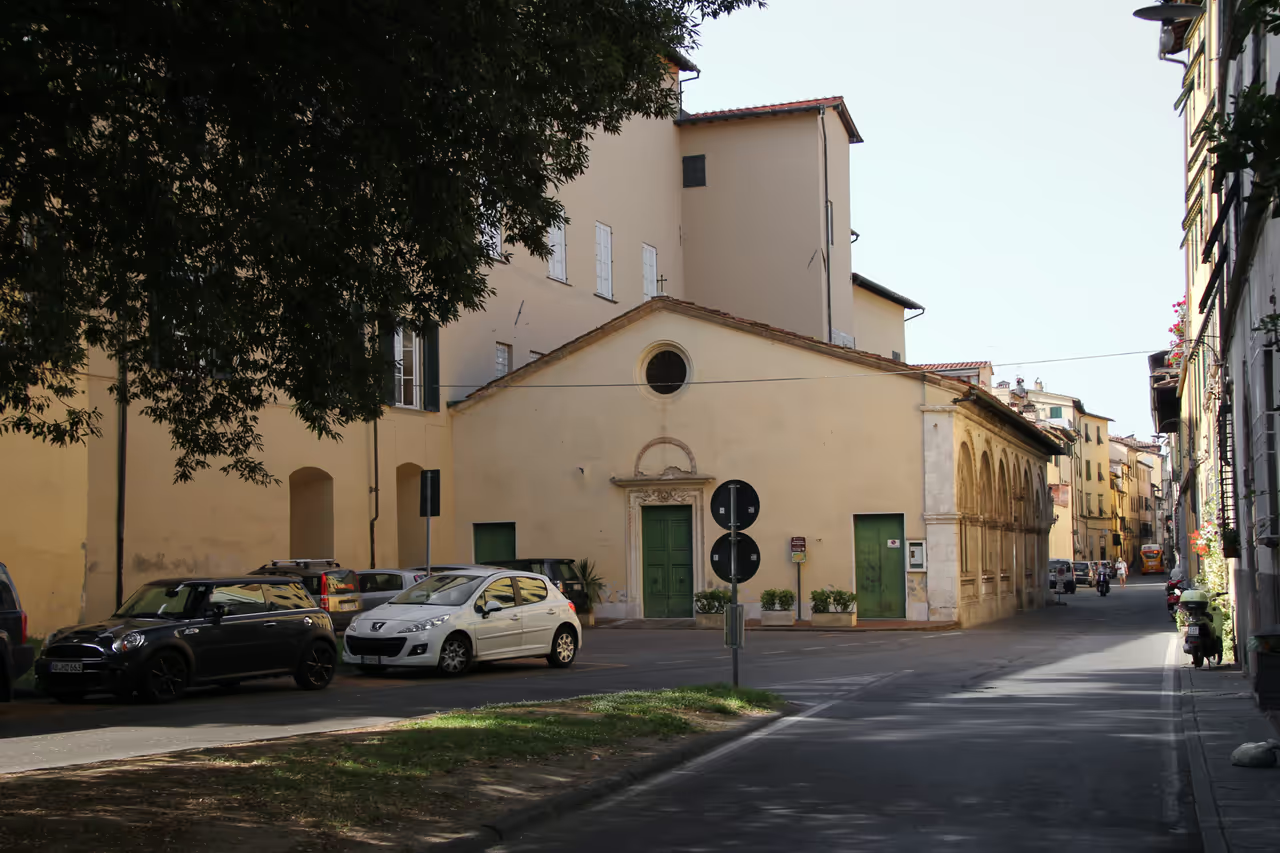
Hundred Churches Pilgrimage
This thematic walk explores the stunning density of religious architecture that earned the city its famous nickname. Focusing on the monumental Romanesque facades that dominate the piazzas, the route deciphers the rich, symbolic carvings of mythical beasts, saints, and hunting scenes etched into the marble. It also visits quieter, hidden chapels that offer a stark contrast to the grandeur of the main basilicas. The tour highlights the immense spiritual importance the city held as a primary stop on the medieval Via Francigena.
view self-guided tour
See all attractions in Lucca
Guinigi Tower, Lucca Cathedral, Piazza dell'Anfiteatro, Church of Saint Michael in the Forum...