Palazzo Pfanner
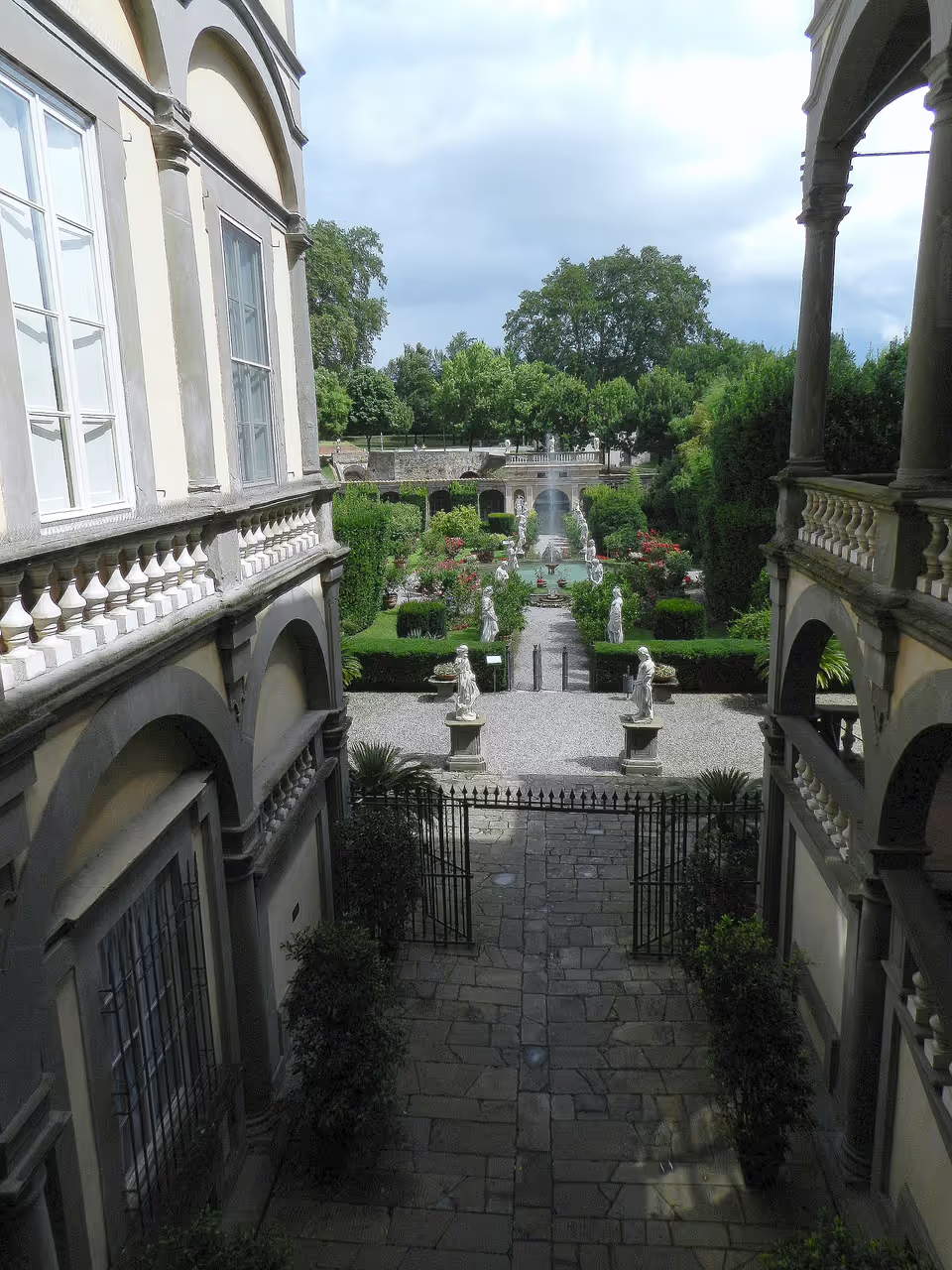
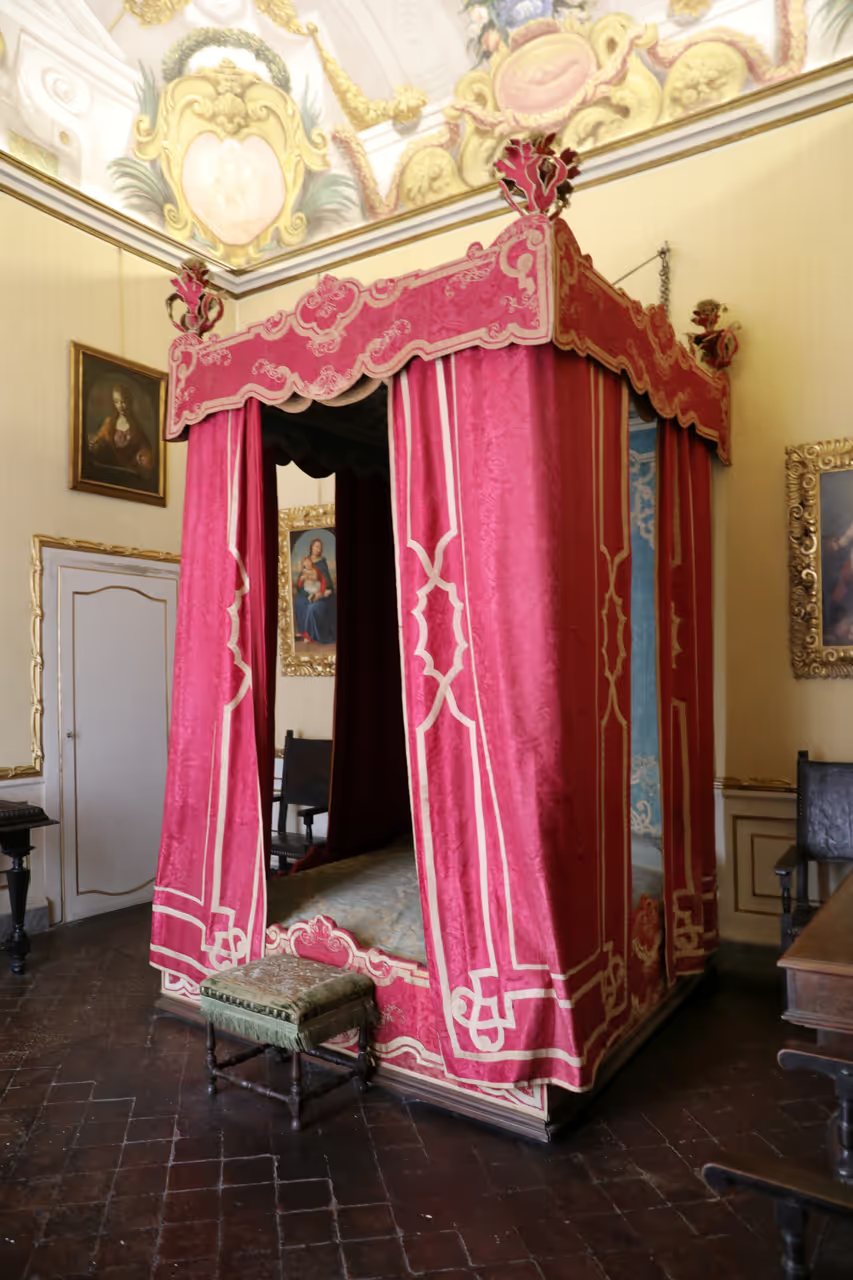
Step into the elegant embrace of Palazzo Pfanner, a baroque jewel tucked just inside the historic walls of Lucca. This stunning residence invites you to wander through its meticulously preserved Italian garden, where centuries-old statues of Olympian gods stand sentinel amidst lush greenery and fragrant lemon trees. Beyond the serene outdoor space, you can admire the grand monumental staircase and halls adorned with exquisite eighteenth-century frescoes. Once home to silk merchants and later the site of an innovative brewery, the palace now opens its doors to offer a glimpse into the opulent lifestyle of Lucca's nobility. It is a place where history feels alive, bridging the gap between the grandeur of the past and the vibrant culture of today.
Videos
History of Palazzo Pfanner
The Moriconi family began this venture in 1660, but their financial struggles led to the sale of the property to the Controni family, who were silk merchants with noble ambitions. This era saw the building transformed into a grand Baroque residence, featuring the impressive monumental staircase and the lush Italian gardens designed by the renowned Filippo Juvarra. The atmosphere shifted in the mid-19th century with the arrival of Felix Pfanner from Austria. He transformed the palace's legacy by establishing the first brewery in the Duchy of Lucca in 1846, turning the grounds into a social hub where locals and international visitors could gather to enjoy the tranquil surroundings. Today, the Pfanner family maintains their legacy with pride, ensuring the residence remains a cultural beacon rather than a museum piece. The palace has gained fame on the silver screen, serving as the backdrop for films like Portrait of a Lady. This seamless blend of 17th-century opulence, 19th-century innovation, and modern-day hospitality makes it a vital stop for anyone wanting to feel the true pulse of Lucca.
Events spanning 335 years
Fun Facts
- • Felix Pfanner, a native of Austria, founded the first brewery in the Duchy of Lucca right here, forever changing local social habits.
- • Filippo Juvarra, the legendary architect, is widely believed to have designed the sprawling, symmetrical Italian garden that separates the palace from the city walls.
- • It houses a unique collection of medical instruments and texts that once belonged to Pietro Pfanner, a noted surgeon and former mayor of Lucca.
- • Its current residence is owned by the descendants of the Pfanner family, who have meticulously restored the site since the mid-1990s.
- • The garden features an octagonal basin and statues representing the four elements, alongside deities of the Olympian pantheon.
- • The garden is home to rare, ancient groves of bamboo that have flourished since the early stages of the garden's creation.
- • The monumental staircase, a masterpiece of Baroque engineering, is attributed to Domenico Martinelli, who worked across major European courts.
- • The palace played a starring role in the film The Marquis of Grillo with Alberto Sordi and in Jane Campion's Portrait of a Lady starring Nicole Kidman.
- • The palace served as a gathering spot for royals, including Frederick IV of Denmark, who stopped here during his Grand Tour in the late 17th century.
- • The palace's restaurant, L'imbuto, is housed in the historic stables and holds a prestigious Michelin star, blending contemporary dining with ancient architecture.
Palazzo Pfanner FAQ
While we strive to keep this information accurate and up to date, we recommend verifying any details independently before making decisions based on them.
Palazzo Pfanner Map & Neighborhood Explorer
This interactive map is centered on Palazzo Pfanner. Zoom in and move the map around to automatically discover Wikipedia photos and summaries of other nearby sights, monuments, and historical points of interest and stories in real-time!
Places near Palazzo Pfanner
Make the most of your trip. Check out these top-rated spots located nearby.
 114m
114mBasilica of San Frediano
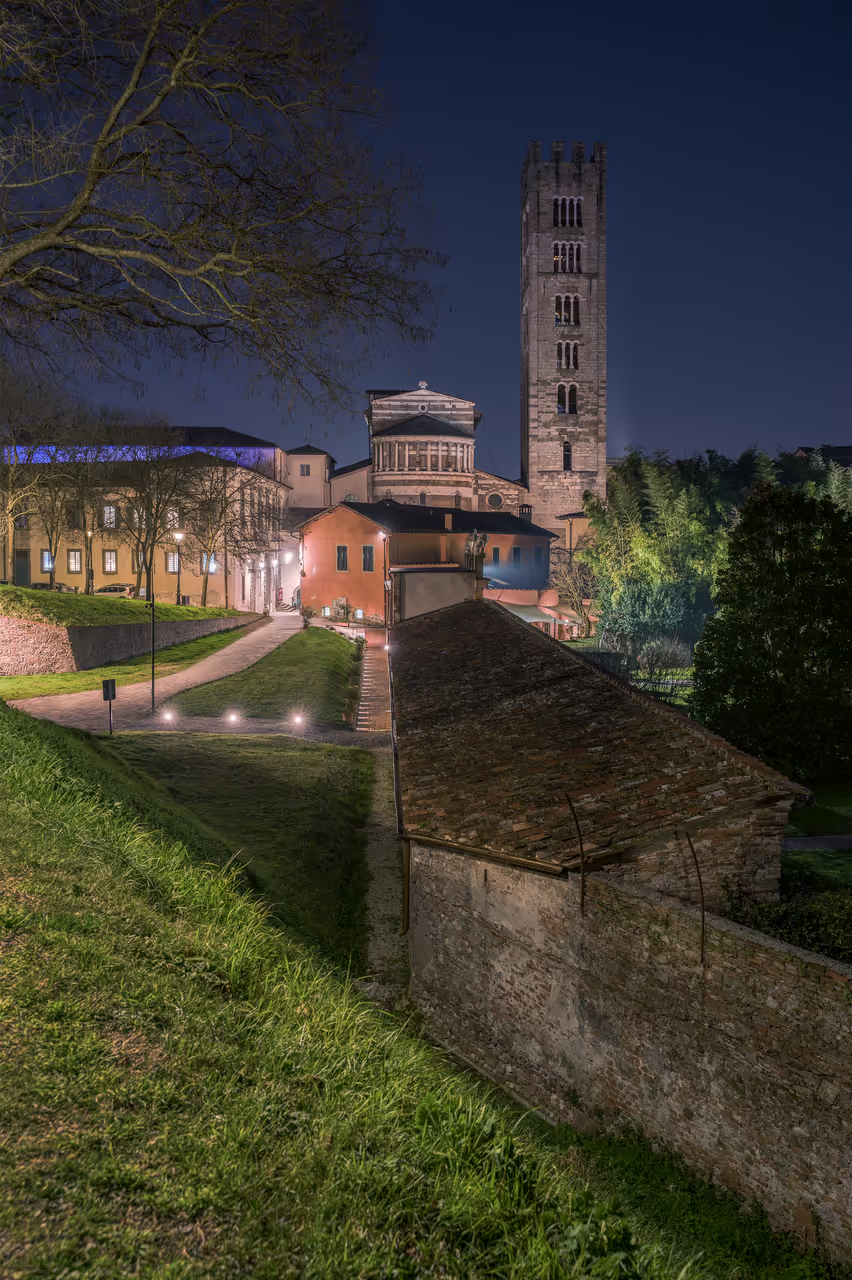
The Basilica of San Frediano is a standout gem in the heart of Lucca, instantly recognisable by the radiant, golden mosaic crowning its Romanesque façade. Stepping inside, you leave the modern city behind, entering a sanctuary where centuries of history feel almost tangible in the cool, quiet air. This is one of the oldest places of worship in the city, its walls holding stories of Irish saints, powerful guilds, and elaborate funerary art. Visitors are often struck by the contrast between the stern, simple stone architecture and the surprisingly vibrant masterpieces hiding in the side chapels. It remains an active part of local spiritual life, notably as the departure point for the famous Luminara di Santa Croce procession every September. Whether you are an art lover or simply looking for a peaceful moment, this basilica offers a deeply moving and visually stunning experience.
attraction view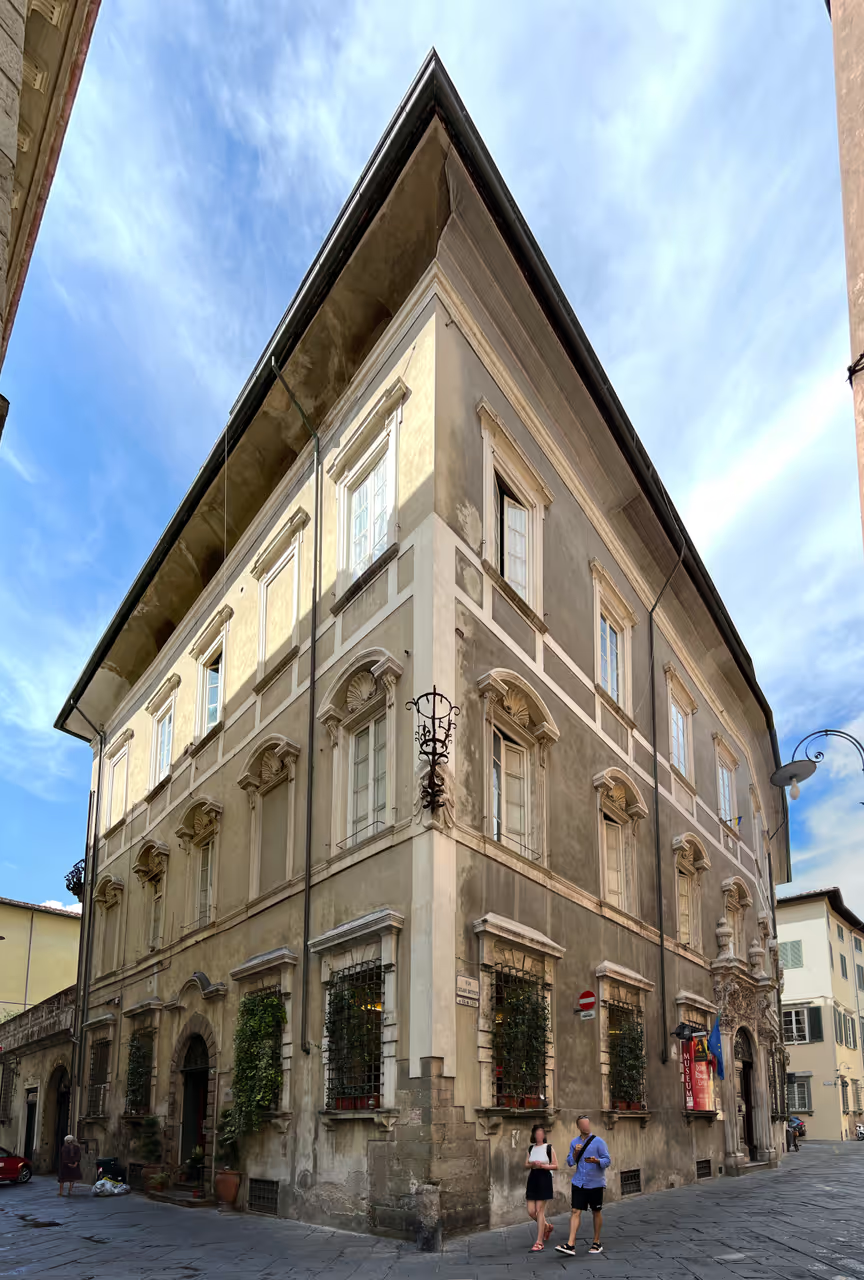 145m
145mRoman House
Hidden beneath the bustling streets, this fascinating archaeological site was discovered relatively recently in 2010 during routine building renovations. It reveals the remarkably preserved foundations and beautifully intricate floor mosaics of a wealthy 1st-century Roman household. Visitors can walk right alongside the ancient brickwork and view everyday artifacts, including coins and delicate glasswork, offering an intimate glimpse into domestic life two millennia ago. The passionate guides bring the ruins to life, explaining how the ancient structures seamlessly evolved into the medieval foundations above.
hidden gem view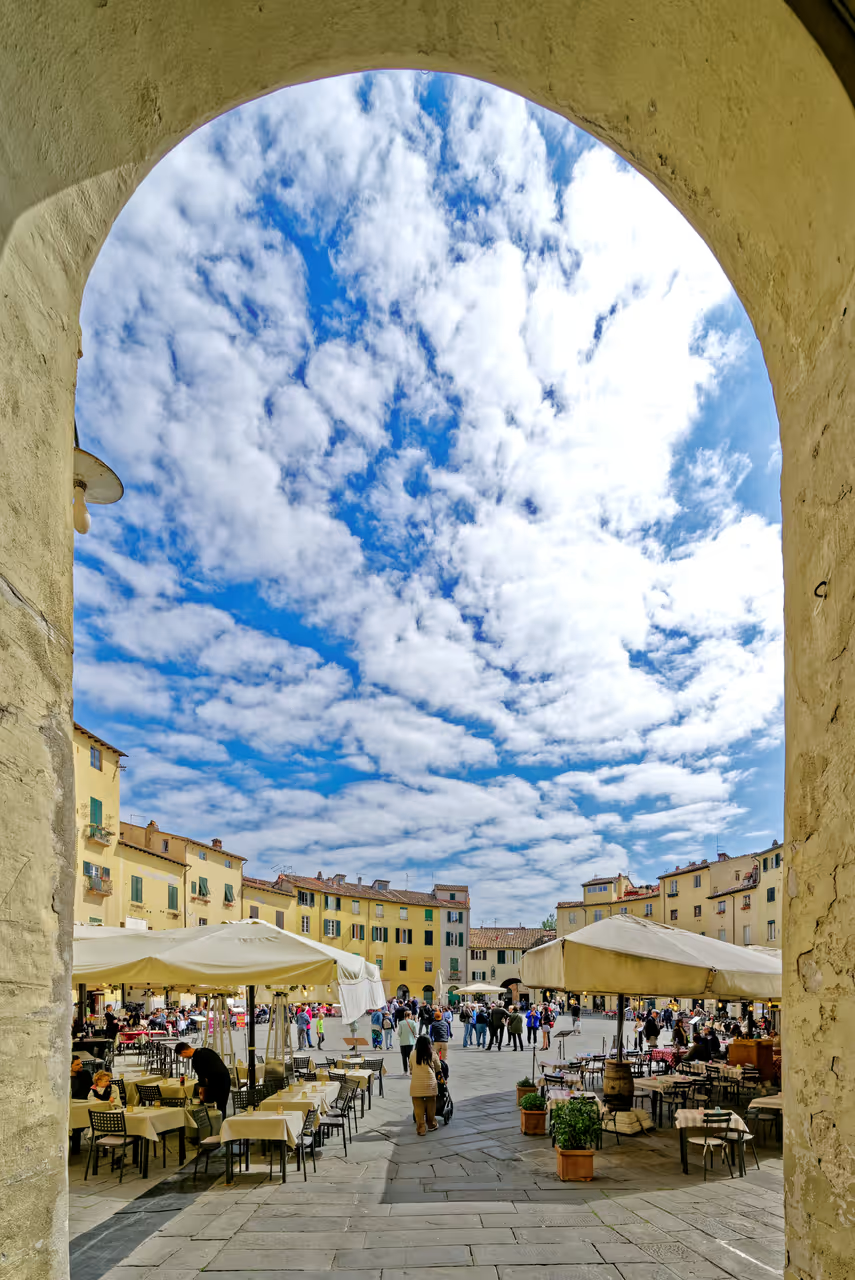 249m
249mPiazza dell'Anfiteatro
Step into the vibrant heart of Lucca, a place where Roman history seamlessly blends with the rhythm of everyday life. This unique square follows the exact elliptical footprint of an ancient Roman amphitheatre that stood here during the second century. Today, the surrounding medieval buildings follow the curve of the old stone structure, creating an intimate and enclosed space that feels like a private courtyard for the entire city. It is the perfect spot to enjoy an authentic Italian coffee or an aperitivo while admiring the colourful facades that define the square. Whether you are wandering through its four arched entrances or hunting for the hidden cross on the central tile, the piazza offers a captivating atmosphere that lingers long after you leave.
attraction view- 281m
Museum of Torture
Not for the faint of heart, this small, highly provocative museum delves into the dark, grim reality of medieval and Renaissance justice. It houses an extensive, chilling collection of authentic and faithfully reconstructed instruments of torture and execution used across Europe. The informative, often sobering placards explain the historical context and the twisted legal logic that justified their use, particularly during the Inquisition. It provides a stark, fascinating contrast to the refined beauty and elegance of the palaces located just outside its doors.
hidden gem view
Explore Similar Places in This Collection
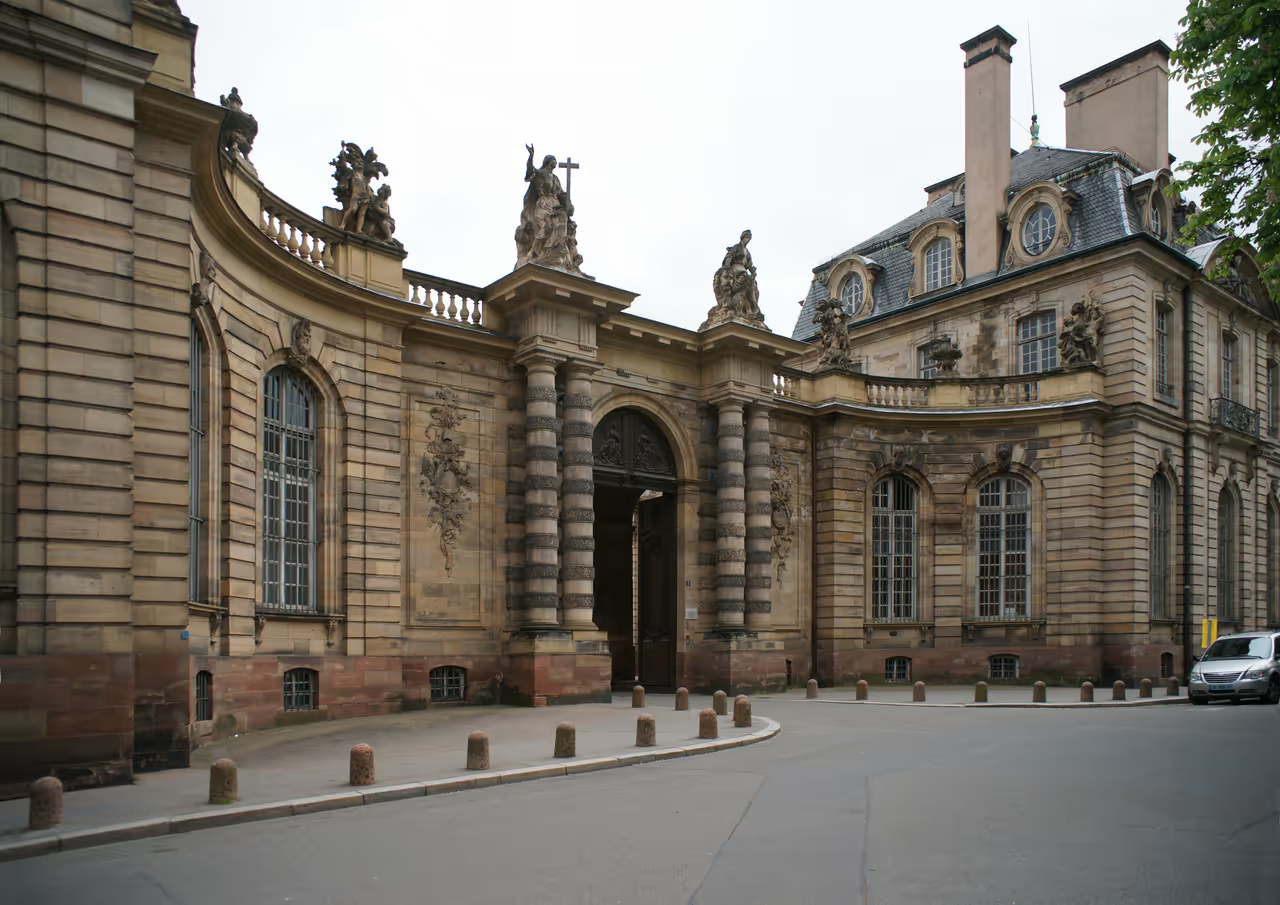
Featured on These Itineraries and Routes
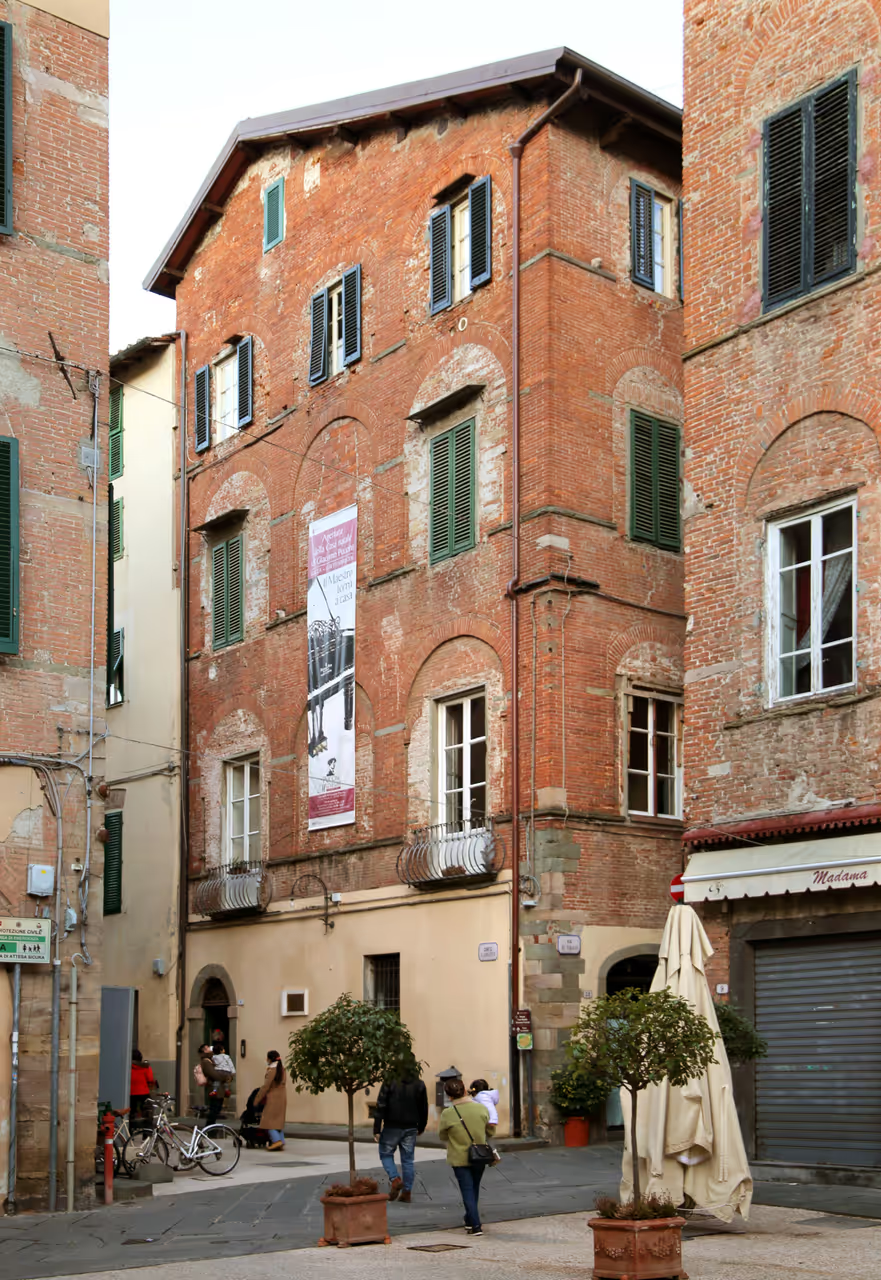
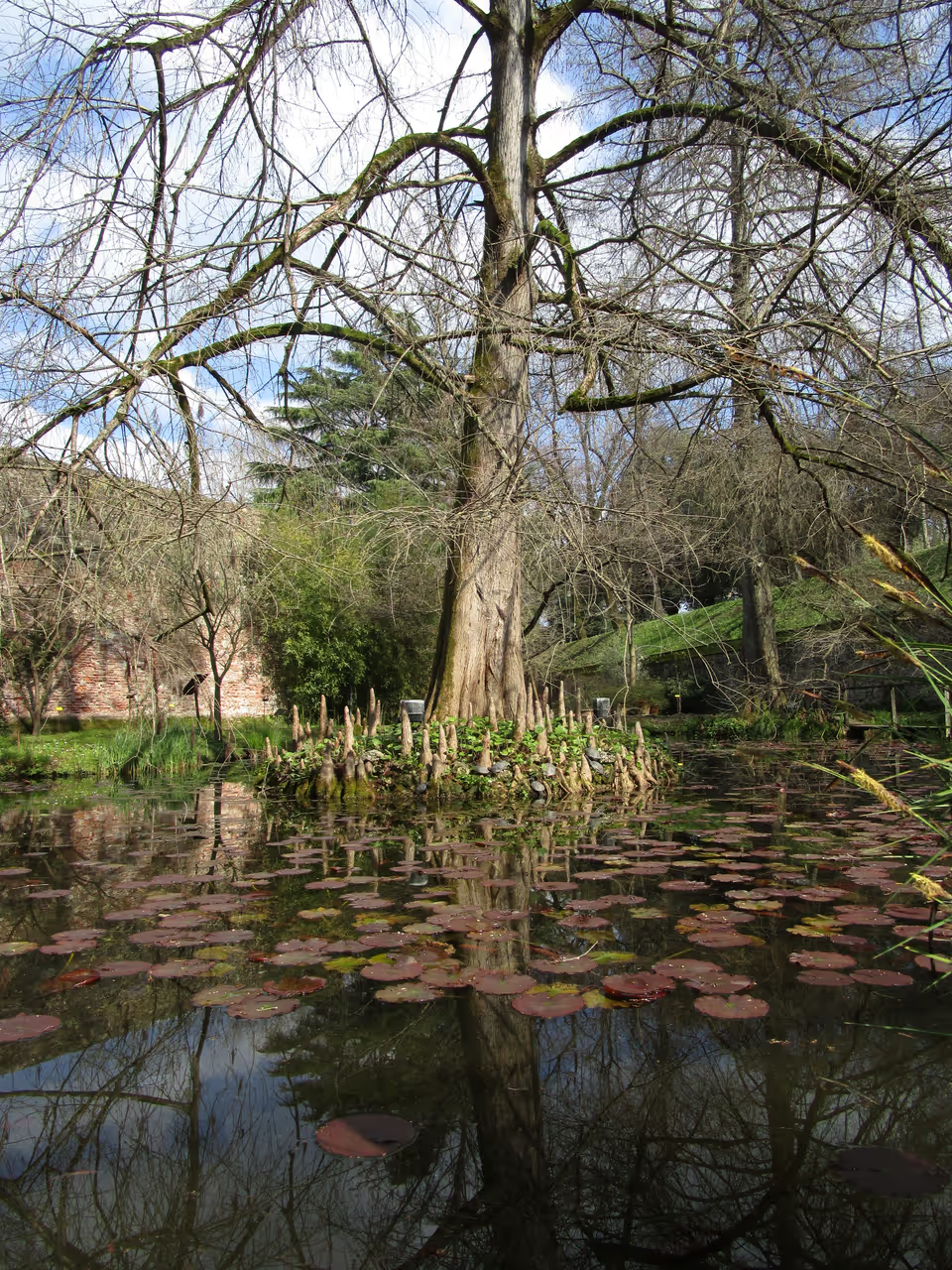
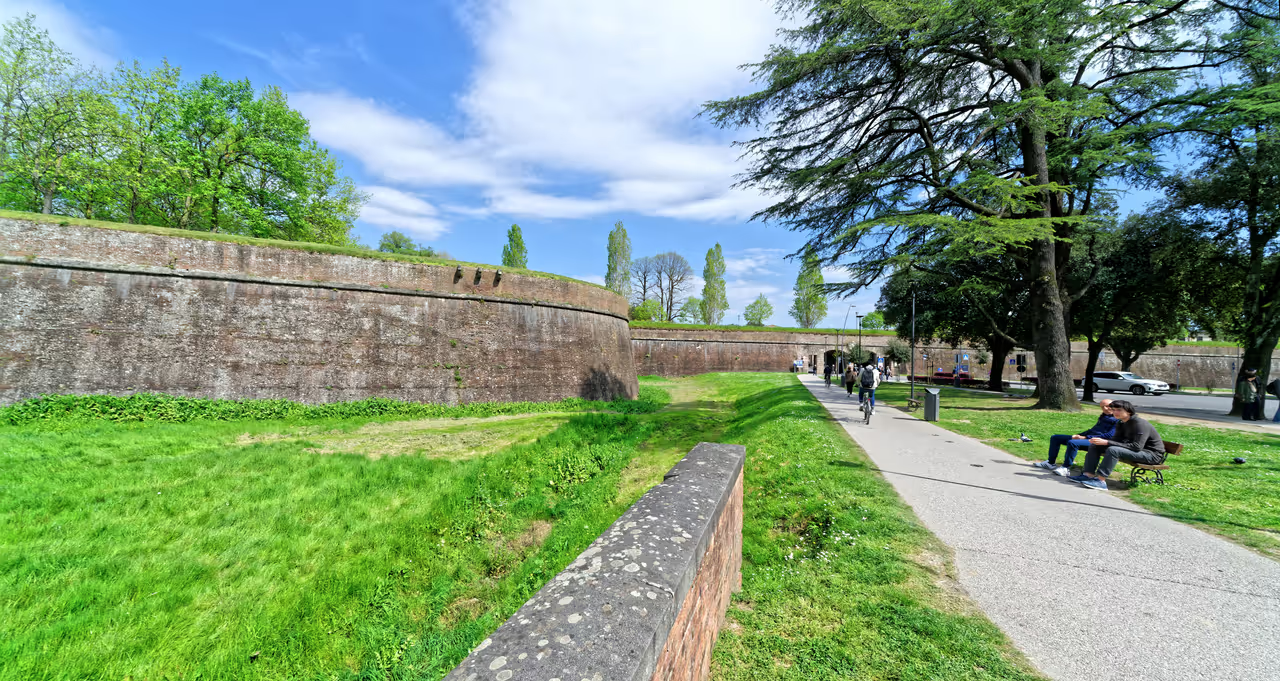
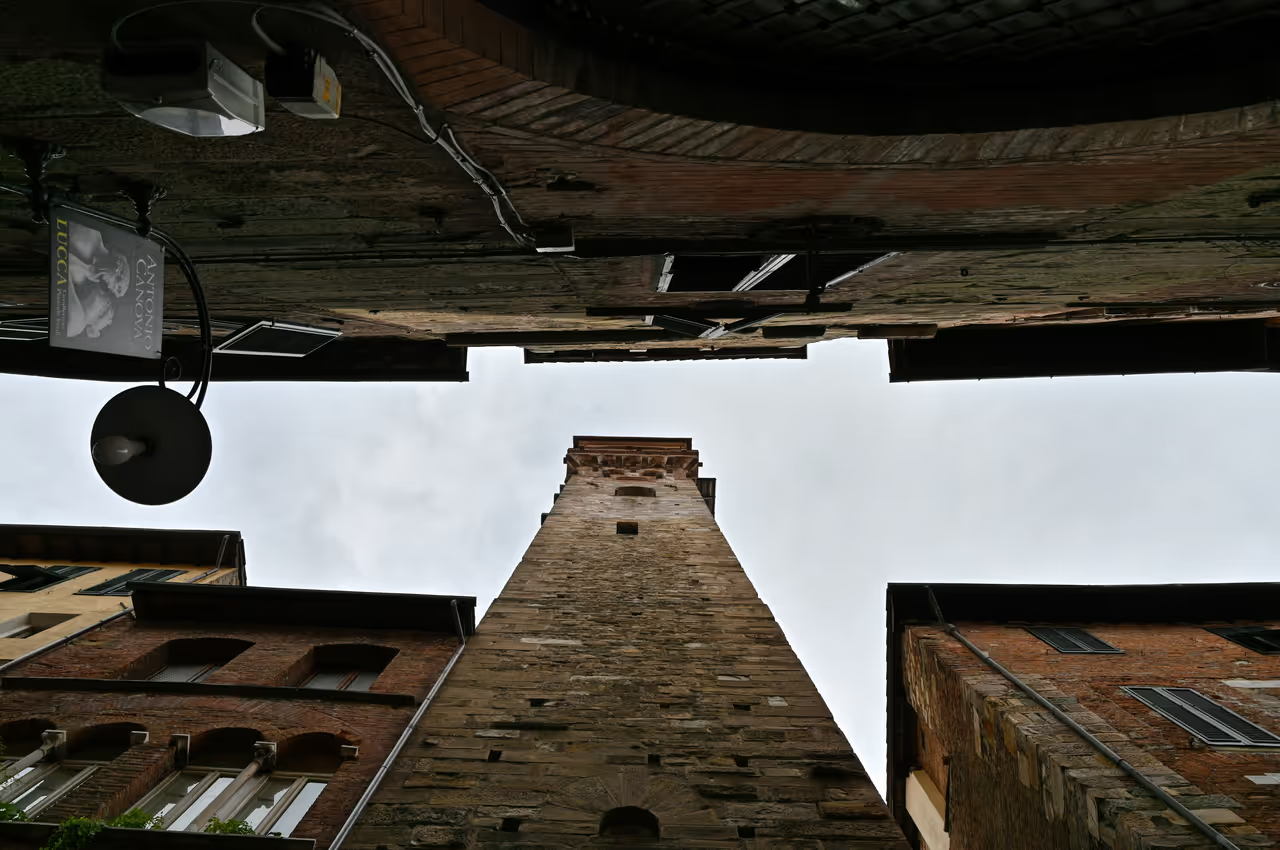
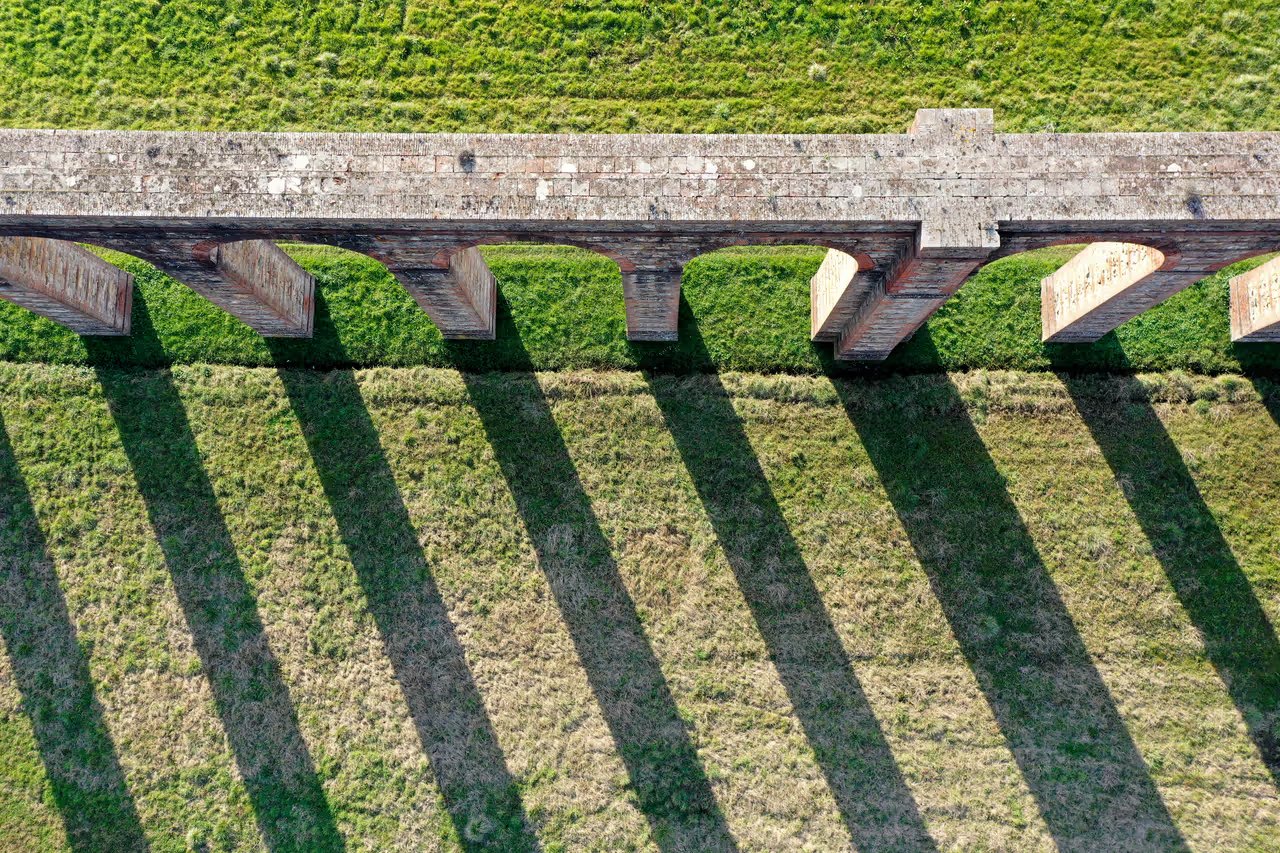
3 Days in Lucca: Palaces, Music, and Panoramas Itinerary
With three days, you can slow down and truly embrace the unhurried lifestyle that makes this city so beloved. After covering the iconic churches and squares, you will dive into the opulent history of the wealthy silk merchants by visiting their lavishly decorated palaces and hidden gardens. You will also have ample time to trace the footsteps of the legendary composer Giacomo Puccini, before venturing just outside the walls to admire the monumental civil engineering of the aqueduct.
view itinerary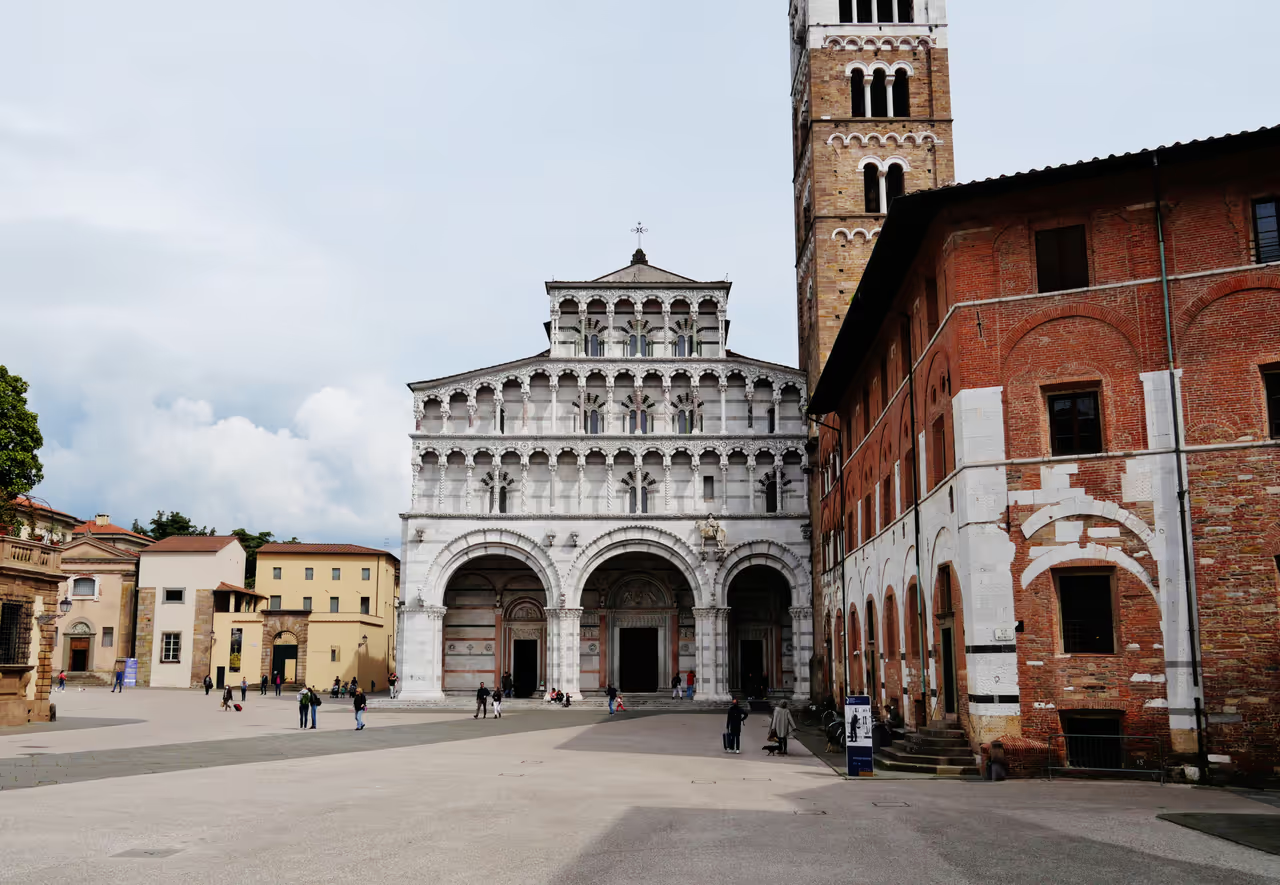
5 Days in Lucca: Complete Cultural Immersion Itinerary
Five days allows you to completely sink into the rhythm of the city, exploring its most famous monuments as well as its fascinating, lesser-known hidden gems. You will discover ancient Roman mosaics buried in basements, quirky local museums, and the beautiful nature reserves that sit just beyond the fortifications. This extended itinerary gives you the luxury of taking long, leisurely lunches, engaging deeply with the city's complex history, and enjoying the vibrant evening bar scene like a true local.
view itinerary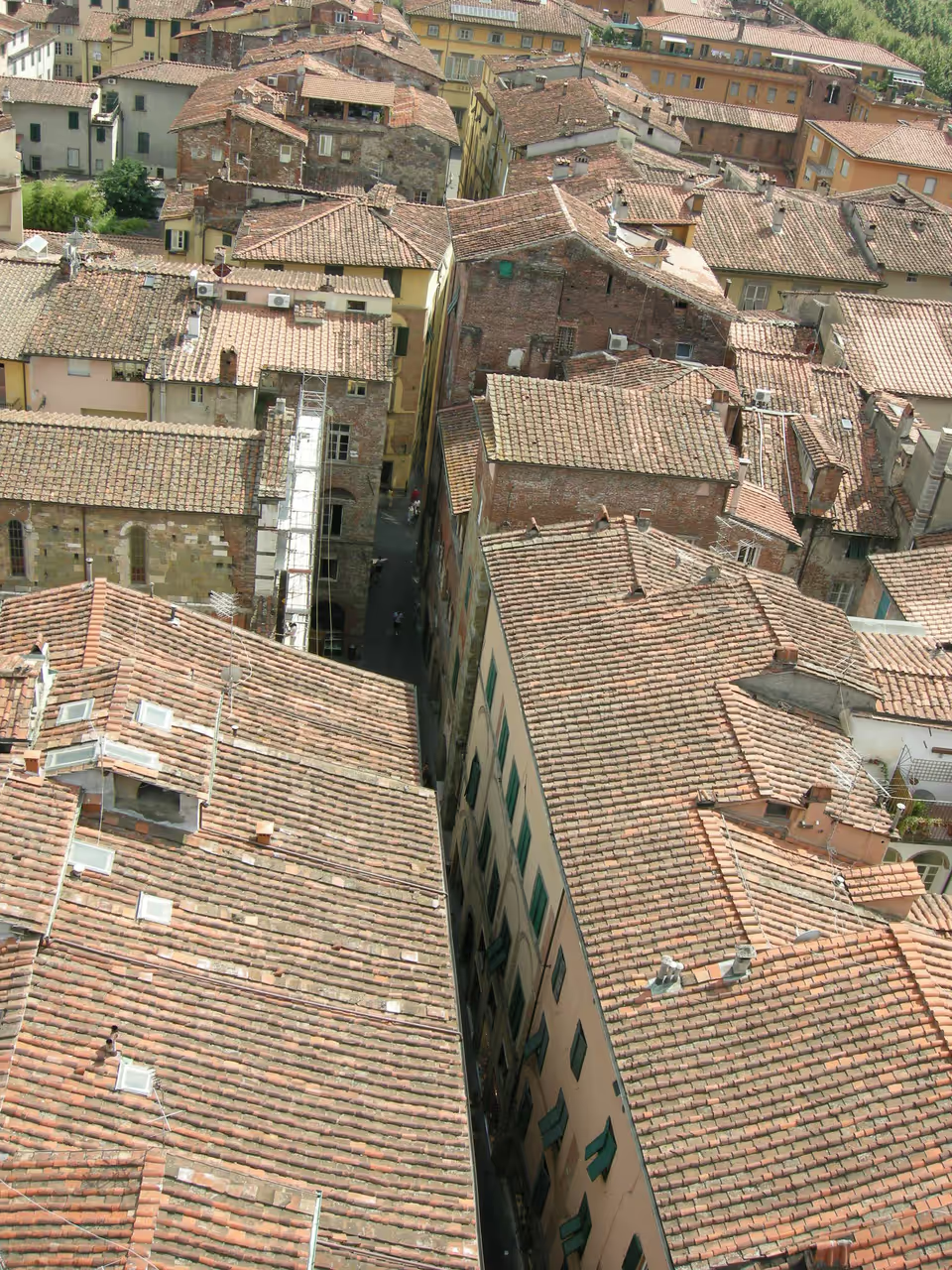
Silk Lords & Palaces Tour
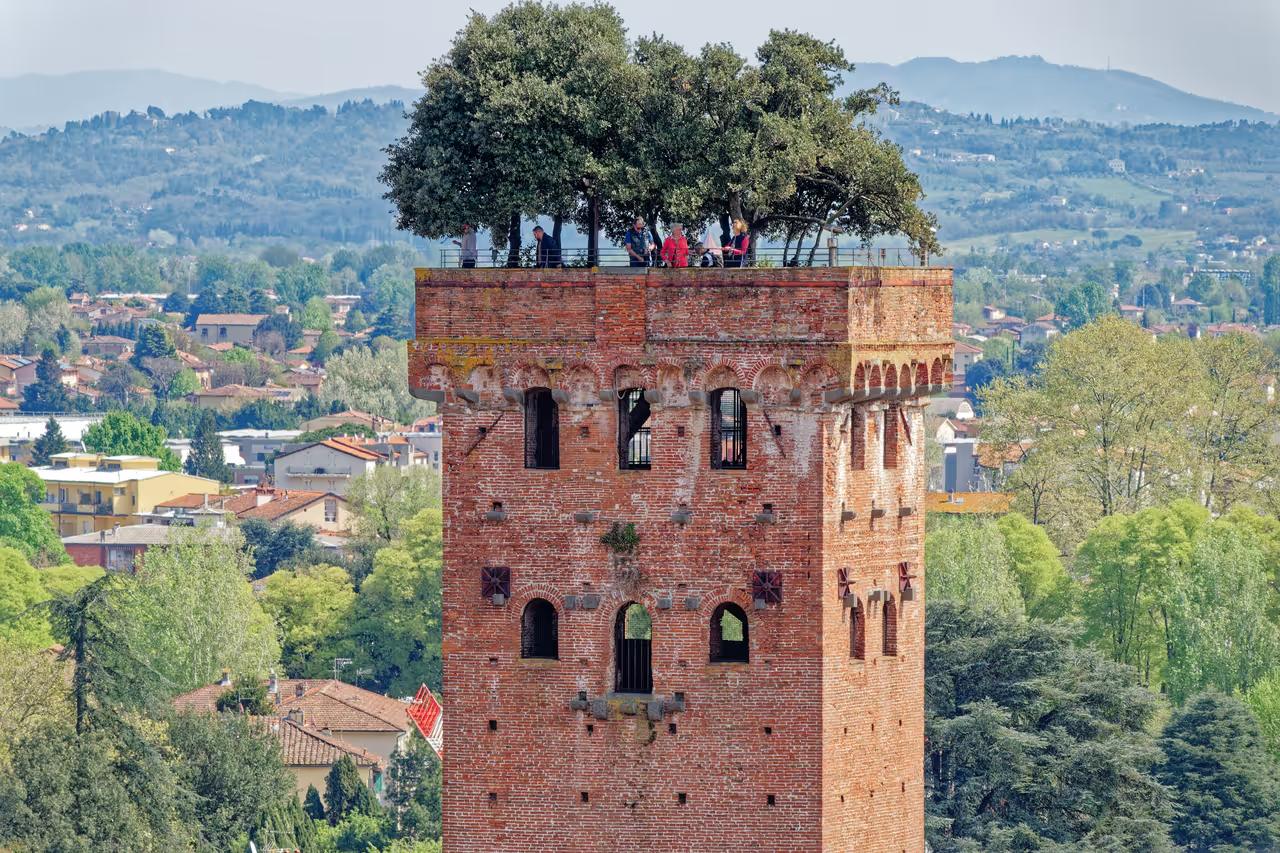
This opulent journey dives into the immense wealth generated by the city's medieval and Renaissance silk trade, which funded an explosion of lavish civic construction. The route connects the towering strongholds of fiercely competitive merchant families with their later, highly decorated Baroque residences. It explores how economic power manifested itself in architecture, moving from imposing brick defensive towers to delicate, manicured pleasure gardens. You will walk through the corridors of power that kept the Republic independent for centuries.
view self-guided tour
See all nature & parks in Lucca
Renaissance Walls of Lucca, Lucca Botanical Garden, Serchio River Park...