Verona
Full City Guide, Map & 112 Things To Do
255,588 people live here.
That's 0.42% of the entire population of Italy.
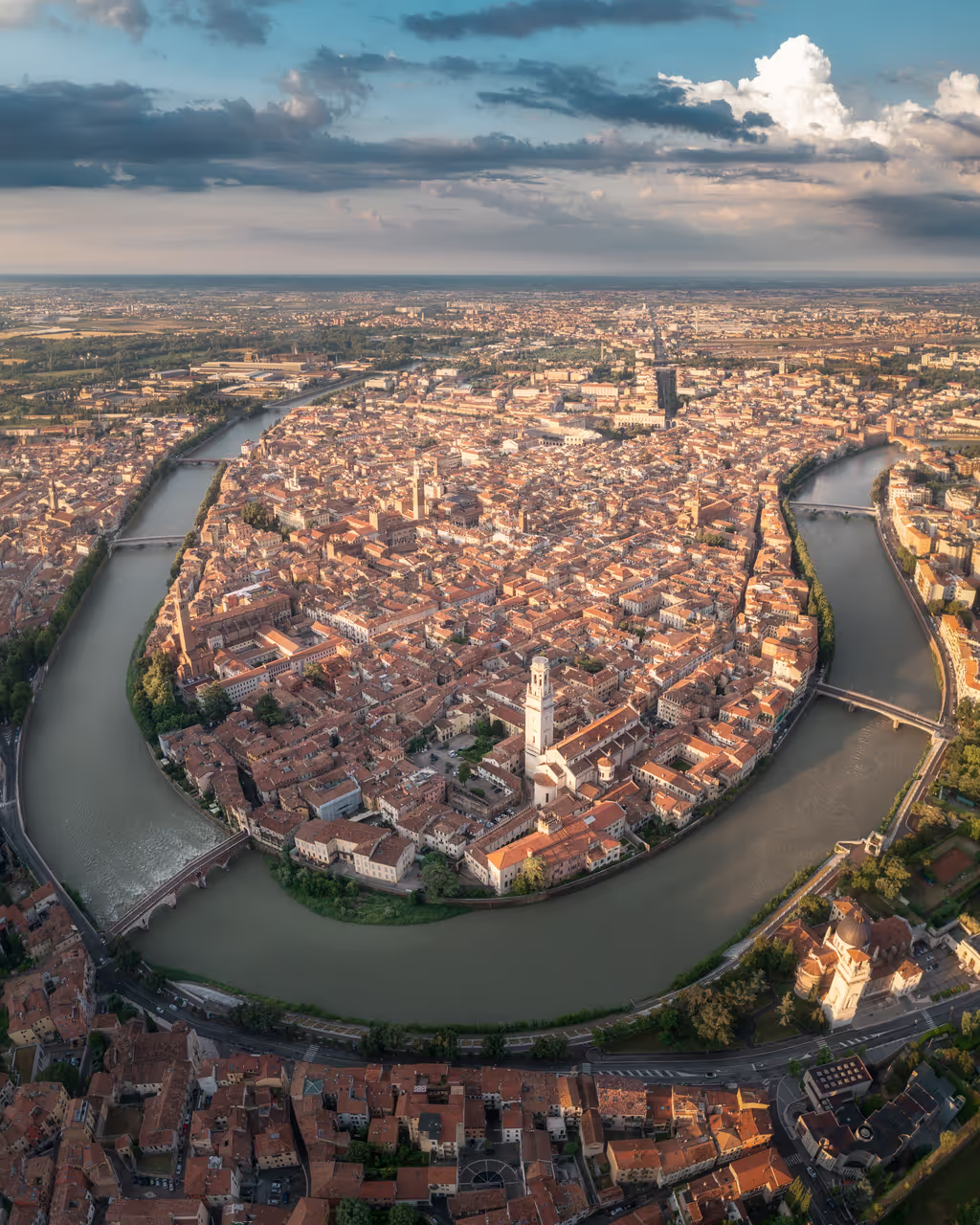
Verona is a captivating Northern Italian city that effortlessly blends Roman grandeur, medieval power, and timeless romance. Set within a dramatic loop of the Adige River, its elegant streets are paved in local pink limestone, giving the architecture a soft, glowing hue. Renowned globally as the fictional home of Shakespeare's star crossed lovers, the city offers far more than literary fame. Visitors can trace two millennia of history through exceptionally preserved Roman gates, striking Romanesque churches, and the imposing fortresses built by the ruling Scaliger dynasty. Beyond its historical weight, Verona thrives as an energetic cultural centre, famed for its world class wine scene, elegant boutiques, and the magnificent summer opera festival held within an ancient amphitheatre.
Verona DNA
History of Verona
In 49 BC, Roman engineers looked at a prehistoric settlement clinging to the slopes of Colle San Pietro and decided to move it. They laid out a fresh grid of streets inside a sharp bend of the Adige river, anchoring the new settlement around the Via Postumia. This strategic relocation turned a modest river crossing into a wealthy Roman municipality. By the time the emperor Gallienus scrambled to expand the brick walls in 265 AD to enclose the newly built amphitheatre, the city was a critical shield against northern invasions. The fortifications proved their worth decades later when Constantine led his troops to lay a gruelling siege to the walls during his campaign for the empire. The collapse of the Roman state brought a succession of Germanic kings who immediately recognised the military value of the river bend. The Ostrogoth ruler Theoderic the Great spent so much time reinforcing the local architecture that Germanic legends remembered him simply as Dietrich von Bern, or Theoderic of Verona. Charlemagne later chased the last Lombard prince, Adelchis, through these same gates to end a kingdom. Yet the most transformative event was not a siege, but a seismic rupture. In 1117, the strongest earthquake ever recorded in the Po Valley flattened the Carolingian cathedral and countless Roman monuments. Out of the rubble emerged a new merchant class who seized the opportunity to break from imperial control, establishing an independent commune in 1136 and financing a wave of austere Romanesque churches like San Zeno. Political independence bred bitter factional violence. Street skirmishes famously divided prominent local families like the Montecchi and the Capuleti. The chaos only settled when the Della Scala dynasty took absolute control over the government. Their most celebrated ruler, Cangrande I, transformed the urban centre into a military and cultural powerhouse, expanding his territory as far as the Tyrrhenian Sea and offering refuge to an exiled Dante Alighieri. His ambitions ended abruptly at the age of 38. Just days after conquering Treviso, Cangrande ingested a fatal natural toxin. His sudden demise left a political vacuum that eventually forced a weary population to surrender their keys to the Venetian Republic in 1405. Venetian governance brought a long, lucrative peace that funded the construction of smooth brick Gothic facades and grand central courtyards. This prosperity halted abruptly in 1630 when German soldiers introduced a strain of plague that devastated the population and halted all commerce. The survivors responded to the tragedy with a fierce creative resurgence. Architect Michele Sanmicheli had already begun redesigning the defensive bastions and erecting monumental palaces like Palazzo Canossa, setting a standard for a local Renaissance aesthetic. Local musicians soon developed a complex, mathematical system of bell ringing that echoed out from the newly raised church towers. The quiet Venetian centuries shattered in 1797. Napoleon moved his troops into the squares, prompting a furious civilian uprising known as the Veronese Easters. Locals barricaded streets and fired on French patrols. This act of defiance ended in heavy artillery bombardment and the looting of Andrea Mantegna and his painted altarpiece from the Basilica of San Zeno. The Congress of Vienna subsequently handed the keys to the Austrian Empire. Field Marshal Radetzky ordered military engineers to surround the civilian streets with a ring of massive fortresses, barracks and trenches, turning the entire urban area into an armed garrison. The Austrians eventually left, but the river remained a constant physical threat. For centuries, floating wooden mills had bobbed along the Adige to process timber and grain near the San Giorgio in Braida church. That deep connection to the water ended after a catastrophic flood in 1882 washed away bridges and submerged entire neighbourhoods. Engineers responded by enclosing the river in towering brick walls, erasing the floating mills and the old riverside docks. Today, the water moves swiftly through this artificial channel, a controlled force cutting directly through the historic centre.
13 Events spanning 2002 years
Map of Verona
Interactive Destination & Itinerary Map
This map blends our curated city guides—featuring best photo spots, scenic walks, viewpoints, hidden gems and much more—with a live Wikipedia explorer. Click on our numbered pins to plan your routes, or zoom in on the surrounding neighborhoods to discover verified local landmarks, museums, and stories with dynamic Wikipedia summaries and photos!
Fun Facts
- • Juliet's famous balcony is entirely a 20th century invention; it was added to the medieval house in 1936 by a museum director who repurposed an old marble sarcophagus.
- • The fearsome Scaliger family, who ruled the city with an iron fist, had a bizarre tradition of naming their leaders after dogs, with names translating to 'Great Dog', 'Mastiff', and 'Rabid Dog'.
- • William Shakespeare, who made the city globally famous through 'Romeo and Juliet' and 'The Two Gentlemen of Verona', never actually set foot in Italy.
- • Verona boasts the second highest number of preserved Roman antiquities in Italy, surpassed only by Rome itself.
- • During the Middle Ages, the Adige River was filled with hundreds of floating watermills that adapted to the changing water levels, all of which were wiped out by industrialisation.
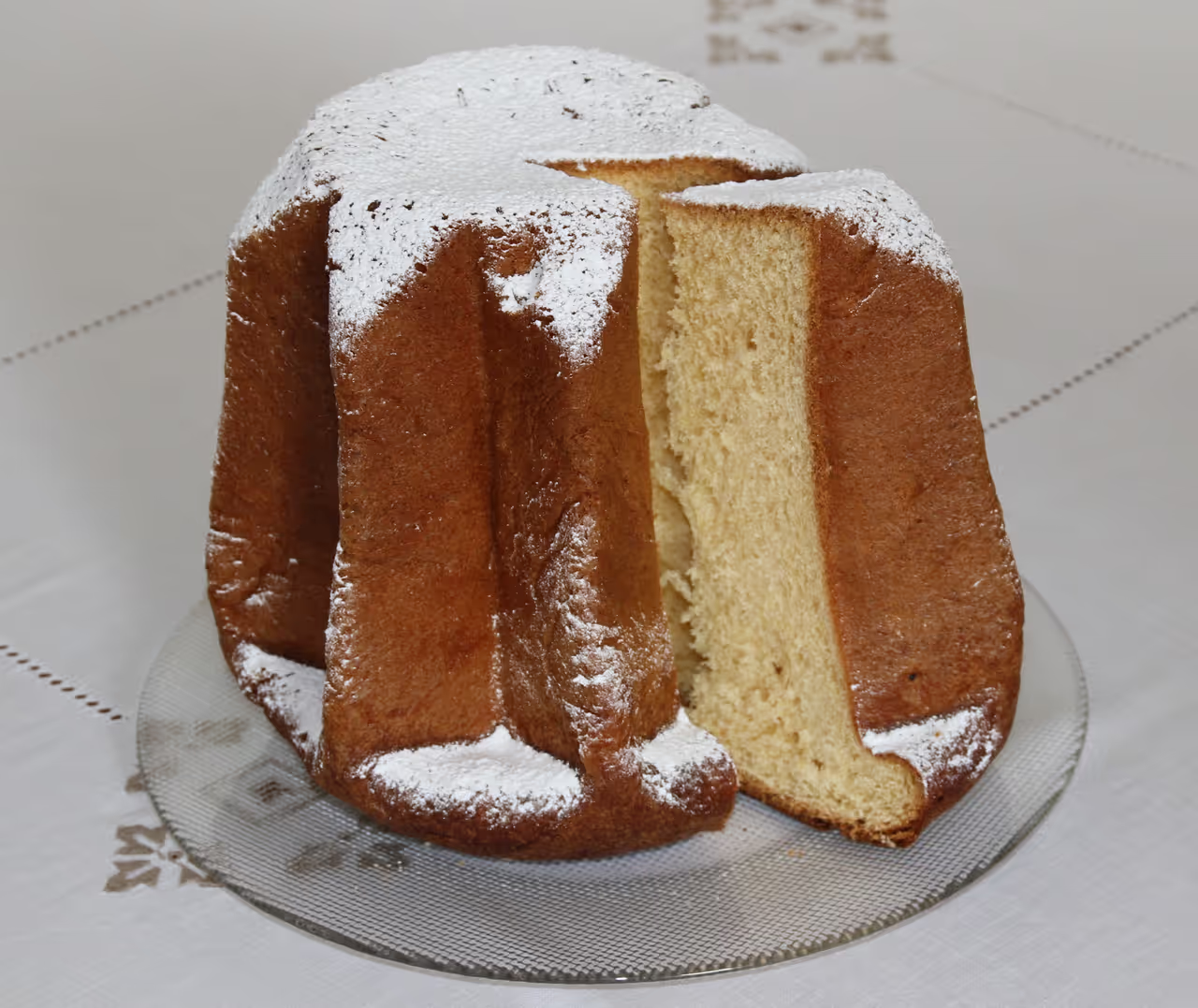
- • The beloved Italian Christmas cake, Pandoro, was officially patented in Verona in 1894 by Domenico Melegatti, inspired by traditional star shaped holiday breads.
Did You Know?
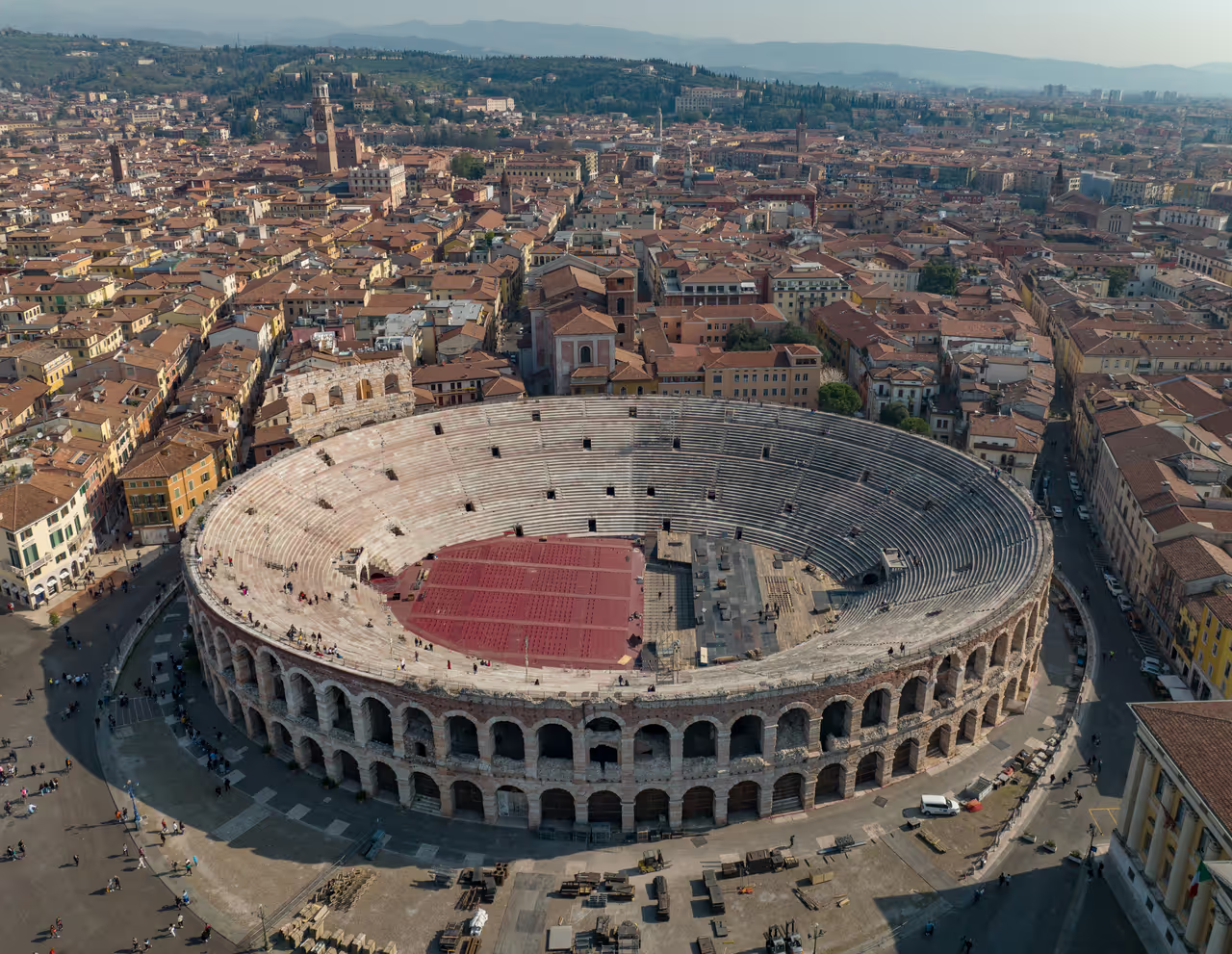
- • The iconic Arena is the third largest amphitheatre to survive from Roman antiquity, originally capable of holding up to 30,000 spectators.
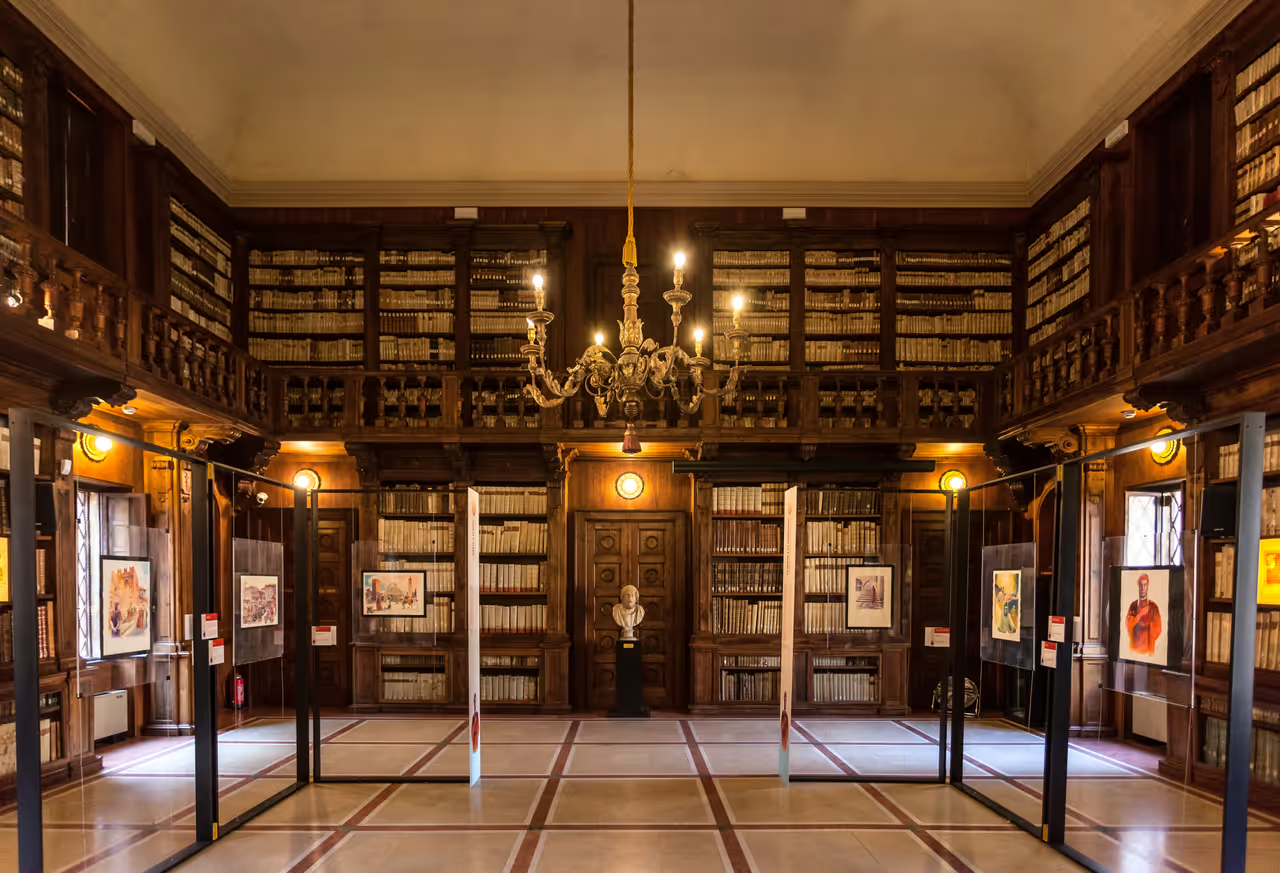
- • The Biblioteca Capitolare, with manuscripts dating back to 517 AD, is widely recognised by scholars as the oldest continuously functioning library in the world.
- • The city's historic centre was declared a UNESCO World Heritage site because it represents an outstanding example of an ancient military stronghold that developed progressively over 2,000 years.
- • The original Roman street grid, laid out in the 1st century BC, is still perfectly preserved and legible in the modern layout of the city's central blocks.
- • Verona served as the strategic linchpin of the Austrian Empire's formidable 'Quadrilatero' defensive system, playing a crucial role in European military history during the 19th century.
Videos of Verona
Seasons
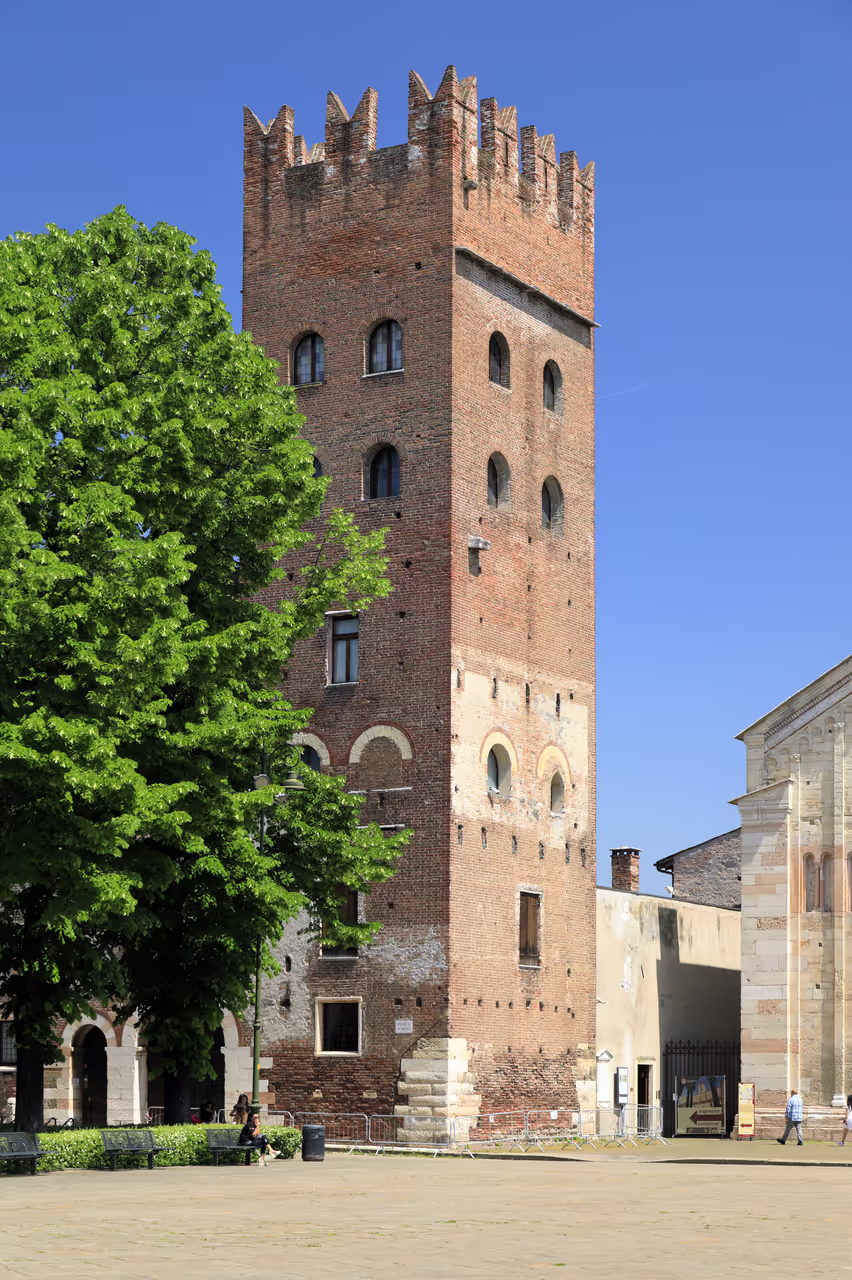
Spring
As the weather warms, the city shakes off the winter fog and the outdoor cafes burst back into life. The historic squares fill...
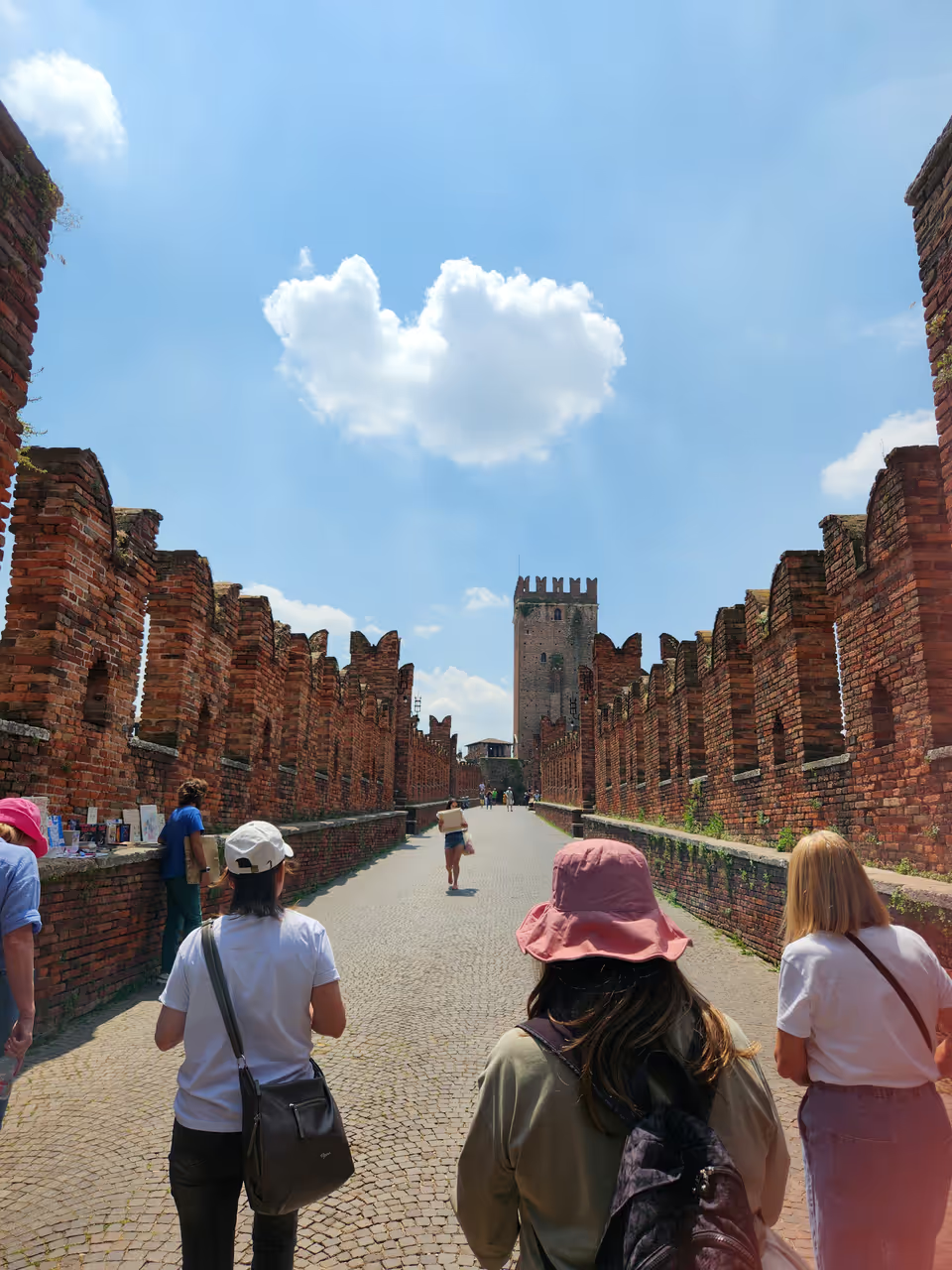
Summer
The city is hot, vibrant, and utterly dominated by the spectacular Arena Opera Festival. Tens of thousands of visitors flock to...
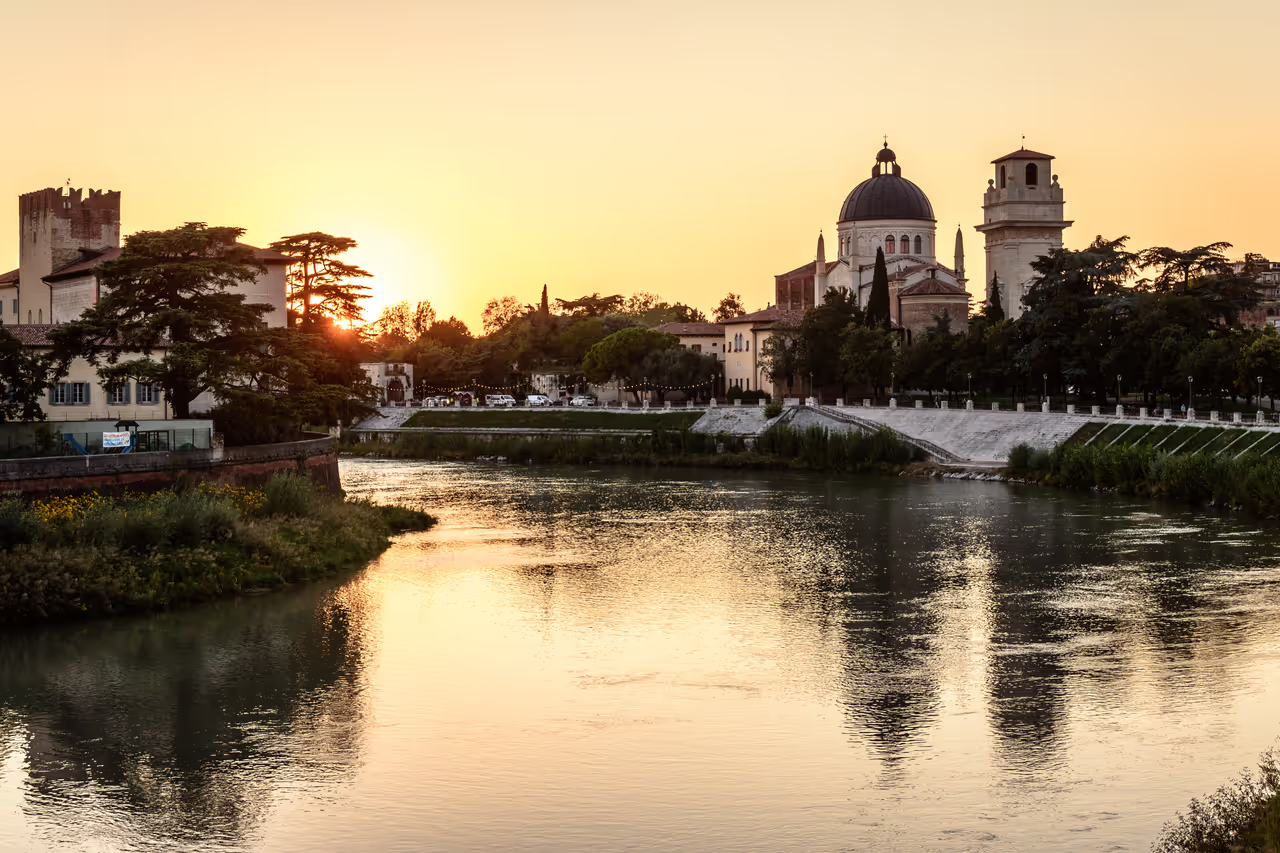
Autumn
The intense summer crowds thin out, and the air becomes crisp and perfect for heavy sightseeing. The changing foliage in the...
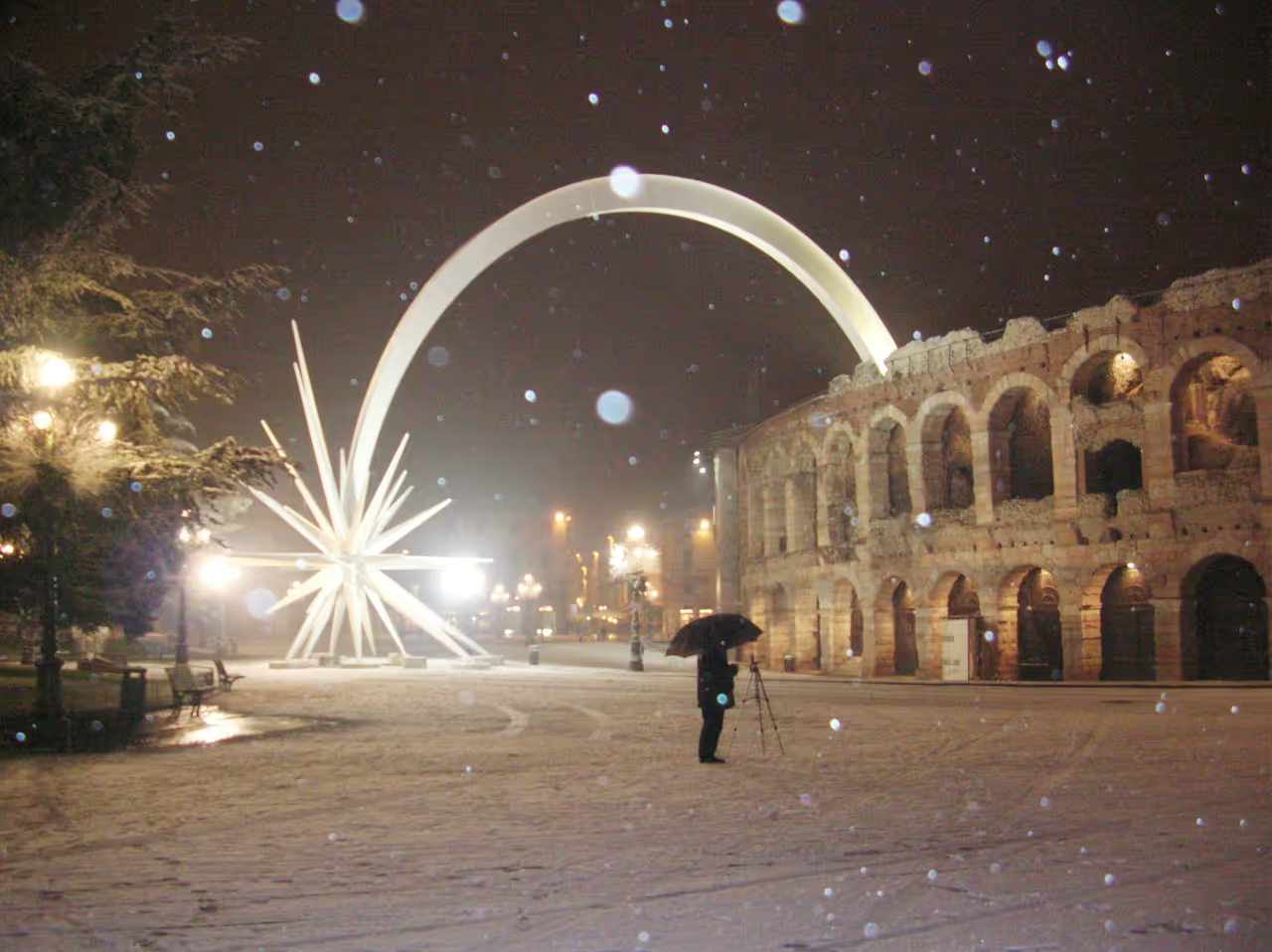
Winter
The city takes on a quiet, atmospheric charm, often draped in a cold, romantic mist rolling off the river. Piazza Bra hosts a...
Top Attractions in Verona
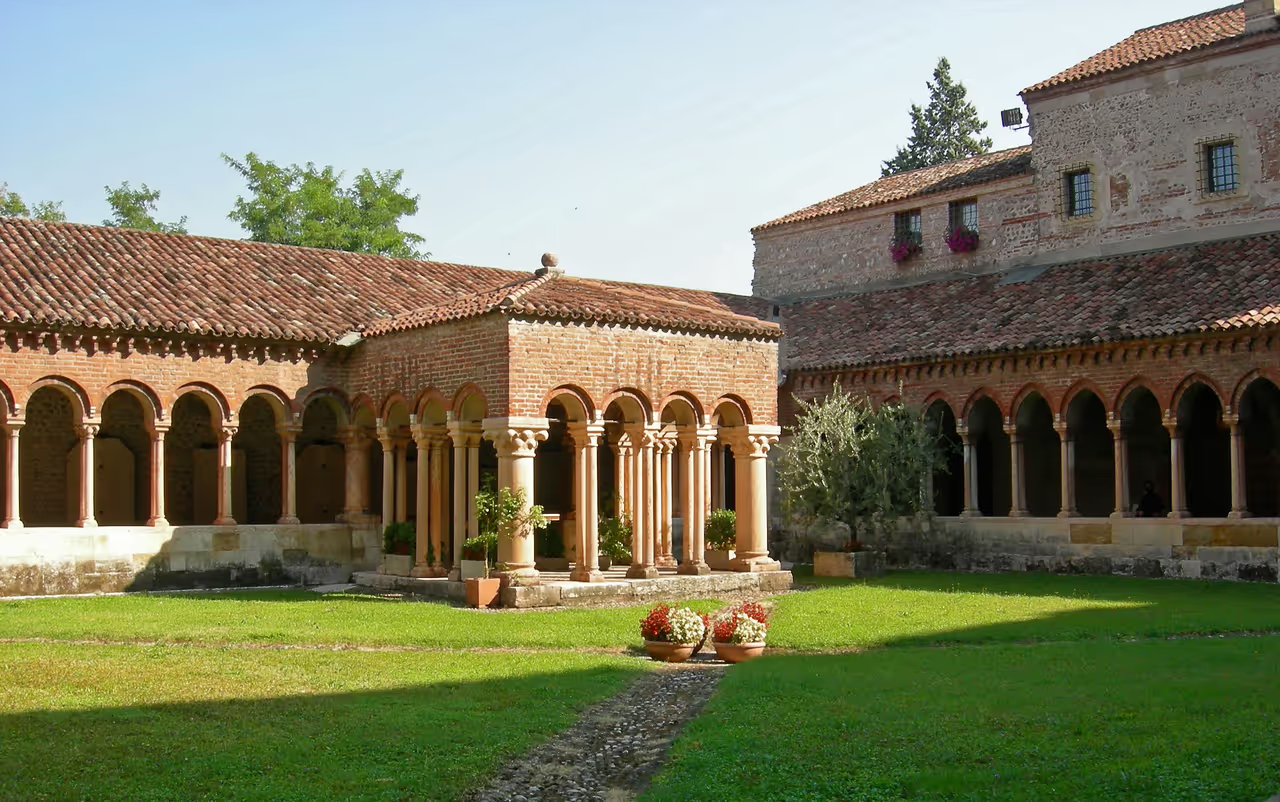
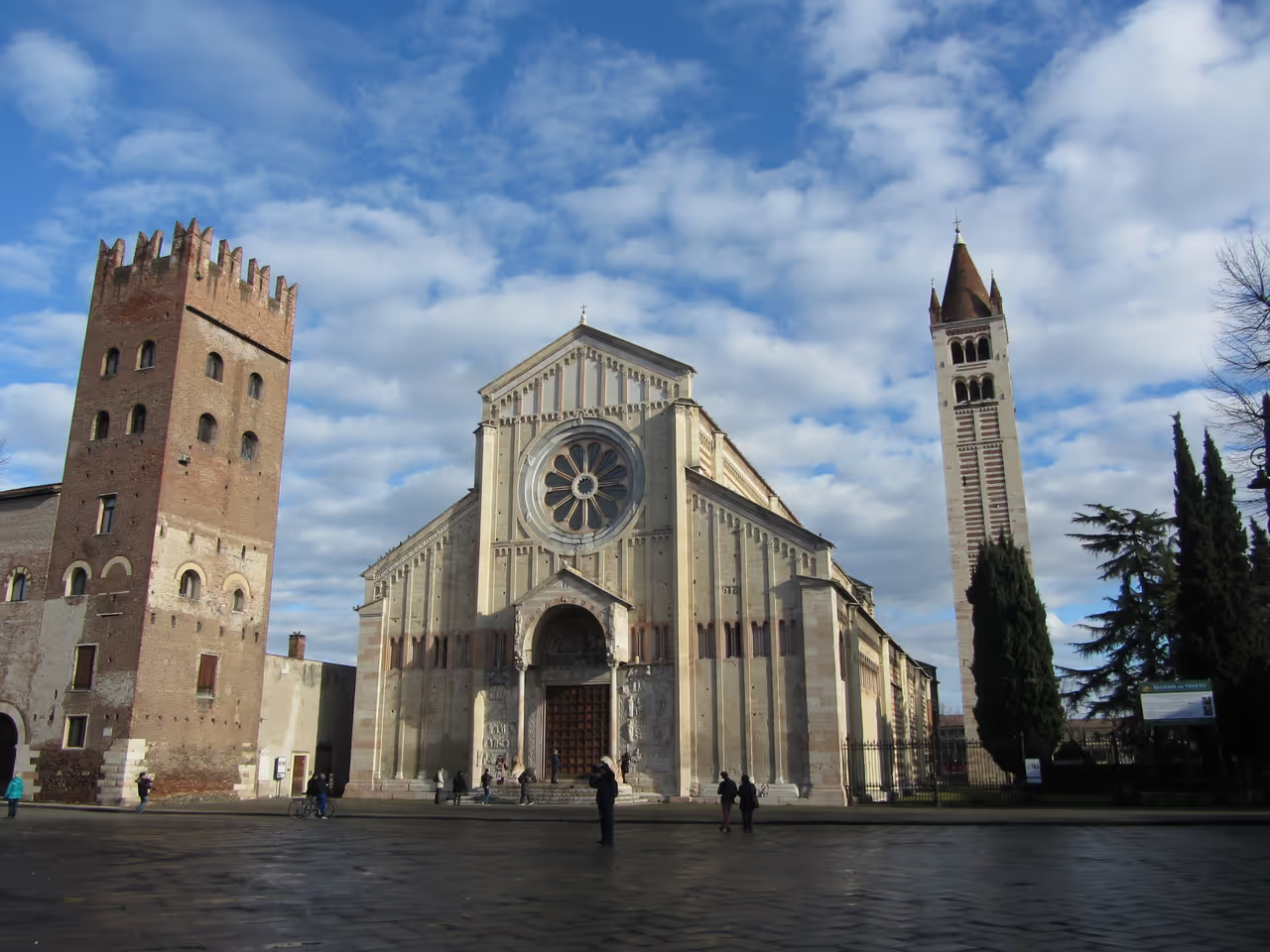
Basilica of San Zeno
Standing as a masterpiece of Romanesque architecture, the Basilica of San Zeno is a serene sanctuary nestled in the heart of...
view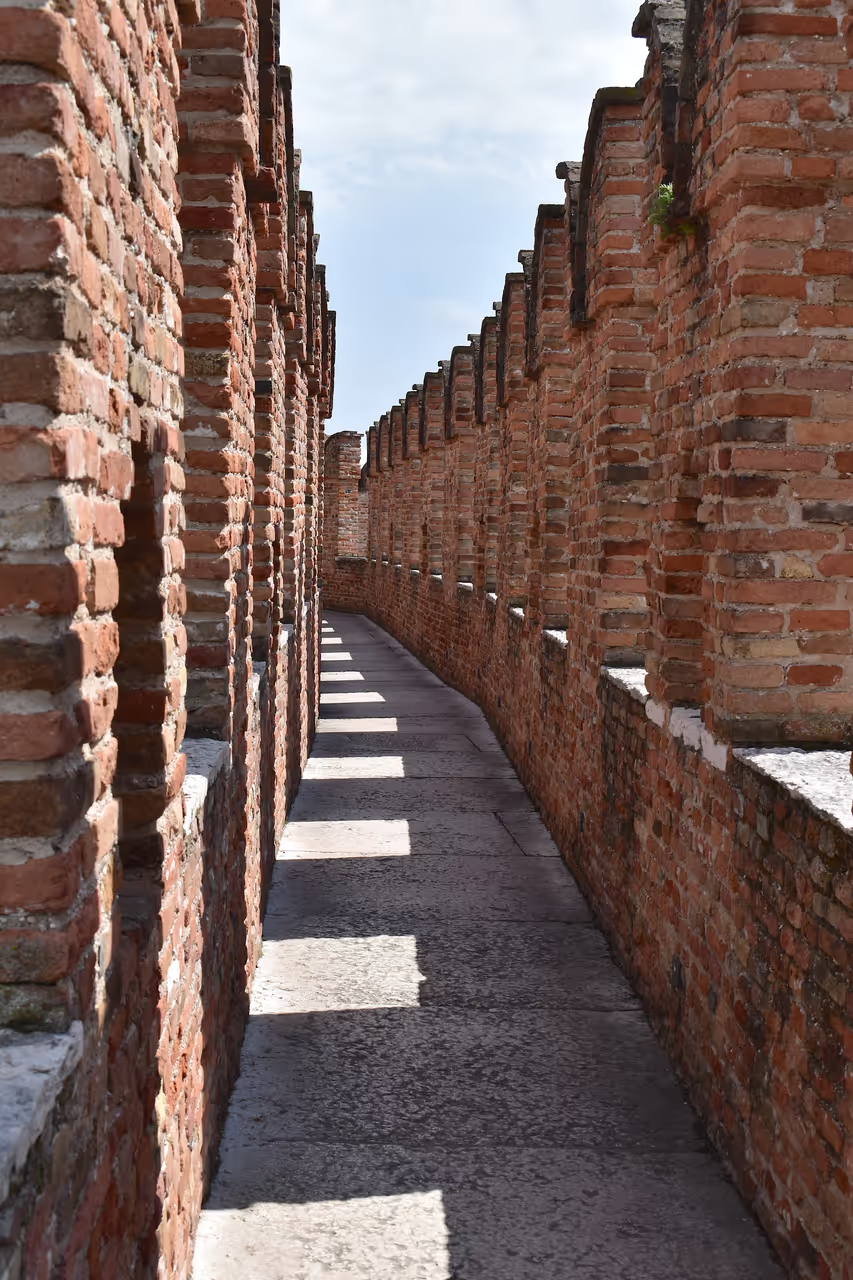
Castelvecchio Museum
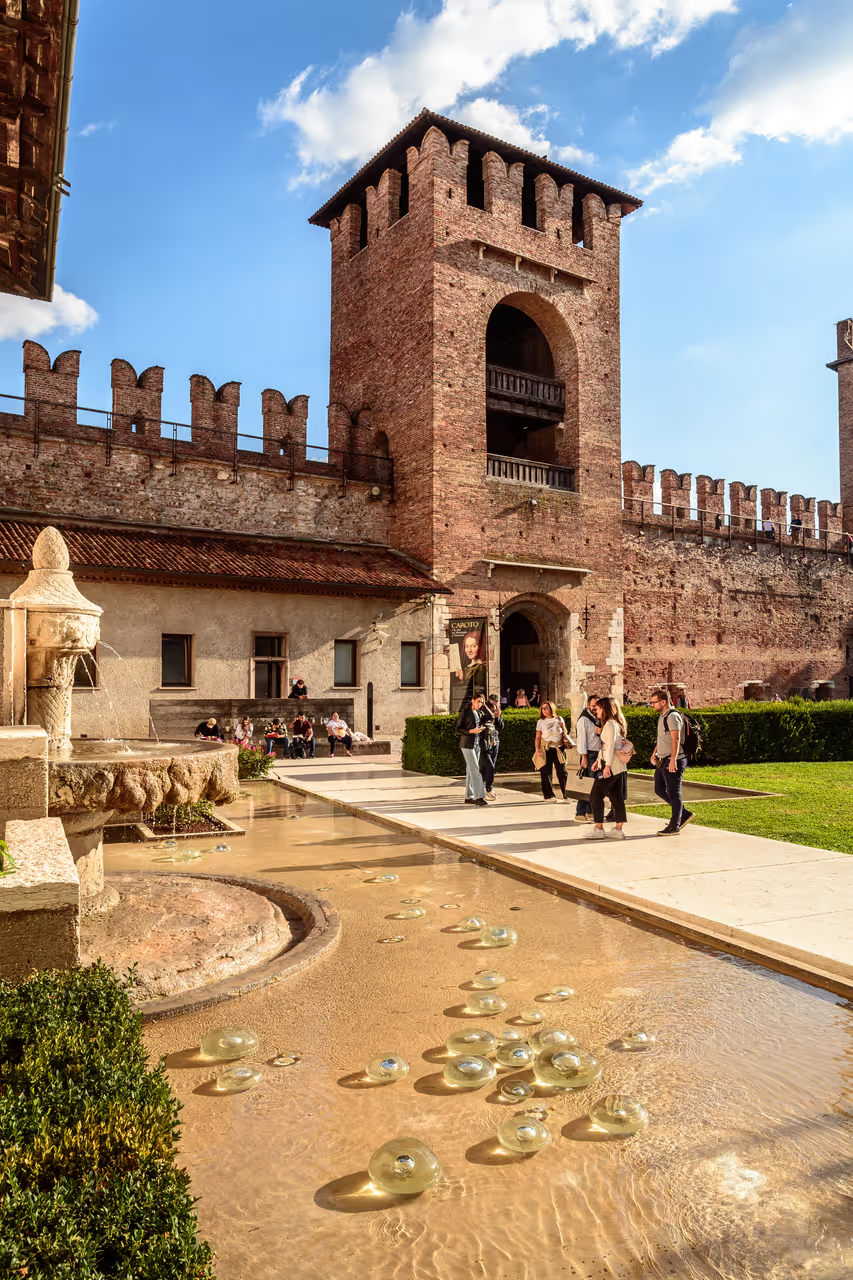
Step inside a fortress that perfectly balances the weight of medieval history with the brilliance of mid century architectural...
view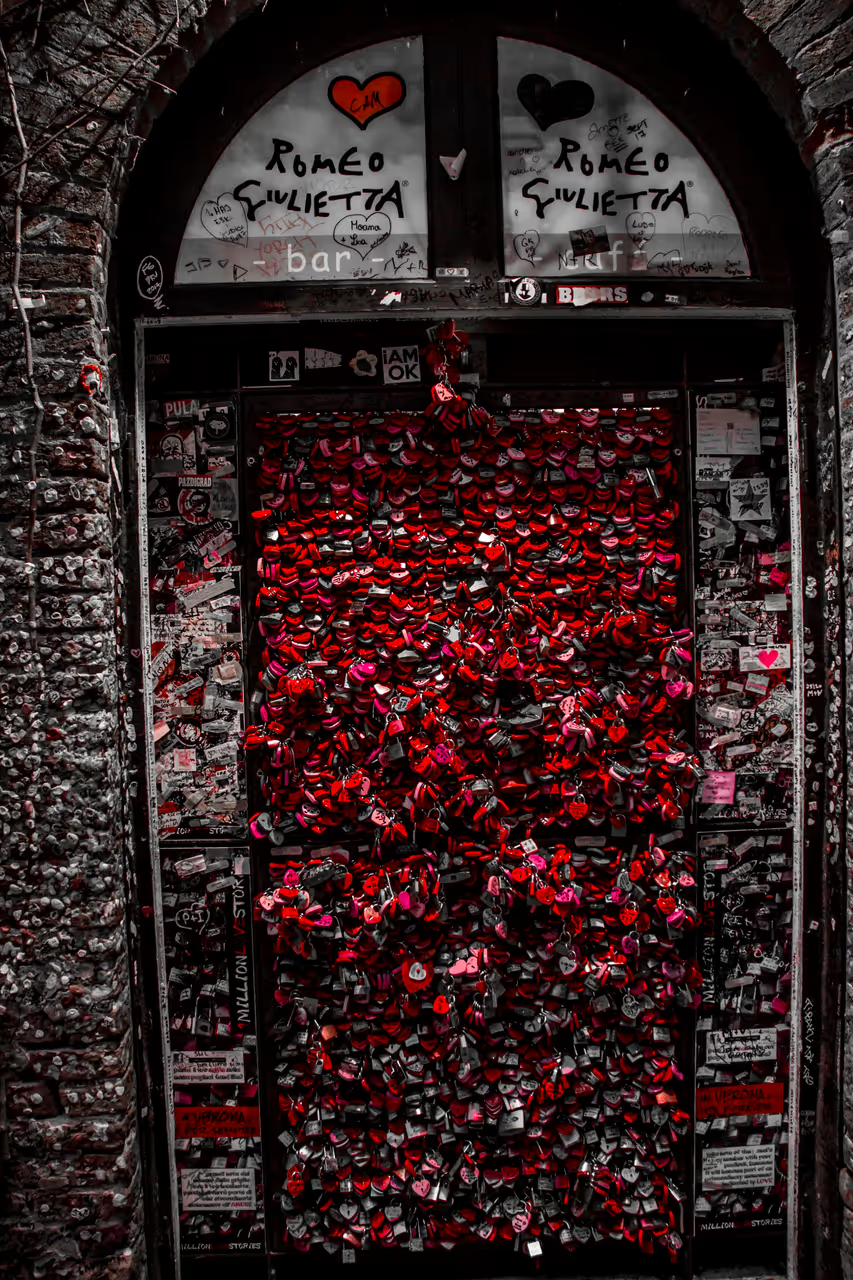
Juliet's House
Step into the heart of literary history at this enchanting site, which has captured the imaginations of millions seeking the...
view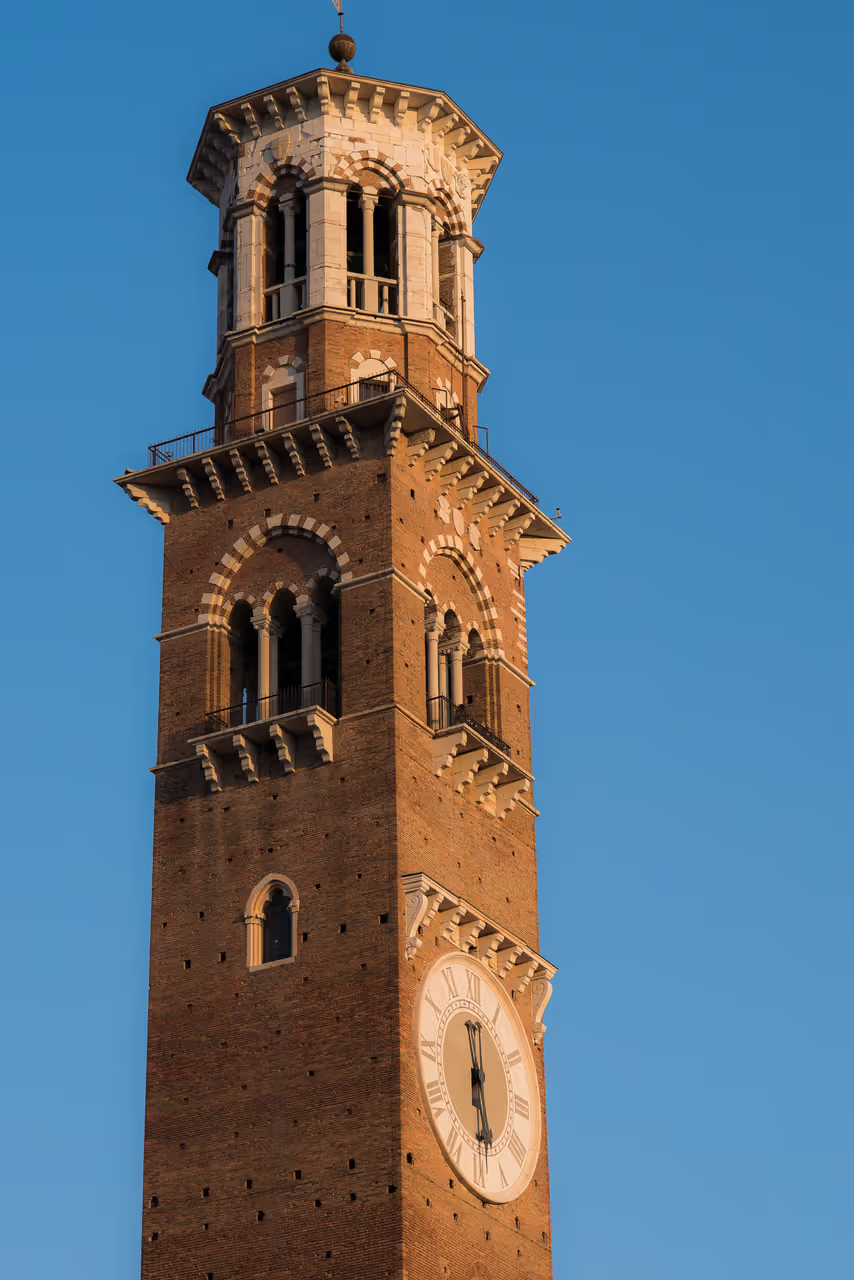
Lamberti Tower
Standing at a staggering 84 metres, the Lamberti Tower is the undisputed vertical icon of Verona. This medieval masterpiece...
view
Best Views
Verona Itineraries
TRIP PLANNER
3 Days Recommended
Three days provides ample time to thoroughly explore the historic core and visit the major monuments without rushing. It allows for an unhurried evening experiencing an opera at the Arena or dining leisurely in a piazza. You will also have enough time for a half day excursion to the nearby Valpolicella vineyards or the shores of Lake Garda.
1 Day in Verona: The Roman & Romantic Core Itinerary
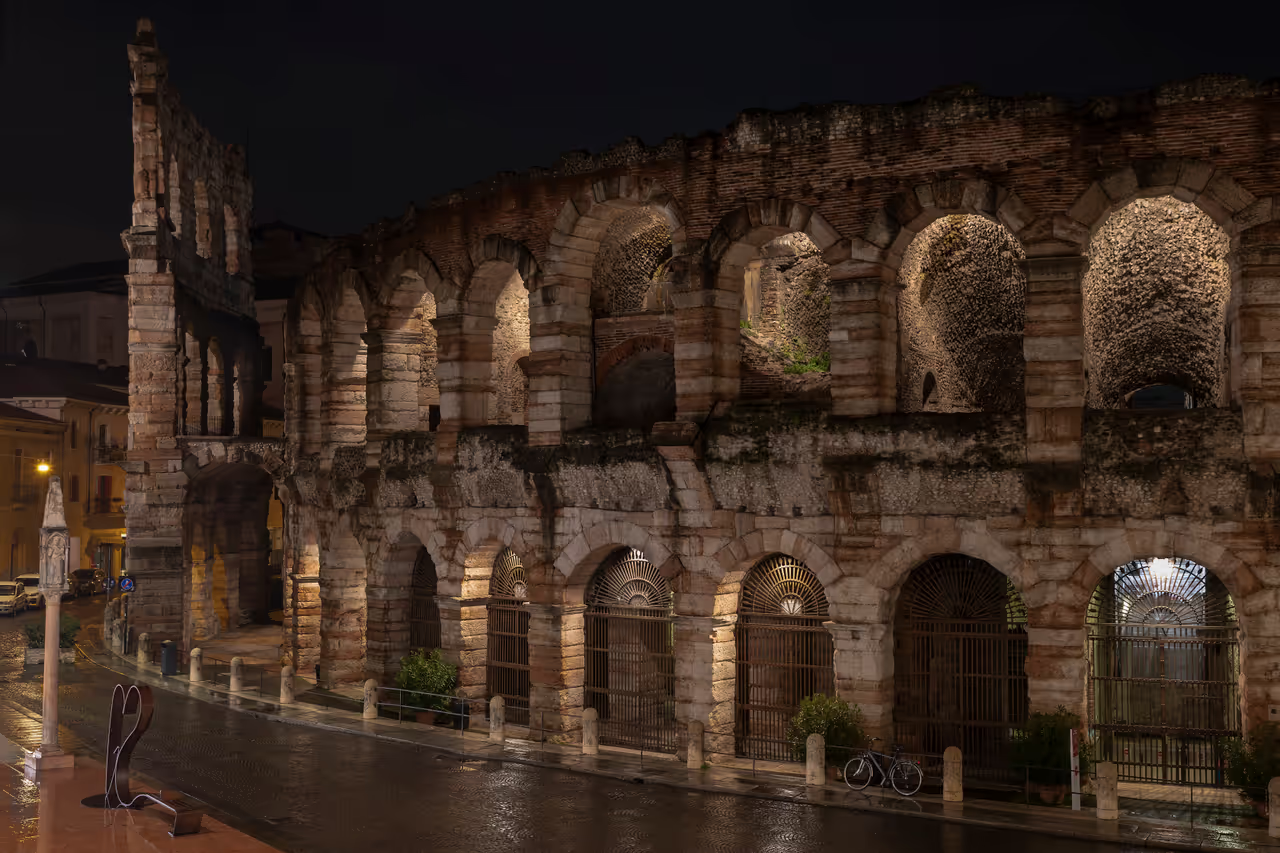
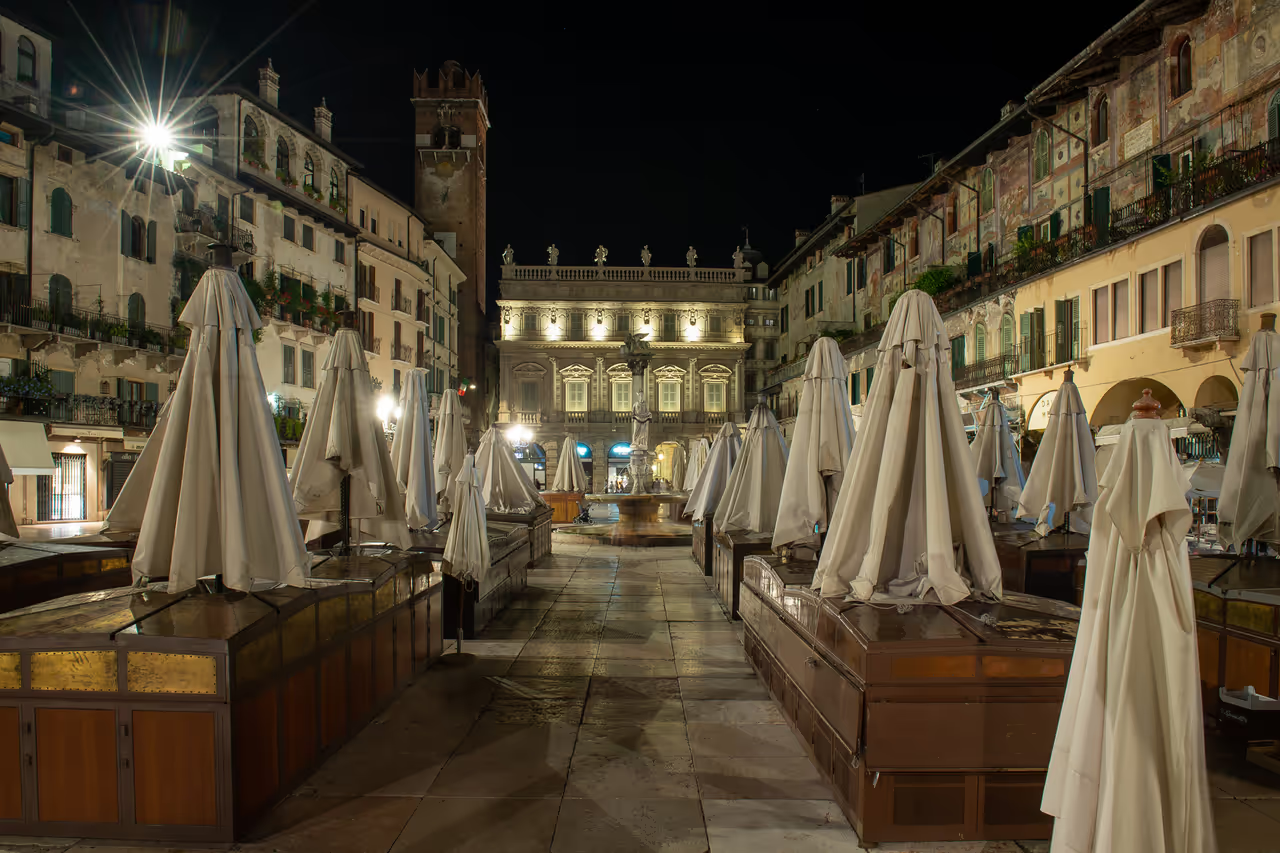
This highly concentrated itinerary is designed to hit the absolute must see highlights of the city for visitors short on time. It focuses heavily on the central, walkable core, taking you from the colossal Roman amphitheatre through the bustling medieval squares. You will experience the city's legendary romantic folklore alongside its stunning architectural legacy. It provides a perfect, vibrant snapshot of the city's varied history.
view itinerary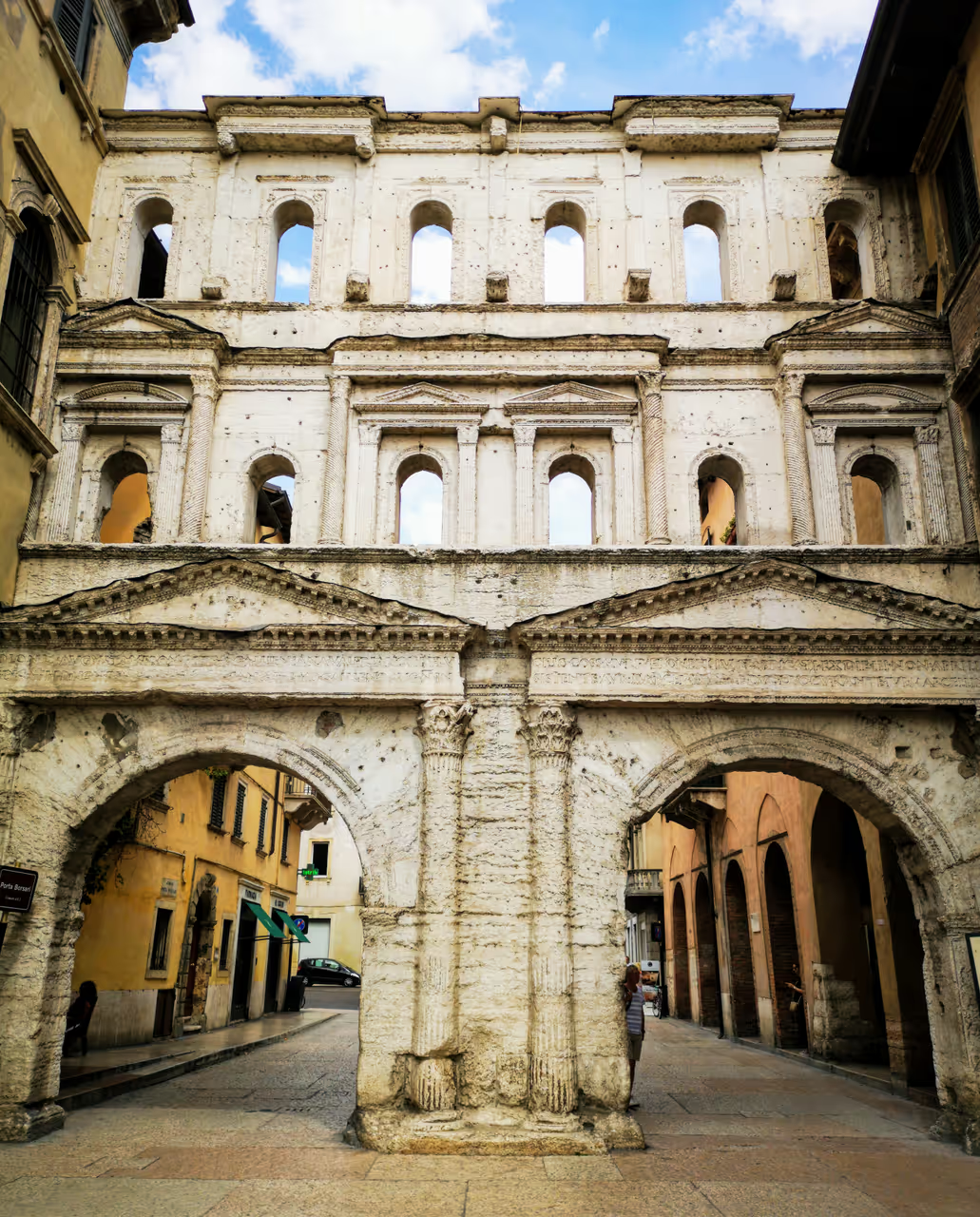
3 Days in Verona: History, Art, and Hills Itinerary
A perfect, comfortable pace to truly absorb the city's profound depth without rushing. This plan allows you to explore the major monuments, dedicate time to the city's incredible churches, and venture up into the scenic hills. You will have time to linger in cafes, cross the historic bridges, and appreciate the brilliant art galleries. It balances the heavy hitters with deeply atmospheric, quieter corners.
view itinerary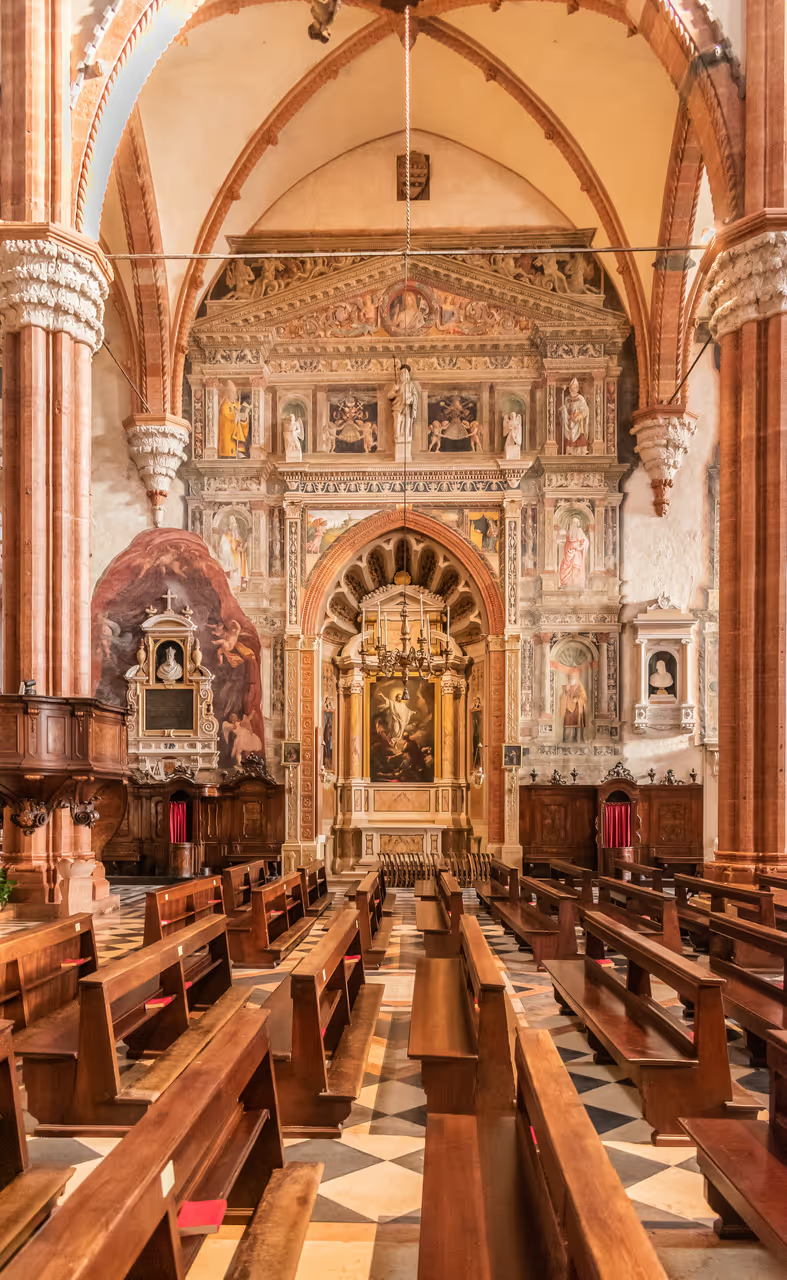
5 Days in Verona: Deep Dive and Hidden Secrets Itinerary
For those who want to experience the city like a local and uncover its deepest historical layers. This expansive itinerary covers everything in the three day plan but adds vital explorations into the underground Roman ruins, hidden medieval chapels, and grand civic palaces. It offers a comprehensive understanding of how the city evolved from a Roman outpost to an Austrian fortress. You will leave with an intimate knowledge of the city's complex, beautiful character.
view itinerary
Food in Verona
Free Things to do in Verona
Parks & Nature
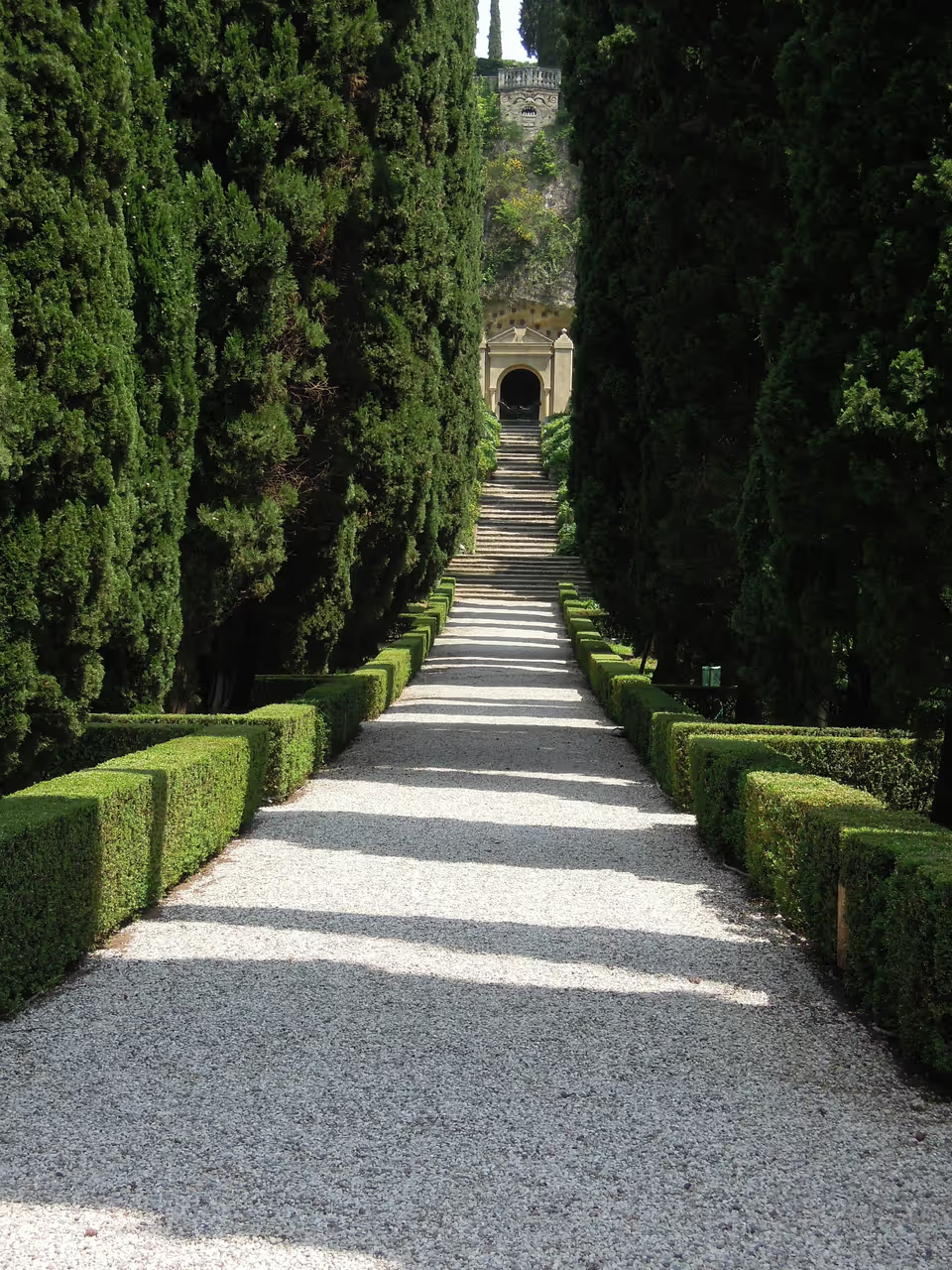
Palazzo Giusti and its Renaissance Gardens
Nestled in the quiet Veronetta neighbourhood, this site offers a perfect escape into the world of Renaissance elegance. The...
view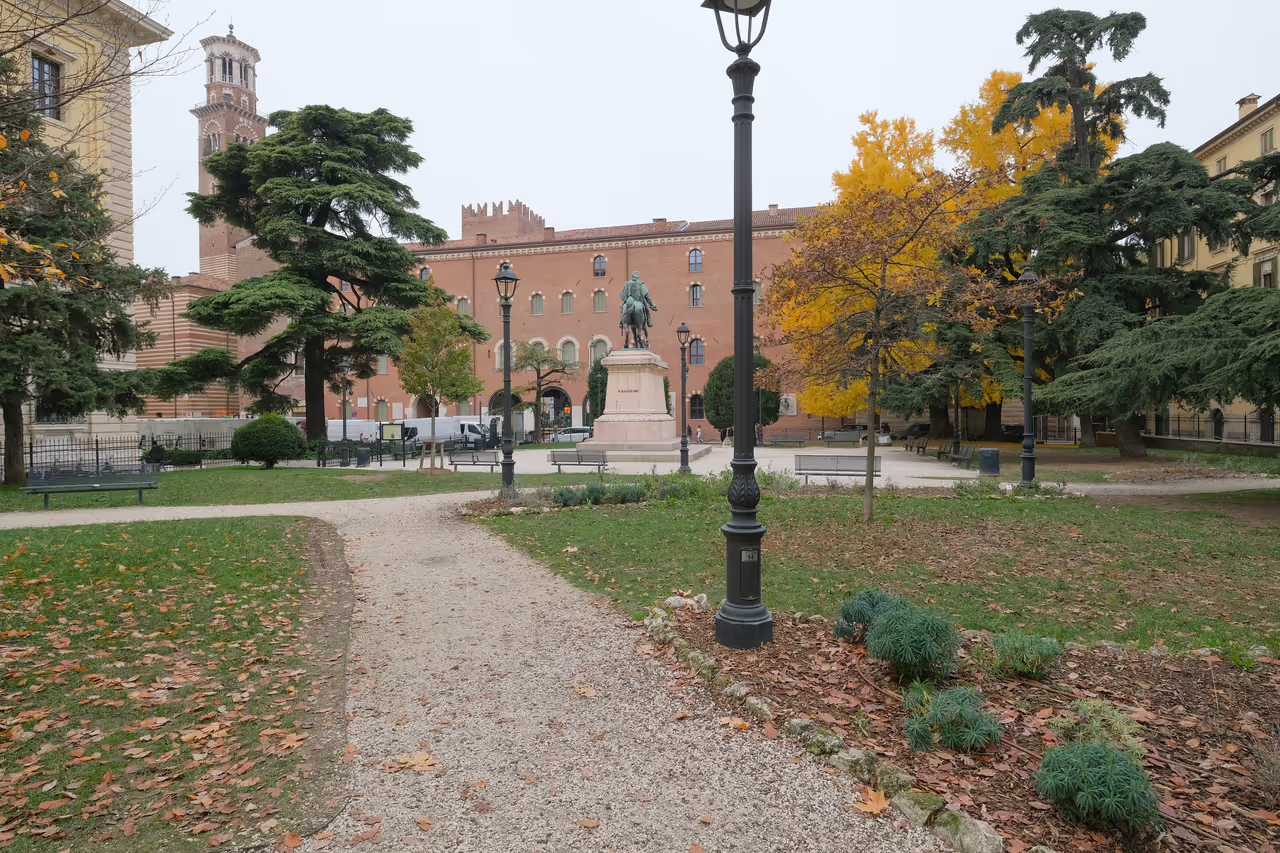
Independence Square
Tucked away behind the grandeur of the Palazzo del Capitanio, Piazza Indipendenza serves as a peaceful enclave within the...
view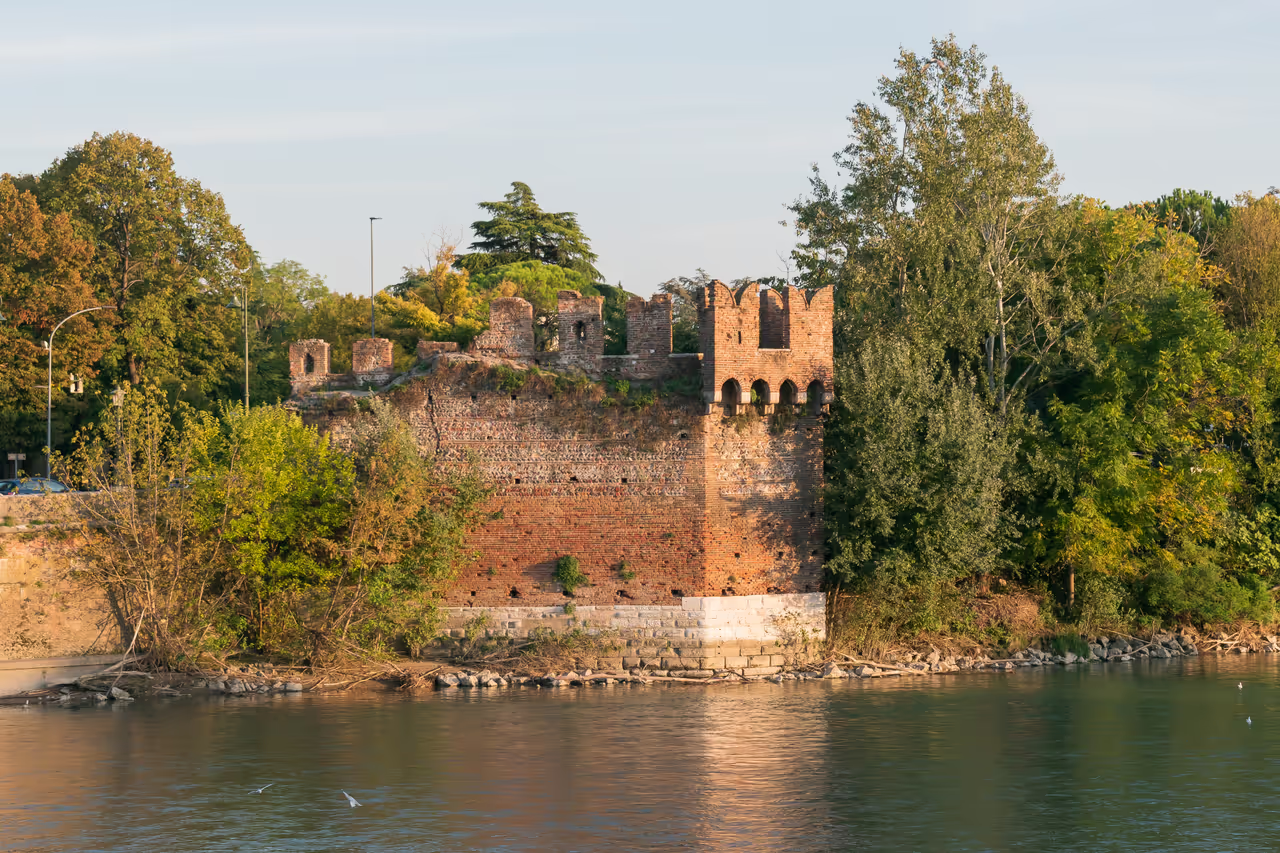
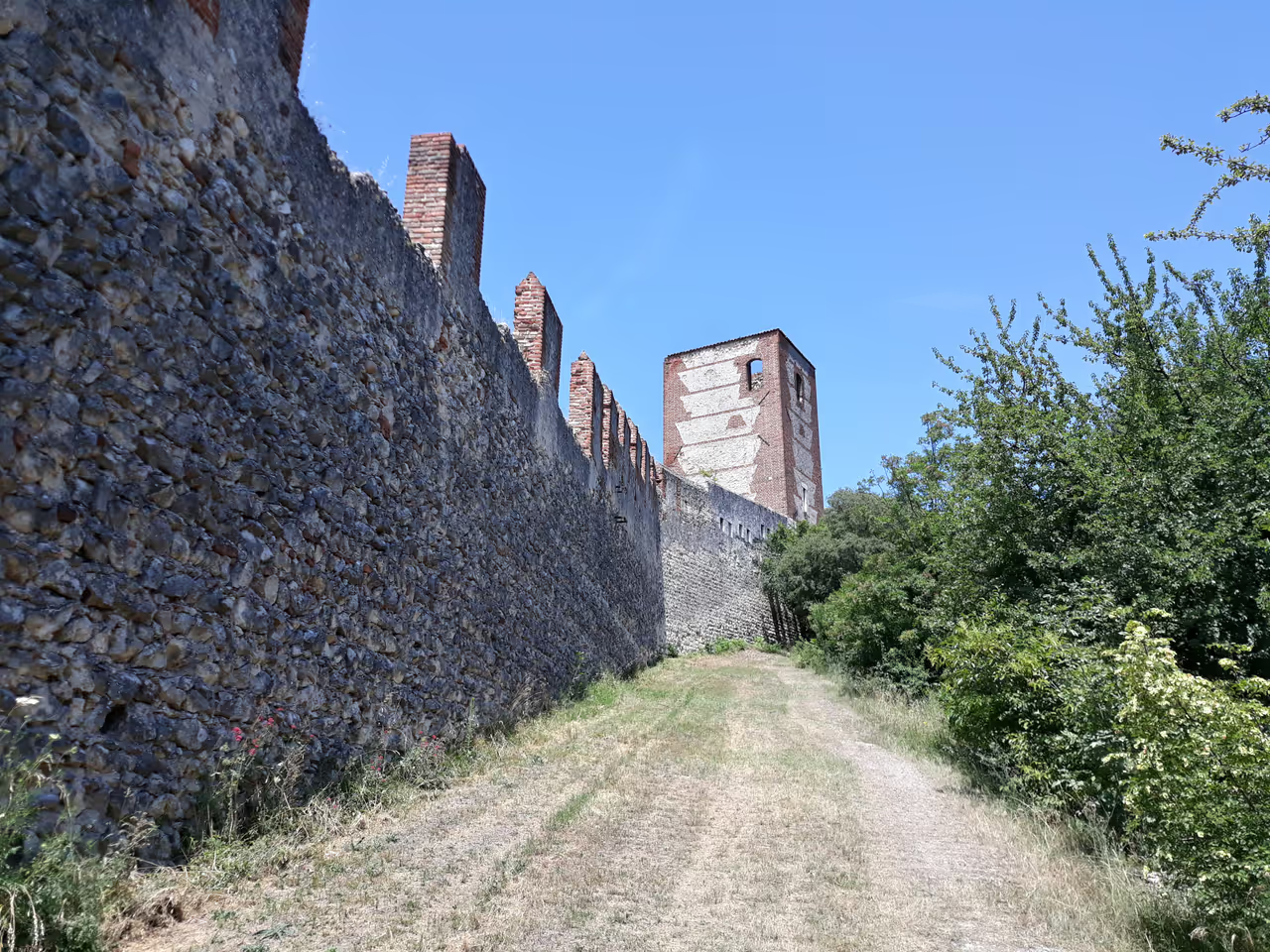
Municipal Walls of Verona
The Municipal Walls of Verona offer a fascinating glimpse into the layered military history of the city, stretching along the...
view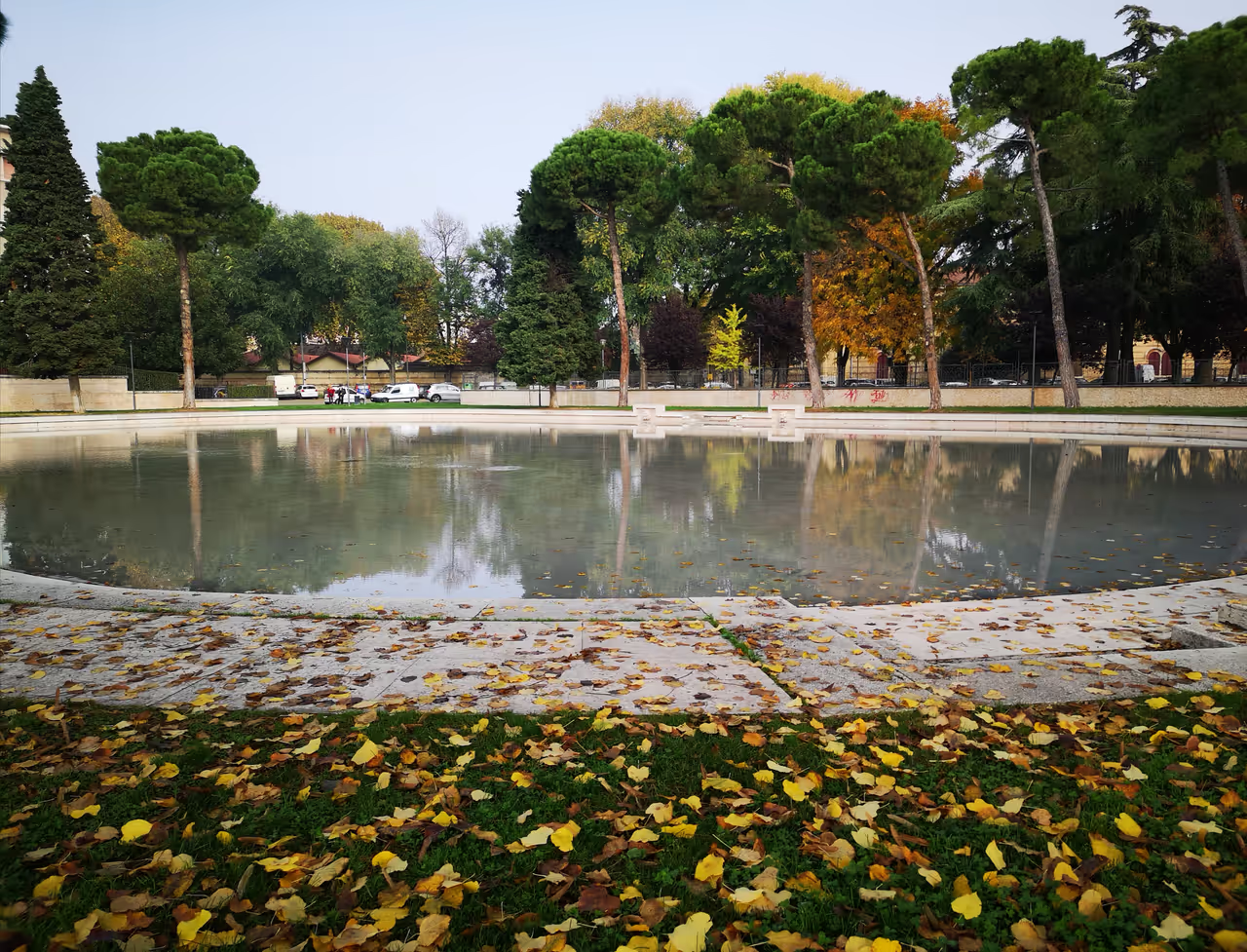
Verona Arsenal
Step back into the 19th century within the walls of this grand military complex, which once served as the beating heart of...
view
Highlights & Must-Sees
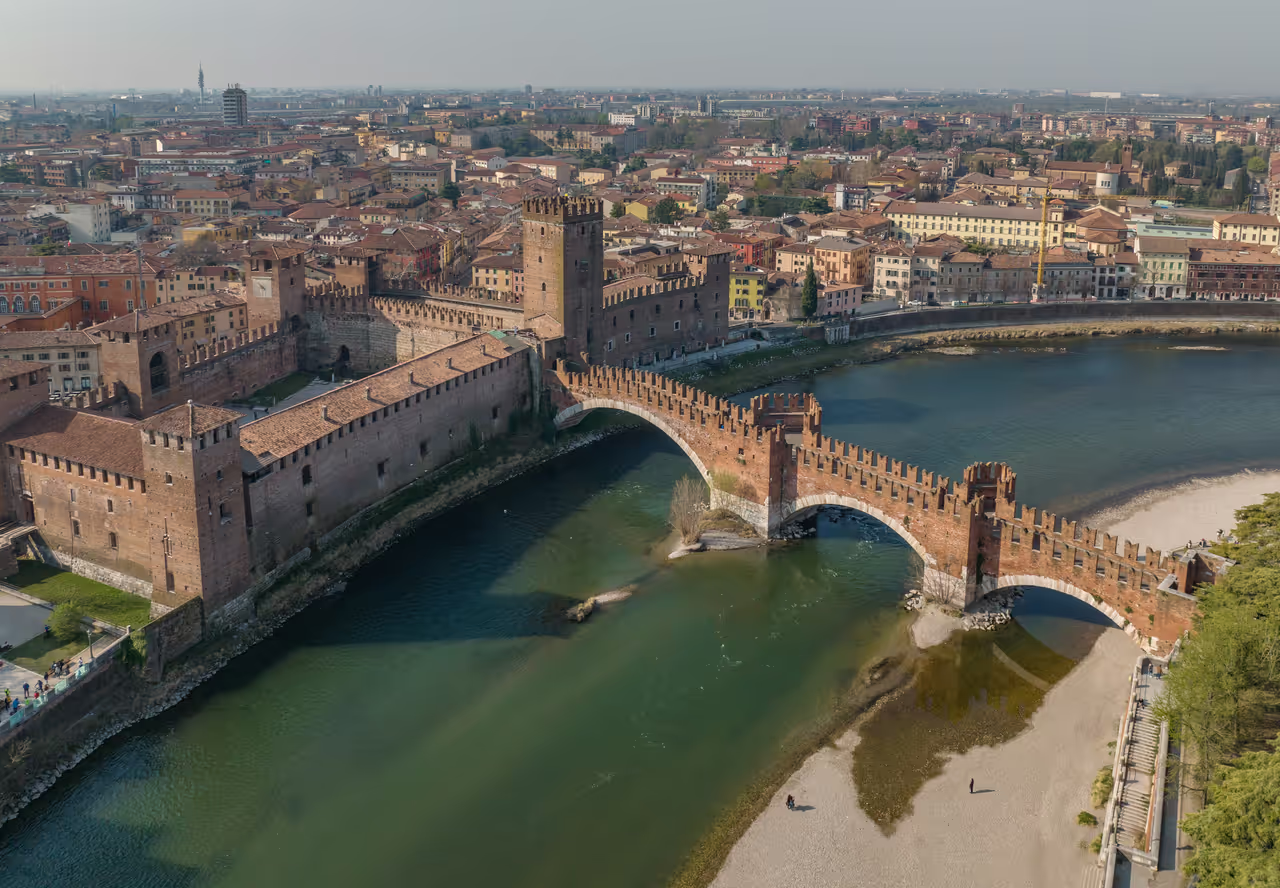
Castelvecchio Bridge
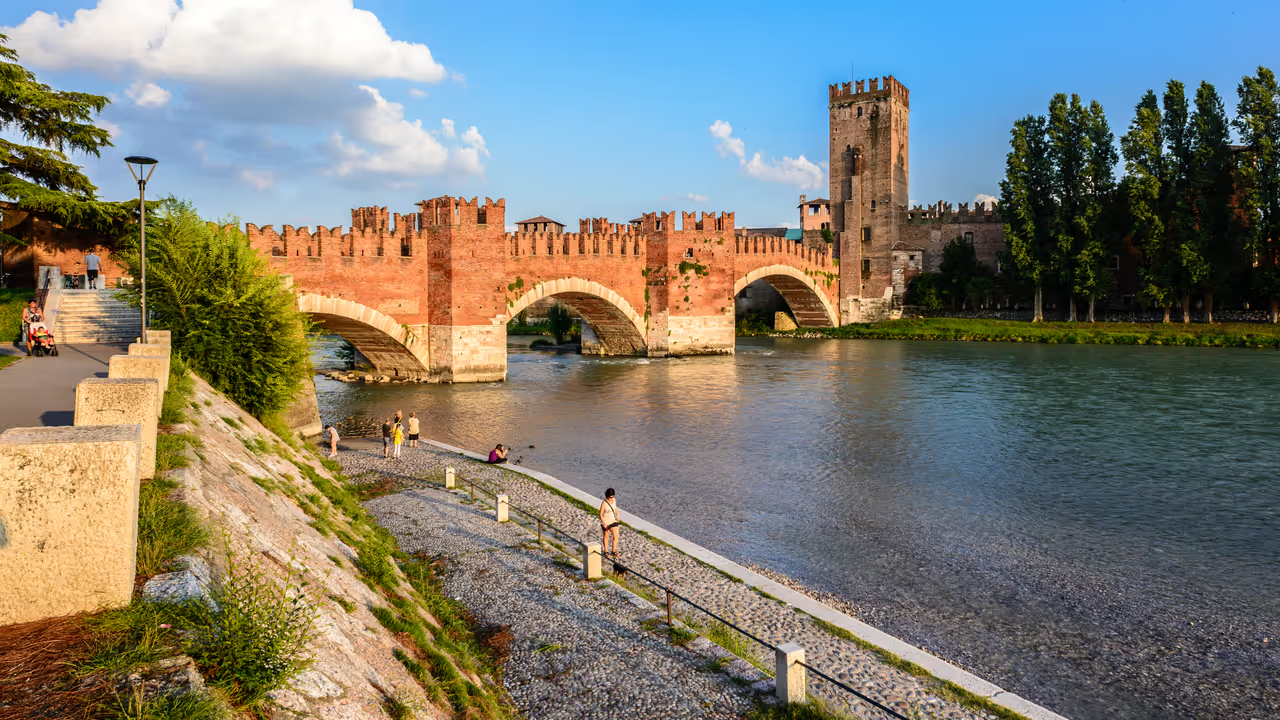
Extending forcefully from the main keep of the Castelvecchio, this robust, fortified bridge was constructed in the 14th century...
viewPiazza delle Erbe
Built over the ancient Roman forum, this elongated square remains the undisputed social heart of the city. It is framed by a...
view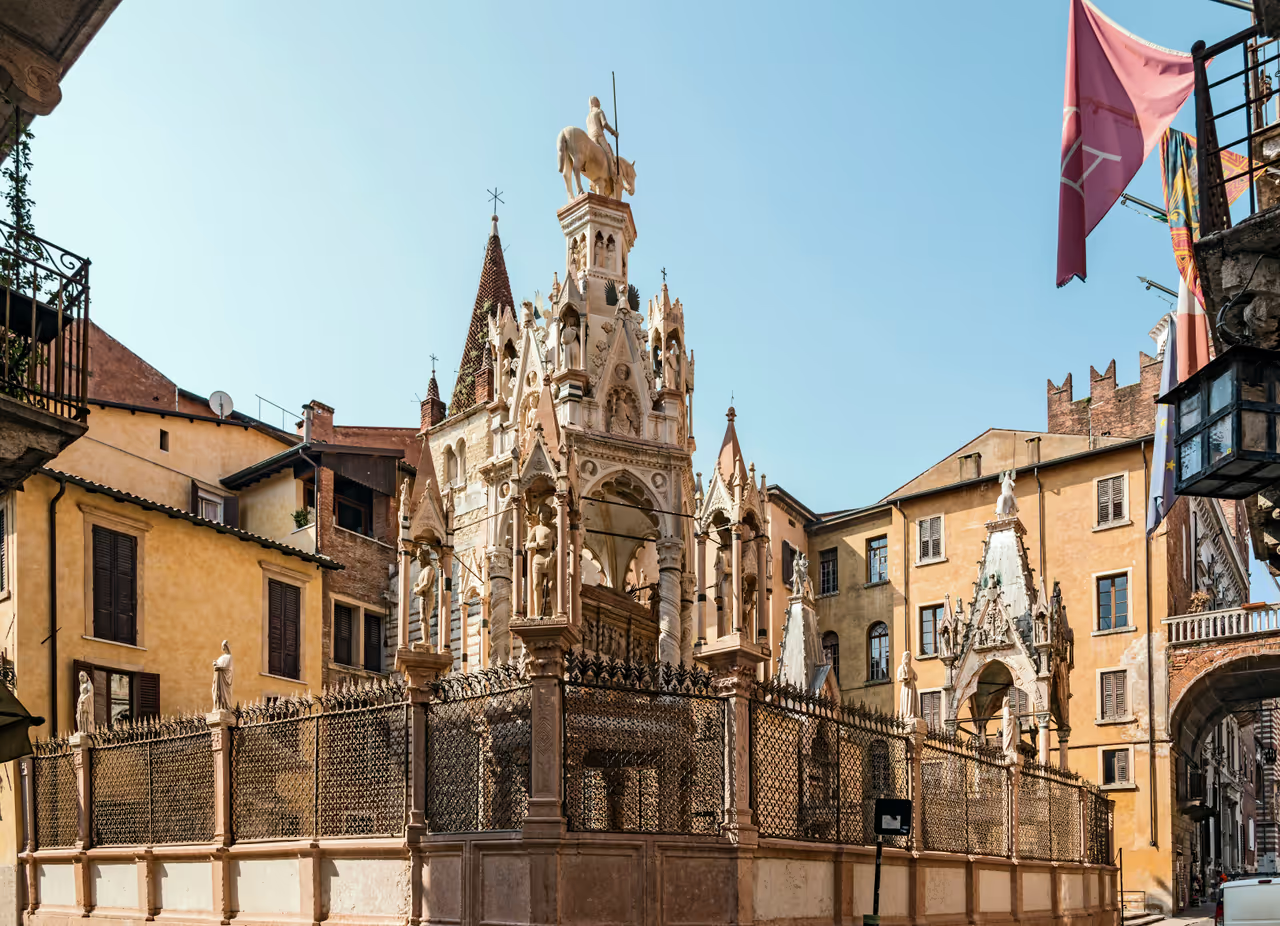
Scaliger Tombs
Tucked beside the small church of Santa Maria Antica, this monumental funerary complex is a breathtaking masterpiece of Gothic...
viewChurch of Santa Anastasia
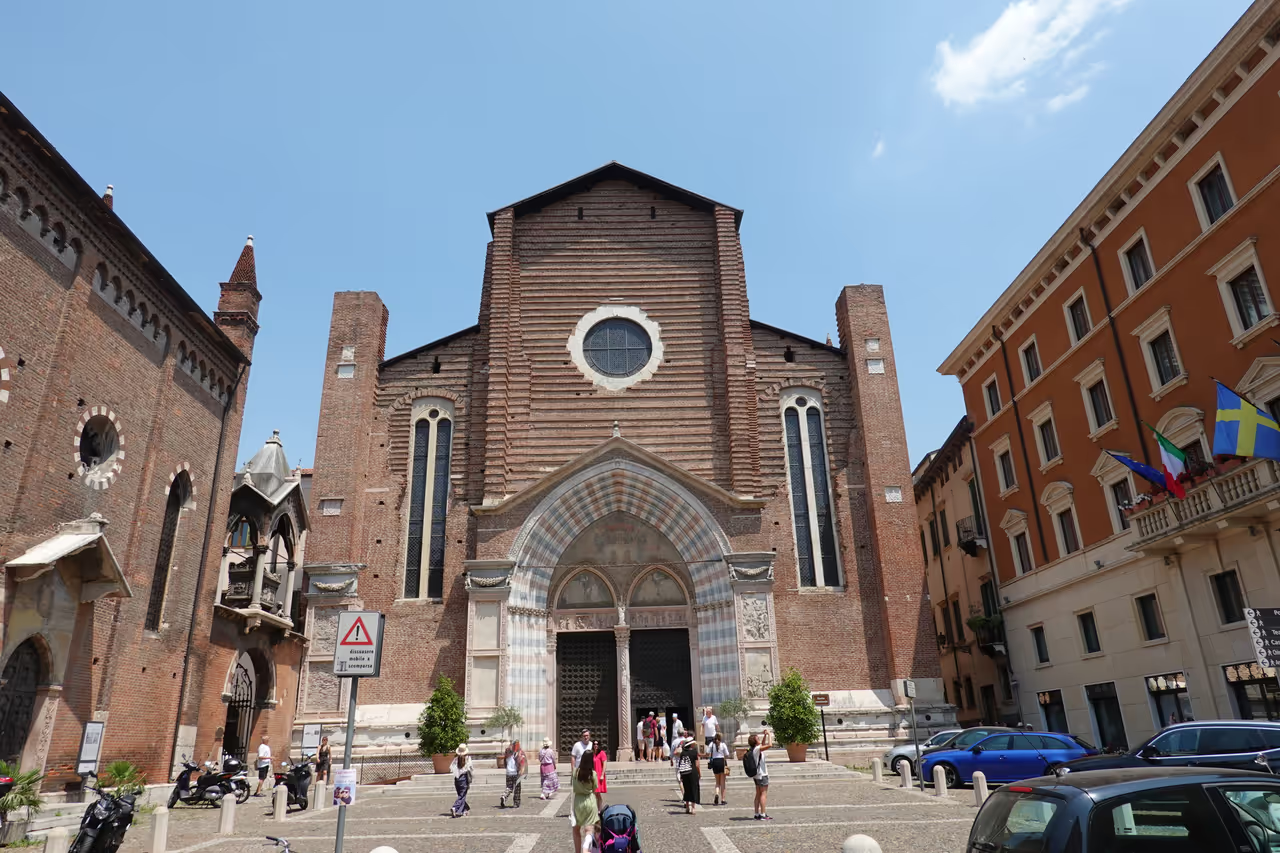
As the largest church in the city, this magnificent Dominican basilica is a towering masterpiece of Italian Gothic architecture...
view
Best Walks in Verona
 HIGHLY RECOMMENDED
Riverside Romance to Castelvecchio
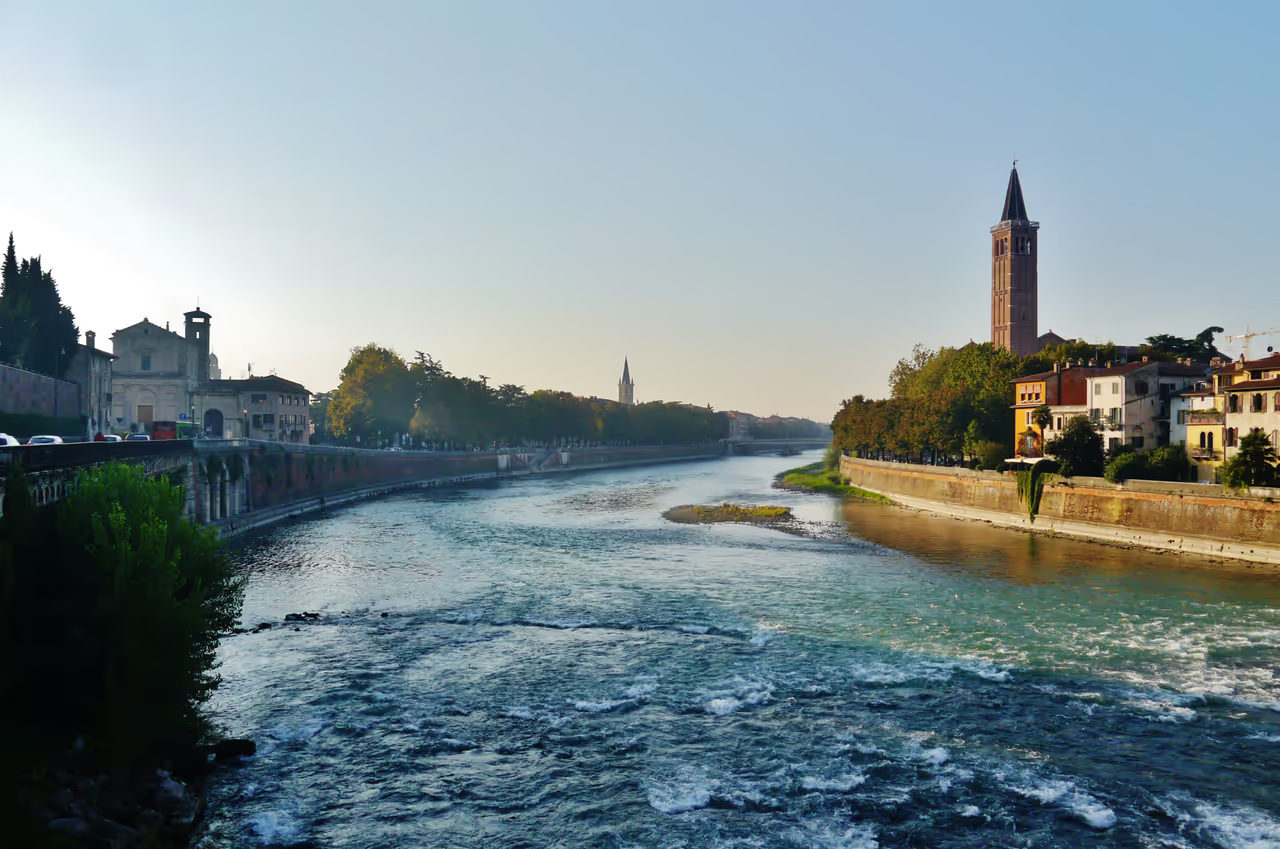
This deeply atmospheric walk follows the high brick embankments of the Adige River, offering beautiful views of the historic architecture reflecting in the water. The path is wide, flat, and lined with trees, making it a favourite evening ritual for locals. As you walk, the imposing red brick profile of the main medieval fortress slowly reveals itself against the skyline.
Medieval Alleys of Carega
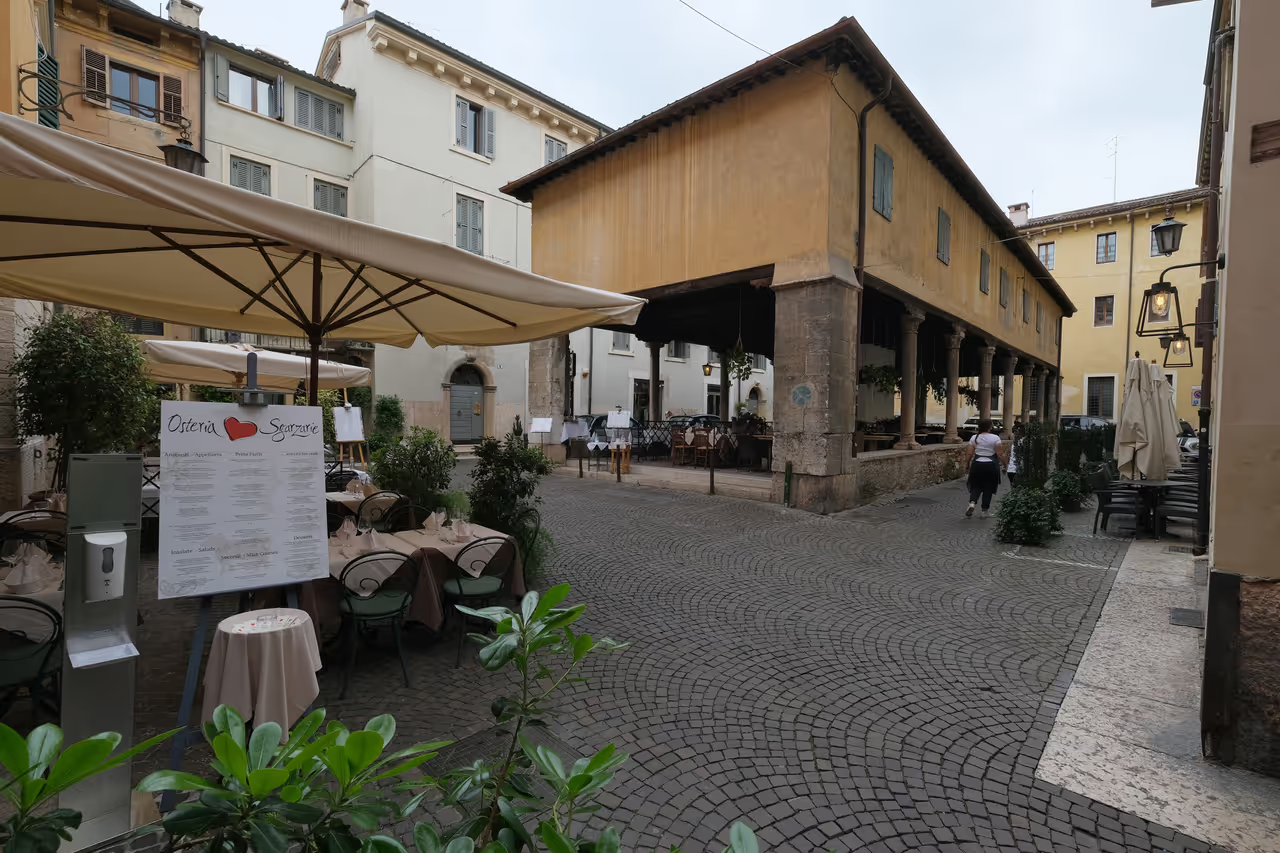
Dive deep into the oldest, most authentic residential quarter of the historic centre. This labyrinth of narrow, winding cobblestone streets is largely untouched by mass tourism, offering a glimpse into the quiet, daily life of the locals. The facades here are faded, dotted with small artisan workshops, hidden courtyards, and tiny neighborhood chapels.
Hills of San Pietro
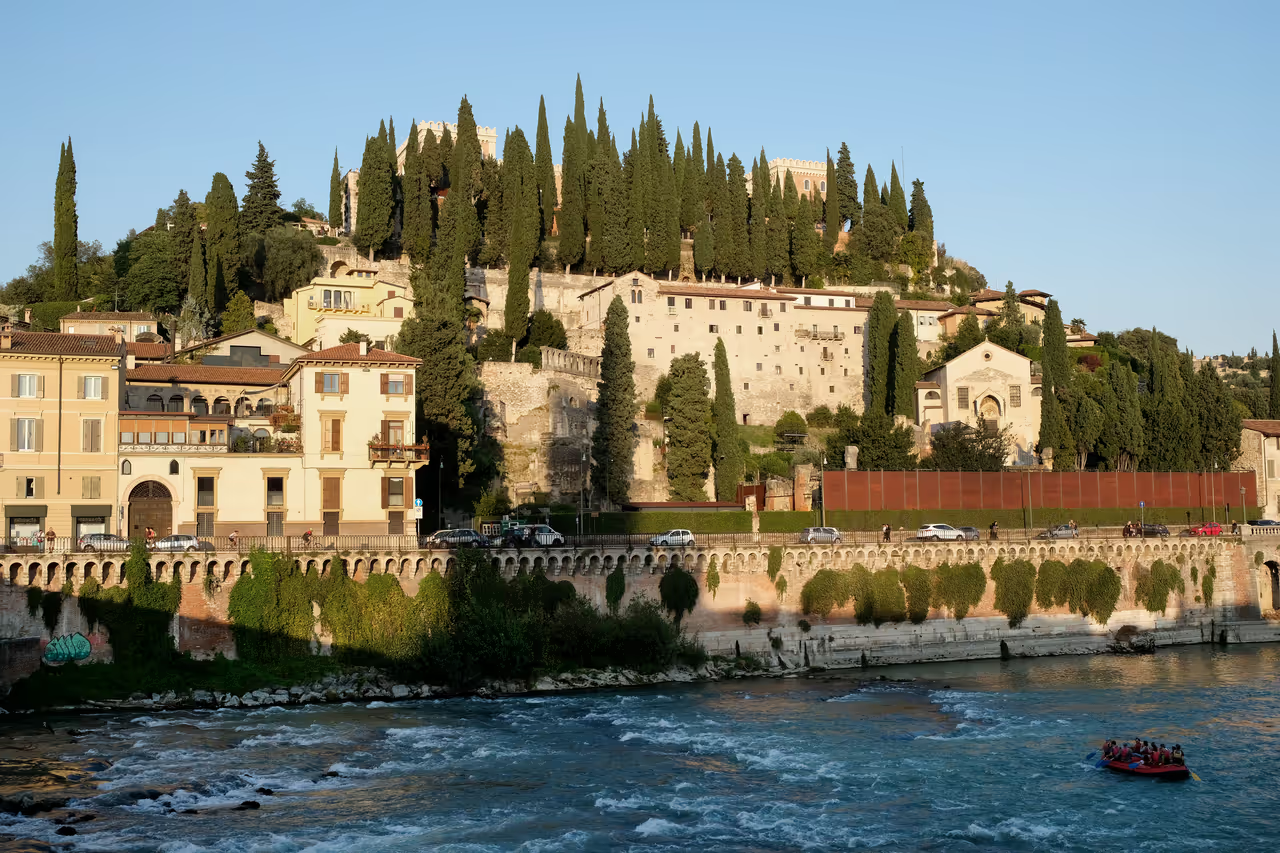
This route takes you away from the flat historic centre and up into the cypress studded hills that watch over the city. A series of ancient stone staircases winds through quiet residential areas, offering increasingly spectacular glimpses of the rooftops below. The climb is rewarded with arguably the most famous and breathtaking panoramic view of the river's distinctive loop.
Architecture & Landmarks
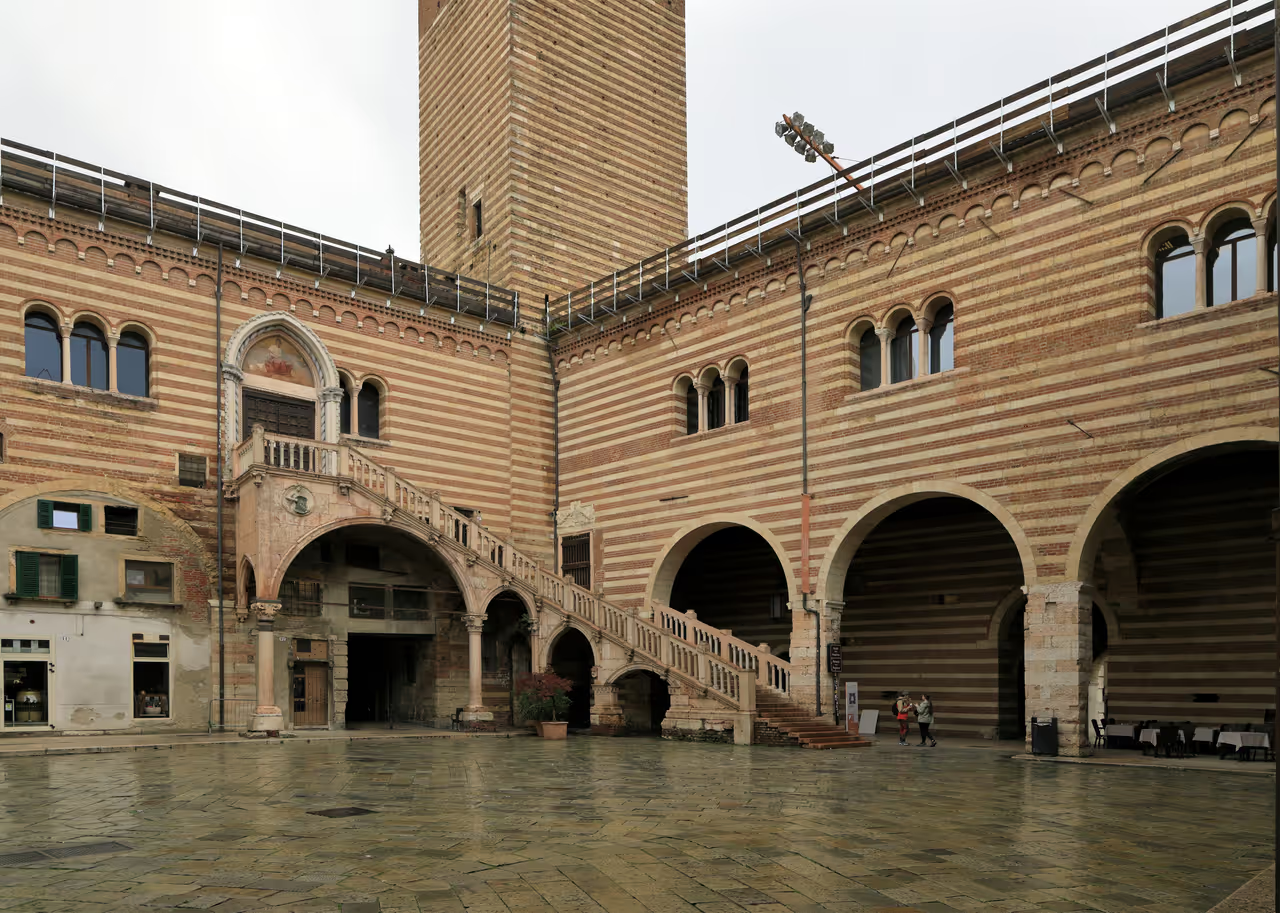
Palace of Reason
An imposing, deeply impressive Romanesque complex that served as the civic heart and courthouse of the free commune. Its...
view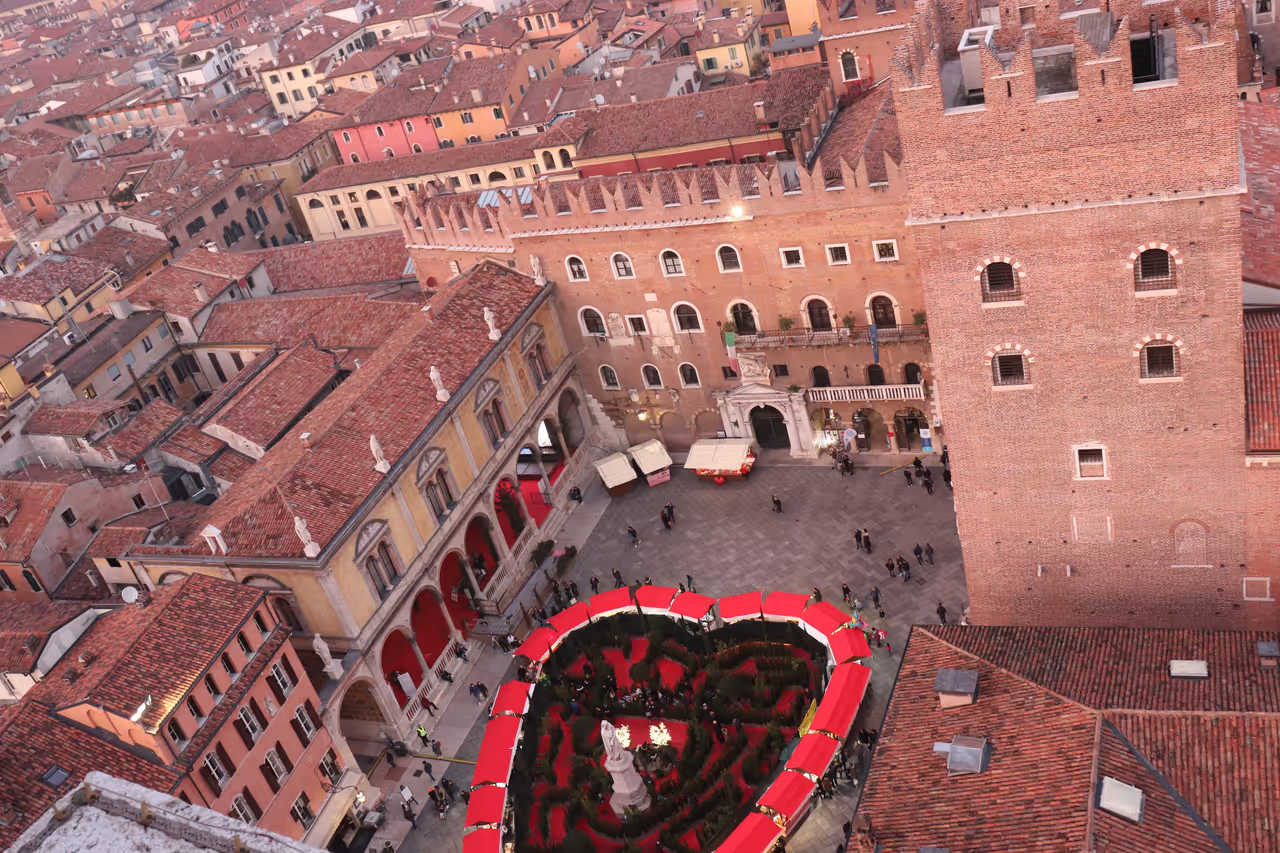
Council Loggia
A remarkably delicate and finely proportioned building that introduced the early Renaissance style to a city dominated by Gothic...
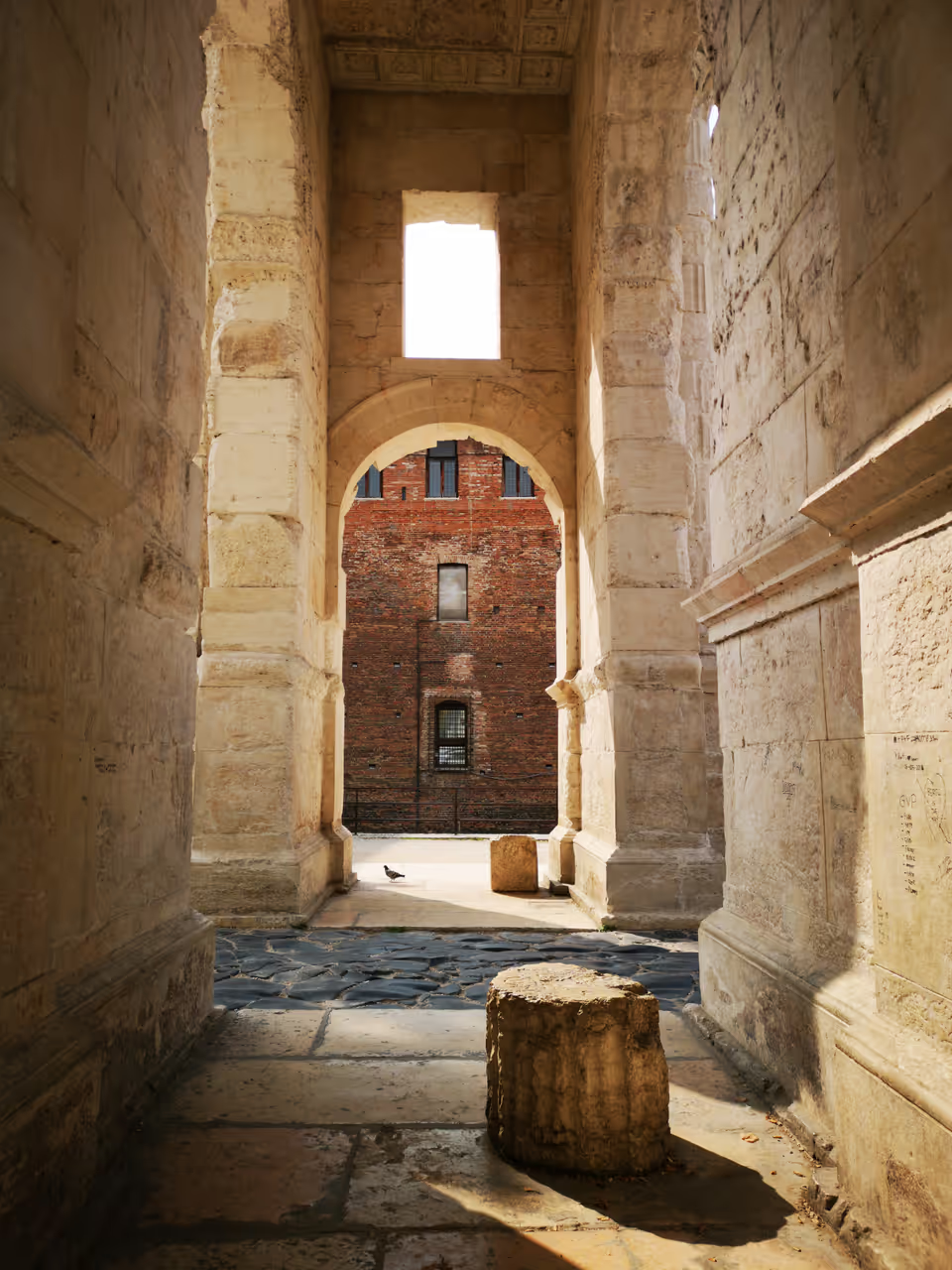
viewGavi Arch
A rare example of an ancient Roman triumphal arch constructed not for an emperor, but to celebrate a wealthy private family...
view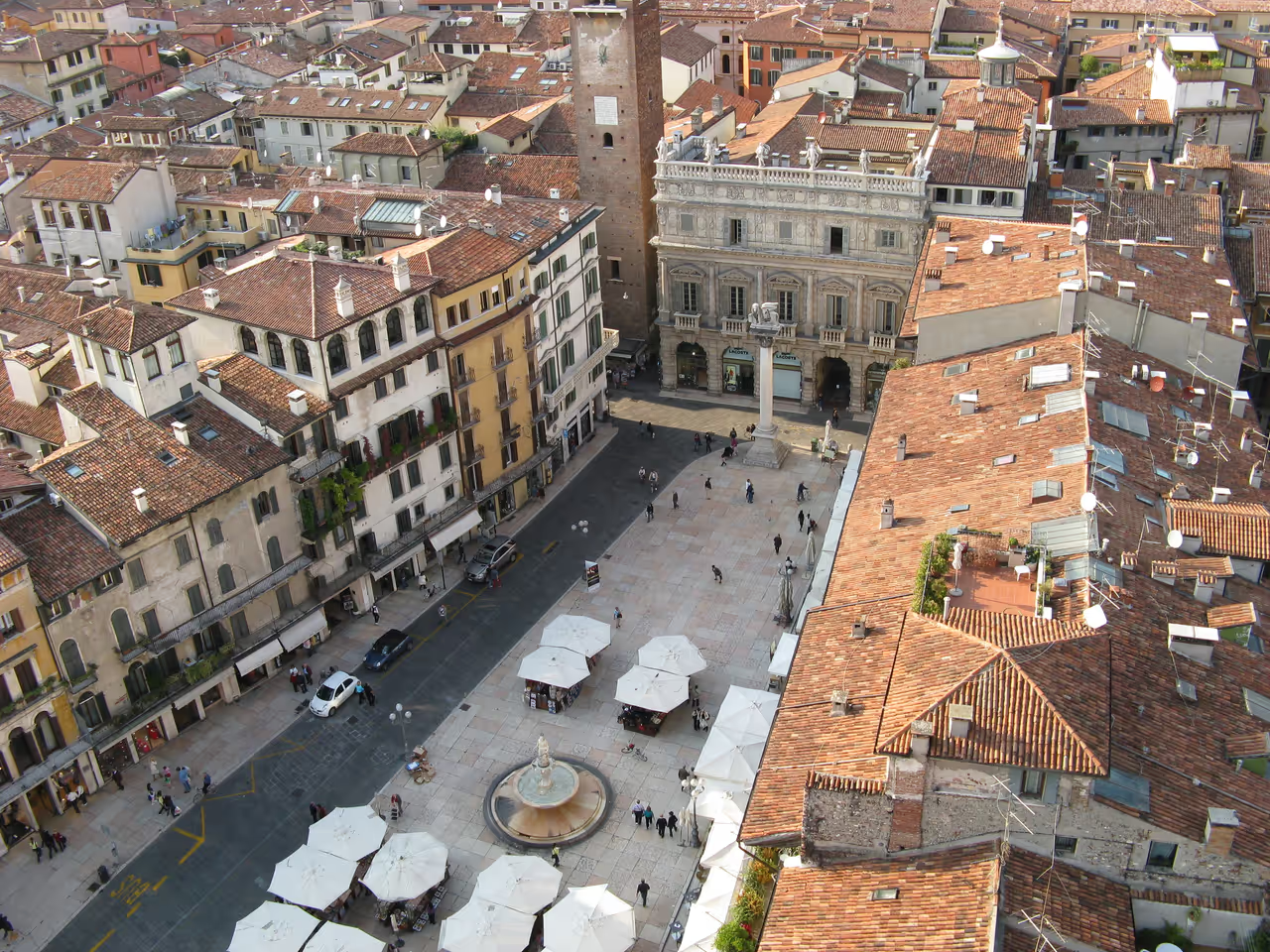
Maffei Palace
Dominating the northern end of Piazza delle Erbe, this elaborate, highly decorated palace marks the arrival of the flamboyant...
view
Markets & Shopping
Verona Nightlife
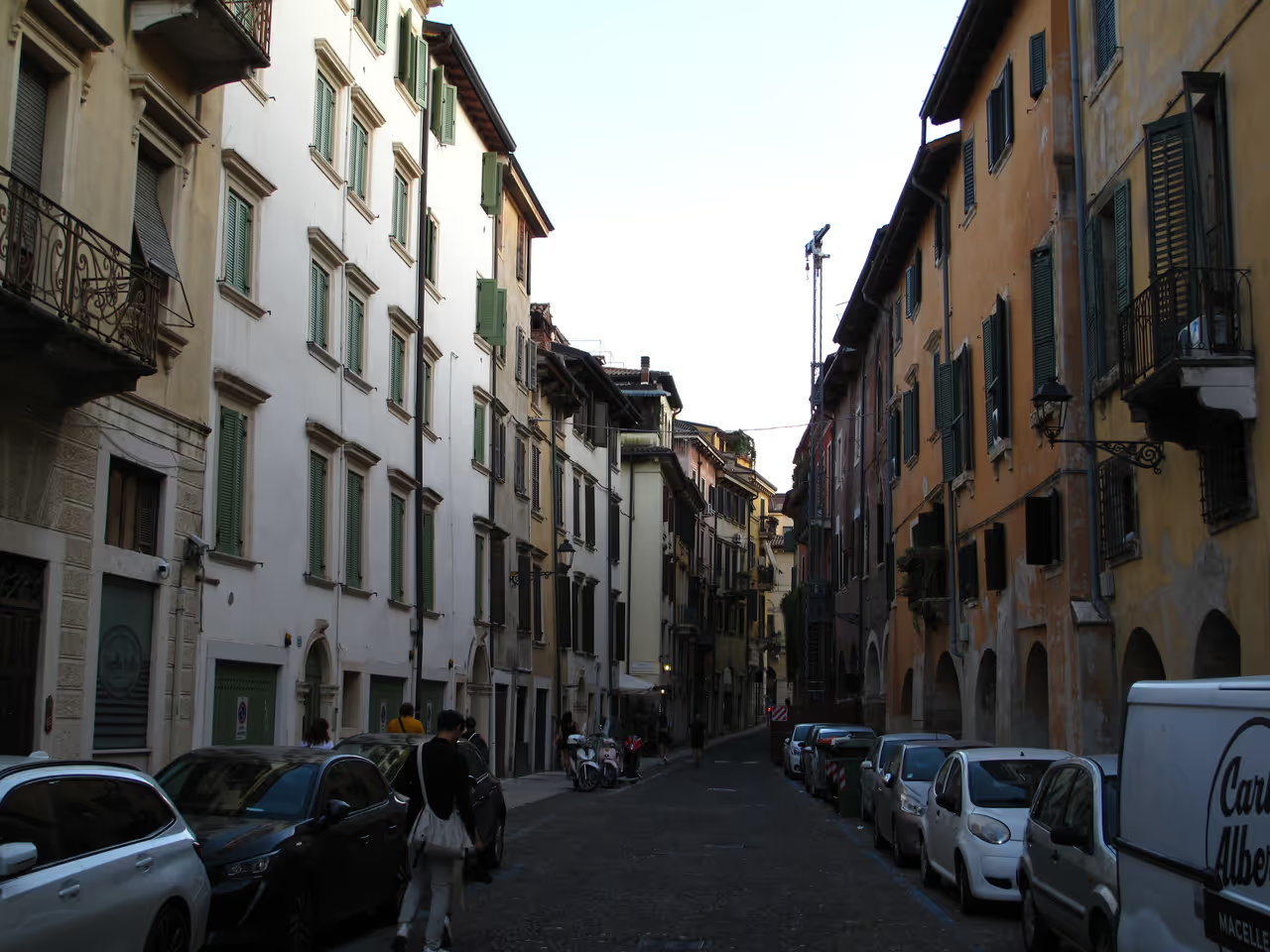
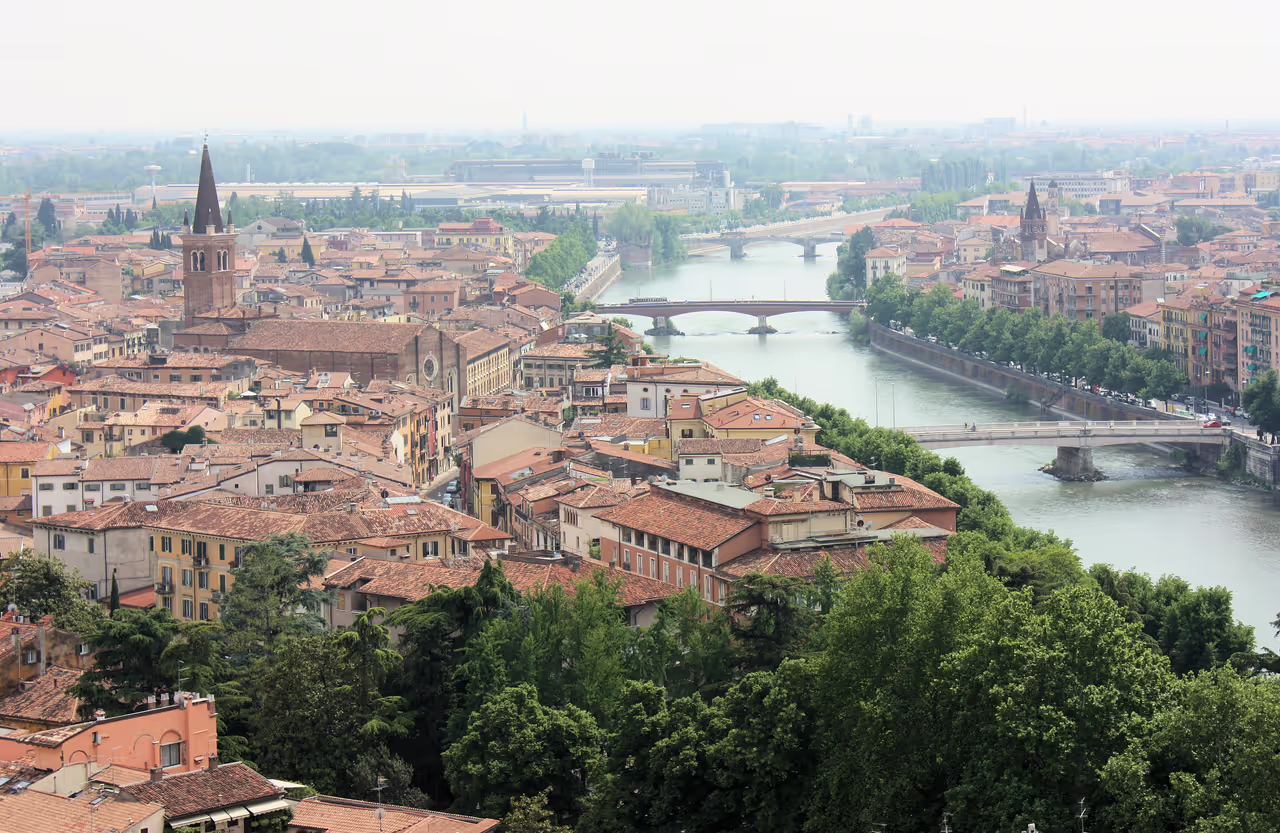
Photo Spots
Activities & Experiences
Cycling Routes
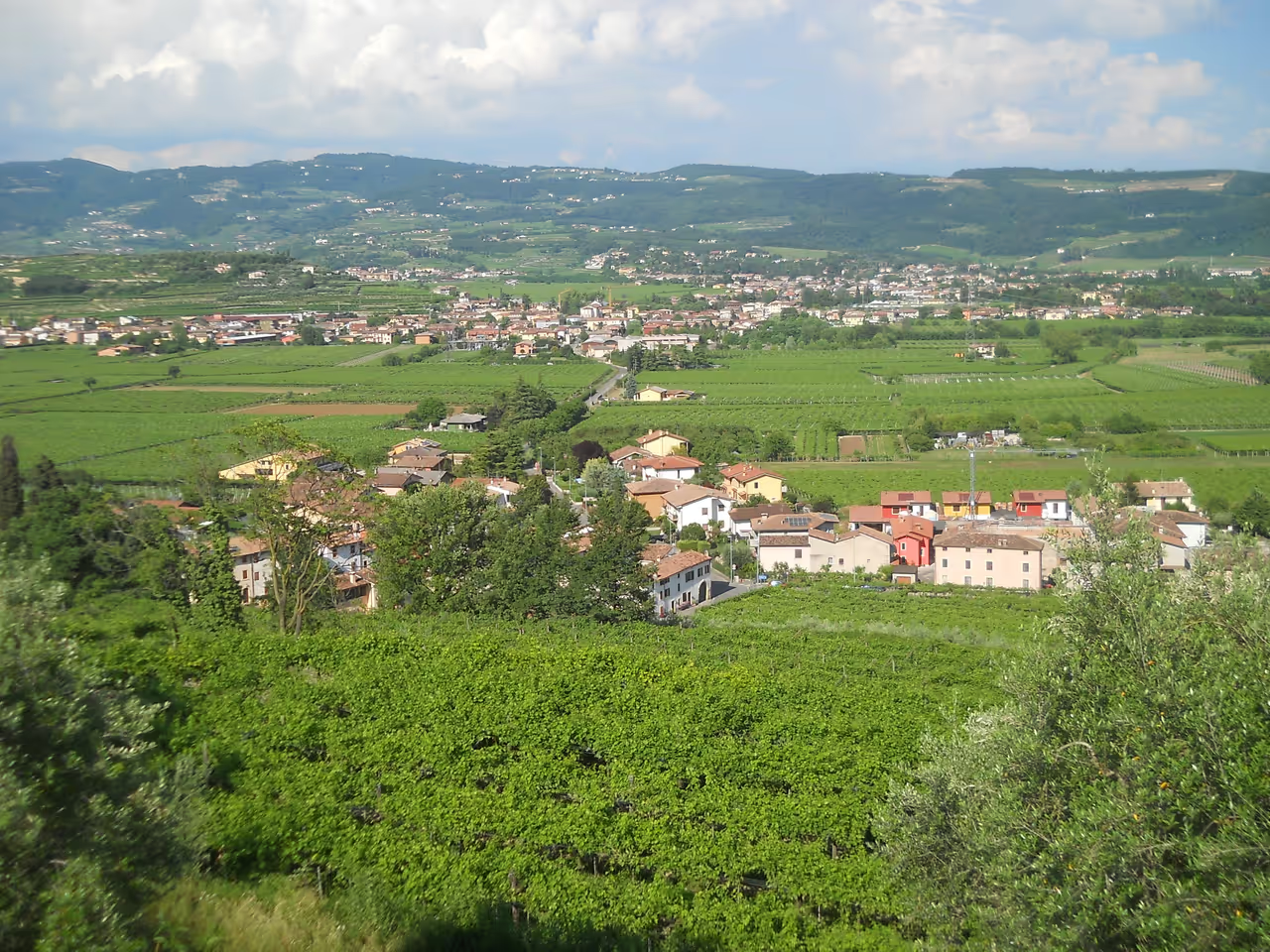
Valpolicella Vineyard Ride
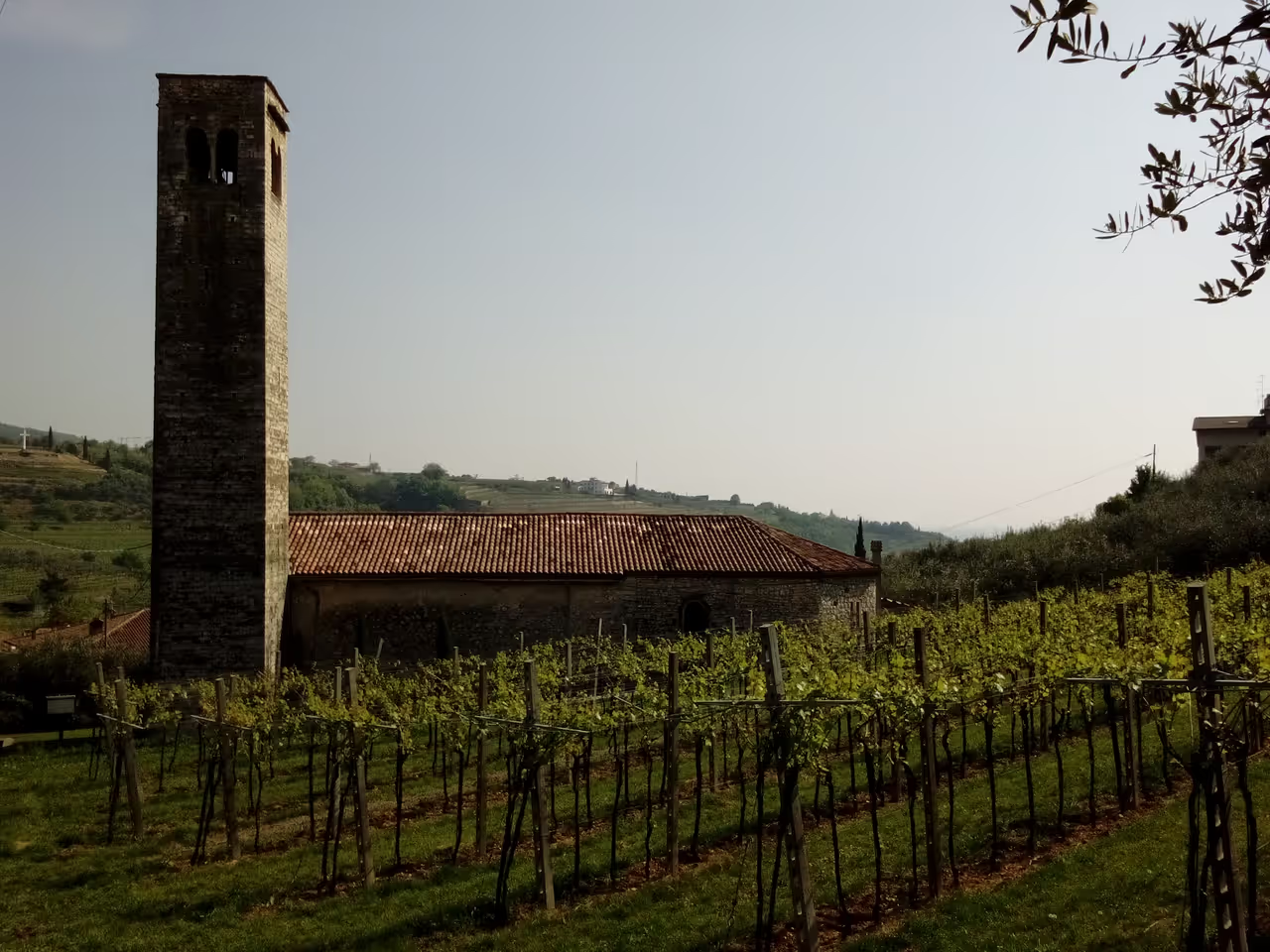
Leaving the city limits, this ride heads northwest into the idyllic, undulating landscapes of the famous wine producing region. The route navigates quiet country lanes, passing between geometric rows of vines, ancient olive groves, and grand Venetian villas. It is a wonderfully immersive journey into the agricultural heartland that sustains the city's culinary reputation.
- HIGHLY RECOMMENDED
River Adige Loop
This leisurely and visually stunning route follows the curves of the river right through the heart of the city and slightly beyond. It allows cyclists to appreciate the scale of the fortified walls and the engineering marvels of the historic bridges without navigating heavy city traffic. The path is predominantly flat and relies on dedicated cycle lanes and quiet riverside roads.
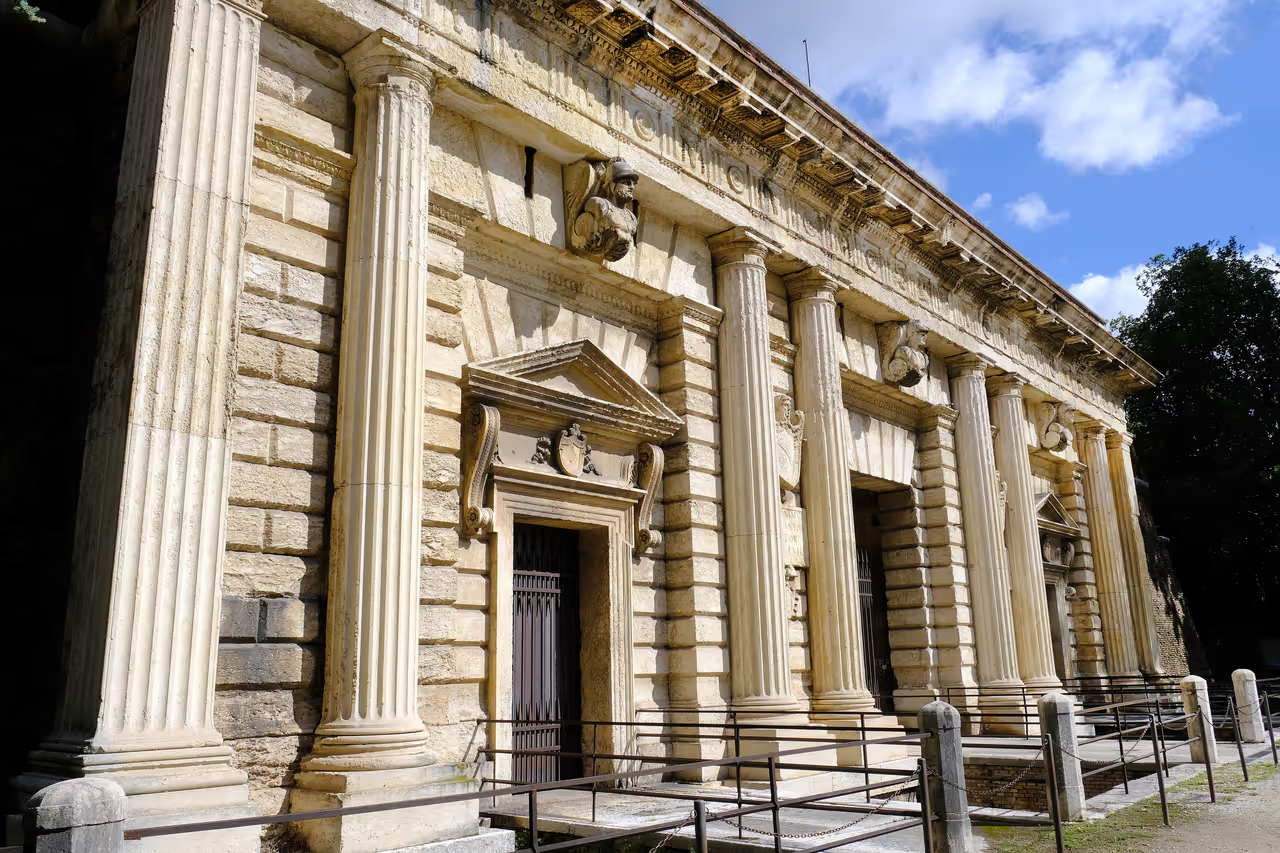
Southern Fortifications
This fascinating urban ride traces the monumental defensive perimeters built largely during the Austrian occupation. The route weaves through a linear green park that follows the deep, dry moats and colossal bastions designed to repel 19th century artillery. It is a striking journey through military history enveloped by nature.
Self-Guided Tours
Verona's Roman Footsteps
Step back two thousand years to explore one of the most important Roman settlements in Northern Italy. This journey traces the ancient street grid, taking you past colossal entertainment venues, monumental city gates, and hidden underground ruins. It reveals how the structural bones of the classical city continue to support and define the modern urban environment.
Shakespeare's Verona
Indulge in the romantic mythology that has made the city globally famous. While the English playwright never visited Italy, this route explores the historic locations and medieval atmosphere that inspired the tragic tale of the star-crossed lovers. It blends historical fact with literary legend, offering a highly photogenic and culturally playful journey through the city's streets.
- HIGHLY RECOMMENDED
Scaliger Dynasty Trail
Uncover the formidable legacy of the powerful family that ruled the city with an iron fist during the Middle Ages. This route connects the magnificent Gothic monuments, grand palaces, and heavily fortified castles constructed during their reign. It tells a story of brilliant cultural patronage, brutal family assassinations, and ambitious military expansion that forever altered the skyline.
Annual Festivals & Events
 HIGHLY RECOMMENDED
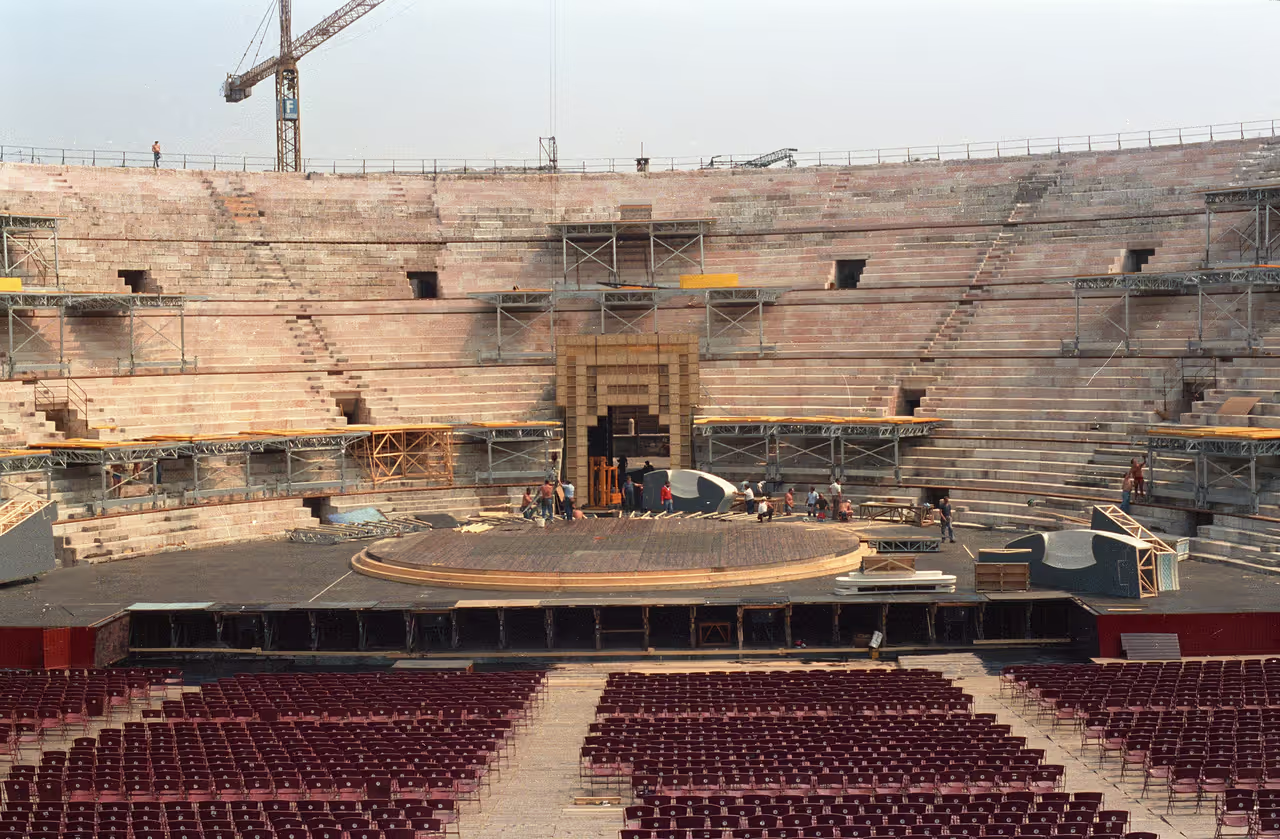
Arena di Verona Opera Festival
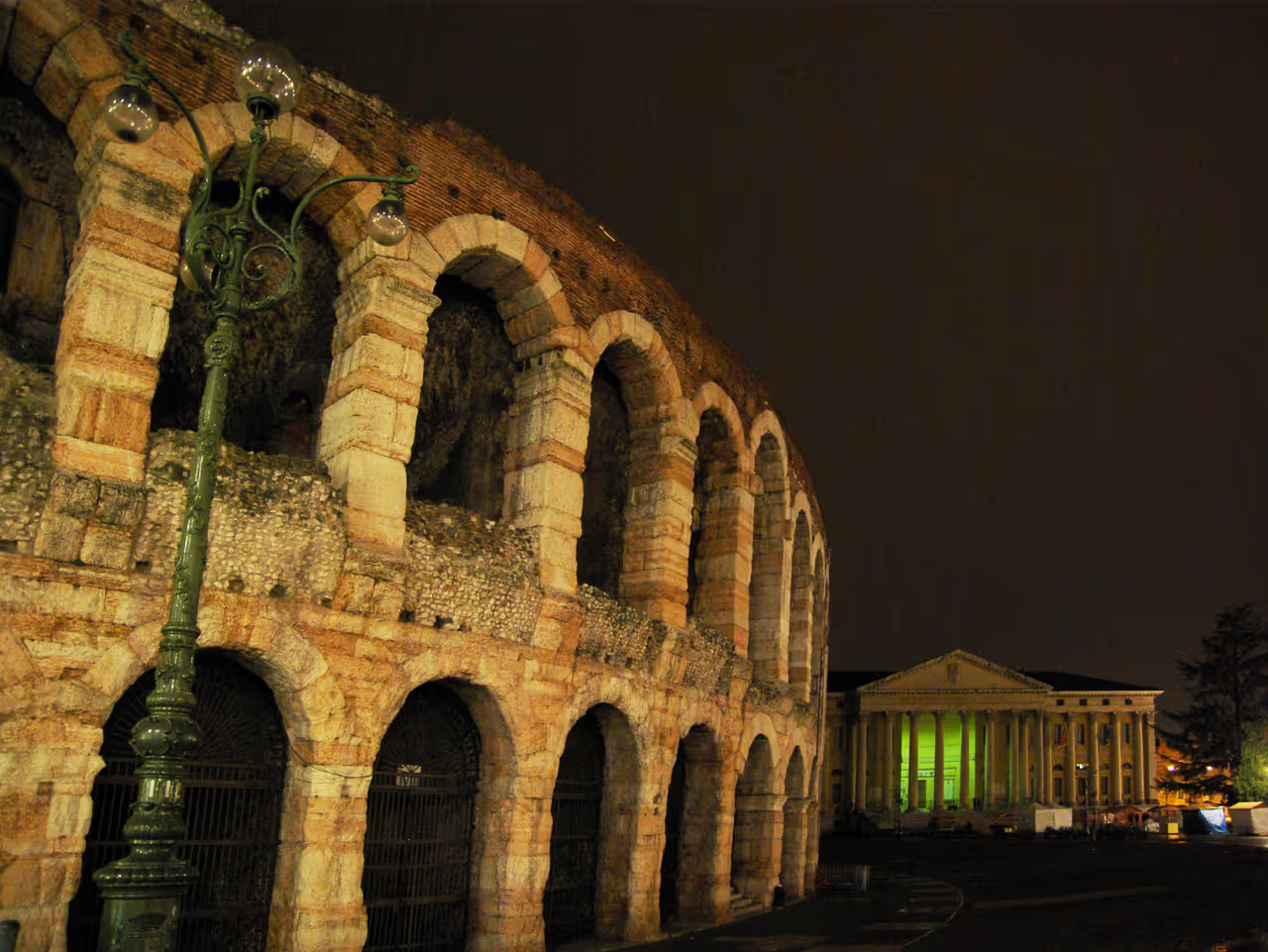
This globally renowned cultural spectacular transforms the ancient Roman amphitheatre into the world's largest open air lyric theatre. Running throughout the summer, the festival features monumental productions of classic operas like Aida, Carmen, and Turandot. The acoustics within the ancient stone bowl are phenomenal, allowing singers to project their voices without amplification. The atmosphere before the performance, as thousands of audience members light small candles in the twilight, is purely magical. It is an unforgettable experience that defines the city's artistic soul.
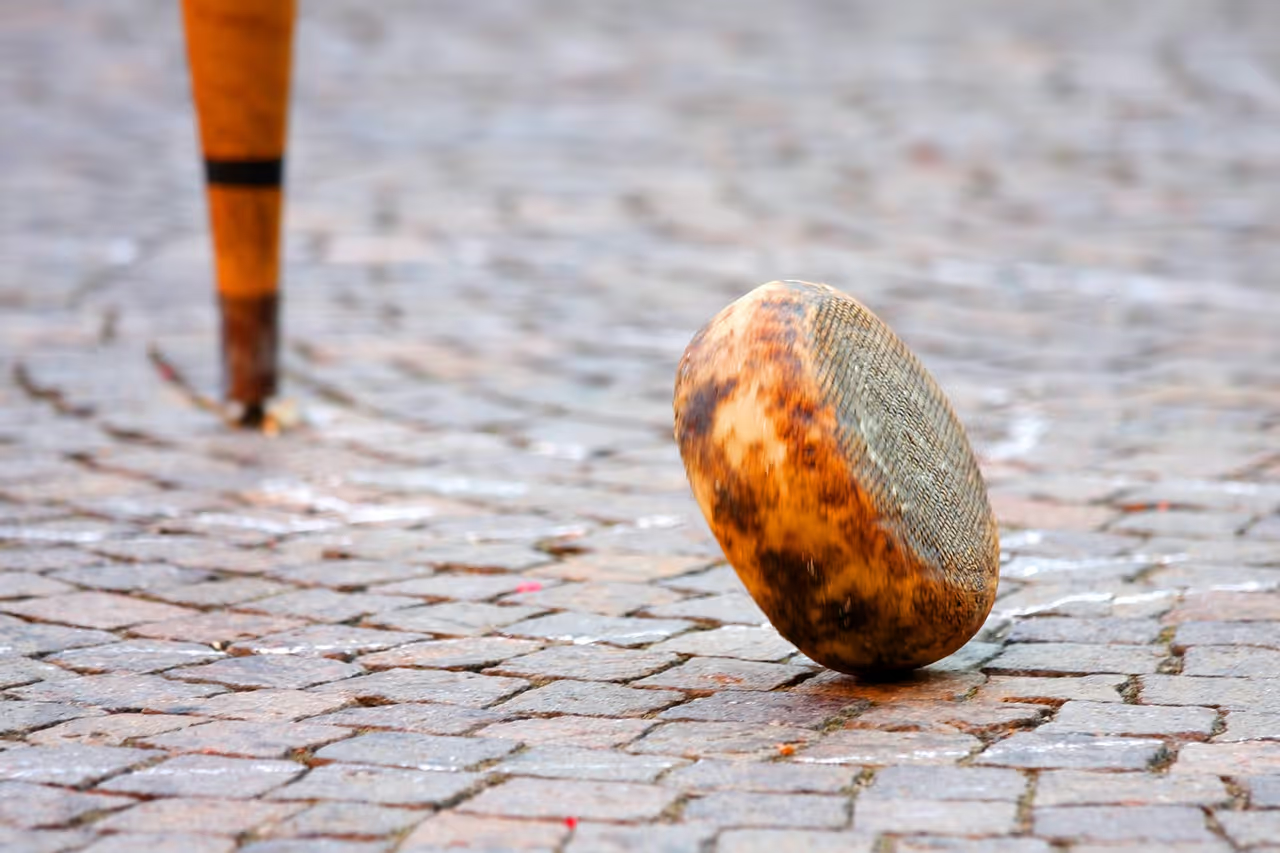
International Festival of Street Games
This wonderfully unique festival reclaims the city streets from traffic, transforming the historic centre into a massive playground dedicated to traditional games. Communities from across the world gather to demonstrate ancient sports, forgotten board games, and historic pastimes. Visitors are encouraged to participate, learning everything from traditional Italian flag throwing to obscure international folk sports. It is a joyous, interactive celebration of intangible cultural heritage that fills the city with laughter and music.
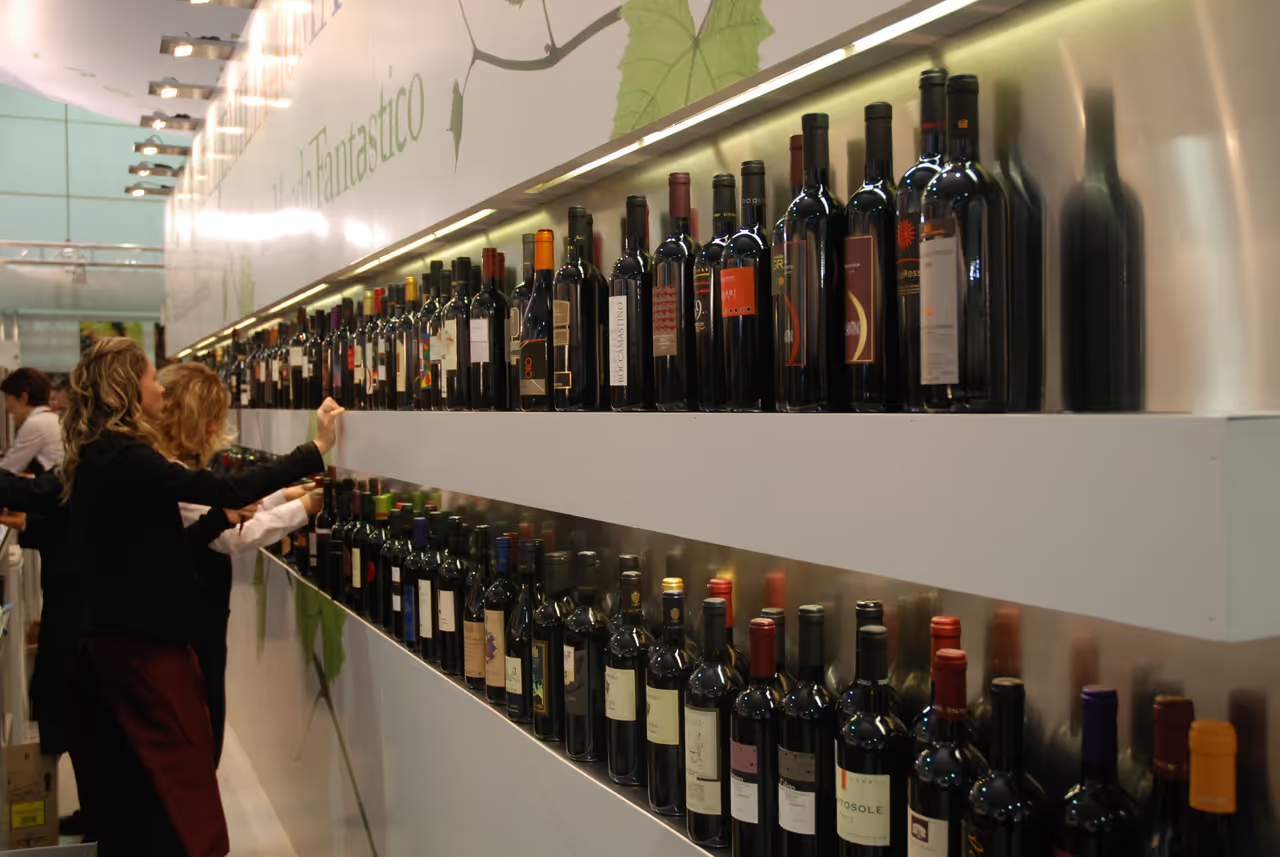
Vinitaly International Wine Exhibition
As the largest wine and spirits exhibition in the world, this massive industry event takes over the Veronafiere exhibition centre each spring. While the main fair is geared towards industry professionals, the entire city embraces the spirit of the event with 'Vinitaly and the City'. The historic squares fill with tasting stalls, live music, and masterclasses dedicated to showcasing the finest Italian vintages. It is a vibrant, sophisticated celebration of viticulture that draws enthusiasts and sommeliers from across the globe.
Insider Tips
Purchase the Verona Card from a tourist office or tobacconist to save significantly on entrance fees to major monuments and gain free access to the local ATV bus network.
If attending an opera on the unreserved stone steps of the Arena, rent a cushion inside the venue or bring your own, as the ancient marble becomes intensely uncomfortable over three hours.
Venture into the Carega district near the river for authentic, affordable wine bars and traditional osterias favoured by locals, away from the tourist heavy Piazza Bra.
Refrain from writing on the walls or sticking chewing gum in the courtyard of Juliet's House; locals view this modern tradition as disrespectful vandalism of historic masonry.
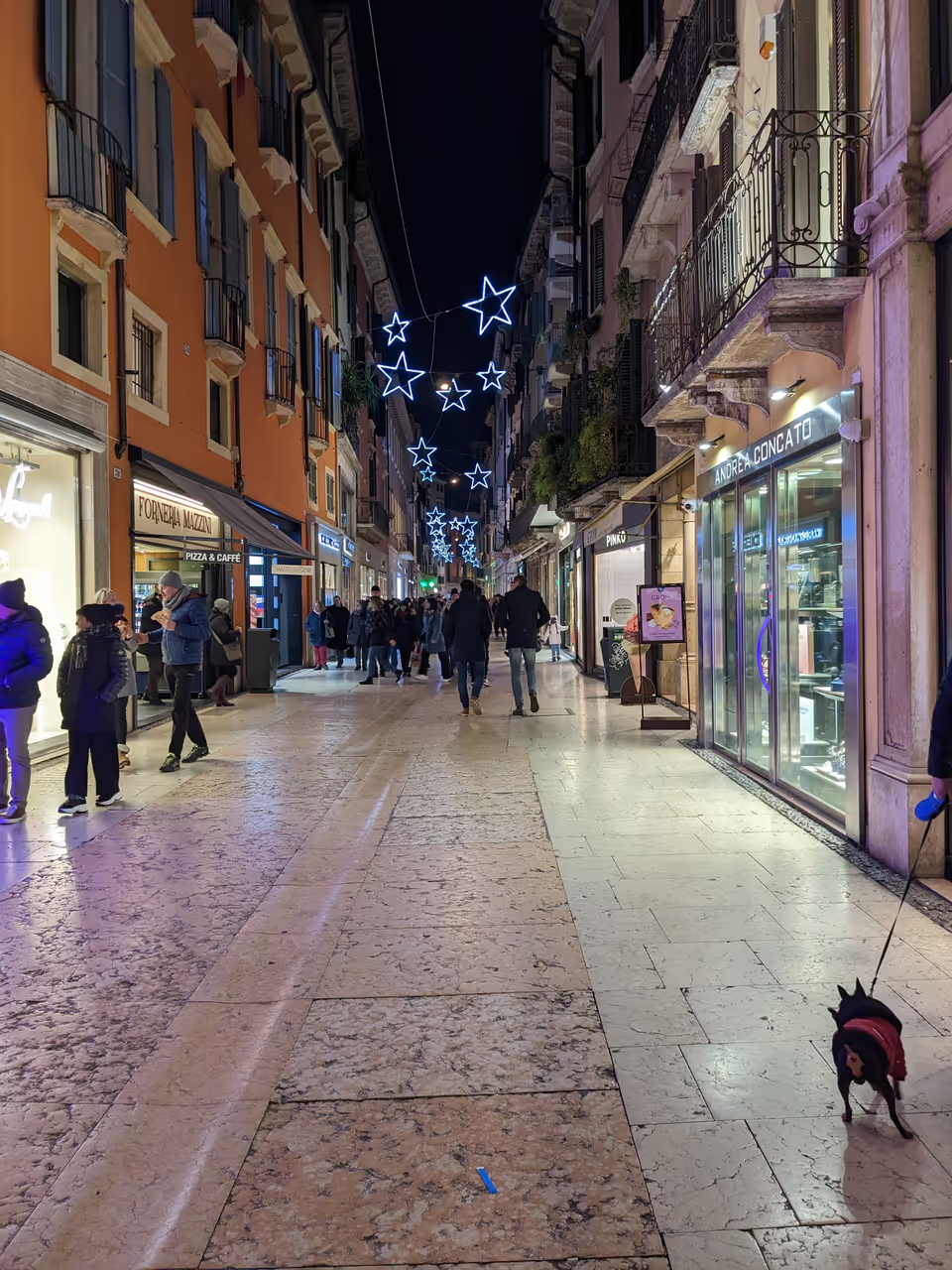
When exploring the high end boutiques on Via Mazzini, take time to look down; the street is paved with exquisite local marble containing visible fossilised ammonites.
Always validate your paper bus ticket using the small yellow machines upon boarding; plain clothes inspectors frequently board tourist heavy routes and issue hefty fines.
Try ordering a 'caffè macchiato caldo' at the counter instead of sitting down; standing at the bar is cheaper and provides a genuinely local morning experience.
Many smaller, family run trattorias and artisan shops do not accept credit cards for small transactions, so keeping a modest amount of euros on hand is highly recommended.
PERFECT FOR
Ideal for hopeless romantics, history enthusiasts, and serious wine lovers seeking an authentic Italian experience. It deeply appeals to travellers who appreciate fine architecture and leisurely strolls rather than frantic sightseeing. Visitors drawn to world class opera, classical music, and rich culinary traditions will find themselves entirely at home here.
VIBE
Walking through the historic centre feels like stepping onto a grand, open air operatic stage. The atmosphere balances the vibrant energy of elegant locals enjoying evening aperitivos with the quiet, lingering romance of narrow medieval alleyways. It is a city that feels deeply rooted in history, yet remains thoroughly sophisticated, lively, and incredibly welcoming.
Frequently Asked Questions about Verona
While we strive to keep this information accurate and up to date, we recommend verifying any details independently before making decisions based on them.
Similar Destinations in Italy
Continue your journey. Explore these highly recommended cities and uncover more of what Italy has to offer.