Basilica of San Zeno
Standing as a masterpiece of Romanesque architecture, the Basilica of San Zeno is a serene sanctuary nestled in the heart of Verona that feels like stepping into a living history book. Its sun drenched facade, crafted from local tuff and marble, invites you to marvel at intricate stone carvings, including the famous Wheel of Fortune rose window. Inside, the atmosphere is profoundly tranquil, where you can admire Mantegna’s breathtaking altarpiece and ancient bronze doors that whisper stories of the past. Beyond its architectural grandeur, the basilica serves as a spiritual and cultural anchor, housing the tomb of Verona’s patron saint beneath its solemn crypt. A visit here is not just an artistic pilgrimage, but a chance to connect with the deep, enduring soul of Verona.
Videos
History of Basilica of San Zeno
The story of the Basilica of San Zeno begins with the humble burial of Verona's patron saint in the fourth century. Following his death, the site blossomed from a simple tomb into a significant religious complex, heavily supported by the Frankish King Pipin of Italy in the early ninth century. The leaders of the time found the previous structure unworthy of the saint, prompting a grand transformation that saw the relics moved to a new crypt, effectively cementing this site as the spiritual cornerstone of the city. Catastrophe struck in 1117 when a massive earthquake shattered much of Verona, severely damaging the basilica. Rather than succumbing to despair, the Veronese embraced a bold vision of renewal, embarking on an ambitious Romanesque reconstruction. Master builders and artists like Brioloto de Balneo contributed their genius during this era, adding the stunning Wheel of Fortune rose window and the elaborate exterior stone reliefs that still captivate visitors today. This period of intense creativity defined the architectural identity of the church, turning stone and brick into an enduring testament of resilience and faith. As centuries passed, the basilica became a repository of artistic treasures, most notably the breathtaking altarpiece by Andrea Mantegna, which remains one of the greatest masterpieces of the Italian Renaissance. While the surrounding monastery experienced waves of decline and revival, the church itself maintained its prestige, inspiring luminaries like Dante Alighieri and later Gabriele D'Annunzio. Today, the basilica stands not as a museum frozen in time, but as a vibrant, living landmark where the echo of history meets the quiet devotion of the present, inviting all who enter to pause and reflect.
Events spanning 1593 years
Fun Facts
- • A statue known as the San Zeno that laughs is a beloved local icon, capturing the saint with an unusually cheerful and warm expression.
- • During the 1117 earthquake, the damage was so extensive that it spurred an entirely new era of architectural innovation in the city.
- • Saint Zeno, the city's patron, was an African bishop who is credited with introducing Christianity to the region.
- • Several legendary poets and writers, including Dante Alighieri and Gabriele D'Annunzio, frequently cited the basilica as a major source of inspiration.
- • The basilica is built upon the remains of at least five previous religious structures, highlighting the site's ancient significance.
- • The basilica was once the centre of a powerful monastery that held significant sway over the intellectual and economic life of medieval Verona.
- • The church survived many severe floods of the River Adige, with locals often claiming miraculous protection of the site.
- • The famous bronze doors consist of 73 separate panels added over several centuries, creating a fascinating and eclectic visual collage.
- • The iconic Wheel of Fortune rose window was crafted by the master mason Brioloto de Balneo and serves as a profound allegory for the unpredictability of fate.
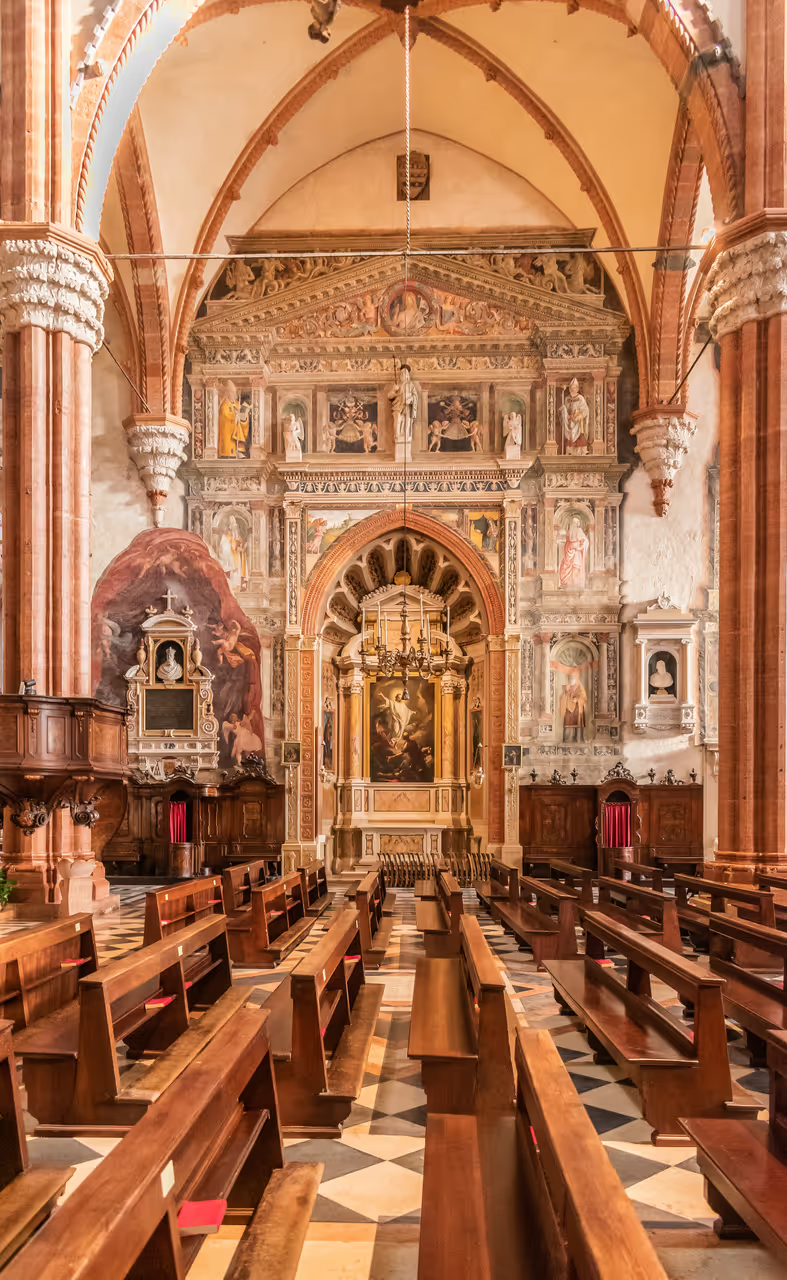
- • The interior ceiling is shaped like the hull of a ship, a unique design element that is quite common in historical Veronese churches.
- • The large porphyry vase found in the left aisle was originally part of ancient Roman baths and legend claims it was brought to the church by the devil himself.
- • The tomb of the patron saint is located in the atmospheric crypt, which remains a place of intense quietude and spiritual reflection.
RESOURCES
Official WebsiteBasilica of San Zeno FAQ
While we strive to keep this information accurate and up to date, we recommend verifying any details independently before making decisions based on them.
Basilica of San Zeno Map & Neighborhood Explorer
This interactive map is centered on Basilica of San Zeno. Zoom in and move the map around to automatically discover Wikipedia photos and summaries of other nearby sights, monuments, and historical points of interest and stories in real-time!
Places near Basilica of San Zeno
Make the most of your trip. Check out these top-rated spots located nearby.
 29m
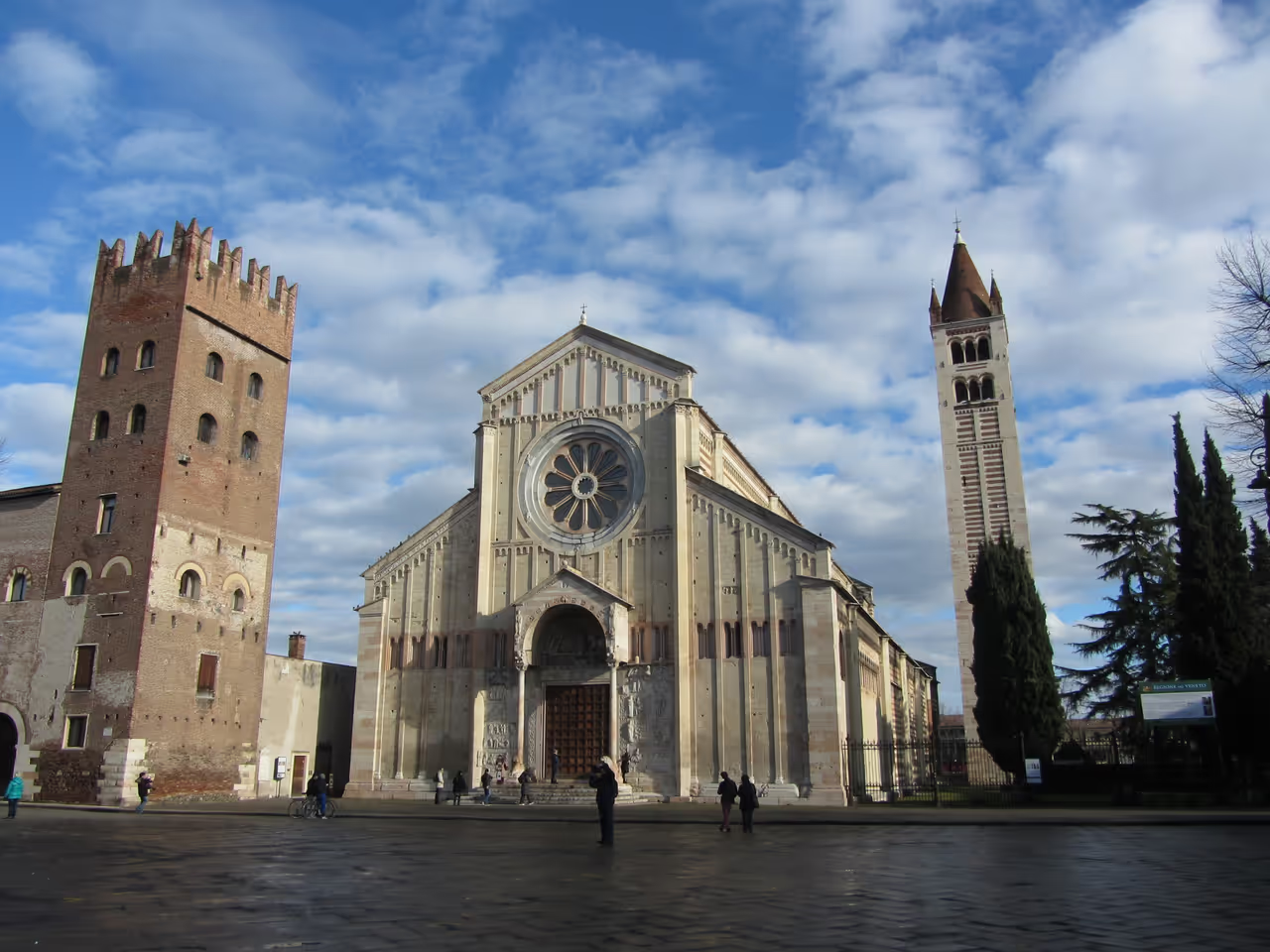
29mExplore the San Zeno Neighbourhood
Escape the dense tourist crowds of the centre by walking westward into this deeply authentic, relaxed residential district. The wide, quiet piazza in front of the magnificent Romanesque basilica is perfect for a peaceful stroll. On Sundays, the area frequently hosts bustling antique and flea markets where browsing is entirely free and highly entertaining. It offers a genuine glimpse into the unhurried, daily life of the Veronese.
free thing to do view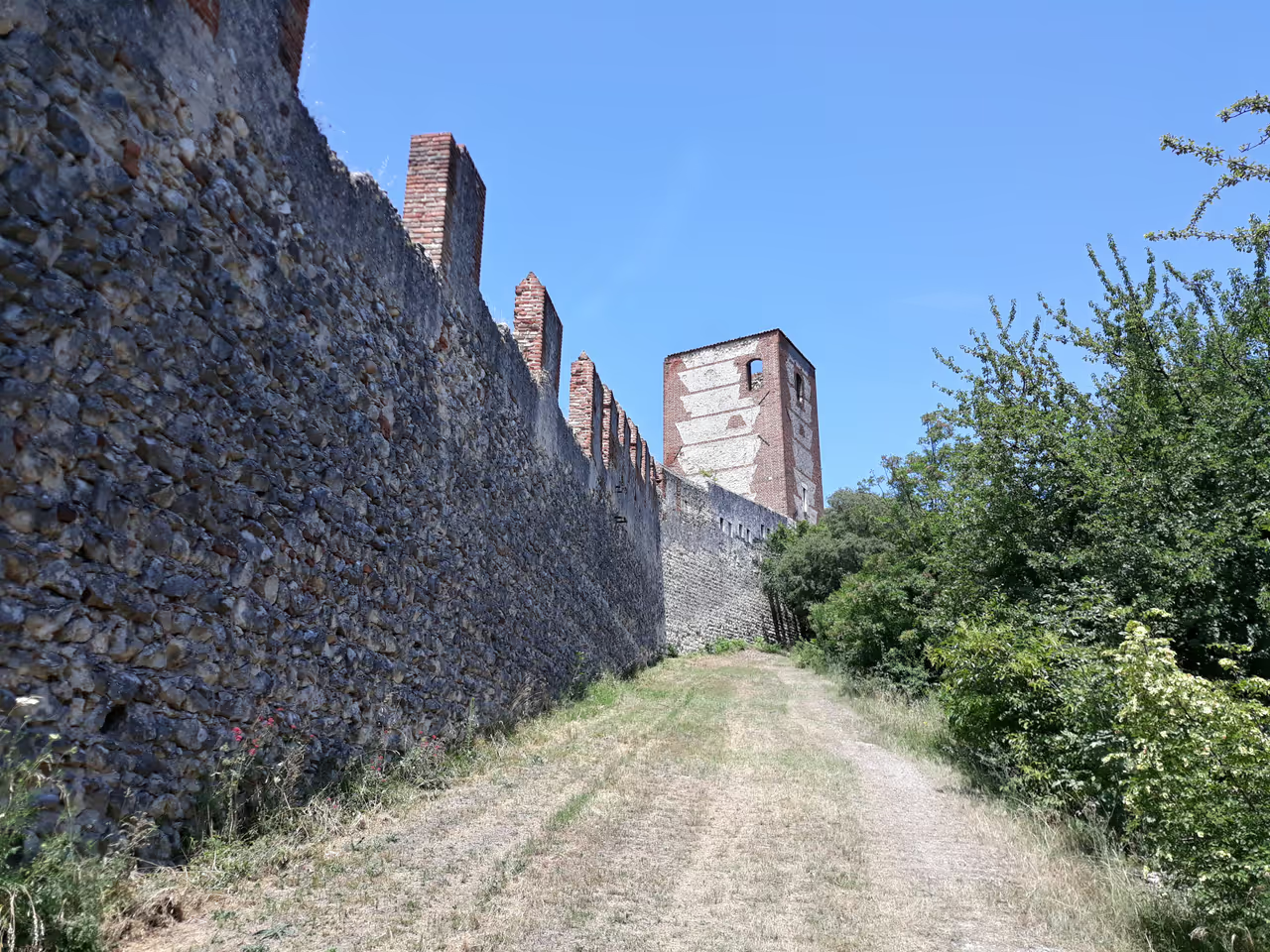 433m
433mWalk the Ancient City Walls
Trace the monumental defensive history of the city by following the extensive Park of the Walls (Parco delle Mura). You can walk for miles through the deep, dry green moats, flanked by towering brick bastions built during the Austrian occupation. The paths are flat, shaded by large trees, and offer fascinating close up views of massive Renaissance military gates like Porta Nuova and Porta Palio. It is a brilliant, entirely free way to combine a nature walk with military history.
free thing to do view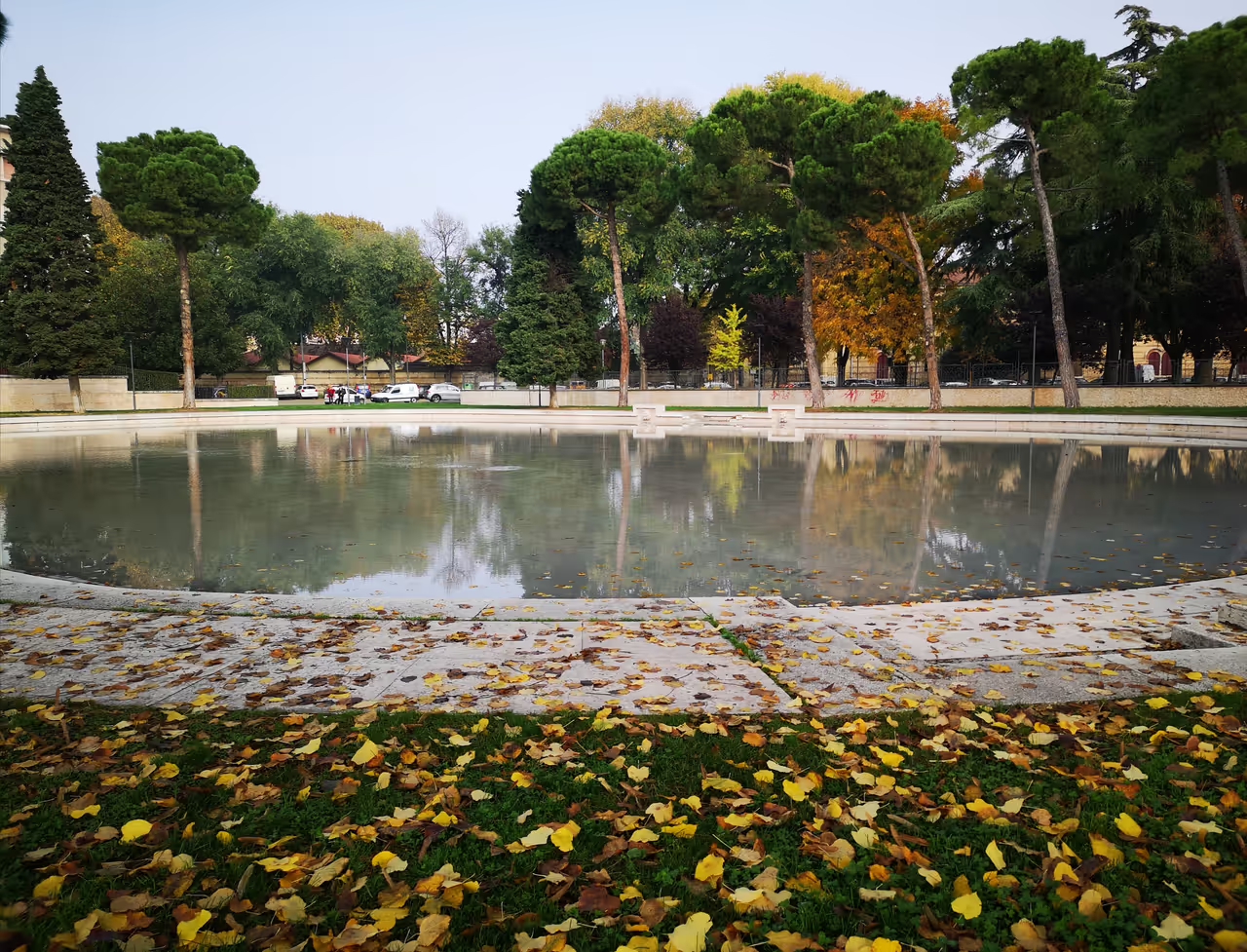 665m
665mVerona Arsenal
Step back into the 19th century within the walls of this grand military complex, which once served as the beating heart of Austrian defense in Italy. Today, the Verona Arsenal stands as a peaceful oasis, where striking neoromanesque architecture meets beautifully landscaped green spaces. Visitors can wander through the historic grounds, admire the elegant brick and stone facades, and enjoy the reflective calm of the water basin. It is a perfect spot for history lovers and those looking to escape the city crowds for a quiet, atmospheric stroll. The site bridges the gap between a fascinating military past and a serene, public present, inviting everyone to discover its unique charm.
park & nature view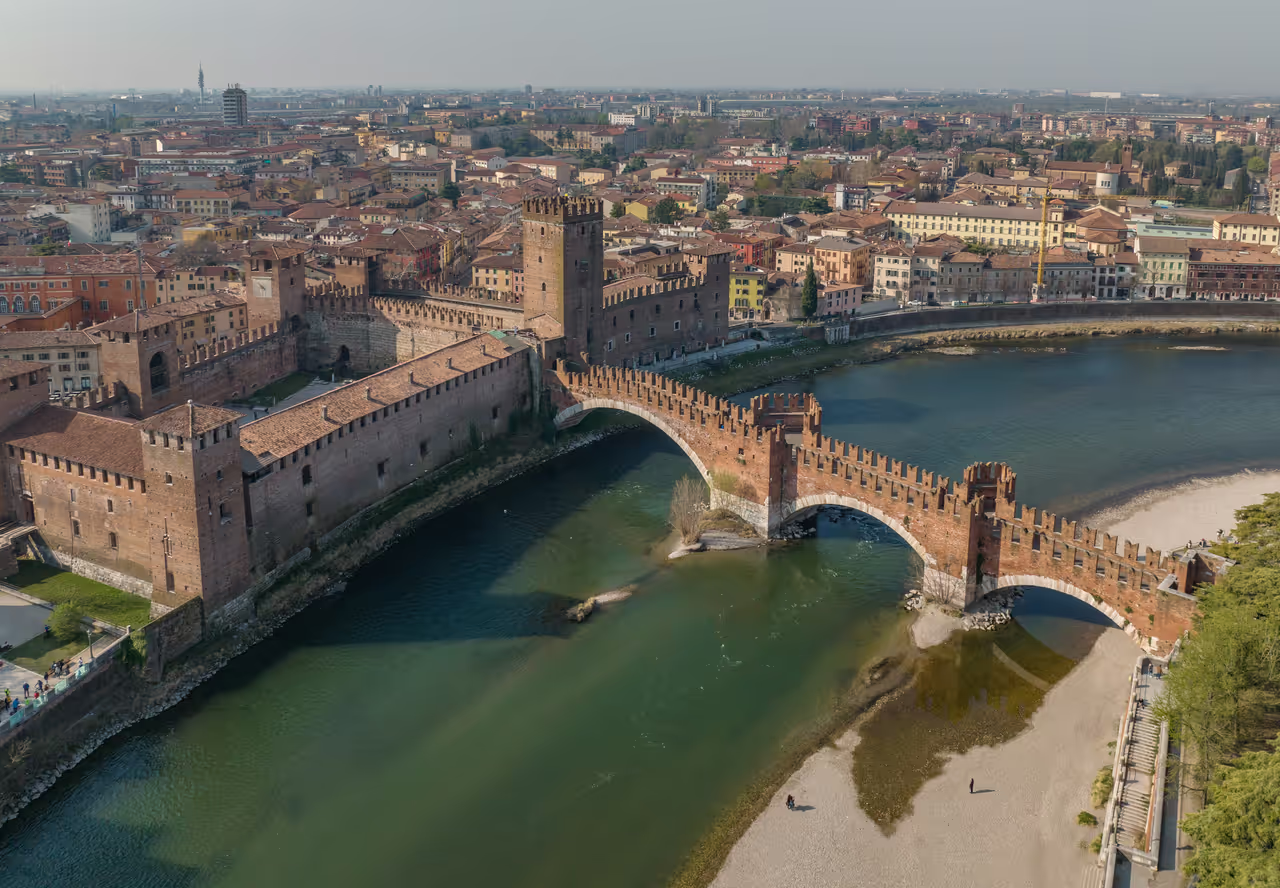 790m
790mCastelvecchio Bridge
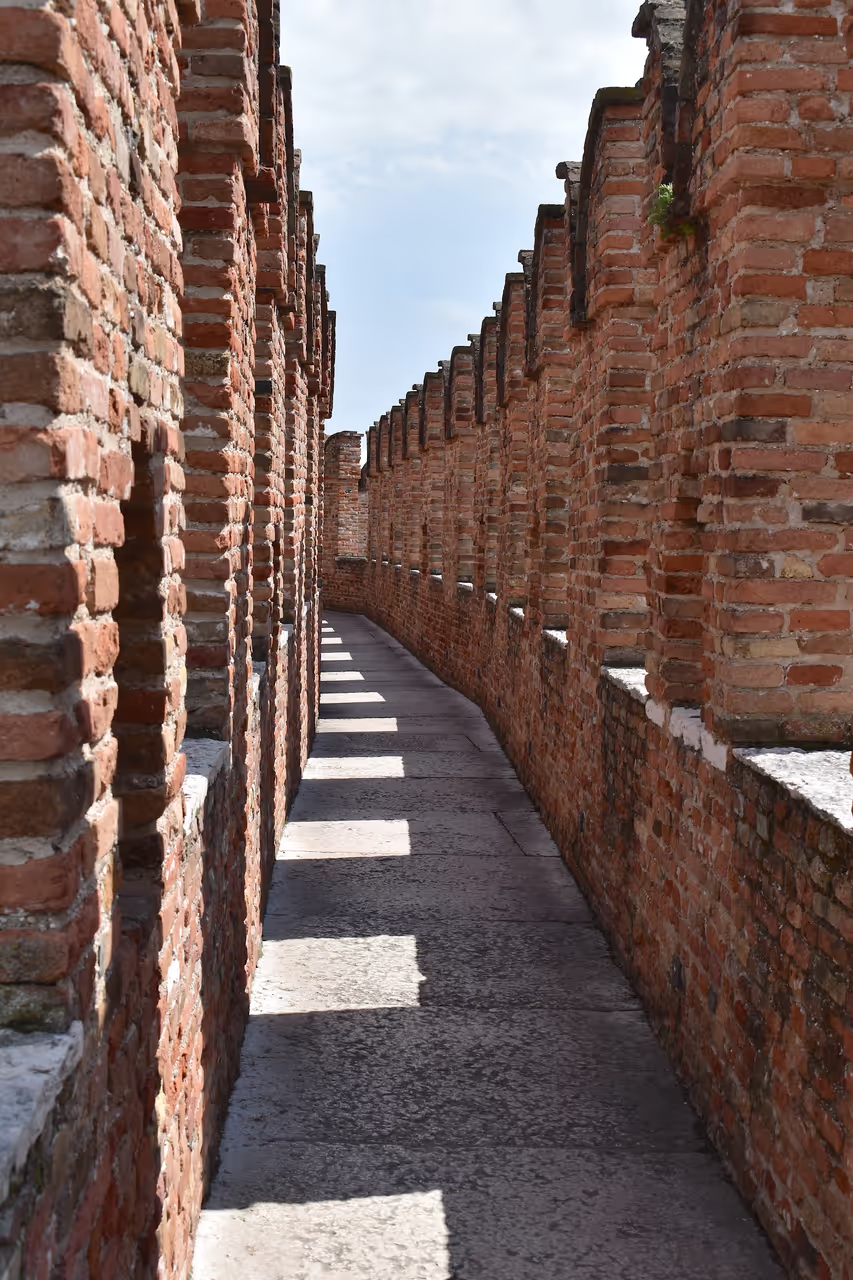
Extending forcefully from the main keep of the Castelvecchio, this robust, fortified bridge was constructed in the 14th century as a secure escape route for the ruling lords. Built with a combination of deep red brick and white marble, its three arches span the turbulent river below. The bridge is heavily fortified with high walls and characteristic swallowtail battlements, giving it a severe, martial appearance. Walking through its sheltered, brick lined corridors feels like traversing a medieval fortress rather than a simple river crossing. Like much of the city, it was destroyed in World War II and brilliantly rebuilt.
highlight view
Explore Similar Places in This Collection
Featured on These Itineraries
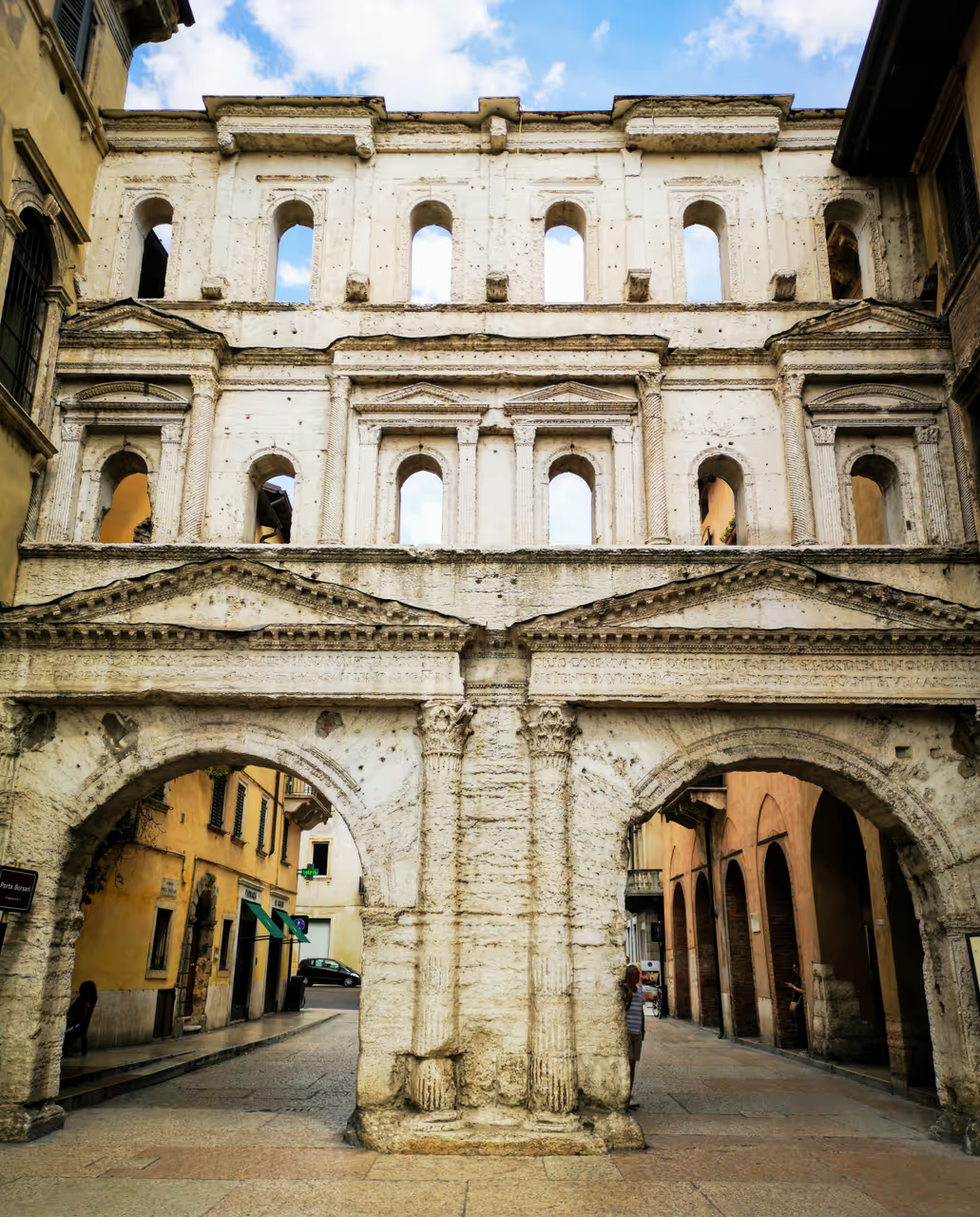
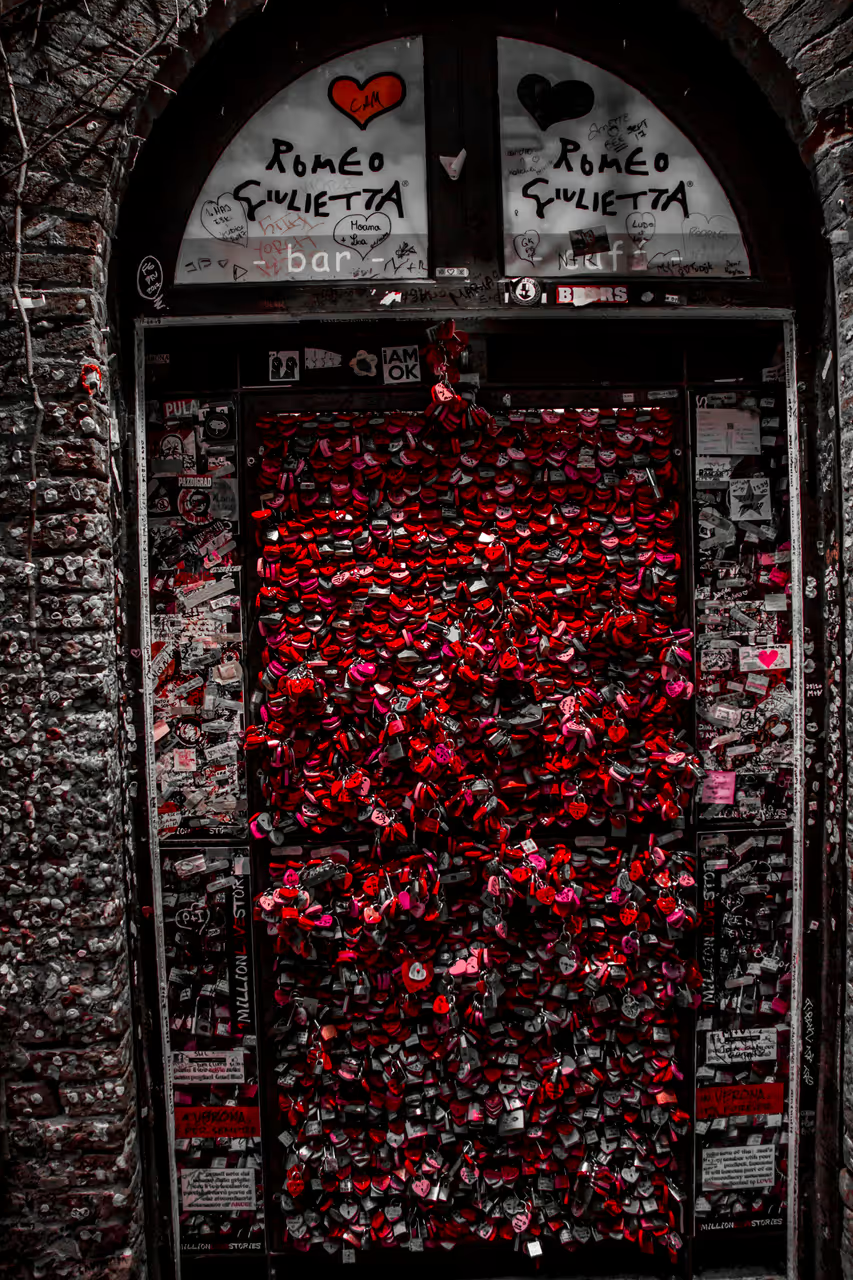
3 Days in Verona: History, Art, and Hills Itinerary
A perfect, comfortable pace to truly absorb the city's profound depth without rushing. This plan allows you to explore the major monuments, dedicate time to the city's incredible churches, and venture up into the scenic hills. You will have time to linger in cafes, cross the historic bridges, and appreciate the brilliant art galleries. It balances the heavy hitters with deeply atmospheric, quieter corners.
view itinerary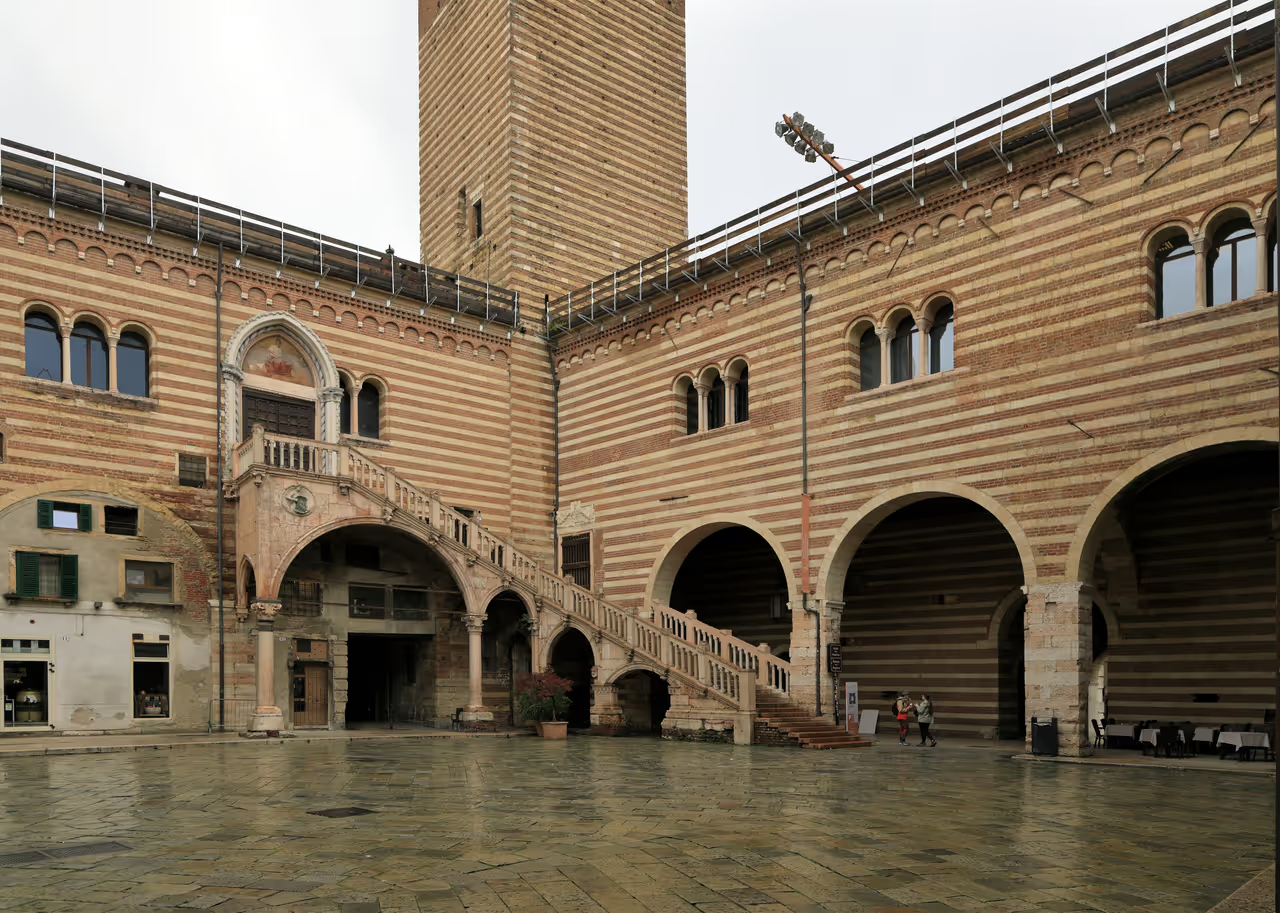
5 Days in Verona: Deep Dive and Hidden Secrets Itinerary
For those who want to experience the city like a local and uncover its deepest historical layers. This expansive itinerary covers everything in the three day plan but adds vital explorations into the underground Roman ruins, hidden medieval chapels, and grand civic palaces. It offers a comprehensive understanding of how the city evolved from a Roman outpost to an Austrian fortress. You will leave with an intimate knowledge of the city's complex, beautiful character.
view itinerary
See all attractions in Verona
Castelvecchio Museum, Juliet's House, Lamberti Tower, Roman Theatre of Verona, Verona Arena, Verona Cathedral...