Verona Arsenal
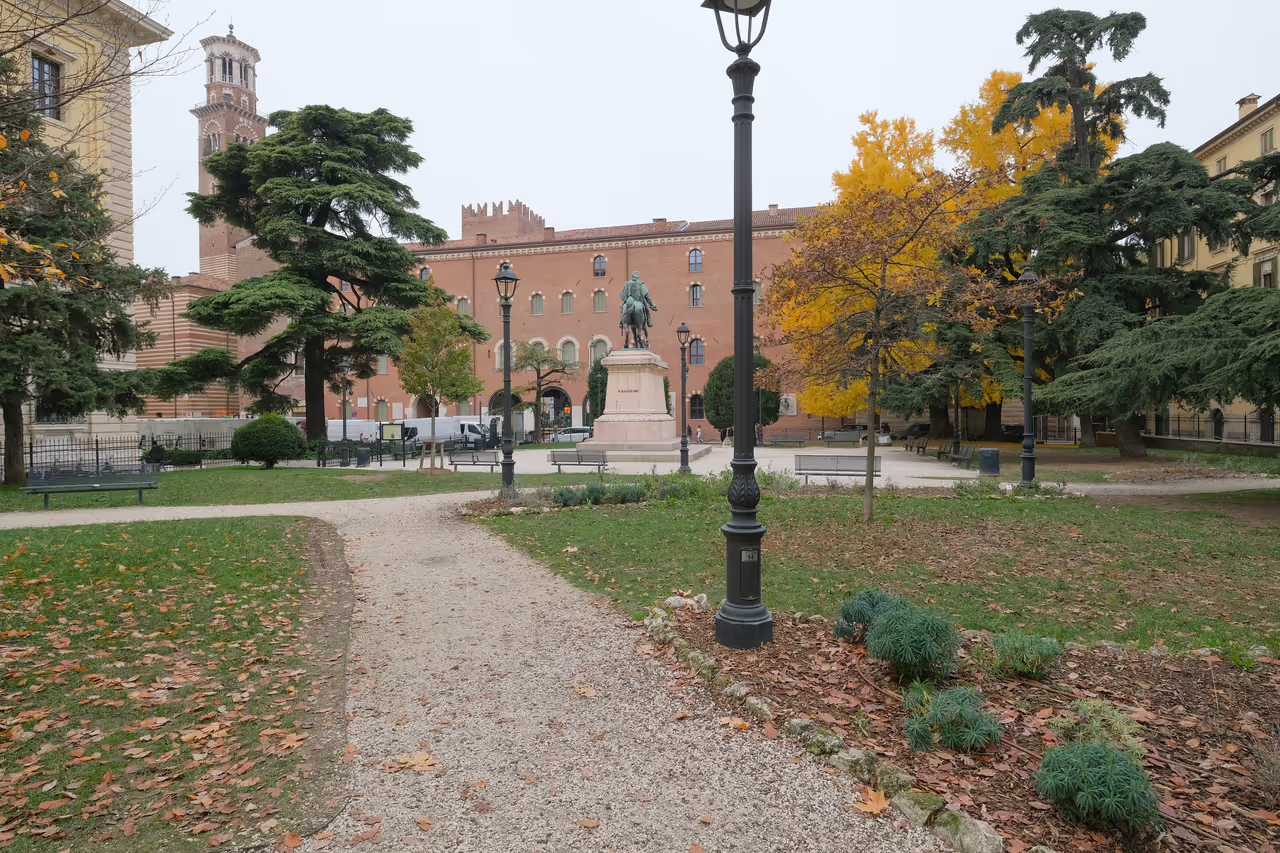
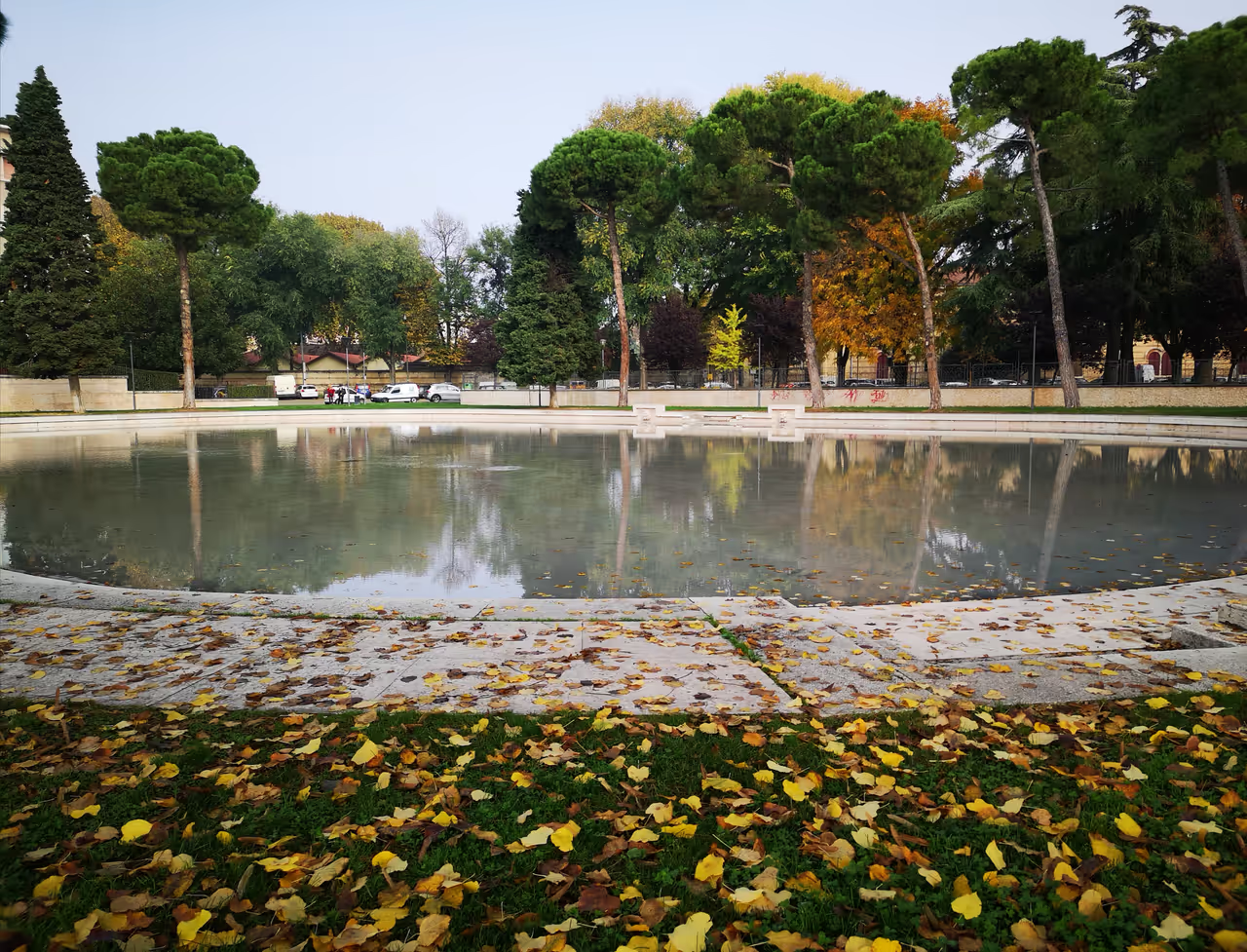
Step back into the 19th century within the walls of this grand military complex, which once served as the beating heart of Austrian defense in Italy. Today, the Verona Arsenal stands as a peaceful oasis, where striking neoromanesque architecture meets beautifully landscaped green spaces. Visitors can wander through the historic grounds, admire the elegant brick and stone facades, and enjoy the reflective calm of the water basin. It is a perfect spot for history lovers and those looking to escape the city crowds for a quiet, atmospheric stroll. The site bridges the gap between a fascinating military past and a serene, public present, inviting everyone to discover its unique charm.
History of Verona Arsenal
Conceived in the mid 19th century by the Austrian Empire, the Verona Arsenal was designed to be the vital cog in the Quadrilatero, a defensive system meant to secure the Kingdom of Lombardy Venetia. Field Marshal Josef Radetzky pushed for this facility, wanting a secure location to maintain and store the weaponry necessary for 100,000 soldiers. Construction finished in 1861, resulting in a symmetrical, orderly complex that reflected the precision of military engineering. It was built in the Campagnola area, a strategic spot protected by the Adige River, making it difficult for local insurrectionists to disrupt. The site served as an industrial hub where blacksmiths, carpenters, and harness makers kept the machinery of war in peak condition. Over time, the role of the arsenal shifted. After World War II, the buildings were damaged, and the site faced an uncertain future as a forgotten corner of the city. For decades, it remained largely underutilised, caught between its heavy military history and the city's desire for public green spaces. The transition from military fortress to a communal retreat finally began when the municipality took control in the late 1990s. Today, projects like the restoration of the central water basin have turned a once restricted fortification into a serene public park. The architecture, featuring the distinct Rundbogenstil arches, remains a testament to a bygone era. It serves as a rare space in Verona where visitors can reflect on the complex history of the city while enjoying a moment of modern tranquility.
Events spanning 157 years
Fun Facts
- • Architect David Chipperfield won a competition to revitalise the area in 1999, though the full plan was eventually scaled back due to costs.
- • Despite its massive scale, the initial plan was even larger, but it was downsized in 1859 when maintenance duties were shifted to individual regiments.
- • During the 1980s, parts of the site were repurposed for religious use, including the creation of the Church of San Francesco d'Assisi within a former warehouse.
- • Field Marshal Josef Radetzky, a legendary military figure, personally oversaw the transformation of Verona into a massive defensive stronghold.
- • The architectural style, known as Rundbogenstil, draws heavily from the Romanesque tradition by mixing brick and tuff stone to create a harmonious and fortress like aesthetic.
- • The arsenal was strategically placed within a loop of the Adige River, providing natural defense and easy access to the rail links connecting the city to Austria.
- • The central water basin, now a peaceful reflecting pool, was once part of a military swimming school built in the mid 19th century.
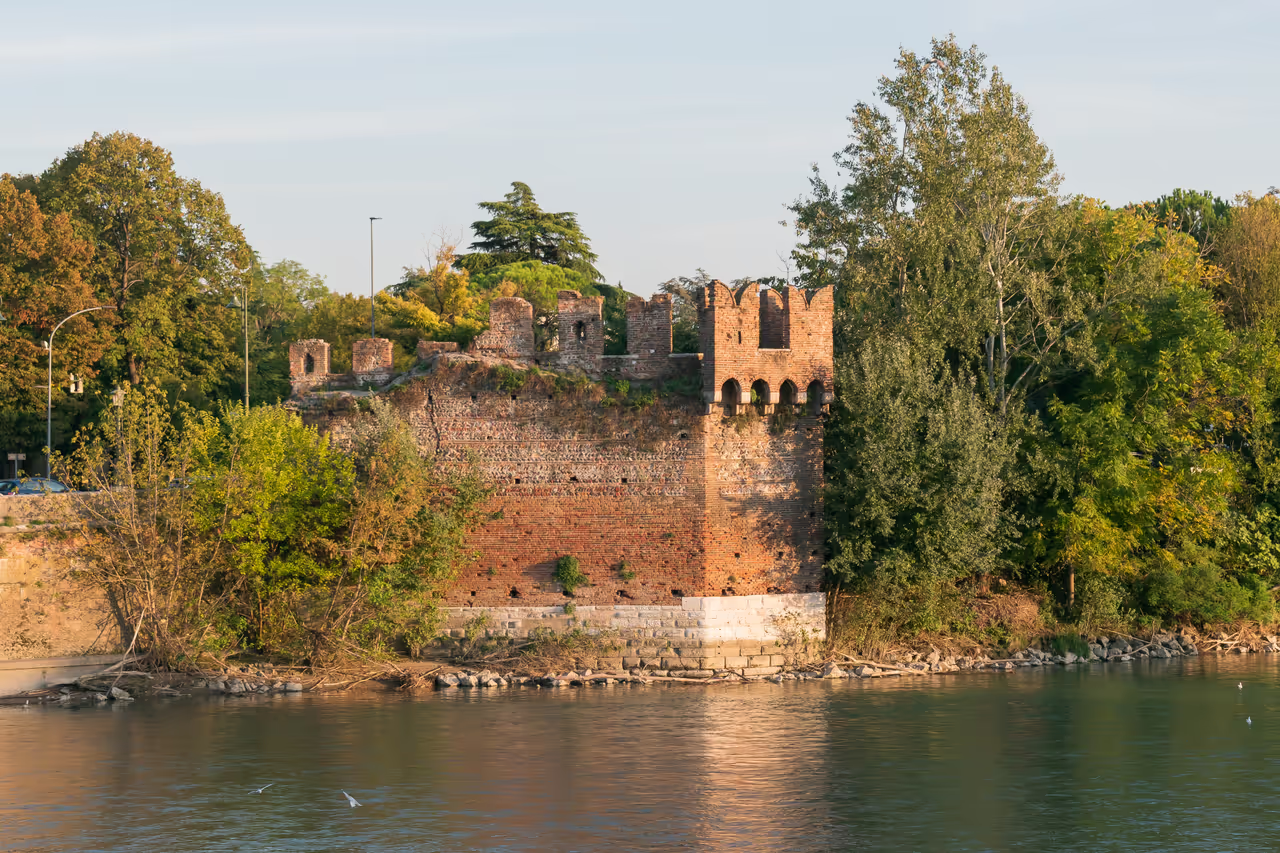
- • The complex originally featured four guard towers at its corners, though only fragments remain today following decades of urban changes.
- • The project was inspired by the arsenal in Vienna, which was built just a few years earlier, ensuring the Verona facility had the most advanced design of that era.
- • The site remains one of the best examples of 19th century military logistics architecture in Northern Italy, standing as a stark contrast to the medieval structures nearby.
Verona Arsenal FAQ
While we strive to keep this information accurate and up to date, we recommend verifying any details independently before making decisions based on them.
Verona Arsenal Map & Neighborhood Explorer
This interactive map is centered on Verona Arsenal. Zoom in and move the map around to automatically discover Wikipedia photos and summaries of other nearby sights, monuments, and historical points of interest and stories in real-time!
Places near Verona Arsenal
Make the most of your trip. Check out these top-rated spots located nearby.
 277m
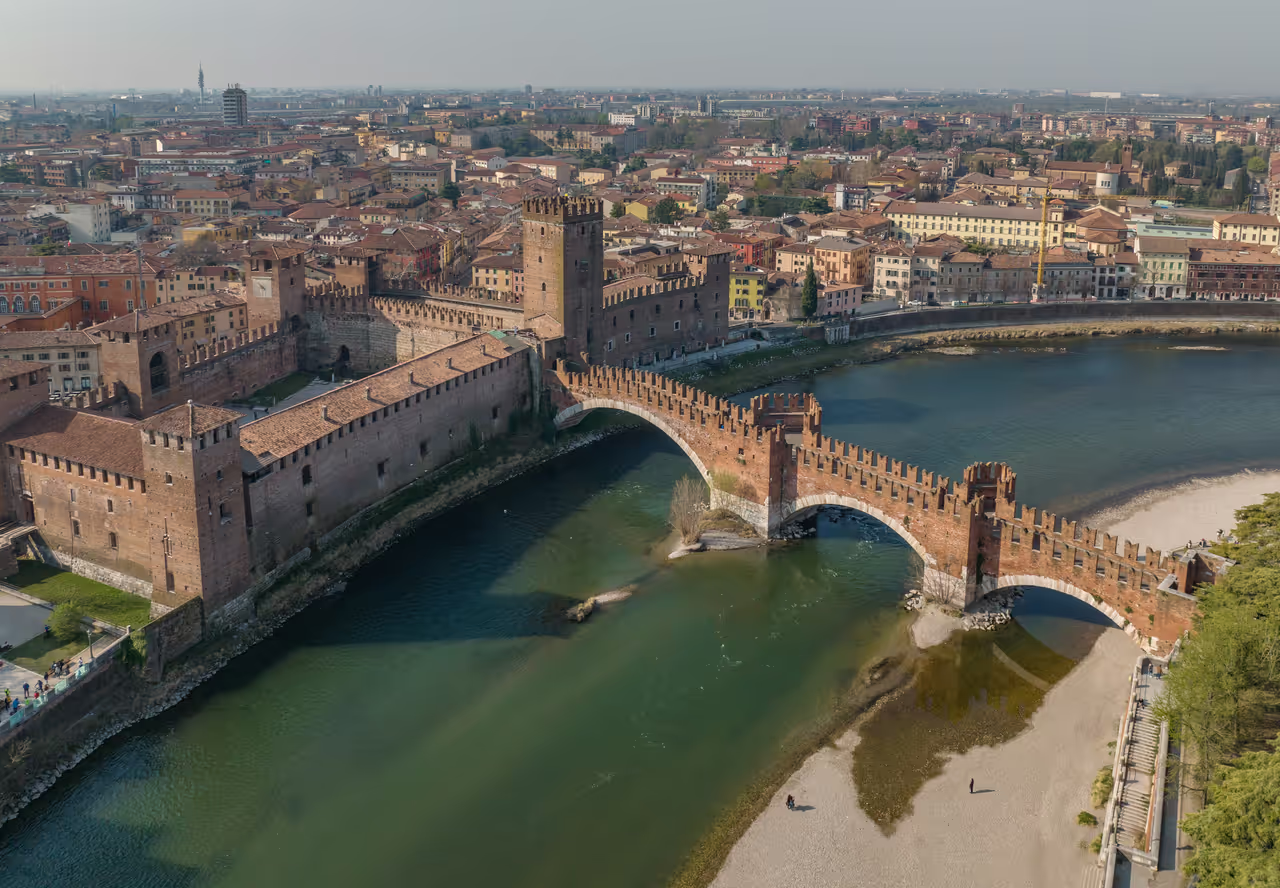
277mCastelvecchio Bridge
Extending forcefully from the main keep of the Castelvecchio, this robust, fortified bridge was constructed in the 14th century as a secure escape route for the ruling lords. Built with a combination of deep red brick and white marble, its three arches span the turbulent river below. The bridge is heavily fortified with high walls and characteristic swallowtail battlements, giving it a severe, martial appearance. Walking through its sheltered, brick lined corridors feels like traversing a medieval fortress rather than a simple river crossing. Like much of the city, it was destroyed in World War II and brilliantly rebuilt.
highlight view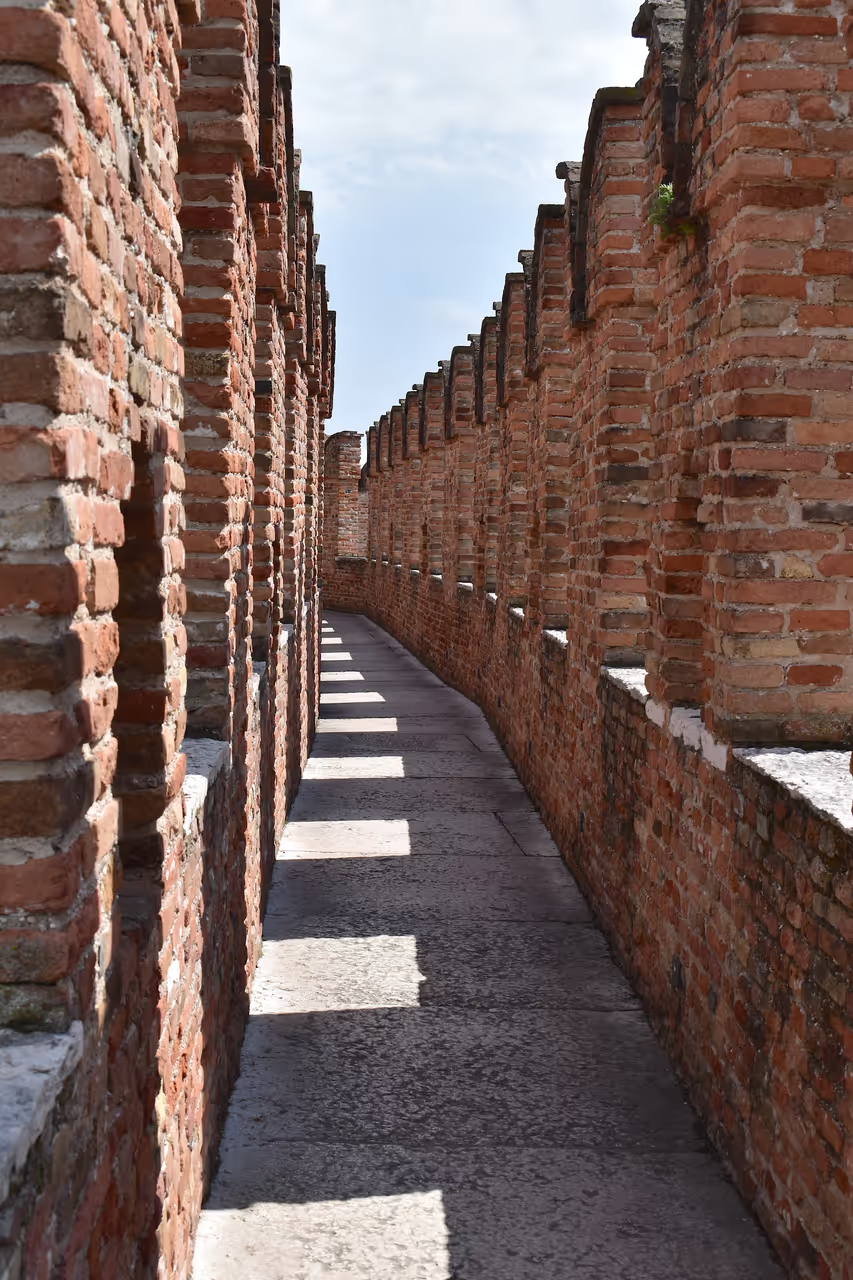 277m
277mCastelvecchio Museum
Step inside a fortress that perfectly balances the weight of medieval history with the brilliance of mid century architectural design. The Museo di Castelvecchio is an immersive experience where ancient stone walls meet the precise and artistic interventions of the legendary architect Carlo Scarpa. You can wander through a labyrinth of rooms housing masterpieces by Pisanello, Veronese, and Mantegna while admiring how the building itself acts as a profound work of art. From the dramatic placement of equestrian statues to the serene water features in the courtyards, every corner invites quiet contemplation and discovery. It is an essential stop for anyone wanting to understand the soul of Verona, blending military might with delicate artistic treasures in a way that feels utterly timeless.
attraction view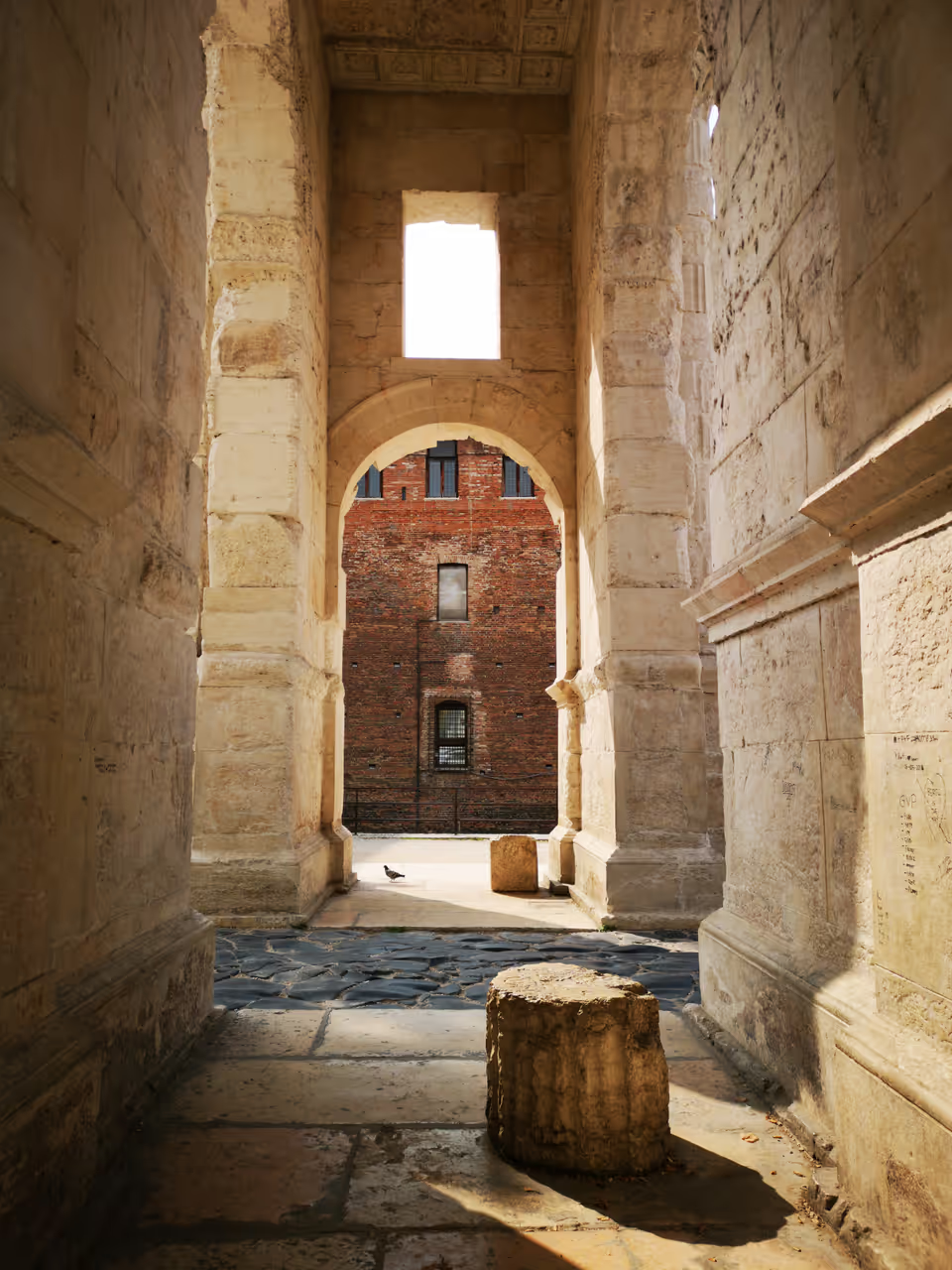 286m
286mGavi Arch
A rare example of an ancient Roman triumphal arch constructed not for an emperor, but to celebrate a wealthy private family. Designed in the 1st century by an architect named Vitruvius, its elegant, highly refined proportions became an intense subject of study for later Renaissance masters like Palladio. During the Napoleonic occupation, French engineers demolished it to widen the road for military traffic. Fortunately, the stones were saved, and the arch was meticulously reconstructed in 1932 alongside the Castelvecchio. It stands as a brilliant testament to classical aesthetics and modern conservation.
architecture view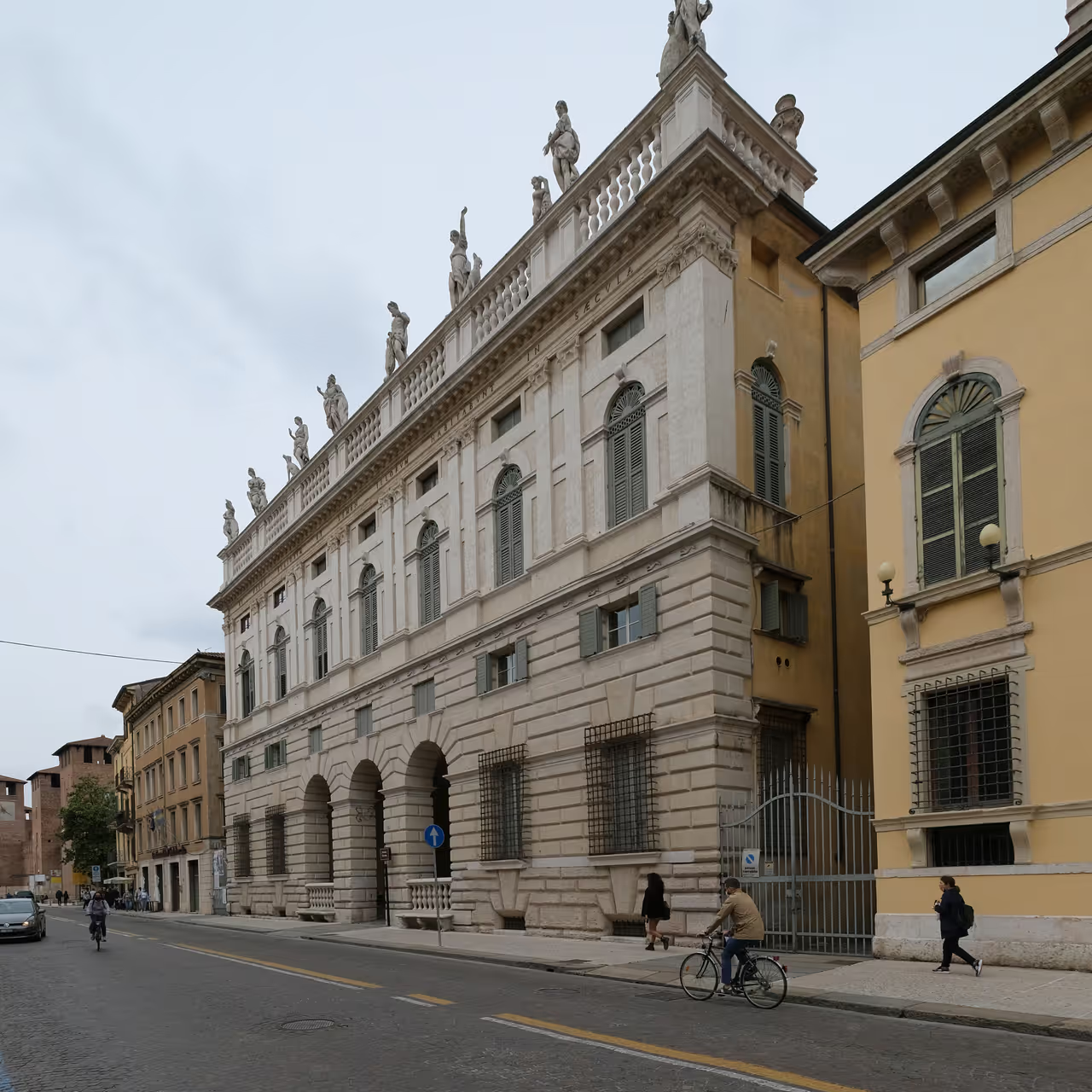 317m
317mCanossa Palace
Situated along an elegant, wide avenue, this aristocratic residence is widely considered one of the absolute masterpieces of Michele Sanmicheli. The facade exhibits perfect Renaissance symmetry, featuring a heavy, rusticated lower level supporting an elegant, light filled upper story with a continuous balcony. It was designed to impress, hosting European monarchs, emperors, and even Napoleon Bonaparte during their stays in the city. The roofline is adorned with a series of classical statues silhouetted against the sky. It represents the pinnacle of private, noble wealth during the Venetian era.
architecture view
See all nature & parks in Verona
Palazzo Giusti and its Renaissance Gardens, Independence Square, Municipal Walls of Verona...