Castelvecchio Museum
Step inside a fortress that perfectly balances the weight of medieval history with the brilliance of mid century architectural design. The Museo di Castelvecchio is an immersive experience where ancient stone walls meet the precise and artistic interventions of the legendary architect Carlo Scarpa. You can wander through a labyrinth of rooms housing masterpieces by Pisanello, Veronese, and Mantegna while admiring how the building itself acts as a profound work of art. From the dramatic placement of equestrian statues to the serene water features in the courtyards, every corner invites quiet contemplation and discovery. It is an essential stop for anyone wanting to understand the soul of Verona, blending military might with delicate artistic treasures in a way that feels utterly timeless.
Videos
History of Castelvecchio Museum
The story of Castelvecchio began in the mid fourteenth century under the command of Cangrande II della Scala. It served as a powerful defensive fortress and a private residence for the ruling family, designed to project strength and ensure survival against internal and external threats. Over the centuries, its purpose shifted from a strategic military stronghold to a Napoleonic barracks, enduring modifications that stripped away its medieval charm and saw towers lowered to accommodate military function. The building survived through centuries of turmoil, witnessing the rise and fall of various powers that vied for control of Verona. The true architectural rebirth arrived in the mid twentieth century when the city commissioned Carlo Scarpa to restore the complex. Scarpa treated the structure as a living organism, engaging in a profound dialogue between the existing medieval fabric and his own modern vision. He transformed the space into a museum where ancient stone walls interact with raw concrete and steel, creating a unique atmosphere where history feels tactile. His work here is widely considered one of the finest examples of museum architecture in the world, showcasing a level of detail that remains breathtaking today. The museum faced a harrowing crisis in November 2015, when seventeen of its most precious paintings were stolen in a sophisticated heist. The loss of works by masters like Tintoretto, Rubens, and Mantegna sent shockwaves through the art world. Yet, the story took a triumphant turn just months later when Italian authorities located the collection in Ukraine. The paintings were successfully recovered, marking a moment of immense relief and pride for the people of Verona and international art lovers alike, reaffirming the resilience of this cultural treasure.
Events spanning 662 years
Fun Facts
- • Carlo Scarpa's restoration is studied by architects worldwide because he refused to blend modern work with the old, instead choosing to highlight the contrast between them.
- • During the Napoleonic occupation, the towers of the castle were lowered and the battlements were removed to convert the fortress into a barracks for French troops.
- • Scarpa included water basins in the courtyard based on an observation of puddles on the ground during a rainstorm, which now mirror the castle walls to create a Zen like atmosphere.
- • The 2015 theft of seventeen paintings was considered one of the most significant art crimes in Italian history, involving a guard who acted as an insider.
- • The armory collection features the original sword found inside Cangrande's tomb when it was opened during the 1920s.
- • The gallery's layout includes carefully positioned windows that frame specific views of the city and the Adige River, turning the surrounding landscape into part of the exhibition.
- • The iconic statue of Cangrande I was moved from his tomb at the Scaliger Arches to the museum to protect it from the elements and to serve as a focal point of the collection.
- • The museum holds a specific painting known as the Madonna of the Quail by Pisanello, which is an exceptionally rare survival from the master artist.
- • The museum is housed in a castle that was originally built to allow the Scaliger family to flee the city quickly if the local population turned against them.
- • The museum's archive contains over 600 of Carlo Scarpa's original design drawings, which document the entire creative process behind his masterful restoration.
- • When the stolen paintings were returned in 2016, the recovery was celebrated with an official event attended by the President of Ukraine and the Italian Minister of Culture.
RESOURCES
Official WebsiteCastelvecchio Museum FAQ
While we strive to keep this information accurate and up to date, we recommend verifying any details independently before making decisions based on them.
Castelvecchio Museum Map & Neighborhood Explorer
This interactive map is centered on Castelvecchio Museum. Zoom in and move the map around to automatically discover Wikipedia photos and summaries of other nearby sights, monuments, and historical points of interest and stories in real-time!
Places near Castelvecchio Museum
Make the most of your trip. Check out these top-rated spots located nearby.
 0m
0mCastelvecchio Bridge
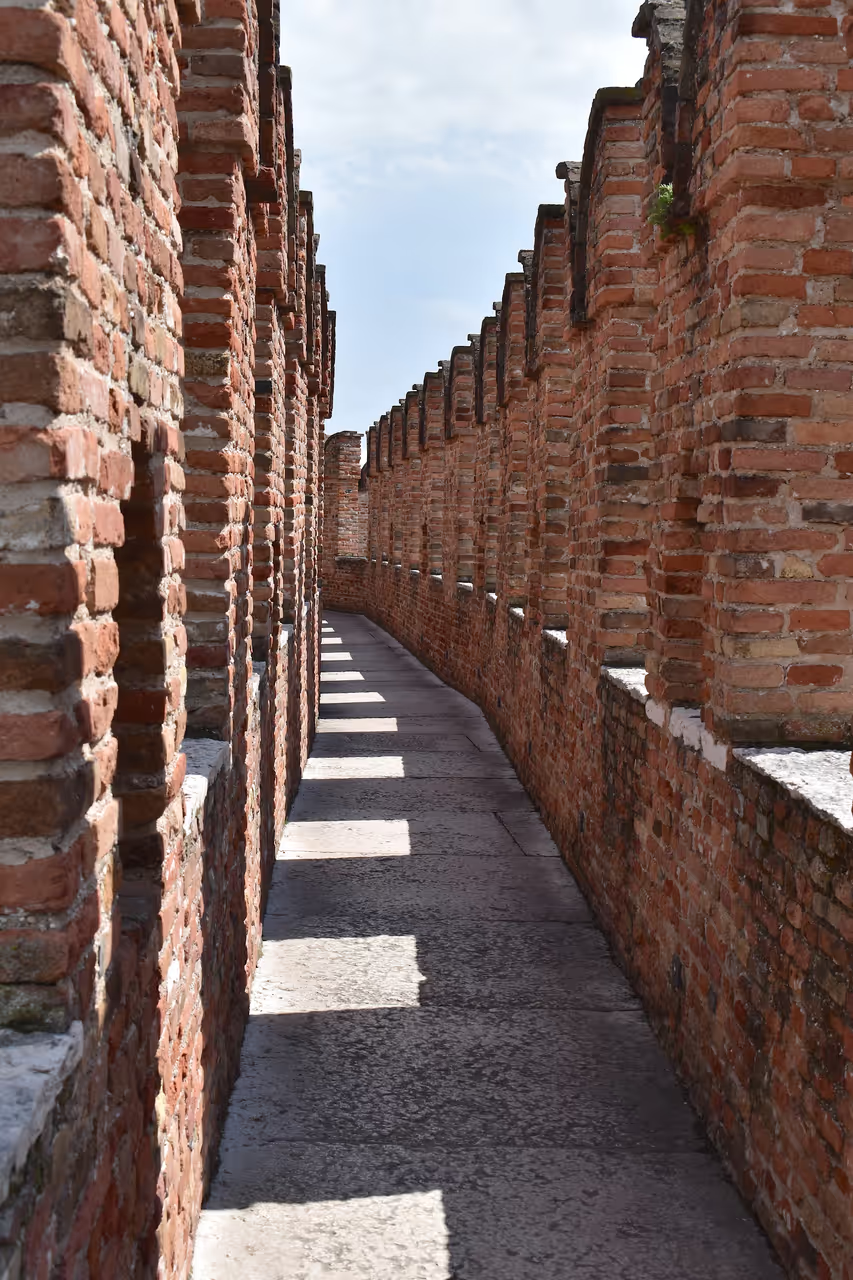
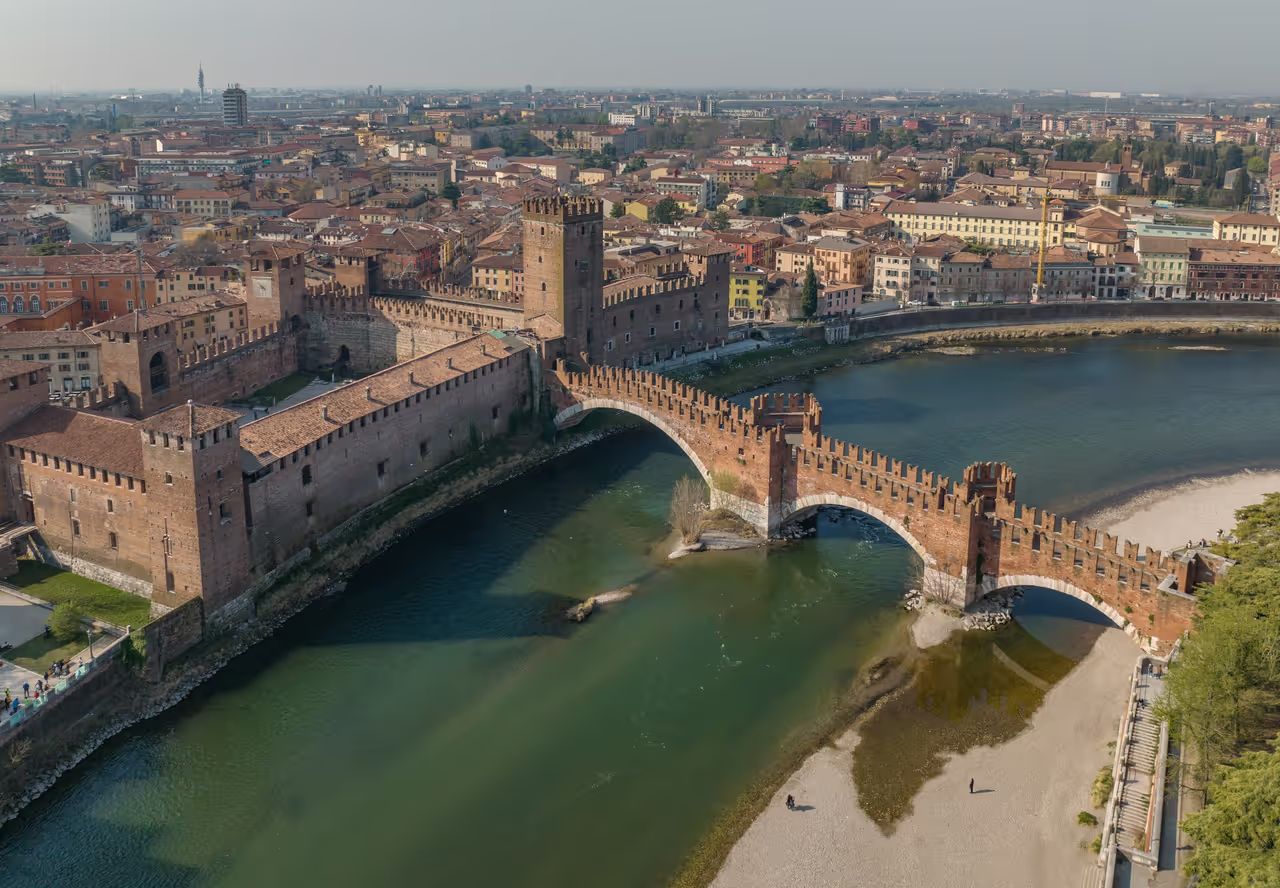
Extending forcefully from the main keep of the Castelvecchio, this robust, fortified bridge was constructed in the 14th century as a secure escape route for the ruling lords. Built with a combination of deep red brick and white marble, its three arches span the turbulent river below. The bridge is heavily fortified with high walls and characteristic swallowtail battlements, giving it a severe, martial appearance. Walking through its sheltered, brick lined corridors feels like traversing a medieval fortress rather than a simple river crossing. Like much of the city, it was destroyed in World War II and brilliantly rebuilt.
highlight view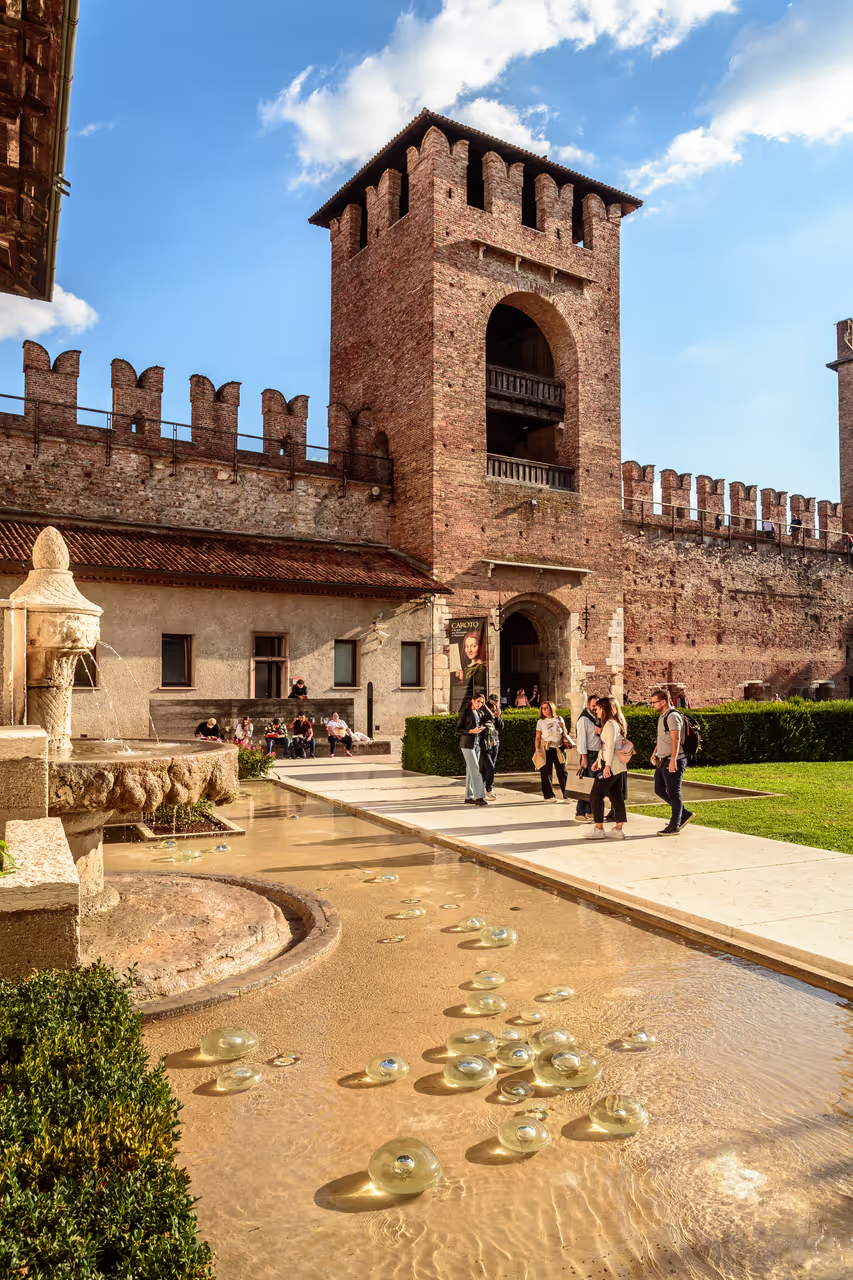 53m
53mVisit the Castelvecchio Courtyards
While entering the art museum inside requires a ticket, wandering through the vast, imposing exterior courtyards of this medieval fortress is completely free. You can walk across the ancient drawbridge, admire the sheer scale of the brick keep, and explore the enclosed parade grounds. From the main courtyard, you also have free access to walk entirely across the spectacular, fortified Castelvecchio Bridge. It provides an immediate, powerful sense of the city's formidable medieval past.
free thing to do view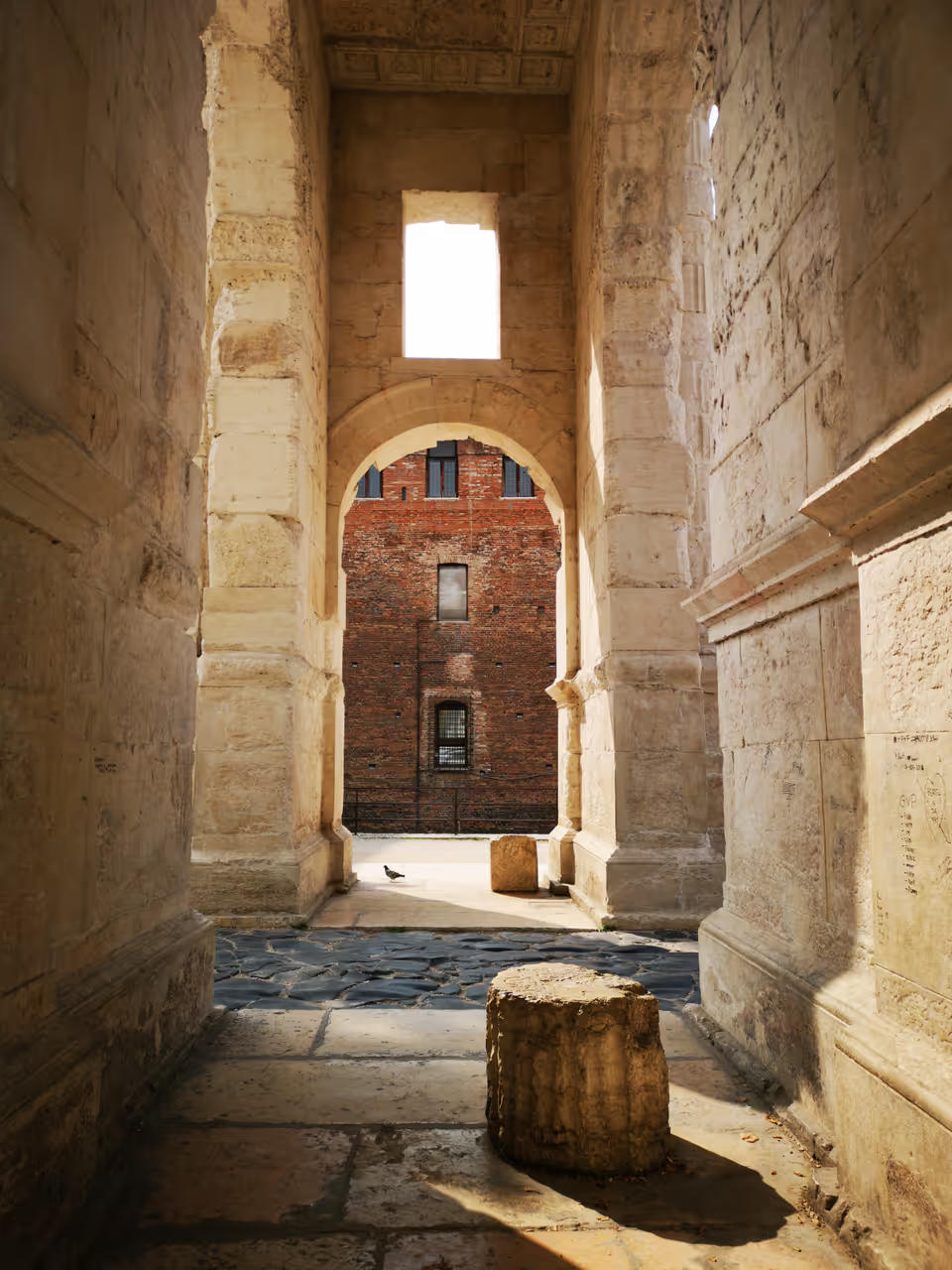 94m
94mGavi Arch
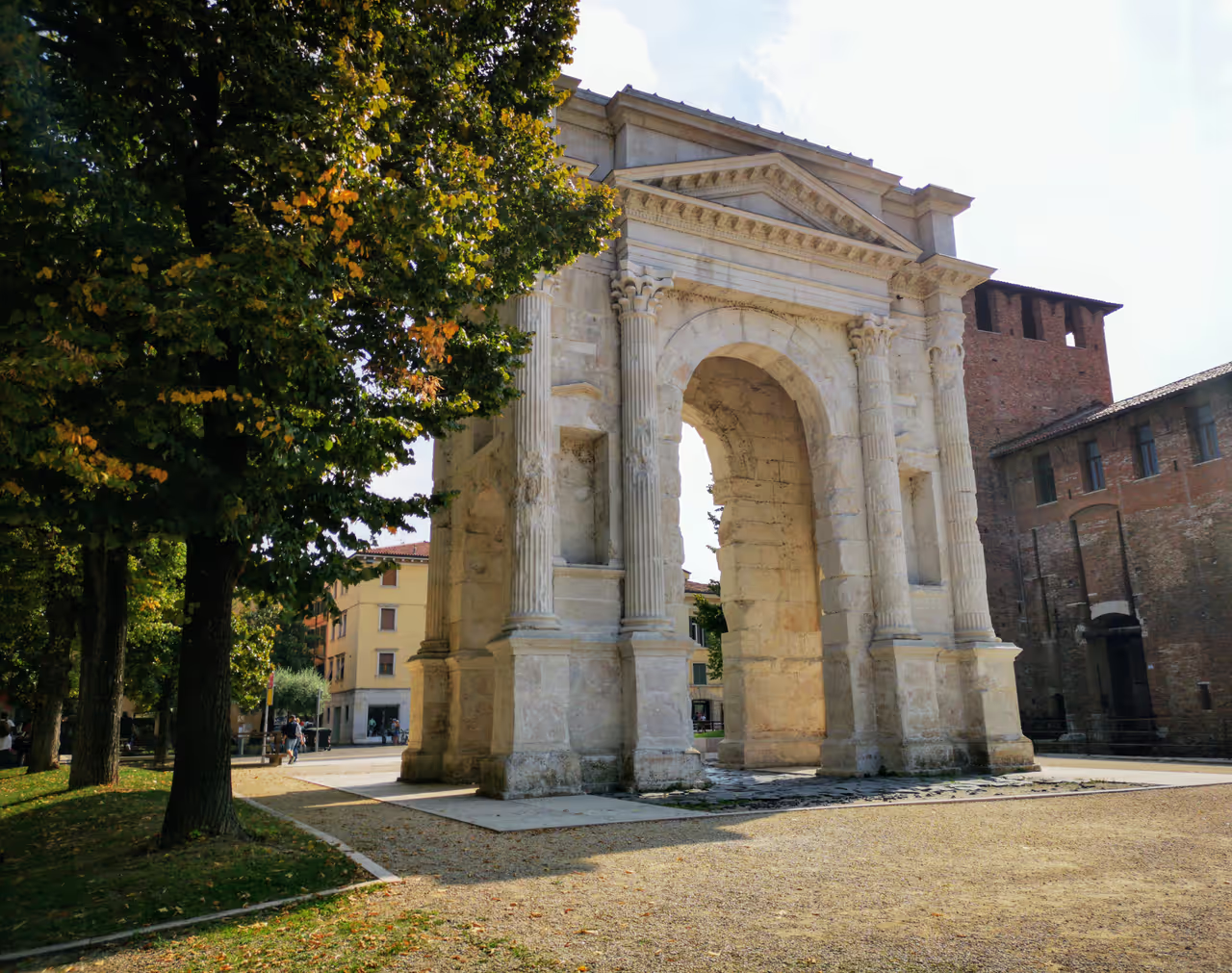
A rare example of an ancient Roman triumphal arch constructed not for an emperor, but to celebrate a wealthy private family. Designed in the 1st century by an architect named Vitruvius, its elegant, highly refined proportions became an intense subject of study for later Renaissance masters like Palladio. During the Napoleonic occupation, French engineers demolished it to widen the road for military traffic. Fortunately, the stones were saved, and the arch was meticulously reconstructed in 1932 alongside the Castelvecchio. It stands as a brilliant testament to classical aesthetics and modern conservation.
architecture view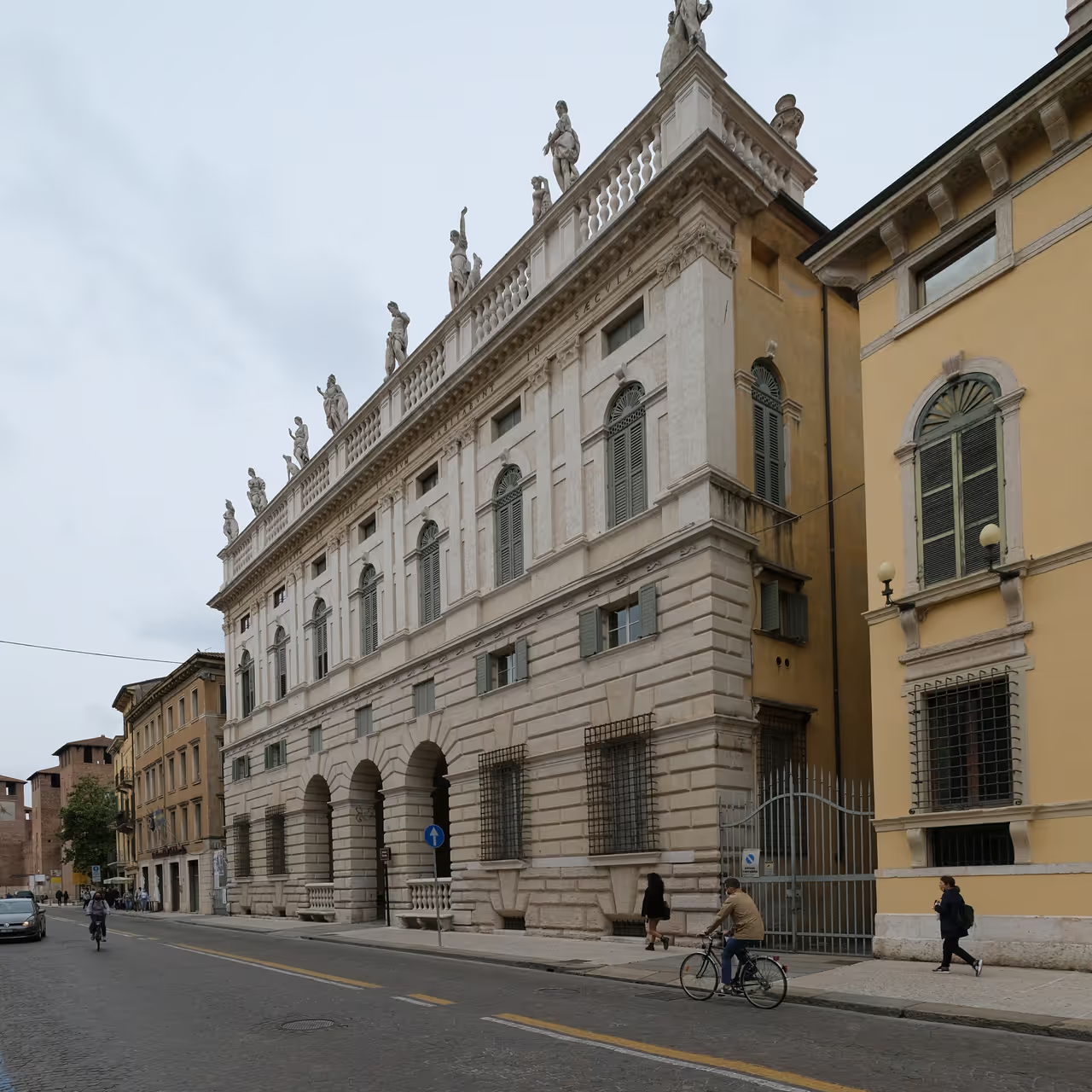 148m
148mCanossa Palace
Situated along an elegant, wide avenue, this aristocratic residence is widely considered one of the absolute masterpieces of Michele Sanmicheli. The facade exhibits perfect Renaissance symmetry, featuring a heavy, rusticated lower level supporting an elegant, light filled upper story with a continuous balcony. It was designed to impress, hosting European monarchs, emperors, and even Napoleon Bonaparte during their stays in the city. The roofline is adorned with a series of classical statues silhouetted against the sky. It represents the pinnacle of private, noble wealth during the Venetian era.
architecture view
Explore Similar Places in This Collection
Featured on These Itineraries and Routes
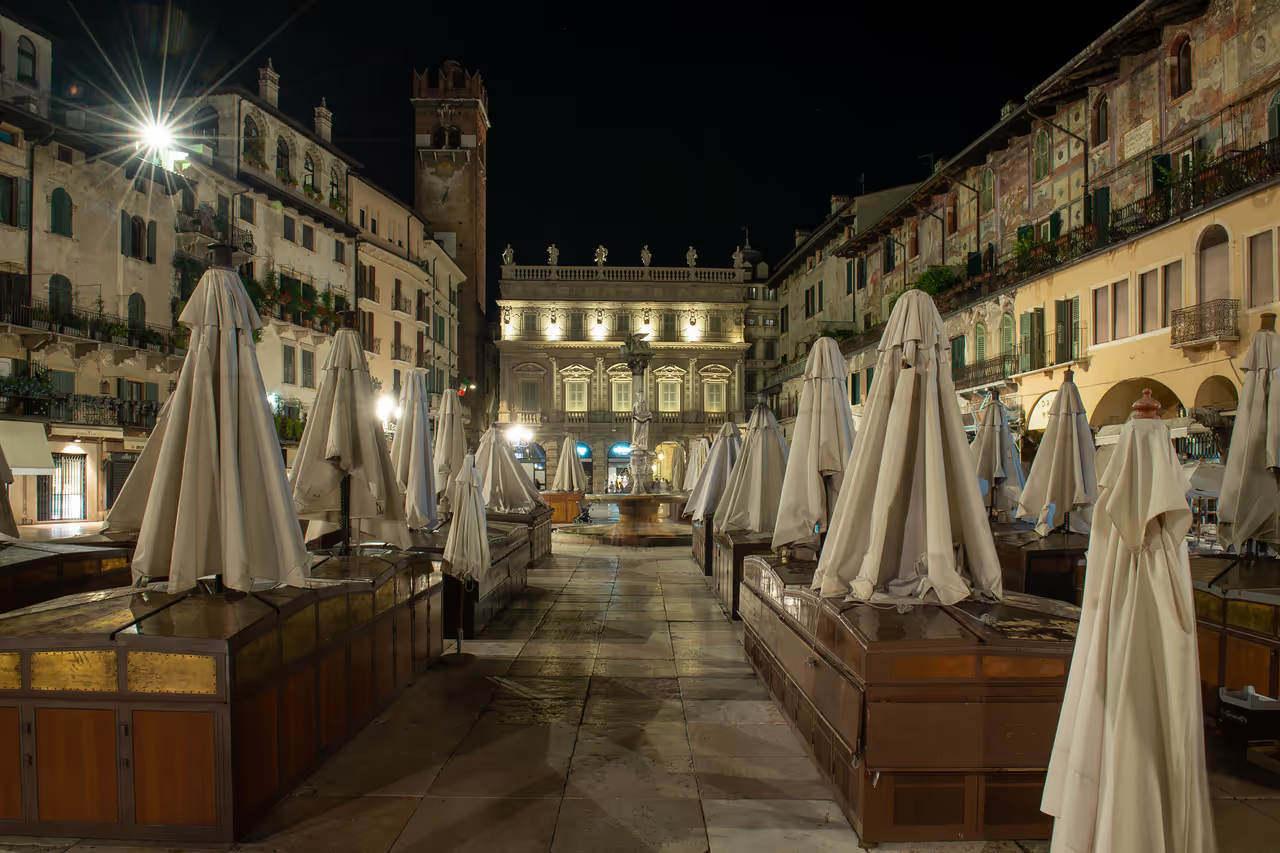
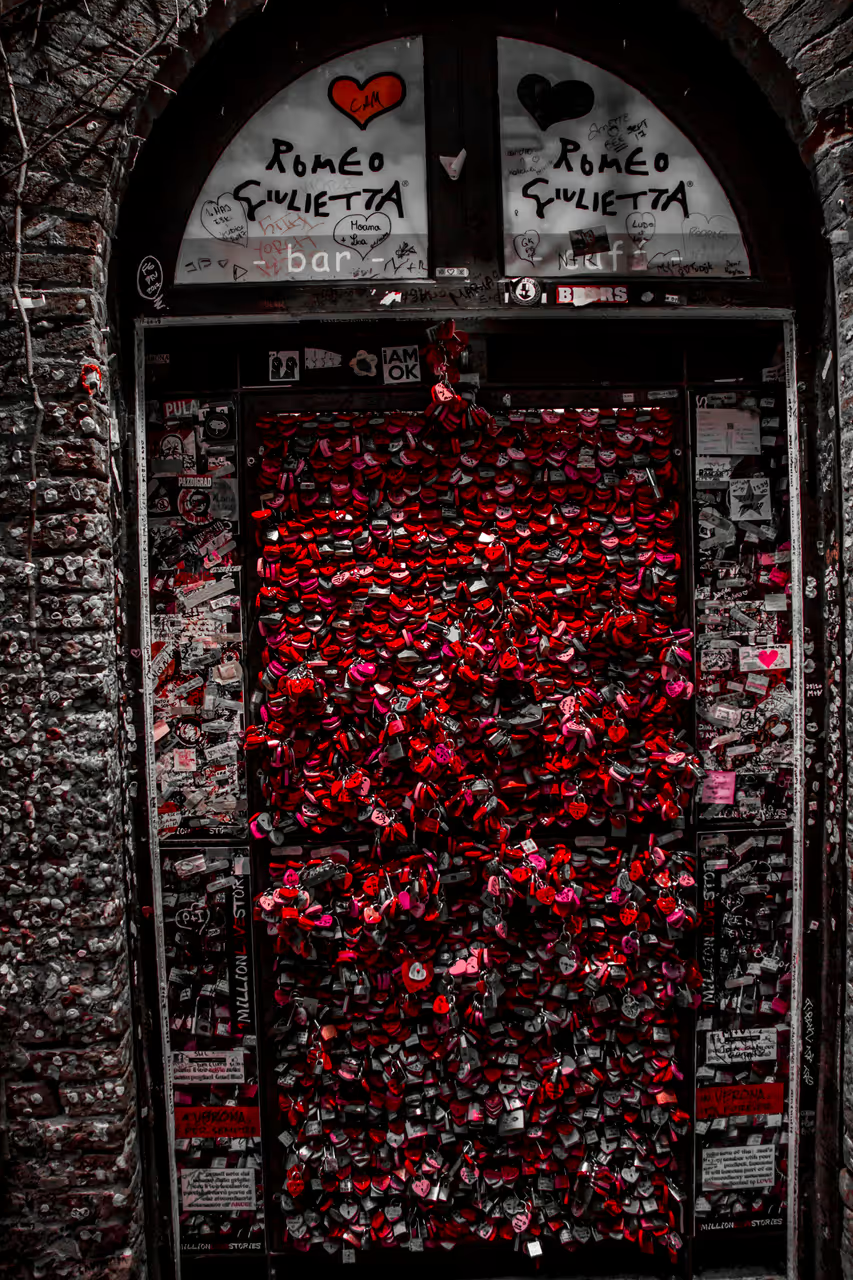
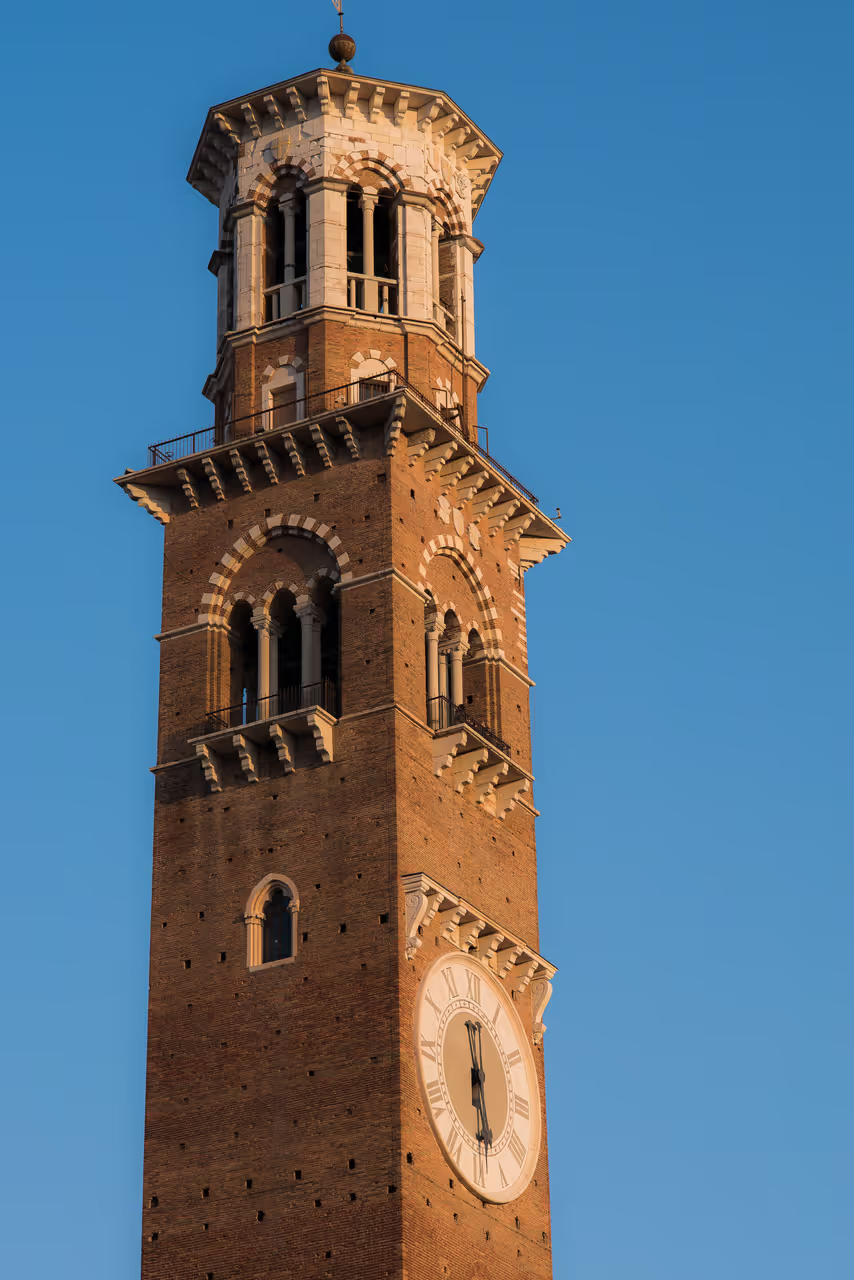
1 Day in Verona: The Roman & Romantic Core Itinerary
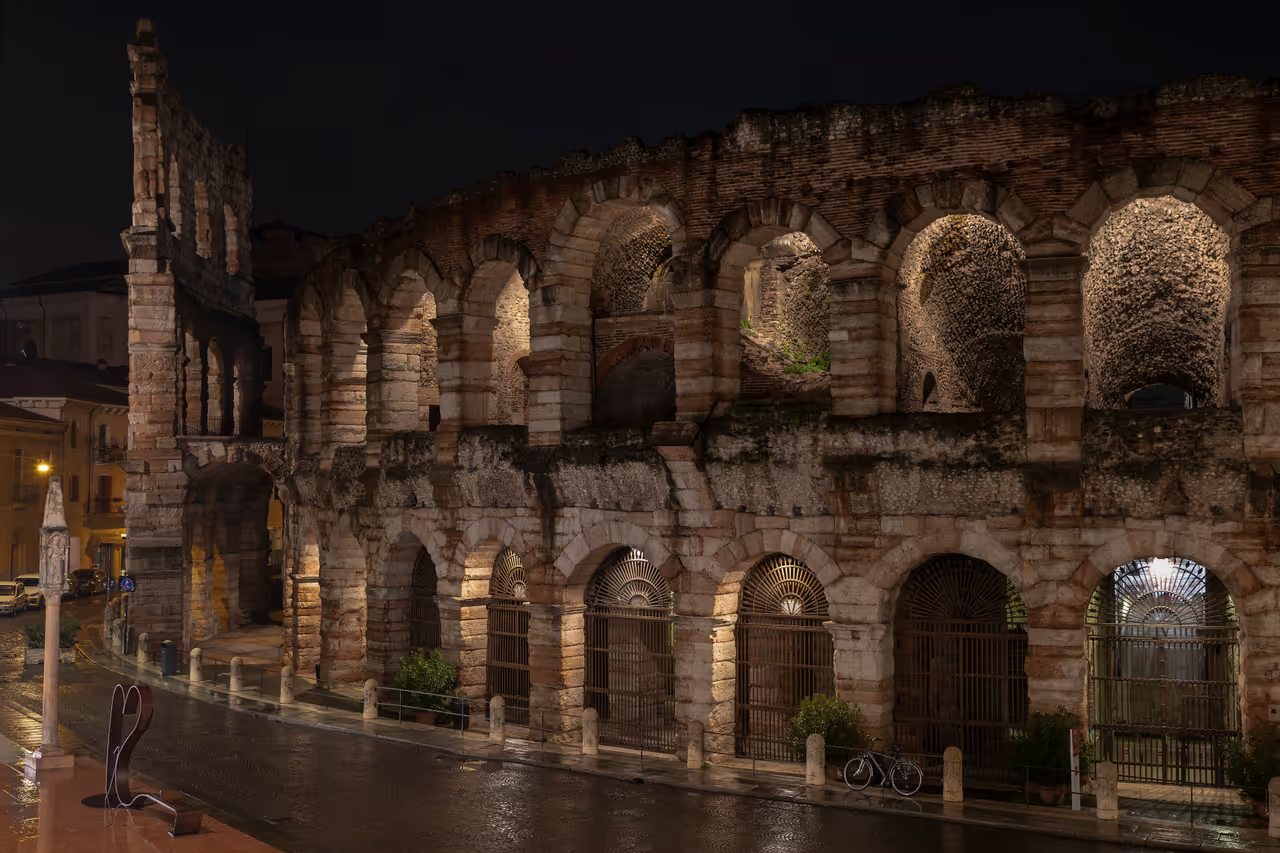
This highly concentrated itinerary is designed to hit the absolute must see highlights of the city for visitors short on time. It focuses heavily on the central, walkable core, taking you from the colossal Roman amphitheatre through the bustling medieval squares. You will experience the city's legendary romantic folklore alongside its stunning architectural legacy. It provides a perfect, vibrant snapshot of the city's varied history.
view itinerary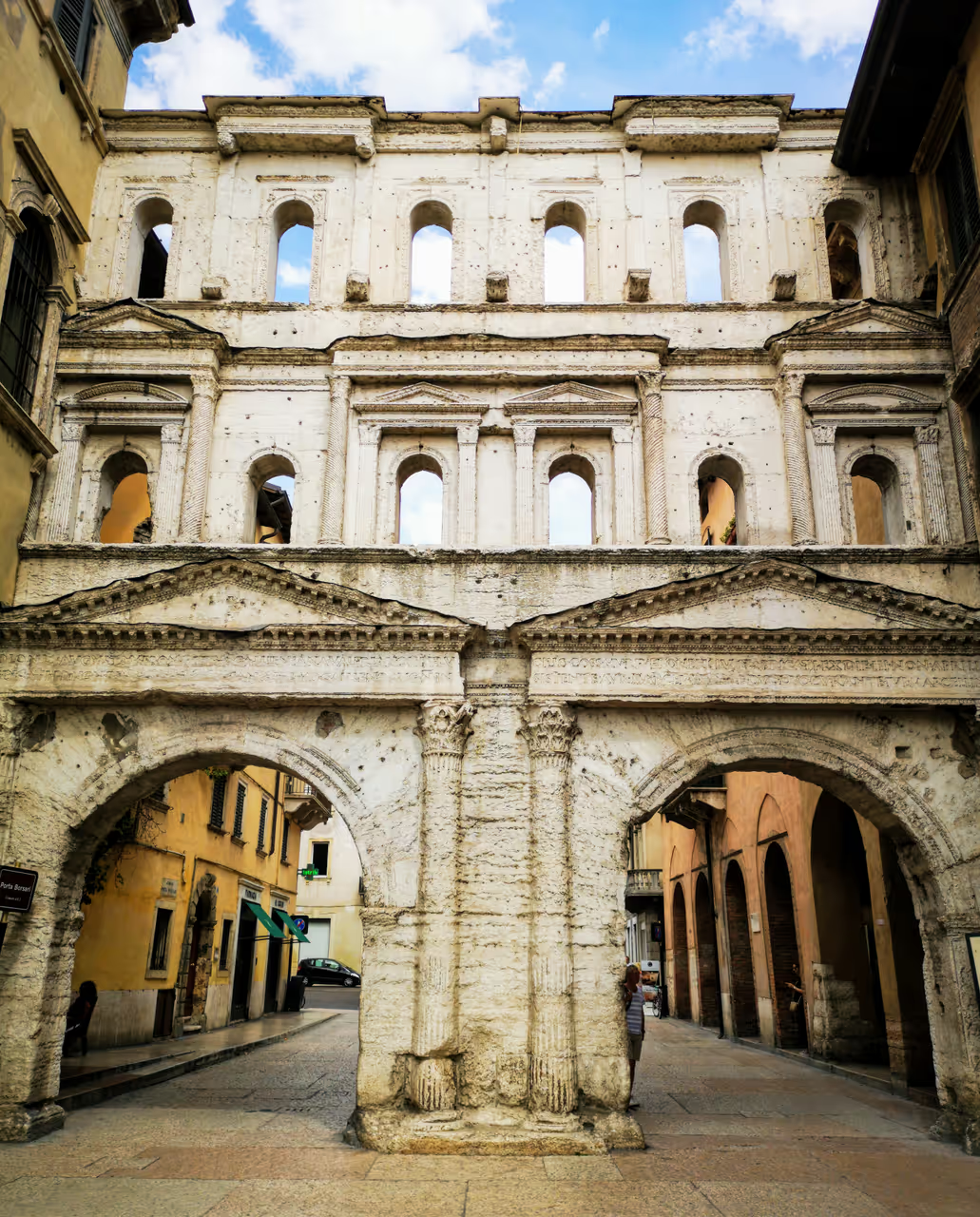
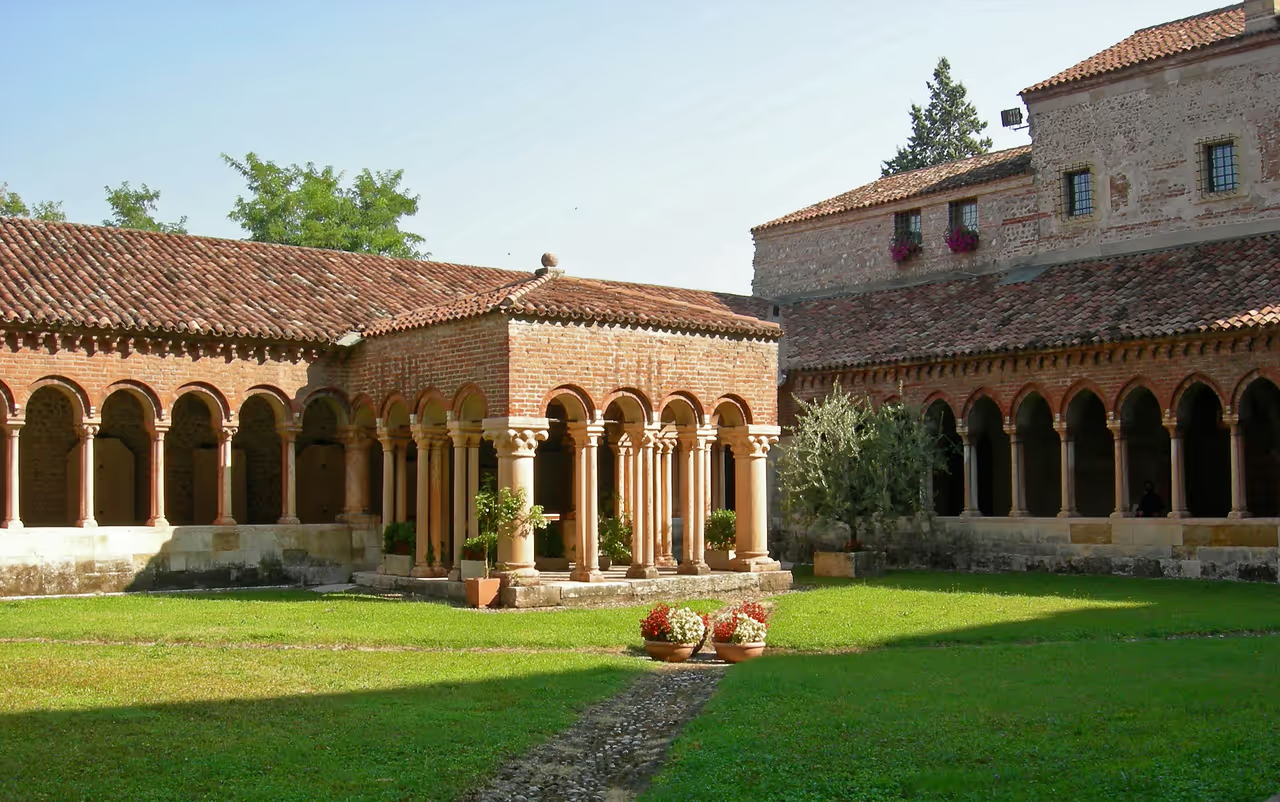
3 Days in Verona: History, Art, and Hills Itinerary
A perfect, comfortable pace to truly absorb the city's profound depth without rushing. This plan allows you to explore the major monuments, dedicate time to the city's incredible churches, and venture up into the scenic hills. You will have time to linger in cafes, cross the historic bridges, and appreciate the brilliant art galleries. It balances the heavy hitters with deeply atmospheric, quieter corners.
view itinerary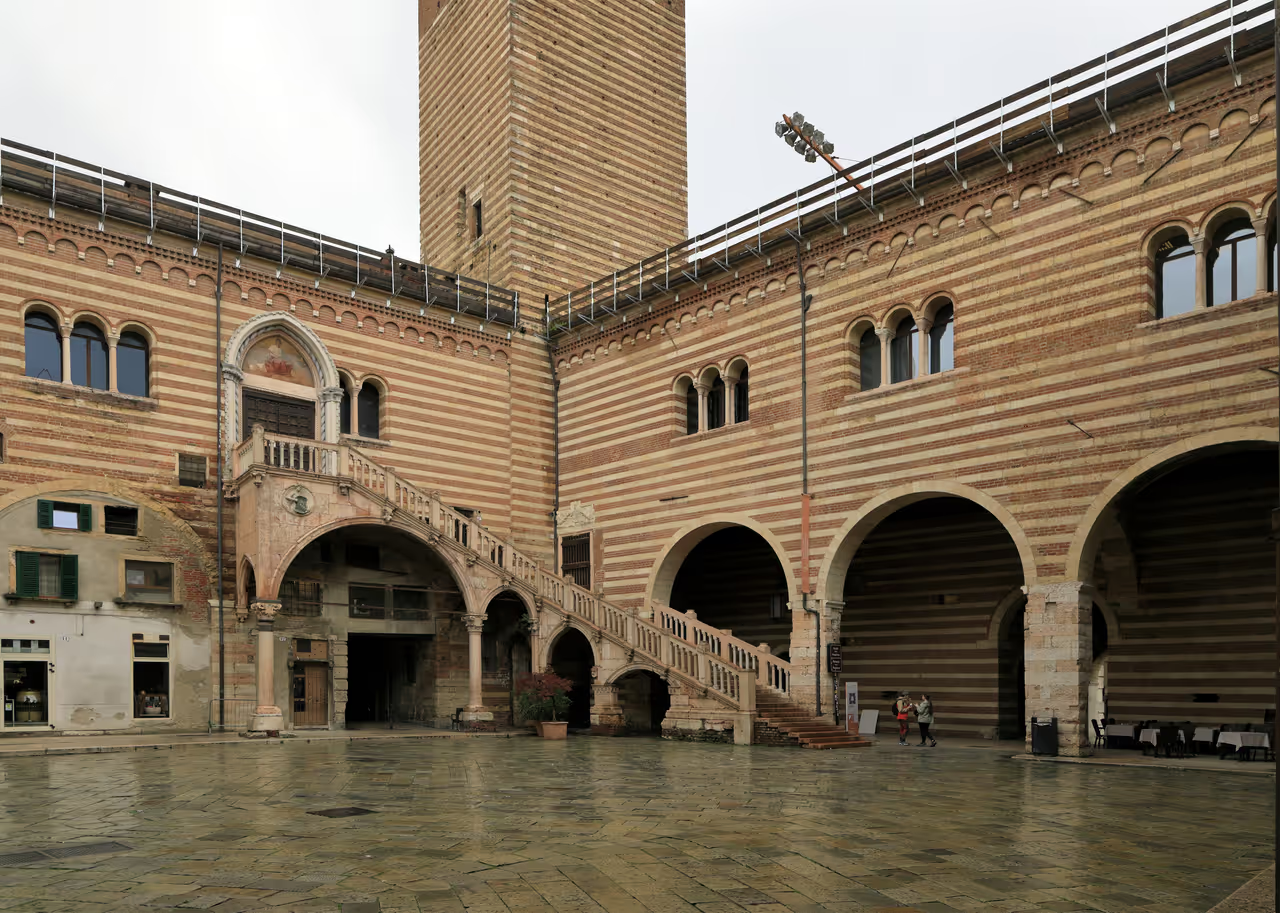
5 Days in Verona: Deep Dive and Hidden Secrets Itinerary
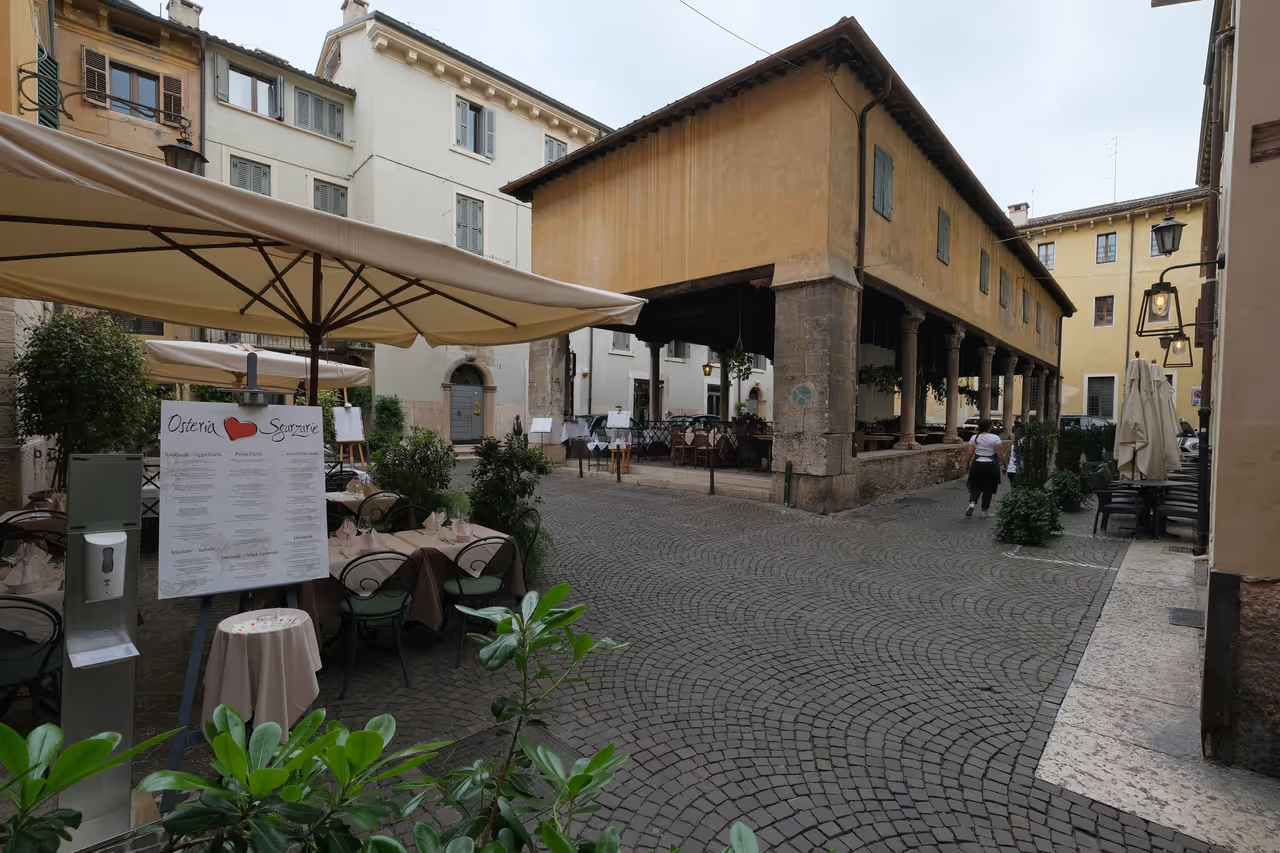
For those who want to experience the city like a local and uncover its deepest historical layers. This expansive itinerary covers everything in the three day plan but adds vital explorations into the underground Roman ruins, hidden medieval chapels, and grand civic palaces. It offers a comprehensive understanding of how the city evolved from a Roman outpost to an Austrian fortress. You will leave with an intimate knowledge of the city's complex, beautiful character.
view itinerary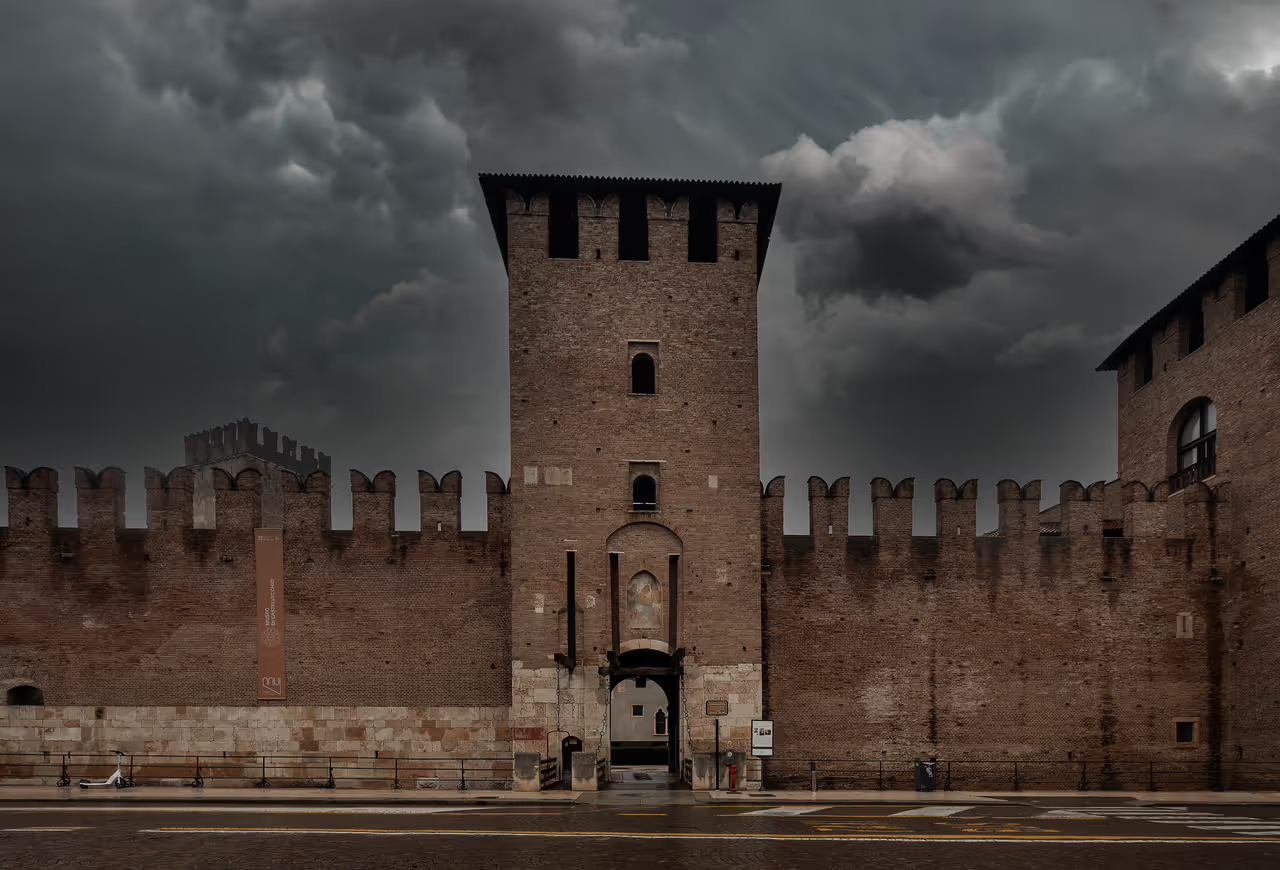
Riverside Romance to Castelvecchio
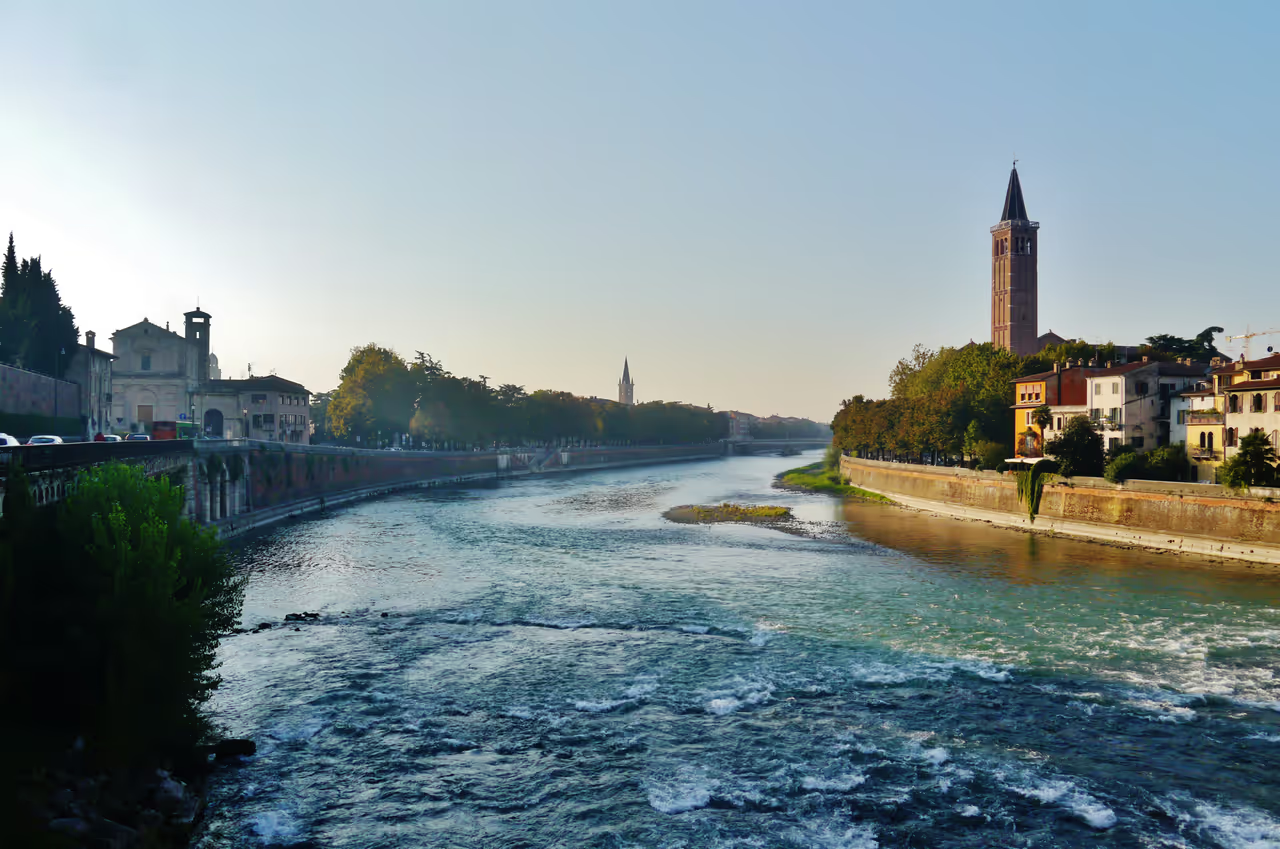
This deeply atmospheric walk follows the high brick embankments of the Adige River, offering beautiful views of the historic architecture reflecting in the water. The path is wide, flat, and lined with trees, making it a favourite evening ritual for locals. As you walk, the imposing red brick profile of the main medieval fortress slowly reveals itself against the skyline.
view walking route
Scaliger Dynasty Trail
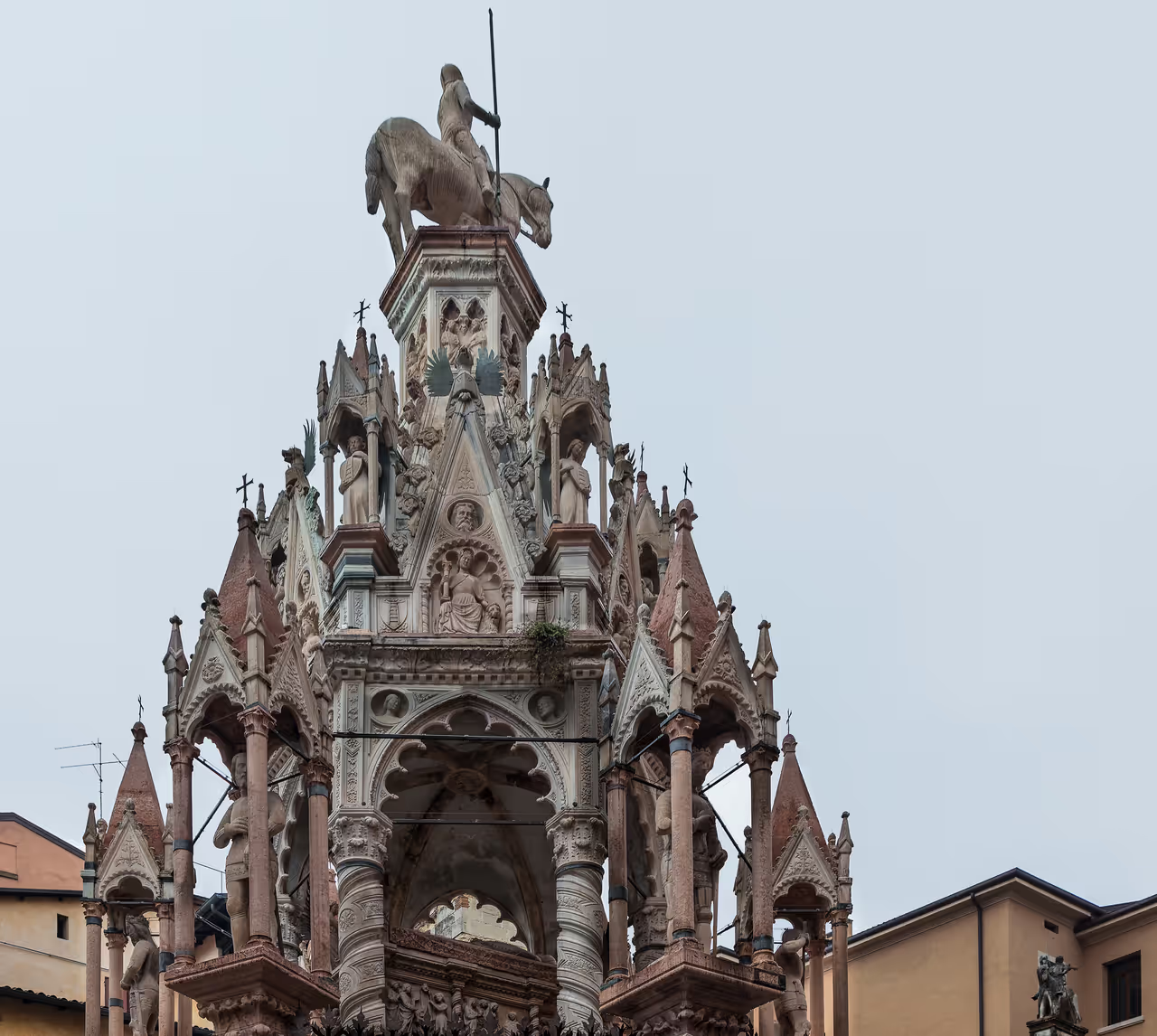
Uncover the formidable legacy of the powerful family that ruled the city with an iron fist during the Middle Ages. This route connects the magnificent Gothic monuments, grand palaces, and heavily fortified castles constructed during their reign. It tells a story of brilliant cultural patronage, brutal family assassinations, and ambitious military expansion that forever altered the skyline.
view self-guided tour
See all attractions in Verona
Basilica of San Zeno, Juliet's House, Lamberti Tower, Roman Theatre of Verona, Verona Arena, Verona Cathedral...