Lamberti Tower
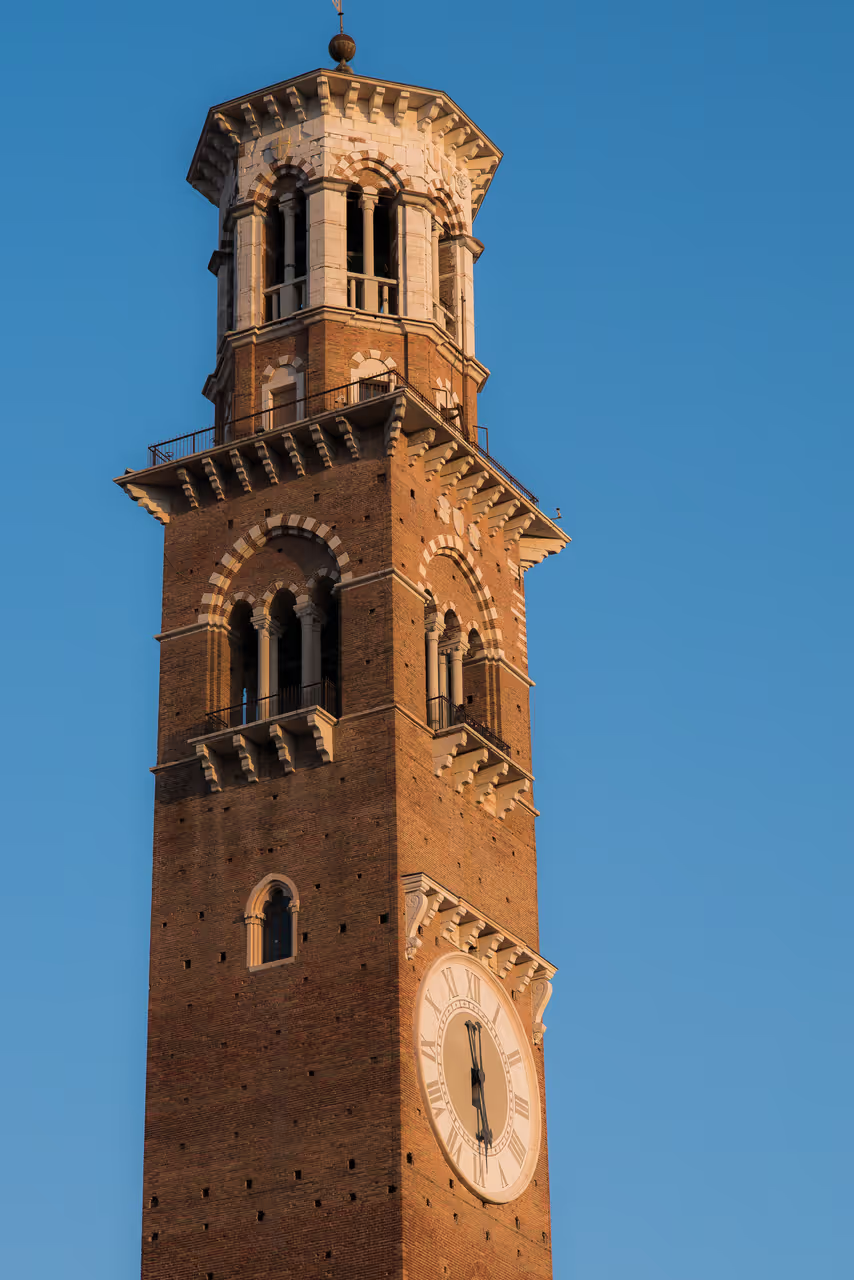
Standing at a staggering 84 metres, the Lamberti Tower is the undisputed vertical icon of Verona. This medieval masterpiece, which began its life in 1172, dominates the skyline above Piazza delle Erbe and offers some of the most breathtaking panoramic views across the city rooftops and the surrounding Torricelle hills. Visitors can ascend to the top to see the historic octagonal belfry, a stunning Gothic addition from the 15th century that perfectly blends with the older brick and tuff foundations. It is a time capsule that has chimed through centuries of local history and remains a steadfast guardian of the city. Whether you are a photography enthusiast or a history lover, this climb is an essential part of experiencing the true heart of Verona.
Videos
History of Lamberti Tower
The history of the Lamberti Tower is inextricably linked to the rise of the Lamberti family and the civic pride of Verona. When the first stones were laid in the 12th century, the city was entering a period of immense transformation. The tower was designed to be a symbol of strength and authority, a goal it achieved through its sheer height and imposing presence above the marketplace. Unlike many other structures of the era, it was built with a practical purpose in mind, serving as a beacon and a communication hub for the entire community. Throughout the medieval and Renaissance periods, the tower survived nature’s wrath and political shifts. The catastrophic lightning strike of 1403 could have been the end of this monument, yet it became the catalyst for its greatest architectural leap forward. The subsequent construction of the octagonal belfry in the mid-15th century added a layer of Gothic elegance that softened the utilitarian stone and brick base. This period also saw the tower become the home of the city's bells, which served as the voice of the Veronese people, marking the rhythm of their lives and the gravity of their political decisions. Today, the tower stands as a testament to the endurance of Verona. It has transitioned from a fortified lookout and prison to a beloved public monument. When the bells ring out across the city, they carry the echoes of centuries past, from the call to arms in the Middle Ages to the celebration of the Armistice in 1918. For residents, it is a constant reminder of their shared history, while for visitors, it provides an unmatched vantage point to appreciate the architectural layers that make Verona a world-renowned treasure.
Events spanning 746 years
Fun Facts
- • For centuries, the tower served as a prison; the bell ringers were expected to act as both guardians of the bells and jailers for the detainees.
- • In a strange stroke of fortune, a family member living in the tower was once struck by lightning and survived without injury, while another relative suffered a tragic fate from the same bolt.
- • The Rengo bell, cast in 1557, is considered a masterpiece of Renaissance craftsmanship and remains a rare survivor in terms of both its acoustic quality and age.
- • The alternating layers of brick and tuff stone visible in the lower sections are a hallmark of the original Romanesque phase of construction.
- • The bell known as the Marangona takes its name from the local dialect word for carpenter, as it originally signalled the beginning and end of the working day.
- • The current clock was installed in 1798 at the personal expense of Count Giovanni Sagramoso, replacing a dysfunctional timepiece from a nearby building.
- • The tower provides a panoramic vantage point that allows visitors to see across the entire historic centre of Verona and toward the distant Alps on clear days.
- • While the tower has dominated the skyline for nearly a millennium, it has only been open to the general public for tours since 1972.
RESOURCES
Official WebsiteLamberti Tower FAQ
While we strive to keep this information accurate and up to date, we recommend verifying any details independently before making decisions based on them.
Lamberti Tower Map & Neighborhood Explorer
This interactive map is centered on Lamberti Tower. Zoom in and move the map around to automatically discover Wikipedia photos and summaries of other nearby sights, monuments, and historical points of interest and stories in real-time!
Places near Lamberti Tower
Make the most of your trip. Check out these top-rated spots located nearby.
 27m
27mPalace of Reason
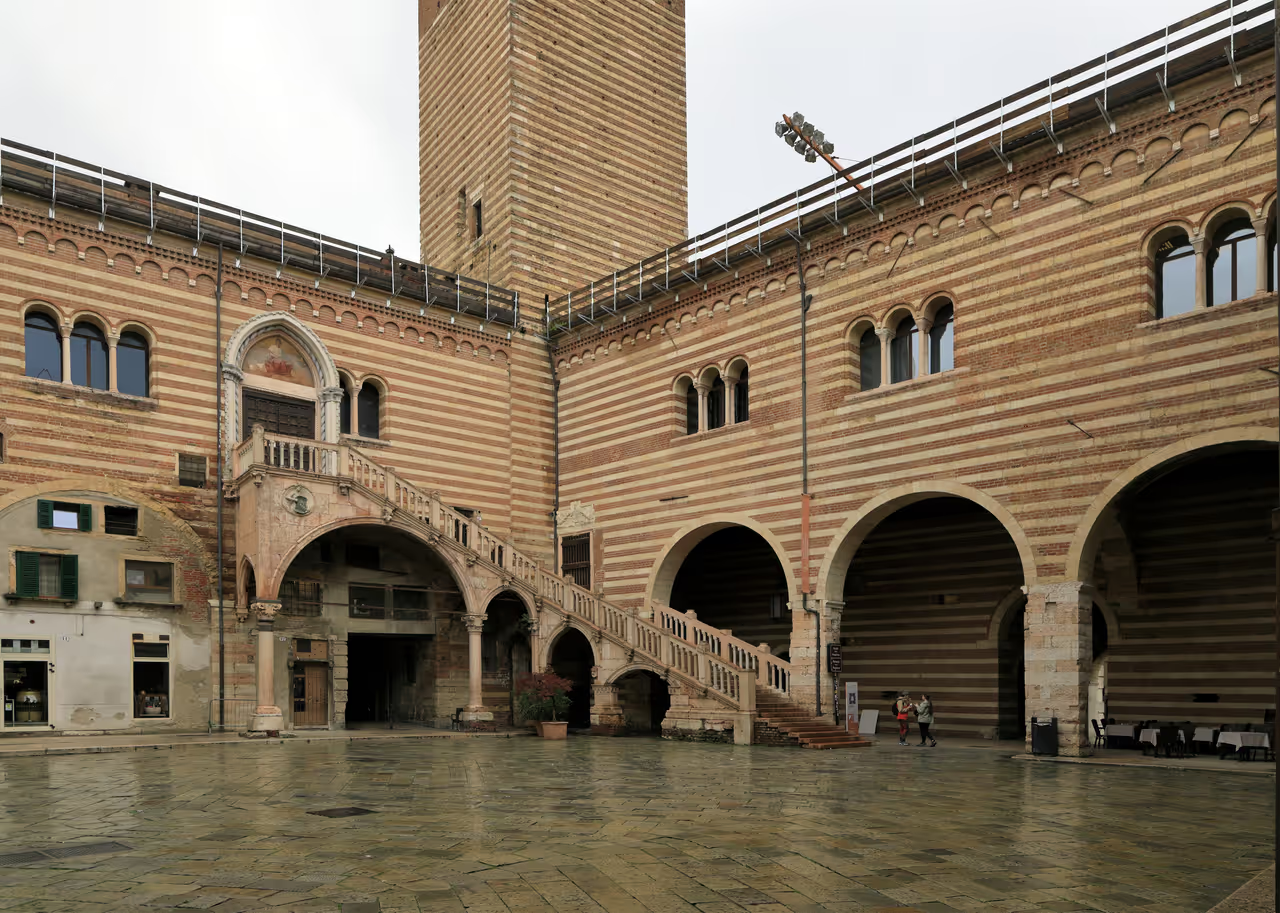
An imposing, deeply impressive Romanesque complex that served as the civic heart and courthouse of the free commune. Its alternating stripes of red brick and pale tuff stone showcase the classic medieval aesthetic of the city. The courtyard features a stunning, intricately carved external Gothic staircase that leads up to the grand halls. Today, it houses a magnificent modern art gallery within its ancient walls, creating a brilliant dialogue between centuries. The structure is anchored by the towering Lamberti Tower, asserting the power of civic justice.
architecture view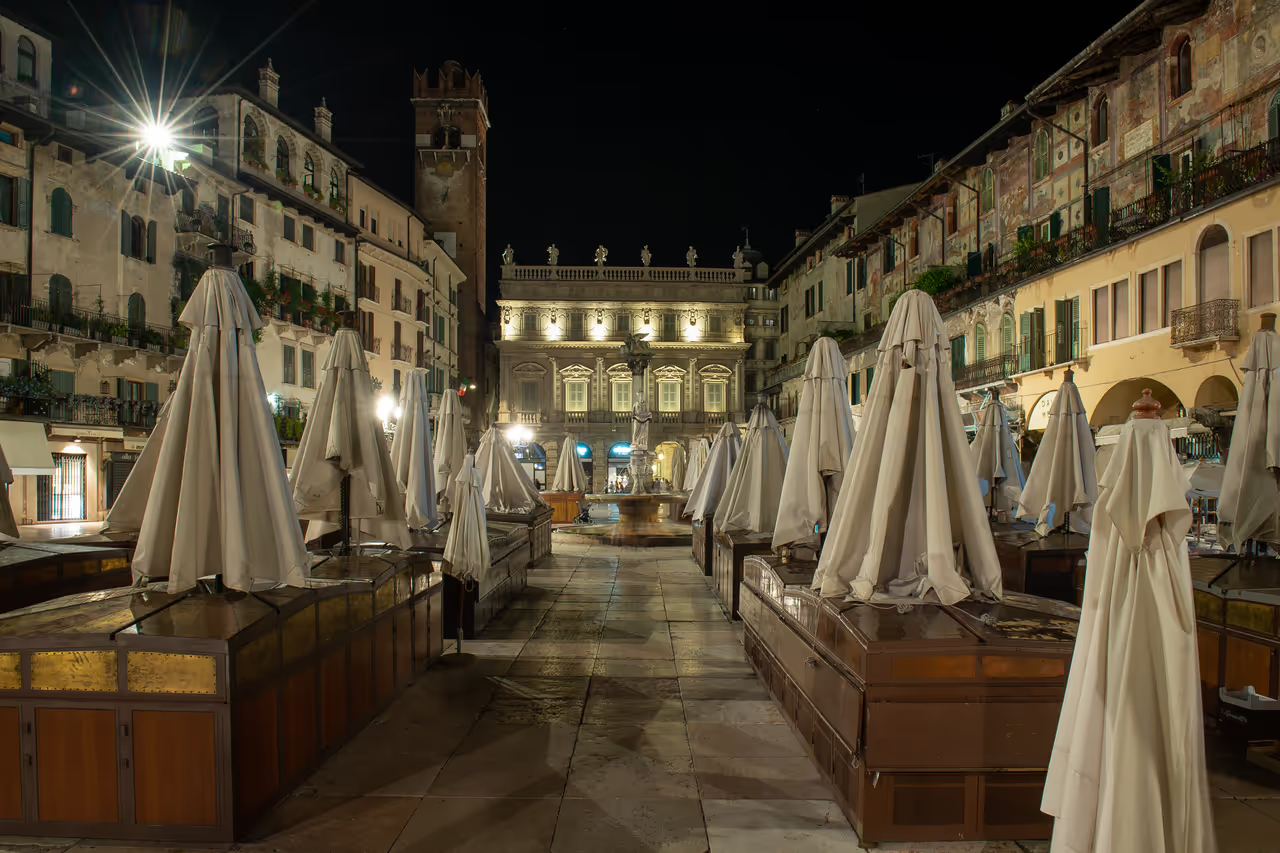 41m
41mPiazza delle Erbe
Built over the ancient Roman forum, this elongated square remains the undisputed social heart of the city. It is framed by a spectacular array of architecture, including medieval towers, baroque palaces, and the stunning frescoed facades of the Mazzanti Houses. During the day, the centre is filled with the white umbrellas of the market stalls, while the perimeter cafes buzz with activity. At its heart stands the 'Madonna Verona' fountain, a Roman statue repurposed in the 14th century to symbolise the city. It is a place of incredible visual richness, where every era of the city's history is visible simultaneously.
highlight view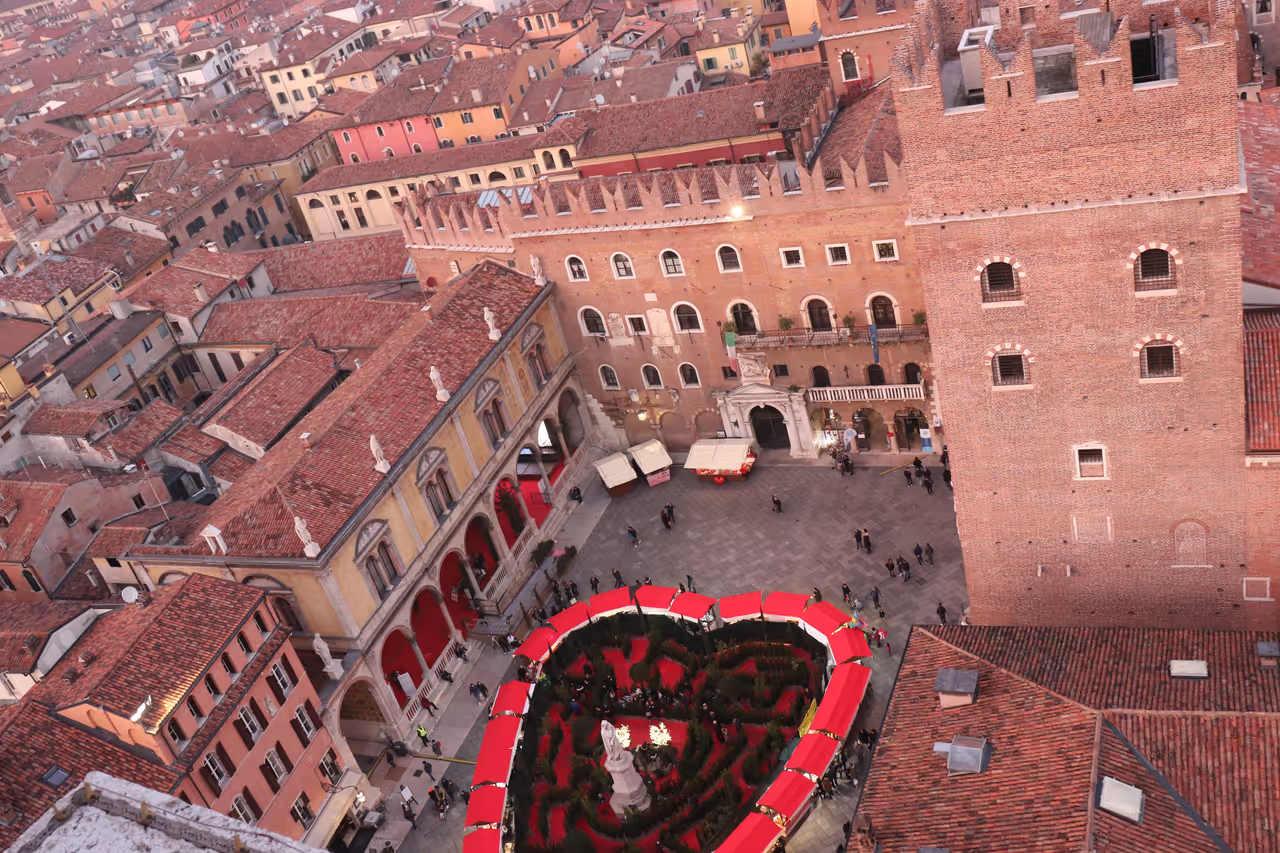 83m
83mPiazza dei Signori
Often referred to by locals as 'Piazza Dante' due to the pensive statue of the poet at its centre, this square offers a quieter, more aristocratic atmosphere than its bustling neighbour. It is enclosed by a series of magnificent, interconnected palaces that once served as the administrative and political hub of the ruling Scaliger family. The architecture is a harmonious blend of severe medieval brickwork and delicate Renaissance loggias. The elegant arches connecting the buildings create a sense of an enclosed, open air grand hall. It is an ideal spot to admire the refined civic architecture that defined the city's golden age.
highlight view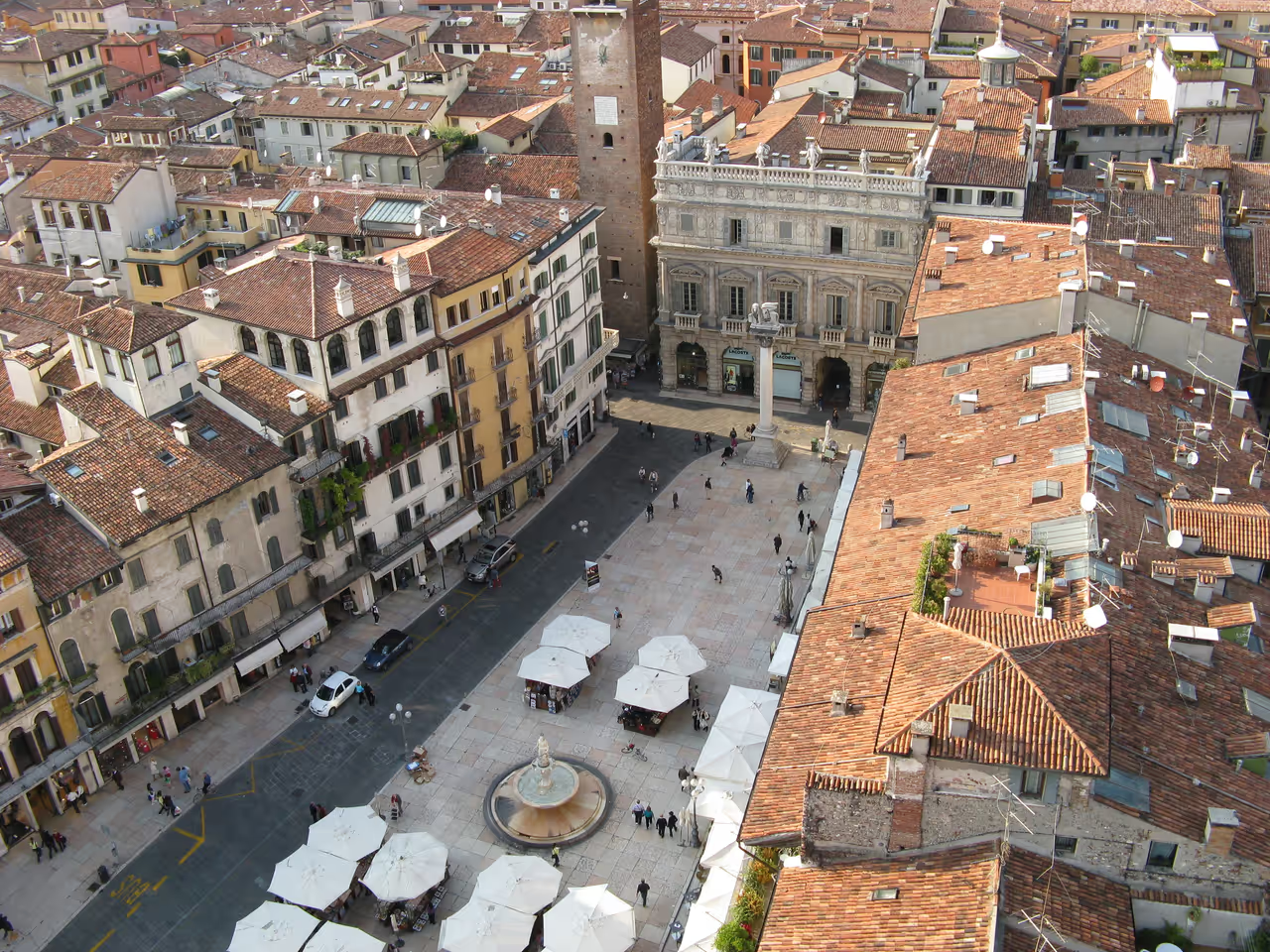 116m
116mMaffei Palace
Dominating the northern end of Piazza delle Erbe, this elaborate, highly decorated palace marks the arrival of the flamboyant Baroque style in the city. The pale, ornate facade is a riot of sculpted detail, culminating in a striking balustrade topped with six statues of pagan gods. It presents a stark, theatrical contrast to the more sober, medieval brickwork of the surrounding square. Recently opened as a stunning private art museum, the opulent interiors are just as lavish as the exterior. The building perfectly captures the wealth and shifting tastes of the 17th century nobility.
architecture view
Explore Similar Places in These Collections
Featured on These Itineraries
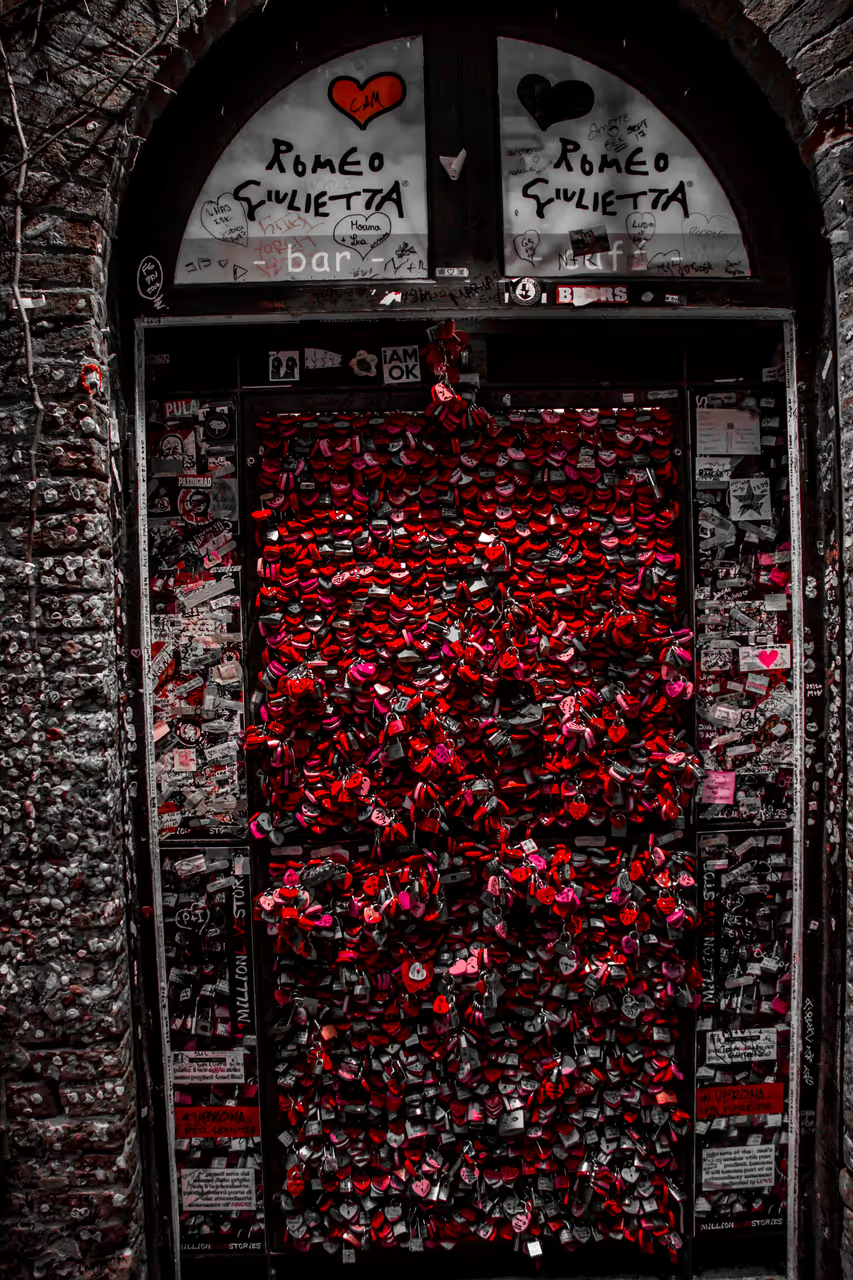
1 Day in Verona: The Roman & Romantic Core Itinerary
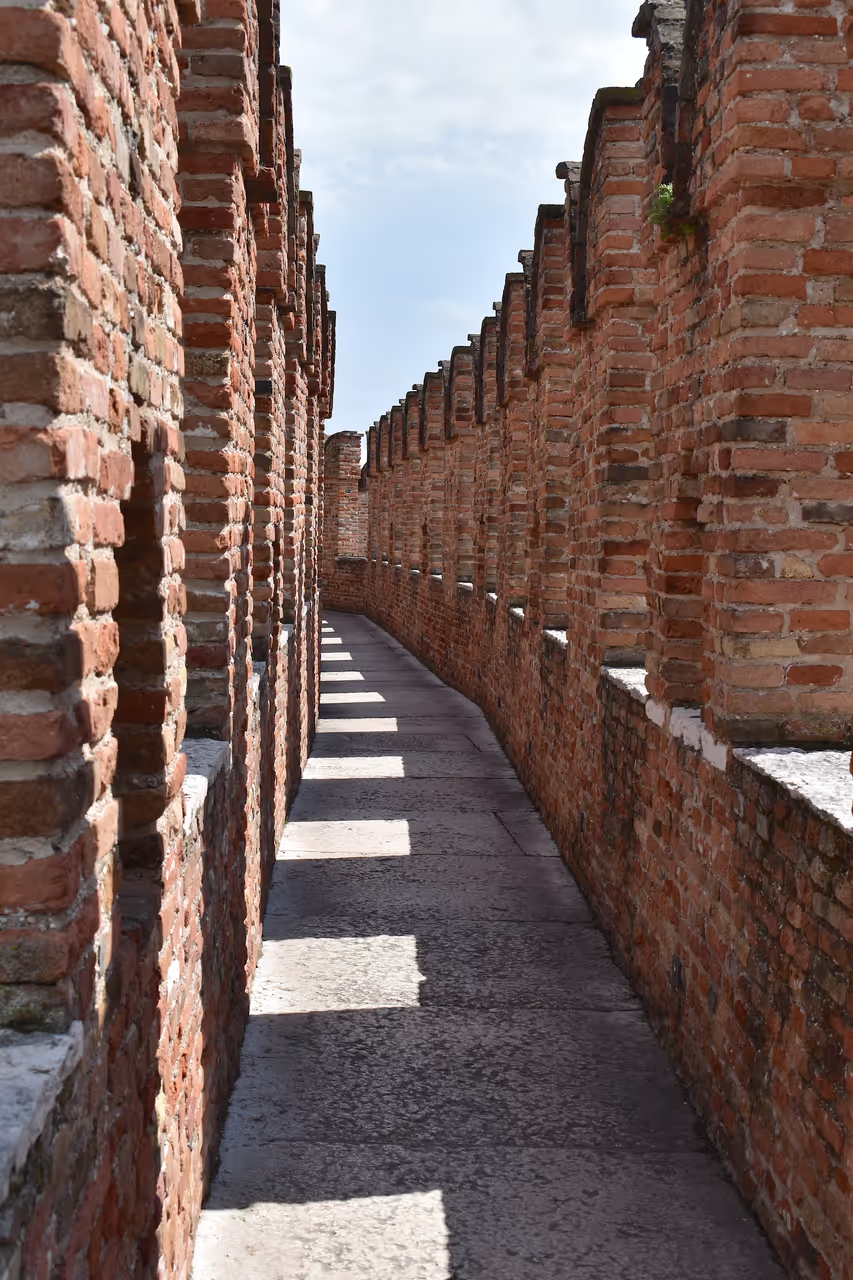
This highly concentrated itinerary is designed to hit the absolute must see highlights of the city for visitors short on time. It focuses heavily on the central, walkable core, taking you from the colossal Roman amphitheatre through the bustling medieval squares. You will experience the city's legendary romantic folklore alongside its stunning architectural legacy. It provides a perfect, vibrant snapshot of the city's varied history.
view itinerary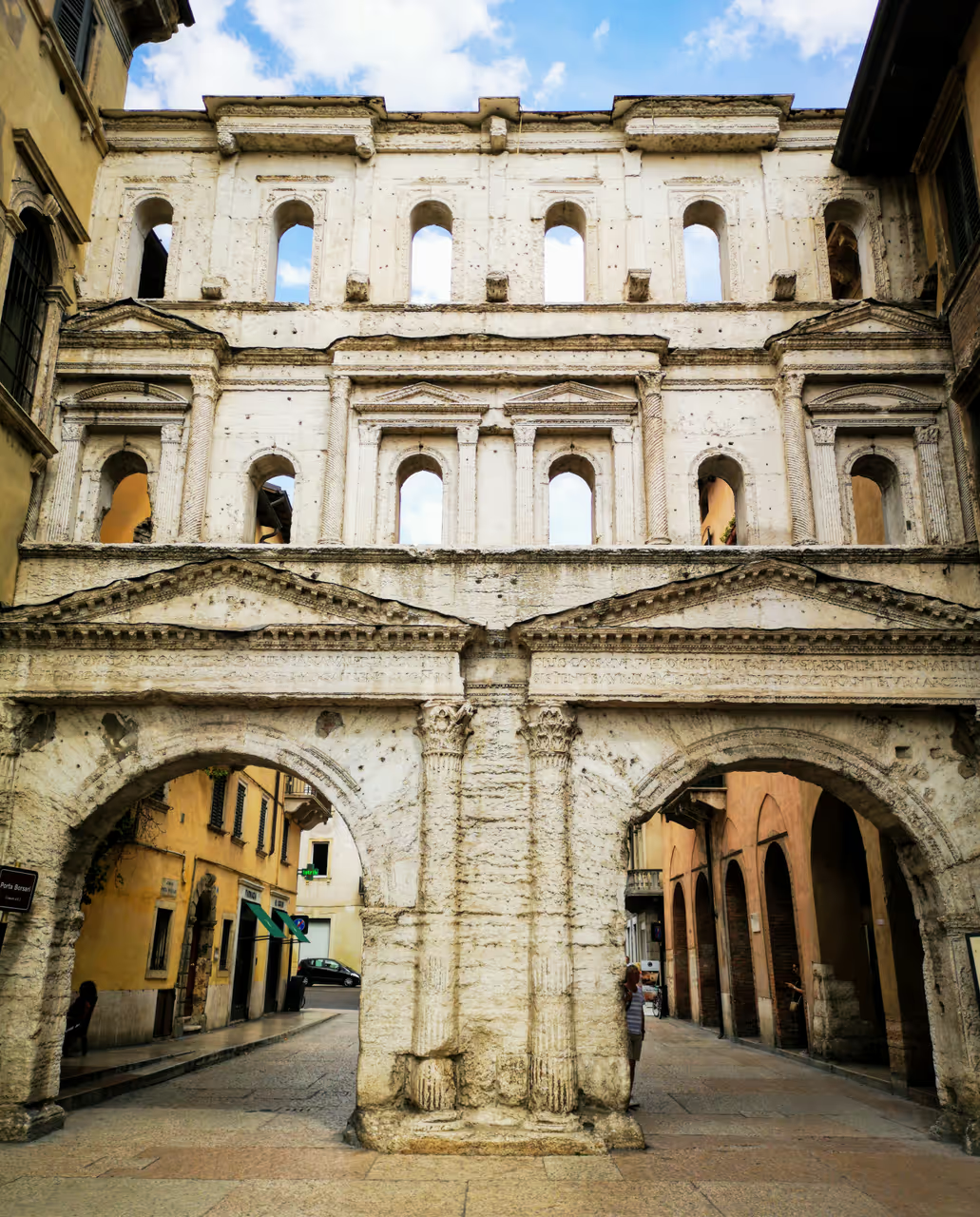
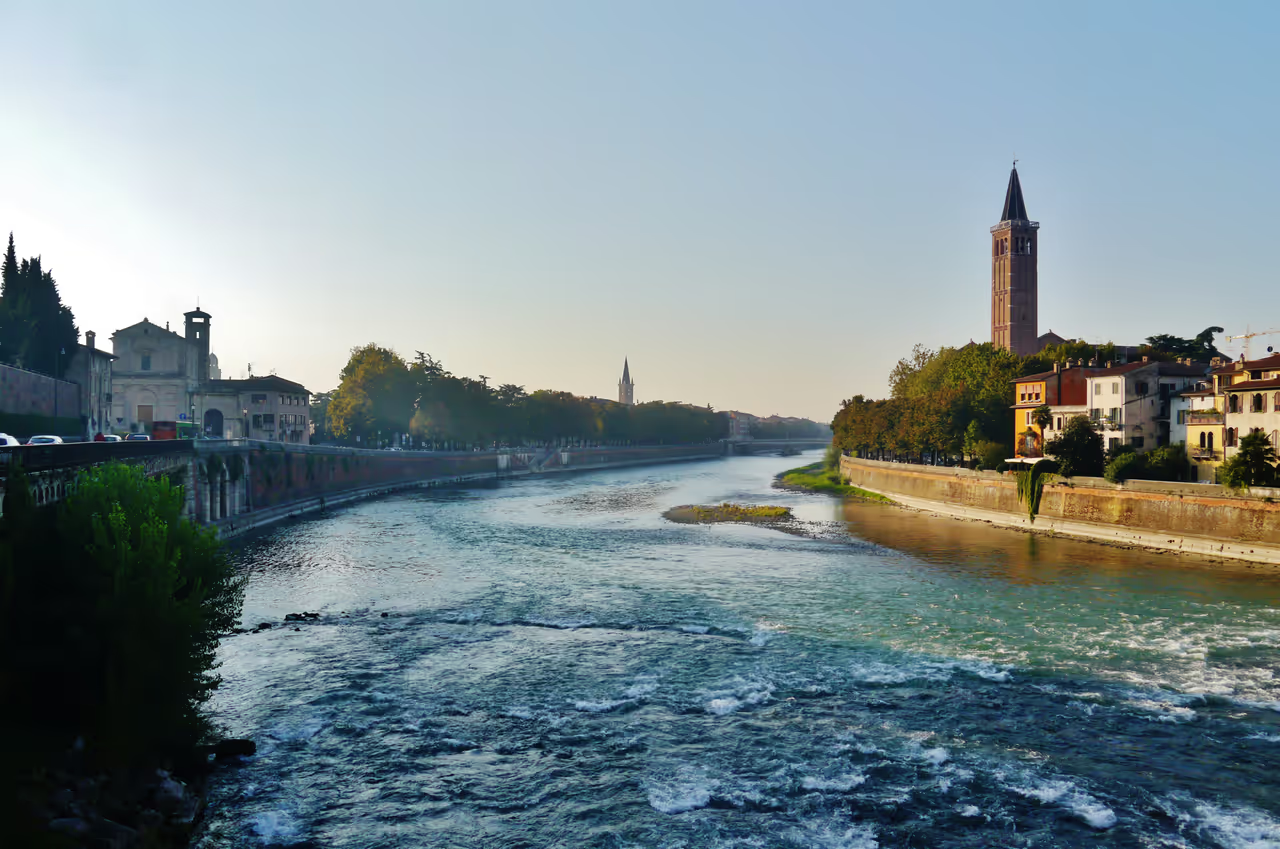
3 Days in Verona: History, Art, and Hills Itinerary
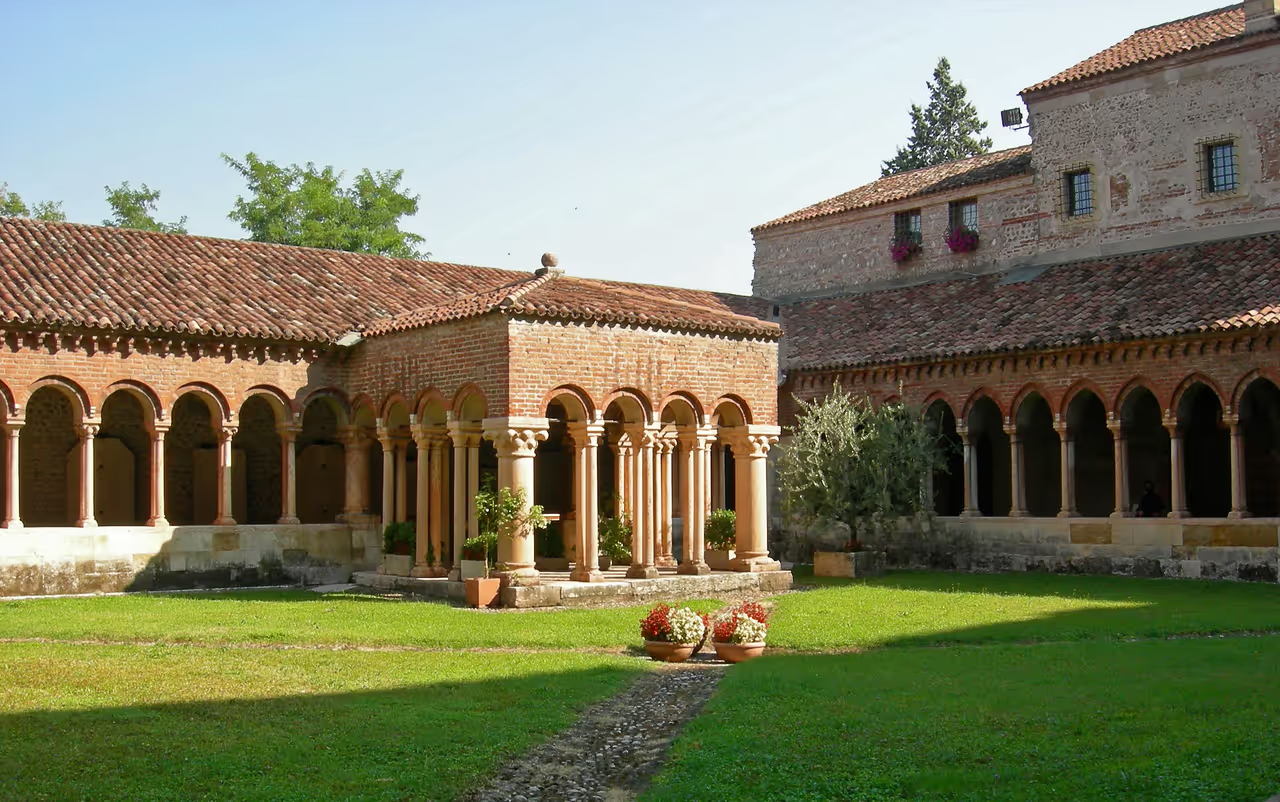
A perfect, comfortable pace to truly absorb the city's profound depth without rushing. This plan allows you to explore the major monuments, dedicate time to the city's incredible churches, and venture up into the scenic hills. You will have time to linger in cafes, cross the historic bridges, and appreciate the brilliant art galleries. It balances the heavy hitters with deeply atmospheric, quieter corners.
view itinerary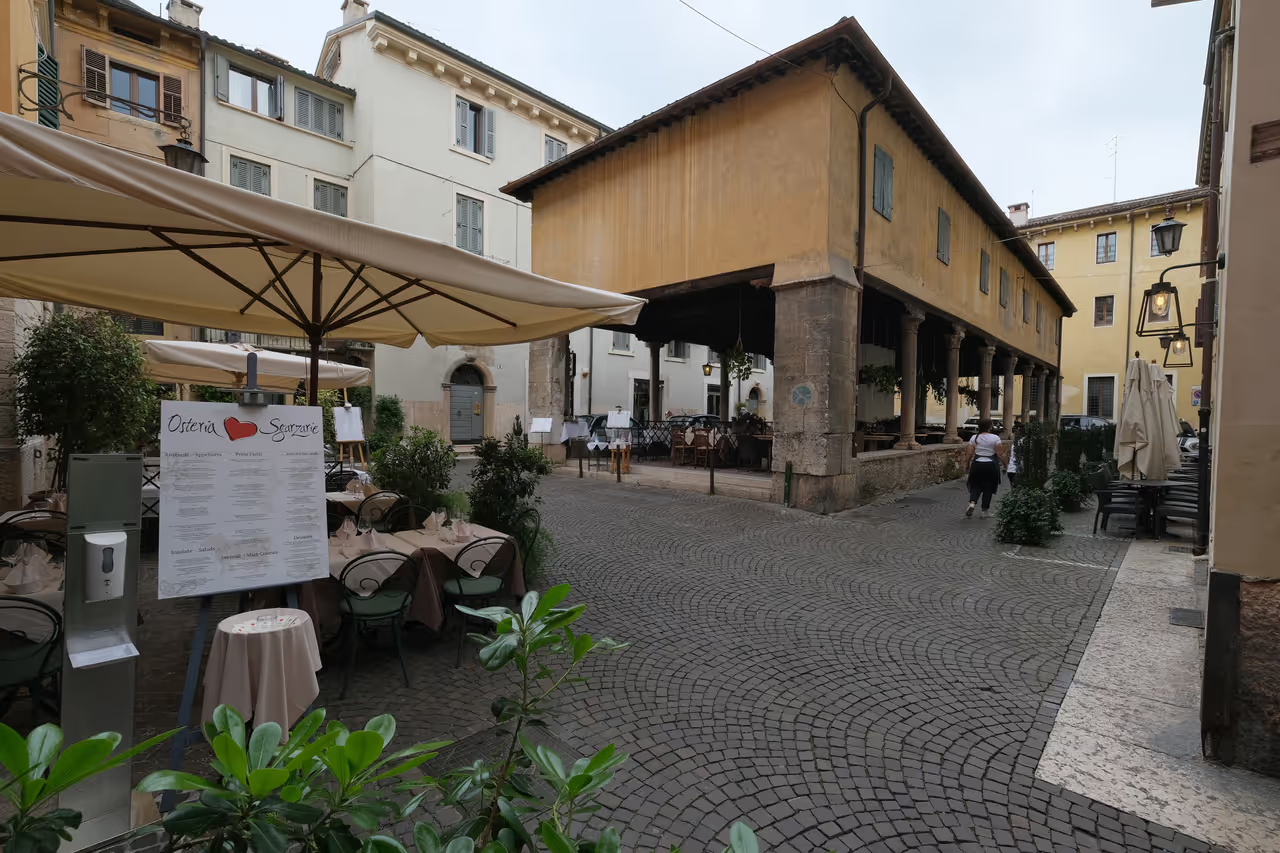
5 Days in Verona: Deep Dive and Hidden Secrets Itinerary
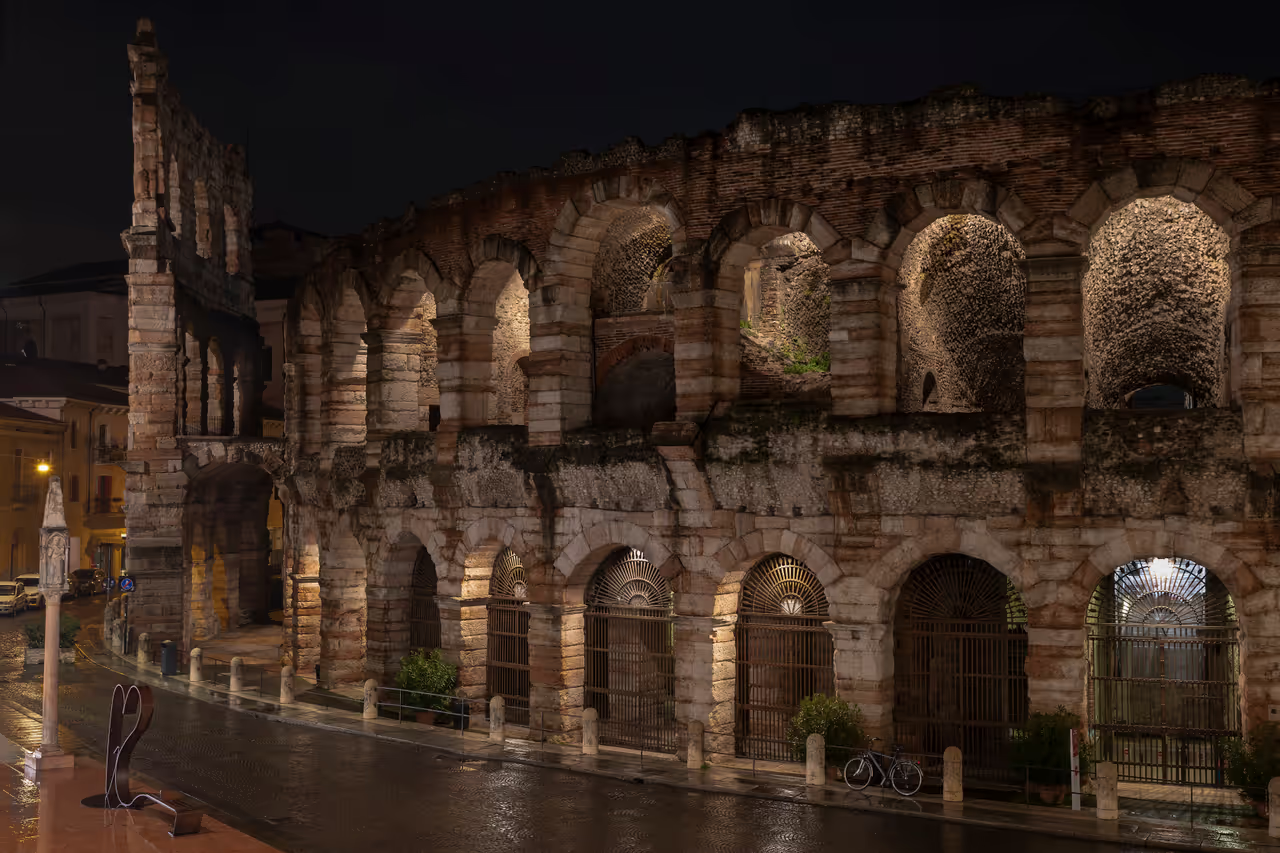
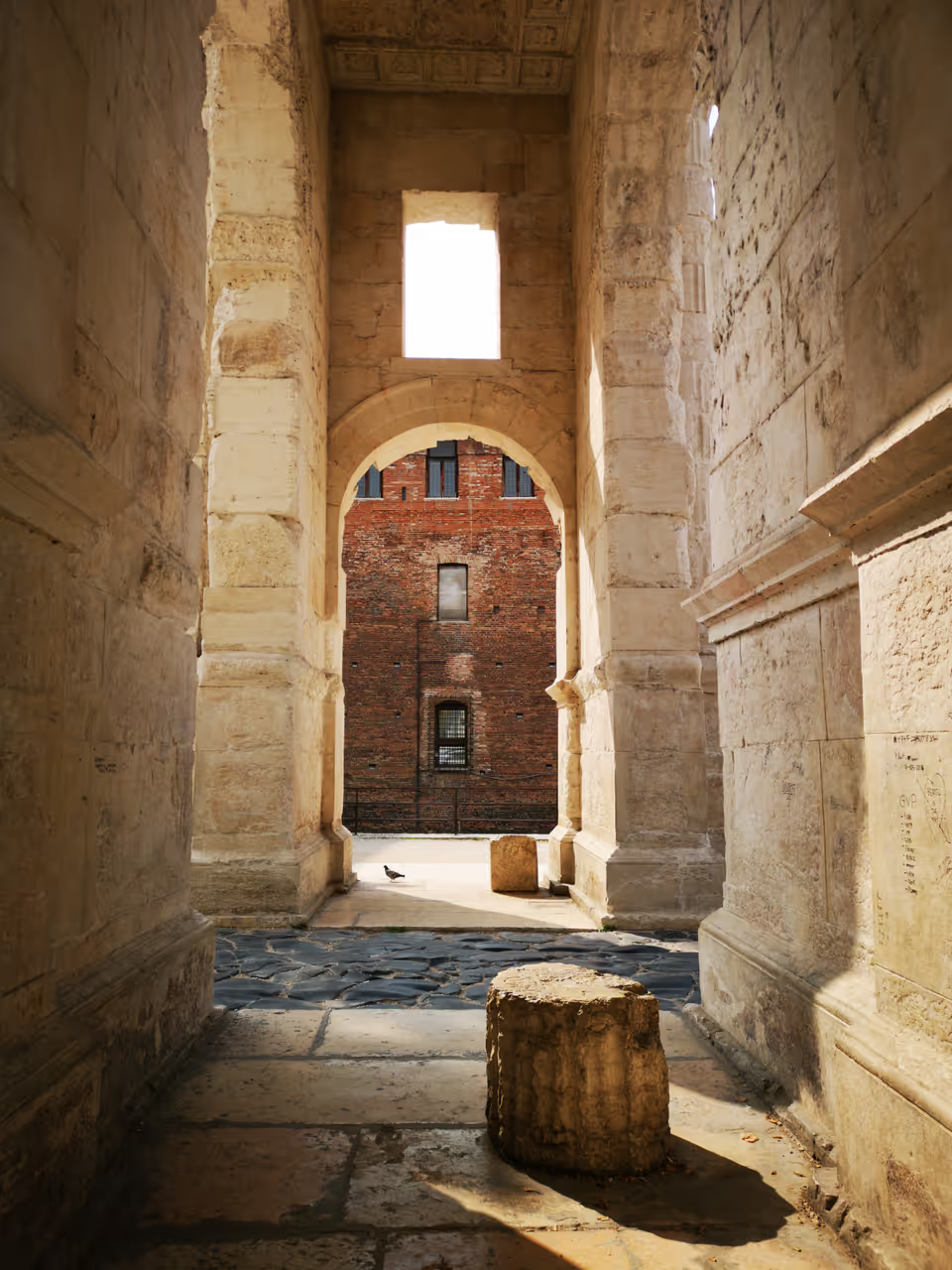
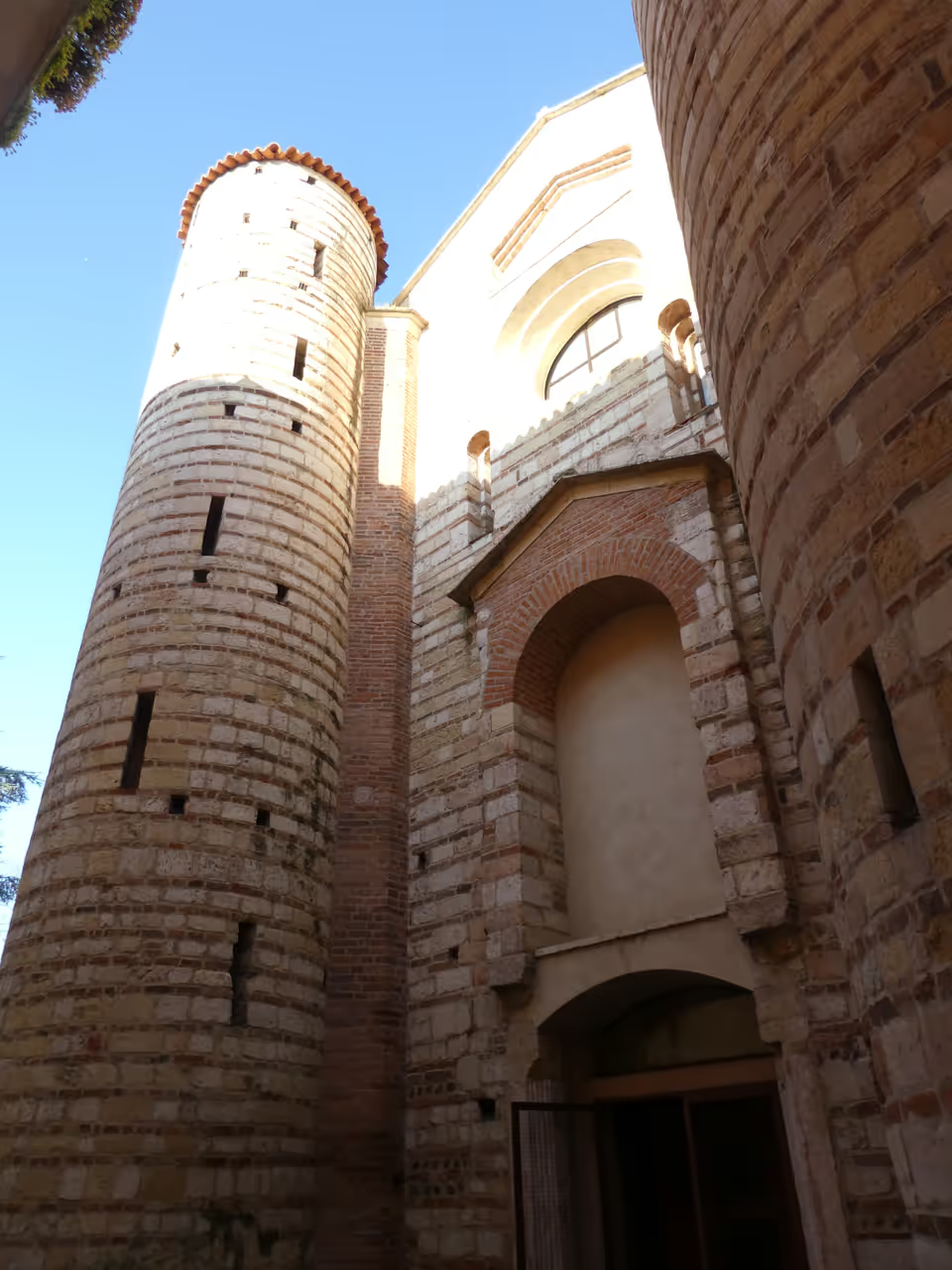
For those who want to experience the city like a local and uncover its deepest historical layers. This expansive itinerary covers everything in the three day plan but adds vital explorations into the underground Roman ruins, hidden medieval chapels, and grand civic palaces. It offers a comprehensive understanding of how the city evolved from a Roman outpost to an Austrian fortress. You will leave with an intimate knowledge of the city's complex, beautiful character.
view itinerary
See all attractions in Verona
Basilica of San Zeno, Castelvecchio Museum, Juliet's House, Roman Theatre of Verona, Verona Arena, Verona Cathedral...