Independence Square
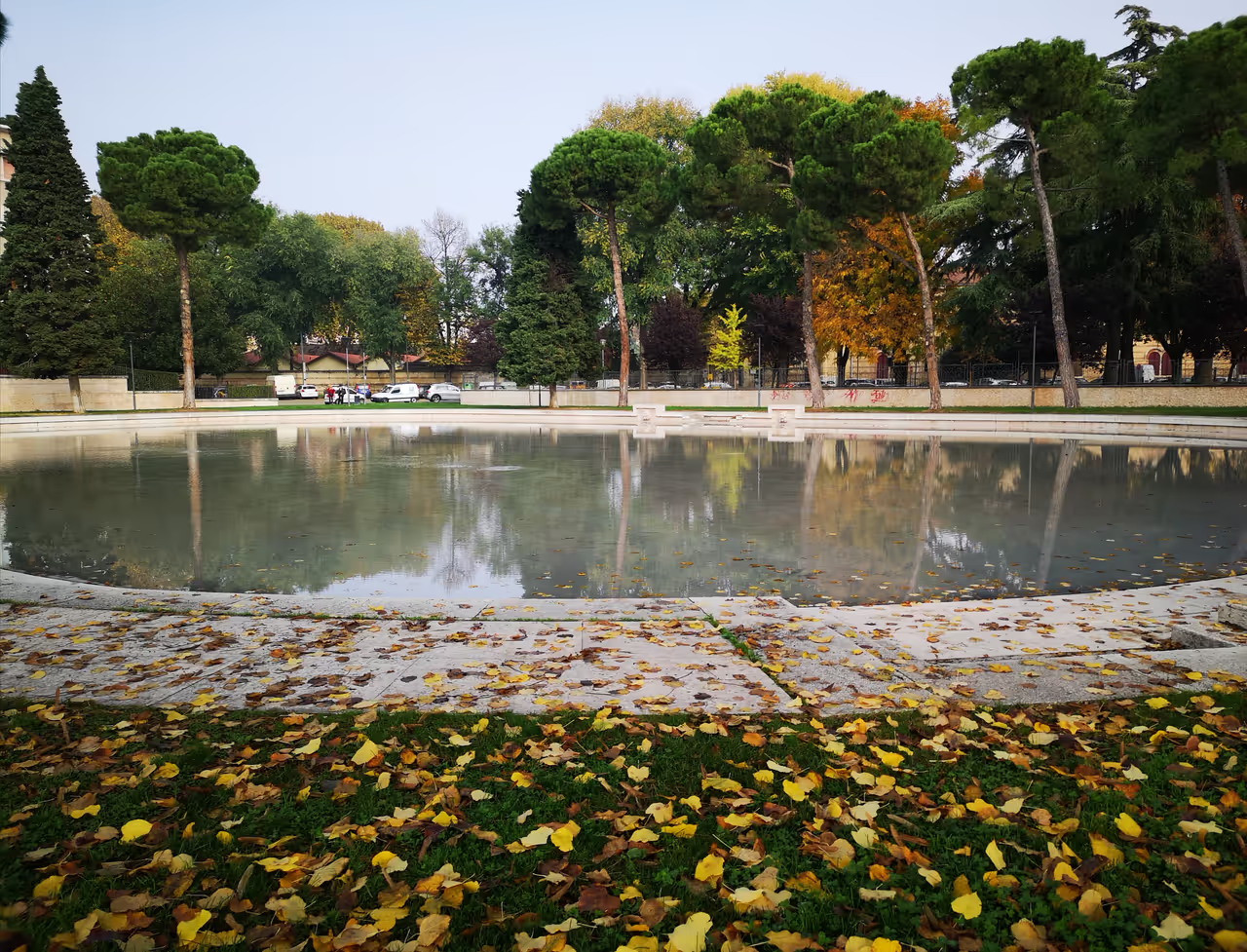
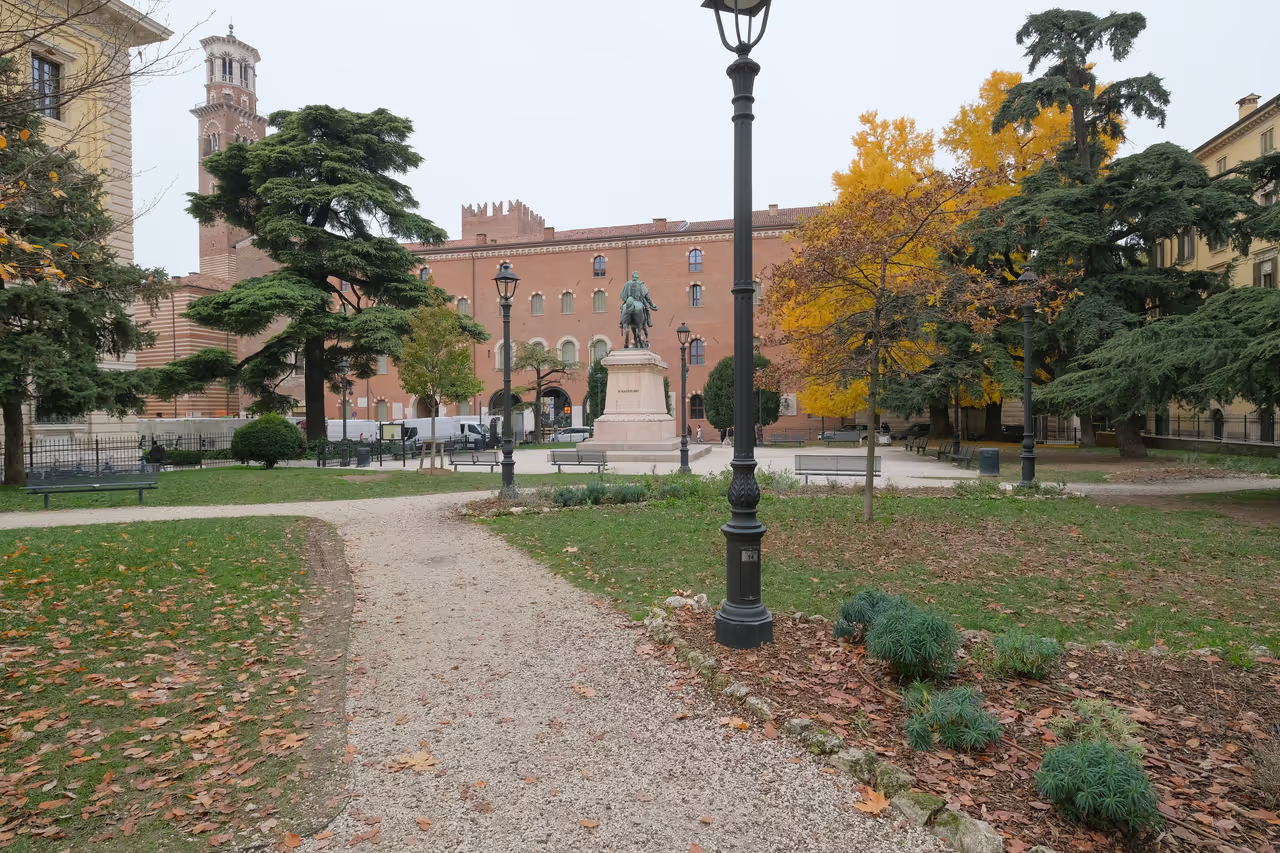
Tucked away behind the grandeur of the Palazzo del Capitanio, Piazza Indipendenza serves as a peaceful enclave within the historic heart of Verona. While many visitors gravitate toward the larger, famous squares, this spot offers a moment of quiet reflection, showcasing the city's ability to evolve from a private garden for Scaliger lords into a modern urban space. Its character is shaped by a long history, shifting from a verdant oasis for local nobility to a botanical site for nineteenth century scholars. Today, it stands as an understated testament to the layers of time that define the city. It is a perfect place to pause for a breath of air as you explore the surrounding labyrinth of ancient streets.
History of Independence Square
The story of Piazza Indipendenza begins in the fourteenth century under the Scaliger dynasty. Cansignorio della Scala, an influential lord of Verona, envisioned this area as a sprawling private garden in 1364. He transformed what was once the contrada of San Salvar into a secluded retreat filled with fountains, lush greenery, and walls to ensure privacy for his court. It was a space designed for leisure and power, situated conveniently behind the Palazzo del Capitanio, where the city's political life unfolded. This site served as a testament to the wealth and influence of the ruling family, offering an oasis of calm within the walled city. As the centuries turned and Verona entered the orbit of the Venetian Republic, the gardens remained a vital part of the political landscape, continuing to serve the local authorities. However, the nineteenth century brought a radical change. Once the Republic of Venice fell, the grounds were handed over to the Academy of Agriculture. During this era, the site functioned as a botanical garden, where scholars like Ciro Pollini catalogued local plant life, bridging the gap between nature and education. Eventually, the city needed to reconnect its urban fabric, and in 1827, the barrier was breached to create a thoroughfare linking major landmarks, effectively changing the square from a private enclosure into a public artery. In more recent times, the square has faced the challenges of urban renewal. Several ambitious plans emerged at the end of the twentieth century to unite this space with nearby plazas into a cohesive urban project. While some of these designs were halted by the discovery of important archaeological remains, the area retains a unique identity. It is a place where history lies just beneath the surface, waiting to be rediscovered by those who take the time to wander through the lesser known, yet equally fascinating corners of Verona.
Events spanning 642 years
Fun Facts
- • Archaeological excavations conducted in 2006 revealed that deep beneath the modern pavement lies a complex stratification of the city's ancient past.
- • Architectural plans drawn up in the late twentieth century aimed to merge this square with the neighbouring piazzas to create one massive, unified urban space, though these were never fully realised.
- • During the early nineteenth century, the space hosted a scholarly botanical garden where the professor Ciro Pollini carefully catalogued rare plant species.
- • For generations, the site served as a direct link between the political heart of the Palazzo del Capitanio and the everyday commerce of the city.
- • The area contains a statue dedicated to Giuseppe Garibaldi, serving as a reminder of Italy's path toward unification during the Risorgimento.
- • The original layout of the square required the total demolition of the medieval district of San Salvar to accommodate the garden of the Scaliger lords.
- • The square functioned as a private horticultural escape for the elite for several centuries, featuring elaborate fountains and high walls designed to provide absolute privacy.
- • While many tourists flock to the nearby markets, this square remains a tranquil pocket that highlights the layered history of urban planning in Verona.
Independence Square FAQ
While we strive to keep this information accurate and up to date, we recommend verifying any details independently before making decisions based on them.
Independence Square Map & Neighborhood Explorer
This interactive map is centered on Independence Square. Zoom in and move the map around to automatically discover Wikipedia photos and summaries of other nearby sights, monuments, and historical points of interest and stories in real-time!
Places near Independence Square
Make the most of your trip. Check out these top-rated spots located nearby.
 91m
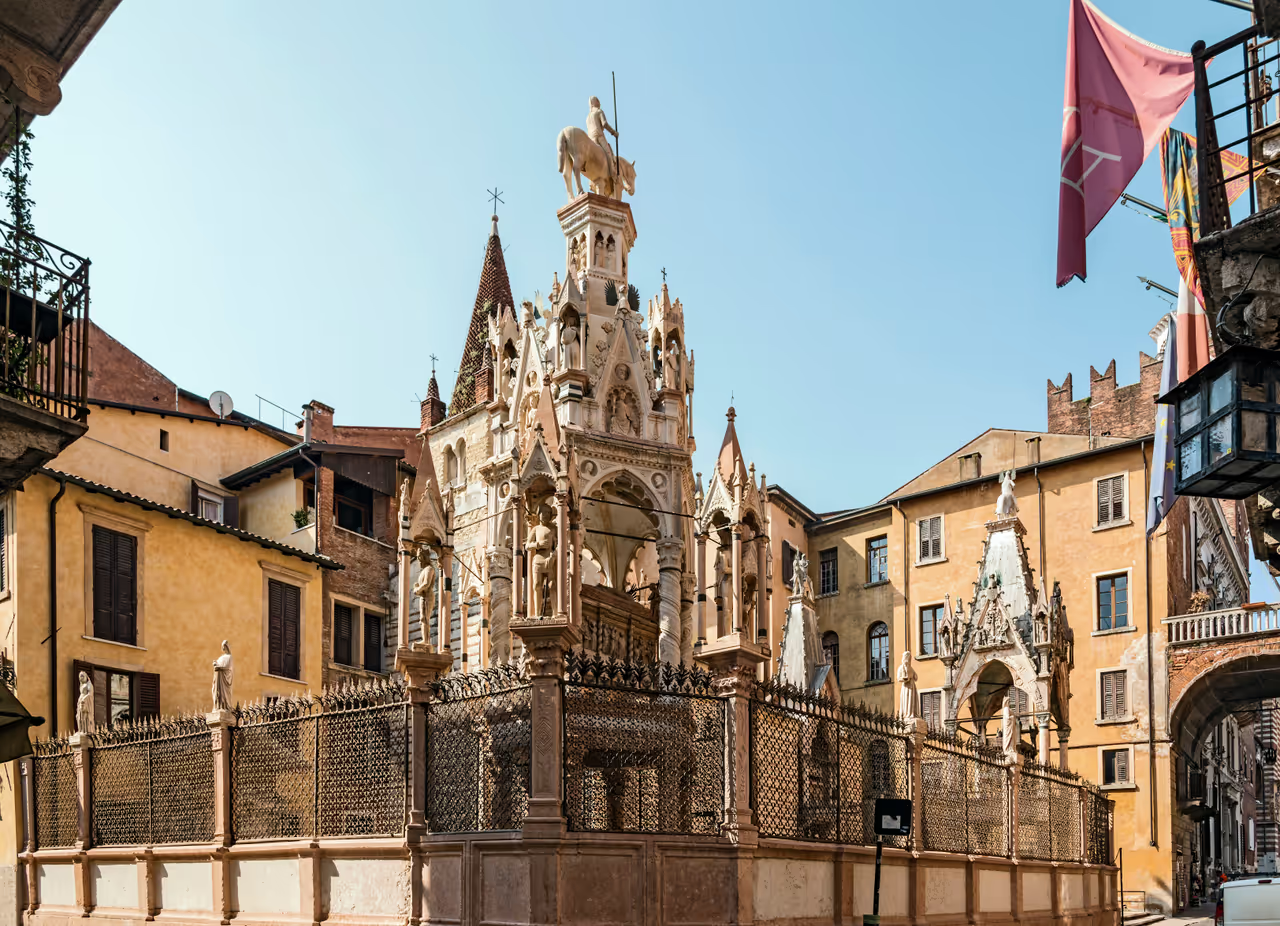
91mScaliger Tombs
Tucked beside the small church of Santa Maria Antica, this monumental funerary complex is a breathtaking masterpiece of Gothic sculpture. Protected by an intricate wrought iron fence decorated with the ladder motif of the ruling family, the elaborate stone tombs reach skyward like delicate spires. The monuments celebrate the absolute power and military triumphs of the Scaliger lords, featuring intricate carvings, saintly figures, and commanding equestrian statues. The tomb of Cangrande I, positioned above the church door, is particularly striking, depicting the lord with a broad, enigmatic smile. It stands as one of the most significant examples of Gothic art in Italy.
highlight view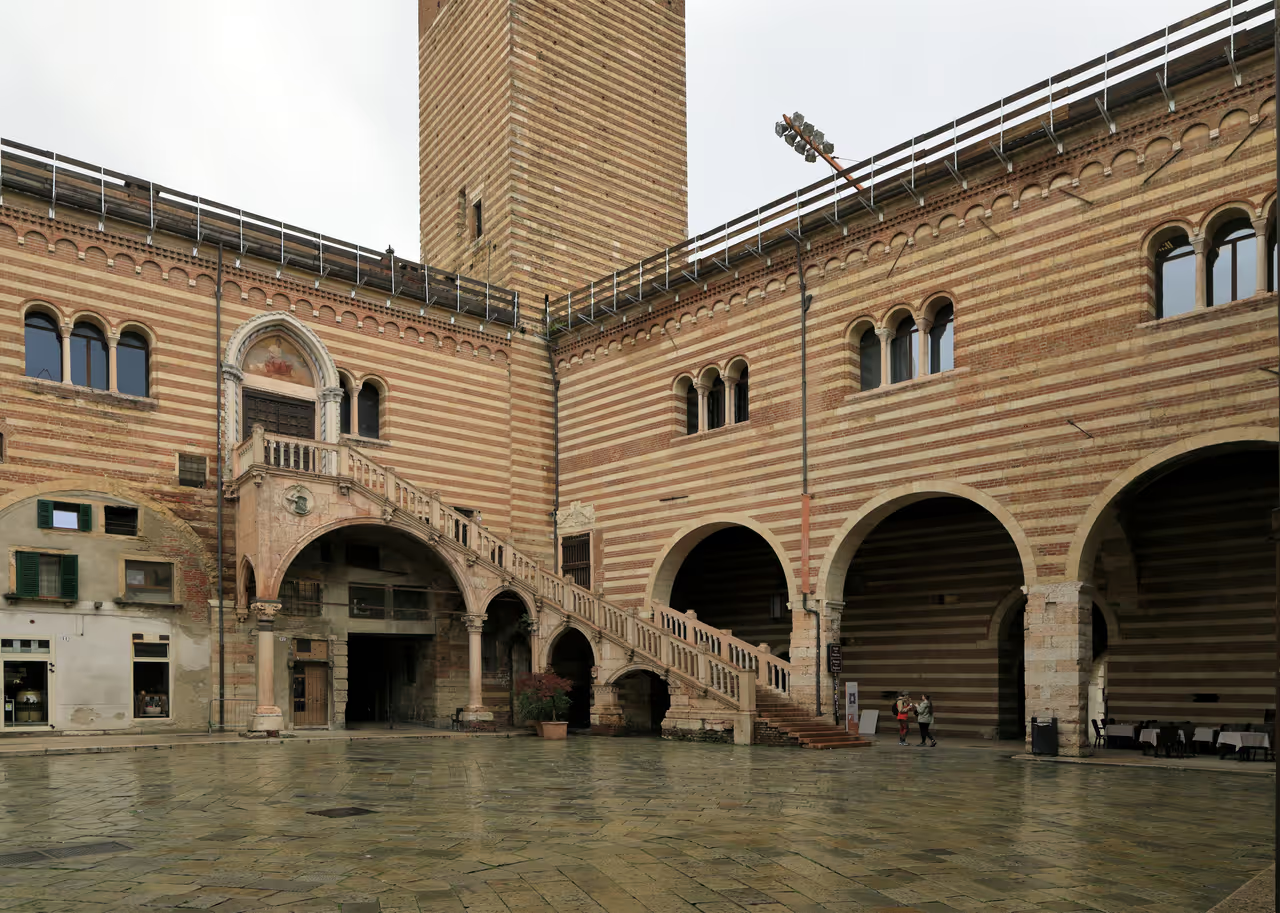 101m
101mPalace of Reason
An imposing, deeply impressive Romanesque complex that served as the civic heart and courthouse of the free commune. Its alternating stripes of red brick and pale tuff stone showcase the classic medieval aesthetic of the city. The courtyard features a stunning, intricately carved external Gothic staircase that leads up to the grand halls. Today, it houses a magnificent modern art gallery within its ancient walls, creating a brilliant dialogue between centuries. The structure is anchored by the towering Lamberti Tower, asserting the power of civic justice.
architecture view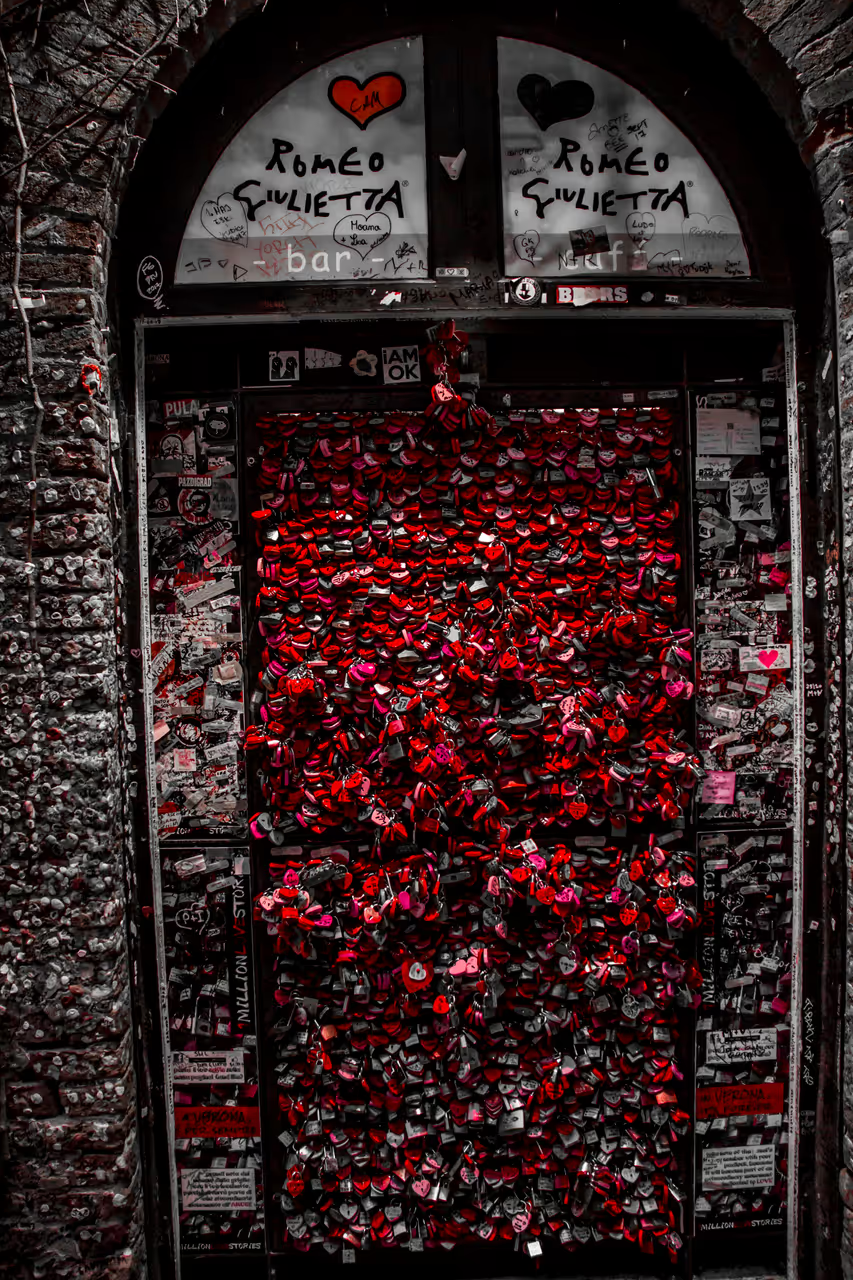 120m
120mJuliet's House
Step into the heart of literary history at this enchanting site, which has captured the imaginations of millions seeking the essence of undying love. Often regarded as the ultimate destination for romantics, the building serves as a poignant reminder of Shakespeare’s most famous tragedy. While its connection to the real-life Capulet family is legendary, the atmosphere here is undeniably powerful, drawing visitors into a world of medieval charm and poetic longing. You will have the opportunity to view the famous balcony, explore a meticulously curated museum filled with period furnishings, and soak in the vibrant courtyard. It is a place where fiction meets architecture, creating a singular experience that transcends simple sightseeing.
attraction view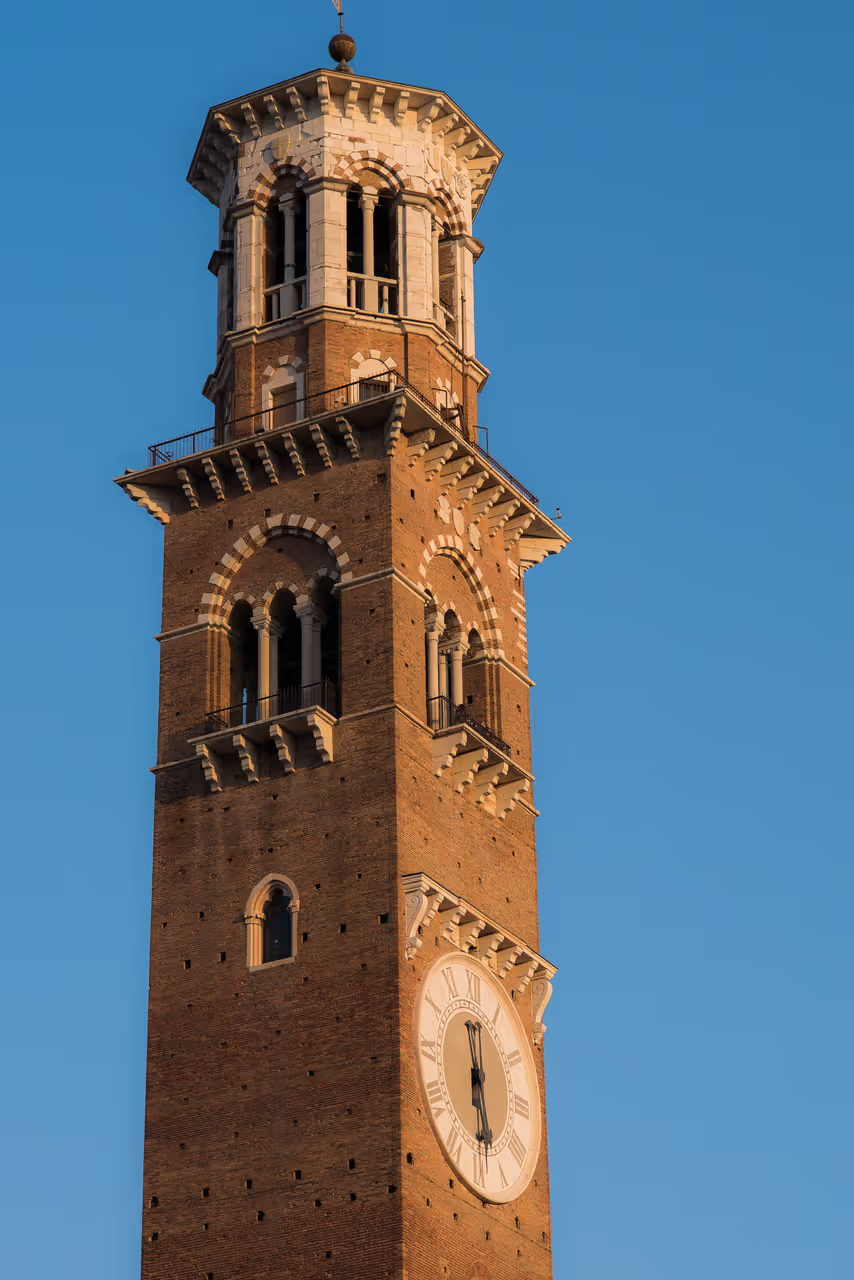 128m
128mLamberti Tower
Standing at a staggering 84 metres, the Lamberti Tower is the undisputed vertical icon of Verona. This medieval masterpiece, which began its life in 1172, dominates the skyline above Piazza delle Erbe and offers some of the most breathtaking panoramic views across the city rooftops and the surrounding Torricelle hills. Visitors can ascend to the top to see the historic octagonal belfry, a stunning Gothic addition from the 15th century that perfectly blends with the older brick and tuff foundations. It is a time capsule that has chimed through centuries of local history and remains a steadfast guardian of the city. Whether you are a photography enthusiast or a history lover, this climb is an essential part of experiencing the true heart of Verona.
attraction view
See all nature & parks in Verona
Palazzo Giusti and its Renaissance Gardens, Municipal Walls of Verona, Verona Arsenal...