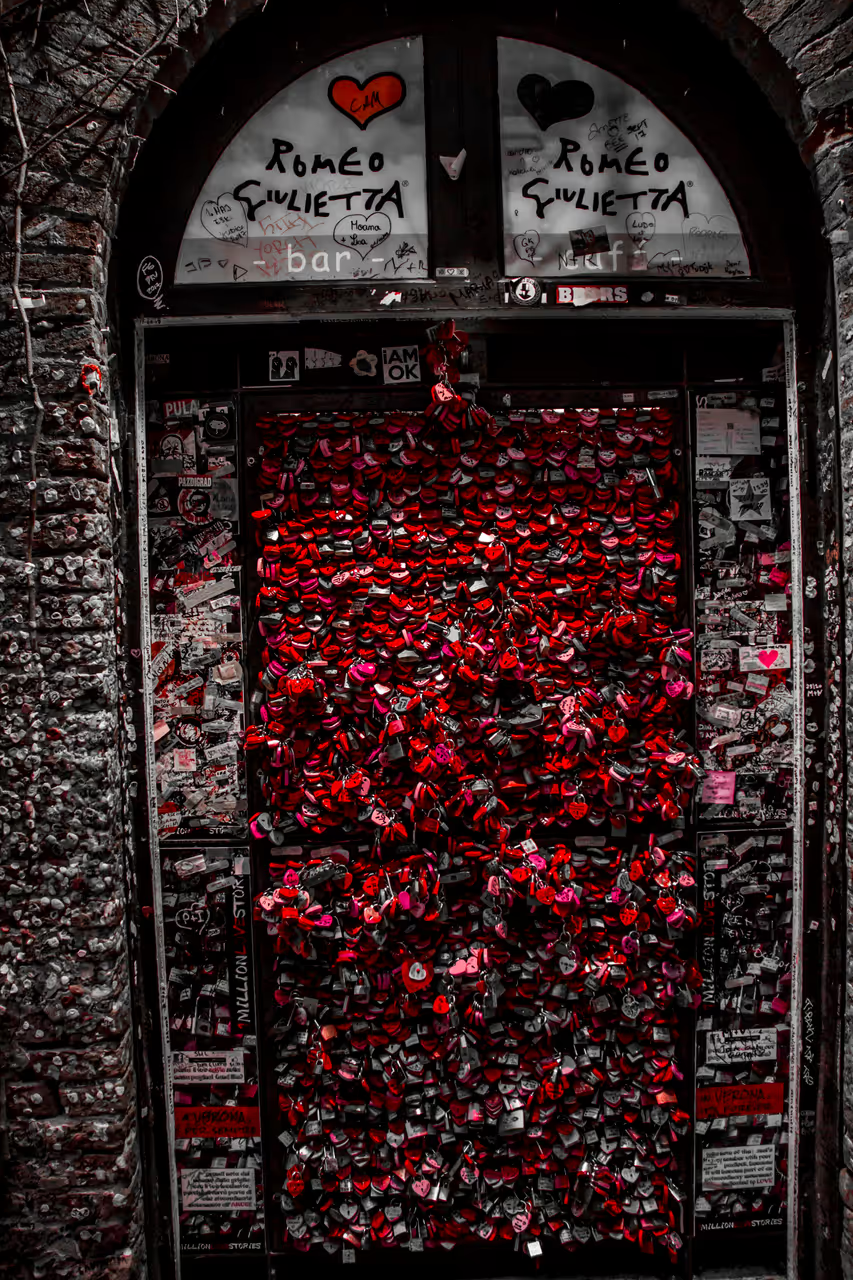
Juliet's House
Step into the heart of literary history at this enchanting site, which has captured the imaginations of millions seeking the essence of undying love. Often regarded as the ultimate destination for romantics, the building serves as a poignant reminder of Shakespeare’s most famous tragedy. While its connection to the real-life Capulet family is legendary, the atmosphere here is undeniably powerful, drawing visitors into a world of medieval charm and poetic longing. You will have the opportunity to view the famous balcony, explore a meticulously curated museum filled with period furnishings, and soak in the vibrant courtyard. It is a place where fiction meets architecture, creating a singular experience that transcends simple sightseeing.
Videos
History of Juliet's House
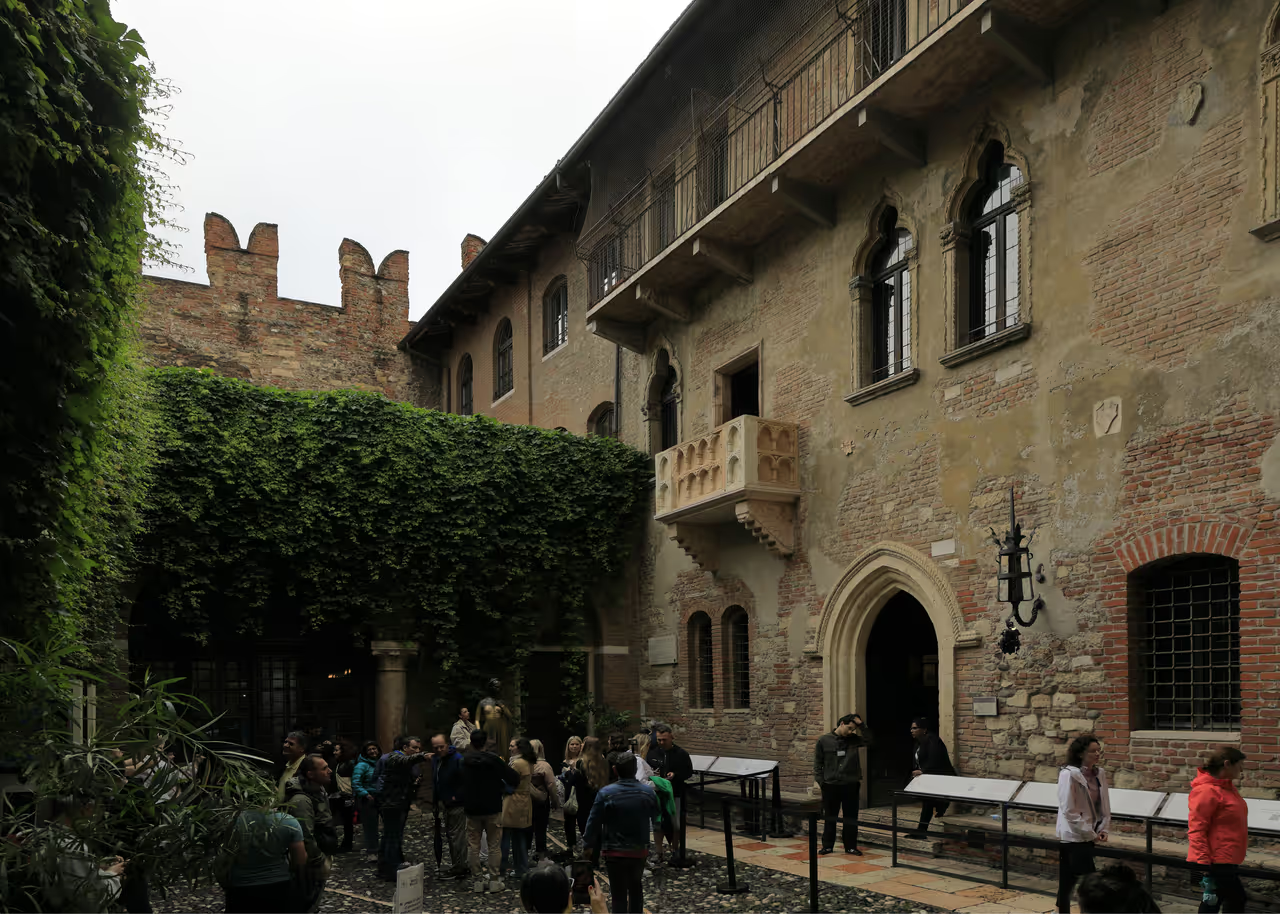
The legend of Romeo and Juliet often feels more tangible than the history that underpins it. Long before the tragedy became a global phenomenon, the building at Via Cappello 23 existed as a modest medieval tower house. In the fourteenth century, it functioned as the 'Cappello' inn, a name that would eventually seal its fate in the popular imagination. When scholars and enthusiasts began hunting for the locations described by Shakespeare, the linguistic link between the inn's name and the Capulet family name provided the perfect foundation for the myth to take root. In the early twentieth century, the City of Verona decided to embrace this connection. Antonio Avena, a visionary director of civic museums, spearheaded a project to transform the structure into a house museum. He curated an experience by incorporating authentic medieval architectural elements, such as stone fragments and colonnades from other city buildings, to construct the iconic balcony. His intention was to create a setting that felt profoundly ancient and emotionally resonant, effectively giving physical form to a literary vision. Today, the house stands as a testament to the endurance of storytelling. While historians acknowledge the story is fiction, the site serves a higher purpose as a beacon for those who believe in the power of romance. The bronze statue in the courtyard, weathered by the touch of countless visitors, symbolises the modern connection between the city and the world. It is a place that reminds every visitor that while buildings are made of stone, the legends we build within them are what truly remain.
Events spanning 622 years
Fun Facts
- • It remains the most visited monument in all of Verona, serving as a secular pilgrimage site for hopeless romantics from around the globe.
- • The building was originally a 14th-century inn known as the 'Cappello,' and the name similarity to 'Capulet' is the primary reason it was linked to the story.
- • The house features a bed specifically designed by Lorenzo Mongiardino for the 1968 film Romeo and Juliet directed by Franco Zeffirelli.
- • The iconic balcony was not part of the original medieval structure; it was added during the 1930s restoration to bring the Shakespearean vision to life.
- • The interior decor includes genuine 13th to 15th-century furnishings, stone fireplaces, and frescoes salvaged from various civic collections.
- • The structure is a classic 'casa-torre,' or tower house, which was a typical medieval architectural style found in historic Verona.
- • To create an authentic look for the balcony, restorers used a 14th-century stone slab recovered from the city's archaeological collections.
- • Visitors frequently rub the chest of the bronze Juliet statue in the courtyard, a tradition believed to bring good luck in love.
RESOURCES
Official WebsiteJuliet's House FAQ
While we strive to keep this information accurate and up to date, we recommend verifying any details independently before making decisions based on them.
Juliet's House Map & Neighborhood Explorer
This interactive map is centered on Juliet's House. Zoom in and move the map around to automatically discover Wikipedia photos and summaries of other nearby sights, monuments, and historical points of interest and stories in real-time!
Places near Juliet's House
Make the most of your trip. Check out these top-rated spots located nearby.
 115m
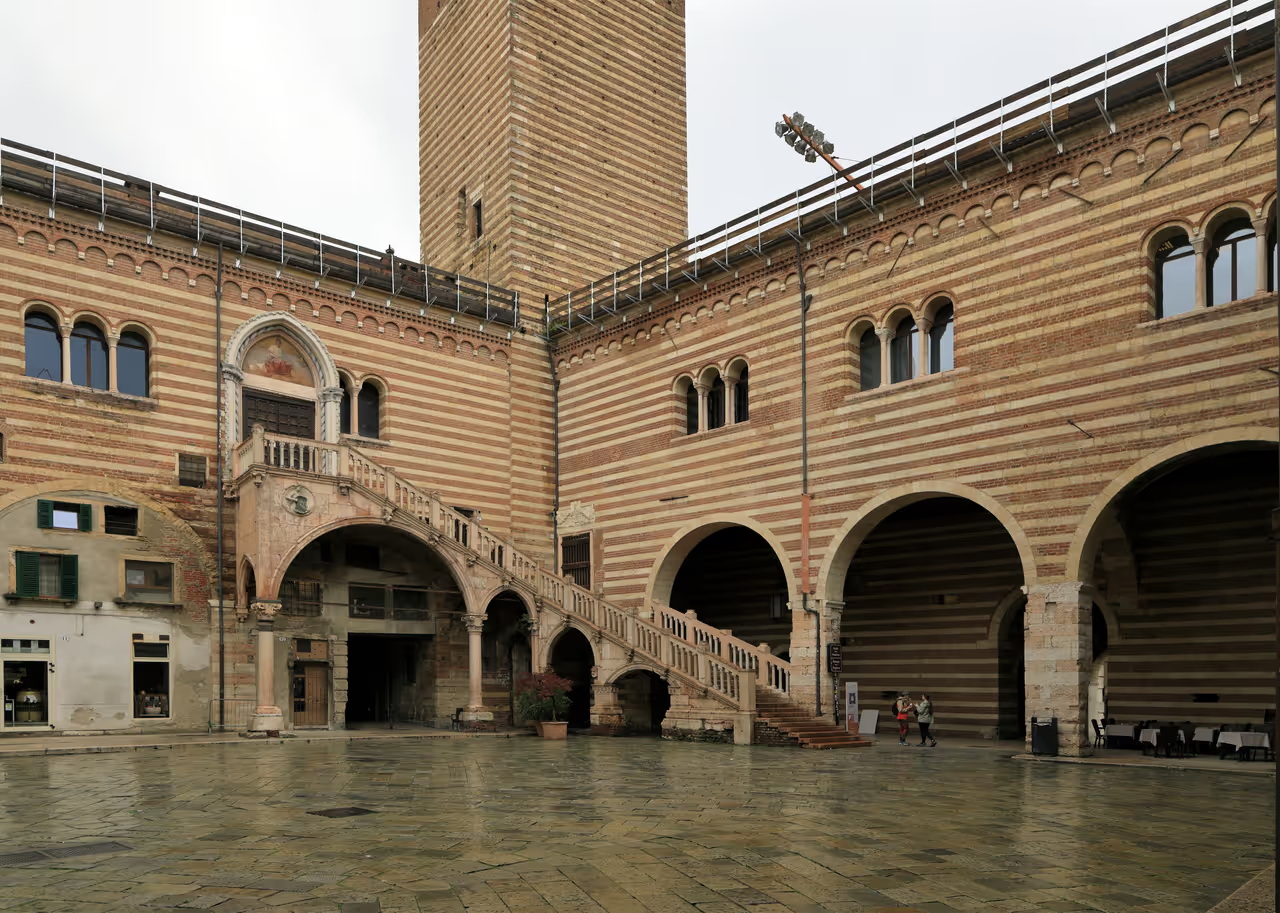
115mPalace of Reason
An imposing, deeply impressive Romanesque complex that served as the civic heart and courthouse of the free commune. Its alternating stripes of red brick and pale tuff stone showcase the classic medieval aesthetic of the city. The courtyard features a stunning, intricately carved external Gothic staircase that leads up to the grand halls. Today, it houses a magnificent modern art gallery within its ancient walls, creating a brilliant dialogue between centuries. The structure is anchored by the towering Lamberti Tower, asserting the power of civic justice.
architecture view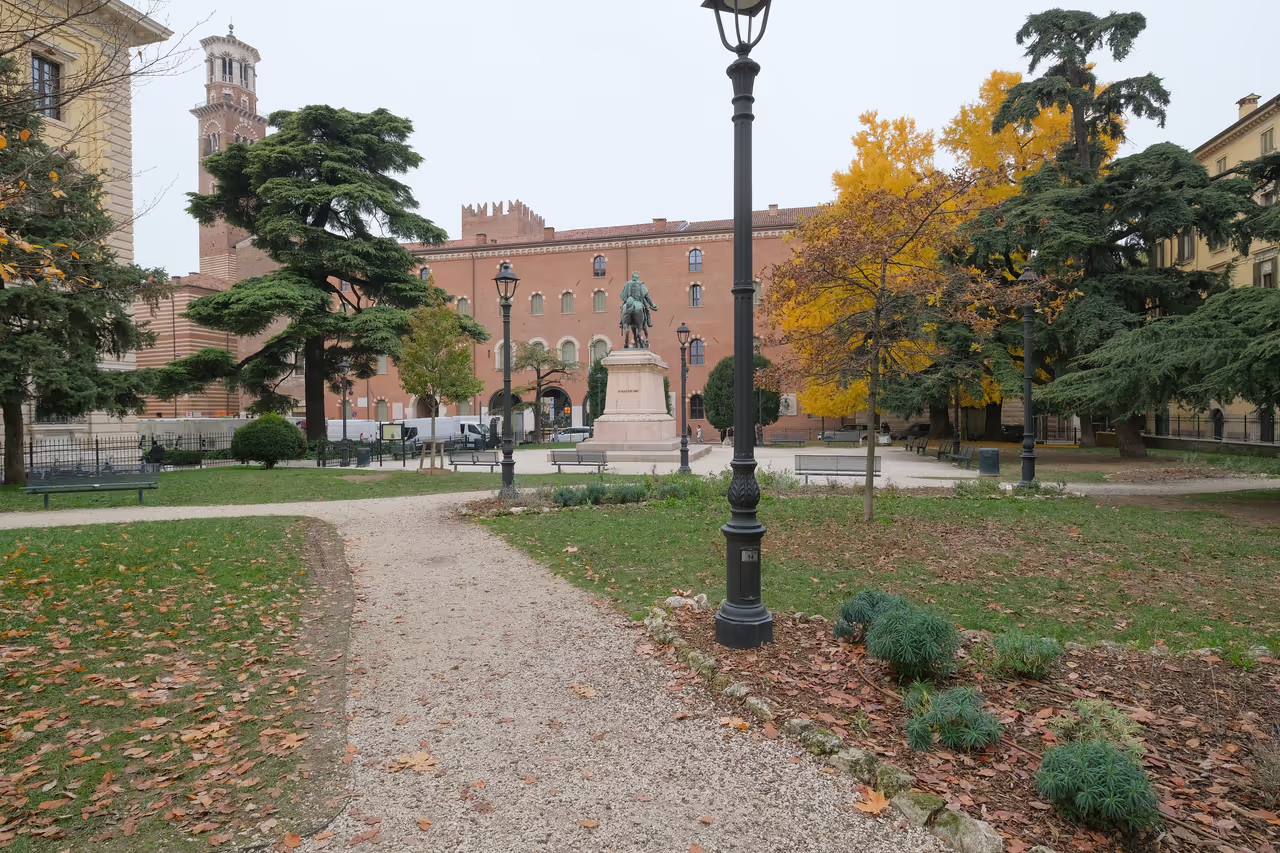 120m
120mIndependence Square
Tucked away behind the grandeur of the Palazzo del Capitanio, Piazza Indipendenza serves as a peaceful enclave within the historic heart of Verona. While many visitors gravitate toward the larger, famous squares, this spot offers a moment of quiet reflection, showcasing the city's ability to evolve from a private garden for Scaliger lords into a modern urban space. Its character is shaped by a long history, shifting from a verdant oasis for local nobility to a botanical site for nineteenth century scholars. Today, it stands as an understated testament to the layers of time that define the city. It is a perfect place to pause for a breath of air as you explore the surrounding labyrinth of ancient streets.
park & nature view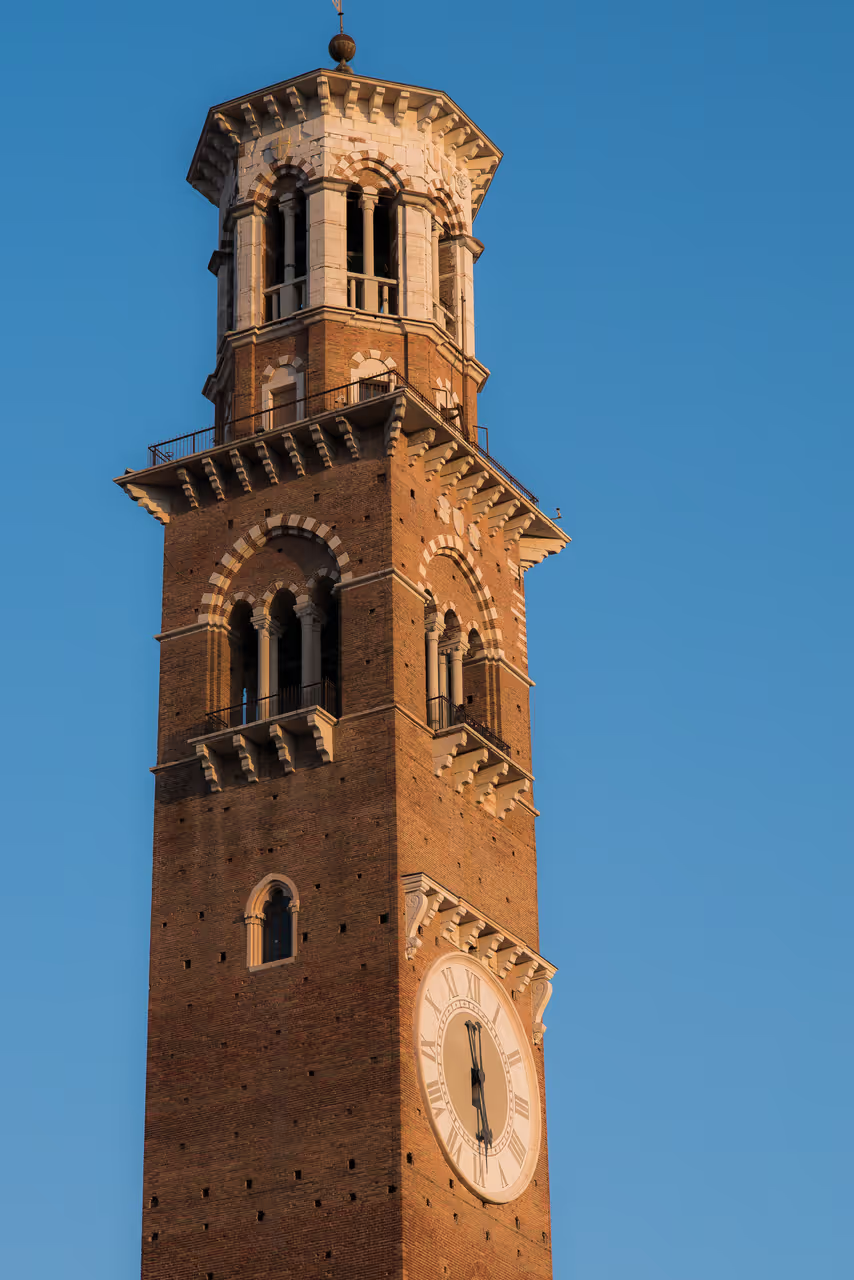 122m
122mLamberti Tower
Standing at a staggering 84 metres, the Lamberti Tower is the undisputed vertical icon of Verona. This medieval masterpiece, which began its life in 1172, dominates the skyline above Piazza delle Erbe and offers some of the most breathtaking panoramic views across the city rooftops and the surrounding Torricelle hills. Visitors can ascend to the top to see the historic octagonal belfry, a stunning Gothic addition from the 15th century that perfectly blends with the older brick and tuff foundations. It is a time capsule that has chimed through centuries of local history and remains a steadfast guardian of the city. Whether you are a photography enthusiast or a history lover, this climb is an essential part of experiencing the true heart of Verona.
attraction view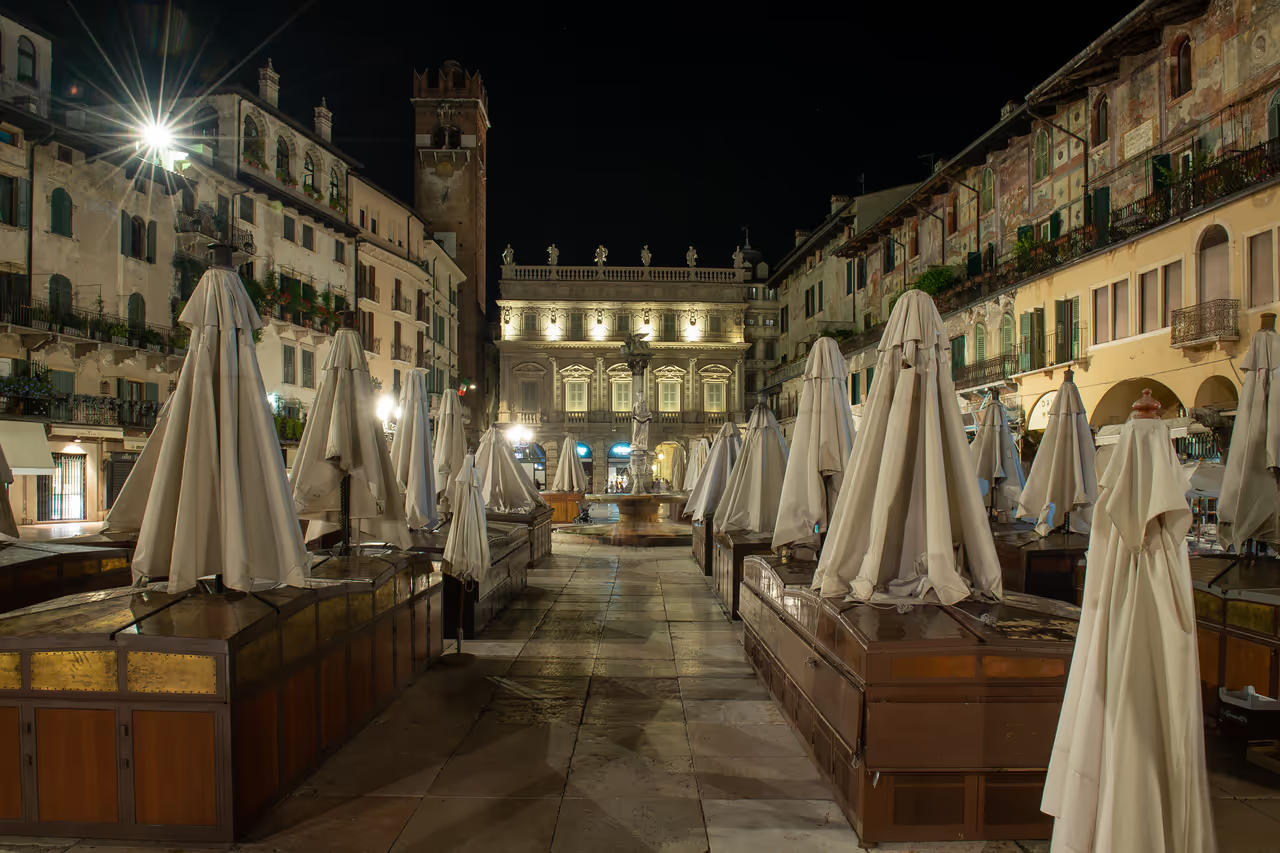 151m
151mPiazza delle Erbe
Built over the ancient Roman forum, this elongated square remains the undisputed social heart of the city. It is framed by a spectacular array of architecture, including medieval towers, baroque palaces, and the stunning frescoed facades of the Mazzanti Houses. During the day, the centre is filled with the white umbrellas of the market stalls, while the perimeter cafes buzz with activity. At its heart stands the 'Madonna Verona' fountain, a Roman statue repurposed in the 14th century to symbolise the city. It is a place of incredible visual richness, where every era of the city's history is visible simultaneously.
highlight view
Featured on These Itineraries and Routes
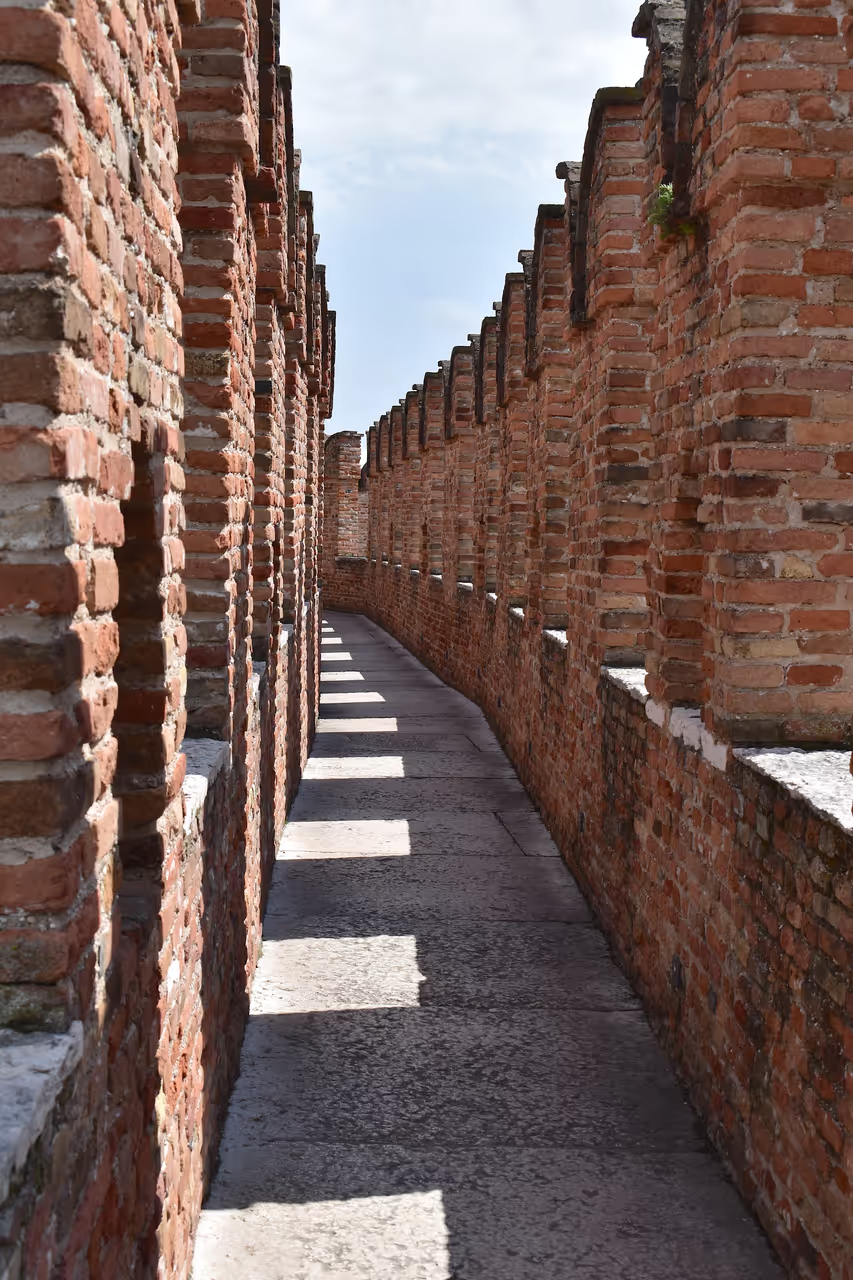
1 Day in Verona: The Roman & Romantic Core Itinerary
This highly concentrated itinerary is designed to hit the absolute must see highlights of the city for visitors short on time. It focuses heavily on the central, walkable core, taking you from the colossal Roman amphitheatre through the bustling medieval squares. You will experience the city's legendary romantic folklore alongside its stunning architectural legacy. It provides a perfect, vibrant snapshot of the city's varied history.
view itinerary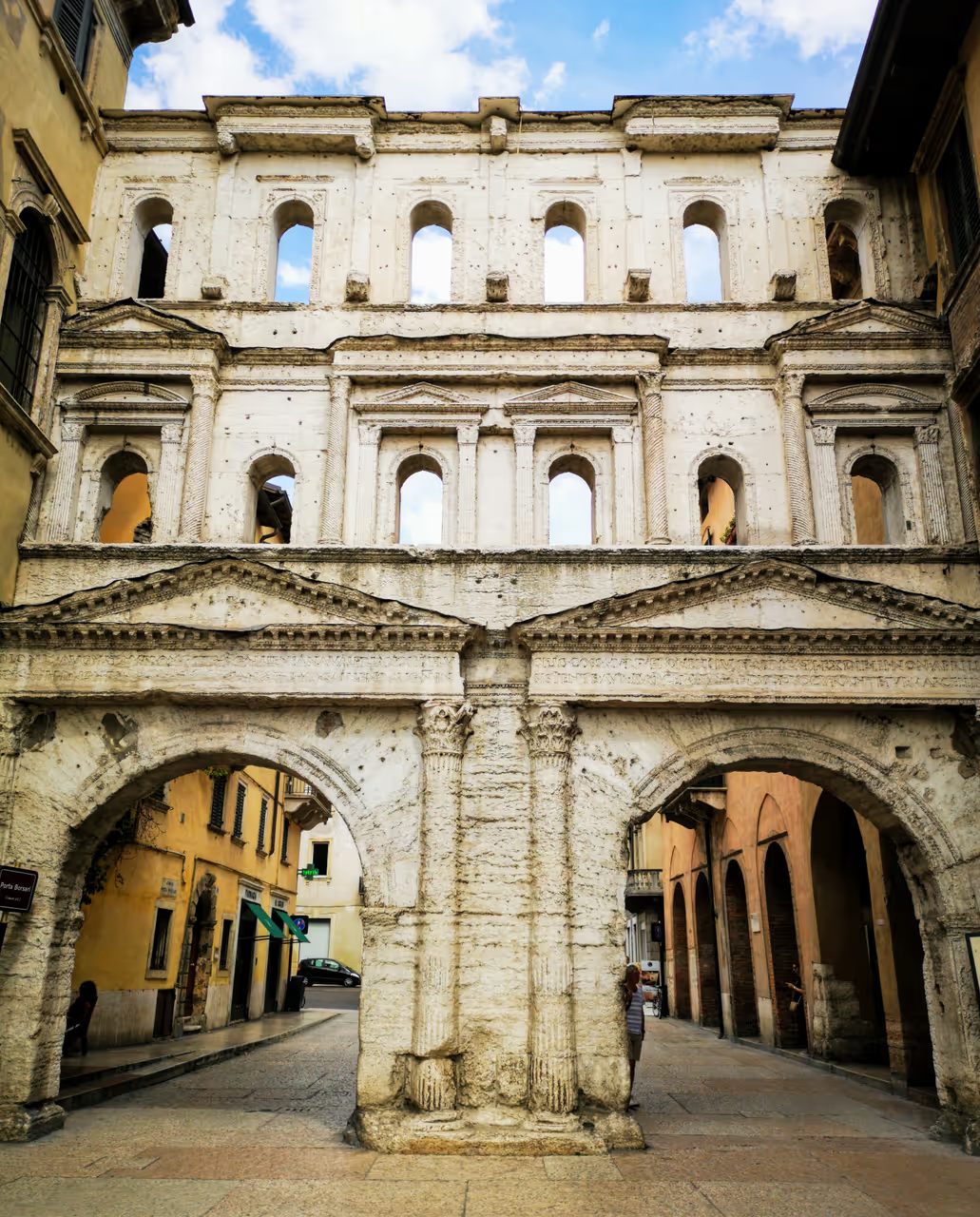
3 Days in Verona: History, Art, and Hills Itinerary
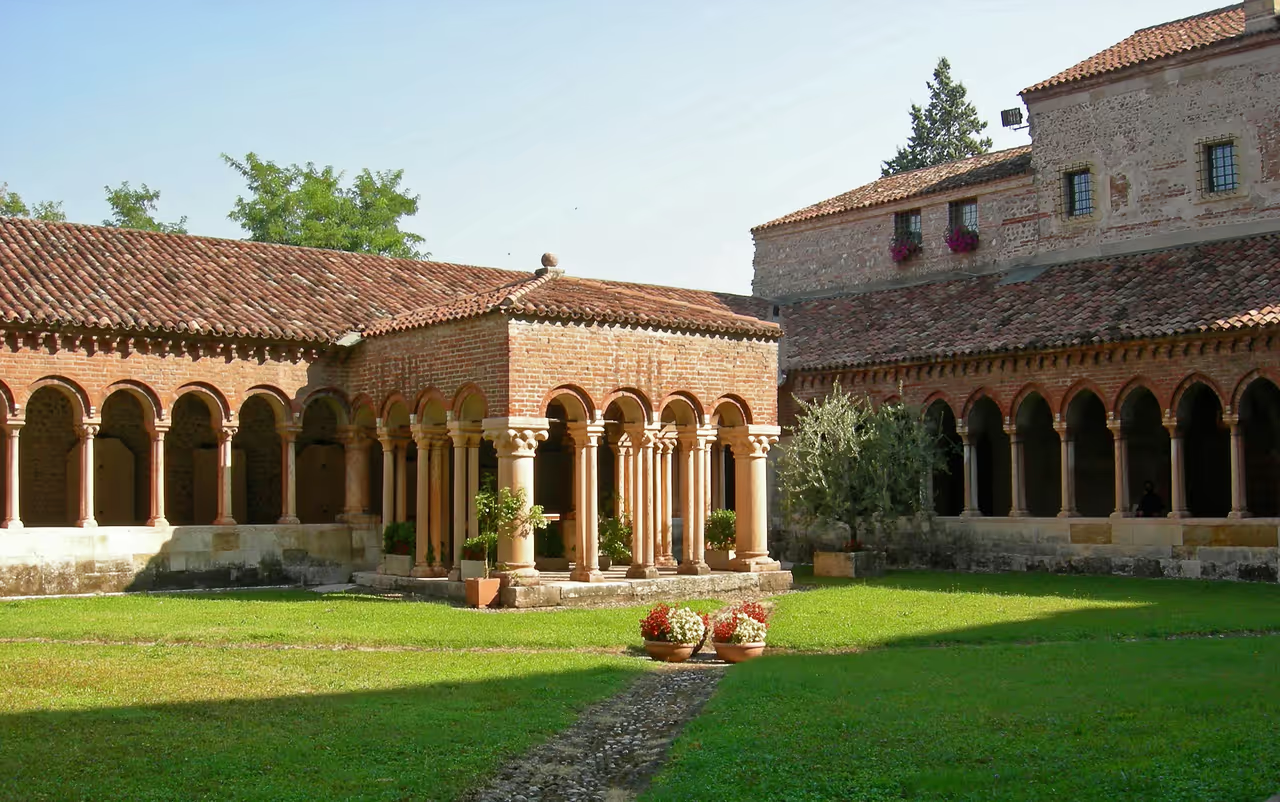
A perfect, comfortable pace to truly absorb the city's profound depth without rushing. This plan allows you to explore the major monuments, dedicate time to the city's incredible churches, and venture up into the scenic hills. You will have time to linger in cafes, cross the historic bridges, and appreciate the brilliant art galleries. It balances the heavy hitters with deeply atmospheric, quieter corners.
view itinerary
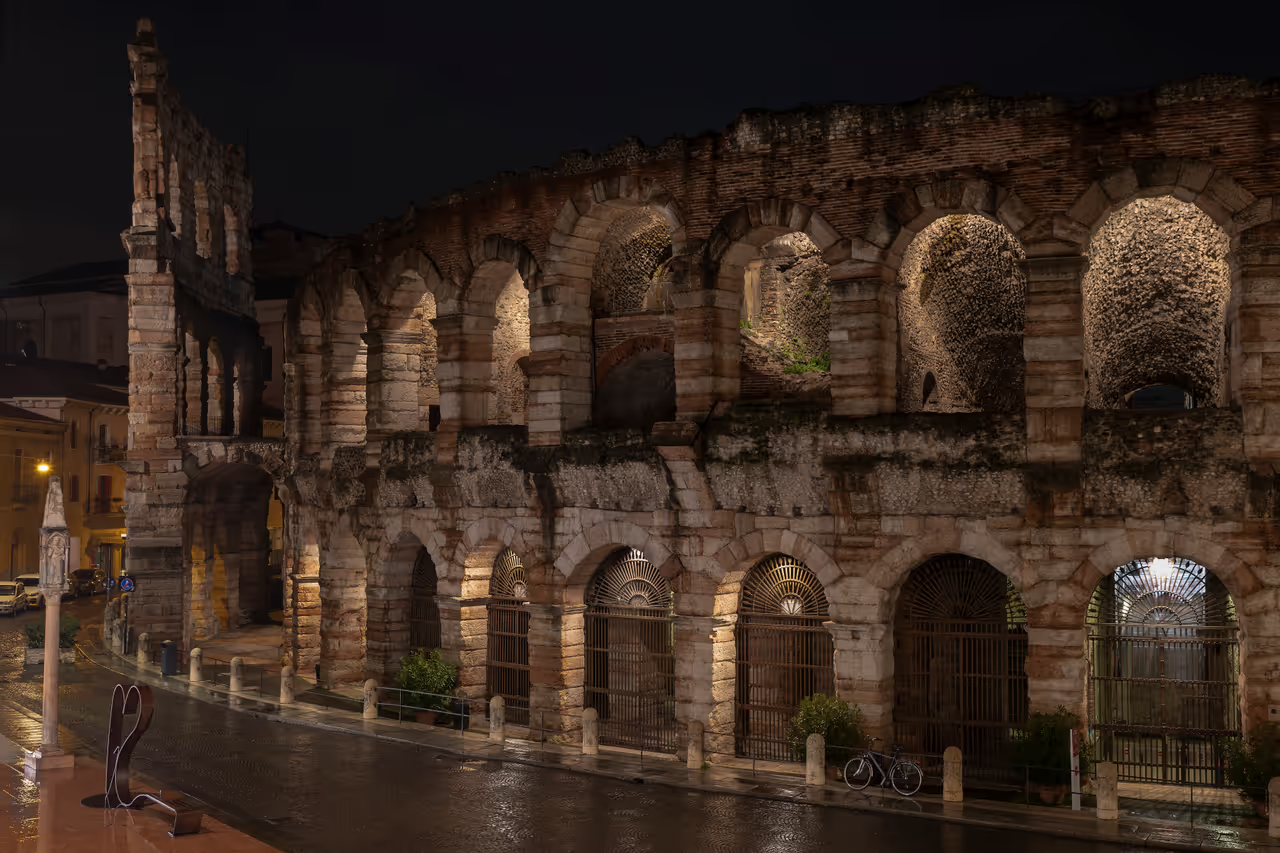
5 Days in Verona: Deep Dive and Hidden Secrets Itinerary
For those who want to experience the city like a local and uncover its deepest historical layers. This expansive itinerary covers everything in the three day plan but adds vital explorations into the underground Roman ruins, hidden medieval chapels, and grand civic palaces. It offers a comprehensive understanding of how the city evolved from a Roman outpost to an Austrian fortress. You will leave with an intimate knowledge of the city's complex, beautiful character.
view itinerary
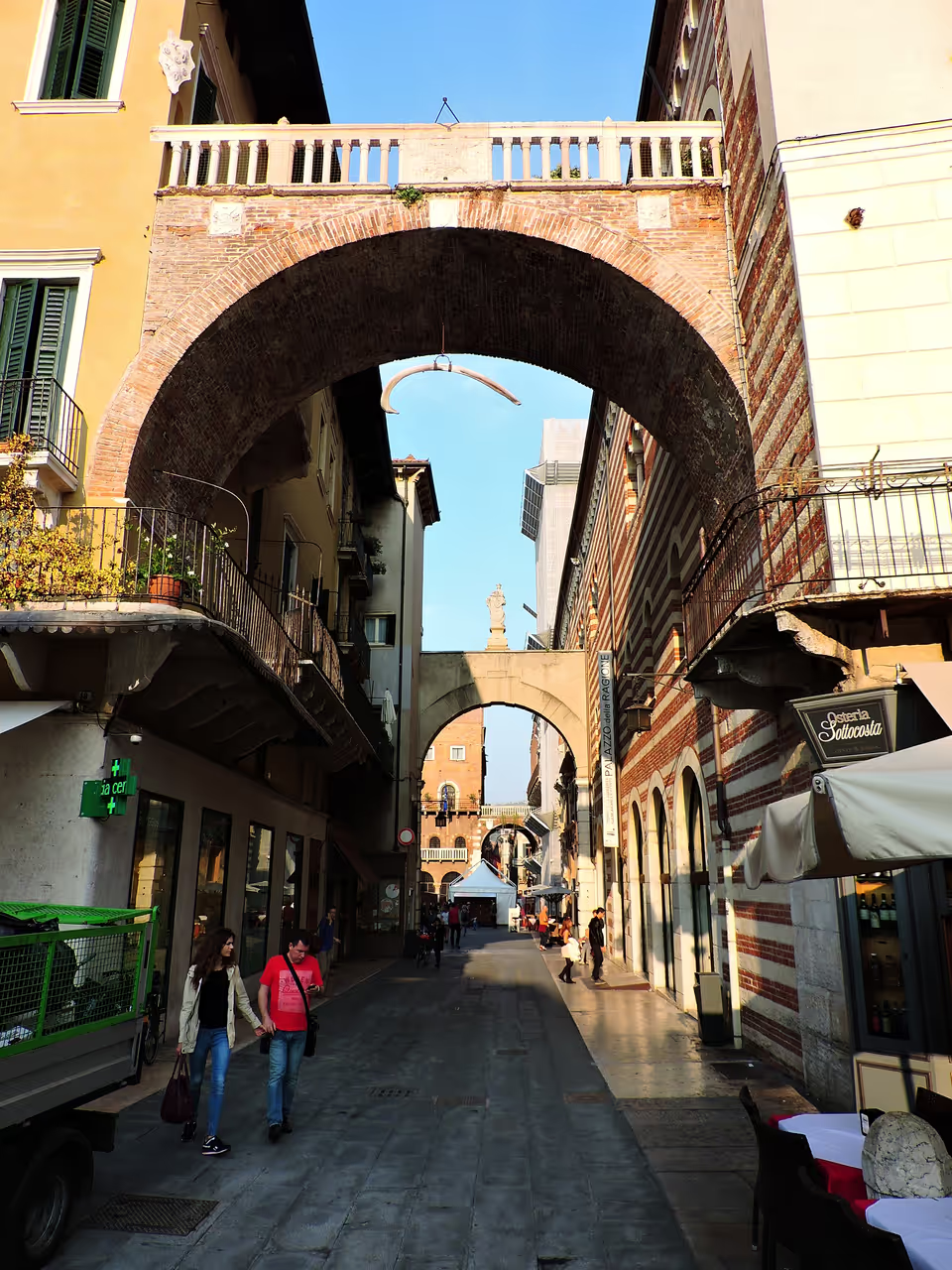
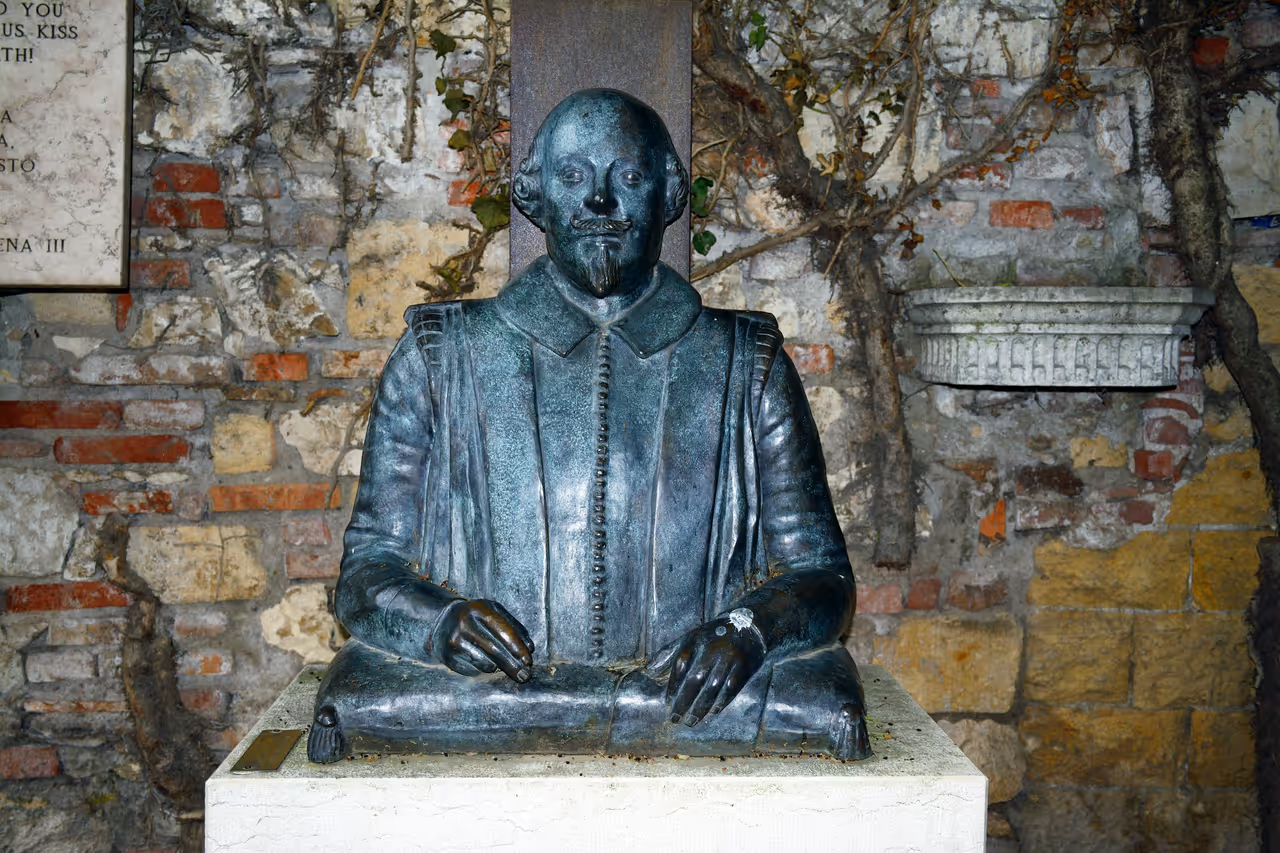
Shakespeare's Verona
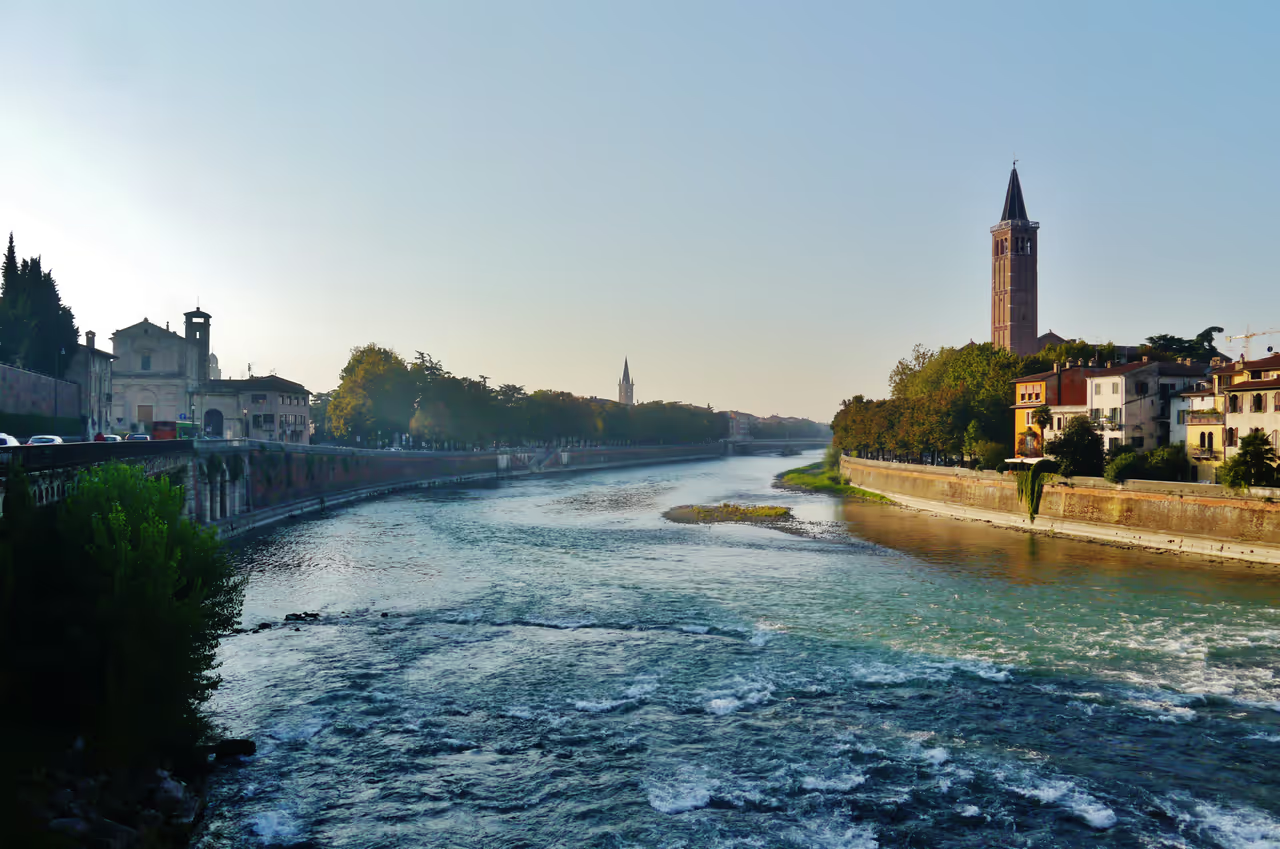
Indulge in the romantic mythology that has made the city globally famous. While the English playwright never visited Italy, this route explores the historic locations and medieval atmosphere that inspired the tragic tale of the star-crossed lovers. It blends historical fact with literary legend, offering a highly photogenic and culturally playful journey through the city's streets.
view self-guided tour
See all attractions in Verona
Basilica of San Zeno, Castelvecchio Museum, Lamberti Tower, Roman Theatre of Verona, Verona Arena, Verona Cathedral...