Municipal Walls of Verona
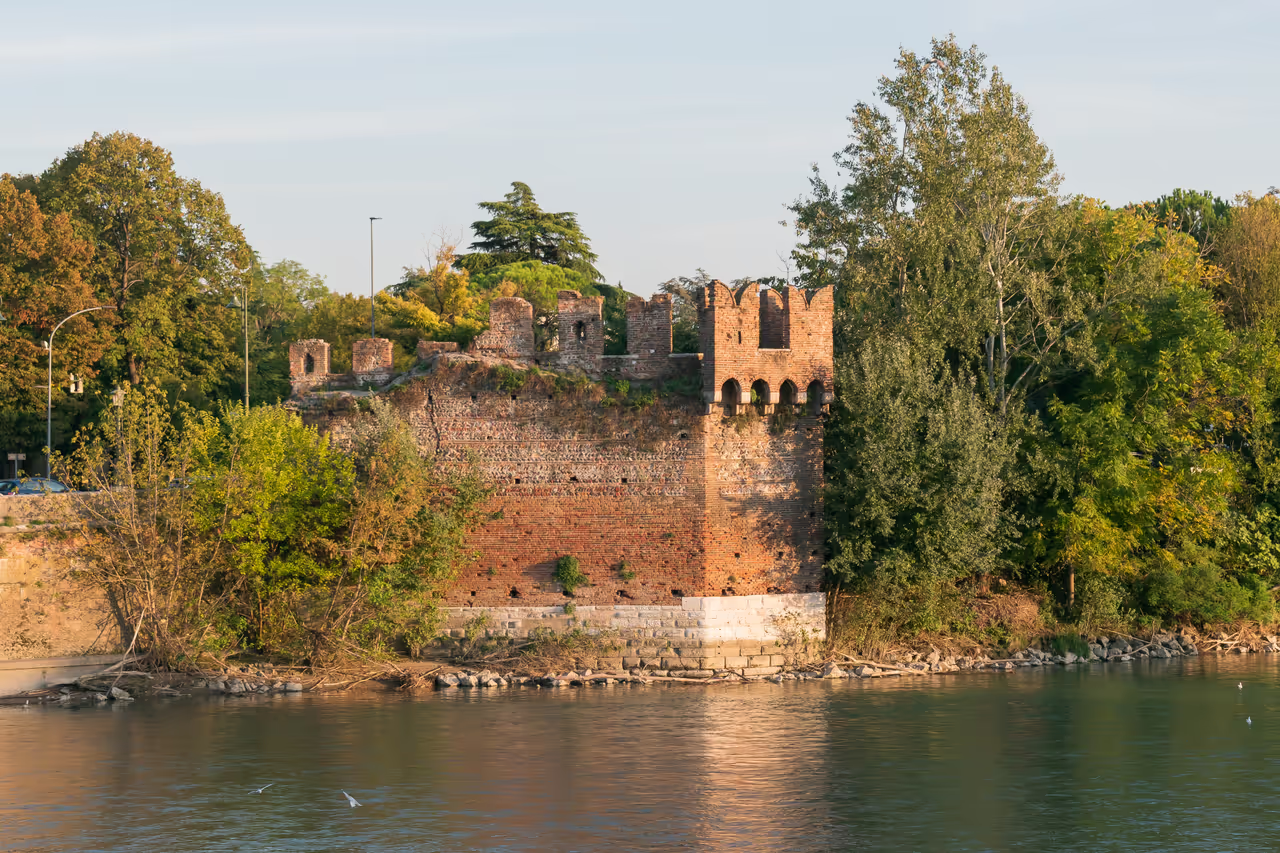
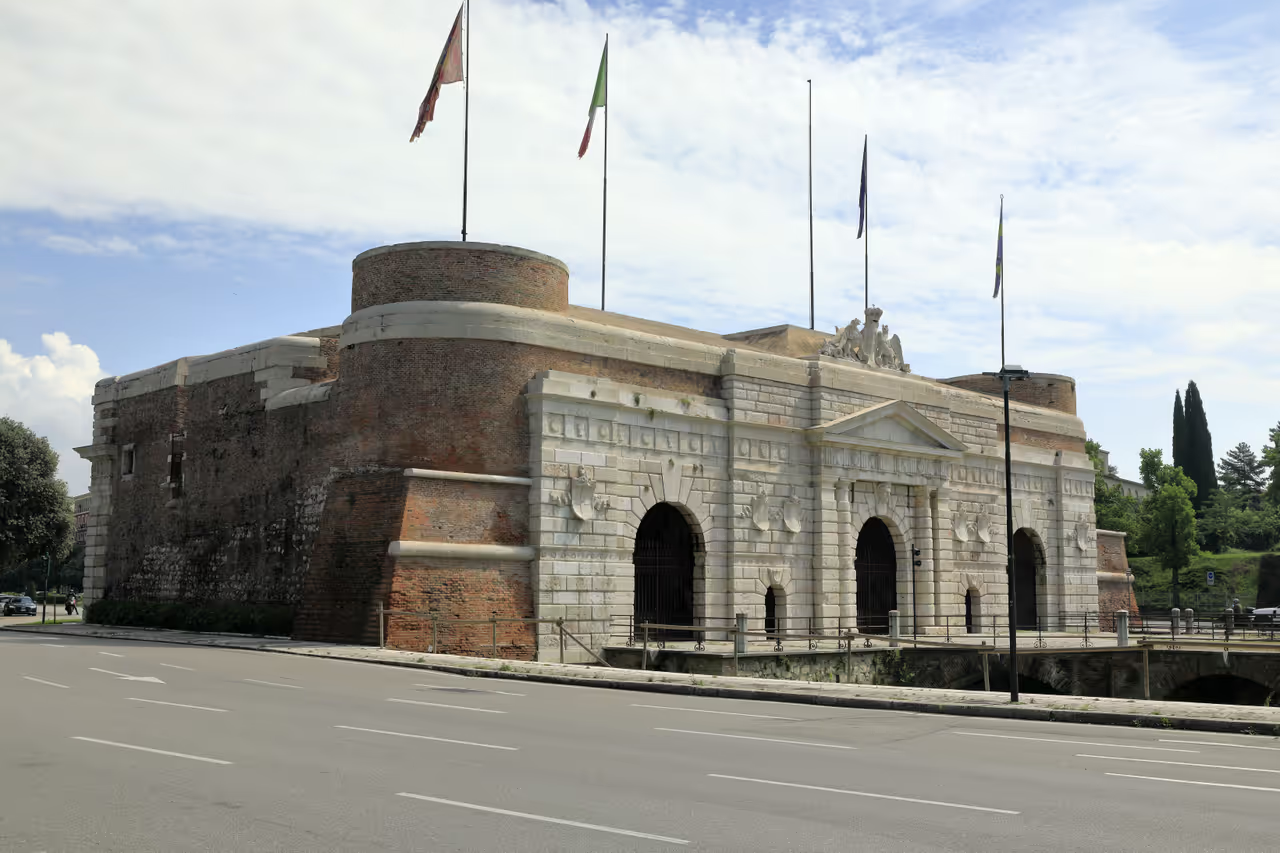
The Municipal Walls of Verona offer a fascinating glimpse into the layered military history of the city, stretching along the south of the historic centre. These ancient fortifications, once protecting the medieval town, were cleverly repurposed over centuries, evolving from defensive barriers into a sophisticated military complex. Walking past the sections visible near via Pallone allows you to appreciate how these structures were integrated into daily life, serving at different times as granaries, barracks, and even hospitals. It is a brilliant example of how Verona manages to weave its deep defensive past into the fabric of a modern and lively city. Visiting this area provides a contemplative experience, perfect for those who want to peel back the layers of Veronese history beyond the main tourist sights. The sight of these remnants creates a tangible connection to the Ezzelinian, Scaliger, and Austrian eras that all left their mark here.
Videos
History of Municipal Walls of Verona
The Municipal Walls of Verona represent a narrative of constant adaptation. In the 12th century, the city faced the necessity of building a defensive perimeter to protect the southern edge of the town. These early walls were not a static creation but a response to the volatile political landscape of the Middle Ages, with builders and rulers like Ezzelino III da Romano reinforcing the stone barriers against a backdrop of regional conflicts. The defensive strategy was gradual, relying on a system of walls, ditches, and towers that shifted with the changing needs of the city. As centuries passed, the function of these walls underwent a transformation. Under the Republic of Venice, the fortifications were reinvented as a logistical engine for the military. The area became known as the Arsanata, a complex where the space between walls served as granaries, workshops, and depots. This era saw the walls become deeply integrated into the administrative and military life of the city, serving as a support system for the troops rather than just a shield against invaders. The Gran Guardia emerged as the architectural focal point of this system, blending military representation with the aesthetic ambitions of the time. In the 19th century, the walls were again repurposed by the Austrian Empire to house their garrisons, with the barracks accommodating over a thousand soldiers. After the unification of Italy, the site transitioned once more to house the Italian Alpine troops. Today, while the Adigetto canal has vanished beneath the streets and some sections have surrendered to modern office blocks, the surviving stones continue to anchor the city to its past. They stand as silent witnesses to the evolution of Verona, showing how a city does not simply preserve its history but constantly finds new ways to live within it.
Events spanning 709 years
Fun Facts
- • During the Austrian occupation in the 1850s, the five infantry barracks located here had a combined capacity to house 1483 soldiers.
- • Portions of the wall were demolished during the 1960s to make way for new municipal offices, yet the core of the main wall structure remains.
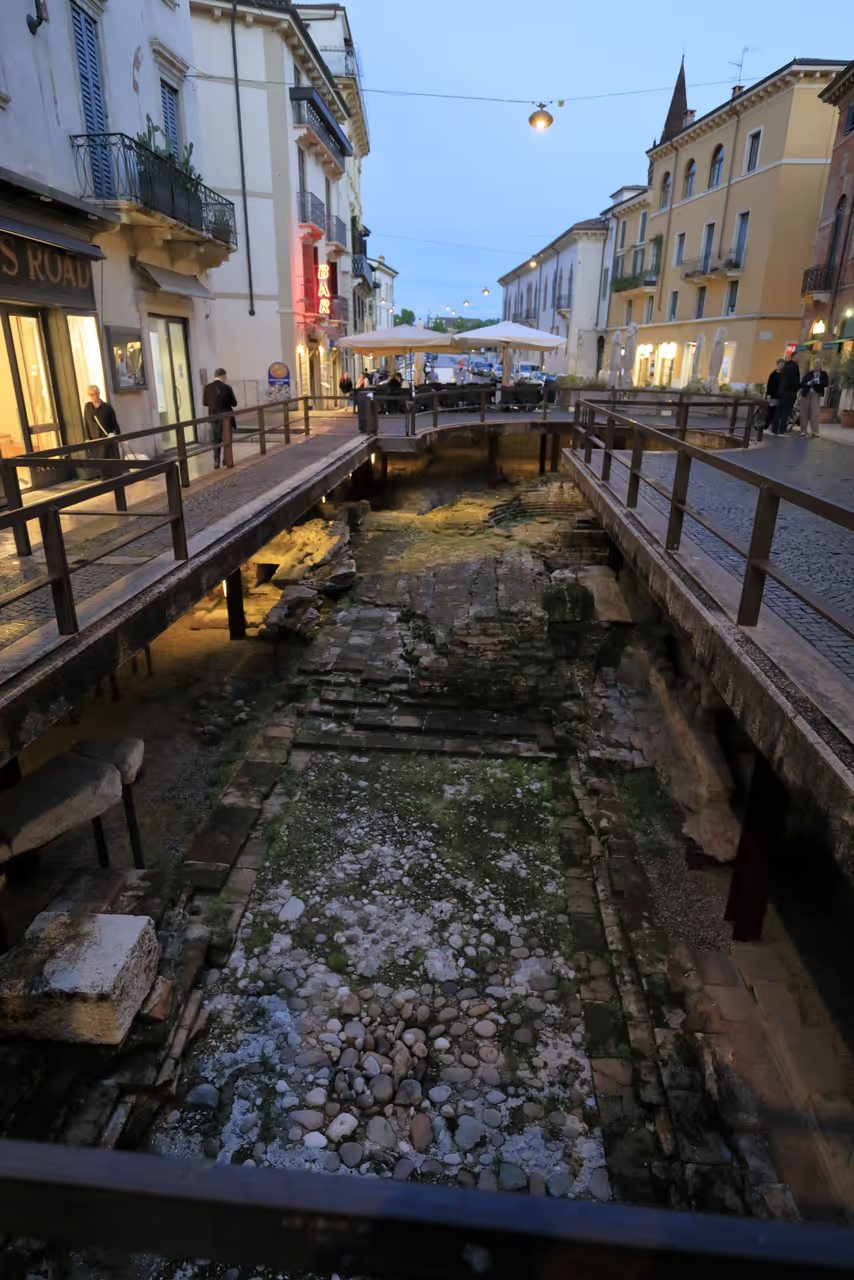
- • The Adigetto, the canal that once ran alongside these walls, was completely buried and reduced to an underground course following the major Adige flood of 1882.
- • The Palazzo del Capitano serves as a reminder of the military heritage, having been restored in the 1980s by the local section of the National Alpine Association to house their headquarters.
- • The Palazzo della Gran Guardia was envisioned as the centrepiece for the military complex, designed to host martial arts training and represent the Venetian military authorities.
- • The Roman Gavi Arch was historically incorporated into the defensive system, functioning as a city gate known as Porta Sancti Zenonis.
- • The Torre della Paglia was not merely a tower but a major powder magazine before it was destroyed by lightning in 1624.
- • The area between the walls and the antemurale was used for diverse functions, including granaries, stables, and even a hospital for the militia established in 1703.
- • The city walls served a role beyond simple defense, acting as a logistic hub for the Republic of Venice where munition supplies were managed alongside grain storage.
- • The fortifications were known as the Arsanata, a name likely derived from the extensive renovation and consolidation works undertaken to repurpose the walls for military logistics.
Municipal Walls of Verona FAQ
While we strive to keep this information accurate and up to date, we recommend verifying any details independently before making decisions based on them.
Municipal Walls of Verona Map & Neighborhood Explorer
This interactive map is centered on Municipal Walls of Verona. Zoom in and move the map around to automatically discover Wikipedia photos and summaries of other nearby sights, monuments, and historical points of interest and stories in real-time!
Places near Municipal Walls of Verona
Make the most of your trip. Check out these top-rated spots located nearby.
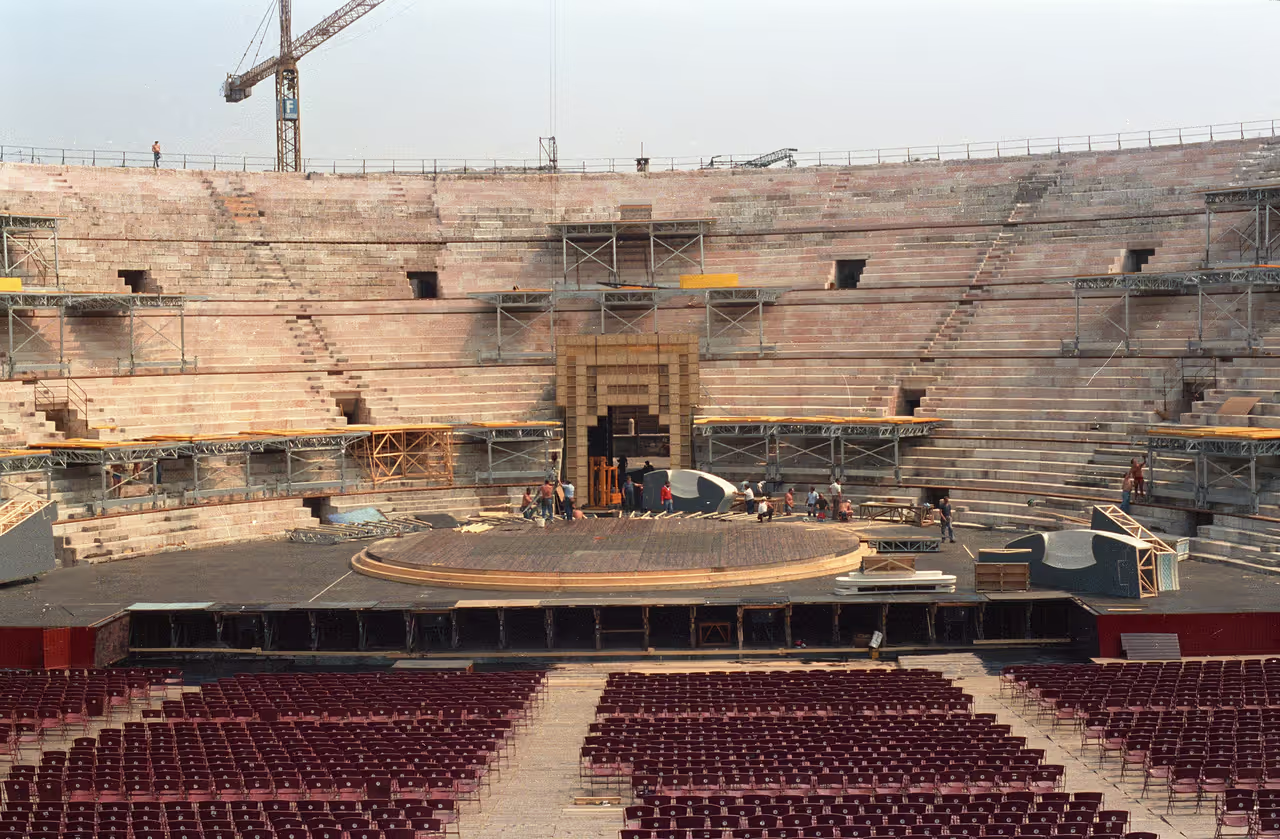 332m
332mArena di Verona Opera Festival
This globally renowned cultural spectacular transforms the ancient Roman amphitheatre into the world's largest open air lyric theatre. Running throughout the summer, the festival features monumental productions of classic operas like Aida, Carmen, and Turandot. The acoustics within the ancient stone bowl are phenomenal, allowing singers to project their voices without amplification. The atmosphere before the performance, as thousands of audience members light small candles in the twilight, is purely magical. It is an unforgettable experience that defines the city's artistic soul.
festival view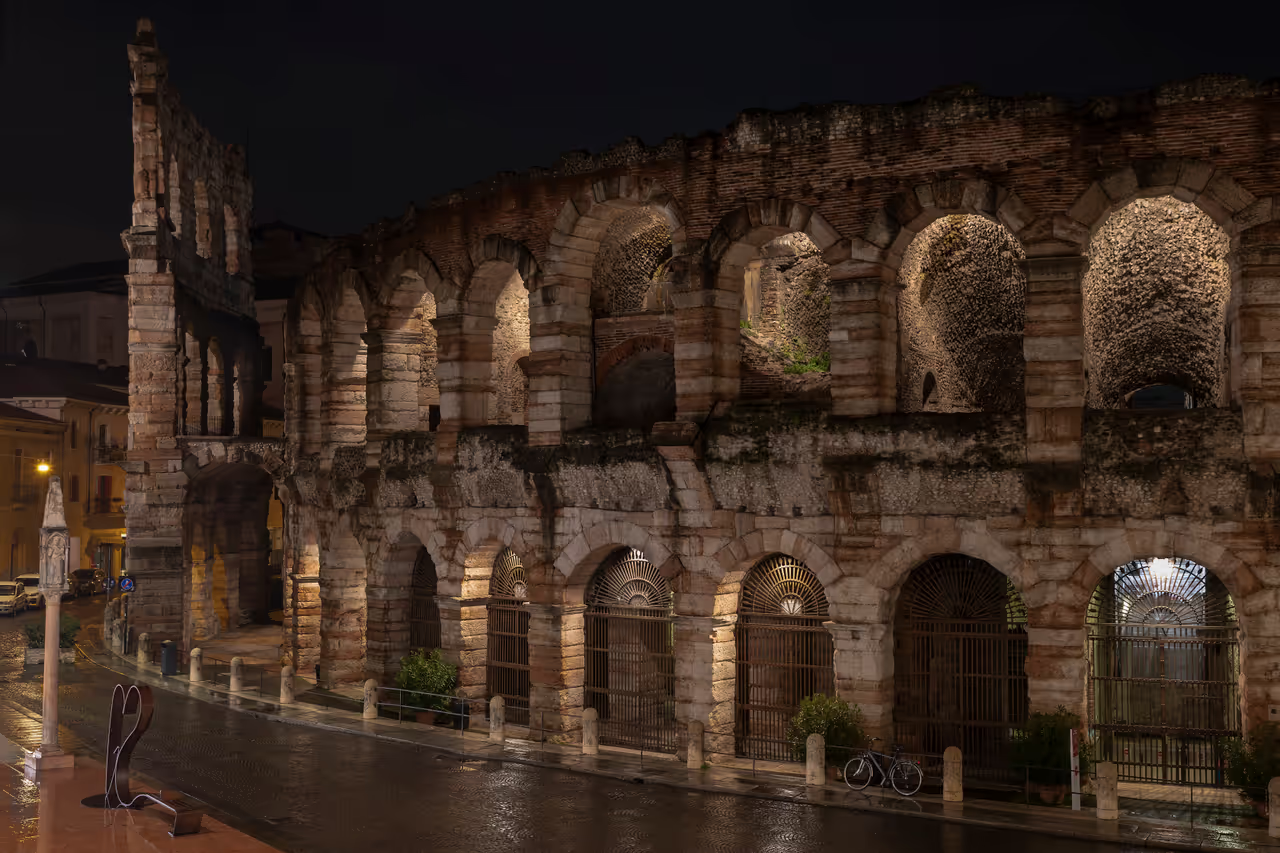 345m
345mVerona Arena
Step inside the Verona Arena and feel the pulse of history beneath your feet in one of the world's most enduring Roman amphitheatres. Originally built in the first century, this magnificent stone giant has transformed from a venue for gladiatorial combat into a legendary stage for world class opera. Its iconic pinkish marble glows as the sun sets, creating a magical backdrop for unforgettable summer performances. Today, it remains the heart of the city, standing tall as both a structural marvel and a vibrant cultural hub. Whether you are an opera lover or a history enthusiast, experiencing the acoustics of this ancient wonder is a unique opportunity to connect with the past.
attraction view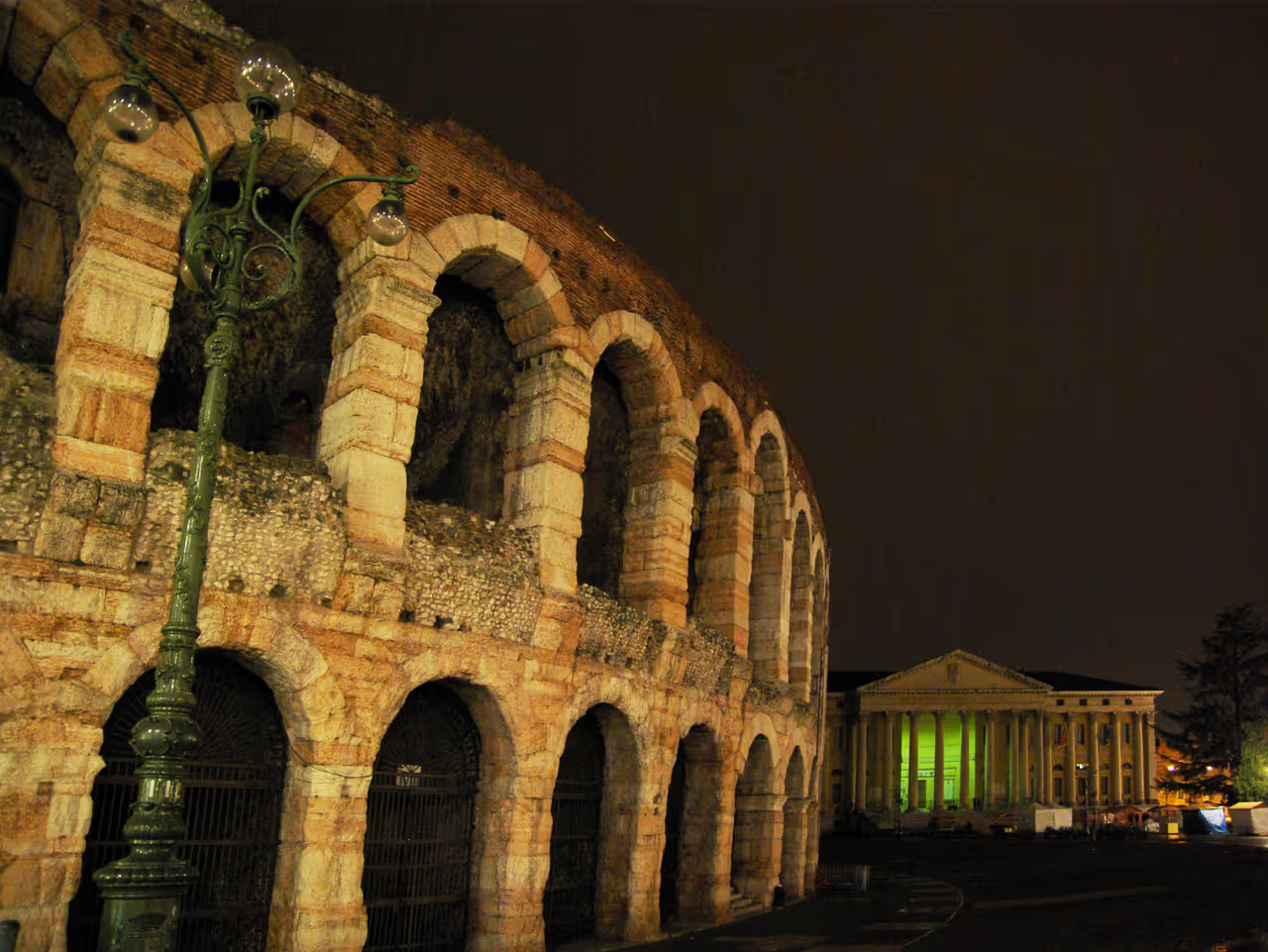 405m
405mPiazza Bra and the Liston
The sweeping, majestic Piazza Bra offers a nightlife experience defined by grandeur and spectacle, particularly during the summer opera season. The wide marble pavement known as the 'Liston' is lined with large, bustling cafes and restaurants facing the illuminated Arena. It is a place to see and be seen, offering premium seating for soaking in the monumental surroundings. While prices here reflect the prime location, enjoying an elegant post show drink with views of the Roman amphitheatre is a memorable indulgence.
nightlife view 437m
437mInternational Festival of Street Games
This wonderfully unique festival reclaims the city streets from traffic, transforming the historic centre into a massive playground dedicated to traditional games. Communities from across the world gather to demonstrate ancient sports, forgotten board games, and historic pastimes. Visitors are encouraged to participate, learning everything from traditional Italian flag throwing to obscure international folk sports. It is a joyous, interactive celebration of intangible cultural heritage that fills the city with laughter and music.
festival view
Featured on This Route
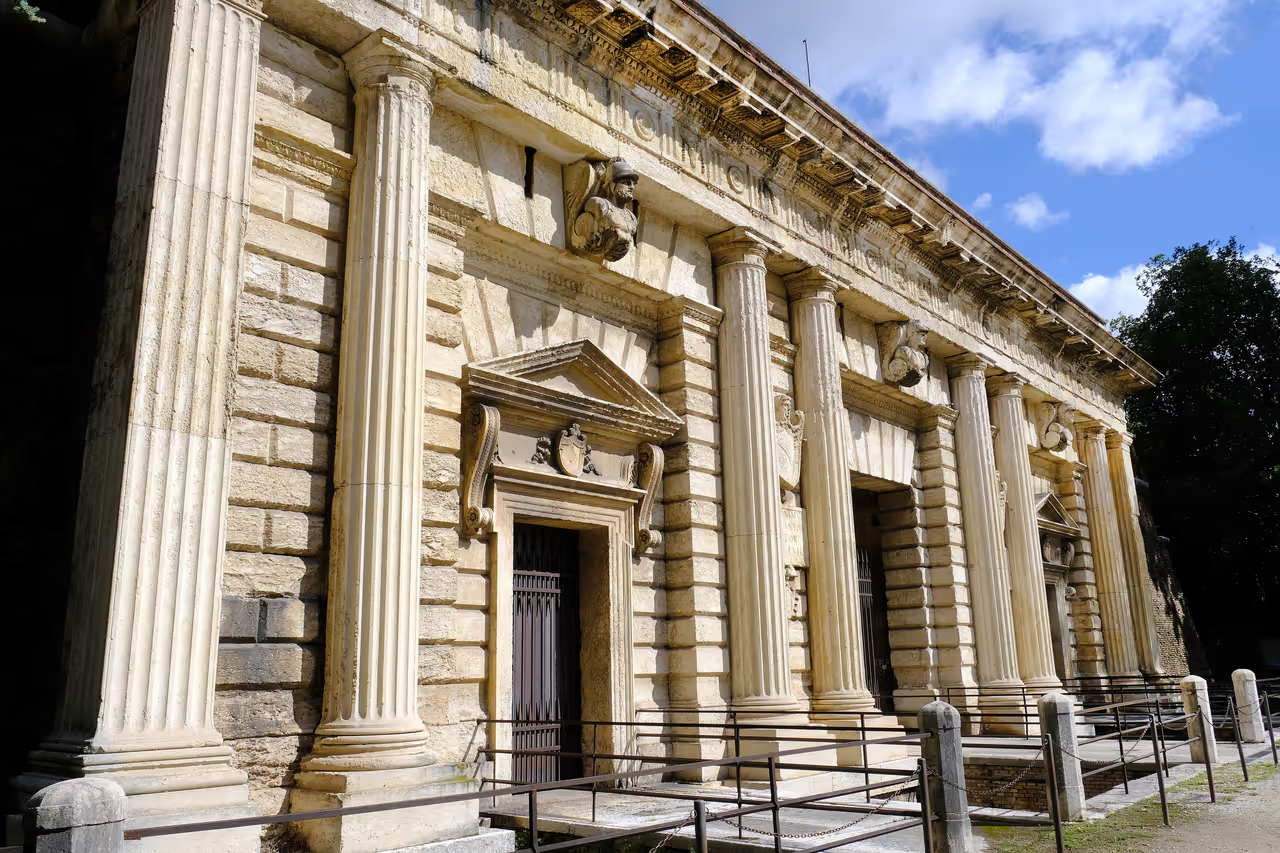
See all nature & parks in Verona
Palazzo Giusti and its Renaissance Gardens, Independence Square, Verona Arsenal...