Verona Arena
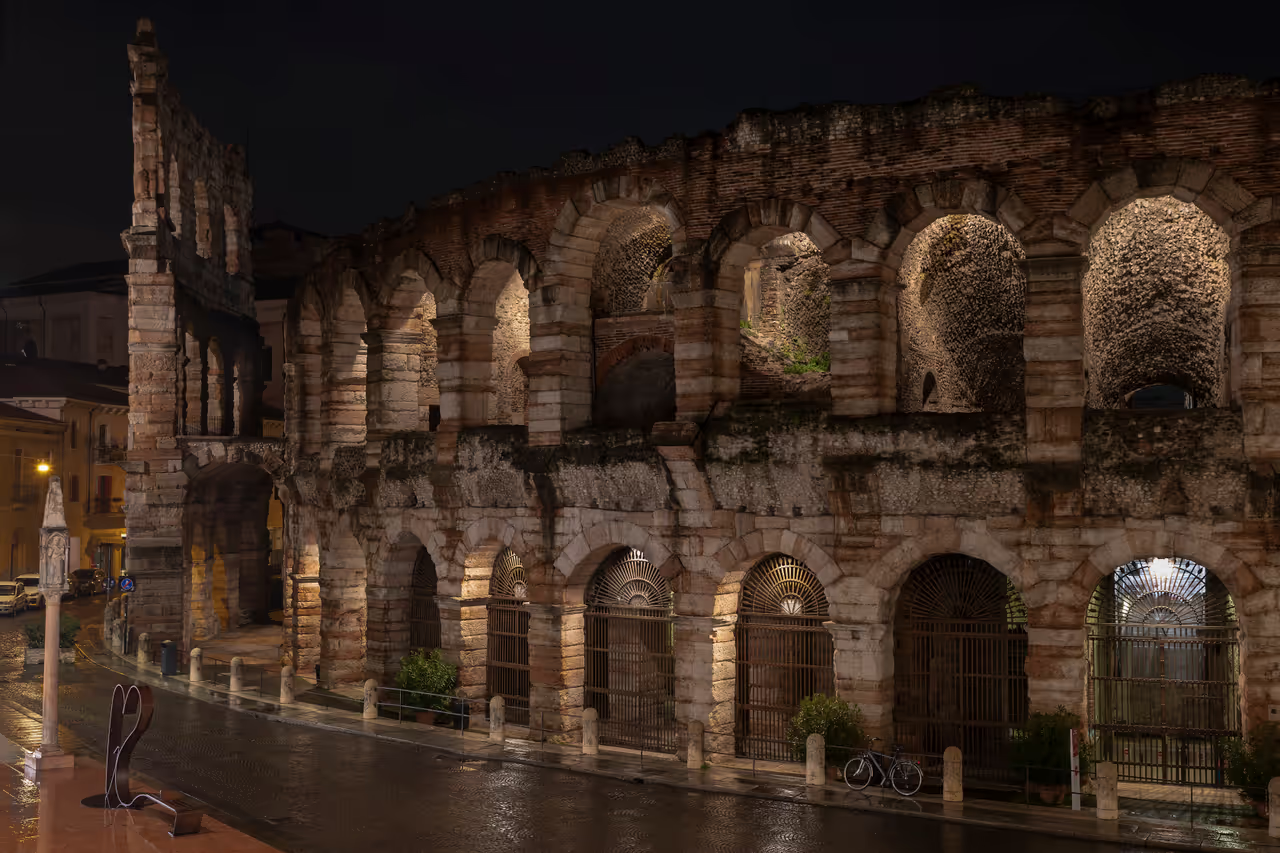
Step inside the Verona Arena and feel the pulse of history beneath your feet in one of the world's most enduring Roman amphitheatres. Originally built in the first century, this magnificent stone giant has transformed from a venue for gladiatorial combat into a legendary stage for world class opera. Its iconic pinkish marble glows as the sun sets, creating a magical backdrop for unforgettable summer performances. Today, it remains the heart of the city, standing tall as both a structural marvel and a vibrant cultural hub. Whether you are an opera lover or a history enthusiast, experiencing the acoustics of this ancient wonder is a unique opportunity to connect with the past.
Videos
History of Verona Arena
The story of the Verona Arena is one of extraordinary resilience, mirroring the evolution of the city itself. Born around 30 AD, this monumental amphitheatre was a masterpiece of Roman engineering, constructed just outside the city walls to host thousands of spectators for gladiator games and public displays. It was a symbol of Roman grandeur, built with pink Valpolicella limestone that still captures the light beautifully today. While scholars debated its exact age for centuries, its existence remains a testament to the sophisticated urban planning that allowed ancient cities to entertain vast crowds with such structural precision. Throughout the centuries, the Arena faced threats from seismic activity and the urgent need for construction materials, yet it endured by constantly reinventing itself. It served as a fortress, a site for medieval judicial duels, and even a somewhat unconventional residence. The amphitheatre wore many masks to survive, proving that even the most monumental structures require a bit of ingenuity to weather the passage of time. The loss of its outer ring during the 1117 earthquake was a significant blow, yet the remaining skeleton of the building continued to command respect and awe from those who walked past it. In the modern era, the Verona Arena has fully reclaimed its purpose as a world class stage. Since the inaugural festival in 1913, the space has transformed into an unparalleled open air theatre where the world's most celebrated opera singers perform. The acoustics remain as perfect as they were two millennia ago, proving that the ancient architects succeeded in their design. Today, it stands not only as a survivor of history but as a living, breathing venue that continues to shape the identity of Verona and captivate the imagination of visitors from every corner of the globe.
Events spanning 1996 years
Fun Facts
- • Archaeological evidence reveals the story of a gladiator named Glauco, who dedicated his tomb to the goddess Nemesi. His epitaph warns future readers not to trust in fate, as he was betrayed by it despite his skill.
- • Dante Alighieri famously visited the Arena to watch the 'bare and oiled' champions fight in judicial duels, a scene he later immortalised in his Divine Comedy.
- • Hidden deep beneath the floor lies a complex system of drainage sewers and a large central basin, a marvel of Roman engineering that kept the arena from flooding during heavy rains.
- • In the 13th century, local authorities passed laws mandating that the Arena's arcades serve as the designated residence for the city's prostitutes, a curious administrative decision that coexisted with the site's closure to the public.
- • Napoleon Bonaparte visited the site twice in the early 19th century, where he enthusiastically attended bullfights, cementing the amphitheatre's ongoing role as a place for popular public entertainment.
- • Scholars long debated the construction date of the Arena, but the discovery of a gladiator's helmet design depicted on local artefacts helped pin the completion to around 30 AD.
- • The Arena was built outside the original city walls because the city centre was already too densely packed to accommodate such a colossal project.
- • The arena was built using locally sourced pink Valpolicella limestone, which gives the structure its distinctive and warm glow during sunset.
- • The iconic 'Ala' or 'Wing' is the only surviving part of the massive outer perimeter wall, offering a glimpse of how the entire structure looked before the earthquake of 1117.
- • The massive steel 'Christmas Star' that graced the Arena for decades met a tragic end in 2023 when a structural failure caused a portion of it to collapse, damaging the ancient stone steps.
RESOURCES
Official WebsiteVerona Arena FAQ
While we strive to keep this information accurate and up to date, we recommend verifying any details independently before making decisions based on them.
Verona Arena Map & Neighborhood Explorer
This interactive map is centered on Verona Arena. Zoom in and move the map around to automatically discover Wikipedia photos and summaries of other nearby sights, monuments, and historical points of interest and stories in real-time!
Places near Verona Arena
Make the most of your trip. Check out these top-rated spots located nearby.
 42m
42mArena di Verona Opera Festival
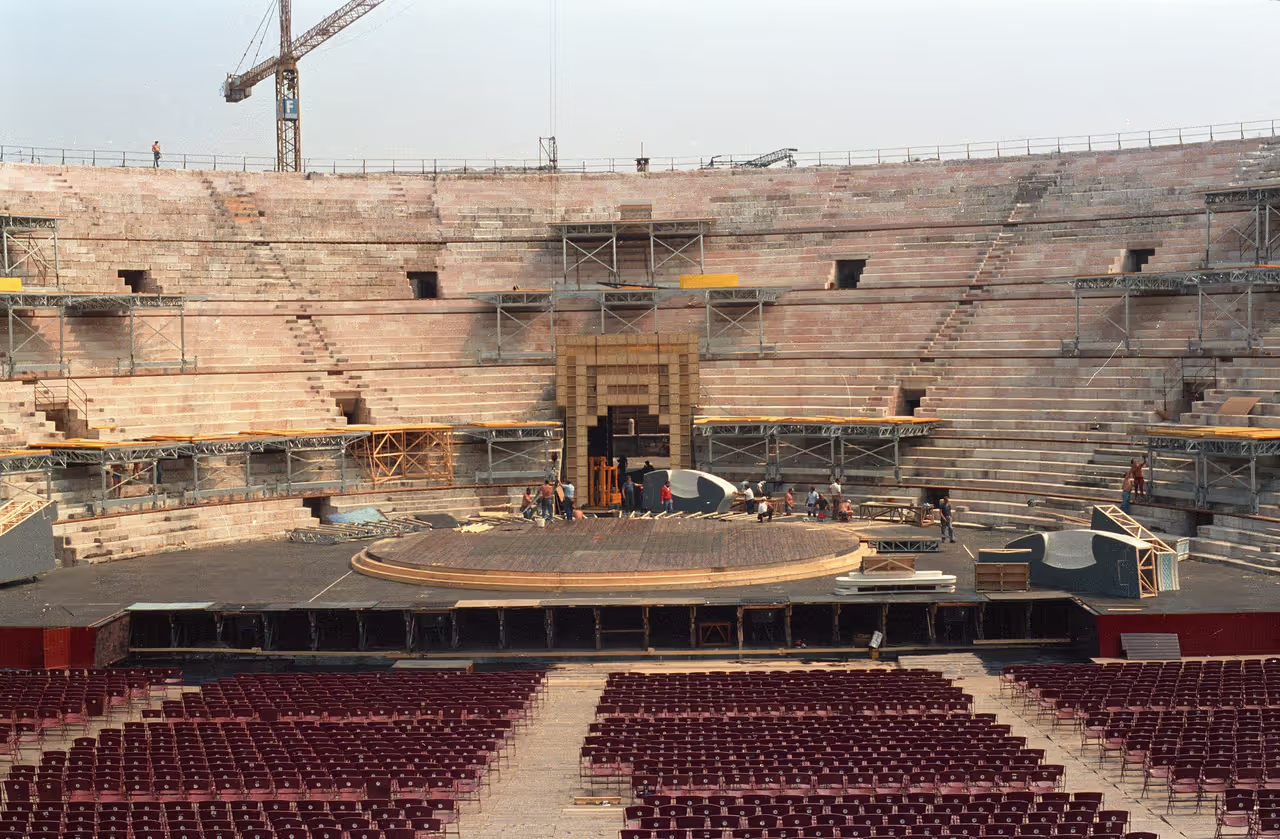
This globally renowned cultural spectacular transforms the ancient Roman amphitheatre into the world's largest open air lyric theatre. Running throughout the summer, the festival features monumental productions of classic operas like Aida, Carmen, and Turandot. The acoustics within the ancient stone bowl are phenomenal, allowing singers to project their voices without amplification. The atmosphere before the performance, as thousands of audience members light small candles in the twilight, is purely magical. It is an unforgettable experience that defines the city's artistic soul.
festival view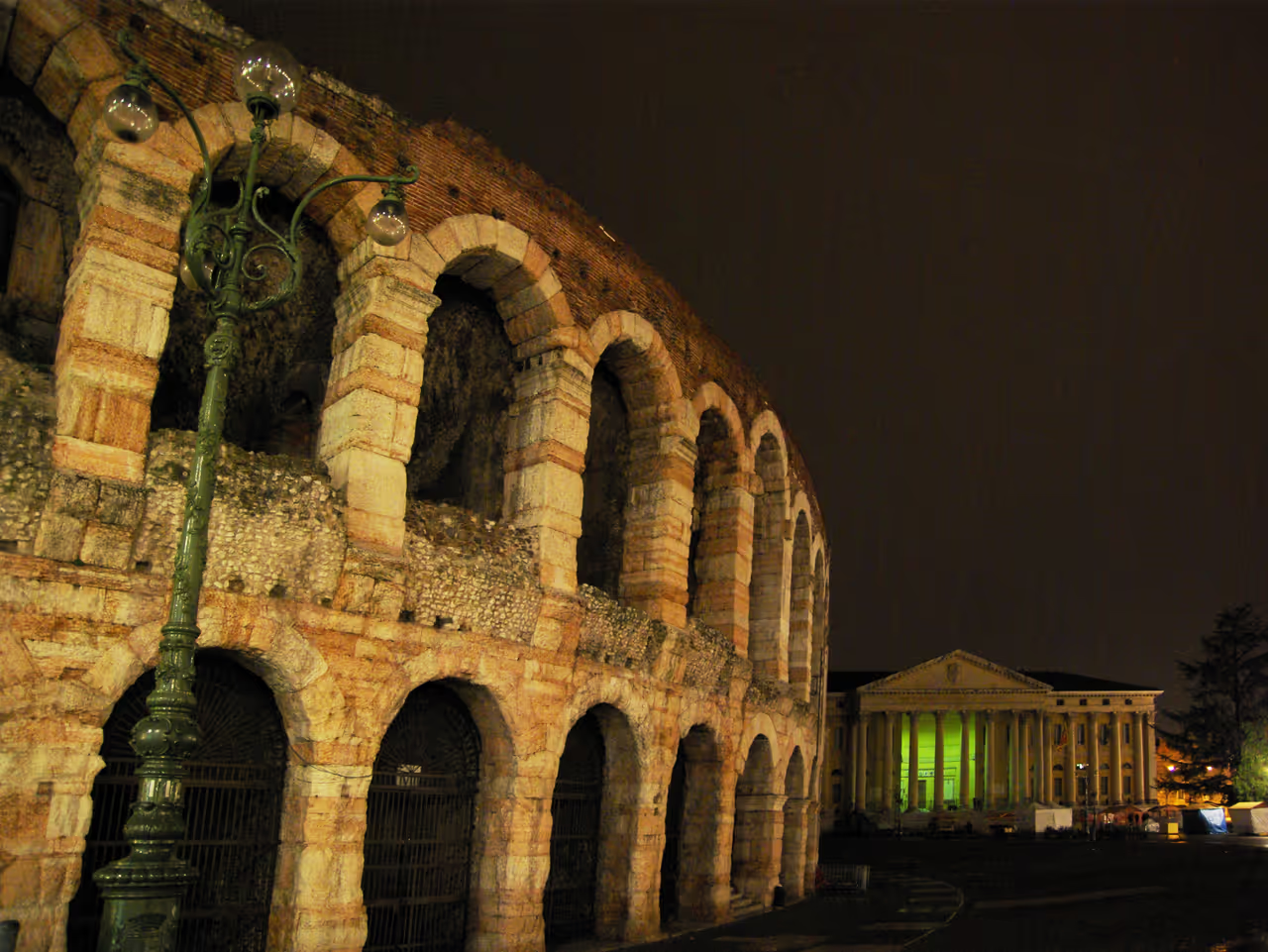 125m
125mPiazza Bra and the Liston
The sweeping, majestic Piazza Bra offers a nightlife experience defined by grandeur and spectacle, particularly during the summer opera season. The wide marble pavement known as the 'Liston' is lined with large, bustling cafes and restaurants facing the illuminated Arena. It is a place to see and be seen, offering premium seating for soaking in the monumental surroundings. While prices here reflect the prime location, enjoying an elegant post show drink with views of the Roman amphitheatre is a memorable indulgence.
nightlife view 152m
152mInternational Festival of Street Games
This wonderfully unique festival reclaims the city streets from traffic, transforming the historic centre into a massive playground dedicated to traditional games. Communities from across the world gather to demonstrate ancient sports, forgotten board games, and historic pastimes. Visitors are encouraged to participate, learning everything from traditional Italian flag throwing to obscure international folk sports. It is a joyous, interactive celebration of intangible cultural heritage that fills the city with laughter and music.
festival view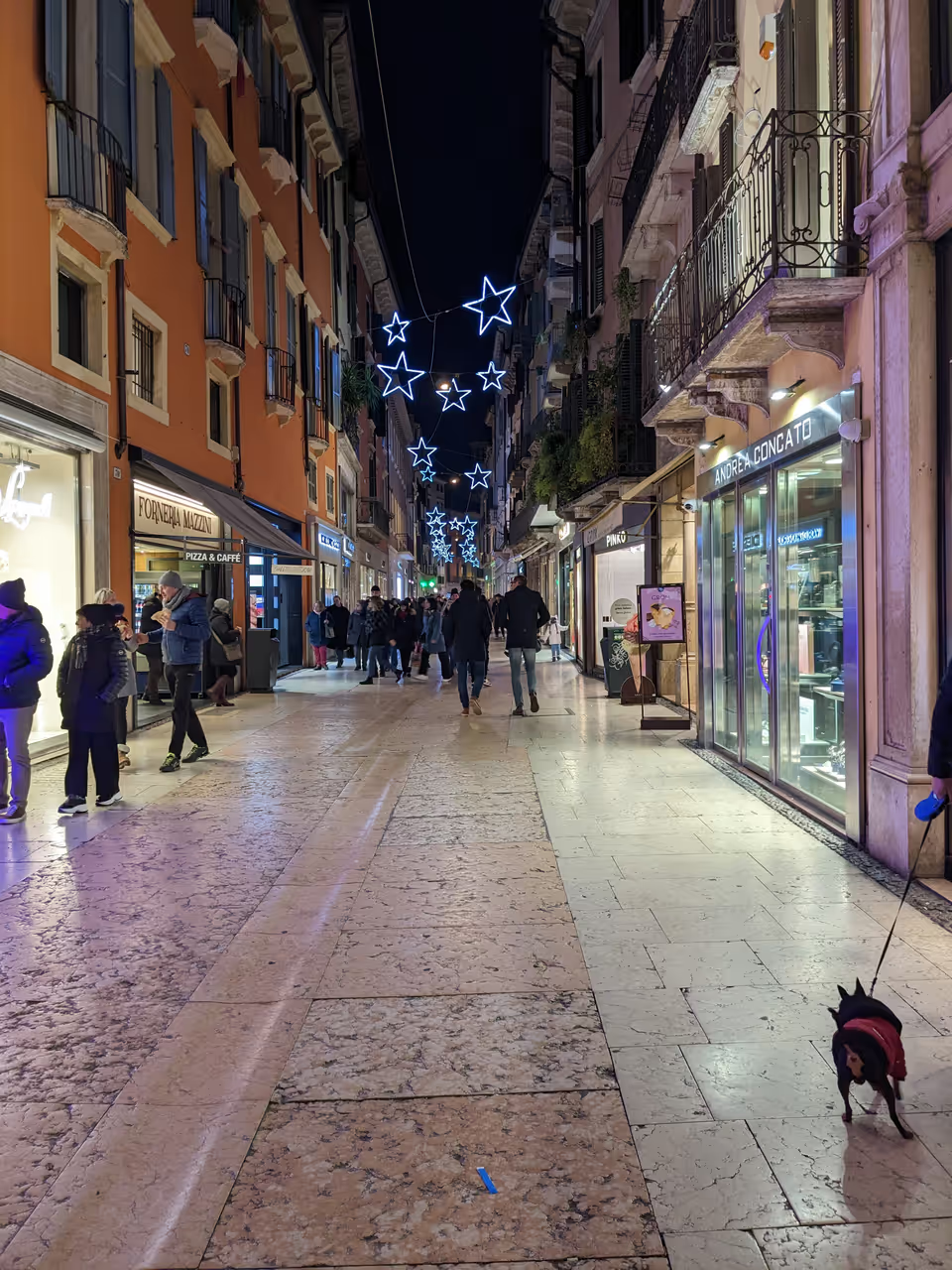 240m
240mArena from Via Mazzini
This shot captures the brilliant juxtaposition of modern Italian elegance and ancient Roman brute strength. Position yourself near the end of the sleek, marble paved shopping street of Via Mazzini, looking outward toward Piazza Bra. The massive, weathered stone arches of the amphitheatre suddenly loom at the end of the narrow canyon of high end fashion boutiques. It is particularly striking at twilight when the shop windows and the ancient monument are both illuminated.
photo spot view
Explore Similar Places in These Collections
Featured on These Itineraries and Routes
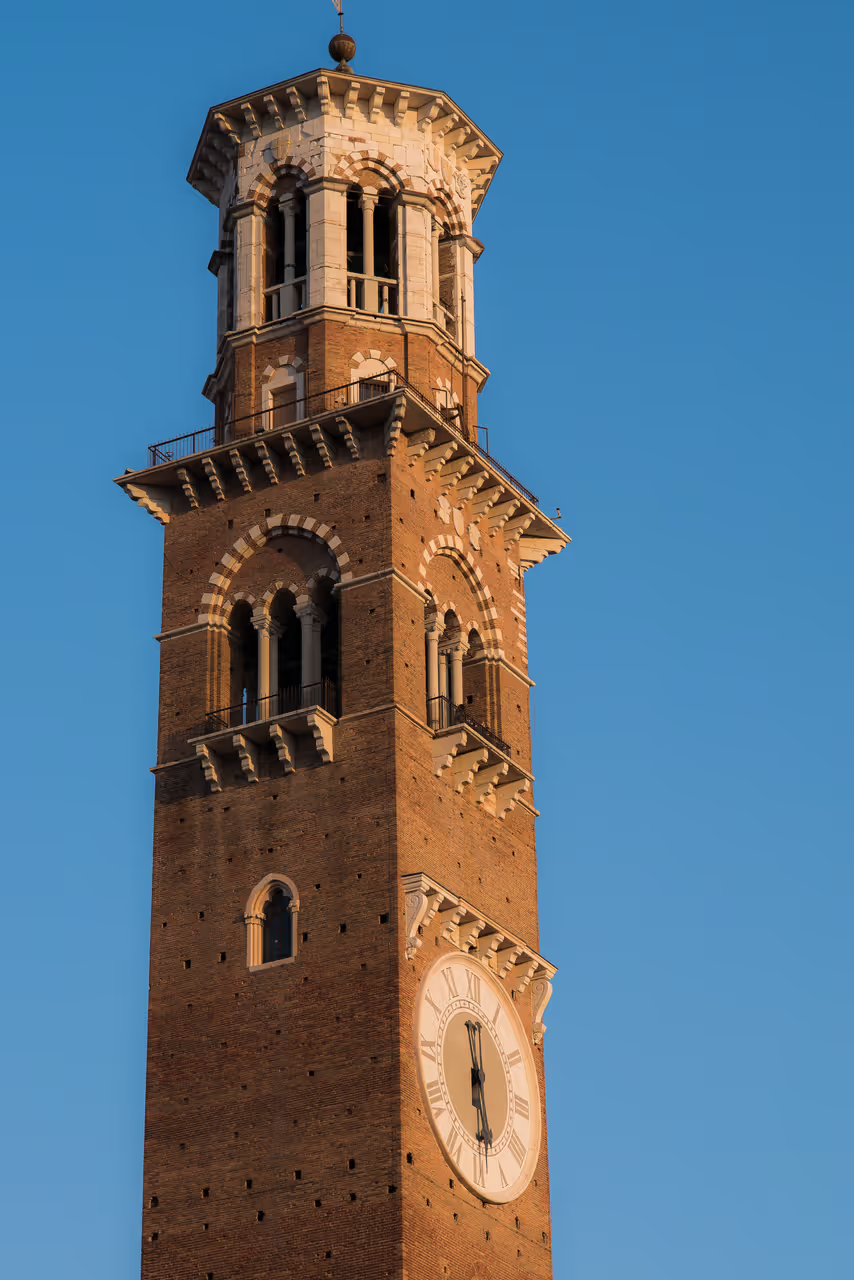
1 Day in Verona: The Roman & Romantic Core Itinerary
This highly concentrated itinerary is designed to hit the absolute must see highlights of the city for visitors short on time. It focuses heavily on the central, walkable core, taking you from the colossal Roman amphitheatre through the bustling medieval squares. You will experience the city's legendary romantic folklore alongside its stunning architectural legacy. It provides a perfect, vibrant snapshot of the city's varied history.
view itinerary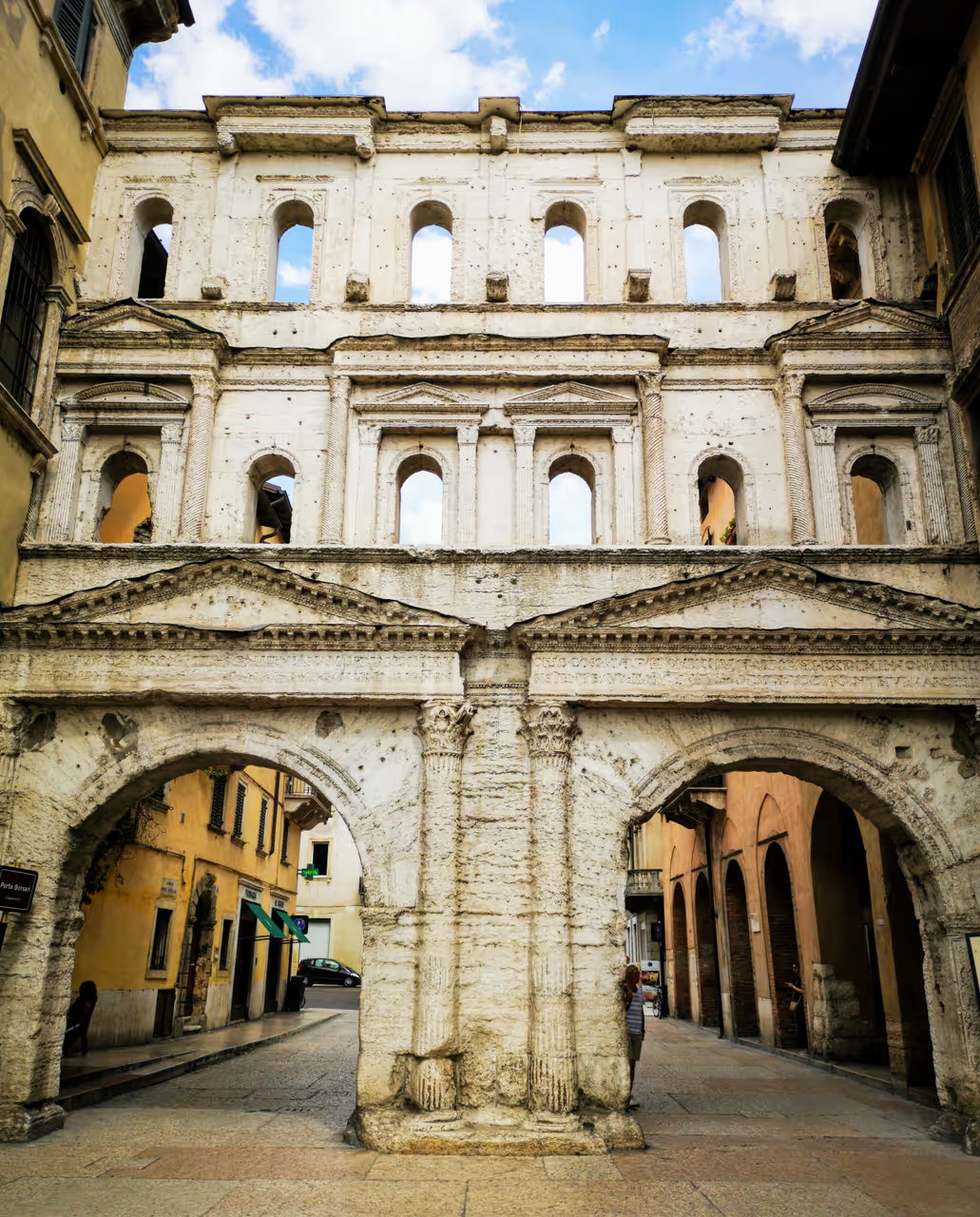
3 Days in Verona: History, Art, and Hills Itinerary
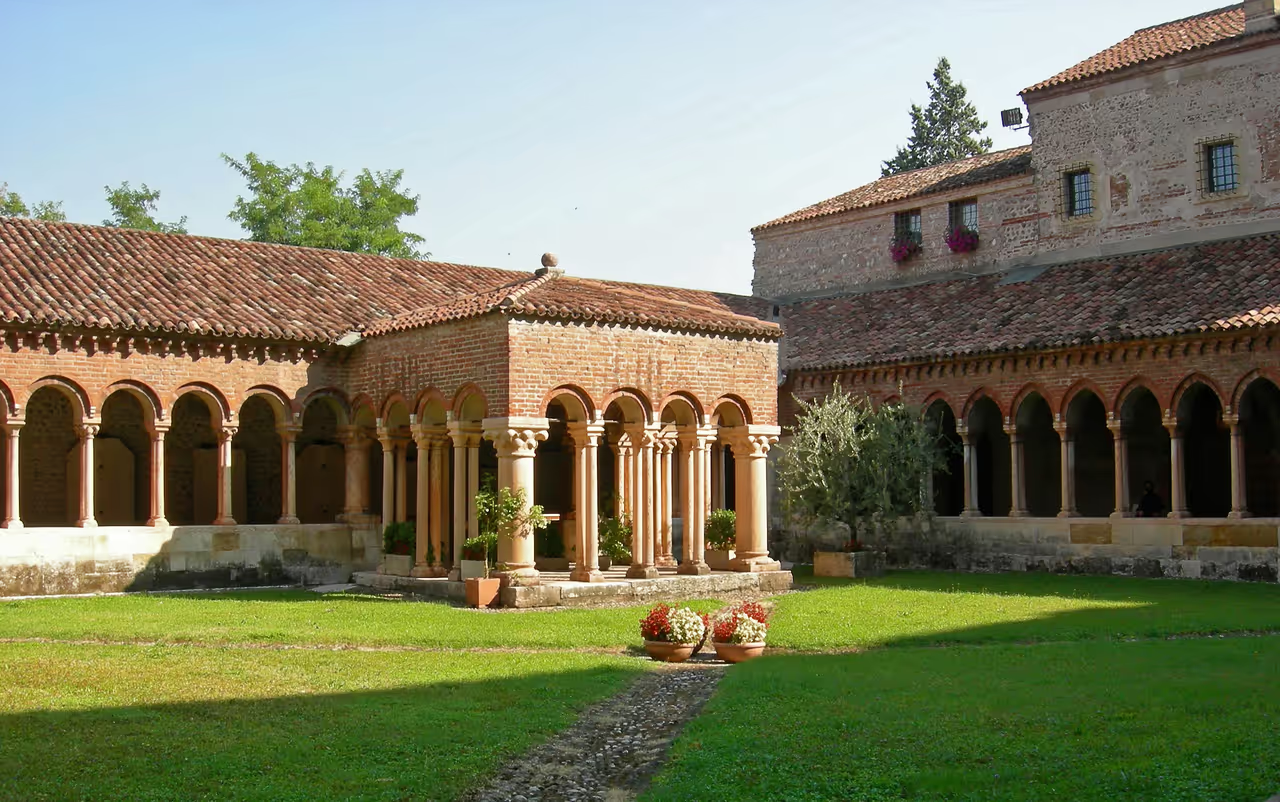
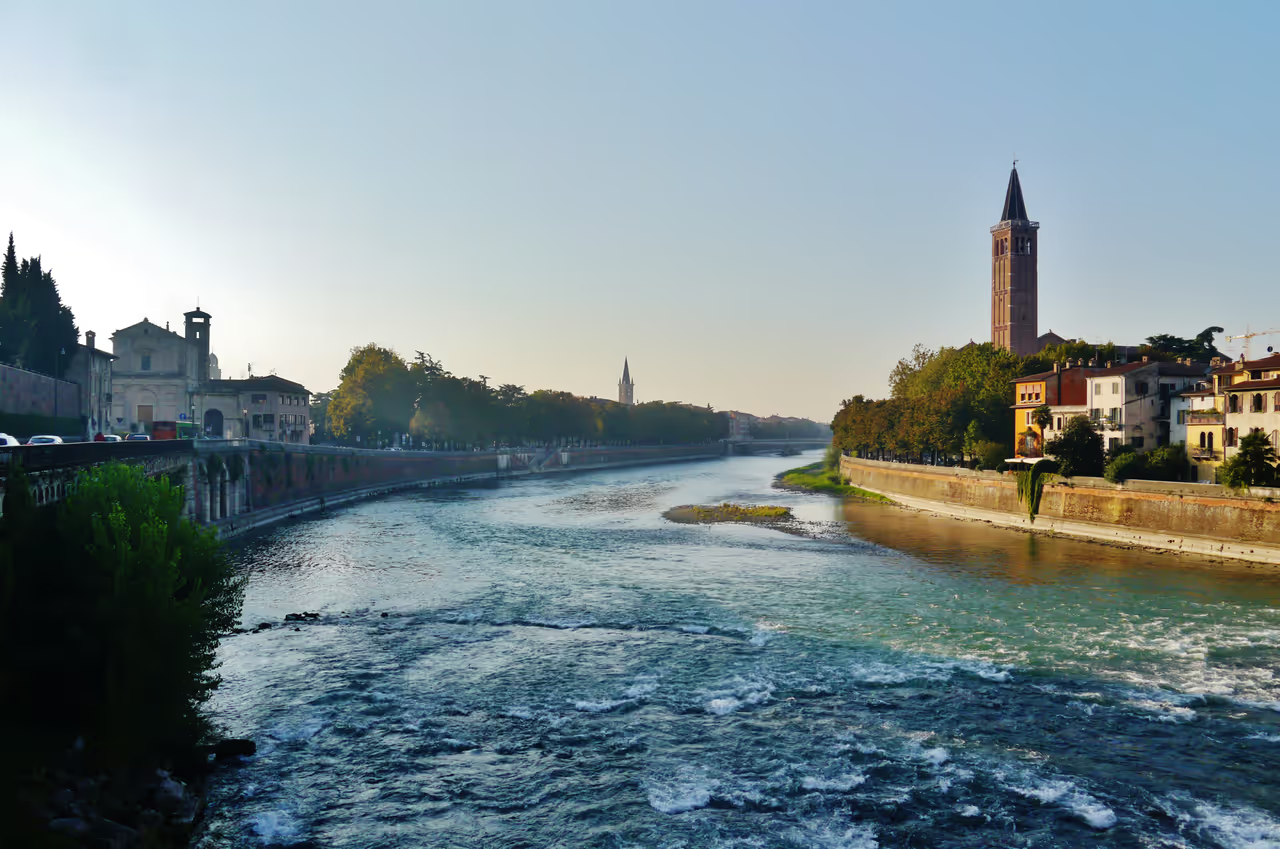
A perfect, comfortable pace to truly absorb the city's profound depth without rushing. This plan allows you to explore the major monuments, dedicate time to the city's incredible churches, and venture up into the scenic hills. You will have time to linger in cafes, cross the historic bridges, and appreciate the brilliant art galleries. It balances the heavy hitters with deeply atmospheric, quieter corners.
view itinerary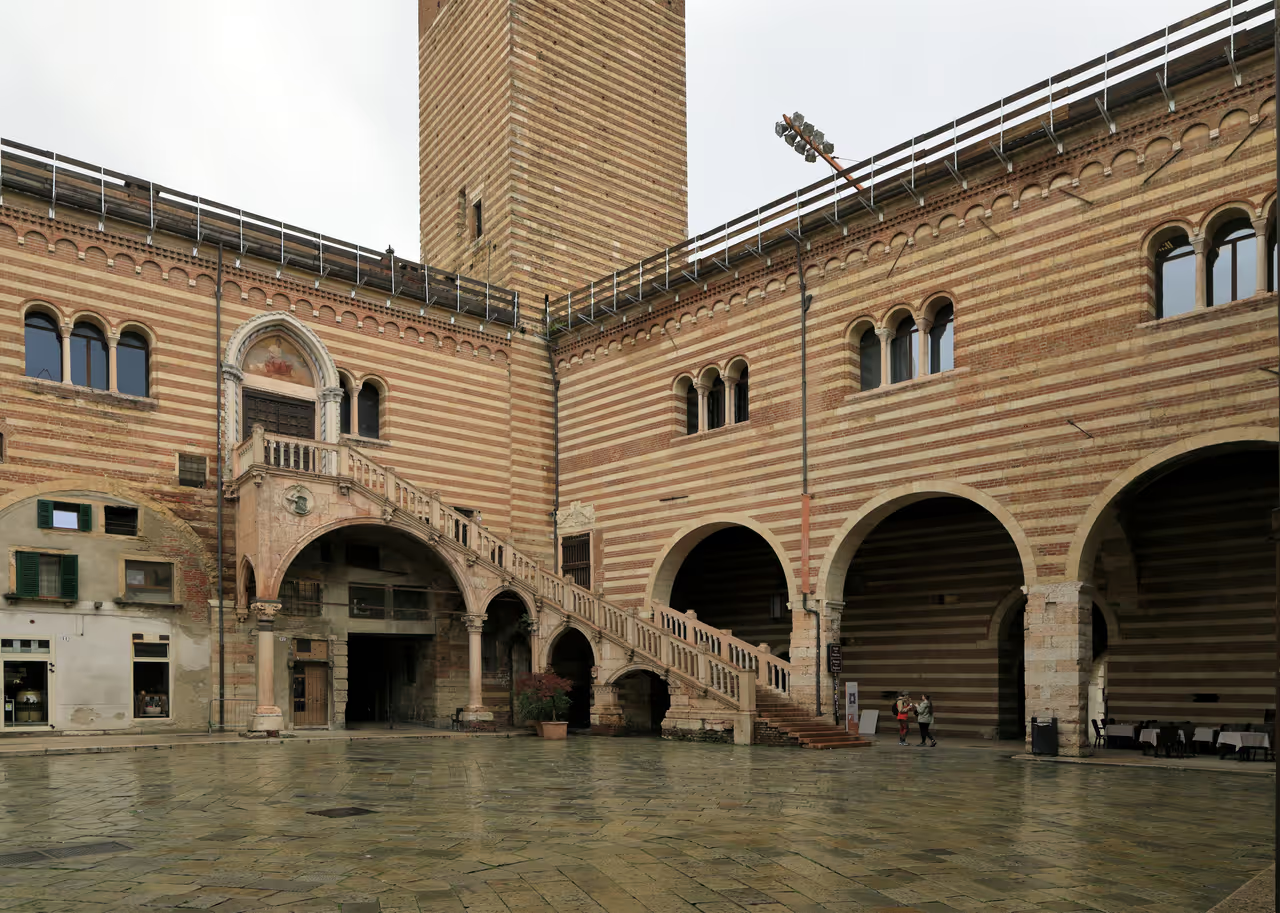
5 Days in Verona: Deep Dive and Hidden Secrets Itinerary
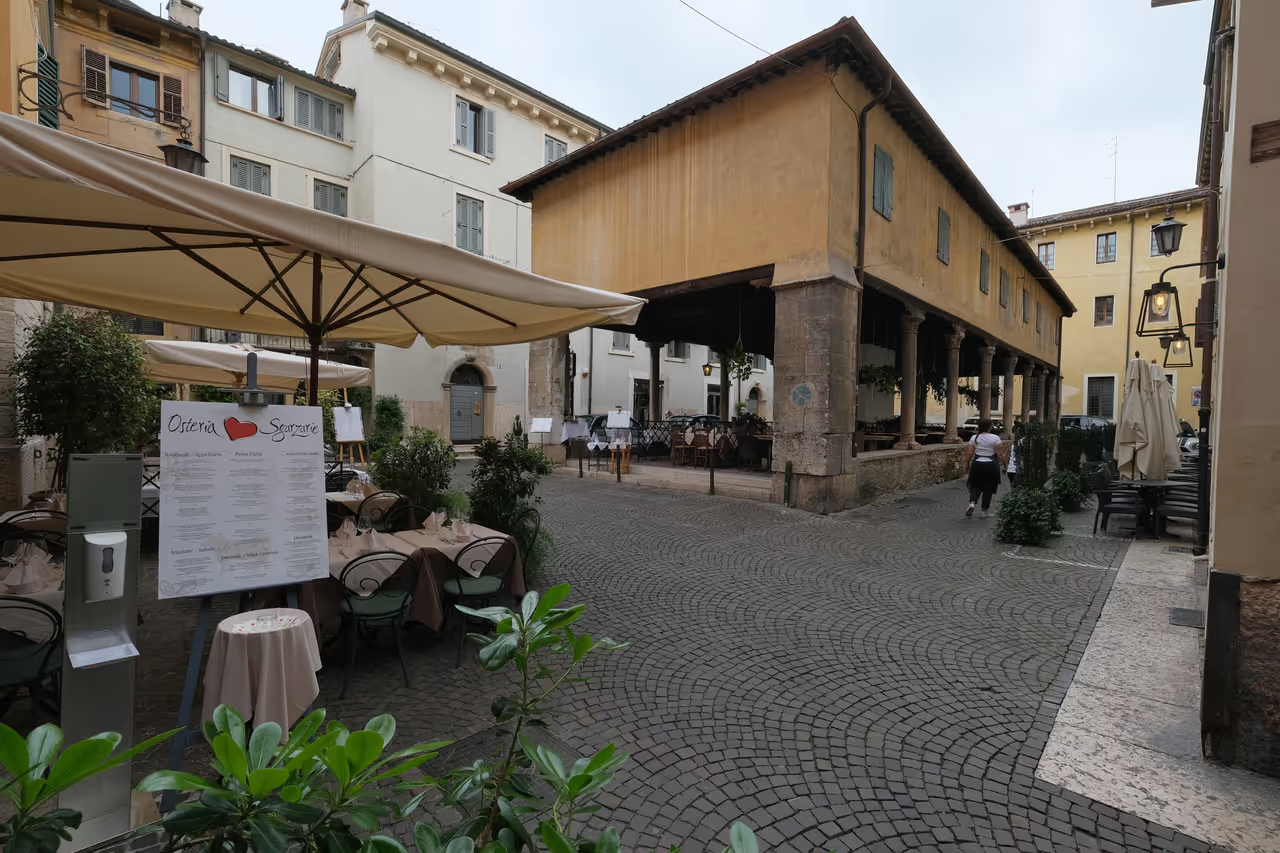
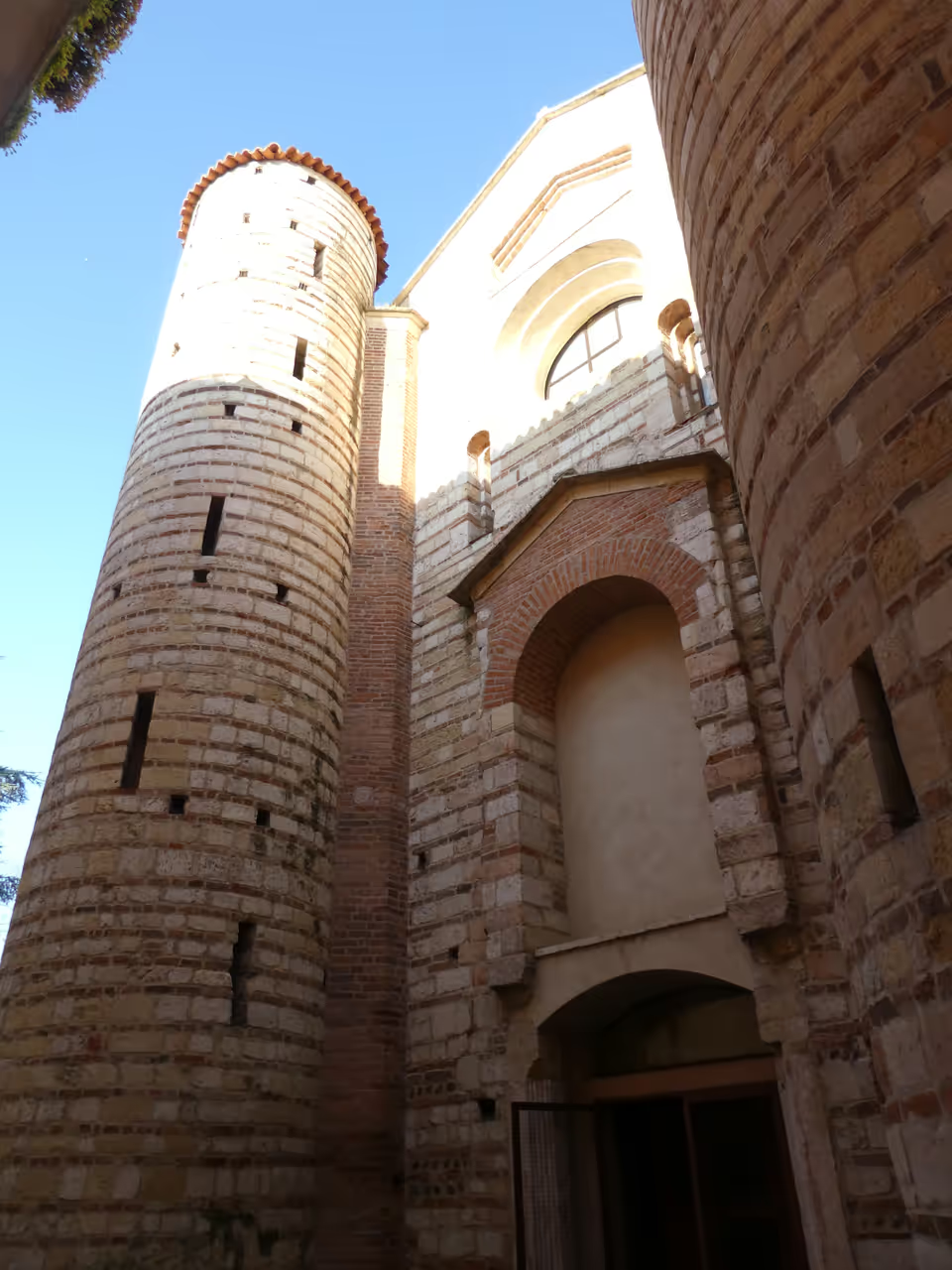
For those who want to experience the city like a local and uncover its deepest historical layers. This expansive itinerary covers everything in the three day plan but adds vital explorations into the underground Roman ruins, hidden medieval chapels, and grand civic palaces. It offers a comprehensive understanding of how the city evolved from a Roman outpost to an Austrian fortress. You will leave with an intimate knowledge of the city's complex, beautiful character.
view itinerary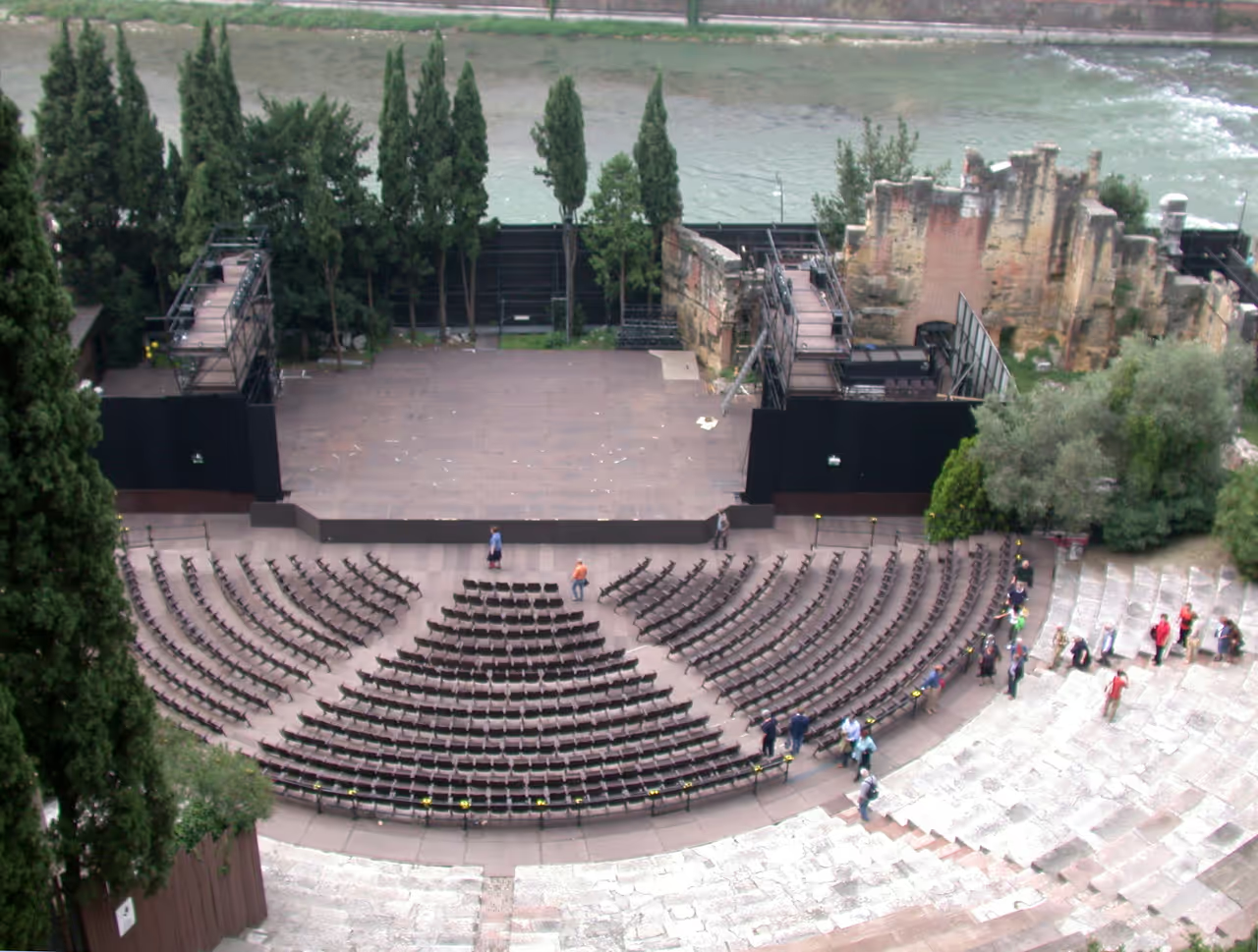
Verona's Roman Footsteps
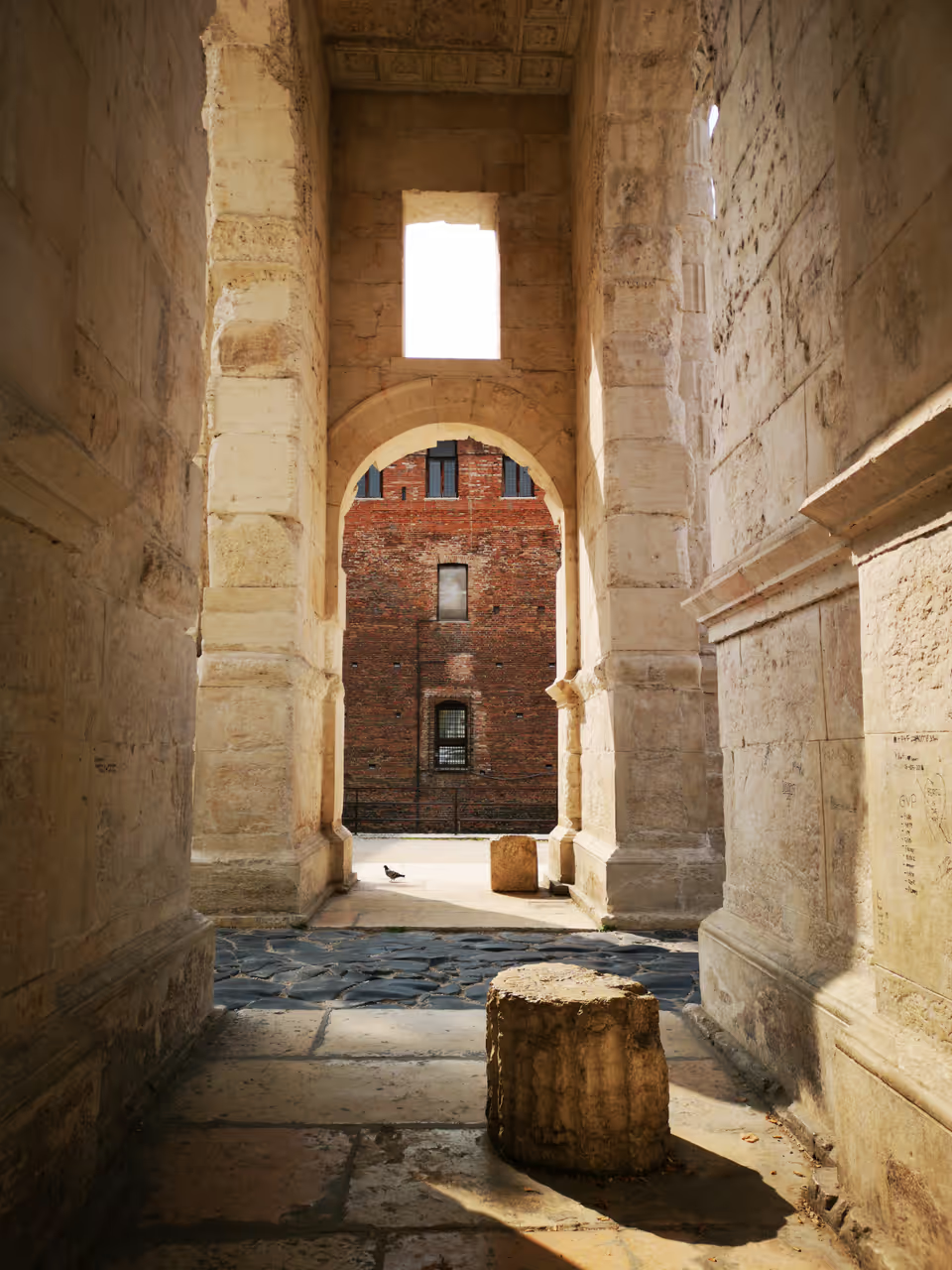
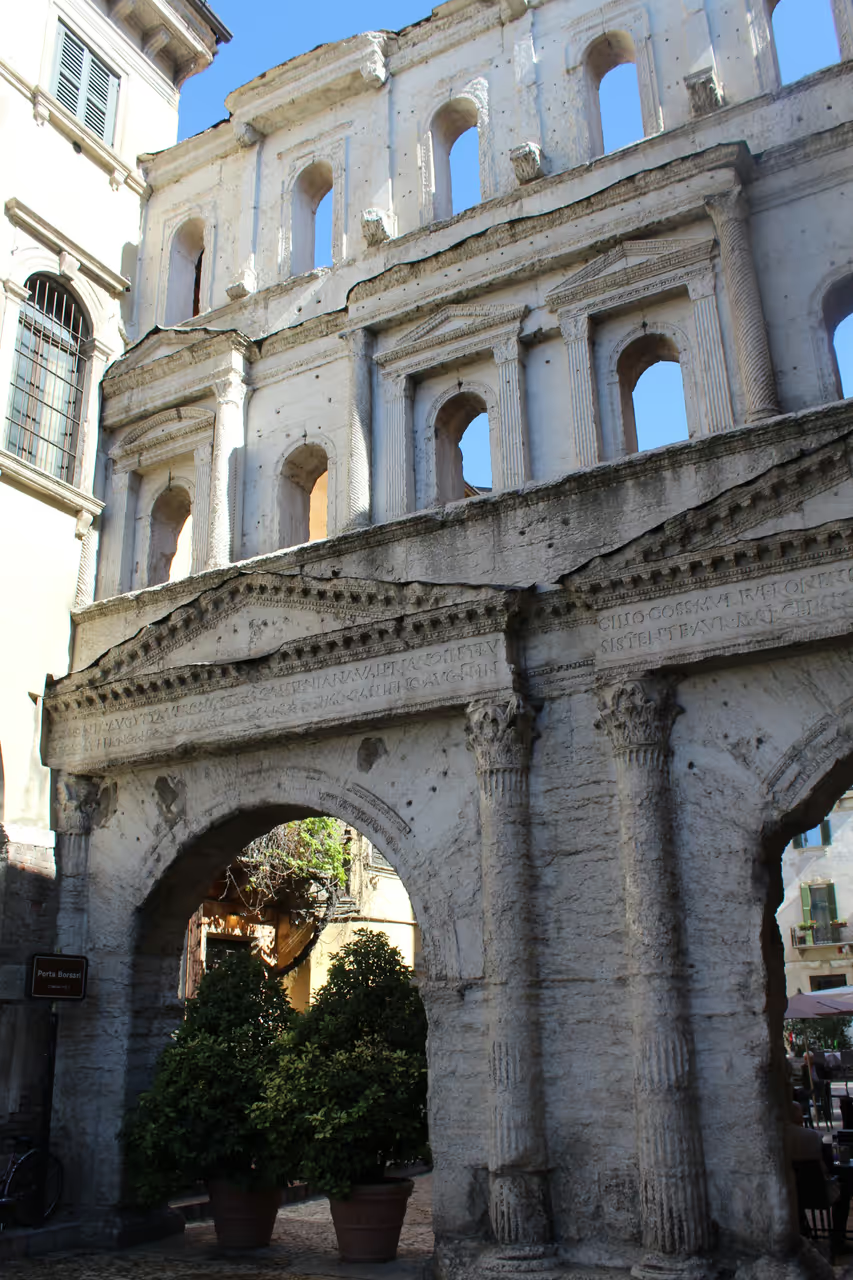
Step back two thousand years to explore one of the most important Roman settlements in Northern Italy. This journey traces the ancient street grid, taking you past colossal entertainment venues, monumental city gates, and hidden underground ruins. It reveals how the structural bones of the classical city continue to support and define the modern urban environment.
view self-guided tour
See all attractions in Verona
Basilica of San Zeno, Castelvecchio Museum, Juliet's House, Lamberti Tower, Roman Theatre of Verona, Verona Cathedral...