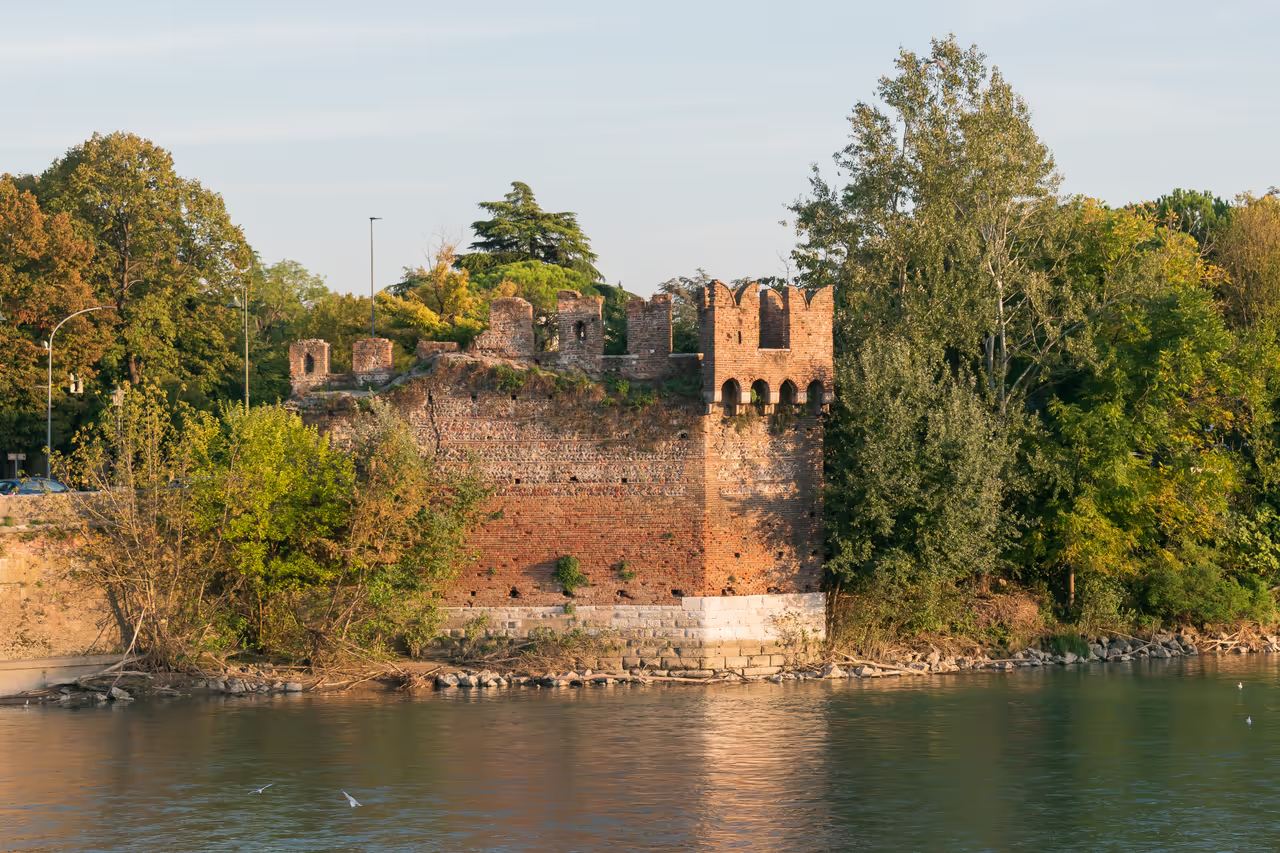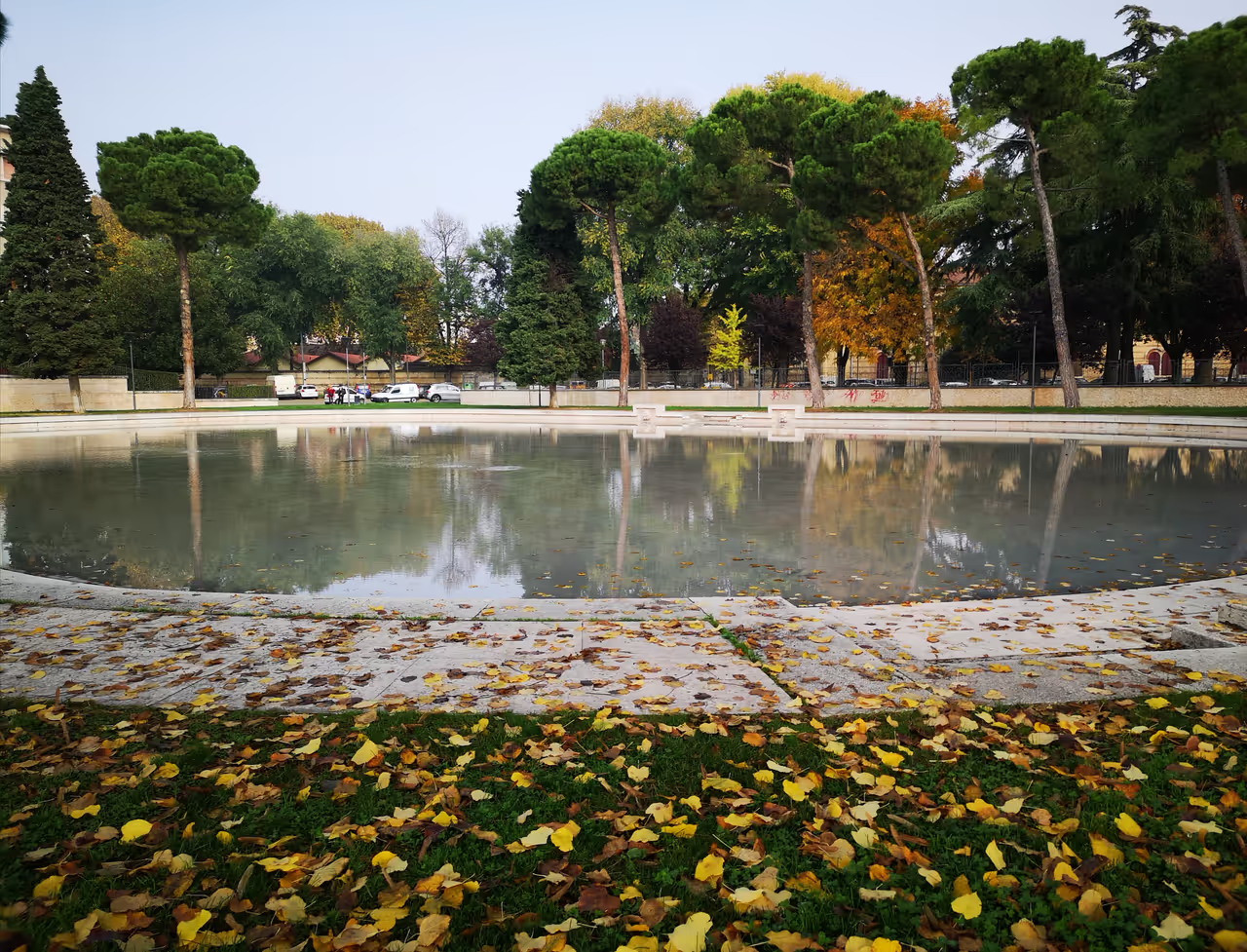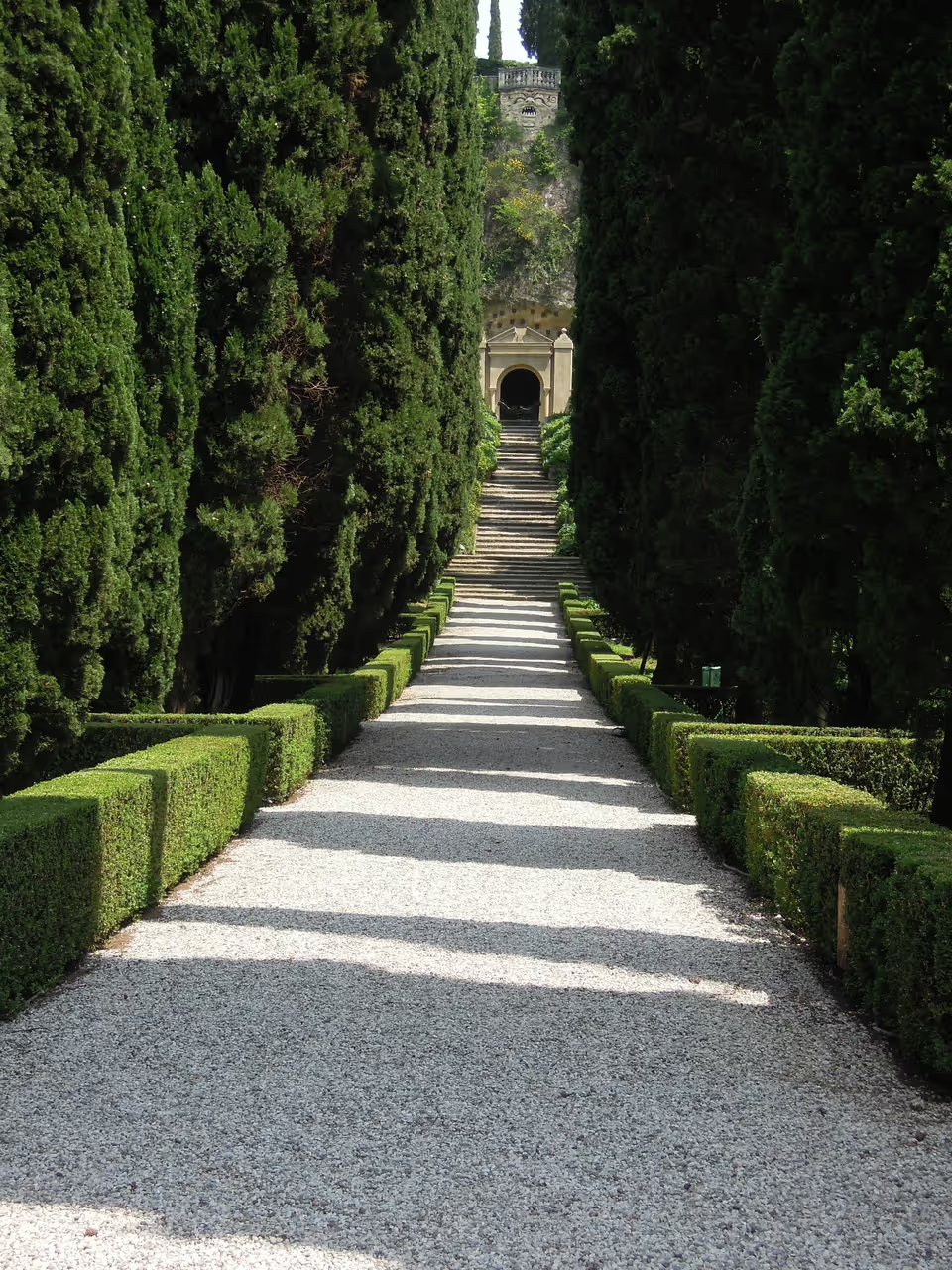
Palazzo Giusti and its Renaissance Gardens
Nestled in the quiet Veronetta neighbourhood, this site offers a perfect escape into the world of Renaissance elegance. The palace serves as the grand entrance to one of Italy's most celebrated formal gardens, where meticulously clipped hedges and towering cypress trees create a timeless atmosphere. Visitors can wander through the ancient maze, admire the historic statues, and climb the hillside to enjoy a panoramic view over Verona. The garden holds a deep connection to the city's past, evolving from a wool dyeing industrial space into a sanctuary of beauty and prestige. Walking through its pathways feels like stepping into a living painting, offering a peaceful contrast to the city streets below. It is a true hidden gem for anyone seeking architectural history combined with lush, tranquil landscapes.
Videos
History of Palazzo Giusti and its Renaissance Gardens
The story of this estate begins with the ambition of a Tuscan family who arrived in Verona at the close of the thirteenth century. The Giusti clan did not start with visions of formal gardens or architectural grandeur. They were industrialists, masters of the wool trade, and they turned this land into the beating heart of their enterprise. Here, heavy cauldrons bubbled with dyes, and the scent of industry replaced the perfume of flowers, as the family laid the foundation for the wealth that would eventually transform their utilitarian site into a masterpiece of the Renaissance. By the late sixteenth century, Agostino Giusti saw the potential to shift from commerce to culture. He commissioned the grand palace and the surrounding green space, aligning the estate with the refined aesthetic trends of his time. The land was sculpted into the geometric beauty that visitors admire today, where the structure of the hills was exploited to create a dramatic, multilevel experience. This era turned a functional manufacturing hub into a prestigious residence, welcoming nobility and thinkers who marvelled at the blend of nature and artifice. The legacy of the estate has not been without its trials, particularly during the turmoil of the Second World War. When the conflict tore through the region, the garden served as a silent casualty, its greenery battered and its structures damaged. Yet, the resilience of this place mirrored that of the city itself. In the decades that followed, careful restoration work revived the parterres, replanted the ancient cypress lines, and saved the grottos from ruin. Today, the garden stands as a testament to the Giusti family presence and the enduring charm of Verona, inviting modern travellers to walk a path carved out by centuries of ambition and care.
Events spanning 539 years
Fun Facts
- • A towering stone mask sits atop the hillside, carved by Bartolomeo Ridolfi, serving as both a decorative architectural element and a prime viewing point for the city.
- • Before it became a site of aesthetic beauty, the garden was purely industrial, used to boil giant cauldrons for treating wool and drying dyed fabrics.
- • Beneath the formal parterres lies a sophisticated system of irrigation and maintenance that has preserved the delicate balance of the plants for generations.
- • During the sixteenth century, the garden grottos were adorned with seashells, corals, and mother of pearl, incorporating water features designed to delight and surprise visitors.
- • German writer Johann Wolfgang von Goethe famously visited the garden in 1786 during his Italian journey, noting his admiration for the towering cypress trees.
- • The Giusti family originally hailed from Tuscany, arriving in Verona at the end of the thirteenth century to establish a thriving wool dyeing business.
- • The famous cypress trees that frame the central alley were planted centuries ago, with some of the oldest specimens surviving wars and time to define the garden skyline today.
- • The garden is part of the prestigious Grandi Giardini Italiani network, which selects the most historically and botanically significant gardens in the country.
- • The labyrinth found within the garden is a later creation by architect Luigi Trezza, who refined the design in the eighteenth century to offer a more elegant navigation experience.
- • The site features a panoramic terrace that offers one of the most stunning views of the Verona skyline, effectively merging the architecture of the city with the nature of the garden.
Palazzo Giusti and its Renaissance Gardens FAQ
While we strive to keep this information accurate and up to date, we recommend verifying any details independently before making decisions based on them.
Palazzo Giusti and its Renaissance Gardens Map & Neighborhood Explorer
This interactive map is centered on Palazzo Giusti and its Renaissance Gardens. Zoom in and move the map around to automatically discover Wikipedia photos and summaries of other nearby sights, monuments, and historical points of interest and stories in real-time!
Places near Palazzo Giusti and its Renaissance Gardens
Make the most of your trip. Check out these top-rated spots located nearby.
 450m
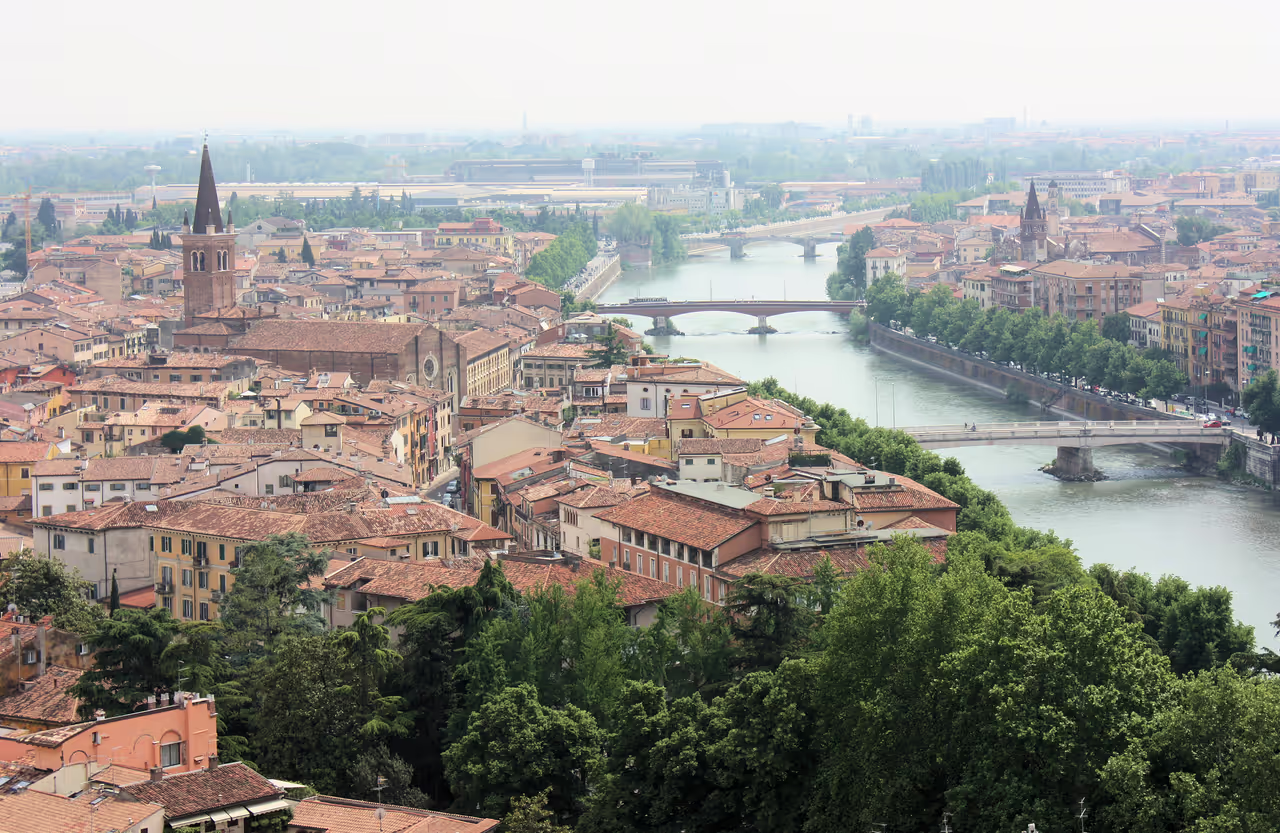
450mVeronetta District
Situated across the river on the left bank, this historic district is heavily influenced by the presence of the nearby university. It boasts a bohemian, alternative edge that stands in contrast to the manicured elegance of the ancient centre. The streets are lined with craft beer pubs, lively dive bars, and eclectic venues hosting live indie music or DJ sets. It is the destination of choice for a younger crowd looking for affordable drinks and a highly energetic, informal night out.
nightlife view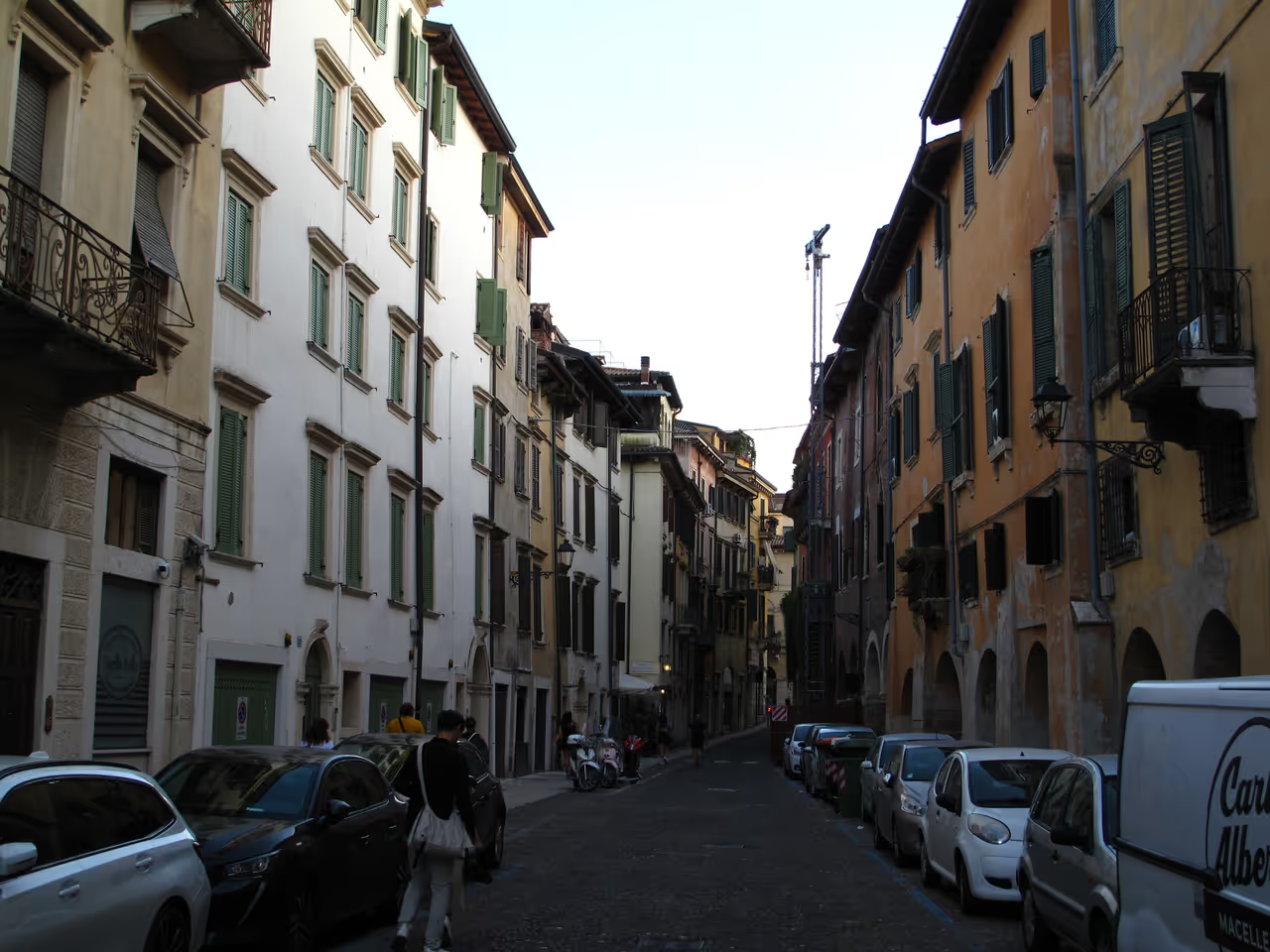 463m
463mSottoriva Arcades
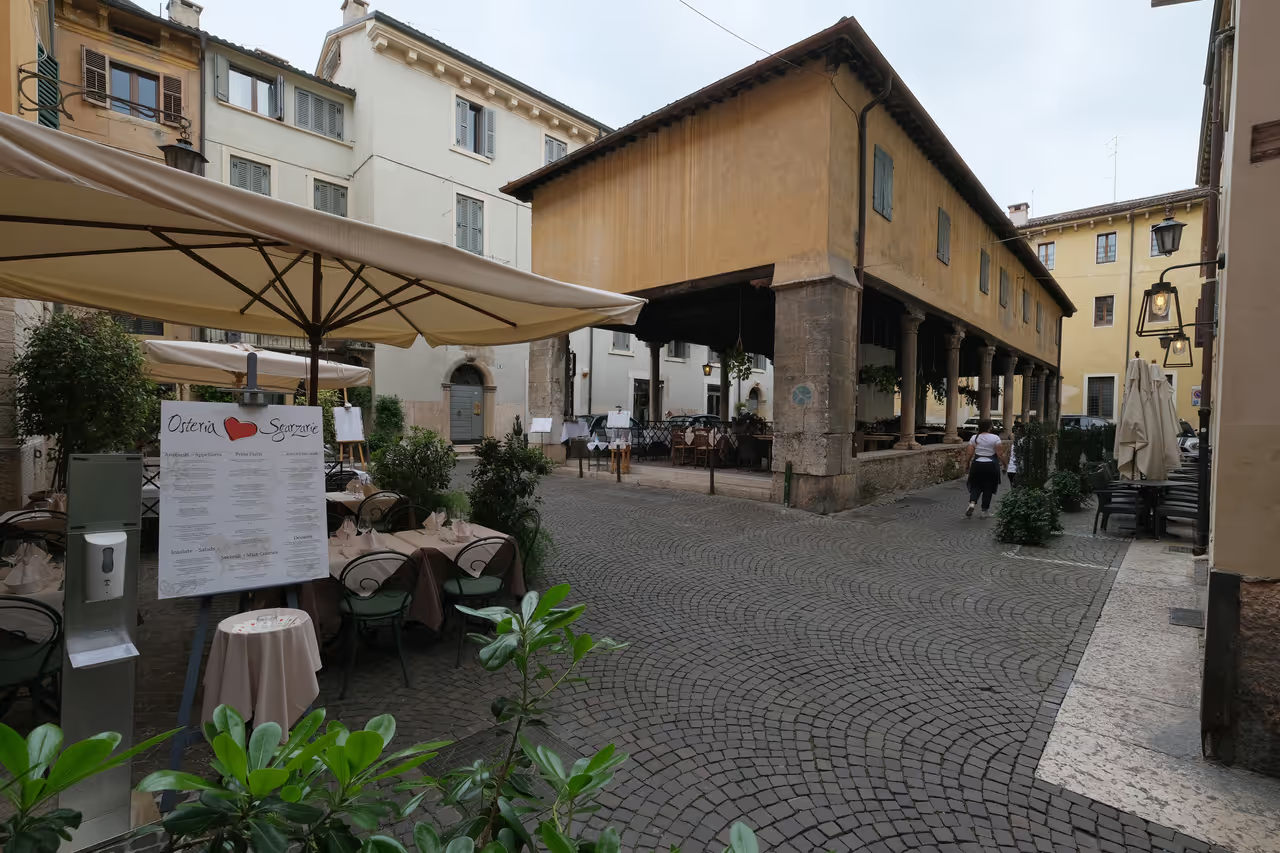
This curving, medieval street is defined by its continuous, low vaulted porticoes and worn cobblestones. The repetitive arches create a brilliant framing effect, drawing the eye down the deeply atmospheric, shadowed street toward the bright facade of the Basilica of Santa Anastasia in the distance. Capturing this spot in the early evening, as the warm, yellow lamps begin to glow under the arcades, yields incredibly moody, historic photographs.
photo spot view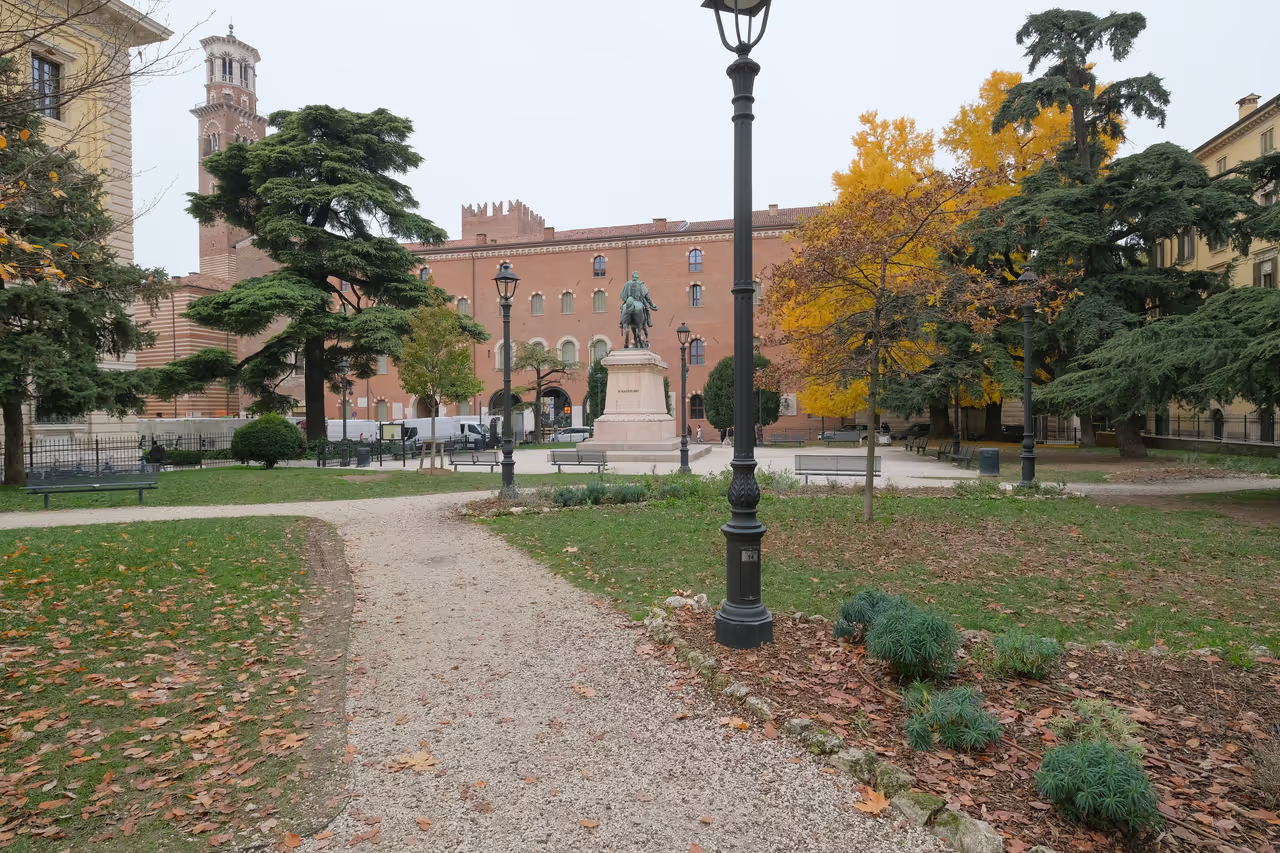 541m
541mIndependence Square
Tucked away behind the grandeur of the Palazzo del Capitanio, Piazza Indipendenza serves as a peaceful enclave within the historic heart of Verona. While many visitors gravitate toward the larger, famous squares, this spot offers a moment of quiet reflection, showcasing the city's ability to evolve from a private garden for Scaliger lords into a modern urban space. Its character is shaped by a long history, shifting from a verdant oasis for local nobility to a botanical site for nineteenth century scholars. Today, it stands as an understated testament to the layers of time that define the city. It is a perfect place to pause for a breath of air as you explore the surrounding labyrinth of ancient streets.
park & nature view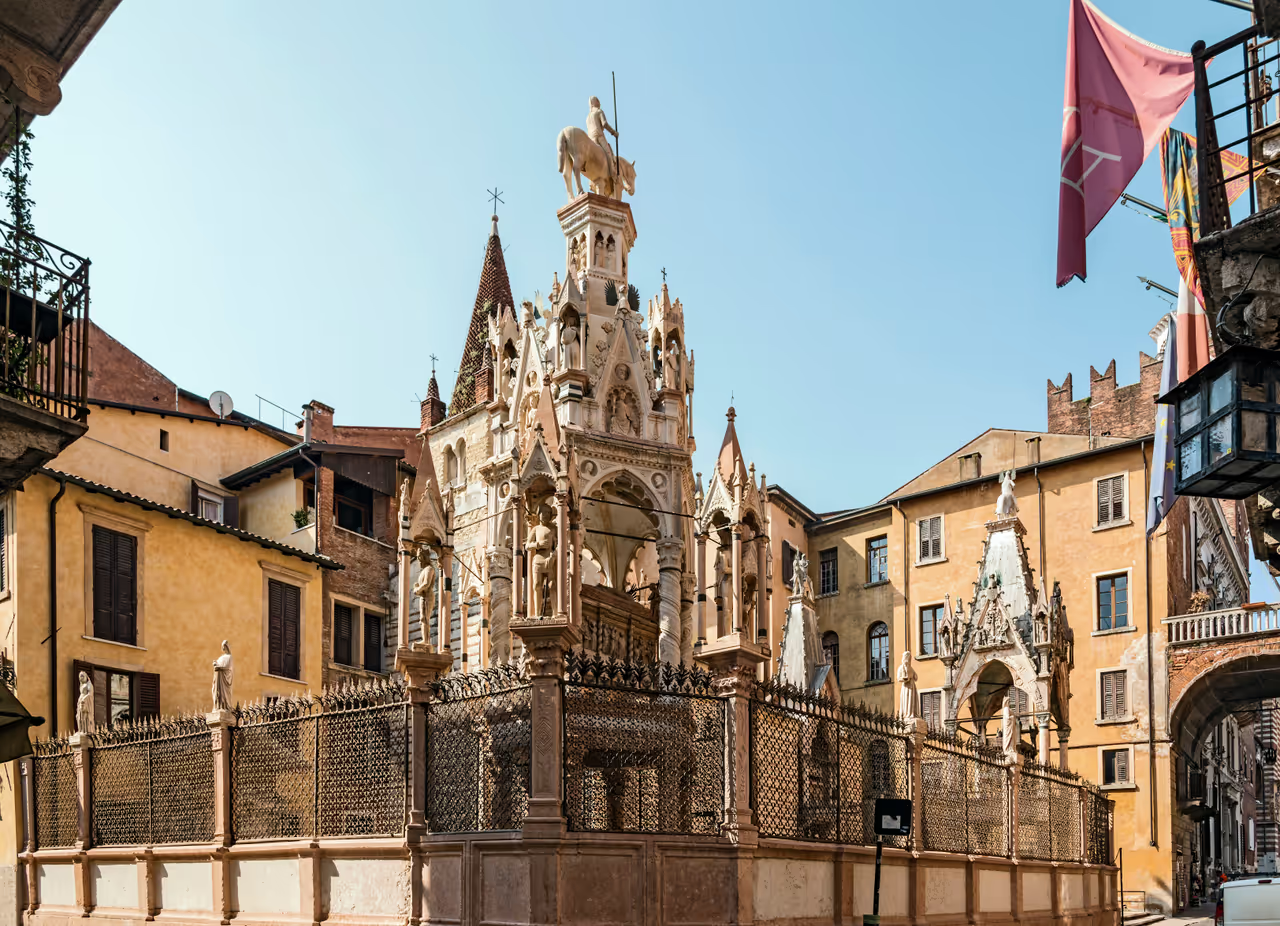 572m
572mScaliger Tombs
Tucked beside the small church of Santa Maria Antica, this monumental funerary complex is a breathtaking masterpiece of Gothic sculpture. Protected by an intricate wrought iron fence decorated with the ladder motif of the ruling family, the elaborate stone tombs reach skyward like delicate spires. The monuments celebrate the absolute power and military triumphs of the Scaliger lords, featuring intricate carvings, saintly figures, and commanding equestrian statues. The tomb of Cangrande I, positioned above the church door, is particularly striking, depicting the lord with a broad, enigmatic smile. It stands as one of the most significant examples of Gothic art in Italy.
highlight view
Explore Similar Places in This Collection

Featured on These Itineraries
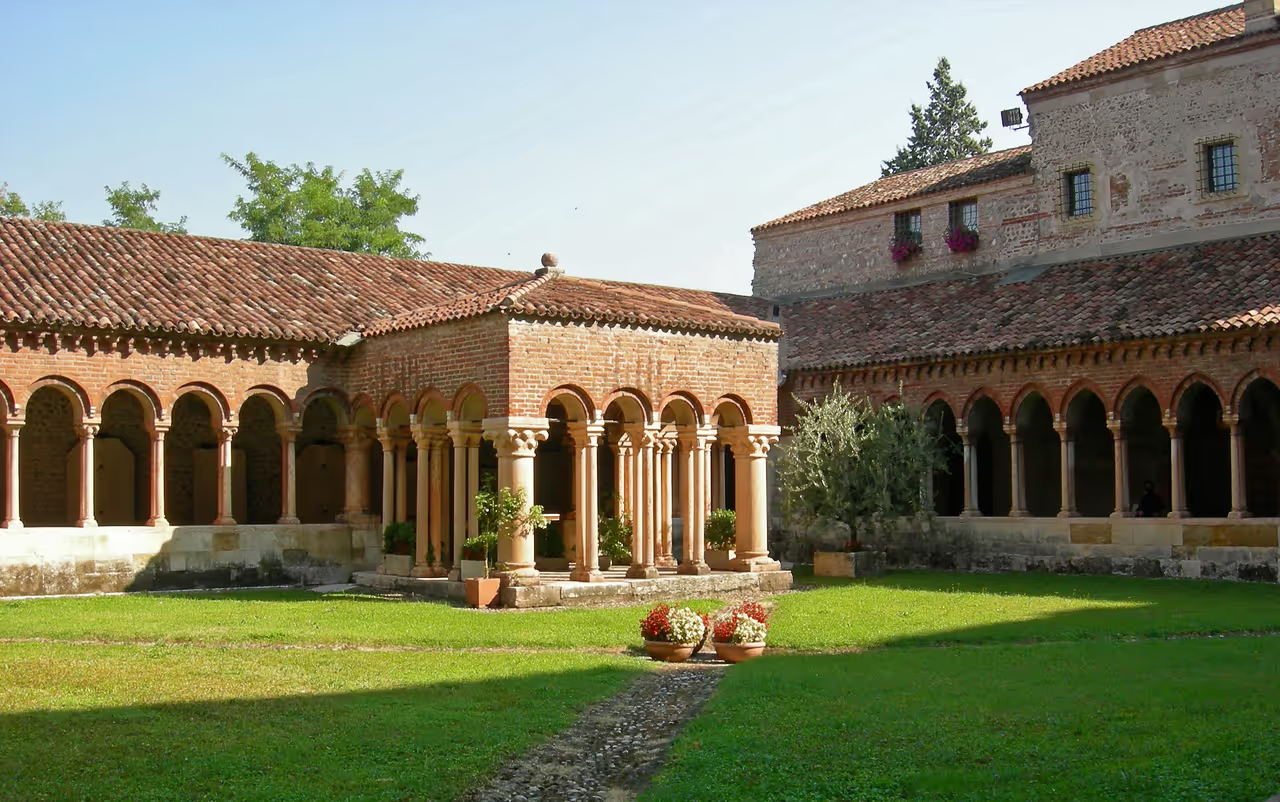

3 Days in Verona: History, Art, and Hills Itinerary
A perfect, comfortable pace to truly absorb the city's profound depth without rushing. This plan allows you to explore the major monuments, dedicate time to the city's incredible churches, and venture up into the scenic hills. You will have time to linger in cafes, cross the historic bridges, and appreciate the brilliant art galleries. It balances the heavy hitters with deeply atmospheric, quieter corners.
view itinerary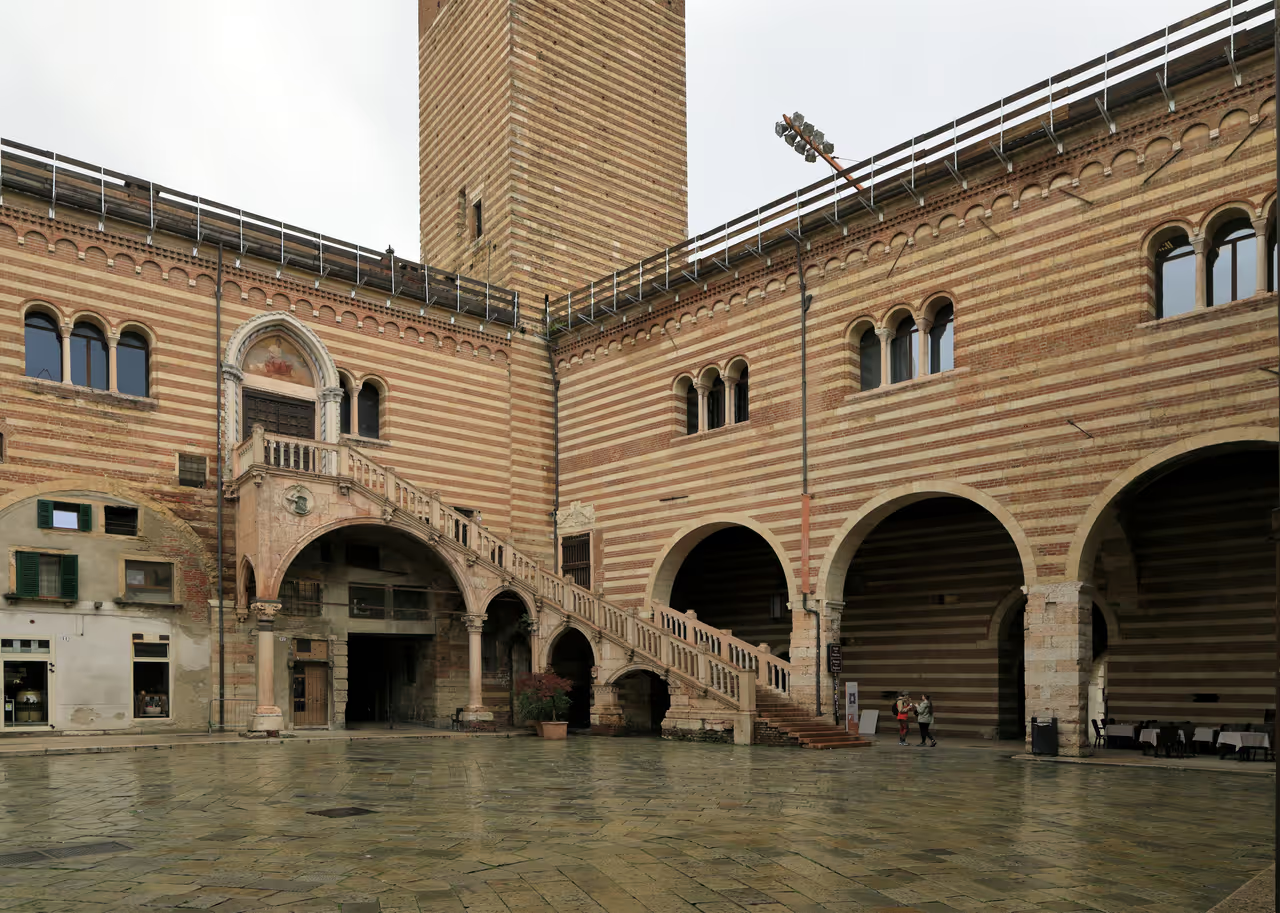
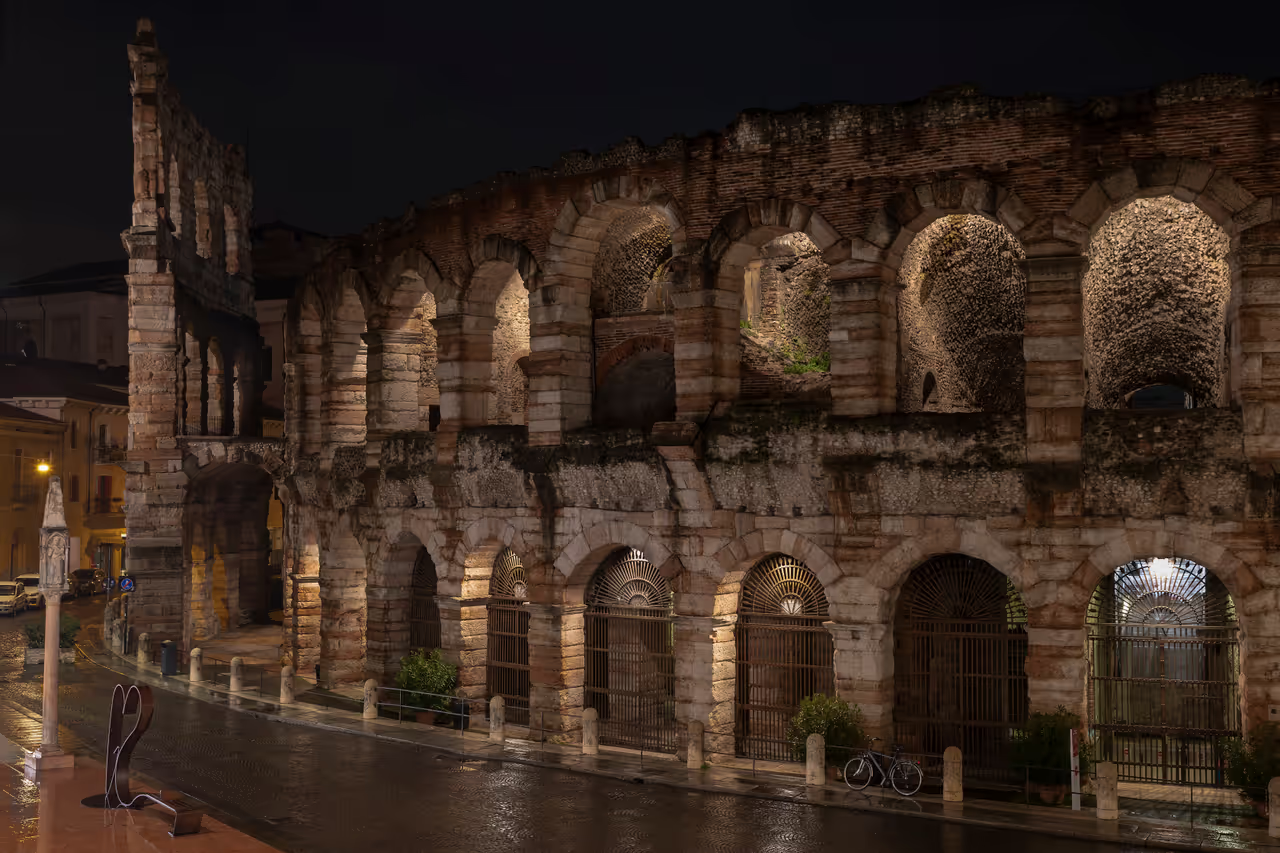
5 Days in Verona: Deep Dive and Hidden Secrets Itinerary
For those who want to experience the city like a local and uncover its deepest historical layers. This expansive itinerary covers everything in the three day plan but adds vital explorations into the underground Roman ruins, hidden medieval chapels, and grand civic palaces. It offers a comprehensive understanding of how the city evolved from a Roman outpost to an Austrian fortress. You will leave with an intimate knowledge of the city's complex, beautiful character.
view itinerary
See all nature & parks in Verona
Independence Square, Municipal Walls of Verona, Verona Arsenal...