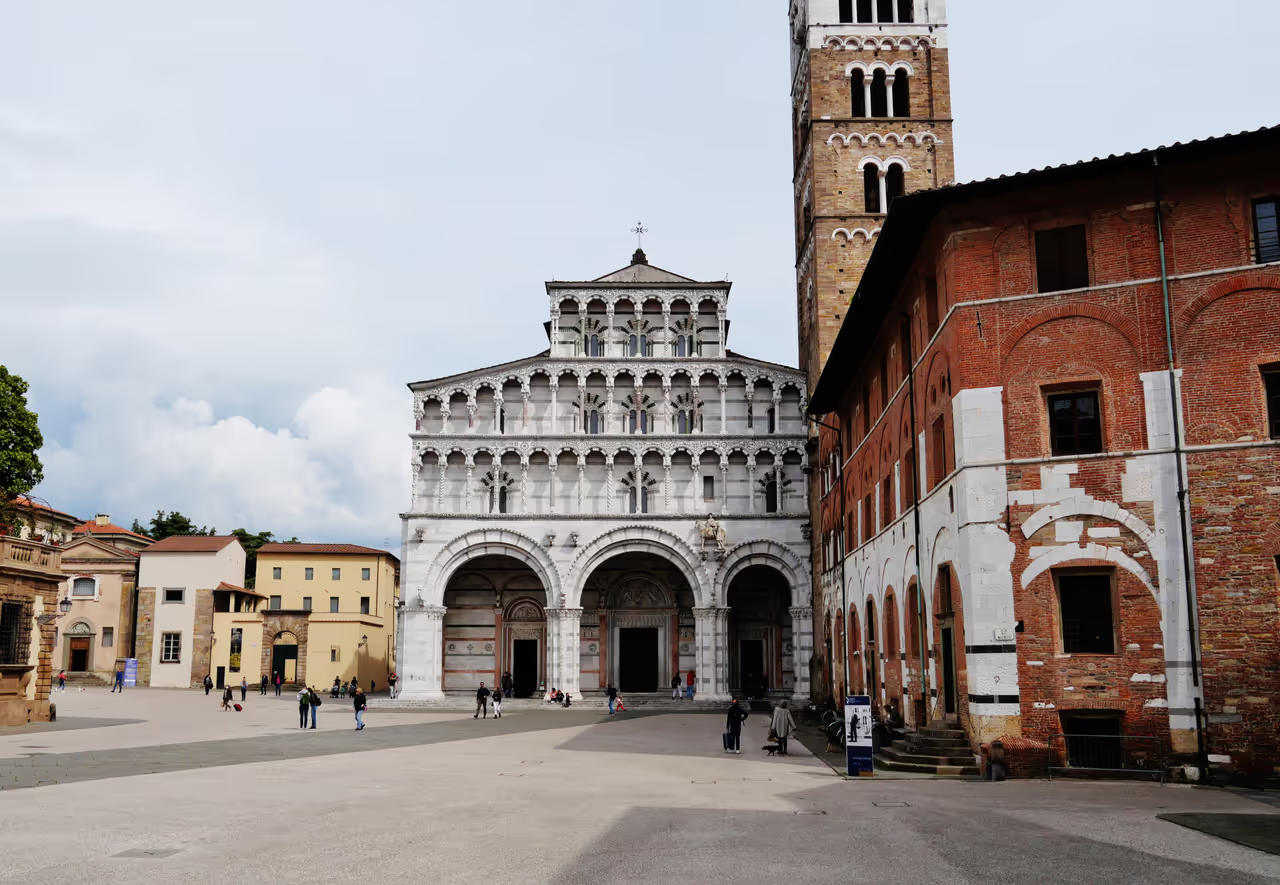
Lucca Cathedral
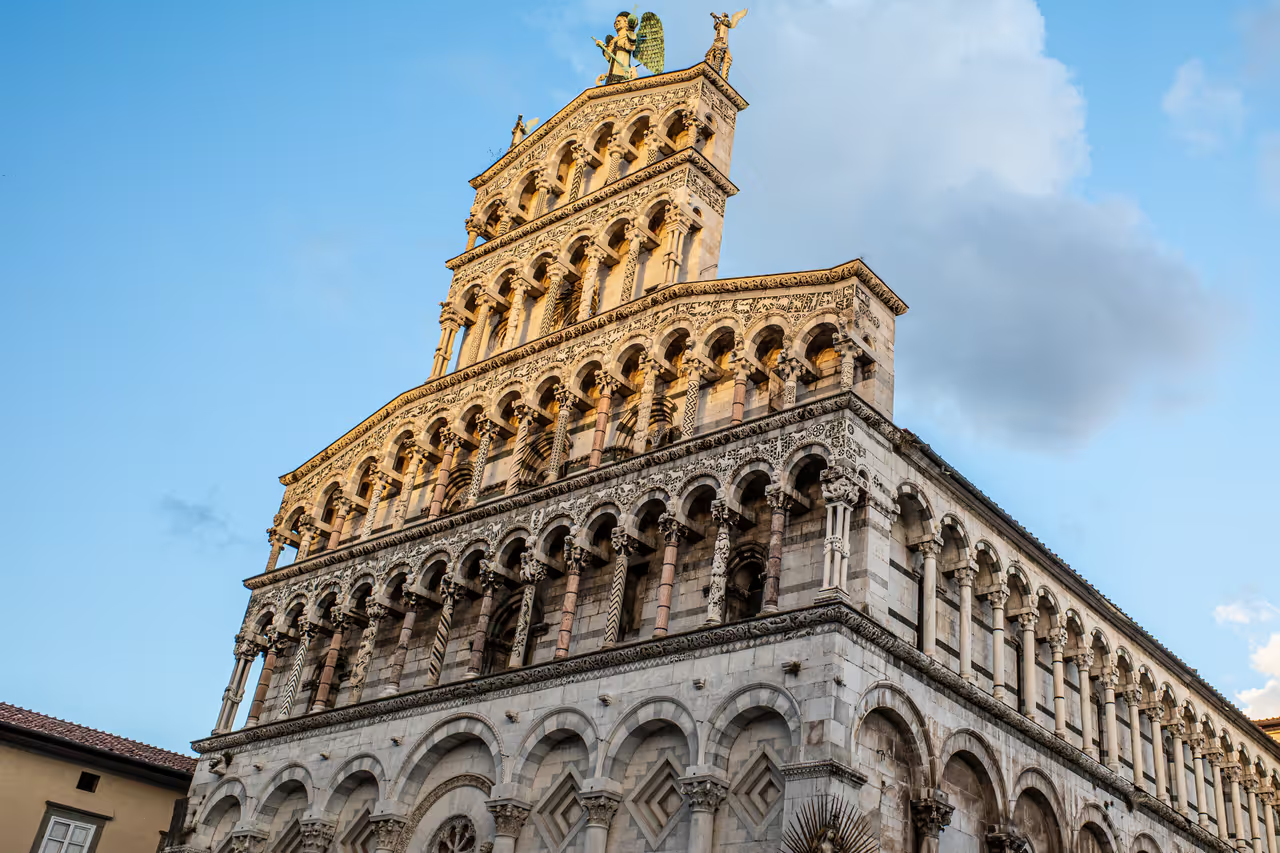
Step into the heart of Lucca and stand before the magnificent Cattedrale di San Martino, a marvel of Pisan Romanesque architecture. Its ornate facade, adorned with intricate sculptures and loggias, tells a story of artistic mastery that draws every visitor's gaze upward. Inside, the cool, serene space houses treasures like the hauntingly beautiful monument to Ilaria del Carretto and the mysterious Volto Santo crucifix. You can spend time tracing the details of the marble intarsia floor or simply soaking in the quiet history preserved within these walls. It remains a testament to the city's enduring spirit, offering a peaceful sanctuary and a deep connection to centuries of craftsmanship.
Videos
History of Lucca Cathedral
The story of San Martino begins in the 6th century, when Saint Frediano is said to have laid its foundations. However, the structure that commands your attention today emerged much later, rising from the efforts of Bishop Anselmo da Baggio in 1060. As Lucca grew in power and influence, serving as a vital stop for pilgrims travelling the Via Francigena, the cathedral became more than a place of worship. It transformed into a symbol of civic pride and an open ledger where the city wrote its history through stone and sculpture. In the early 13th century, a master named Guidetto da Como reshaped the exterior, creating the breathtaking, multi-layered facade that defines Lucca's skyline. He left his mark quite literally, signing the work and dating his contribution to 1204. As the centuries turned, the cathedral mirrored the evolving tastes of the era. The interior shifted towards Gothic forms, with soaring arches and vertical lines, creating an atmosphere that feels both airy and reverent. This evolution was a deliberate layering of artistic brilliance that bridged the gap between medieval tradition and the awakening of the Renaissance. By the 15th century, local sculptor Matteo Civitali turned the cathedral into his personal masterpiece gallery, adding delicate marble works and the exquisite Tempietto that houses the city's most precious relic, the Volto Santo. This wooden crucifix, legendarily carved by Nicodemus, has drawn pilgrims for ages and remains the spiritual anchor of the city. Walking through the nave, you see the convergence of these different eras, from the medieval labyrinth carved into the portico to the opulent Mannerist altars of the late 16th century. It is a living museum, preserved with care, telling the story of a city that managed to blend spiritual devotion with an unwavering pursuit of beauty.
Events spanning 1041 years
Fun Facts
- • During the Middle Ages, the cathedral portico served as a commercial hub where money changers assisted pilgrims travelling the Via Francigena, a practice so common that an inscription was carved to warn them against fraud.
- • Matteo Civitali, Lucca's most famous sculptor, left an indelible mark on the interior with his delicate marble works, including the exquisite Tempietto that protects the sacred Volto Santo.
- • The Volto Santo, or Holy Face of Lucca, is a wooden crucifix that legend claims was carved by Nicodemus, an eyewitness to the crucifixion, and miraculously arrived in the city by boat in the 8th century.
- • The bell tower remains a prominent feature of the Lucca skyline, containing seven bells cast in the 13th and 14th centuries.
- • The facade appears distinctly asymmetric because it had to be built around a pre-existing bell tower, forcing the builders to adapt the architecture to the space available.
- • The facade bears the signature of the architect Guidetto da Como, who carved his name and the date 1204 directly into the stone, an act of pride rarely seen so prominently on major cathedrals of that era.
- • The floor contains a large marble inlay depicting the Judgment of Solomon, created in 1475, which highlights the city's long tradition of refined craftsmanship.
- • The portico features a mysterious labyrinth carving on one of its pillars, often interpreted as a symbol of the difficult path to salvation or a link to ancient traditions.
- • The tomb of Ilaria del Carretto, sculpted by Jacopo della Quercia, is widely considered one of the finest examples of Italian Renaissance funerary art, capturing a poignant moment of eternal rest.
- • To celebrate the city's liberation from Pisan rule in 1370, the Lucchese people dedicated an altar to the concept of Liberty within the cathedral, a powerful statement of their newfound independence.
RESOURCES
Official WebsiteLucca Cathedral FAQ
While we strive to keep this information accurate and up to date, we recommend verifying any details independently before making decisions based on them.
Lucca Cathedral Map & Neighborhood Explorer
This interactive map is centered on Lucca Cathedral. Zoom in and move the map around to automatically discover Wikipedia photos and summaries of other nearby sights, monuments, and historical points of interest and stories in real-time!
Places near Lucca Cathedral
Make the most of your trip. Check out these top-rated spots located nearby.
 36m
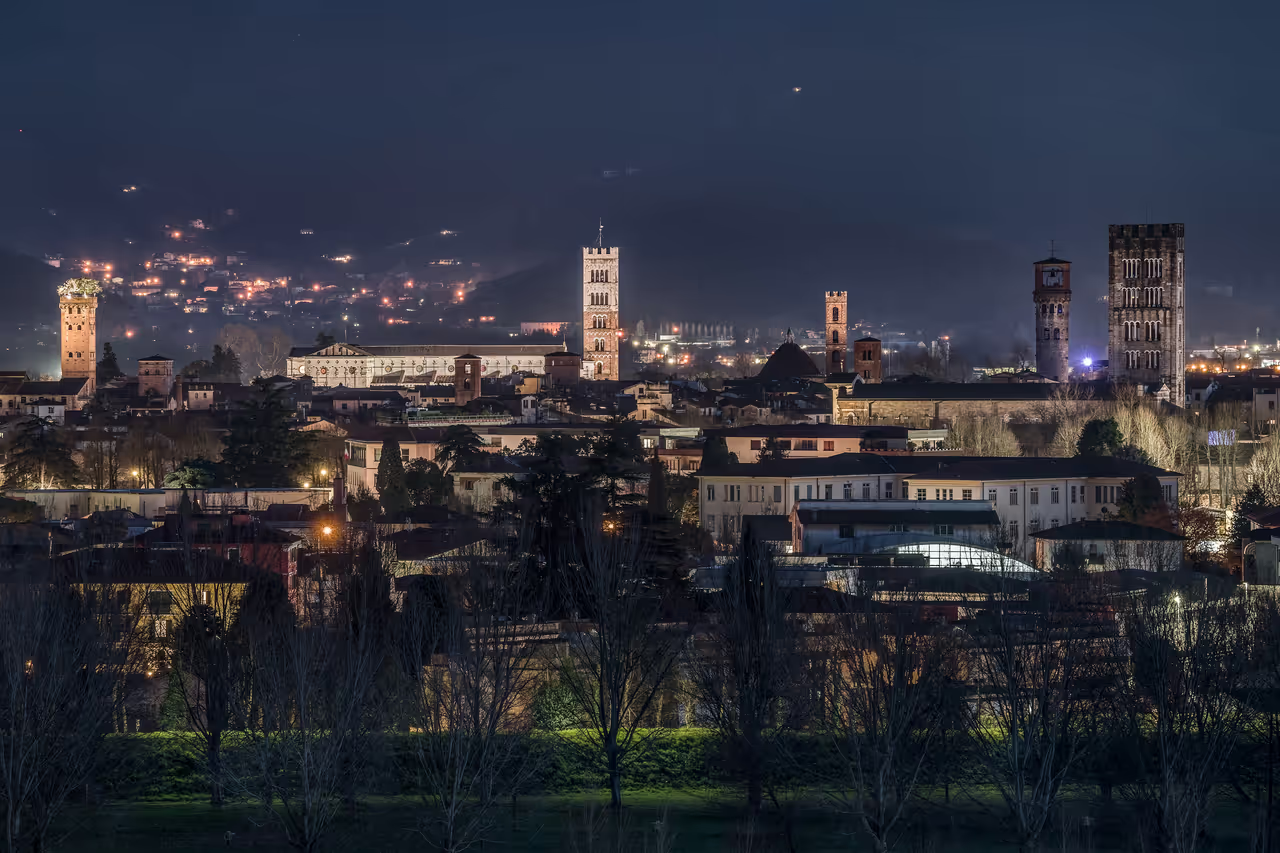
36mFestival of the Holy Cross Luminara
This deeply spiritual and visually stunning festival is the most important religious event in the city's calendar. On the evening of September 13th, the entire historic centre is plunged into darkness, illuminated only by thousands of wax candles outlining the windows and doors of every building. A massive, solemn procession makes its way through the flickering streets to the Cathedral to venerate the ancient Volto Santo crucifix. Complete with medieval costumes, chanting choirs, and marching bands, it is a hauntingly beautiful display of local devotion.
festival view- 84m
Crossbow Palio of San Paolino
Celebrating the city's patron saint, San Paolino, this thrilling historical reenactment brings medieval rivalries back to life. Master crossbowmen representing the city's traditional districts gather to compete in a high-stakes tournament of accuracy and nerve. Operating under competition rules that have remained unchanged since 1443, making it the oldest continuous sporting regulation in Europe, the event is a fascinating spectacle of civic pride. The air is filled with the thwack of heavy bolts, the beating of drums, and the cheers of partisan crowds.
festival view 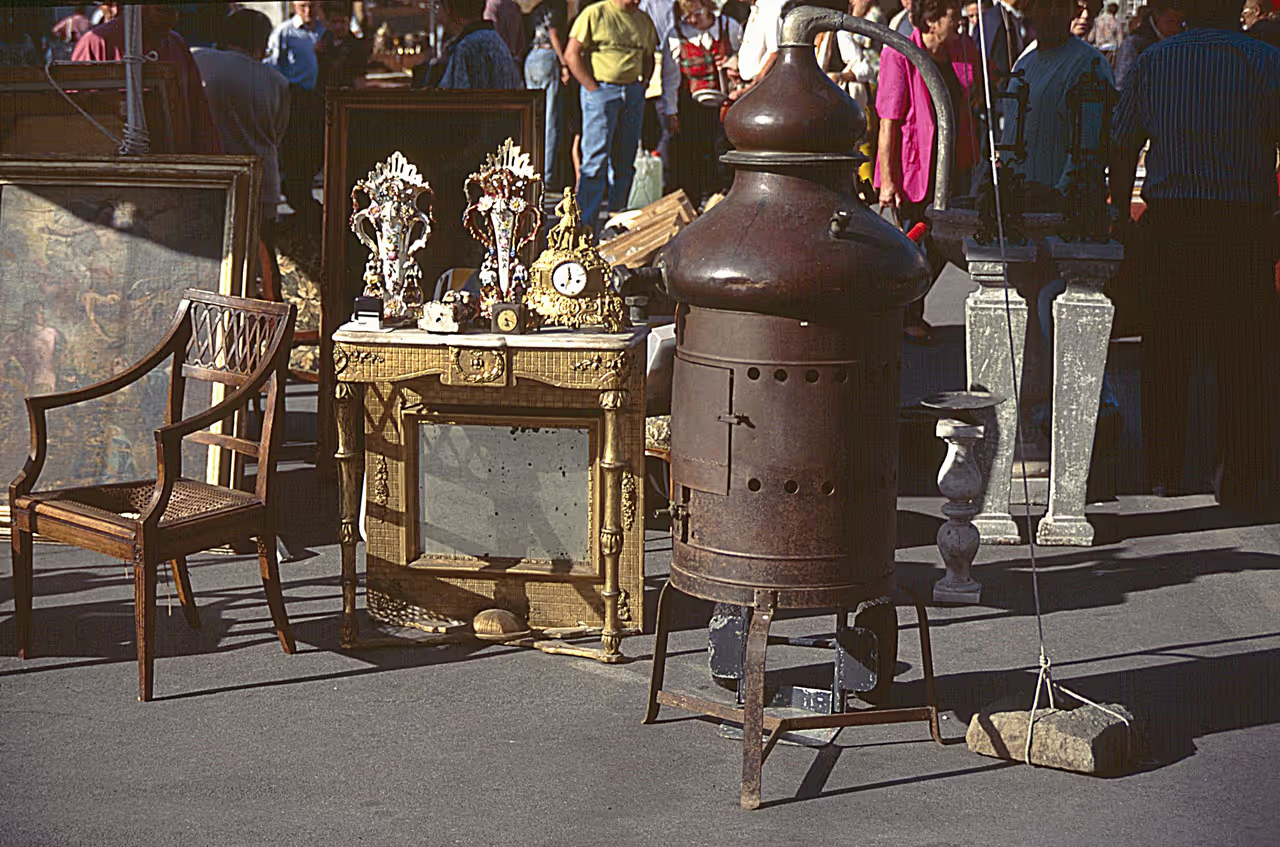 91m
91mLucca Antique Market
Spreading out around the cathedral, Piazza San Giusto, and Piazza Antelminelli, this sprawling antique market is highly regarded across Italy. Hundreds of specialized vendors set up stalls brimming with vintage furniture, rare books, delicate ceramics, retro jewellery, and fascinating historical curiosities. It is an absolute treasure trove for collectors and casual browsers alike, offering a glimpse into the opulent past of Tuscan households. The atmosphere is bustling and genteel, perfectly complementing the historic backdrop of the piazzas.
market view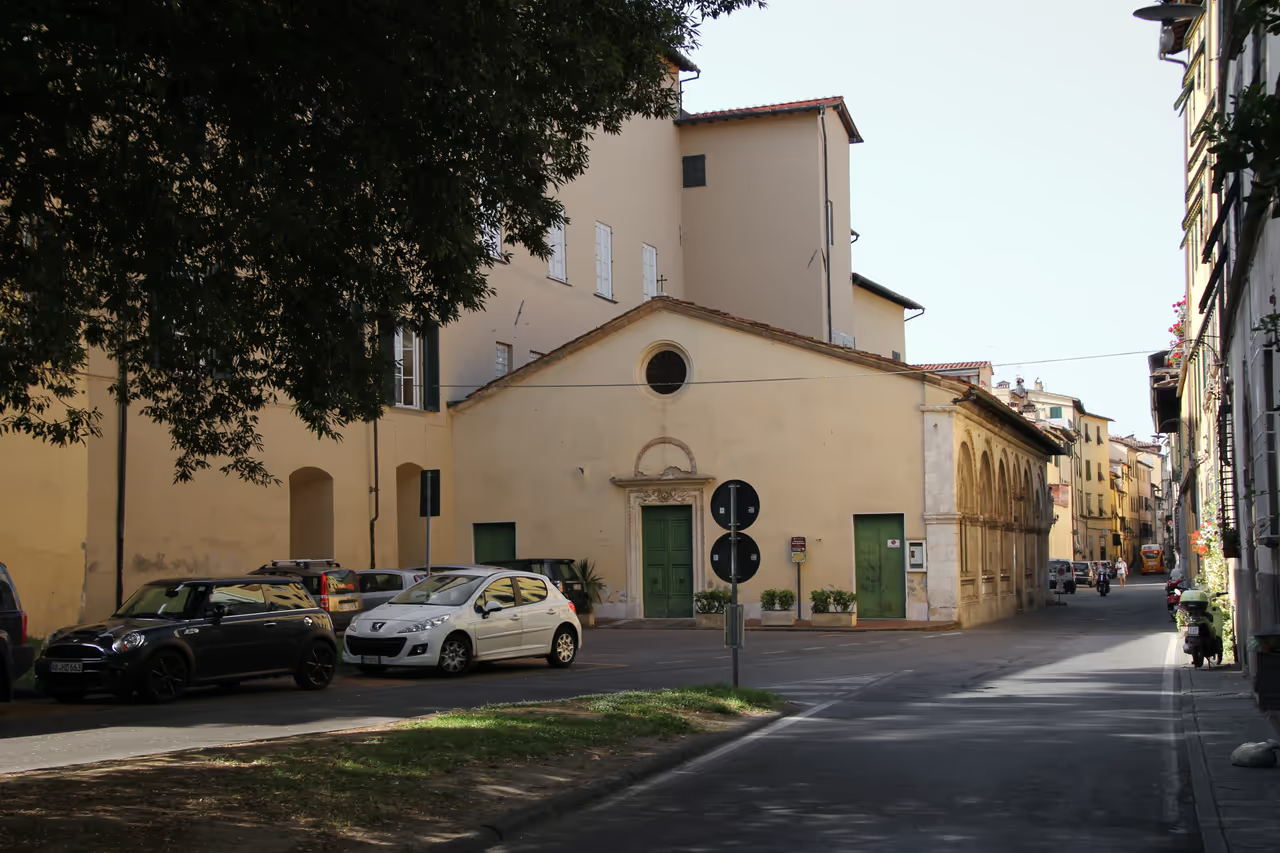 115m
115mChurch of Santa Maria della Rosa
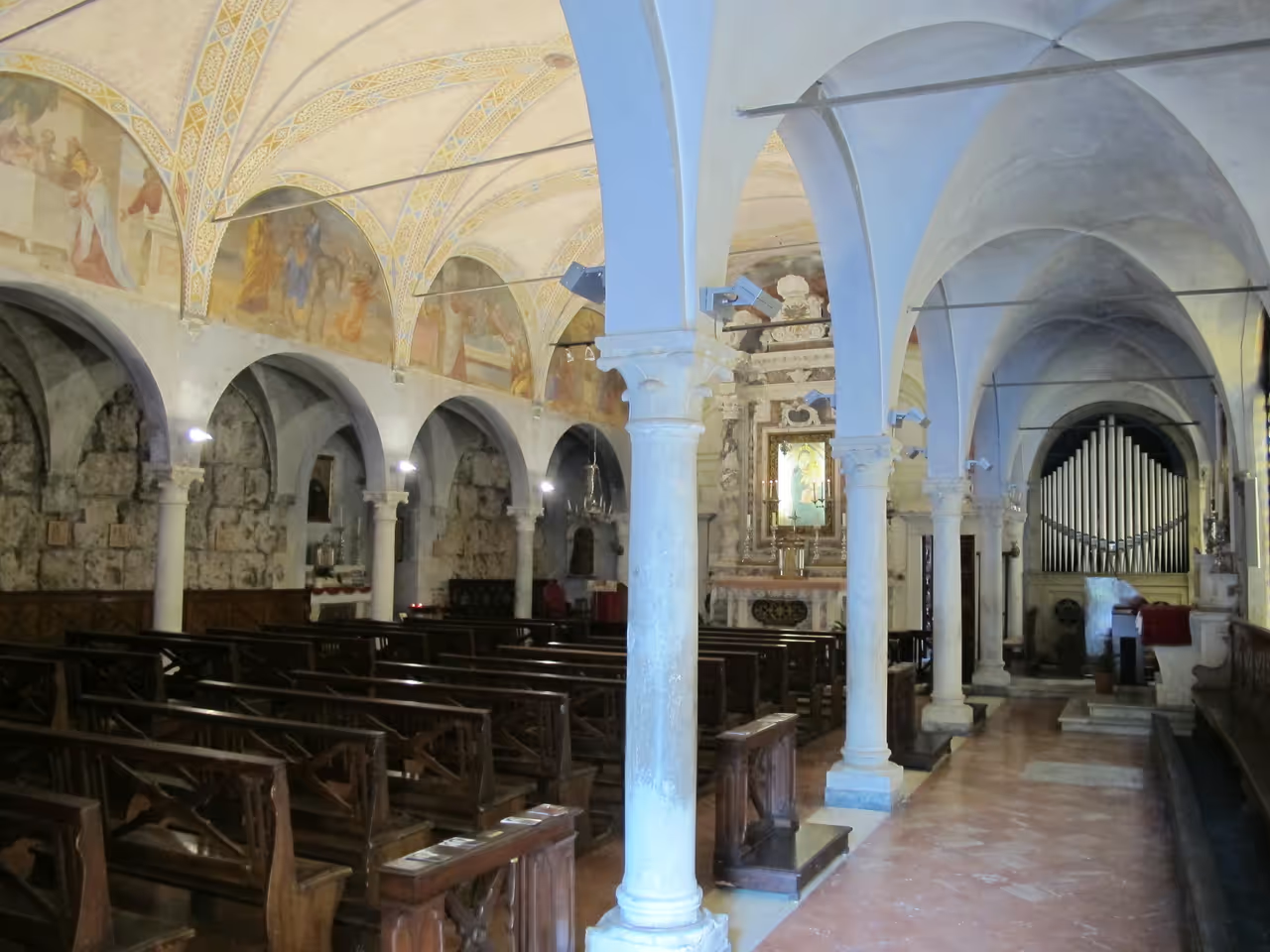
Tucked away on a quiet side street just behind the massive cathedral, this enchanting little church is a rare and brilliant example of Gothic architecture in a city dominated by the Romanesque style. Its exterior is exquisitely decorated with delicate carvings of roses, paying homage to its name. Uniquely, the church was built directly against, and physically incorporates, a surviving section of the ancient Roman defensive walls, which are still clearly visible on its flank. It provides a stunning, peaceful contrast to the sprawling grandeur of the main basilicas.
hidden gem view
Explore Similar Places in This Collection
Featured on These Itineraries and Routes
1 Day in Lucca Itinerary
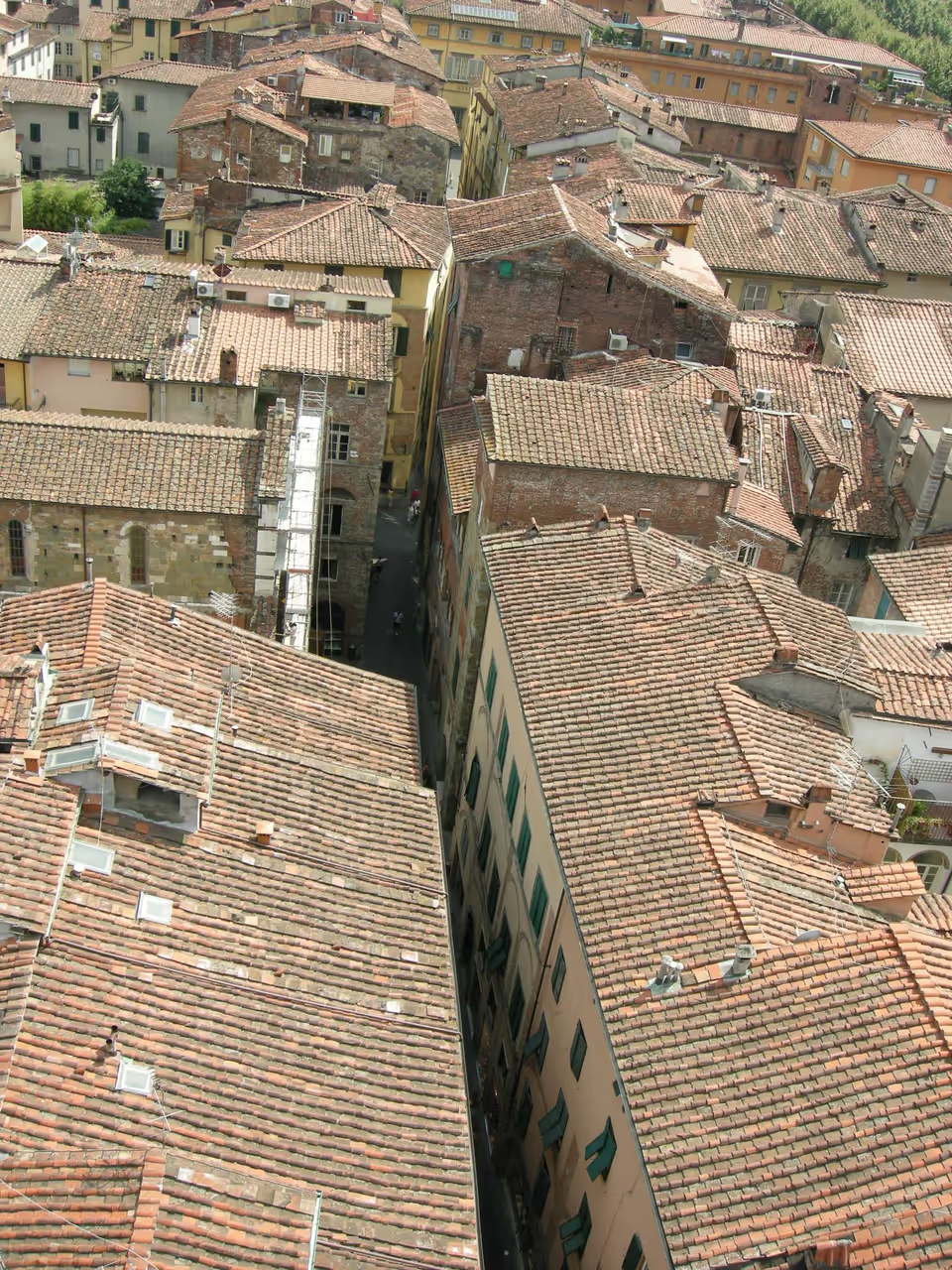
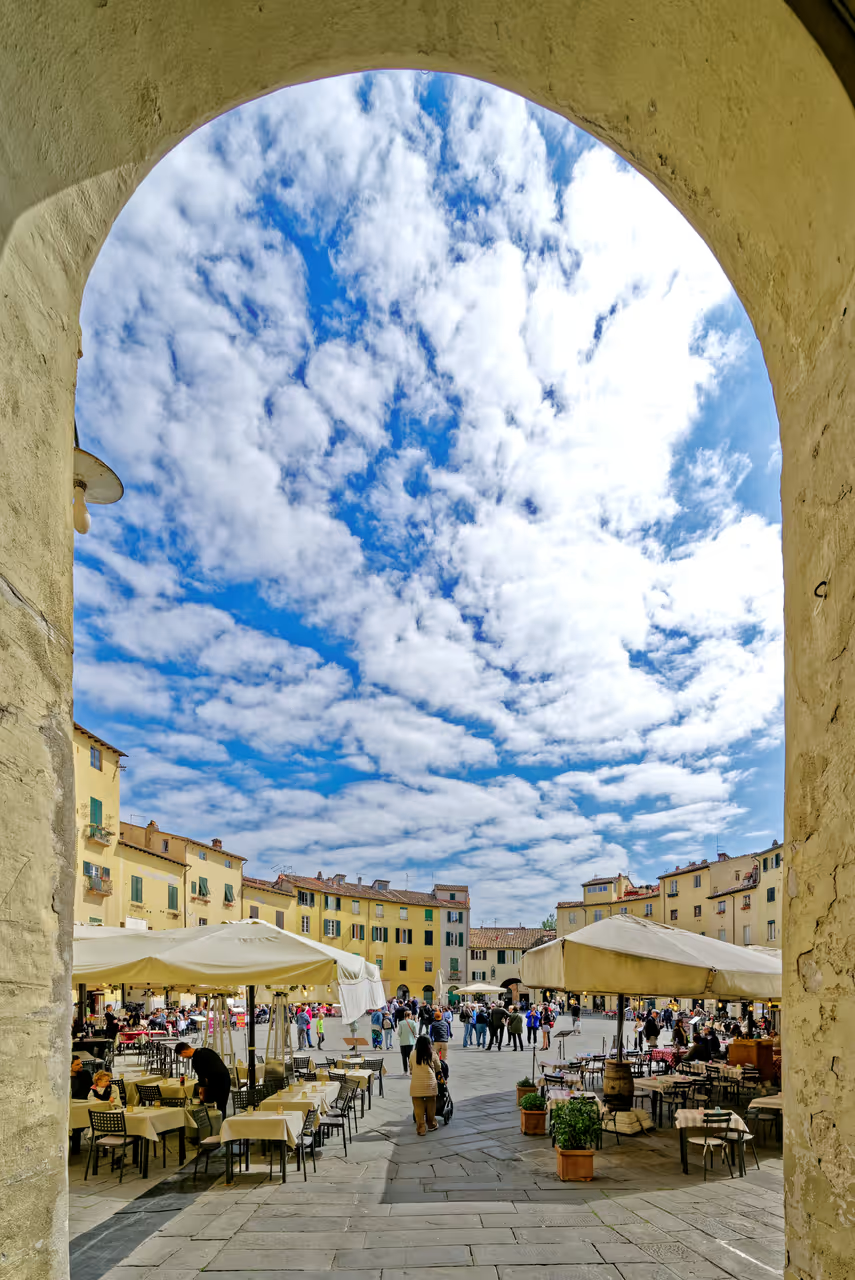
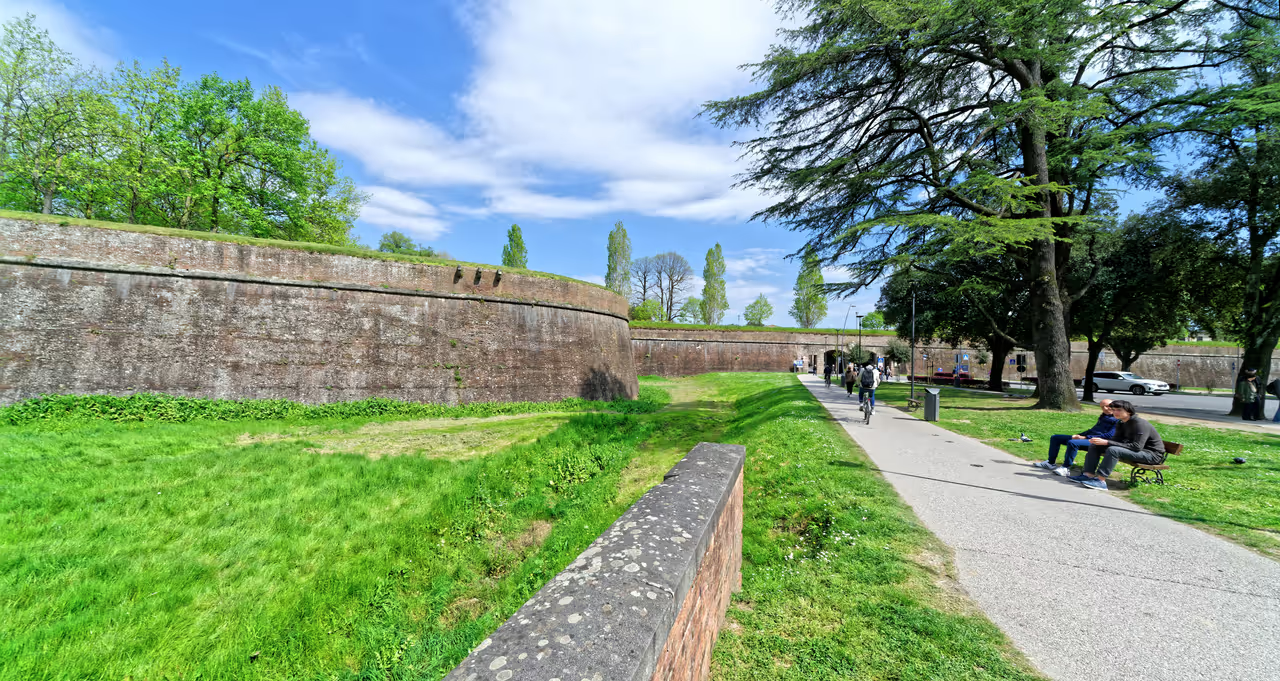
If you only have a single day to experience the magic of this walled city, this highly focused plan ensures you see the absolute must-visit highlights. You will explore the stunning Romanesque churches, navigate the narrow medieval commercial streets, and take in the unique oval beauty of the ancient amphitheatre footprint. The day balances awe-inspiring architecture with relaxed walking, culminating in a highly scenic sunset ride above the city.
view itinerary
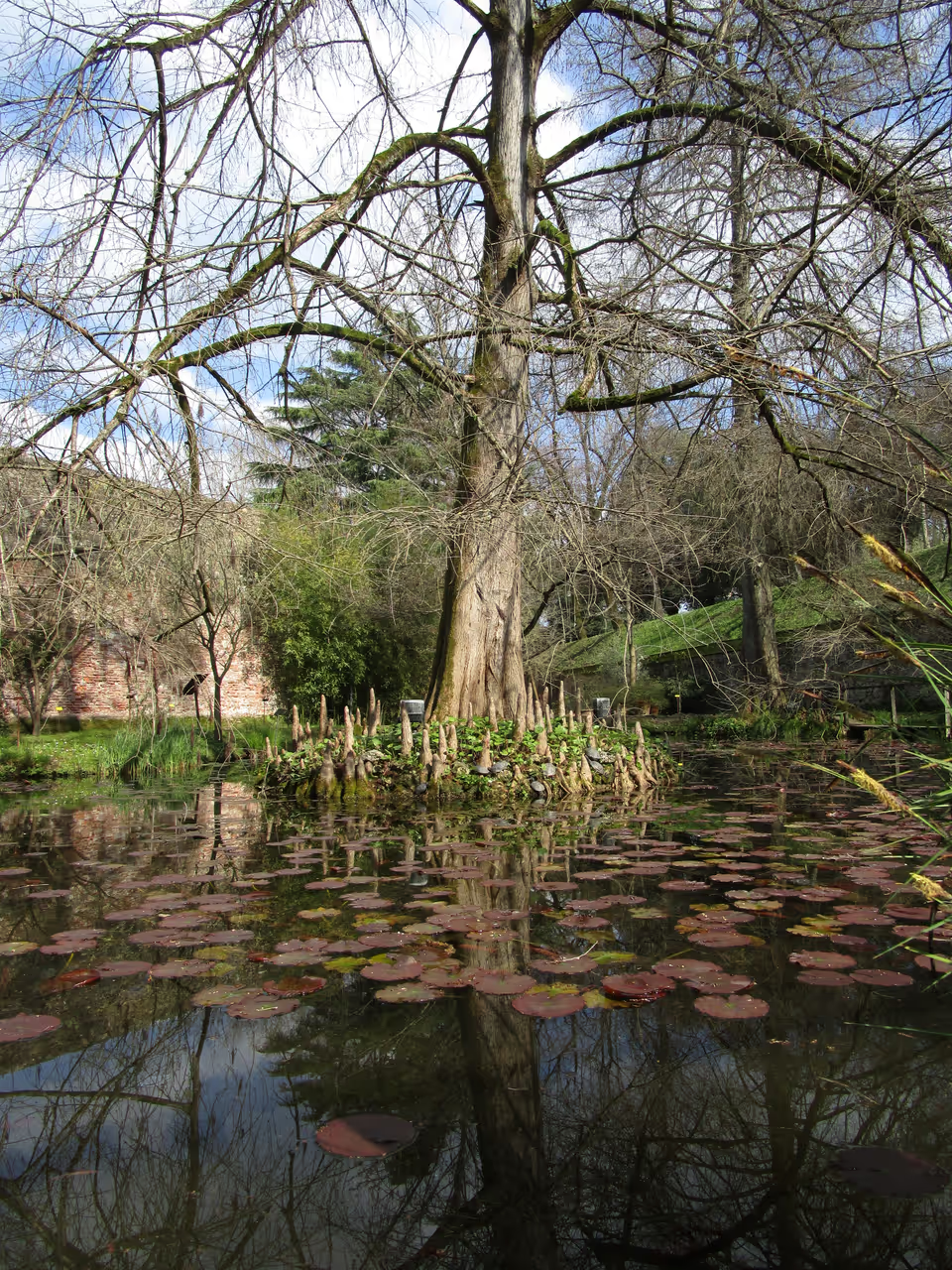
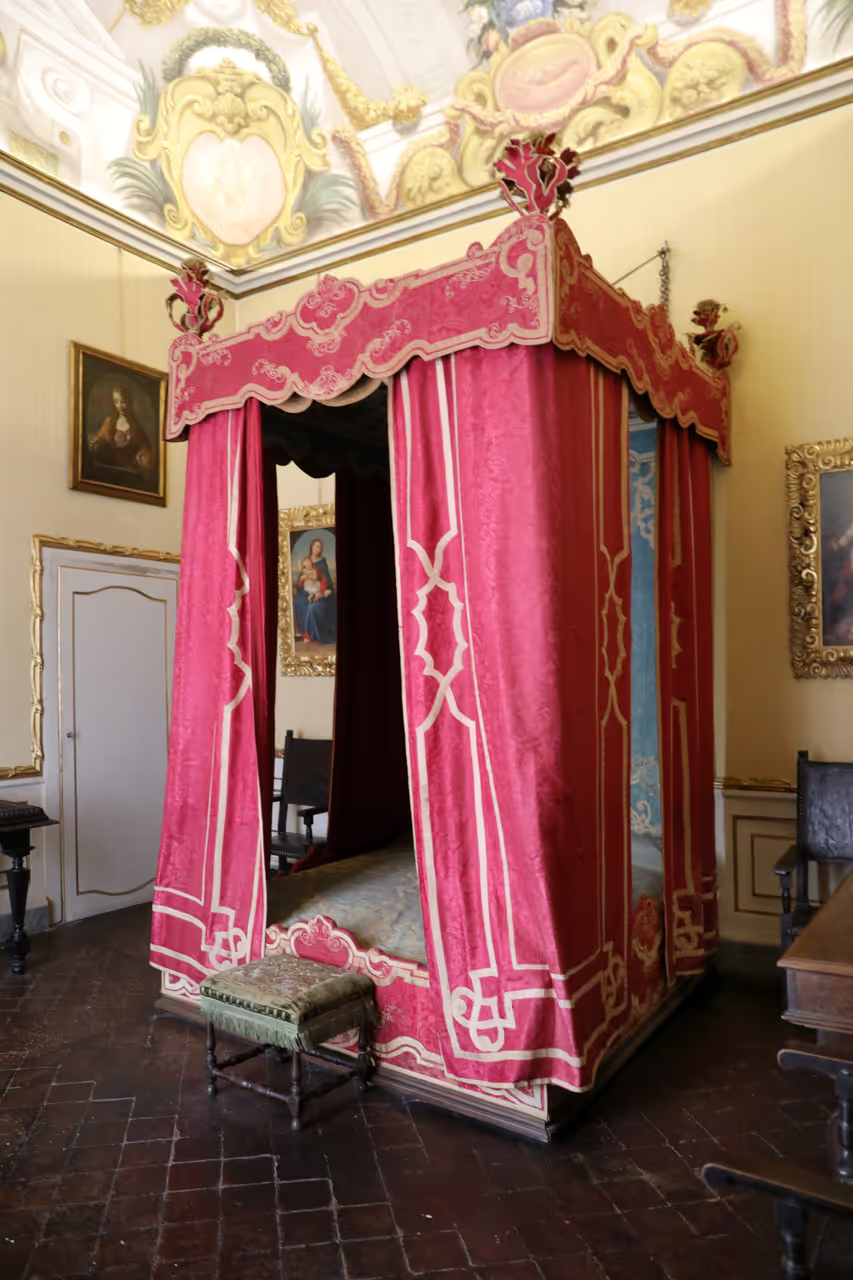
3 Days in Lucca: Palaces, Music, and Panoramas Itinerary
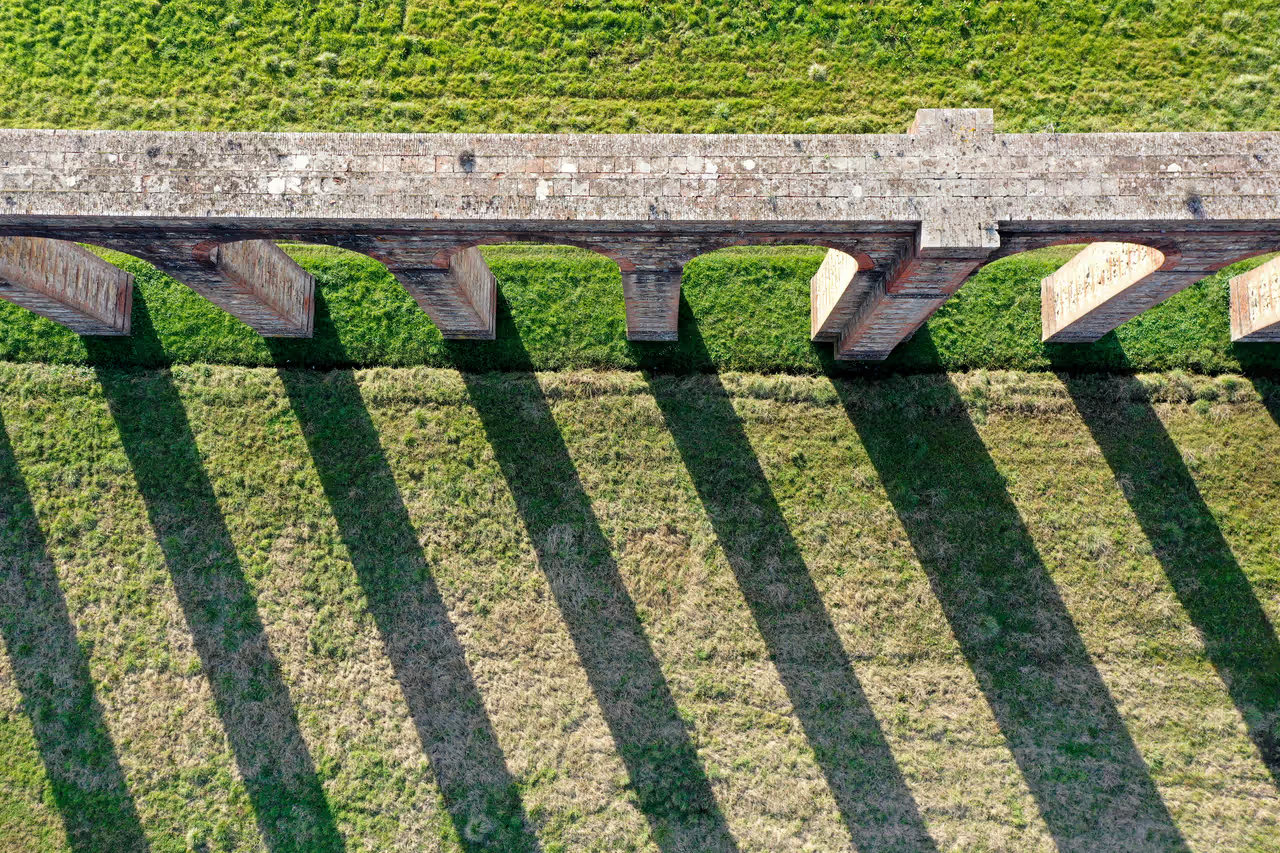
With three days, you can slow down and truly embrace the unhurried lifestyle that makes this city so beloved. After covering the iconic churches and squares, you will dive into the opulent history of the wealthy silk merchants by visiting their lavishly decorated palaces and hidden gardens. You will also have ample time to trace the footsteps of the legendary composer Giacomo Puccini, before venturing just outside the walls to admire the monumental civil engineering of the aqueduct.
view itinerary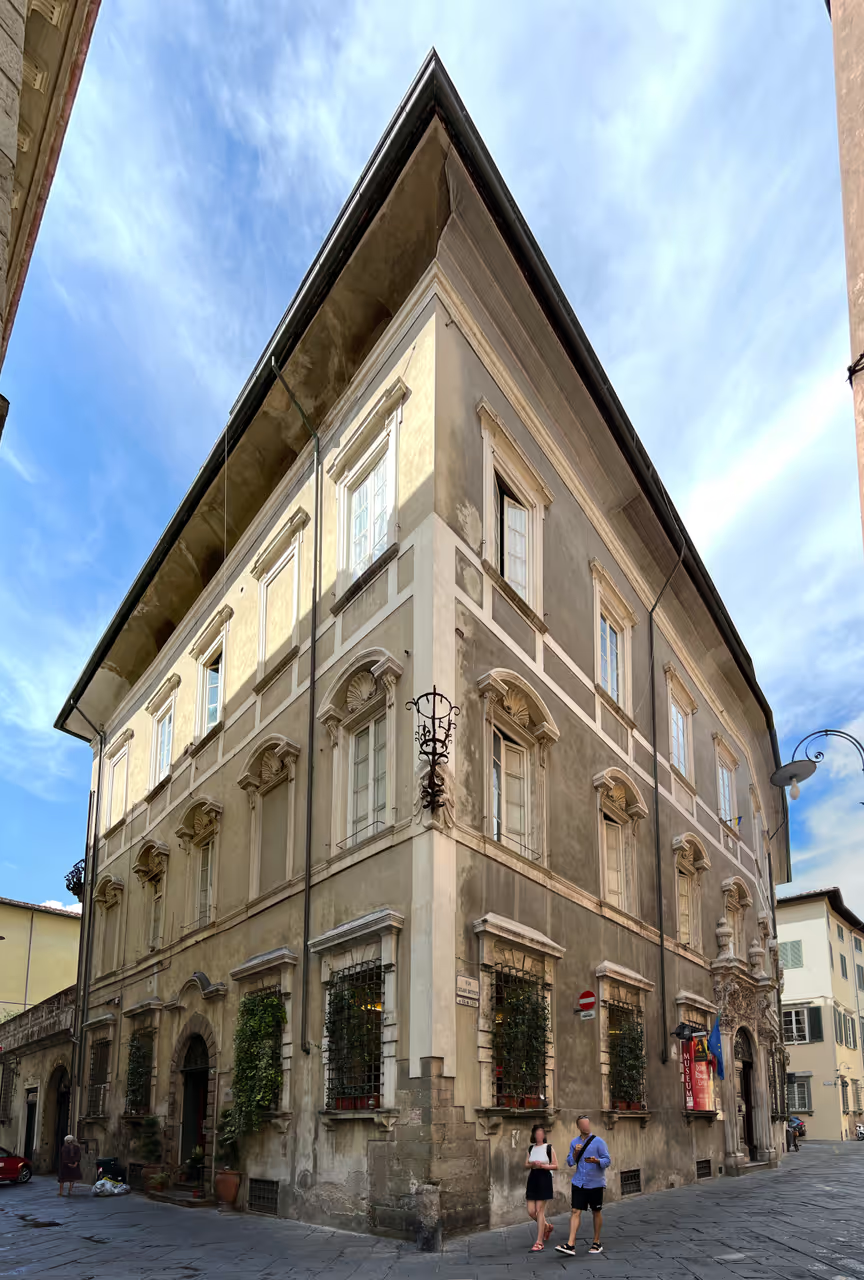
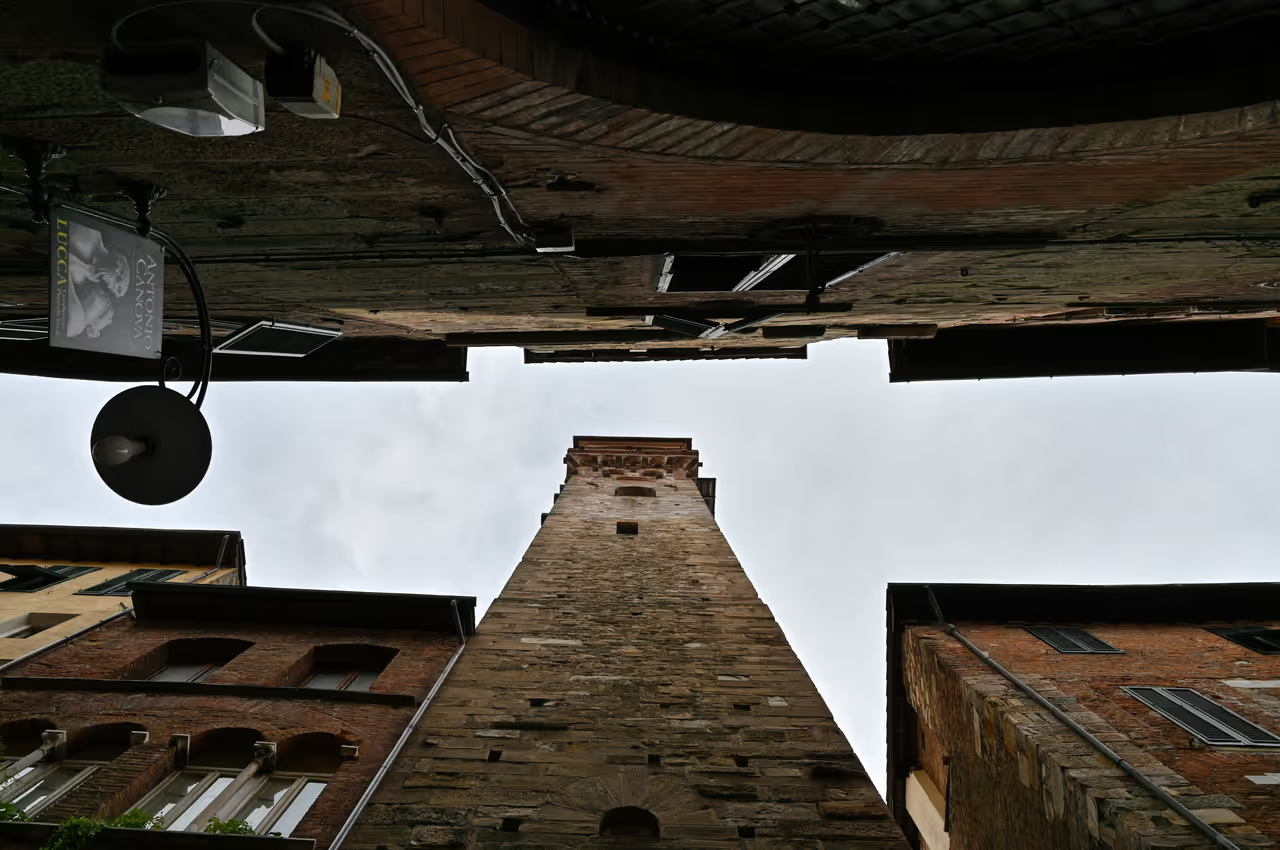
5 Days in Lucca: Complete Cultural Immersion Itinerary
Five days allows you to completely sink into the rhythm of the city, exploring its most famous monuments as well as its fascinating, lesser-known hidden gems. You will discover ancient Roman mosaics buried in basements, quirky local museums, and the beautiful nature reserves that sit just beyond the fortifications. This extended itinerary gives you the luxury of taking long, leisurely lunches, engaging deeply with the city's complex history, and enjoying the vibrant evening bar scene like a true local.
view itinerary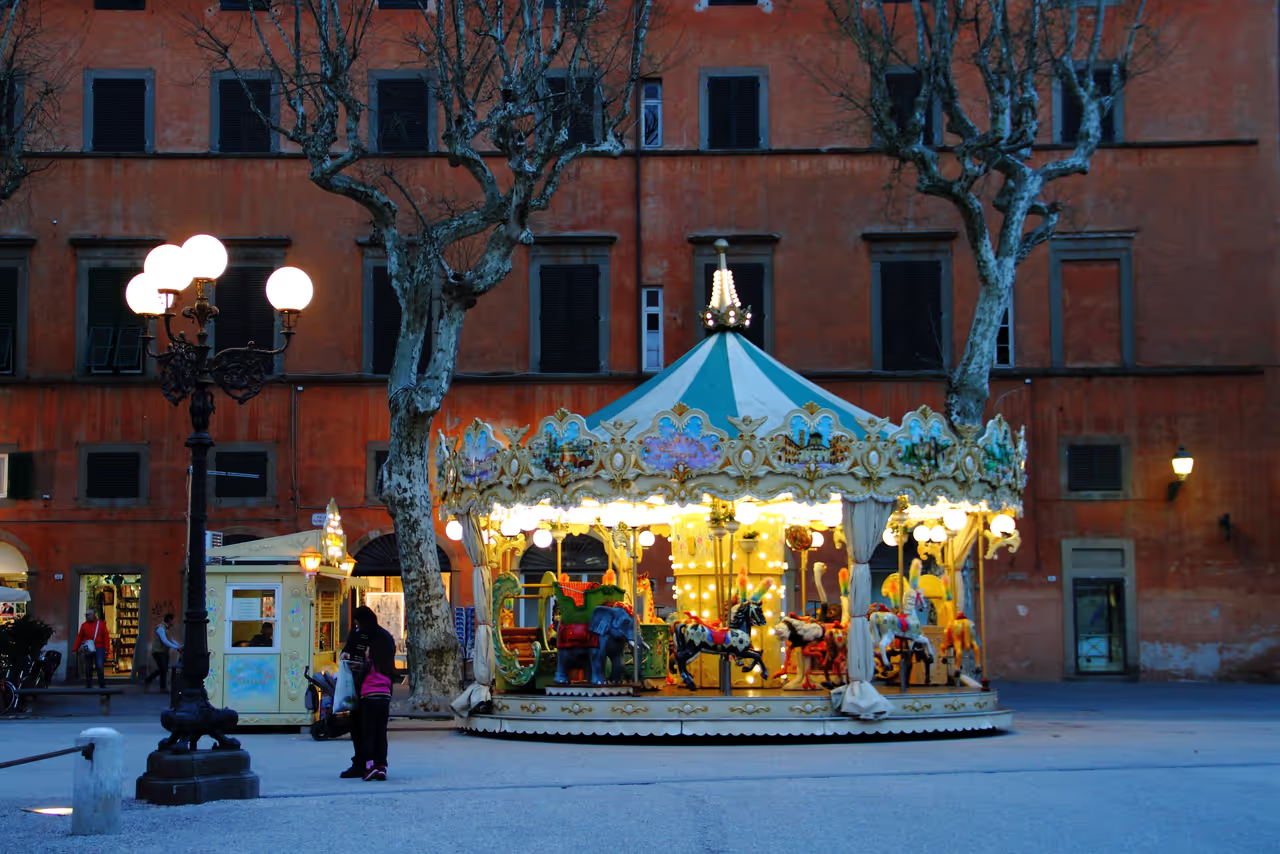
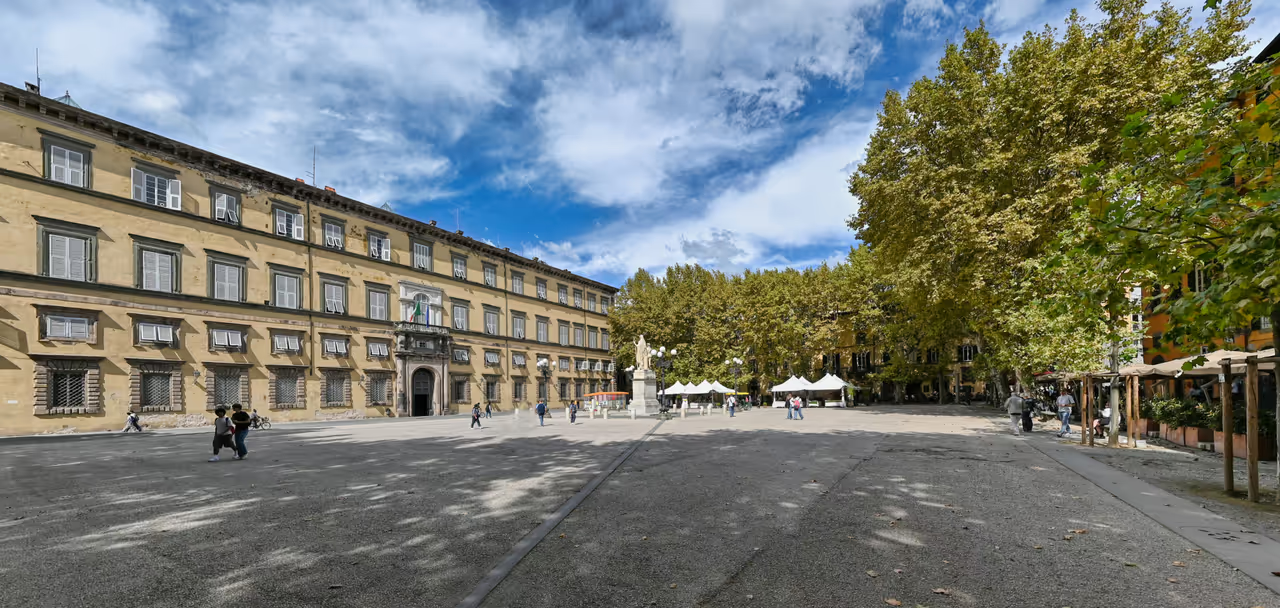
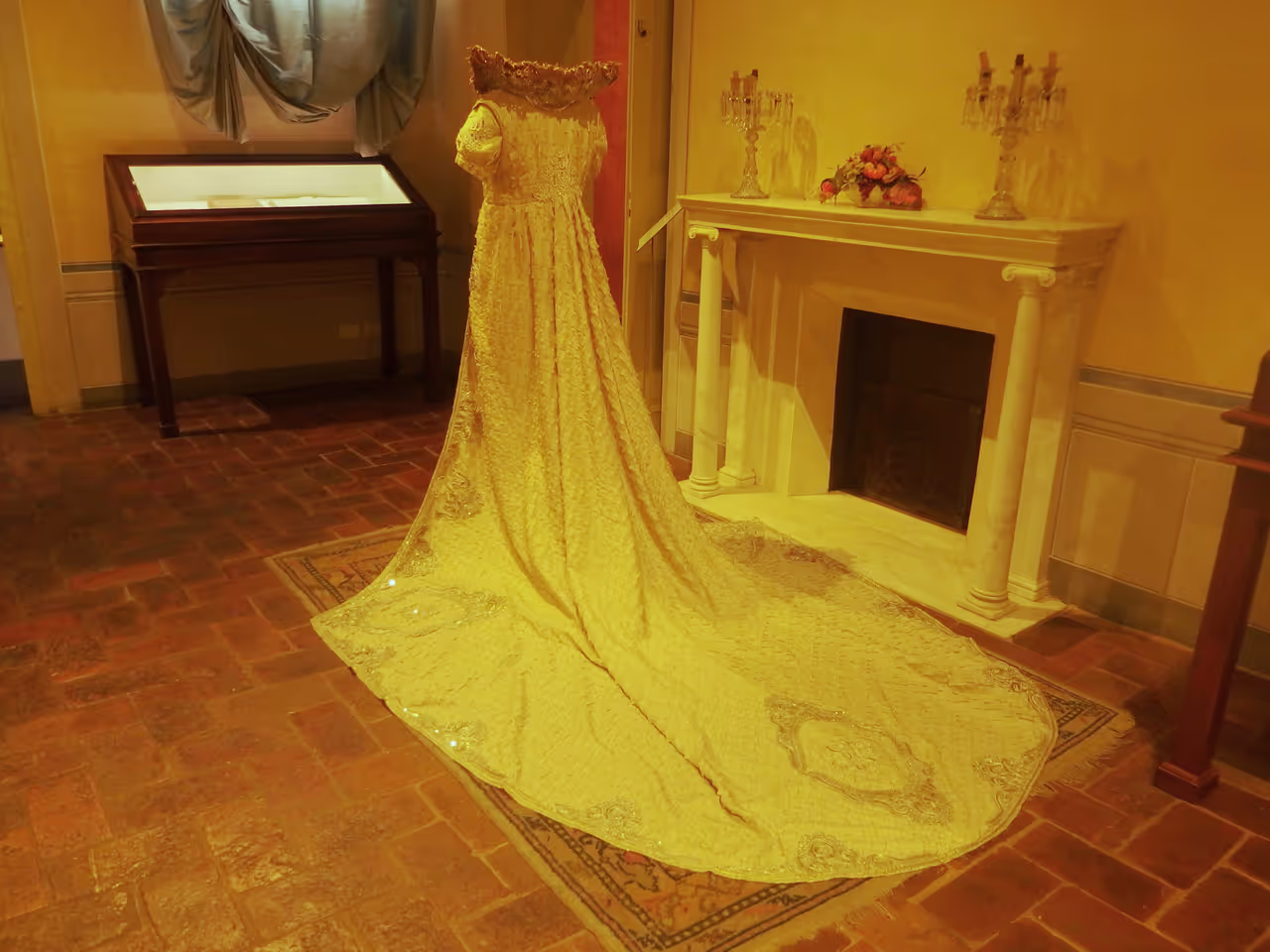
In the Footsteps of Puccini
This culturally rich route winds through the elegant piazzas and imposing religious buildings that heavily influenced the city's famous musical sons. It connects the birthplaces and primary performance venues of world-renowned composers, steeping the walker in a deeply refined, artistic atmosphere. As you wander, it is not uncommon to hear faint strains of classical music drifting from open conservatory windows or churches. The stroll showcases the grandiose, theatrical side of the city's architecture.
view walking route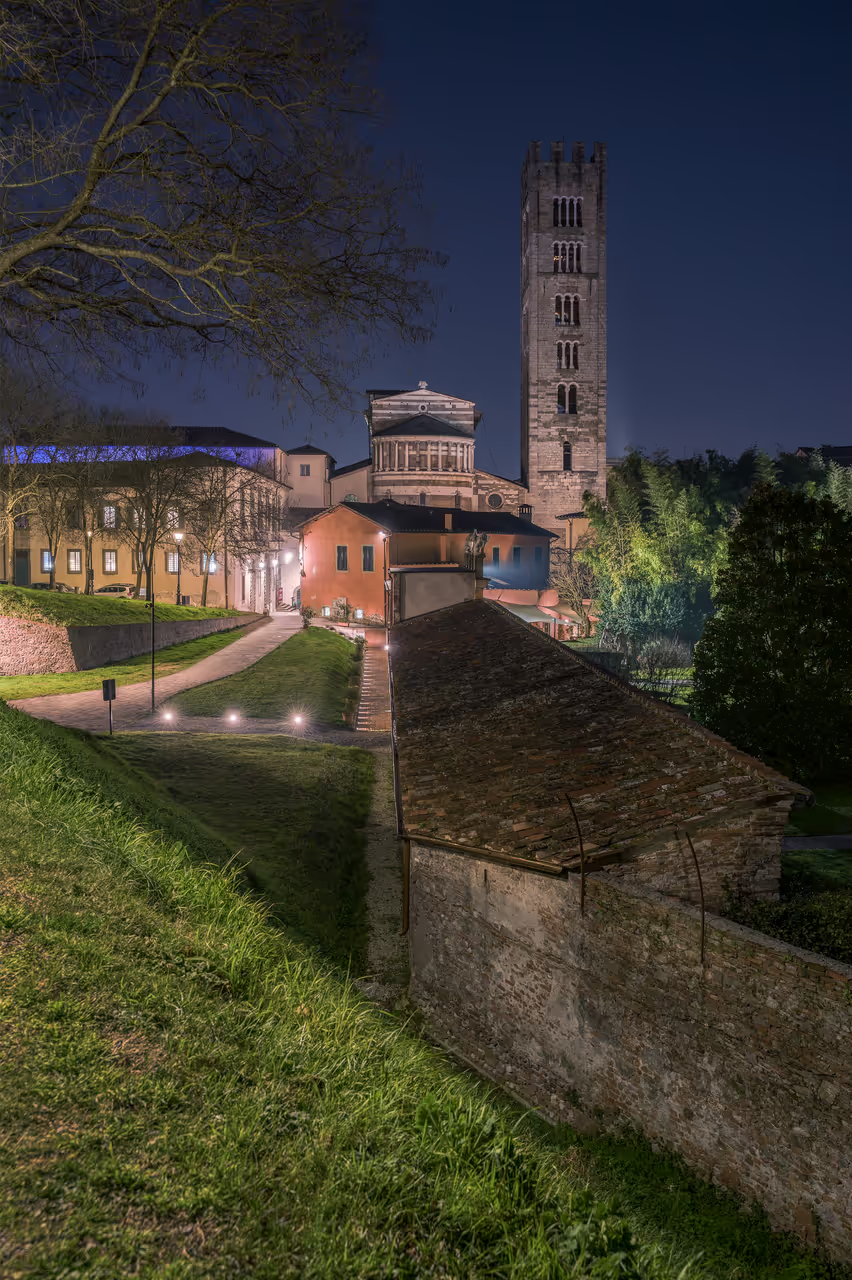
Hundred Churches Pilgrimage
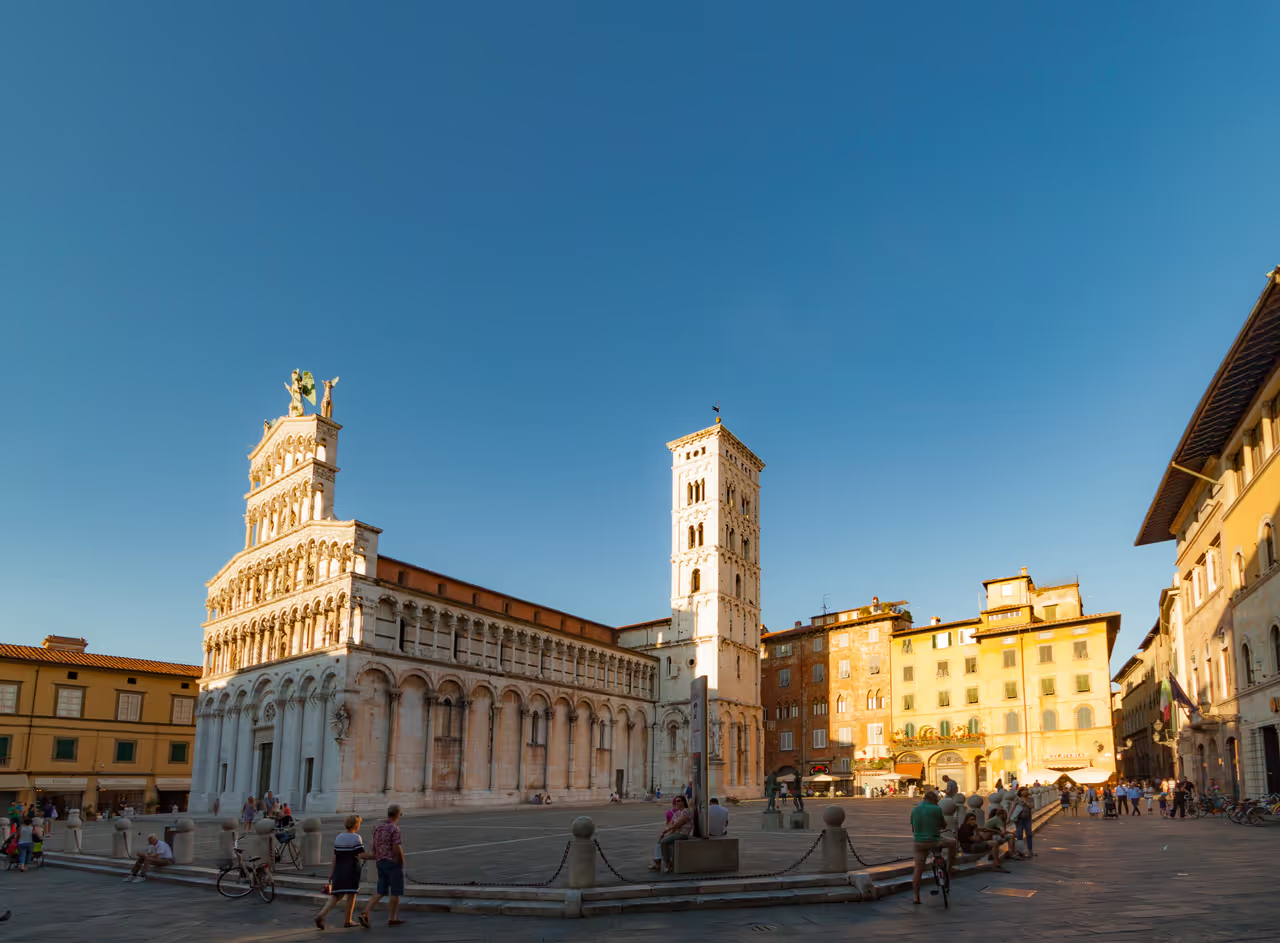
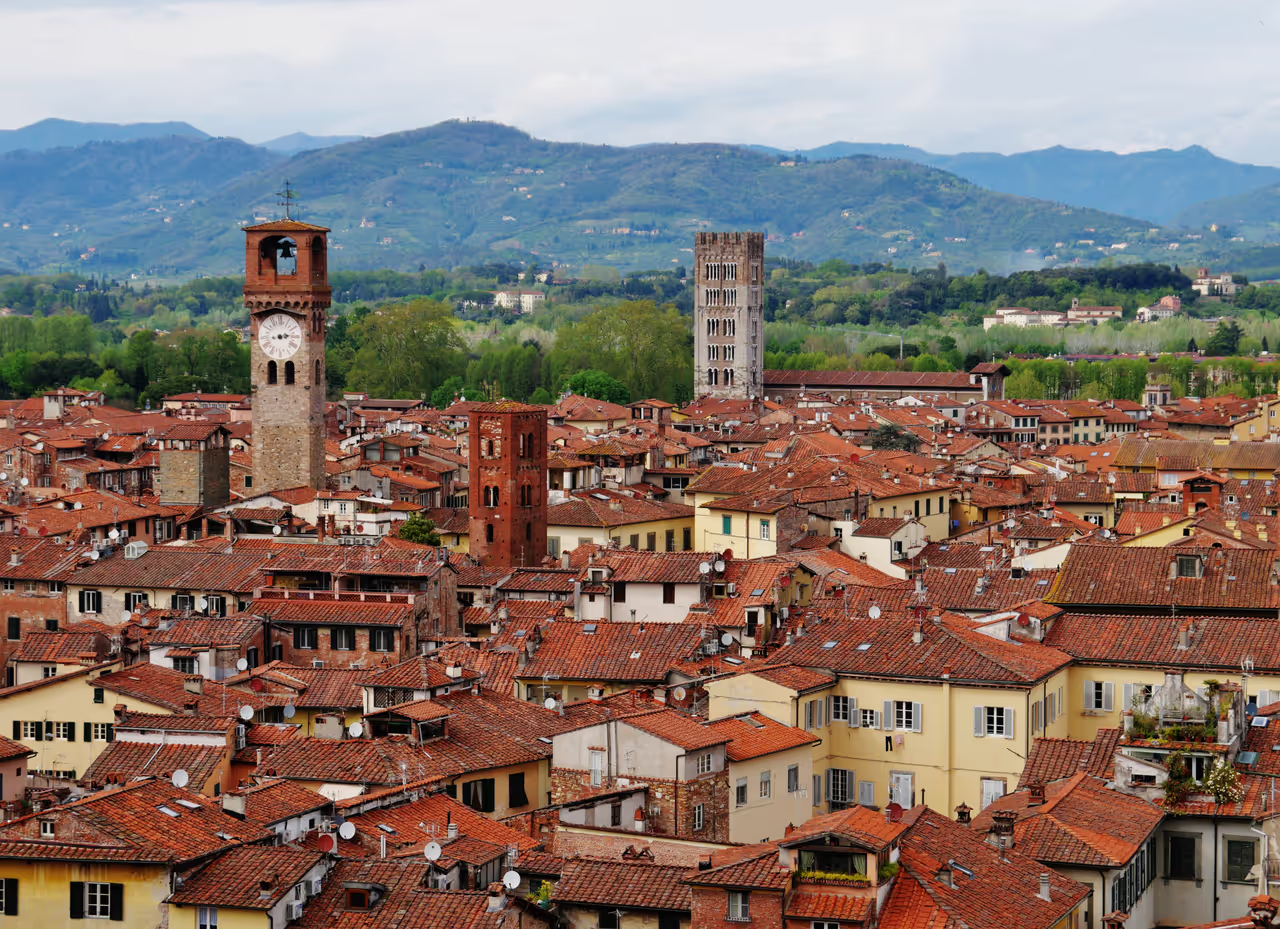
This thematic walk explores the stunning density of religious architecture that earned the city its famous nickname. Focusing on the monumental Romanesque facades that dominate the piazzas, the route deciphers the rich, symbolic carvings of mythical beasts, saints, and hunting scenes etched into the marble. It also visits quieter, hidden chapels that offer a stark contrast to the grandeur of the main basilicas. The tour highlights the immense spiritual importance the city held as a primary stop on the medieval Via Francigena.
view self-guided tour
See all attractions in Lucca
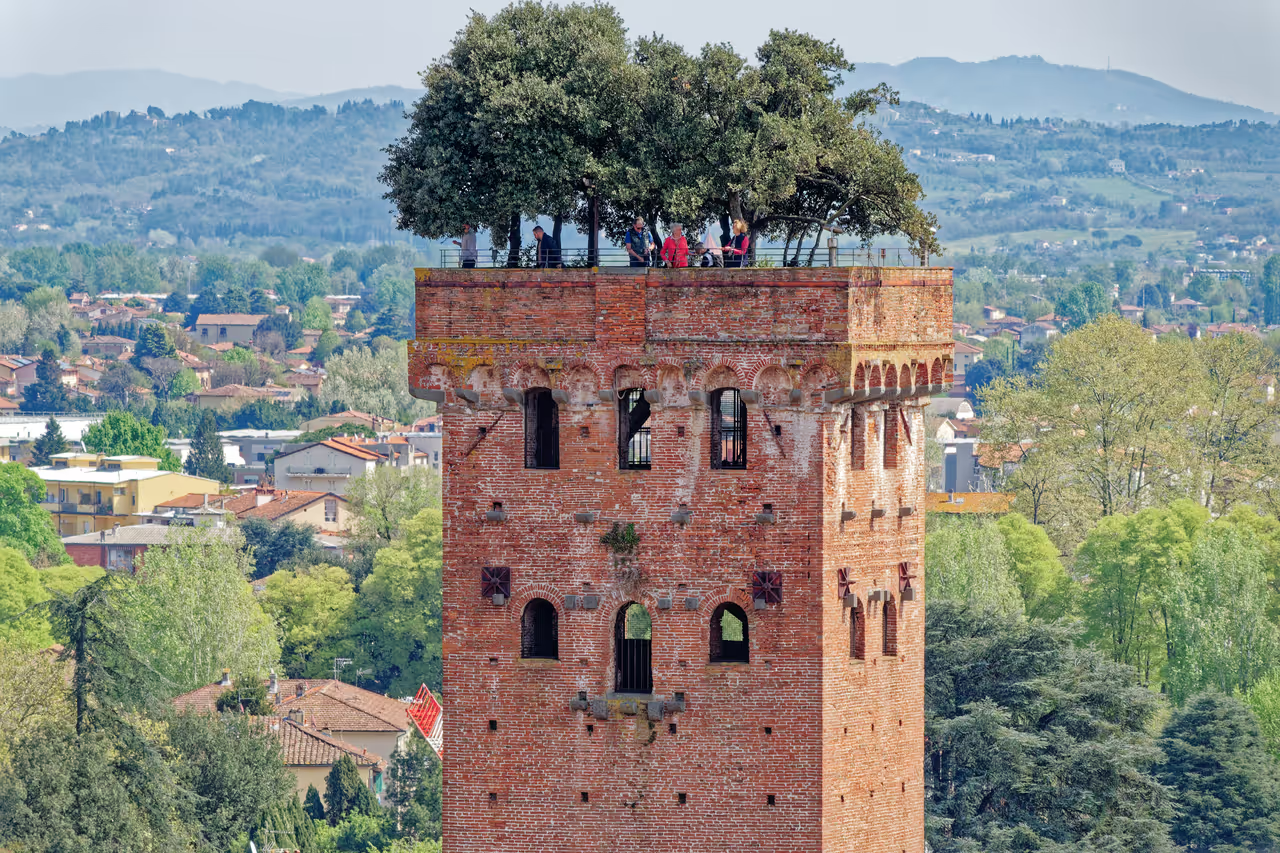
Basilica of San Frediano, Guinigi Tower, Piazza dell'Anfiteatro, Church of Saint Michael in the Forum...