Serchio River Park
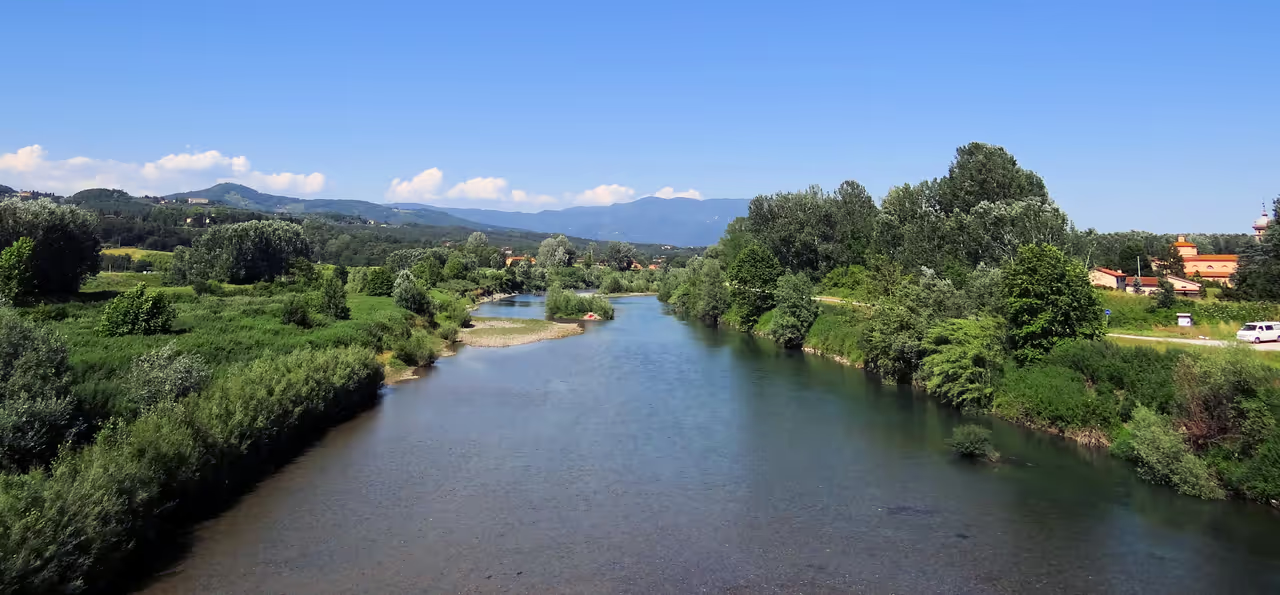
The Serchio River Park offers a tranquil escape from the urban historic centre, stretching along the banks of one of Tuscany's most significant waterways. Spanning over 250 hectares, this sprawling green oasis invites visitors to explore via walking trails, cycle paths, or even by canoeing down the river itself. It serves as a vital bridge between nature and the city, providing a playground for outdoor enthusiasts, families, and anyone looking to unwind under the Italian sun. You can spot diverse wildlife like herons and kingfishers, or simply enjoy the leisurely pace of life near the water. With its unique blend of recreational facilities and wild scenery, the park is a testament to sustainable urban planning. Come here to breathe in fresh air and experience a side of Lucca that feels wonderfully untamed yet entirely accessible.
Videos
History of Serchio River Park
The Serchio River has served as the lifeblood of Lucca for millennia, carving its path through the landscape and shaping the region's geography. Historically, the relationship between the city and the river was complex, as floods were a constant threat to the survival of the local population. Over many centuries, the river was often viewed as a dangerous neighbour, a boundary that stood apart from the urban life within the city walls. Modern visionaries saw an opportunity to transform this barrier into a shared recreational haven. The reclamation of these lands began as an ambitious ecological project aimed at restoring native flora and fauna while integrating human activity. Instead of excluding nature, the city planners invited it back, creating a vibrant ecosystem where kingfishers and herons returned to nest. This shift marked a change in local consciousness, where the river evolved from a perilous force into a cherished green lung for the community. Today, the park stands as a symbol of sustainable living. It houses unique landmarks like the Riva degli Albogatti farm and the Terrazza Guglielmo Petroni, ensuring that the social and literary history of the river remains preserved. It is a place where traditions meet the future, serving as a reminder that a city is defined as much by its surrounding natural landscape as by its stone walls and towers.
Events spanning 2 years
Fun Facts
- • Birdwatchers frequently spot rare species within the park, including the vibrant kingfisher, the elegant grey heron, and, in recent years, storks.
- • Native vegetation has been carefully restored, with white poplar, elm, willow, and alder trees flourishing in the riverside zones and providing essential habitats for local fauna.
- • The Riva degli Albogatti is a unique educational farm located in a restored solar colony, acting as a laboratory that blends traditional agricultural knowledge with modern urban sustainability.
- • The Serchio River begins its journey high in the Apennines at Monte Sillano, cascading down from 1500 metres before winding 130 kilometres towards the Tyrrhenian Sea.
- • The Terrazza Guglielmo Petroni was named in honour of the Lucchese writer whose novel La morte del fiume expressed a profound appreciation for the river ecosystem.
- • The park covers an expansive area of 250 hectares, functioning as a vital green lung that bridges the gap between urban Lucca and the untamed natural world.
- • The park features a diverse range of recreational infrastructure, from archery zones and a bowls club to dedicated areas for skateboarding and model aircraft enthusiasts.
- • The riverbank paths are intricately linked to historical landmarks, most notably the Nottolini Aqueduct, a magnificent feat of hydraulic engineering visible from the trails.
- • Visitors can choose between three distinct routes, each offering a different perspective on the landscape, including paths that wind through rolling hills and quiet villages near the river.
Serchio River Park FAQ
While we strive to keep this information accurate and up to date, we recommend verifying any details independently before making decisions based on them.
Serchio River Park Map & Neighborhood Explorer
This interactive map is centered on Serchio River Park. Zoom in and move the map around to automatically discover Wikipedia photos and summaries of other nearby sights, monuments, and historical points of interest and stories in real-time!
Places near Serchio River Park
Make the most of your trip. Check out these top-rated spots located nearby.
 315m
315mMonte San Quirico Hills
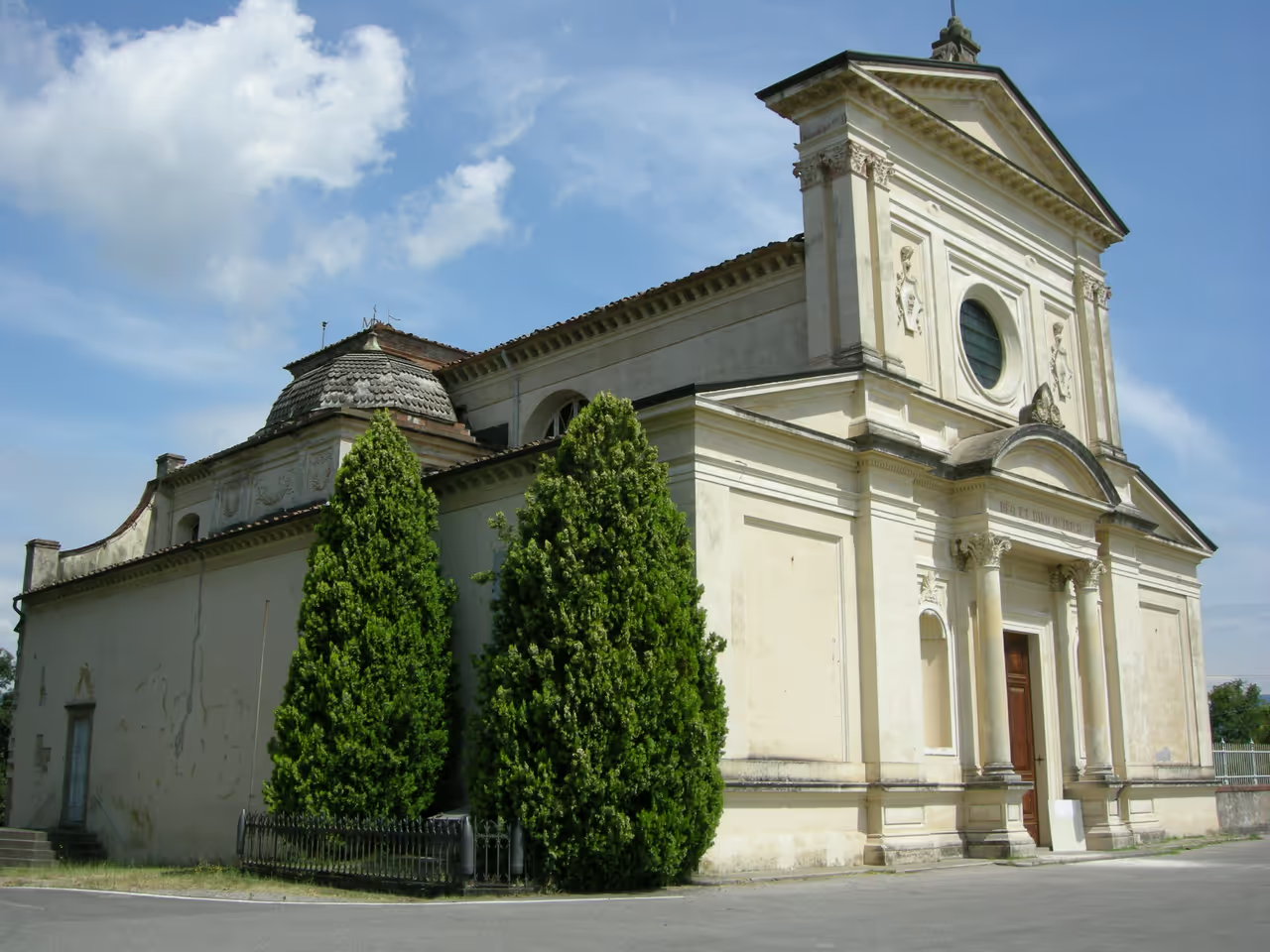
For those willing to venture just a few kilometres outside the city limits, crossing the Serchio River to the gentle slopes of these hills provides a phenomenal, landscape-scale viewpoint. Looking back from this slightly elevated rural position, the entire walled city appears as a dense, red-roofed island floating amidst the flat green plains. The impressive silhouette of the various towers and church domes breaks the skyline, backed by the imposing mass of the Pisan Mountains in the far distance.
viewpoint view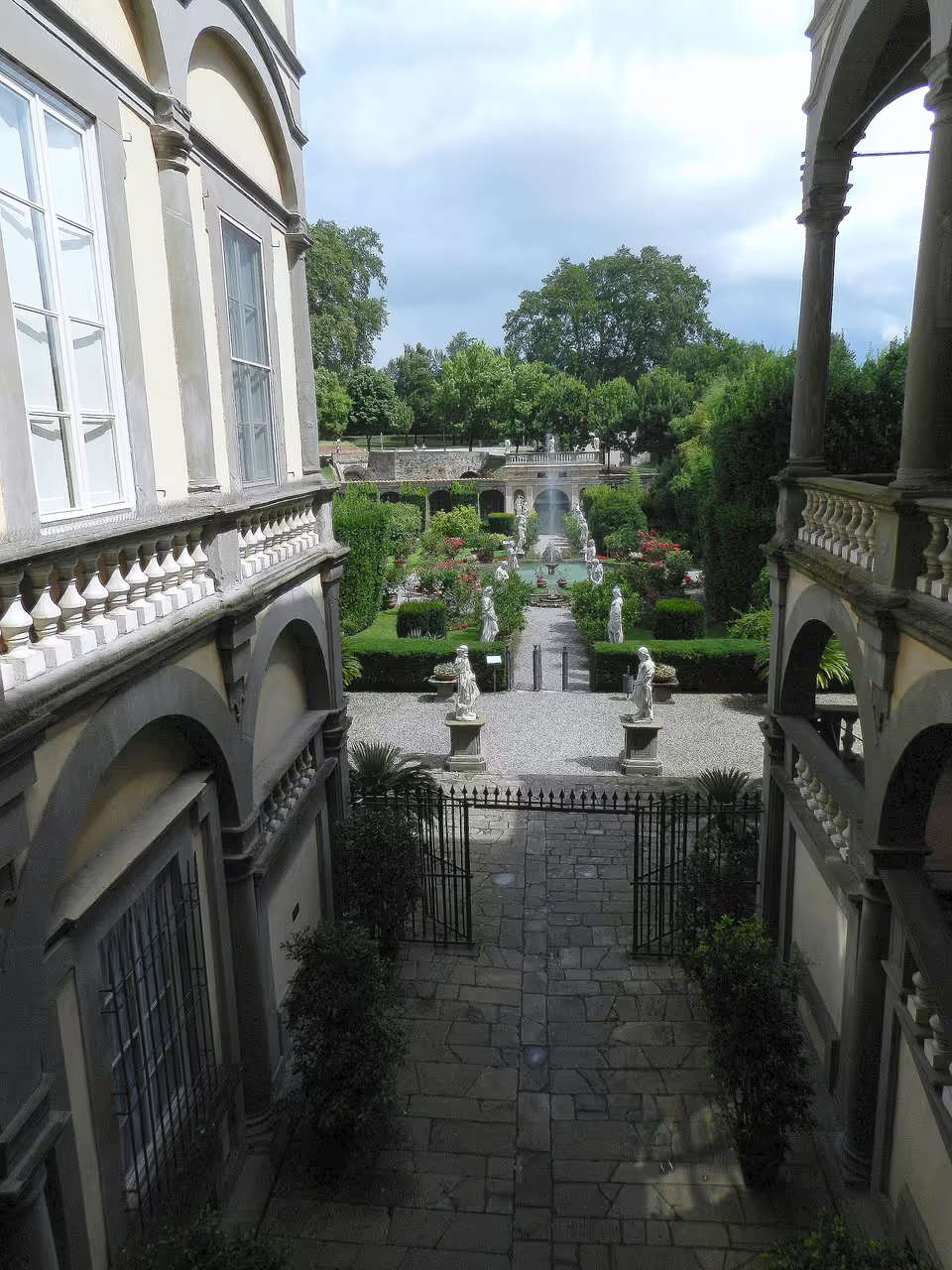 1236m
1236mPalazzo Pfanner
Step into the elegant embrace of Palazzo Pfanner, a baroque jewel tucked just inside the historic walls of Lucca. This stunning residence invites you to wander through its meticulously preserved Italian garden, where centuries-old statues of Olympian gods stand sentinel amidst lush greenery and fragrant lemon trees. Beyond the serene outdoor space, you can admire the grand monumental staircase and halls adorned with exquisite eighteenth-century frescoes. Once home to silk merchants and later the site of an innovative brewery, the palace now opens its doors to offer a glimpse into the opulent lifestyle of Lucca's nobility. It is a place where history feels alive, bridging the gap between the grandeur of the past and the vibrant culture of today.
park & nature view- 1263m
Museum of Torture
Not for the faint of heart, this small, highly provocative museum delves into the dark, grim reality of medieval and Renaissance justice. It houses an extensive, chilling collection of authentic and faithfully reconstructed instruments of torture and execution used across Europe. The informative, often sobering placards explain the historical context and the twisted legal logic that justified their use, particularly during the Inquisition. It provides a stark, fascinating contrast to the refined beauty and elegance of the palaces located just outside its doors.
hidden gem view - 1285m
Santa Croce Medieval Fair
Held in the atmospheric subterranean vaults of the San Pietro bastion beneath the city walls, this seasonal market offers a fantastic journey back in time. Artisans and merchants dressed in authentic period clothing set up stalls selling handcrafted leather, ironwork, traditional foods, and historical trinkets. Jugglers, musicians, and street performers weave through the crowds, creating a lively and immersive historical environment. It is a brilliant way to experience the mercantile spirit that once made the city so immensely wealthy.
market view
Featured on These Itineraries and Routes
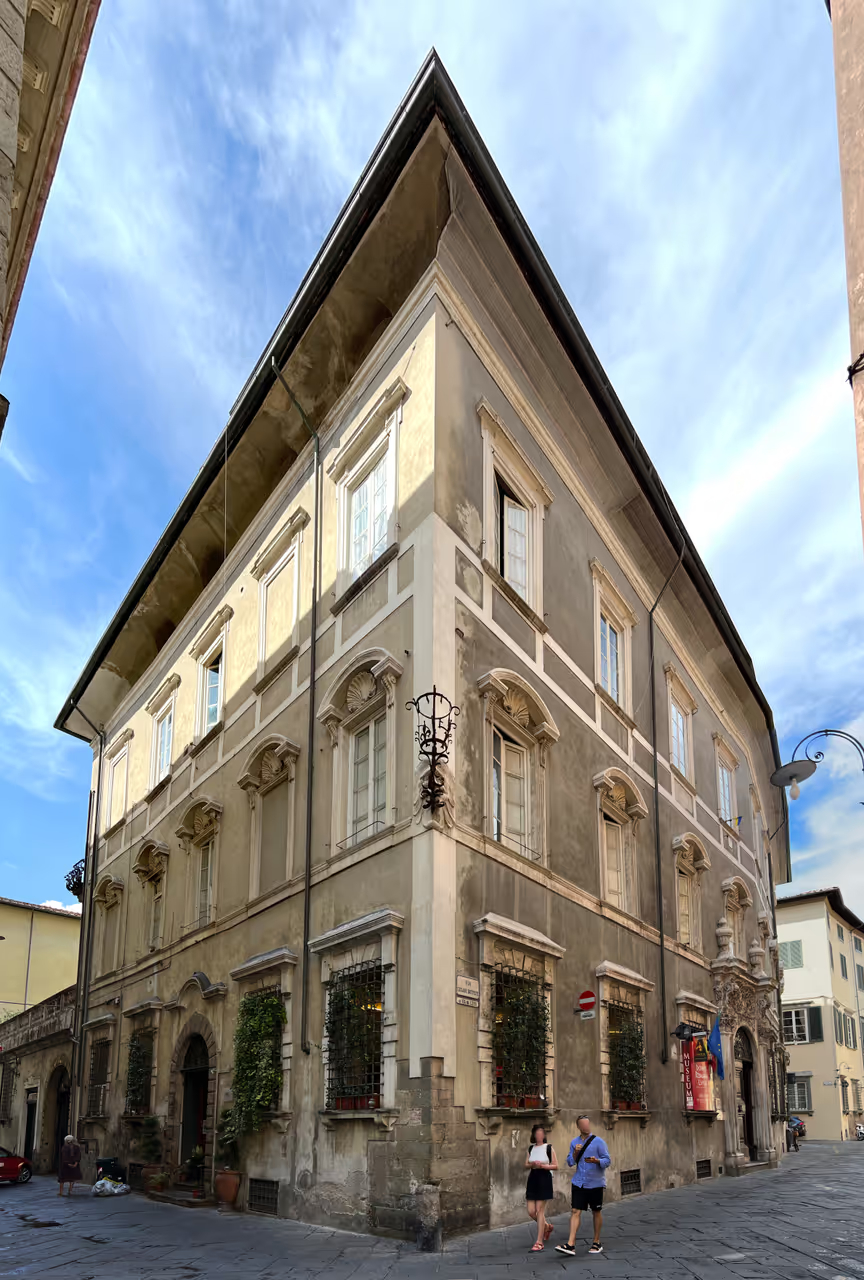
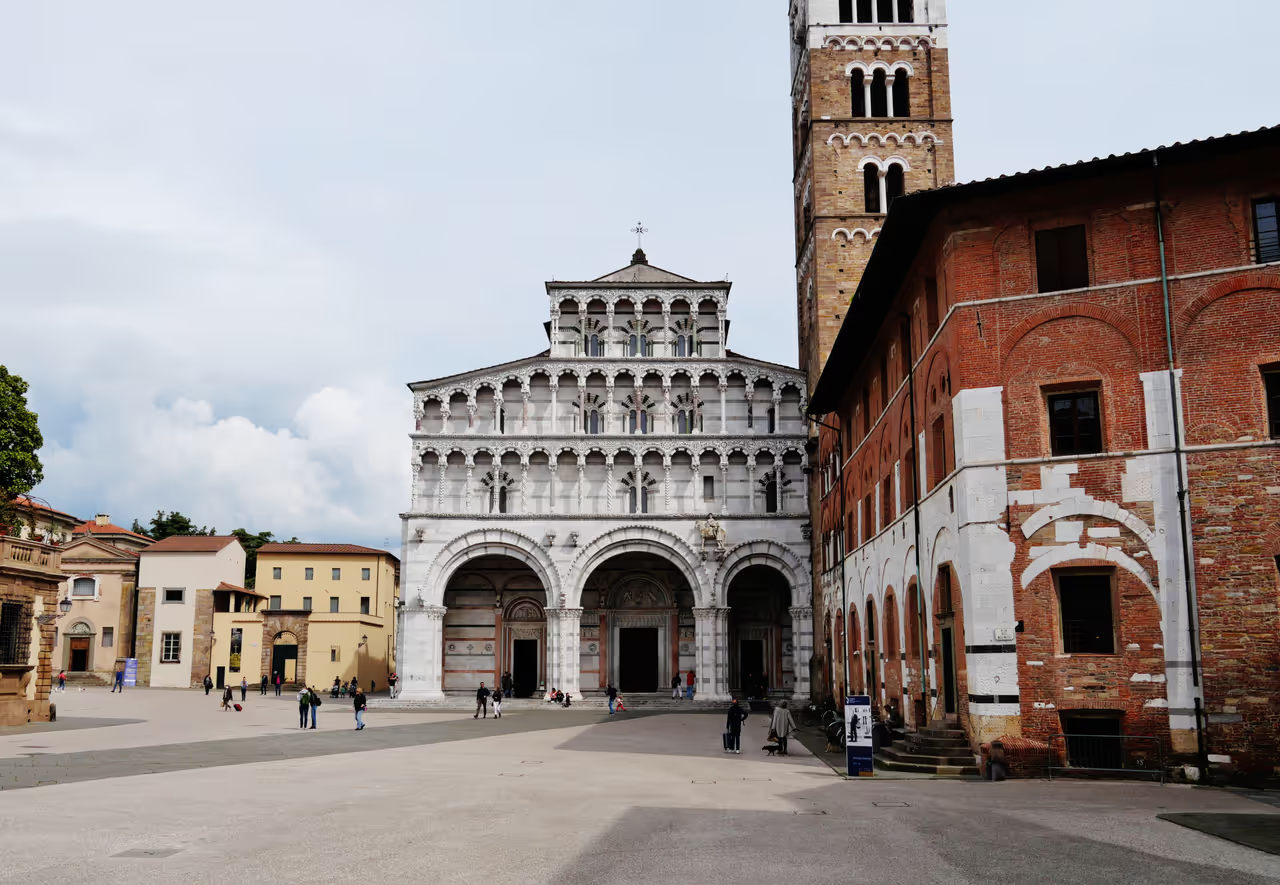
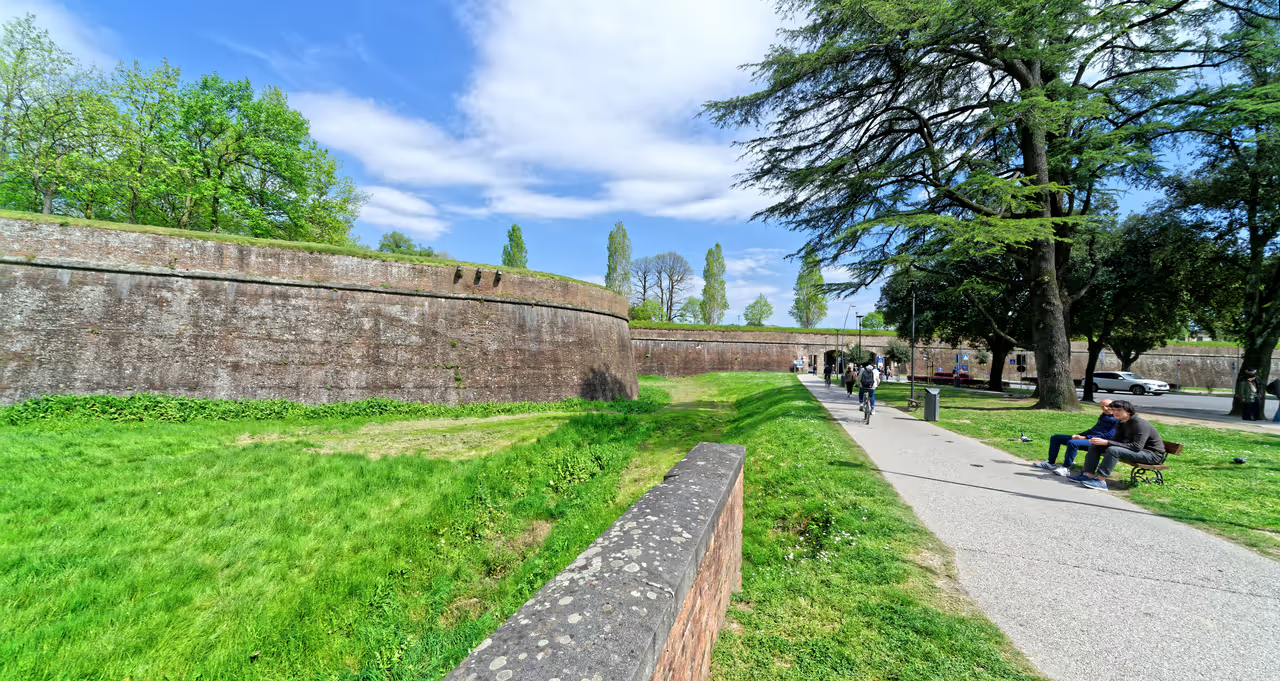
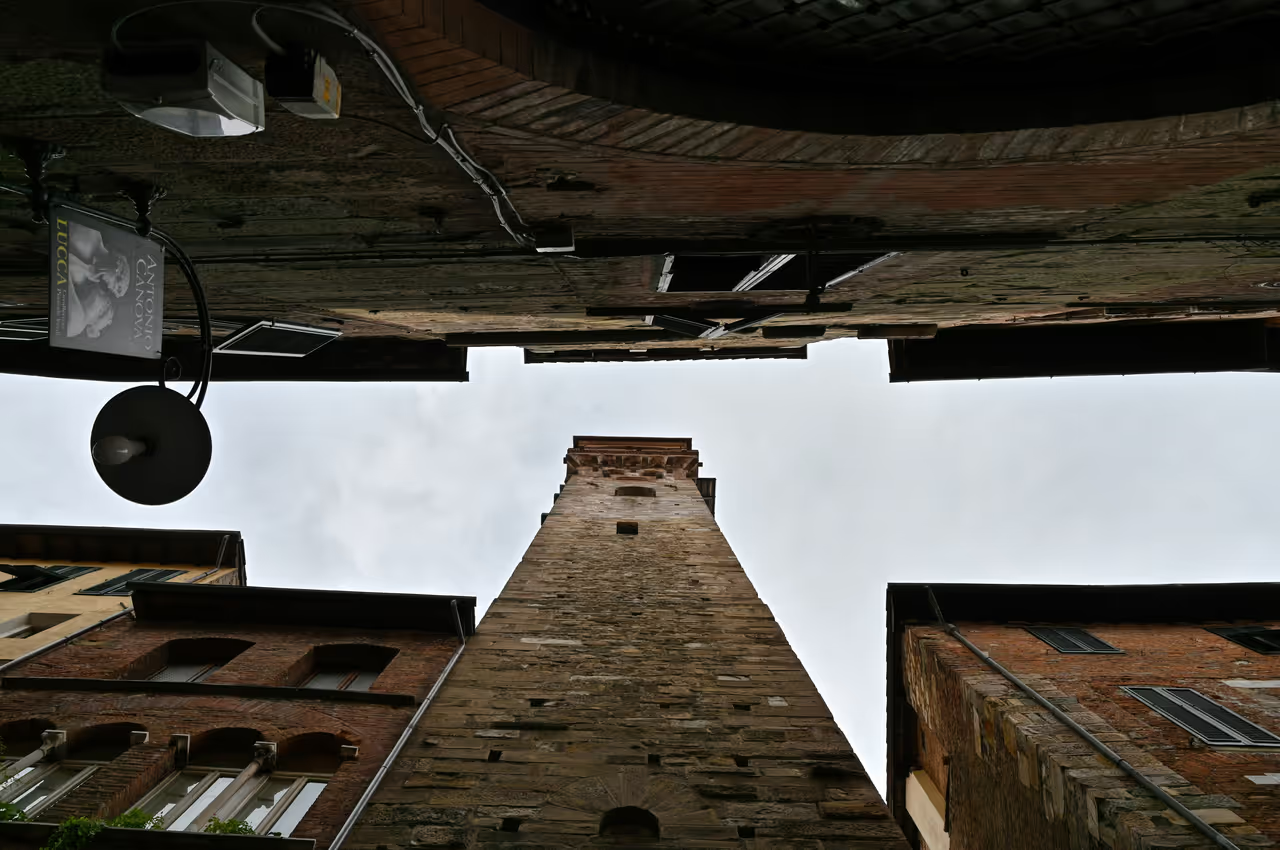
5 Days in Lucca: Complete Cultural Immersion Itinerary
Five days allows you to completely sink into the rhythm of the city, exploring its most famous monuments as well as its fascinating, lesser-known hidden gems. You will discover ancient Roman mosaics buried in basements, quirky local museums, and the beautiful nature reserves that sit just beyond the fortifications. This extended itinerary gives you the luxury of taking long, leisurely lunches, engaging deeply with the city's complex history, and enjoying the vibrant evening bar scene like a true local.
view itinerary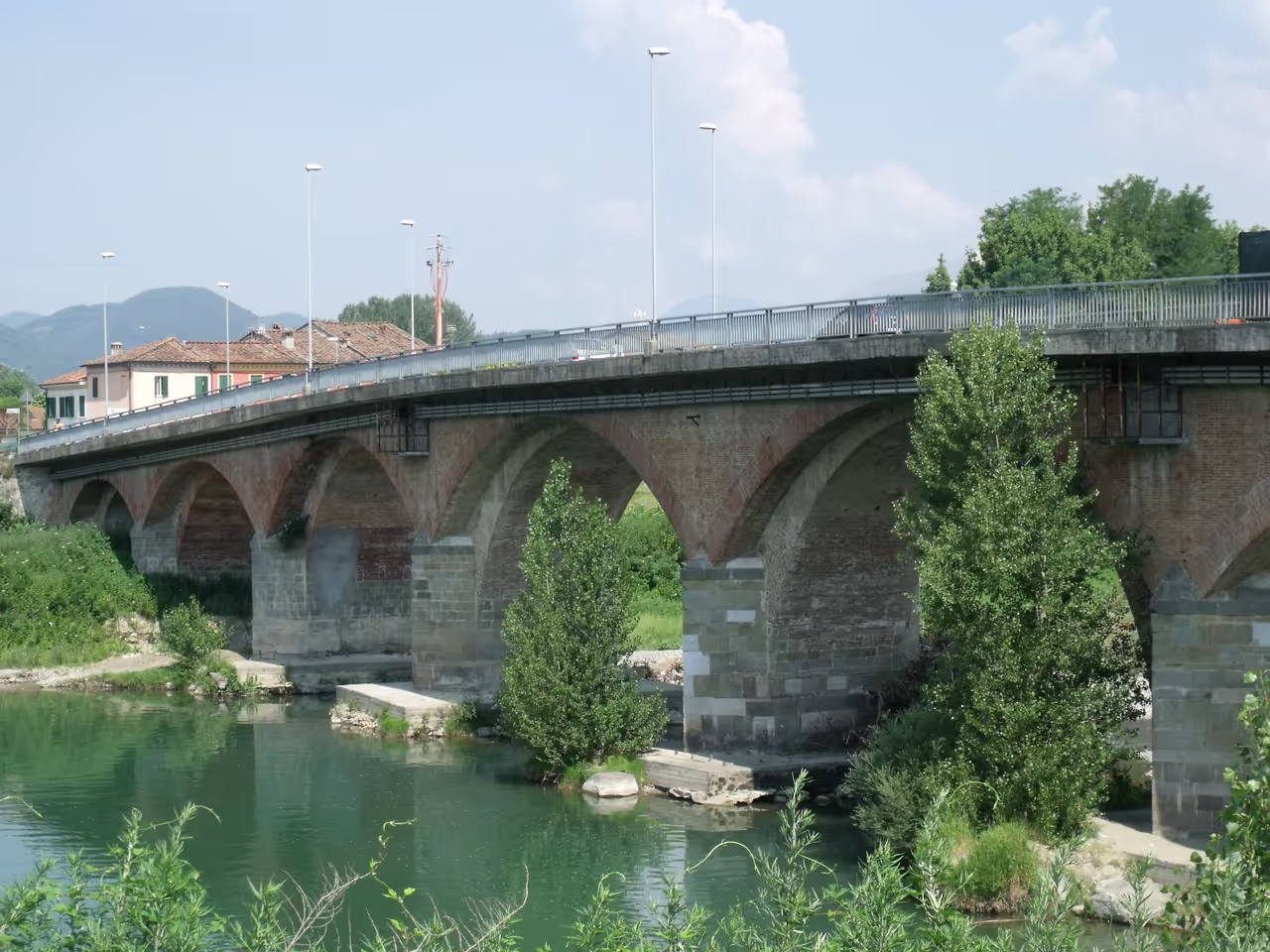
Serchio River Nature Trail
Leaving the stone streets behind, this tranquil route follows the gentle curves of the nearby river through a lush green valley. The well-packed dirt and gravel paths run right alongside the water, offering a cooling breeze and plenty of shade from the riverside vegetation. It is a flat, incredibly peaceful ride that provides a glimpse into the rural Tuscan landscape just minutes from the city walls. The environment is rich with local birdlife and dotted with small historical footbridges.
view cycling route
See all nature & parks in Lucca
Renaissance Walls of Lucca, Lucca Botanical Garden, Palazzo Pfanner...