Capitoline Museums
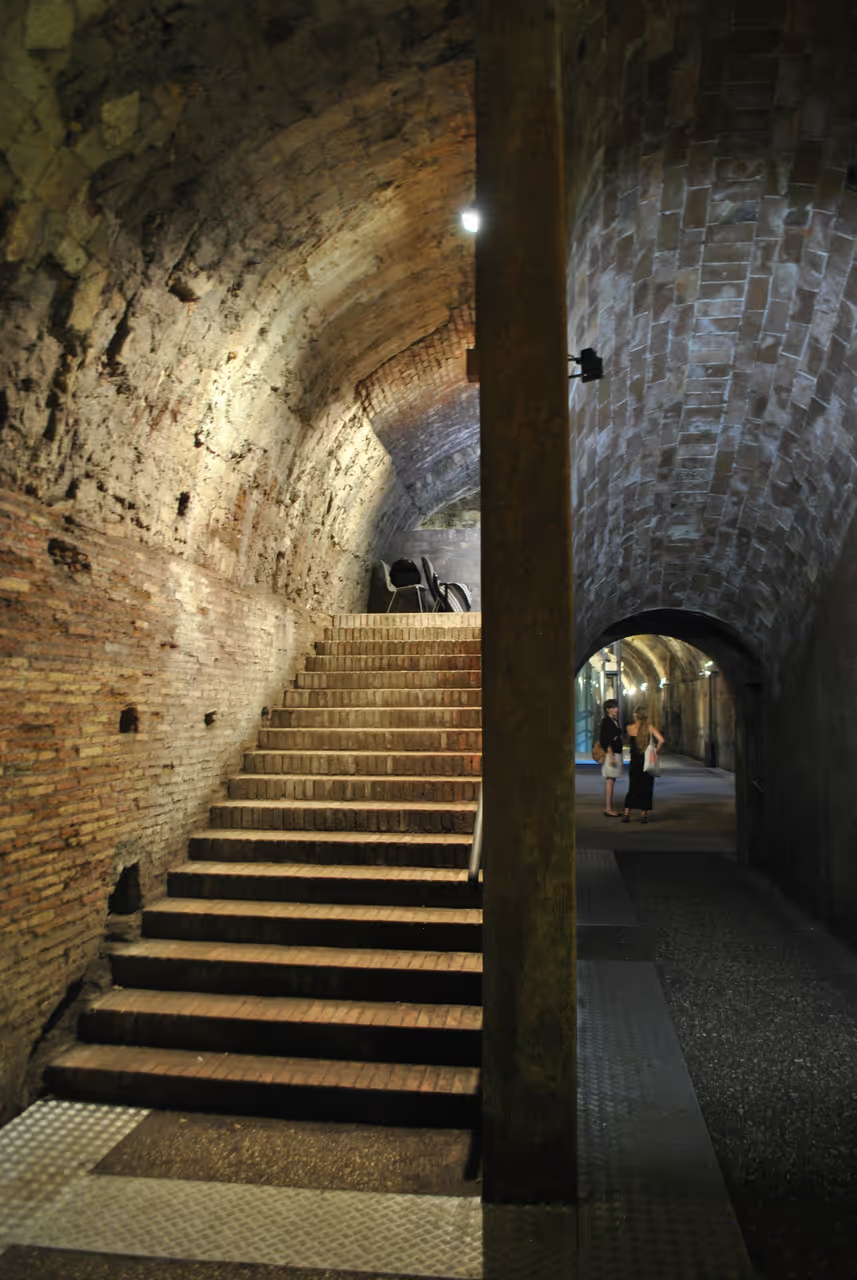
Perched atop the legendary Capitoline Hill, this extraordinary museum complex offers an immersive journey through the heart of Roman identity. As the oldest public museum in the world, it provides a unique atmosphere where history feels tangible and accessible to everyone. Visitors can explore the magnificent Palazzo dei Conservatori and Palazzo Nuovo, which are themselves architectural masterpieces designed by Michelangelo. The collection features iconic symbols like the original bronze Capitoline Wolf and the colossal head of Constantine, offering a visual feast of ancient grandeur. Beyond the marble statues, the underground passage through the Tabularium provides a spectacular vista of the Roman Forum. Visiting here is a profound experience that connects you directly to the foundations of Western civilisation and the spirit of the Eternal City.
Videos
History of Capitoline Museums
The story of the Capitoline Museums began in 1471 when Pope Sixtus IV handed a collection of ancient bronzes back to the Roman people. This was a symbolic gesture of immense weight, as it shifted the ownership of history from the church to the citizens. Among these first treasures was the legendary She Wolf, which eventually became the undisputed icon of the city. This act effectively created the first public collection in the world, turning the Capitoline Hill into a living classroom for the ages. In the sixteenth century, the museum underwent a physical transformation that redefined its grandeur. Michelangelo was commissioned to redesign the entire square, creating the symmetrical trapezoid of the Piazza del Campidoglio. He designed the facades of the Palazzo dei Conservatori and the Palazzo Nuovo to face each other across the piazza, harmonising the ancient and the modern. Although he passed away before its completion, his blueprint ensured that the buildings themselves became as famous as the masterpieces they protected. The architecture remains a testament to the belief that art should be displayed in a setting of equal beauty. By the eighteenth century, the museums reached their final form as a truly public institution. Pope Clement XII opened the doors to the general public in 1734, pioneering the radical idea that cultural heritage belonged to all of humanity rather than a select elite. Despite the trials of the Napoleonic occupation, which saw many of the best works hauled away to France, the museums' identity remained strong. Most of those stolen treasures eventually found their way back to the hill, reinforcing the museum's role as the guardian of Rome’s eternal legacy.
Events spanning 534 years
Fun Facts
- • Inside the Hall of the Geese, the bronze geese commemorate the sacred birds that saved Rome from a Gallic invasion in 390 BC by alerting the guards.
- • Palazzo Nuovo is filled with original 17th-century wood and gilded stucco decorations that have remained largely unchanged for centuries.
- • The Capitoline Museums are widely recognised as the oldest public museum in the world, preceding the British Museum and the Louvre by decades.
- • The Dying Gaul was once so famous it was one of the primary targets for Napoleon’s art commissioners to seize and take to Paris.
- • The Pinacoteca contains the celebrated painting The Fortune Teller by Caravaggio, showing a subtle moment of trickery and charm.
- • The Tabularium section offers a balcony view that is arguably the best and most comprehensive perspective of the Roman Forum available today.
- • The bronze horse found in Vicolo delle Palme is a rare example of a large ancient bronze sculpture found during archaeological excavations in the city.
- • The colossal marble head of Constantine seen in the courtyard belonged to a statue that would have stood over 12 metres tall.
- • The equestrian statue of Marcus Aurelius survived the Middle Ages only because people mistakenly believed it depicted the Christian Emperor Constantine.
- • The legendary bronze She Wolf was originally missing the twins Romulus and Remus; they were added in the 15th century by Antonio del Pollaiolo.
- • The museum sits directly on top of the massive stone foundations of the Temple of Jupiter Optimus Maximus, once the most important temple in Rome.
- • The museum’s collection of Roman portrait busts is so complete that historians can track the evolution of hairstyles and beard fashions over five centuries.
- • The underground passage known as the Galleria Lapidaria allows visitors to walk beneath the city’s administrative centre while viewing hundreds of ancient inscriptions.
Capitoline Museums FAQ
While we strive to keep this information accurate and up to date, we recommend verifying any details independently before making decisions based on them.
Capitoline Museums Map & Neighborhood Explorer
This interactive map is centered on Capitoline Museums. Zoom in and move the map around to automatically discover Wikipedia photos and summaries of other nearby sights, monuments, and historical points of interest and stories in real-time!
Places near Capitoline Museums
Make the most of your trip. Check out these top-rated spots located nearby.
- 43m
Roman Summer Festival
This expansive summer festival transforms the warm evenings into a vibrant celebration of arts and culture across the entire city. Historic ruins, public parks, and riverside promenades become spectacular outdoor venues for jazz concerts, classical music, and independent film screenings. The programme is incredibly diverse, ensuring there is always an exciting performance or exhibition to discover under the starry sky. It creates a wonderfully relaxed yet energetic vibe, drawing locals and visitors out into the pleasant night air. Pop up bars and food stalls add to the lively, communal atmosphere.
festival view 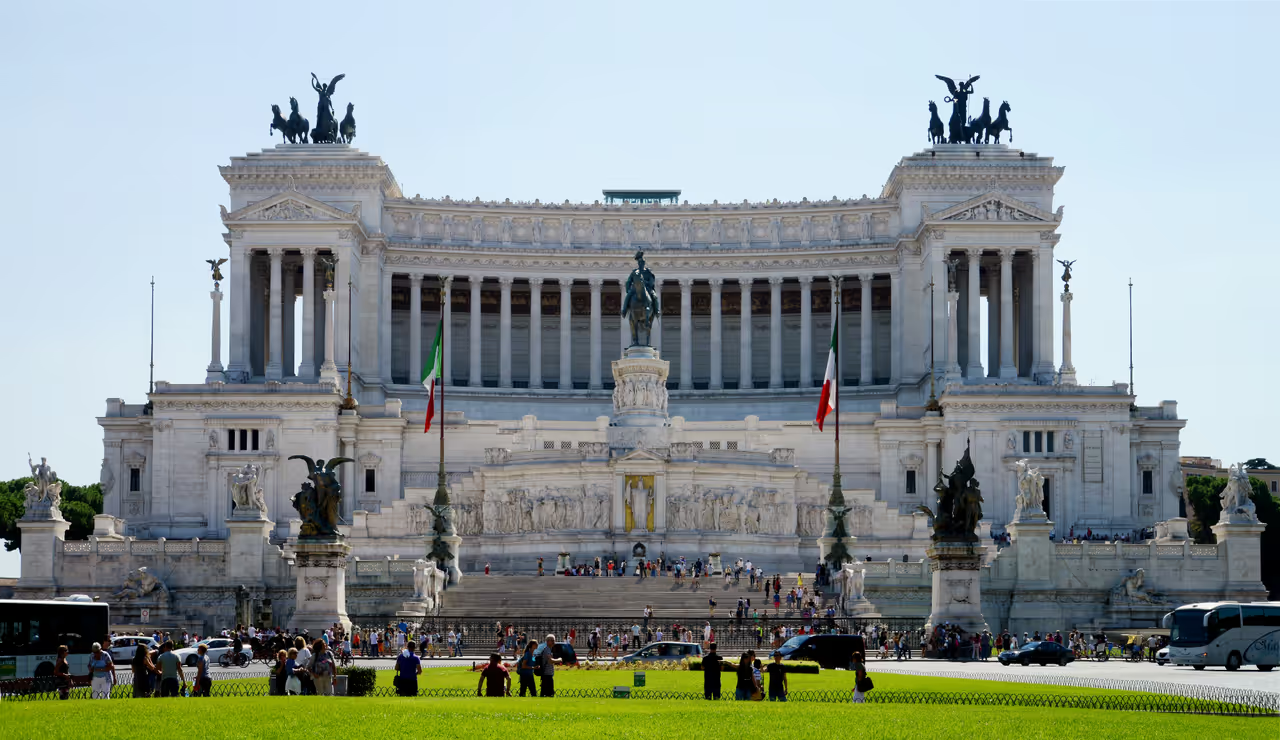 195m
195mVittoriano Monument
This colossal, dazzlingly white marble monument dominates the central skyline, built to celebrate the unification of the country and its first king. Often referred to by locals with humorous nicknames due to its massive, wedding cake like appearance, it is undeniably imposing and spectacular. The structure is adorned with intricate allegorical sculptures, massive equestrian statues, and sweeping, dramatic staircases. It also houses the highly poignant Tomb of the Unknown Soldier, guarded constantly by a military honour guard. Riding the glass elevator to the uppermost terrace provides arguably the most comprehensive and breathtaking 360 degree panoramic view of the entire city. It is a bold, controversial, yet fascinating piece of modern history.
highlight view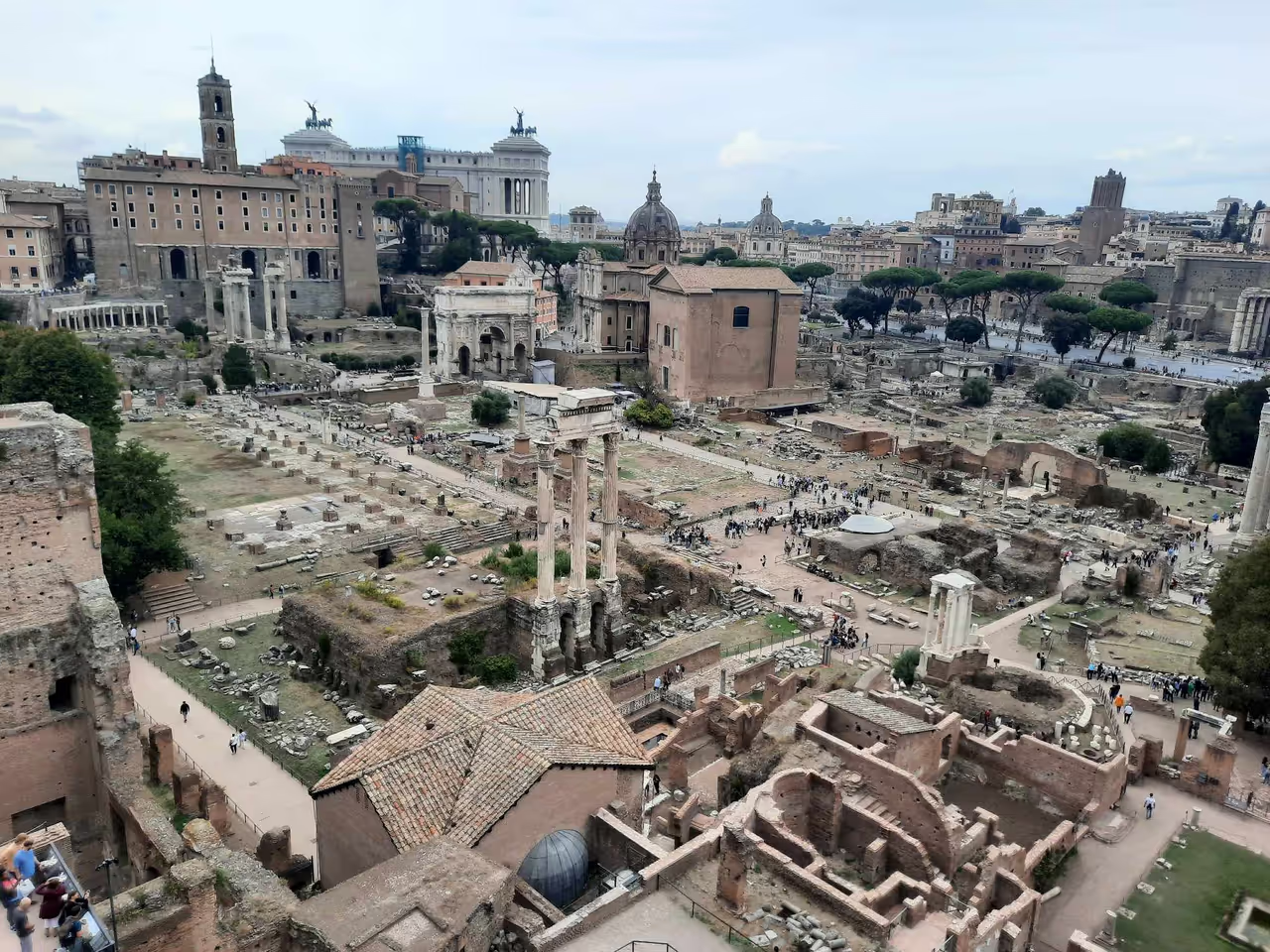 198m
198mRoman Forum
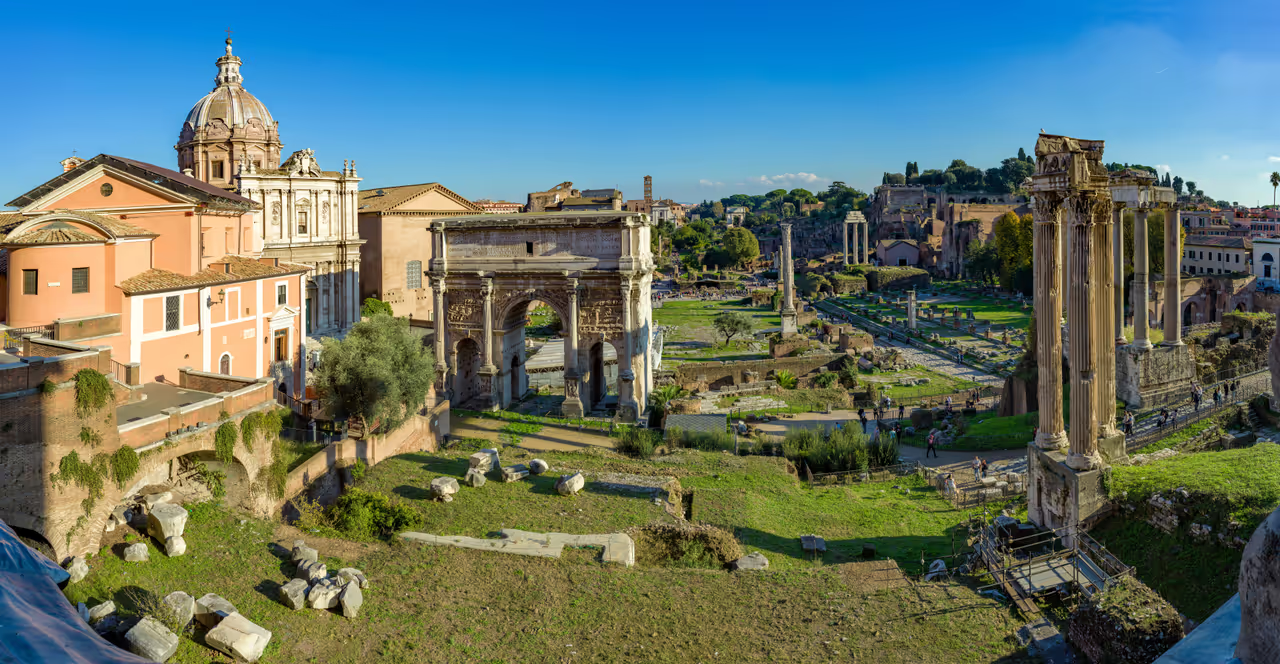
Stepping into the Roman Forum is like entering a time machine that transports you to the very epicentre of the ancient world. Once a swampy valley, this site evolved into the beating heart of the Roman Empire, where emperors were hailed, laws were debated, and the fate of nations was decided. You can walk along the Via Sacra, the same path taken by triumphant generals, and stand amidst the towering ruins of temples and basilicas that once glittered with marble and gold. The atmosphere is thick with history, offering a tangible connection to figures like Julius Caesar and Augustus. It is a place where every stone has a story, making it a must-visit for anyone who wants to truly understand the foundations of Western civilisation. The sheer scale and enduring presence of these monuments are guaranteed to leave you in awe of Roman ingenuity.
attraction view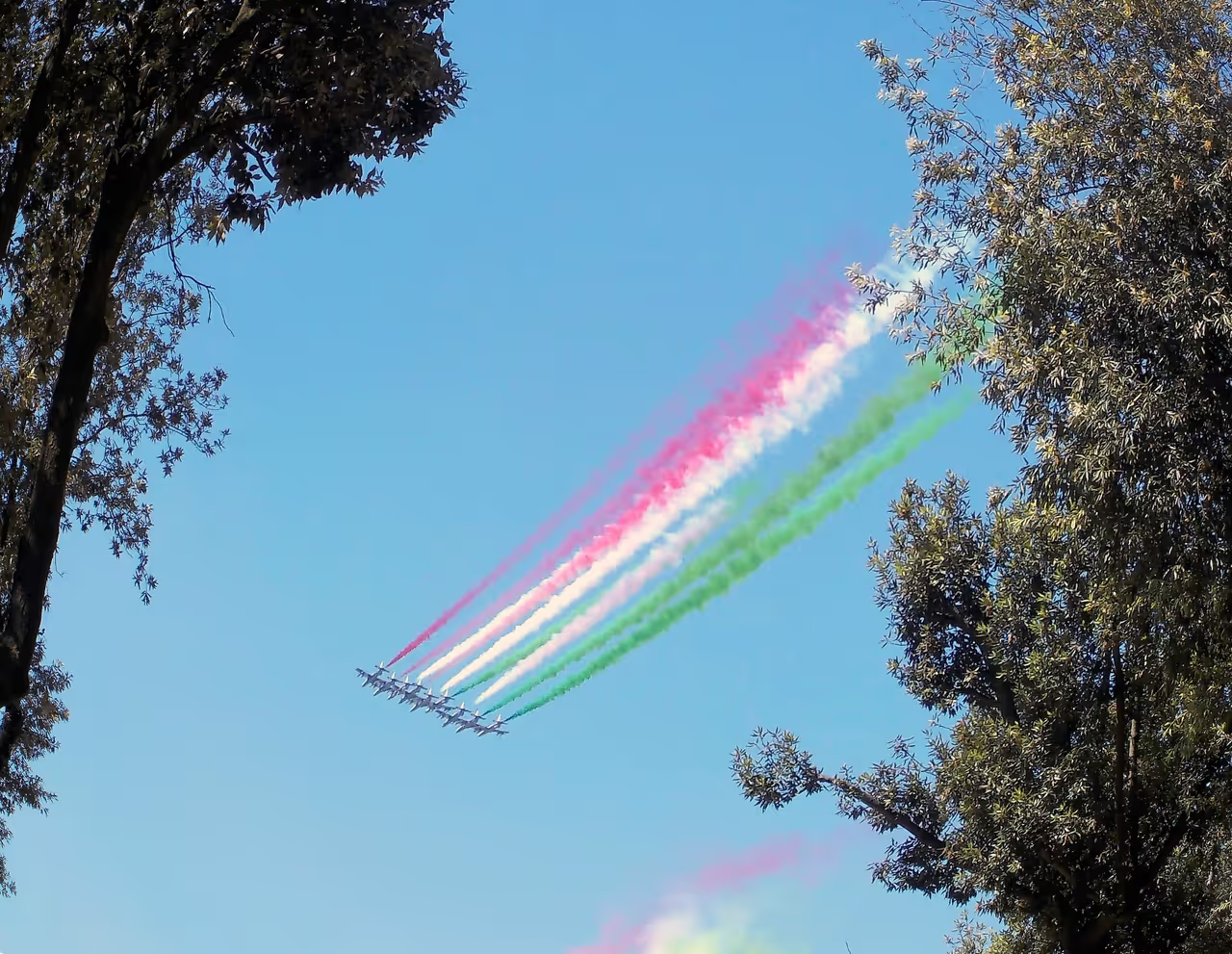 249m
249mRepublic Day Parade
This national holiday commemorates the birth of the modern Italian Republic with an awe inspiring display of patriotic pride. The highlight is a massive military parade marching proudly down the grand avenue between the Colosseum and the Vittoriano monument. Spectators gather to admire the precision of the armed forces and the colourful uniforms of various historical regiments. The celebration reaches its peak when the spectacular Frecce Tricolori acrobatic team paints the sky with the green, white, and red of the national flag. The beautiful gardens of the presidential palace are also opened to the public for this special occasion.
festival view
Explore Similar Places in This Collection
Featured on These Itineraries and Routes
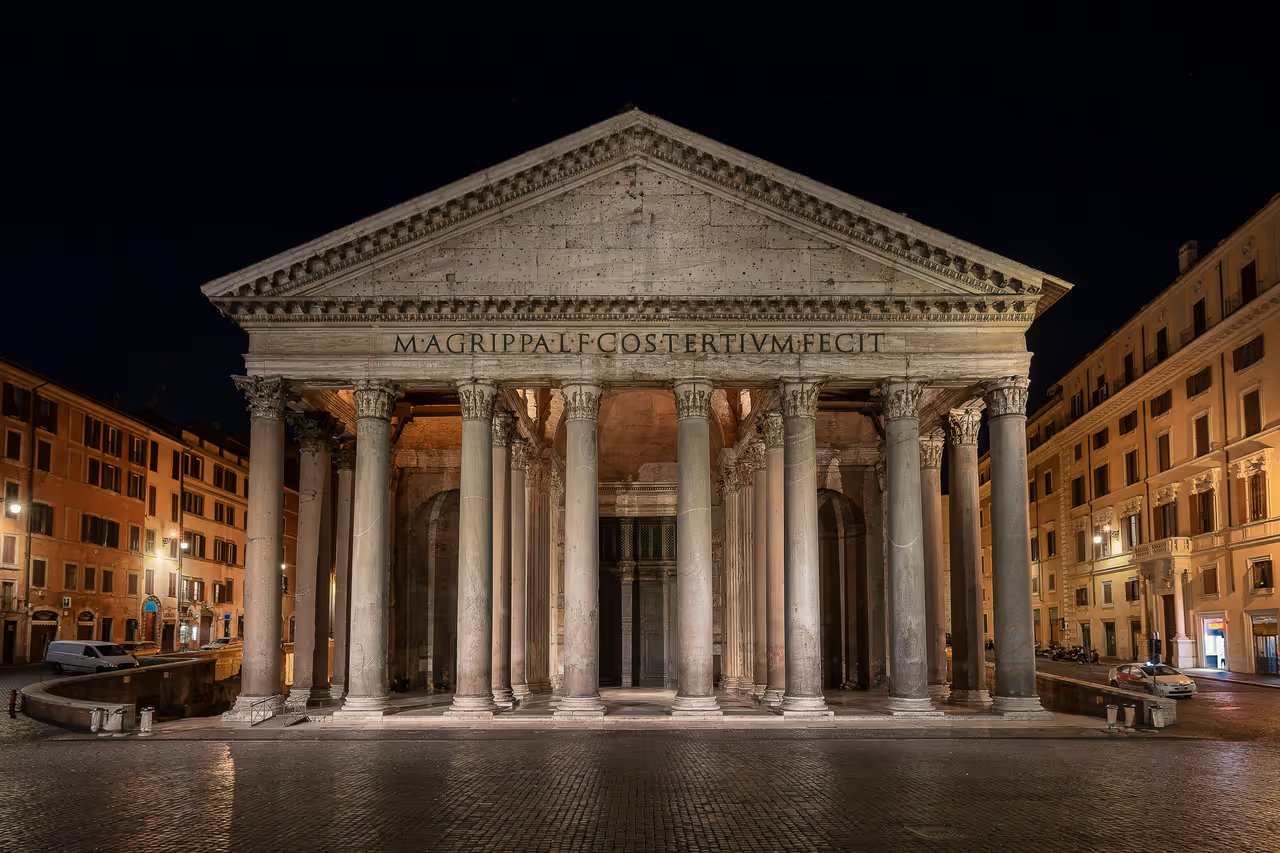
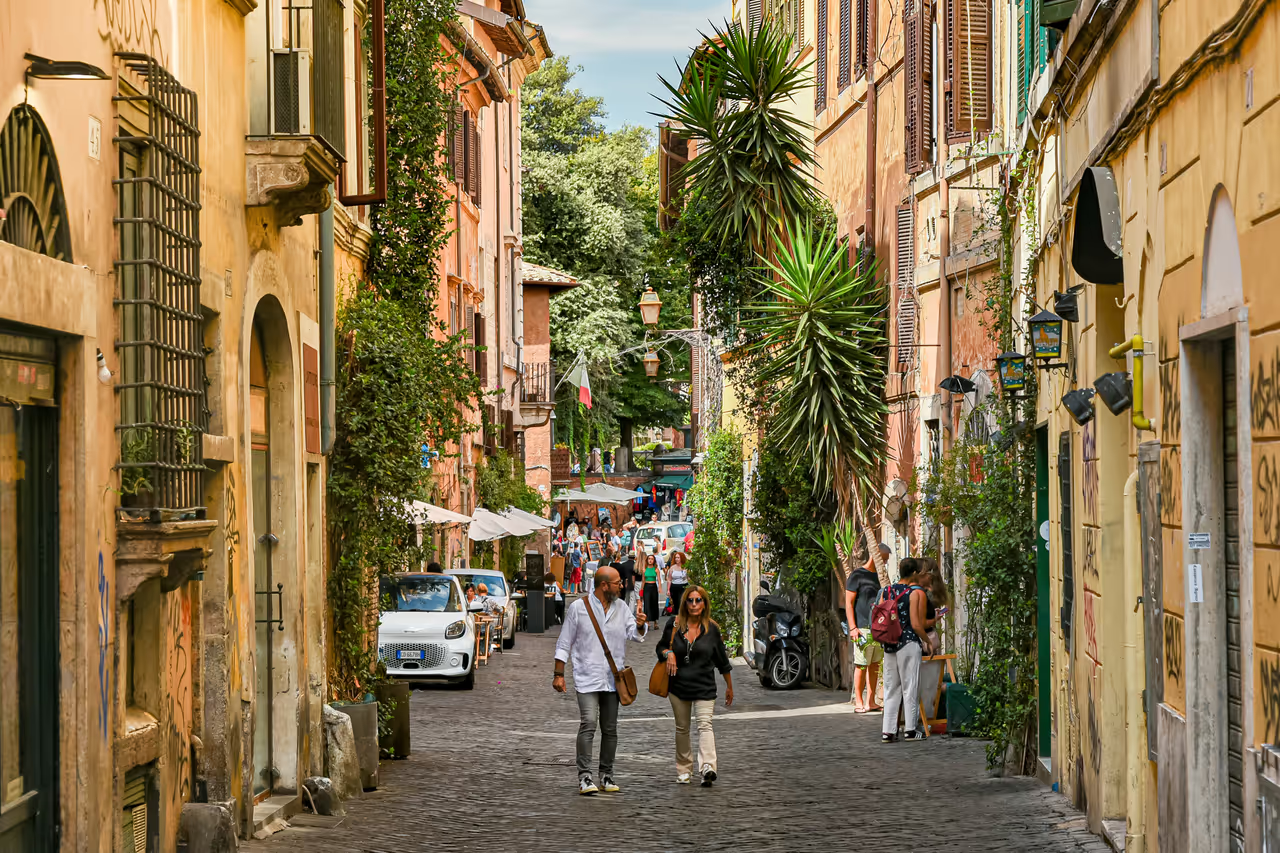
3 Days in Rome: History and Art Itinerary
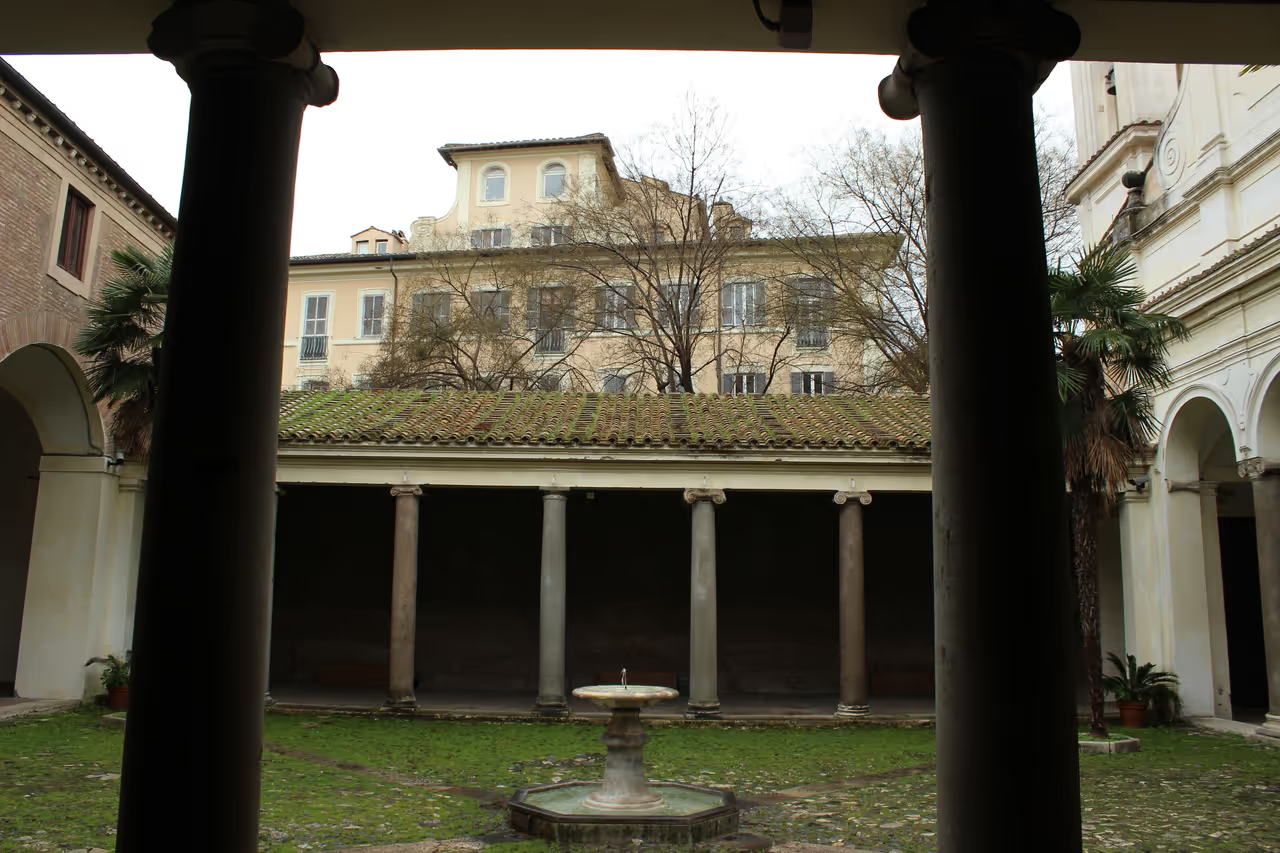
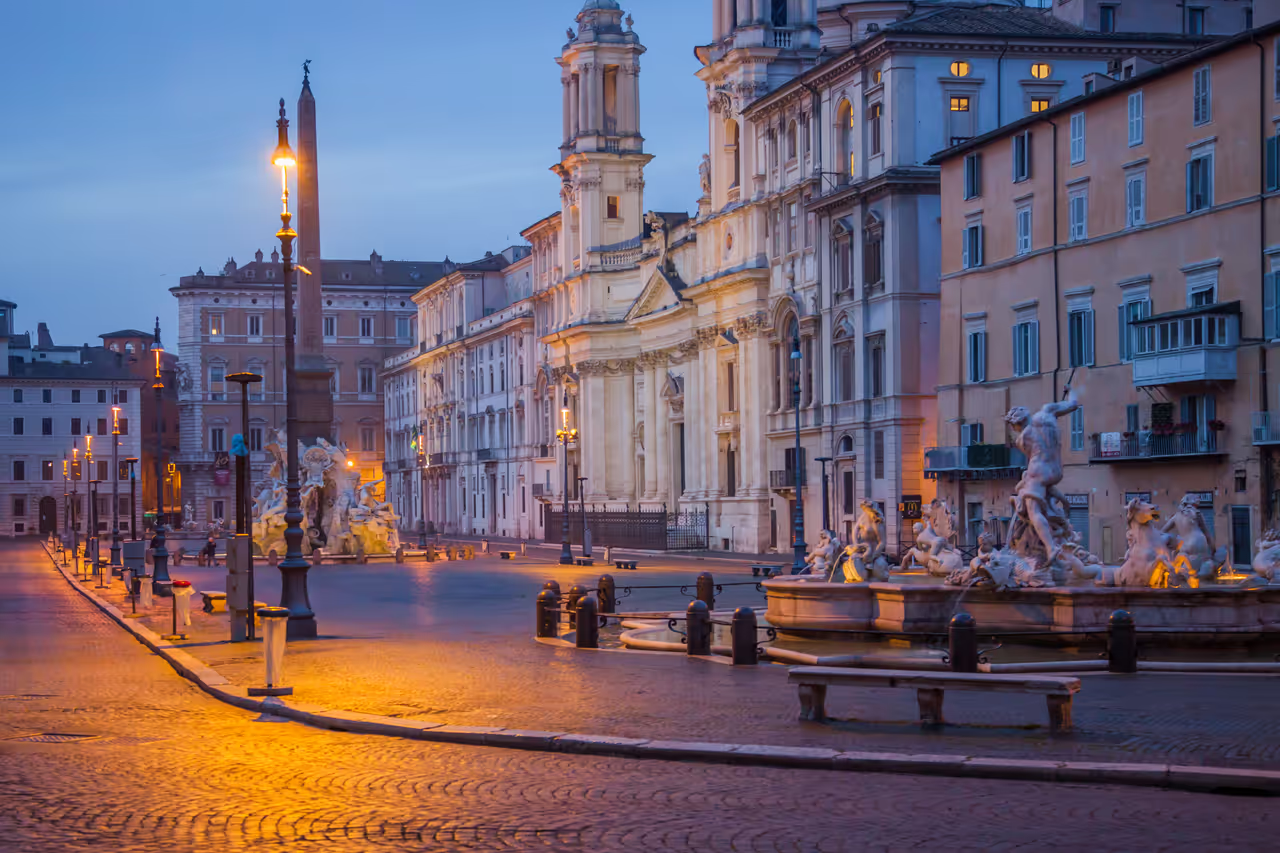
This balanced, deeply satisfying three day journey allows for a proper, immersive exploration of the city's distinct historical eras. It cleverly dedicates one full day to the sheer power of the ancient empire, another to the breathtaking spiritual grandeur of the Vatican, and the final day to the elegant art and romantic squares of the Renaissance. The pacing is comfortable, leaving ample time to enjoy long, leisurely lunches and appreciate the vibrant local street life. It offers a comprehensive, highly enriching overview of the cultural and architectural evolution of the capital. It is the ideal introductory tour for first time visitors.
view itinerary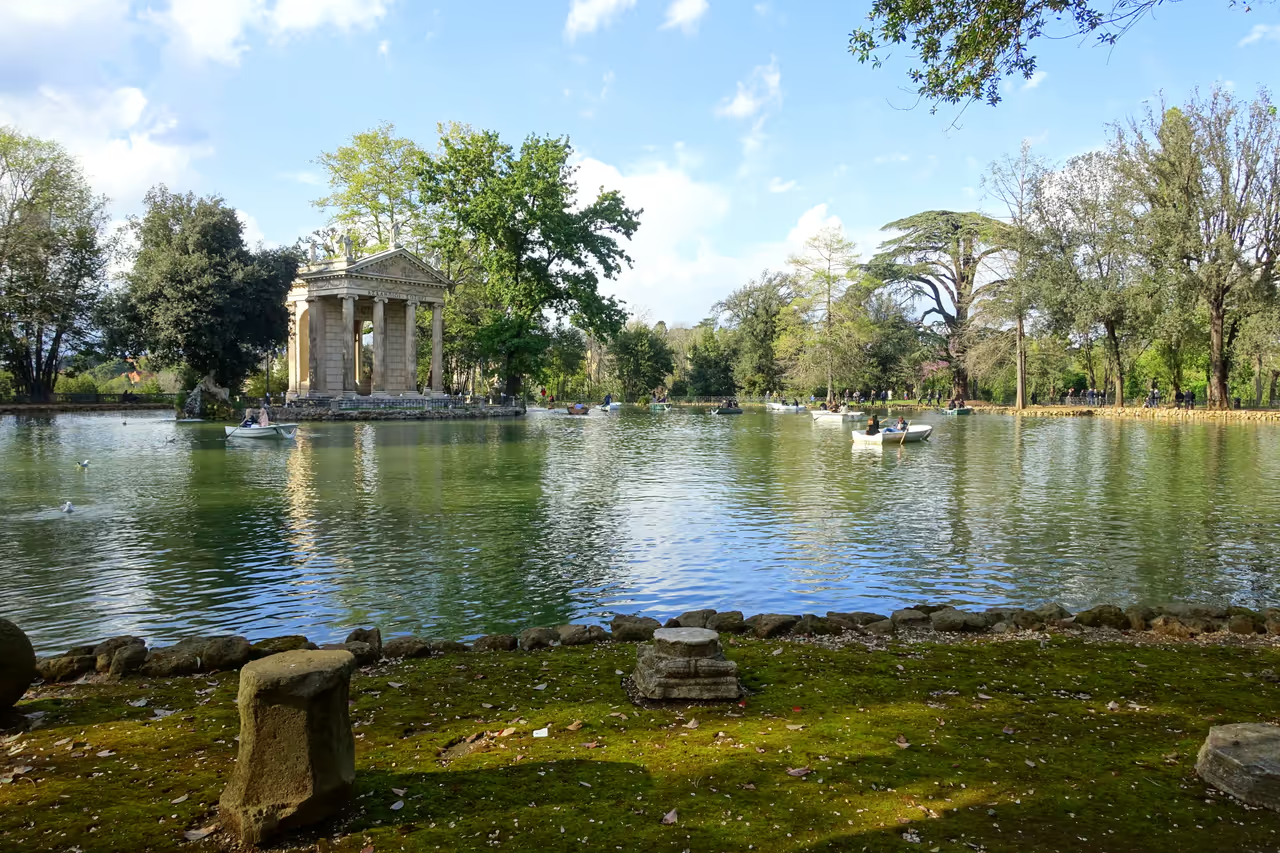
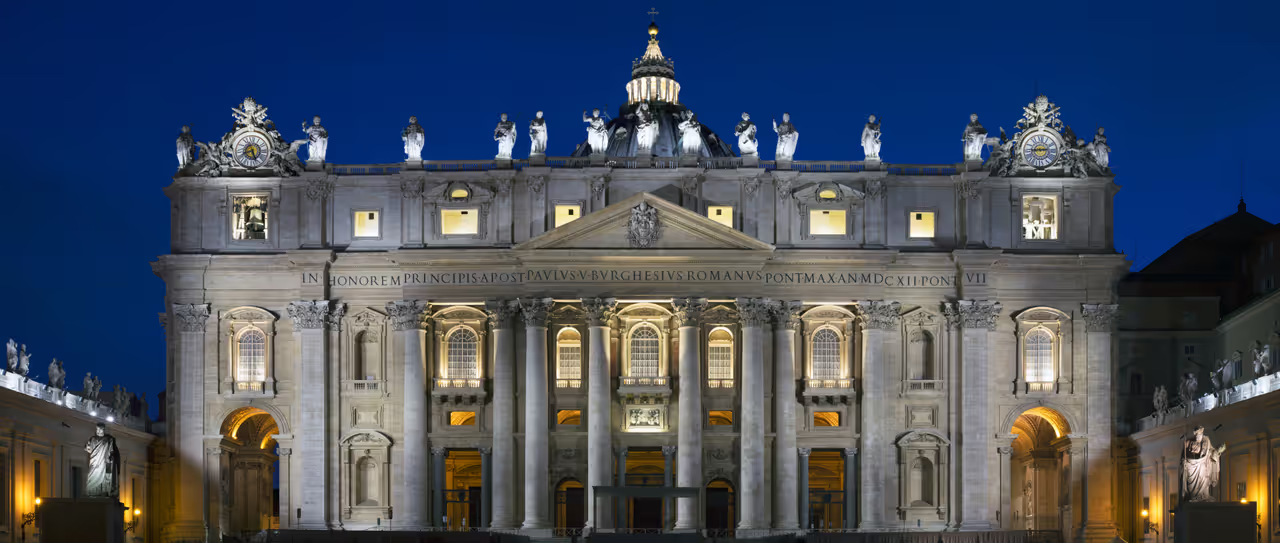
5 Days in Rome: In Depth Discovery Itinerary
This extensive, highly rewarding itinerary is crafted for those who want to move beyond the famous highlights and discover the complex, hidden layers of the city. Building upon the essential classical and Renaissance sights, it introduces fascinating underground archaeological explorations, expansive rural parklands, and gritty, authentic working class districts. It provides a much deeper, nuanced understanding of how the ancient past continuously interacts with modern daily life. The relaxed timeframe allows for genuine cultural immersion, unhurried museum visits, and extensive culinary indulgence. It is a spectacular, complete experience of the multifaceted capital.
view itinerary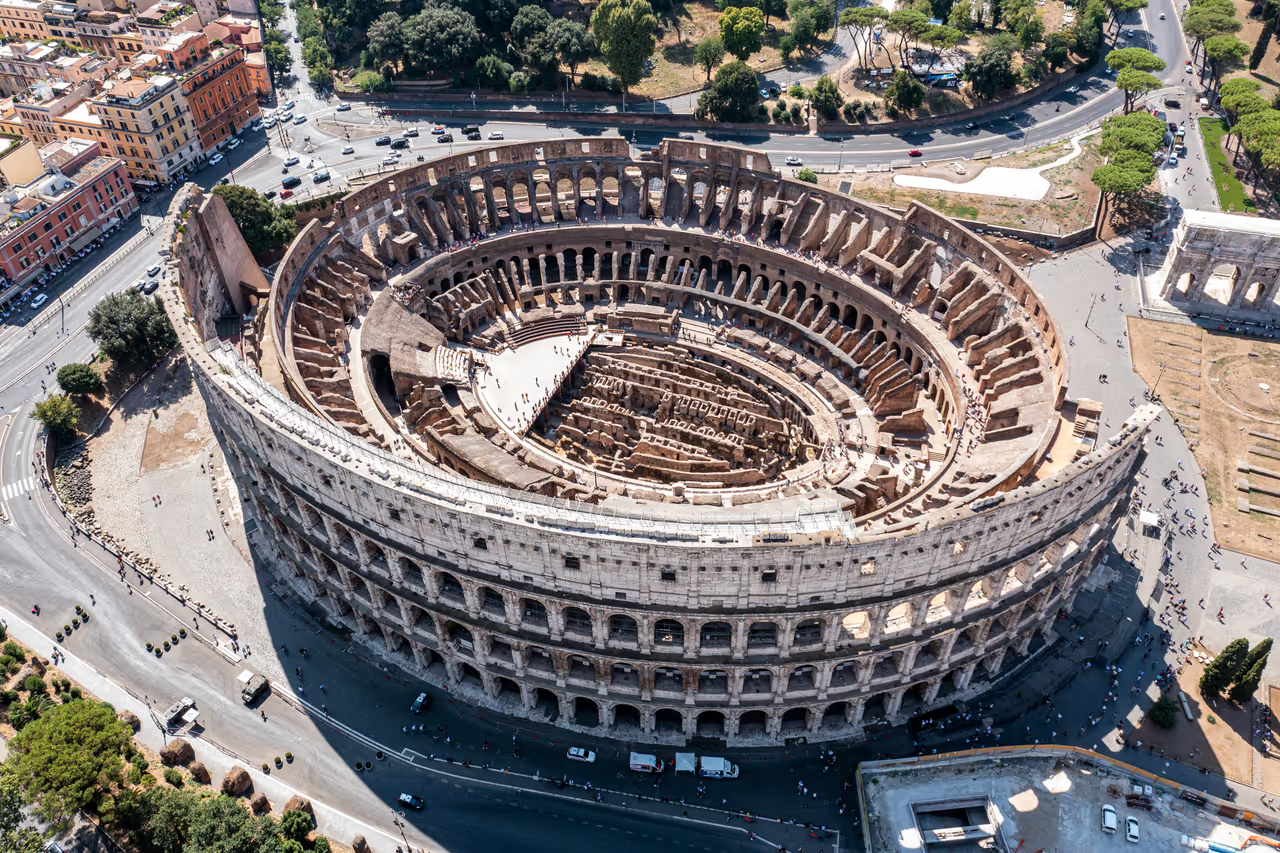
Glory of Imperial Rome
This comprehensive journey plunges deep into the awe inspiring architectural legacy of the most powerful empire of antiquity. The route navigates through massive, crumbling amphitheatres, expansive political plazas, and grand triumphal arches that once dictated the fate of the known world. Walking amidst these colossal stone and marble structures provides a visceral understanding of the incredible scale and ambition of ancient engineering. The narrative traces the dramatic shift from a republic to an autocracy, highlighting the emperors who shaped the landscape. It is an absolute necessity for anyone wanting to grasp the foundational history of Western civilisation.
view self-guided tour
See all attractions in Rome
Baths of Caracalla, Castel Sant'Angelo, Colosseum, Pantheon, Roman Forum...