Roman Forum
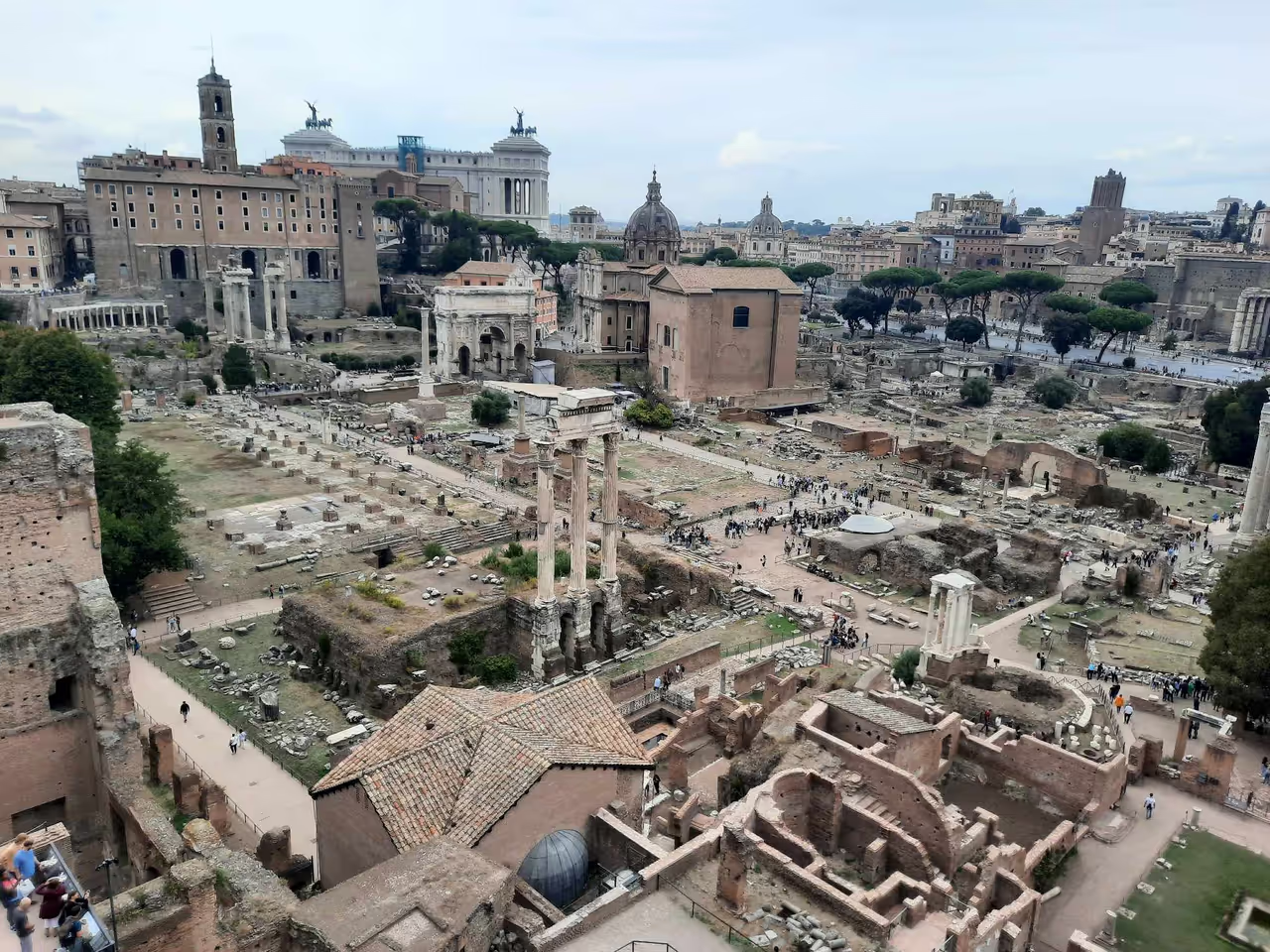
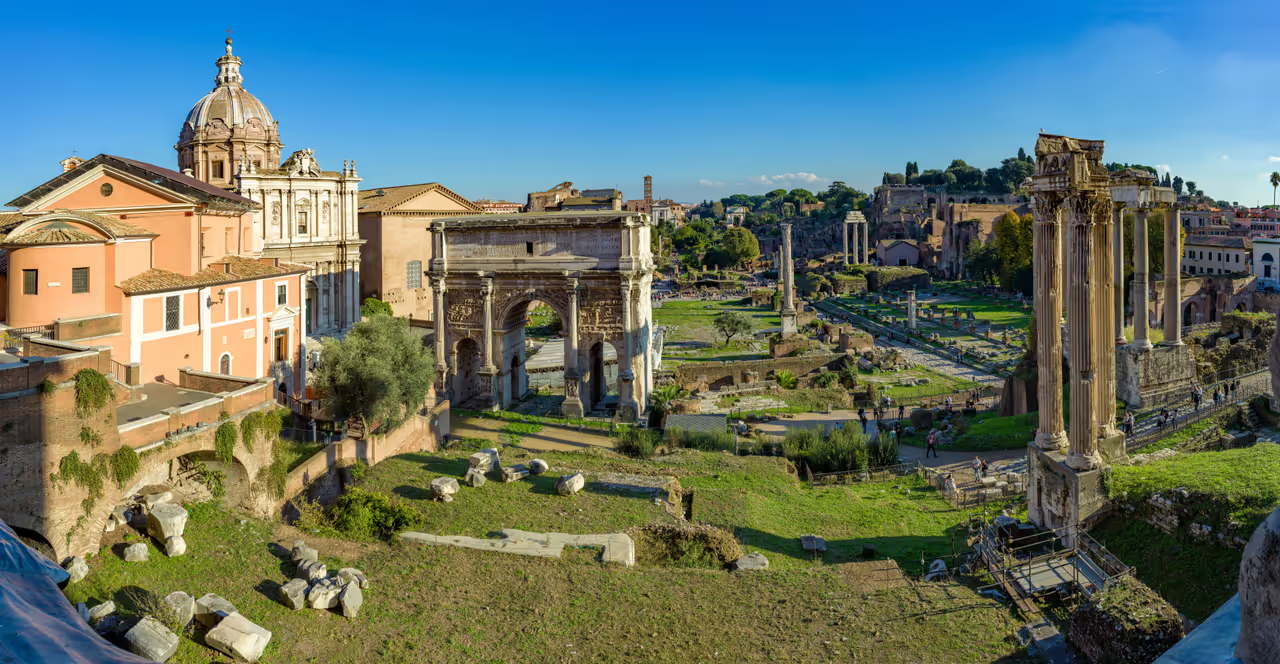
Stepping into the Roman Forum is like entering a time machine that transports you to the very epicentre of the ancient world. Once a swampy valley, this site evolved into the beating heart of the Roman Empire, where emperors were hailed, laws were debated, and the fate of nations was decided. You can walk along the Via Sacra, the same path taken by triumphant generals, and stand amidst the towering ruins of temples and basilicas that once glittered with marble and gold. The atmosphere is thick with history, offering a tangible connection to figures like Julius Caesar and Augustus. It is a place where every stone has a story, making it a must-visit for anyone who wants to truly understand the foundations of Western civilisation. The sheer scale and enduring presence of these monuments are guaranteed to leave you in awe of Roman ingenuity.
Videos
History of Roman Forum
The story of the Roman Forum is the story of Rome itself, evolving from a humble marshland into the grand stage of an empire. In the earliest days of the city, this valley was a swampy burial ground between the hills. Everything changed around 600 BC with the construction of the Cloaca Maxima, a feat of engineering that drained the water and created a space where people could finally meet and trade. What began as a simple marketplace quickly became the focal point of Roman identity, hosting the city's most sacred temples and its rowdiest political debates. During the Republic, the Forum was the site of the Comitium, where citizens gathered to vote and hear the great orators of the day speak from the Rostra. As Rome grew into a Mediterranean superpower, the simple wooden stalls were replaced by magnificent stone basilicas and temples dedicated to the gods of victory and order. It was here that the Senate met to guide the state through wars and conspiracies. The assassination of Julius Caesar and his subsequent cremation in the Forum marked a pivotal shift, leading to the rise of the Empire and a massive building programme that covered the area in white marble and gilded bronze. As the Western Roman Empire eventually faded, the Forum underwent a slow and melancholy decline. Many of its grand structures were stripped of their marble to build new churches or were burned for lime. By the Middle Ages, the once proud centre of the world was buried under layers of silt and debris, earning the name Campo Vaccino, or the cow field. It was not until the Renaissance that humanists began to look at the ruins with renewed wonder, eventually leading to the systematic excavations of the 19th and 20th centuries. Today, the Forum stands as a silent witness to the passage of time, inviting modern visitors to walk in the footsteps of the giants who once shaped the world.
Events spanning 2388 years
Fun Facts
- • For centuries during the Middle Ages, the Forum was so neglected that it was used as a cow pasture and known as the Campo Vaccino.
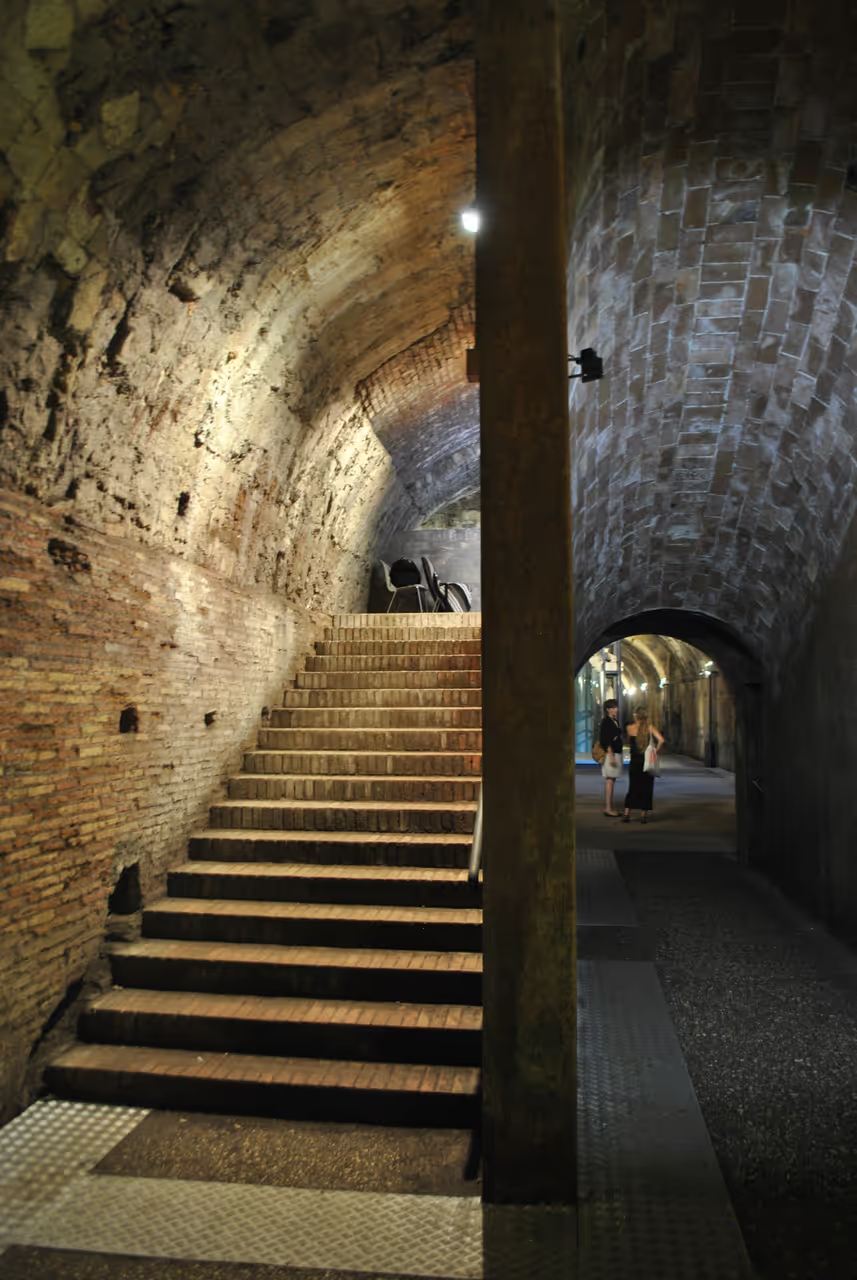
- • Julius Caesar installed a network of underground tunnels beneath the Forum to facilitate gladiator battles before permanent arenas were built.
- • The Arch of Titus features reliefs depicting the spoils taken from the Temple in Jerusalem and served as the direct inspiration for the Arc de Triomphe in Paris.
- • The Curia Iulia, the seat of the Roman Senate, survived the centuries largely intact because it was converted into a church in the 7th century.
- • The Forum was originally a cemetery for early Latin settlers before it was drained by the great sewer, the Cloaca Maxima.
- • The Lapis Niger, a shrine of black marble, was believed by ancient Romans to be the tomb of Romulus, the city's legendary founder.
- • The Rostra, or speaker's platform, was decorated with the bronze beaks of captured enemy warships, symbolising Roman naval dominance.
- • The Temple of Saturn served as the Roman treasury, known as the Aerarium, where the city's gold and silver were guarded.
- • The Temple of Vesta housed the eternal fire of Rome, which was guarded by the Vestal Virgins who lived in the adjacent pricy palace.
- • The Umbilicus Urbis was considered the symbolic centre of the city and the point where the world of the living met the underworld.
RESOURCES
Official WebsiteRoman Forum FAQ
While we strive to keep this information accurate and up to date, we recommend verifying any details independently before making decisions based on them.
Roman Forum Map & Neighborhood Explorer
This interactive map is centered on Roman Forum. Zoom in and move the map around to automatically discover Wikipedia photos and summaries of other nearby sights, monuments, and historical points of interest and stories in real-time!
Places near Roman Forum
Make the most of your trip. Check out these top-rated spots located nearby.
 198m
198mCapitoline Museums
Perched atop the legendary Capitoline Hill, this extraordinary museum complex offers an immersive journey through the heart of Roman identity. As the oldest public museum in the world, it provides a unique atmosphere where history feels tangible and accessible to everyone. Visitors can explore the magnificent Palazzo dei Conservatori and Palazzo Nuovo, which are themselves architectural masterpieces designed by Michelangelo. The collection features iconic symbols like the original bronze Capitoline Wolf and the colossal head of Constantine, offering a visual feast of ancient grandeur. Beyond the marble statues, the underground passage through the Tabularium provides a spectacular vista of the Roman Forum. Visiting here is a profound experience that connects you directly to the foundations of Western civilisation and the spirit of the Eternal City.
attraction view- 209m
Roman Summer Festival
This expansive summer festival transforms the warm evenings into a vibrant celebration of arts and culture across the entire city. Historic ruins, public parks, and riverside promenades become spectacular outdoor venues for jazz concerts, classical music, and independent film screenings. The programme is incredibly diverse, ensuring there is always an exciting performance or exhibition to discover under the starry sky. It creates a wonderfully relaxed yet energetic vibe, drawing locals and visitors out into the pleasant night air. Pop up bars and food stalls add to the lively, communal atmosphere.
festival view 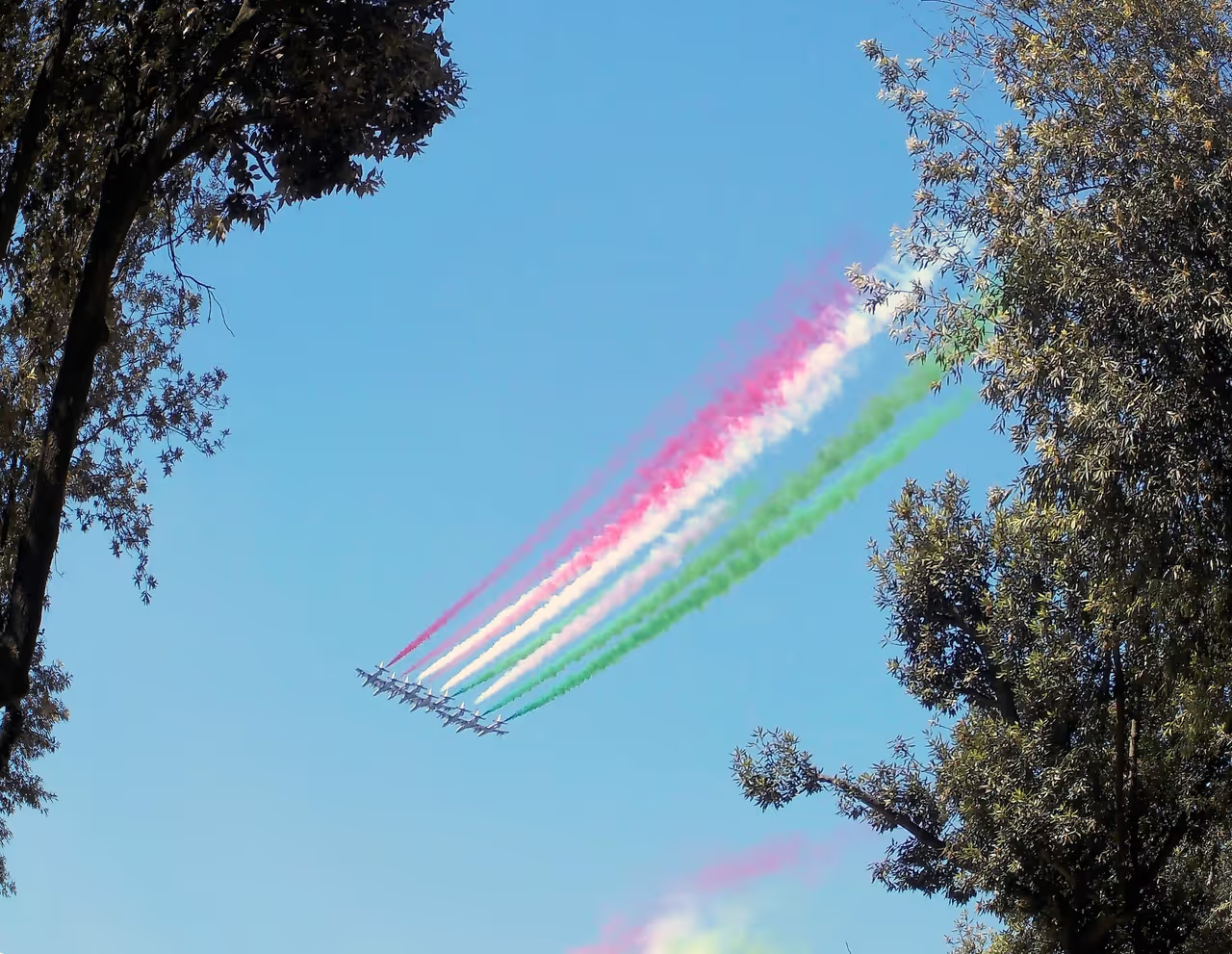 305m
305mRepublic Day Parade
This national holiday commemorates the birth of the modern Italian Republic with an awe inspiring display of patriotic pride. The highlight is a massive military parade marching proudly down the grand avenue between the Colosseum and the Vittoriano monument. Spectators gather to admire the precision of the armed forces and the colourful uniforms of various historical regiments. The celebration reaches its peak when the spectacular Frecce Tricolori acrobatic team paints the sky with the green, white, and red of the national flag. The beautiful gardens of the presidential palace are also opened to the public for this special occasion.
festival view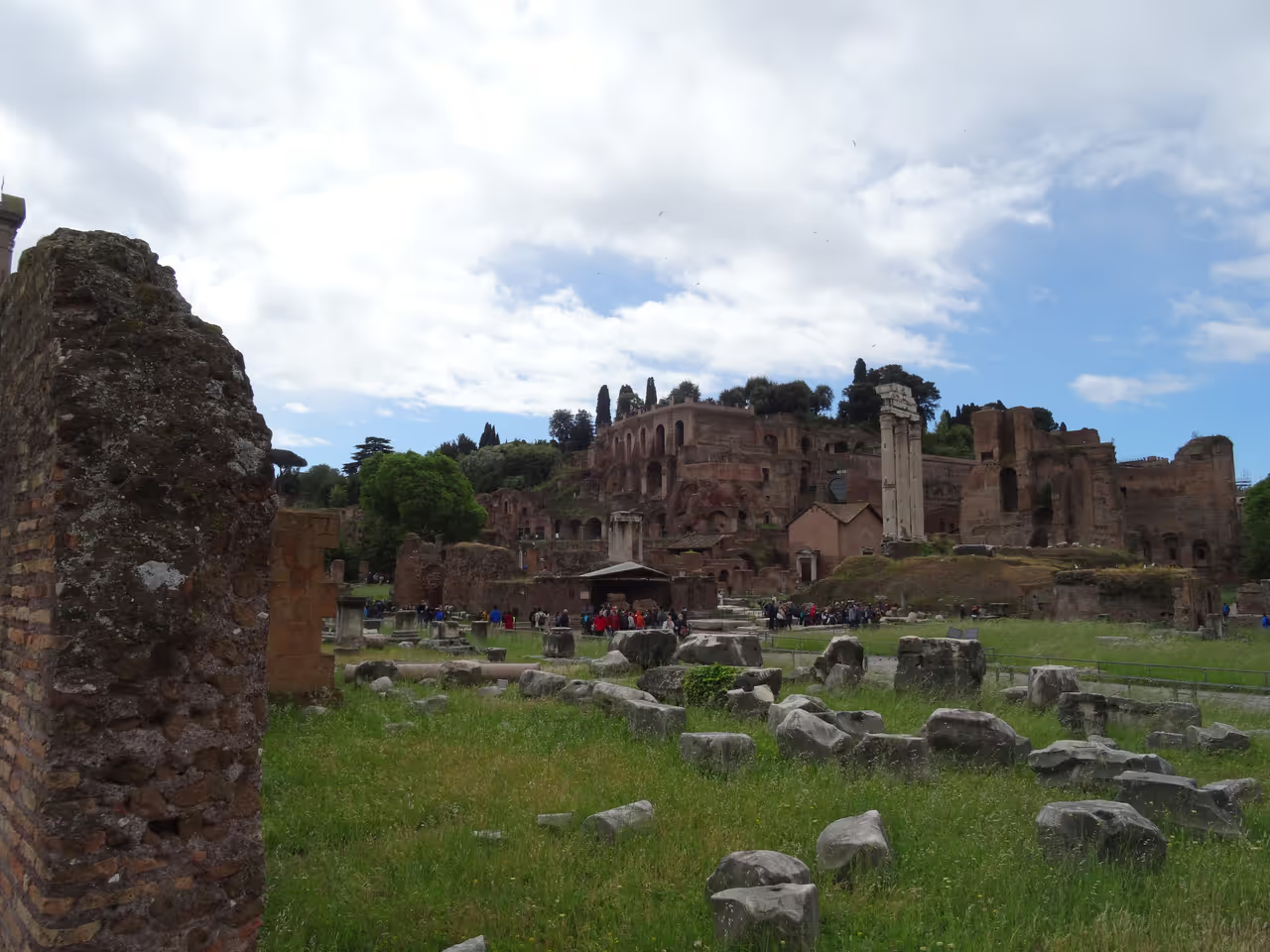 307m
307mImperial Fora Views
While entering the actual archaeological park requires a ticket, you can enjoy incredibly detailed, expansive views of the ancient ruins completely for free from the modern street level. Walking down the grand, wide avenue that splits the archaeological zone provides sweeping, unobstructed perspectives of the massive temples, basilicas, and triumphal arches below. Interpretive plaques along the sidewalk offer excellent historical context, allowing you to easily understand the significance of the structures. It is particularly striking at night when the entire ancient complex is dramatically and beautifully illuminated. It offers a highly satisfying historical experience without spending a single cent.
free thing to do view
Featured on These Itineraries and Routes
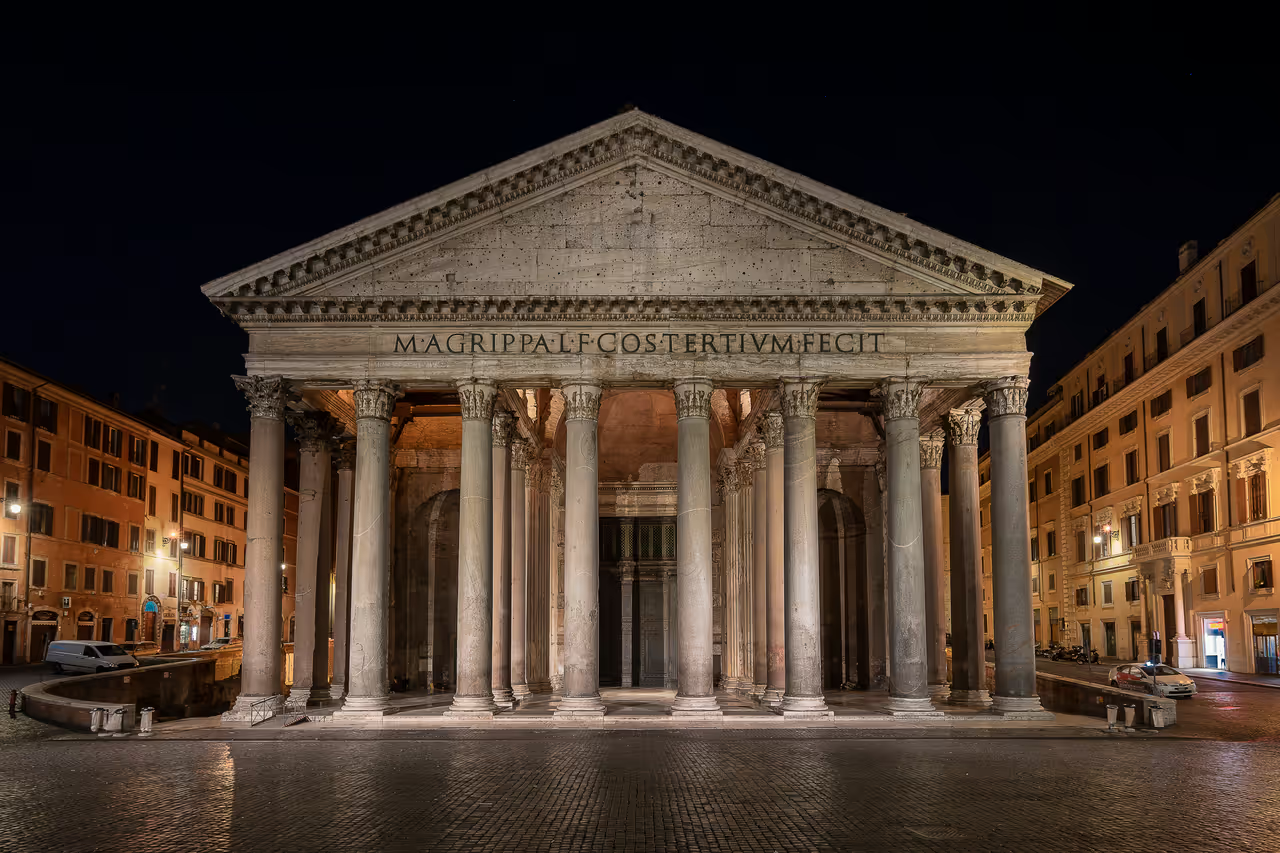
1 Day in Rome: The Eternal City Itinerary
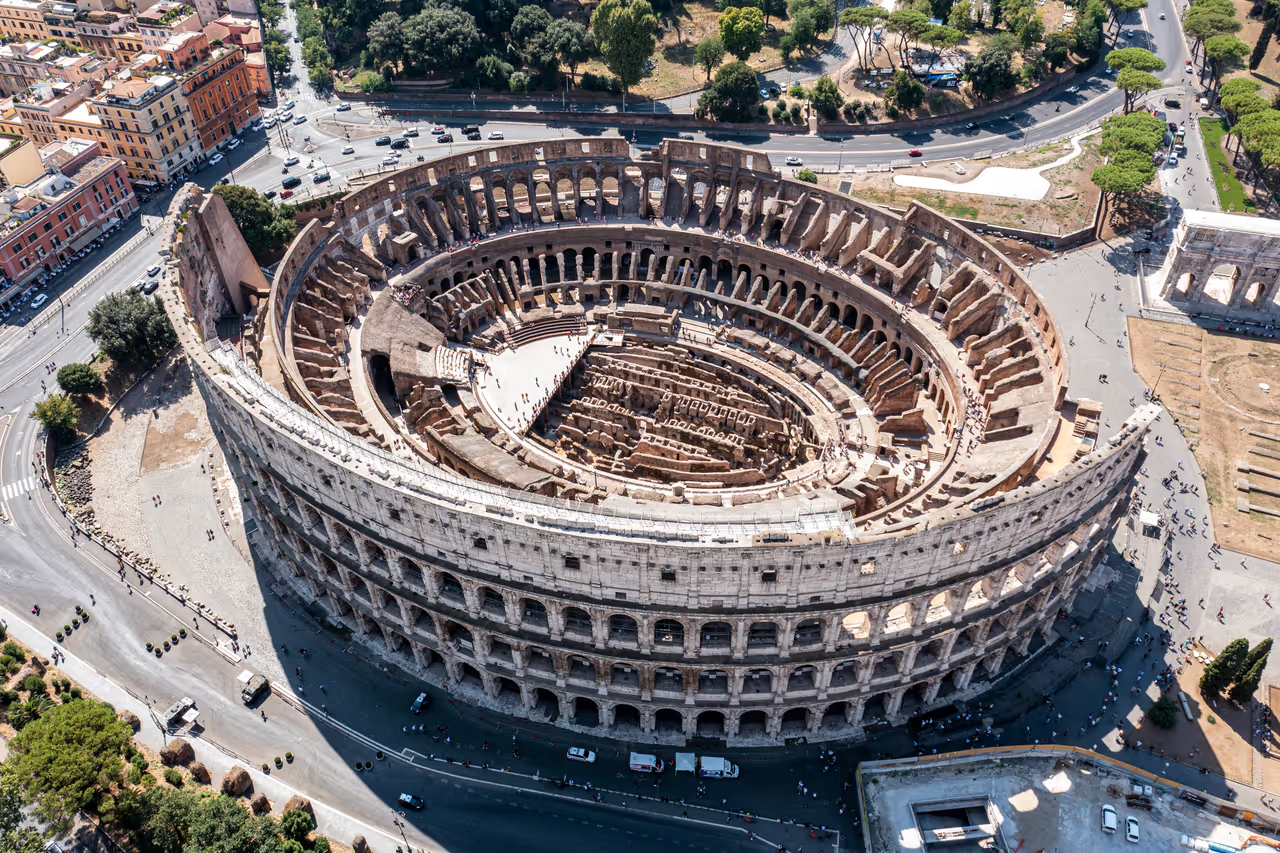
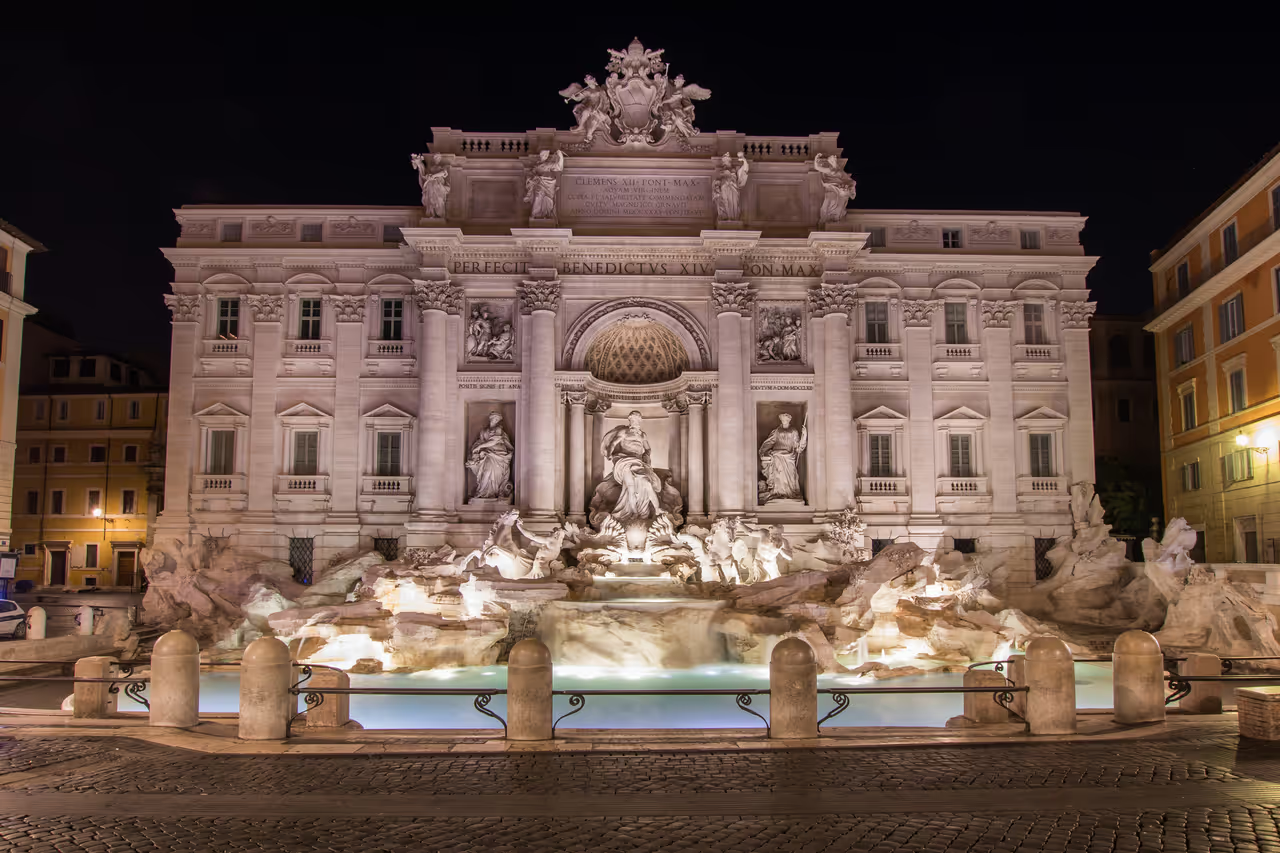
This highly condensed, intensive itinerary is perfectly designed for travellers who only have a single day to capture the absolute essence of the capital. It aggressively prioritises the most legendary, globally recognised monuments, ensuring you see the defining symbols of both antiquity and the Baroque era. The pace is necessarily brisk, requiring an early start to navigate the incredible density of historical masterpieces. It provides a thrilling, unforgettable whirlwind tour that will undoubtedly leave you eager to return for a longer visit. It is the ultimate highlight reel of human history.
view itinerary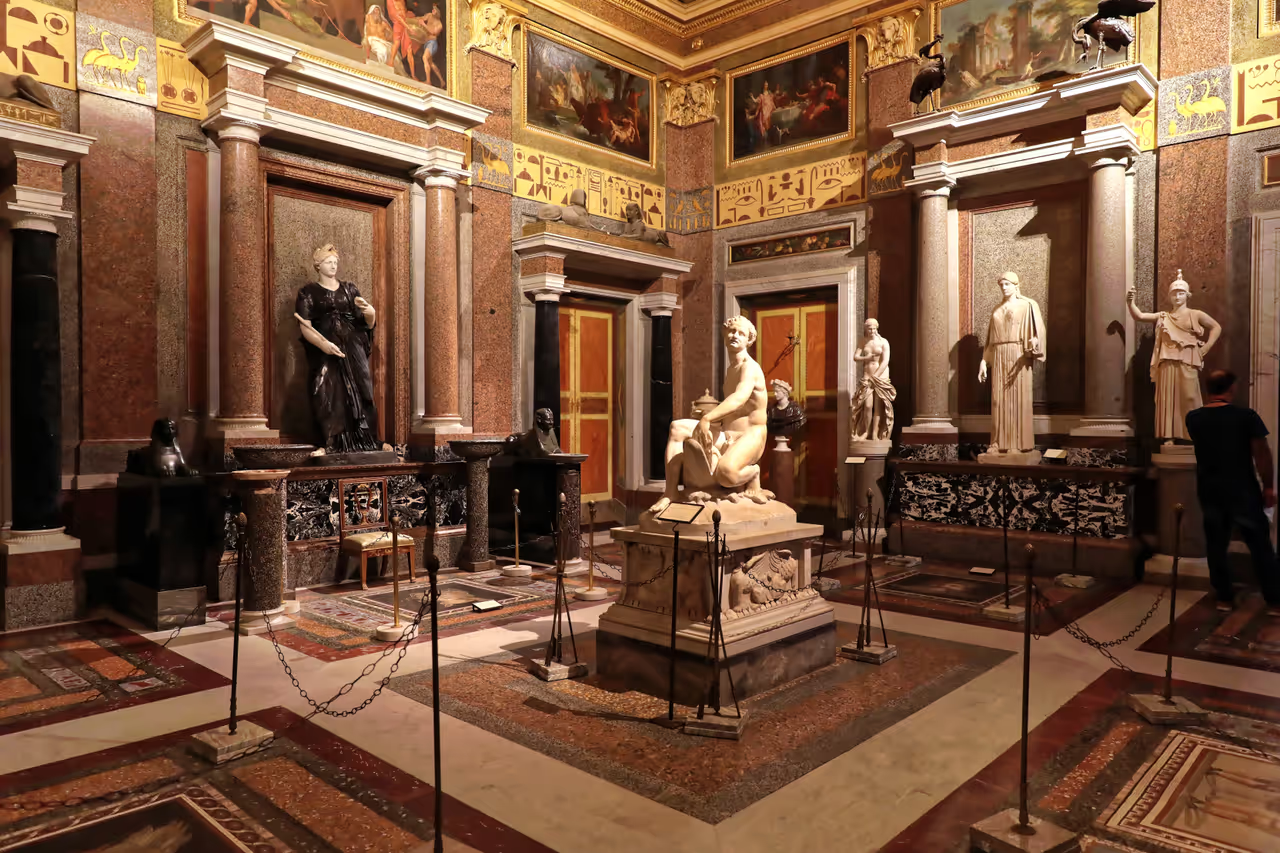
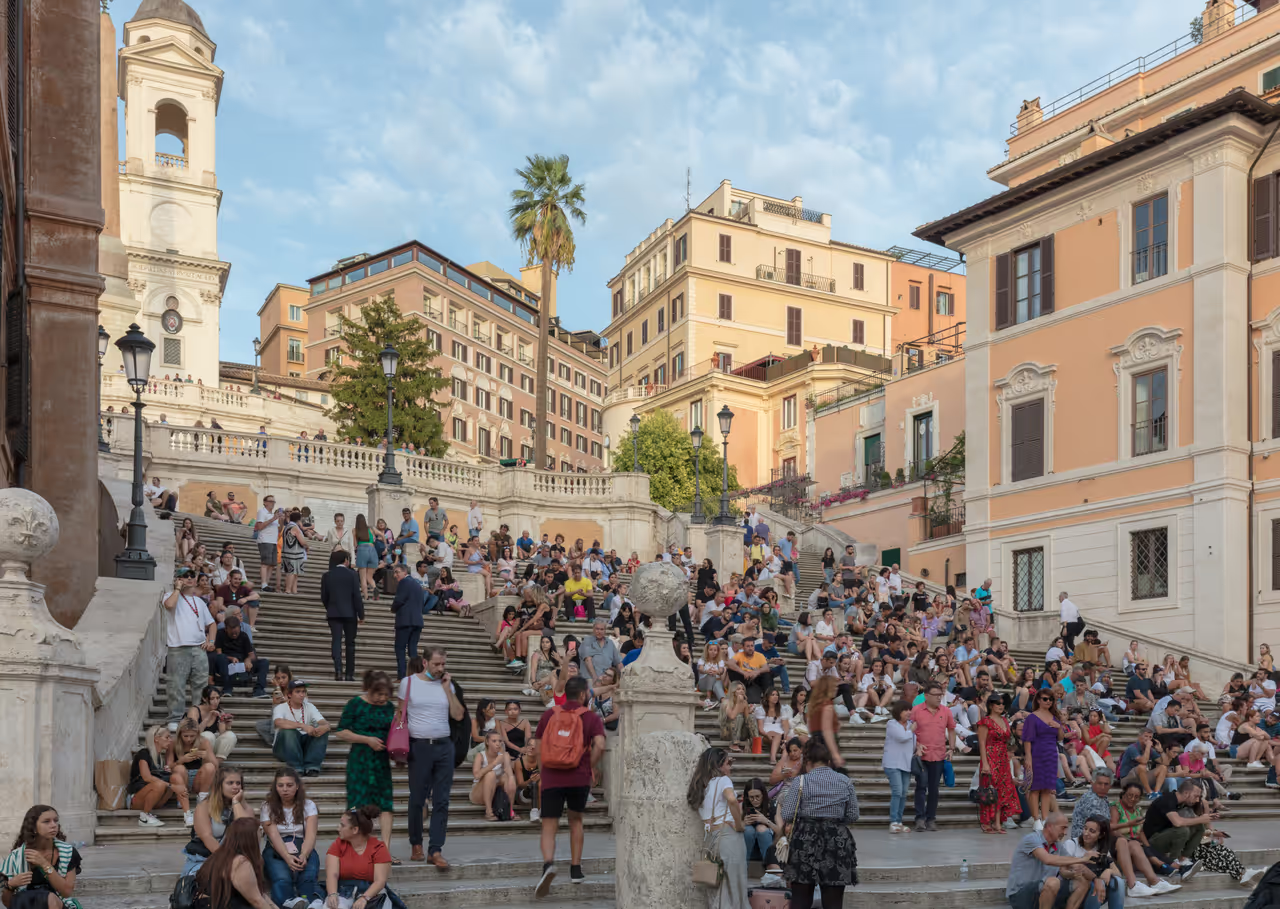
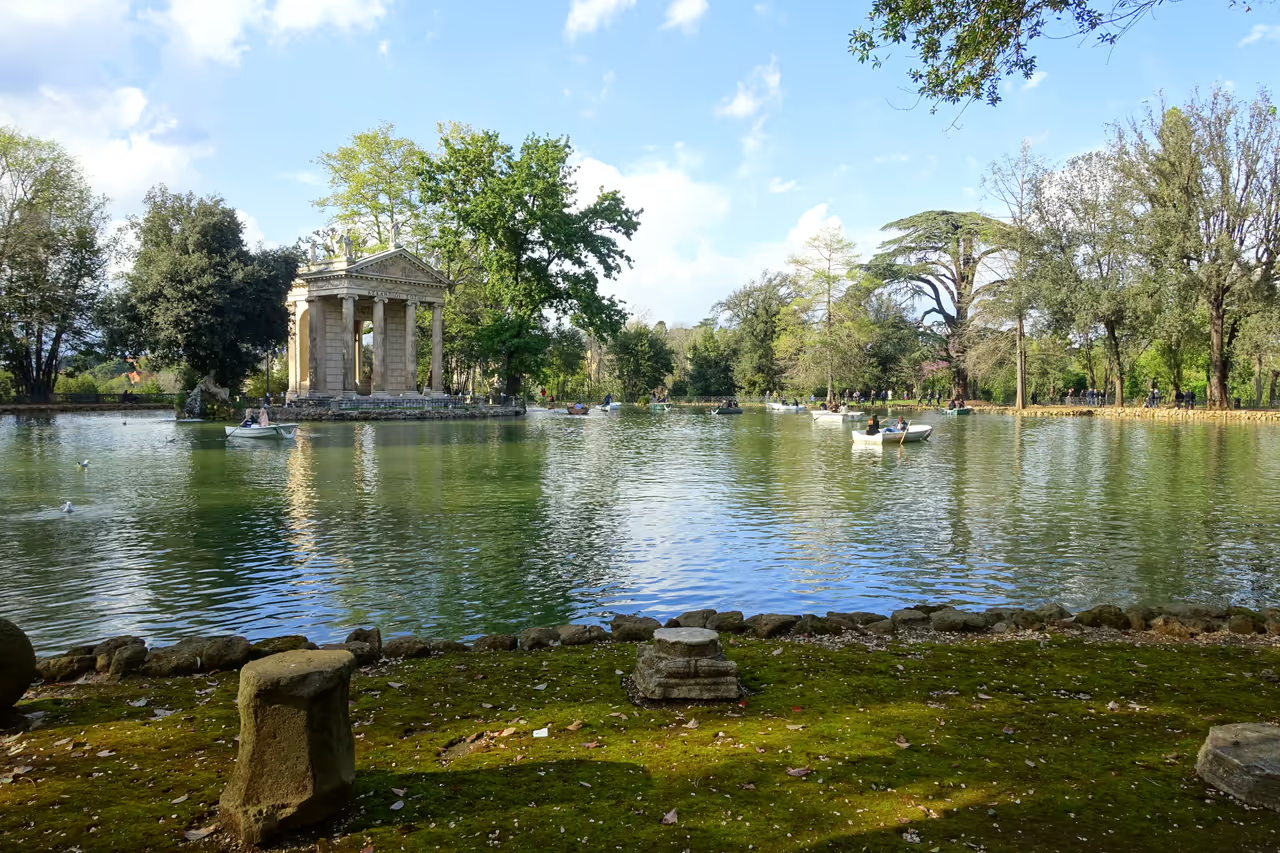
3 Days in Rome: History and Art Itinerary
This balanced, deeply satisfying three day journey allows for a proper, immersive exploration of the city's distinct historical eras. It cleverly dedicates one full day to the sheer power of the ancient empire, another to the breathtaking spiritual grandeur of the Vatican, and the final day to the elegant art and romantic squares of the Renaissance. The pacing is comfortable, leaving ample time to enjoy long, leisurely lunches and appreciate the vibrant local street life. It offers a comprehensive, highly enriching overview of the cultural and architectural evolution of the capital. It is the ideal introductory tour for first time visitors.
view itinerary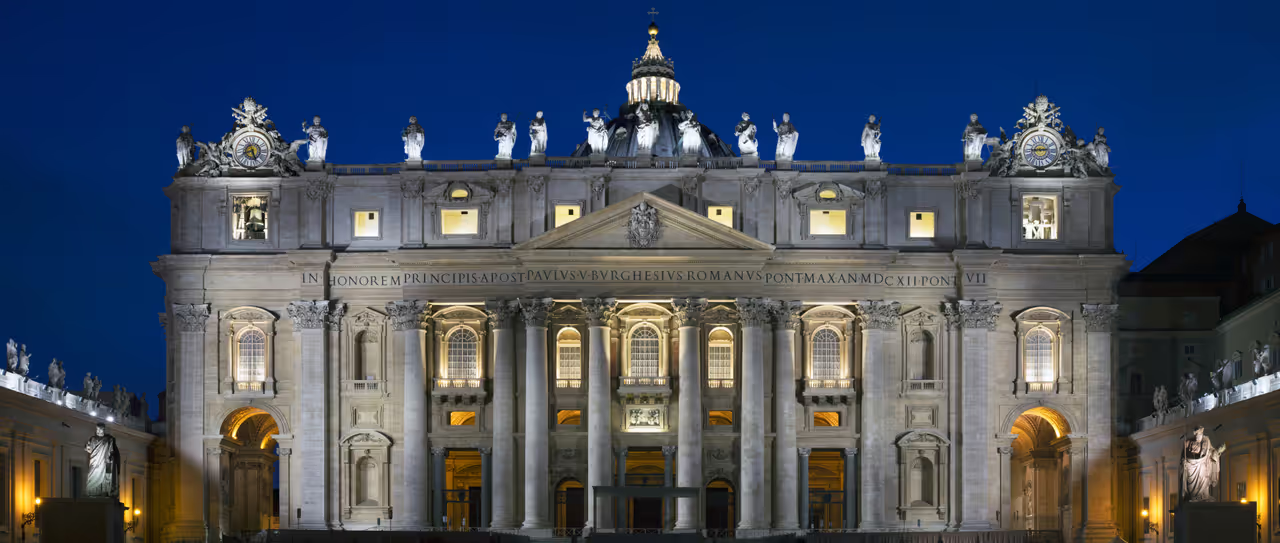
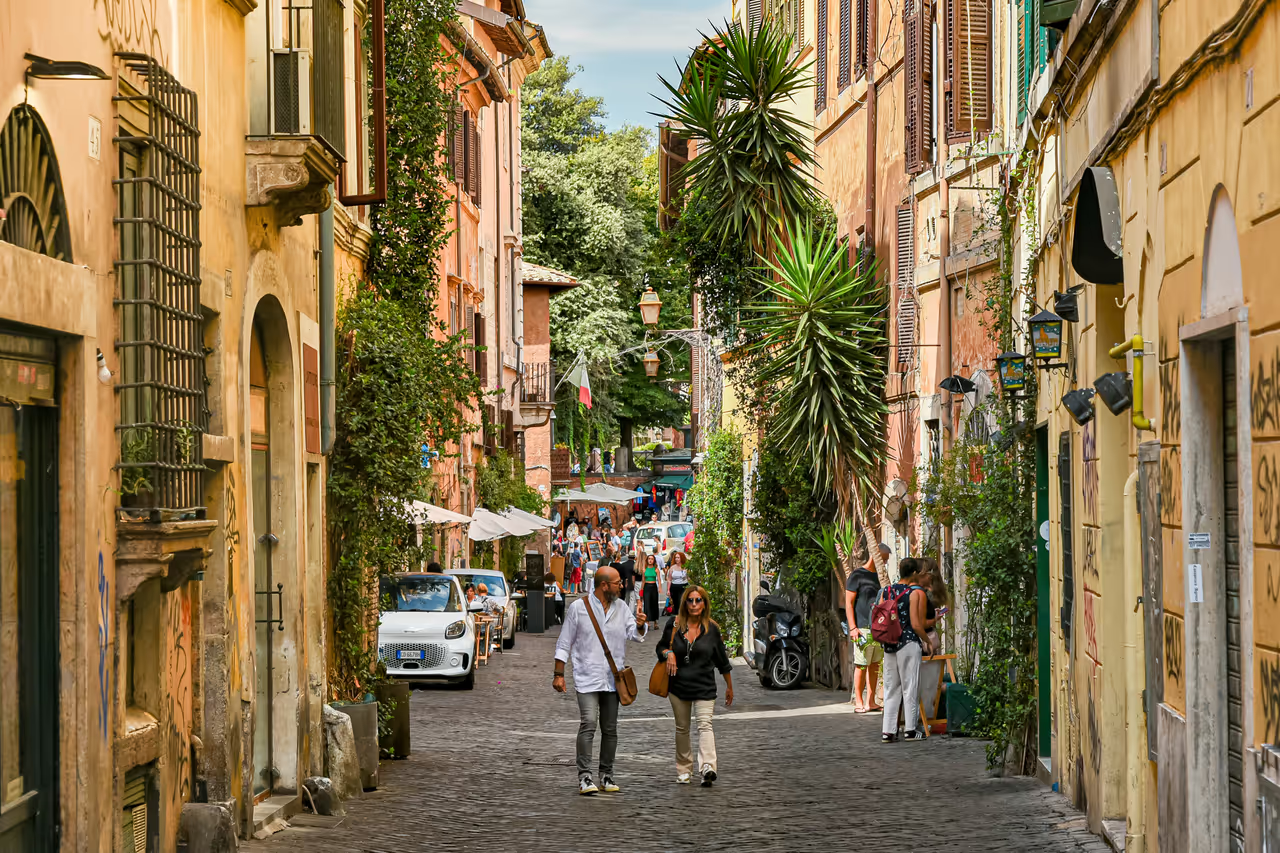
5 Days in Rome: In Depth Discovery Itinerary
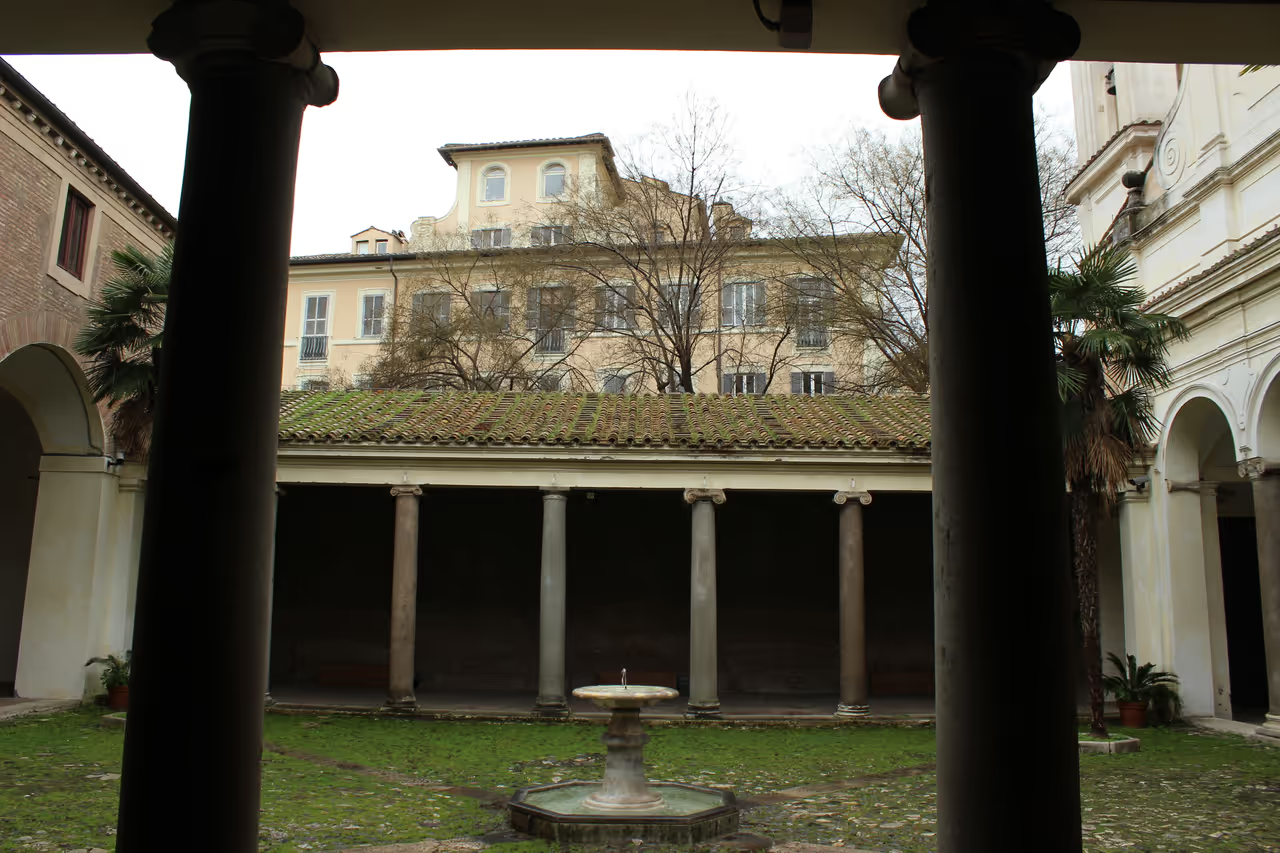
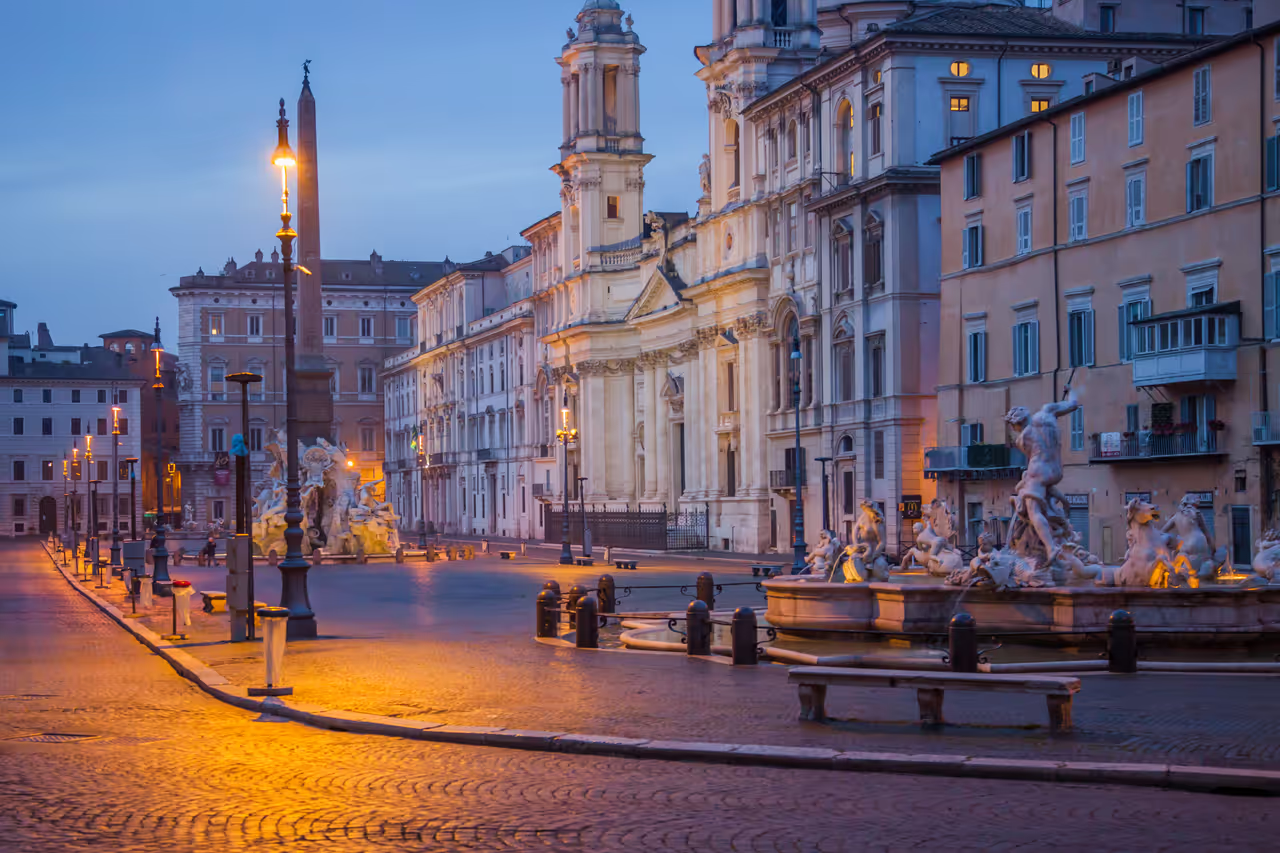
This extensive, highly rewarding itinerary is crafted for those who want to move beyond the famous highlights and discover the complex, hidden layers of the city. Building upon the essential classical and Renaissance sights, it introduces fascinating underground archaeological explorations, expansive rural parklands, and gritty, authentic working class districts. It provides a much deeper, nuanced understanding of how the ancient past continuously interacts with modern daily life. The relaxed timeframe allows for genuine cultural immersion, unhurried museum visits, and extensive culinary indulgence. It is a spectacular, complete experience of the multifaceted capital.
view itinerary
Glory of Imperial Rome
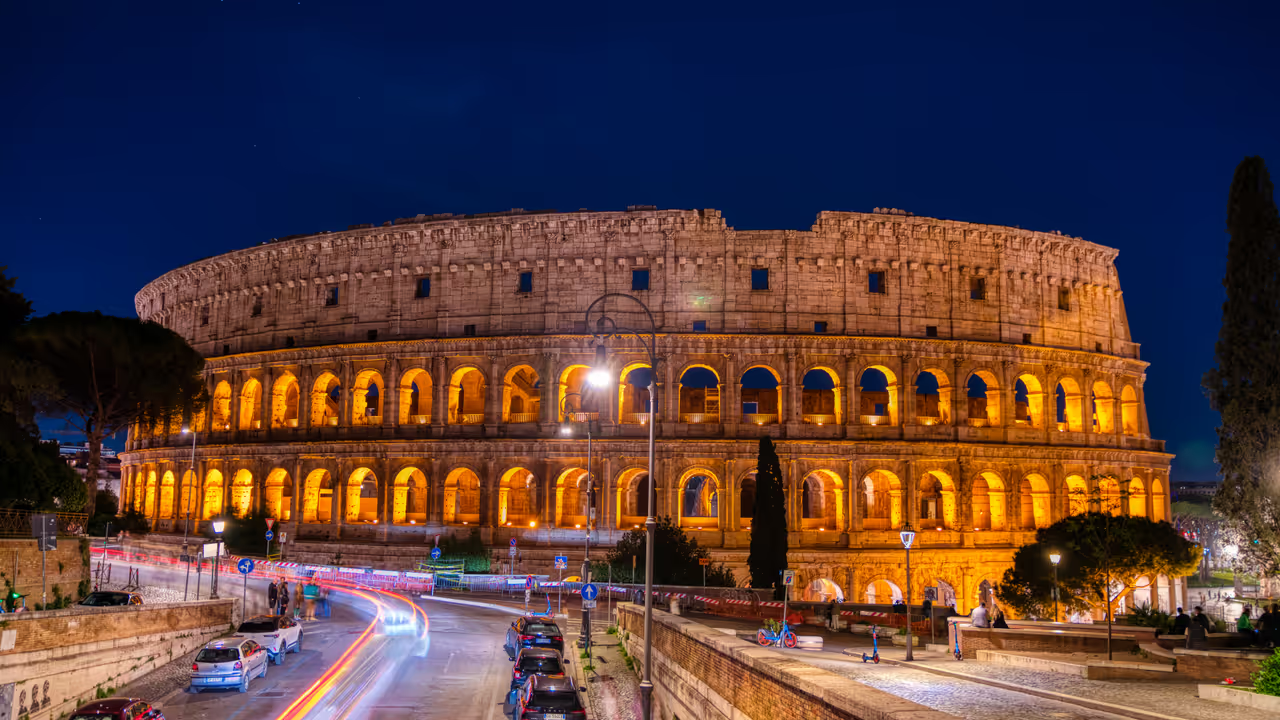
This comprehensive journey plunges deep into the awe inspiring architectural legacy of the most powerful empire of antiquity. The route navigates through massive, crumbling amphitheatres, expansive political plazas, and grand triumphal arches that once dictated the fate of the known world. Walking amidst these colossal stone and marble structures provides a visceral understanding of the incredible scale and ambition of ancient engineering. The narrative traces the dramatic shift from a republic to an autocracy, highlighting the emperors who shaped the landscape. It is an absolute necessity for anyone wanting to grasp the foundational history of Western civilisation.
view self-guided tour
See all attractions in Rome
Baths of Caracalla, Capitoline Museums, Castel Sant'Angelo, Colosseum, Pantheon...