Appian Way Regional Park
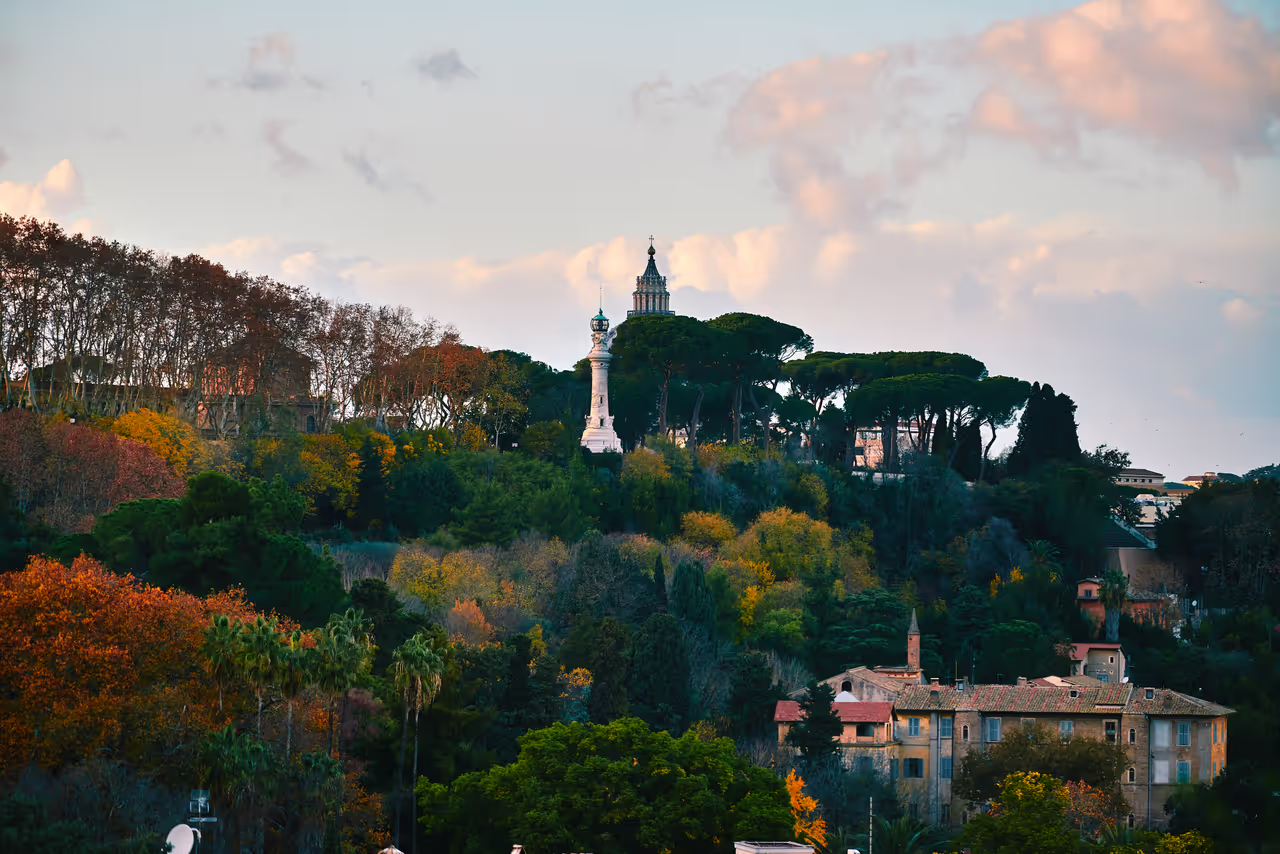
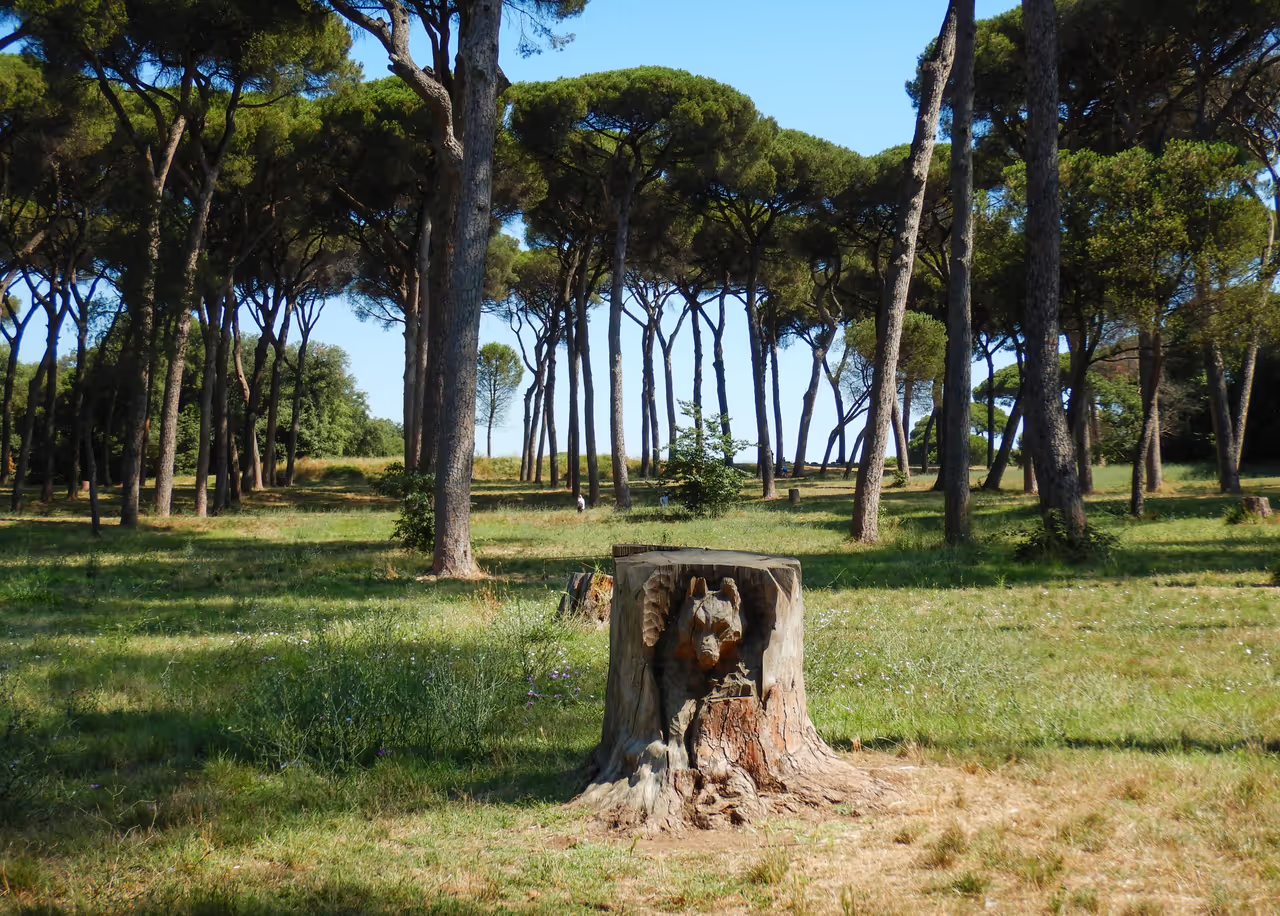
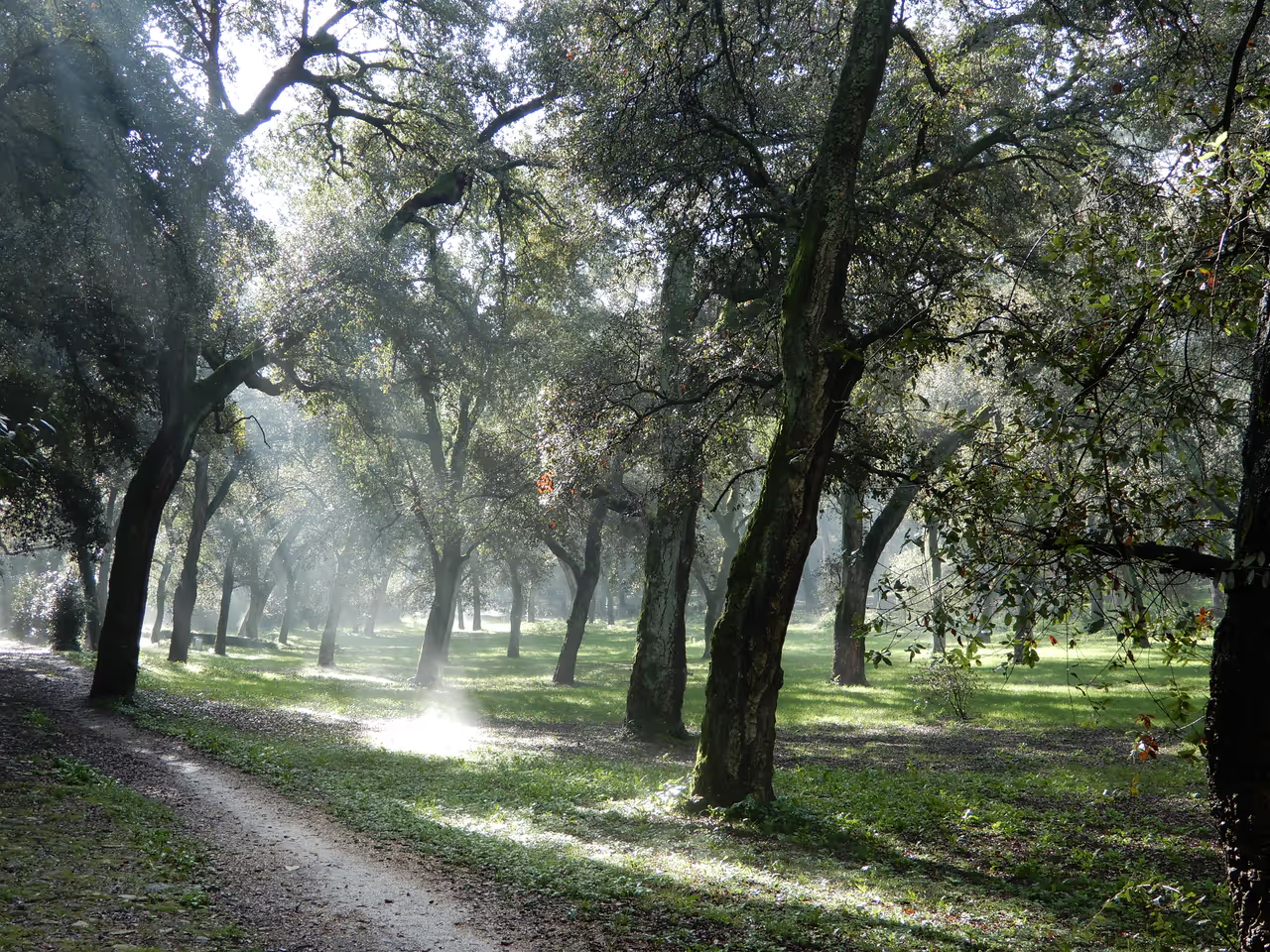
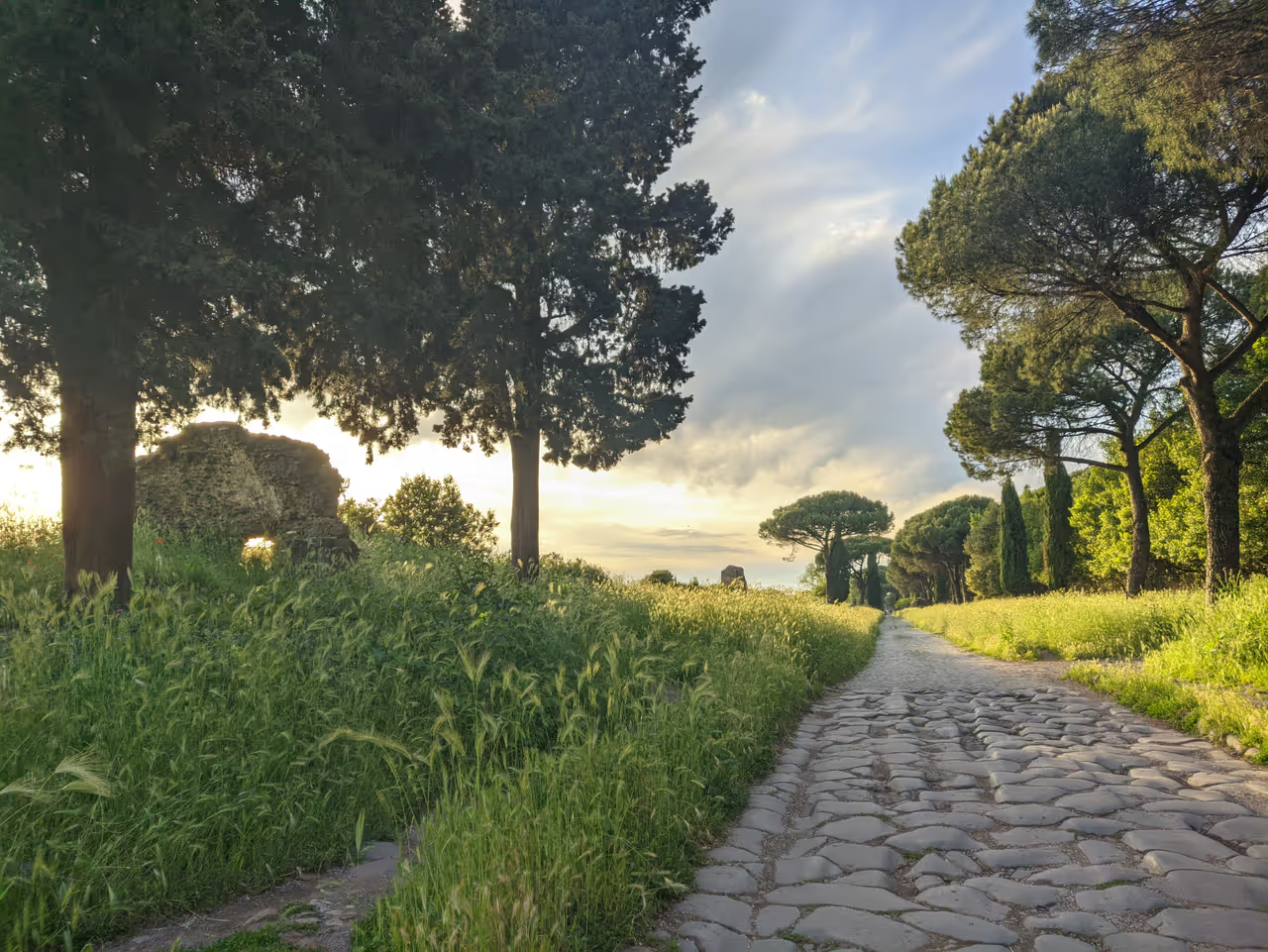
Stretching from the heart of Rome to the Alban Hills, this is the largest urban park in Europe and a true open air museum. You can stroll or cycle along the original basalt paving of the Appian Way, known to the Romans as the Queen of Roads. The landscape is a beautiful mix of crumbling ancient tombs, towering pines, and emerald meadows where sheep still graze peacefully. It offers a rare chance to see Rome exactly as it might have looked to travellers centuries ago. Visiting here is a serene escape from the modern city and provides a deep connection to the ancient past. Every step reveals something new, from hidden nymphaeums to grand villas that once belonged to emperors.
Videos
History of Appian Way Regional Park
Built in 312 BC, the Via Appia was the first and most famous of the great Roman roads, designed to move legions quickly to the south of the peninsula. It eventually became the most prestigious address for the Roman elite, who lined the route with magnificent tombs and monuments to ensure their names would never be forgotten. This created a unique landscape where the journey of the living was constantly shadowed by the history of the dead. For centuries, the road served as the primary gateway to the East, seeing everyone from conquering generals to Saint Peter pass along its stones. By the mid 20th century, this priceless heritage faced total destruction from illegal builders and rapid urban expansion. It took a decades long fight by passionate conservationists like Antonio Cederna to save the 'green wedge' from being buried under concrete. Their victory in 1988 ensured that the unique atmosphere of the Roman countryside remained intact for future generations. This struggle turned the park into a symbol of civic pride and environmental protection, proving that the ancient past could coexist with a modern, growing city. Today, the park is a UNESCO World Heritage site and a testament to Rome's enduring legacy. It remains a living space where history breathes alongside modern life, featuring ancient paper mills turned into visitor centres and working farms that still produce local honey and cheese. Walking through the Caffarella Valley or under the massive arches of the Aqueduct Park, one feels the weight of two millennia of human ambition and the quiet resilience of nature.
Events spanning 2336 years
Fun Facts
- • Inside the Church of Sant'Urbano, you can find rare early medieval frescoes that were painted over an ancient Roman temple to Ceres.
- • Remarkably, about 95 percent of the park land remains in private hands, including ancient Roman aristocratic estates and religious orders.
- • Some of the marble used for the temple columns in the park was imported directly from the same Greek quarries as the Parthenon in Athens.
- • The Almone river flowing through the park was considered sacred by ancient Romans, who used its waters for annual purification rituals.
- • The Ninfeo di Egeria was misidentified by 17th century scholars who thought it was a different shrine located closer to the city walls.
- • The Temple of Rediculus was actually a tomb dedicated to the god of 'returns', who supposedly made Hannibal turn back from his march on Rome.
- • The Villa of the Quintili was so magnificent that Emperor Commodus murdered the owners just so he could seize the estate for himself.
- • The former Cartiera Latina was once the only paper mill in Rome and used recycled linen and cotton rags to produce high quality paper.
- • The legendary road was once cut in two by the Grande Raccordo Anulare motorway until a tunnel was finally built for the Jubilee in 2000.
- • The park still maintains its agricultural soul, with active farms and flocks of sheep that help maintain the historic look of the Roman countryside.
- • This park is the largest urban park in Europe, covering an impressive 4,580 hectares of protected land.
RESOURCES
Official WebsiteAppian Way Regional Park FAQ
While we strive to keep this information accurate and up to date, we recommend verifying any details independently before making decisions based on them.
Appian Way Regional Park Map & Neighborhood Explorer
This interactive map is centered on Appian Way Regional Park. Zoom in and move the map around to automatically discover Wikipedia photos and summaries of other nearby sights, monuments, and historical points of interest and stories in real-time!
Places near Appian Way Regional Park
Make the most of your trip. Check out these top-rated spots located nearby.
 2657m
2657mBaths of Caracalla
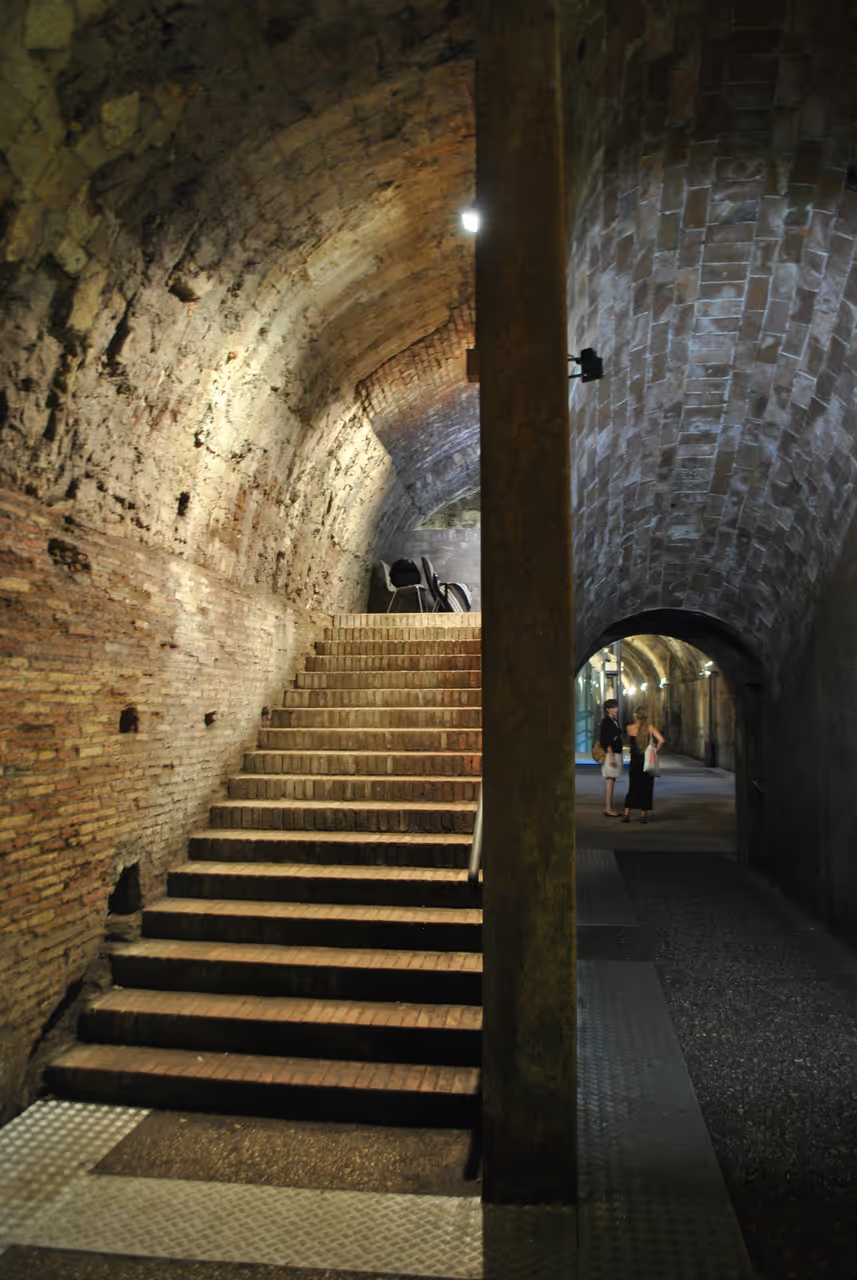
Step into a world where the scale of ancient engineering will leave you breathless. The Baths of Caracalla are a testament to the luxury of the Roman Empire, offering a glimpse into a time when public bathing was a grand social event. You can explore the towering ruins of the gymnasiums, the cold rooms, and the massive swimming pool, all while surrounded by fragments of beautiful mosaics. These red brick giants once held thousands of people at a time, and the sheer height of the remaining walls is enough to make anyone feel small. Today, the site often hosts spectacular evening opera performances, blending ancient history with timeless music. It is a peaceful escape from the modern city and an essential stop for anyone wanting to feel the true weight of Rome's past.
attraction view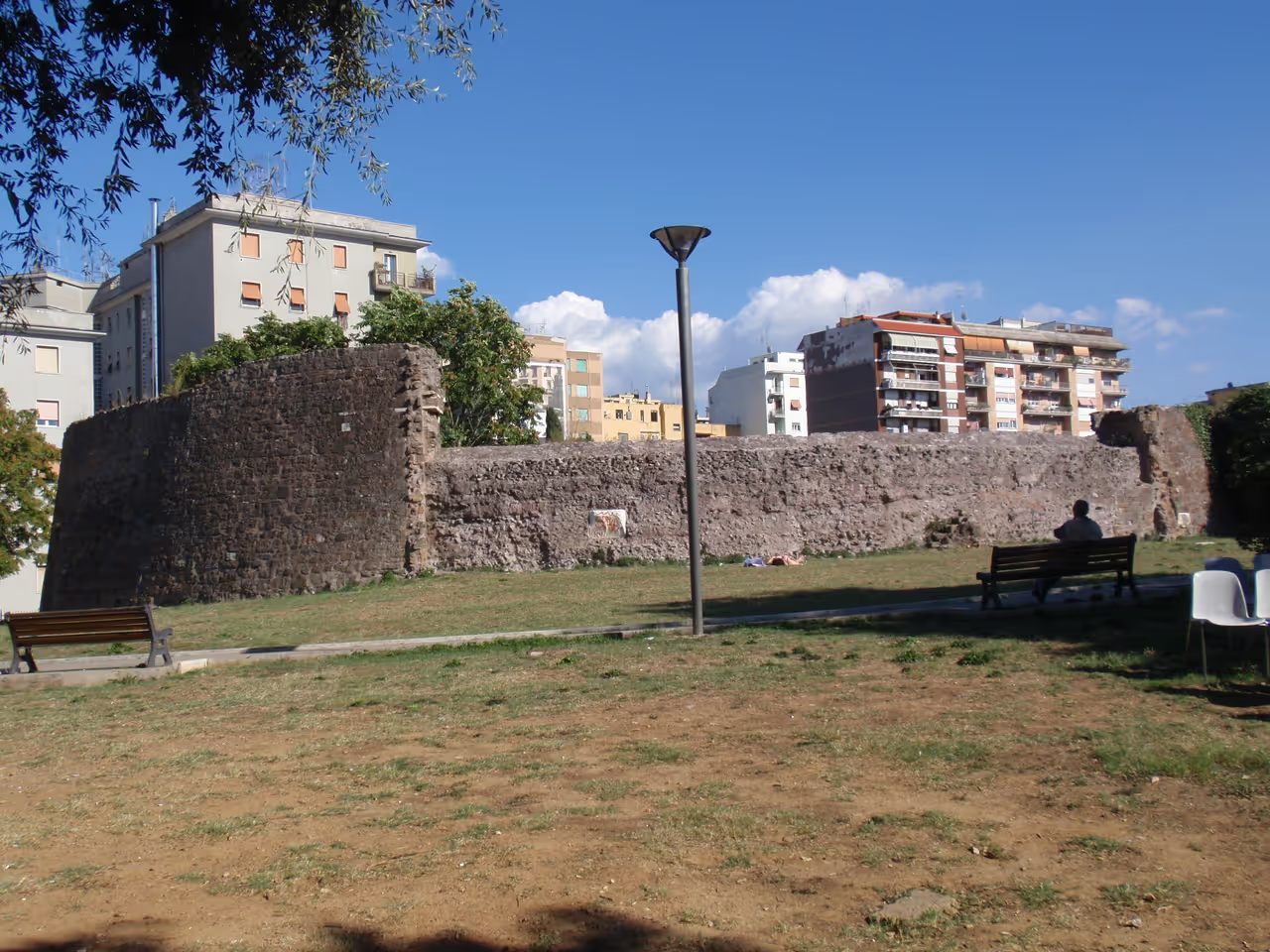 2918m
2918mPigneto District
This rapidly gentrifying neighbourhood has established itself as the trendiest, most hipster friendly area for evening socialising. The main pedestrian street is heavily populated with stylish wine bars, artisan cocktail lounges, and excellent ethnic restaurants. The crowd is a fashionable mix of artists, intellectuals, and young professionals who prefer a more sophisticated but relaxed atmosphere. It offers a fantastic alternative to the more traditional tourist spots, focusing heavily on quality drinks and engaging conversation. The artistic vibe makes it a compelling place for a memorable and culturally rich night out.
nightlife view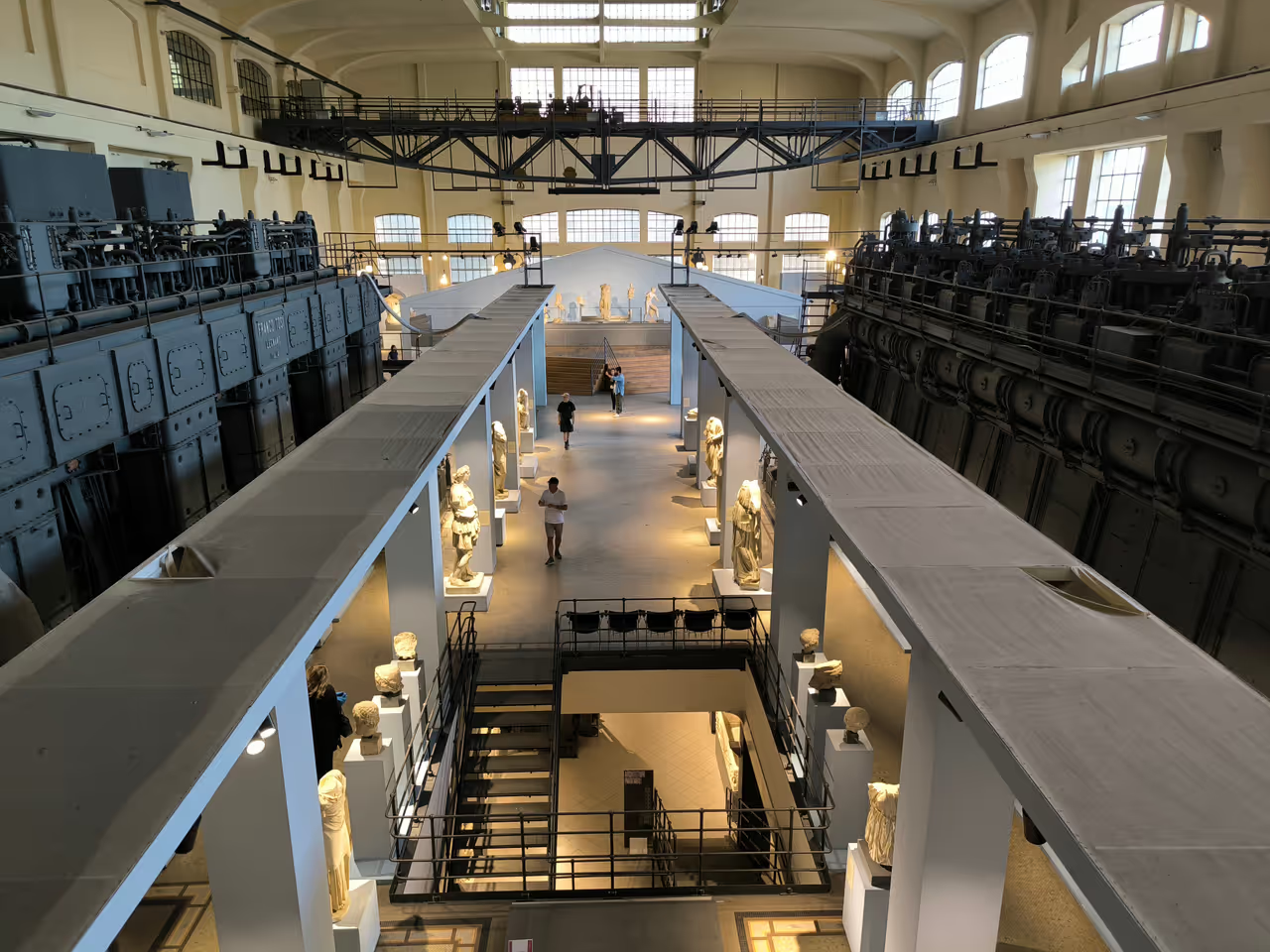 3069m
3069mCentrale Montemartini
This extraordinary and entirely unique museum places exquisite, ancient classical sculptures directly inside a beautifully preserved, early twentieth century power plant. The startling juxtaposition of delicate, brilliantly white marble gods against massive, dark industrial diesel engines creates a breathtaking visual contrast. Originally intended as a temporary exhibition, the concept was so wildly successful that it was made a permanent fixture in the gritty Ostiense district. It is wonderfully quiet and completely off the massive tourist radar, allowing for an intimate, highly atmospheric viewing experience. Exploring this space feels like stepping into a brilliant, surreal art installation.
hidden gem view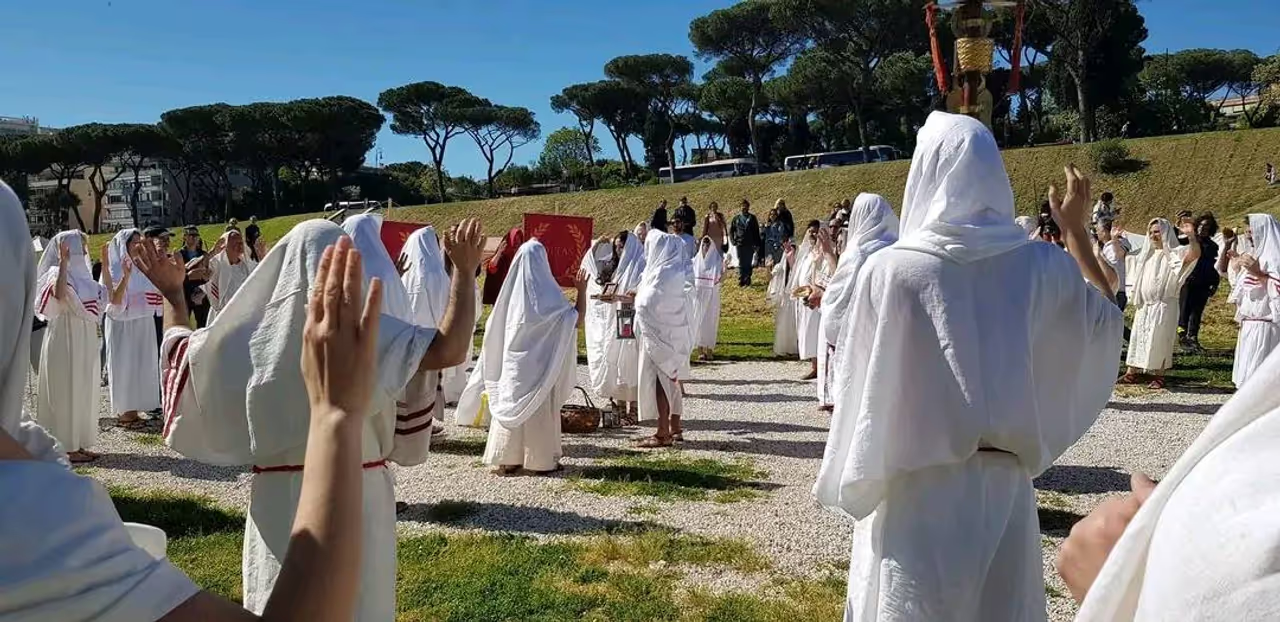 3138m
3138mBirthday of Rome
This magnificent festival celebrates the legendary founding of the ancient capital with spectacular historical reenactments and grand parades. Hundreds of enthusiasts dress as gladiators, senators, and legionnaires to march proudly past the Colosseum and the Imperial Fora. The atmosphere is incredibly festive, offering a unique chance to step back into antiquity. Visitors can enjoy thrilling mock battles, ancient rituals, and educational displays that bring the past vividly to life. It is a proud and joyous occasion that perfectly captures the enduring spirit of the city.
festival view
Featured on These Itineraries and Routes
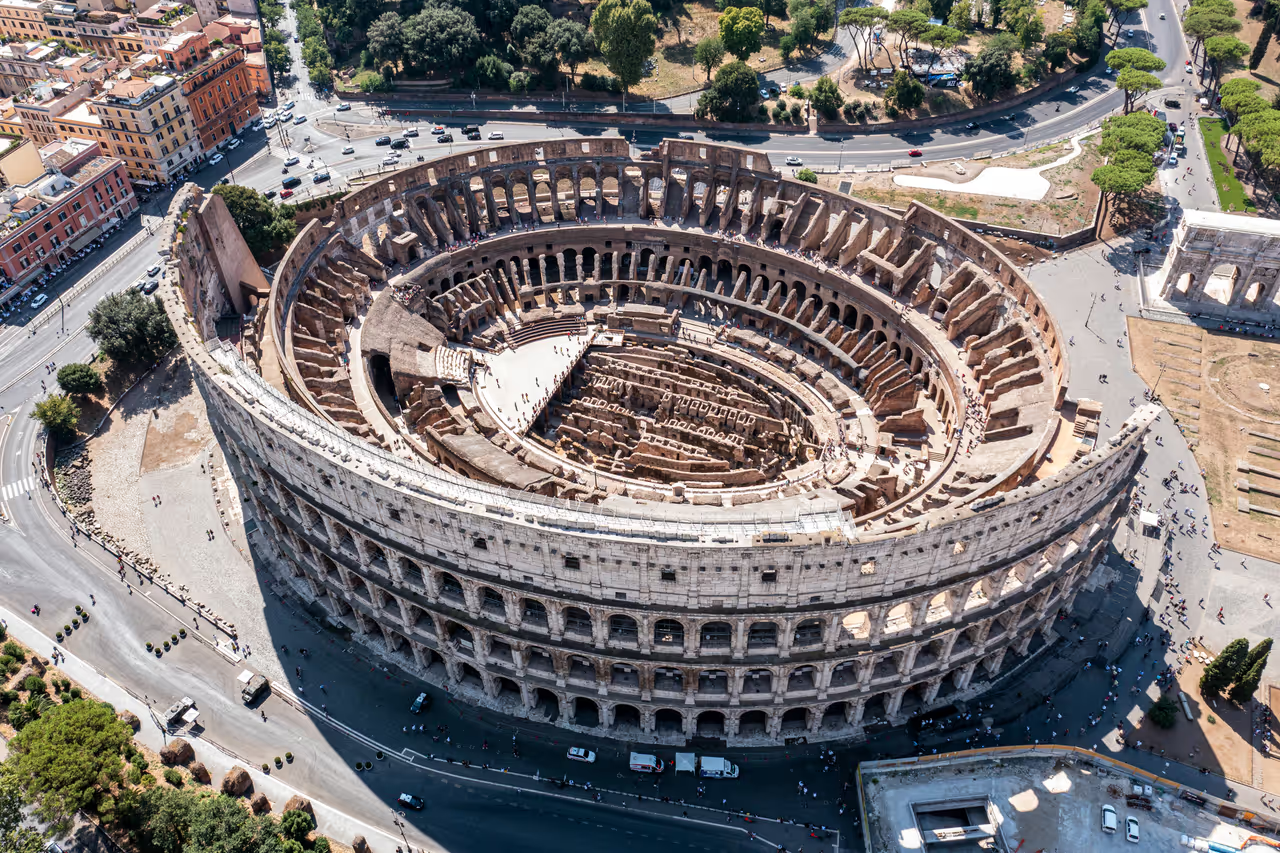
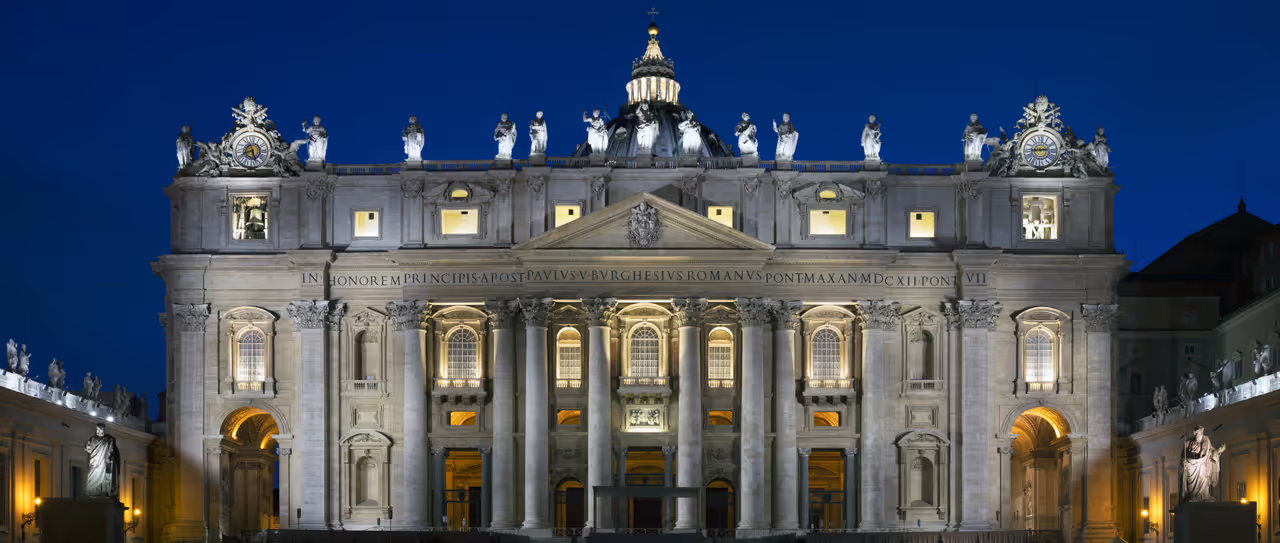
5 Days in Rome: In Depth Discovery Itinerary
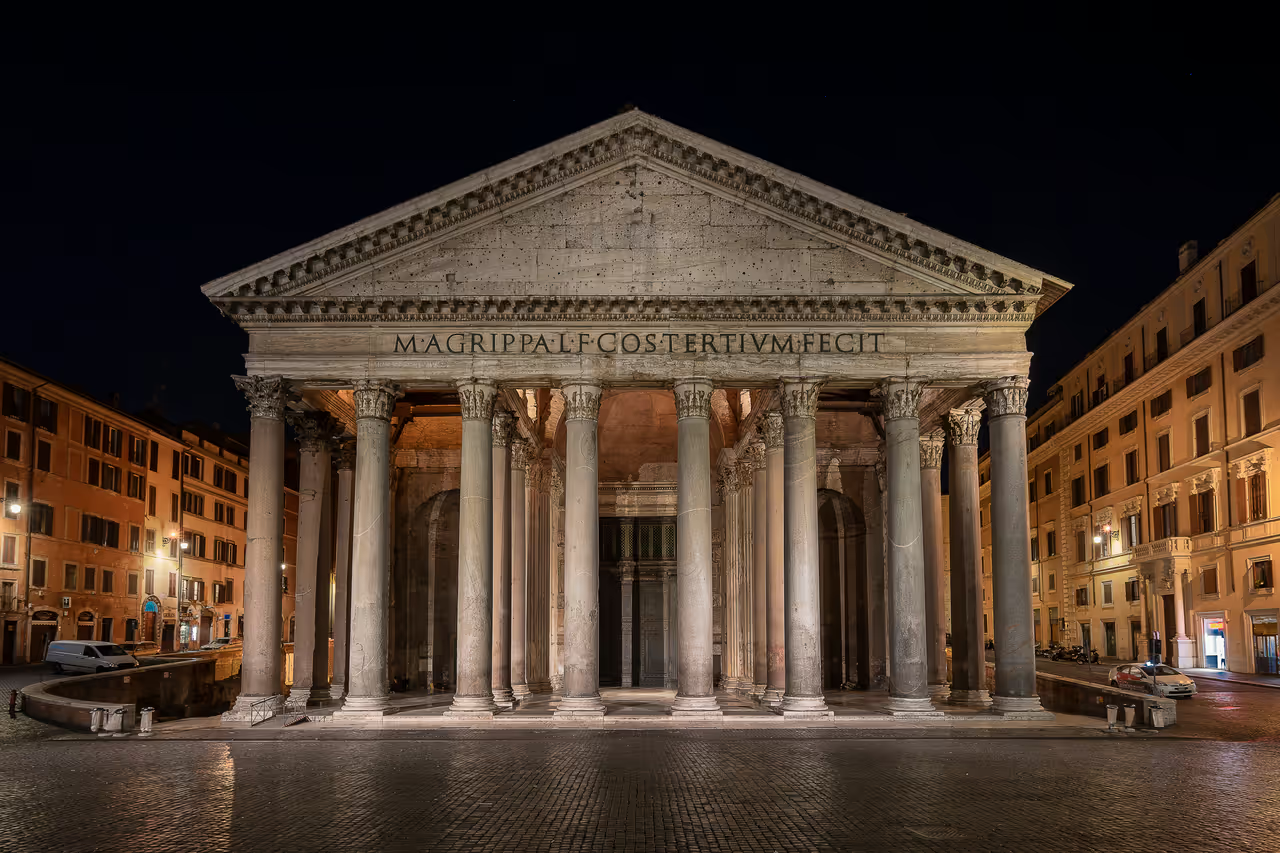
This extensive, highly rewarding itinerary is crafted for those who want to move beyond the famous highlights and discover the complex, hidden layers of the city. Building upon the essential classical and Renaissance sights, it introduces fascinating underground archaeological explorations, expansive rural parklands, and gritty, authentic working class districts. It provides a much deeper, nuanced understanding of how the ancient past continuously interacts with modern daily life. The relaxed timeframe allows for genuine cultural immersion, unhurried museum visits, and extensive culinary indulgence. It is a spectacular, complete experience of the multifaceted capital.
view itinerary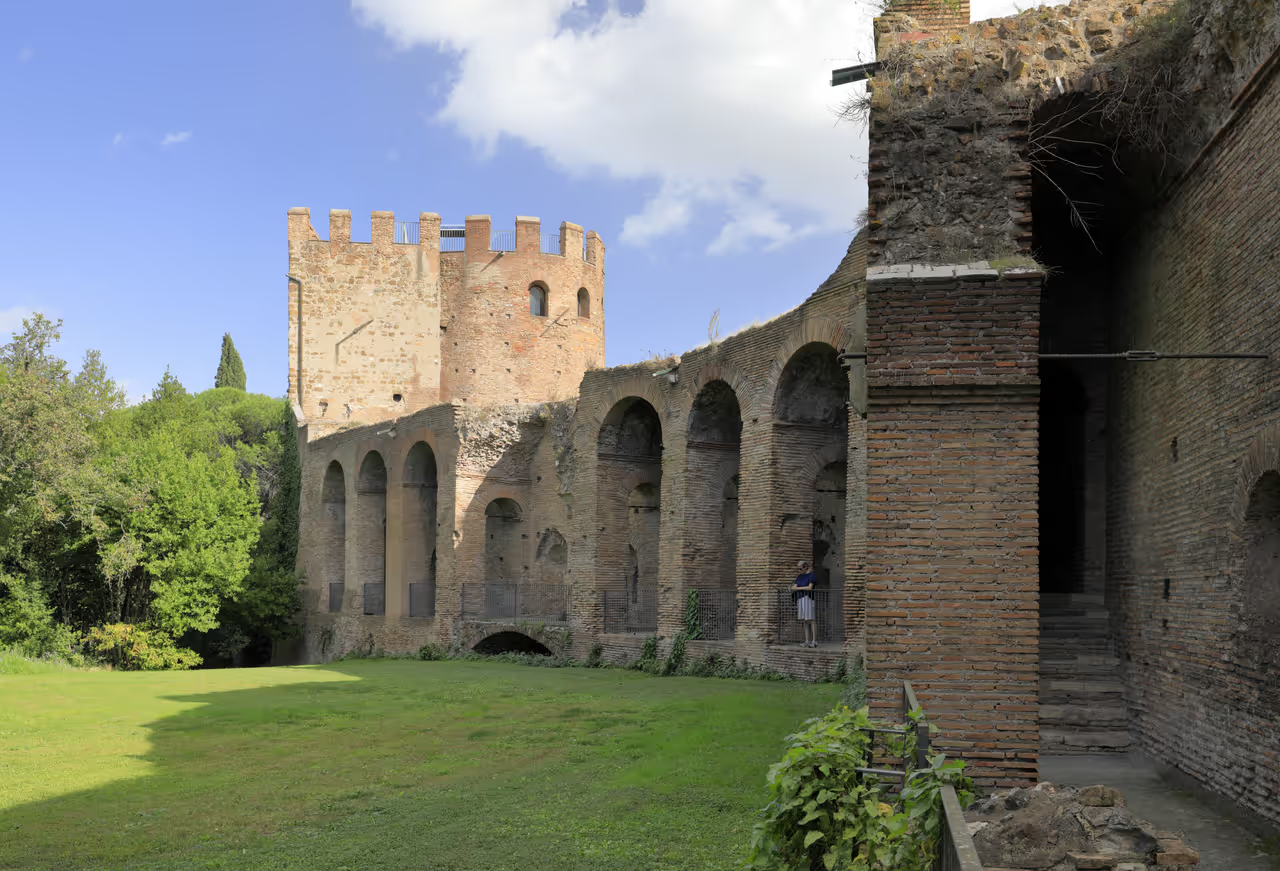
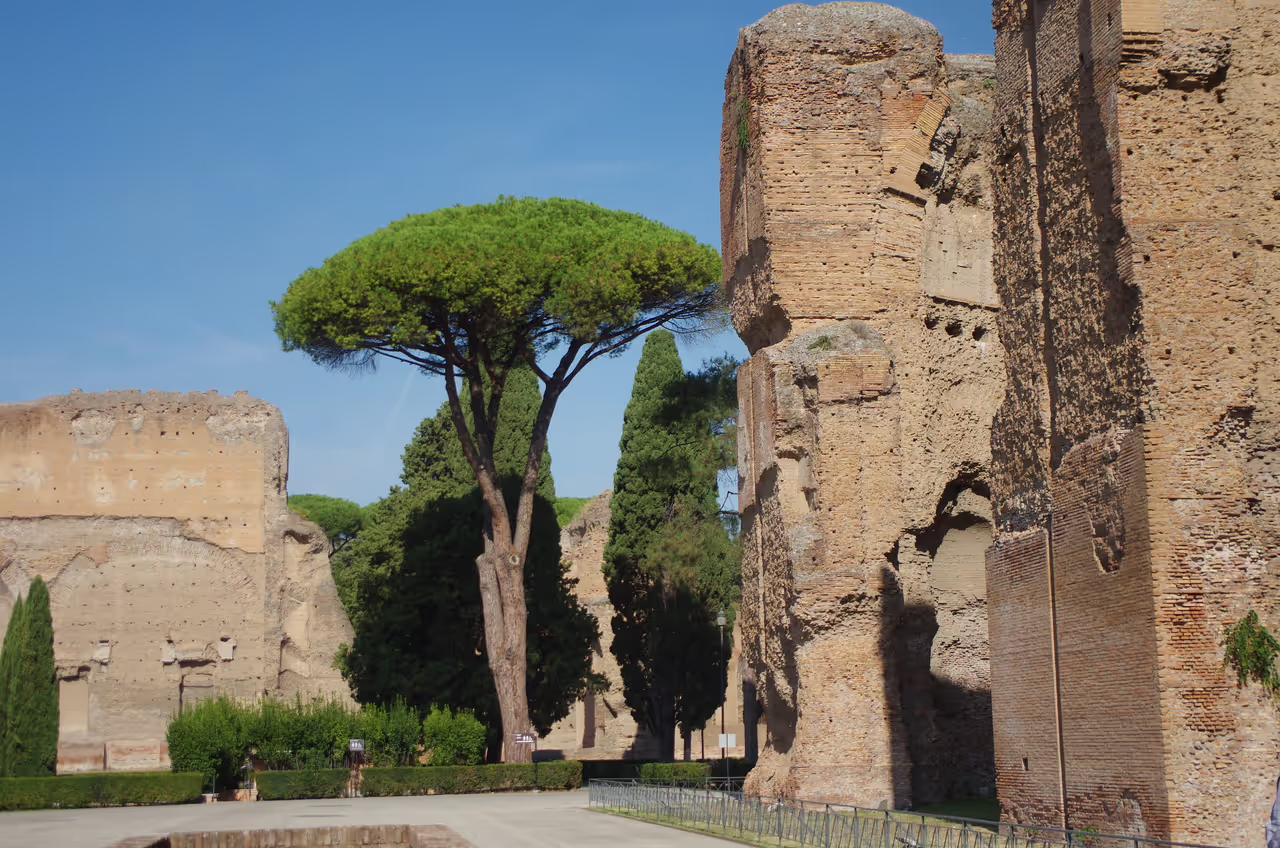
Ancient Appian Way Ride
This magnificent route takes cyclists along one of the most important and strategically significant roads of the ancient republic. The journey is an incredible mix of sweeping rural landscapes, towering umbrella pines, and monumental archaeological ruins scattered along the roadside. Riding over the massive, original basalt paving stones connects you directly to the footsteps of legions and emperors from millennia past. The profound tranquility of the regional park provides a startling and beautiful contrast to the chaotic energy of the urban centre. It is an absolutely essential experience for anyone wanting to combine gentle exercise with awe inspiring historical exploration.
view cycling route
See all nature & parks in Rome
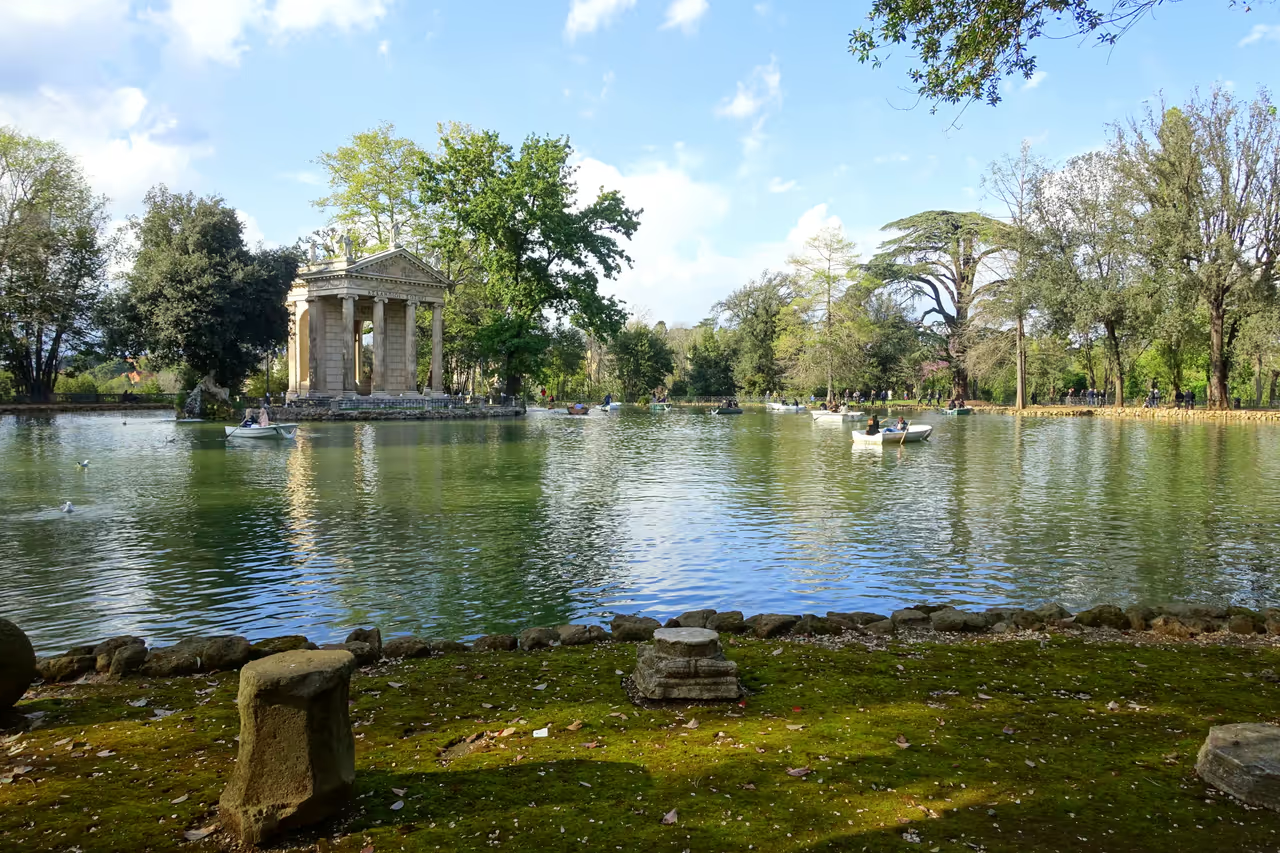
Janiculum Hill, Orange Garden, Villa Borghese, Villa Doria Pamphili, Colle Oppio Park and Baths of Trajan, Villa Ada Savoia...