Baths of Caracalla
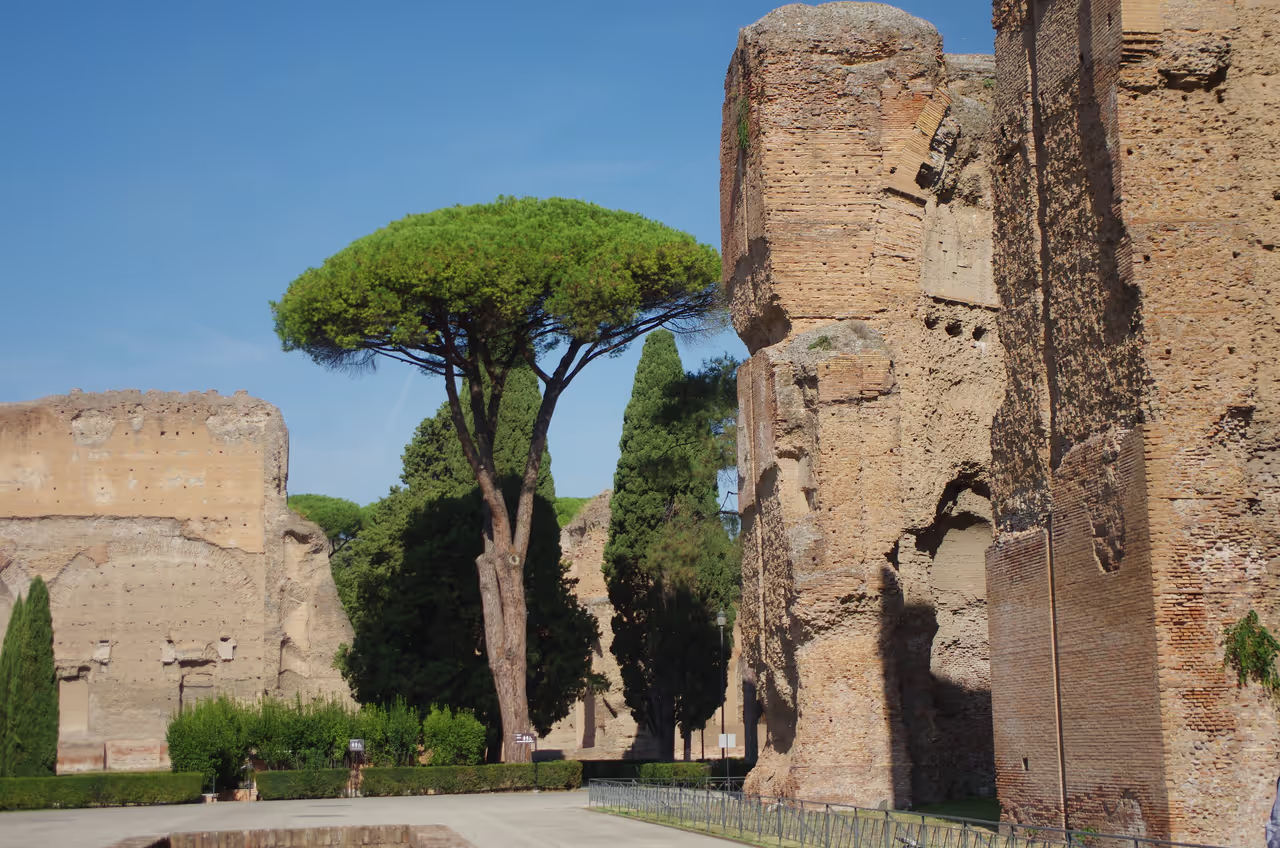
Step into a world where the scale of ancient engineering will leave you breathless. The Baths of Caracalla are a testament to the luxury of the Roman Empire, offering a glimpse into a time when public bathing was a grand social event. You can explore the towering ruins of the gymnasiums, the cold rooms, and the massive swimming pool, all while surrounded by fragments of beautiful mosaics. These red brick giants once held thousands of people at a time, and the sheer height of the remaining walls is enough to make anyone feel small. Today, the site often hosts spectacular evening opera performances, blending ancient history with timeless music. It is a peaceful escape from the modern city and an essential stop for anyone wanting to feel the true weight of Rome's past.
Videos
History of Baths of Caracalla
Imagine the sheer ambition of Emperor Caracalla in the early 3rd century. He did not build a simple bathhouse; he created a sprawling leisure complex where Romans could exercise, read in libraries, and socialise amidst colossal marble columns and intricate mosaics. This was a statement of imperial power, designed to impress every citizen who walked through its towering granite arches and felt the warmth of its sophisticated underfloor heating system. The glory did not last forever. By the 6th century, the Goths had cut the aqueducts, effectively turning off the water and silencing the chatter of the crowds. Nature and neglect took over, and the once grand complex eventually became a quarry for popes and noblemen. They stripped the precious marble to build new cathedrals and palaces, leaving behind the haunting red brick skeletons that dominate the skyline today. Modern life has found a way back into these ancient walls. In recent decades, the ruins have served as a dramatic backdrop for world class opera and historical sporting events. Standing in the shadow of the massive vaults, one can almost hear the echoes of the thousands of people who once gathered here, proving that the spirit of Roman public life still resonates through the centuries. It remains a place of gathering, beauty, and immense historical weight.
8 Events spanning 1778 years
Fun Facts
- • Ancient Romans enjoyed more than just baths here, as the site included gymnasiums, shops, and even massive gardens.
- • Heat was provided by a sophisticated hypocaust system which circulated hot air from wood fires beneath the marble floors.
- • One of the 12 metre granite columns from the swimming pool was gifted to Florence and now stands in Piazza Santa Trinita.
- • The baths could accommodate up to 1,600 bathers at once and served an estimated 8,000 people throughout a single day.
- • The complex featured two separate libraries, with one dedicated to Greek texts and the other to Latin works.
- • The construction of the baths required workers to install over 2,000 tonnes of material every single day for six years.
- • The massive domes that once covered the rooms were nearly as wide as the dome of the Pantheon.
- • The original Pennsylvania Station in New York City was a direct architectural copy of the central hall of these baths.
- • The site houses the largest known Mithraeum in Rome, a subterranean temple dedicated to a mysterious cult popular with soldiers.
- • The world famous Farnese Bull, the largest single sculpture ever recovered from antiquity, was found within these ruins.
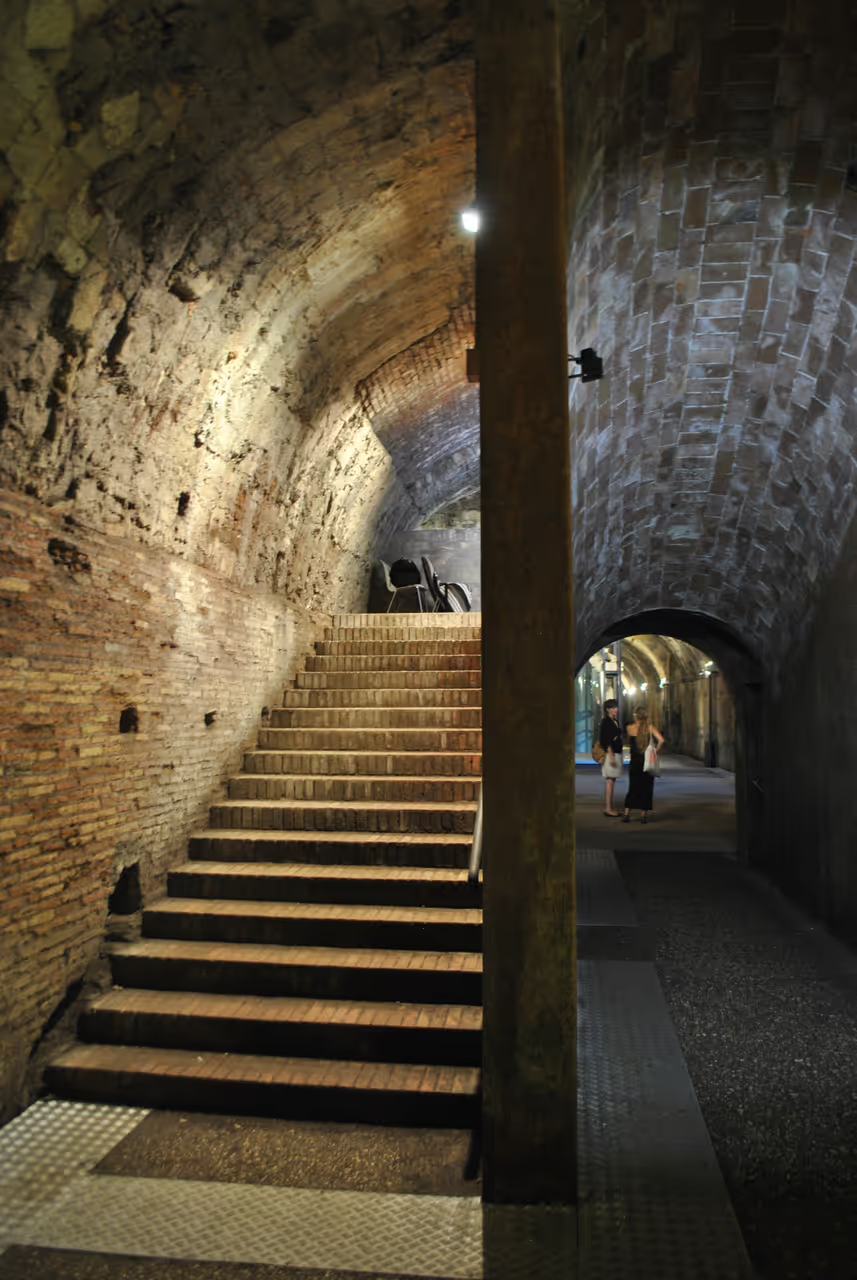
- • Underneath the bathhouse lies a massive network of tunnels used to store over 2,000 tonnes of wood for the furnaces.
Baths of Caracalla FAQ
While we strive to keep this information accurate and up to date, we recommend verifying any details independently before making decisions based on them.
Baths of Caracalla Map & Neighborhood Explorer
This interactive map is centered on Baths of Caracalla. Zoom in and move the map around to automatically discover Wikipedia photos and summaries of other nearby sights, monuments, and historical points of interest and stories in real-time!
Places near Baths of Caracalla
Make the most of your trip. Check out these top-rated spots located nearby.
 481m
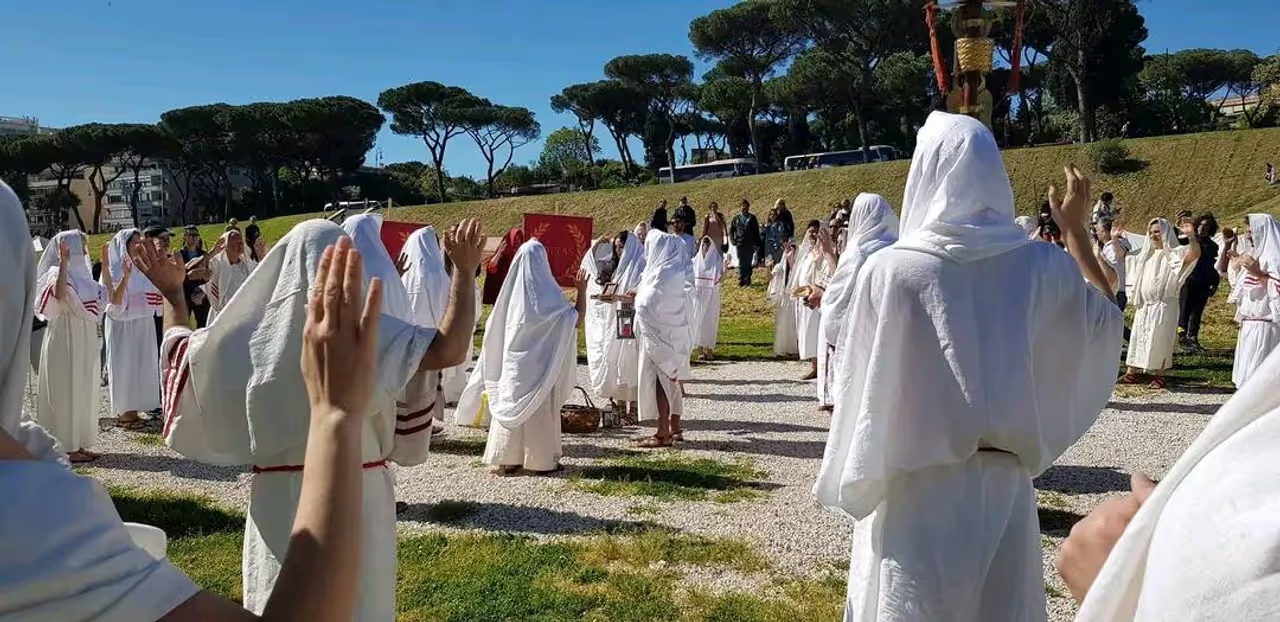
481mBirthday of Rome
This magnificent festival celebrates the legendary founding of the ancient capital with spectacular historical reenactments and grand parades. Hundreds of enthusiasts dress as gladiators, senators, and legionnaires to march proudly past the Colosseum and the Imperial Fora. The atmosphere is incredibly festive, offering a unique chance to step back into antiquity. Visitors can enjoy thrilling mock battles, ancient rituals, and educational displays that bring the past vividly to life. It is a proud and joyous occasion that perfectly captures the enduring spirit of the city.
festival view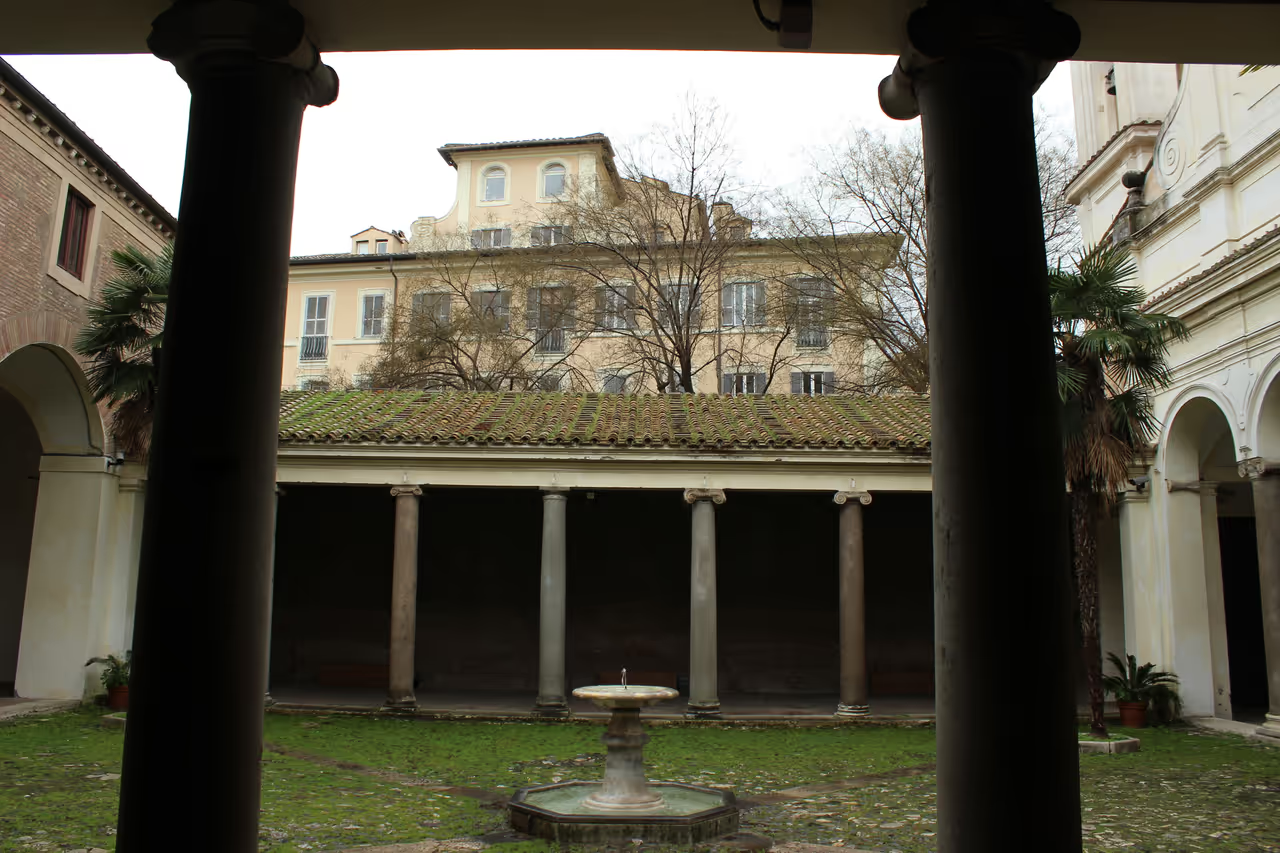 1052m
1052mBasilica of San Clemente
This unassuming church located near the Colosseum is arguably the most spectacular and literal example of the city's layered history. Visitors enter a beautiful twelfth century basilica, but can then descend a staircase into a remarkably preserved fourth century church hidden directly beneath it. Descending even deeper, you enter a damp, dark first century Roman street featuring an ancient pagan temple dedicated to the god Mithras. The sound of an underground spring rushing through an ancient aqueduct adds a haunting, incredibly evocative soundtrack to the lowest level. Exploring this site is a literal, thrilling journey descending through two thousand years of urban development.
hidden gem view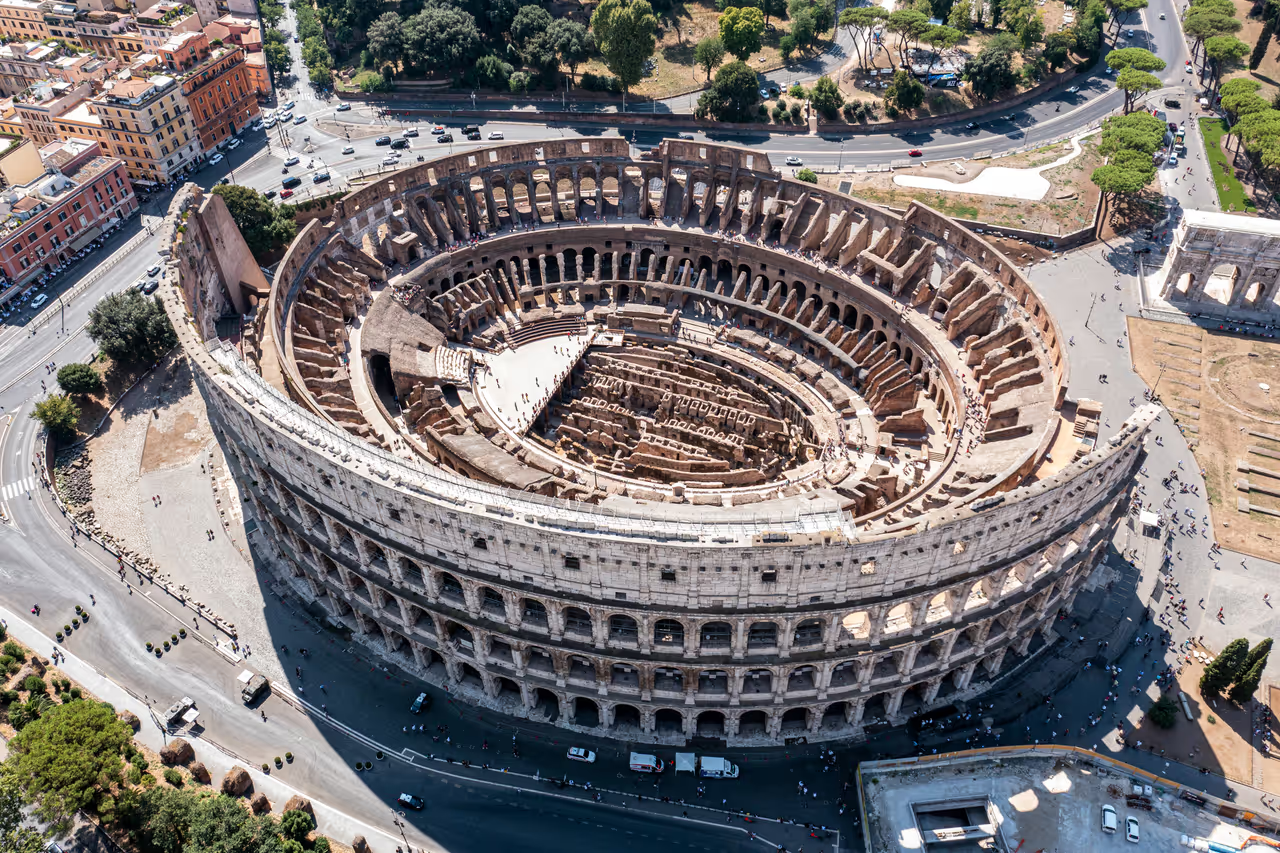 1069m
1069mColosseum
The Colosseum stands as the grandest monument of the Roman Empire, a stone giant that has witnessed centuries of drama and triumph. Its massive elliptical structure was once the stage for legendary gladiatorial contests and exotic animal hunts that captivated thousands. Exploring its tiers today provides a deep sense of connection to the ancient world and the incredible engineering skills of the Romans. The atmosphere inside is both powerful and reflective, especially when viewing the complex labyrinth of the underground tunnels. It is a place that tells a story of ambition, spectacle, and the eventual passage of time. Visiting this world wonder is an essential experience that brings the history of Rome to life in a way few other places can.
attraction view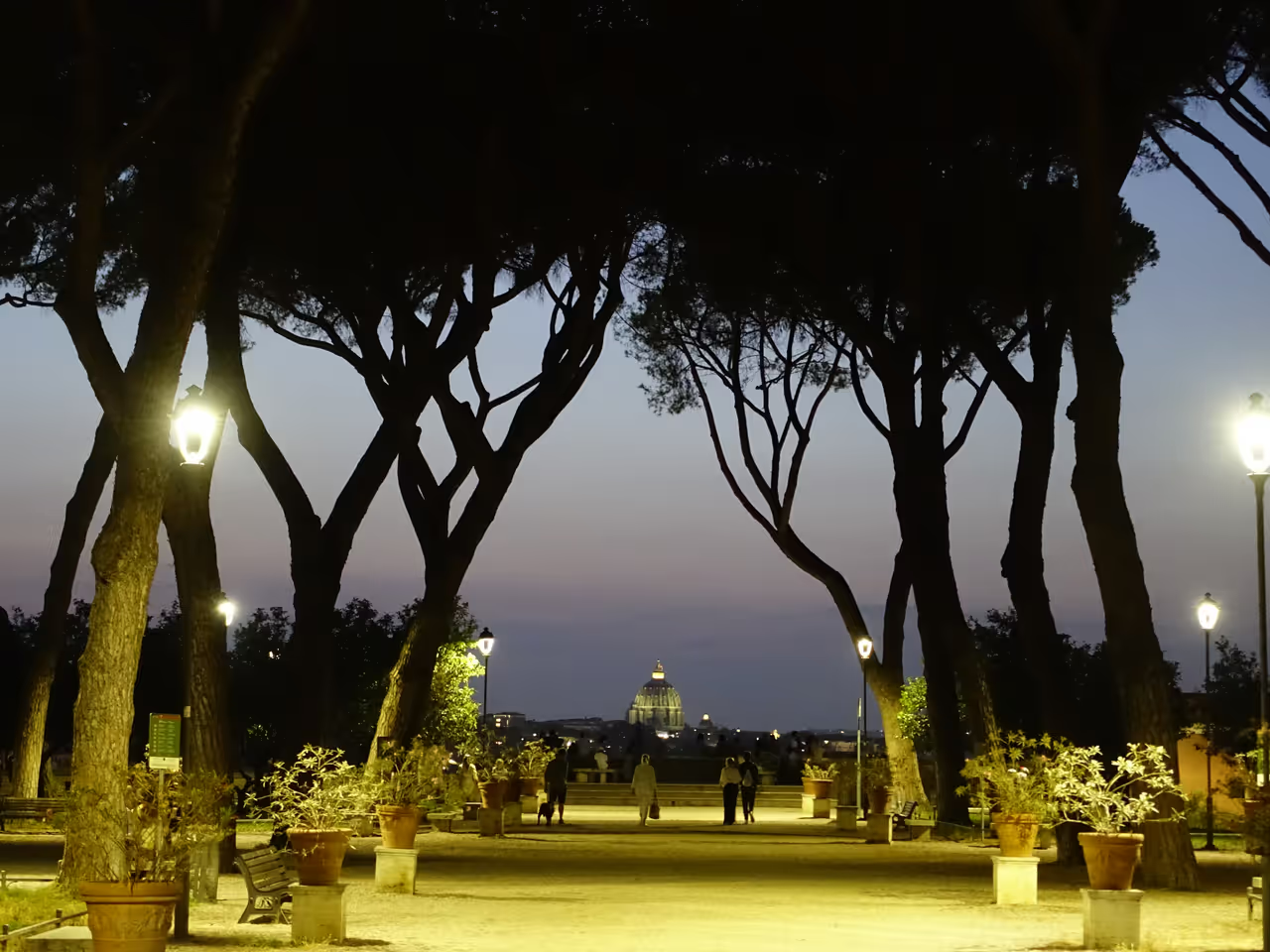 1095m
1095mOrange Garden
Perched gracefully atop the Aventine Hill, the Orange Garden is widely regarded as one of the most romantic spots in all of Rome. Its symmetrical rows of bitter orange trees create a fragrant and sheltered sanctuary that feels worlds away from the city below. The park is famous for its panoramic terrace, which provides a breathtaking view of the Roman skyline and the iconic dome of St. Peter's Basilica. It serves as a perfect location for a sunset stroll or a quiet moment of reflection under the shade of Mediterranean pines. The atmosphere is serene and elegant, reflecting the garden's history as part of a medieval fortress and a monastic orchard. Visiting this spot is a quintessential Roman experience that captures the timeless beauty of the city.
park & nature view
Explore Similar Places in This Collection
Featured on These Itineraries and Routes
5 Days in Rome: In Depth Discovery Itinerary
This extensive, highly rewarding itinerary is crafted for those who want to move beyond the famous highlights and discover the complex, hidden layers of the city. Building upon the essential classical and Renaissance sights, it introduces fascinating underground archaeological explorations, expansive rural parklands, and gritty, authentic working class districts. It provides a much deeper, nuanced understanding of how the ancient past continuously interacts with modern daily life. The relaxed timeframe allows for genuine cultural immersion, unhurried museum visits, and extensive culinary indulgence. It is a spectacular, complete experience of the multifaceted capital.
view itinerary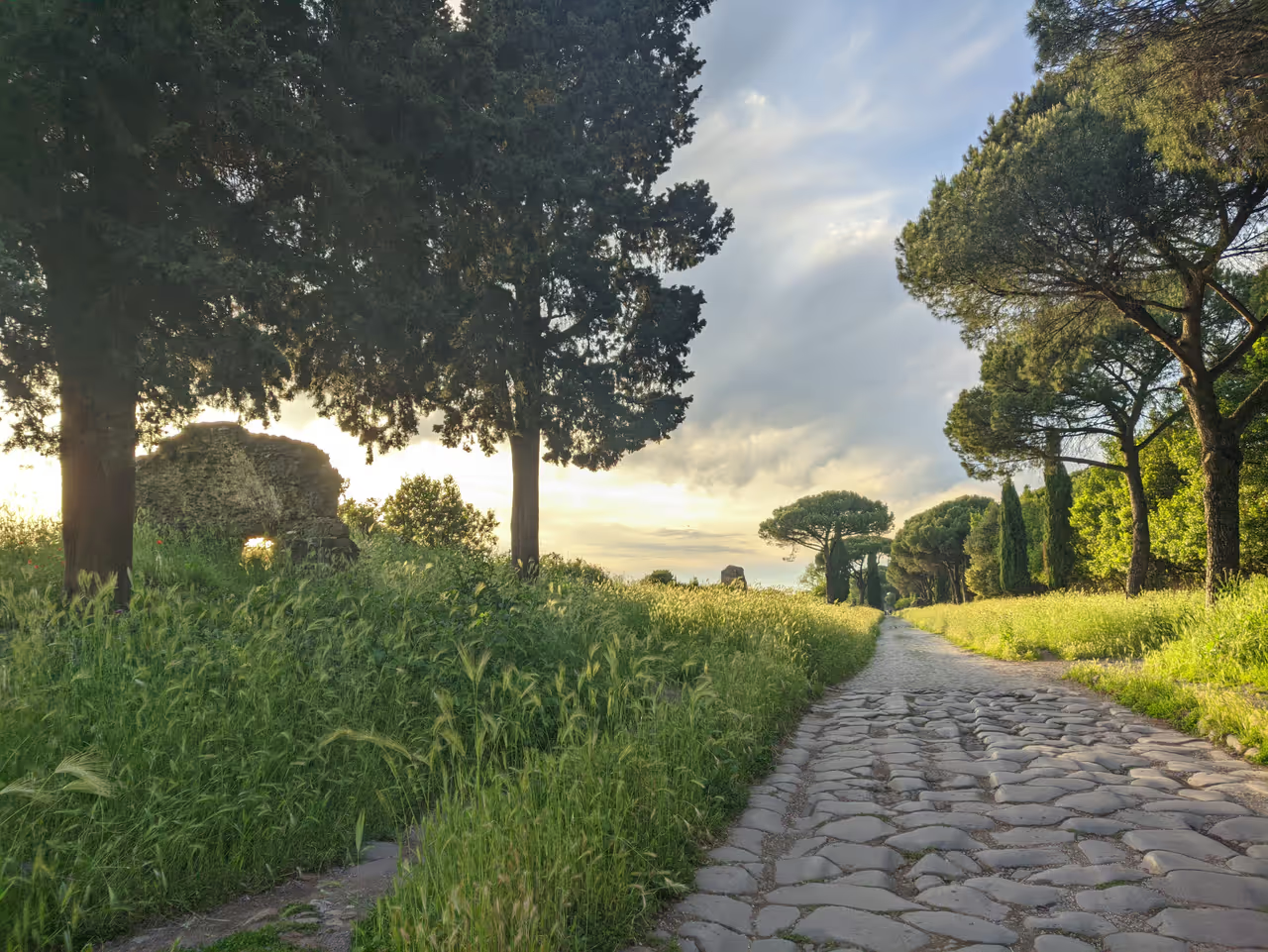
Ancient Appian Way Ride
This magnificent route takes cyclists along one of the most important and strategically significant roads of the ancient republic. The journey is an incredible mix of sweeping rural landscapes, towering umbrella pines, and monumental archaeological ruins scattered along the roadside. Riding over the massive, original basalt paving stones connects you directly to the footsteps of legions and emperors from millennia past. The profound tranquility of the regional park provides a startling and beautiful contrast to the chaotic energy of the urban centre. It is an absolutely essential experience for anyone wanting to combine gentle exercise with awe inspiring historical exploration.
view cycling route
See all attractions in Rome
Capitoline Museums, Castel Sant'Angelo, Colosseum, Pantheon, Roman Forum...