Orange Garden
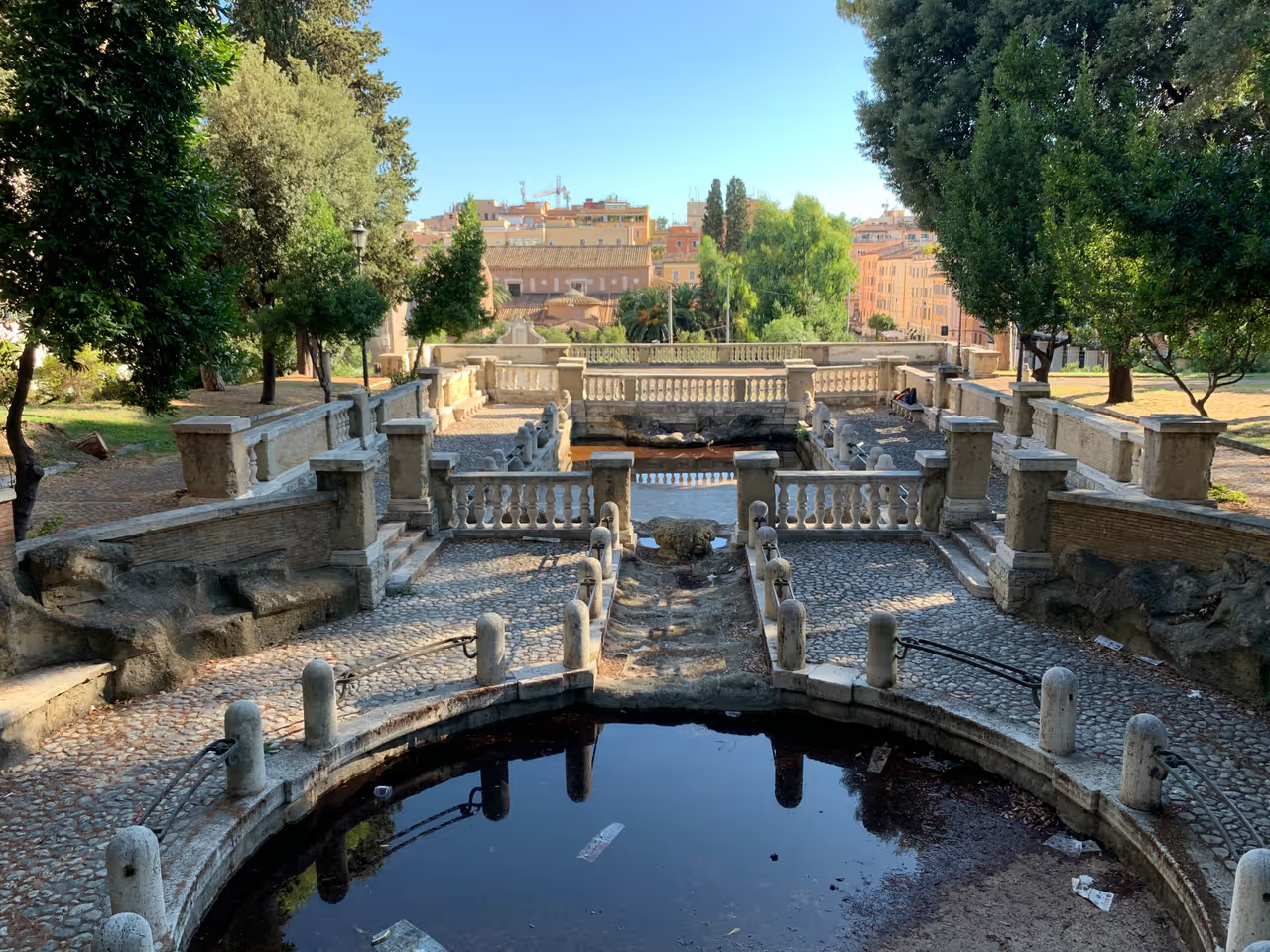
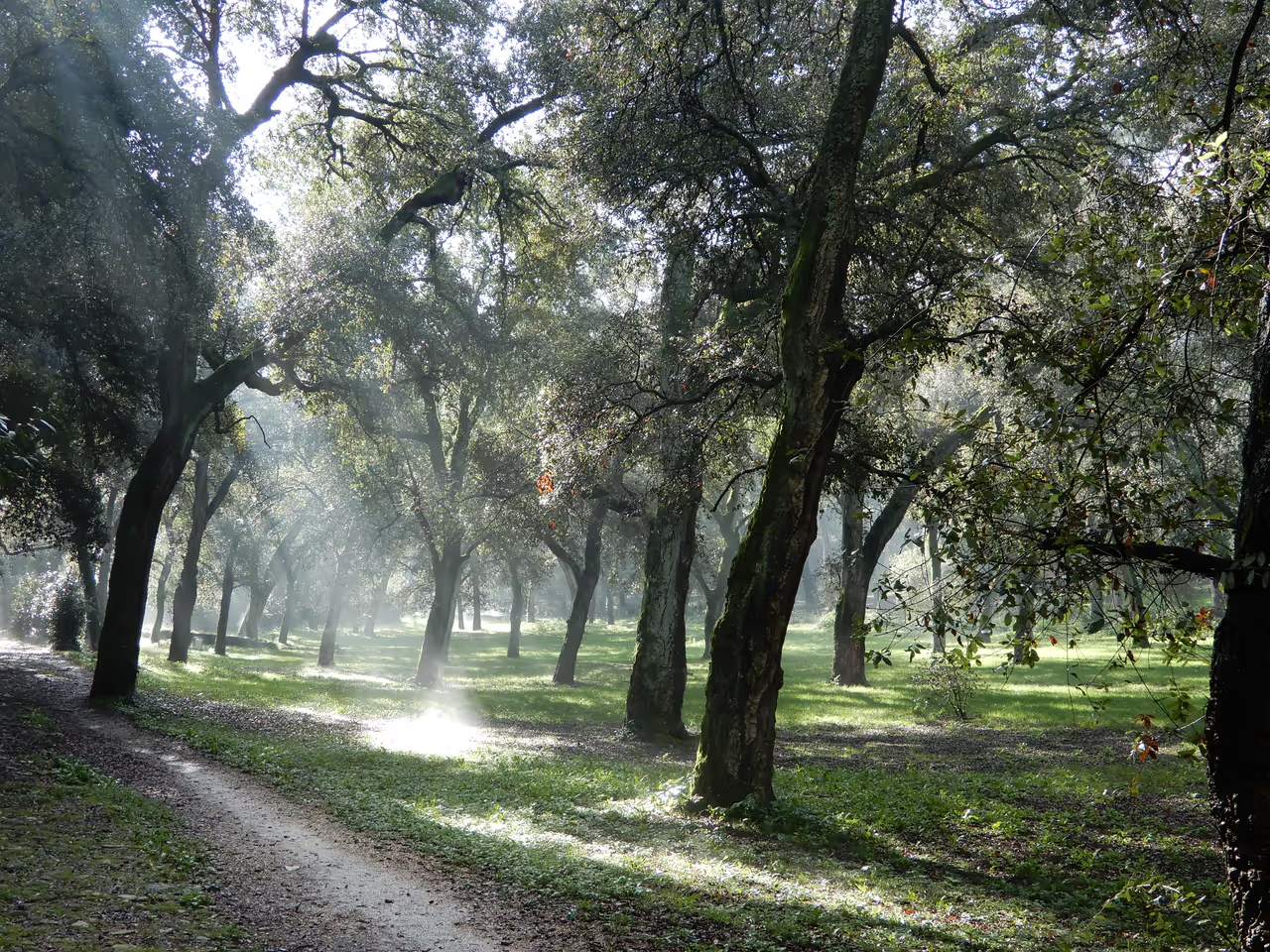
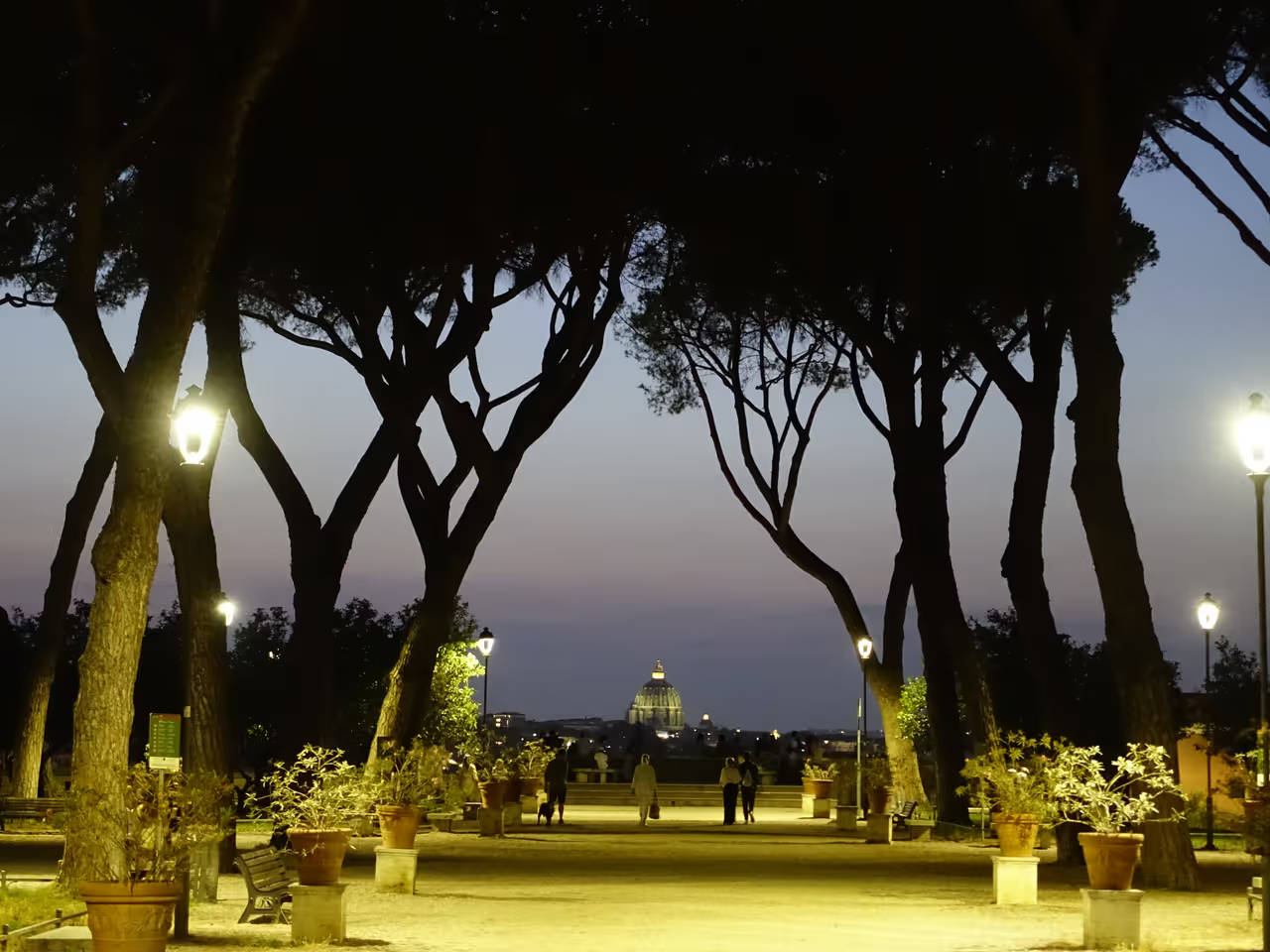
Perched gracefully atop the Aventine Hill, the Orange Garden is widely regarded as one of the most romantic spots in all of Rome. Its symmetrical rows of bitter orange trees create a fragrant and sheltered sanctuary that feels worlds away from the city below. The park is famous for its panoramic terrace, which provides a breathtaking view of the Roman skyline and the iconic dome of St. Peter's Basilica. It serves as a perfect location for a sunset stroll or a quiet moment of reflection under the shade of Mediterranean pines. The atmosphere is serene and elegant, reflecting the garden's history as part of a medieval fortress and a monastic orchard. Visiting this spot is a quintessential Roman experience that captures the timeless beauty of the city.
Videos
History of Orange Garden
The Aventine Hill has long been a place of retreat and power. In the 10th century, the Crescenzi family built a castle here to dominate the Tiber River, a structure that was later expanded in the 13th century by the Savelli family. These ancient walls still enclose the garden today, giving it the feeling of a secret courtyard protected from the outside world. For centuries, this specific plot of land served as an orchard for the Dominican friars of the neighbouring Basilica of Santa Sabina, who tended to the citrus trees in quiet contemplation. The transformation from a private monastic garden to a public treasure occurred in 1932. The city commissioned architect Raffaele De Vico to create a new viewpoint that would rival the famous terraces of the Pincian and Janiculum hills. De Vico designed the space with strict symmetry, ensuring that the central avenue acted as a visual corridor leading the eye directly toward the distant dome of the Vatican. This clever use of perspective made the garden an immediate success, becoming a favourite haunt for poets, lovers, and artists seeking inspiration from the Roman skyline. Today, the legacy of the Orange Garden is intertwined with the history of Italian cinema and culture. The main walkway is named after Nino Manfredi, one of the most beloved actors in Italian history, while the central piazza honours Fiorenzo Fiorentini. This connection to the arts continues through summer theatre festivals and the many filmmakers who choose this spot for its timeless aesthetic. It remains a place where the scent of orange blossoms and the echoes of medieval history come together to offer a uniquely peaceful Roman experience.
Events spanning 784 years
Fun Facts
- • A legendary orange tree in the neighbouring cloister is said to have been planted by Saint Dominic himself in the 13th century.
- • During the summer months, the central square often transforms into an open air theatre for local performances.
- • It is situated just a few steps away from the famous Knights of Malta Keyhole, allowing for a double dose of Roman magic.
- • The fountain at the entrance features a large marble mask from 1593 that has survived multiple demolitions across Rome.
- • The garden is built within the remains of a medieval castle that once belonged to the Savelli family.
- • The garden is technically known as Parco Savello, though almost everyone calls it the Orange Garden.
- • The granite basin of the fountain was originally used in an ancient Roman thermal bath.
- • The layout was meticulously designed by architect Raffaele De Vico to provide a perfectly framed view of St. Peter's Dome from the central path.
- • The main gate was originally located at Villa Balestra before being transported here in the late 1930s.
- • The orange trees found here are the bitter variety, meaning they look beautiful but are quite sharp to the taste.
- • The park became a global icon after being featured in the Academy Award winning film The Great Beauty.
- • The park covers roughly 7,800 square metres of the historic Aventine Hill.
Orange Garden FAQ
While we strive to keep this information accurate and up to date, we recommend verifying any details independently before making decisions based on them.
Orange Garden Map & Neighborhood Explorer
This interactive map is centered on Orange Garden. Zoom in and move the map around to automatically discover Wikipedia photos and summaries of other nearby sights, monuments, and historical points of interest and stories in real-time!
Places near Orange Garden
Make the most of your trip. Check out these top-rated spots located nearby.
 269m
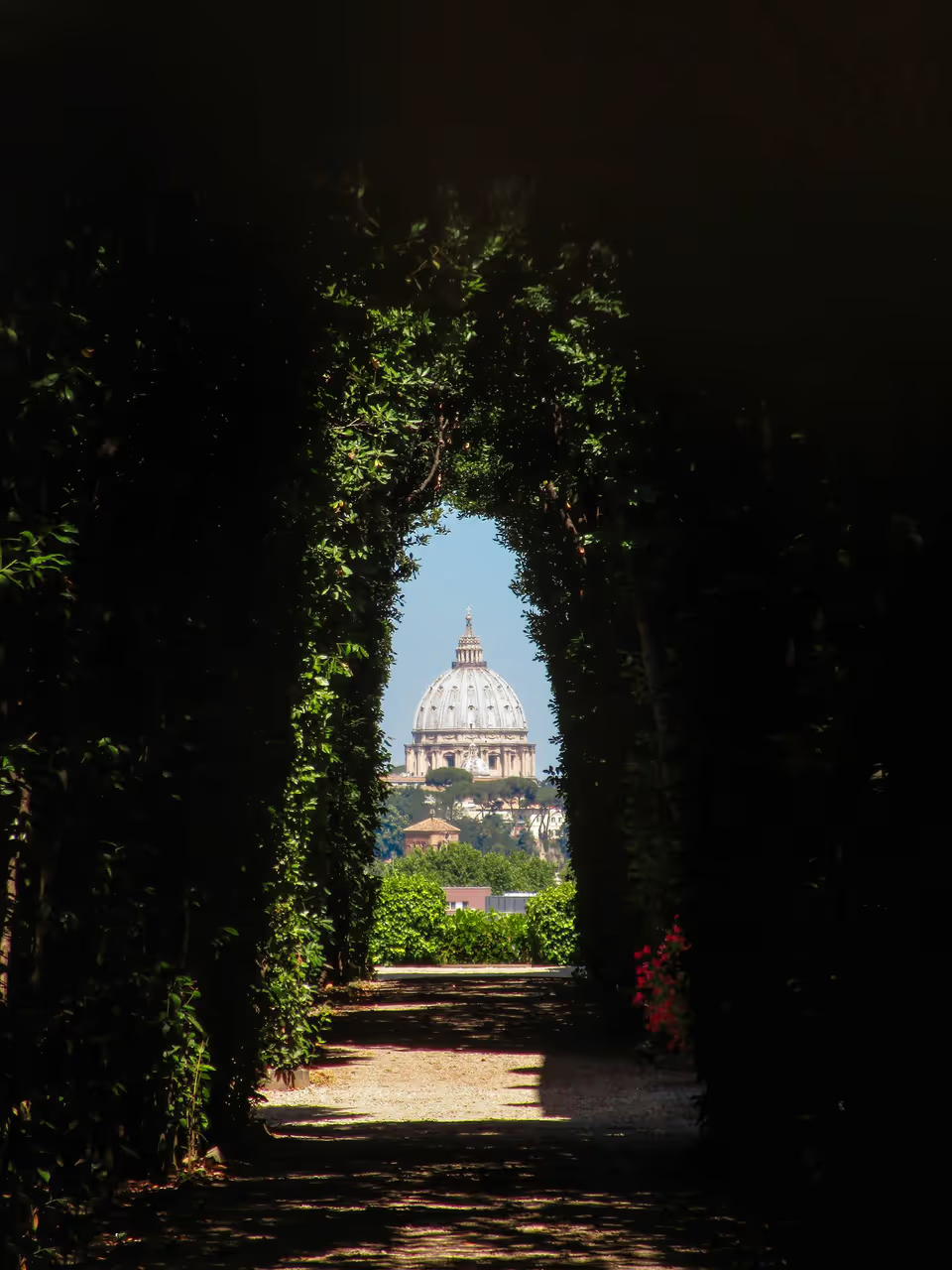
269mAventine Keyhole
This is undoubtedly the most quirky, surprising, and meticulously framed photographic novelty in the entire capital. Peering through the unassuming brass keyhole in the heavy green door of the Priory of the Knights of Malta reveals a perfectly aligned, optical illusion. The view looks down a beautifully manicured, dark garden trellis that perfectly frames the distant, brilliantly illuminated dome of St. Peter's Basilica. Successfully capturing this tricky, three layered shot through the tiny aperture requires patience and a steady hand. It is a delightfully secretive, highly rewarding visual trick that delights everyone who discovers it.
photo spot view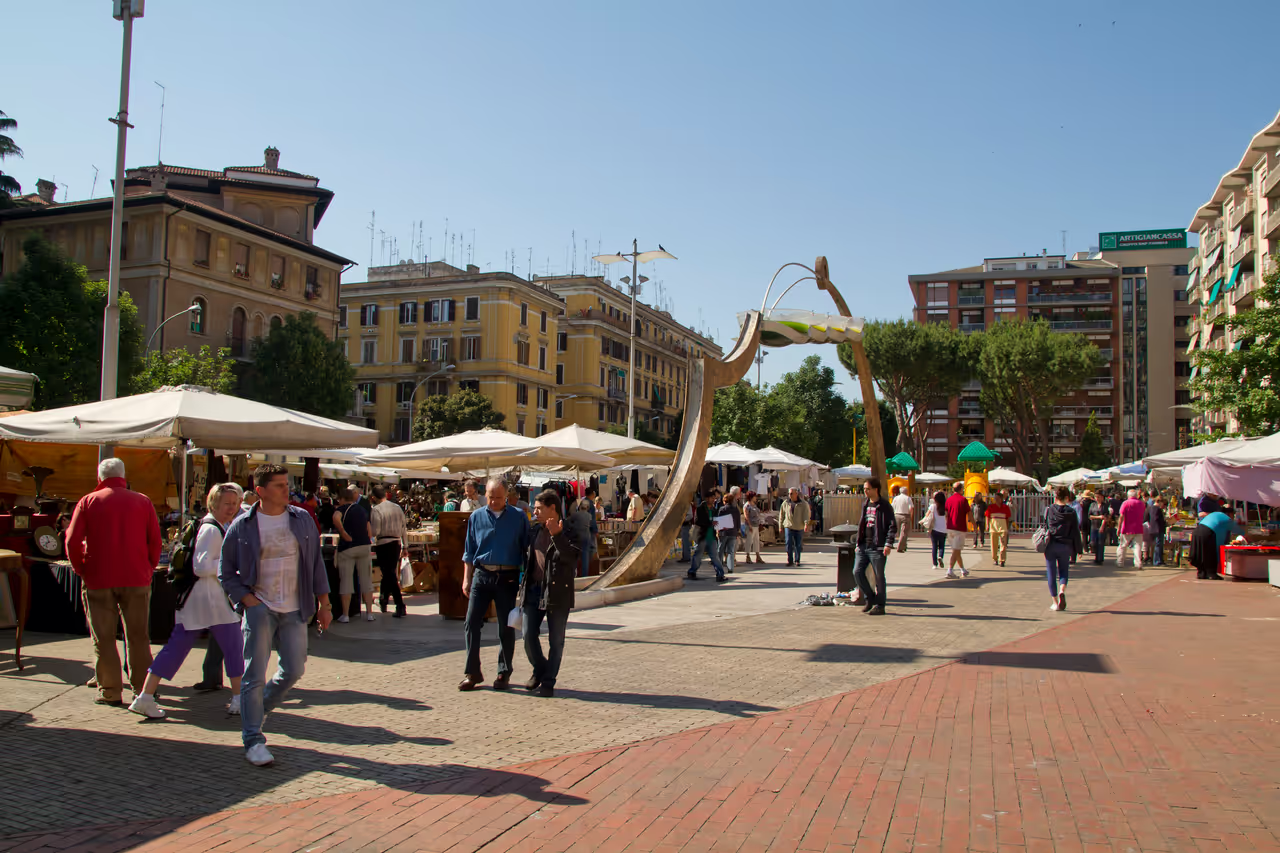 551m
551mPorta Portese Flea Market
This is the largest and most famous Sunday flea market in the capital, stretching endlessly through the streets of the Trastevere district. It is a chaotic, fascinating treasure hunt where you can find absolutely anything from antique furniture and vintage clothing to rare books and quirky collectibles. The sheer scale of the market is overwhelming, offering an adventurous experience for dedicated bargain hunters and curious browsers alike. Haggling is expected here, adding an interactive and theatrical element to the shopping experience. Arriving early is essential to uncover the best hidden gems before the massive crowds descend.
market view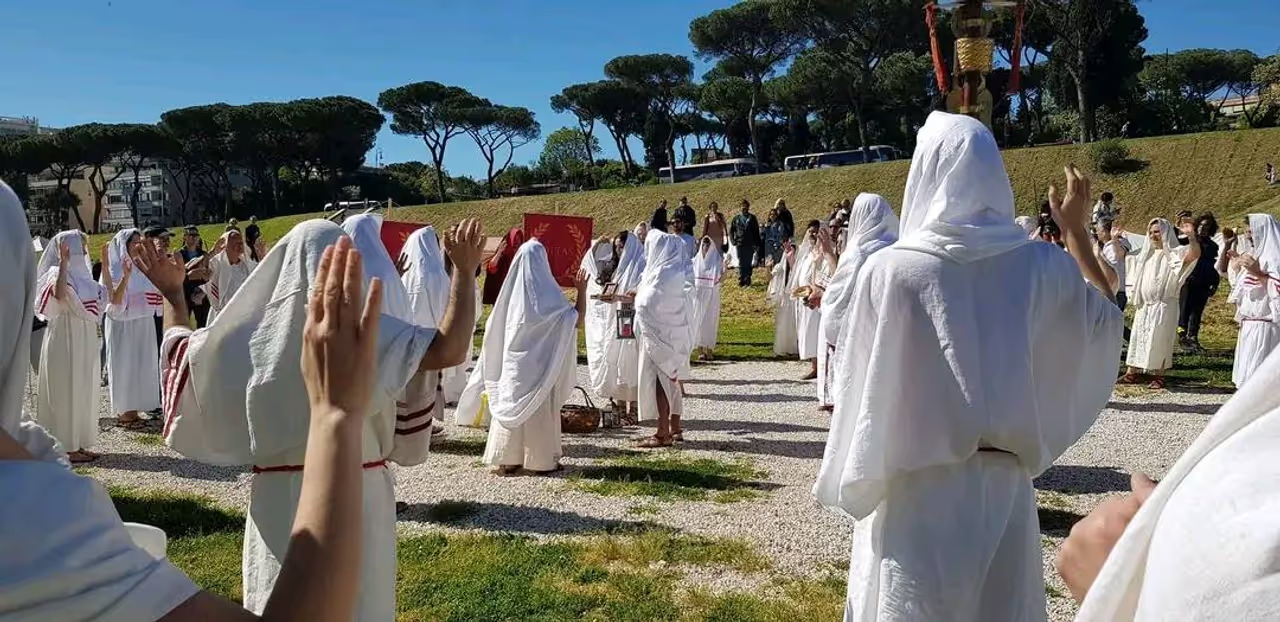 647m
647mBirthday of Rome
This magnificent festival celebrates the legendary founding of the ancient capital with spectacular historical reenactments and grand parades. Hundreds of enthusiasts dress as gladiators, senators, and legionnaires to march proudly past the Colosseum and the Imperial Fora. The atmosphere is incredibly festive, offering a unique chance to step back into antiquity. Visitors can enjoy thrilling mock battles, ancient rituals, and educational displays that bring the past vividly to life. It is a proud and joyous occasion that perfectly captures the enduring spirit of the city.
festival view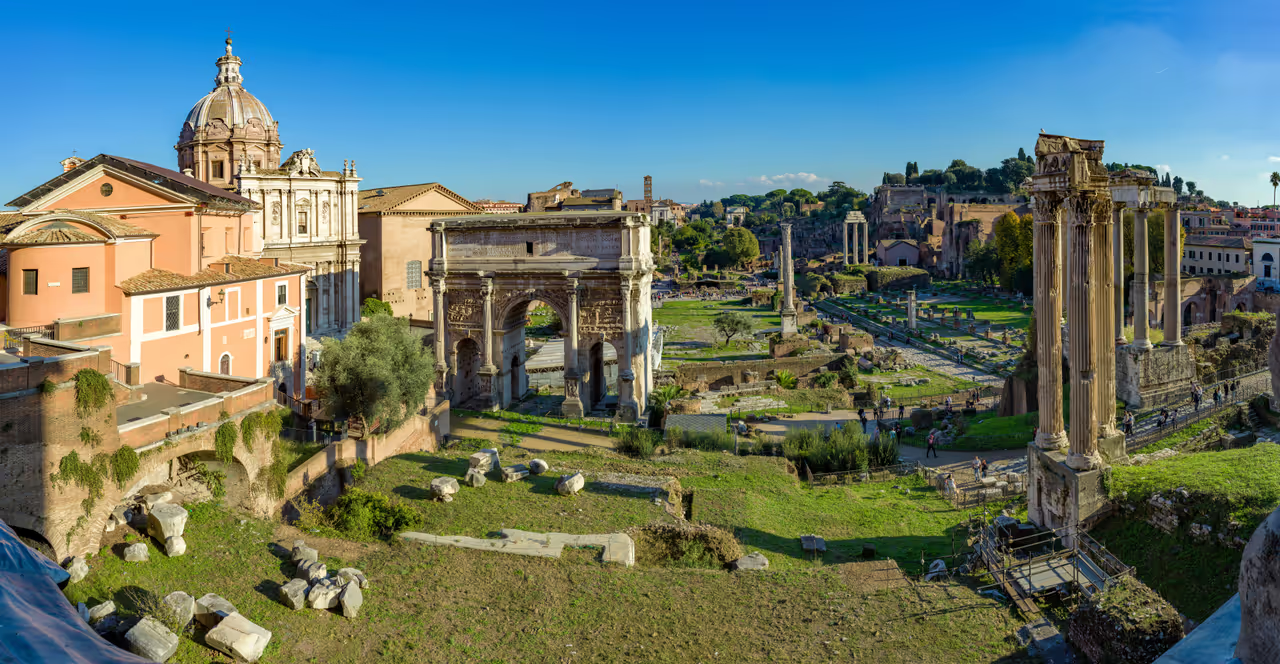 912m
912mCapitoline Museums
Perched atop the legendary Capitoline Hill, this extraordinary museum complex offers an immersive journey through the heart of Roman identity. As the oldest public museum in the world, it provides a unique atmosphere where history feels tangible and accessible to everyone. Visitors can explore the magnificent Palazzo dei Conservatori and Palazzo Nuovo, which are themselves architectural masterpieces designed by Michelangelo. The collection features iconic symbols like the original bronze Capitoline Wolf and the colossal head of Constantine, offering a visual feast of ancient grandeur. Beyond the marble statues, the underground passage through the Tabularium provides a spectacular vista of the Roman Forum. Visiting here is a profound experience that connects you directly to the foundations of Western civilisation and the spirit of the Eternal City.
attraction view
Featured on This Itinerary
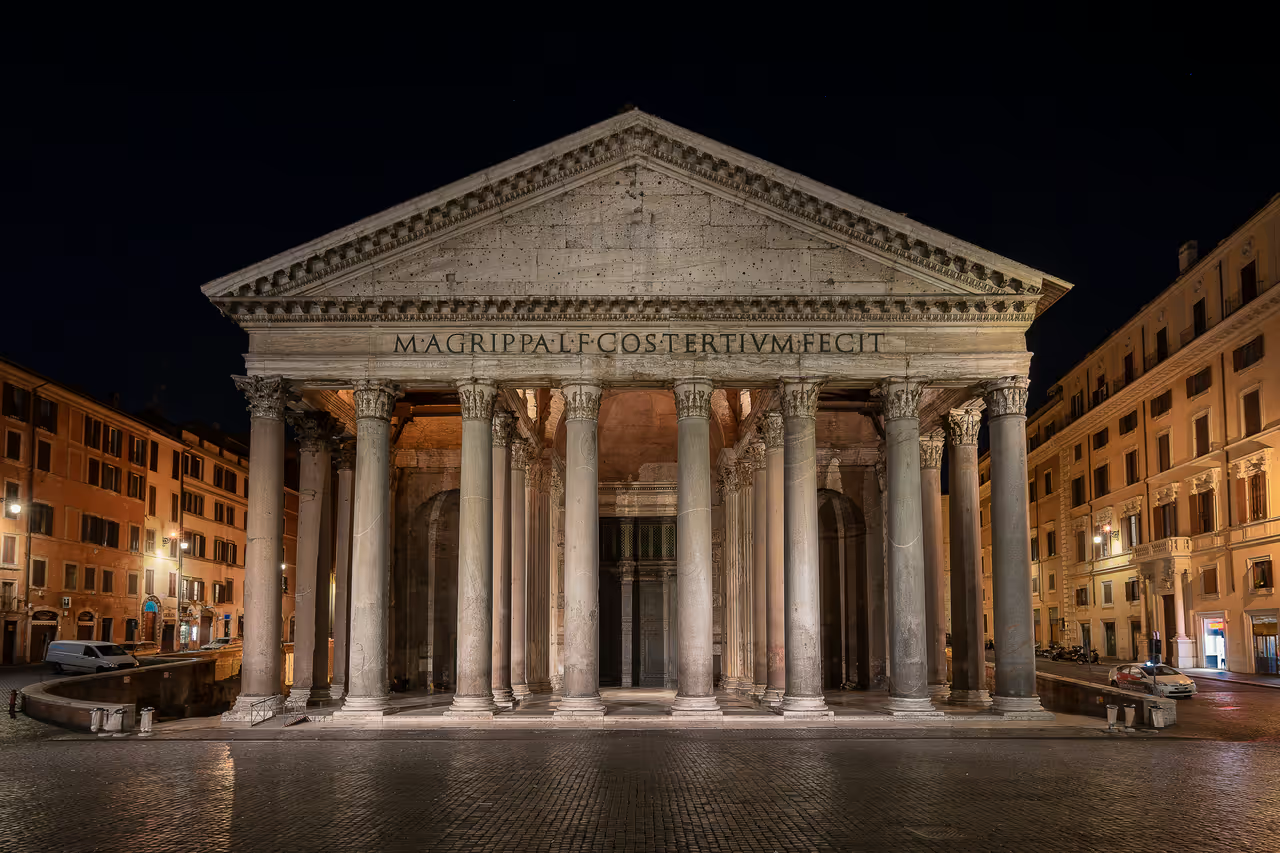
See all nature & parks in Rome
Appian Way Regional Park, Janiculum Hill, Villa Borghese, Villa Doria Pamphili, Colle Oppio Park and Baths of Trajan, Villa Ada Savoia...