Castel Sant'Angelo
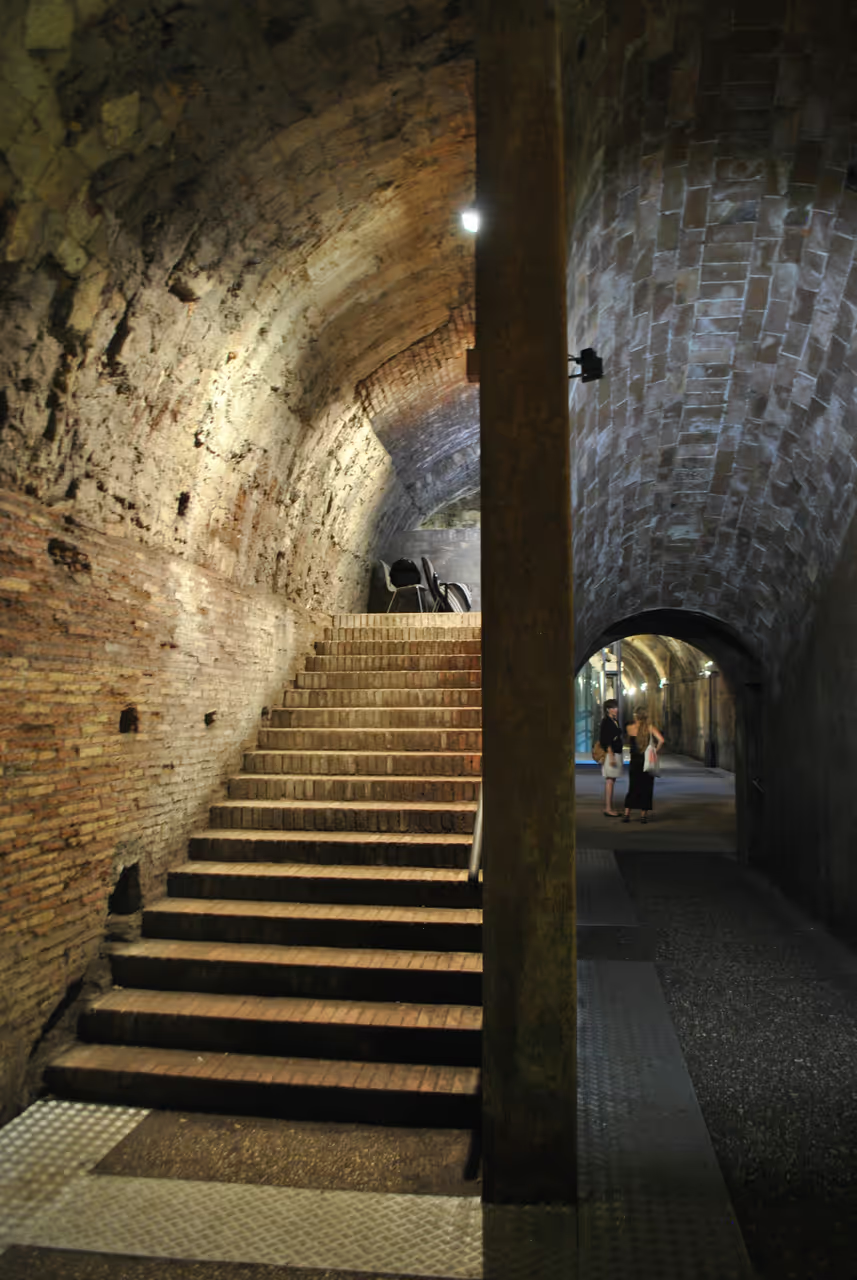
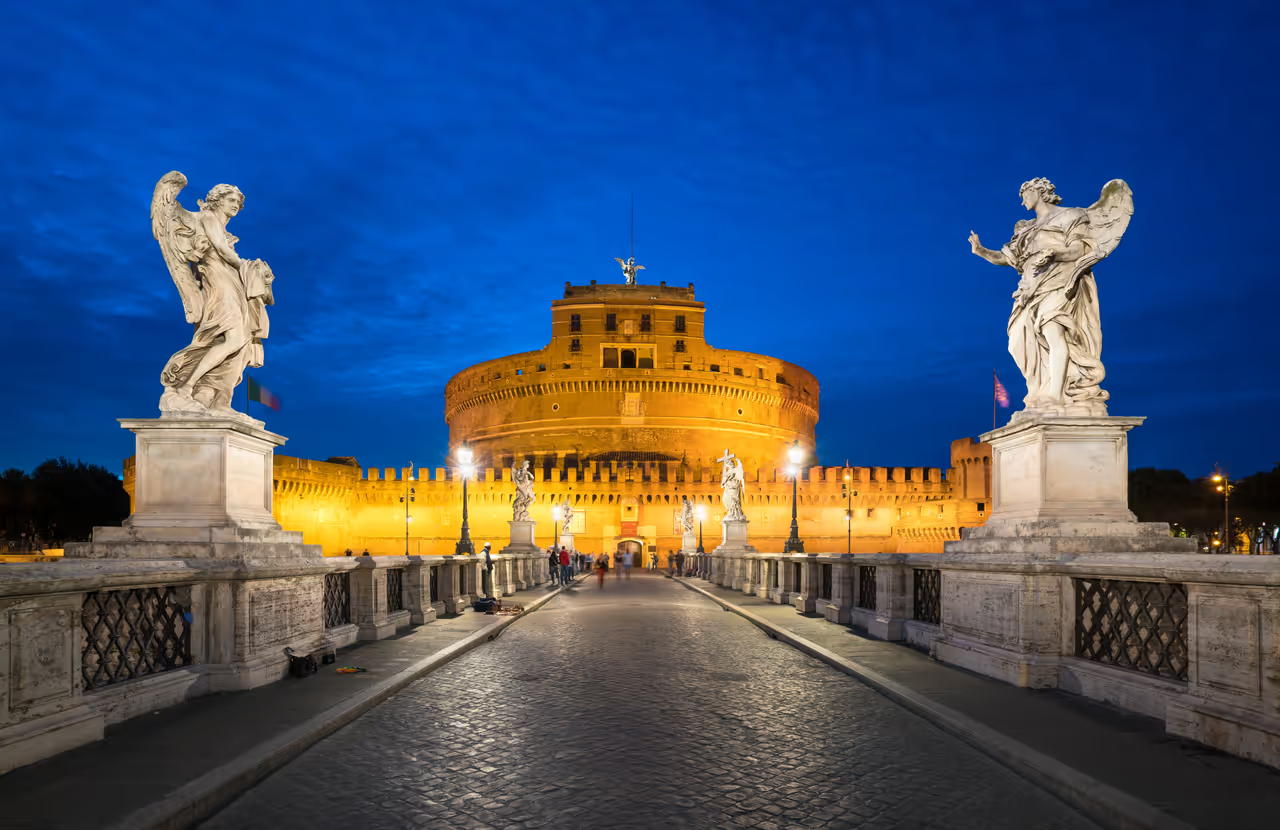
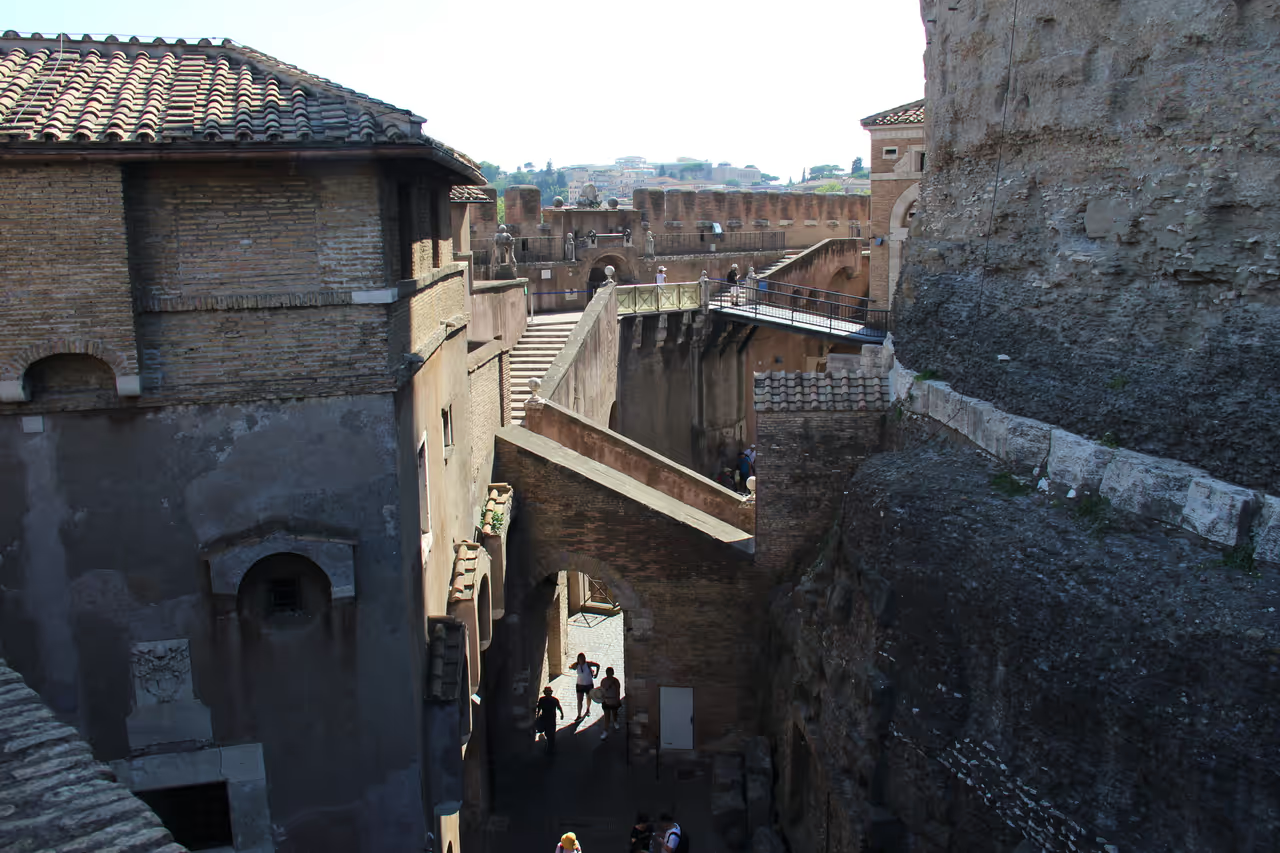
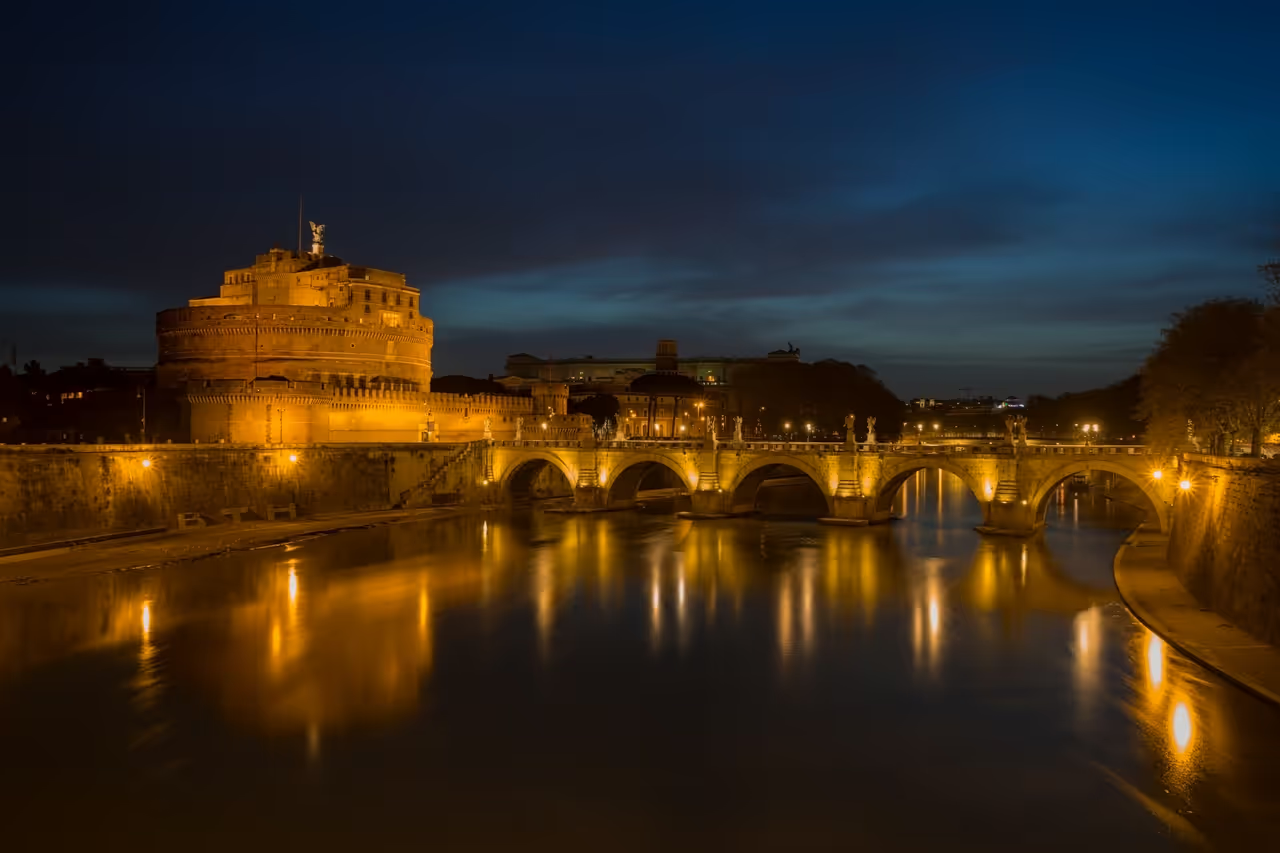
Standing as a colossal guardian over the River Tiber, this fortress is a monumental witness to nearly two thousand years of Roman history. It is a rare site that has served as a grand imperial tomb, a fortified papal stronghold, and a grim prison before becoming the beloved museum it is today. Visitors are treated to a layered experience where ancient Roman masonry meets lavish Renaissance frescoes and military battlements. The highlight for many is the rooftop terrace, offering one of the most spectacular panoramic views across the city toward Saint Peters Basilica. Exploring its winding ramps and secret corridors feels like stepping through the very timeline of Rome itself. Its unique silhouette topped by a bronze angel makes it one of the most iconic landmarks on the city skyline.
Videos
History of Castel Sant'Angelo
The story of Castel Sant'Angelo begins with an emperors desire for immortality. In the second century, Hadrian envisioned a resting place so grand it would forever command the Roman skyline. Built across the Tiber from the Field of Mars, it was a massive cylinder of travertine and marble, topped by a grove of trees and a bronze chariot. For nearly a century, it remained the final sanctuary for Rome's imperial families, a silent monument to the power of the Caesars. As the Roman Empire began to crumble, the monuments role shifted from peace to preservation. Its massive walls were integrated into the city's defensive circuit, transforming the tomb into a vital shield against invading tribes. Legend took hold in the sixth century when Pope Gregory the Great led a procession to plead for the end of a plague. He saw a vision of the Archangel Michael sheathing a sword atop the monument, an omen of mercy that gave the castle its current name. From that moment, the fortress became inseparable from the papacy, serving as a refuge of last resort during Rome's most turbulent centuries. Throughout the Renaissance, the castle lived a double life. On the outside, it remained a formidable military bastion with bastions named after the Evangelists. Inside, however, popes like Alexander VI and Paul III commissioned the finest artists to create lavish apartments that rivalled the Vatican in beauty. It was a place of high drama, housing the papal treasury and secret archives, while its darker corners served as high security prisons for heretics and political rivals. Today, it stands as a unique architectural hybrid, where you can walk through an ancient Roman corridor and emerge into a hall of exquisite sixteenth century frescoes.
Events spanning 1771 years
Fun Facts
- • A mysterious stone in the Capitoline Museums is said to bear the footprints of the Archangel Michael from the moment he landed on the castle roof.
- • A tragic bribe occurred when the family of Cardinal Orsini offered a rare pearl to Pope Alexander VI for his release, only for the Pope to return the Cardinal as a corpse.
- • During the Goths' siege in 537, defenders famously threw priceless marble statues down onto the attackers to use as projectiles.
- • Inside the castle lies a lavish private bathroom created for Pope Clement VII, decorated with mythical scenes of nymphs and dolphins.
- • The Barberini Faun, one of the most famous Hellenistic sculptures in the world, was discovered in the moat of the castle where it had been tossed as a weapon.
- • The Passetto di Borgo is roughly 800 metres long and was famously used by Pope Pius VII to hide from Napoleons troops.
- • The Sammalo cell was one of the most feared dungeons where prisoners were lowered from above and could neither stand nor lie down.
- • The castle was once known as the Castrum Crescentii during the Middle Ages when it was the private stronghold of the powerful Crescentii family.
- • The current bronze angel on the summit is actually the sixth version; previous ones were made of wood, marble, and even melted down to make cannons.
- • The fortress is the dramatic setting for the final act of Puccini's opera Tosca, where the protagonist leaps to her death from the ramparts.
- • The fortress started as a burial ground for emperors, holding the remains of every ruler from Hadrian down to Septimius Severus.
- • The helical ramp leading to the imperial burial chamber is an engineering marvel of the ancient world, designed to facilitate the transport of heavy stone sarcophagi.
RESOURCES
Official WebsiteCastel Sant'Angelo FAQ
While we strive to keep this information accurate and up to date, we recommend verifying any details independently before making decisions based on them.
Castel Sant'Angelo Map & Neighborhood Explorer
This interactive map is centered on Castel Sant'Angelo. Zoom in and move the map around to automatically discover Wikipedia photos and summaries of other nearby sights, monuments, and historical points of interest and stories in real-time!
Places near Castel Sant'Angelo
Make the most of your trip. Check out these top-rated spots located nearby.
 590m
590mAltemps Palace
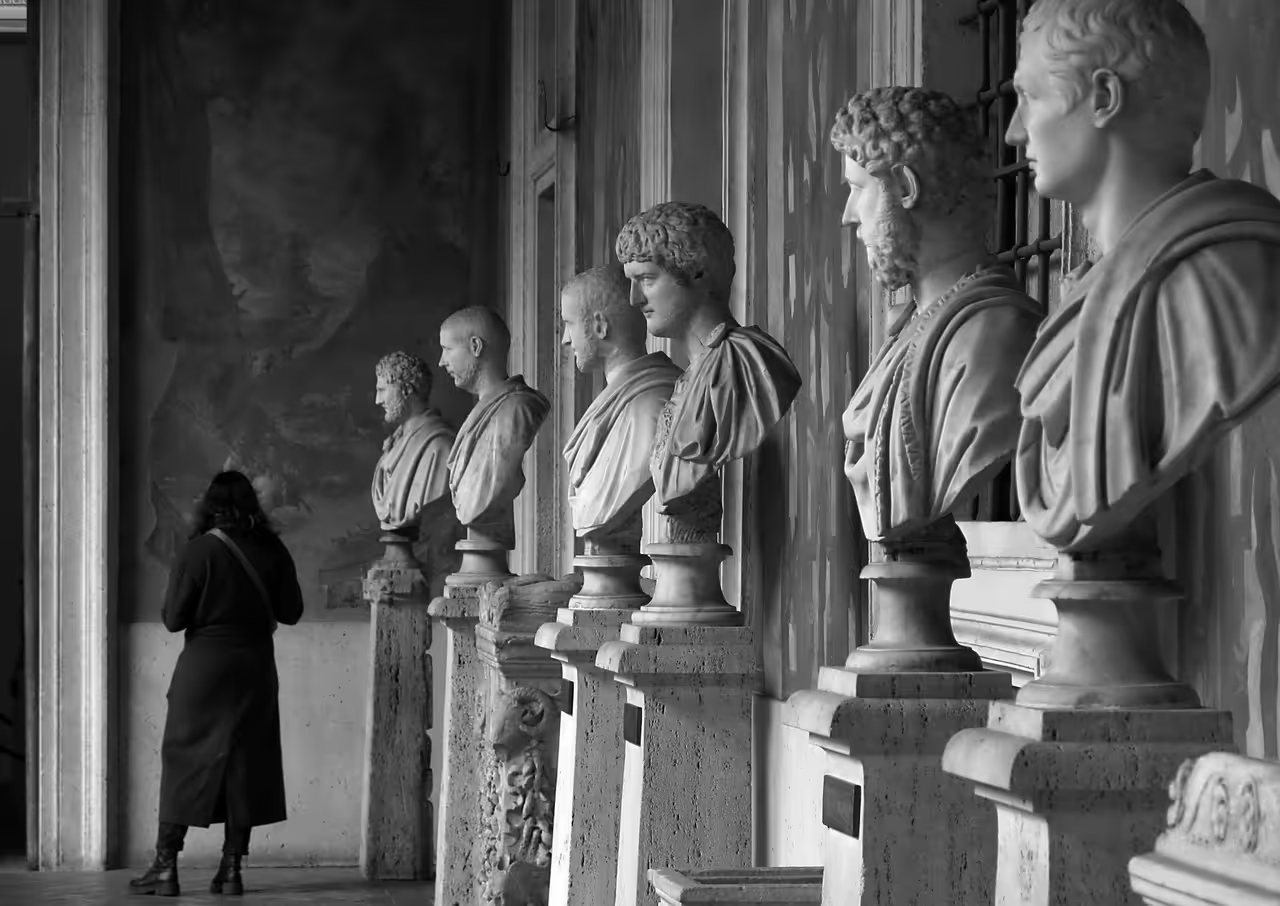
This breathtaking, beautifully restored aristocratic Renaissance palace houses a spectacular but frequently overlooked collection of ancient classical sculptures. The opulent, frescoed rooms and the stunning, multi tiered courtyard provide a perfectly elegant, highly atmospheric setting for the magnificent artworks. Unlike the crowded major museums, the atmosphere here is incredibly serene, allowing visitors to intimately appreciate the delicate details of the marble statues. It features famous masterpieces from legendary private collections, showcasing the exquisite taste of sixteenth century nobility. It is an absolute must visit for anyone seeking classical beauty away from the exhausting tourist masses.
hidden gem view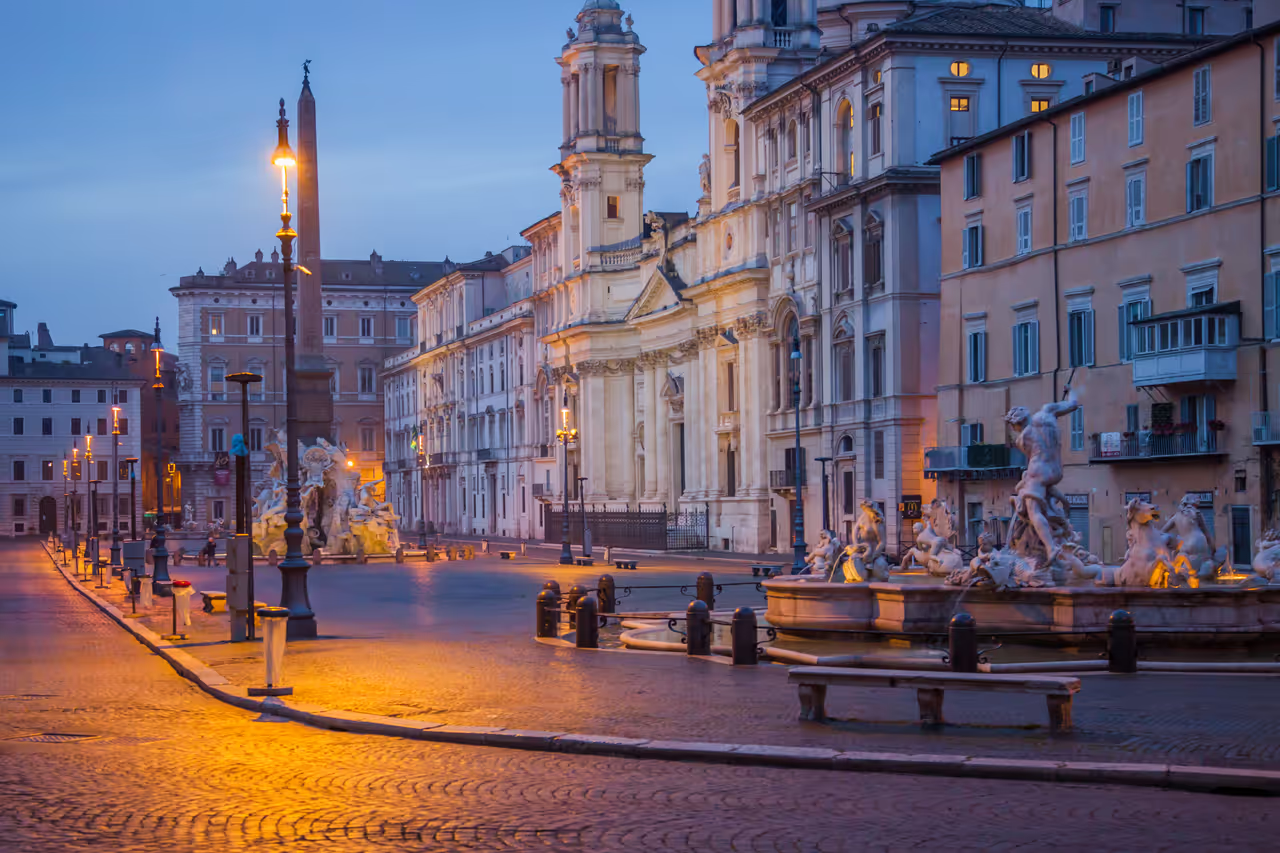 713m
713mPiazza Navona
This elongated, stunningly beautiful square is arguably the most elegant and joyous public space in the entire capital. Built directly upon the footprint of an ancient stadium, its unique shape is a direct reflection of its sporting origins. Today, it is a masterpiece of Baroque architecture, dominated by the spectacular Fountain of the Four Rivers designed by Bernini. The perimeter is lined with colourful palazzos and bustling cafes, making it a fantastic place to sit and observe the lively crowds. Street artists, musicians, and portrait painters add a vibrant, bohemian energy to the atmosphere. It is an absolute must visit for anyone wanting to experience the theatrical charm of the historic centre.
highlight view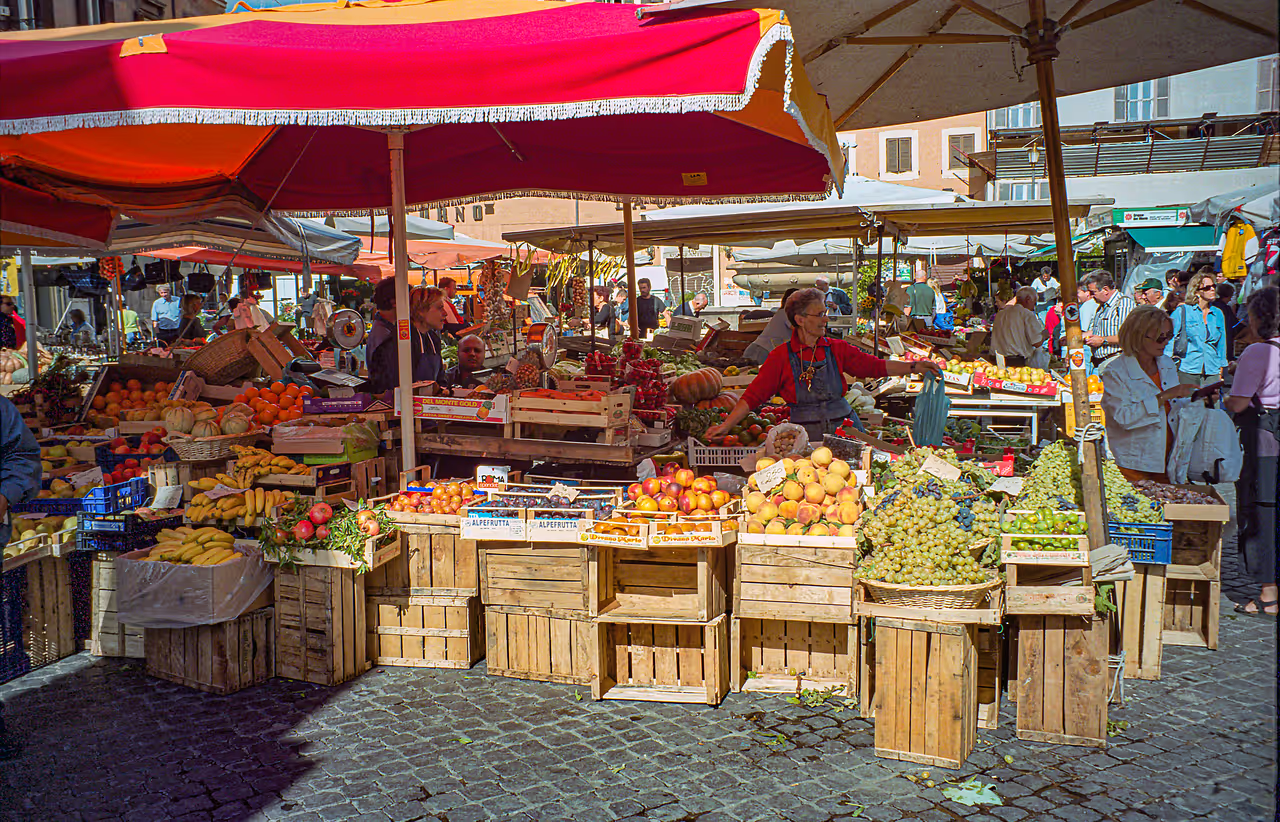 952m
952mCampo de' Fiori Market
Situated in one of the most picturesque historic squares, this vibrant daily market is a feast for the senses. Colourful stalls overflow with fresh seasonal vegetables, exotic fruits, fragrant spices, and beautifully arranged local flowers. The lively banter of the vendors and the enticing smells of fresh produce create an incredibly energetic and traditional atmosphere. While it has become popular with tourists, it retains its historic charm and remains a fantastic place to observe the daily rhythms of local life. Surrounding artisan shops and bakeries make it the perfect starting point for a culinary exploration.
market view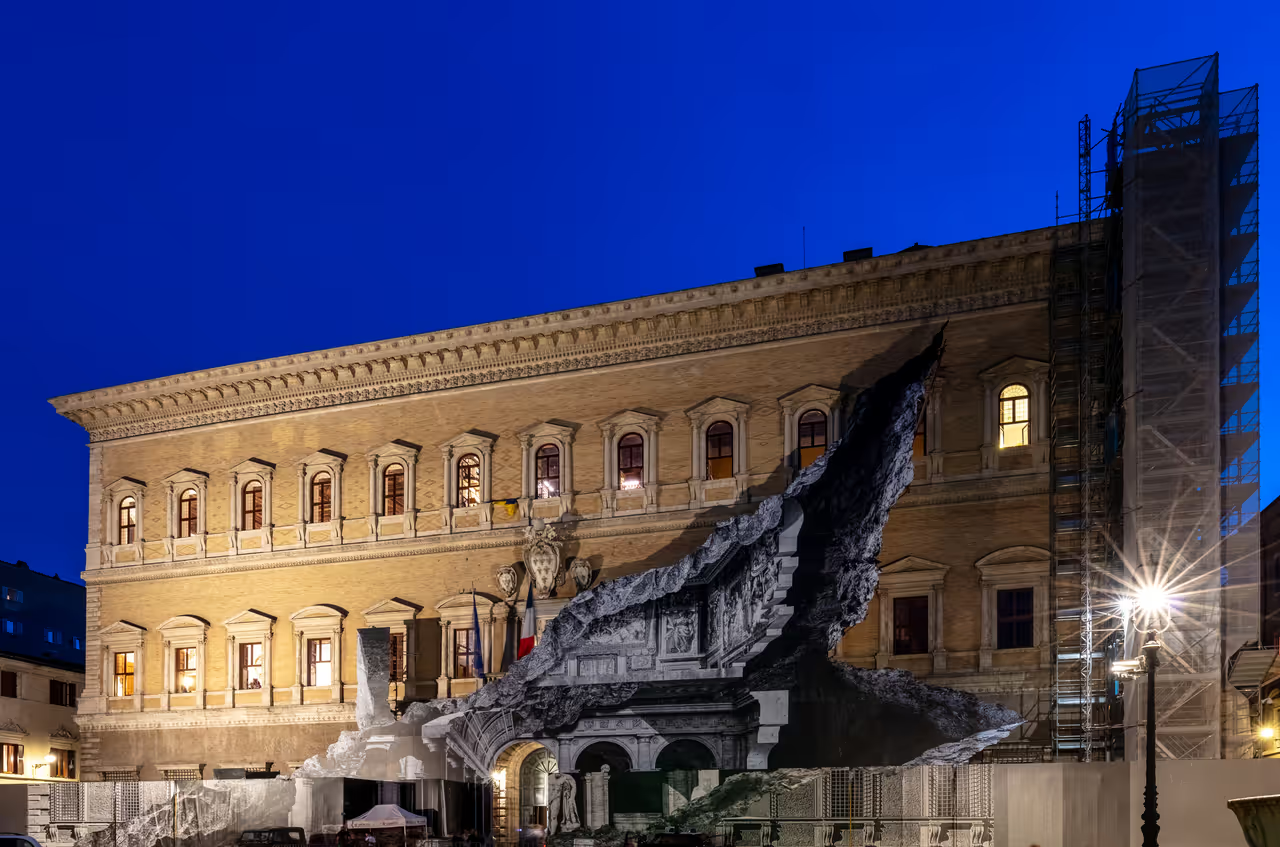 979m
979mFarnese Palace
This massive, imposing aristocratic residence is widely regarded as one of the most important and impressive High Renaissance palaces in the city. Designed by a series of brilliant architects, including Michelangelo who added the distinctive, prominent cornice, its facade is a masterclass in elegant, powerful civic design. The perfectly ordered windows and the magnificent central balcony project an image of immense wealth and political authority. Today, it serves as the French Embassy, adding an aura of exclusivity to its grand, monumental presence. The sheer bulk and refined detailing of the building dominate the beautiful, fountain filled square it faces.
architecture view
Explore Similar Places in These Collections
Featured on These Itineraries and Routes
Tiber River Cycle Path
This excellent dedicated cycling path runs directly alongside the banks of the mighty river that cuts through the historic centre. Descending the steps to the river level completely removes you from the chaotic street traffic, offering a uniquely peaceful perspective of the city. The route passes directly beneath massive stone bridges, providing dramatic upward views of ancient castles, grand basilicas, and historic river islands. It is a fantastic, uninterrupted greenway that allows cyclists to cover significant distances rapidly while enjoying cool river breezes. The industrial era embankments add a compelling, gritty contrast to the classical monuments above.
view cycling route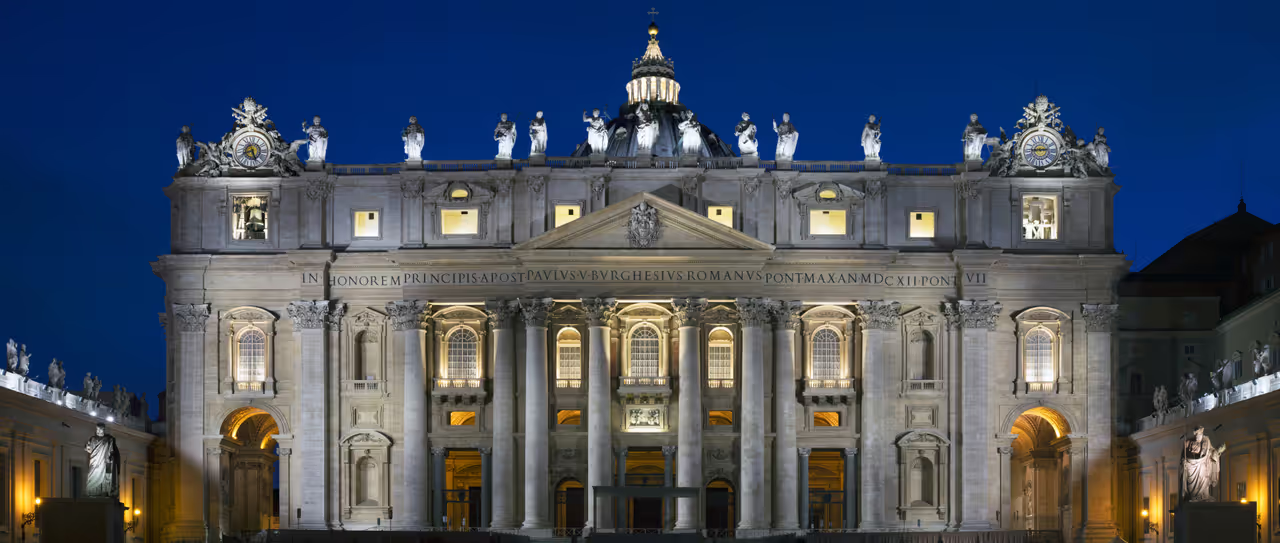
Heart of the Catholic Heritage
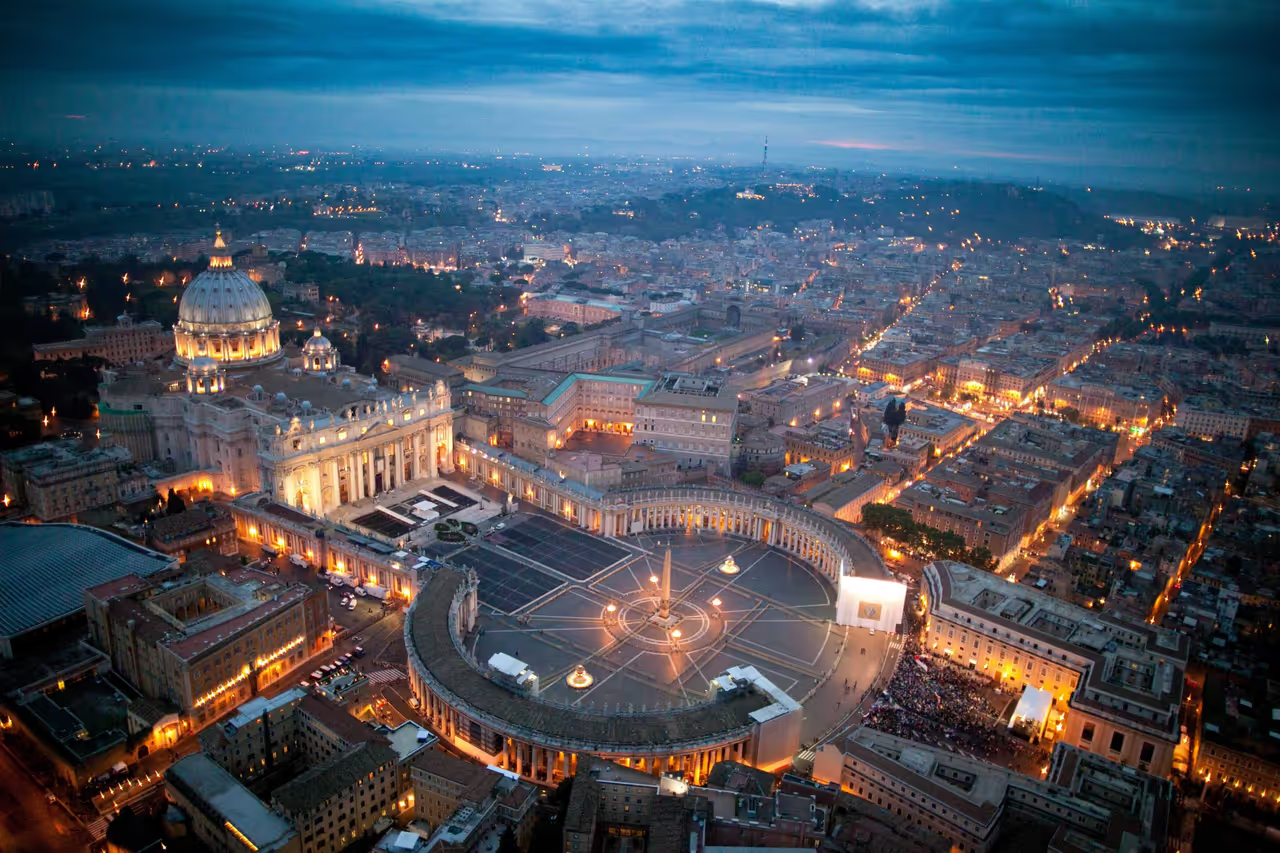
This profound route explores the magnificent architectural and spiritual legacy left by centuries of immense papal wealth and influence. The journey focuses on the dramatic, awe inspiring structures commissioned to project the power and glory of the Church. It transitions from heavily fortified, ancient papal strongholds to the breathtaking expanses of the most important squares and basilicas in Christendom. The sheer abundance of priceless art, towering domes, and golden mosaics encountered along the way is truly staggering. It is a fascinating exploration of faith, political might, and unparalleled artistic patronage.
view self-guided tour
See all attractions in Rome
Baths of Caracalla, Capitoline Museums, Colosseum, Pantheon, Roman Forum...