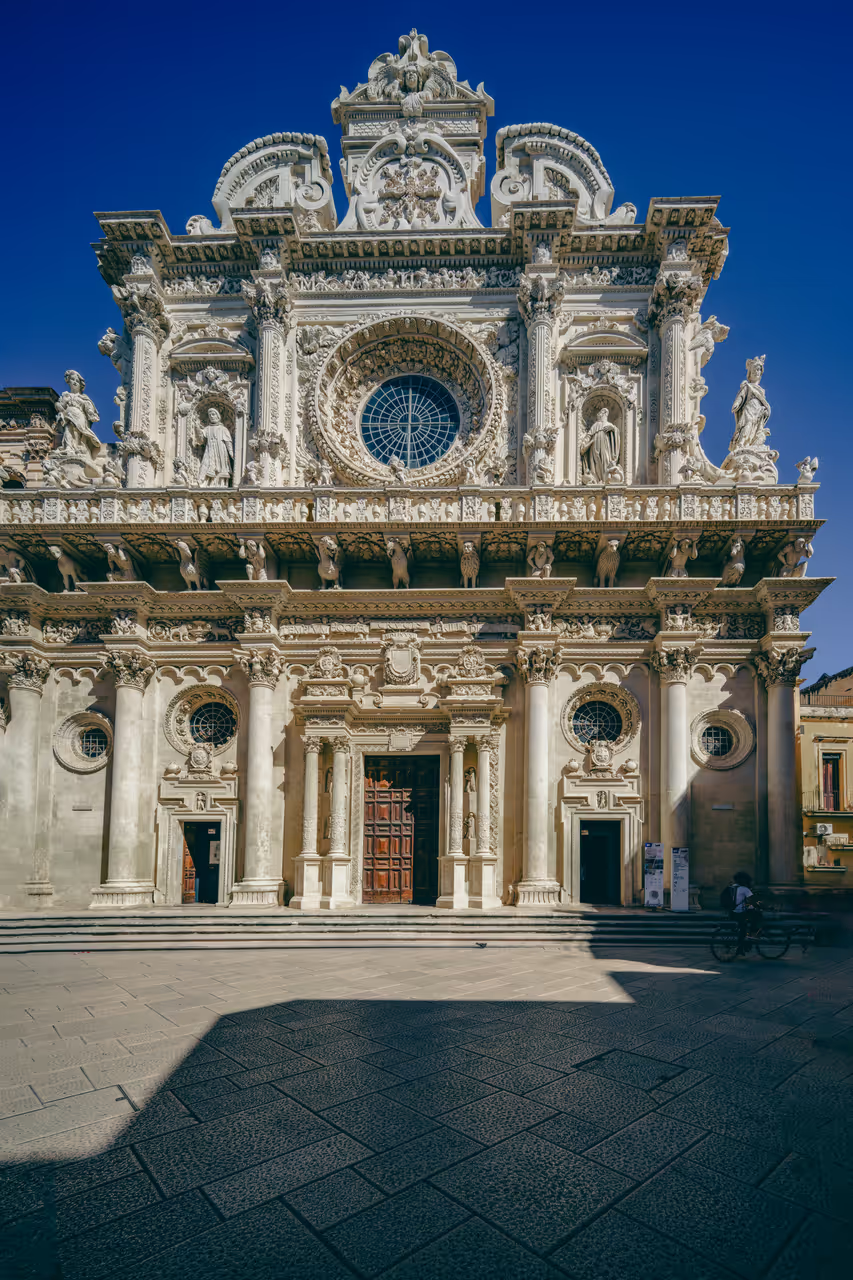
Basilica of Santa Croce
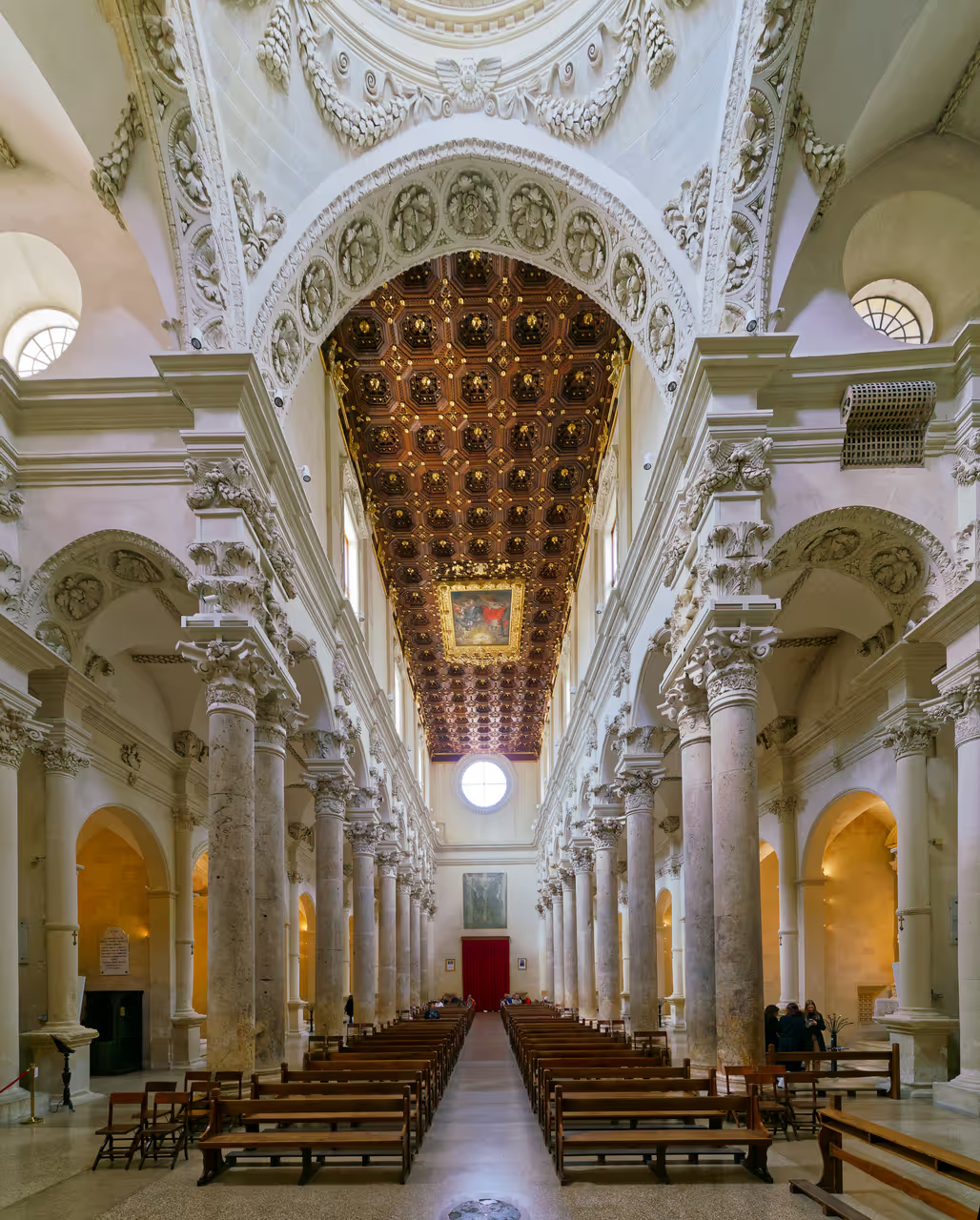
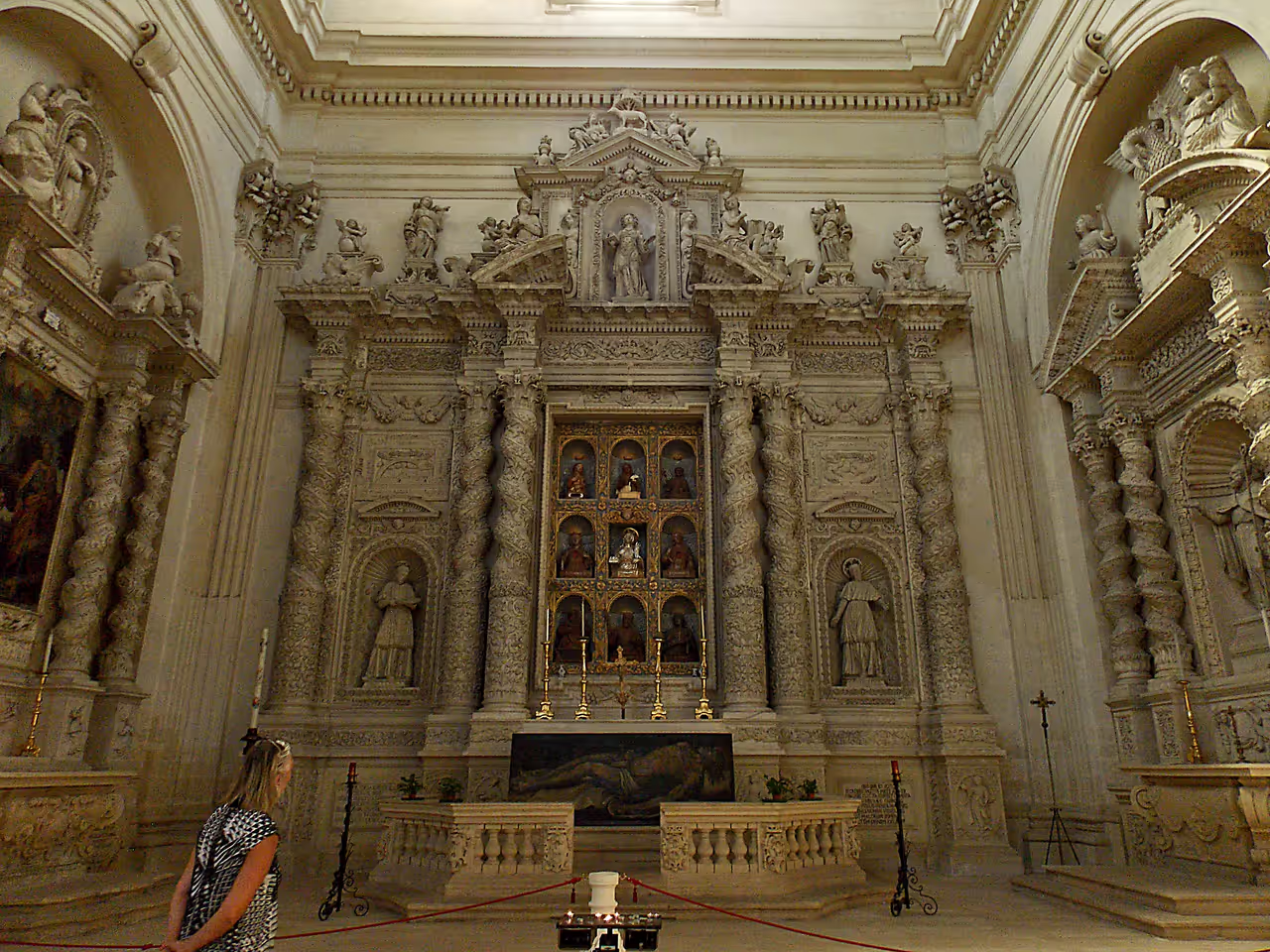
The Basilica of Santa Croce stands as the crown jewel of Lecce, a breathtaking masterpiece of the unique Barocco Leccese style. Every inch of its limestone facade is covered in intricate sculptures, ranging from grotesque figures to allegorical symbols that demand a closer look. Visitors are often stopped in their tracks by the sheer complexity of the stonework, which tells a story of faith, power, and artistic obsession. Inside, the grand nave and ornate altars offer a peaceful retreat, showcasing a level of craftsmanship that defined an entire era in this southern Italian city. Stepping through its doors feels like entering a living history book where the divine meets local creativity. It is truly an unmissable highlight for anyone exploring the sun drenched streets of Lecce.
Videos
History of Basilica of Santa Croce
The story of the Basilica of Santa Croce begins long before its first stone was laid. In the fourteenth century, Gualtieri VI of Brienne established a monastery on this site, setting the stage for what would become a monumental centre of faith. By the mid sixteenth century, the authorities decided to transform the area into a grand religious complex. To secure the necessary land, the city requisitioned properties previously belonging to the Jewish community, who had been expelled in 1510. This marked a significant shift in the urban landscape, paving the way for a project that would span two centuries and redefine the architectural identity of the region. Construction was a slow and meticulous labour of love that began in 1549. Visionary architects like Gabriele Riccardi and Francesco Antonio Zimbalo brought their unique expertise to the project, transforming soft Lecce stone into elaborate lacework. The facade, completed in stages, became an open air gallery of allegorical figures and religious iconography. Cesare Penna eventually joined the ranks, crafting the magnificent rose window that stands as the crowning achievement of the exterior. By the time the works concluded in 1646, the basilica had emerged as the ultimate expression of the Barocco Leccese style, a testament to the dedication of generations of local craftsmen. The journey of the basilica has been anything but smooth. During the nineteenth century, critics were surprisingly harsh, often dismissing the intricate facade as excessive or even ridiculous. This view shifted dramatically in the twentieth century as scholars began to decode the complex symbolism embedded in the stone. Today, the church is celebrated as an architectural triumph. Although the Celestines who originally managed the site were suppressed in 1807, the basilica remains a vital heart of the community. It continues to inspire awe, standing not just as a religious space, but as a living monument to the artistic soul of Lecce.
Events spanning 407 years
Fun Facts
- • During the nineteenth century, critics famously disliked the building and labelled its facade as ridiculous, a harsh judgment that was overturned by twentieth century scholars who reclaimed its status as a masterpiece.
- • The architect Antonio Zimbalo famously included his own self portrait within the elaborate design of the facade.
- • The basilica is built on land that was once occupied by properties belonging to the Jewish community, who were expelled from the city in 1510.
- • The building project spanned nearly a century, requiring three generations of master architects to complete the vision.
- • The ceiling of the main nave is crafted from walnut wood and features exquisite gold leaf gilding.
- • The facade acts as a visual sermon of the Catholic triumph, featuring the Holy Cross as the central thematic element.
- • The interior contains sixteen distinct Baroque altars, including the famous altar of San Francesco da Paola which is considered a pinnacle of local sculpture.
- • The ornate rose window is a masterpiece of Romanesque influence, featuring intricate laurel carvings and three distinct relief orders.
- • The telamoni supporting the balcony represent a mix of cultures, featuring figures such as the Roman She Wolf and Turkish soldiers alongside mythical beasts.
RESOURCES
Official WebsiteBasilica of Santa Croce FAQ
While we strive to keep this information accurate and up to date, we recommend verifying any details independently before making decisions based on them.
Basilica of Santa Croce Map & Neighborhood Explorer
This interactive map is centered on Basilica of Santa Croce. Zoom in and move the map around to automatically discover Wikipedia photos and summaries of other nearby sights, monuments, and historical points of interest and stories in real-time!
Places near Basilica of Santa Croce
Make the most of your trip. Check out these top-rated spots located nearby.
 55m
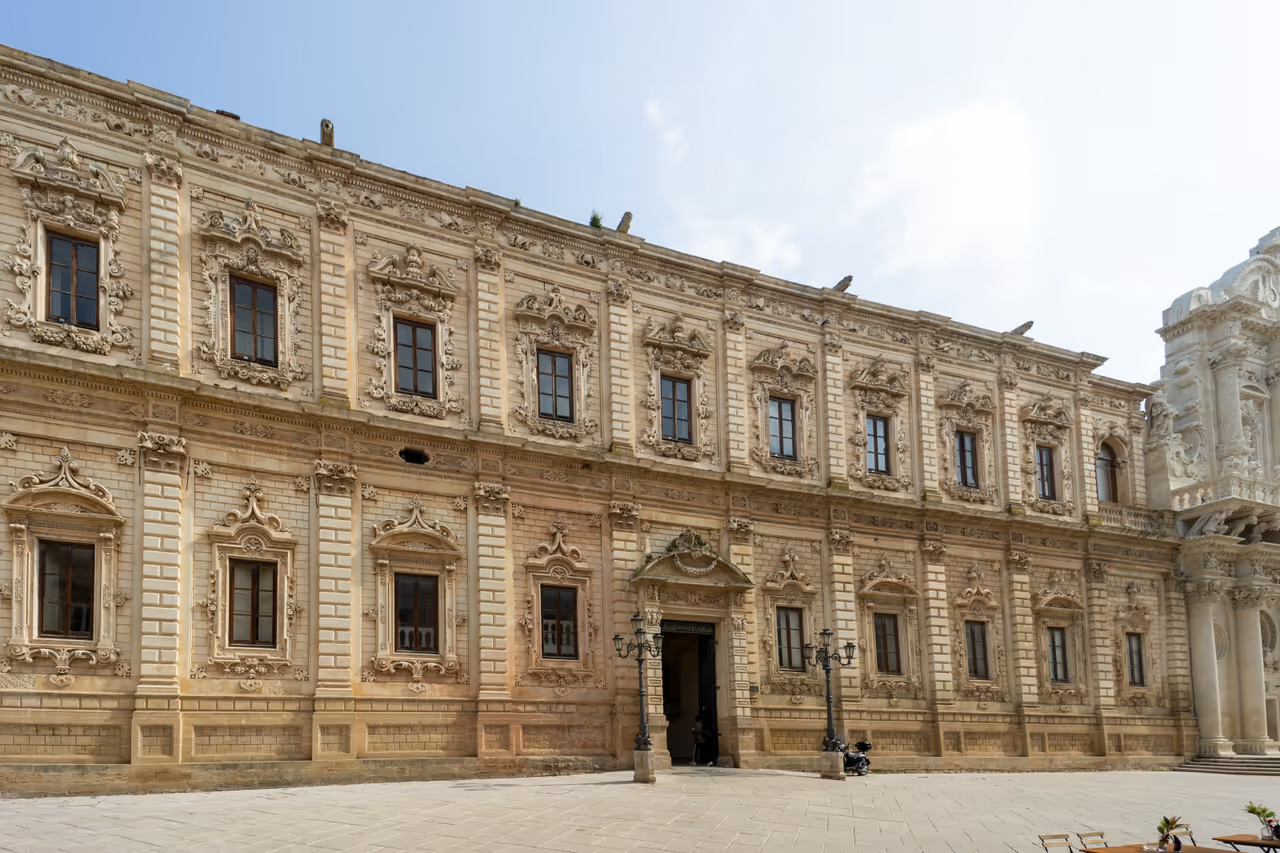
55mPalazzo dei Celestini
Attached seamlessly to the magnificent Holy Cross Basilica, this incredibly vast former monastery complex is a breathtaking example of civic baroque architecture. The elongated facade features twenty one beautifully ornate windows, each framed by deeply intricate stonework, creating an incredibly pleasing rhythm along the street. Following the suppression of religious orders, the massive complex was repurposed and now serves as the grand seat of the local government. The sheer scale and delicate decoration of the building highlight the immense wealth and power once held by the Celestine monks.
architecture view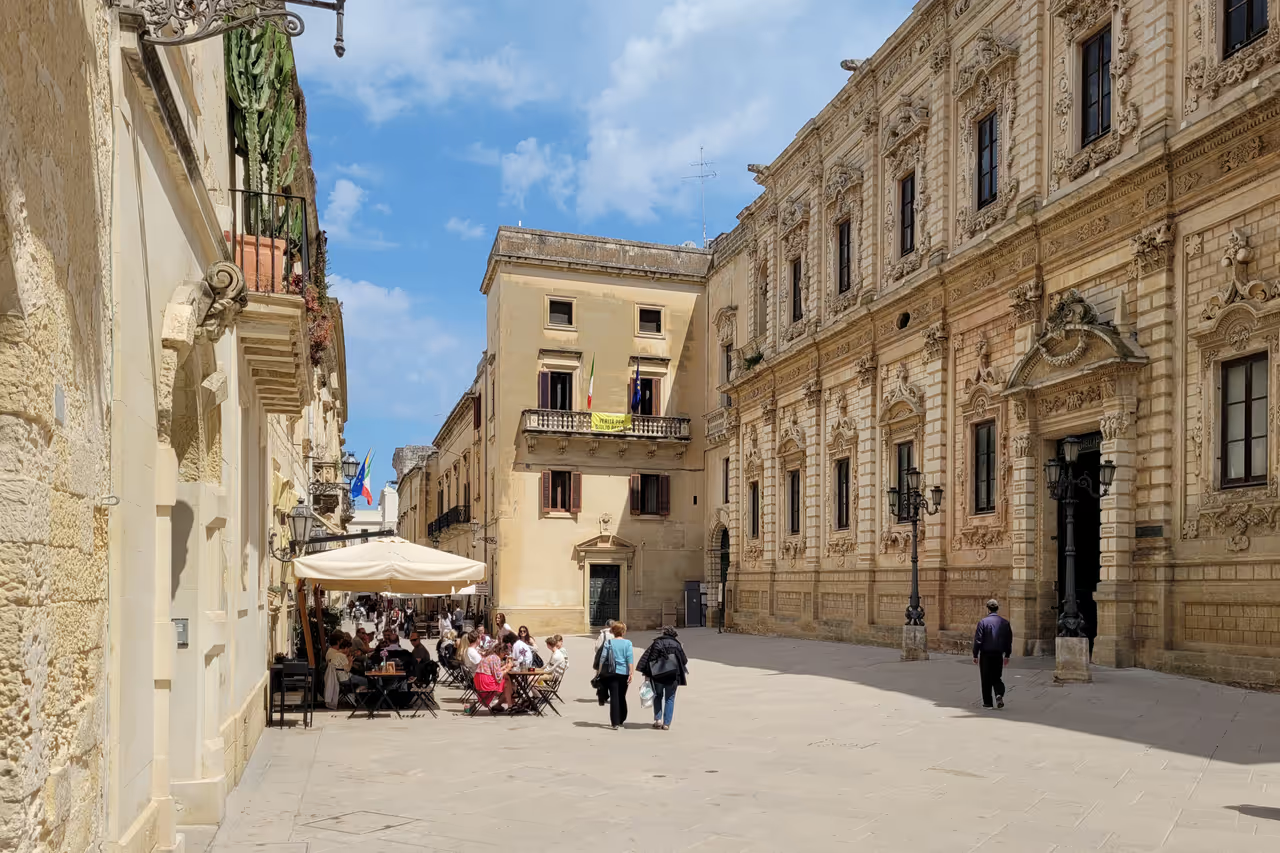 74m
74mVia Umberto I
Running straight through the historic centre, this elegant street transforms from a daytime shopping thoroughfare into a sophisticated evening destination. The establishments here tend to be slightly more upscale, offering excellent wine selections and fantastic small plates of local delicacies. It is a wonderful area to enjoy a refined evening out, surrounded by some of the most dramatic baroque facades in the city. The vibe is relaxed but polished, perfect for a romantic evening stroll and a late night drink.
nightlife view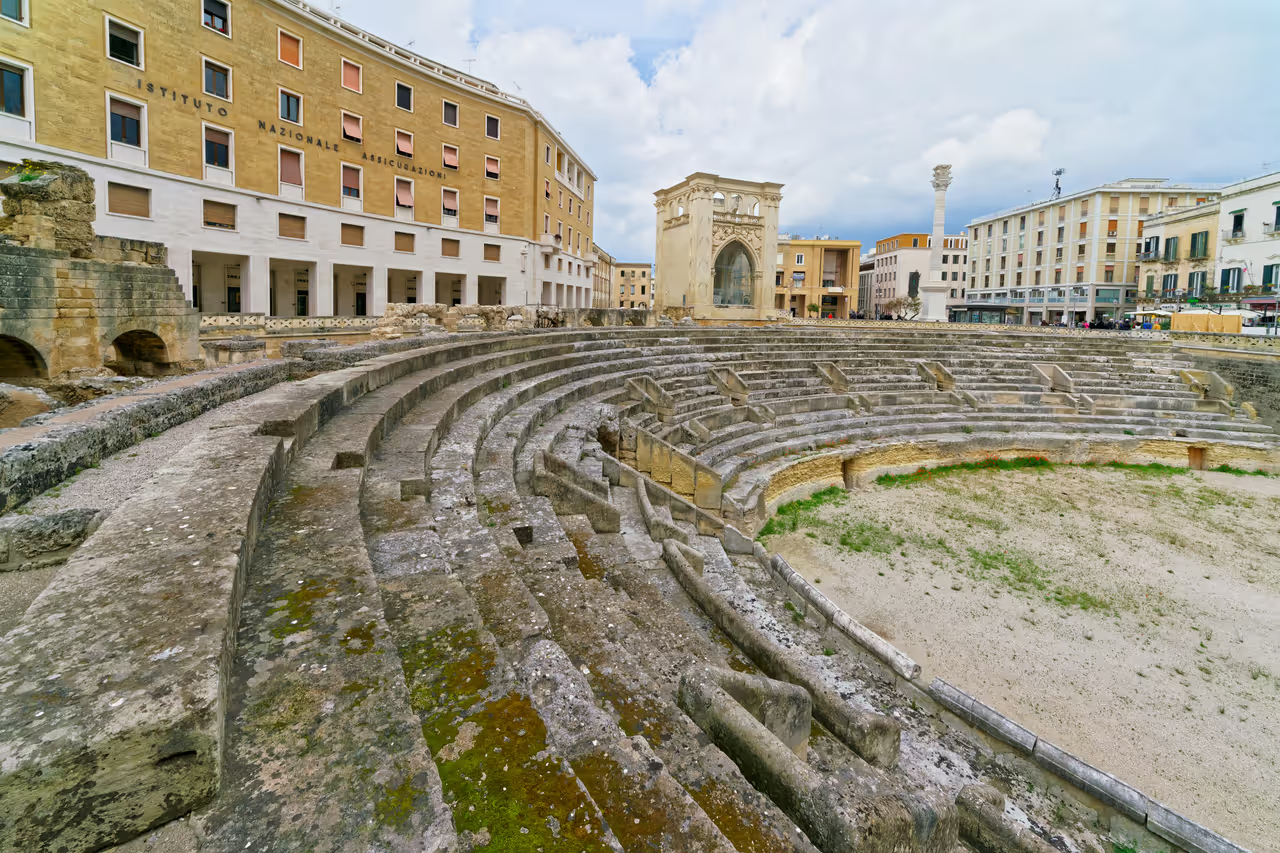 139m
139mRoman Amphitheatre
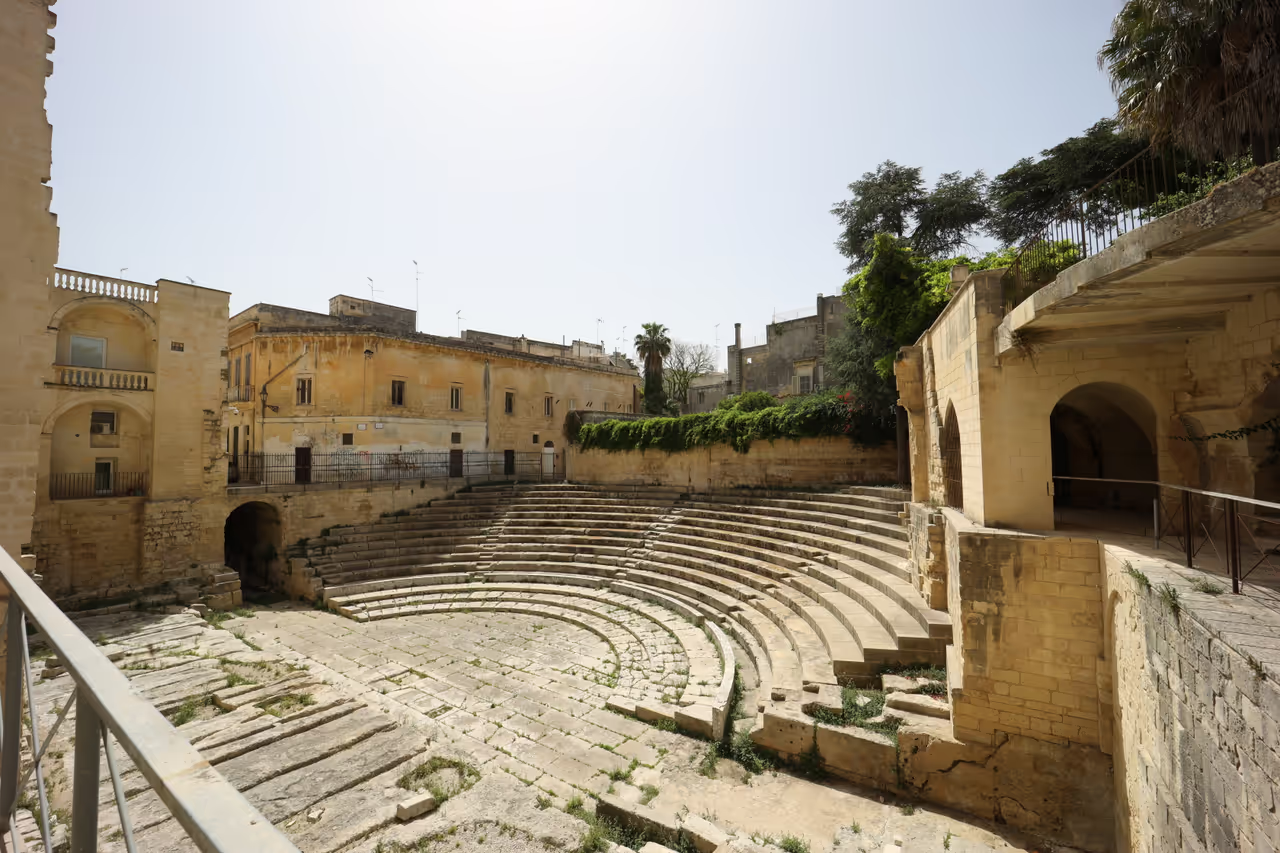
This colossal sunken arena once hosted epic gladiatorial combat for tens of thousands of cheering citizens. Situated dramatically in the very centre of the main plaza, it provides a staggering contrast to the surrounding elegant baroque architecture. Only partially excavated, the exposed curved seating and heavy stone archways give a profound sense of ancient architectural scale. Peering down into the ruins from the street level allows you to vividly imagine the roaring crowds of antiquity. It is a stunning visual reminder of the deep imperial history resting beneath the modern pavements.
highlight view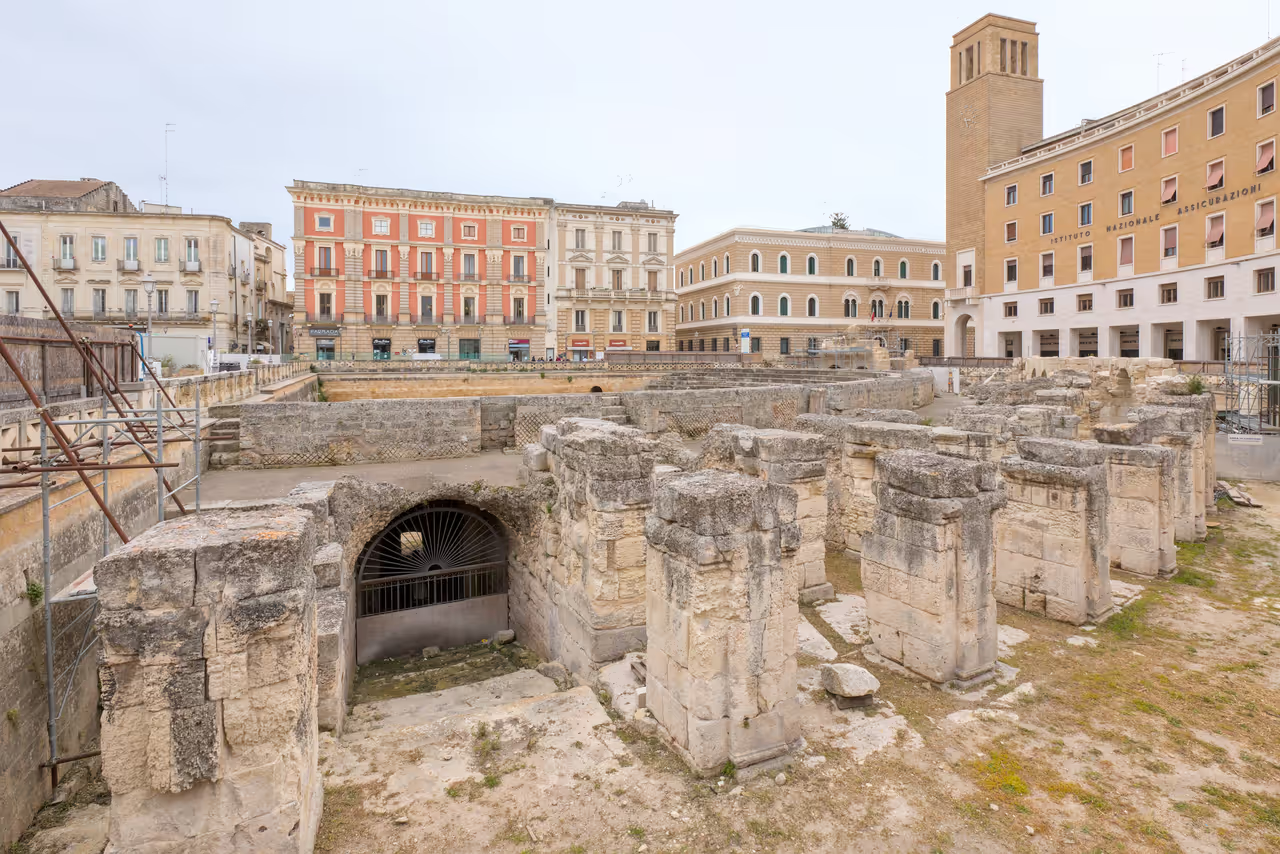 146m
146mHistoric Centre
The entire walled old town functions as one massive, breathtaking open air attraction. Wandering aimlessly through the tight labyrinth of golden stone streets is arguably the most rewarding activity available here. Every corner reveals another stunning hidden courtyard, an incredibly ornate church facade, or a charming artisan workshop. The total absence of modern architectural intrusions creates an intensely romantic, deeply immersive atmosphere that transports you directly back to the seventeenth century.
highlight view
Explore Similar Places in This Collection
Featured on These Itineraries and Routes
1 Day in Lecce Itinerary
This tightly packed itinerary focuses entirely on the absolute must see masterpieces located within the compact historic centre. It is designed to deliver maximum visual impact, guiding you through the most astonishing baroque churches and the most dramatic ancient ruins. You will experience the vibrant energy of the main squares and the quiet grandeur of the enclosed piazzas. It is the perfect introduction for anyone passing through the region with very limited time.
view itinerary
3 Days in Lecce: Baroque and Beyond Itinerary
This perfectly balanced itinerary allows you to thoroughly explore the immense architectural heritage of the city without feeling incredibly rushed. Over three days, you will dive deep into the fascinating subterranean history, visit the most significant museums and explore the imposing defensive structures. It includes ample time for leisurely, multi course lunches and joining the locals for their traditional evening strolls. It is the ideal duration to truly understand the complex, layered history of the city.
view itinerary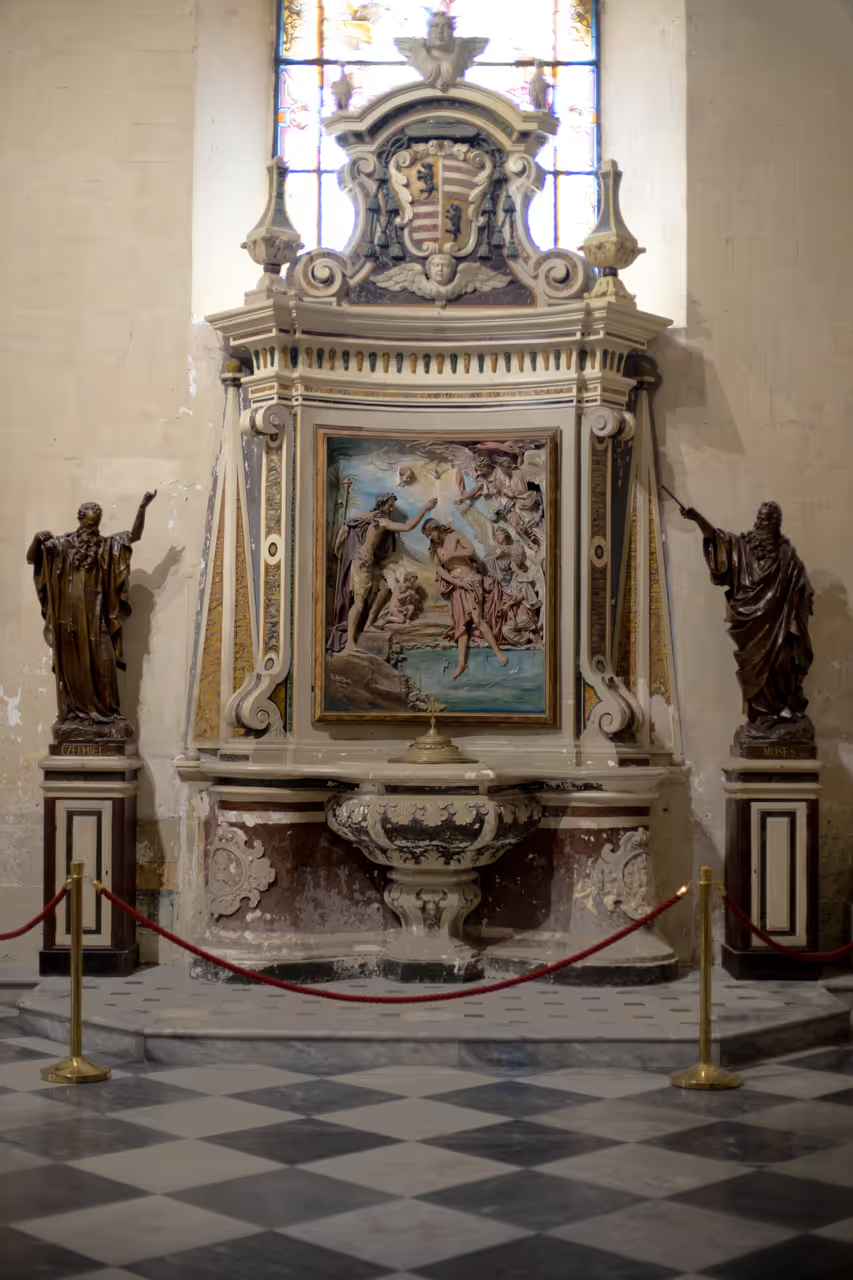
5 Days in Lecce: Salento Immersion Itinerary
This extensive itinerary provides a profound, deeply immersive experience into both the city itself and its crucial connection to the surrounding natural environment. Beyond comprehensively covering all the major urban attractions and hidden museums, it branches out to include the beautiful coastal parks and ancient ruins resting just outside the city limits. It allows you to adopt a deeply relaxed, highly authentic local rhythm, savouring every coffee, pastry and historic alleyway. It is the ultimate cultural deep dive.
view itinerary
Baroque Masterpieces Stroll
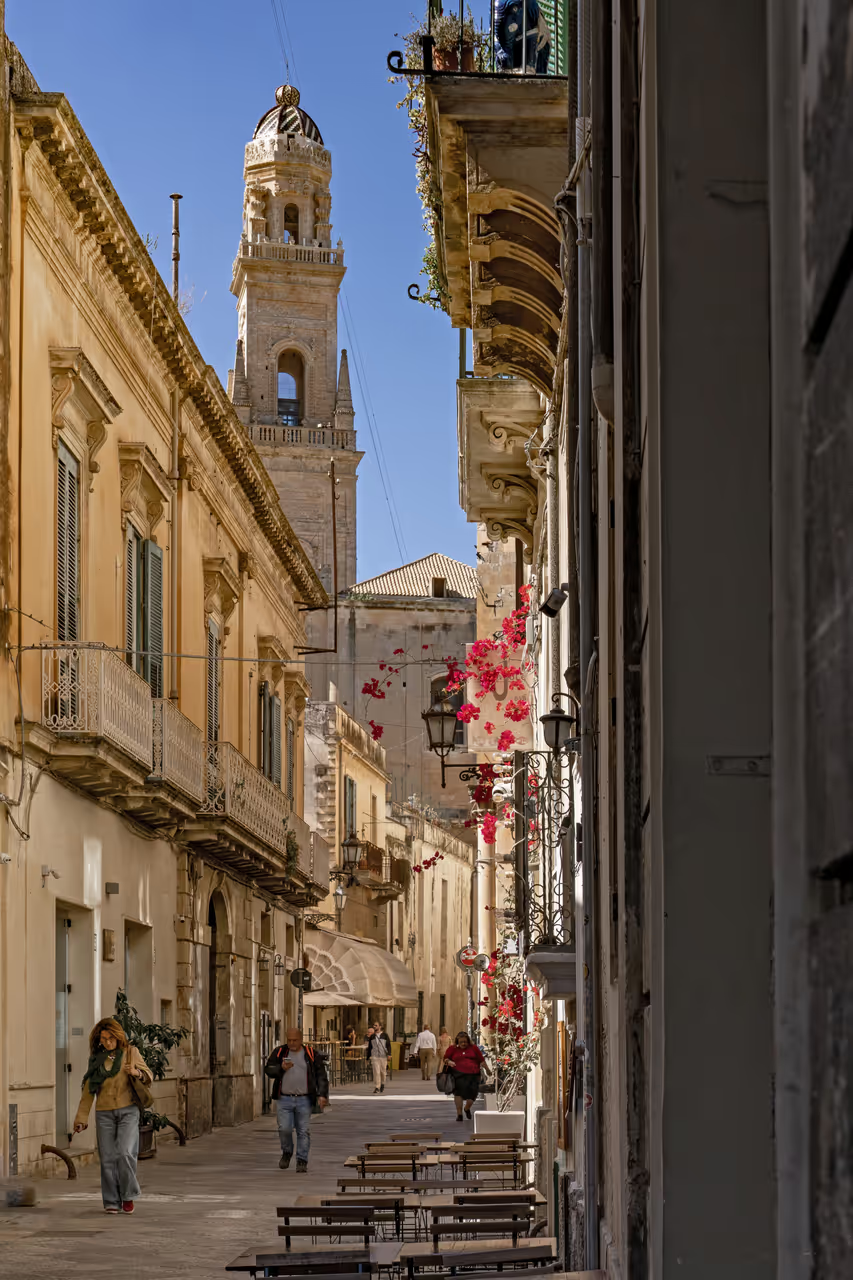
This enchanting walk is designed to immerse you completely in the astonishing architectural beauty that made the city famous. Meandering through the pedestrianised historic centre, you will encounter mind boggling stone carvings, elegant balconies and hidden courtyards at an unhurried pace. The golden hue of the local limestone seems to glow warmly, especially in the late afternoon light. It is a visual feast that allows you to appreciate the incredible craftsmanship of centuries past in a deeply relaxed manner.
view walking route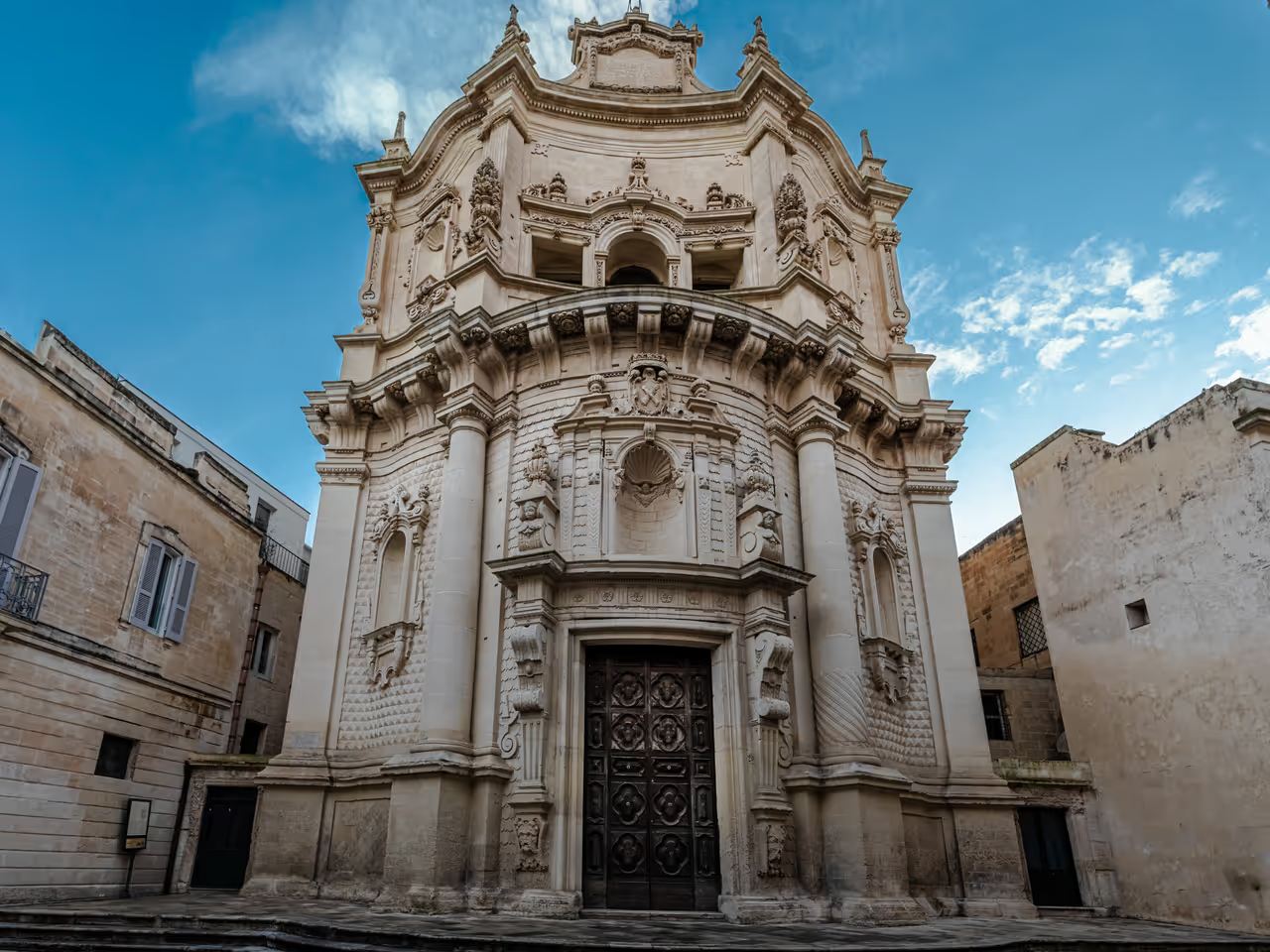
Churches of the Baroque Era
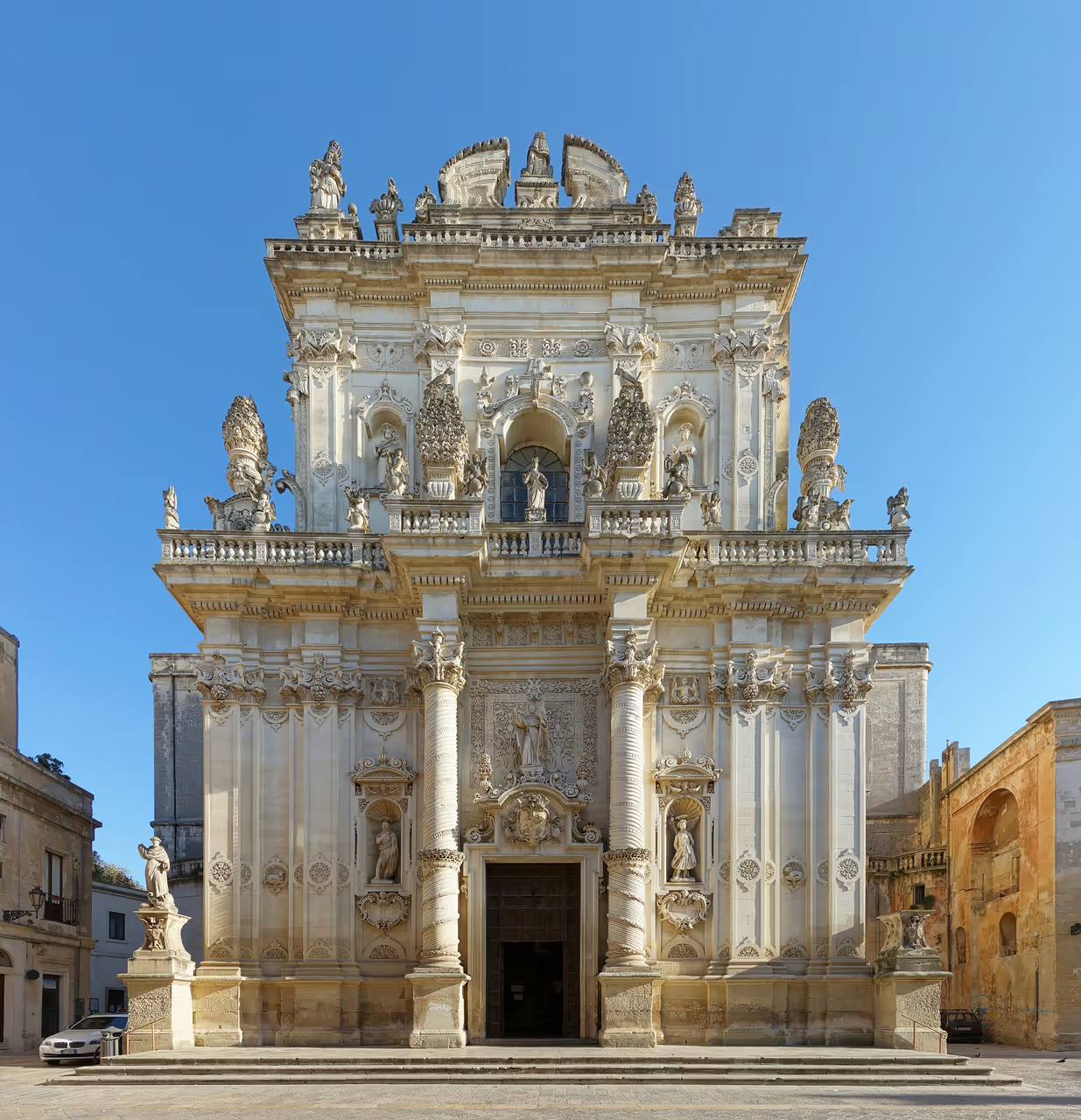
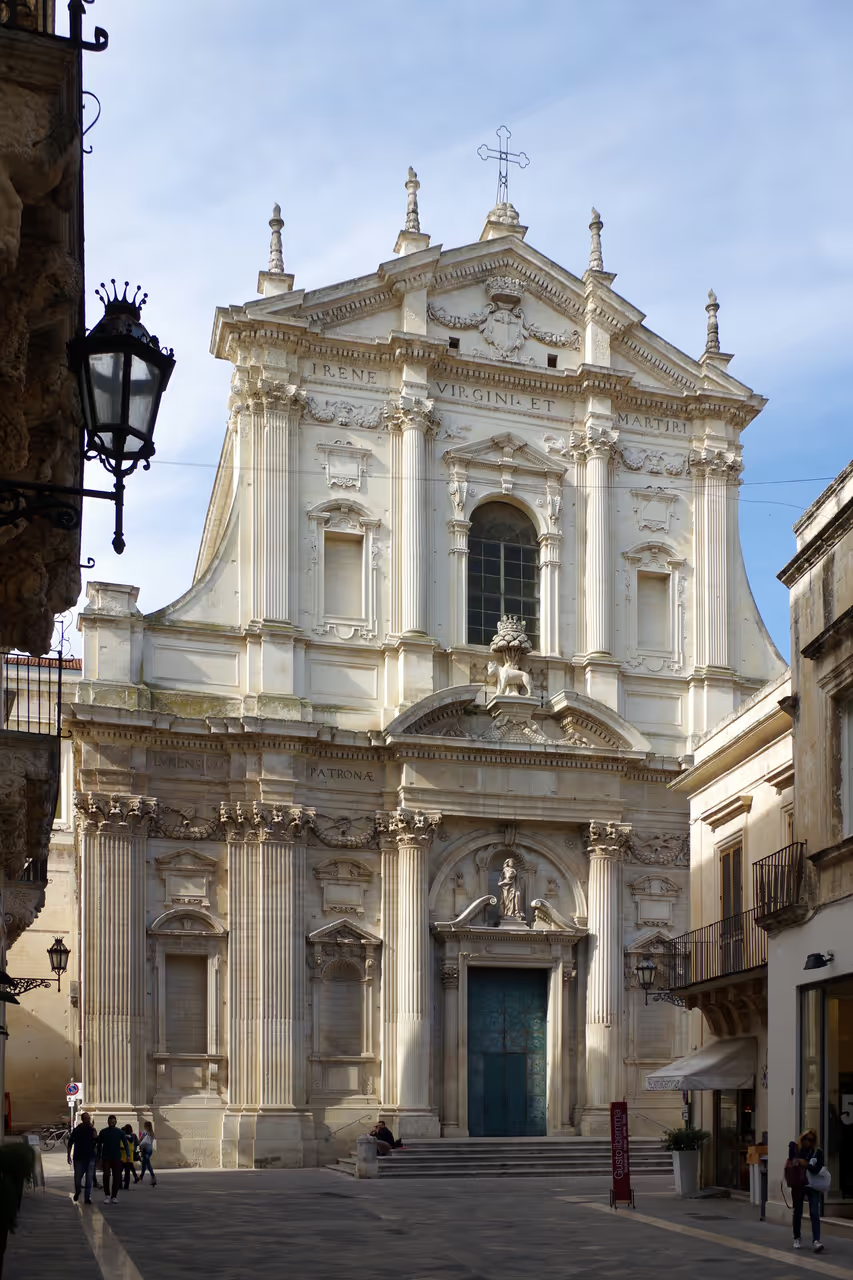
This awe inspiring route delves deep into the intense religious fervour and unimaginable wealth that fuelled the city's architectural golden age. You will visit a curated selection of breathtaking churches, each attempting to outdo the others with wildly expressive stone facades and opulent interiors. The sheer volume of carved cherubs, floral garlands and twisted columns is mind boggling. It is a profound exploration of how art, faith and local geology combined to create a completely unique urban aesthetic.
view self-guided tour
See all attractions in Lecce
Lecce Cathedral, Charles V Castle...