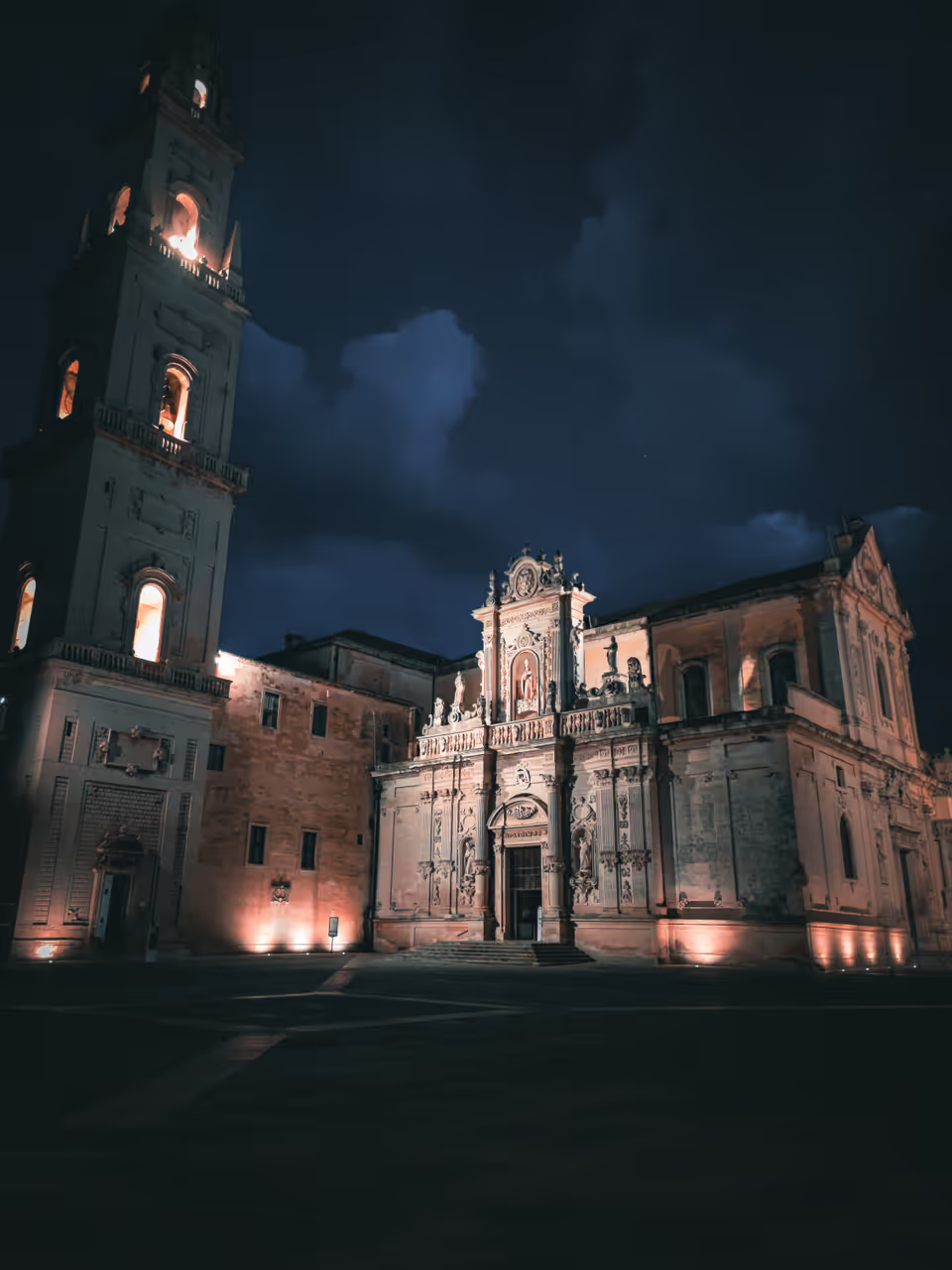
Charles V Castle
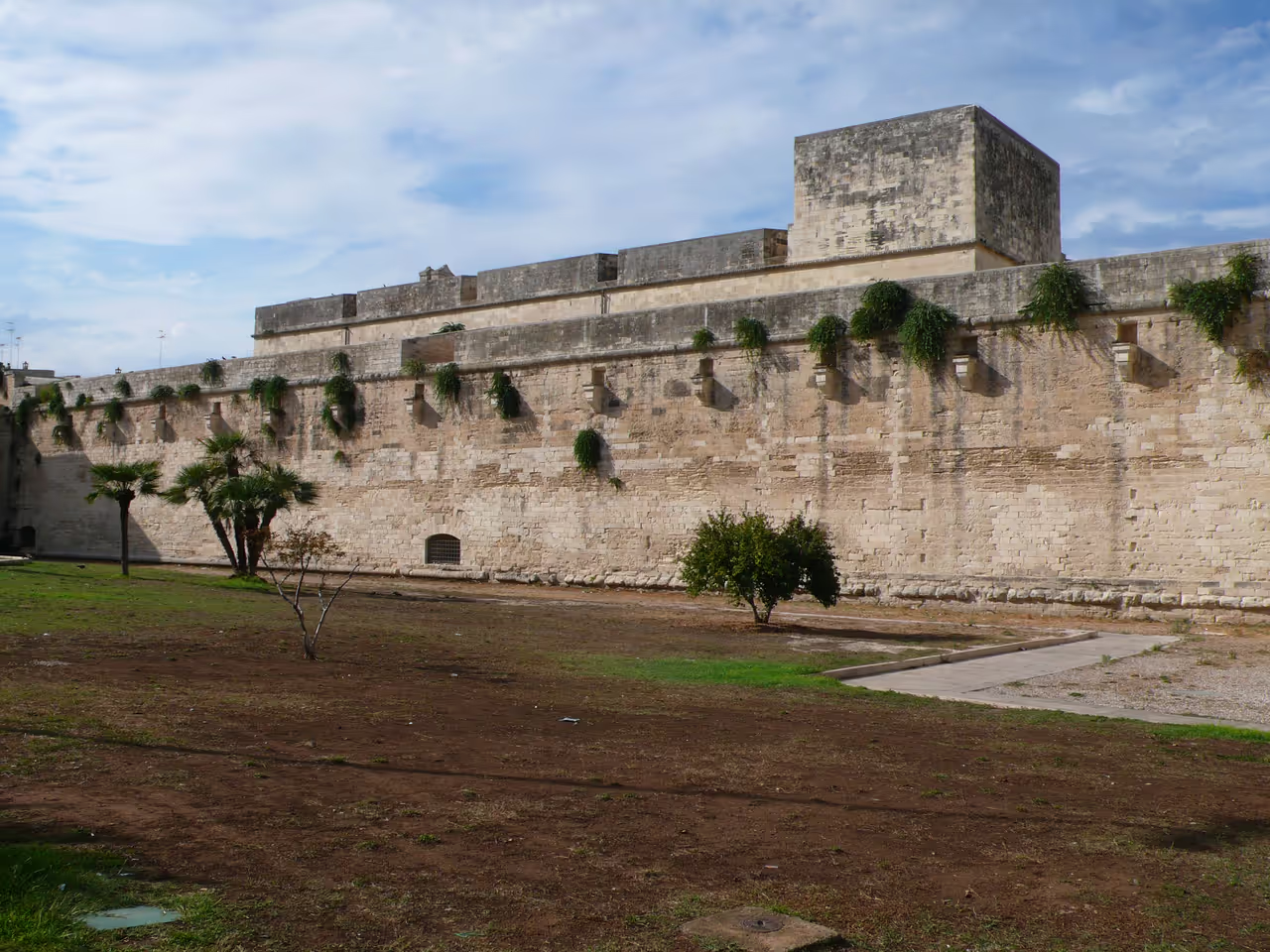
Nestled near the historic heart of Lecce, the Charles V Castle stands as a testament to the city's strategic significance through the centuries. Once a medieval fortress, it was transformed into a formidable Renaissance bastion by order of Emperor Charles V to guard against threats from the Adriatic. Today, the castle welcomes visitors into its storied courtyard and chambers, serving as a dynamic cultural hub for art exhibitions and city events. Walking through its walls offers a glimpse into a complex military history that has evolved from protecting the kingdom to celebrating local culture. This landmark invites you to explore the architectural genius of Gian Giacomo dell'Acaya and wander where soldiers once stood.
Videos
History of Charles V Castle
The story of the Charles V Castle is one of constant evolution, mirroring the changing tides of power and purpose in Puglia. Originally rooted in the Angevin period during the thirteenth century, the site was significantly remodelled in the sixteenth century when Emperor Charles V commanded a new defensive structure to be built. He entrusted the ambitious project to the engineer Gian Giacomo dell'Acaya, a master of military architecture, who designed the four corner bastions that define its layout. This massive renovation required the demolition of existing structures, including a convent and a regal palace, demonstrating the immense scale and strategic priority of the fortification during that era. The fortress served as a critical line of defence for centuries, shielding the region from maritime threats arriving via the Adriatic coast. Because of its location along the path to the port of San Cataldo, it held a position of paramount importance for the security of Lecce. Its design incorporated advanced features for its time, including artillery placements at multiple levels and thick walls capable of withstanding siege warfare. These architectural choices made it one of the most formidable military structures in the kingdom. In more recent history, the castle shed its purely military skin. From the late nineteenth century until the late twentieth century, it functioned as a military barracks. Since its transfer to the Municipality of Lecce, it has blossomed into a cultural sanctuary. The site now hosts art exhibitions and public events, inviting the community and travellers to engage with its past. The transition from a site of war to a centre of culture reflects the enduring spirit of Lecce, preserving the grandeur of the Habsburg era for future generations to explore.
Events spanning 809 years
Fun Facts
- • A local legend claims that the Orsini Del Balzo family kept a white bear in the moat during the fourteenth century to deter intruders and display status.
- • Archaeological investigations have revealed that the central high square tower dates back to the Swabian and Angevin eras.
- • Despite its reputation as an impregnable fortress, one of its rooms was used as a theatre during the eighteenth century.
- • Its defensive design is a masterpiece of modern fortification, featuring four bastions positioned to secure the area towards the city centre.
- • The castle was utilised as a military barracks and district headquarters from 1870 until 1979.
- • The convent of the Celestini and the church of Santa Croce were demolished to make space for the castle's massive footprint.
- • The site features the Imperial Habsburg coat of arms on both entrance gates, marking its royal lineage.
- • The so called Porta Falsa was historically misunderstood by many, though military experts recognise it as a secondary functional entry point rather than a sham door.
RESOURCES
Official WebsiteCharles V Castle FAQ
While we strive to keep this information accurate and up to date, we recommend verifying any details independently before making decisions based on them.
Charles V Castle Map & Neighborhood Explorer
This interactive map is centered on Charles V Castle. Zoom in and move the map around to automatically discover Wikipedia photos and summaries of other nearby sights, monuments, and historical points of interest and stories in real-time!
Places near Charles V Castle
Make the most of your trip. Check out these top-rated spots located nearby.
 0m
0mPapier Mache Museum
Tucked away inside the massive Castle of Charles V, this small but absolutely fascinating museum is dedicated to the city's most unique artistic export. It beautifully details the incredibly complex process of creating astonishingly realistic religious statues using nothing more than paper, straw, wire and glue. The displays highlight how local artisans transformed humble, inexpensive materials into deeply emotive, highly sought after masterpieces. It provides crucial context for understanding the decorations seen in almost every local church.
hidden gem view- 101m
Traditional Opera Season
Hosted within the elegant confines of the historic Politeama Greco theatre, this annual season brings the grand tradition of Italian opera to life. Audiences can enjoy spectacular productions of classic works featuring talented vocalists, elaborate set designs and passionate orchestral performances. Attending an opera here is a fantastic way to engage with the deep musical roots of southern Italy in a truly authentic setting. The vibrant atmosphere on opening nights is a wonderful spectacle of local high society and cultural appreciation.
festival view - 115m
European Cinema Festival
This prestigious film festival brings a touch of cinematic glamour to the city, celebrating the very best of contemporary European filmmaking. It attracts international directors, actors and cinema enthusiasts for a week of premier screenings, engaging masterclasses and lively panel discussions. Recognised officially as an event of national interest, it provides a fantastic cultural platform that bridges local heritage with modern European arts. The vibrant energy around the screening venues makes it a thrilling time to visit for any culture lover.
festival view  115m
115mMiami Piano Festival in Lecce
This exceptional biennial musical event transforms the historic theatres and grand palaces of the city into world class concert halls. Organised in collaboration with international arts foundations, it brings highly acclaimed pianists from around the globe to perform in some of the most acoustically and visually stunning venues imaginable. Listening to masterful classical performances while surrounded by ornate baroque architecture is an incredibly moving experience. It is a true celebration of international talent meeting timeless Italian elegance.
festival view
Explore Similar Places in This Collection
Featured on These Itineraries
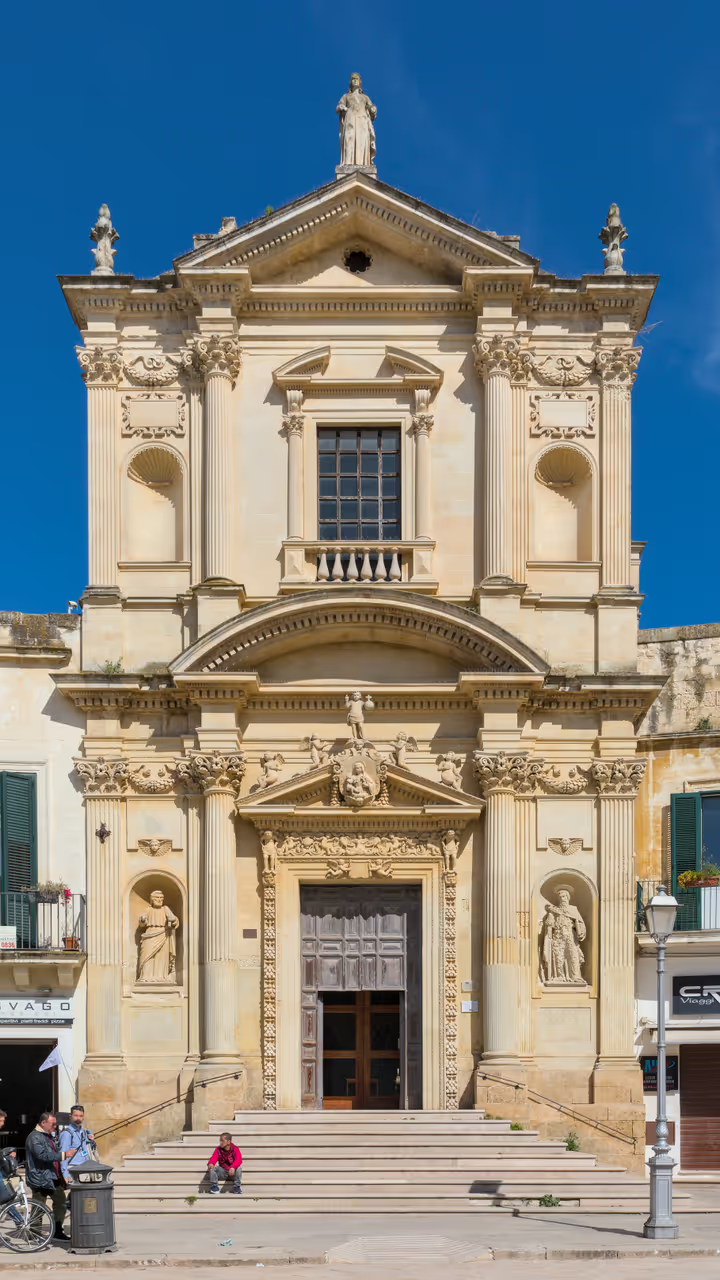
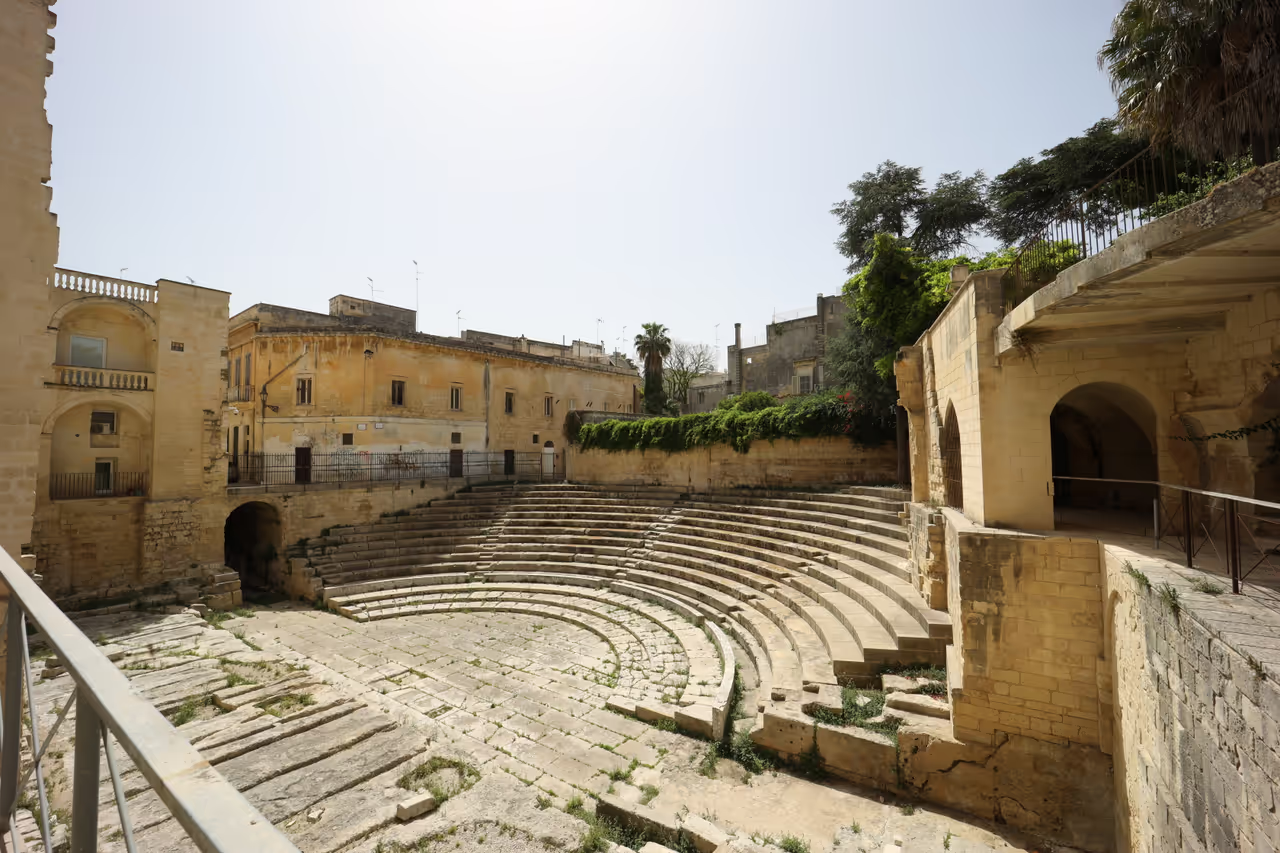
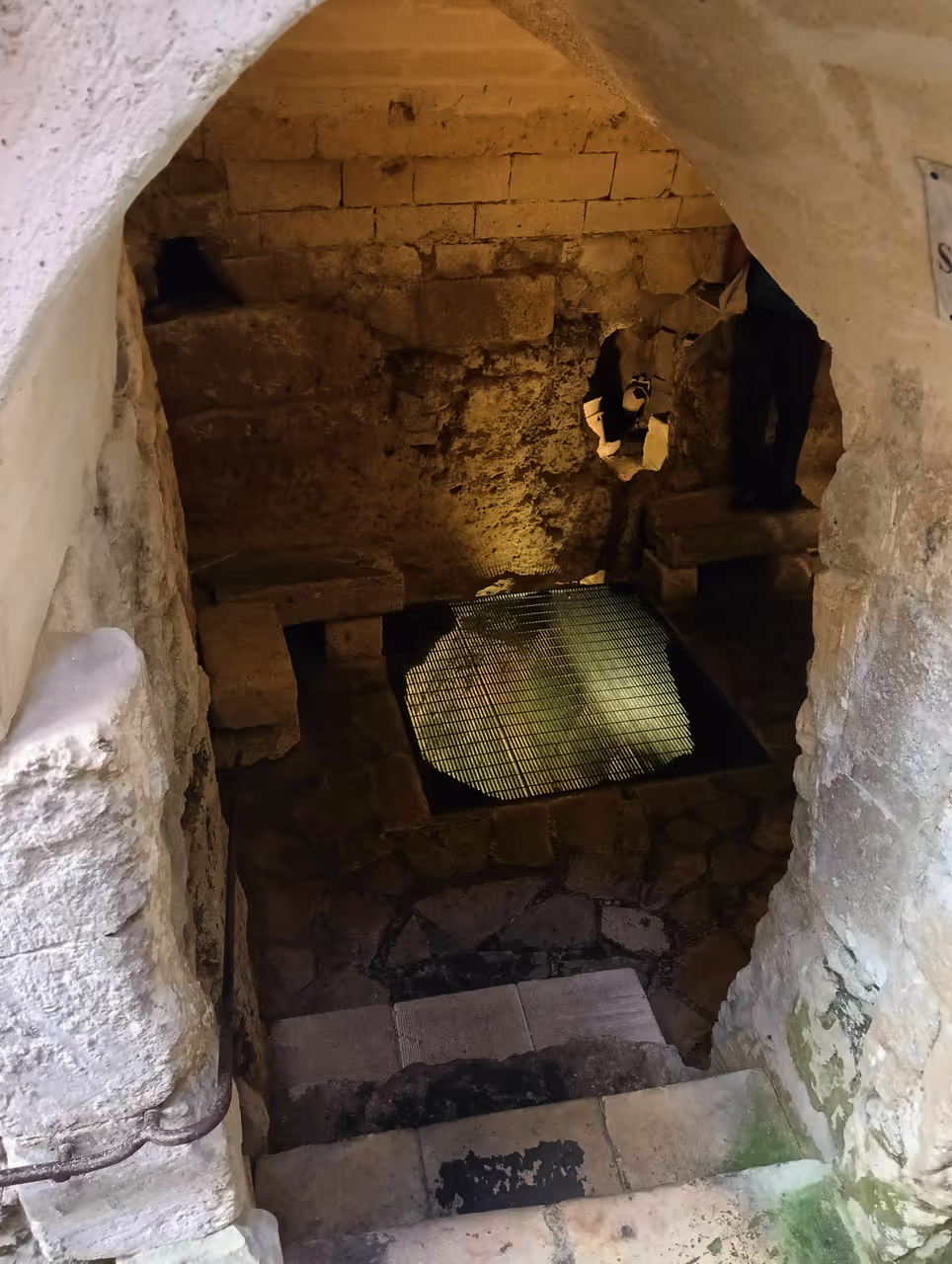
3 Days in Lecce: Baroque and Beyond Itinerary
This perfectly balanced itinerary allows you to thoroughly explore the immense architectural heritage of the city without feeling incredibly rushed. Over three days, you will dive deep into the fascinating subterranean history, visit the most significant museums and explore the imposing defensive structures. It includes ample time for leisurely, multi course lunches and joining the locals for their traditional evening strolls. It is the ideal duration to truly understand the complex, layered history of the city.
view itinerary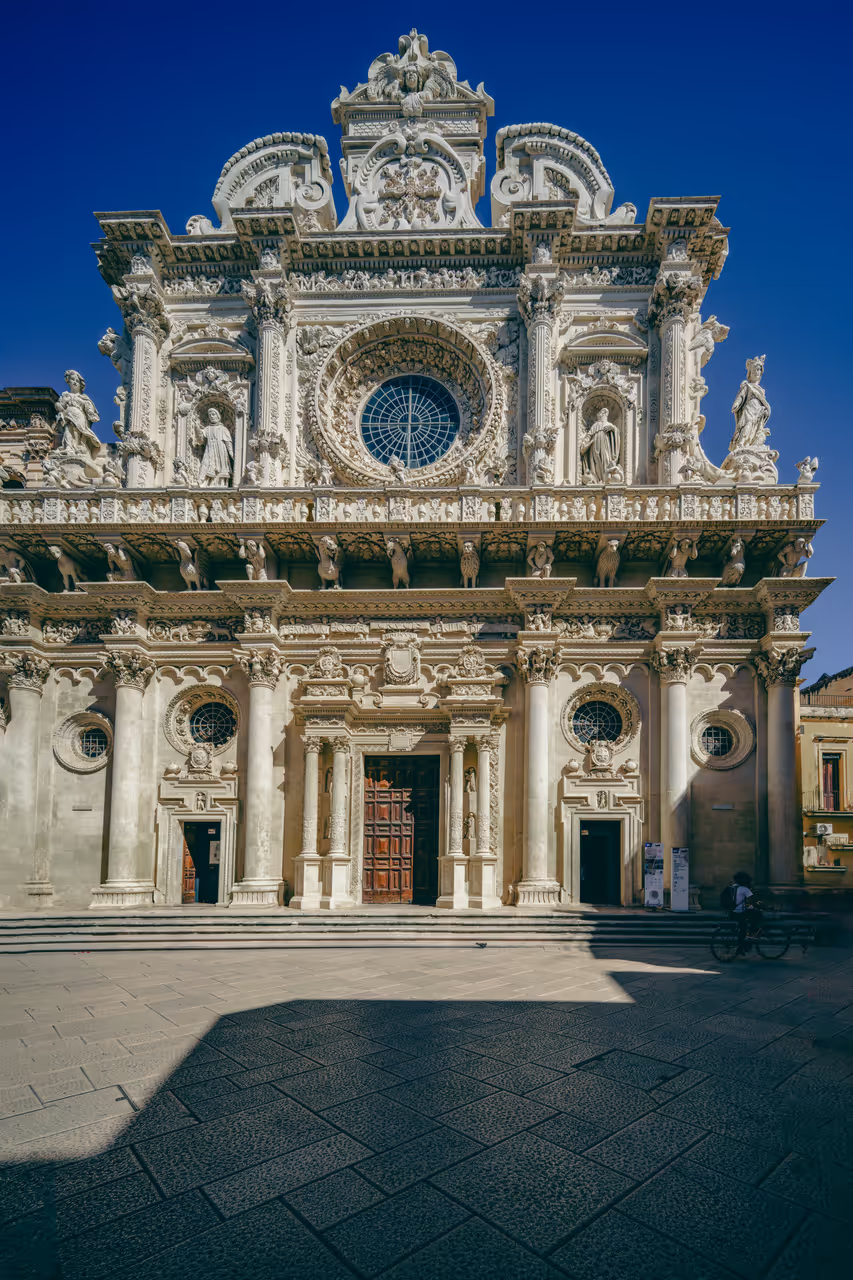
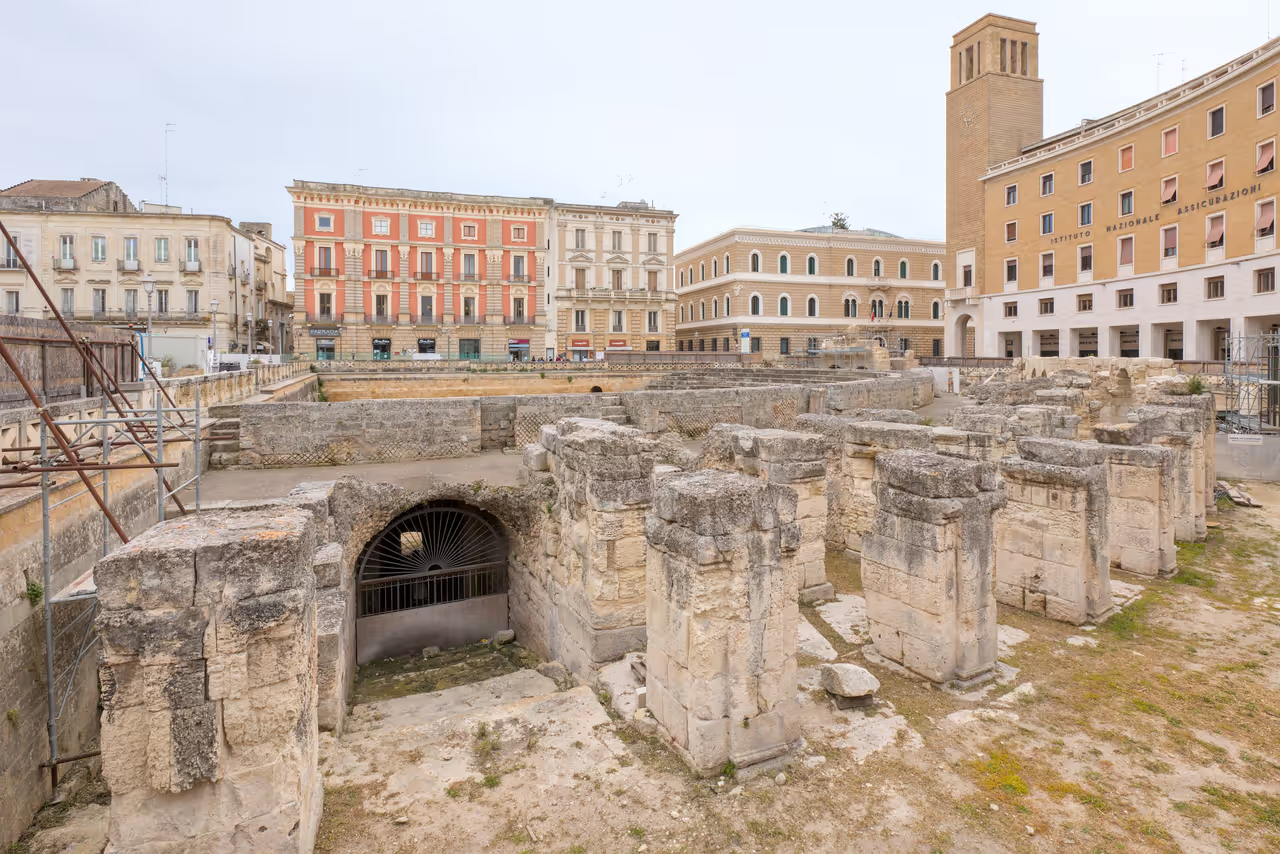
5 Days in Lecce: Salento Immersion Itinerary
This extensive itinerary provides a profound, deeply immersive experience into both the city itself and its crucial connection to the surrounding natural environment. Beyond comprehensively covering all the major urban attractions and hidden museums, it branches out to include the beautiful coastal parks and ancient ruins resting just outside the city limits. It allows you to adopt a deeply relaxed, highly authentic local rhythm, savouring every coffee, pastry and historic alleyway. It is the ultimate cultural deep dive.
view itinerary
See all attractions in Lecce
Basilica of Santa Croce, Lecce Cathedral...