Torre del Parco
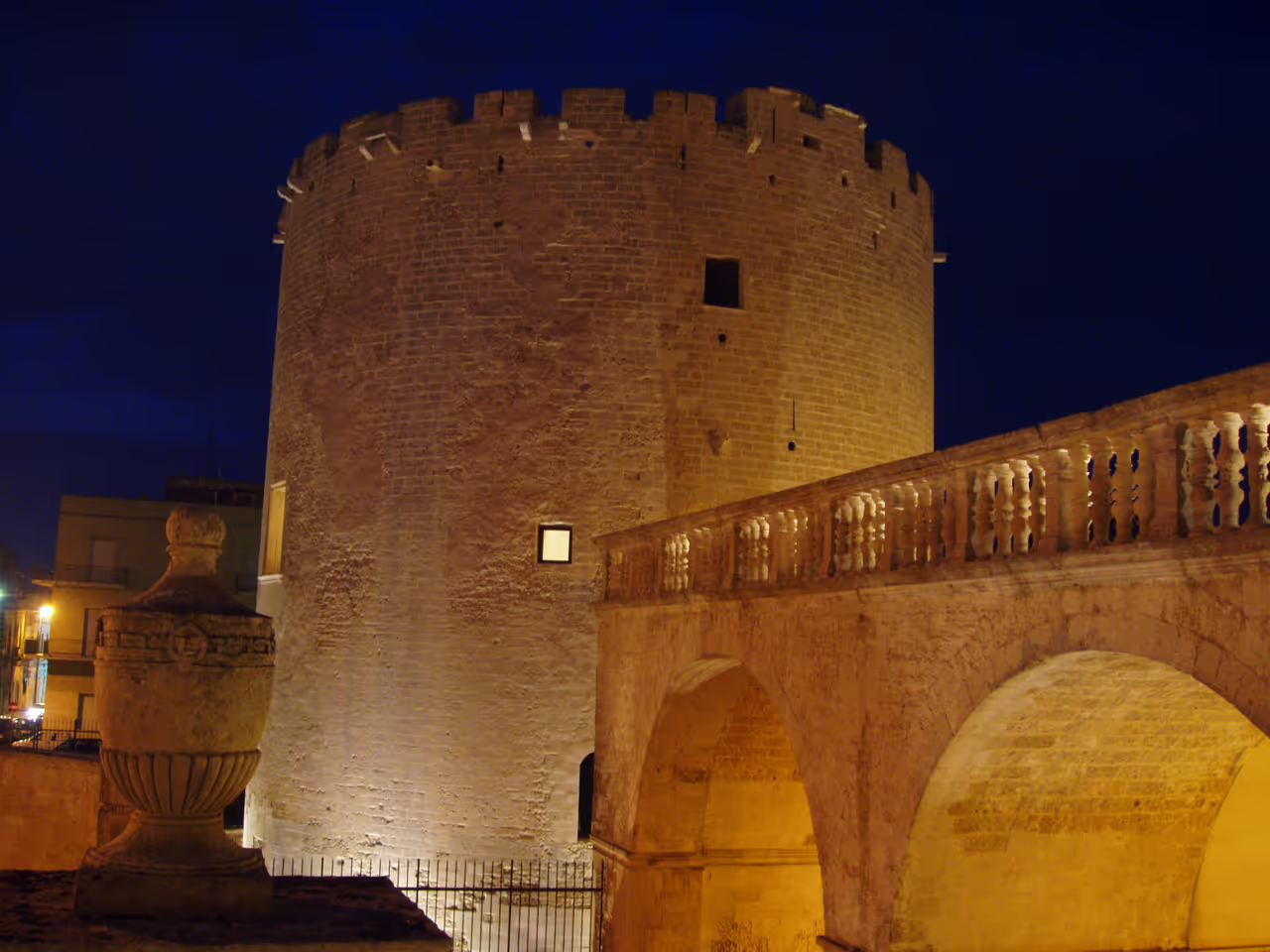
Torre del Parco is a captivating remnant of medieval and Renaissance power, standing tall as one of Lecce’s most significant historical landmarks. Originally serving as a formidable fortress with a deep moat that once held live bears, it offers a fascinating glimpse into the life of the noble Orsini del Balzo family. Today, the tower retains its imposing stature, welcoming visitors to explore its stone walls and imagine the weight of history that permeates its three levels. It is a place where you can wander through corridors that once hosted a medieval tribunal and served as a mint for local currency. The surrounding grounds, once stretching over forty hectares, evoke the grandeur of a bygone era. Visiting provides a rare opportunity to connect with the architectural and political legacy of Salento.
Videos
History of Torre del Parco
The history of Torre del Parco begins with the vision of Giovanni Antonio Orsini Del Balzo, a figure of immense influence in the region. Constructed in 1419, the site was conceived as much more than a military defensive line. It stood as a display of dynastic power, where the choice of a bear in the heraldic moat served as an unmistakable signal of the family's authority and fearlessness. The tower was designed to command respect, rising over twenty-three metres and serving as the heart of a vast forty-hectare estate that integrated the private life of the prince with the public life of the citizens of Lecce. Beneath its defensive exterior, the tower held a complex administrative life. The year 1434 marked a turning point when it became the seat of the Concistorium Principis, transforming the site into a legal hub where the fate of the region was often decided. Beyond legal matters, the tower echoed with the sounds of industry. It functioned as a mint for the production of gold and silver coins, known as mali carlini, cementing the site's role as the economic engine of the city. This fusion of judicial power and financial control made the tower the undisputed centre of gravity for medieval Lecce. The decline of the original noble influence brought a darker chapter, as the tower was repurposed into a prison between 1458 and 1461. The stone walls bear witness to this period through the inscriptions left by inmates, which remain visible in the lower levels today. Following the demise of the Orsini del Balzo line, the site transitioned into the residence of various governors, serving as the official seat of authority for centuries. After falling into neglect in the modern era, the 1992 sale and subsequent restoration breathed new life into the masonry. Today, it stands as a testament to the endurance of Lecce's architectural history, serving as a venue that continues to shape the social life of the city.
Events spanning 573 years
Fun Facts
- • At the height of its power, the park surrounding the tower spanned over forty hectares, divided into private and public zones for the nobility and citizens respectively.
- • Despite its formidable exterior, the internal design reveals the opulent lifestyle intended for the noble residents of the era.
- • Following the death of Giovanni Antonio, the complex transitioned into the official residence for various governors appointed to manage Lecce, including Ferrante Loffredo and Ferrante Caracciolo.
- • It functioned as the headquarters for the Concistorium Principis, highlighting its importance as a centre for legal and political administration in medieval Lecce.
- • The architectural style represents a bridge between the medieval defensive tradition and the emerging decorative aesthetic of the Renaissance.
- • The interior of the tower houses a series of inscriptions carved by prisoners between 1458 and 1461, providing a hauntingly intimate look at the lives of those held captive within its walls.
- • The mint operating within the site produced the mali carlini, which were highly regarded silver and gold coins of the era.
- • The structure is a masterclass in pre-gunpowder military architecture, built to withstand traditional siege tactics before the later widespread adoption of cannons.
- • The tower features a moat that was historically stocked with bears, which served as the heraldic symbol of the powerful Orsini del Balzo family.
- • The tower features a sophisticated three-level design, with each floor covered by vaulted ceilings that reflect the structural ingenuity of the fifteenth century.
Torre del Parco FAQ
While we strive to keep this information accurate and up to date, we recommend verifying any details independently before making decisions based on them.
Torre del Parco Map & Neighborhood Explorer
This interactive map is centered on Torre del Parco. Zoom in and move the map around to automatically discover Wikipedia photos and summaries of other nearby sights, monuments, and historical points of interest and stories in real-time!
Places near Torre del Parco
Make the most of your trip. Check out these top-rated spots located nearby.
 656m
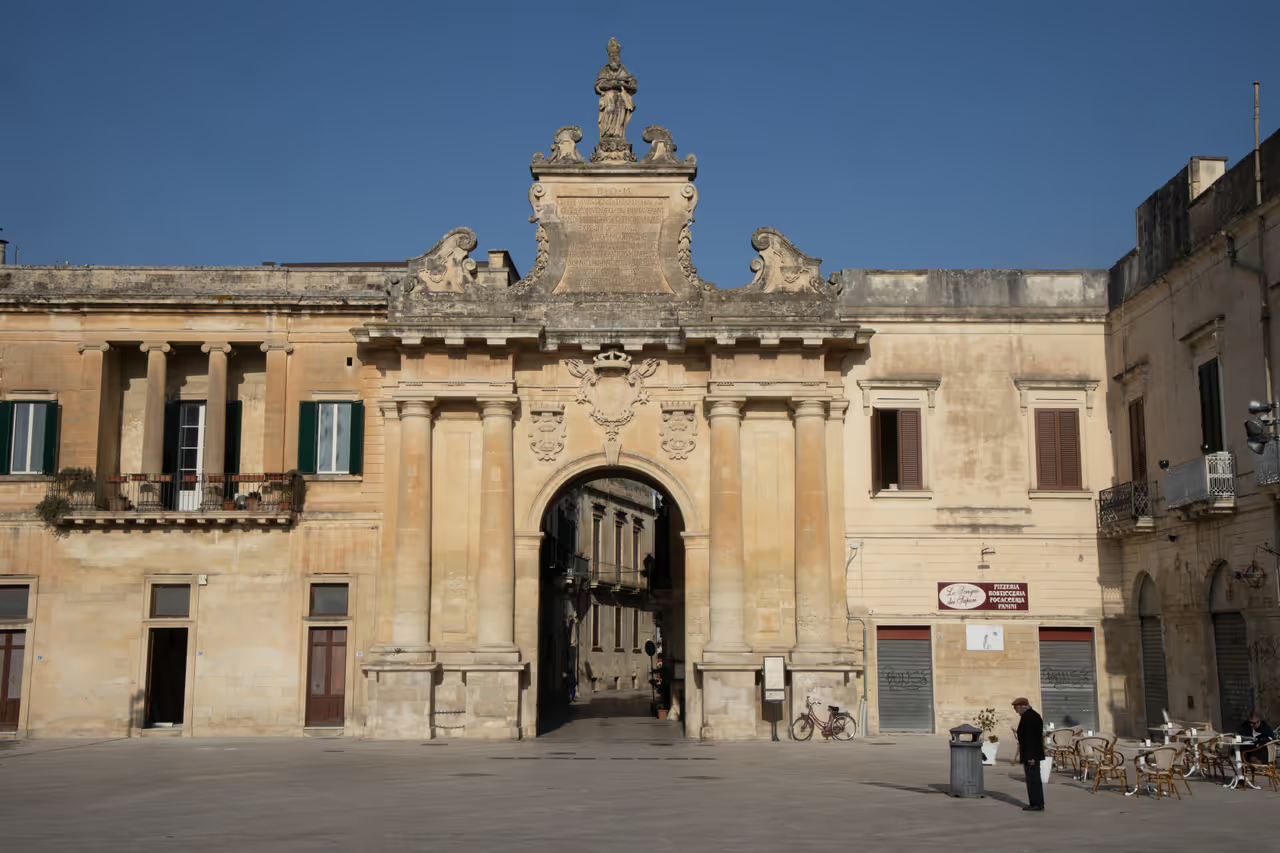
656mPorta San Biagio District
The area immediately surrounding this grand southern city gate is a fantastic hub for casual, unpretentious nightlife. It is extremely popular with the large university student population, ensuring prices remain reasonable and the atmosphere stays wonderfully casual. You will find a great density of craft beer pubs, lively shot bars and late night street food vendors serving up hot rusticos. It is the ideal spot if you are looking for a fun, loud and highly energetic night out with friends.
nightlife view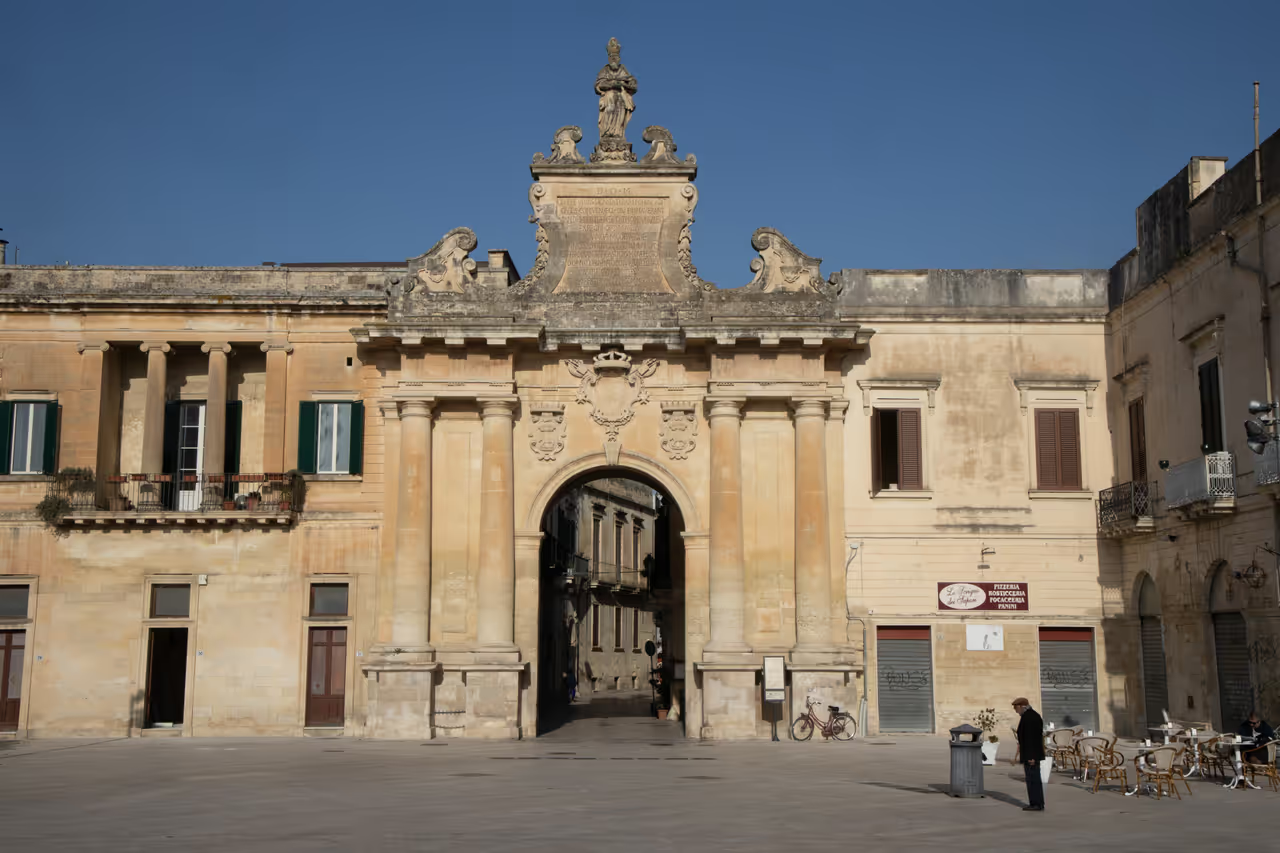 656m
656mSan Biagio Gate
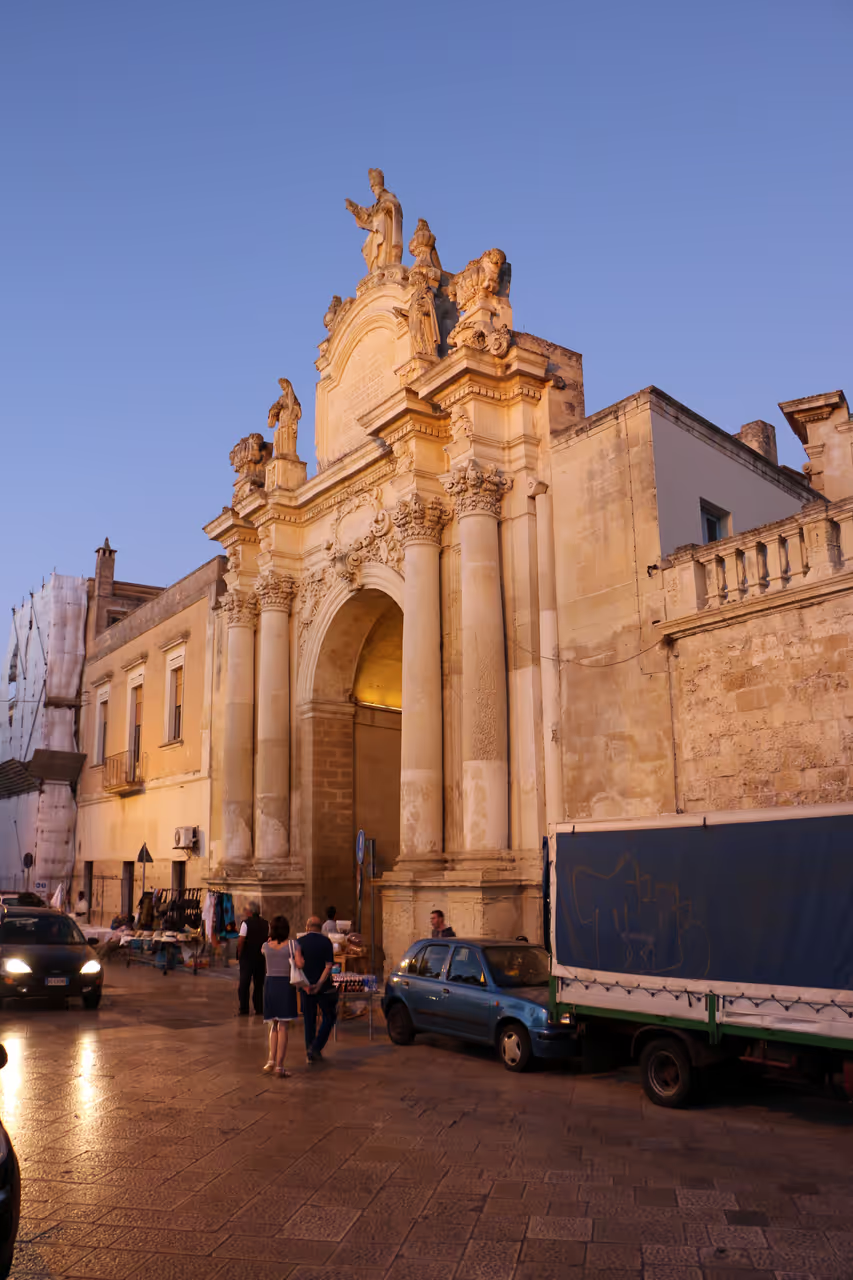
Capturing this soaring stone archway from the outside looking into the historic centre provides a spectacular, highly layered urban photograph. The combination of the heavy, imposing defensive stonework topped with delicate, elegant baroque statues is visually striking. During the evening, the warm artificial lighting illuminates the arch perfectly against the dark night sky. It effortlessly conveys the historical depth and elegant atmosphere of the southern streets.
photo spot view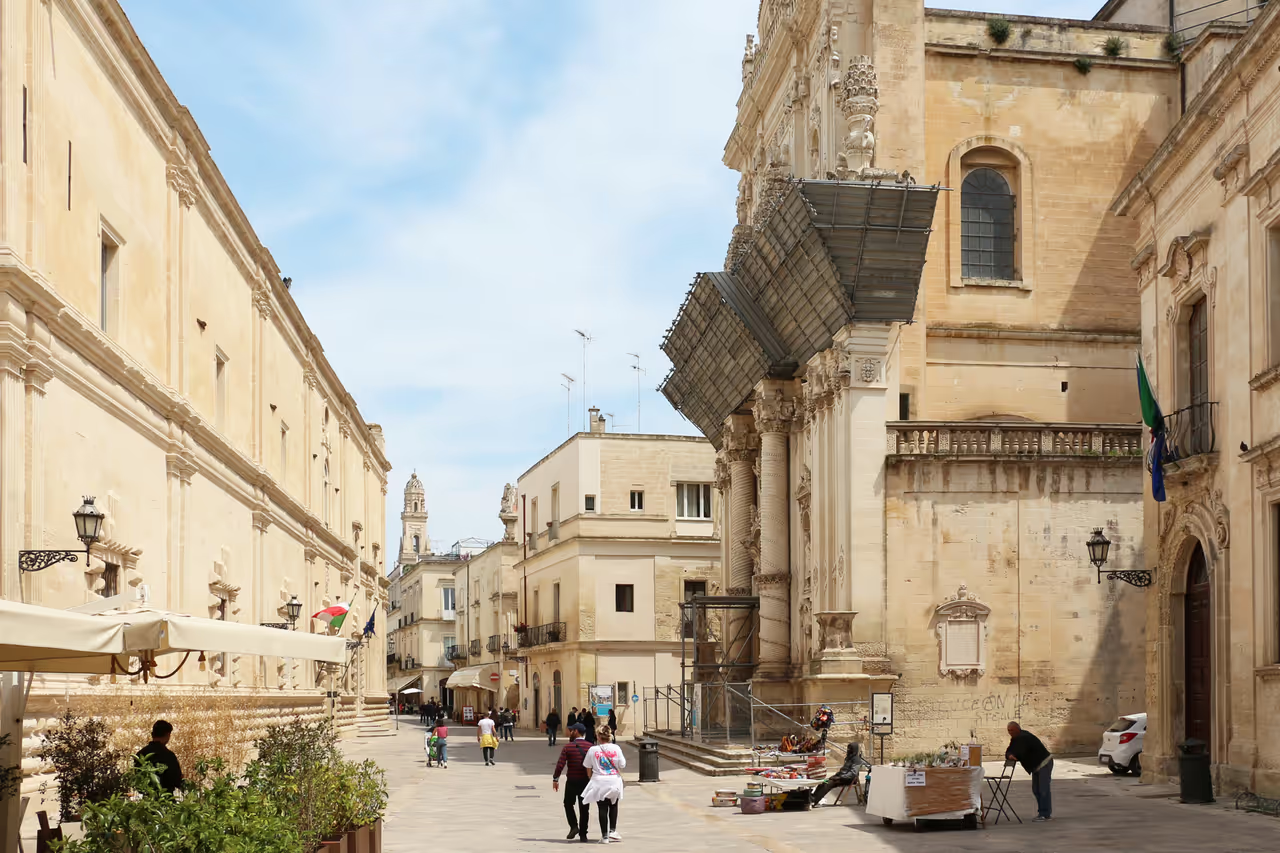 680m
680mPiazza Libertini Market
Located near the imposing Castle of Charles V, this lively outdoor area frequently hosts various stalls and vendors selling everything from local crafts to vintage clothing and fresh produce. It is a fantastic spot to rub shoulders with locals going about their daily shopping routines. The atmosphere is genuinely authentic, filled with the loud, cheerful banter typical of southern Italian commerce. It provides a great opportunity to pick up some unique regional snacks or inexpensive souvenirs.
market view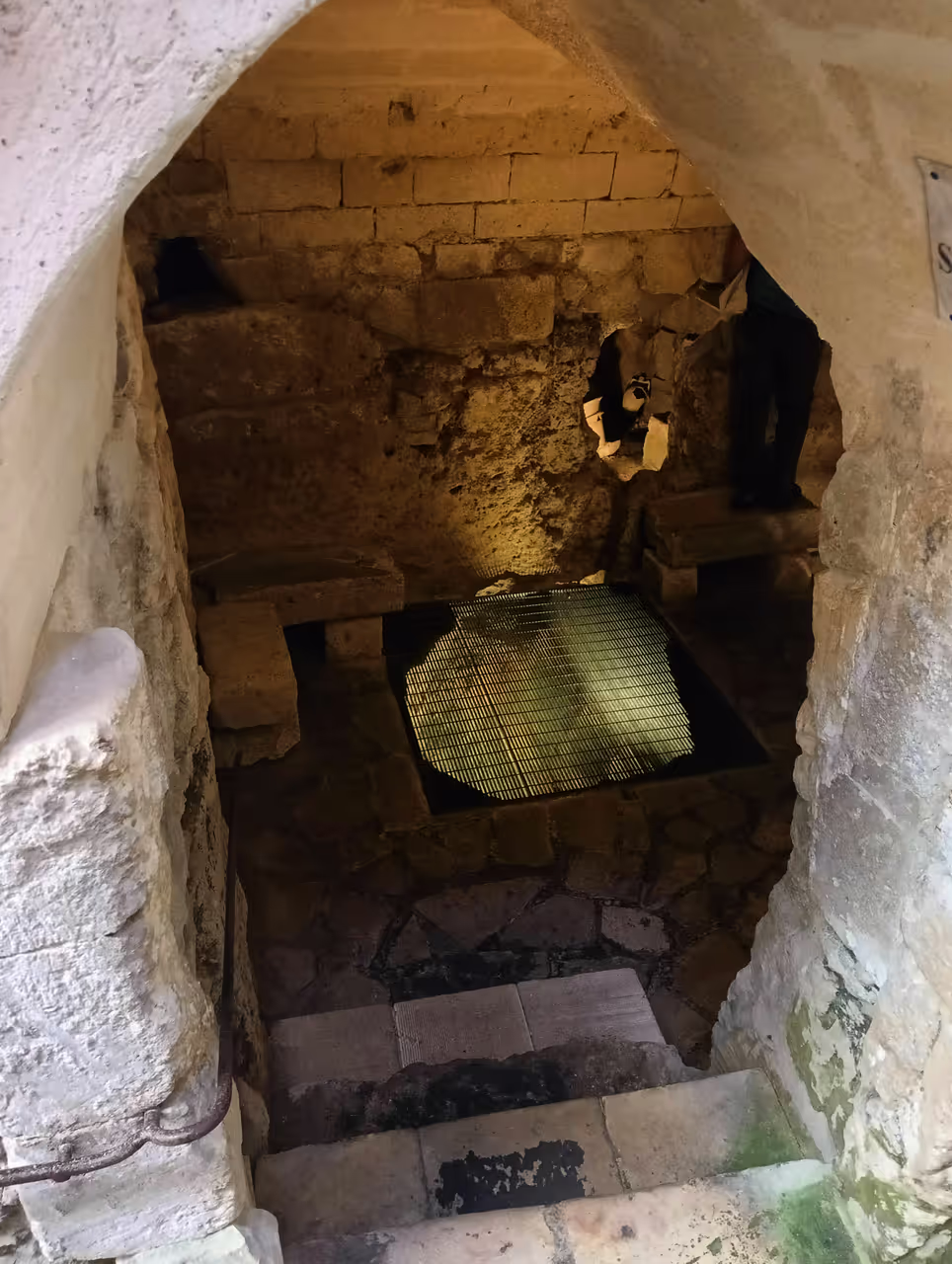 694m
694mFaggiano Museum
This incredibly unique archaeological site was discovered completely by accident in the year 2000 when the property owner attempted to fix a damp sewer pipe. Digging beneath the floorboards, he miraculously uncovered over 2500 years of continuous, layered history. Visitors can now explore a fascinating subterranean maze of ancient Messapian tombs, Roman grain stores, a Templar fresco and secret escape tunnels. It is a thrilling, highly authentic experience that vividly illustrates how the modern city sits directly upon the ruins of its ancestors.
hidden gem view
Explore Similar Places in This Collection
Featured on This Route
See all nature & parks in Lecce
Rauccio Woods and Marshes Regional Natural Park, Rudiae Archaeological Site, San Cataldo Nature Reserve...