Pisa Botanical Garden and Museum
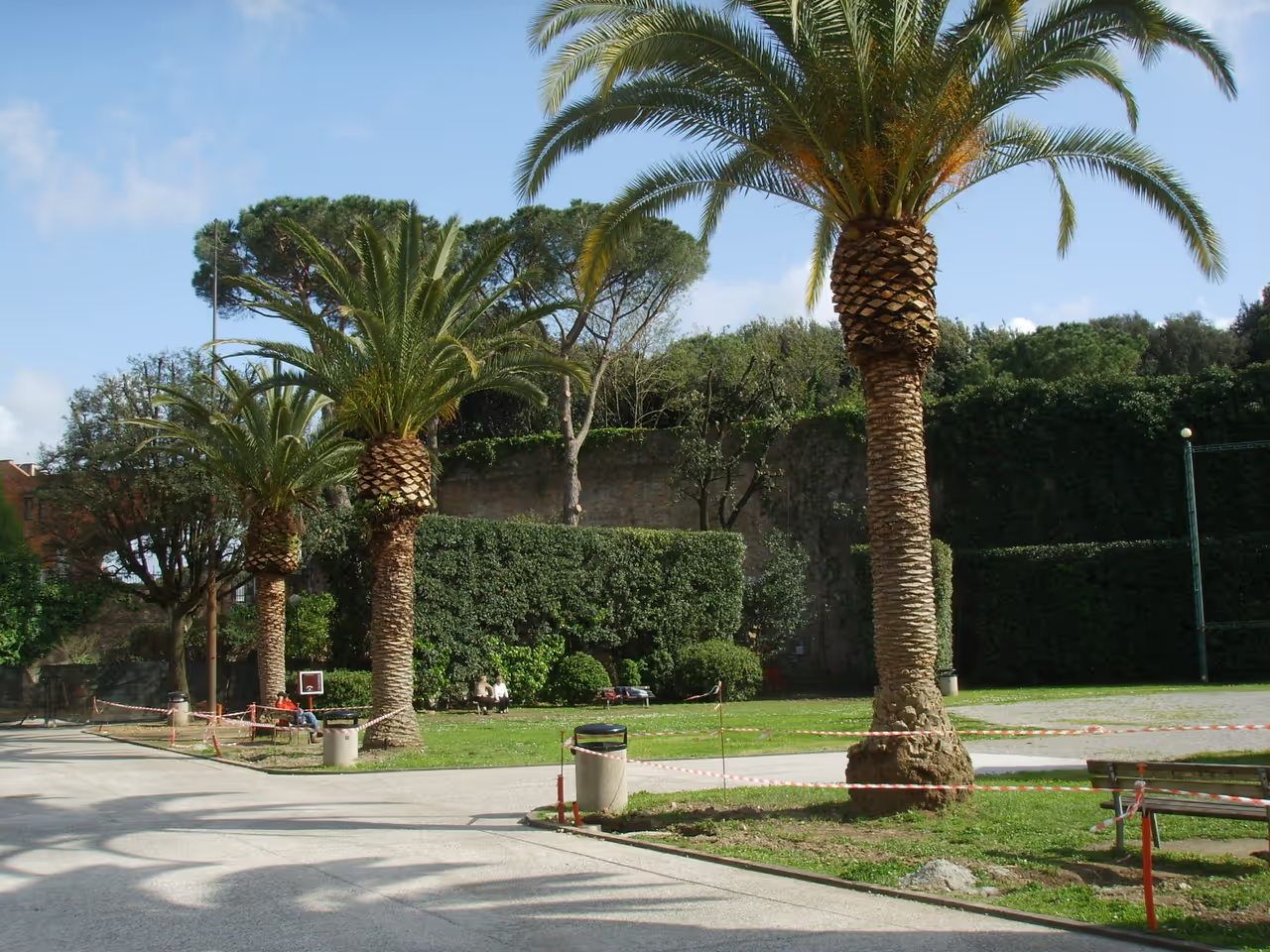
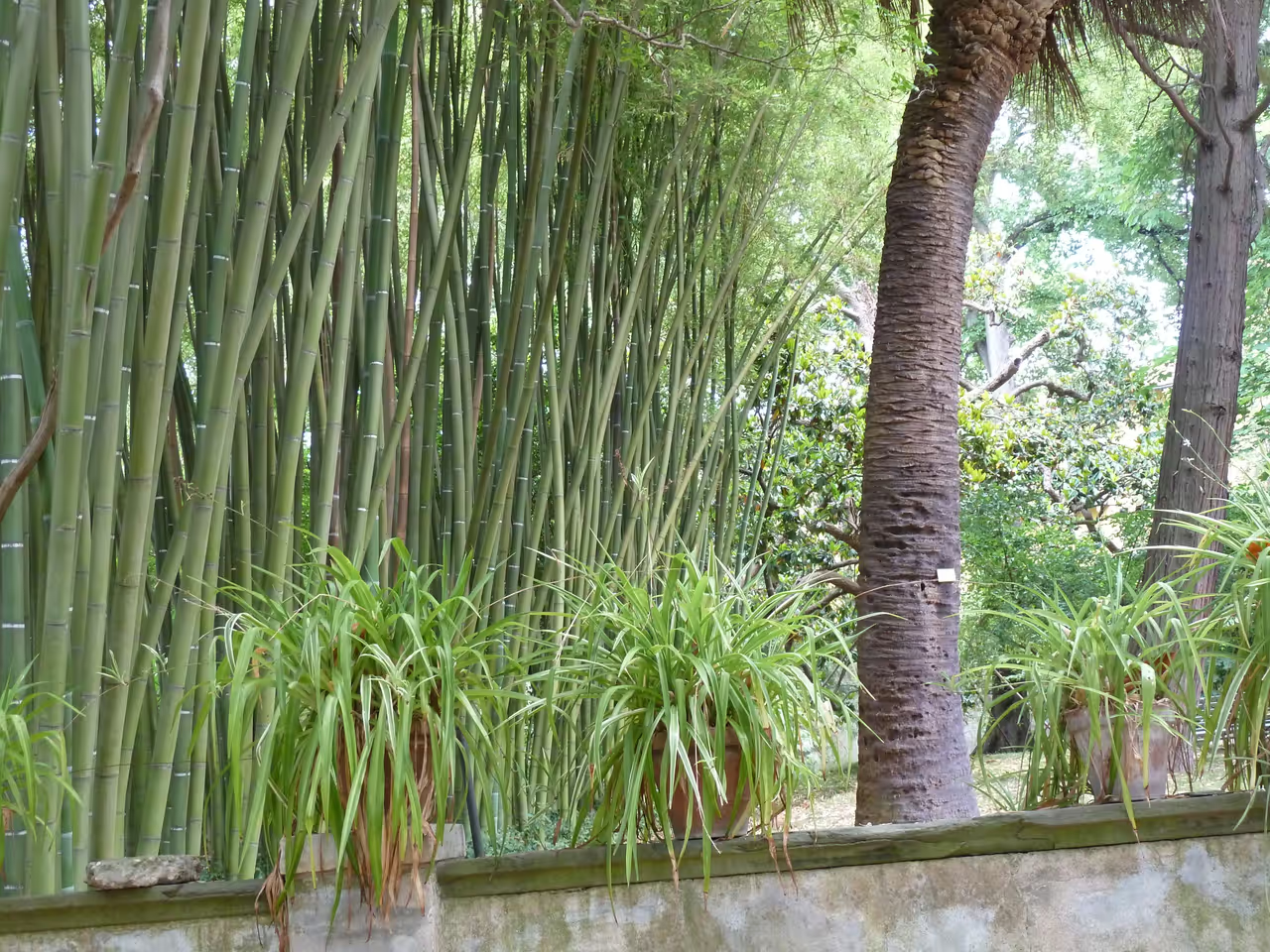
Step into the world's oldest university botanical garden, a serene green sanctuary hidden in the heart of Pisa. Just moments away from the Piazza dei Miracoli, this living museum offers a quiet retreat where centuries of scientific history meet a breathtaking collection of global plant life. Wander through distinct areas, from the historic School of Botany with its geometric layouts to the fascinating Shell Building, known as the Palazzina delle Conchiglie. Whether you are admiring the 18th-century magnolias or exploring the curious botanical models inside the museum, the garden is a beautiful testament to humanity's relationship with nature. It is an essential stop for anyone wanting to see a more peaceful, scholarly side of the city.
Videos
History of Pisa Botanical Garden and Museum
Pisa has always been a city of innovators, and in 1543, that ambition extended to the study of nature itself. Luca Ghini, a visionary physician, founded the Orto Botanico under the patronage of Cosimo I de' Medici. It was a radical idea for the time, establishing a space for the scientific study of plants. It began humbly near the Arsenals, known as the Garden of the Simples, because it primarily housed medicinal plants which students would study to learn about healing. As the university grew, so did the ambition of its garden. Moving multiple times, the institution finally found its permanent home near the iconic Piazza dei Miracoli in 1591. This was a masterstroke of urban planning, placing the garden at the very heart of the city's intellectual life. Over the centuries, it became a playground for the world's leading botanists, who carefully curated species from across the globe, turning the grounds into a living library of biodiversity. Today, the garden serves as a beautiful bridge between the past and the present. You can walk the paths where scientists debated the classification of species centuries ago, or step inside the Palazzina delle Conchiglie to witness an 18th-century obsession with nature captured in shell-encrusted architecture. It is a legacy of curiosity, maintaining the same spirit of discovery that guided its founders nearly five hundred years ago.
Events spanning 473 years
Fun Facts
- • A Ginkgo biloba tree planted in 1787 still thrives here, standing as one of the oldest and most impressive specimens in the garden.
- • During the 19th century, the garden shifted its organisational focus to highlight biological relationships and evolutionary affinities, moving away from simple aesthetic arrangements.
- • In its early centuries, the layout of the garden was inspired by the four elements, with geometric flowerbeds shaped as squares, circles, and triangles.
- • It features a dedicated collection of over 150 species of Salvia, showcasing the impressive diversity of just this single plant genus.
- • One of the garden's iconic features, a massive California palm, was planted in 1877 and continues to reach towards the sky as a landmark of the site.
- • The Palazzina delle Conchiglie, or Shell Building, earned its name from the 1752 facade that is entirely decorated with intricate patterns made from shells.
- • The garden is home to a Wollemia nobilis, a rare 'dinosaur tree' that was only discovered in the modern era and dates back to prehistoric times.
- • The museum houses a unique collection of 19th-century wax models of mushrooms and fruits, created by Luigi Calamai, which were used for scientific education before the era of modern photography.
- • The original name was the Garden of the Simples, which refers to the medicinal plants known as simples used in apothecary practices.
- • This is officially the oldest university botanical garden in the entire world, established to help medical students study the healing properties of plants.
Pisa Botanical Garden and Museum FAQ
While we strive to keep this information accurate and up to date, we recommend verifying any details independently before making decisions based on them.
Pisa Botanical Garden and Museum Map & Neighborhood Explorer
This interactive map is centered on Pisa Botanical Garden and Museum. Zoom in and move the map around to automatically discover Wikipedia photos and summaries of other nearby sights, monuments, and historical points of interest and stories in real-time!
Places near Pisa Botanical Garden and Museum
Make the most of your trip. Check out these top-rated spots located nearby.
 162m
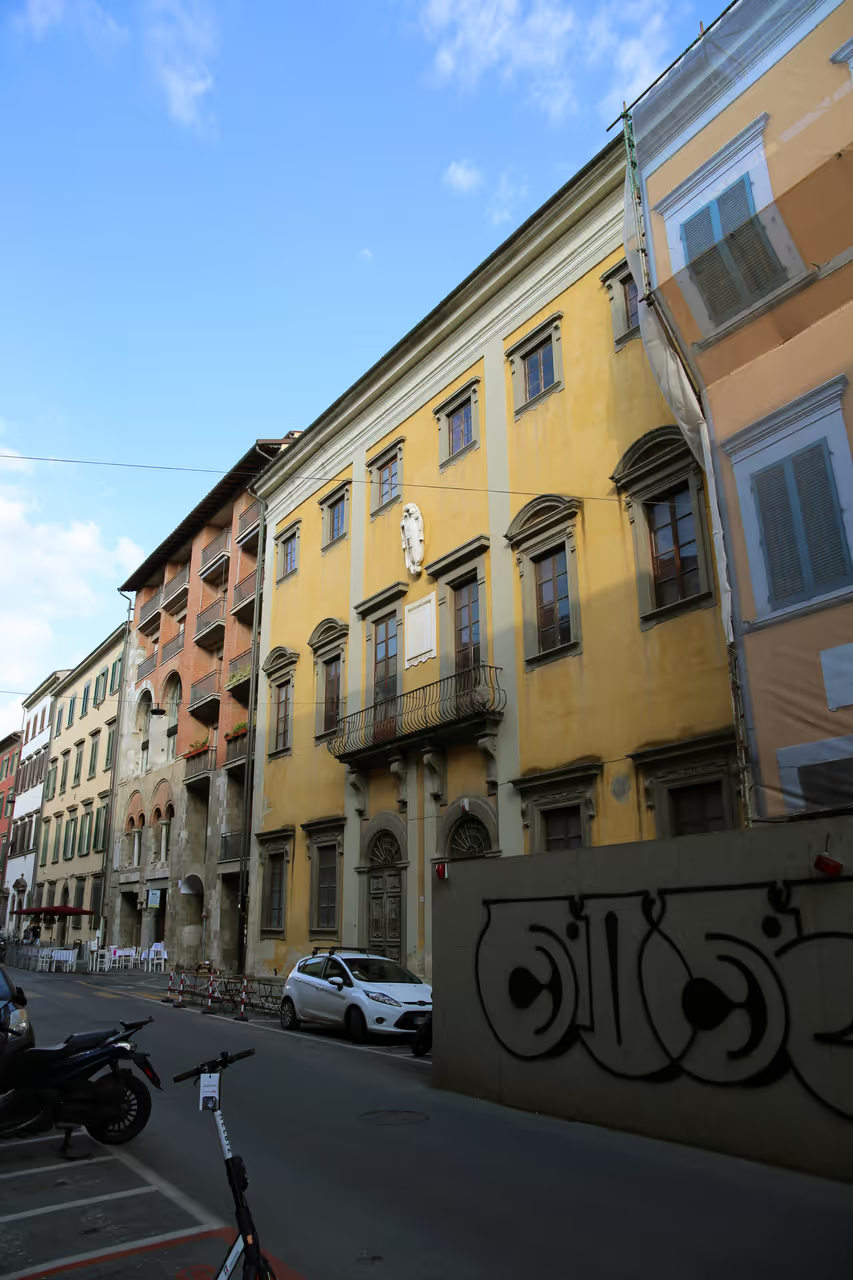
162mGalilean House
Dedicated entirely to the legacy of the city's most famous scientific son, this quiet research institution is a must visit for history of science enthusiasts. It houses a vast library and significant historical archives relating to the life and groundbreaking discoveries of Galileo Galilei. Tucked away near the botanical gardens, the building offers a deeply scholarly and reverent atmosphere. Visitors can view fascinating old scientific instruments and rare, early editions of revolutionary astronomical texts. It provides a highly intellectual, profoundly quiet escape from the typical tourist trail.
hidden gem view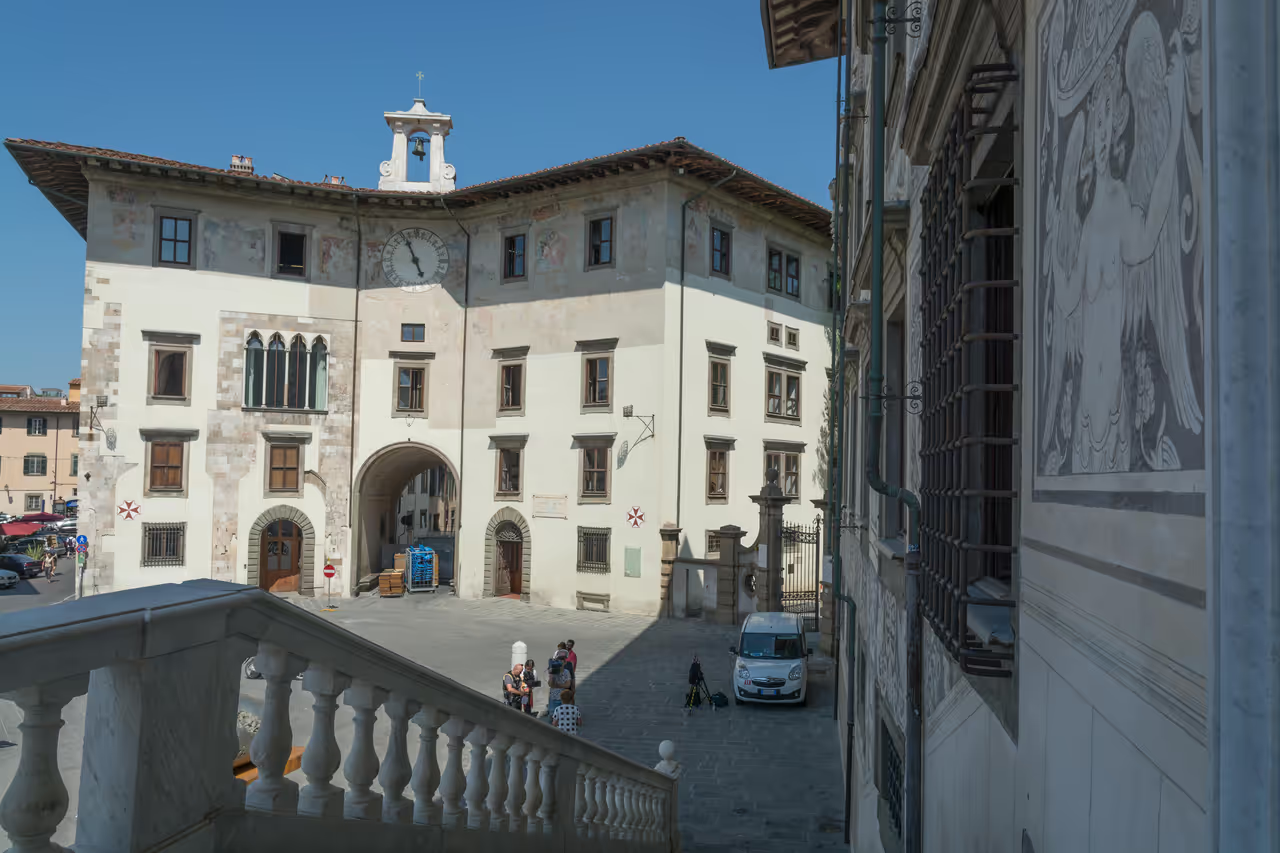 294m
294mPalace of the Clock
This striking, curved building in the Knights Square harbours a dark and gruesome history behind its elegant facade. The structure was actually formed by joining two older medieval towers together with a central archway. One of those original structures was the infamous Tower of Hunger, where the disgraced Count Ugolino and his sons were imprisoned and starved to death, a grim tale immortalised in Dante's Inferno. The architectural blending is seamless, creating a beautiful focal point that contrasts sharply with its terrifying past. Currently housing university archives, it stands as a captivating monument to the brutal realities of medieval politics.
highlight view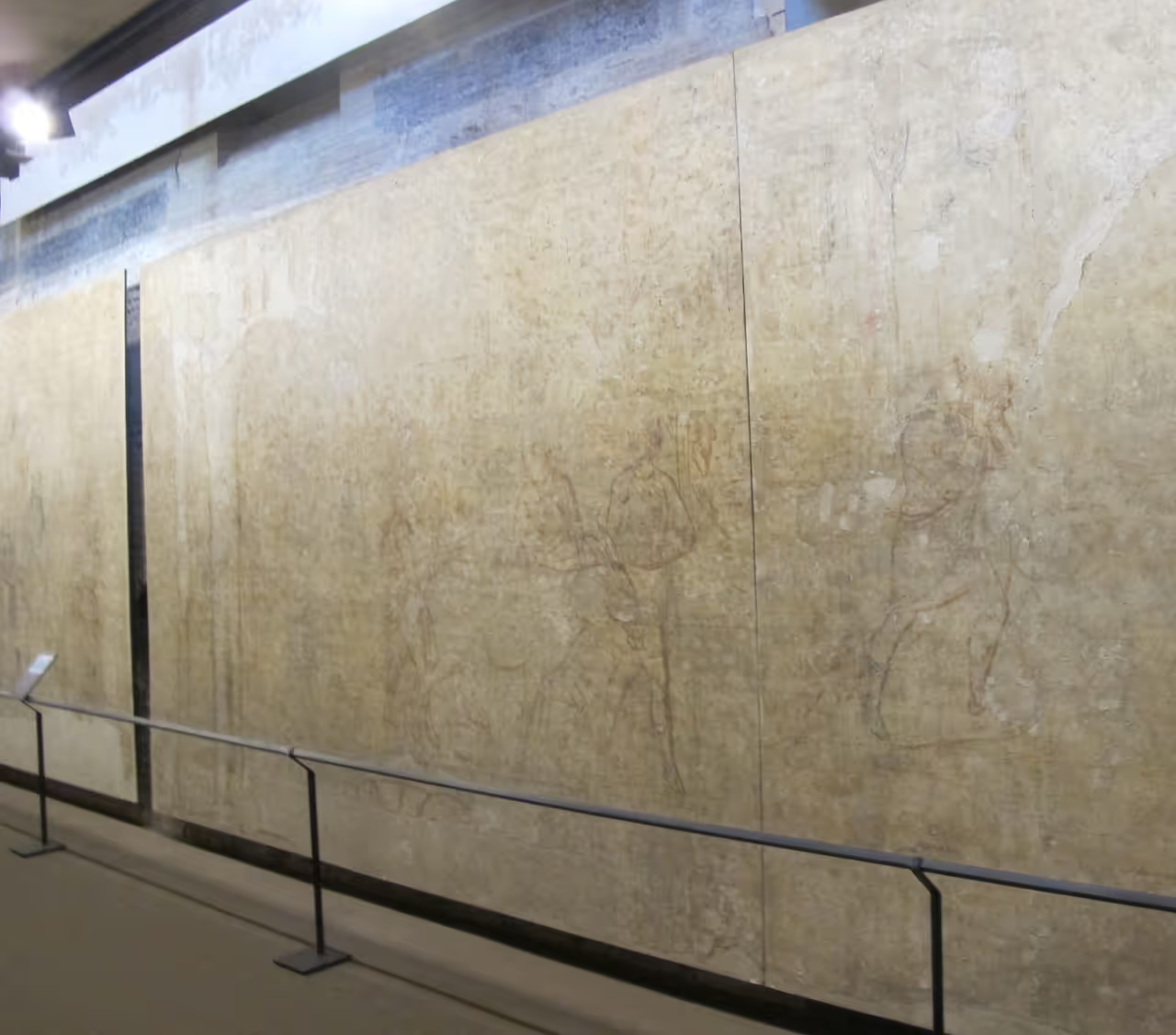 299m
299mMuseum of the Sinopias
Housed in a massive, beautifully restored medieval hospital building bordering the main square, this vast museum is incredibly often ignored by the crowds rushing to the bell tower. It protects the massive, raw preparatory sketches, known as sinopie, that were discovered beneath the frescoes of the monumental cemetery following the devastating bombings of the Second World War. Seeing these huge, expressive underdrawings provides an astonishingly intimate look into the creative process of medieval master painters. The sheer scale of the sketches, displayed on massive walls, is visually staggering and deeply moving. It is an absolute haven for serious art lovers seeking quiet contemplation.
hidden gem view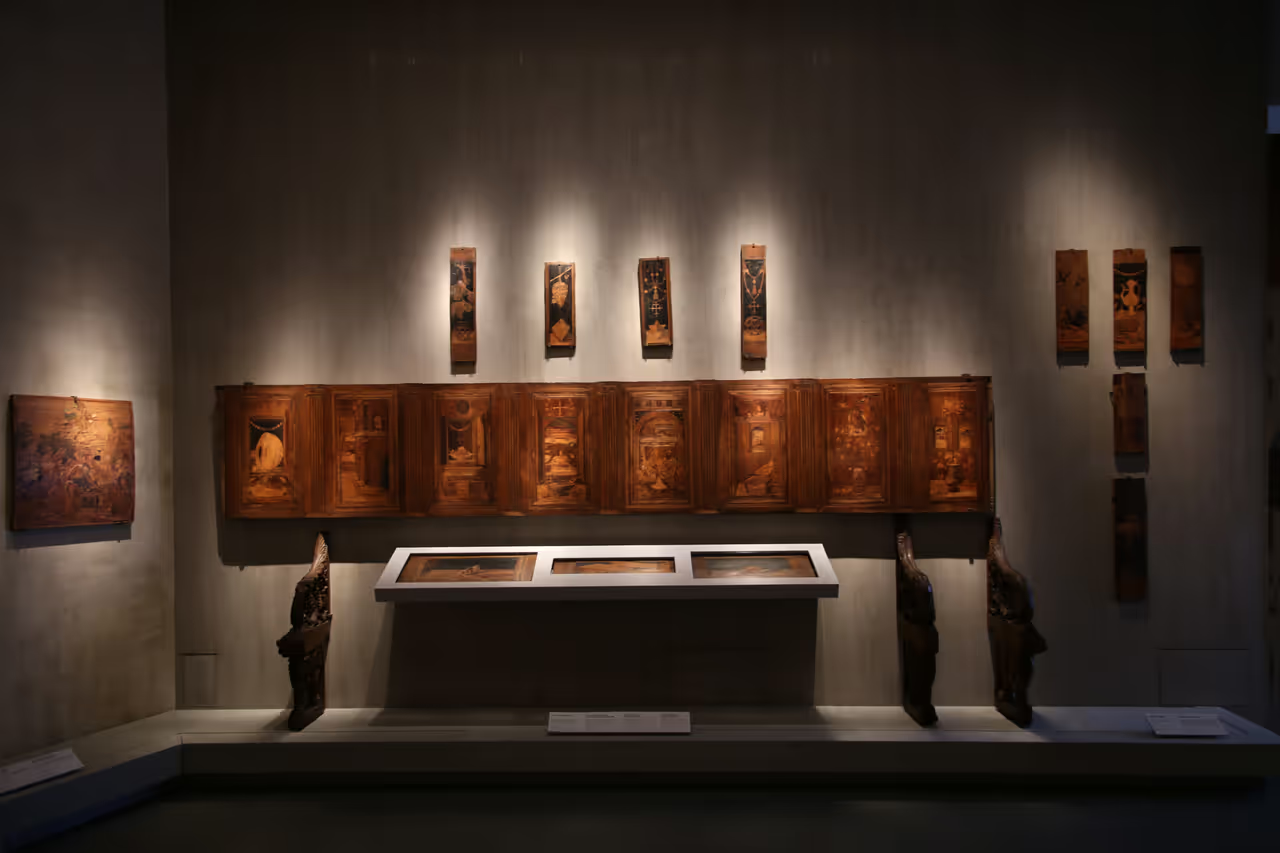 304m
304mCathedral Museum
Recently renovated and expertly curated, this museum protects the delicate original sculptures and treasures removed from the harsh elements of the main square. The collection includes incredible marble statuary by the masterful Pisano family and a collection of striking bronze griffins brought back as war booty from the crusades. The layout provides fascinating context to the massive architectural undertaking of the cathedral complex. One of the greatest highlights is the spectacular upper balcony, which offers arguably the best, unobstructed photographic vantage point of the leaning tower and the lush green lawns. It is an essential stop for fully understanding the artistic achievements of the republic.
highlight view
Explore Similar Places in These Collections



Featured on These Itineraries and Routes
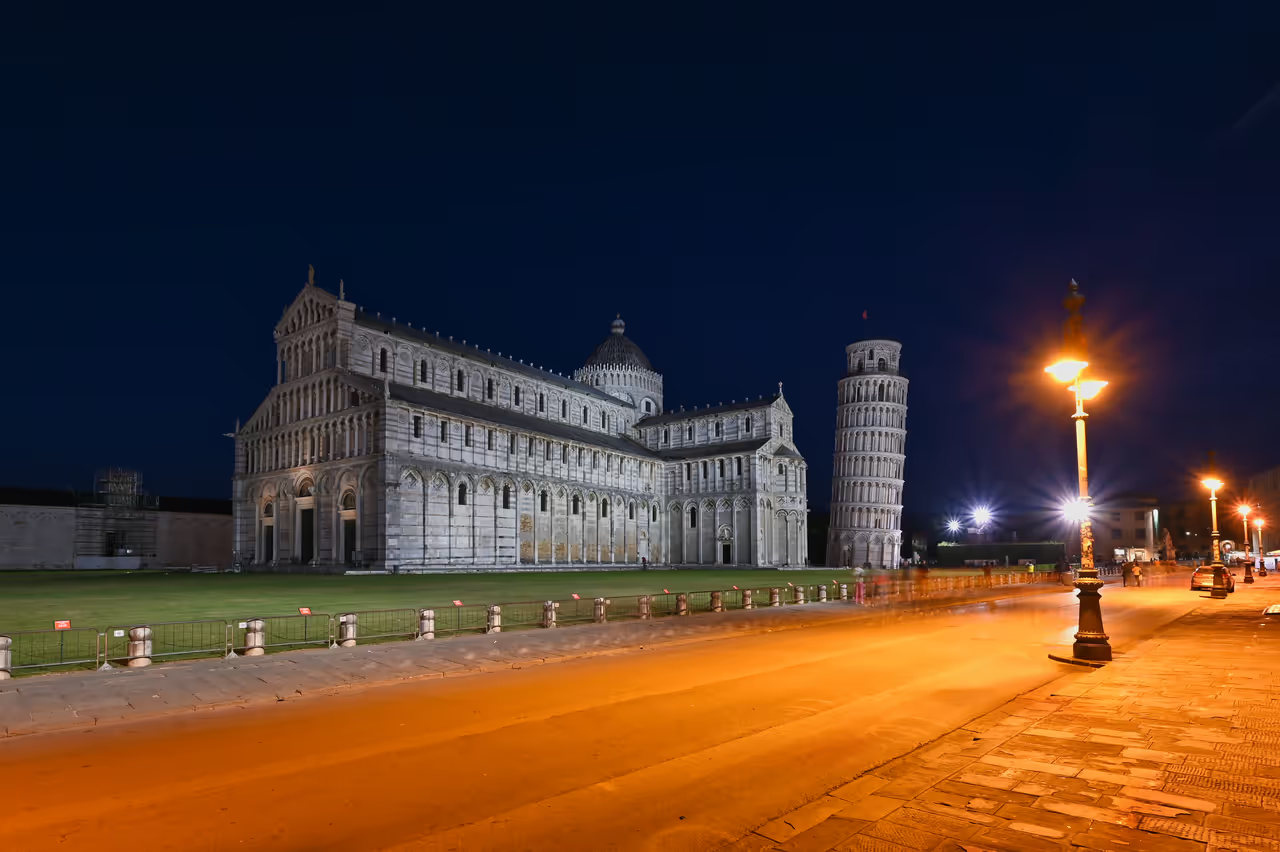
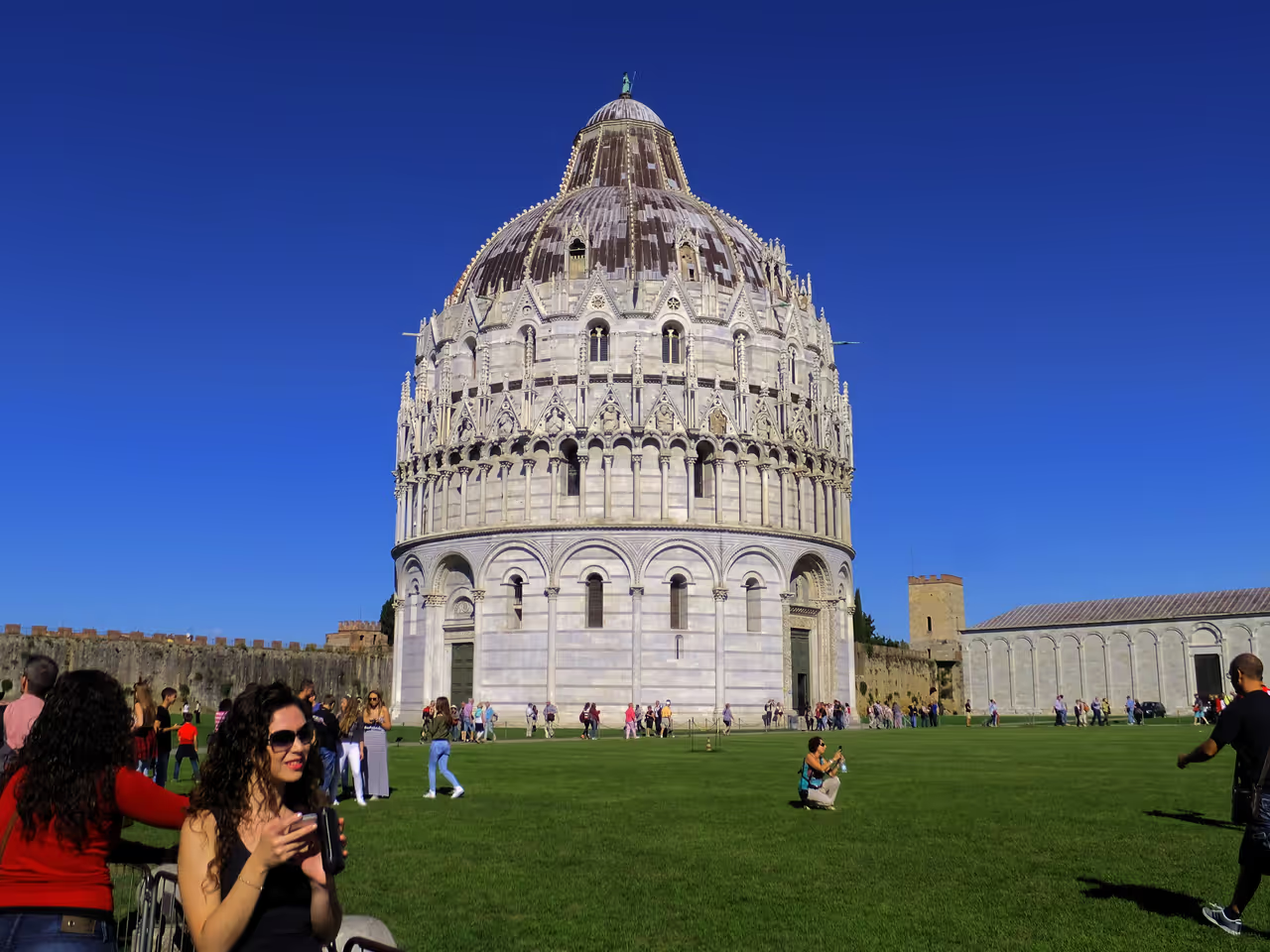
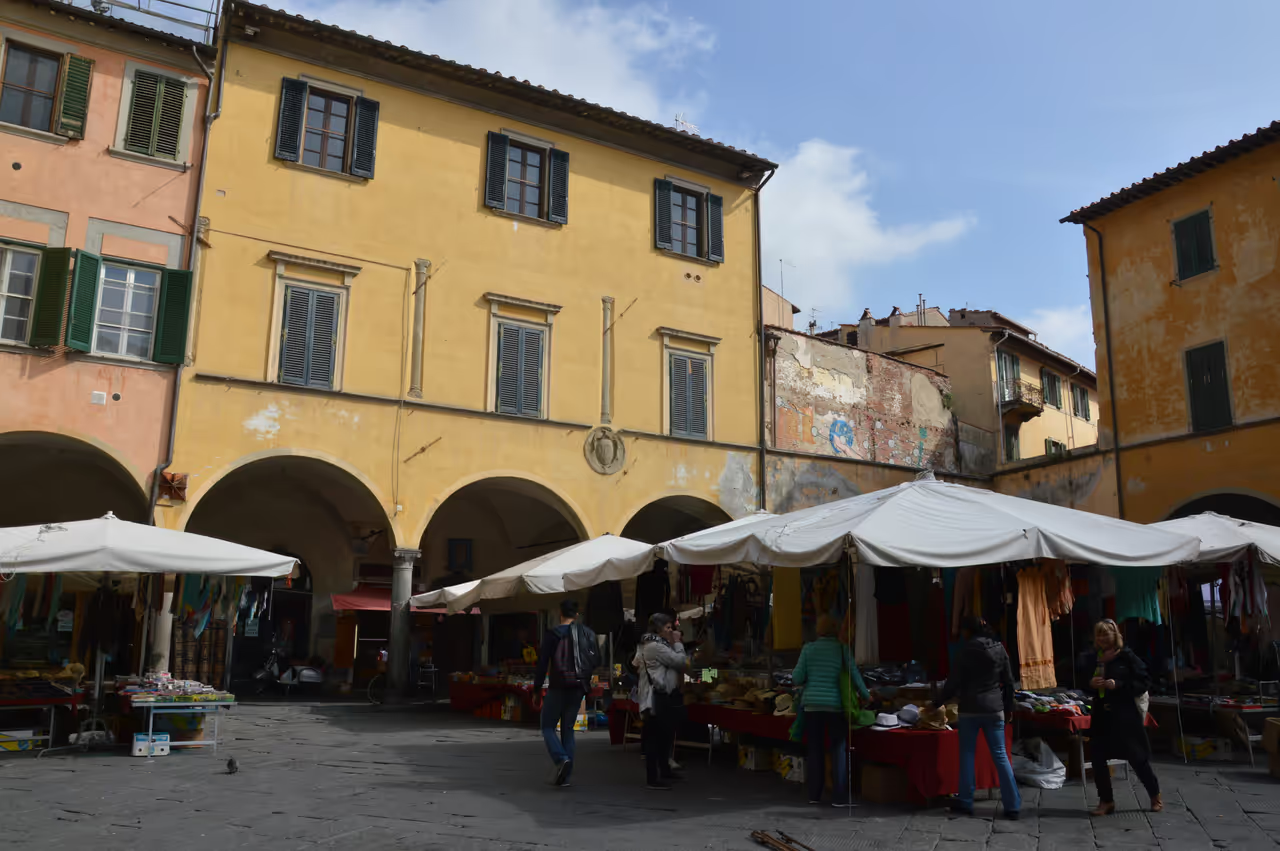
3 Days in Pisa: Days of Discovery Itinerary
This balanced route allows you to look far beyond the famous leaning tower and truly understand the rich history of the maritime republic. It provides ample time to explore the phenomenal, hidden art museums, the quiet botanical gardens, and the heavily fortified old citadel. You will experience the vibrant student nightlife and discover quirky architectural oddities scattered throughout the ancient alleyways.
view itinerary
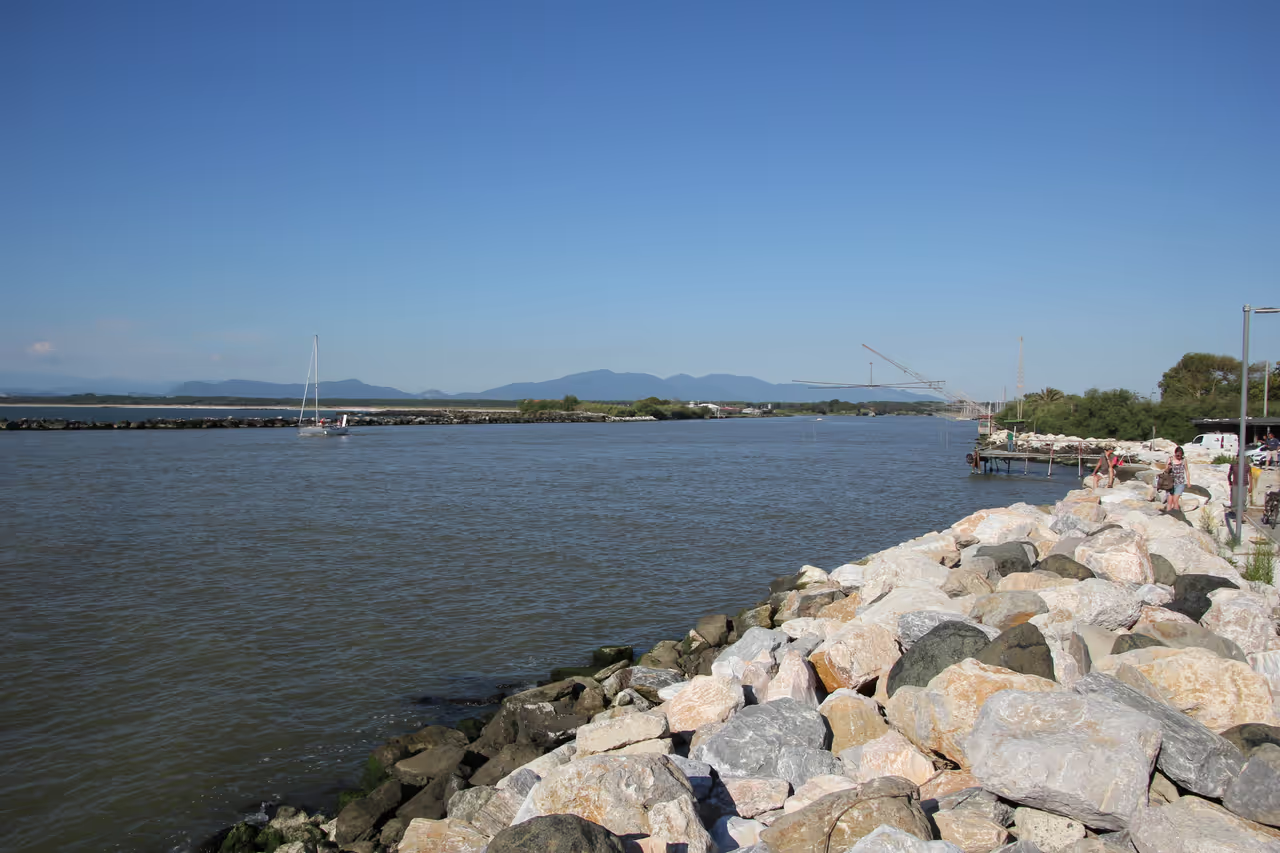
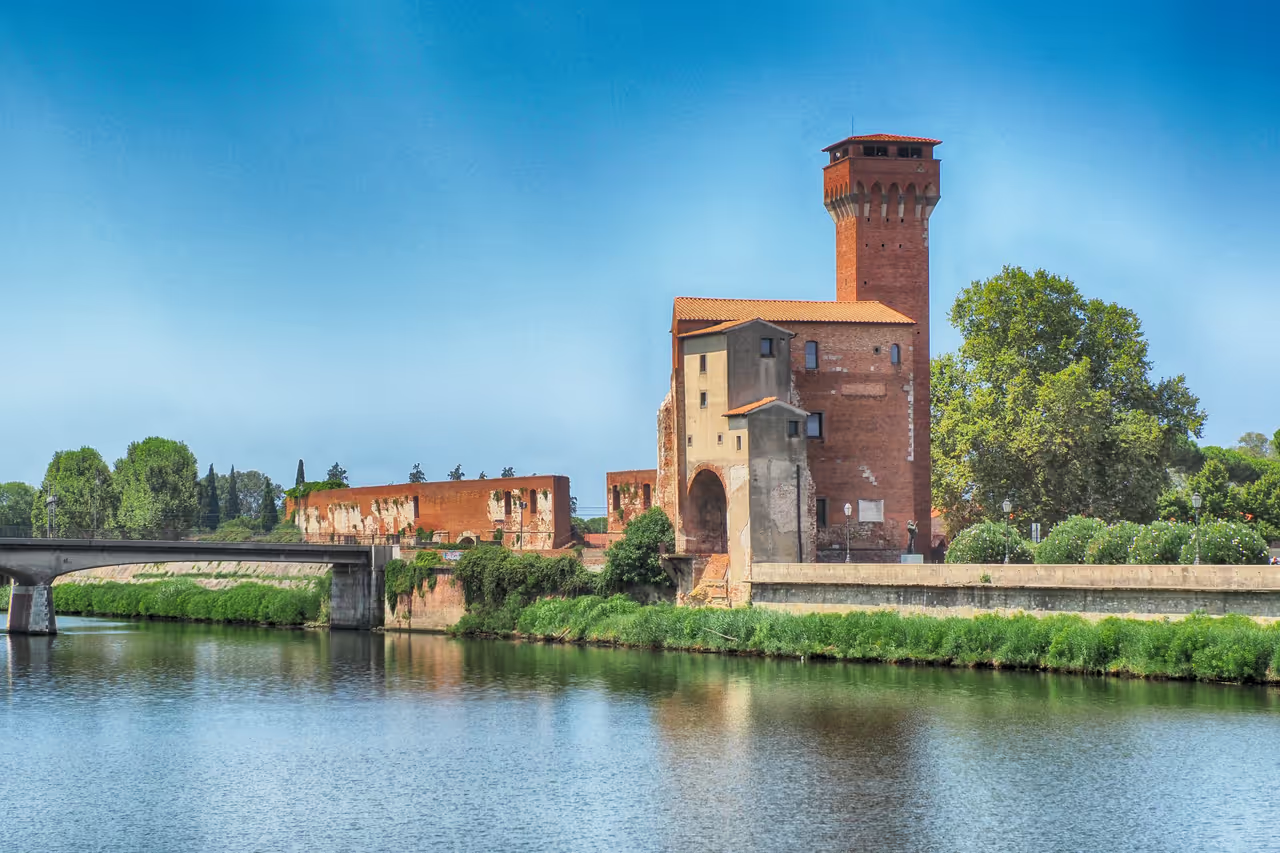
5 Days in Pisa: City and Sea Itinerary
The ultimate, unhurried exploration of the city and its stunning natural surroundings. This extensive plan incorporates all the major urban highlights, museums, and hidden gems, while dedicating significant time to the nearby pristine nature reserves and the Mediterranean coastline. It perfectly balances rigorous cultural sightseeing with profound relaxation and outdoor adventure.
view itinerary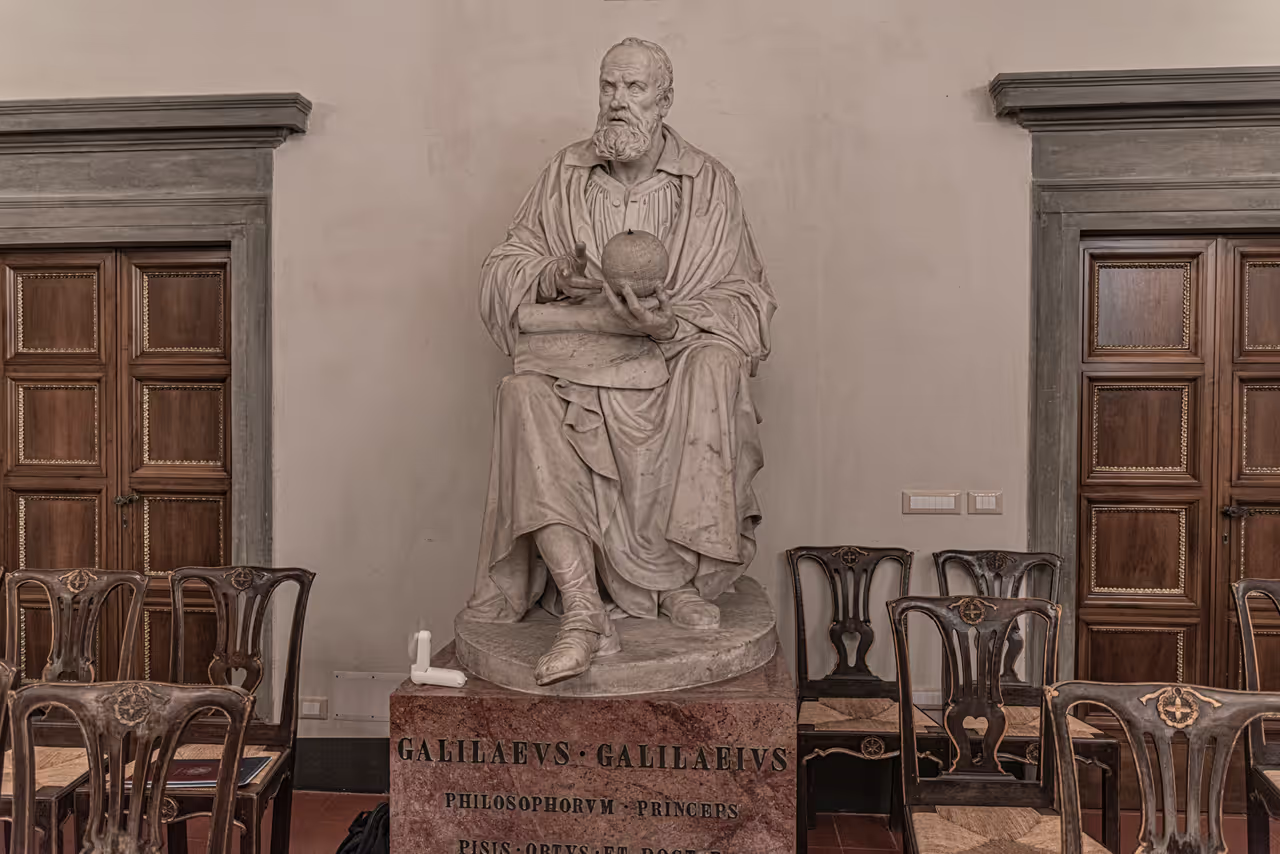
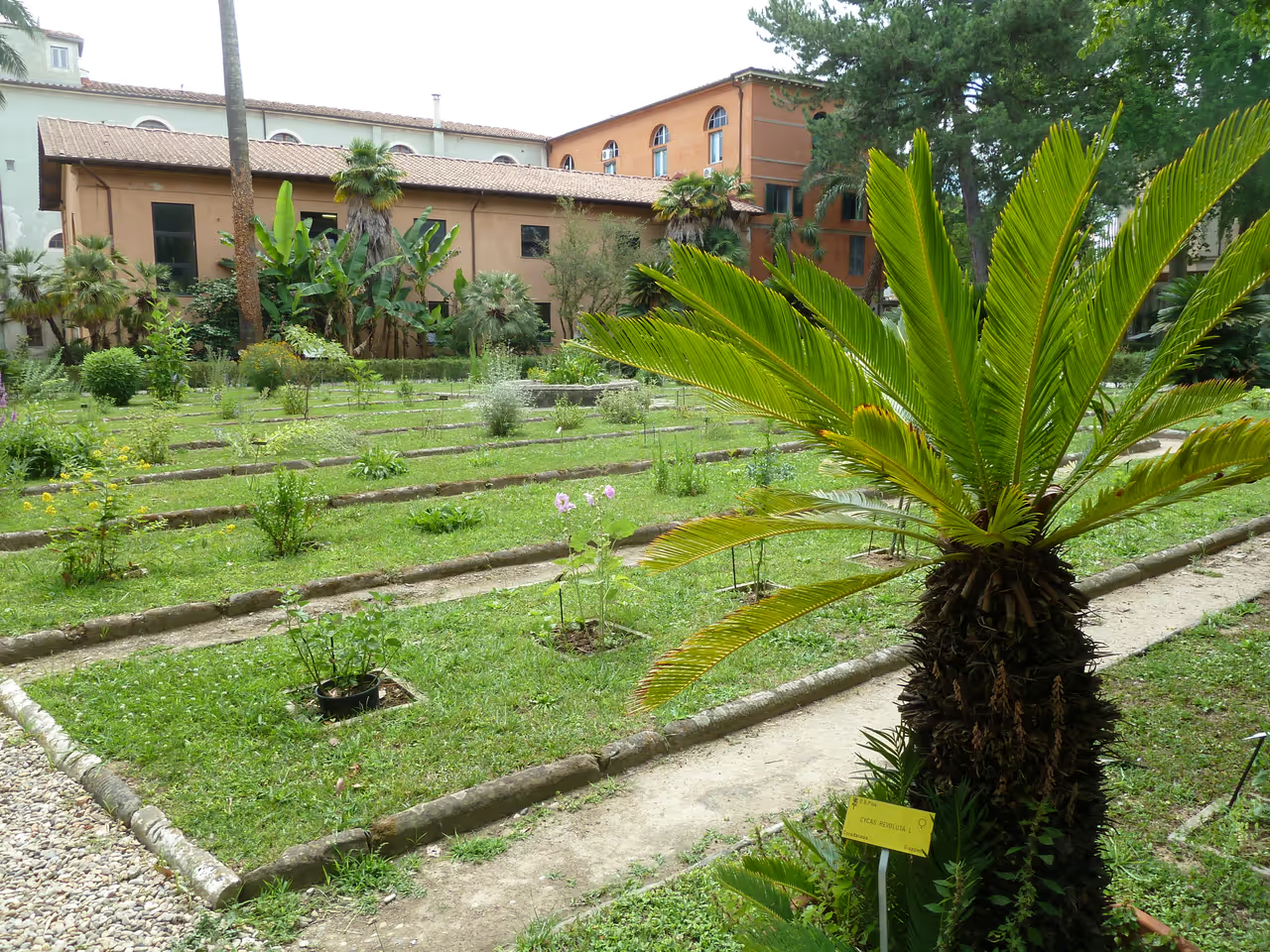
Scholars and Scientists
Follow in the footsteps of brilliant minds, from Galileo Galilei to modern Nobel laureates, in a city entirely shaped by its academic institutions. This route highlights historic lecture halls, botanical pioneers, and the elite schools that replaced the power of the sword with the power of the pen.
view self-guided tour
See all nature & parks in Pisa
Giardino Scotto, Migliarino, San Rossore, Massaciuccoli Natural Park, Viale delle Piagge...