Giardino Scotto
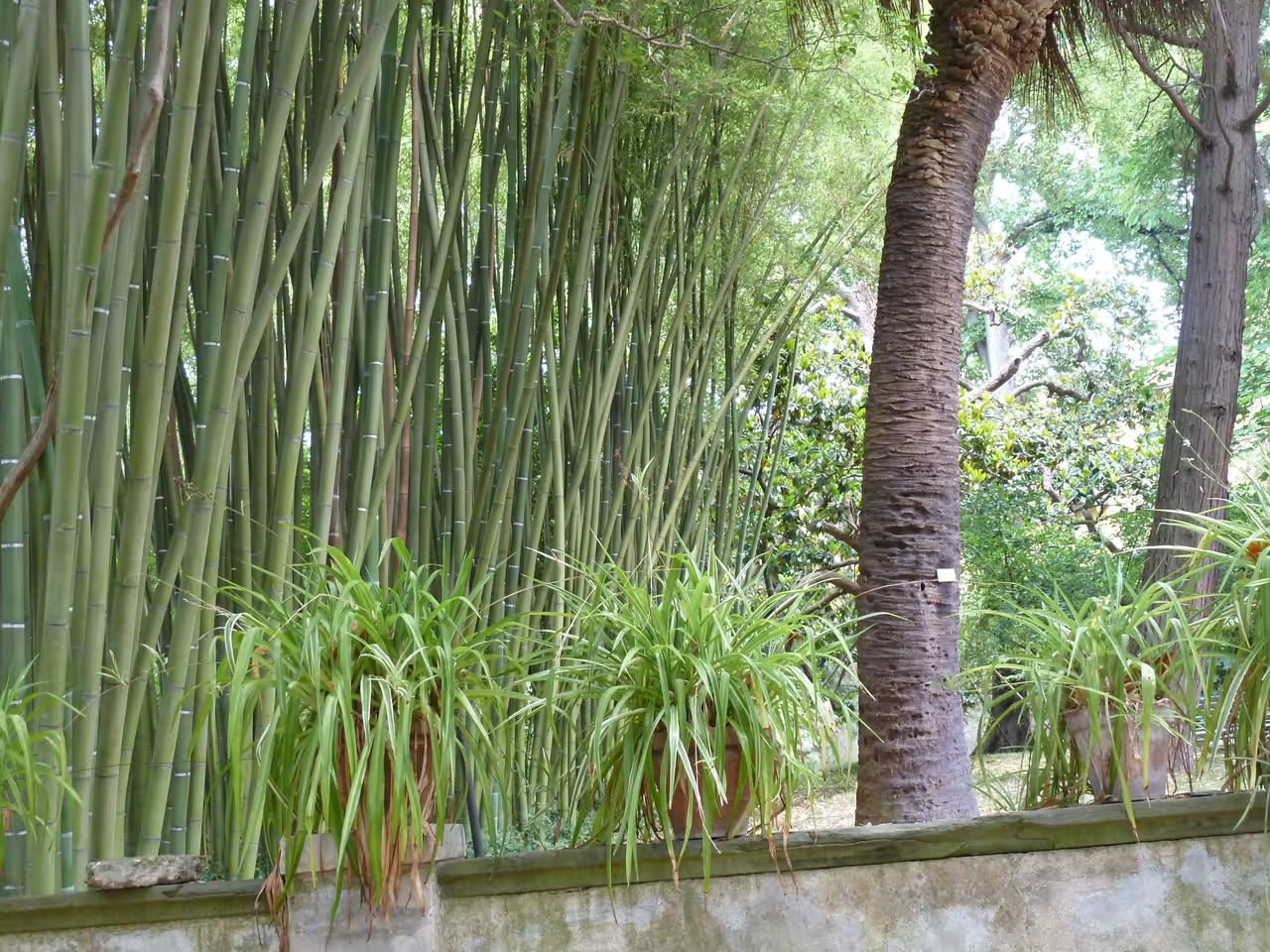
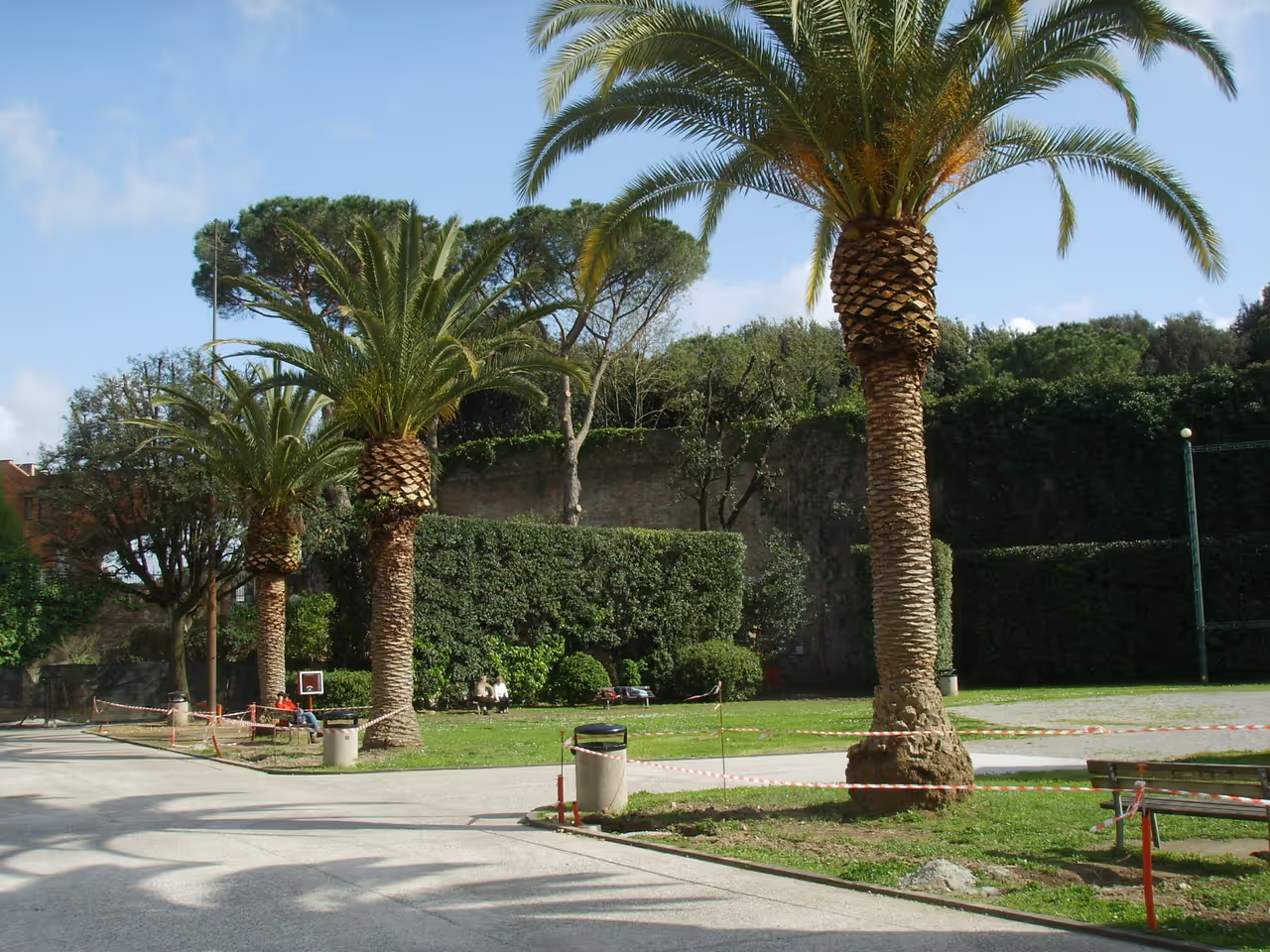
Step into a space where the echoes of ancient warfare soften into the tranquility of a lush sanctuary. Originally forged as a formidable fortress to assert Florentine control, the Giardino Scotto now offers a peaceful retreat for locals and travellers alike along the Arno River. Wander along the historic ramparts that once held military secrets or enjoy an open air concert under the Tuscan sky. This hidden gem invites you to uncover layers of history, from medieval bell workshops to nineteenth century aristocratic estates. It is the perfect place to pause and experience the softer side of Pisa's complex past.
Videos
History of Giardino Scotto
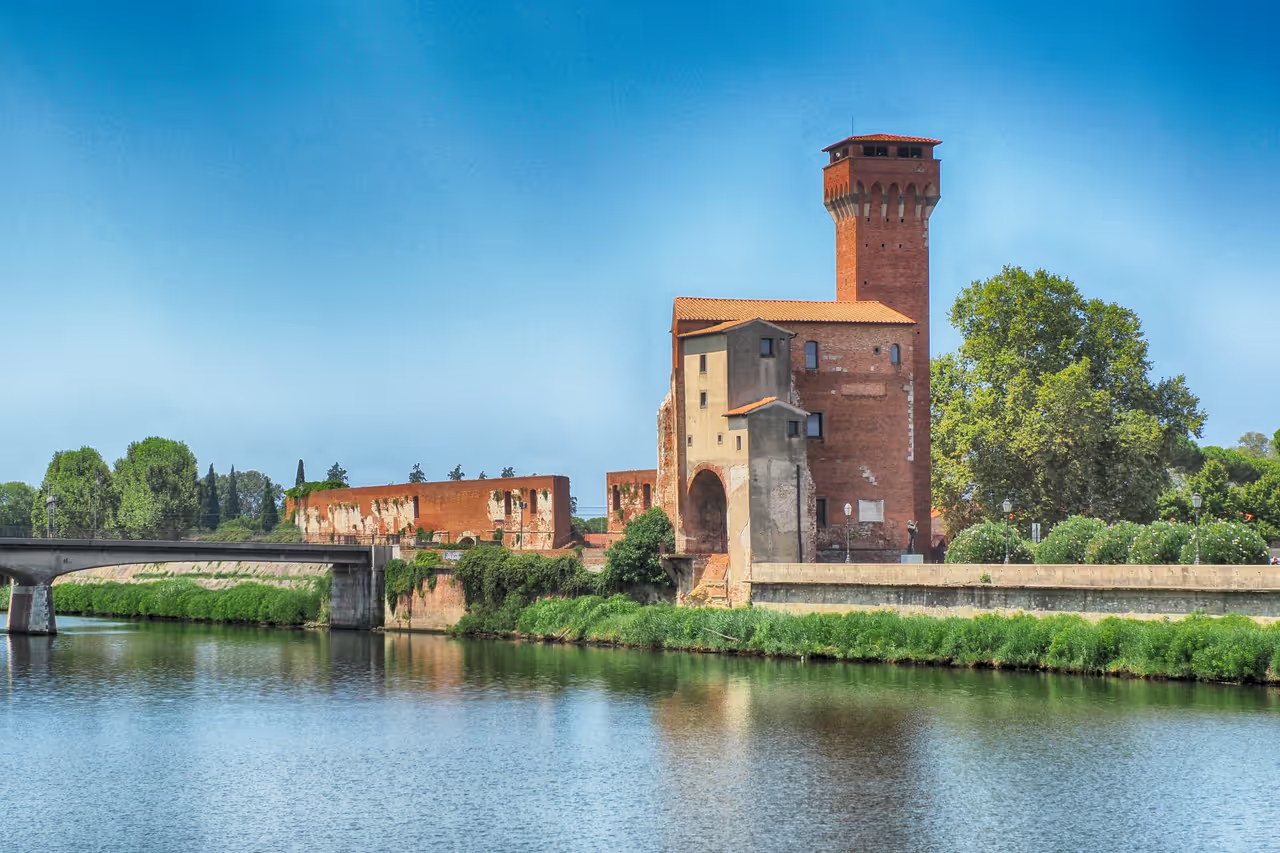
When the Florentines took control of Pisa in the fifteenth century, they needed a physical manifestation of their dominance. They chose the location of a thriving medieval district, home to ninety families and a wealthy church, and levelled it to build a formidable fortress. Known as the Cittadella Nuova, this military stronghold was designed by masters like Filippo Brunelleschi and Giuliano da Sangallo to withstand the new threat of gunpowder warfare. For centuries, its high walls and bastions served as a strategic military gatekeeper, watching over the Arno and suppressing the local population. As the centuries rolled on, the military necessity faded. By the late eighteenth century, the Grand Duke of Tuscany put the site up for sale, and it was purchased by a wealthy merchant family, the Scotto. They transformed the stark, militarised landscape into a refined estate, complete with a grand palace and an ornamental garden. This era brought a new life to the grounds, turning a place of conflict into a symbol of aristocratic leisure, where the echoes of cannon fire were replaced by the sounds of social gatherings. Today, the Giardino Scotto stands as a testament to the layers of history beneath our feet. Since being donated to the city in the 1930s, it has evolved into a beloved public park, hosting everything from open air cinema to concerts under the stars. Recent archaeological excavations have peeled back the layers, revealing everything from ancient Roman street levels to the remnants of medieval bell workshops. It remains a fascinating space where the city's complex narrative is written in stone and greenery, inviting visitors to wander through a chapter of Pisa's past that is as beautiful as it is layered.
Events spanning 583 years
Fun Facts
- • Archaeological excavations in the early 2000s uncovered the remains of a 14th century bell workshop, revealing that local artisans possessed the wealth to commission permanent casting facilities.
- • Archaeologists found a large collection of English ceramics in the palace ruins, highlighting the extensive international trade networks of the period.
- • During the medieval period, the area was known as Baractularia, referencing the local pottery makers who produced specialized vessels called barattoli.
- • Evidence of a small cemetery with nine burials was found near the former church, containing trees placed symbolically to represent the Christian concept of rebirth.
- • In the 19th century, the Scotto family commissioned the neoclassic painter Luigi Ademollo to decorate the palace, though many of these frescoes have been lost to time.
- • The fortress design by Brunelleschi and Sangallo remains one of the earliest examples of fortification architecture adapted specifically for the age of gunpowder in Italy.
- • The fortress was built directly over a thriving medieval district, which required the demolition of a church, a monastery, and houses for approximately ninety families.
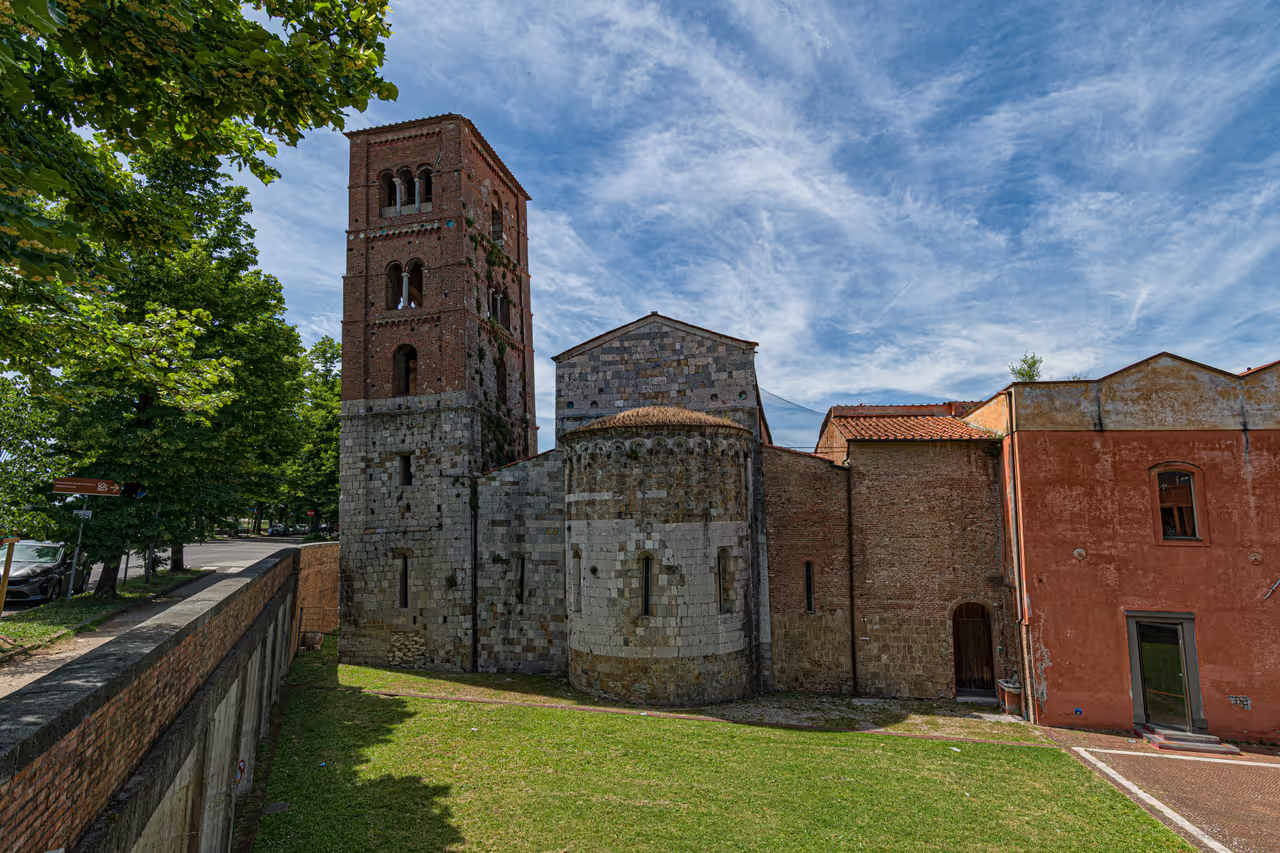
- • The garden contains remnants of the church of Sant'Andrea, including what was once its bell tower, now serving as the entrance to the garden.
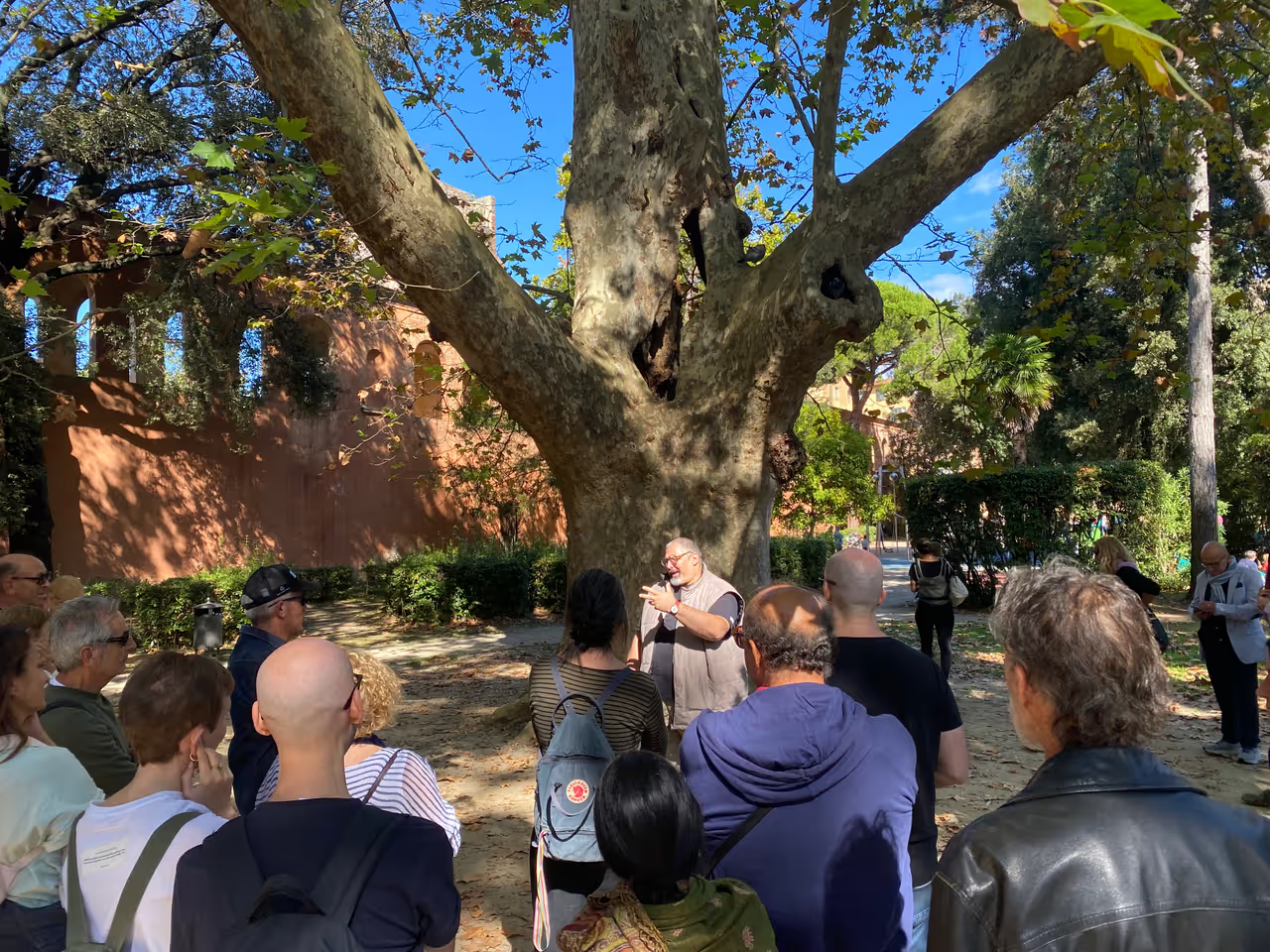
- • The massive, ancient plane tree at the centre of the park is a popular local landmark, often erroneously linked to the playwright Carlo Goldoni by local legend.
- • The name Cittadella Nuova was chosen to differentiate the site from the original, older citadel that guarded the Pisan coast.
- • The site served as a pharmaceutical factory during the mid 20th century, and traces of this industrial past can still be identified in the structure of the old palace floor.
Giardino Scotto FAQ
While we strive to keep this information accurate and up to date, we recommend verifying any details independently before making decisions based on them.
Giardino Scotto Map & Neighborhood Explorer
This interactive map is centered on Giardino Scotto. Zoom in and move the map around to automatically discover Wikipedia photos and summaries of other nearby sights, monuments, and historical points of interest and stories in real-time!
Places near Giardino Scotto
Make the most of your trip. Check out these top-rated spots located nearby.
- 210m
Pisa Book Festival
An essential event for literature lovers, this national book fair focuses on promoting independent publishers and emerging authors. The festival takes over the local congress centre, filling it with vibrant stalls, engaging panel discussions, and book signing events. It attracts a diverse crowd of intellectuals, students, and avid readers from all over the country. With its strong university roots, the city provides the perfect intellectual backdrop for this lively celebration of the written word.
festival view 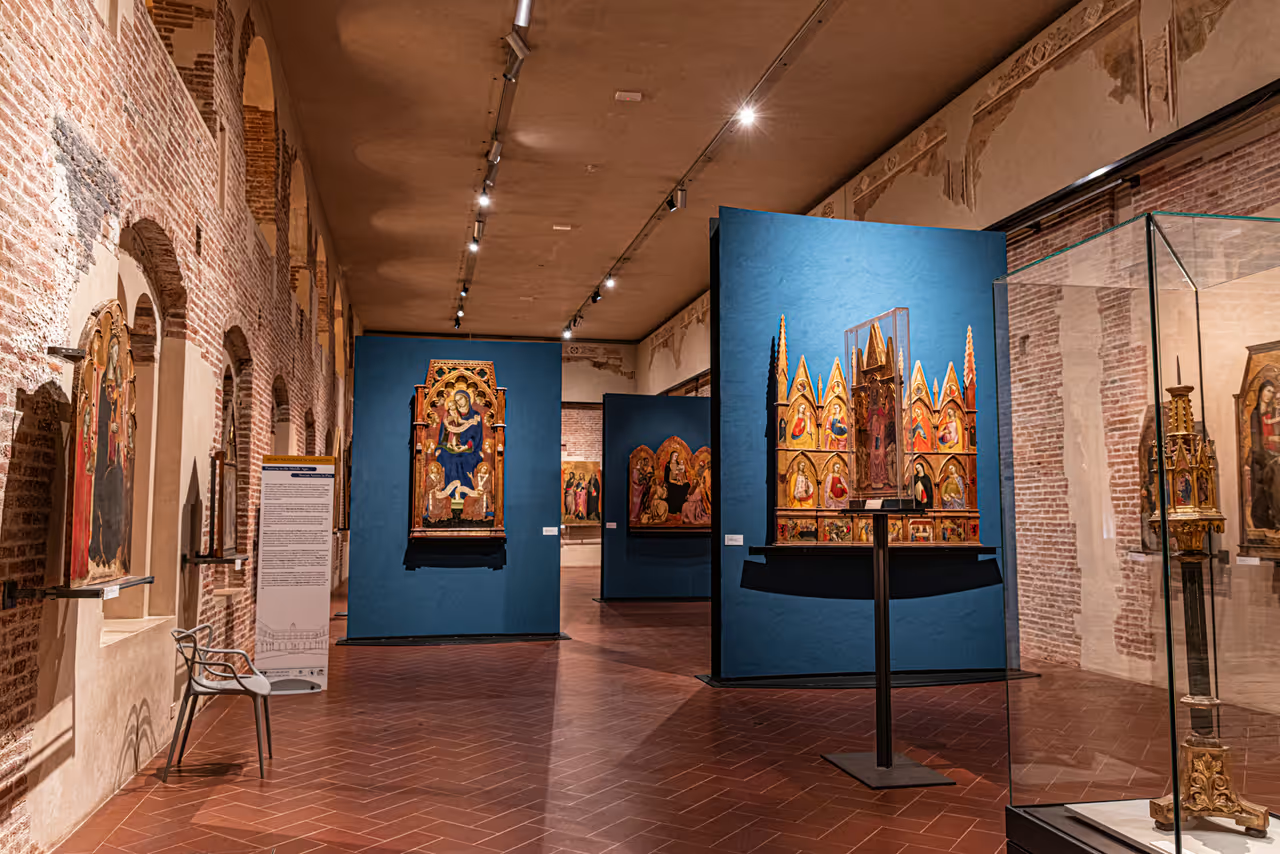 470m
470mNational Museum of San Matteo
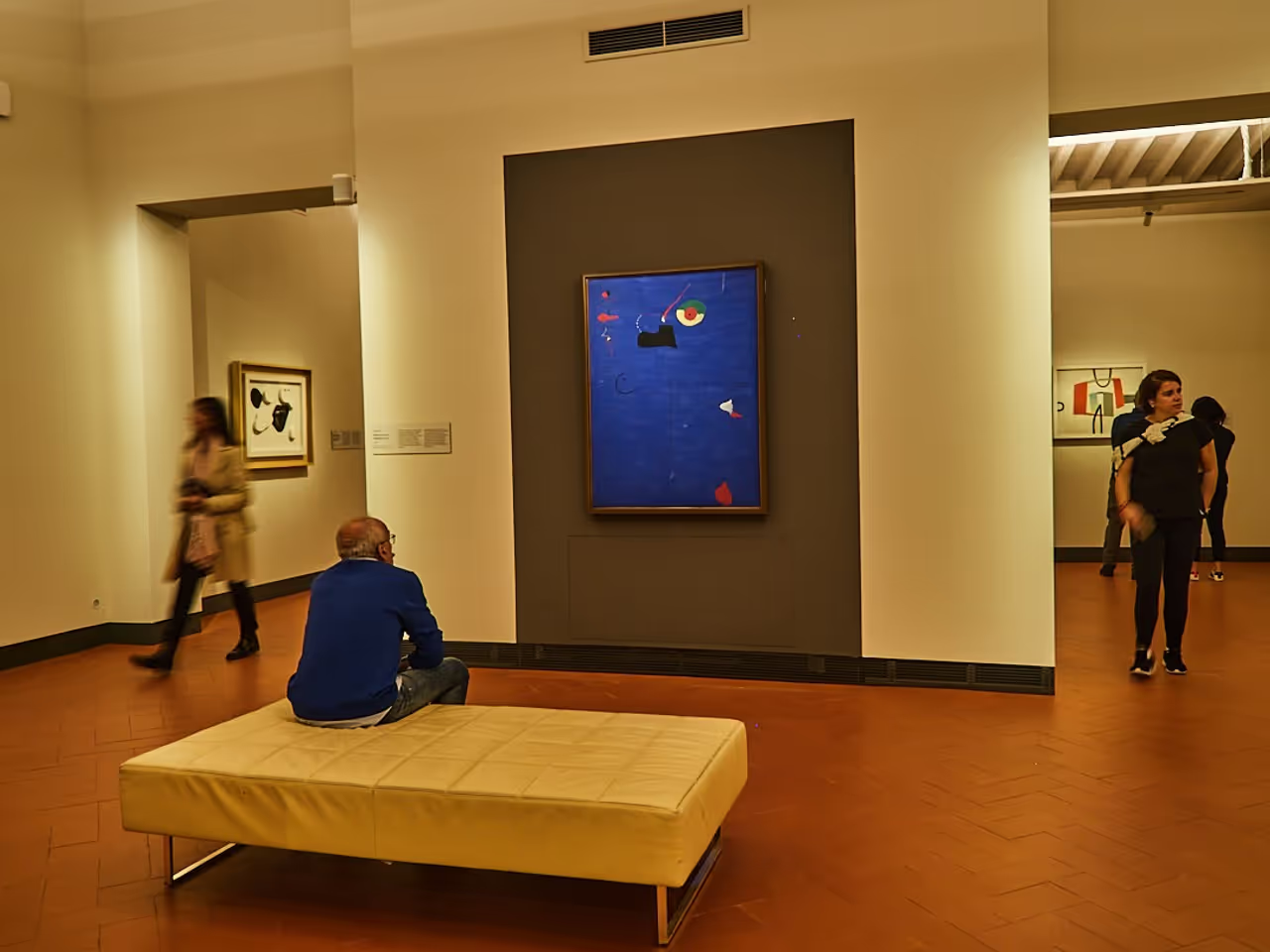
Tucked away in a tranquil former monastery overlooking the river, this is arguably one of the most unjustly overlooked art museums in the country. It houses a truly staggering collection of medieval and early Renaissance masterpieces, primarily salvaged from local churches over the centuries. Visitors can admire magnificent wooden crucifixes, delicate ceramics imported from the Islamic world, and breathtaking paintings by masters like Masaccio and Fra Angelico. Because it sits off the main tourist track, you can often enjoy these profound works of art in complete, uninterrupted silence. It is an absolute treasure trove for anyone interested in the evolution of Tuscan art.
highlight view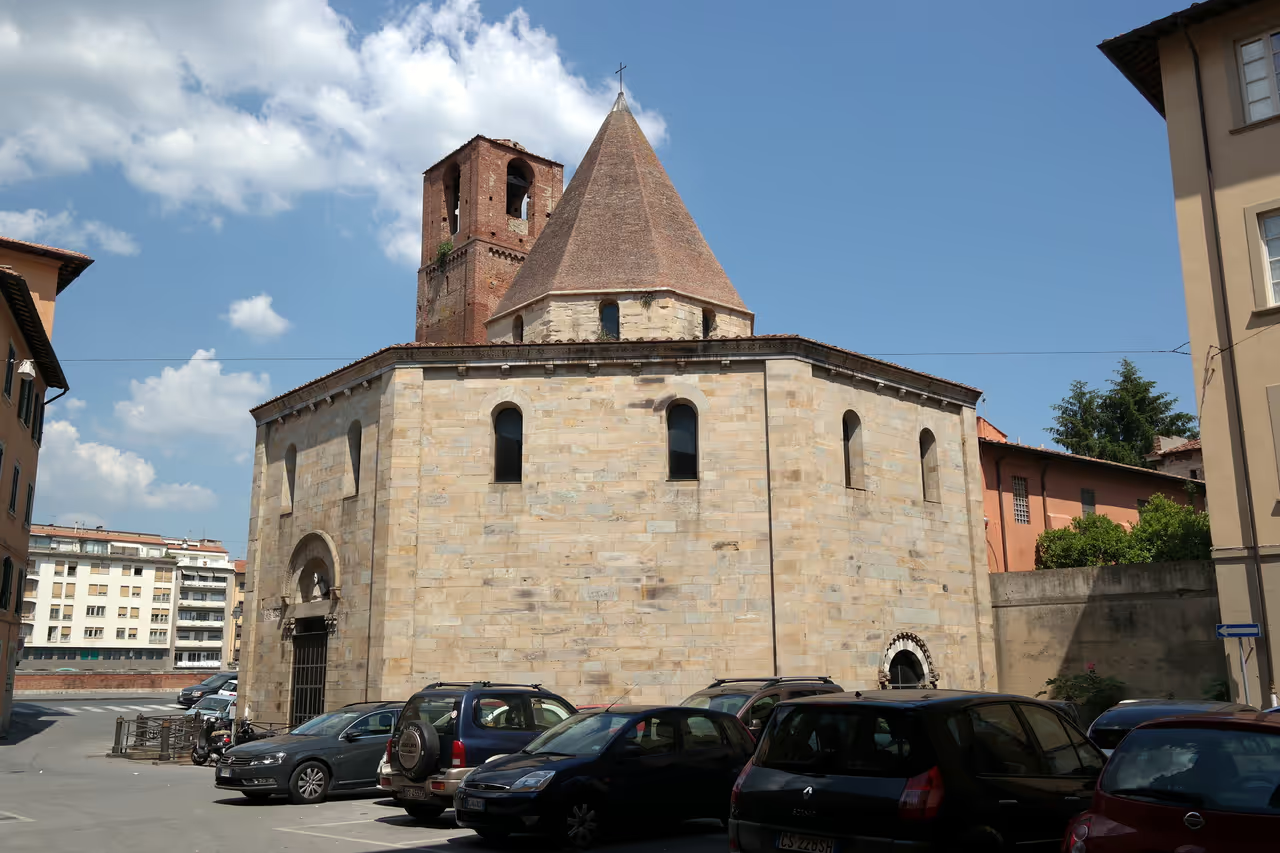 523m
523mChurch of the Holy Sepulchre
Built for the mysterious Knights Templar, this severe brick structure is a fascinating architectural anomaly. The powerful octagonal shape was explicitly designed to replicate the sacred shrines encountered by crusaders in Jerusalem. A sharp, pyramidal spire crowns the robust brick walls, giving it a deeply austere and highly defensive appearance. Stripped of all decorative marble, it relies entirely on its bold geometry for visual impact. It stands as a brooding, powerful monument to the era of holy wars.
architecture view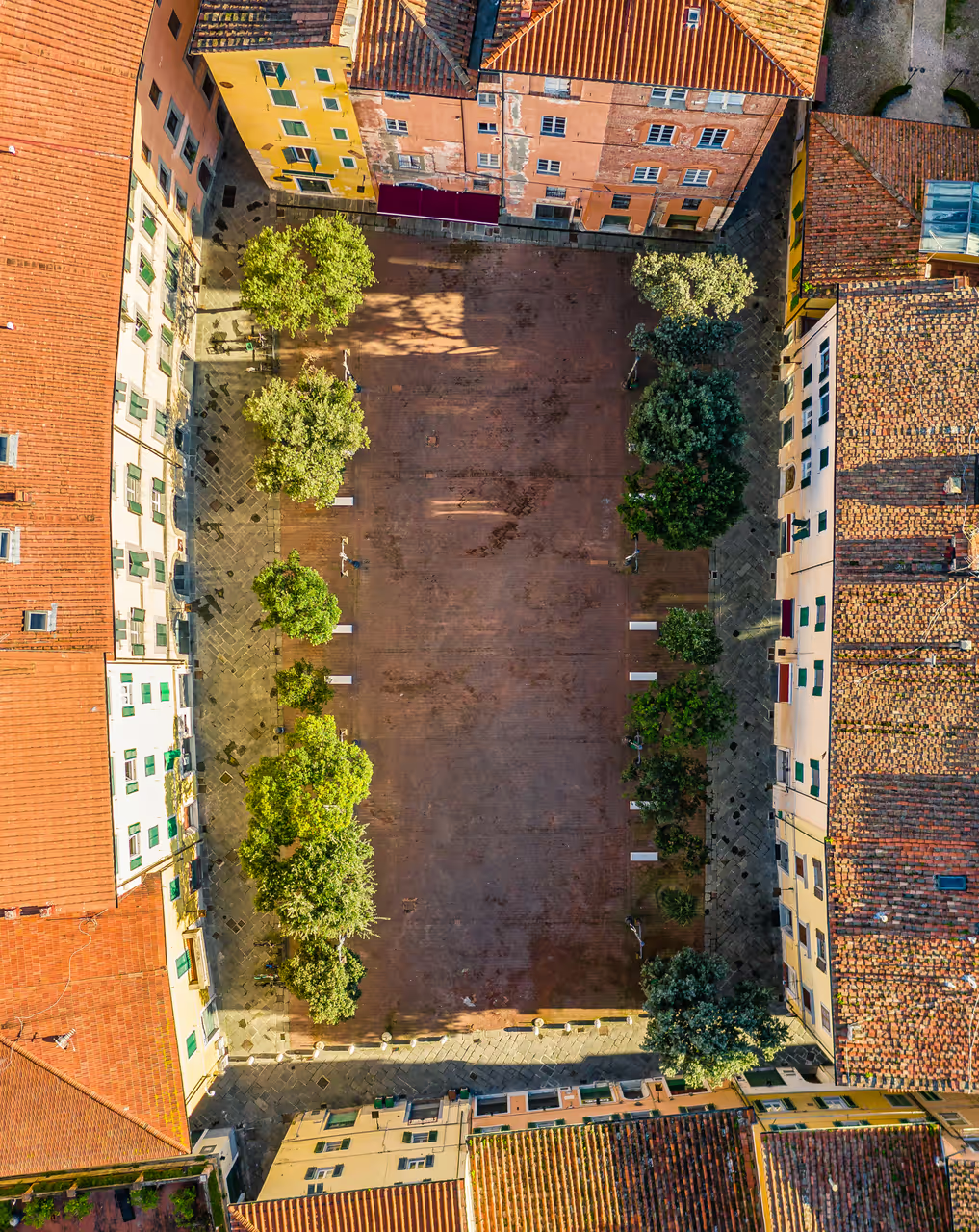 599m
599mGambacorti Square
Known locally as the Pear Square due to its historic shape, this recently revitalised area has become a major hotspot for the evening aperitivo ritual. The enclosed, pedestrian friendly space is lined with trendy bars offering extensive buffets and expertly crafted cocktails. The lively chatter echoes off the surrounding buildings, creating a warm and inviting hum. It bridges the gap perfectly between the wild student spots and the highly formal wine bars.
nightlife view
Featured on These Itineraries and Routes
5 Days in Pisa: City and Sea Itinerary
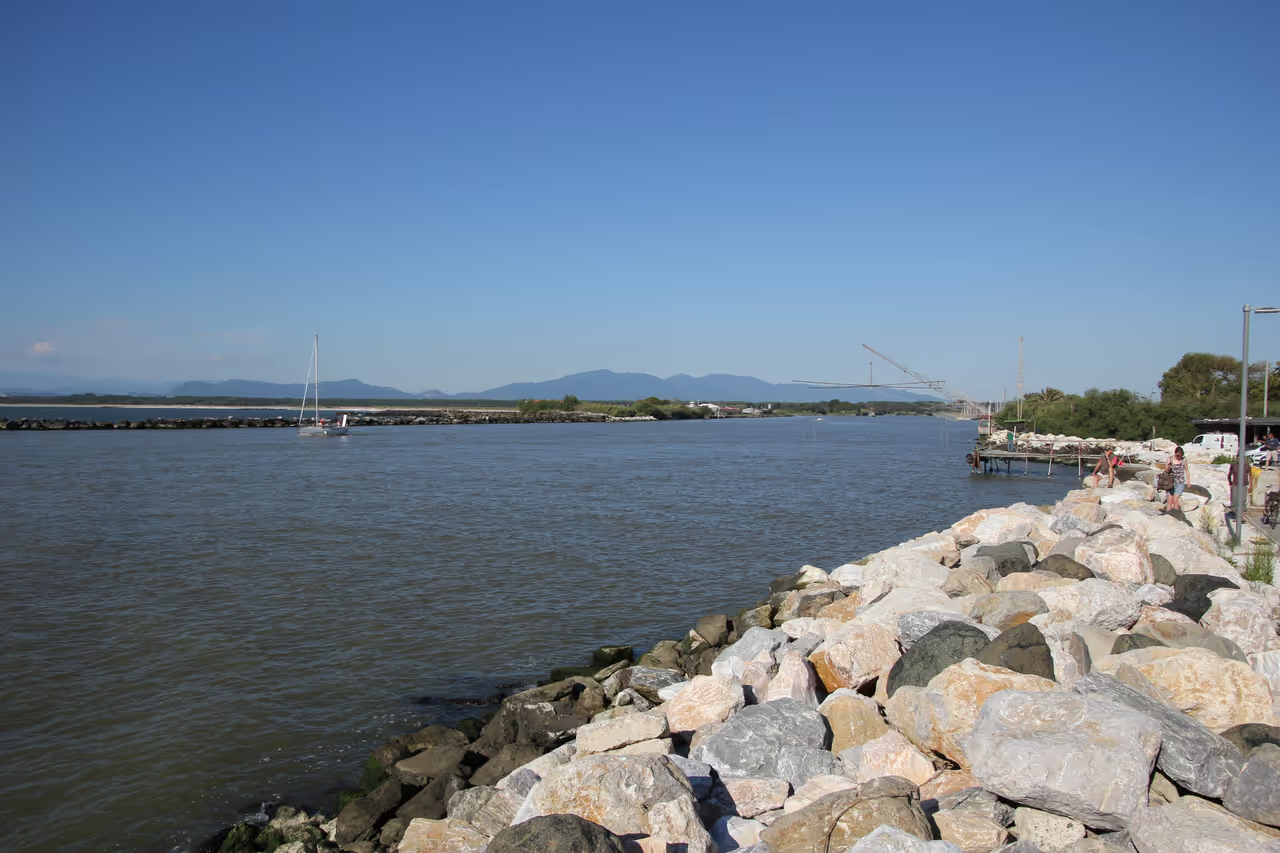
The ultimate, unhurried exploration of the city and its stunning natural surroundings. This extensive plan incorporates all the major urban highlights, museums, and hidden gems, while dedicating significant time to the nearby pristine nature reserves and the Mediterranean coastline. It perfectly balances rigorous cultural sightseeing with profound relaxation and outdoor adventure.
view itinerary
Arno River Greenway
This gentle ride hugs the banks of the historic waterway that gave life to the city. Following a mix of dedicated paths and quiet riverside roads, cyclists can enjoy continuous views of the water and the surrounding agricultural landscapes. It highlights the tranquil, pastoral side of the region just outside the urban boundaries.
view cycling route
See all nature & parks in Pisa
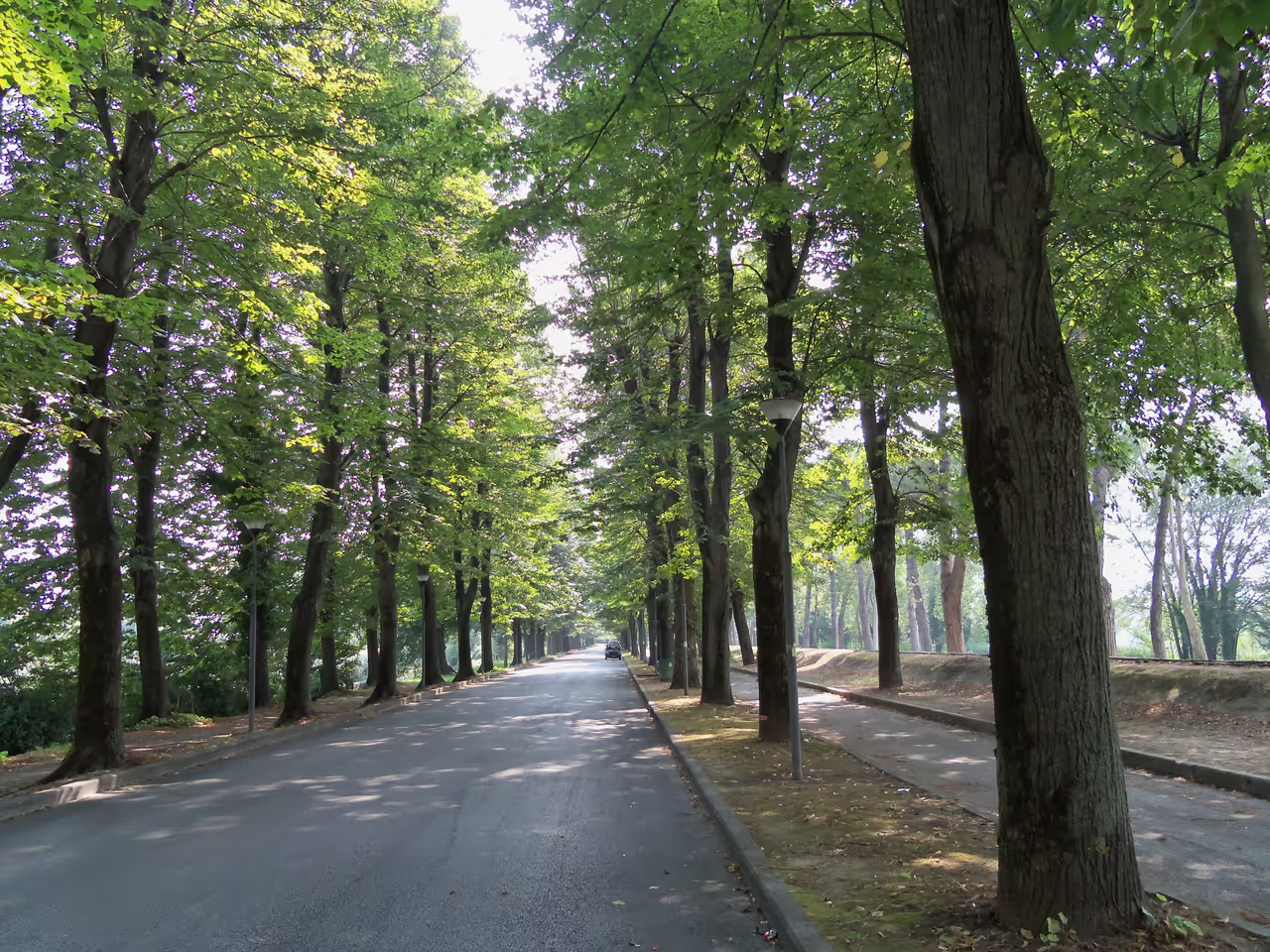
Pisa Botanical Garden and Museum, Migliarino, San Rossore, Massaciuccoli Natural Park, Viale delle Piagge...