Tomb of Dante Alighieri
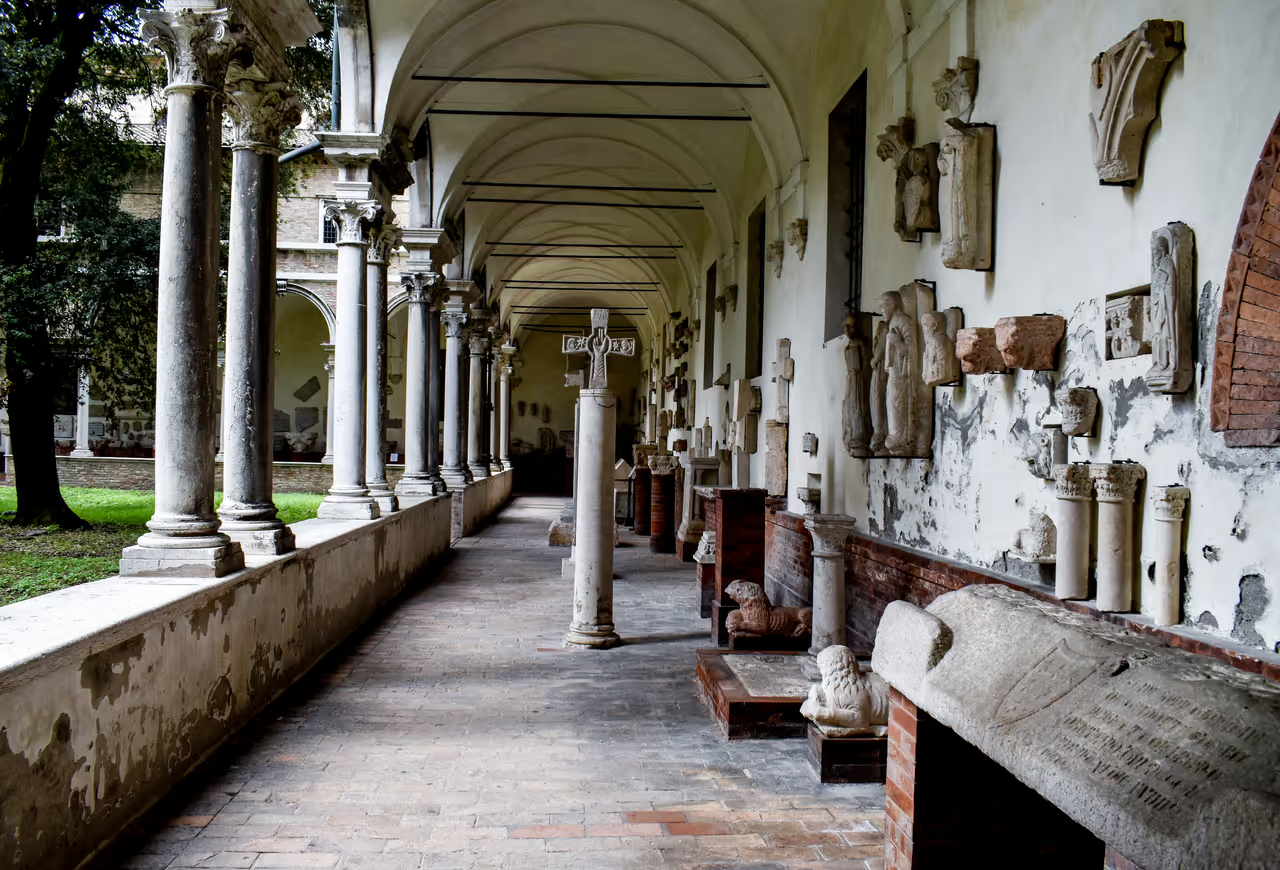
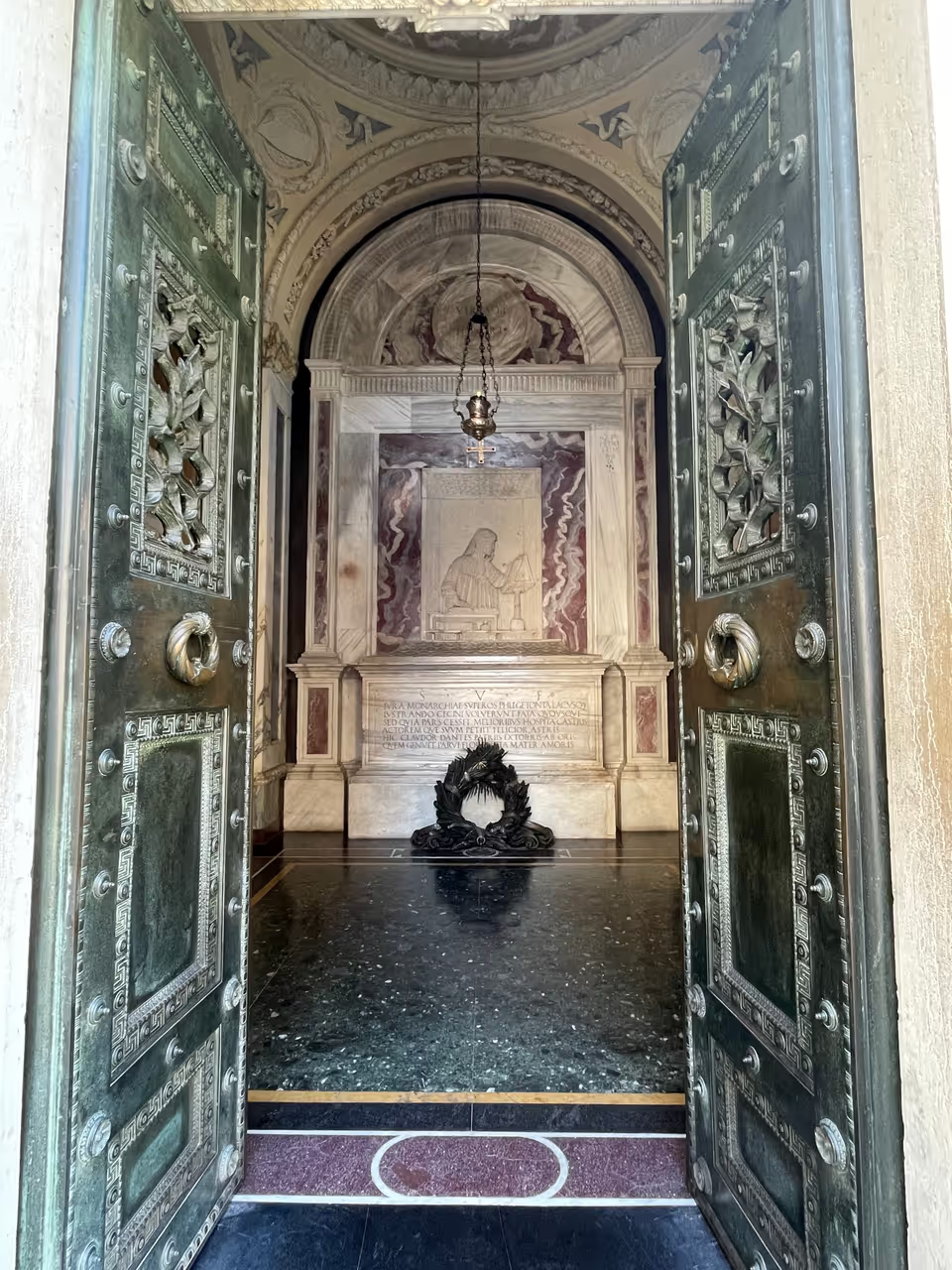
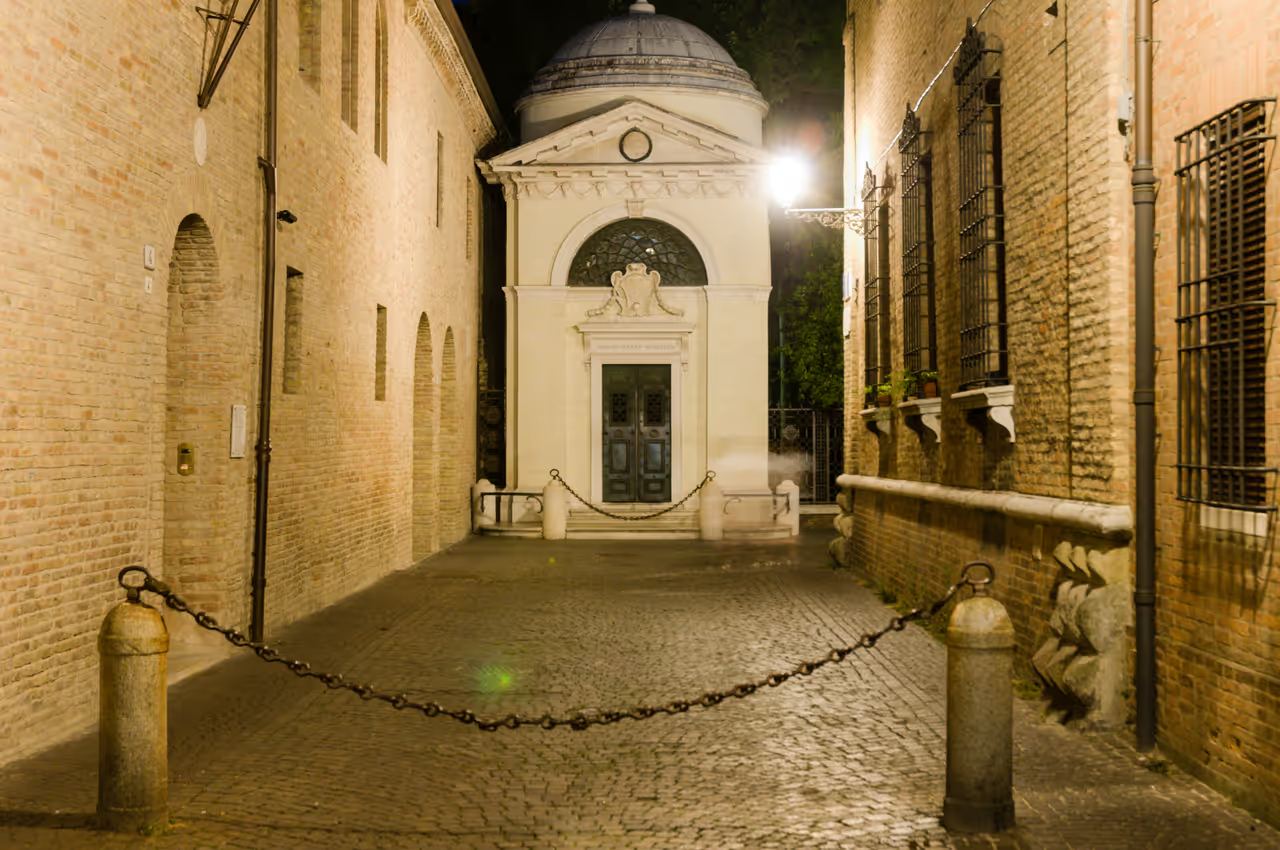
Step into the hallowed ground where the legacy of Italy’s greatest literary figure rests. Dante’s Tomb in Ravenna stands as a sacred neoclassical sanctuary marking the final chapter of the life of the man who penned the Divine Comedy. Surrounded by the contemplative Quiet Zone, the atmosphere here is one of profound reflection, inviting visitors to pay respects to the poet who spent his last years in this historic city. The tomb remains tucked away near the Basilica of San Francesco, serving as a timeless testament to a genius who found sanctuary in Romagna. It is a place where silence is respected, allowing the weight of history and the beauty of Italian culture to sink in. Visiting offers a unique chance to connect with the origins of the Italian language in a setting that feels deeply personal and intimate.
Videos
History of Tomb of Dante Alighieri
The story of Dante's Tomb is one of the most curious tales in literary history, defined by a multi-century game of hide and seek. When Dante Alighieri passed away in Ravenna in 1321, far from his beloved Florence, he found a community that embraced him. The local Franciscan friars, who had become his guardians, buried him with great care. However, the prestige of possessing the remains of Italy's greatest poet soon attracted the envy of his native city. Florence repeatedly demanded the return of his bones, claiming they were the rightful owners of his legacy. The conflict reached its peak in the 16th century. With two Medici Popes sitting on the throne in Rome, Florence finally secured permission to bring the poet home. They arrived in Ravenna with grand plans, only to find the sarcophagus empty. The friars, anticipating the arrival of the Florentine delegation, had drilled through the wall of the cloister and spirited the bones away to a secret location. This act of defiance kept the poet in Ravenna, though it also meant his final resting place was lost to the public for generations. The remains spent centuries tucked away in various hiding spots within the monastery walls. The secret was so well-kept that when the monastery was suppressed under Napoleonic law in the 19th century, the knowledge of the precise location of the bones was lost. It was only by sheer chance in 1865 that a mason, working on renovations, struck a wooden crate hidden behind a wall. This accidental discovery confirmed that the poet had remained in Ravenna all along. Today, the neoclassical temple designed by Camillo Morigia stands as a triumphant, quiet home for the poet, a symbol of how Ravenna protected the genius who sought refuge within its walls.
Events spanning 623 years
Fun Facts
- • A local student named Anastasio Matteucci was instrumental in the 1865 discovery, as he was the first to correctly identify the inscription on the forgotten wooden box found by a mason.
- • During the Second World War, the bones were buried in a garden mound for over a year to protect them from potential bomb damage.
- • Florence has made multiple failed requests to retrieve the poet's remains over the centuries, turning Ravenna into the unlikely permanent guardian of Italy's greatest literary icon.
- • The Quiet Zone surrounding the tomb serves as a protected area where local traffic and noise are restricted to maintain an atmosphere of solemnity.
- • The bronze lamp hanging inside the tomb is kept alight by olive oil donated annually by the city of Florence, a symbolic gesture of reconciliation and tribute.
- • The cross currently displayed inside the tomb was a gift from Pope Paul VI in 1965, marking the 700th anniversary of the poet's birth.
- • The inscription on the sarcophagus, composed by Rinaldo da Villafranca, mourns the poet as an exile from a Florence that showed him little love.
- • The relief carving of the poet on the tomb was created by the renowned Pietro Lombardo, whose work captures the introspective nature of the man who wrote of hell, purgatory, and paradise.
- • The tomb features a Roman-era sarcophagus, providing a stark and ancient contrast to the refined neoclassical architecture of the 18th-century structure.
- • When Michelangelo was commissioned to design a tomb for Dante in Florence, he returned empty-handed because the friars in Ravenna had successfully hidden the bones.
RESOURCES
Official WebsiteTomb of Dante Alighieri FAQ
While we strive to keep this information accurate and up to date, we recommend verifying any details independently before making decisions based on them.
Tomb of Dante Alighieri Map & Neighborhood Explorer
This interactive map is centered on Tomb of Dante Alighieri. Zoom in and move the map around to automatically discover Wikipedia photos and summaries of other nearby sights, monuments, and historical points of interest and stories in real-time!
Places near Tomb of Dante Alighieri
Make the most of your trip. Check out these top-rated spots located nearby.
 38m
38mBasilica of Saint Francis
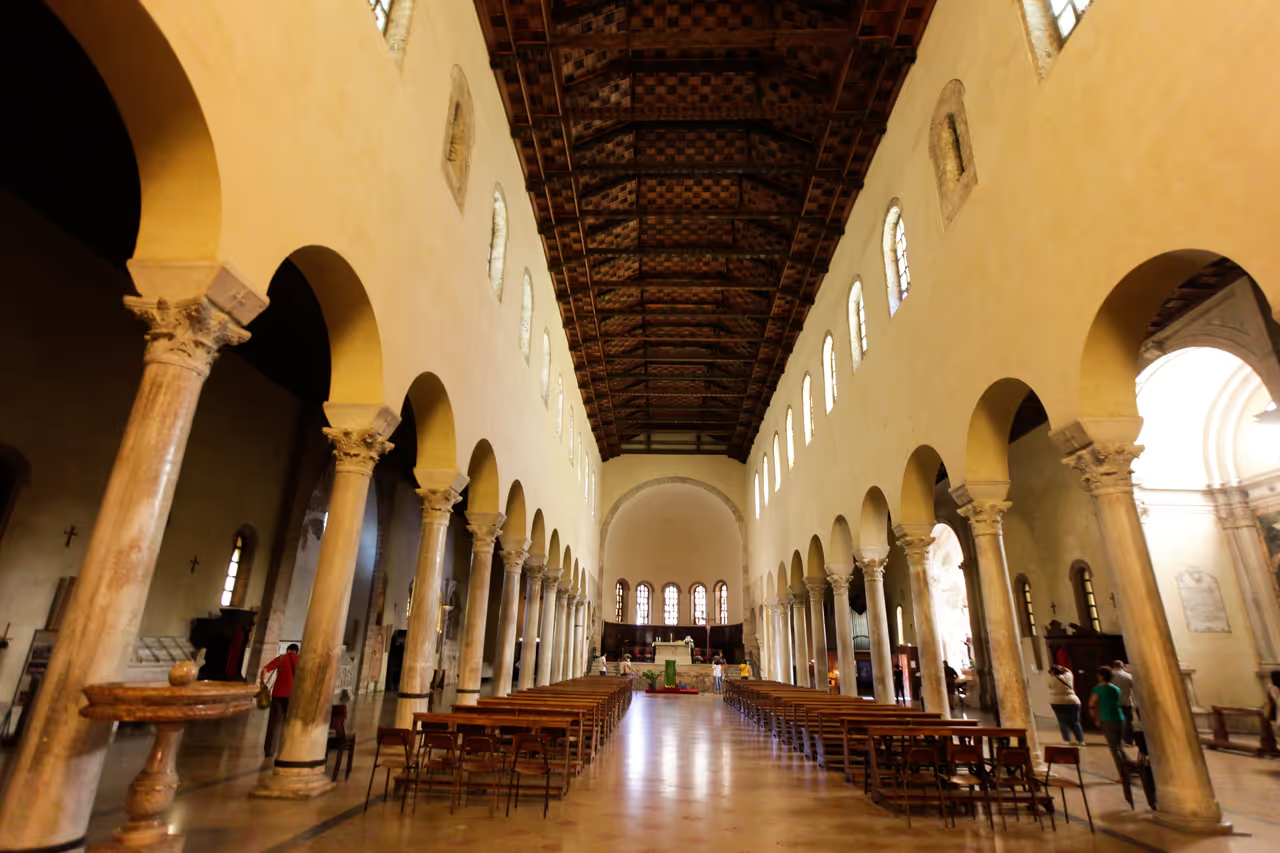
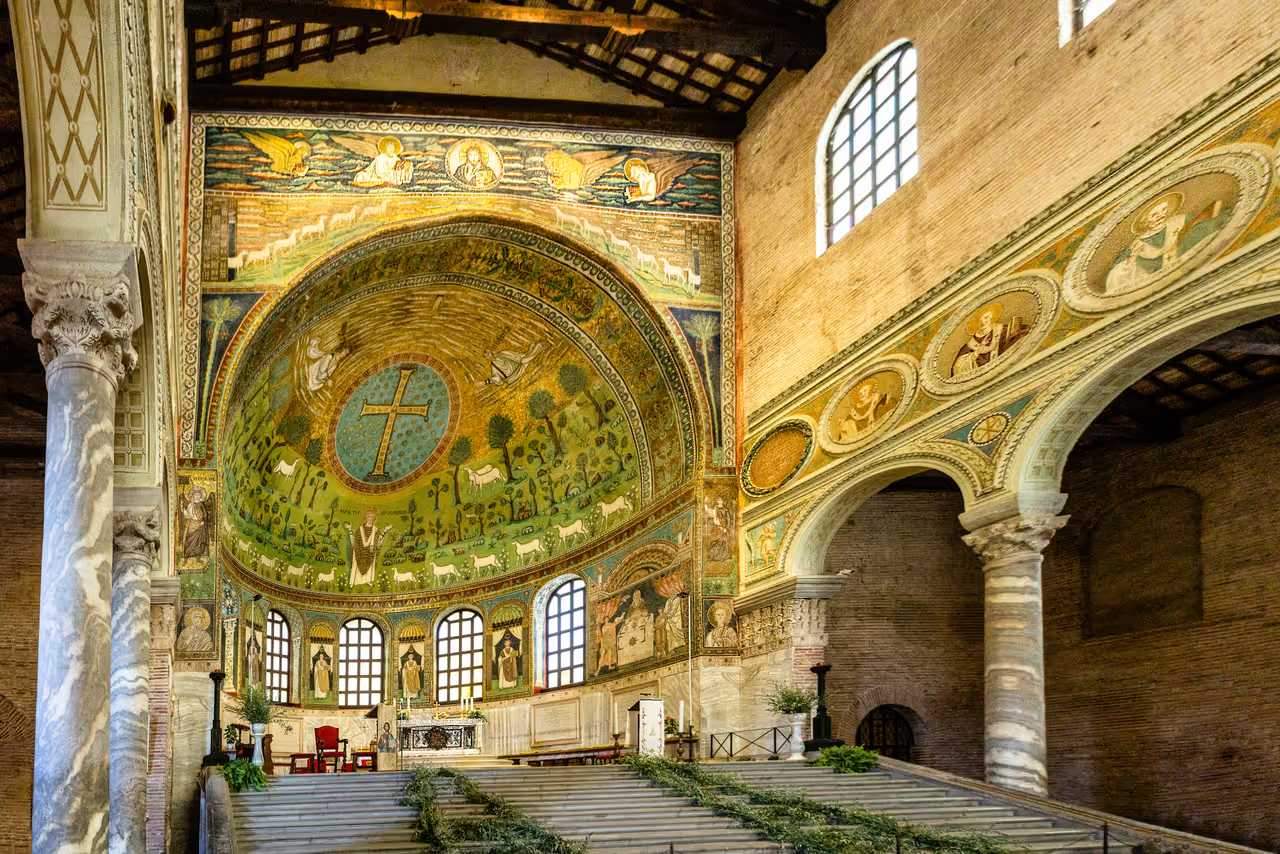
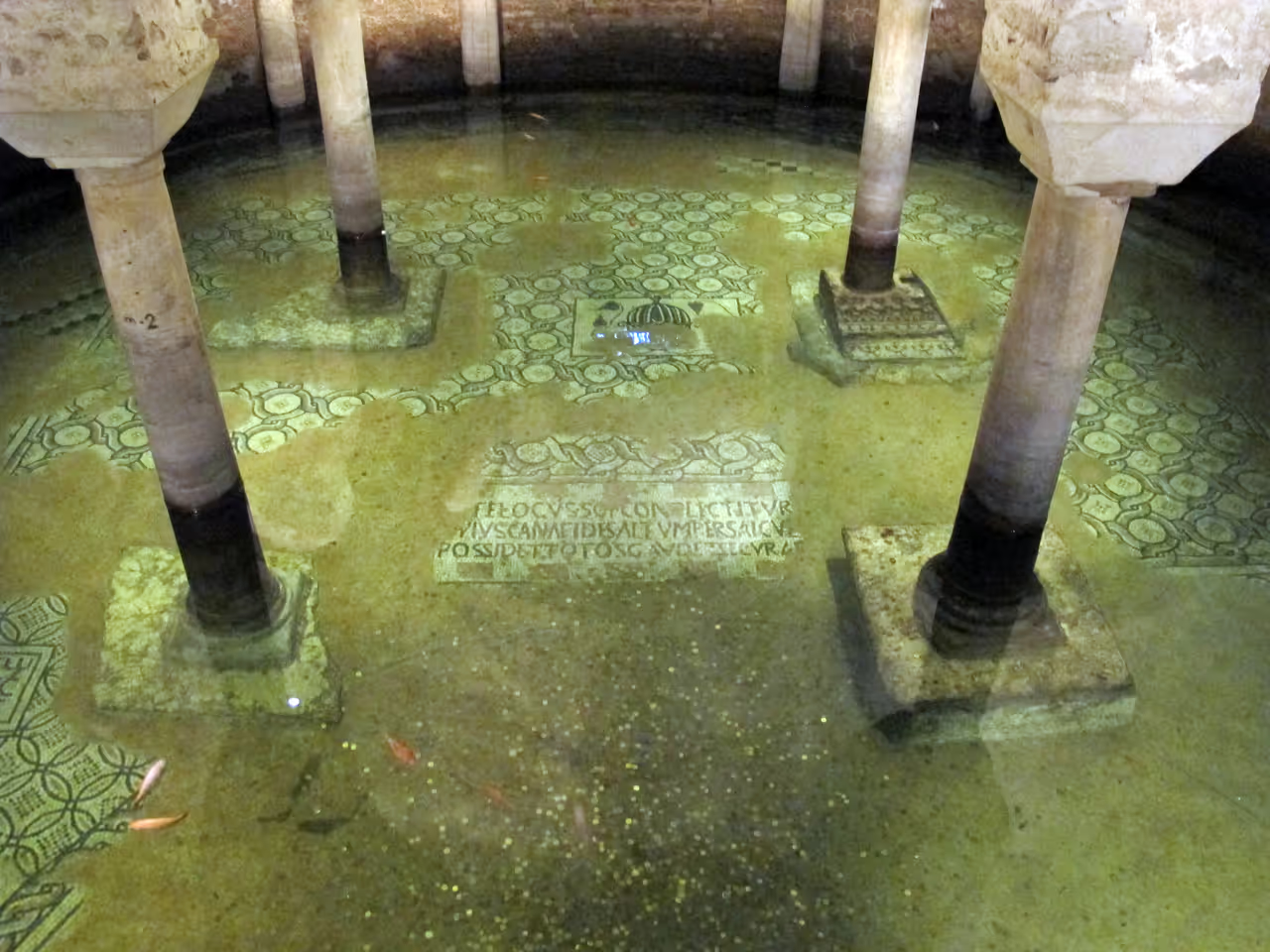
Step into the quiet heart of Ravenna’s history at the Basilica of Saint Francis. This ancient site is famously tied to the life of Dante Alighieri, serving as the location for his funeral rites back in 1321. Beyond its literary connection, the basilica holds a truly ethereal surprise: a flooded crypt where water gently fills the space and resident fish swim among the ancient mosaics. The building itself is a beautiful example of centuries of transformation, with a tower dating back to the 9th century. Walking through its peaceful interior offers a moment of reflection and a chance to connect with the deep roots of this captivating city. It is a place where history feels tangible and mystery lingers in the water below.
attraction view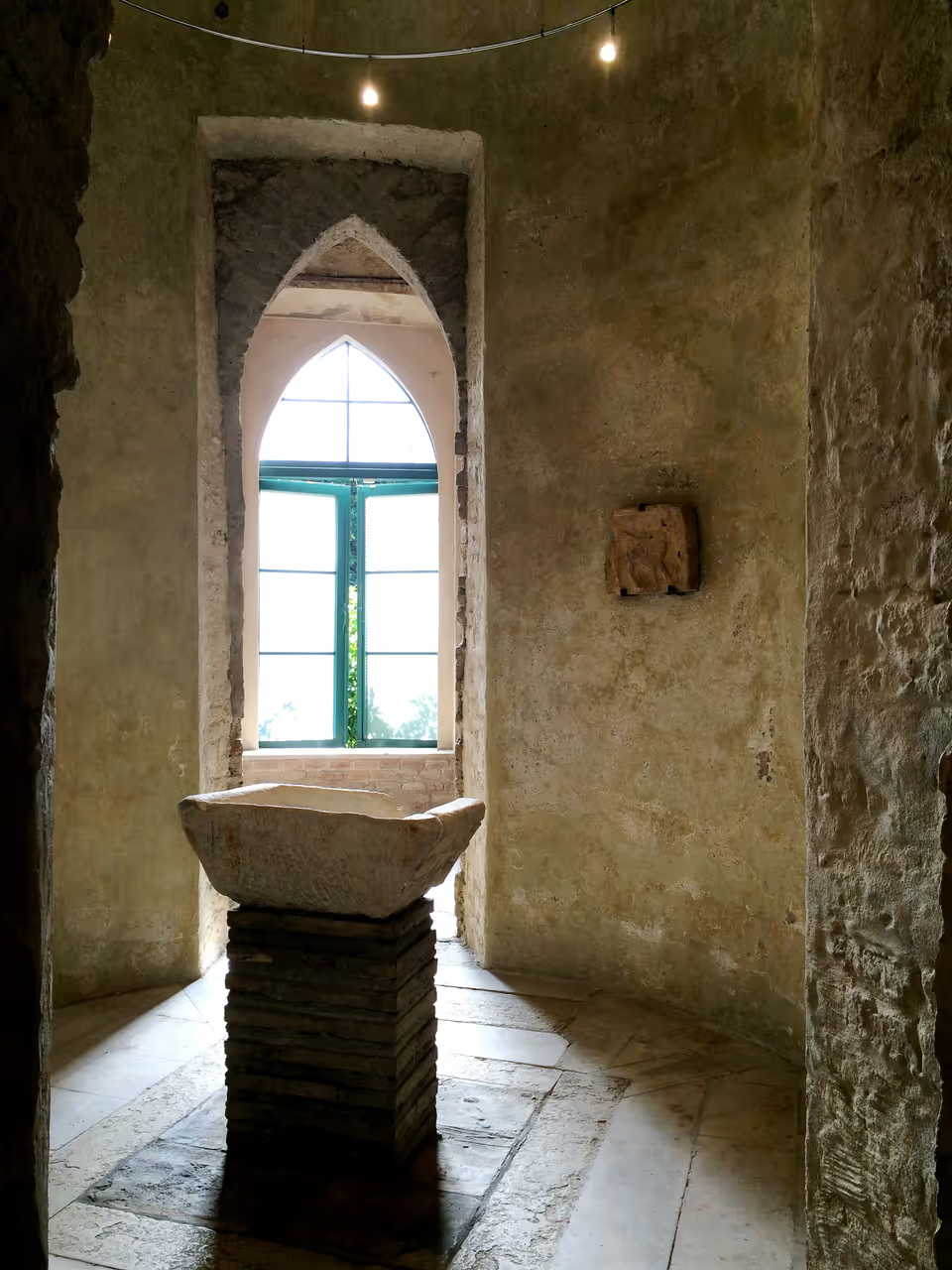 54m
54mRasponi Crypt and Hanging Gardens
Hidden in plain sight beside the bustling Piazza San Francesco lies a deeply romantic and secretive corner of the city. This site features a small, highly decorated crypt intended for the powerful Rasponi family, though it was surprisingly never used for burials. A beautiful staircase leads you up from the ancient crypt to a spectacular, elevated hanging garden offering a lush, quiet sanctuary. The view from the garden overlooking the square and the surrounding rooftops is unexpectedly delightful.
hidden gem view- 72m
Japanese October
A fascinating cultural exchange festival that celebrates the deep ties between the city and Japanese culture. The month long event features a rich program of Japanese cinema, art exhibitions, traditional ceremonies, and literary discussions. It offers a surprising and enriching international flavour to the autumn season. The festival highlights a completely different artistic tradition alongside the city's Byzantine heritage.
festival view 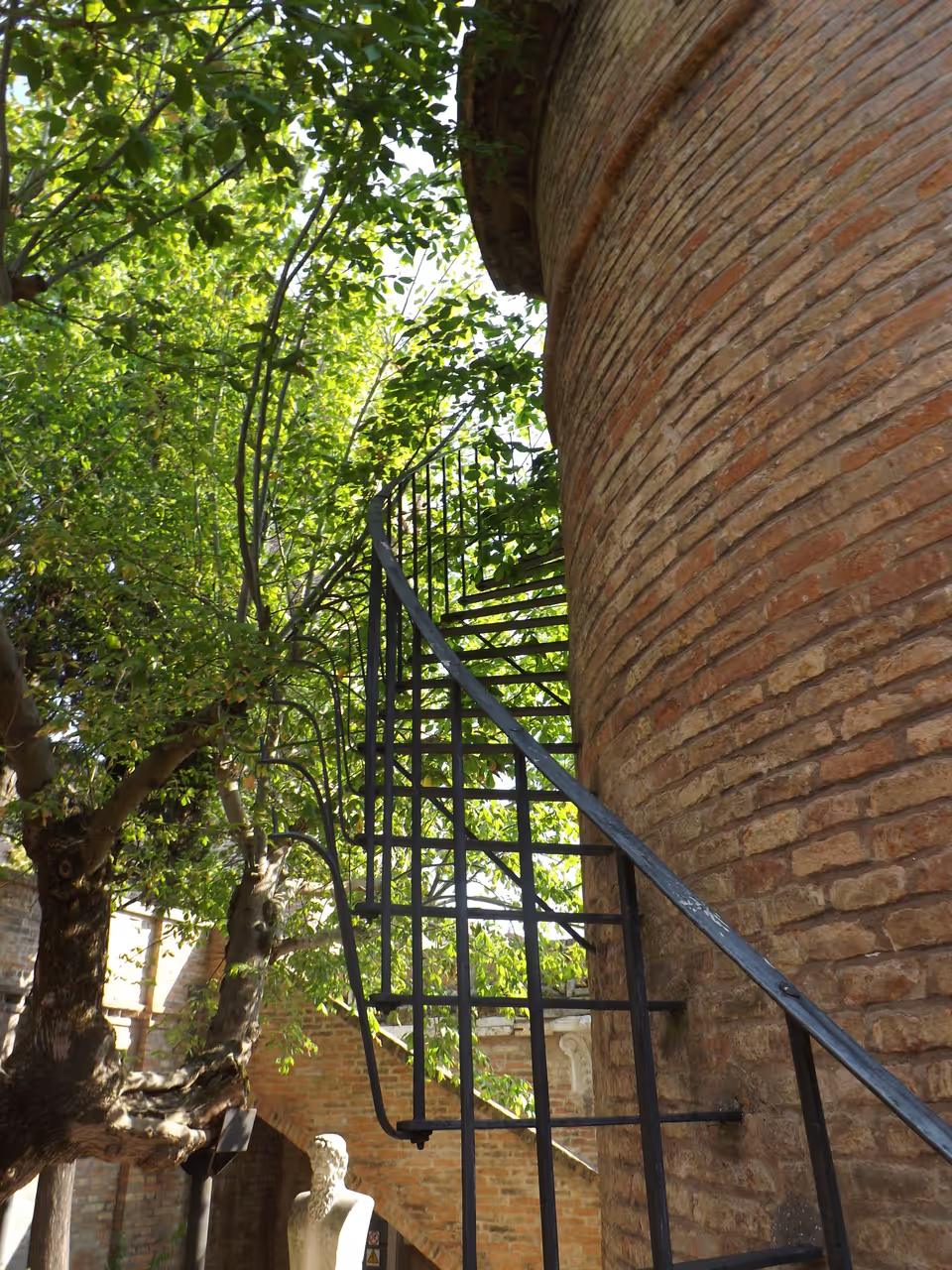 79m
79mProvincial Palace
Situated directly next to the Basilica of San Francesco, this elegant palazzo is the administrative heart of the local province. The building is deeply admired for its classic lines and dignified proportions, serving as a prominent civic landmark. What truly sets it apart is the inclusion of the stunning Rasponi Crypt and its magnificent, romantic hanging gardens. It perfectly blends administrative function with spectacular historical preservation.
architecture view
Explore Similar Places in This Collection
Featured on These Itineraries and Routes
1 Day in Ravenna: Mosaics and Poetry Itinerary
This tightly packed itinerary focuses entirely on the absolute must see highlights located within the easily walkable historical centre. It ensures you witness the most spectacular UNESCO mosaics and pay your respects to Dante, capturing the essence of the city in a short time. Prepare for a visually overwhelming day as you jump between awe inspiring, golden interiors. It is perfectly designed for a day trip, ending with a relaxing moment in the main square.
view itinerary
5 Days in Ravenna: The Complete Experience Itinerary
A five day stay transforms a cultural trip into a fully immersive holiday. You have the luxury to discover every single UNESCO monument, including the imposing Mausoleum of Theodoric, and explore the city's superb art museums. Crucially, it allows you to step outside the history books and experience the city's stunning natural surroundings, from the ancient pine forests to the lively Adriatic beaches. It is the ultimate way to appreciate both the ancient grandeur and the vibrant modern spirit of the area.
view itinerary
In the Footsteps of Dante
Trace the final years of the Supreme Poet, who found refuge and inspiration here after his painful exile from Florence. This walk visits the places deeply connected to his life, death, and enduring legacy in the city. You will see where his remains were fiercely protected from Florentine grasp and where his memory is honoured daily. It is a highly evocative journey through literary history and local pride.
view self-guided tour
See all attractions in Ravenna
Archiepiscopal Museum, Basilica of Saint Francis, House of the Stone Carpets, National Museum of Ravenna...