Basilica of San Vitale
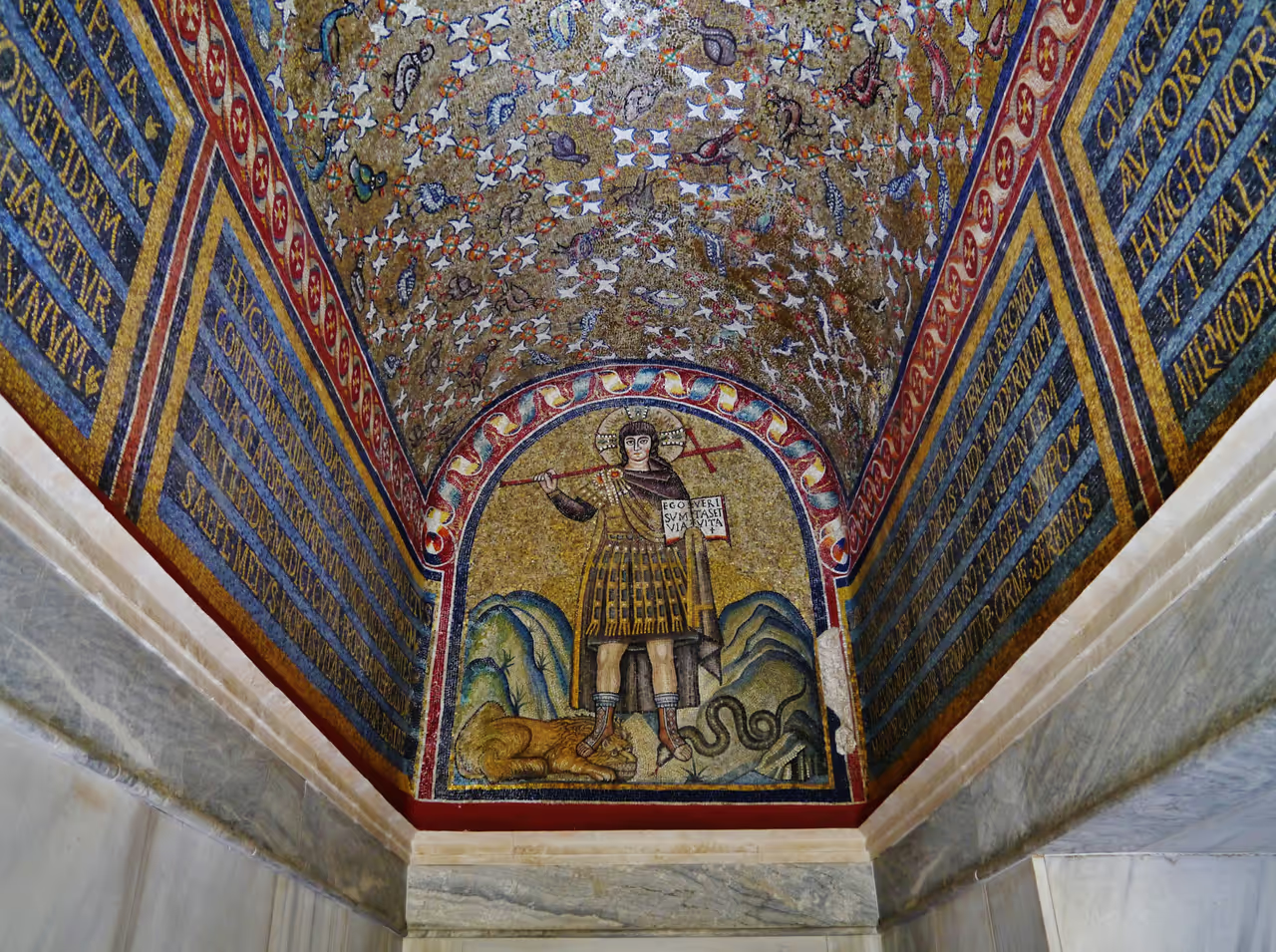
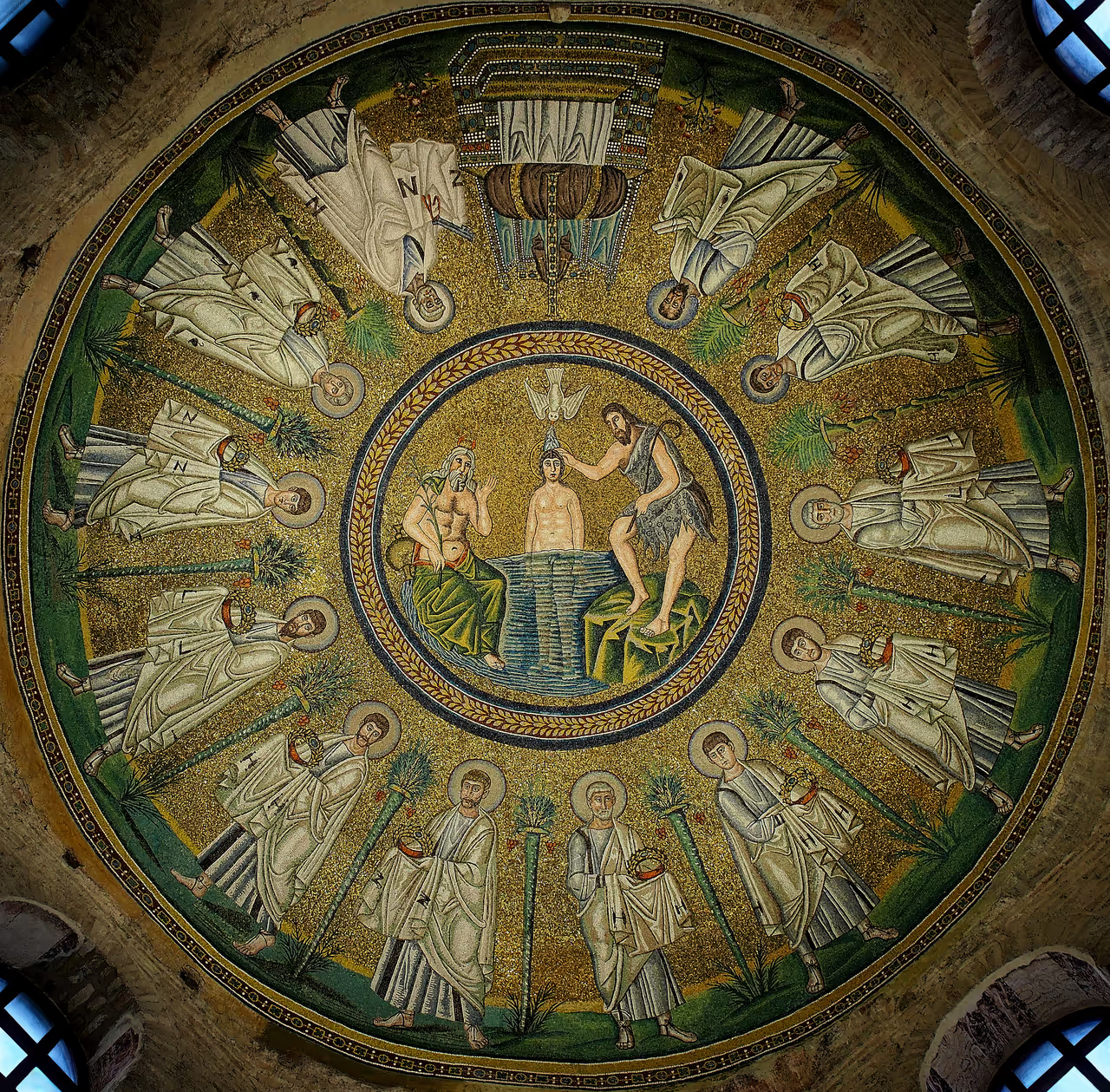
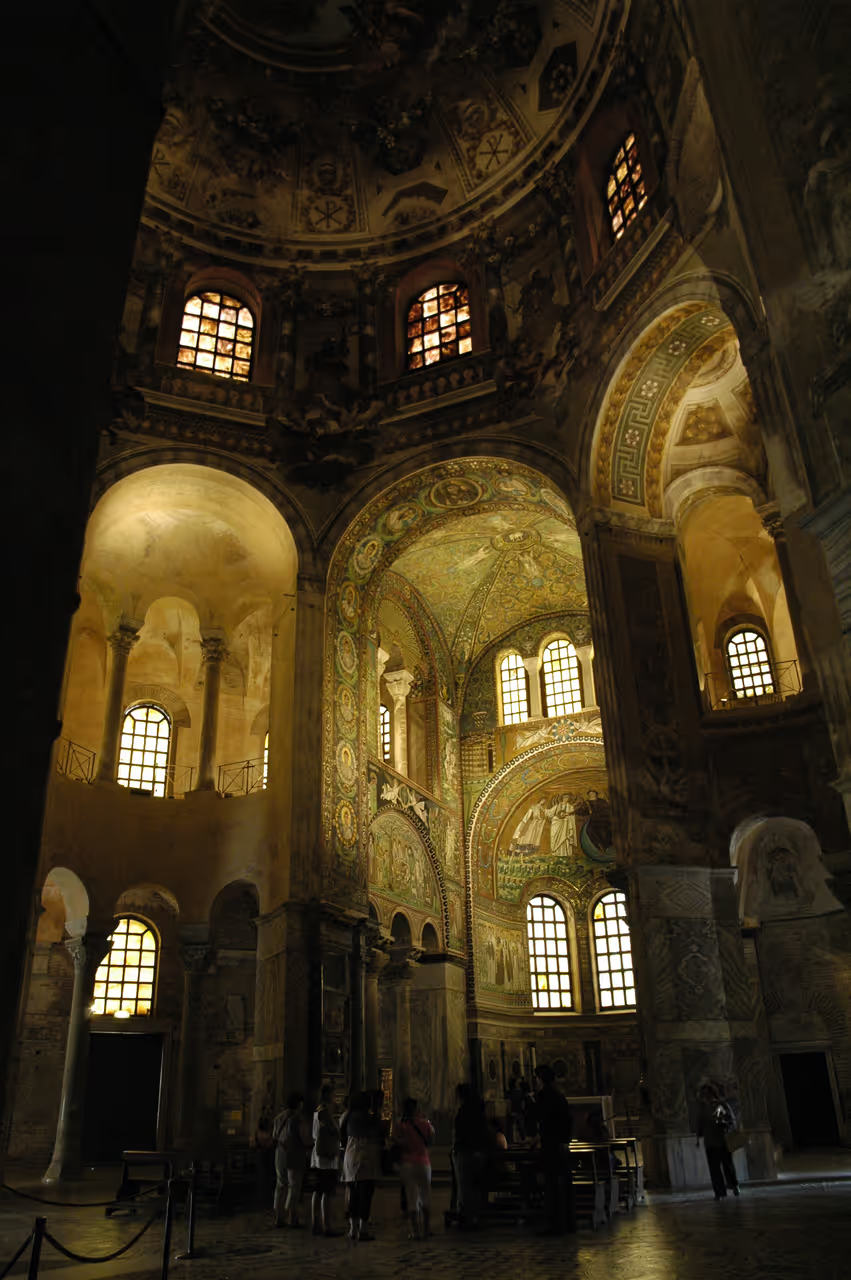
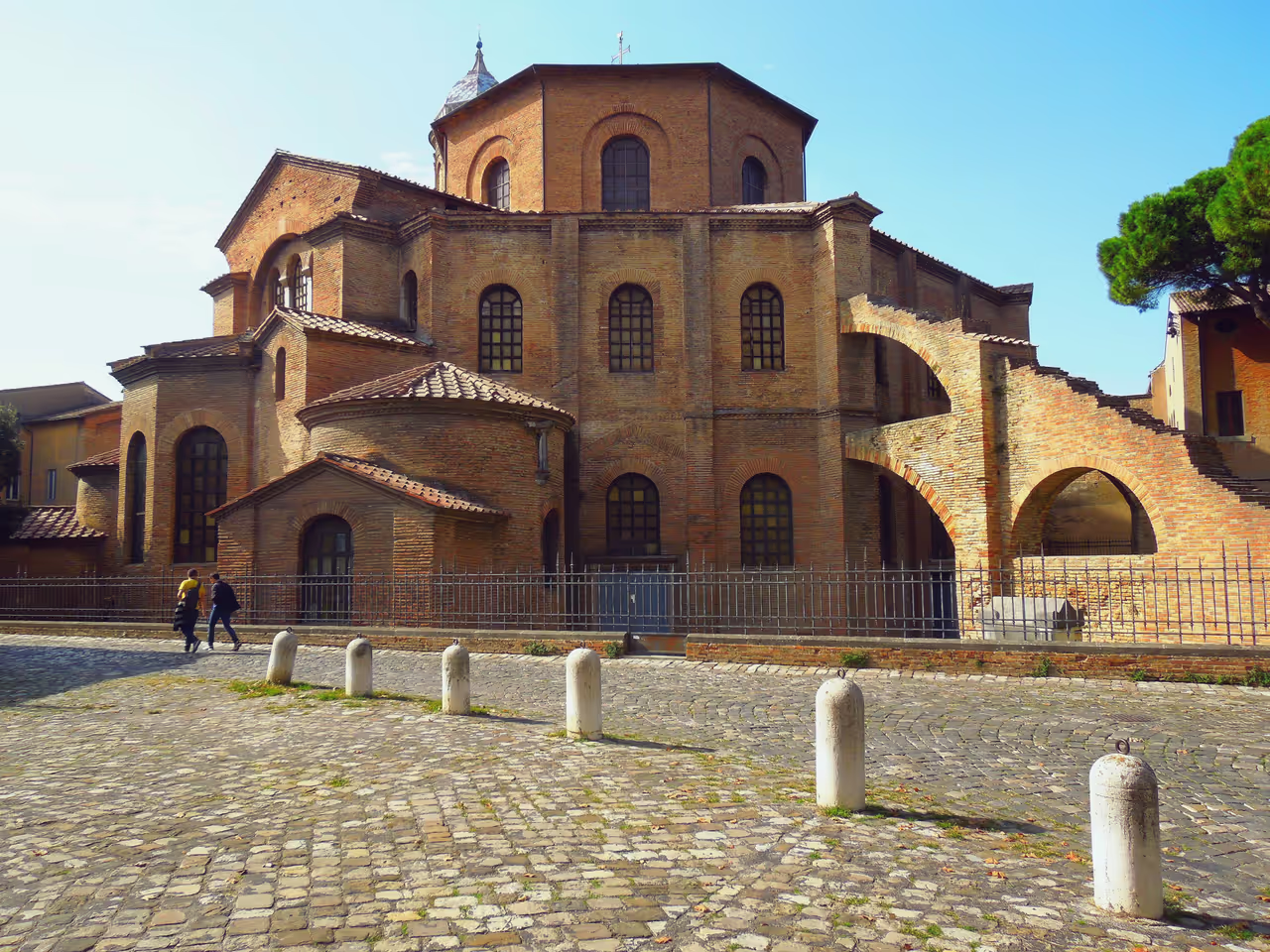
Stepping inside the Basilica of San Vitale is like walking into a jewellery box of the Byzantine world. This UNESCO World Heritage site is home to the most significant and well preserved collection of Byzantine mosaics outside of Constantinople, offering a mesmerising display of colour and light. Visitors can marvel at the intricate depictions of Emperor Justinian and Empress Theodora, which shimmer with golden tesserae and tell stories of imperial power and divine devotion. Beyond the art, the octagonal architecture stands as a masterpiece of late antique engineering that breaks away from traditional designs to evoke the heavens. It is an essential stop for anyone wanting to witness the sheer grandeur and artistic soul of Ravenna's ancient history.
Videos
History of Basilica of San Vitale
In the sixth century, as the Byzantine Empire sought to assert its dominion over Italy, Ravenna rose to become the glittering capital of the western territories. Emperor Justinian I, driven by an ambition to restore the splendour of the Roman Empire, commanded the construction of a monument that would reflect the glory of the heavens on earth. Financed by the wealthy banker Julianus Argentarius and consecrated by Archbishop Maximian in 547, the Basilica of San Vitale was conceived not just as a place of worship, but as a bold statement of political and religious authority. The architecture itself marks a dramatic departure from the linear basilicas that preceded it. By abandoning the traditional long nave in favour of a complex, octagonal design crowned by a soaring dome, the builders created an interior space meant to evoke the celestial realm. This atmosphere is heightened by the light that floods through high windows, catching the millions of glass and stone tiles that cover the walls. These surfaces became a canvas for one of the most famous artistic cycles in history, capturing the imperial court in a frozen, eternal gaze. While the centuries brought many changes, including Benedictine modifications and various restorations, the core of the sanctuary remains remarkably intact. It survived the iconoclast controversies that swept away so much Byzantine art elsewhere, thanks in part to Ravenna's defiance against the movement and its unique political standing. Today, standing within its walls offers a rare and powerful connection to the past, where the golden figures of Justinian and Theodora seem to watch over the altar just as they did nearly fifteen hundred years ago.
Events spanning 1469 years
Fun Facts
- • Emperor Justinian and Empress Theodora are depicted with halos, identifying them as divinely sanctioned rulers, even though neither of them likely ever visited Ravenna in person.
- • The church architecture is famously octagonal, a deliberate departure from the traditional rectangular basilicas of the era, symbolising a focus on the celestial dome rather than a linear path.
- • The church features a sophisticated system of terracotta tubes built into the dome to reduce its weight, a brilliant engineering feat that allowed for such a soaring, light filled interior.
- • The church floor was raised during the sixteenth century to combat rising damp, a modification that was only reversed during nineteenth century restoration efforts to return the space to its original proportions.
- • The ivory throne of Archbishop Maximian, housed within the complex, remains one of the greatest masterworks of ancient ivory carving ever discovered.
- • The mosaics contain over three hundred thousand individual tesserae, many crafted from gold leaf and precious stones, arranged to catch light at specific angles to create an ethereal effect.
- • The mosaics of Empress Theodora and her court serve as one of the only surviving visual records of the fashion, ceremony, and political weight of the Byzantine imperial court in the sixth century.
- • The sanctuary is one of the few places in the world that avoided the widespread destruction of religious imagery during the eighth century Iconoclast movement, thanks to the region's distance from Constantinople and political defiance.
Basilica of San Vitale FAQ
While we strive to keep this information accurate and up to date, we recommend verifying any details independently before making decisions based on them.
Basilica of San Vitale Map & Neighborhood Explorer
This interactive map is centered on Basilica of San Vitale. Zoom in and move the map around to automatically discover Wikipedia photos and summaries of other nearby sights, monuments, and historical points of interest and stories in real-time!
Places near Basilica of San Vitale
Make the most of your trip. Check out these top-rated spots located nearby.
 29m
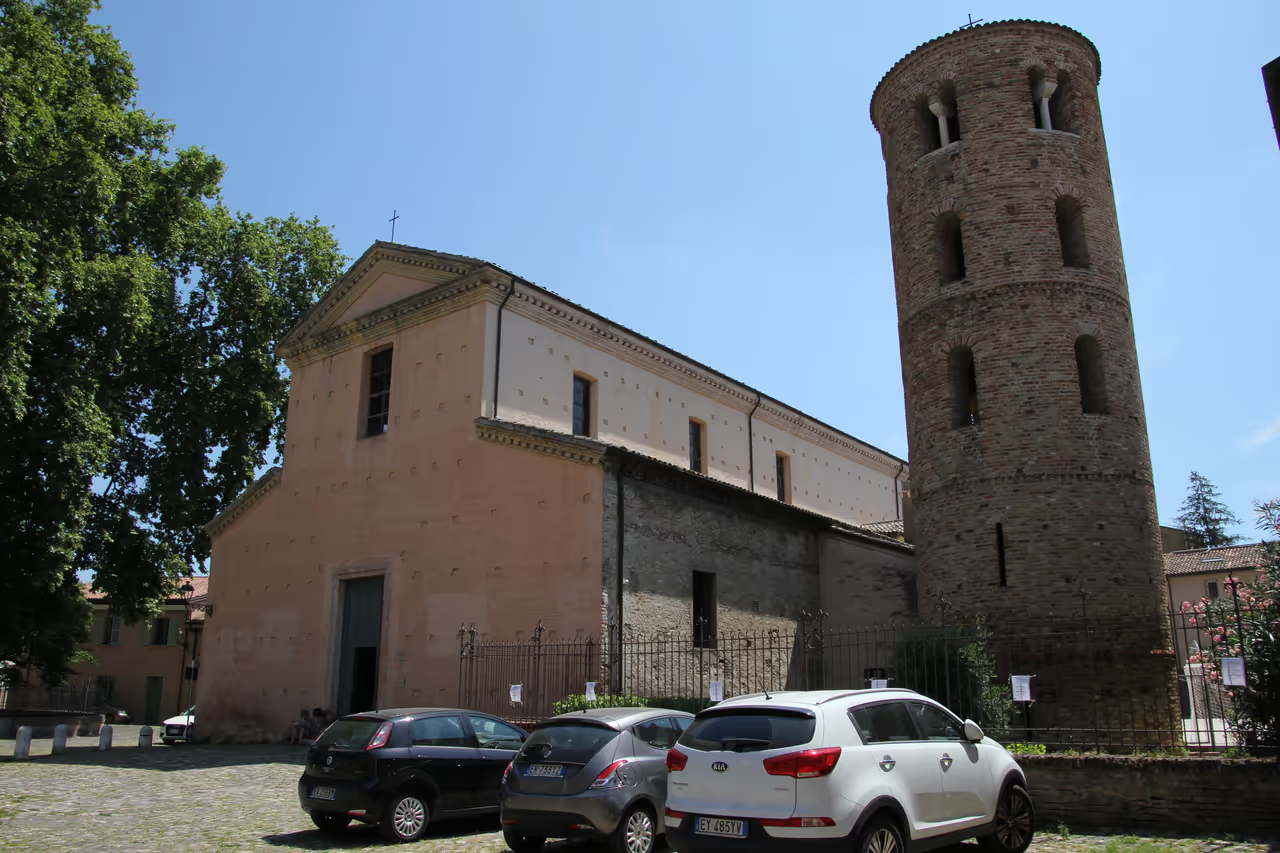
29mChurch of Santa Maria Maggiore
A compelling example of a church that has continually evolved alongside the city itself. Founded in the sixth century, it underwent a profound transformation during the Baroque period, acquiring a richly decorated interior and facade. Despite the heavy alterations, the underlying structure whispers of its ancient past. It stands as a brilliant architectural palimpsest located just steps away from the famous Basilica of San Vitale.
architecture view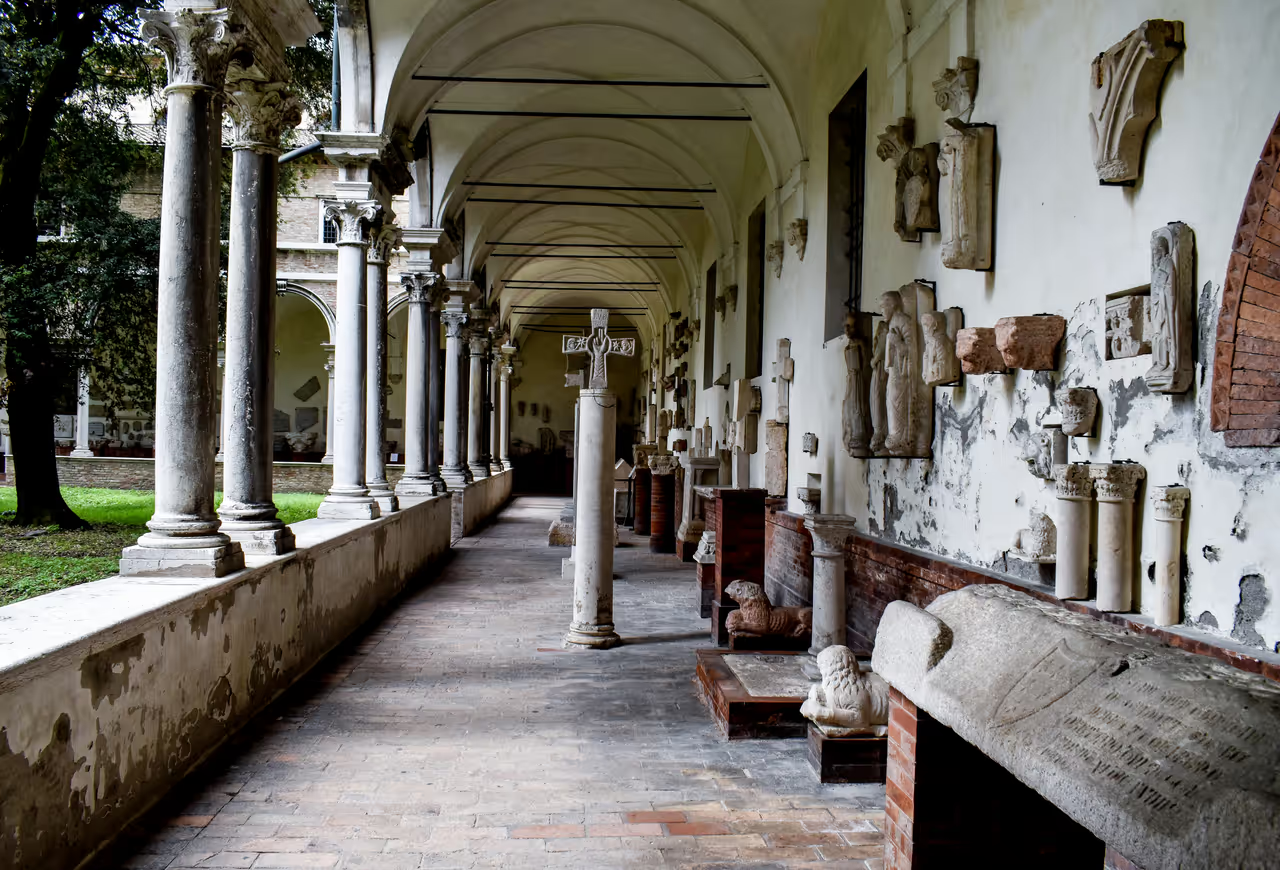 63m
63mNational Museum of Ravenna
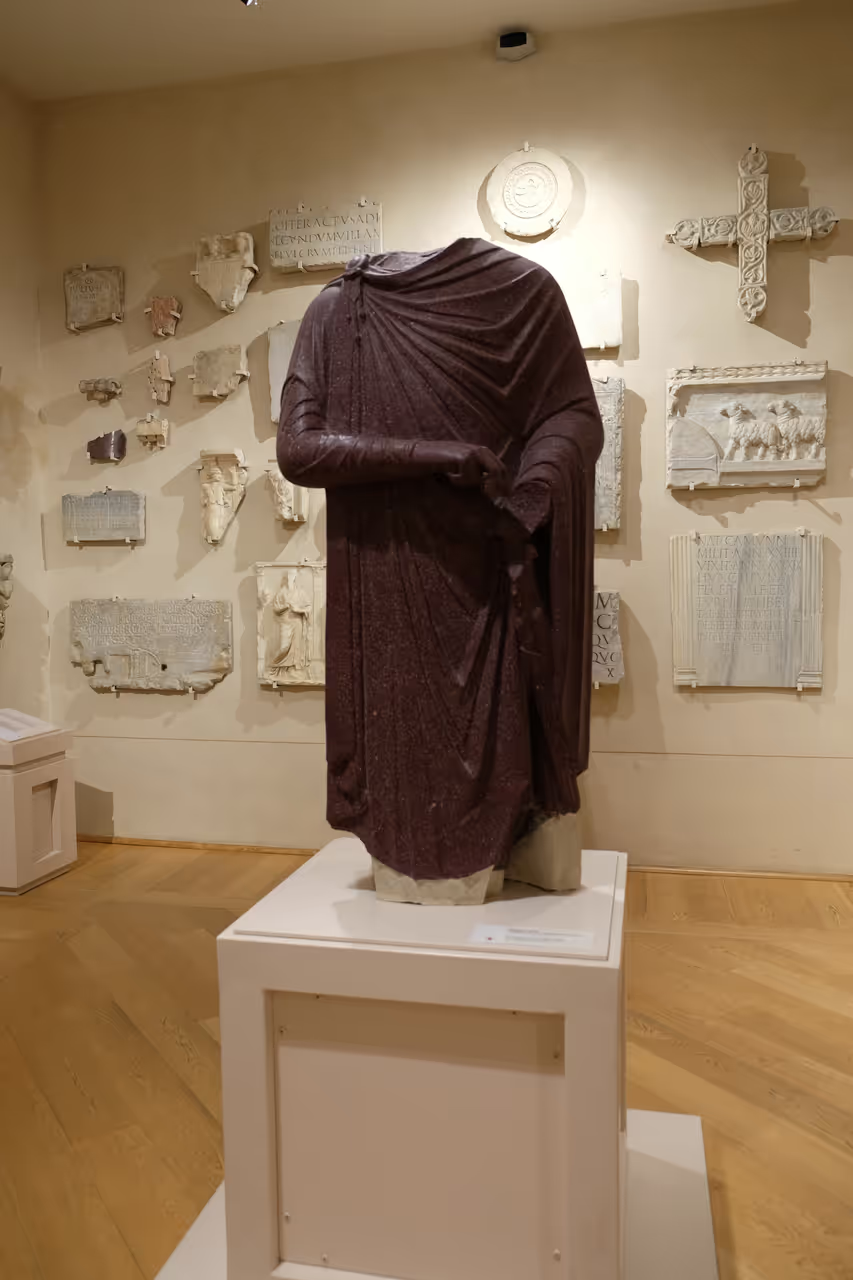
Tucked away in the serene cloisters of the former Benedictine monastery of San Vitale, the National Museum of Ravenna is a captivating portal into the city's complex history. It serves as a quiet companion to the world-renowned mosaic sites, inviting visitors to wander through a curated collection that ranges from delicate Roman era ivories to imposing medieval armour. The museum holds a unique charm, blending the peaceful atmosphere of its monastic home with a vast array of artefacts that whisper stories of the people who shaped Ravenna across the centuries. Whether you are intrigued by the intricate craft of Byzantine capitals or the everyday life captured on an ancient funerary stele, this place offers a profound connection to the past. It is a worthwhile destination for those who wish to see beyond the famous church walls and appreciate the artistic and cultural tapestry that defines this city.
attraction view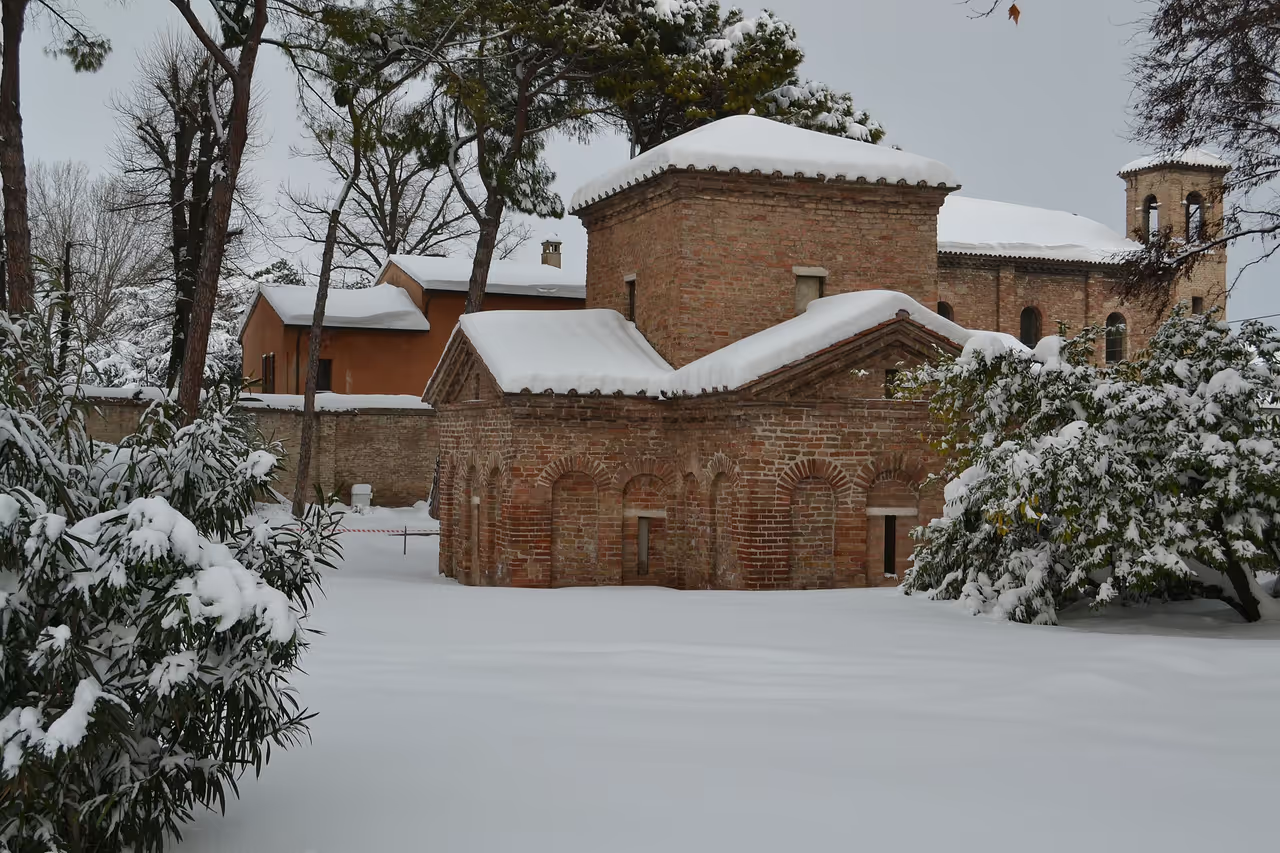 84m
84mMausoleum of Galla Placidia
Tucked away in the heart of Ravenna, the Mausoleum of Galla Placidia might look like a modest brick building from the outside, but it hides one of the most breathtaking interior experiences in the world. As you step inside, the humble facade gives way to a shimmering, celestial display of 5th century mosaics that seem to glow with an inner light. This UNESCO World Heritage site is a rare, perfectly preserved window into the early Christian era, feeling less like a tomb and more like a portal to a bygone, mystical world. Whether you are an art enthusiast, a history lover, or simply looking for a moment of quiet awe, the intricate details and deep blues of the ceiling are sure to leave you spellbound. It is a vital stop for anyone wanting to understand the artistic transition from the Roman Empire to the Christian world.
unesco heritage site view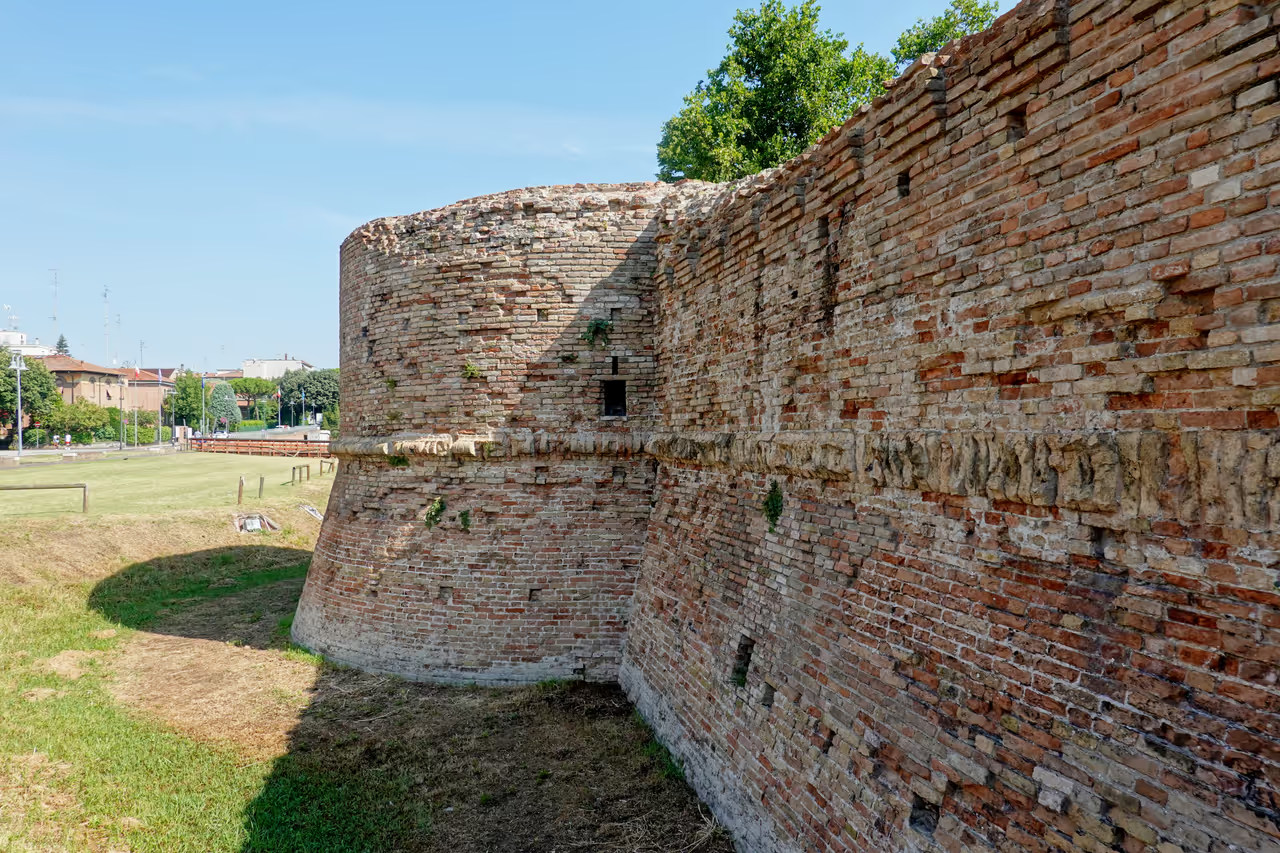 132m
132mAncient City Walls
While the dazzling mosaics command all the attention, the massive, weathered brick walls encircling the historic centre hold a quiet, immense power. Tracing these ancient fortifications reveals monumental gates built across vastly different eras, from Roman arches to Venetian strongholds. Walking alongside the less manicured stretches, you can physically touch the layers of empires that rose and fell here. It offers a gritty, deeply authentic perspective on the city's military past away from the polished tourist trails.
hidden gem view
Explore Similar Places in This Collection
Featured on These Itineraries and Routes
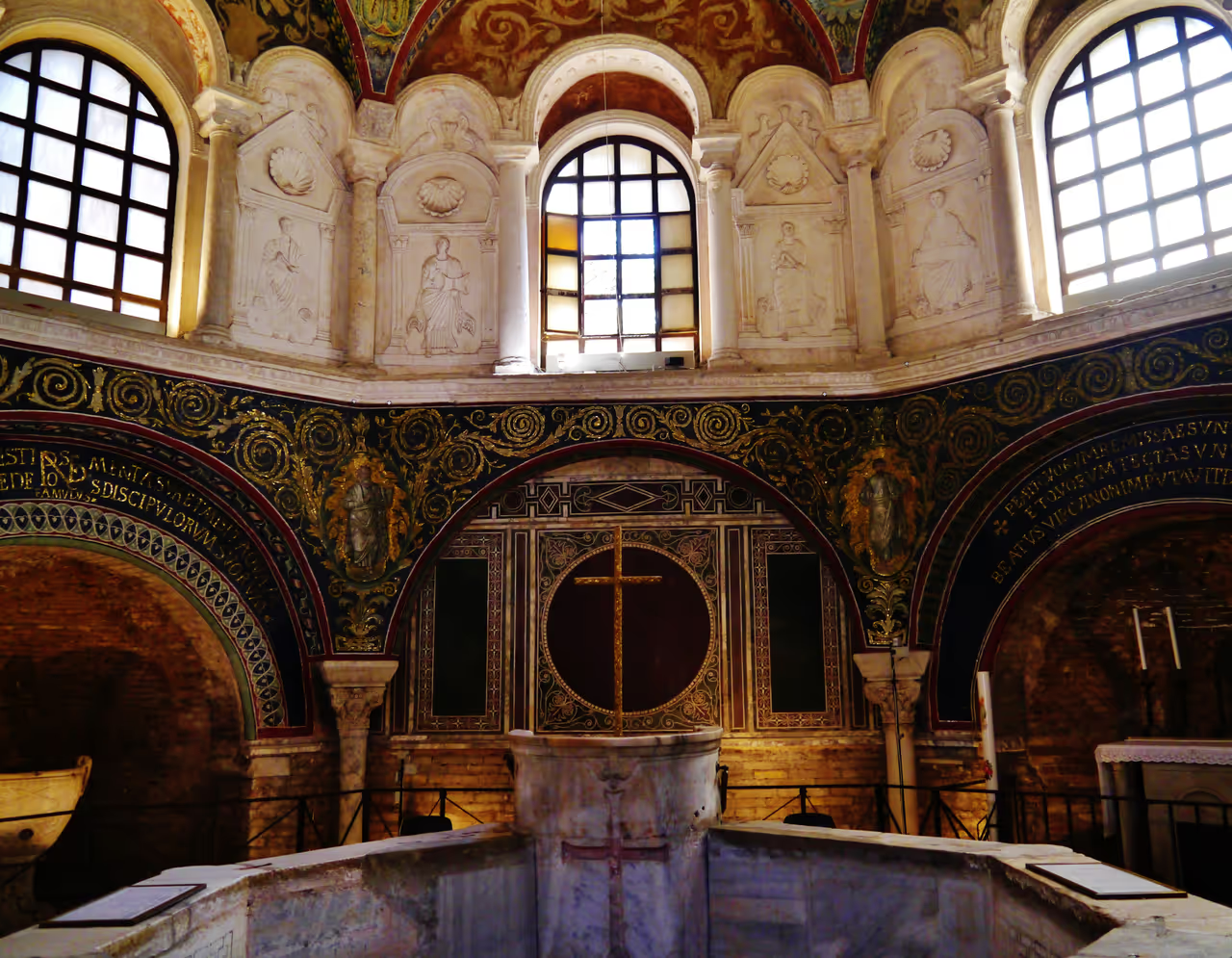
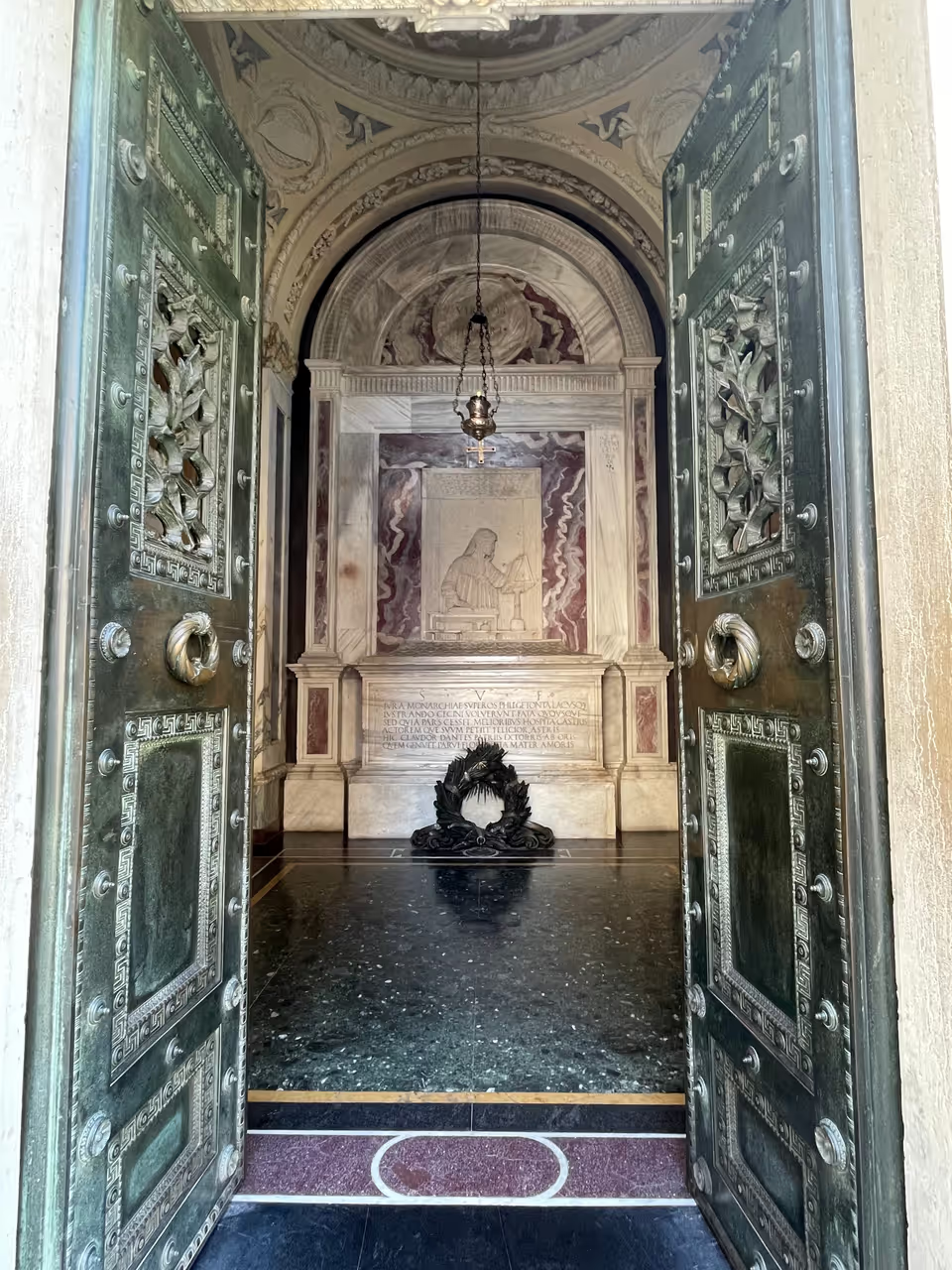
1 Day in Ravenna: Mosaics and Poetry Itinerary
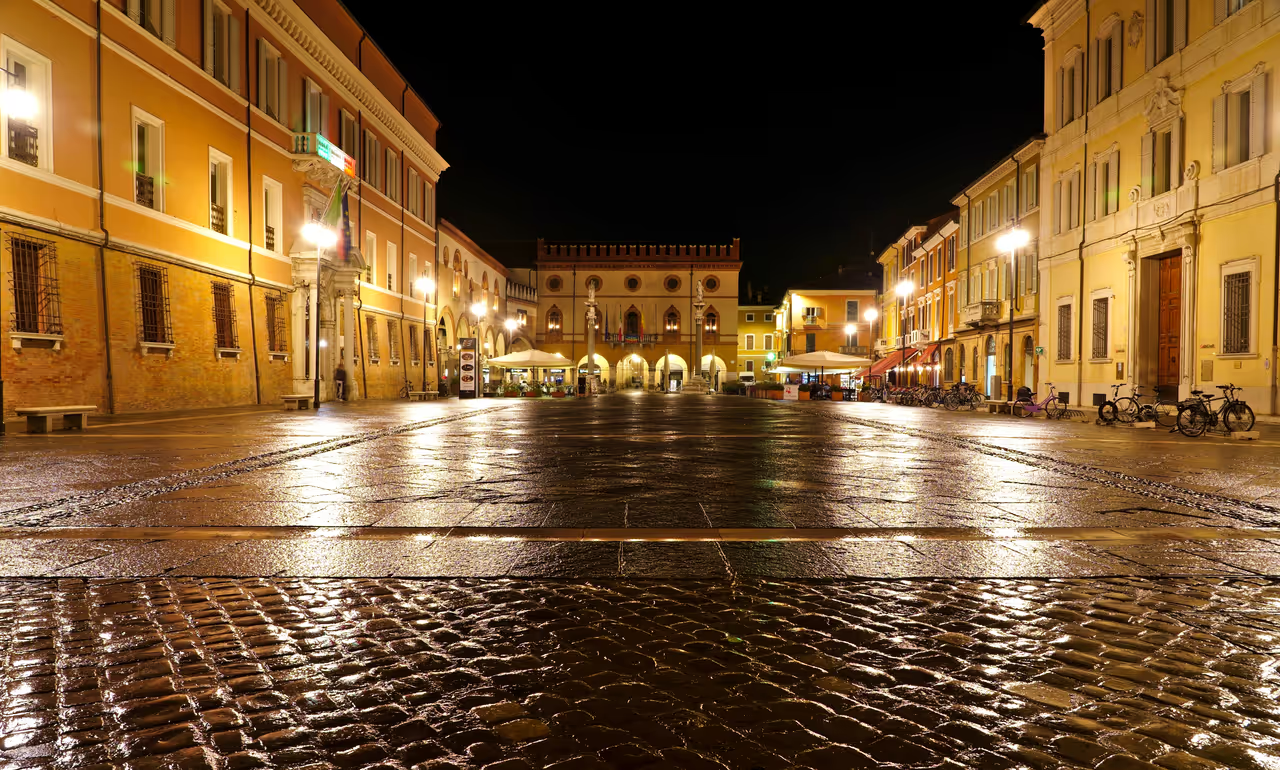
This tightly packed itinerary focuses entirely on the absolute must see highlights located within the easily walkable historical centre. It ensures you witness the most spectacular UNESCO mosaics and pay your respects to Dante, capturing the essence of the city in a short time. Prepare for a visually overwhelming day as you jump between awe inspiring, golden interiors. It is perfectly designed for a day trip, ending with a relaxing moment in the main square.
view itinerary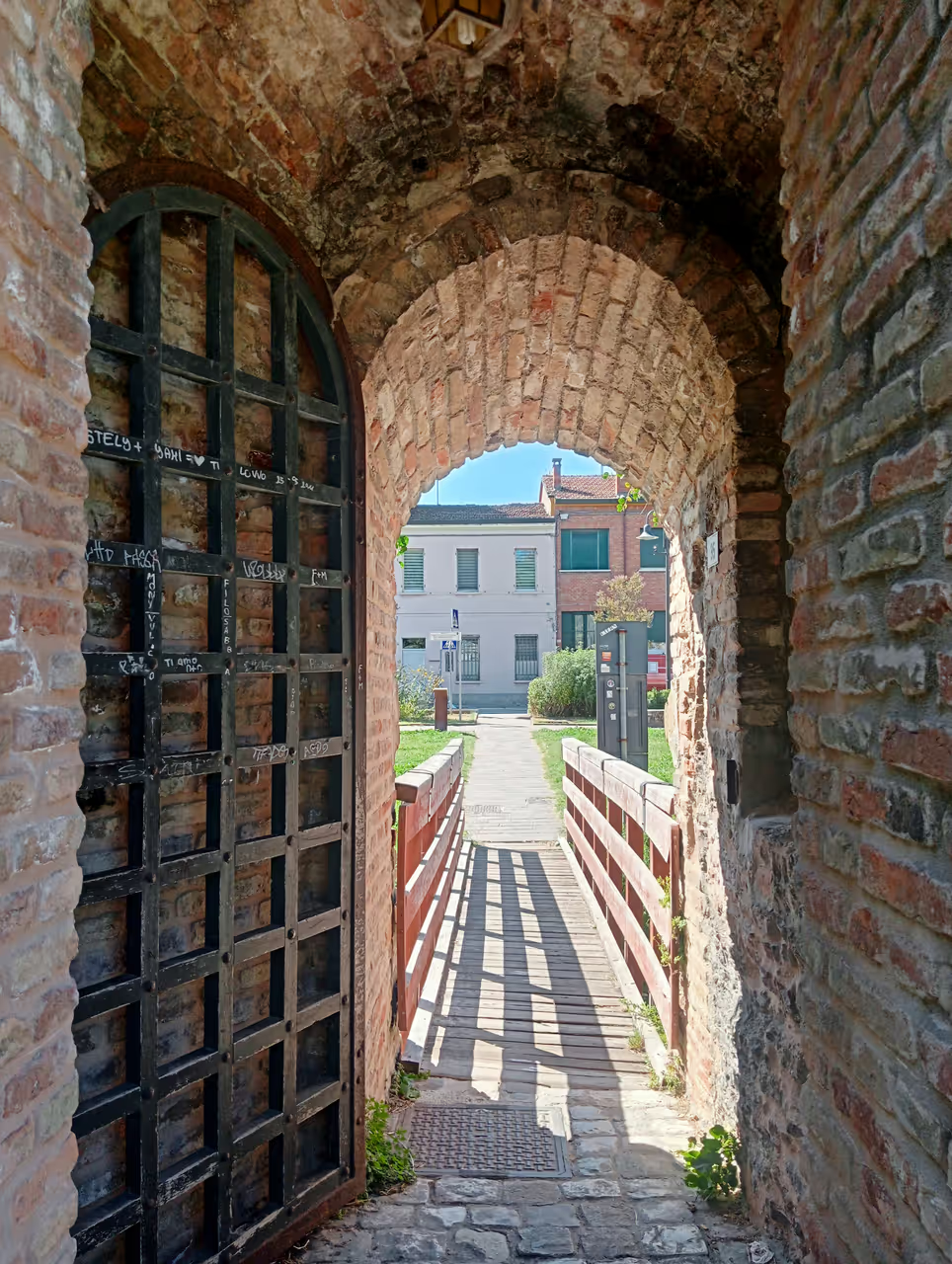
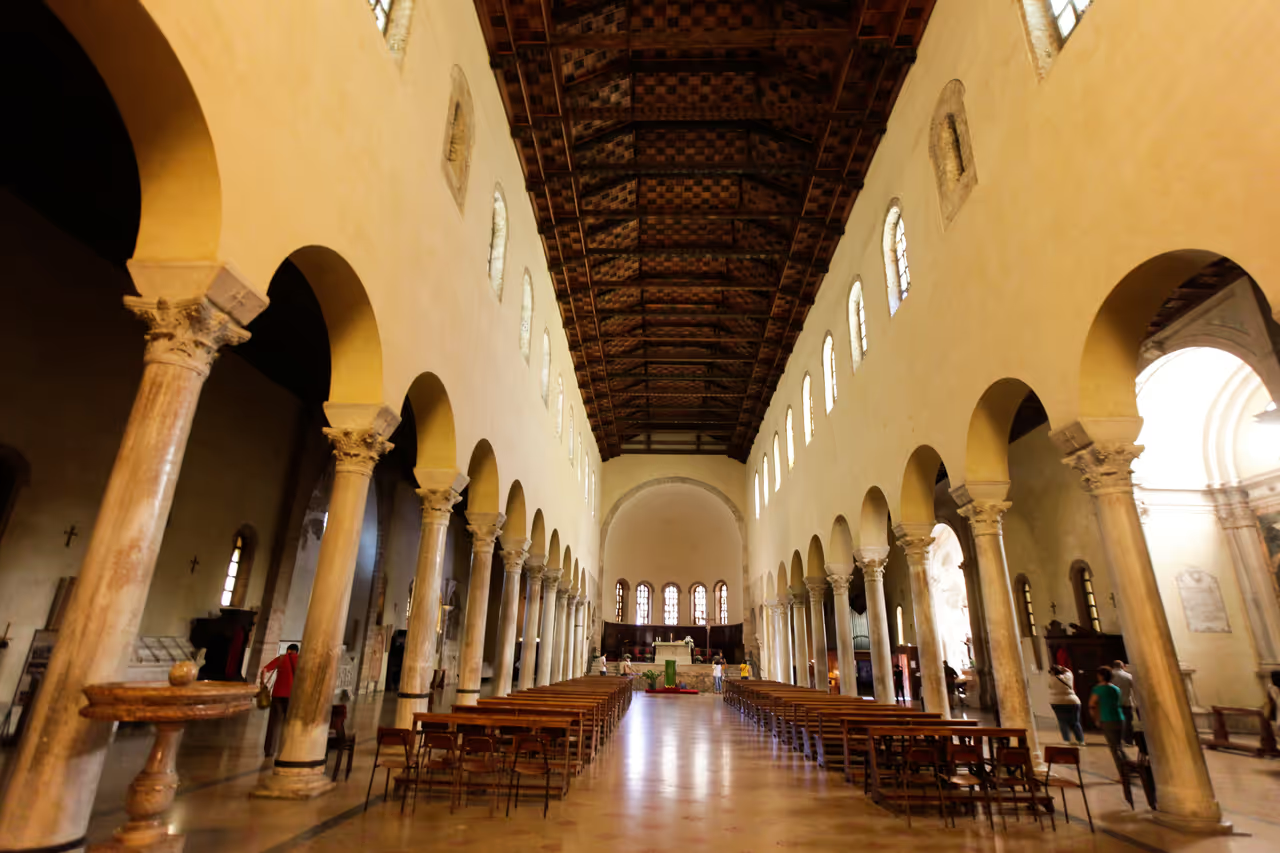
3 Days in Ravenna: Exploring Empires Itinerary
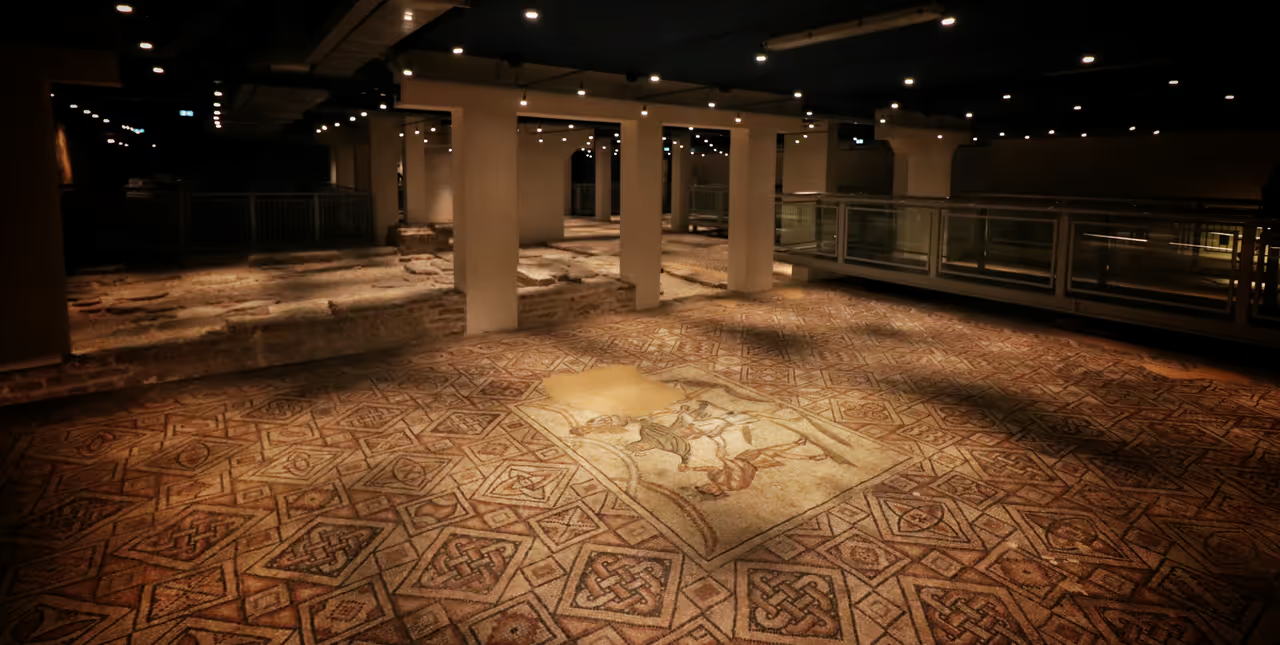
With three days, you can significantly expand your exploration beyond the central cluster, taking the time to absorb the profound differences between the Arian, Orthodox, and Byzantine monuments. This pace allows for unhurried museum visits, a trip to the magnificent flooded crypt, and a short excursion outside the city centre to Classe. It strikes the perfect balance between intense cultural sightseeing and the slow, enjoyable lifestyle of the Romagna region. You will leave with a deeply comprehensive understanding of the city's golden age.
view itinerary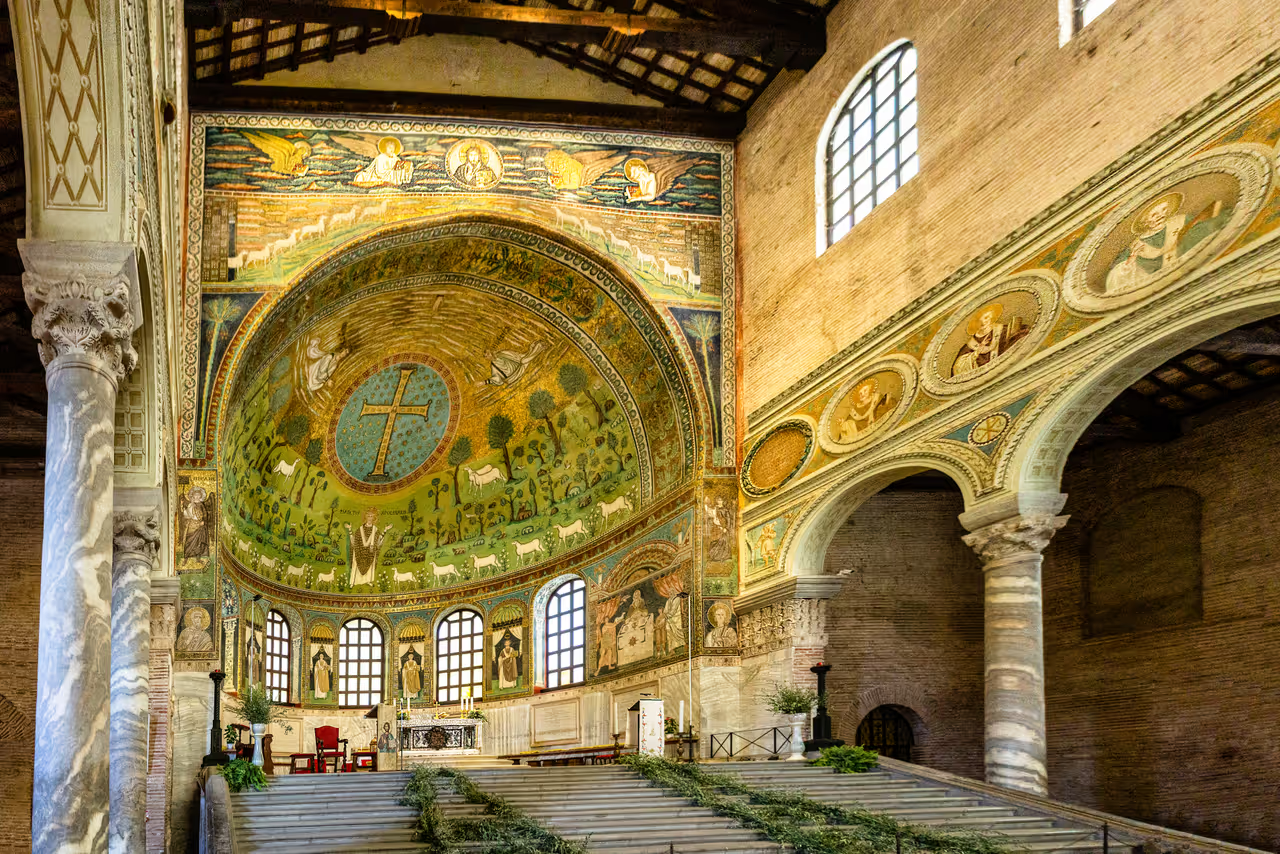
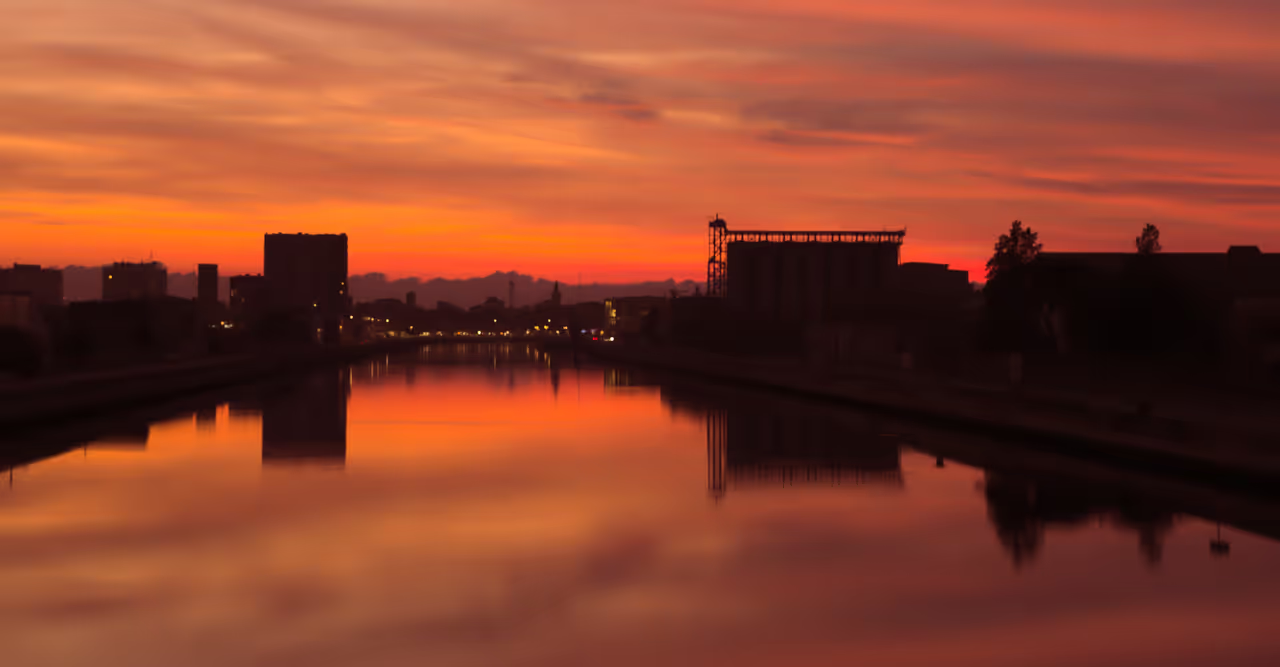
5 Days in Ravenna: The Complete Experience Itinerary
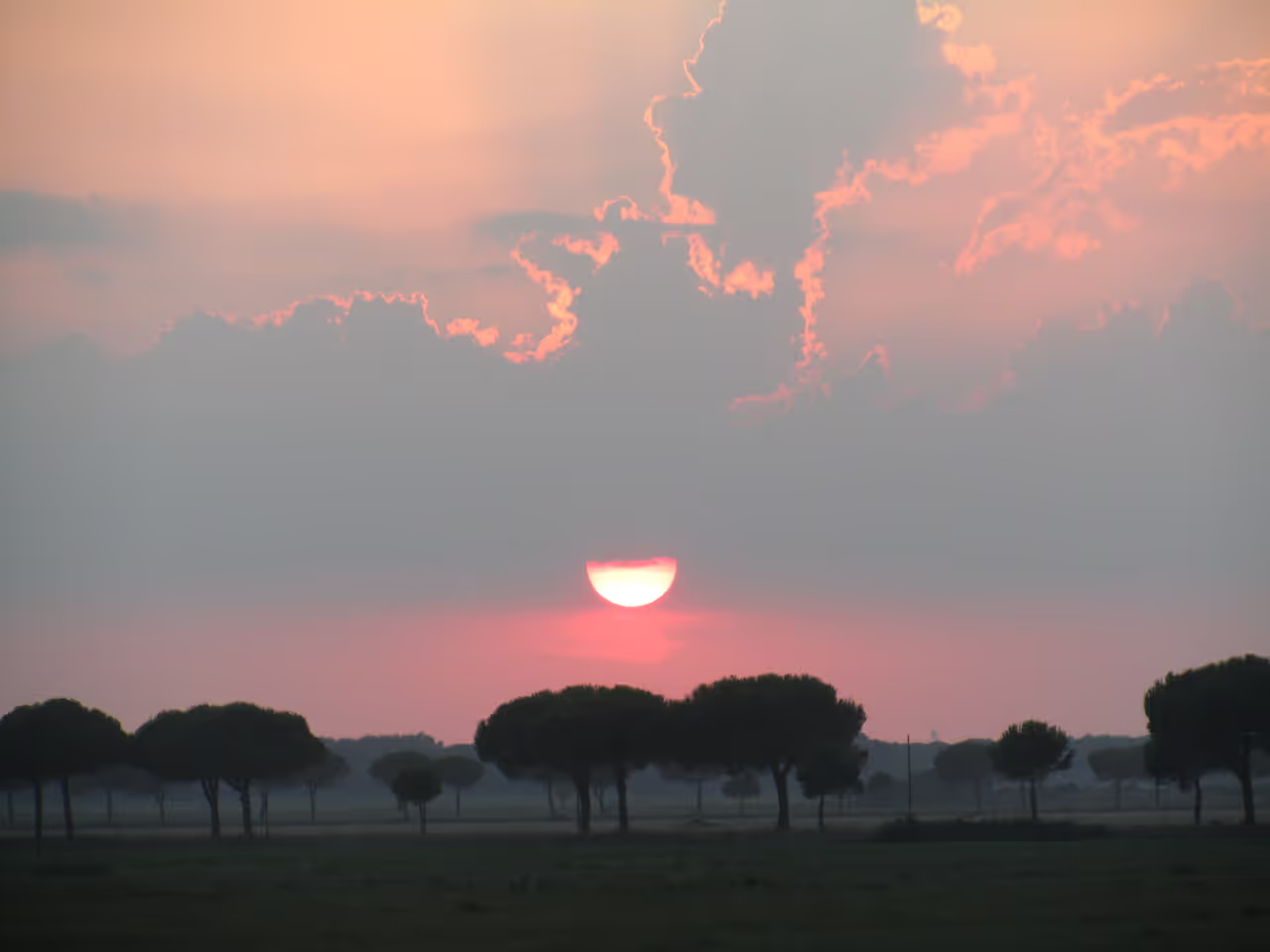
A five day stay transforms a cultural trip into a fully immersive holiday. You have the luxury to discover every single UNESCO monument, including the imposing Mausoleum of Theodoric, and explore the city's superb art museums. Crucially, it allows you to step outside the history books and experience the city's stunning natural surroundings, from the ancient pine forests to the lively Adriatic beaches. It is the ultimate way to appreciate both the ancient grandeur and the vibrant modern spirit of the area.
view itinerary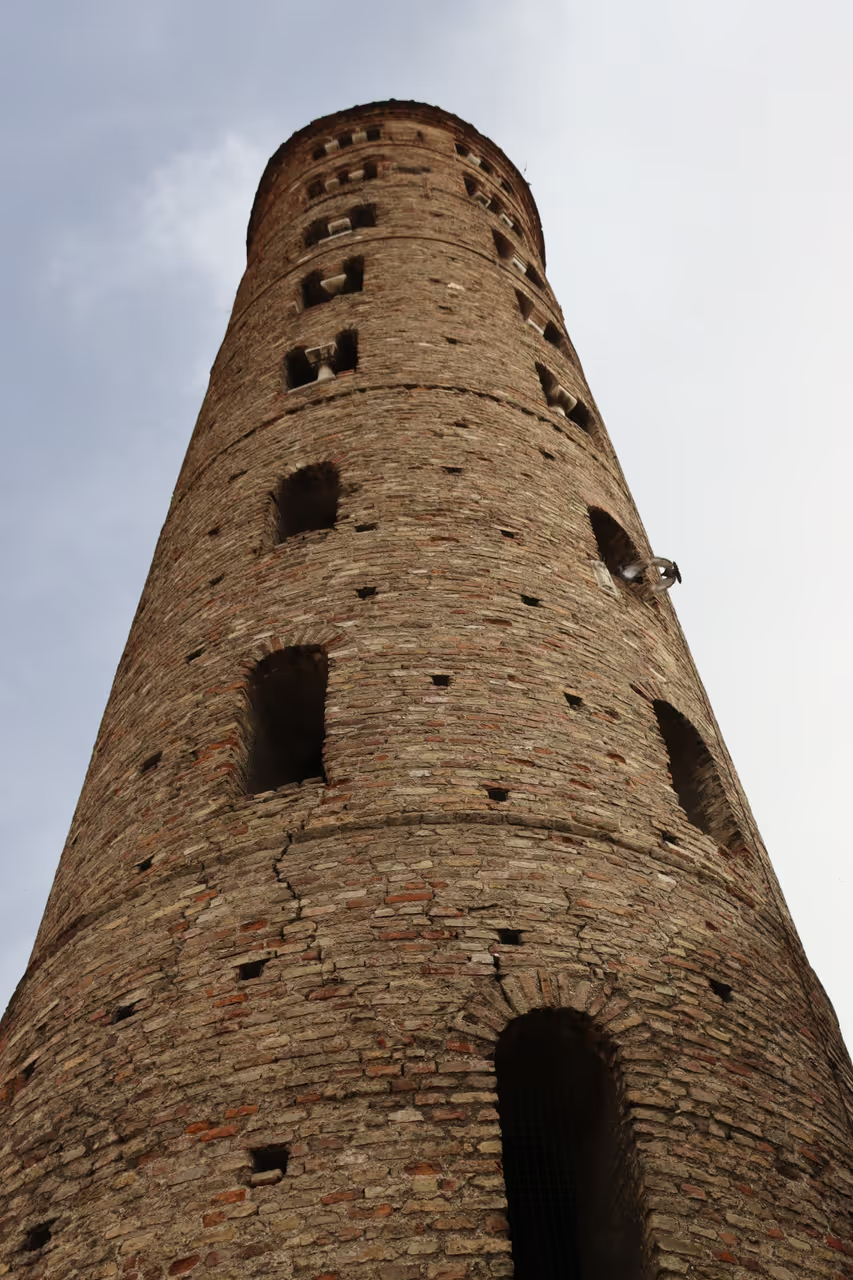
Golden Mosaics Trail
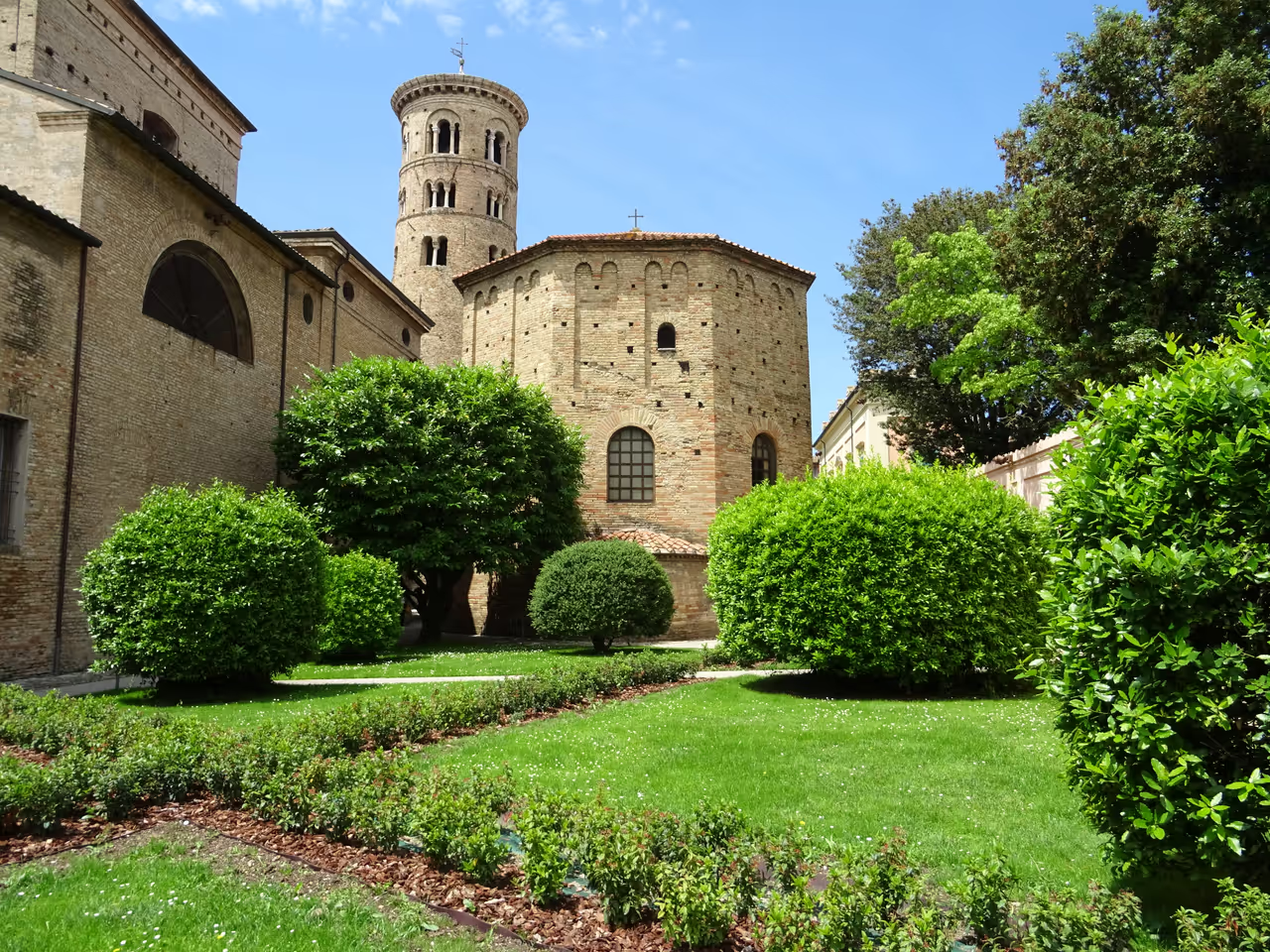
Embark on a visually staggering journey through the pinnacle of early Christian and Byzantine art. This tour connects the most breathtaking UNESCO World Heritage sites located within the historic centre. You will witness the evolution of mosaic artistry, moving from the rich, starry blues of the fifth century to the dazzling, imperial gold of the sixth century. It is a profound exploration of how light, glass, and faith were woven together to create eternal masterpieces.
view self-guided tour
See all unesco sites in Ravenna
Archiepiscopal Chapel, Basilica of Sant'Apollinare in Classe, Basilica of Sant'Apollinare Nuovo, Mausoleum of Galla Placidia, Mausoleum of Theodoric, Mosaics of the Neonian Baptistery, Arian Baptistry...