Mausoleum of Galla Placidia
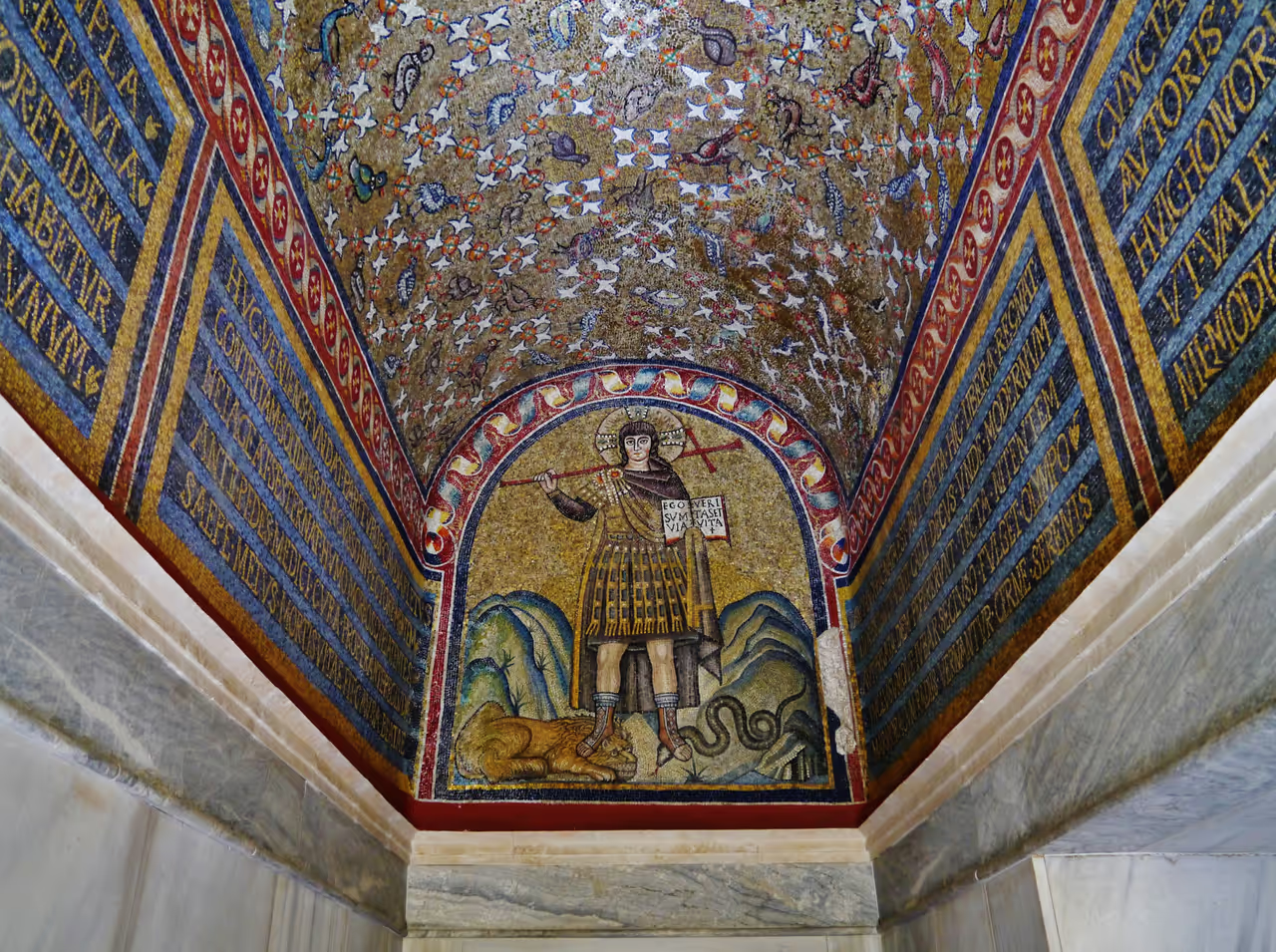
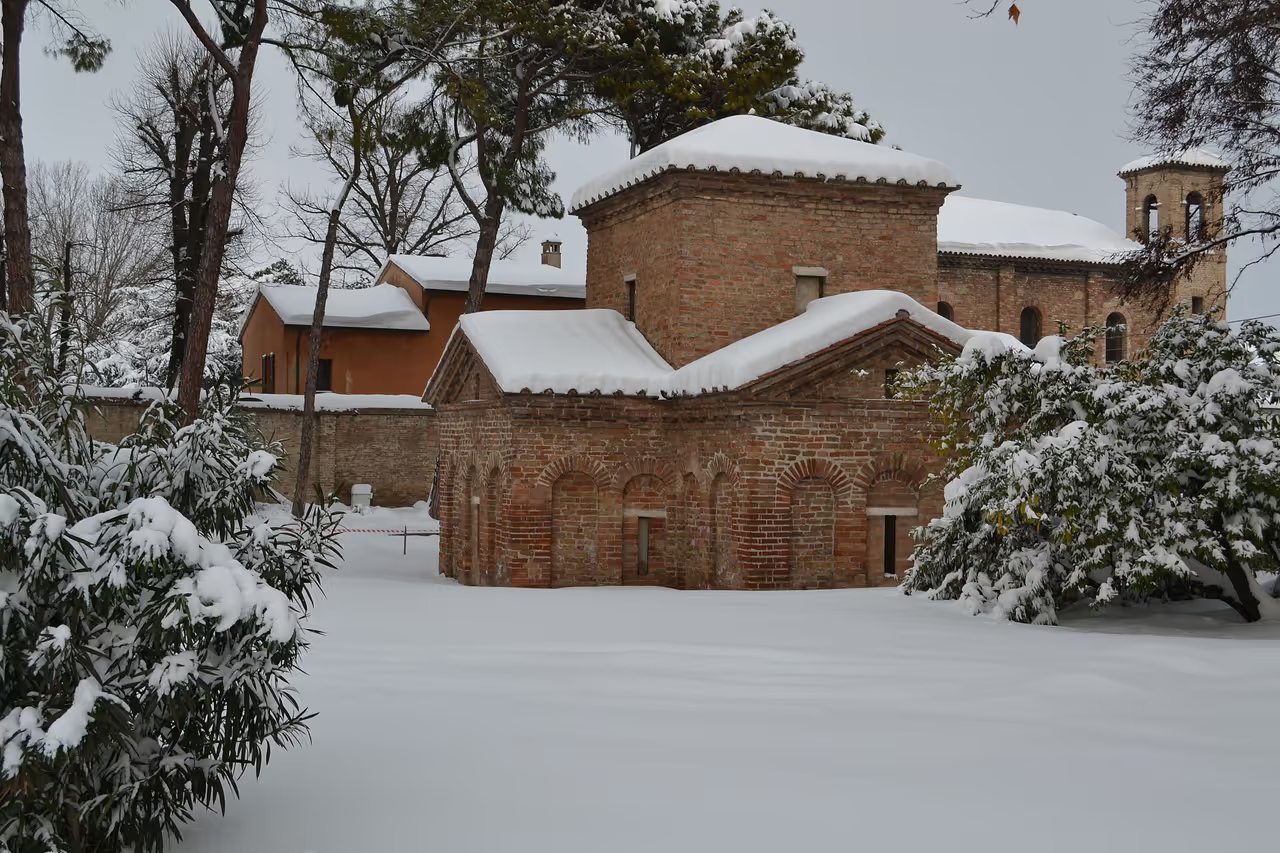
Tucked away in the heart of Ravenna, the Mausoleum of Galla Placidia might look like a modest brick building from the outside, but it hides one of the most breathtaking interior experiences in the world. As you step inside, the humble facade gives way to a shimmering, celestial display of 5th century mosaics that seem to glow with an inner light. This UNESCO World Heritage site is a rare, perfectly preserved window into the early Christian era, feeling less like a tomb and more like a portal to a bygone, mystical world. Whether you are an art enthusiast, a history lover, or simply looking for a moment of quiet awe, the intricate details and deep blues of the ceiling are sure to leave you spellbound. It is a vital stop for anyone wanting to understand the artistic transition from the Roman Empire to the Christian world.
Videos
History of Mausoleum of Galla Placidia
The story of this mausoleum is inextricably linked to the life of Empress Galla Placidia, one of the most compelling figures of the late Roman Empire. Daughter of Emperor Theodosius I, her life was a whirlwind of political turmoil, involving capture by the Visigoths during the sack of Rome, marriage to a barbarian king, and eventual return to Ravenna to serve as regent for her young son. The building reflects her complex legacy, standing as a silent witness to a time when the Roman Empire was crumbling and the new world of Christianity was rising from the ashes. It serves as a monumental testament to a woman who navigated the dangerous waters of power, betrayal, and faith. Architecture in this period was undergoing a fascinating transformation. While the exterior relies on the sturdy, unassuming brickwork of Roman tradition, the interior shatters any expectation of austerity. The shift from the pagan obsession with external glory to the Christian focus on inner spirituality is perfectly captured here. By moving the artistic focus entirely to the inside, the builders created a space that feels detached from the outside world. The intricate mosaics, featuring deep blues, radiant golds, and symbols like the Good Shepherd, were not just decorations but profound theological arguments rendered in glass and stone, blending Hellenistic naturalism with the formal, symbolic language of the Church. The mystery of the mausoleum only adds to its allure. Despite the name, there is no solid historical proof that Galla Placidia was ever buried here, or that the sarcophagi found inside belonged to her or her children. It may have been a private oratory or a memorial dedicated to the Holy Cross, as she was a known patron of religious structures. This ambiguity creates a sense of lingering wonder. When you stand beneath that starlit dome, you are not just looking at old tiles, you are staring into a centuries old question. The mausoleum remains a jewel box of history, a space that has survived fires, floods, and the passage of time, yet still manages to transport every visitor back to the twilight of the Roman world.
Events spanning 1579 years
Fun Facts
- • Despite its small size, the mausoleum is a masterpiece of Roman and Hellenistic artistic traditions blending into the early Christian aesthetic.
- • Historians still debate who the mausoleum was truly intended for, as there is no direct evidence confirming it was the final resting place of Galla Placidia herself.
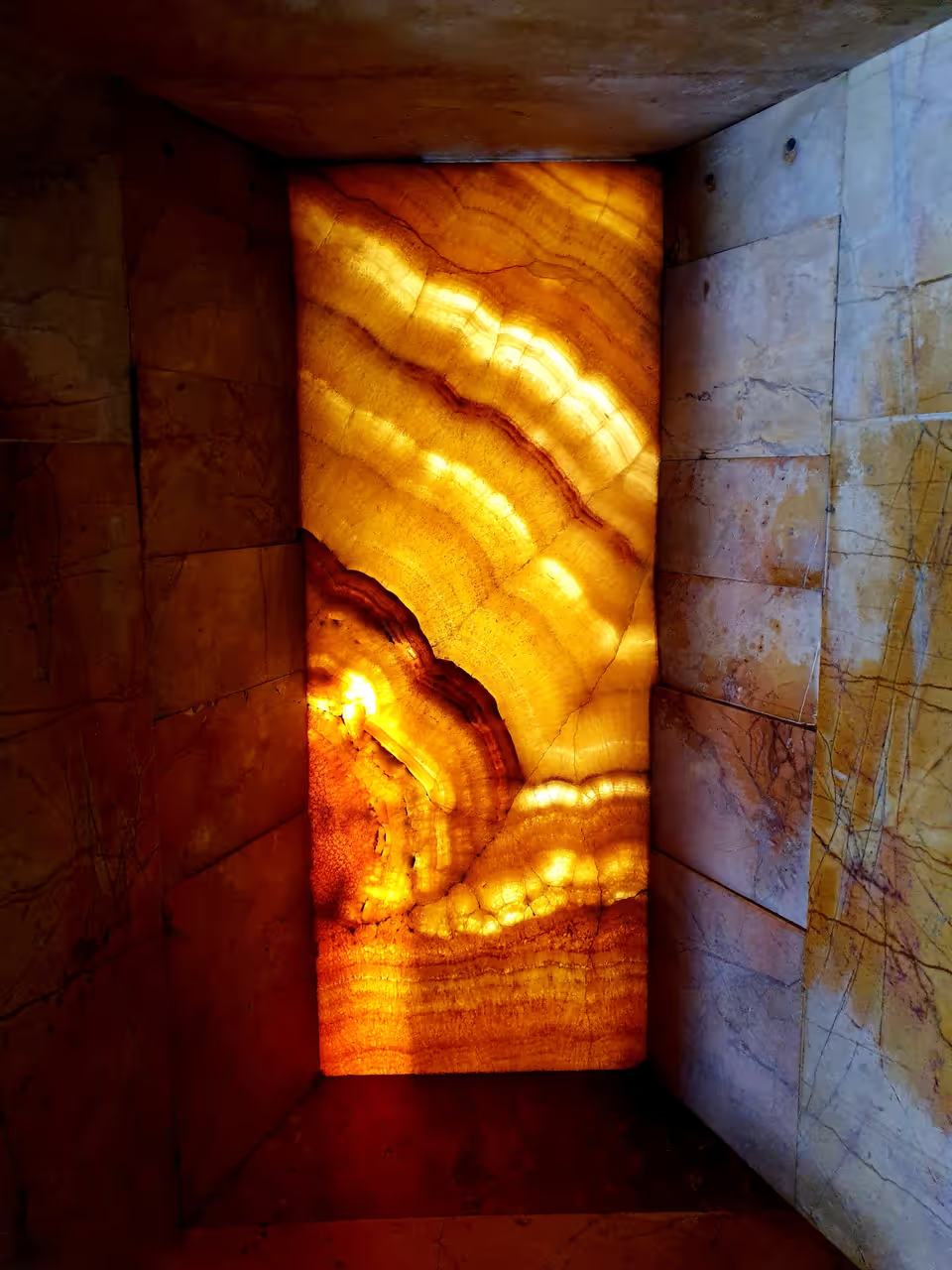
- • The alabaster windows currently installed were a gift from King Victor Emmanuel III in 1908, giving the interior its characteristic warm, soft golden glow.
- • The building is constructed using the technique of using amphorae in the walls to reduce weight, a clever engineering trick of the time.
- • The doves depicted drinking from fountains are a symbolic representation of the human soul seeking salvation and eternal life.
- • The floor was raised significantly in the 16th century to protect it from rising water levels, which were an issue in Ravenna at the time.
- • The floral and star patterns on the ceiling are influenced by Sassanid art, showing the cross cultural exchange happening in the 5th century.
- • The interior dome features a famous starry sky effect, with gold stars set against a deep blue background, creating an illusion of infinite space.
- • The mosaic of the Good Shepherd is considered one of the finest and most well preserved examples of early Christian iconography in existence.
- • The mosaic scene featuring a griddle and a fire is often associated with the martyrdom of Saint Lawrence, though its interpretation remains a subject of intense academic discussion.
- • The site represents one of the earliest examples of the appropriation of pagan symbols, such as floral motifs, for Christian religious meaning.
- • The transition from the plain brick exterior to the opulent interior symbolises the Christian concept of the soul being more beautiful than the physical body.
Mausoleum of Galla Placidia FAQ
While we strive to keep this information accurate and up to date, we recommend verifying any details independently before making decisions based on them.
Mausoleum of Galla Placidia Map & Neighborhood Explorer
This interactive map is centered on Mausoleum of Galla Placidia. Zoom in and move the map around to automatically discover Wikipedia photos and summaries of other nearby sights, monuments, and historical points of interest and stories in real-time!
Places near Mausoleum of Galla Placidia
Make the most of your trip. Check out these top-rated spots located nearby.
 64m
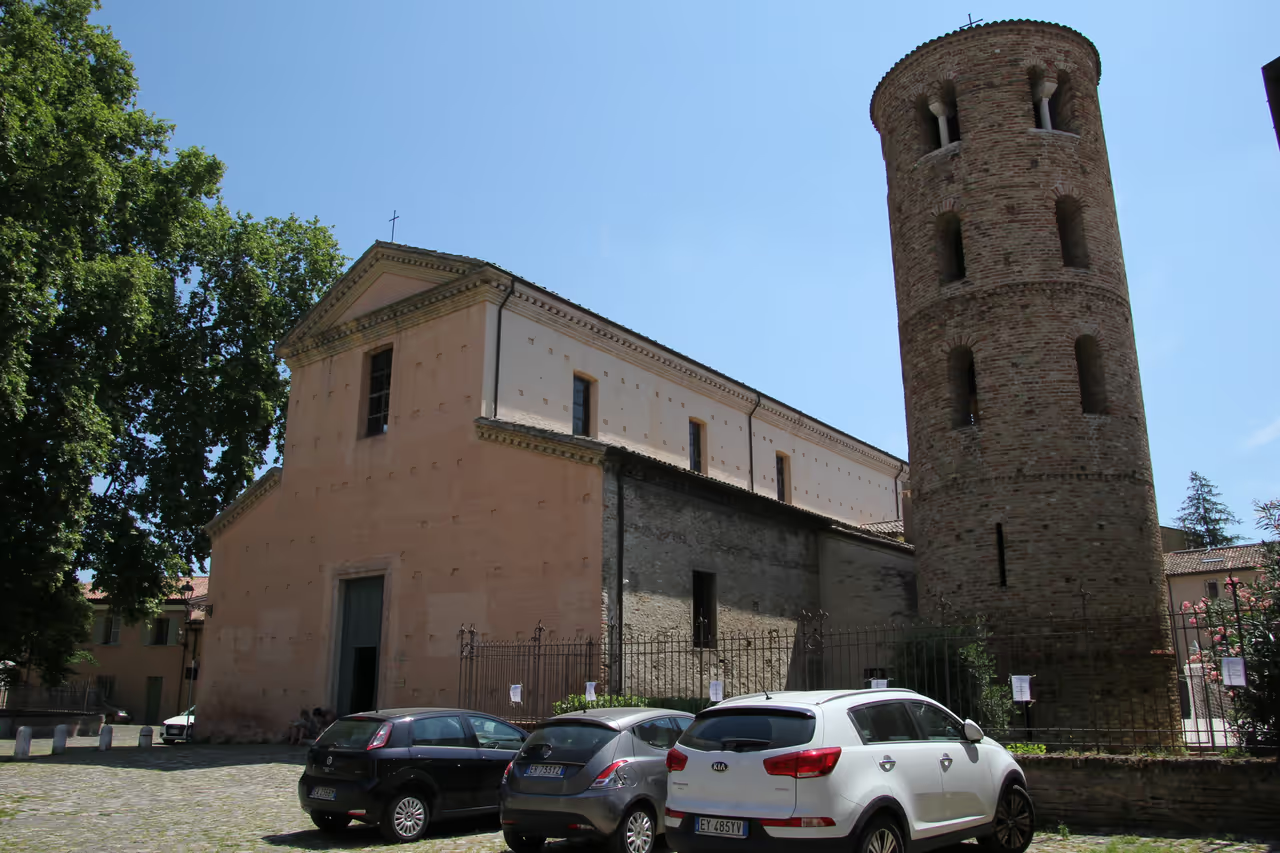
64mChurch of Santa Maria Maggiore
A compelling example of a church that has continually evolved alongside the city itself. Founded in the sixth century, it underwent a profound transformation during the Baroque period, acquiring a richly decorated interior and facade. Despite the heavy alterations, the underlying structure whispers of its ancient past. It stands as a brilliant architectural palimpsest located just steps away from the famous Basilica of San Vitale.
architecture view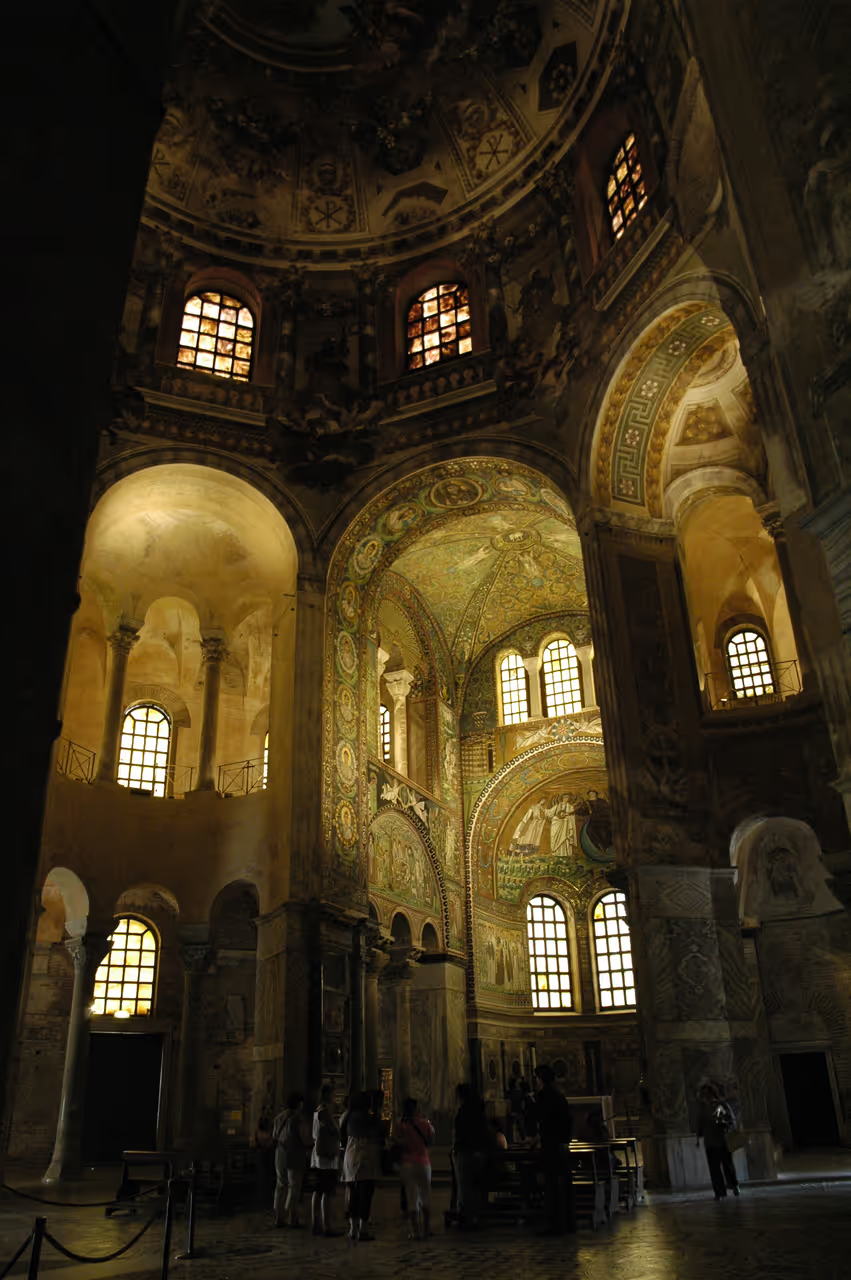 84m
84mBasilica of San Vitale
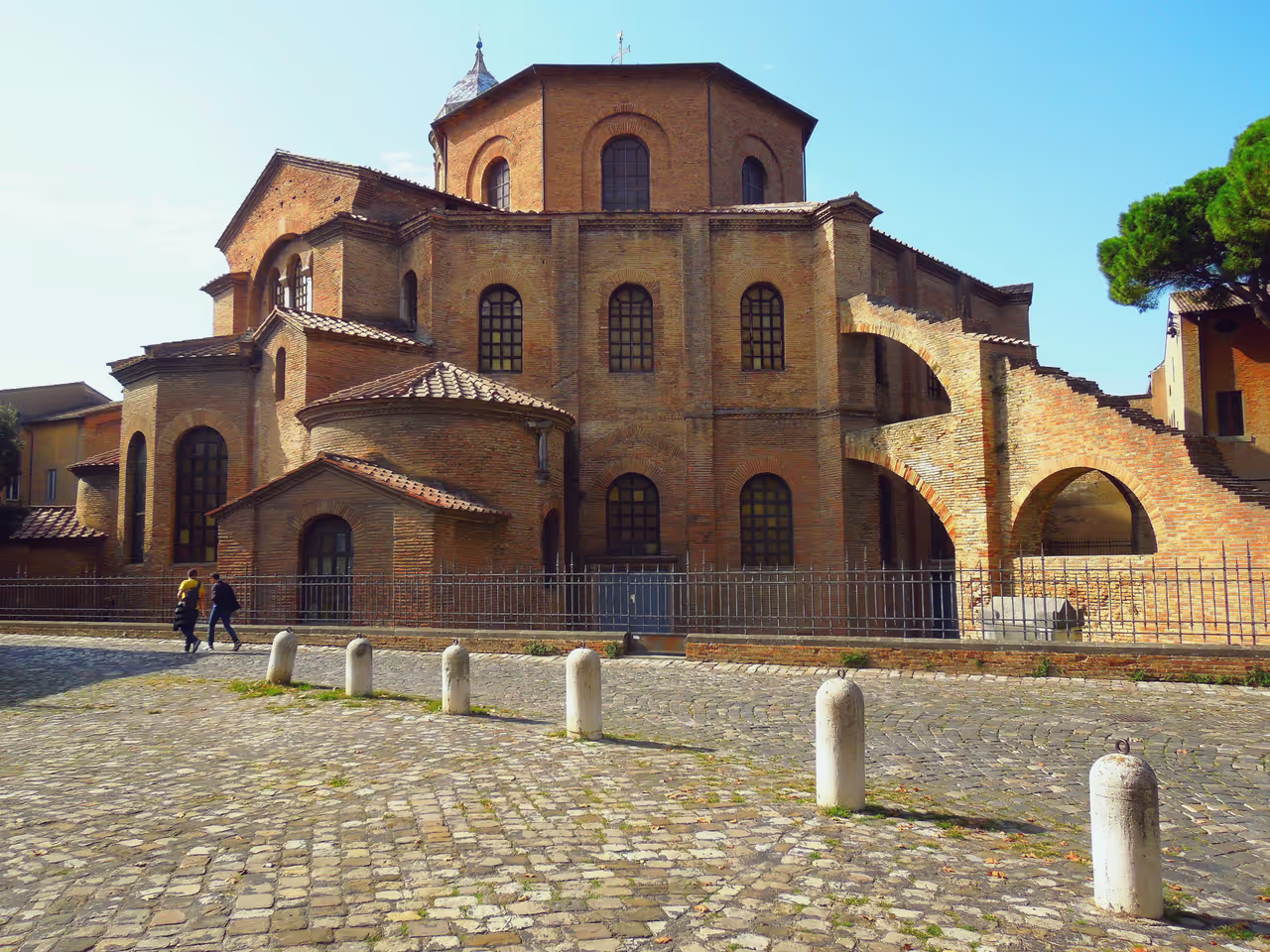
Stepping inside the Basilica of San Vitale is like walking into a jewellery box of the Byzantine world. This UNESCO World Heritage site is home to the most significant and well preserved collection of Byzantine mosaics outside of Constantinople, offering a mesmerising display of colour and light. Visitors can marvel at the intricate depictions of Emperor Justinian and Empress Theodora, which shimmer with golden tesserae and tell stories of imperial power and divine devotion. Beyond the art, the octagonal architecture stands as a masterpiece of late antique engineering that breaks away from traditional designs to evoke the heavens. It is an essential stop for anyone wanting to witness the sheer grandeur and artistic soul of Ravenna's ancient history.
unesco heritage site view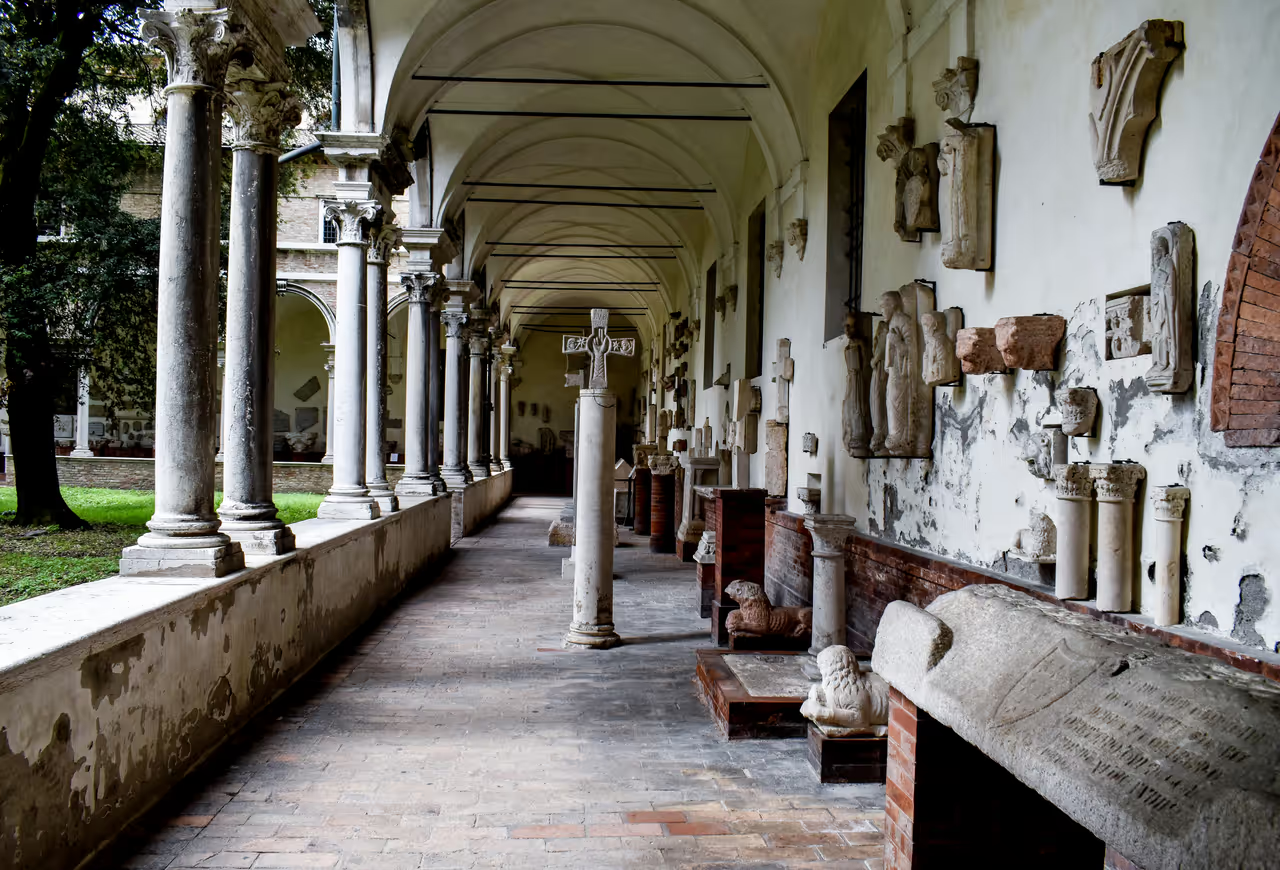 140m
140mNational Museum of Ravenna
Tucked away in the serene cloisters of the former Benedictine monastery of San Vitale, the National Museum of Ravenna is a captivating portal into the city's complex history. It serves as a quiet companion to the world-renowned mosaic sites, inviting visitors to wander through a curated collection that ranges from delicate Roman era ivories to imposing medieval armour. The museum holds a unique charm, blending the peaceful atmosphere of its monastic home with a vast array of artefacts that whisper stories of the people who shaped Ravenna across the centuries. Whether you are intrigued by the intricate craft of Byzantine capitals or the everyday life captured on an ancient funerary stele, this place offers a profound connection to the past. It is a worthwhile destination for those who wish to see beyond the famous church walls and appreciate the artistic and cultural tapestry that defines this city.
attraction view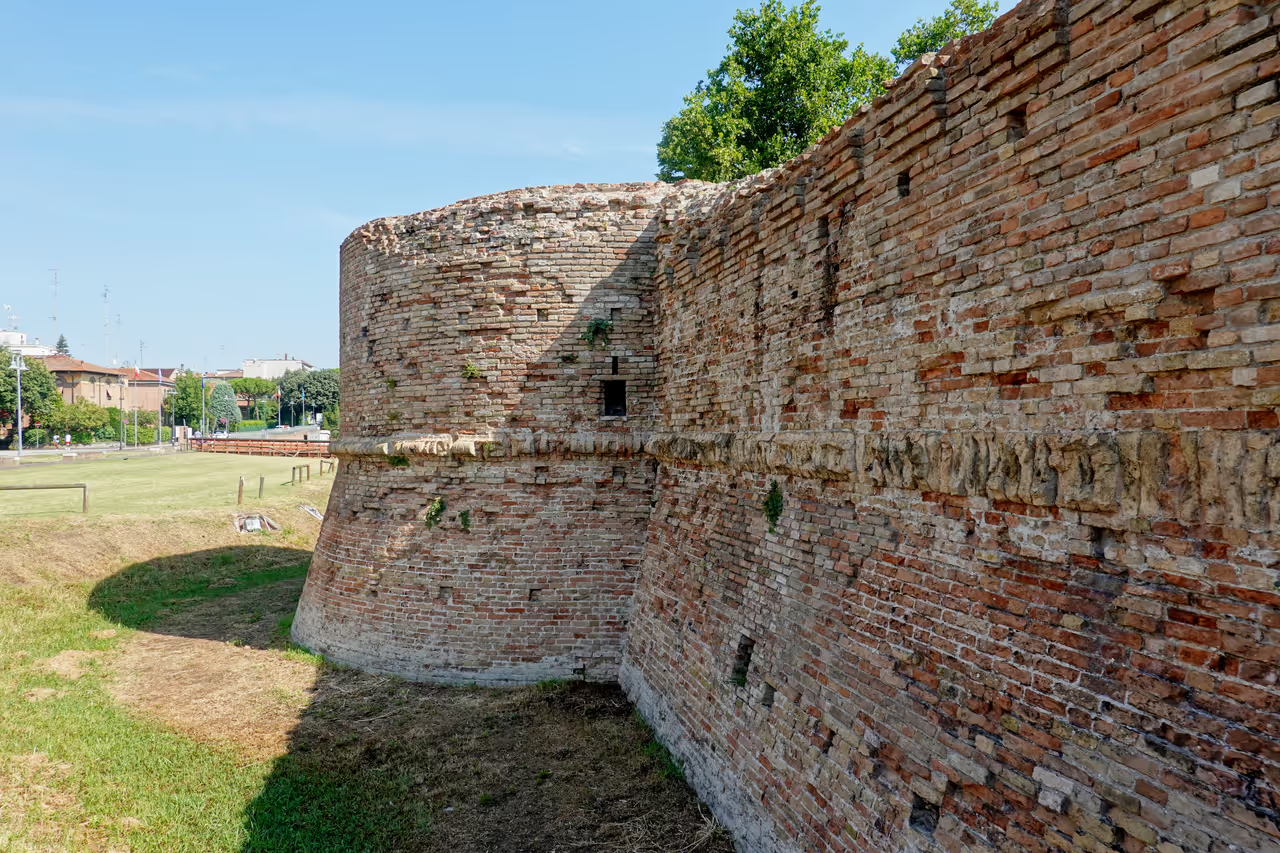 189m
189mAncient City Walls
While the dazzling mosaics command all the attention, the massive, weathered brick walls encircling the historic centre hold a quiet, immense power. Tracing these ancient fortifications reveals monumental gates built across vastly different eras, from Roman arches to Venetian strongholds. Walking alongside the less manicured stretches, you can physically touch the layers of empires that rose and fell here. It offers a gritty, deeply authentic perspective on the city's military past away from the polished tourist trails.
hidden gem view
Featured on These Itineraries and Routes
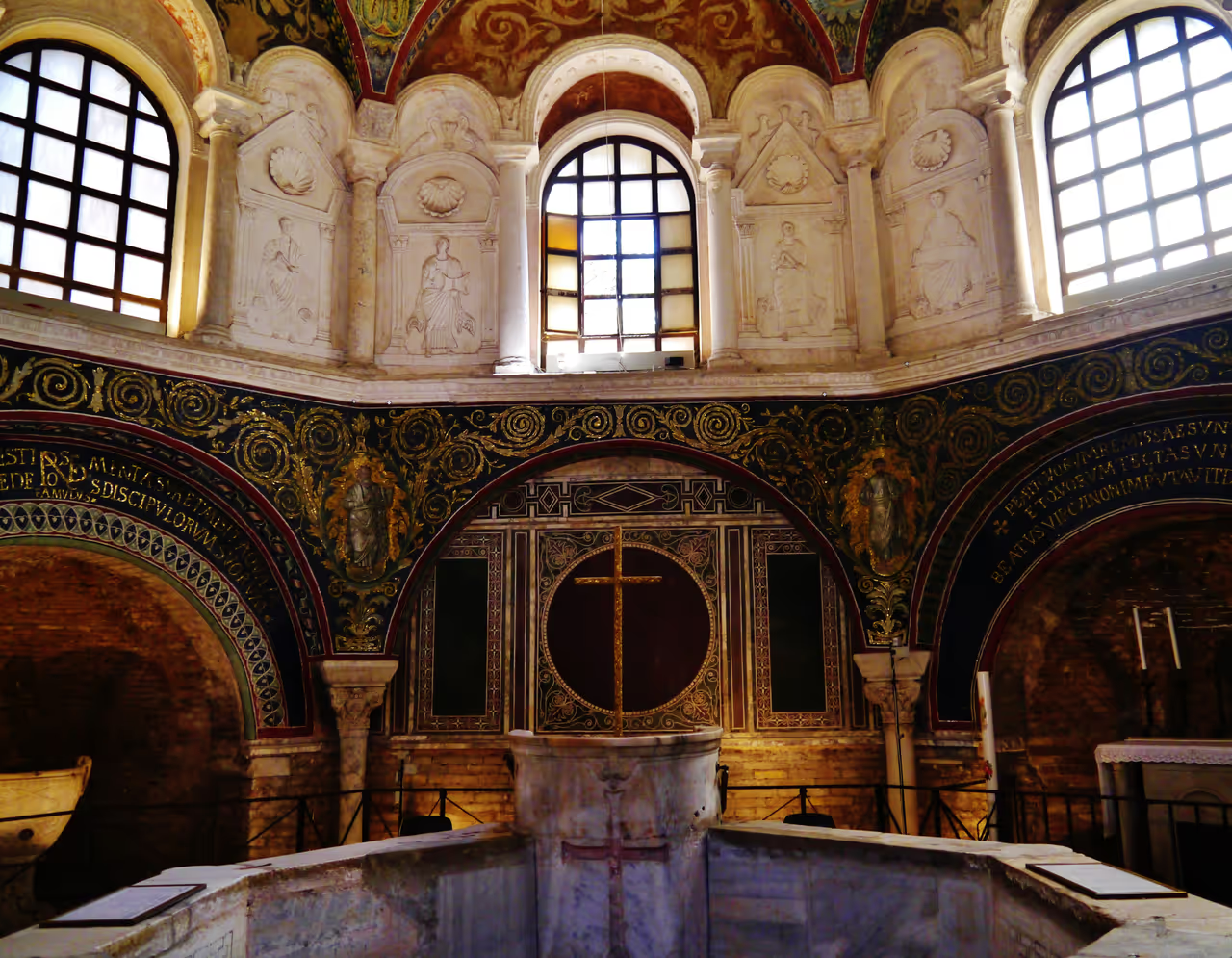
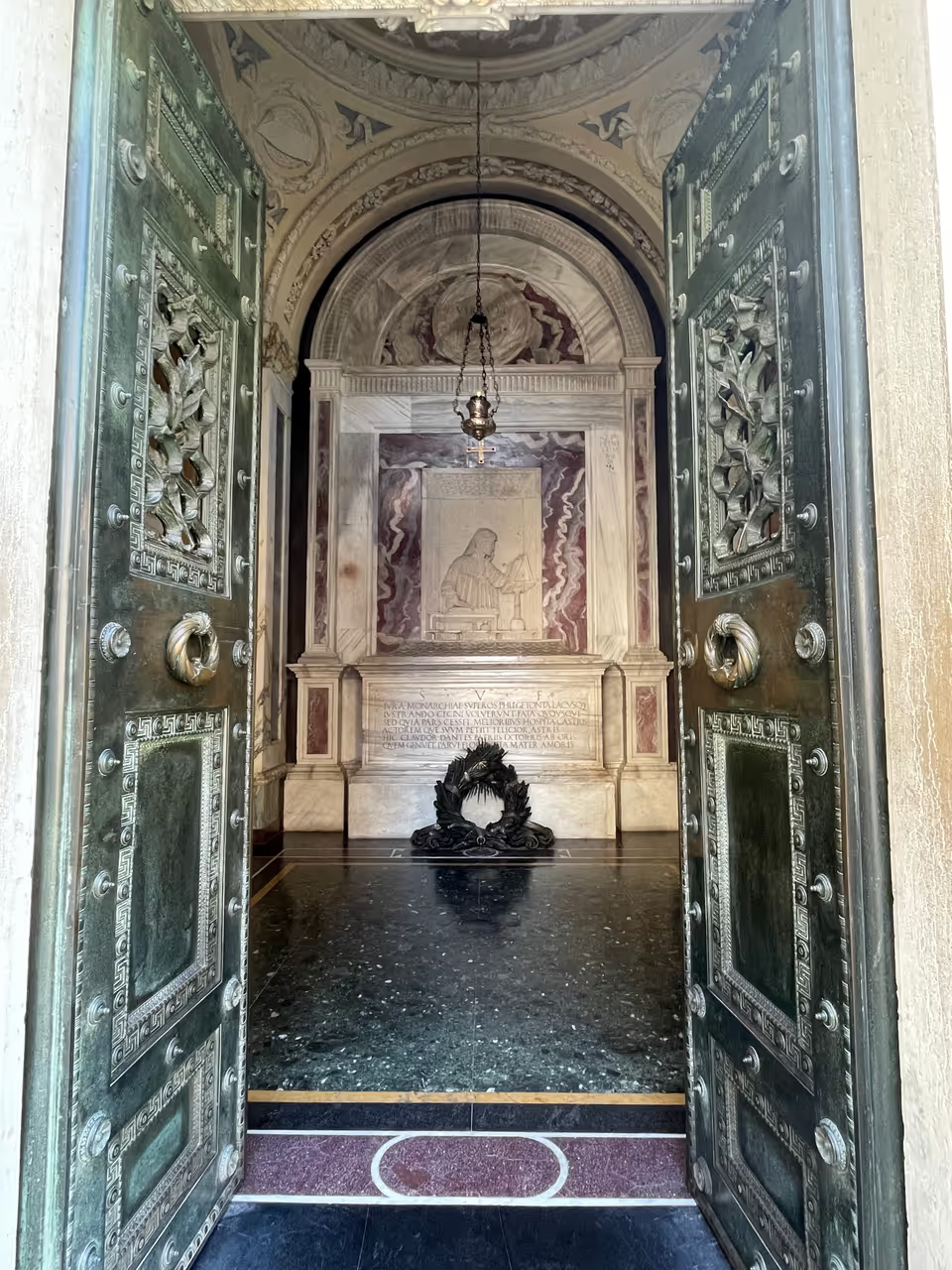
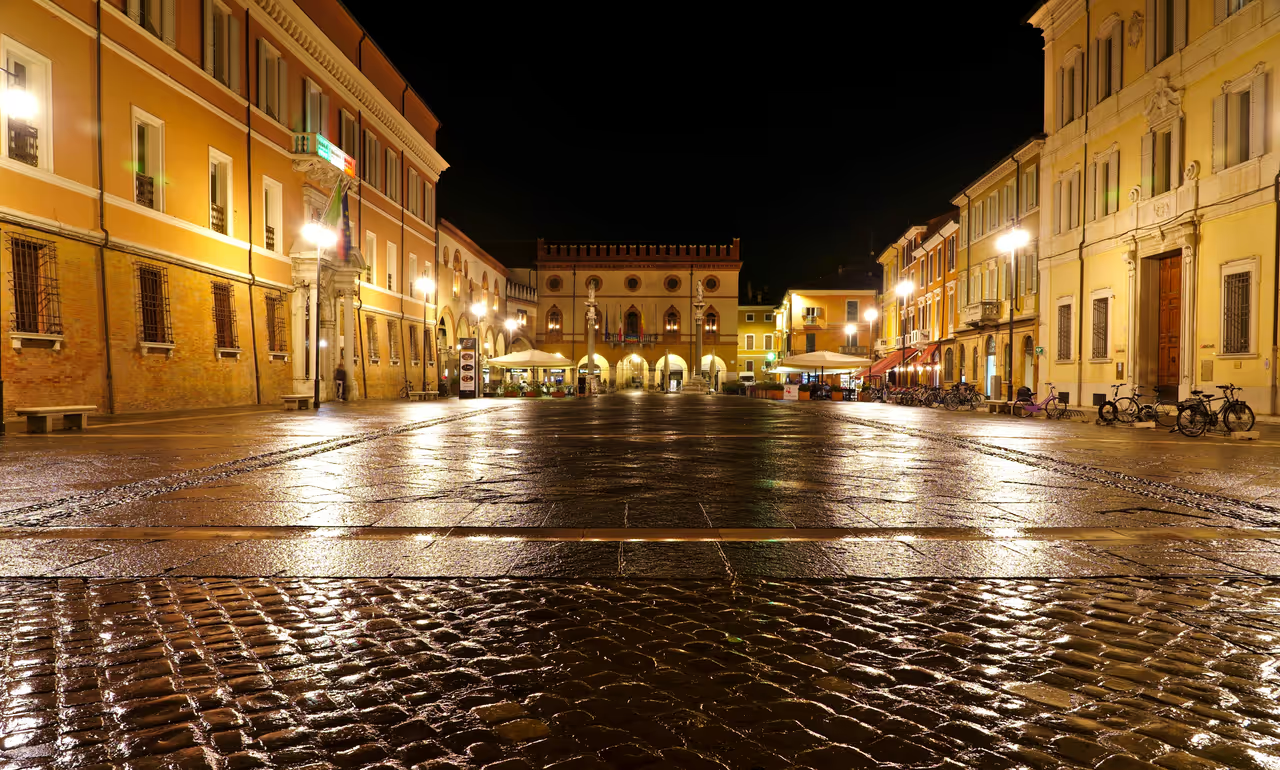
1 Day in Ravenna: Mosaics and Poetry Itinerary
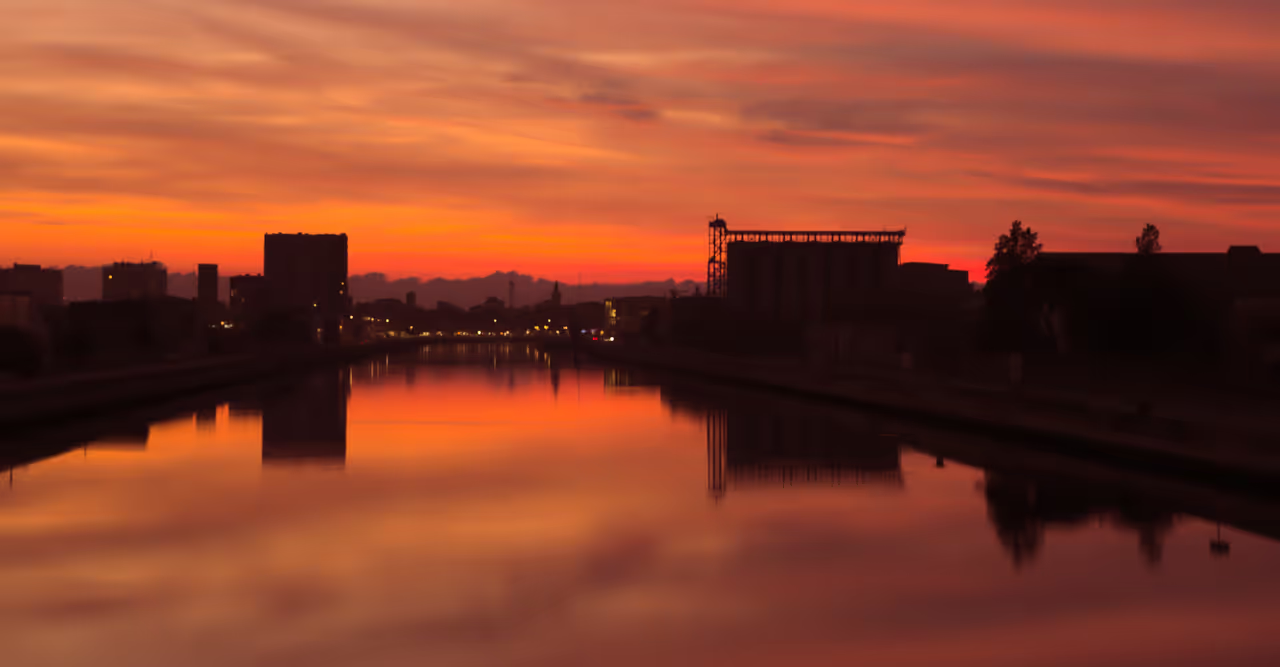
This tightly packed itinerary focuses entirely on the absolute must see highlights located within the easily walkable historical centre. It ensures you witness the most spectacular UNESCO mosaics and pay your respects to Dante, capturing the essence of the city in a short time. Prepare for a visually overwhelming day as you jump between awe inspiring, golden interiors. It is perfectly designed for a day trip, ending with a relaxing moment in the main square.
view itinerary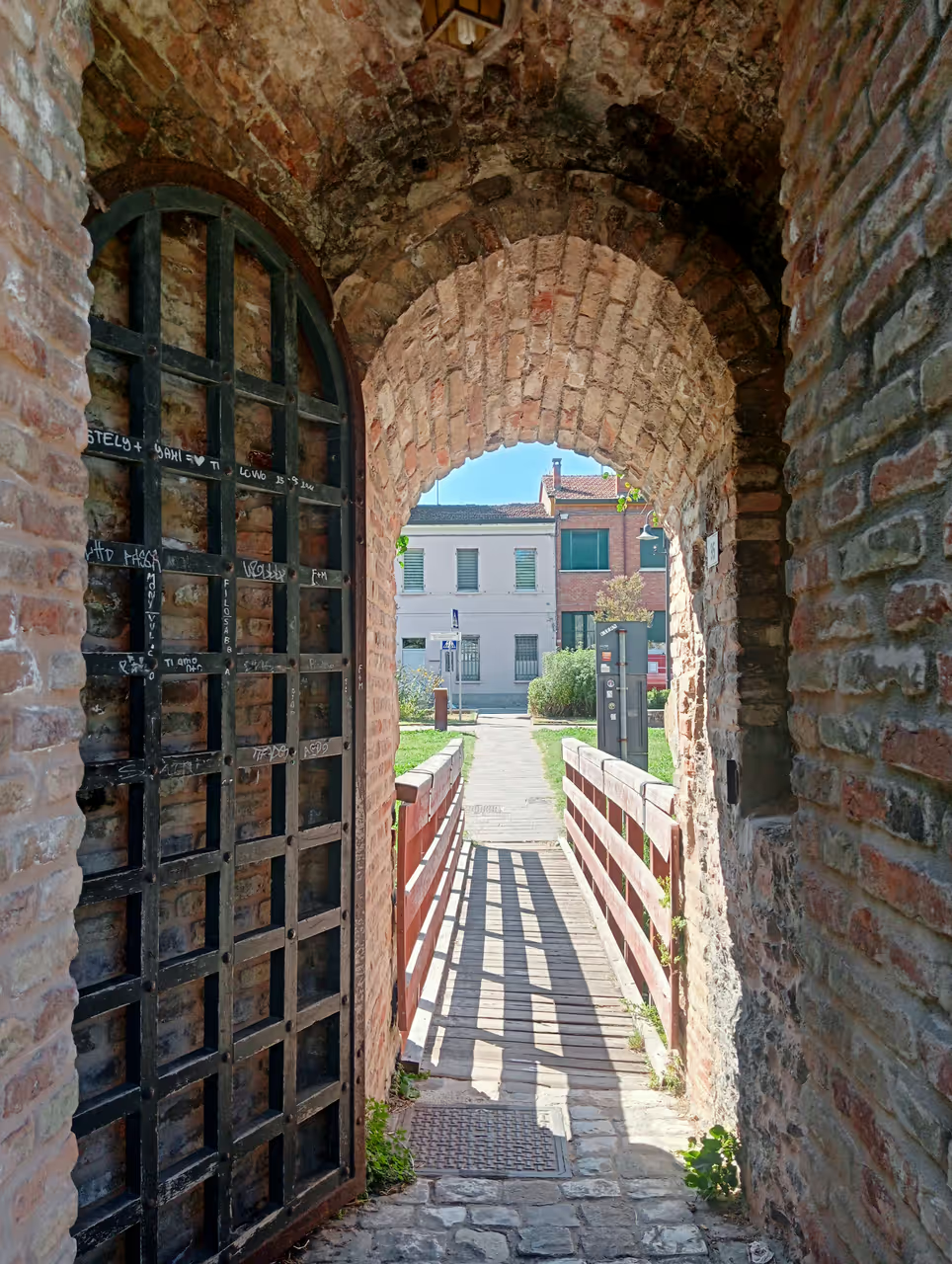
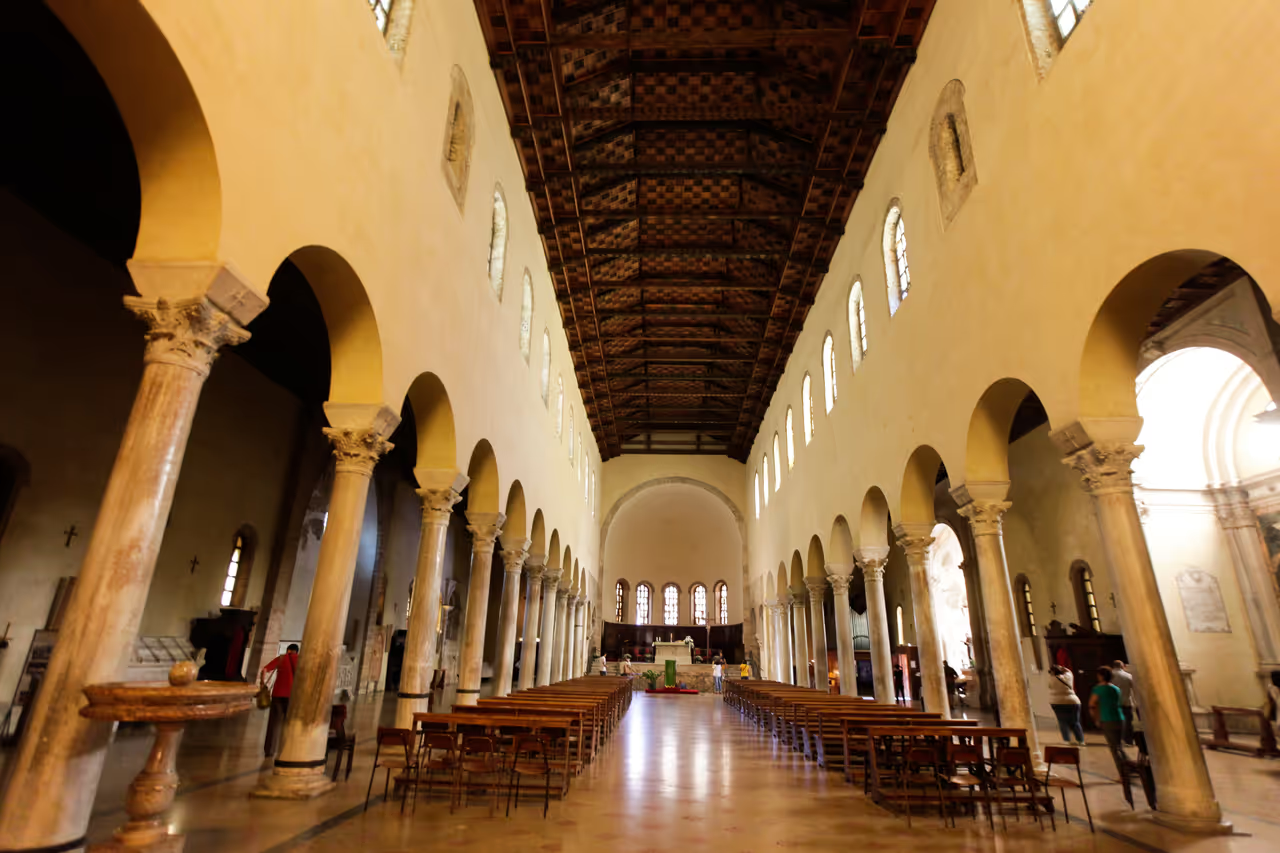
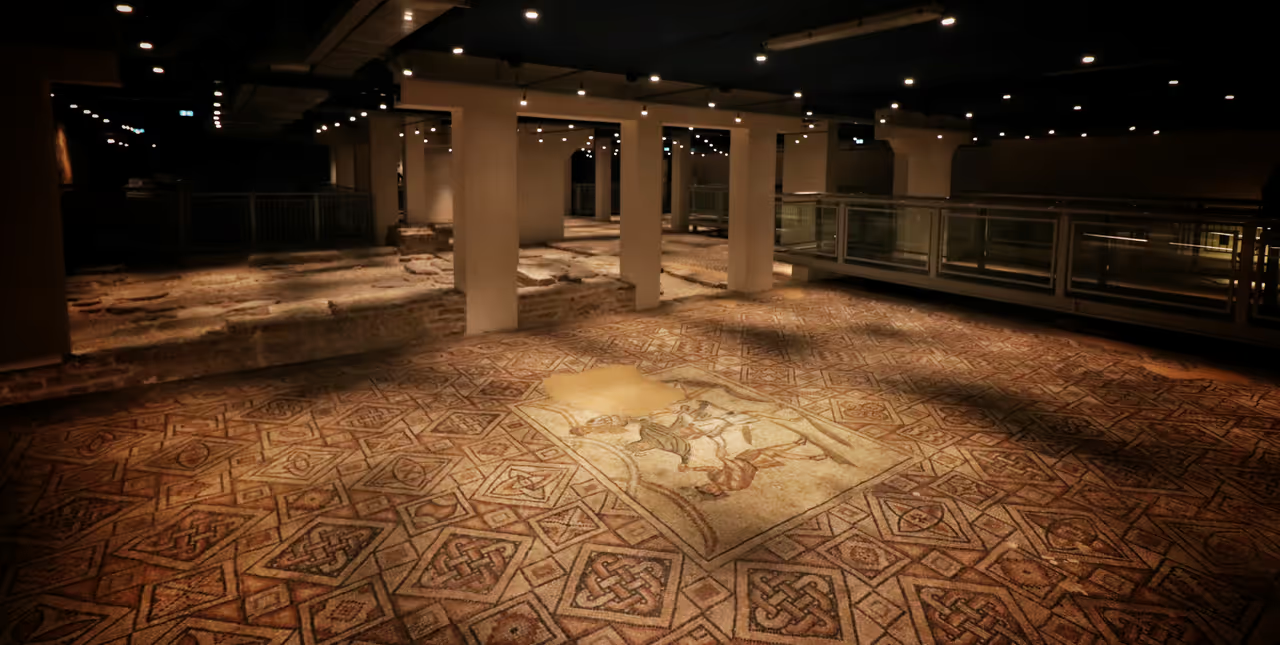
3 Days in Ravenna: Exploring Empires Itinerary
With three days, you can significantly expand your exploration beyond the central cluster, taking the time to absorb the profound differences between the Arian, Orthodox, and Byzantine monuments. This pace allows for unhurried museum visits, a trip to the magnificent flooded crypt, and a short excursion outside the city centre to Classe. It strikes the perfect balance between intense cultural sightseeing and the slow, enjoyable lifestyle of the Romagna region. You will leave with a deeply comprehensive understanding of the city's golden age.
view itinerary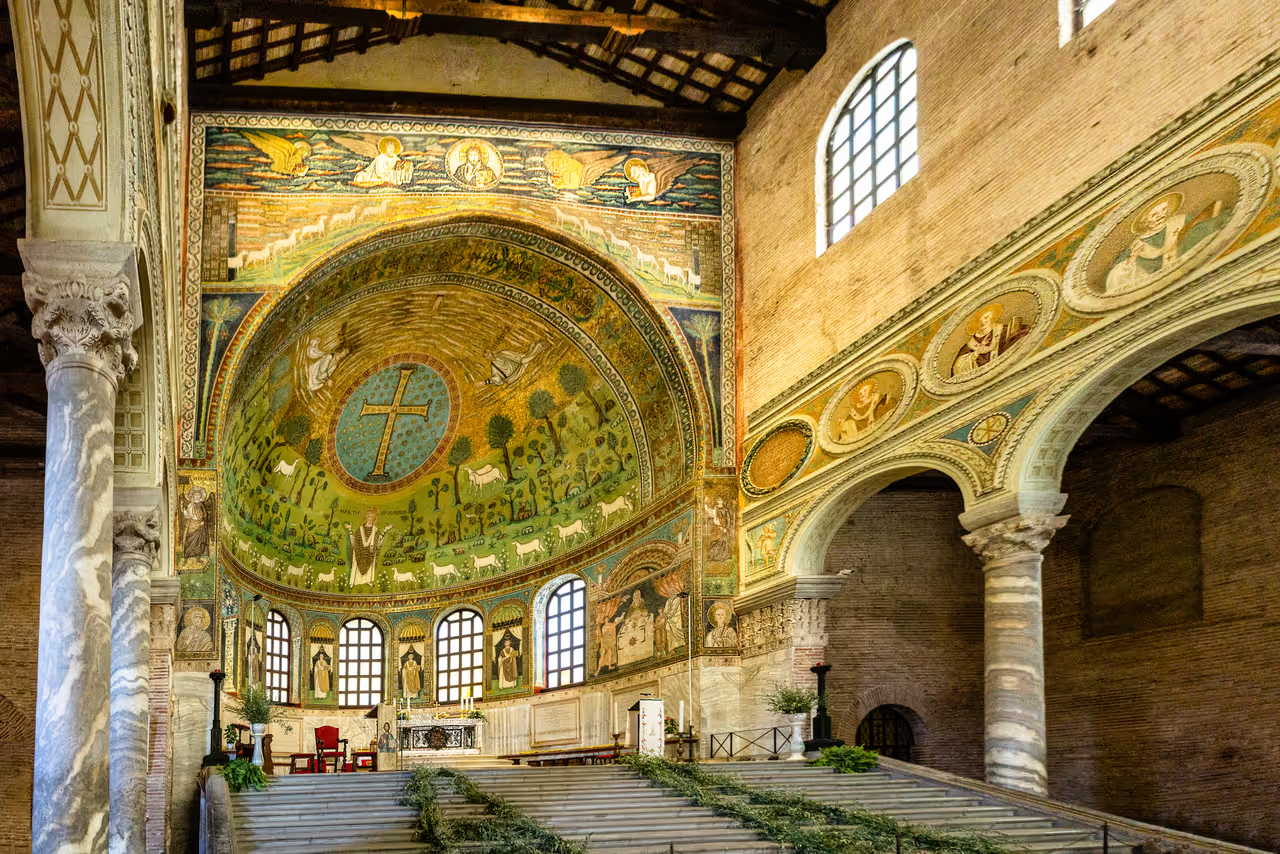
5 Days in Ravenna: The Complete Experience Itinerary
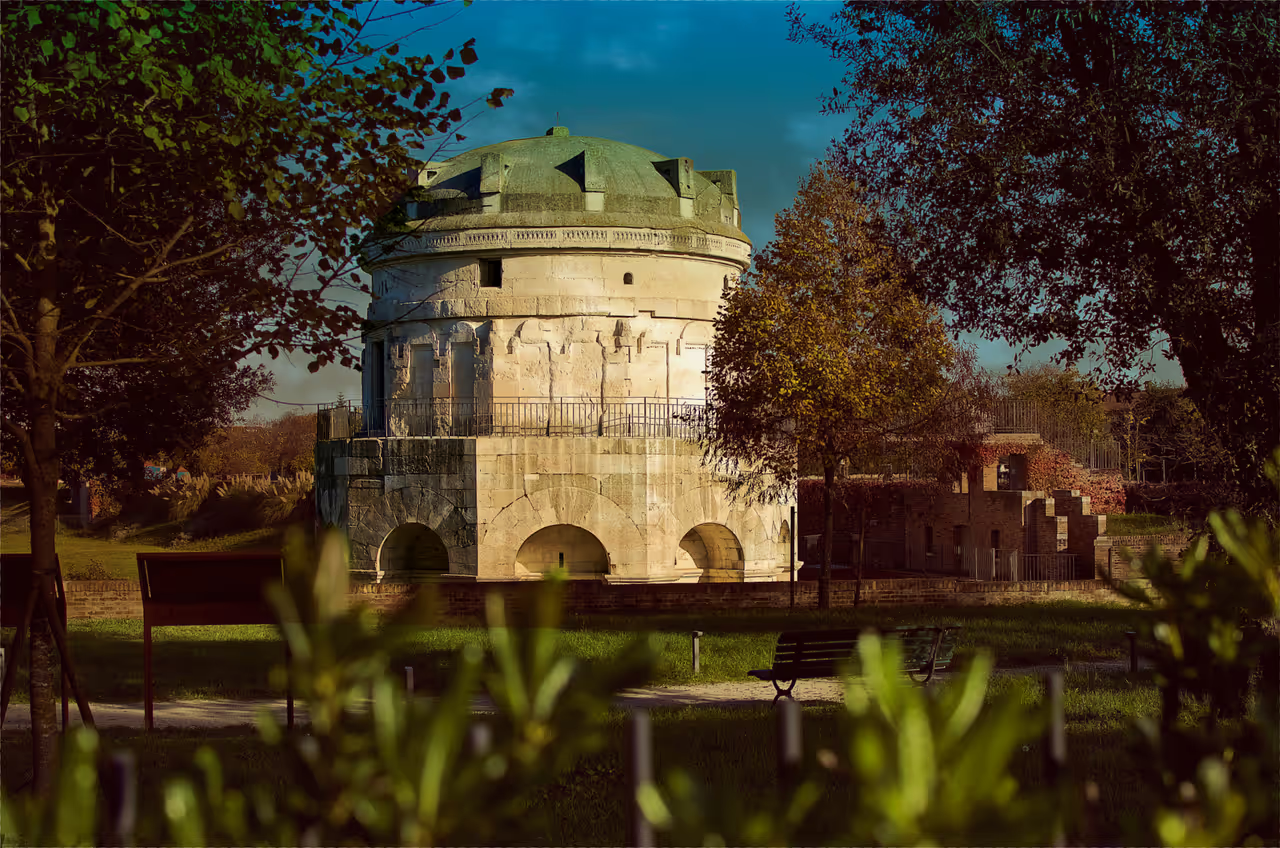
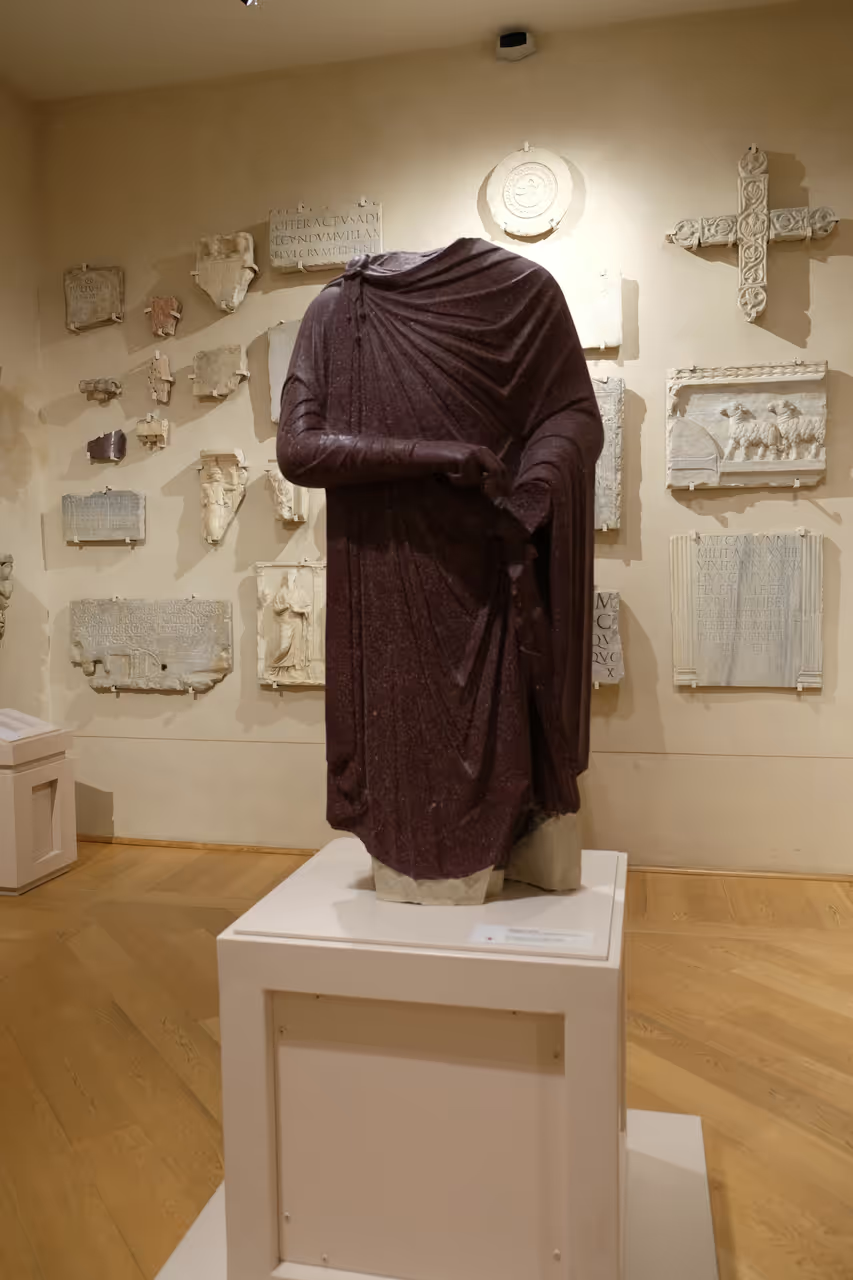
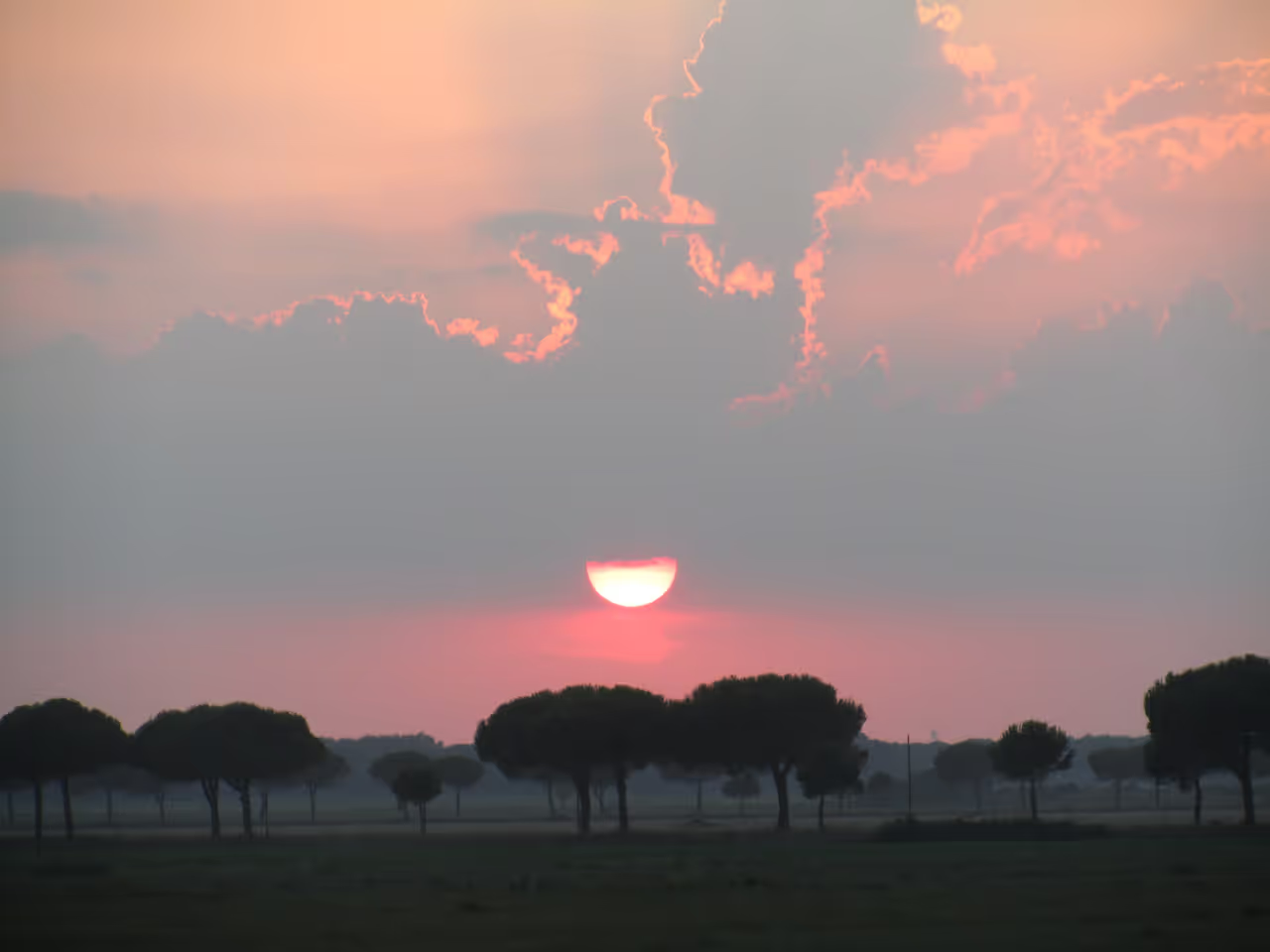
A five day stay transforms a cultural trip into a fully immersive holiday. You have the luxury to discover every single UNESCO monument, including the imposing Mausoleum of Theodoric, and explore the city's superb art museums. Crucially, it allows you to step outside the history books and experience the city's stunning natural surroundings, from the ancient pine forests to the lively Adriatic beaches. It is the ultimate way to appreciate both the ancient grandeur and the vibrant modern spirit of the area.
view itinerary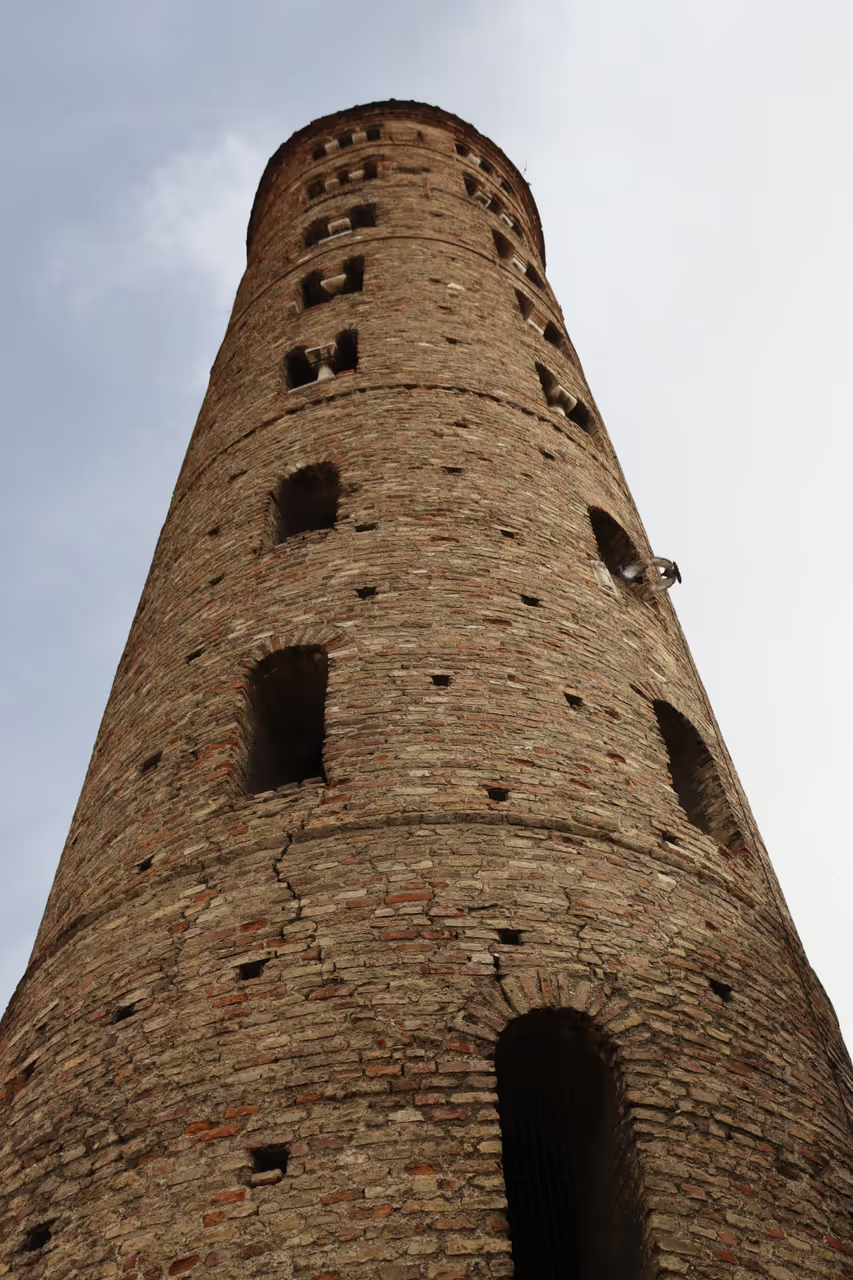
Golden Mosaics Trail
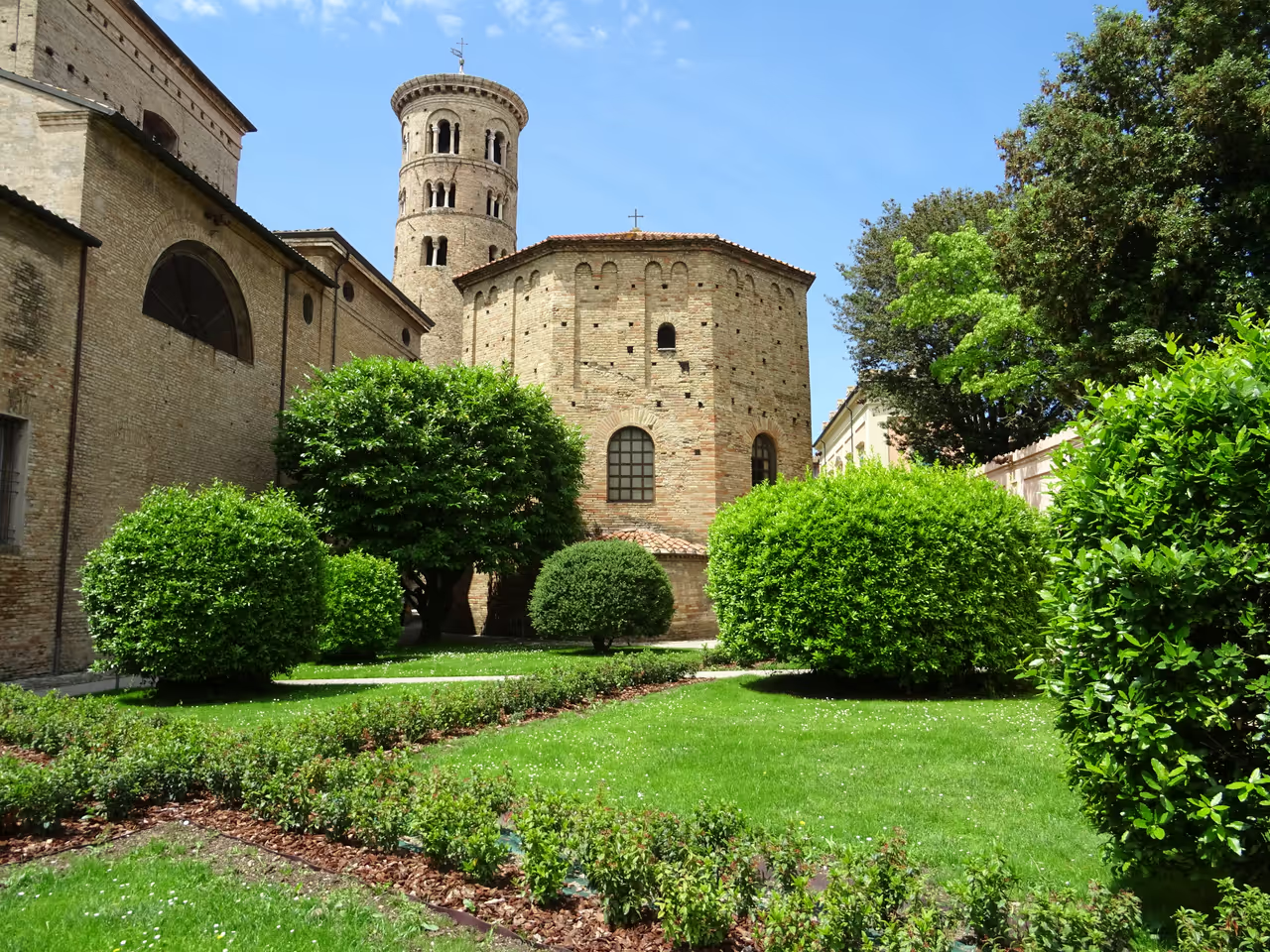
Embark on a visually staggering journey through the pinnacle of early Christian and Byzantine art. This tour connects the most breathtaking UNESCO World Heritage sites located within the historic centre. You will witness the evolution of mosaic artistry, moving from the rich, starry blues of the fifth century to the dazzling, imperial gold of the sixth century. It is a profound exploration of how light, glass, and faith were woven together to create eternal masterpieces.
view self-guided tour
See all unesco sites in Ravenna
Archiepiscopal Chapel, Basilica of Sant'Apollinare in Classe, Basilica of Sant'Apollinare Nuovo, Basilica of San Vitale, Mausoleum of Theodoric, Mosaics of the Neonian Baptistery, Arian Baptistry...