National Museum of Ravenna
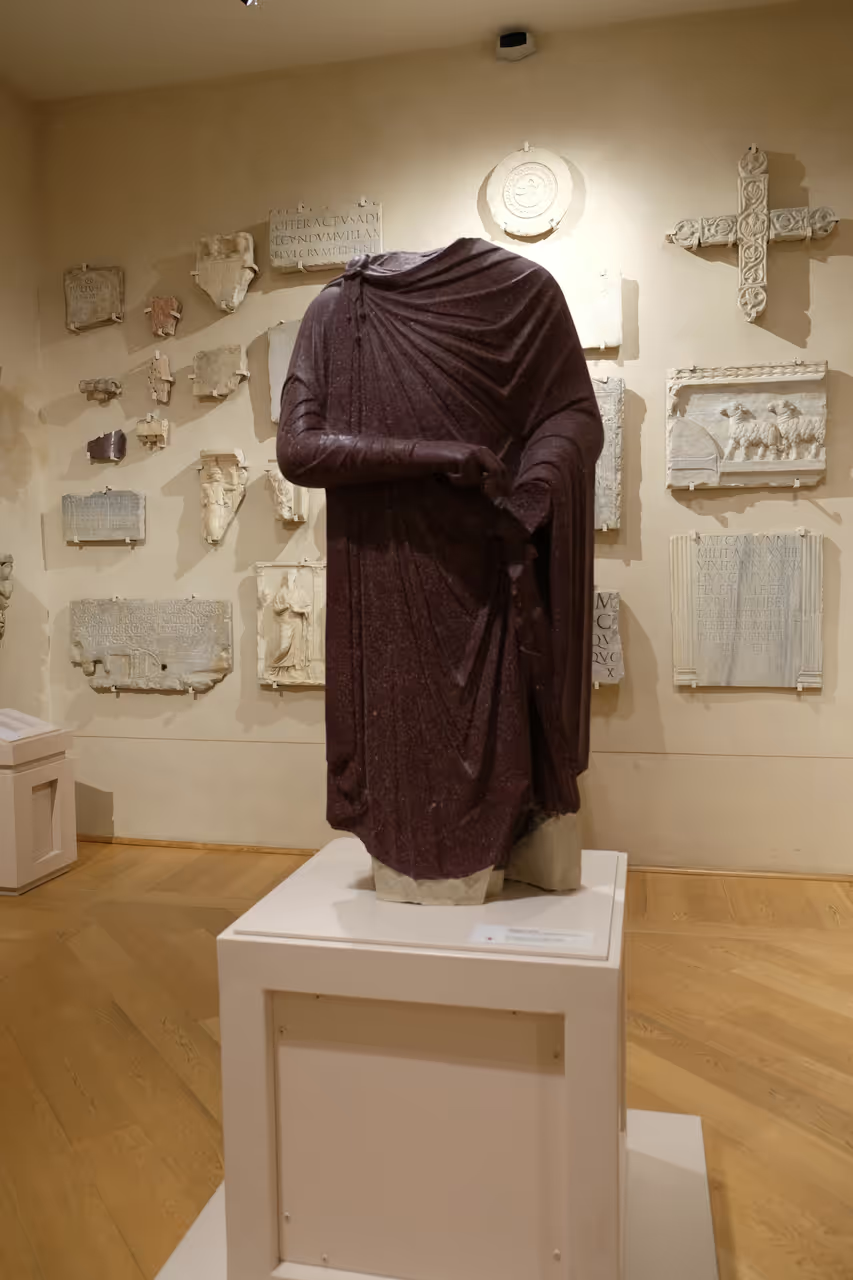
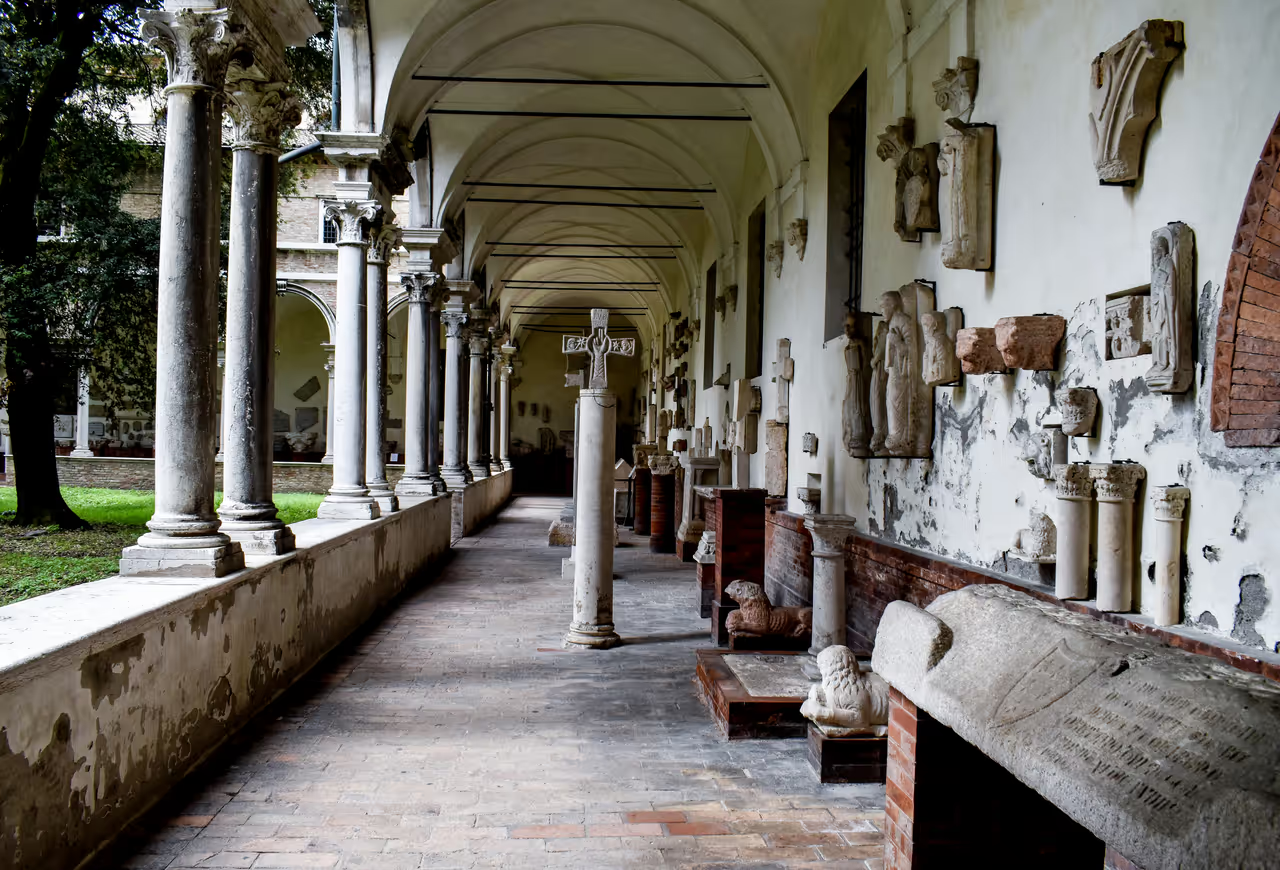
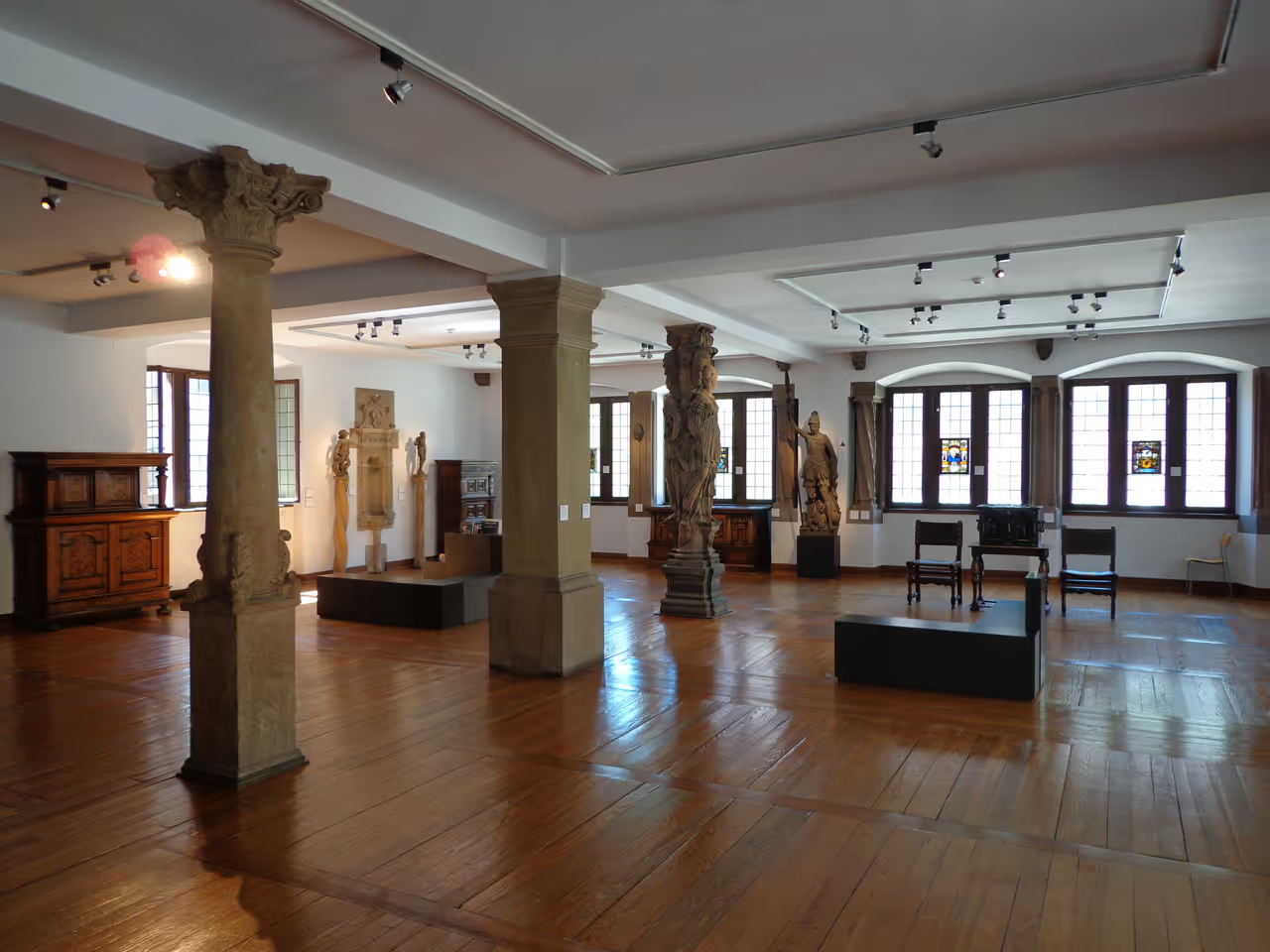
Tucked away in the serene cloisters of the former Benedictine monastery of San Vitale, the National Museum of Ravenna is a captivating portal into the city's complex history. It serves as a quiet companion to the world-renowned mosaic sites, inviting visitors to wander through a curated collection that ranges from delicate Roman era ivories to imposing medieval armour. The museum holds a unique charm, blending the peaceful atmosphere of its monastic home with a vast array of artefacts that whisper stories of the people who shaped Ravenna across the centuries. Whether you are intrigued by the intricate craft of Byzantine capitals or the everyday life captured on an ancient funerary stele, this place offers a profound connection to the past. It is a worthwhile destination for those who wish to see beyond the famous church walls and appreciate the artistic and cultural tapestry that defines this city.
Videos
History of National Museum of Ravenna
The story of the National Museum of Ravenna begins with the intellectual curiosity of the Camaldolese monks of Classe. Figures like Pietro Canneti spent their lives curating an eclectic assemblage of art, antiquity, and natural history that became the foundation for the collection. After the suppression of religious orders in the late 18th century, these treasures passed to the local municipality, which formally established the Museo Classense Municipale in 1804. This was a pivotal moment when the city began to recognise the immense value of its own buried history, actively gathering scattered archaeological finds from the surrounding countryside to preserve them for future generations. By the late 19th century, the museum entered a period of transformation and expansion. The sculptor Enrico Pazzi played a critical role in reorganising the collections, giving them a more coherent structure while they were housed in the church of San Romualdo. However, the true turning point occurred in 1913, when the institution found its permanent home within the historic cloisters of the Benedictine monastery of San Vitale. This transition was significant, as it married the city's archaeological treasures with one of its most evocative and spiritually resonant architectural settings. Today, the museum stands as a living record of Ravenna’s evolution, preserving everything from the skilled craftsmanship of early medieval ivory carvers to the defensive ingenuity of Renaissance armourers. By keeping these objects within the former abbey, the institution maintains a tangible sense of place that makes history feel immediate. It continues to connect modern visitors with the diverse peoples and eras that have called this city home, ensuring that the legacy of those early Camaldolese collectors lives on in a vibrant and accessible form.
Events spanning 120 years
Fun Facts
- • A 13th century bronze aquamanile shaped like a quadruped, which originated in northern Germany, demonstrates the far reaching influences on the museum's holdings.
- • Among the lapidary collection is the funerary stele of Publio Longidieno, which provides a rare and vivid look at a carpenter for the Roman fleet depicted holding his own tools.
- • The apotheosis of Augustus, a monumental fragment of an altar dating back to the mid 1st century, serves as a significant highlight of the sculptural collection.
- • The collection includes the famous Dittico di Murano, a 6th century ivory evangeliary cover created in Egypt that stands as a masterpiece of early Christian art.
- • The institution houses a beautifully decorated, large Faentine jug that depicts the adoration of the shepherds on the front and a scene of Hercules battling the Nemean lion on the back.
- • The museum holds a rare Ottoman leather canteen, showcasing the diverse international trade connections that once influenced the region.
- • The museum is housed within the ancient Benedictine monastery of San Vitale, allowing visitors to walk through historic cloisters while exploring the exhibits.
- • The museum preserves nearly two hundred Cretan Venetian panels, illustrating the fascinating artistic fusion between Eastern and Italian traditions from the 15th to the 17th centuries.
RESOURCES
Official WebsiteNational Museum of Ravenna FAQ
While we strive to keep this information accurate and up to date, we recommend verifying any details independently before making decisions based on them.
National Museum of Ravenna Map & Neighborhood Explorer
This interactive map is centered on National Museum of Ravenna. Zoom in and move the map around to automatically discover Wikipedia photos and summaries of other nearby sights, monuments, and historical points of interest and stories in real-time!
Places near National Museum of Ravenna
Make the most of your trip. Check out these top-rated spots located nearby.
 63m
63mBasilica of San Vitale
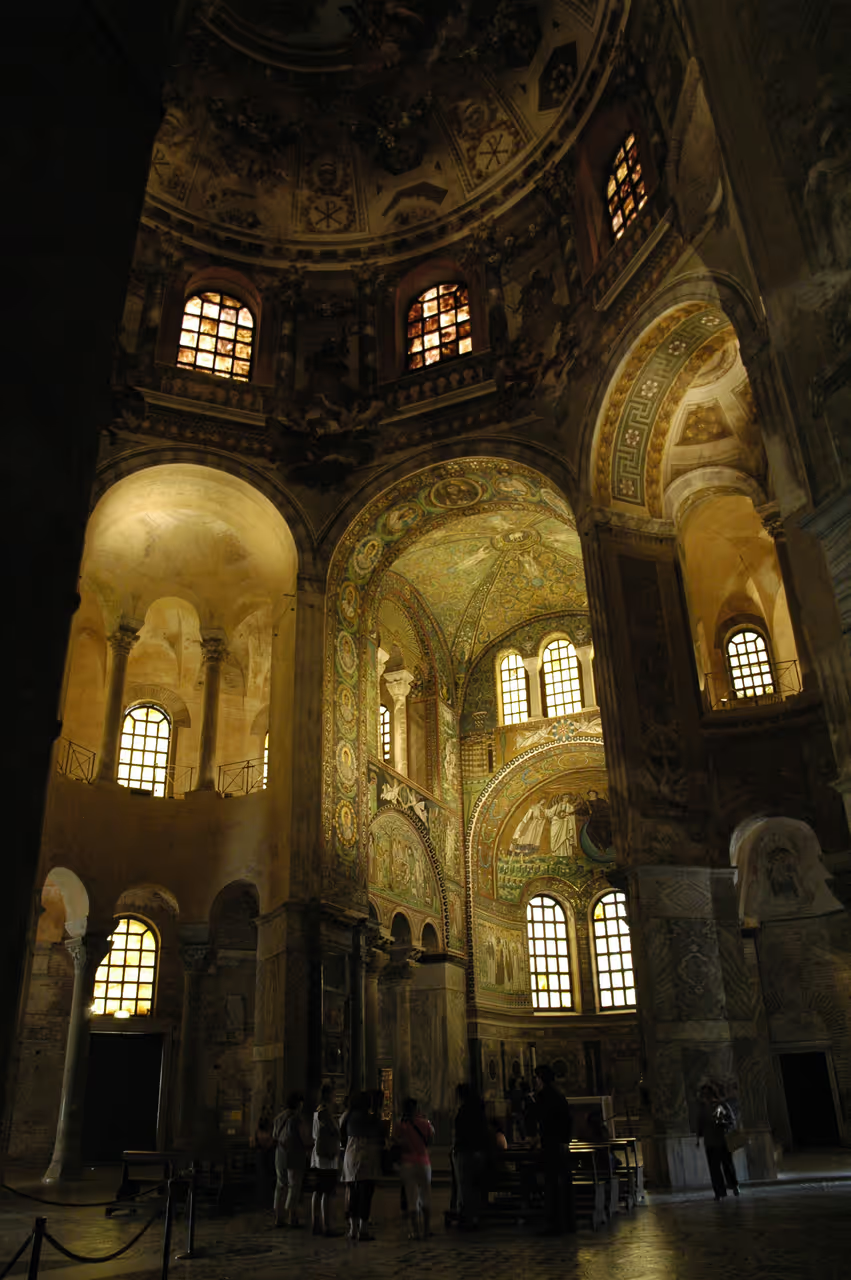
Stepping inside the Basilica of San Vitale is like walking into a jewellery box of the Byzantine world. This UNESCO World Heritage site is home to the most significant and well preserved collection of Byzantine mosaics outside of Constantinople, offering a mesmerising display of colour and light. Visitors can marvel at the intricate depictions of Emperor Justinian and Empress Theodora, which shimmer with golden tesserae and tell stories of imperial power and divine devotion. Beyond the art, the octagonal architecture stands as a masterpiece of late antique engineering that breaks away from traditional designs to evoke the heavens. It is an essential stop for anyone wanting to witness the sheer grandeur and artistic soul of Ravenna's ancient history.
unesco heritage site view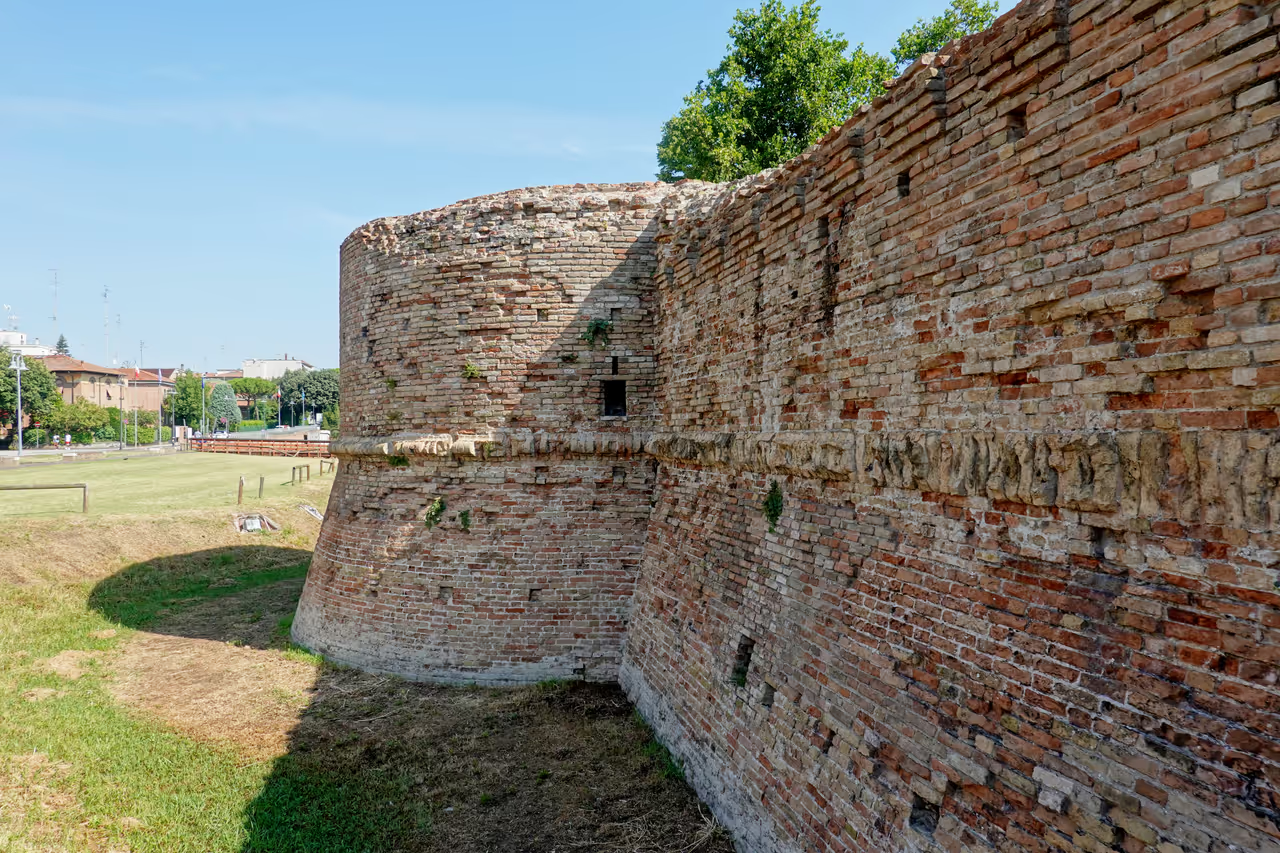 79m
79mAncient City Walls
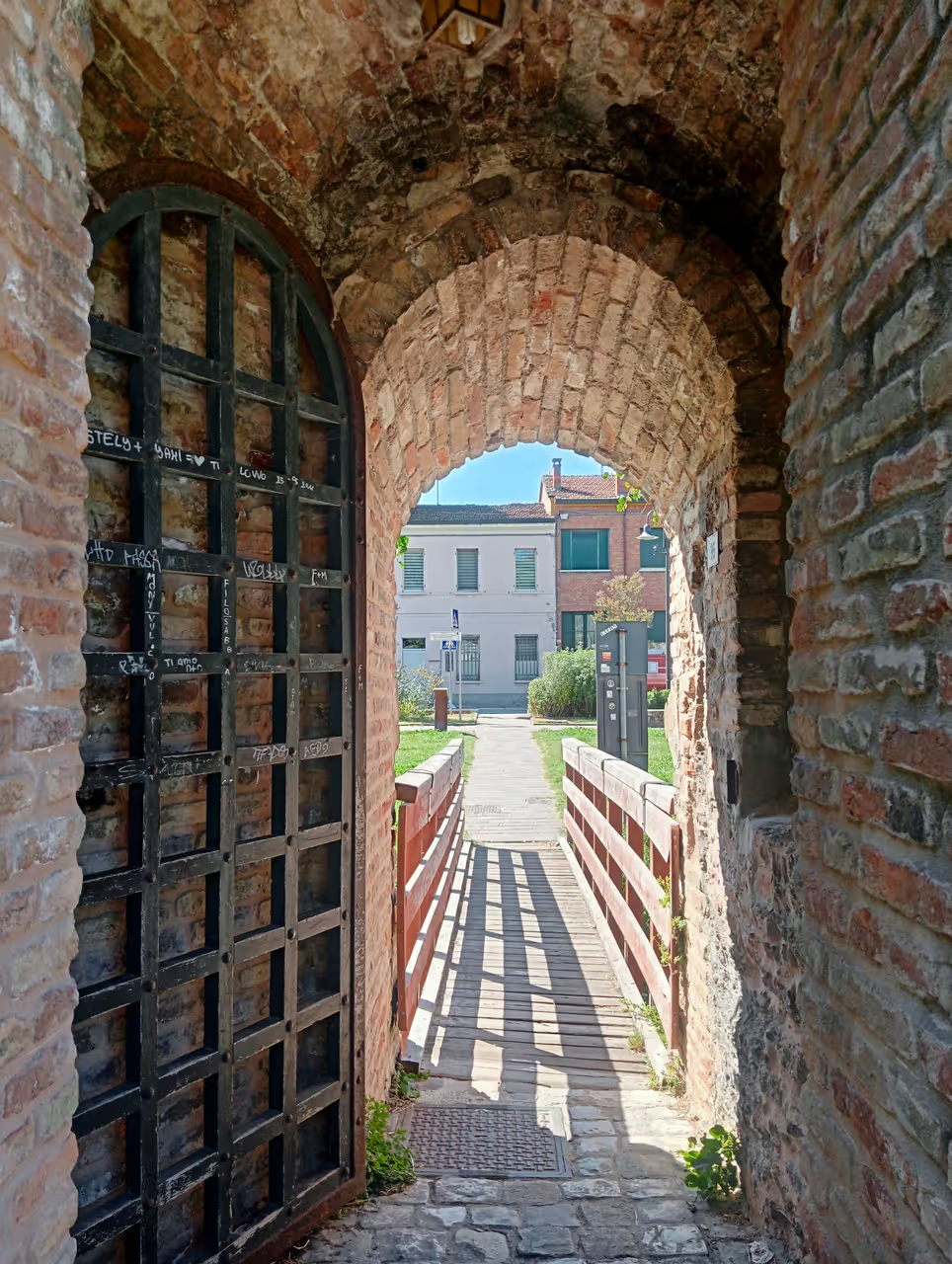
While the dazzling mosaics command all the attention, the massive, weathered brick walls encircling the historic centre hold a quiet, immense power. Tracing these ancient fortifications reveals monumental gates built across vastly different eras, from Roman arches to Venetian strongholds. Walking alongside the less manicured stretches, you can physically touch the layers of empires that rose and fell here. It offers a gritty, deeply authentic perspective on the city's military past away from the polished tourist trails.
hidden gem view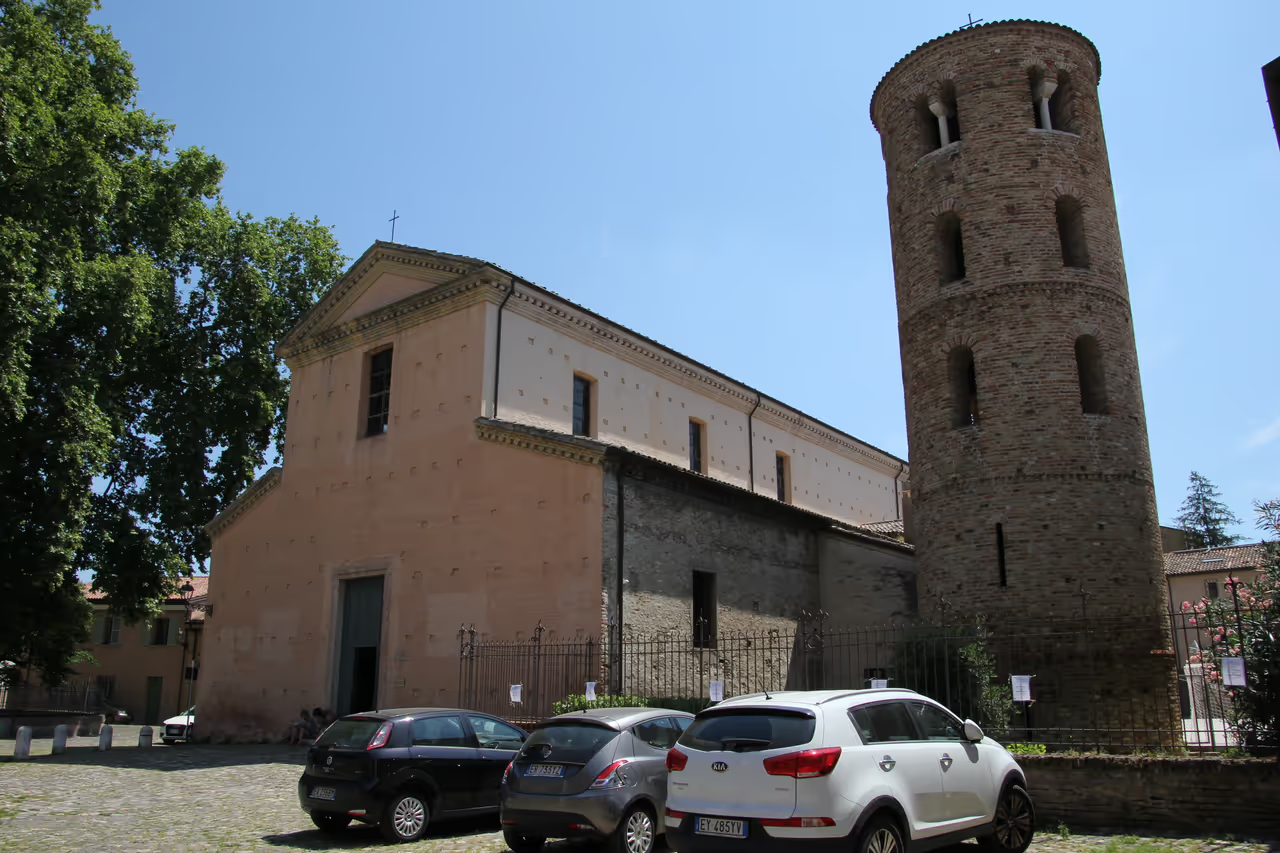 92m
92mChurch of Santa Maria Maggiore
A compelling example of a church that has continually evolved alongside the city itself. Founded in the sixth century, it underwent a profound transformation during the Baroque period, acquiring a richly decorated interior and facade. Despite the heavy alterations, the underlying structure whispers of its ancient past. It stands as a brilliant architectural palimpsest located just steps away from the famous Basilica of San Vitale.
architecture view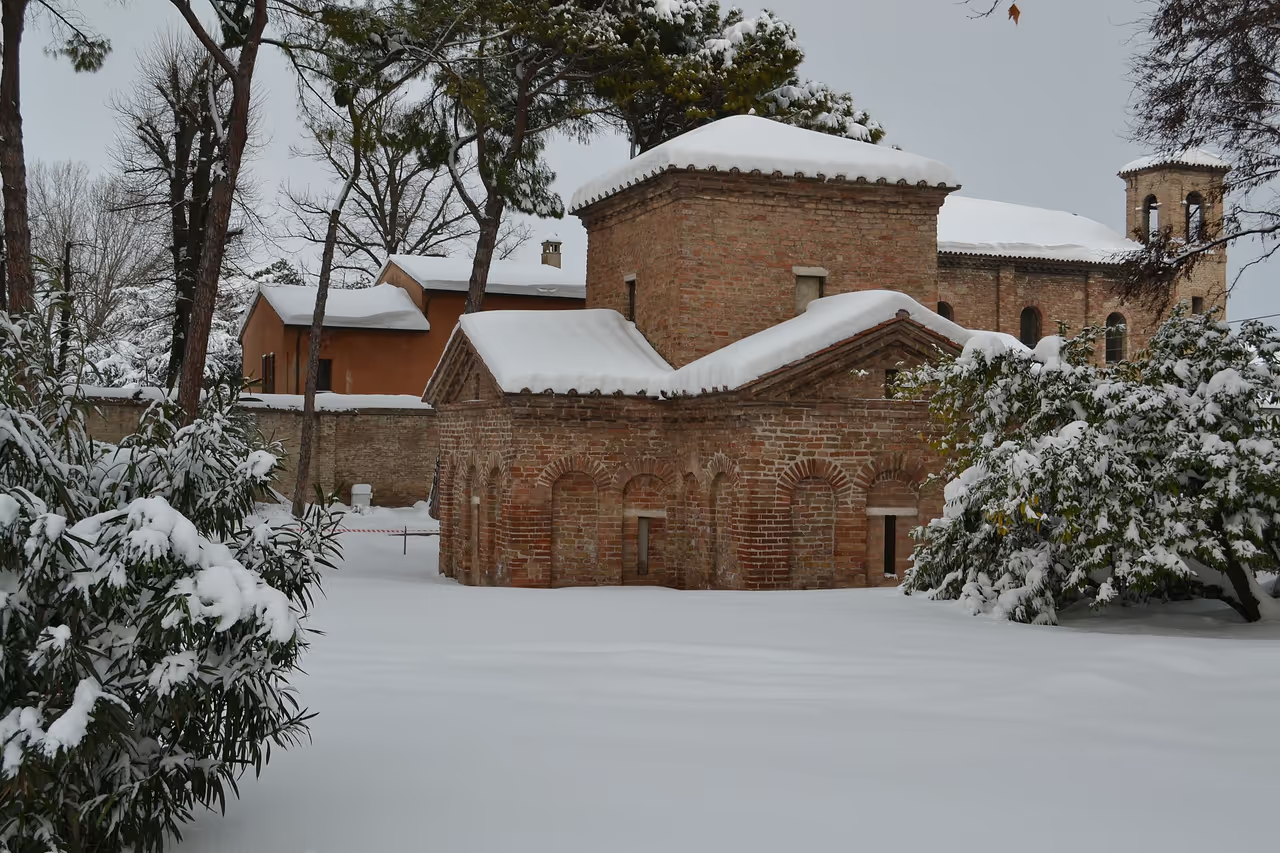 140m
140mMausoleum of Galla Placidia
Tucked away in the heart of Ravenna, the Mausoleum of Galla Placidia might look like a modest brick building from the outside, but it hides one of the most breathtaking interior experiences in the world. As you step inside, the humble facade gives way to a shimmering, celestial display of 5th century mosaics that seem to glow with an inner light. This UNESCO World Heritage site is a rare, perfectly preserved window into the early Christian era, feeling less like a tomb and more like a portal to a bygone, mystical world. Whether you are an art enthusiast, a history lover, or simply looking for a moment of quiet awe, the intricate details and deep blues of the ceiling are sure to leave you spellbound. It is a vital stop for anyone wanting to understand the artistic transition from the Roman Empire to the Christian world.
unesco heritage site view
Explore Similar Places in These Collections
Featured on This Itinerary
See all attractions in Ravenna
Archiepiscopal Museum, Tomb of Dante Alighieri, Basilica of Saint Francis, House of the Stone Carpets...