Ravenna Public Gardens
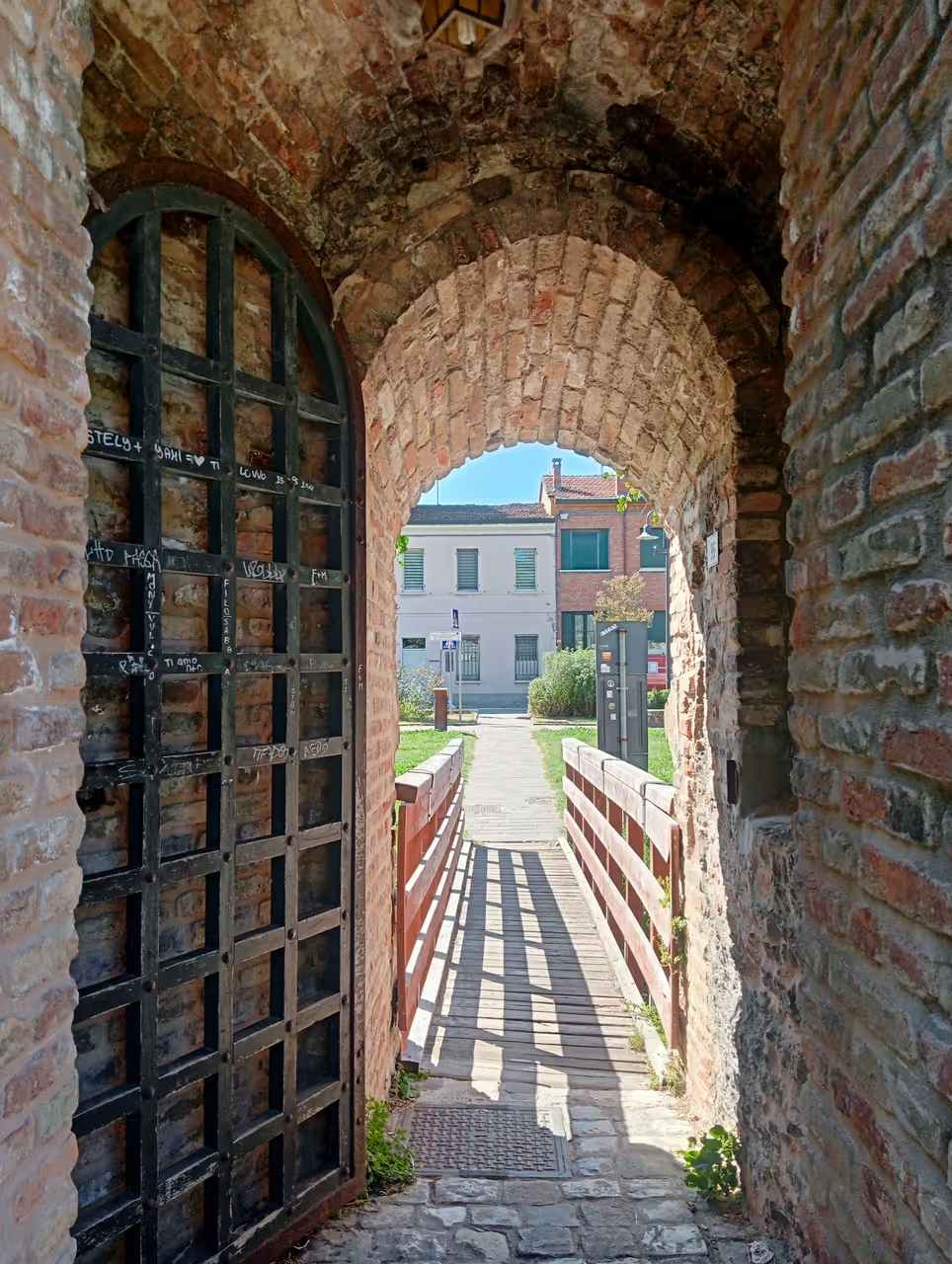
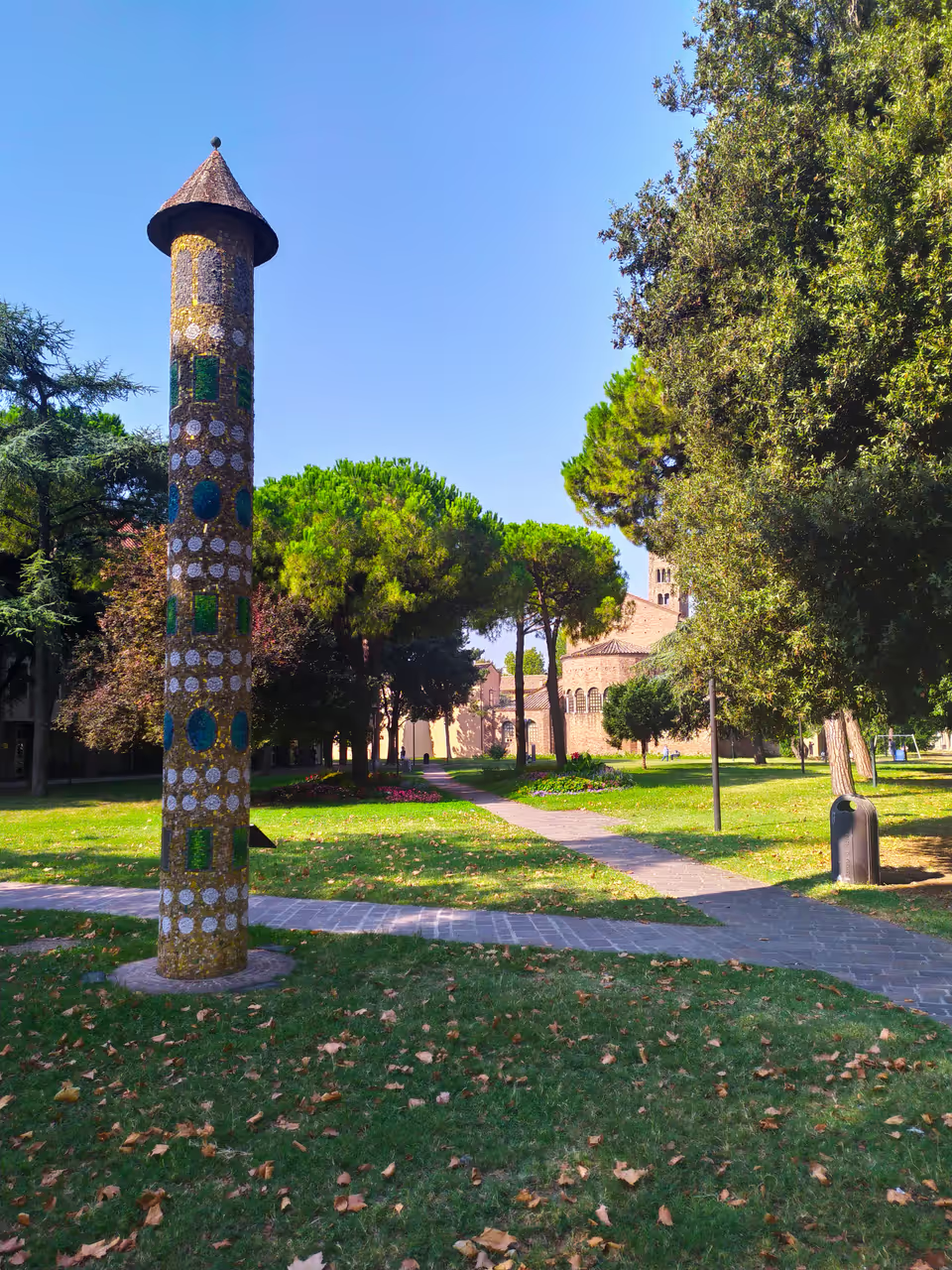
The Ravenna Public Gardens offer a refreshing green sanctuary located in the south-eastern corner of the city centre. Established in the early 1930s, this park was the first of its kind in Ravenna, providing a formal urban escape for residents and visitors alike. You can wander through paths designed in the elegant Italian garden style, enclosed by intricate wrought iron fencing. The space features a magnificent central stone fountain and a charming bar chalet where locals enjoy coffee in the shade. It also houses the city planetarium, making it a brilliant spot for both nature lovers and stargazers. Its location directly behind the Art Museum of the City of Ravenna makes it a perfect place to relax after a morning of cultural exploration.
Videos
History of Ravenna Public Gardens
The creation of the Ravenna Public Gardens in the 1930s marked a significant shift in the city's urban identity. Before this period, the area was dominated by the dust and excitement of the city hippodrome and velodrome. As Ravenna sought to modernise and provide its citizens with sophisticated leisure spaces, it turned to the acclaimed architect Giulio Ulisse Arata. He moved away from the chaotic energy of the racing tracks, instead envisioning a disciplined, elegant retreat that reflected the classical heritage of Italy through the lens of modern design. Arata’s influence is visible in every corner of the park, from the precisely aligned pathways to the monumental stone fountain that sits at its heart. This was not merely about planting trees; it was about creating a 'green architecture' that complemented the nearby Basilica of Santa Maria in Porto. The park became the city's first true urban garden, a place where the local community could stroll amongst symmetry and curated nature, a stark contrast to the medieval density of the city's older quarters. Over the decades, the gardens have evolved to meet the needs of the modern age while retaining their historical character. The addition of the planetarium in the mid-1980s introduced a scientific dimension to this sanctuary, making it a place where history, nature, and the cosmos meet. Today, the legacy of Arata’s vision continues to provide a vital breathing space for Ravenna, acting as a quiet bridge between the city’s ancient Byzantine treasures and the vibrant life of its contemporary residents.
Events spanning 55 years
Fun Facts
- • Architect Giulio Ulisse Arata, who designed the park, was also responsible for several other significant Rationalist buildings throughout Italy.
- • Because of its proximity to the MAR (Ravenna Art Museum), the gardens frequently serve as an outdoor extension for cultural events and gatherings.
- • The Bar Chalet within the park has remained a popular social hub for generations of Ravenna families.
- • The Ravenna Planetarium located here is one of the most active astronomical education centres in the Romagna region.
- • The central fountain was meticulously sketched by Arata himself to ensure it matched the architectural aesthetic of the surrounding park.
- • The gardens serve as a scenic transition between the city streets and the historic Basilica of Santa Maria in Porto.
- • The gardens were constructed on the site of the former city hippodrome and velodrome, replacing horse racing tracks with manicured lawns.
- • The park covers an area of approximately 35,500 square metres, making it a substantial green lung for the urban centre.
- • The park follows the strict geometric principles of a 'Giardino all'italiana', characterised by symmetry and order.
- • The wrought iron gate surrounding the park is a celebrated example of 1930s craftsmanship and metalwork.
RESOURCES
Official WebsiteRavenna Public Gardens FAQ
While we strive to keep this information accurate and up to date, we recommend verifying any details independently before making decisions based on them.
Ravenna Public Gardens Map & Neighborhood Explorer
This interactive map is centered on Ravenna Public Gardens. Zoom in and move the map around to automatically discover Wikipedia photos and summaries of other nearby sights, monuments, and historical points of interest and stories in real-time!
Places near Ravenna Public Gardens
Make the most of your trip. Check out these top-rated spots located nearby.
 145m
145mCity Art Museum
Housed in a monumental sixteenth century monastery, this museum brilliantly connects the city's ancient heritage with modern expression. It features a fascinating collection spanning from the fourteenth century to contemporary art. The absolute highlight is the permanent exhibition of modern mosaics, showcasing pieces commissioned from famous twentieth century artists. It provides a striking, colourful contrast to the Byzantine works found elsewhere.
highlight view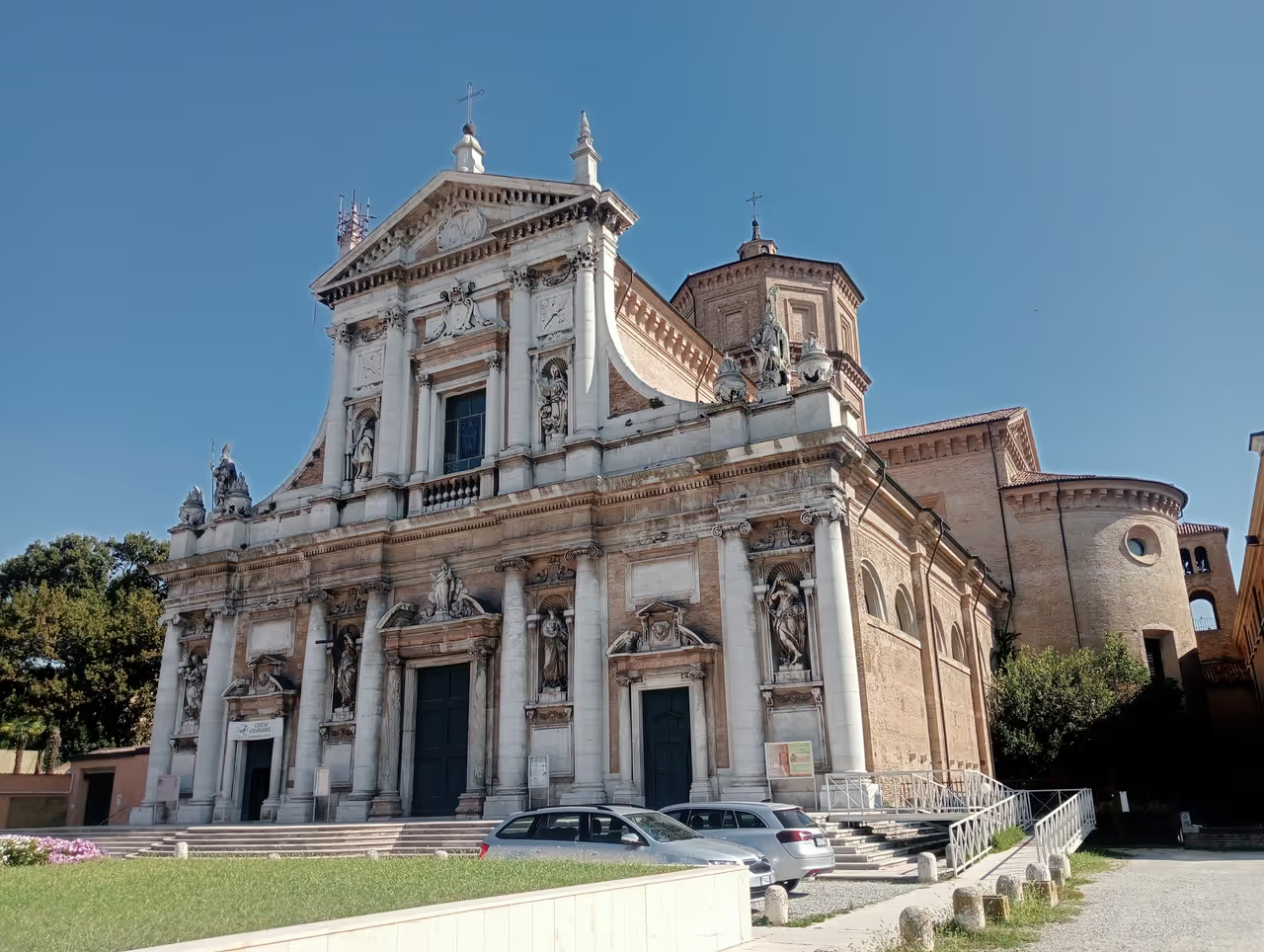 218m
218mBasilica of Saint Mary in Porto
This is an exceptionally grandiose and theatrical piece of architecture standing proudly in the city. Constructed between the sixteenth and eighteenth centuries, it is an absolute masterpiece of the late Baroque style. The towering, heavily ornamented facade dominates the surrounding streets, while the vast, luminous interior inspires awe. It houses the venerated Greek marble relief of the Greek Madonna, adding profound spiritual weight to the stunning design.
architecture view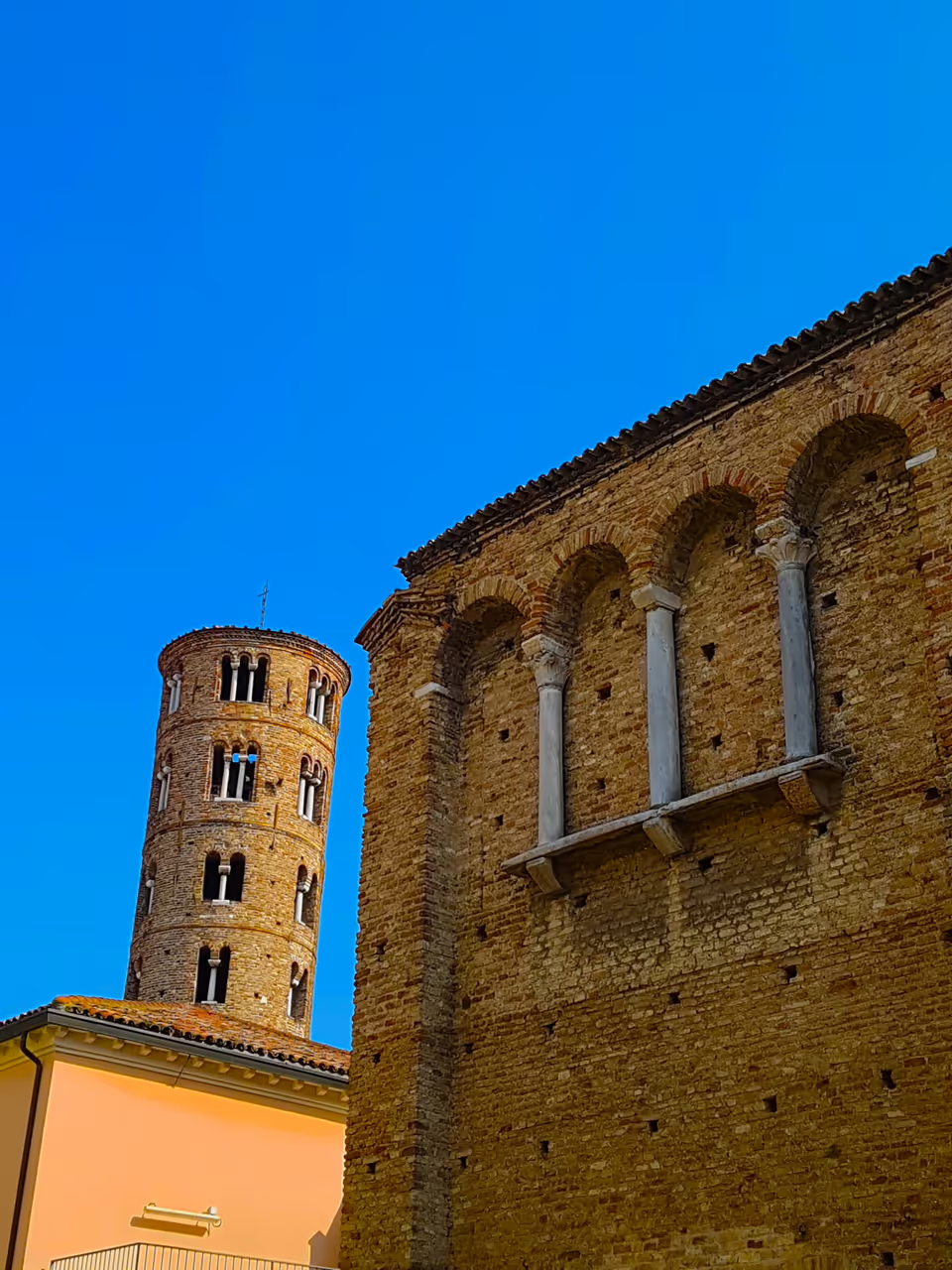 413m
413mPalace of Theodoric
Standing as a hauntingly beautiful fragment of late antiquity, these striking brick ruins were long thought to be the royal residence of the Ostrogothic king. It is now understood to be the remains of an eighth century guardhouse or narthex to a lost church. Regardless of its exact origin, the structure features elegant blind arches and a grand portal that exude an undeniable imperial aura. It preserves the rare architectural forms of the Dark Ages in spectacular fashion.
architecture view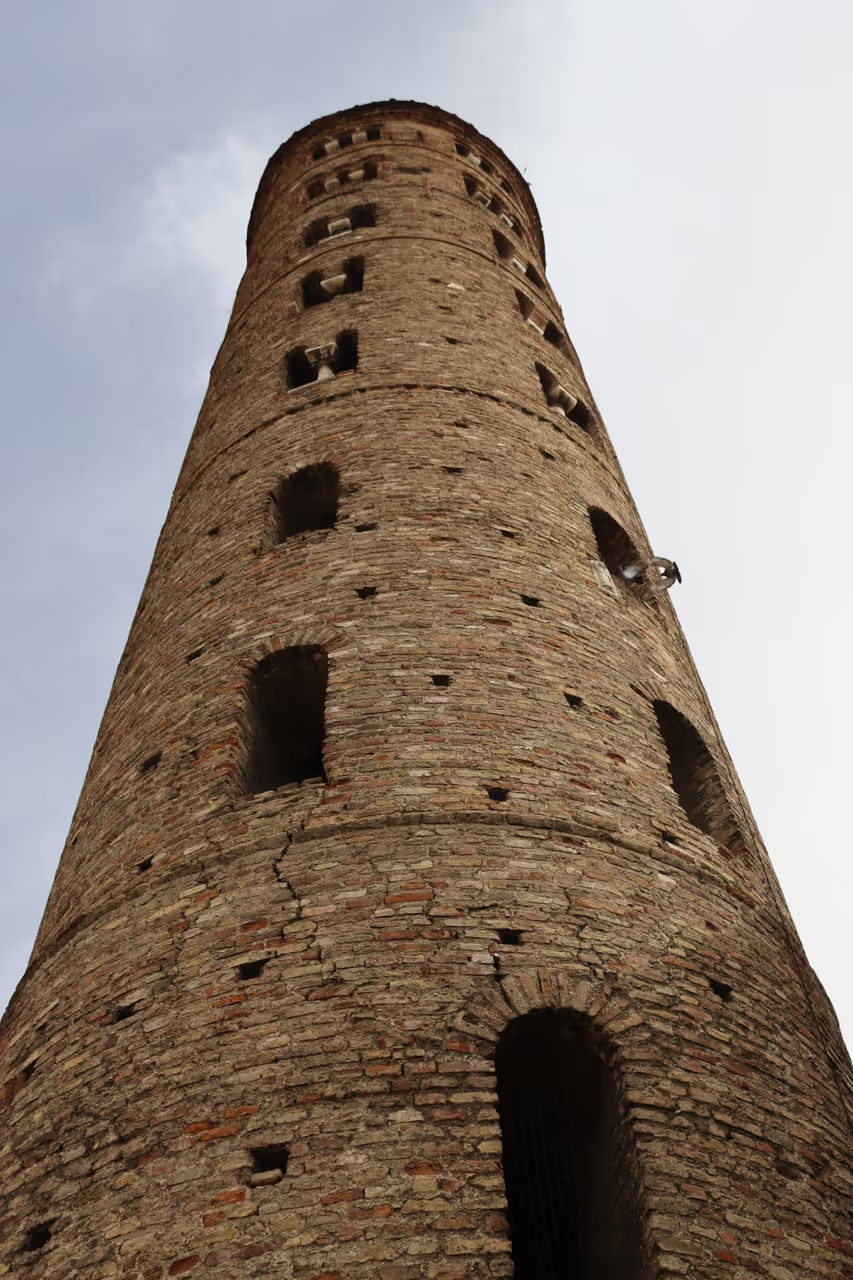 487m
487mBasilica of Sant'Apollinare Nuovo
This UNESCO World Heritage site is a breathtaking testament to Ravenna's golden age. Step inside to witness some of the world's finest late antique mosaics, which line the upper walls with stunning detail and vibrant colours. Built originally as the palace church for the Ostrogoth King Theodoric, the basilica underwent significant changes to align with later religious shifts, creating a unique historical tapestry. Its simple brick exterior hides an interior of unmatched artistic splendour that has captivated visitors for over a millennium. Spending time here allows you to immerse yourself in the transition between cultures, where every wall tells a story of faith and power. It is an essential stop for anyone wanting to feel the true artistic heart of Ravenna.
unesco heritage site view
See all nature & parks in Ravenna
Classe Pine Forest, Rocca Brancaleone...