Rocca Brancaleone
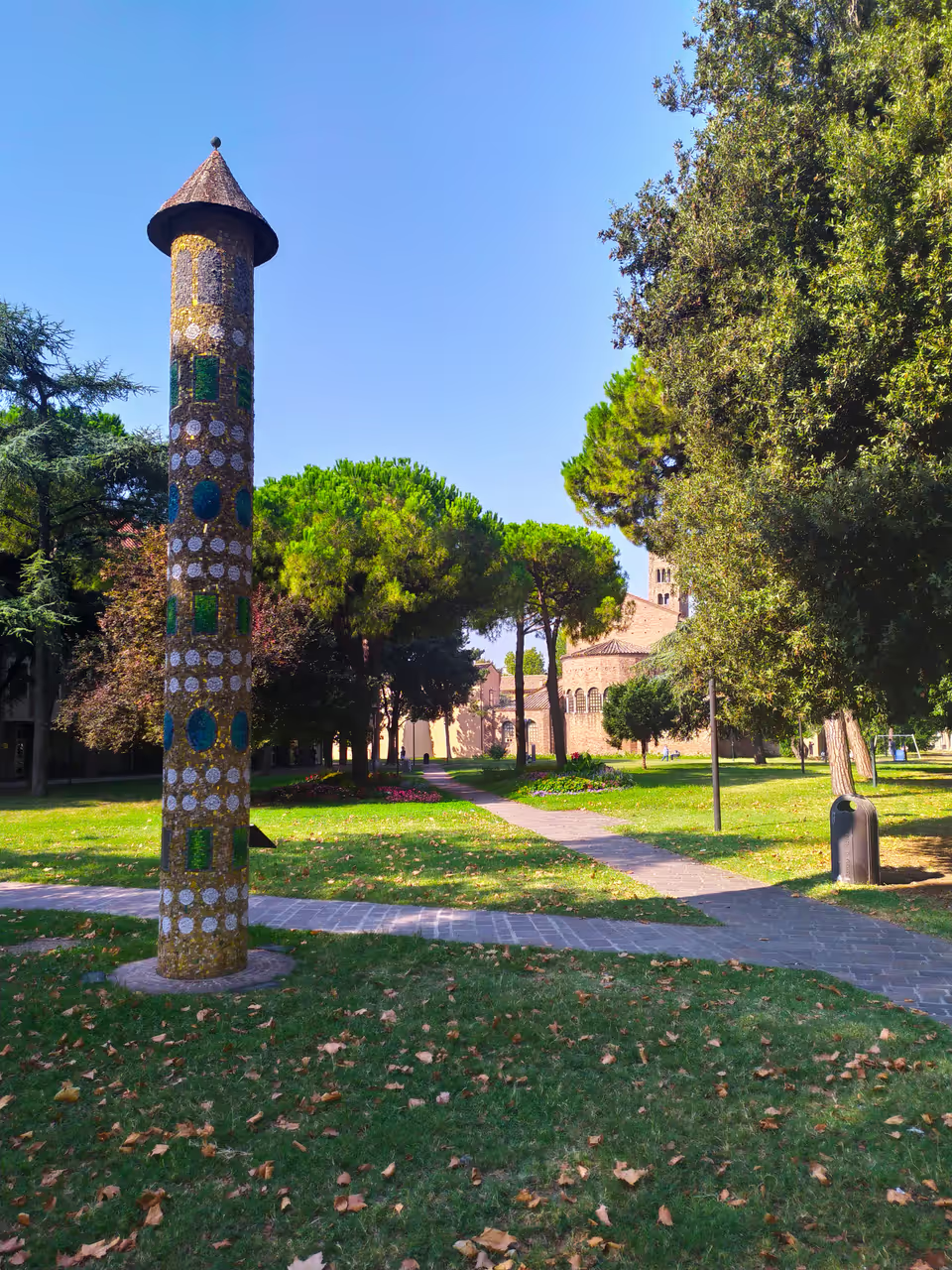
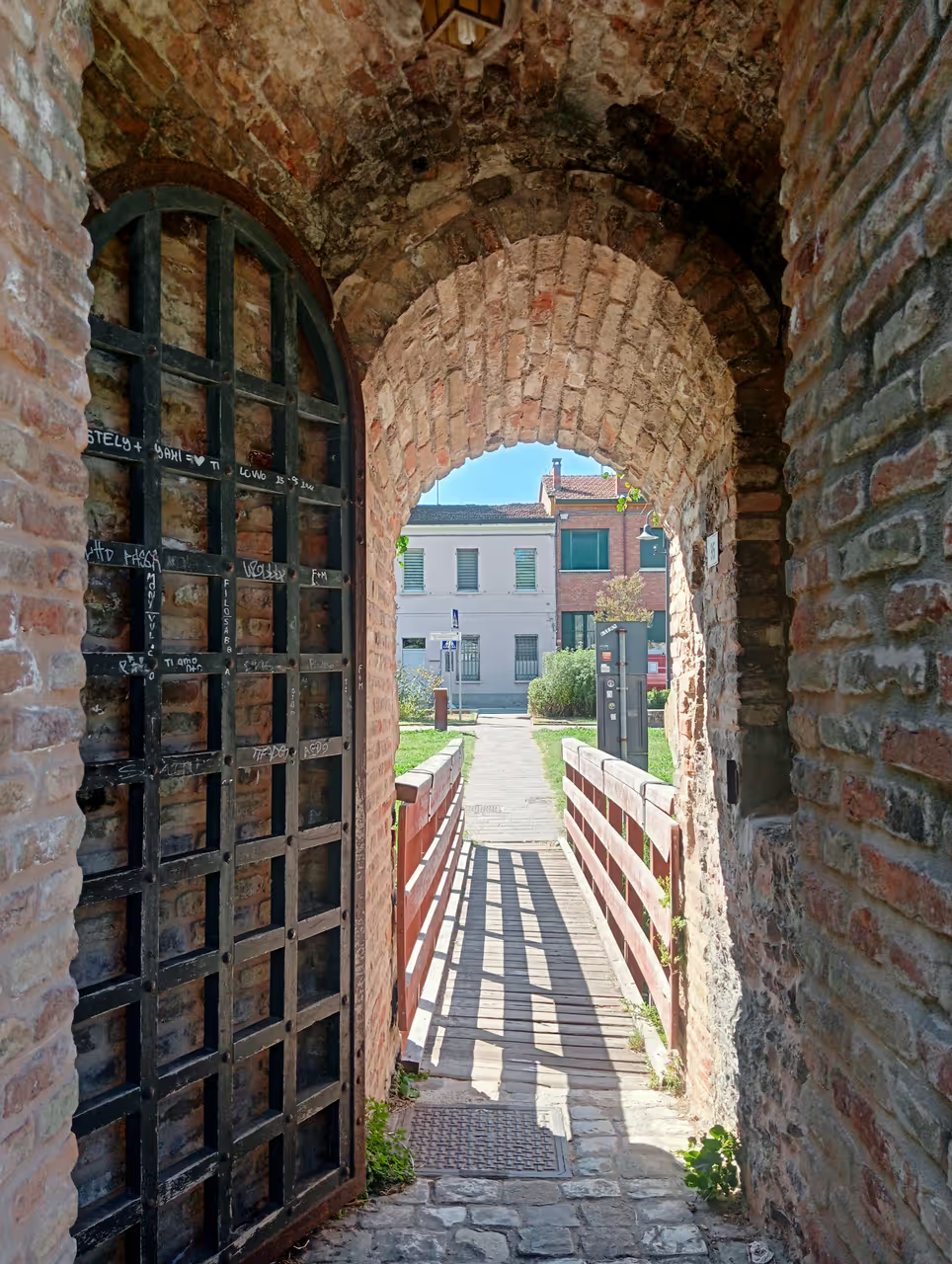
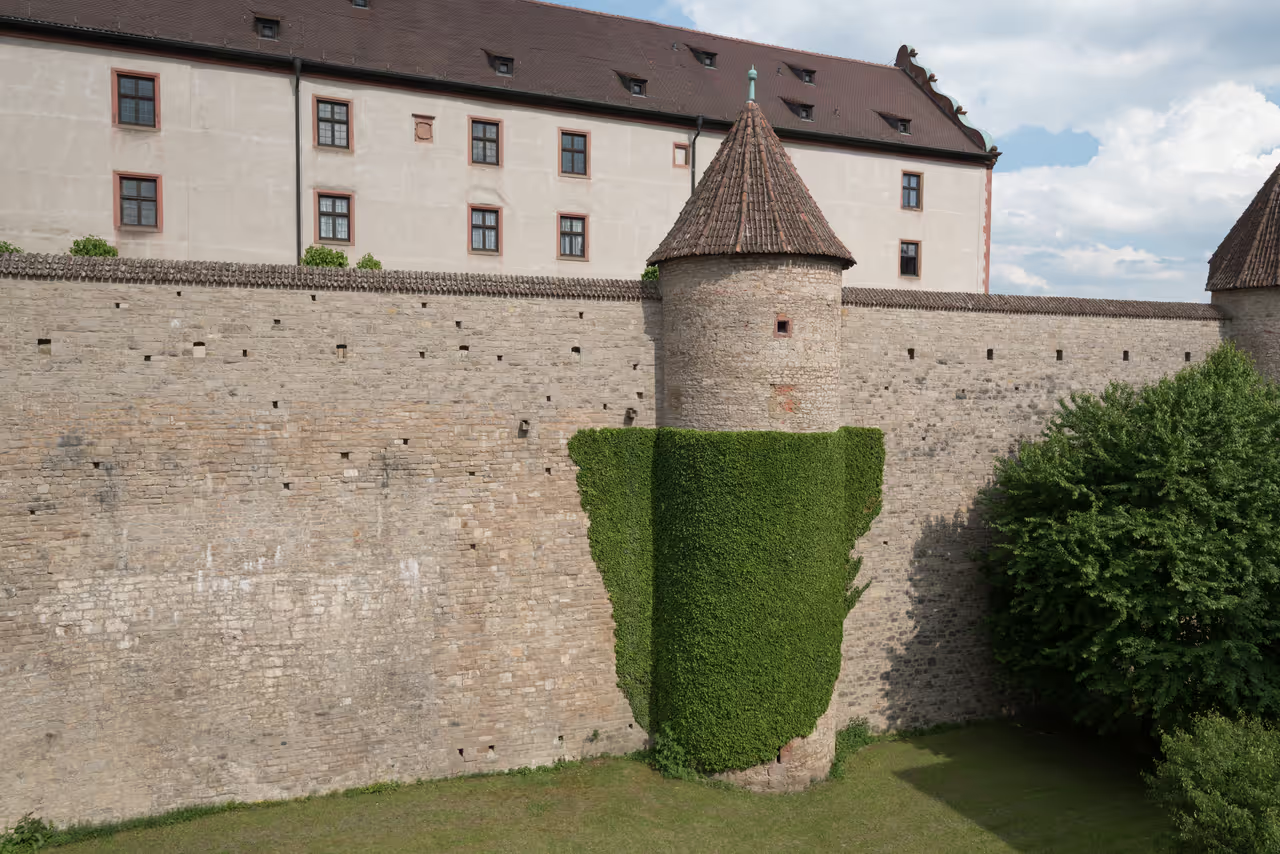
Once a formidable military stronghold built by the Venetians, Rocca Brancaleone has gracefully transformed into a peaceful, leafy sanctuary in the heart of Ravenna. Visitors are invited to stroll through its historic grounds, where the imposing walls of the original fifteenth century fortress now frame a lush park perfect for quiet relaxation or a leisurely walk. The site is a rare gem, serving as both a historical monument and a vibrant cultural venue that plays host to outdoor cinemas and the world renowned Ravenna Festival during the warmer months. Whether you are exploring the ancient towers or attending a world class concert under the stars, the atmosphere here is truly magical. It stands as a testament to how even the most militaristic structures can evolve into spaces that foster community and artistic expression.
Videos
History of Rocca Brancaleone
Commissioned by the Venetian Republic between 1457 and 1470, Rocca Brancaleone was intended to be more than a simple defensive perimeter. The Venetians required a stronghold that could project power over a potentially rebellious local population while simultaneously guarding the city against external threats. To expedite the project, builders repurposed stone and brick from demolished churches and palaces, weaving the city's past into the very fabric of its new military bastion. It was a projection of strength that dominated the skyline and dictated the local pace of life for decades. As the political landscape of Italy shifted, the fortress weathered significant military trials, including sieges during the early sixteenth century. However, as the Papal States solidified their control and the nature of warfare evolved, the fortress slowly lost its strategic utility. Over the following centuries, the site saw a gradual decline, falling into a state of neglect and repurposing. Its walls, once a symbol of Venetian dominance, were eventually stripped of their military function, and the grounds were even turned into simple kitchen gardens, a far cry from their original, militant purpose. In the late twentieth century, the site underwent a remarkable transformation. Recognizing its potential as a civic asset, the Municipality of Ravenna purchased the property and initiated an extensive restoration project. The aim was to preserve the historic masonry while repurposing the interior as a public space for the community. Today, the Rocca stands as a vibrant cultural landmark, having successfully transitioned from a symbol of occupation to a cherished venue for world class music, theatre, and community gatherings.
Events spanning 533 years
Fun Facts
- • During the nineteenth century, the interior of the fortress was privately owned by the Rava family and used primarily as a vegetable garden.
- • Extensive restoration projects in the late twentieth century aimed to balance the preservation of the fortress walls with the modern needs of a public park.
- • Historians still debate the origin of the name Brancaleone, with theories ranging from a Venetian family surname to a symbolic connection between the words for claw and lion.
- • The fortress holds a rich history of architectural shifts, having been surveyed by Renaissance masters like Antonio da Sangallo the Younger.
- • The fortress was constructed using recycled materials taken from older local landmarks, including the Church of Sant'Andrea dei Goti.
- • The fortress was historically positioned right against the Montone River, though the river's course has since been diverted.
- • The site features a surprisingly diverse botanical collection, including exotic species such as the Ginkgo biloba and Himalayan cedar.
- • The site has hosted world class performances by international stars such as Montserrat Caballé and José Carreras.
- • The structure is divided into two distinct areas, originally separating the living quarters of the castellan from the barracks of the garrison troops.
- • Two intricate bas reliefs sit above the entrance to the chapel tower, one showcasing the classic Venetian winged lion.
- • Venetian authorities designed the structure to serve a dual purpose: protecting the city from invaders and deterring potential internal rebellions.
Rocca Brancaleone FAQ
While we strive to keep this information accurate and up to date, we recommend verifying any details independently before making decisions based on them.
Rocca Brancaleone Map & Neighborhood Explorer
This interactive map is centered on Rocca Brancaleone. Zoom in and move the map around to automatically discover Wikipedia photos and summaries of other nearby sights, monuments, and historical points of interest and stories in real-time!
Places near Rocca Brancaleone
Make the most of your trip. Check out these top-rated spots located nearby.
 399m
399mMausoleum of Theodoric
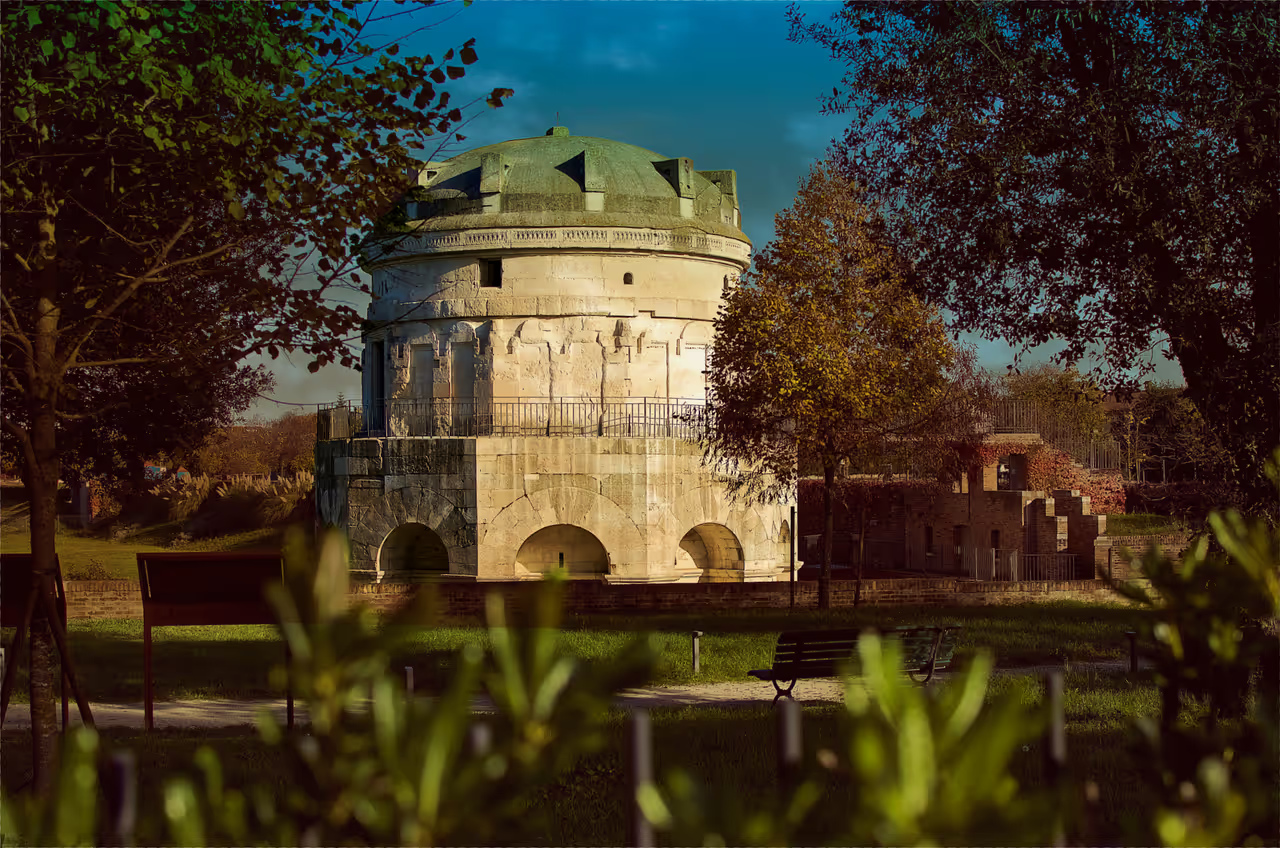
The Mausoleum of Theodoric stands as a singular testament to the power and ambition of the Ostrogothic Kingdom. Unlike the intricate brickwork prevalent in Ravenna, this structure is carved from massive blocks of Istrian stone, evoking a sense of raw and imposing authority. Visitors are immediately drawn to the monumental monolithic dome, a feat of engineering that continues to baffle architects even today. Walking around the decagonal exterior reveals a blend of Roman, Syrian, and Goth artistic influences that you cannot find anywhere else. It is a quiet and contemplative space that feels deeply connected to the ancient history of Italy. Stepping inside, one can easily imagine the weight of the purple porphyry tub that once held the remains of the great king himself.
unesco heritage site view- 449m
Via Girolamo Rossi
A lively artery in the city centre known for its welcoming pubs and casual drinking spots. It is a favourite among university students and young professionals looking to unwind after a long day. You will find a good mix of traditional Italian bars and venues offering international beers. The street is always buzzing with friendly energy and spontaneous gatherings.
nightlife view 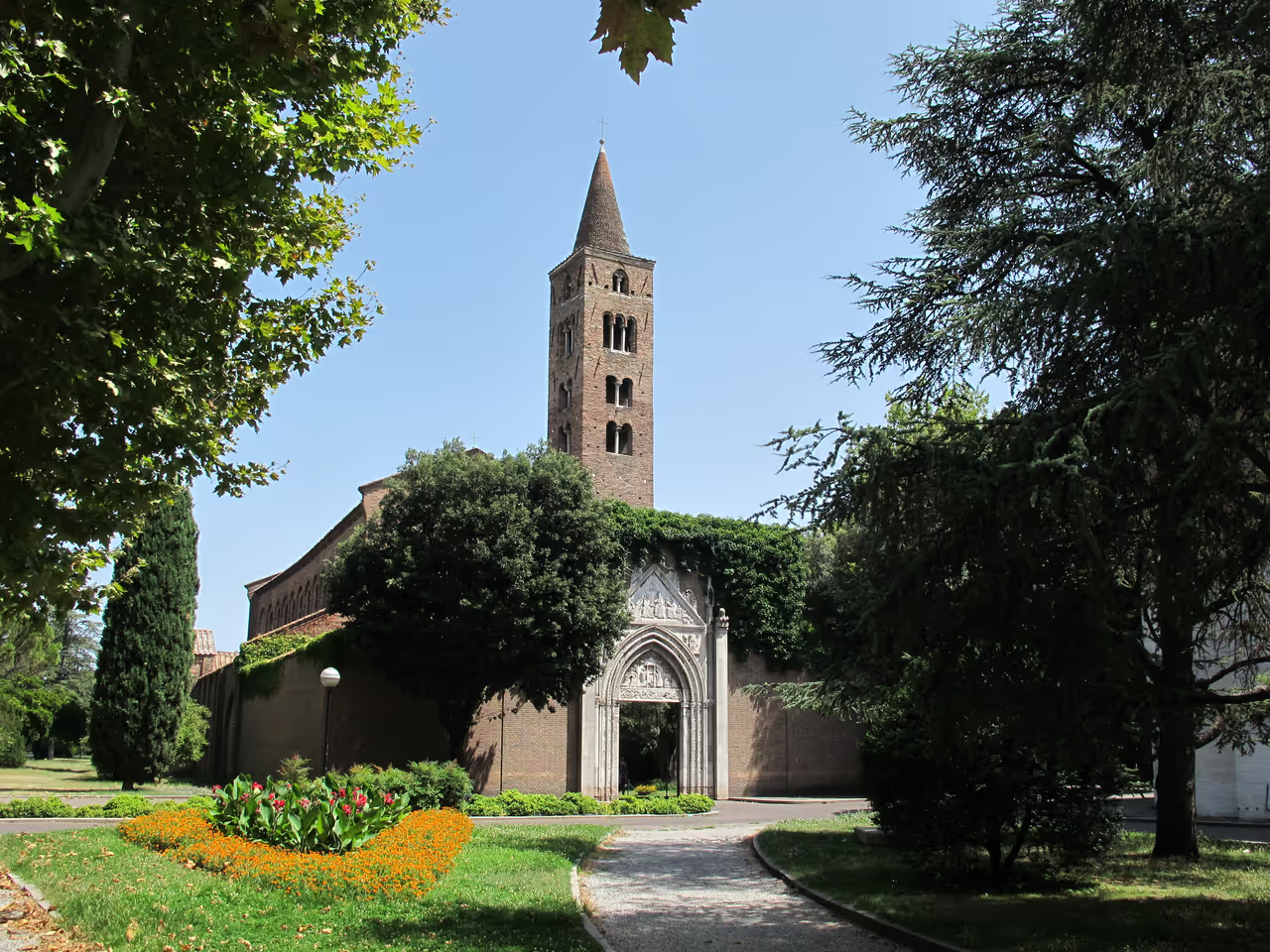 454m
454mChurch of Saint John the Evangelist
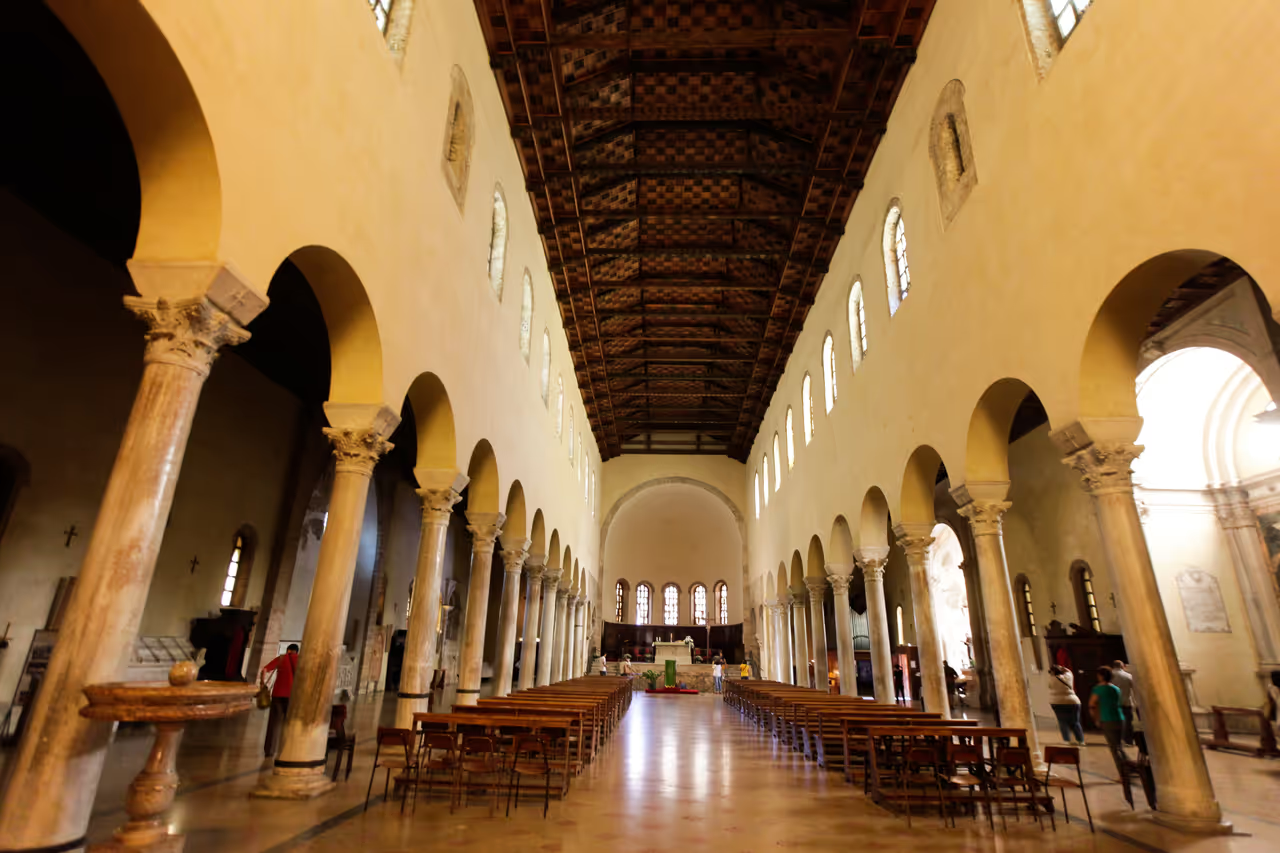
This is the oldest place of worship in the city, an imposing and starkly beautiful basilica founded in 424 AD by Empress Galla Placidia. Unlike the glittering monuments nearby, it possesses a raw, unadorned charm, having lost its original mosaics over the centuries. A massive Gothic portal marks the entrance, leading into a vast, silent nave that survived heavy bombing during World War II. Intriguingly, fragments of bizarre medieval floor mosaics depicting mythical beasts and crusades are mounted on the walls.
hidden gem view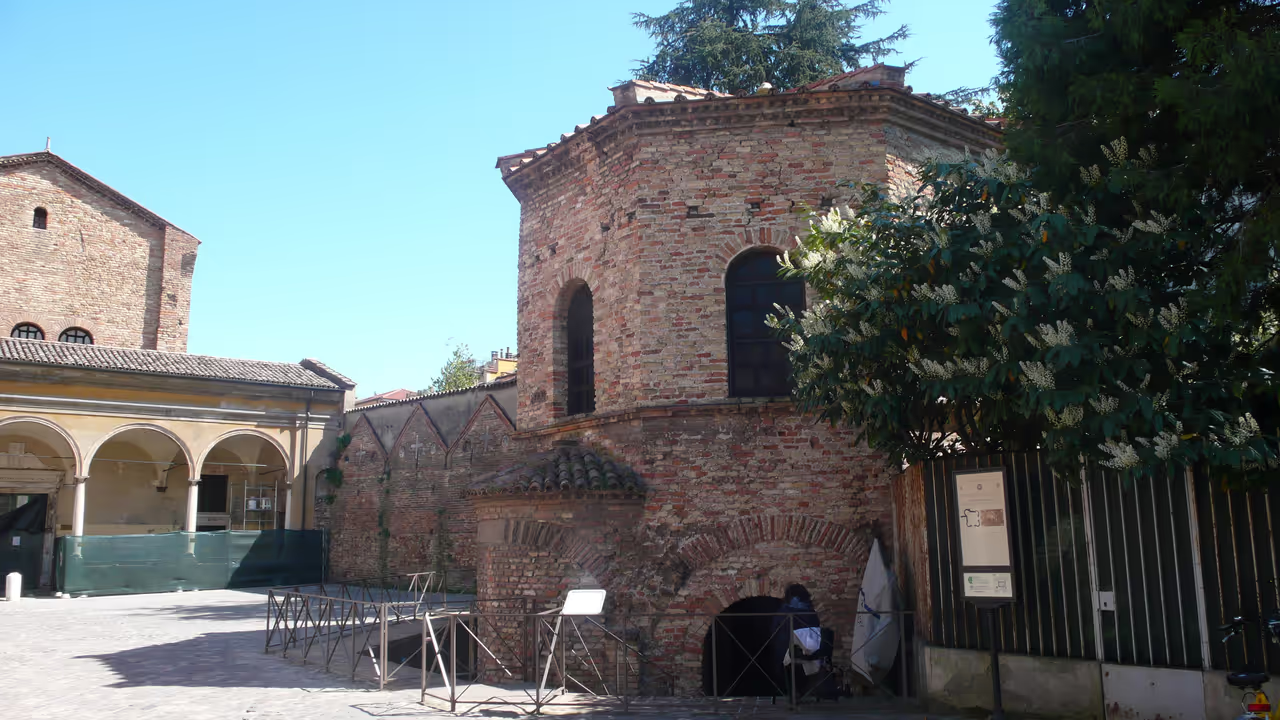 463m
463mChurch of the Holy Spirit
Originally built in the sixth century as the cathedral for the Arian Christian community under King Theodoric. While the exterior was significantly altered with a highly decorative Baroque facade centuries later, its ancient origins are still palpable in its layout. It provides a fascinating visual timeline of architectural evolution, bridging the gap between late antiquity and the ornate aesthetic of the eighteenth century. It currently serves the local Romanian Orthodox community.
architecture view
Explore Similar Places in This Collection
Featured on These Itineraries
3 Days in Ravenna: Exploring Empires Itinerary
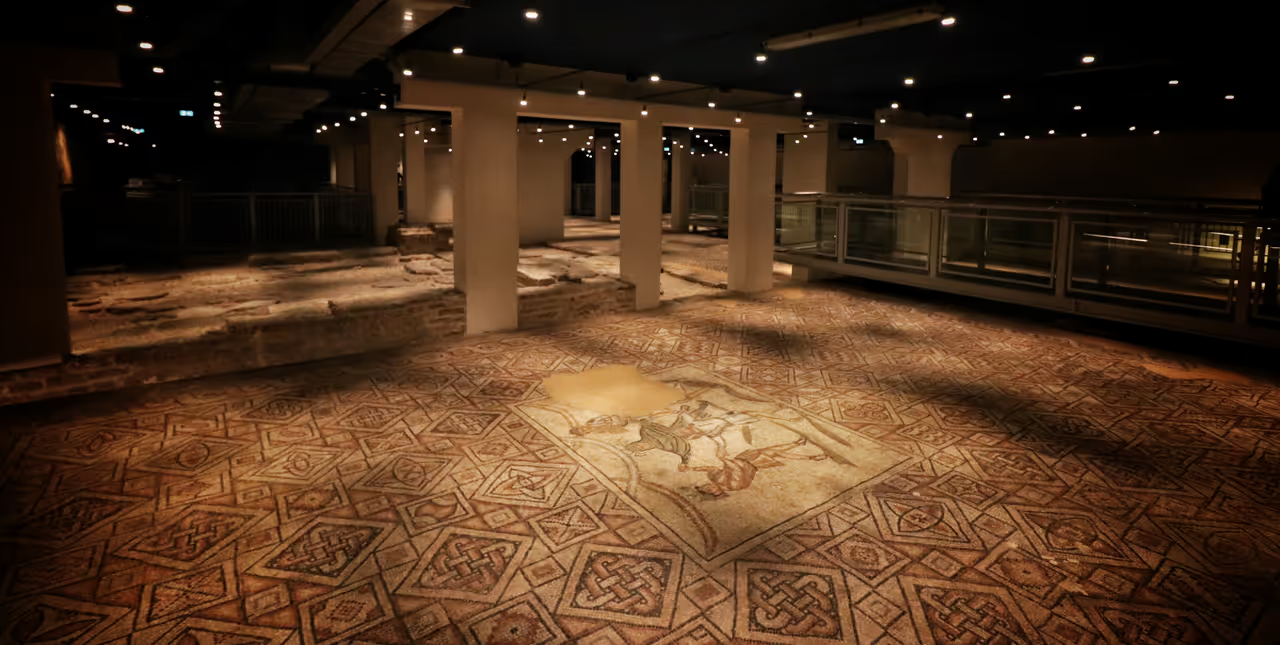
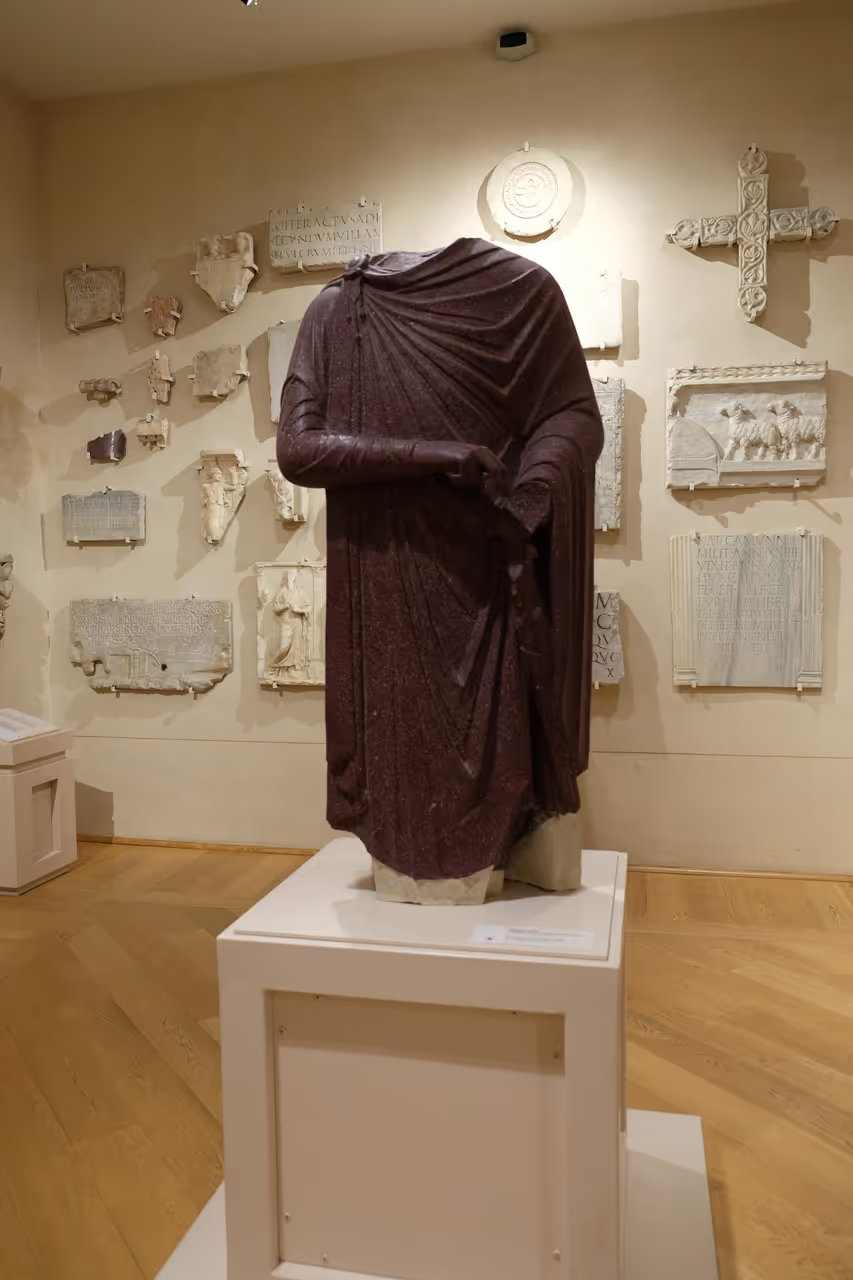
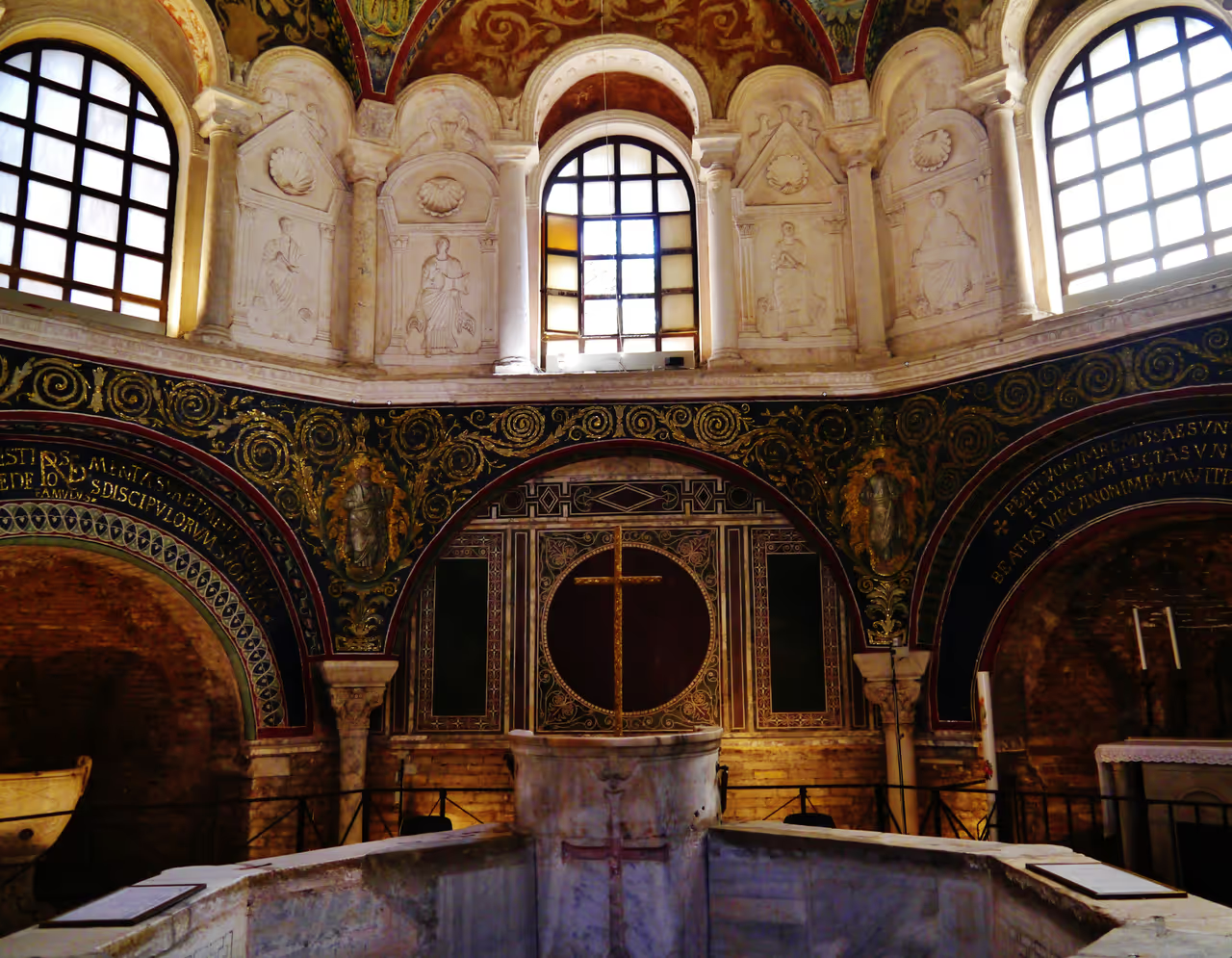
With three days, you can significantly expand your exploration beyond the central cluster, taking the time to absorb the profound differences between the Arian, Orthodox, and Byzantine monuments. This pace allows for unhurried museum visits, a trip to the magnificent flooded crypt, and a short excursion outside the city centre to Classe. It strikes the perfect balance between intense cultural sightseeing and the slow, enjoyable lifestyle of the Romagna region. You will leave with a deeply comprehensive understanding of the city's golden age.
view itinerary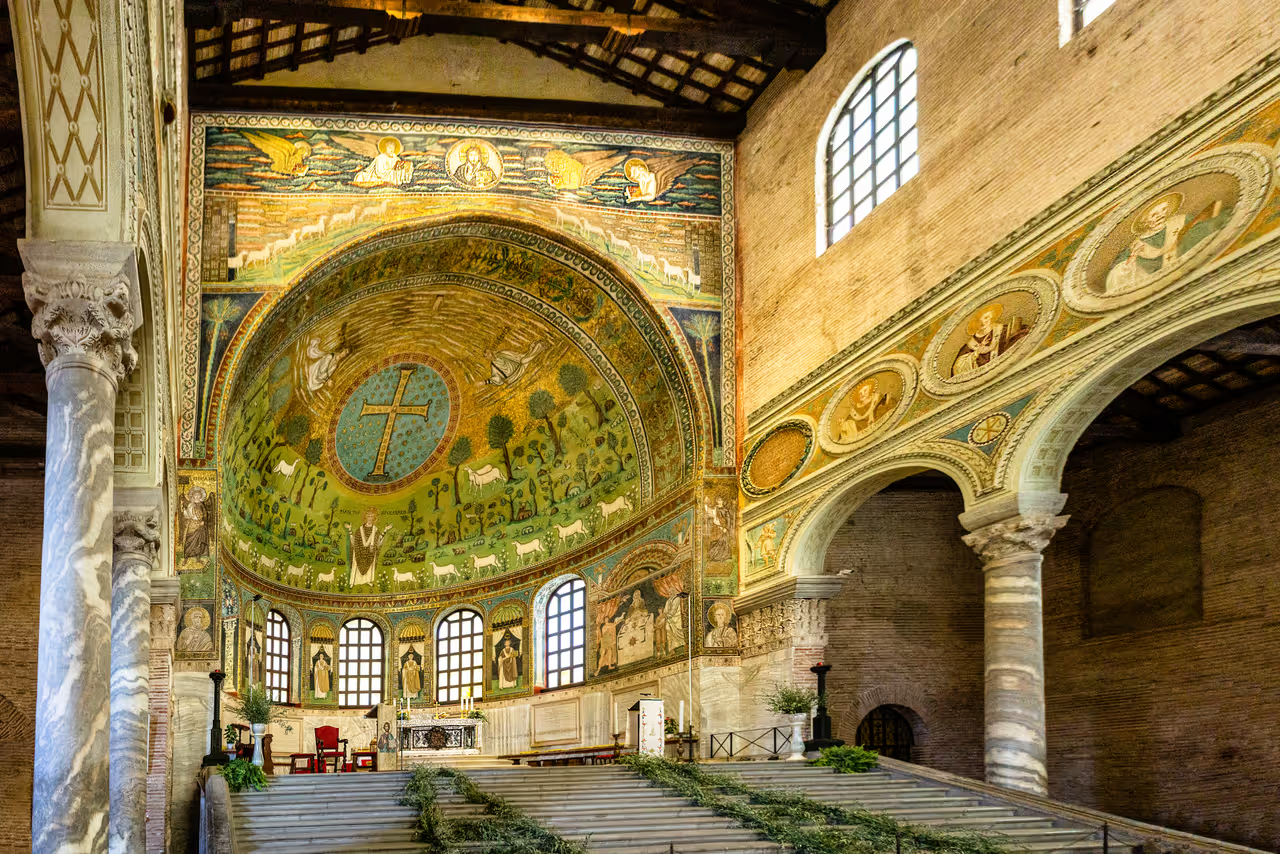
5 Days in Ravenna: The Complete Experience Itinerary
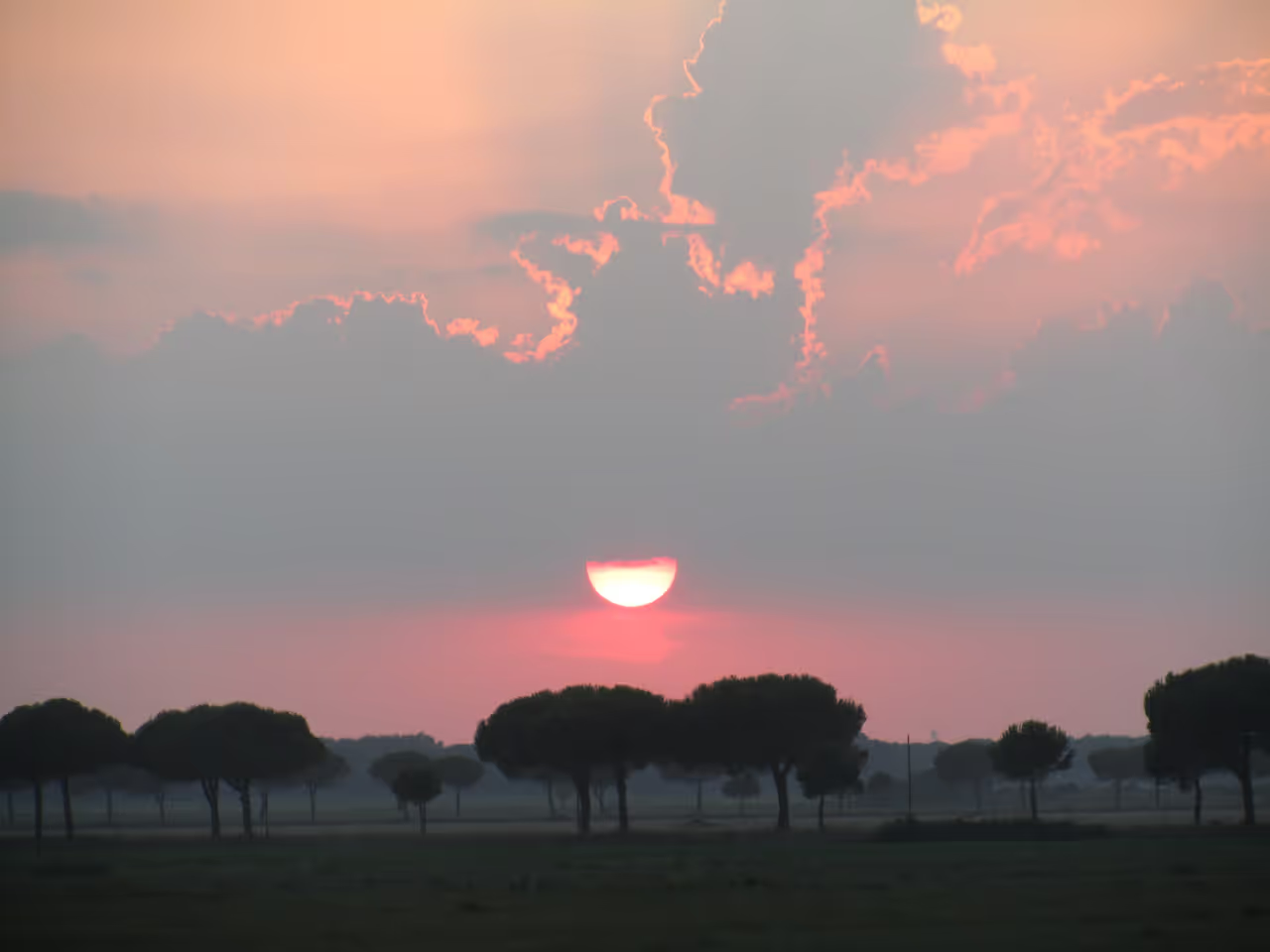
A five day stay transforms a cultural trip into a fully immersive holiday. You have the luxury to discover every single UNESCO monument, including the imposing Mausoleum of Theodoric, and explore the city's superb art museums. Crucially, it allows you to step outside the history books and experience the city's stunning natural surroundings, from the ancient pine forests to the lively Adriatic beaches. It is the ultimate way to appreciate both the ancient grandeur and the vibrant modern spirit of the area.
view itinerary
See all nature & parks in Ravenna
Classe Pine Forest, Ravenna Public Gardens...