Mausoleum of Theodoric
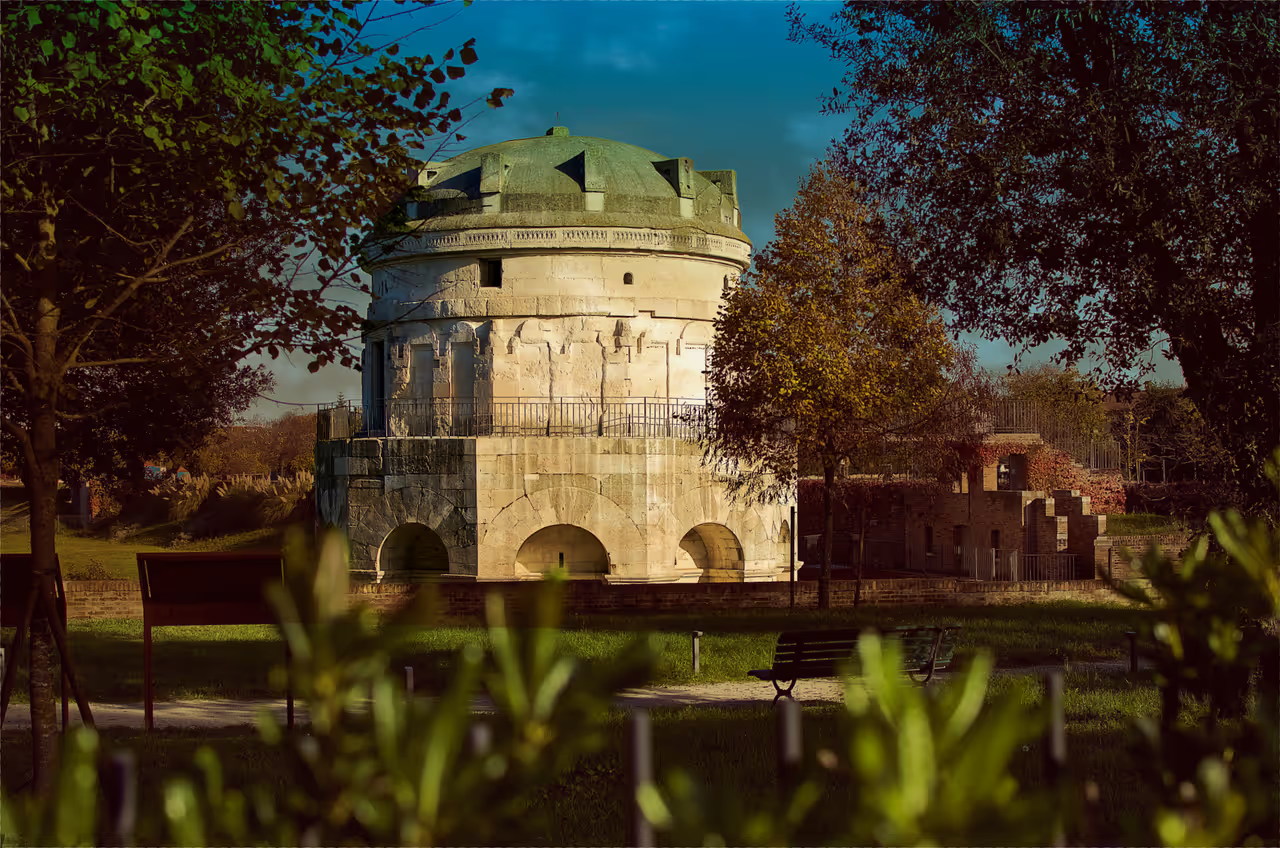
The Mausoleum of Theodoric stands as a singular testament to the power and ambition of the Ostrogothic Kingdom. Unlike the intricate brickwork prevalent in Ravenna, this structure is carved from massive blocks of Istrian stone, evoking a sense of raw and imposing authority. Visitors are immediately drawn to the monumental monolithic dome, a feat of engineering that continues to baffle architects even today. Walking around the decagonal exterior reveals a blend of Roman, Syrian, and Goth artistic influences that you cannot find anywhere else. It is a quiet and contemplative space that feels deeply connected to the ancient history of Italy. Stepping inside, one can easily imagine the weight of the purple porphyry tub that once held the remains of the great king himself.
Videos
History of Mausoleum of Theodoric
Built around the 6th century, the Mausoleum of Theodoric represents the pinnacle of Ostrogothic architectural ambition. It was constructed outside the ancient city walls, placing the ruler in the midst of a historic necropolis. The choice of Istrian limestone marks a striking departure from the locally quarried brick typical of Ravenna, effectively mirroring the majestic style of Diocletian’s palace in Split. This choice solidified the mausoleum's status as a monument of immense gravity and permanence. Following the Byzantine reconquest and the Pragmatic Sanction in the year 560, the significance of the structure shifted as it came under the stewardship of the Church. By the 9th century, the chronicler Andrea Agnello recorded it functioning as a place of worship known as Santa Maria ad Farum, named for its proximity to a lighthouse and the nearby port. This transformation highlights the enduring legacy of the site, which managed to evolve from a pagan king’s final resting place into a Christian sanctuary. Today, the structure remains a riddle of engineering and historical identity. The monolithic roof, weighing over 200 tons, stands as a crowning achievement that fuels local wonder. Its inclusion in the UNESCO World Heritage list as part of the Early Christian Monuments of Ravenna ensures that this unique intersection of barbarian artistry and Roman tradition is preserved for posterity. It functions as a tomb, yet also serves as a bridge across centuries, connecting the Gothic past to the modern day.
Events spanning 1476 years
Fun Facts
- • Engineers still debate how ancient builders hoisted such a massive stone cap to the top of the structure, with theories ranging from building an earthen ramp to creating a water-filled dam.
- • Historians still debate whether Theodoric commissioned the building himself or if his daughter, Amalasuntha, completed it after his death.
- • It is one of the few surviving structures in Ravenna constructed entirely of stone rather than the city's ubiquitous baked brick.
- • The architectural influences are a deliberate fusion of Roman, Syrian, and Germanic traditions, reflecting Theodoric's complex role as a ruler in a post-Roman Italy.
- • The dome features a mysterious crack that gave rise to local legends, with some stories suggesting it was caused by a lightning strike or divine intervention during a moment of historical strife.
- • The dome is composed of a single 230-ton monolith of Istrian stone, measuring nearly 11 metres in diameter.
- • The exterior decorative frieze features a unique pincer motif, a rare example of Gothic metalwork art style being translated into stone.
- • The structure boasts a decagonal floor plan, which is highly unusual compared to the typical circular or square mausoleums of the period.
- • The tomb was stripped of its contents during the Byzantine administration, leaving the porphyry tub empty.
- • The upper level was originally surrounded by a graceful ambulatory with small columns, though only the bases of the arches remain today.
Mausoleum of Theodoric FAQ
While we strive to keep this information accurate and up to date, we recommend verifying any details independently before making decisions based on them.
Mausoleum of Theodoric Map & Neighborhood Explorer
This interactive map is centered on Mausoleum of Theodoric. Zoom in and move the map around to automatically discover Wikipedia photos and summaries of other nearby sights, monuments, and historical points of interest and stories in real-time!
Places near Mausoleum of Theodoric
Make the most of your trip. Check out these top-rated spots located nearby.
 399m
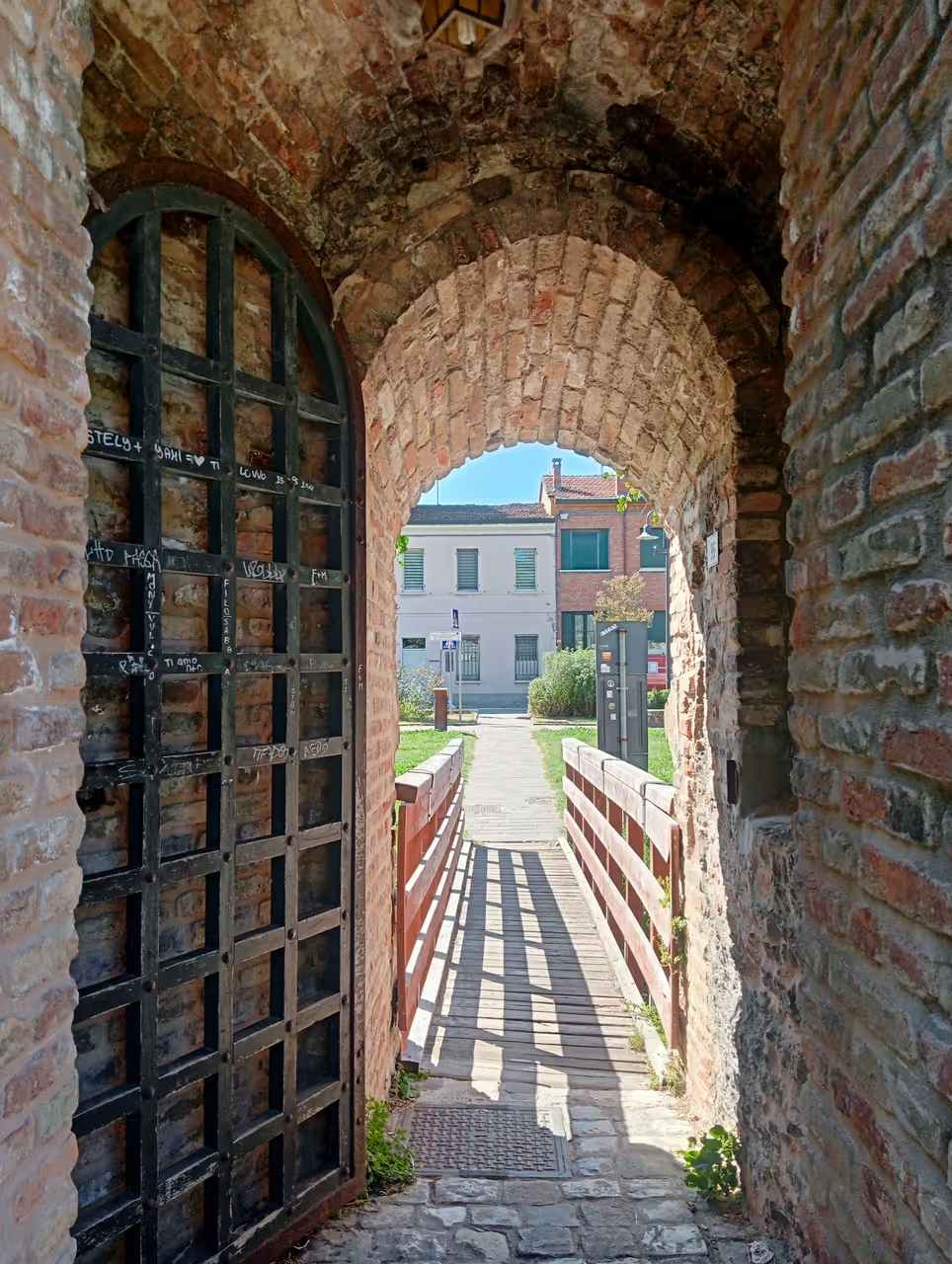
399mRocca Brancaleone
Once a formidable military stronghold built by the Venetians, Rocca Brancaleone has gracefully transformed into a peaceful, leafy sanctuary in the heart of Ravenna. Visitors are invited to stroll through its historic grounds, where the imposing walls of the original fifteenth century fortress now frame a lush park perfect for quiet relaxation or a leisurely walk. The site is a rare gem, serving as both a historical monument and a vibrant cultural venue that plays host to outdoor cinemas and the world renowned Ravenna Festival during the warmer months. Whether you are exploring the ancient towers or attending a world class concert under the stars, the atmosphere here is truly magical. It stands as a testament to how even the most militaristic structures can evolve into spaces that foster community and artistic expression.
park & nature view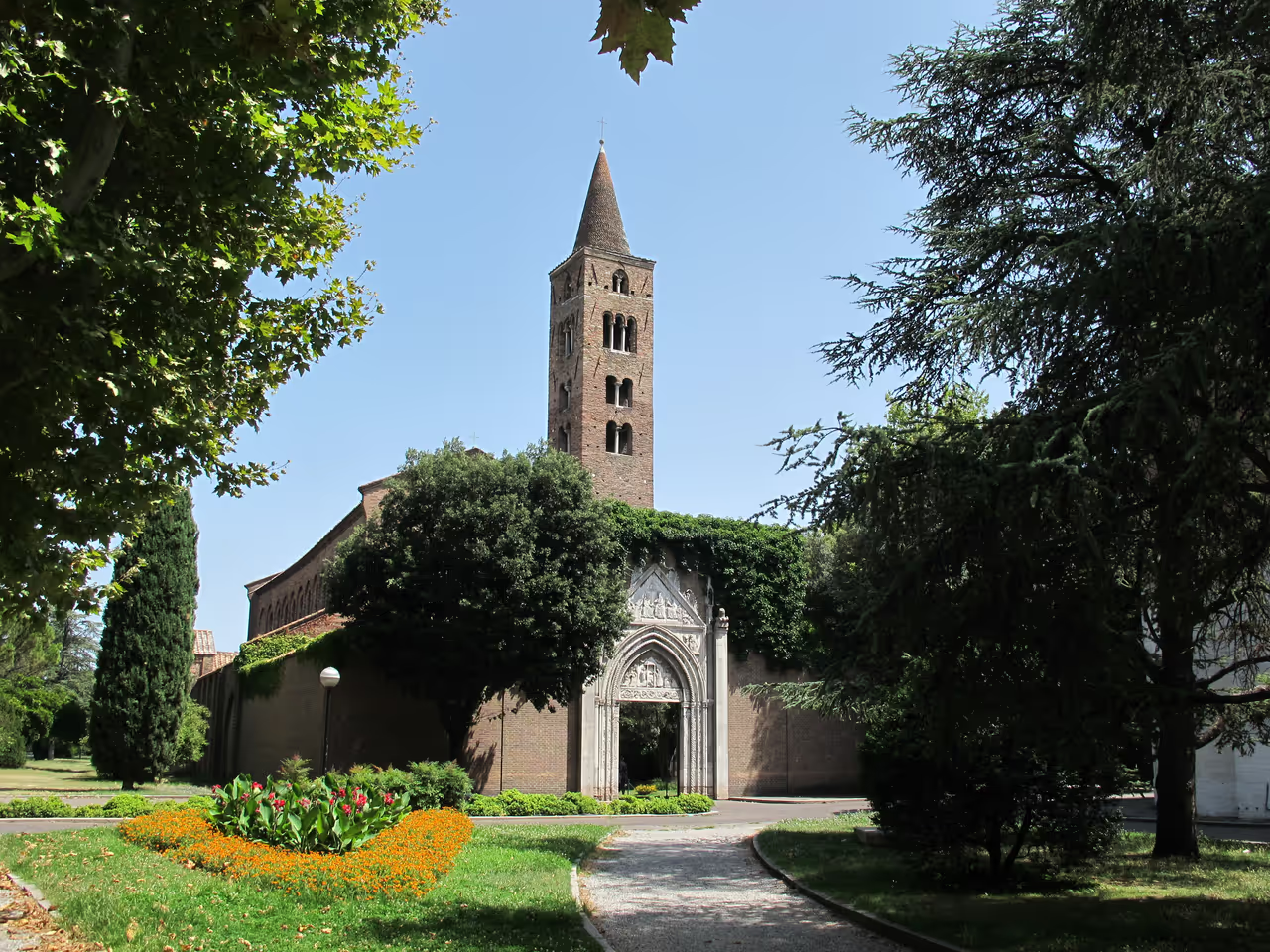 824m
824mChurch of Saint John the Evangelist
This is the oldest place of worship in the city, an imposing and starkly beautiful basilica founded in 424 AD by Empress Galla Placidia. Unlike the glittering monuments nearby, it possesses a raw, unadorned charm, having lost its original mosaics over the centuries. A massive Gothic portal marks the entrance, leading into a vast, silent nave that survived heavy bombing during World War II. Intriguingly, fragments of bizarre medieval floor mosaics depicting mythical beasts and crusades are mounted on the walls.
hidden gem view- 827m
Via Girolamo Rossi
A lively artery in the city centre known for its welcoming pubs and casual drinking spots. It is a favourite among university students and young professionals looking to unwind after a long day. You will find a good mix of traditional Italian bars and venues offering international beers. The street is always buzzing with friendly energy and spontaneous gatherings.
nightlife view 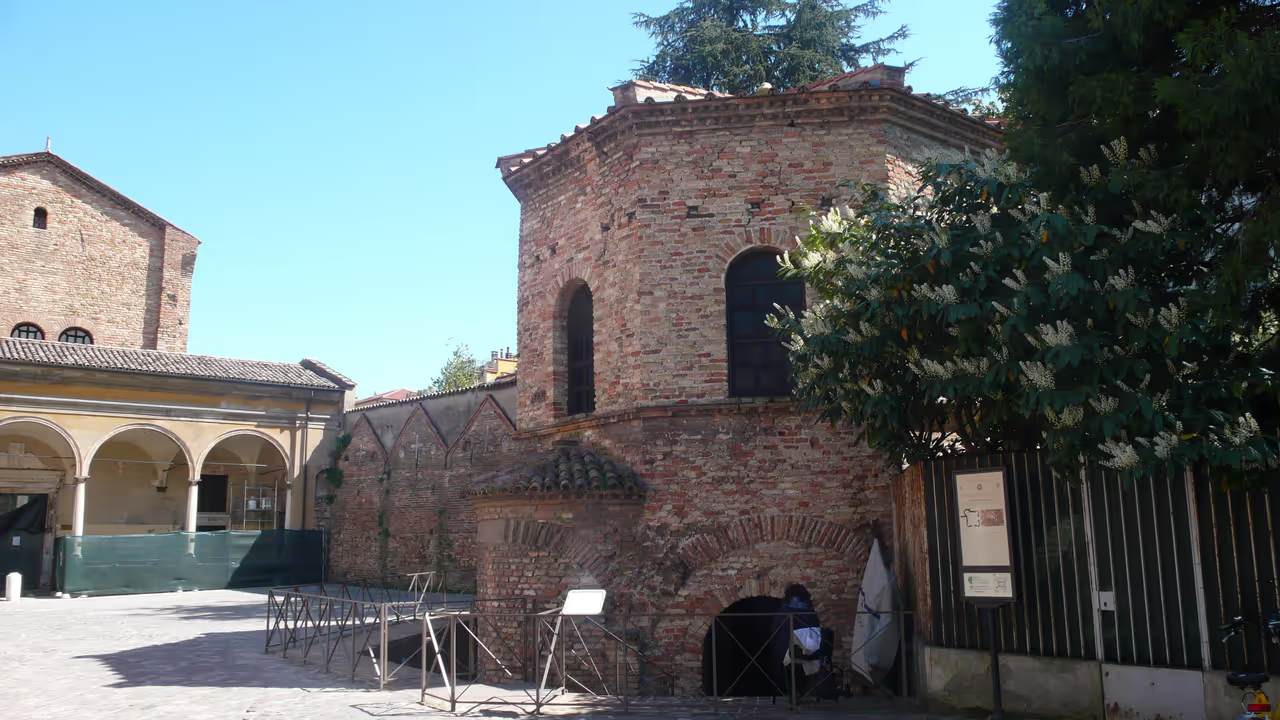 860m
860mChurch of the Holy Spirit
Originally built in the sixth century as the cathedral for the Arian Christian community under King Theodoric. While the exterior was significantly altered with a highly decorative Baroque facade centuries later, its ancient origins are still palpable in its layout. It provides a fascinating visual timeline of architectural evolution, bridging the gap between late antiquity and the ornate aesthetic of the eighteenth century. It currently serves the local Romanian Orthodox community.
architecture view
Explore Similar Places in These Collections
Featured on This Itinerary
See all unesco sites in Ravenna
Archiepiscopal Chapel, Basilica of Sant'Apollinare in Classe, Basilica of Sant'Apollinare Nuovo, Basilica of San Vitale, Mausoleum of Galla Placidia, Mosaics of the Neonian Baptistery, Arian Baptistry...