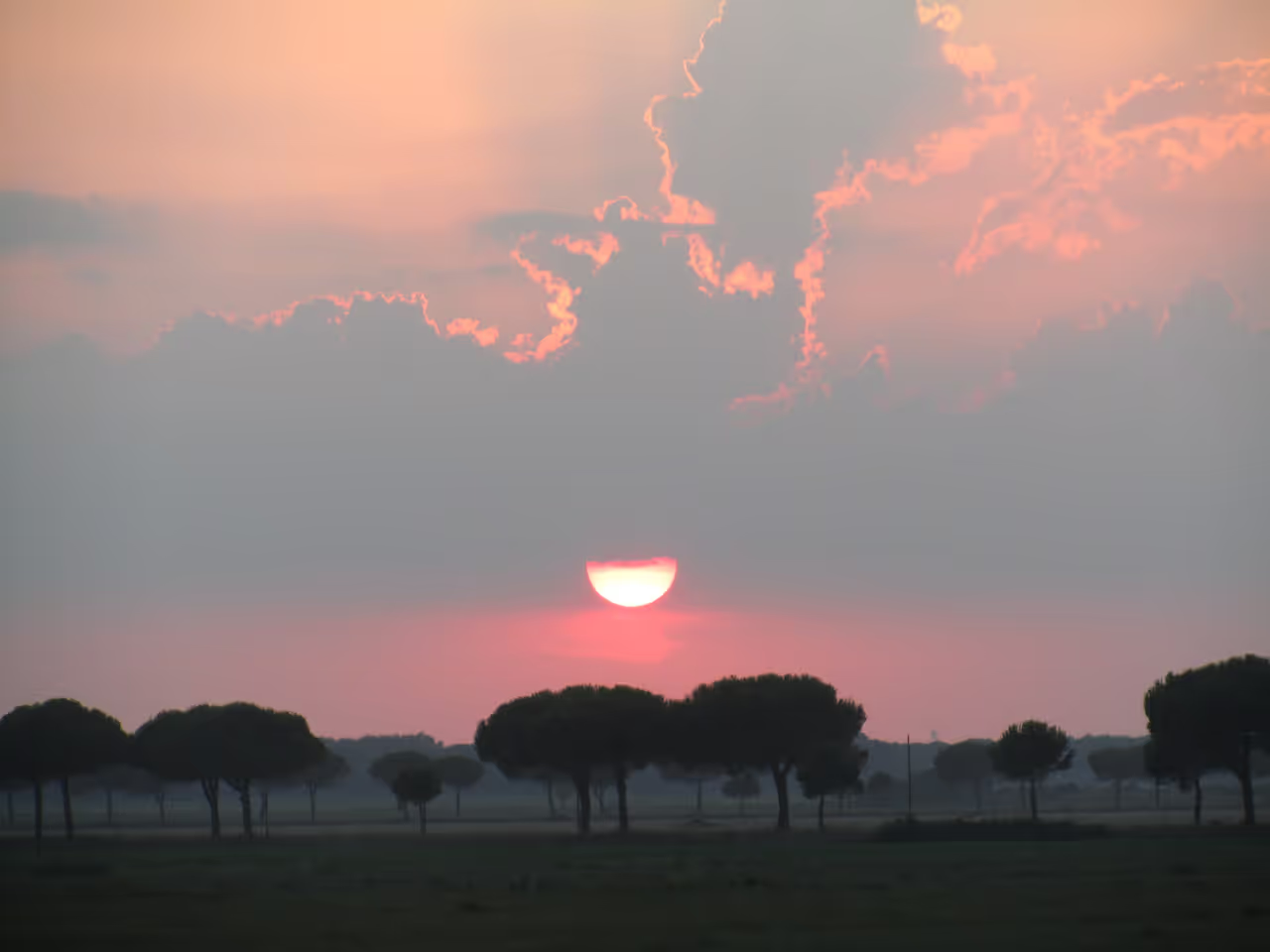
Classe Pine Forest
Step into a living literary masterpiece where ancient stone pines whisper secrets of Italy’s greatest writers. This expansive coastal forest offers an escape from the city, inviting visitors to wander through centuries of history and lush, fragrant landscapes. Whether you are seeking a peaceful walk among the towering trees or hoping to follow the footsteps of Dante and Boccaccio, this protected natural haven provides a profound connection to the region's past and present. The air here carries the scent of resin and sea salt, creating a sensory experience that feels worlds away from the modern pace. It is a place where nature and culture entwine, making every path an invitation to discover something timeless. Visitors will find that every trail tells a story, from the Roman era to the Renaissance.
History of Classe Pine Forest
The origins of the Classe Pine Forest are rooted in the strategic necessities of the Roman Empire. When the Port of Classe flourished as the most important naval base on the Adriatic, the surrounding land required careful management to supply wood for ship construction and to maintain the stability of the coastal terrain. This ancient arboreal shield was deliberately nurtured by imperial hands, effectively transforming a wild wetland into a vital infrastructure asset that supported the reach of Rome across the Mediterranean. As the centuries passed, the forest transcended its industrial purpose to become a profound source of creative inspiration. Dante Alighieri found the rustling canopy of these pines to be the perfect setting for his vision of the earthly paradise in the Divine Comedy, while Giovanni Boccaccio chose the deep shadows of the woods to stage the haunting, tragic tale of Nastagio degli Onesti in the Decameron. This literary legacy grew so potent that Sandro Botticelli later immortalised scenes from the novella in iconic paintings, cementing the connection between this specific patch of Italian earth and the height of European artistic achievement. In the modern era, the forest has evolved from a historical icon into a critical sanctuary for biodiversity. Now an integral component of the Po Delta Regional Park, the landscape serves as a protected haven for migratory birds and elusive woodland creatures. Although the area has faced significant environmental challenges, including a major wildfire in 2010 that scarred the landscape, local preservation efforts have successfully focused on restoration and habitat protection. Today, the trees stand as silent witnesses to millennia of history, offering a quiet, enduring reminder of the relationship between human culture and the natural world.
Events spanning 1910 years
Fun Facts
- • Dante Alighieri described the forest in the Purgatorio section of his Divine Comedy, linking the wind through the pines to his spiritual journey.
- • Giovanni Boccaccio placed the chilling events of the eighth novella of the fifth day of the Decameron within these woods.
- • It is officially recognised as a site of community importance for its ecological value in maintaining the health of the local wetlands.
- • Marshy areas within the forest contain specialised halophyte plants that thrive in the salty, humid conditions near the coast.
- • Renaissance master Sandro Botticelli painted a series of four panels depicting the hunt from Boccaccio's story, all set against the backdrop of this very forest.
- • The area serves as a critical nature reserve for the Po Delta Regional Park, hosting diverse species such as the fallow deer and various nocturnal birds of prey.
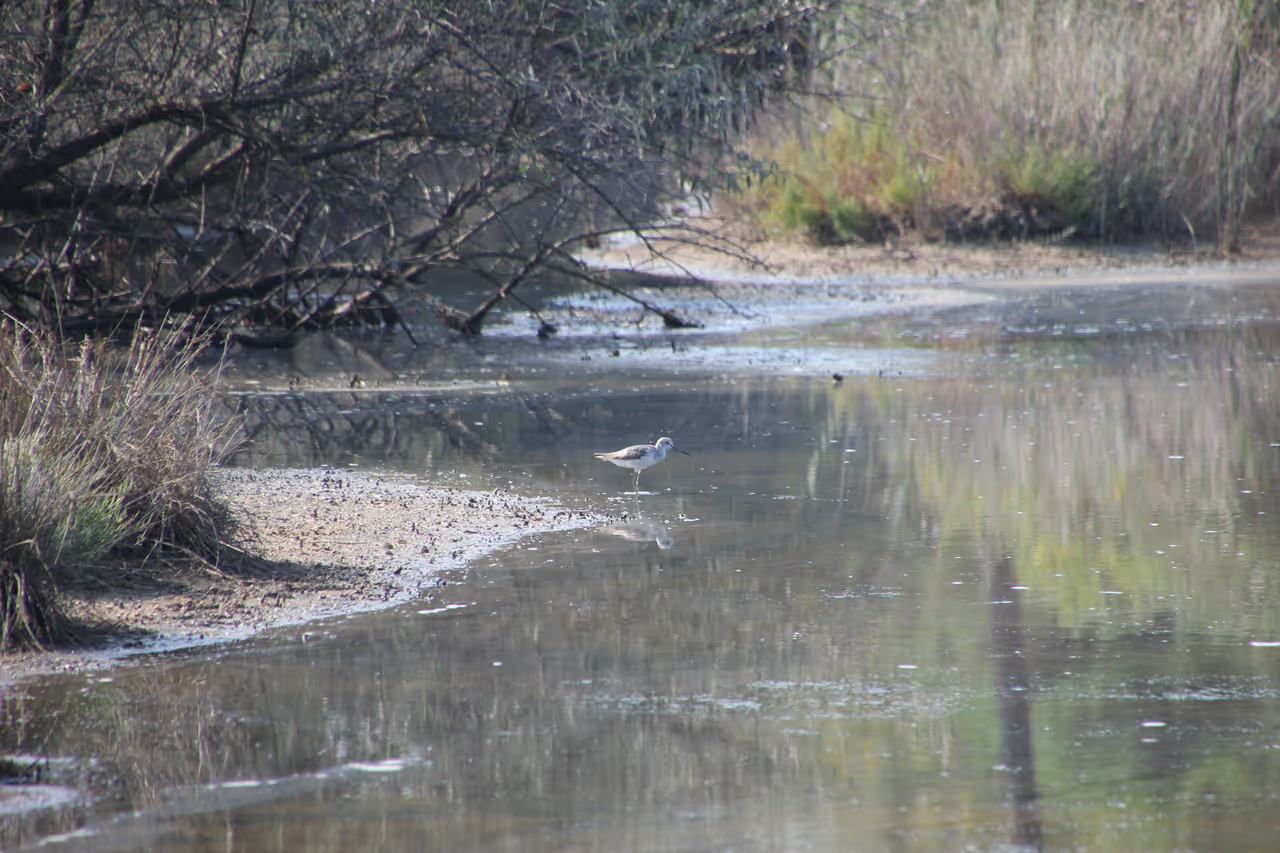
- • The forest floor provides a sanctuary for a variety of unique animals including foxes, hedgehogs, and the elusive Italian pond turtle.
- • The forest was originally cultivated by the Romans to secure timber for their formidable Adriatic naval fleet.
- • The tale of Nastagio degli Onesti features a spectral hunt that has haunted the literary imagination of Italy for centuries.
- • The term planiziale defines this woodland as a flatland forest, which makes it distinct from the mountainous pine forests found elsewhere in Italy.
Classe Pine Forest FAQ
While we strive to keep this information accurate and up to date, we recommend verifying any details independently before making decisions based on them.
Classe Pine Forest Map & Neighborhood Explorer
This interactive map is centered on Classe Pine Forest. Zoom in and move the map around to automatically discover Wikipedia photos and summaries of other nearby sights, monuments, and historical points of interest and stories in real-time!
Places near Classe Pine Forest
Make the most of your trip. Check out these top-rated spots located nearby.
 8952m
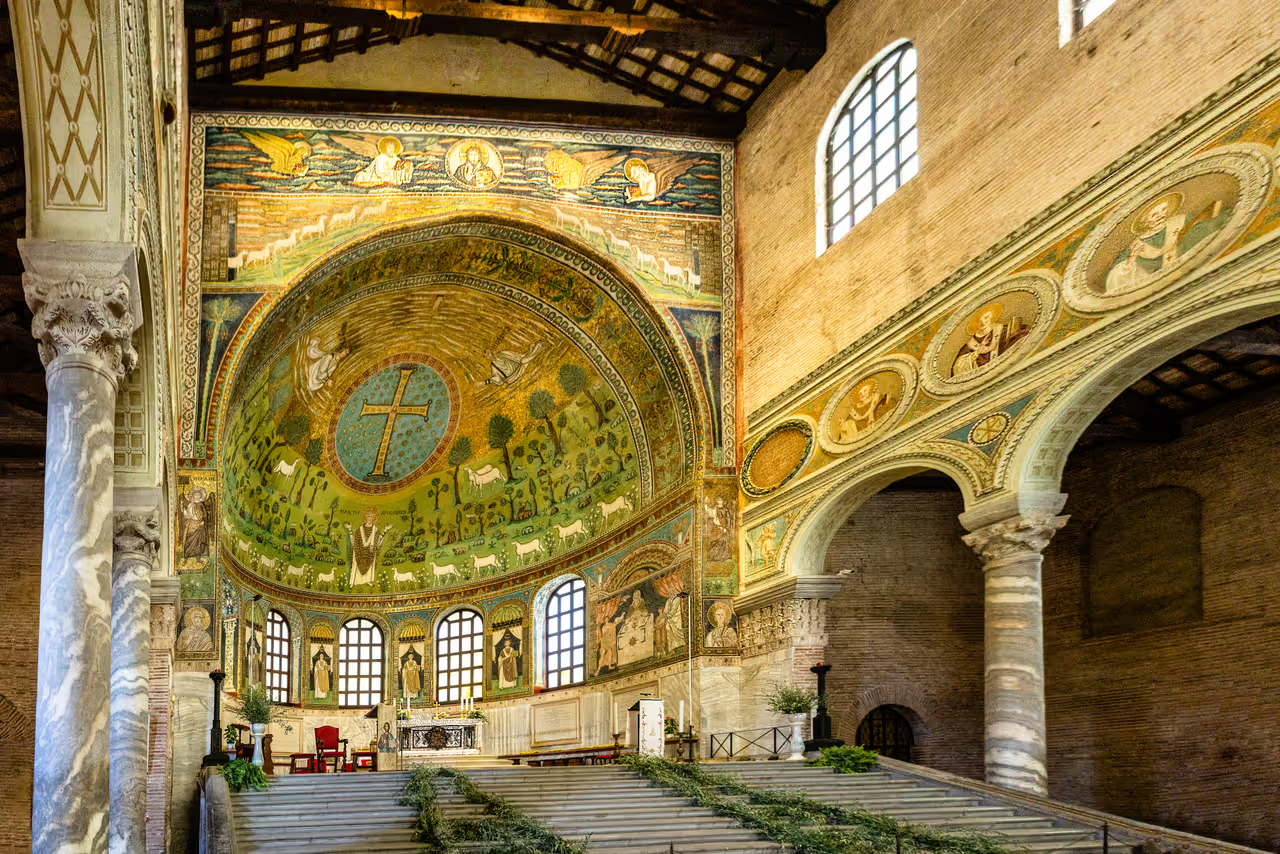
8952mBasilica of Sant'Apollinare in Classe
Standing silently amidst the countryside just outside Ravenna, the Basilica of Sant'Apollinare in Classe acts as a portal to a different age. This UNESCO World Heritage site is a masterpiece of Byzantine architecture, celebrated for its breathtaking, light-filled apse mosaics that shimmer with celestial beauty. The interior is spacious and dignified, offering a rare sense of peace that connects you to the ancient past. You can admire the delicate craftsmanship of the Proconnesian marble columns and the solemnity of the early Christian sarcophagi lining the walls. Visiting here is essential to understand the sheer artistry that defined Ravenna when it was a capital of the empire. It is a place where history feels tangible, inviting you to wander through centuries of spiritual devotion in a setting that remains largely unchanged by time.
unesco heritage site view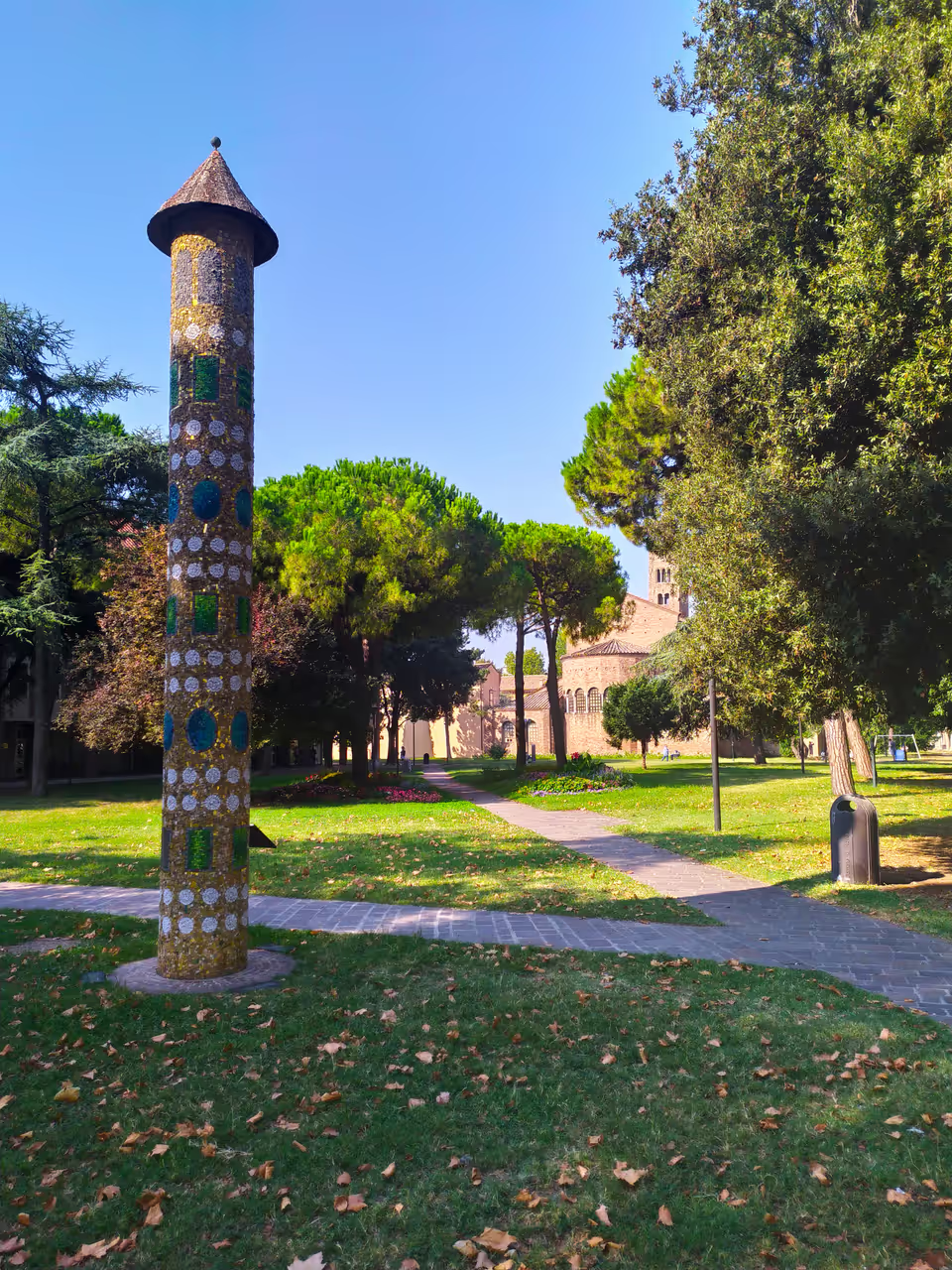 13155m
Ravenna Public Gardens
The Ravenna Public Gardens offer a refreshing green sanctuary located in the south-eastern corner of the city centre. Established in the early 1930s, this park was the first of its kind in Ravenna, providing a formal urban escape for residents and visitors alike. You can wander through paths designed in the elegant Italian garden style, enclosed by intricate wrought iron fencing. The space features a magnificent central stone fountain and a charming bar chalet where locals enjoy coffee in the shade. It also houses the city planetarium, making it a brilliant spot for both nature lovers and stargazers. Its location directly behind the Art Museum of the City of Ravenna makes it a perfect place to relax after a morning of cultural exploration.
park & nature view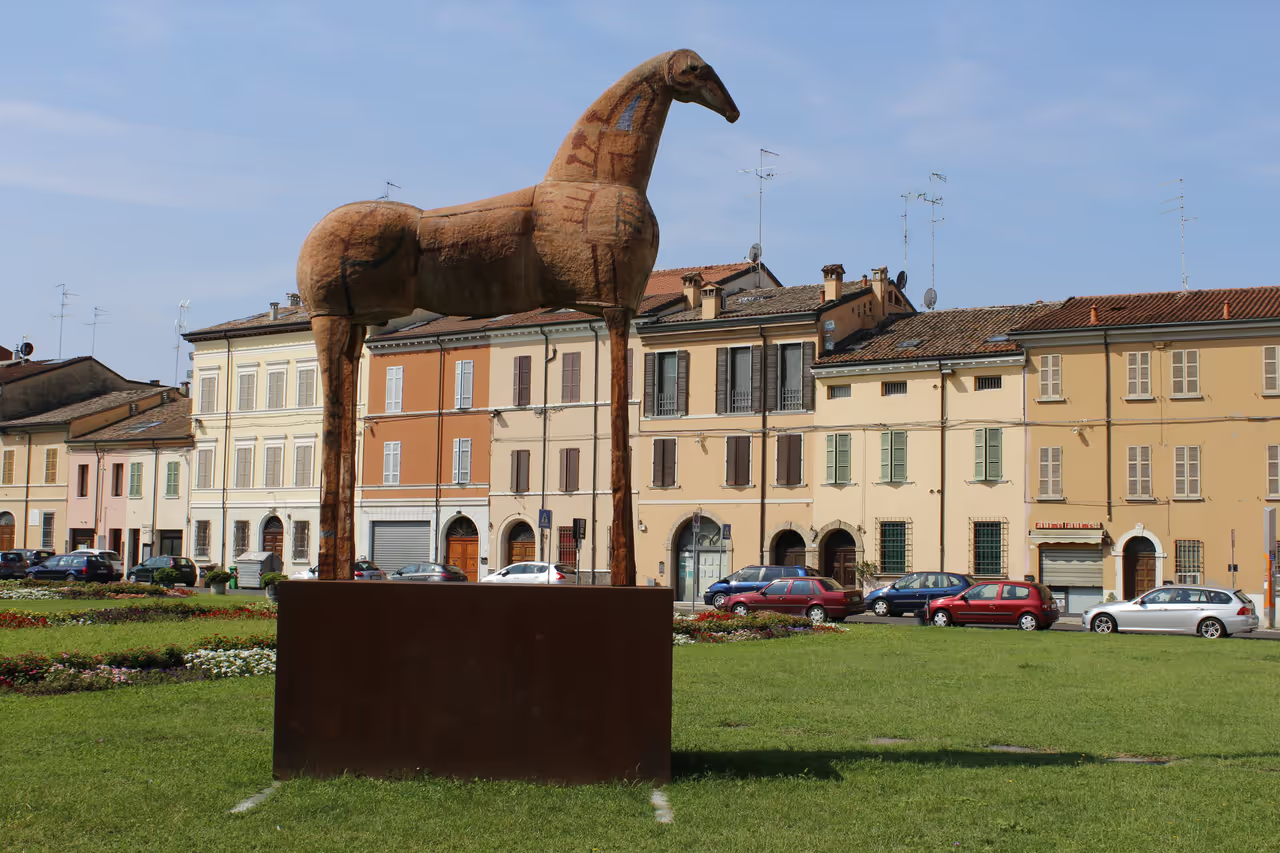 13273m
City Art Museum
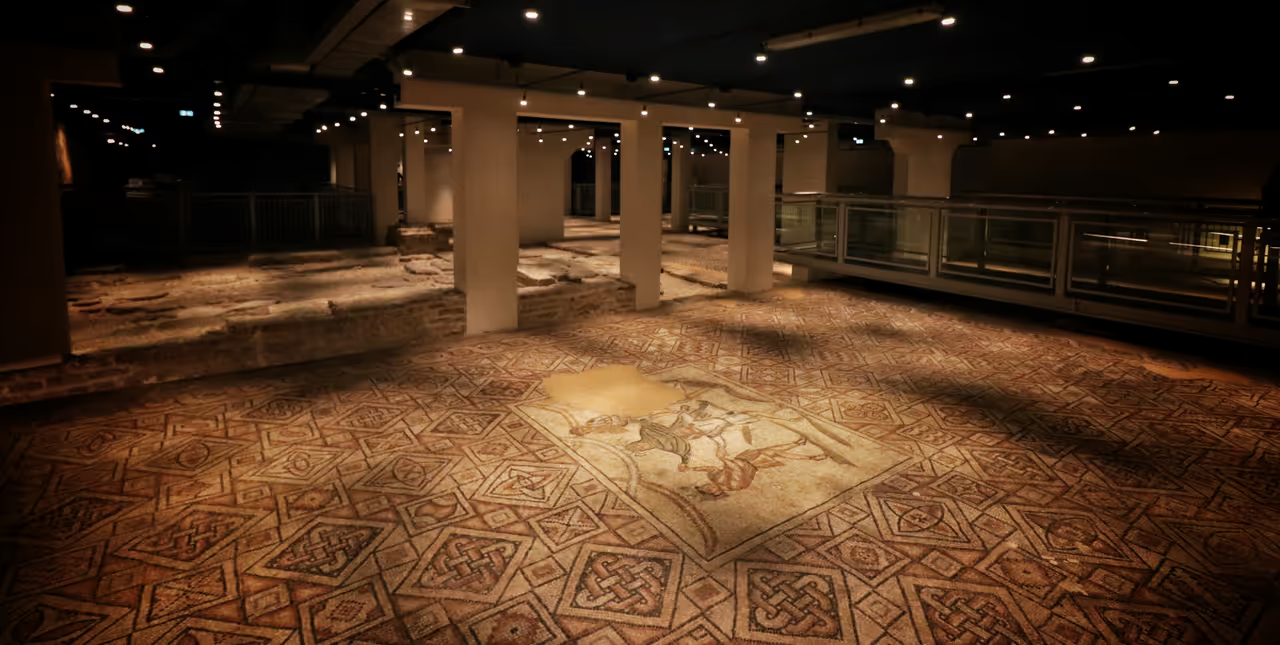
Housed in a monumental sixteenth century monastery, this museum brilliantly connects the city's ancient heritage with modern expression. It features a fascinating collection spanning from the fourteenth century to contemporary art. The absolute highlight is the permanent exhibition of modern mosaics, showcasing pieces commissioned from famous twentieth century artists. It provides a striking, colourful contrast to the Byzantine works found elsewhere.
highlight view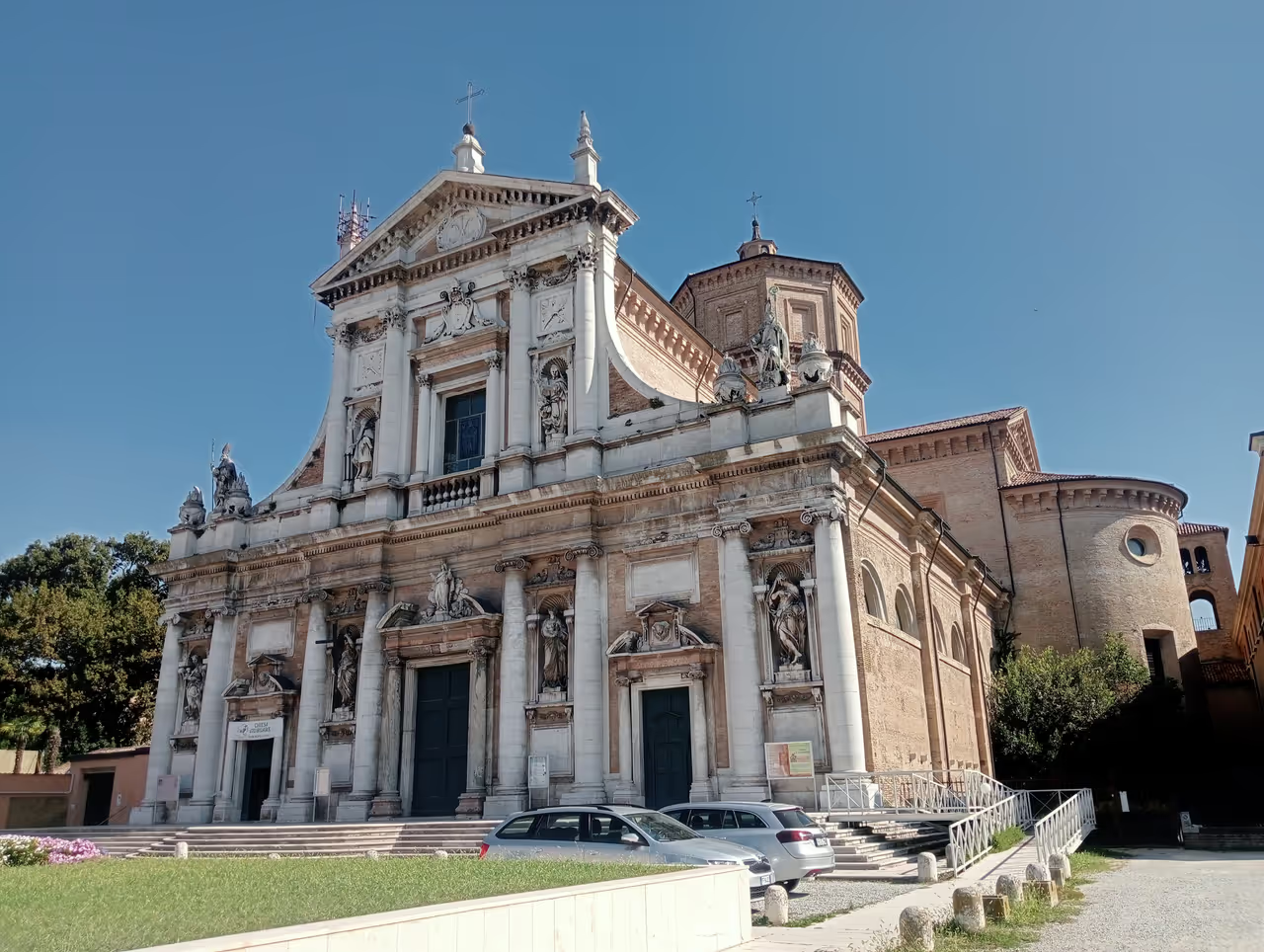 13358m
Basilica of Saint Mary in Porto
This is an exceptionally grandiose and theatrical piece of architecture standing proudly in the city. Constructed between the sixteenth and eighteenth centuries, it is an absolute masterpiece of the late Baroque style. The towering, heavily ornamented facade dominates the surrounding streets, while the vast, luminous interior inspires awe. It houses the venerated Greek marble relief of the Greek Madonna, adding profound spiritual weight to the stunning design.
architecture view
Featured on These Itineraries and Routes
5 Days in Ravenna: The Complete Experience Itinerary
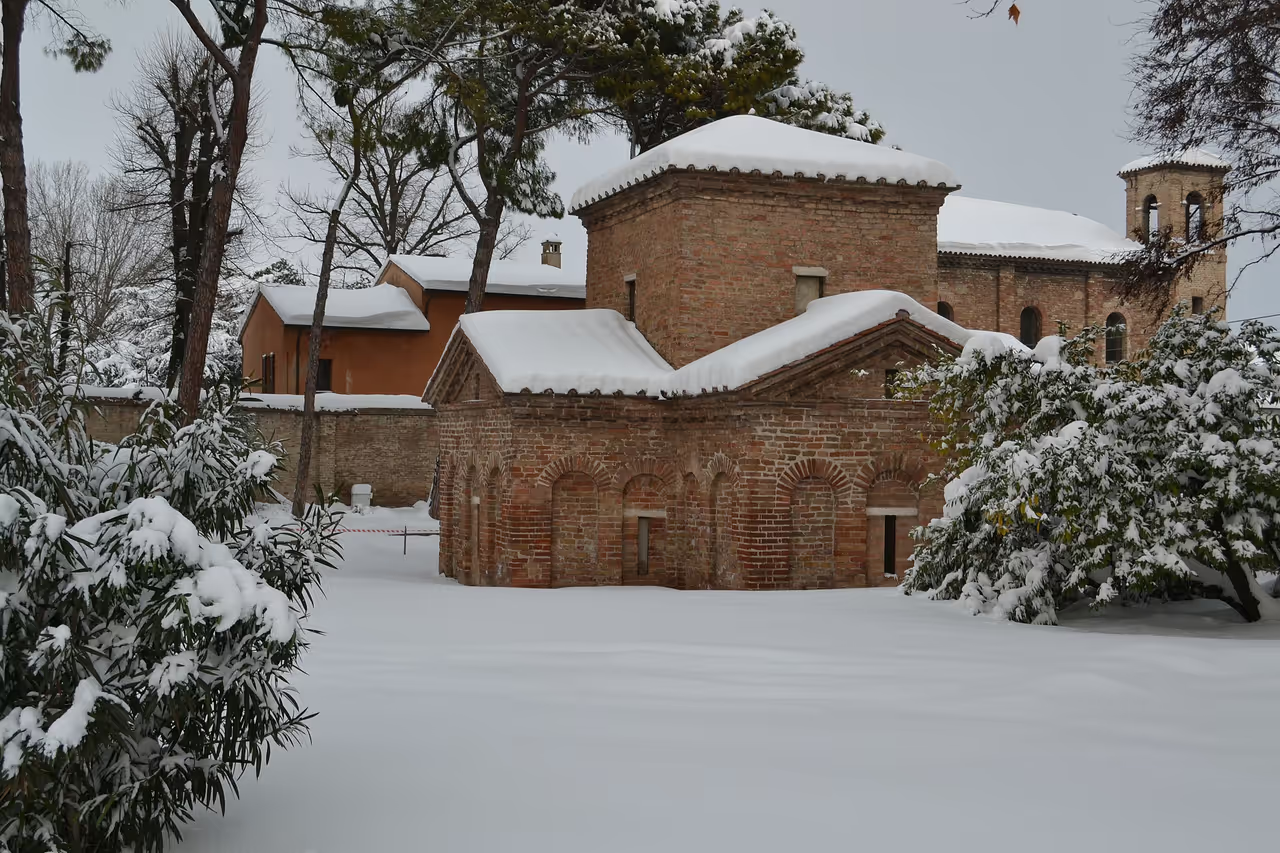
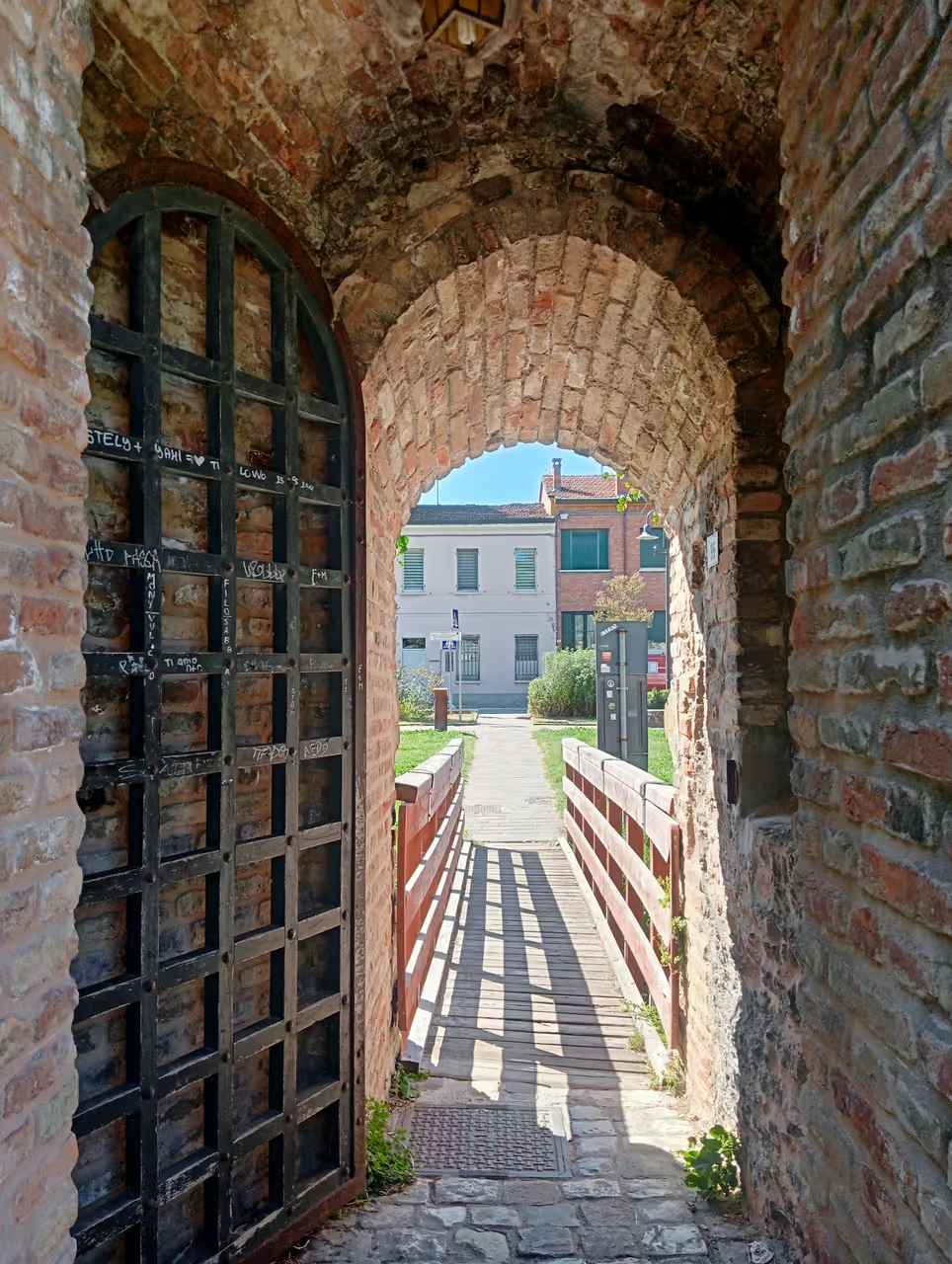
A five day stay transforms a cultural trip into a fully immersive holiday. You have the luxury to discover every single UNESCO monument, including the imposing Mausoleum of Theodoric, and explore the city's superb art museums. Crucially, it allows you to step outside the history books and experience the city's stunning natural surroundings, from the ancient pine forests to the lively Adriatic beaches. It is the ultimate way to appreciate both the ancient grandeur and the vibrant modern spirit of the area.
view itinerary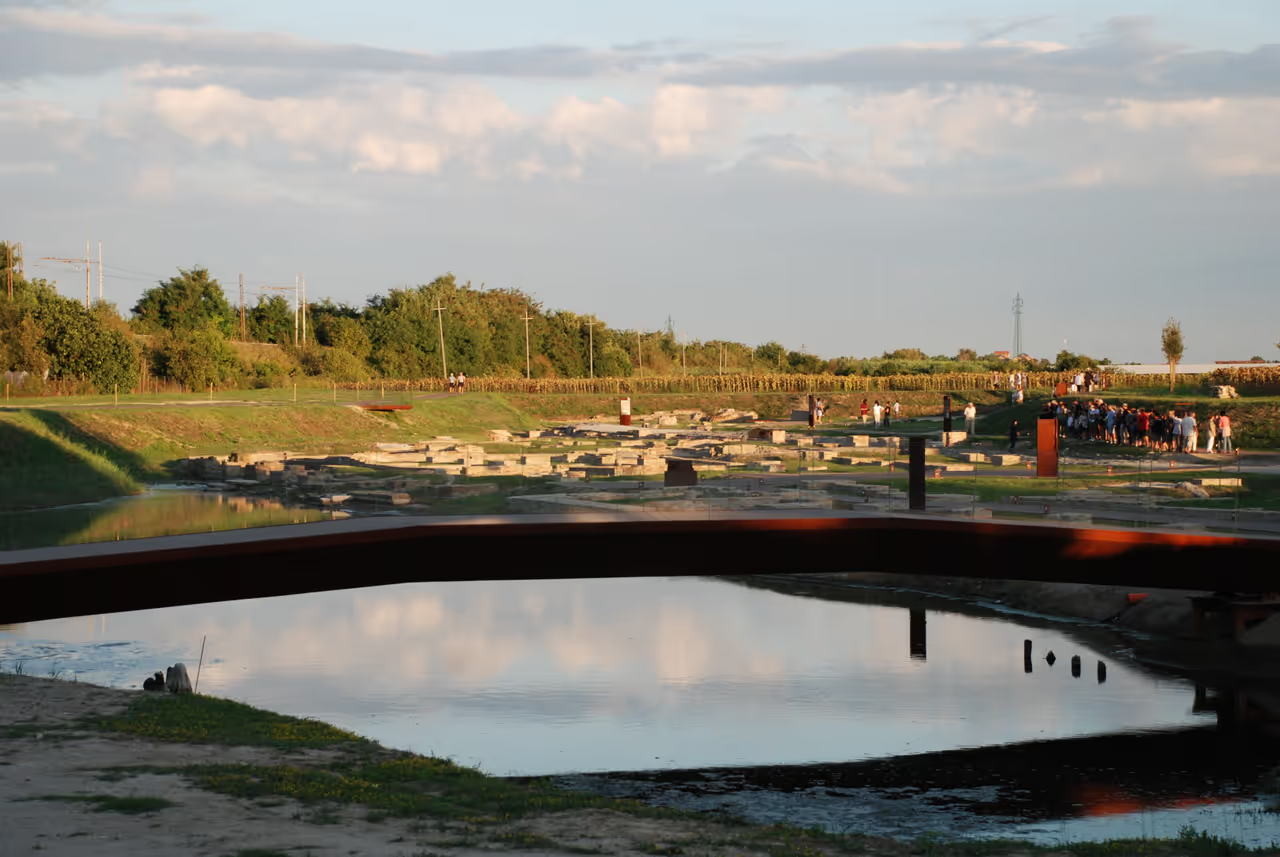
Classe Pine Forest Trail
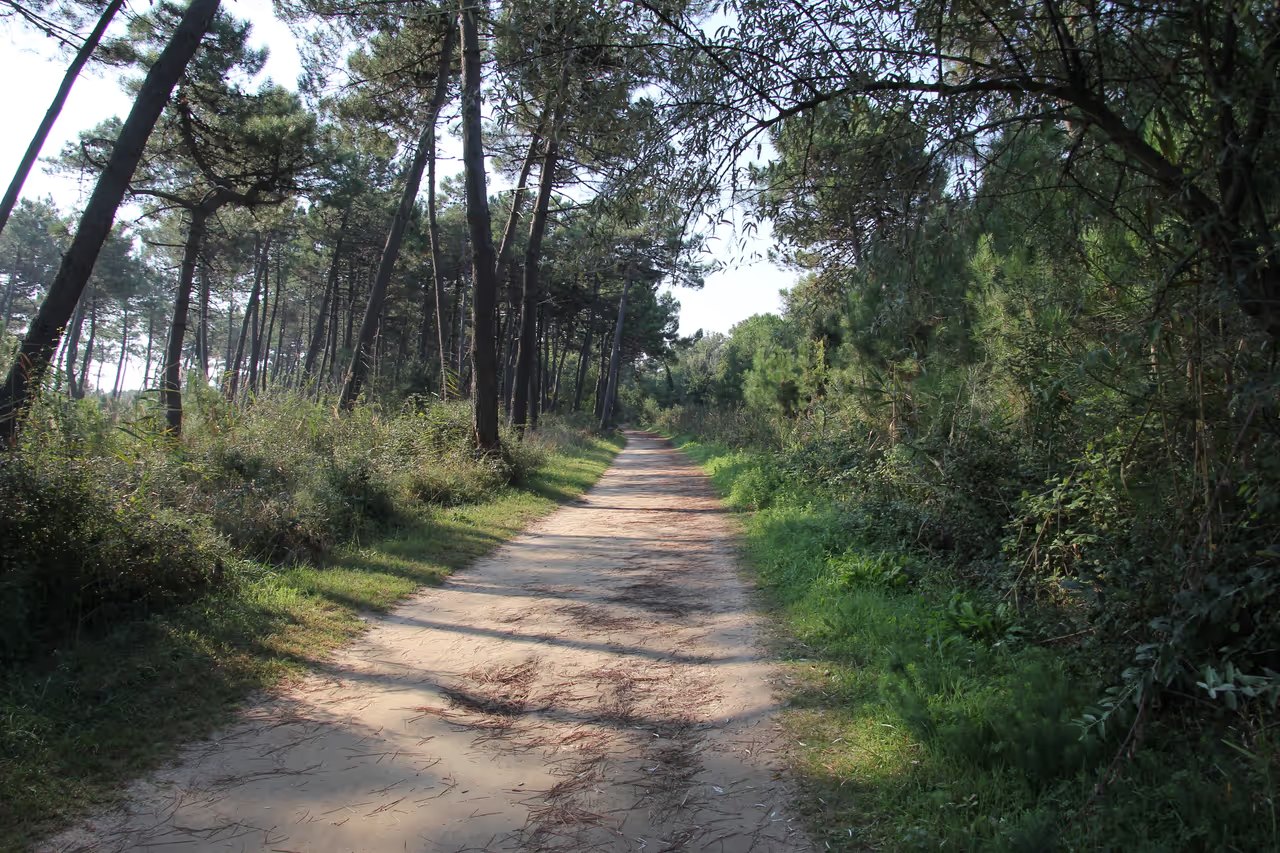
Venture south of the city to explore the legendary pine forest that was praised in the writings of Boccaccio and Dante. The dirt and gravel trails wind through towering umbrella pines, offering a cool, shaded environment perfect for cycling. You will pass through areas of rich biodiversity, surrounded by the calming sounds of nature. It is an immersive journey into one of the region's most celebrated landscapes.
view cycling route
See all nature & parks in Ravenna
Ravenna Public Gardens, Rocca Brancaleone...