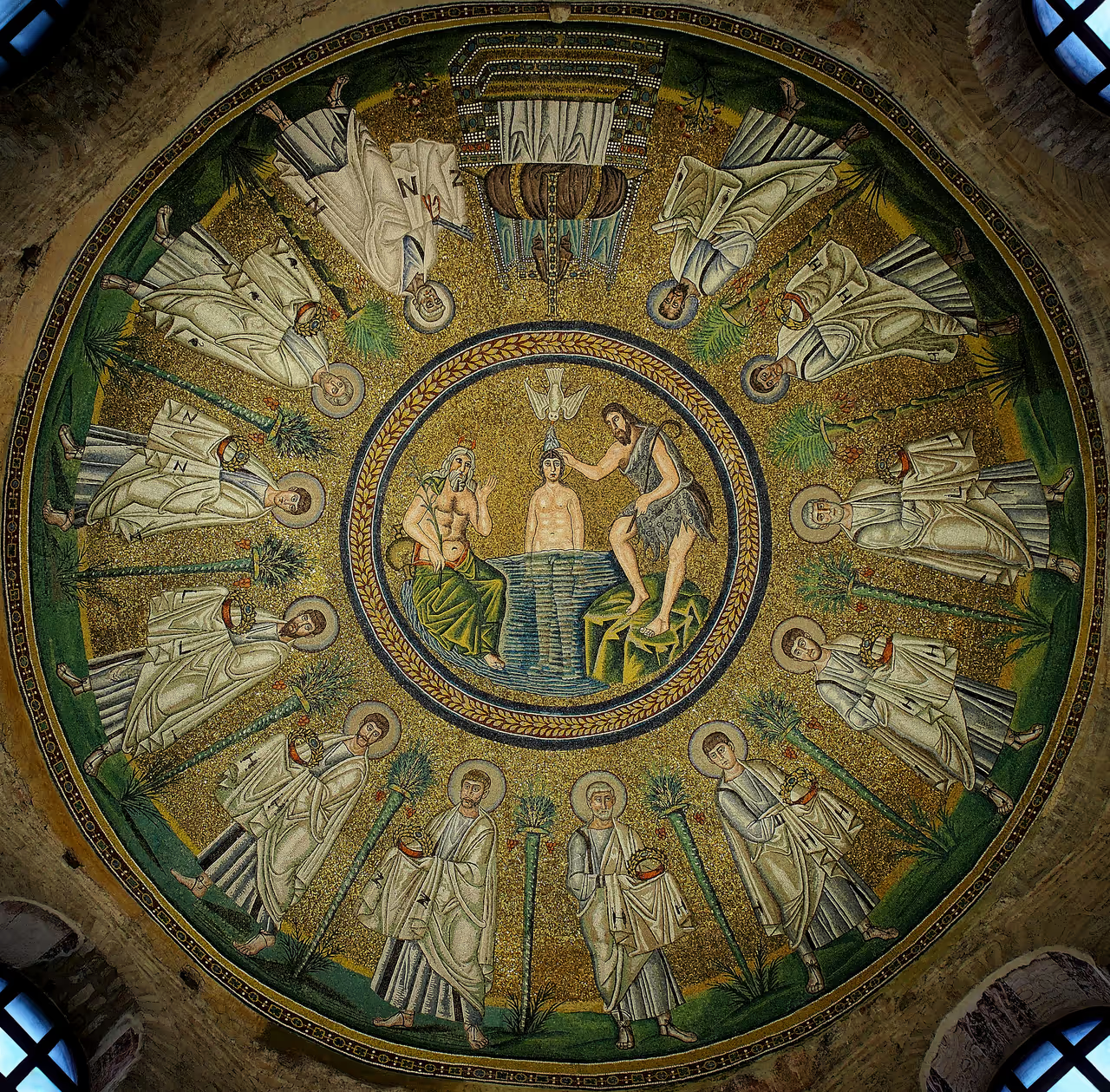
Basilica of Sant'Apollinare in Classe
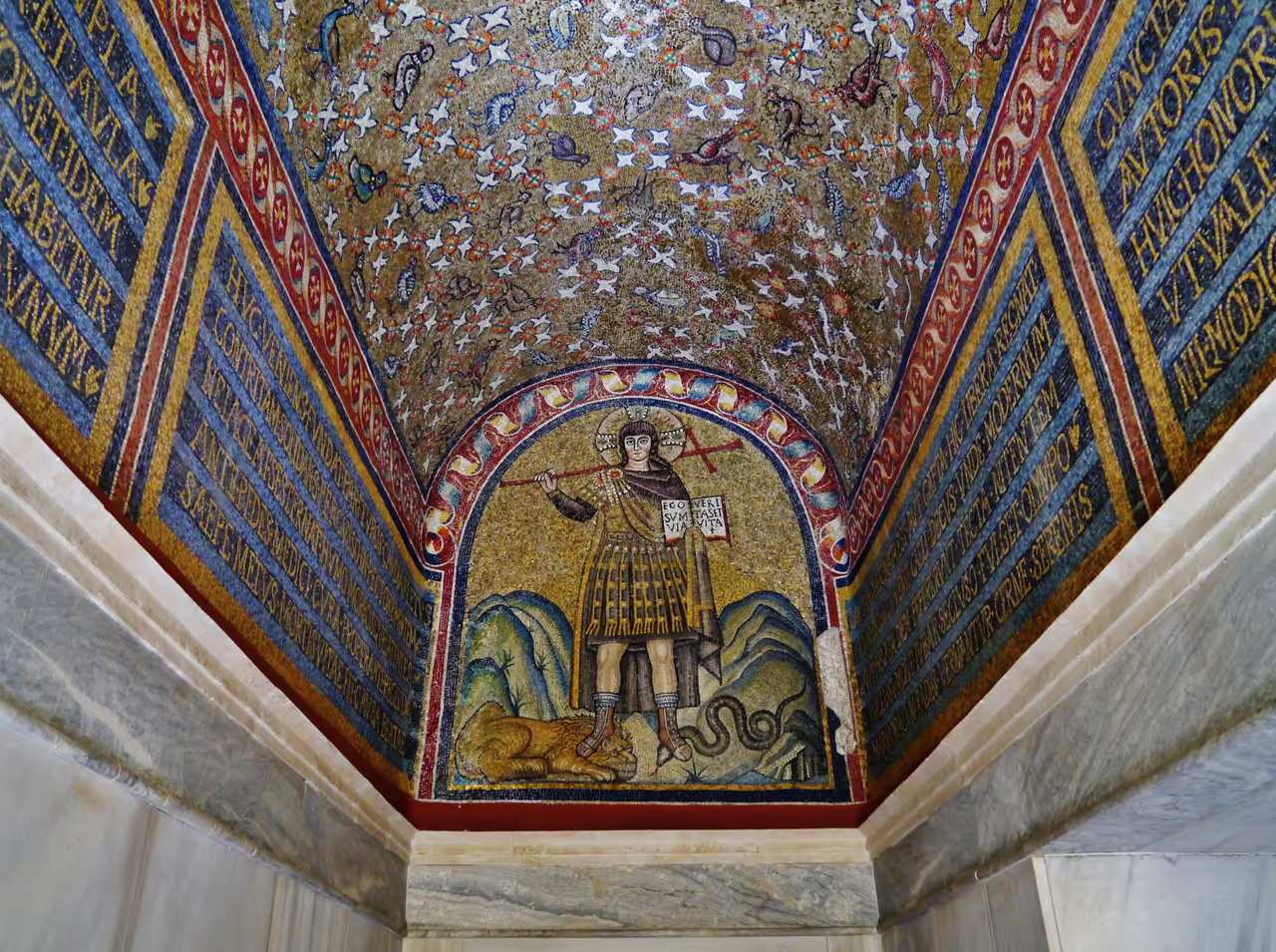
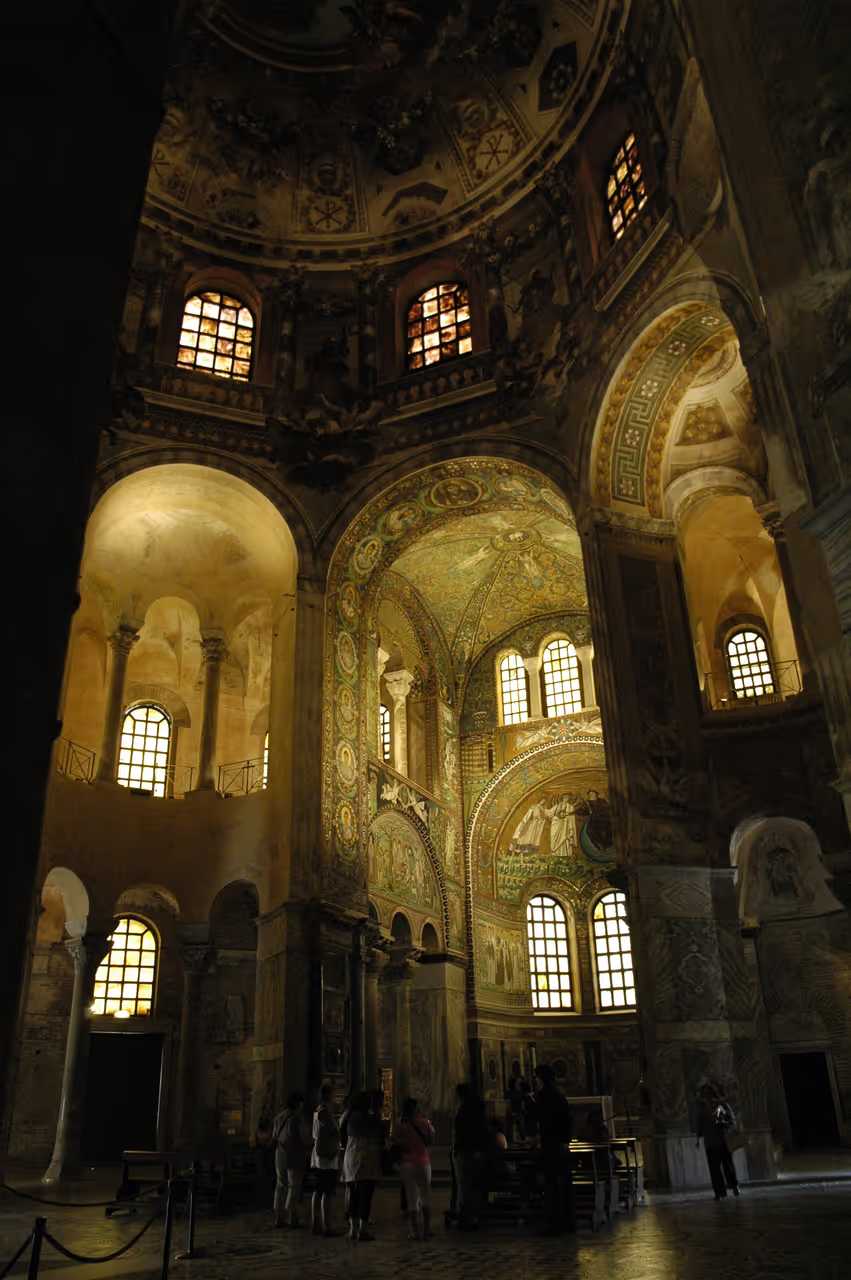
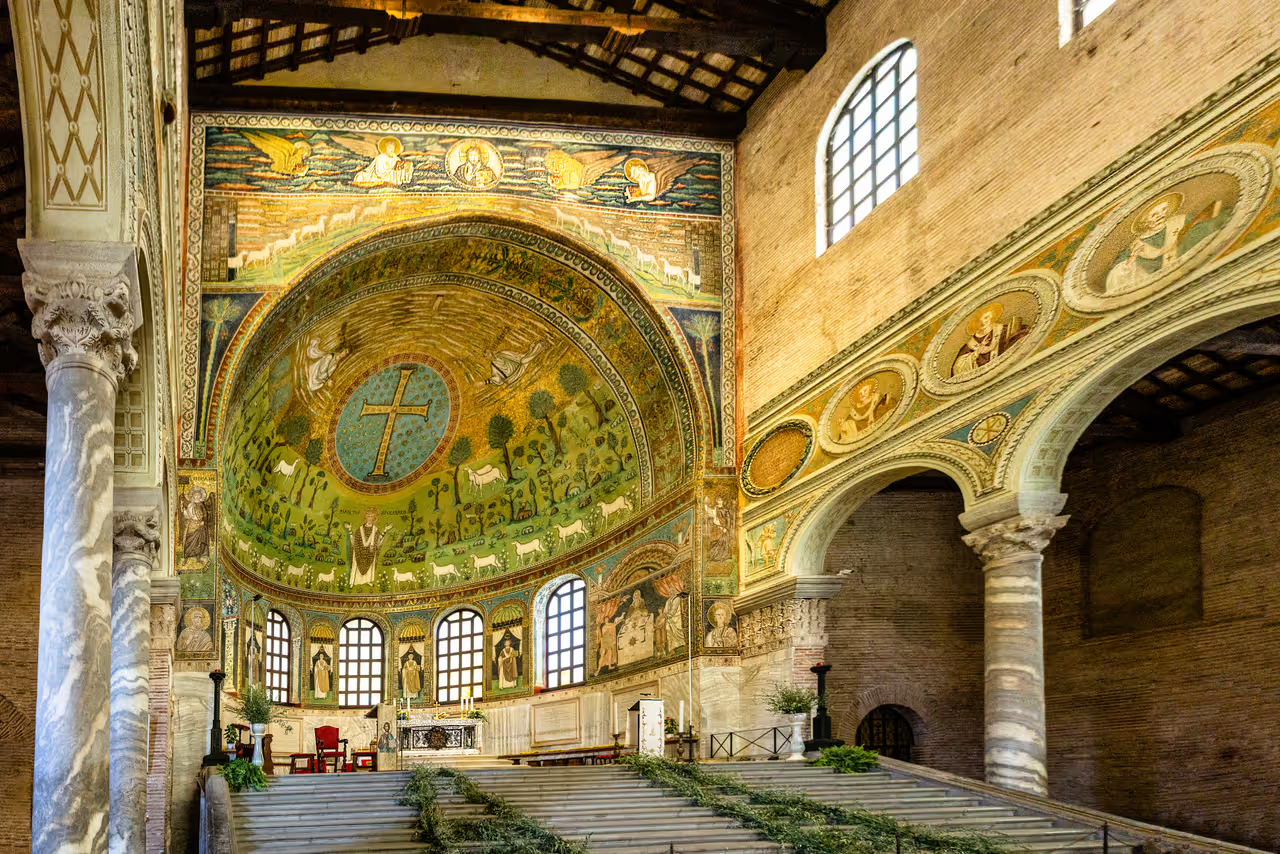
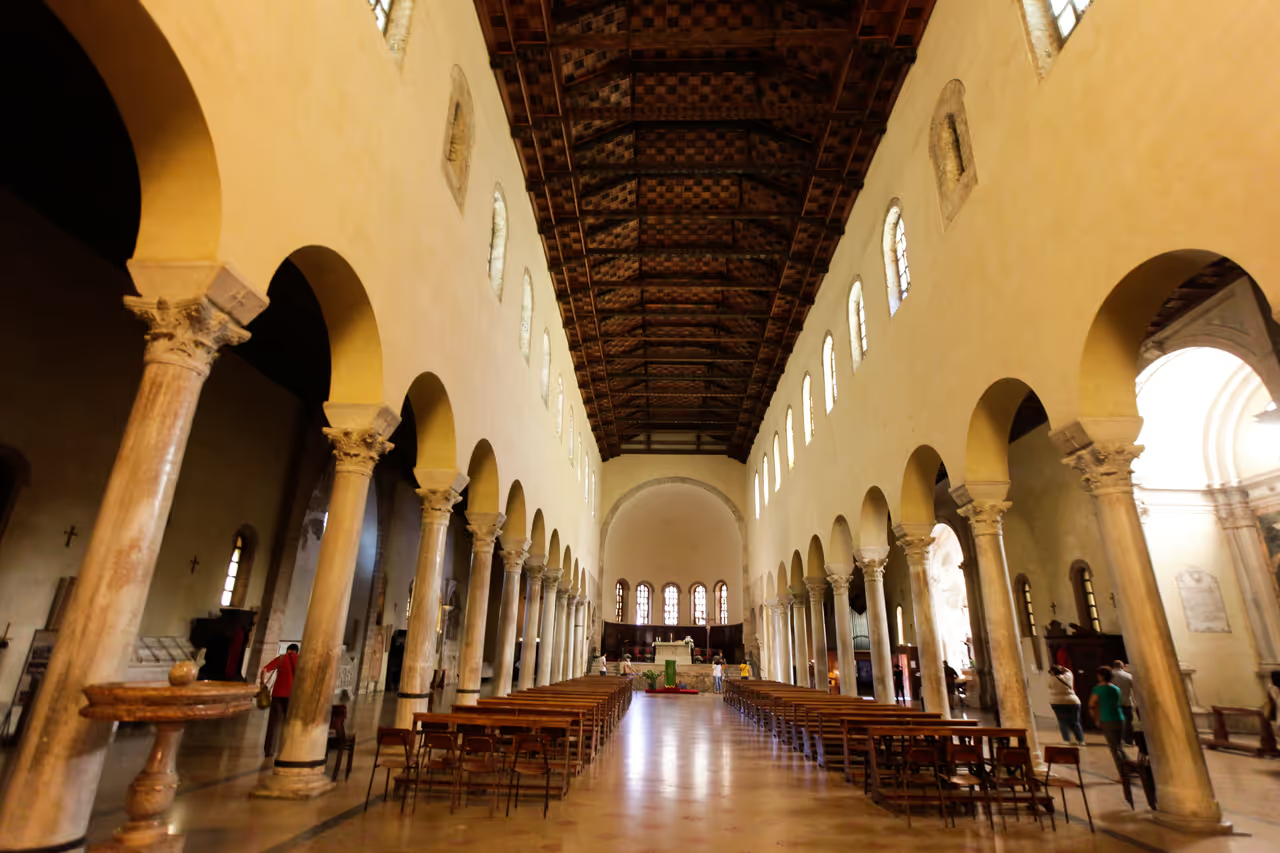
Standing silently amidst the countryside just outside Ravenna, the Basilica of Sant'Apollinare in Classe acts as a portal to a different age. This UNESCO World Heritage site is a masterpiece of Byzantine architecture, celebrated for its breathtaking, light-filled apse mosaics that shimmer with celestial beauty. The interior is spacious and dignified, offering a rare sense of peace that connects you to the ancient past. You can admire the delicate craftsmanship of the Proconnesian marble columns and the solemnity of the early Christian sarcophagi lining the walls. Visiting here is essential to understand the sheer artistry that defined Ravenna when it was a capital of the empire. It is a place where history feels tangible, inviting you to wander through centuries of spiritual devotion in a setting that remains largely unchanged by time.
Videos
History of Basilica of Sant'Apollinare in Classe
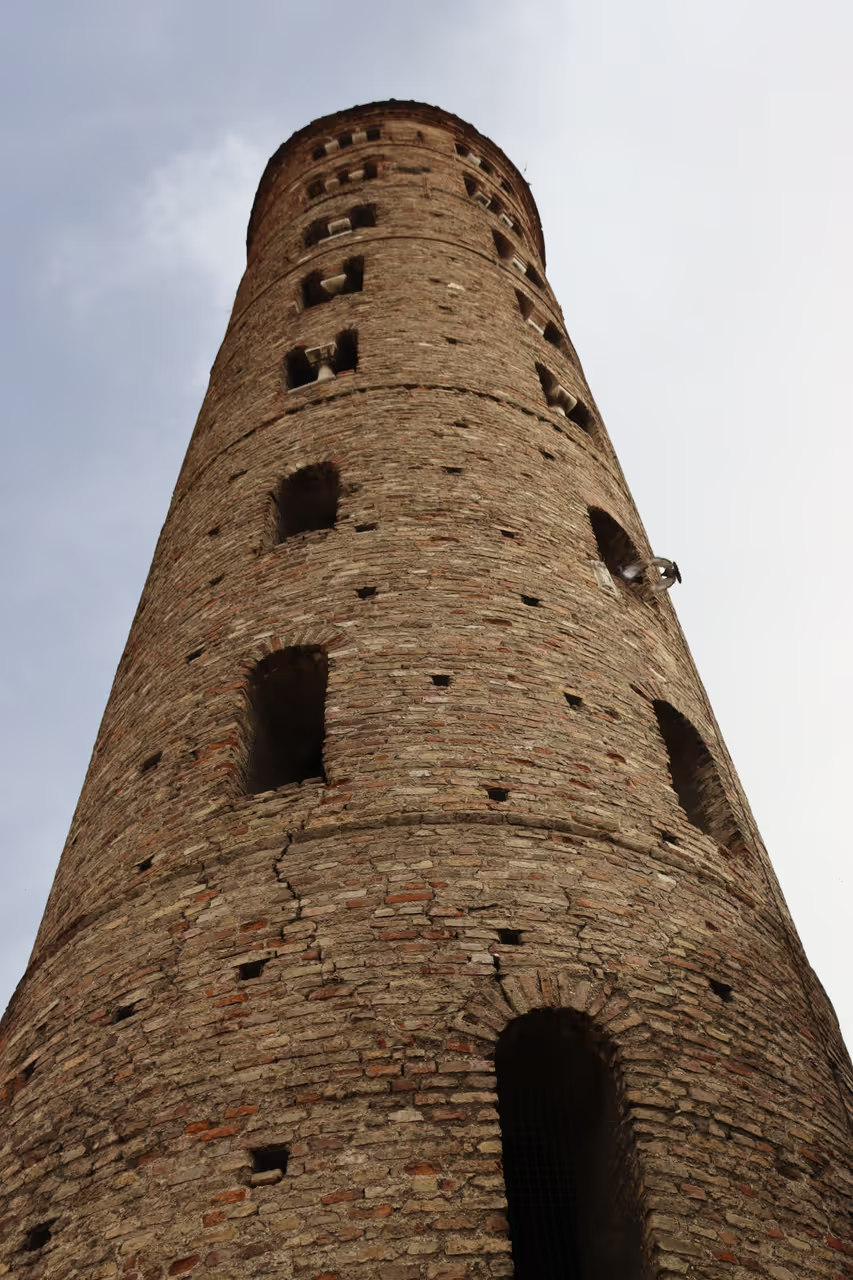
The story of Sant'Apollinare in Classe begins in the mid 6th century, an era when Ravenna stood as the gleaming heart of the Byzantine Empire in Italy. Commissioned by Bishop Ursicino and funded by the wealthy financier Giuliano Argentario, the basilica was intended to serve as a grand sanctuary for Saint Apollinare, the city's first bishop and a figure of immense local devotion. Its construction marked a pivotal moment, cementing Ravenna's status as a powerhouse of the Mediterranean world. As centuries passed, the basilica became a living archive of history. While the ancient port city of Classe eventually faded, swallowed by the shifting coastline and the relentless march of time, the church remained, isolated in the fields like a quiet guardian of the past. Throughout the Middle Ages, the site was cared for by monks, including the Camaldolese, who established a monastery nearby. The building itself transformed, with the addition of a crypt in the 9th century to house the relics of the saint and the construction of its distinctive cylindrical bell tower, a skyline feature that remains iconic to this day. Today, the basilica survives as a profound testament to the artistic genius of late antiquity. It escaped the destruction that claimed the surrounding port and the original monastic buildings, leaving the structure largely as it was over a millennium ago. When you step inside, you are witnessing the same vision of the Transfiguration that pilgrims beheld centuries ago. It stands as a defiant reminder of Ravenna's golden age, preserving a fragile, golden legacy that continues to captivate visitors from across the globe.
Events spanning 1466 years
Fun Facts
- • A hand representing the presence of God reaching down from the clouds is a striking detail in the apse mosaic, symbolising divine intervention.
- • Beneath the visible mosaics, restorers discovered an earlier sinopia, or preliminary sketch, revealing that the decorative theme was altered during construction to celebrate the church's new status as an archdiocese.
- • For several centuries, this basilica served as the final resting place for the archbishops of Ravenna, with many of their ornate sarcophagi still lining the side walls today.
- • The basilica was once situated near the ancient, active port of Classe, which has long since silted up and vanished, leaving the church standing solitary in the quiet countryside.
- • The church houses a rare 12th-century ciborium of Sant'Eleucadio, which was moved here in the 9th century to protect it within the basilica walls.
- • The construction was financed by the wealthy banker Giuliano Argentario, who was instrumental in funding several of Ravenna's most important religious buildings.
- • The iconic cylindrical bell tower dates back to the 9th century and features a clever architectural design with windows that increase in number towards the top to reduce weight and ensure stability.
- • The magnificent mosaic in the apse depicts the Transfiguration of Christ, a choice specifically designed to combat the Arian heresy by asserting the divine nature of Jesus.
- • The nave is flanked by twelve columns of rare Proconnesian marble, imported from the Sea of Marmara, which still retain their original Byzantine capitals.
Basilica of Sant'Apollinare in Classe FAQ
While we strive to keep this information accurate and up to date, we recommend verifying any details independently before making decisions based on them.
Basilica of Sant'Apollinare in Classe Map & Neighborhood Explorer
This interactive map is centered on Basilica of Sant'Apollinare in Classe. Zoom in and move the map around to automatically discover Wikipedia photos and summaries of other nearby sights, monuments, and historical points of interest and stories in real-time!
Places near Basilica of Sant'Apollinare in Classe
Make the most of your trip. Check out these top-rated spots located nearby.
 4210m
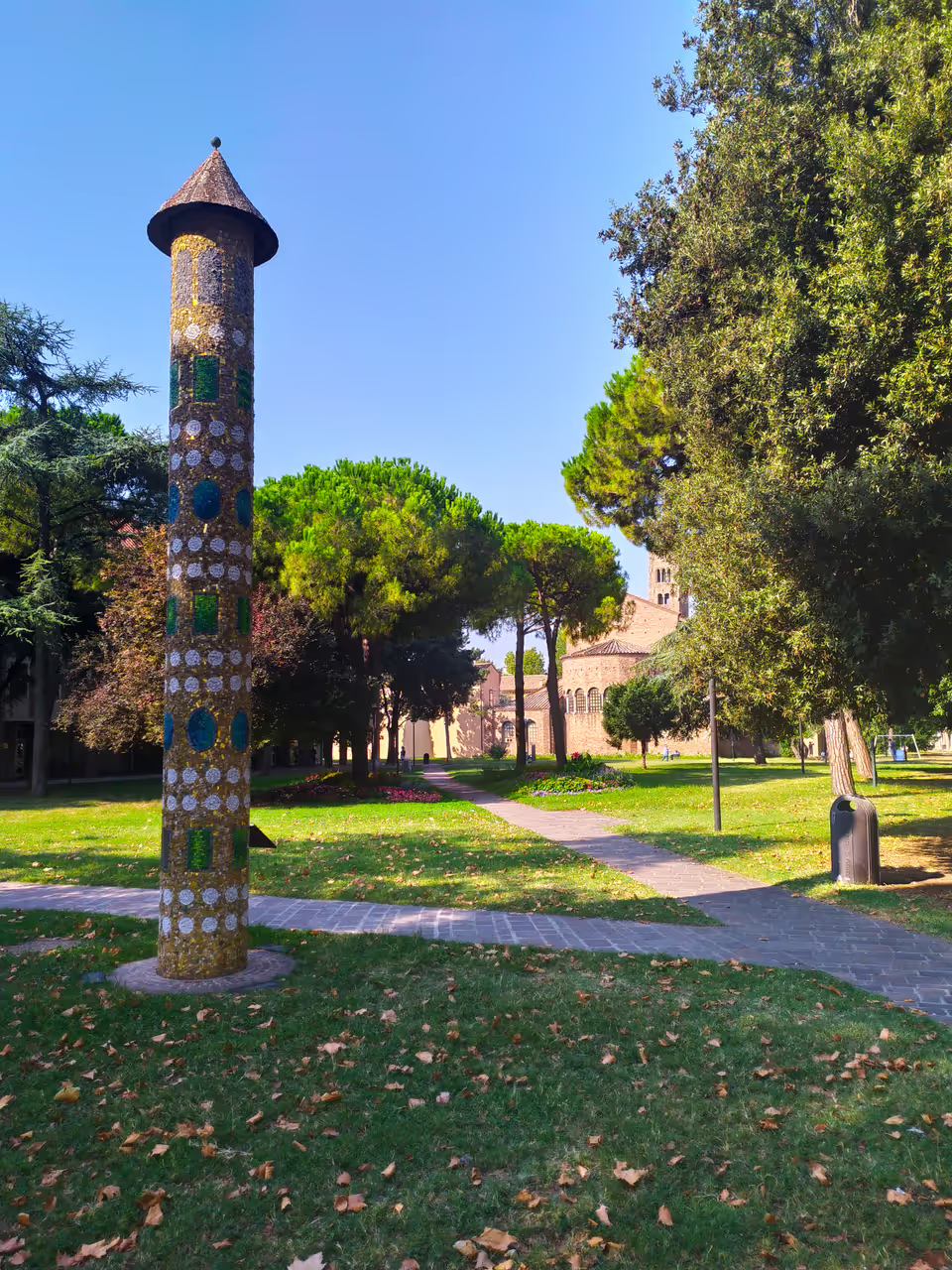
4210mRavenna Public Gardens
The Ravenna Public Gardens offer a refreshing green sanctuary located in the south-eastern corner of the city centre. Established in the early 1930s, this park was the first of its kind in Ravenna, providing a formal urban escape for residents and visitors alike. You can wander through paths designed in the elegant Italian garden style, enclosed by intricate wrought iron fencing. The space features a magnificent central stone fountain and a charming bar chalet where locals enjoy coffee in the shade. It also houses the city planetarium, making it a brilliant spot for both nature lovers and stargazers. Its location directly behind the Art Museum of the City of Ravenna makes it a perfect place to relax after a morning of cultural exploration.
park & nature view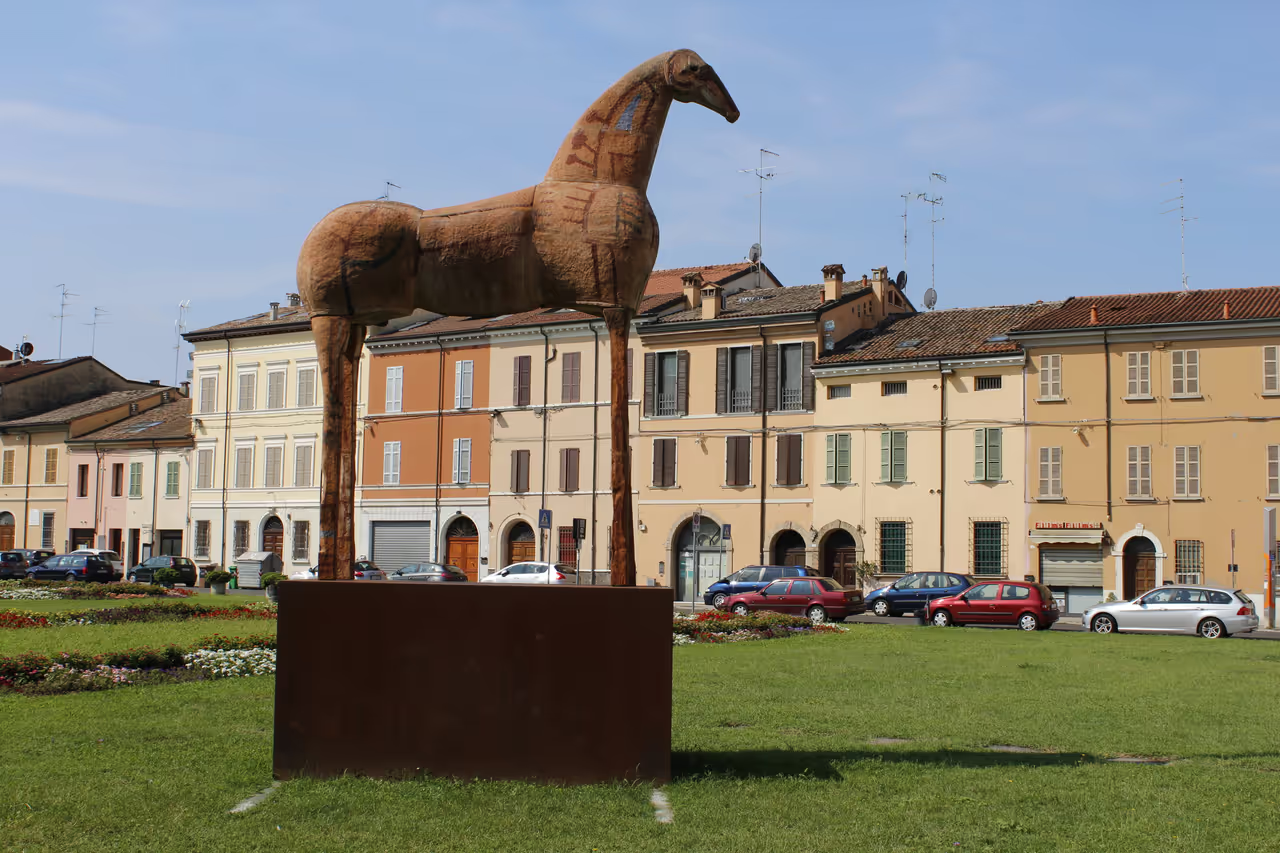 4324m
4324mCity Art Museum
Housed in a monumental sixteenth century monastery, this museum brilliantly connects the city's ancient heritage with modern expression. It features a fascinating collection spanning from the fourteenth century to contemporary art. The absolute highlight is the permanent exhibition of modern mosaics, showcasing pieces commissioned from famous twentieth century artists. It provides a striking, colourful contrast to the Byzantine works found elsewhere.
highlight view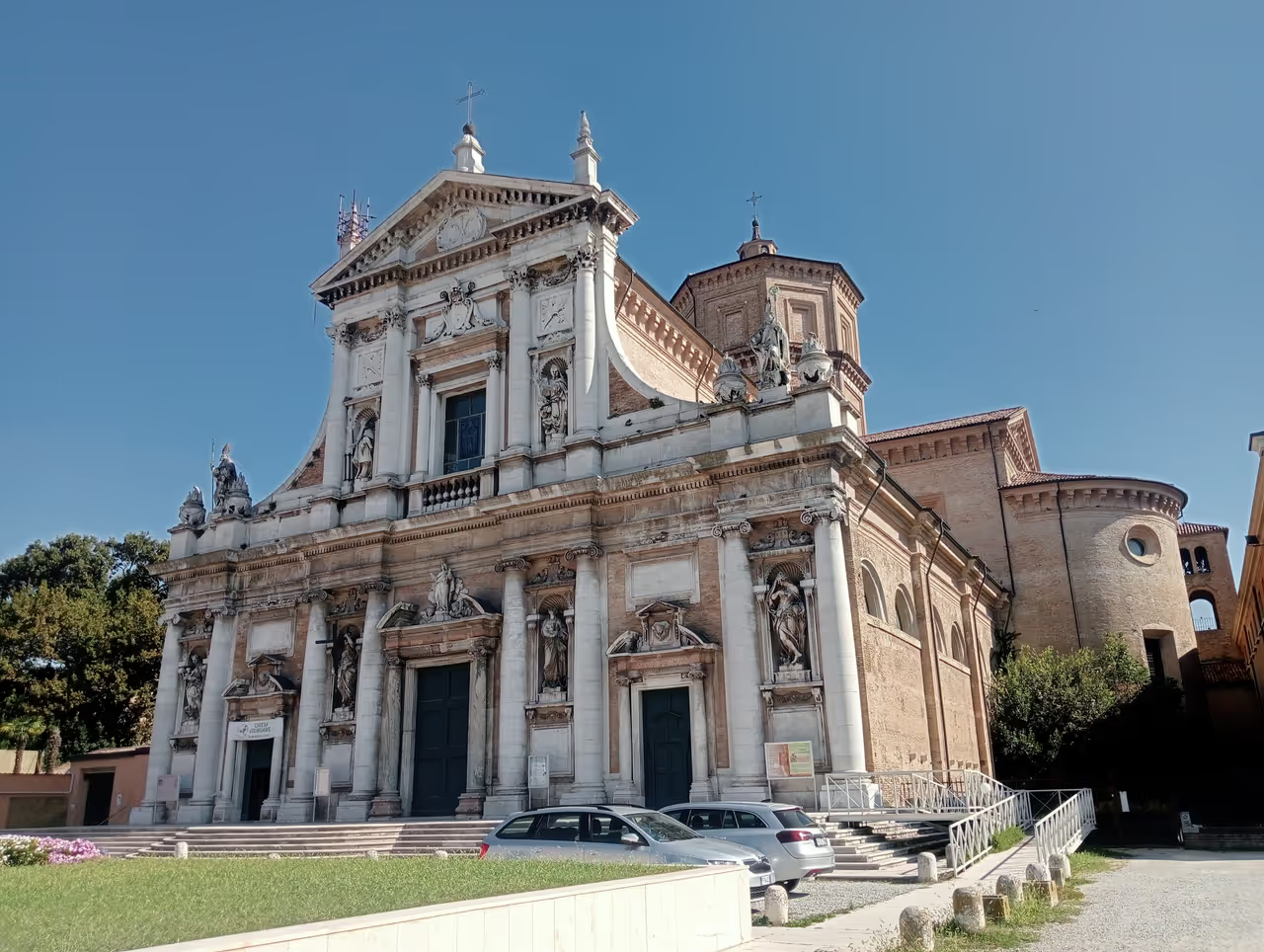 4409m
4409mBasilica of Saint Mary in Porto
This is an exceptionally grandiose and theatrical piece of architecture standing proudly in the city. Constructed between the sixteenth and eighteenth centuries, it is an absolute masterpiece of the late Baroque style. The towering, heavily ornamented facade dominates the surrounding streets, while the vast, luminous interior inspires awe. It houses the venerated Greek marble relief of the Greek Madonna, adding profound spiritual weight to the stunning design.
architecture view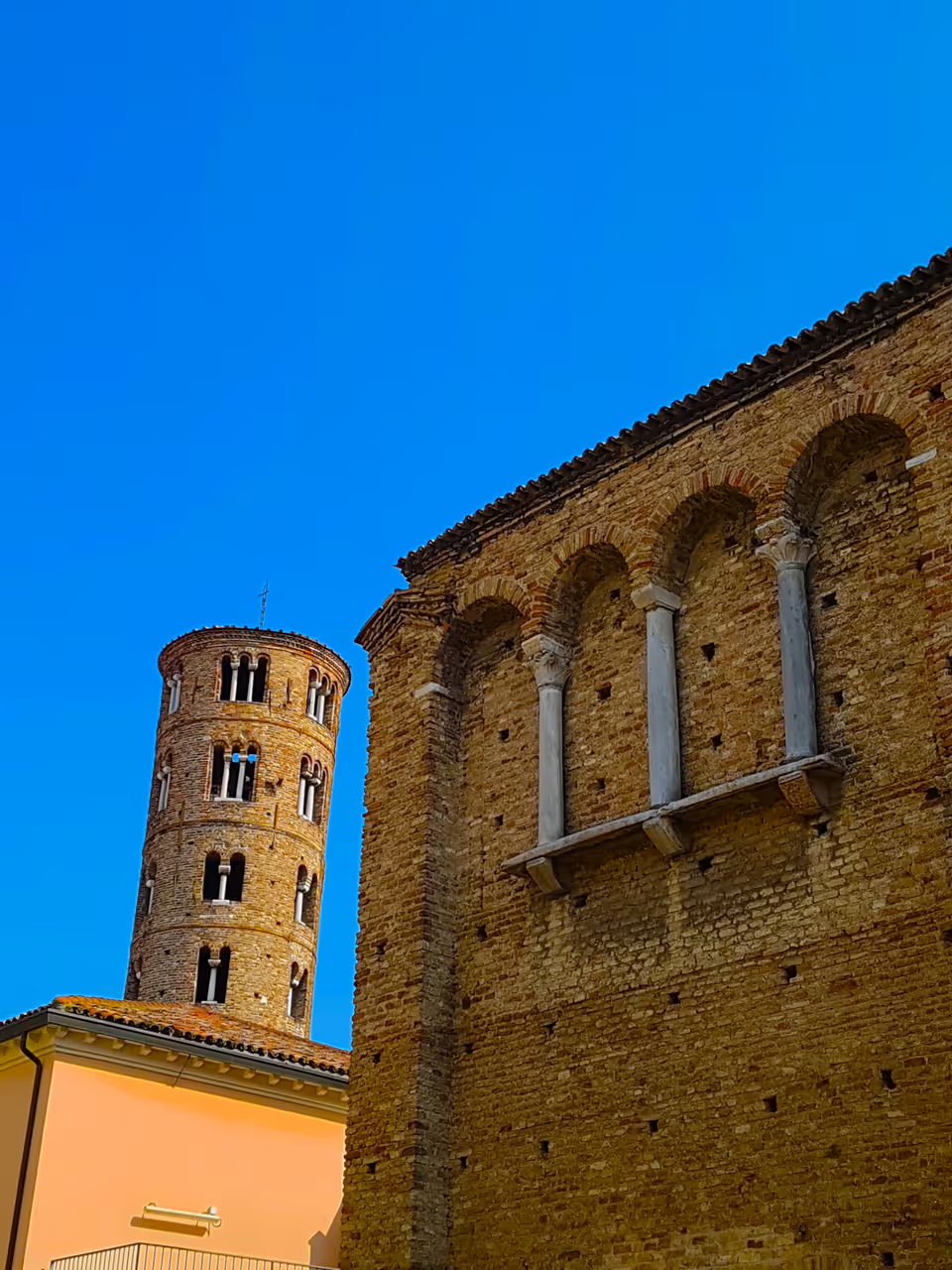 4614m
4614mPalace of Theodoric
Standing as a hauntingly beautiful fragment of late antiquity, these striking brick ruins were long thought to be the royal residence of the Ostrogothic king. It is now understood to be the remains of an eighth century guardhouse or narthex to a lost church. Regardless of its exact origin, the structure features elegant blind arches and a grand portal that exude an undeniable imperial aura. It preserves the rare architectural forms of the Dark Ages in spectacular fashion.
architecture view
Explore Similar Places in These Collections
Featured on These Itineraries
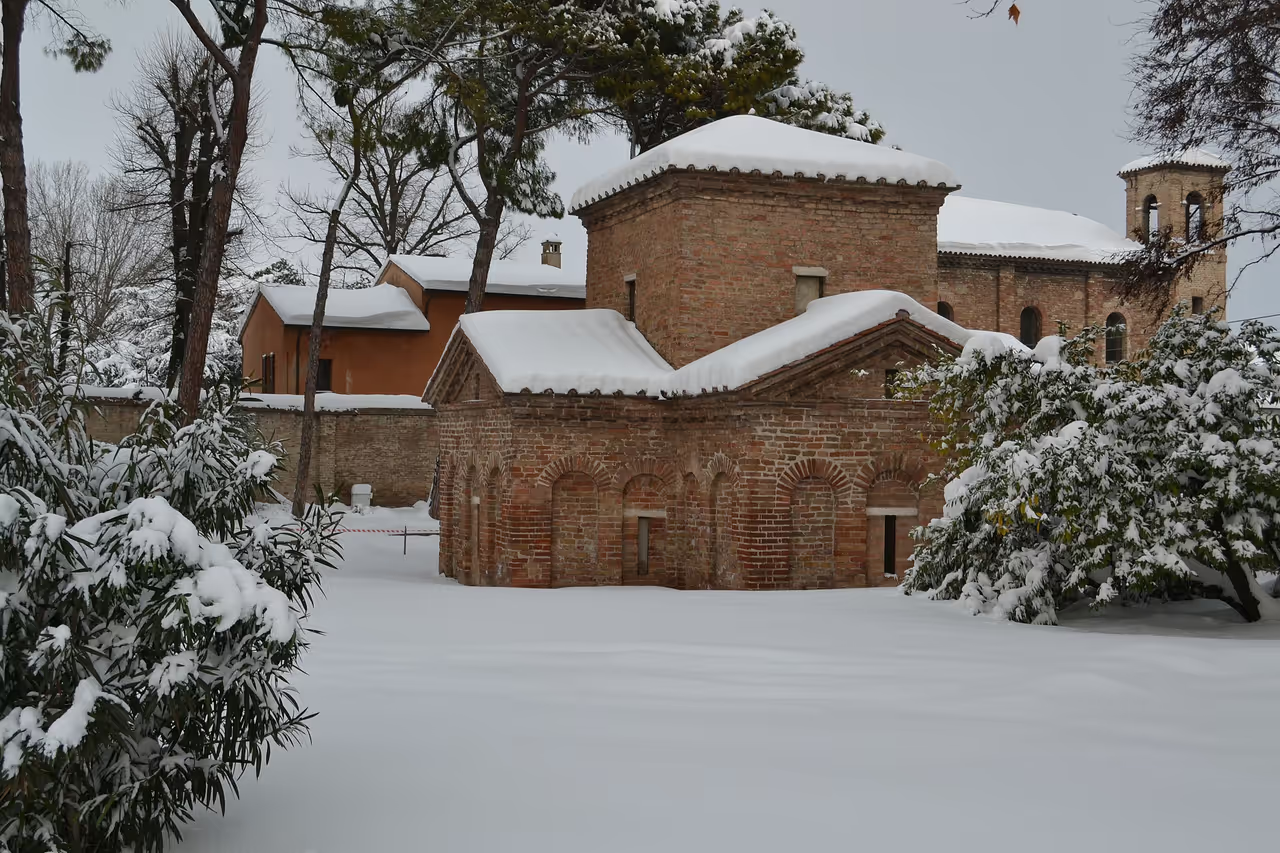
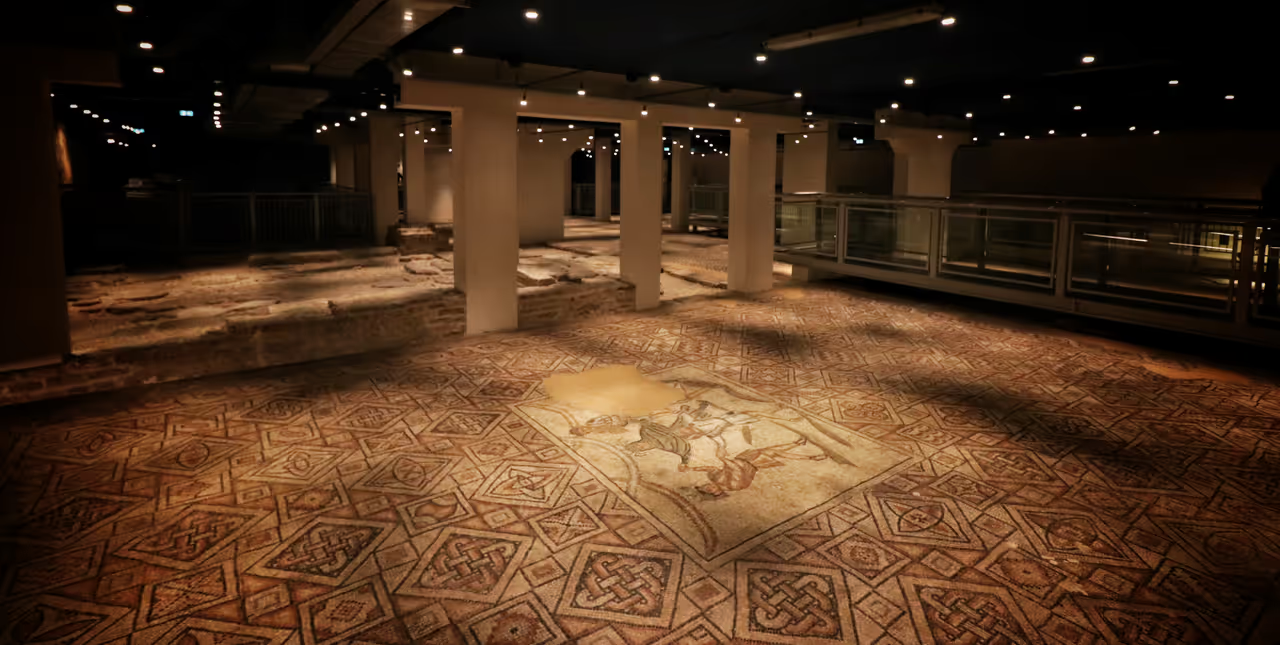
3 Days in Ravenna: Exploring Empires Itinerary
With three days, you can significantly expand your exploration beyond the central cluster, taking the time to absorb the profound differences between the Arian, Orthodox, and Byzantine monuments. This pace allows for unhurried museum visits, a trip to the magnificent flooded crypt, and a short excursion outside the city centre to Classe. It strikes the perfect balance between intense cultural sightseeing and the slow, enjoyable lifestyle of the Romagna region. You will leave with a deeply comprehensive understanding of the city's golden age.
view itinerary
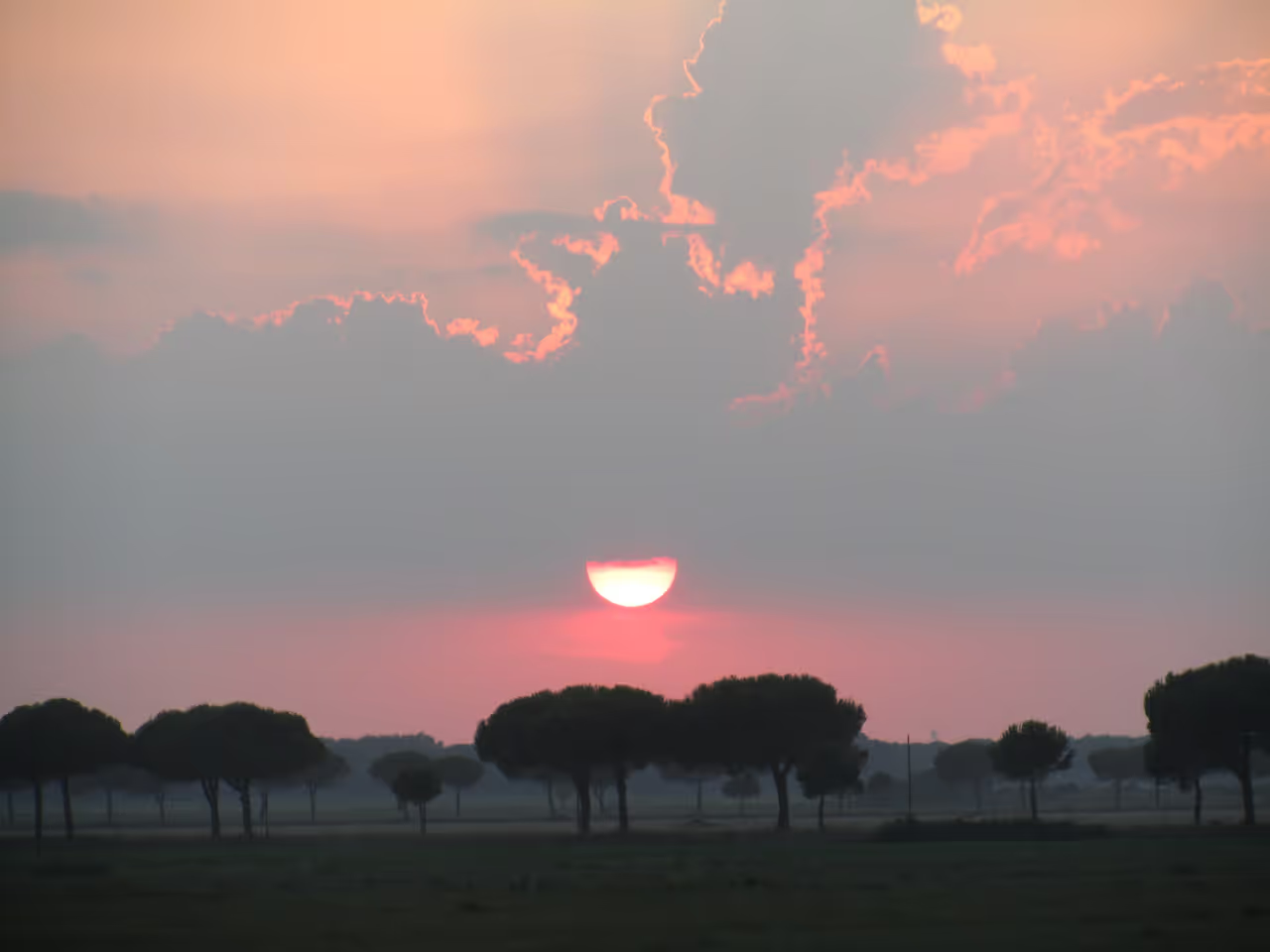
5 Days in Ravenna: The Complete Experience Itinerary
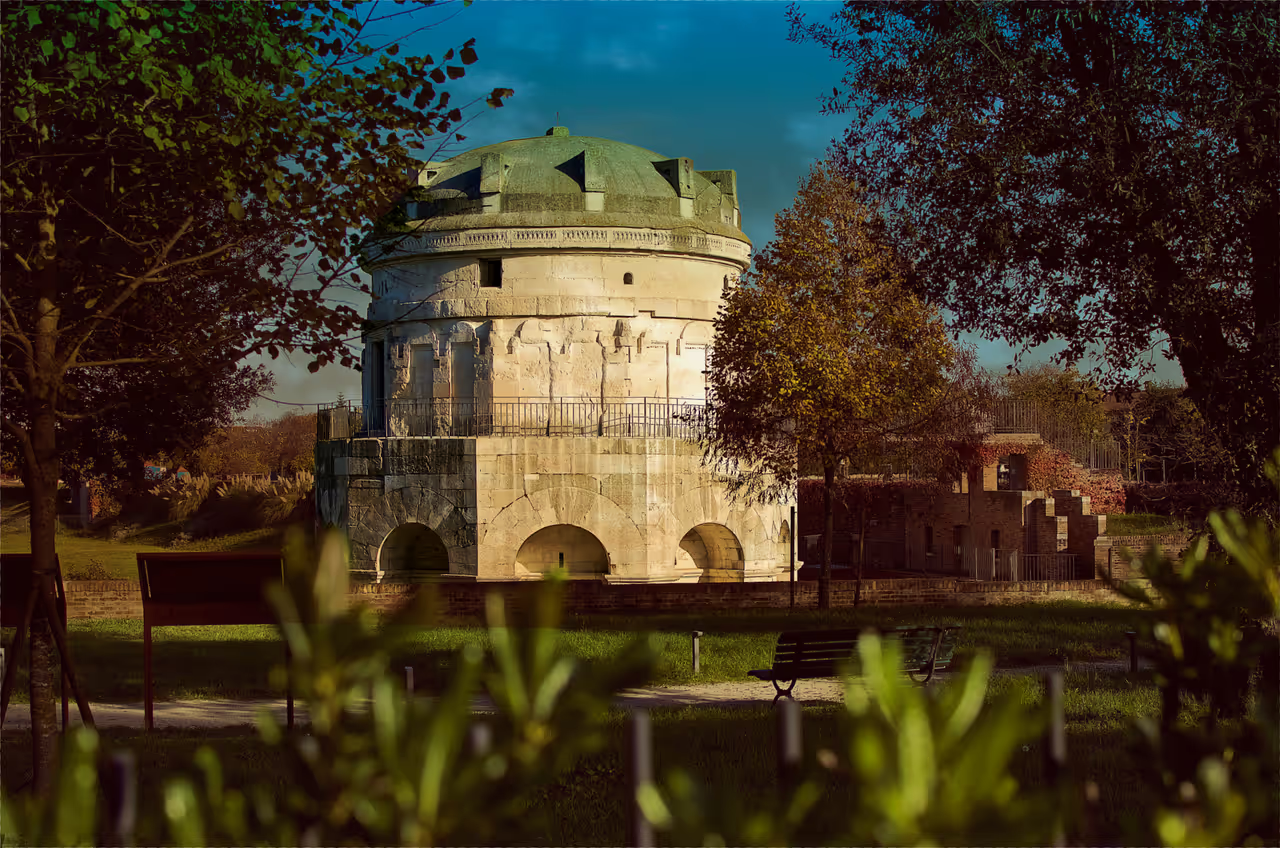
A five day stay transforms a cultural trip into a fully immersive holiday. You have the luxury to discover every single UNESCO monument, including the imposing Mausoleum of Theodoric, and explore the city's superb art museums. Crucially, it allows you to step outside the history books and experience the city's stunning natural surroundings, from the ancient pine forests to the lively Adriatic beaches. It is the ultimate way to appreciate both the ancient grandeur and the vibrant modern spirit of the area.
view itinerary
See all unesco sites in Ravenna
Archiepiscopal Chapel, Basilica of Sant'Apollinare Nuovo, Basilica of San Vitale, Mausoleum of Galla Placidia, Mausoleum of Theodoric, Mosaics of the Neonian Baptistery, Arian Baptistry...