Strasbourg
Full City Guide, Map & 118 Things To Do
293,771 people live here.
That's 0.43% of the entire population of France.
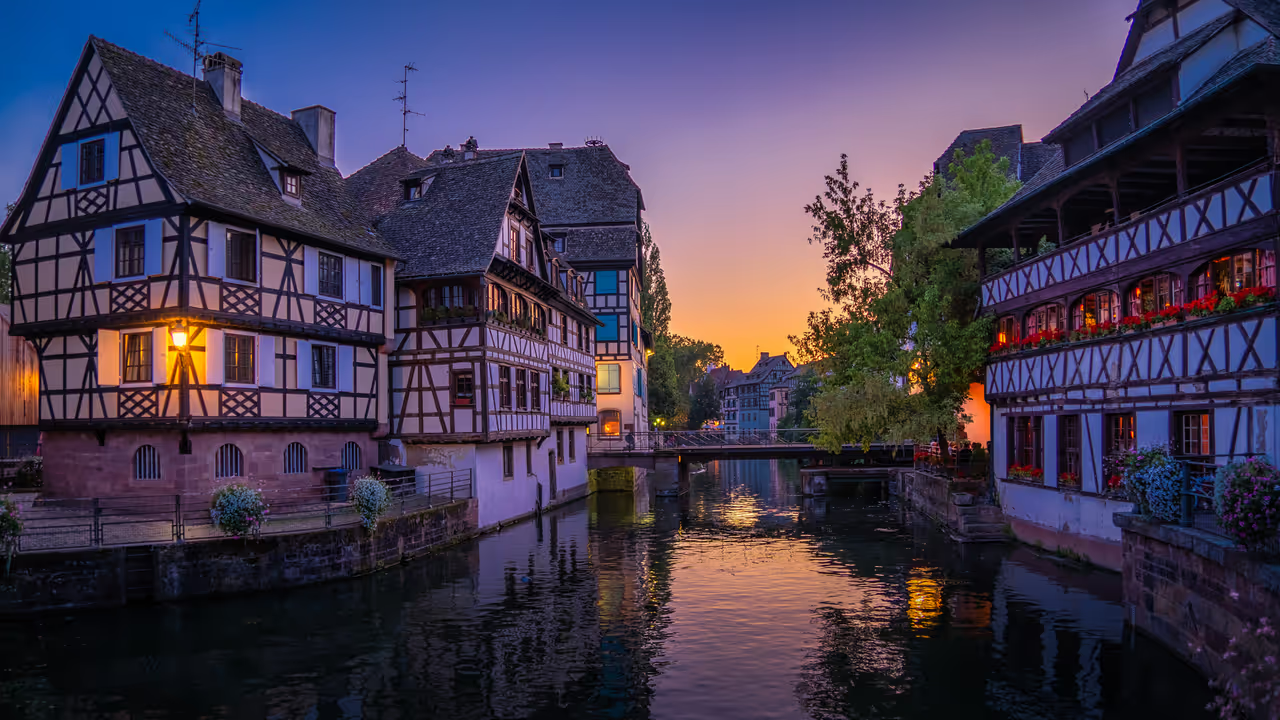
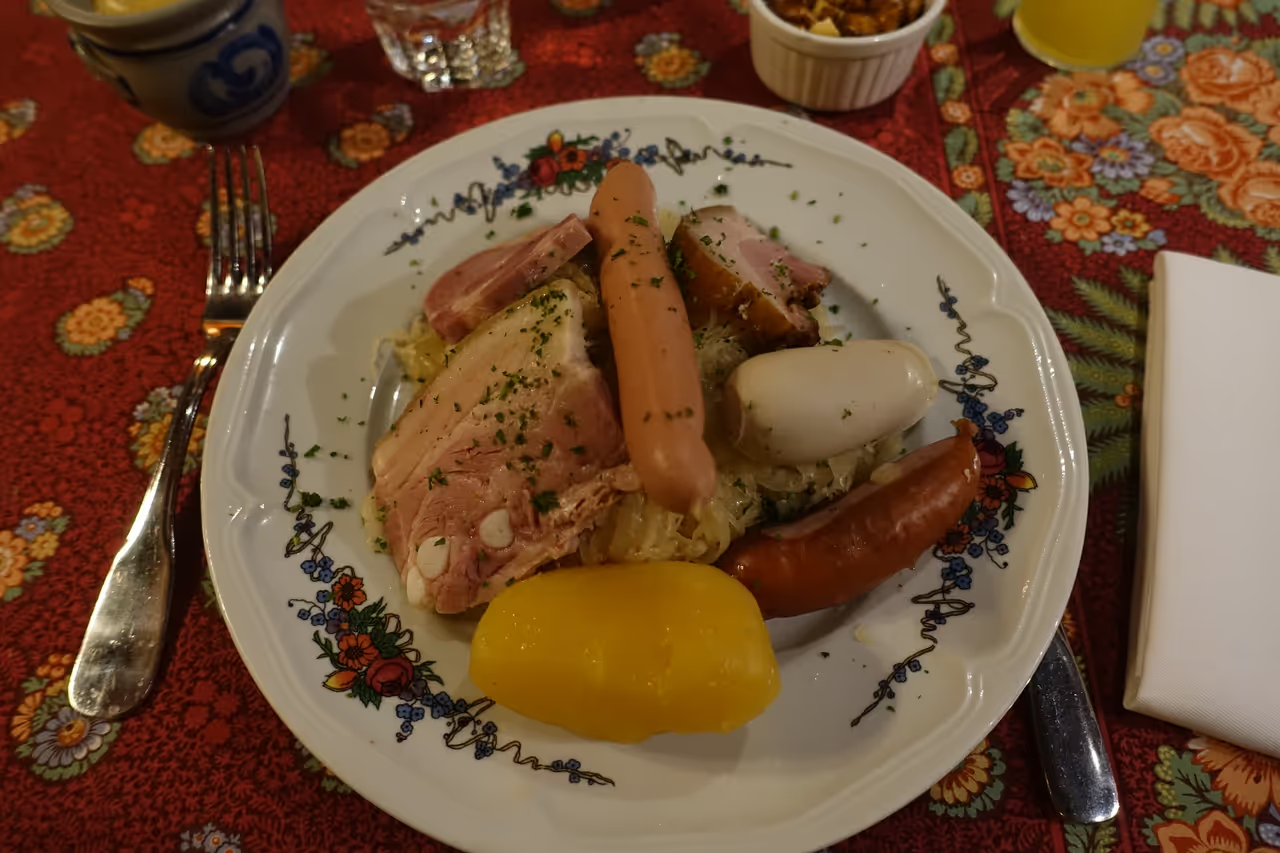
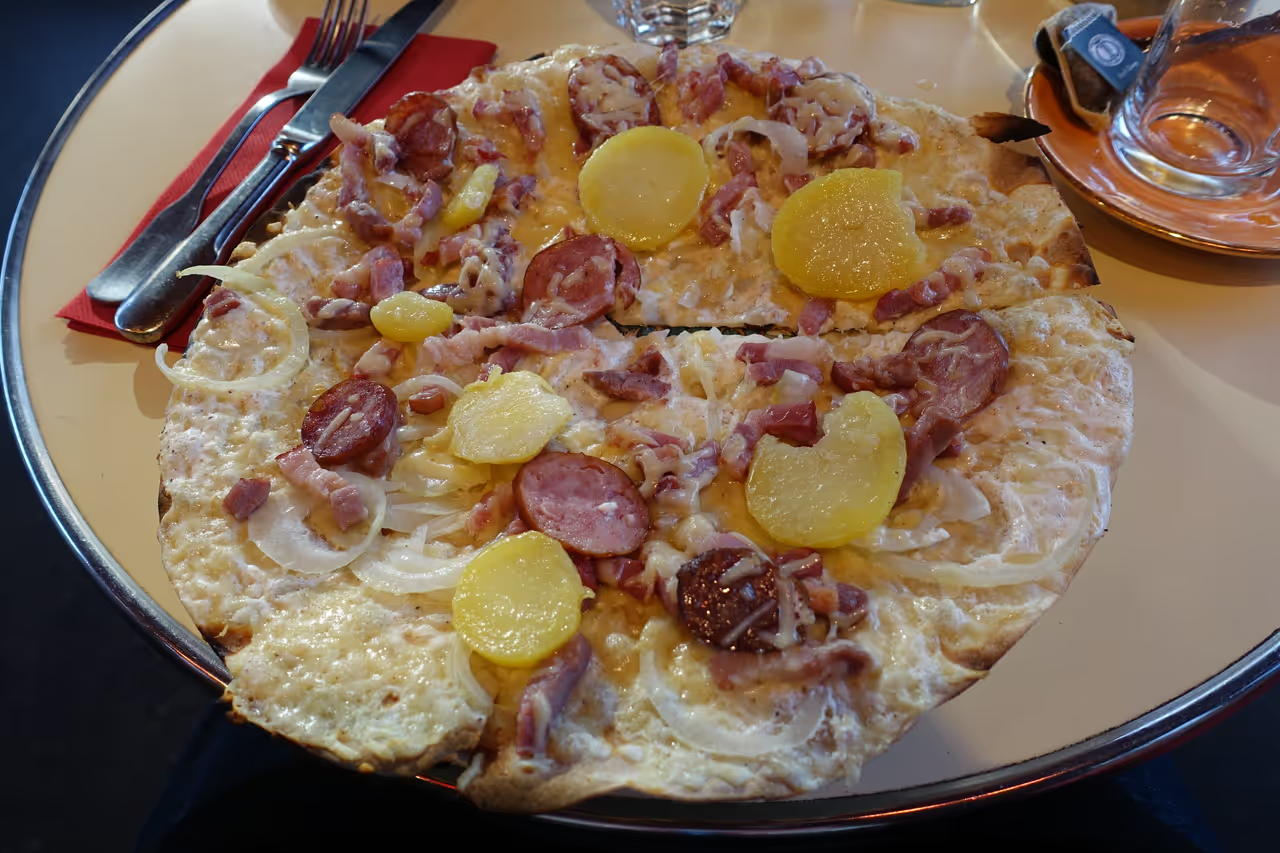
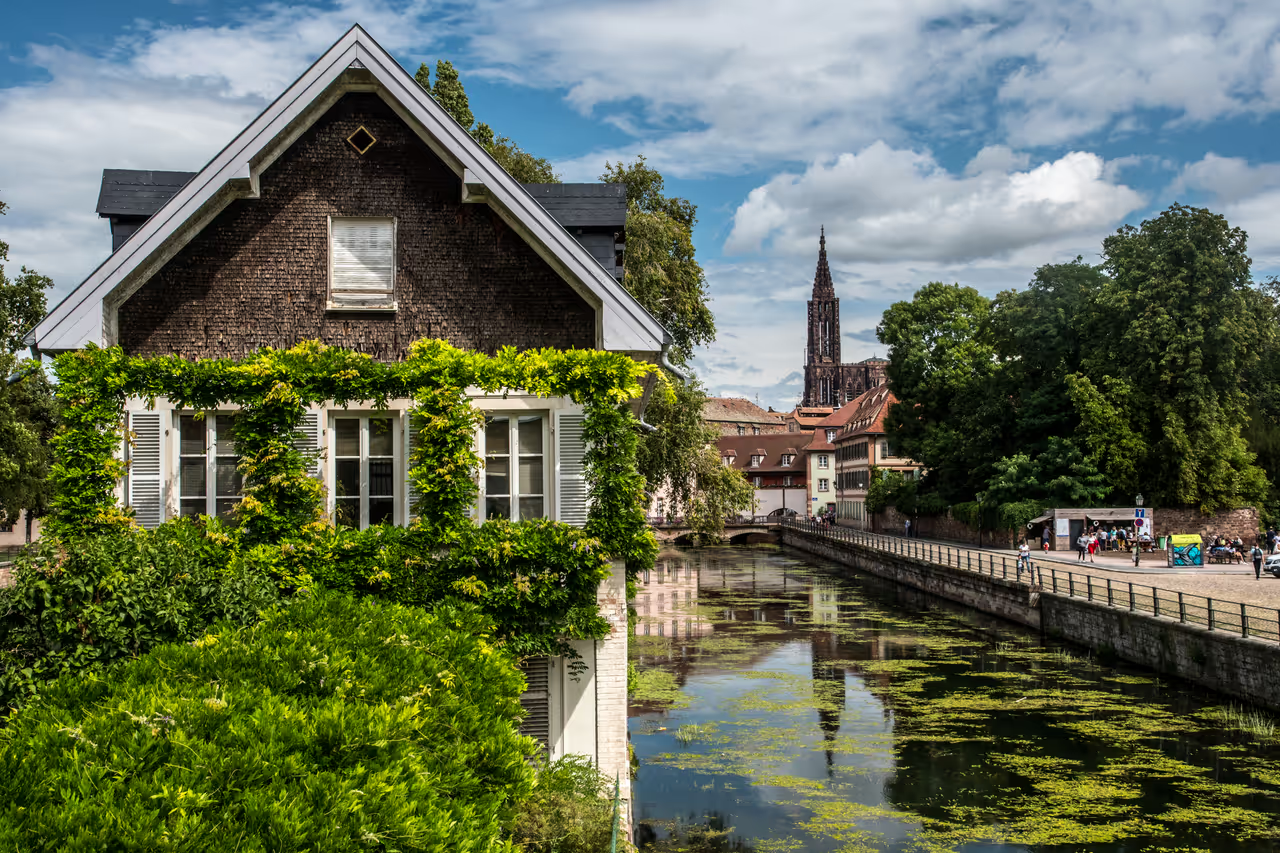
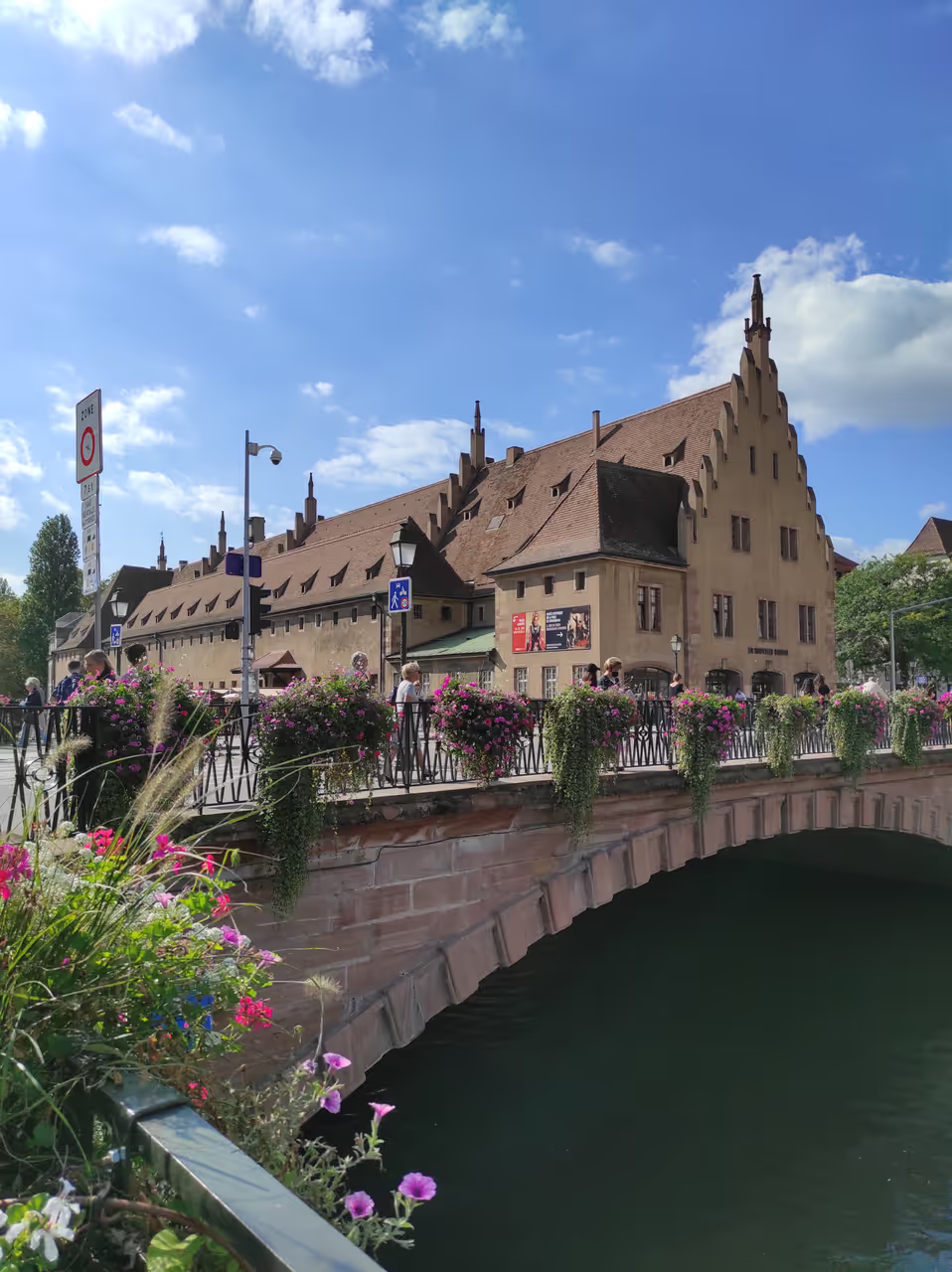
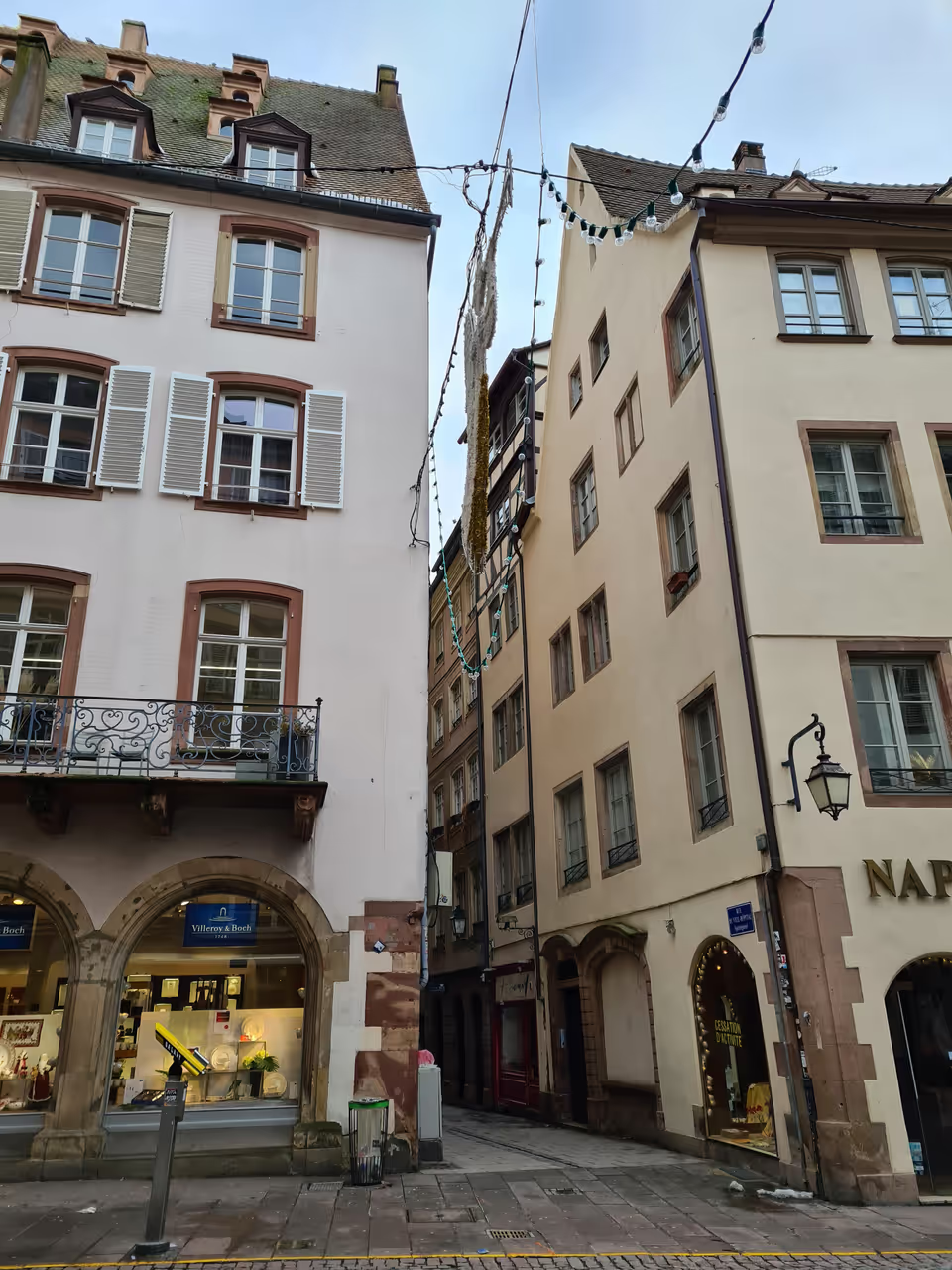
Strasbourg sits on the border, and it shows. Street signs run in French and Alsatian, canal houses lean at odd angles under steep half-timbered gables, and the smell of tarte flambée drifts from bakery windows next to bretzel stands. The Grande Île, wrapped by the Ill river, is dense with medieval lanes narrow enough to touch both walls at once, especially through the Petite France quarter, once home to tanners, millers, and fishermen. Cathédrale Notre-Dame de Strasbourg dominates the skyline in pink Vosges sandstone, and its astronomical clock still draws a small crowd each afternoon to watch the mechanical apostles process past the hour. This is also, unmistakably, a working European capital: the Louise Weiss building houses the European Parliament's plenary sessions, and a large student population keeps the bars around Krutenau busy well past midnight. Cycle the towpaths along the Rhine, order a choucroute garnie in a winstub, and you'll find a city more interested in getting on with daily life than performing its own history for visitors.
Strasbourg DNA
History of Strasbourg
Long before it became a symbol of European unity, Strasbourg began as a Roman military outpost called Argentoratum. Founded by Drusus in 12 BC on the banks of the river Ill, the settlement guarded the frontiers of the empire. As centuries passed and borders shifted, the city developed a distinct character shaped by its position at the crossroads of Latin and Germanic cultures. By 842, this duality was cemented when the Oaths of Strasbourg were sworn here in both Old High German and Old French, marking the earliest known document in an early French language. The Middle Ages brought fierce internal power struggles that physically shaped civic architecture. Two powerful patrician families, the Zorns and the Müllenheims, fought such bitter street battles for control that the local town hall was built with two separate entrances to keep the rivals apart. The citizens eventually grew tired of aristocratic and episcopal dominance. In 1262, the people defeated the local bishop at the Battle of Hausbergen and established Strasbourg as a Free Imperial City. This new mercantile republic thrived, allowing a spirit of independence to take root. This climate of relative freedom made the city a magnet for radical thinkers and innovators. When Johannes Gutenberg lived here in the fifteenth century, he refined the mechanical movable type that would revolutionise printing. Strasbourg quickly became a powerhouse of book production and a haven for religious reformers. Dissidents who faced persecution elsewhere found a safe harbour within the city walls. This era of intellectual progress was scarred by a dark period during the Black Death in 1349, when the local Jewish population faced severe persecution and exile during a devastating pogrom. The independent streak met a formidable challenge when King Louis XIV of France annexed the city without firing a shot in 1681. French influence seeped into the architecture and culture, setting the stage for peculiar historical episodes. During the French Revolution, radicals demanded the demolition of the cathedral spire, arguing its towering height violated the democratic principle of equality. Clever locals saved the mediaeval masterpiece by constructing a giant tin Phrygian cap and placing it at the very top to appease the revolutionaries. Around the same time, an army officer named Claude Joseph Rouget de Lisle composed a marching song in a local salon that would eventually become the French national anthem, La Marseillaise. The nineteenth and twentieth centuries saw the city treated as a prize in a relentless tug of war between France and Germany. A heavy bombardment in 1870 destroyed the municipal library and art museum, leading to German annexation. The new rulers expanded the footprint significantly, constructing the monumental Neustadt district. Control reverted to France after the First World War, only for the Second World War to bring forced evacuations and a harsh occupation. The local population was entirely evacuated in 1939, leaving a ghost town for ten months before forces moved in. Emerging from decades of conflict, Strasbourg found a new purpose in the post-war era. Leaders chose this fiercely contested border town to host the Council of Europe and the European Parliament. The streets that once hosted patrician sword fights and rival armies now welcome diplomats and lawmakers. The city stands today as a physical manifestation of Franco-German reconciliation, where mediaeval timber frames and grand imperial boulevards sit side by side in lasting peace.
14 Events spanning 2036 years
Map of Strasbourg
Interactive Destination & Itinerary Map
This map blends our curated city guides—featuring best photo spots, scenic walks, viewpoints, hidden gems and much more—with a live Wikipedia explorer. Click on our numbered pins to plan your routes, or zoom in on the surrounding neighborhoods to discover verified local landmarks, museums, and stories with dynamic Wikipedia summaries and photos!
Fun Facts
- • The French national anthem, La Marseillaise, was actually composed in Strasbourg, not Marseille.
- • The Cathedral of Our Lady held the title of the world's tallest building for 227 years.
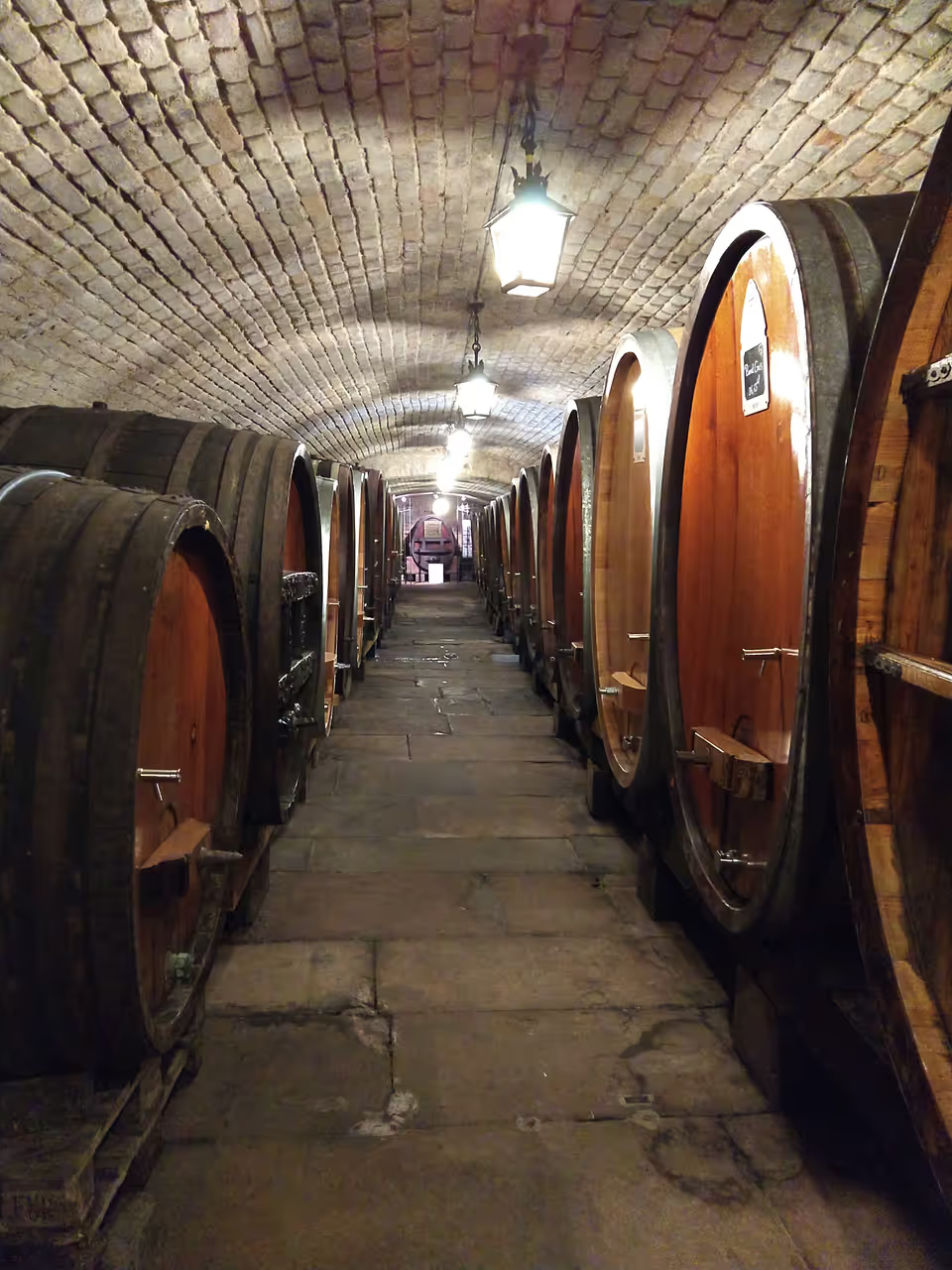
- • A barrel of white wine dating back to 1472 still rests safely in the historic cellars of the civil hospital.
- • Johannes Gutenberg worked on his revolutionary printing press here for several years before moving back to Mainz.
- • The charming neighbourhood of Petite France was originally named after a 16th century hospital built to treat soldiers suffering from syphilis, which was known at the time as the 'French disease'.
- • The bizarre Dancing Plague of 1518 took place right on the streets of Strasbourg. For two chaotic months, hundreds of residents fell into a state of mass hysteria, uncontrollably dancing themselves to exhaustion, heart attacks, and even death without any clear scientific explanation.
- • The modern tradition of decorating Christmas trees traces its earliest written records directly to this city. Archives from 1539 reveal that local guilds erected large fir trees in the public squares, adorning them with paper roses, apples, and wafers to celebrate the winter season.
- • The legendary German writer Johann Wolfgang von Goethe cured his severe fear of heights using the city's cathedral. As a student here, he forced himself to repeatedly climb the dizzying 142 metre spire, standing on the narrow open platforms until his vertigo finally vanished.
Did You Know?
- • Strasbourg is one of the few cities in the world to host major international institutions without being a national capital.
- • The city boasts the largest and most extensive tram network in France, making it a pioneer in modern urban transit.
- • The Oaths of Strasbourg, sworn in 842, are incredibly important to linguists as they contain the earliest recorded texts in a Romance language.
- • The city's historical centre was the very first entire urban core in France to receive UNESCO World Heritage status.
- • Its name literally translates to 'Town at the crossing of roads', highlighting a strategic geographic importance that has dictated its fate for two millennia.
- • The city changed hands between France and Germany four times in a span of just 75 years. This rapid sequence of conquests between 1870 and 1945 is the primary reason the city possesses such a deeply intertwined, dual national identity in its architecture, cuisine, and language.
- • Strasbourg is the only major city in France where the strict national separation of church and state does not apply. Because the region was under German control when the landmark 1905 secularism law was passed in Paris, local clergy of recognised faiths are still employed and paid directly by the French government today.
- • The University of Strasbourg is a global scientific powerhouse that has produced 18 Nobel Prize laureates. From early pioneers in chemistry to modern innovators in medicine, the institution has firmly established the city as one of the most important historical and contemporary hubs for European research.
Videos of Strasbourg
Seasons
Spring
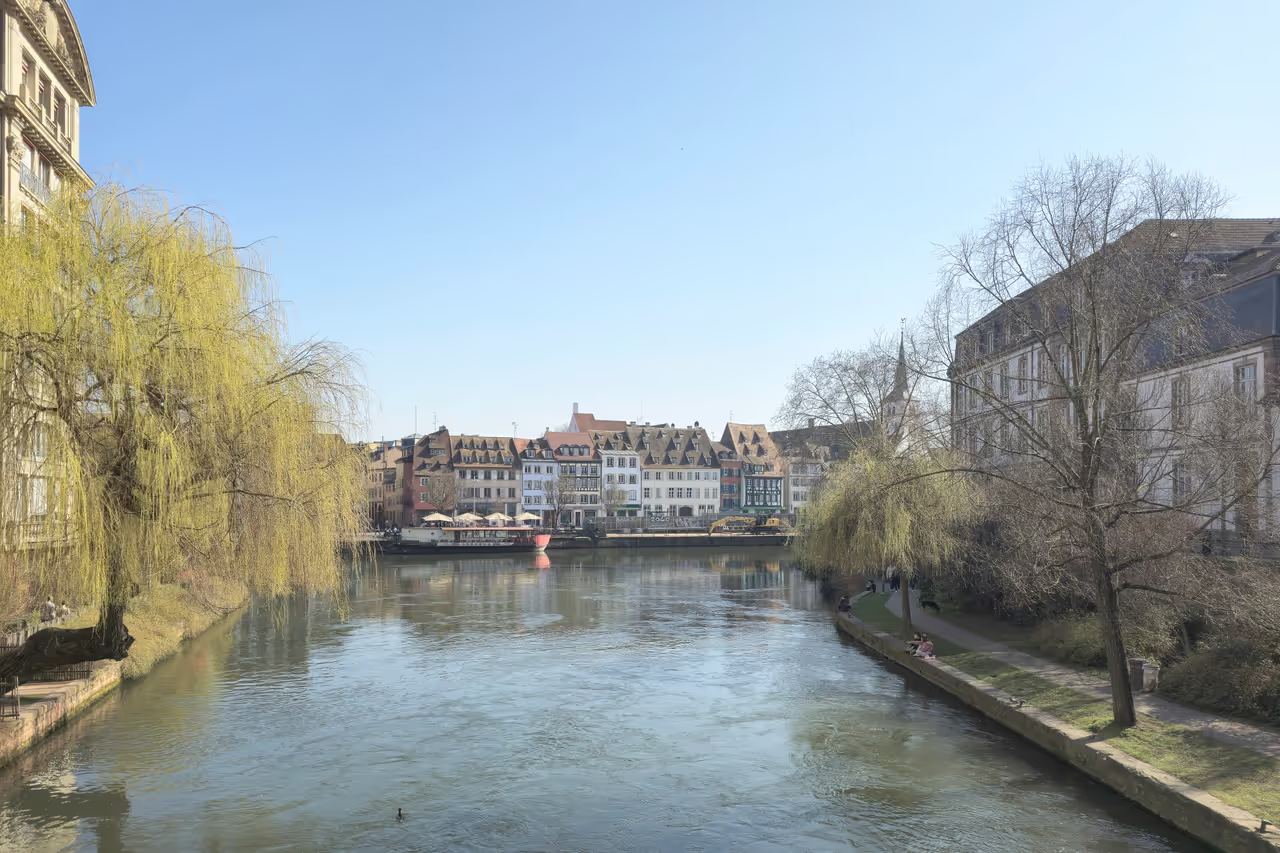
The city awakens with vibrant colours as the parks, particularly the Orangerie, burst into full bloom. The weather is generally...
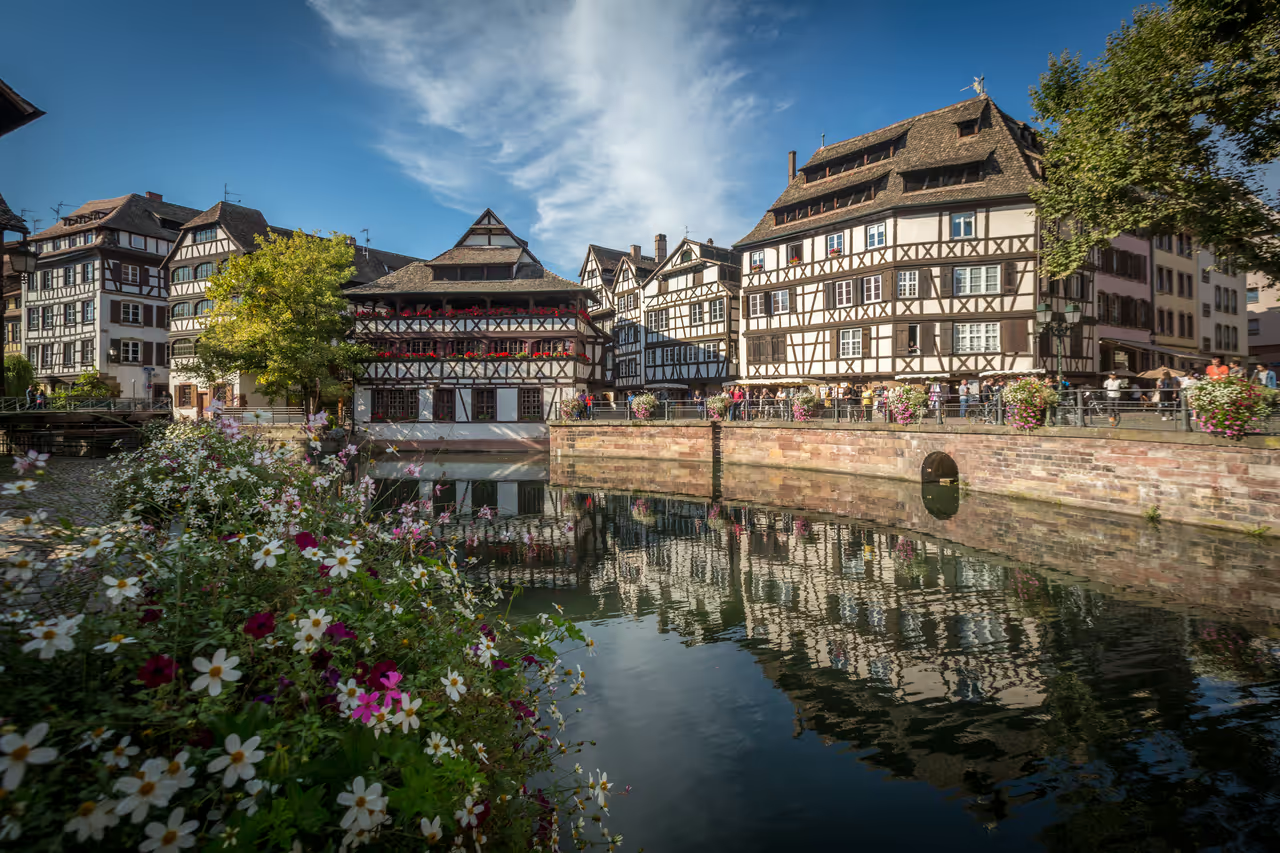
Summer
Long, warm days allow for endless exploration and late evening dinners along the cobblestone streets. The rivers are busy with...
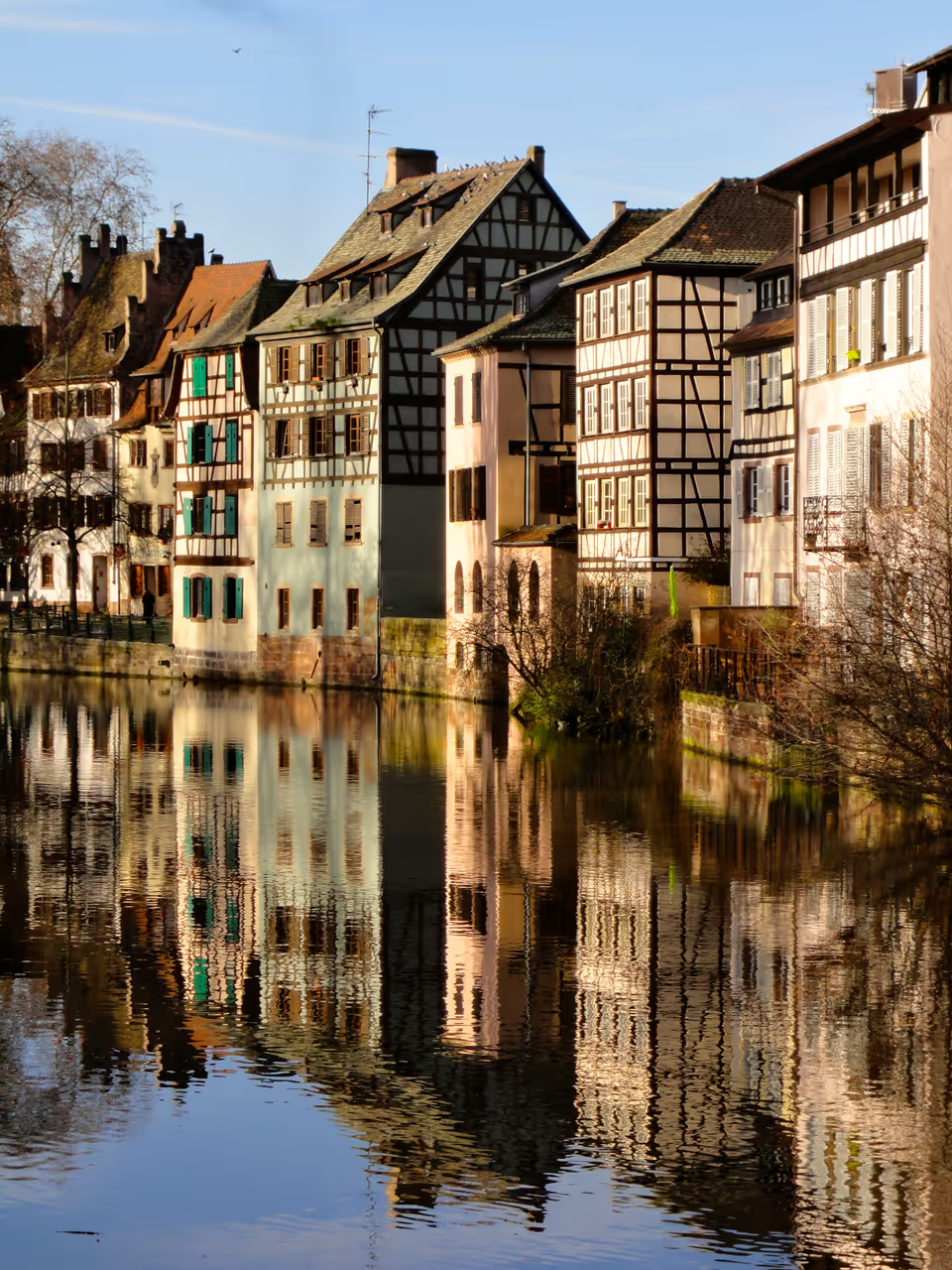
Autumn
The surrounding vineyards and urban parks turn brilliant shades of gold and amber, providing a stunning backdrop for...
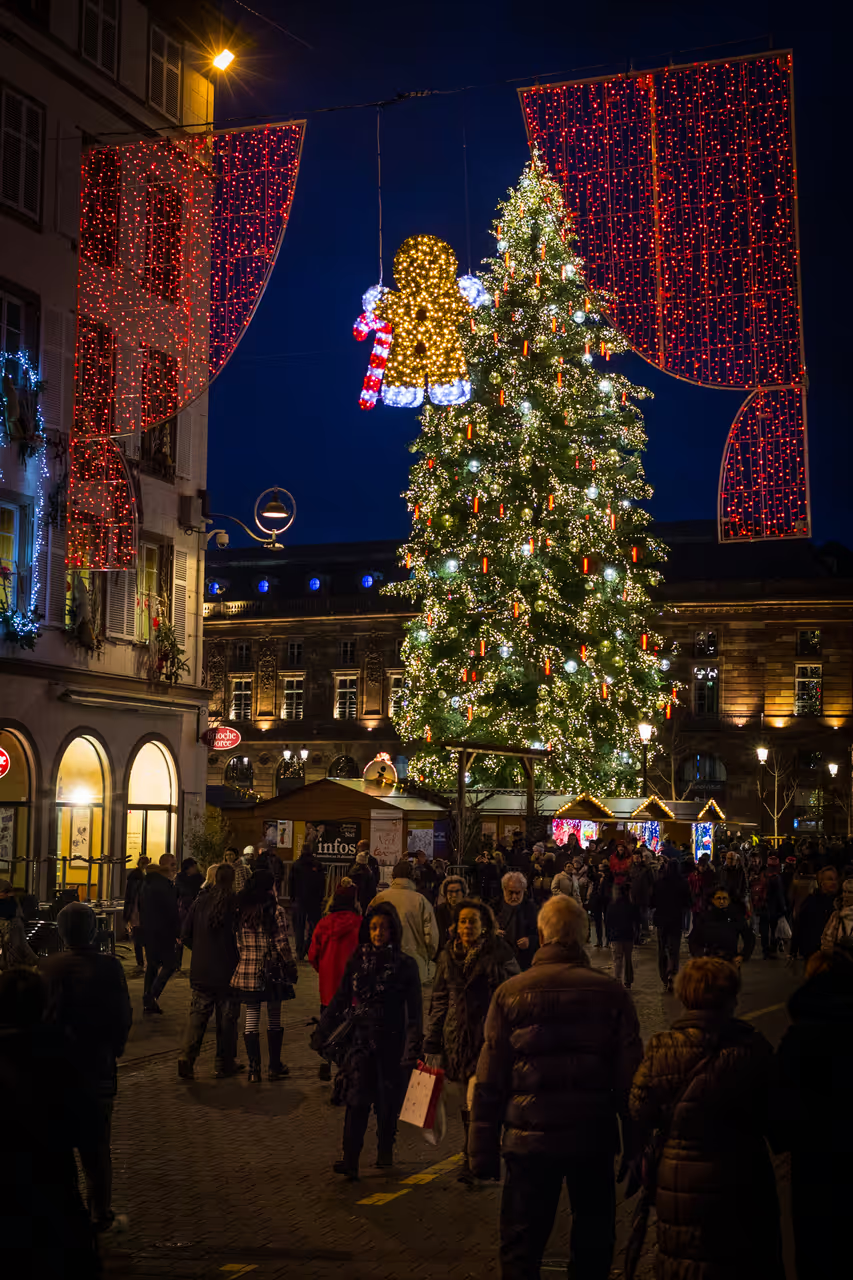
Winter
The city proudly claims the title of 'Capital of Christmas', undergoing a magical transformation in December. Miles of elaborate...
Top Attractions in Strasbourg
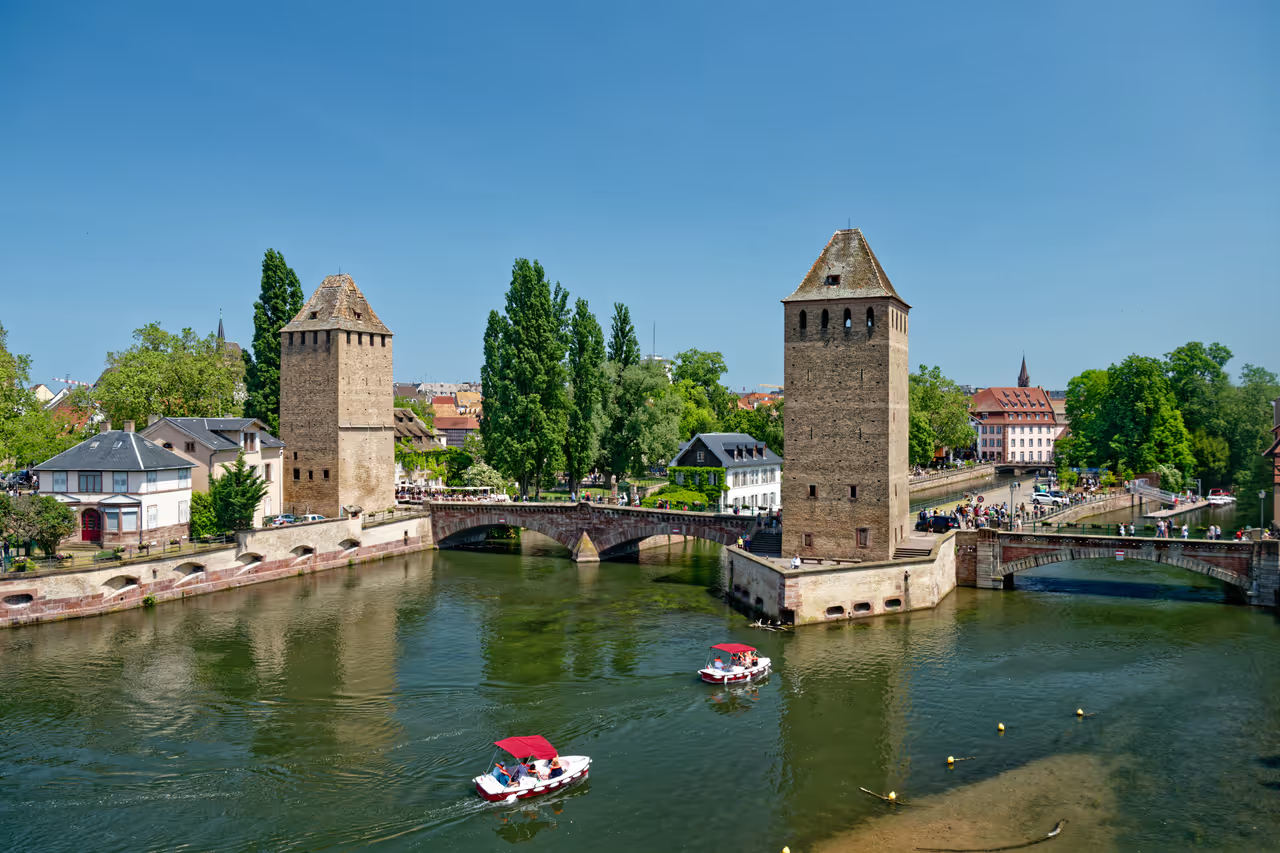
Covered Bridges of Strasbourg
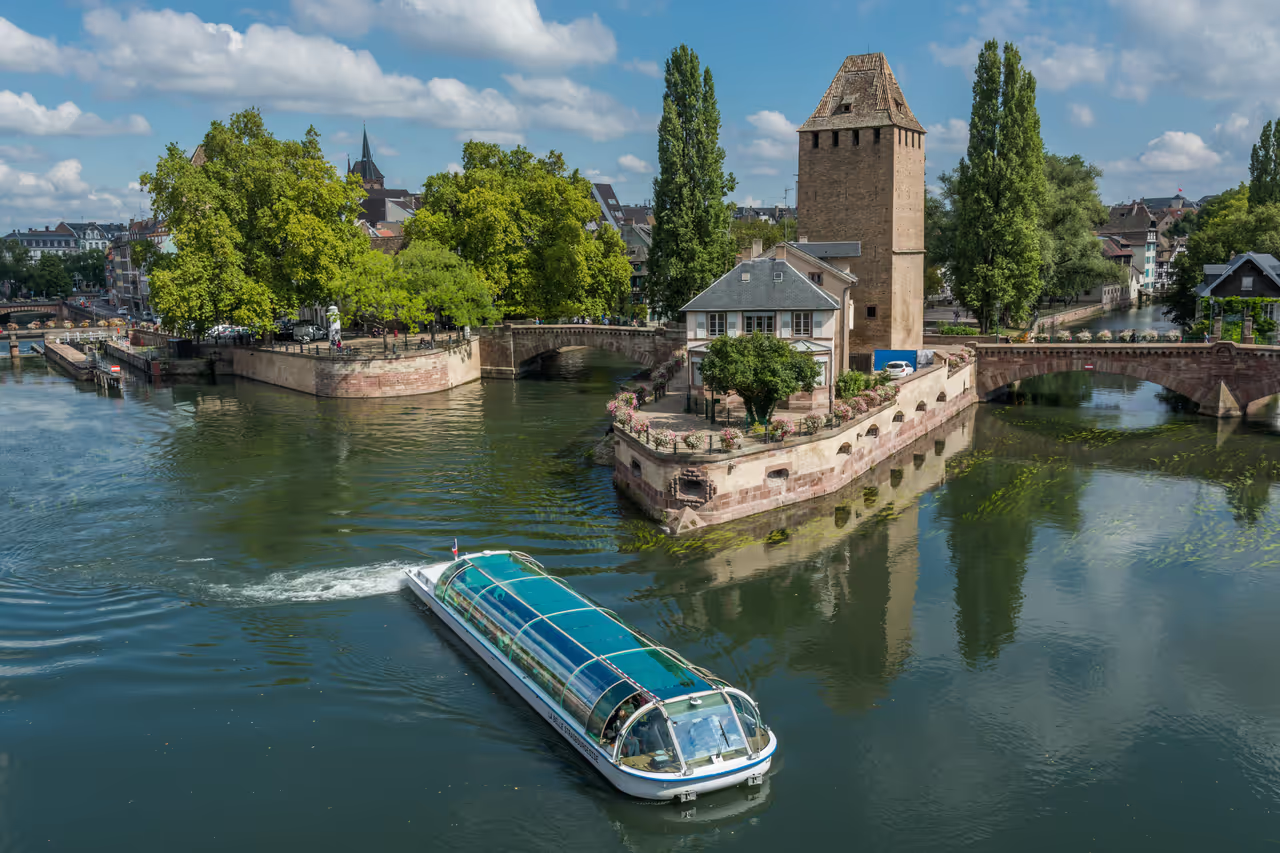
Standing proudly at the entrance to the historic Petite France quarter, the Covered Bridges offer one of the most enchanting...
view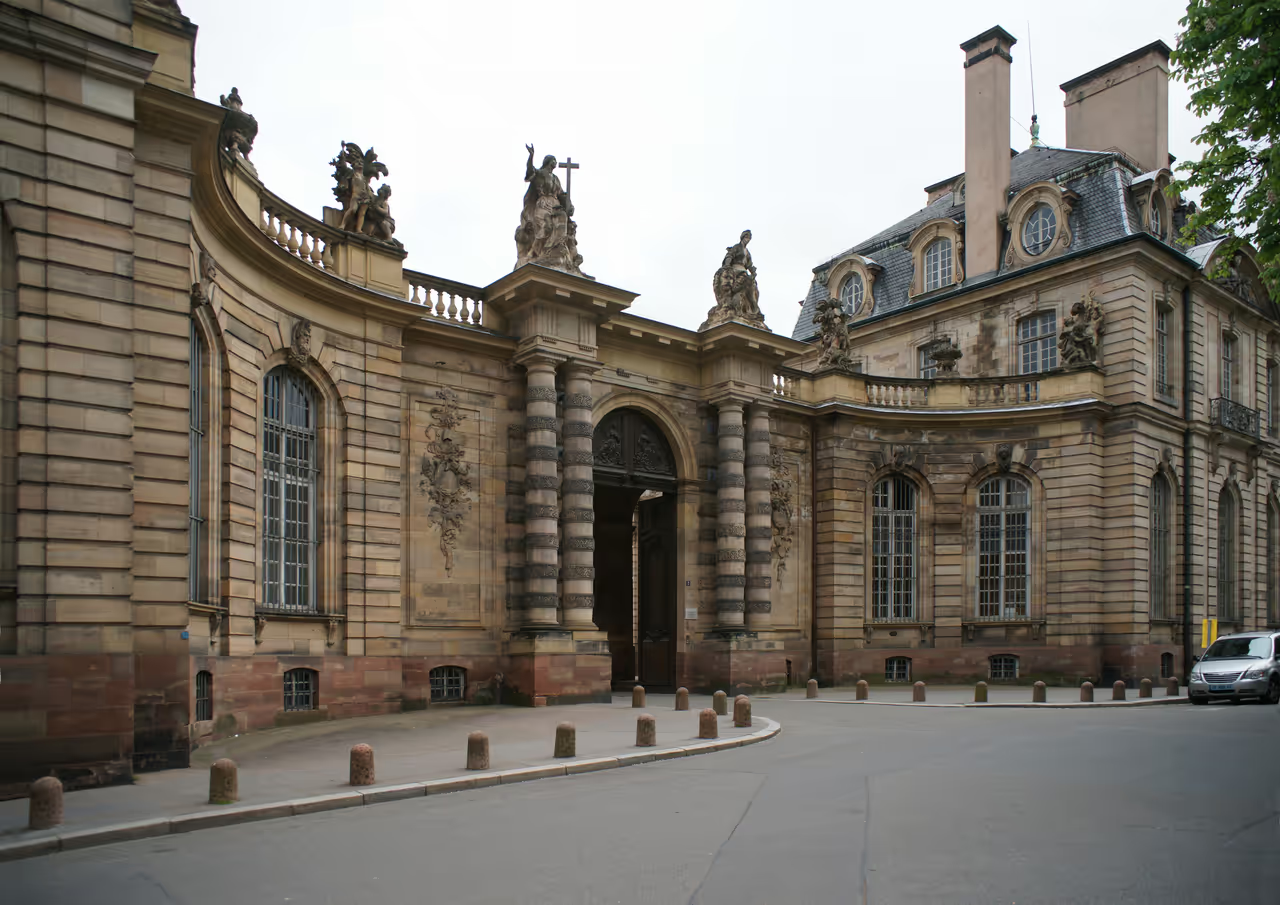
Palais Rohan
Standing right next to the magnificent Strasbourg Cathedral, Palais Rohan is a sparkling jewel of 18th century French Baroque...
view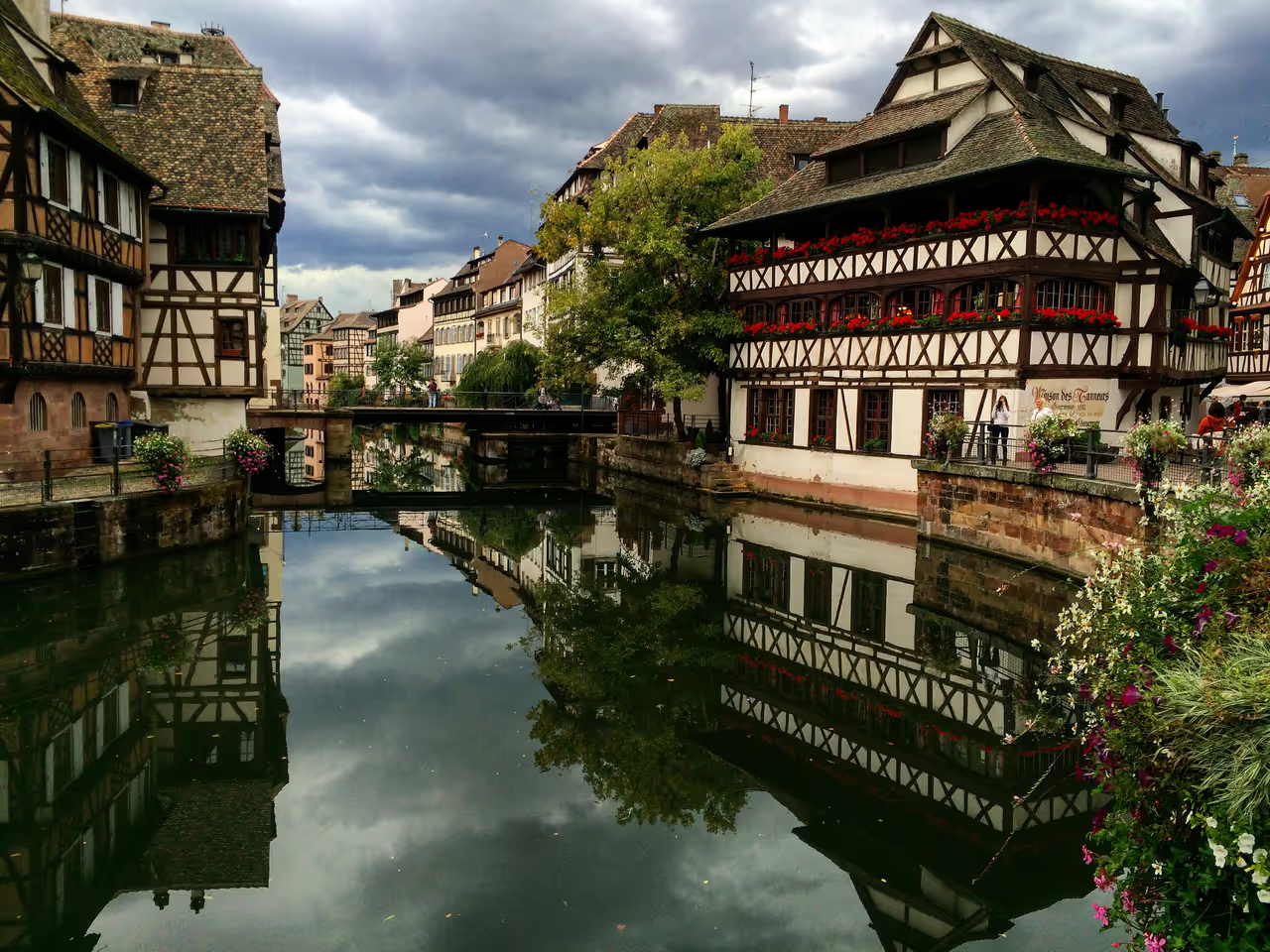
Petite France
Step into a postcard fairy tale as you wander through Petite France, the most scenic historic quarter of Strasbourg. Located on...
view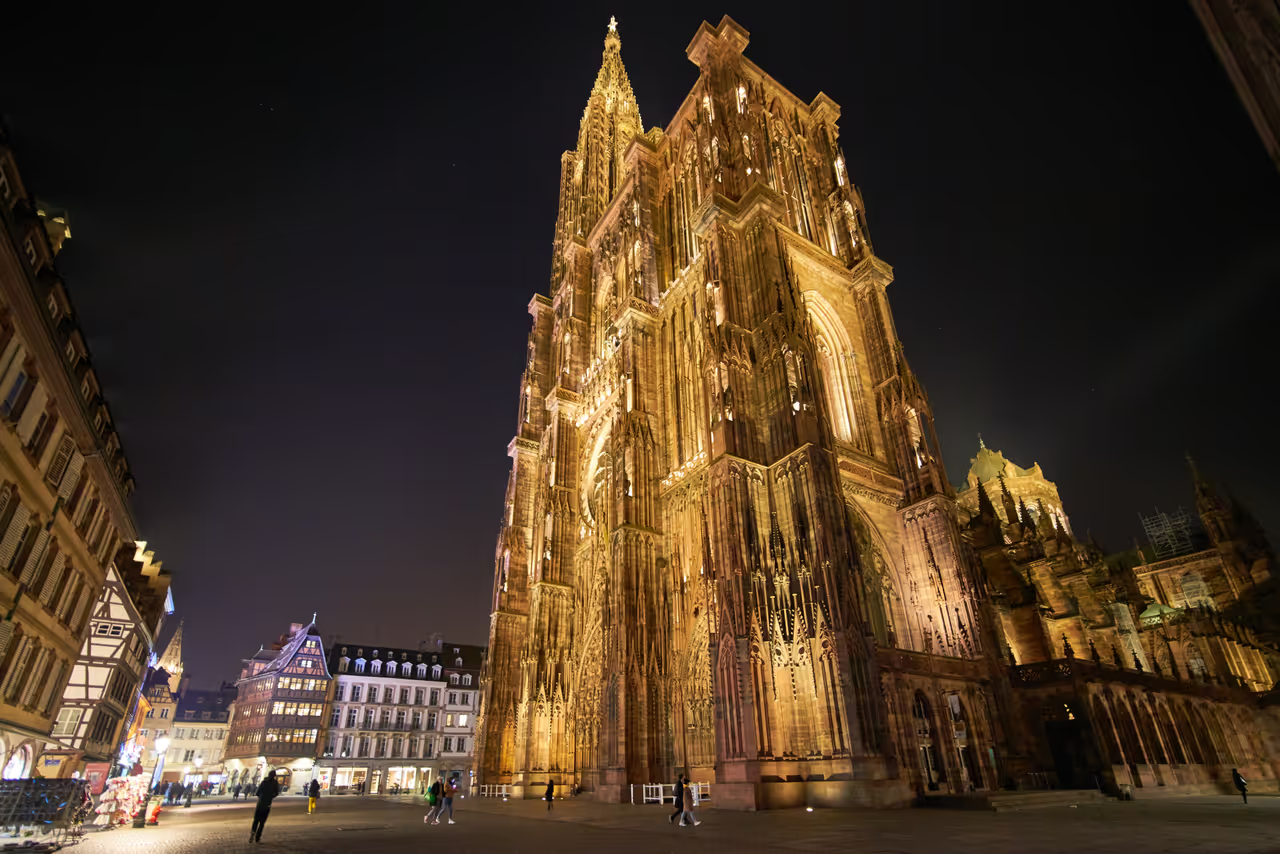
Strasbourg Cathedral
Dominating the skyline of Alsace, Strasbourg Cathedral stands as a masterpiece of Gothic architecture constructed from...
view
Best Views
Strasbourg Itineraries
TRIP PLANNER
3 Days Recommended
Three days allows you to thoroughly explore the Grande Île, visit the museums in the Palais Rohan, and cycle through the European Quarter. It provides enough time to see the highlights without rushing, while leaving space for a scenic boat tour and relaxed evenings at local winstubs.
1 Day in Strasbourg: The Medieval Heart Itinerary
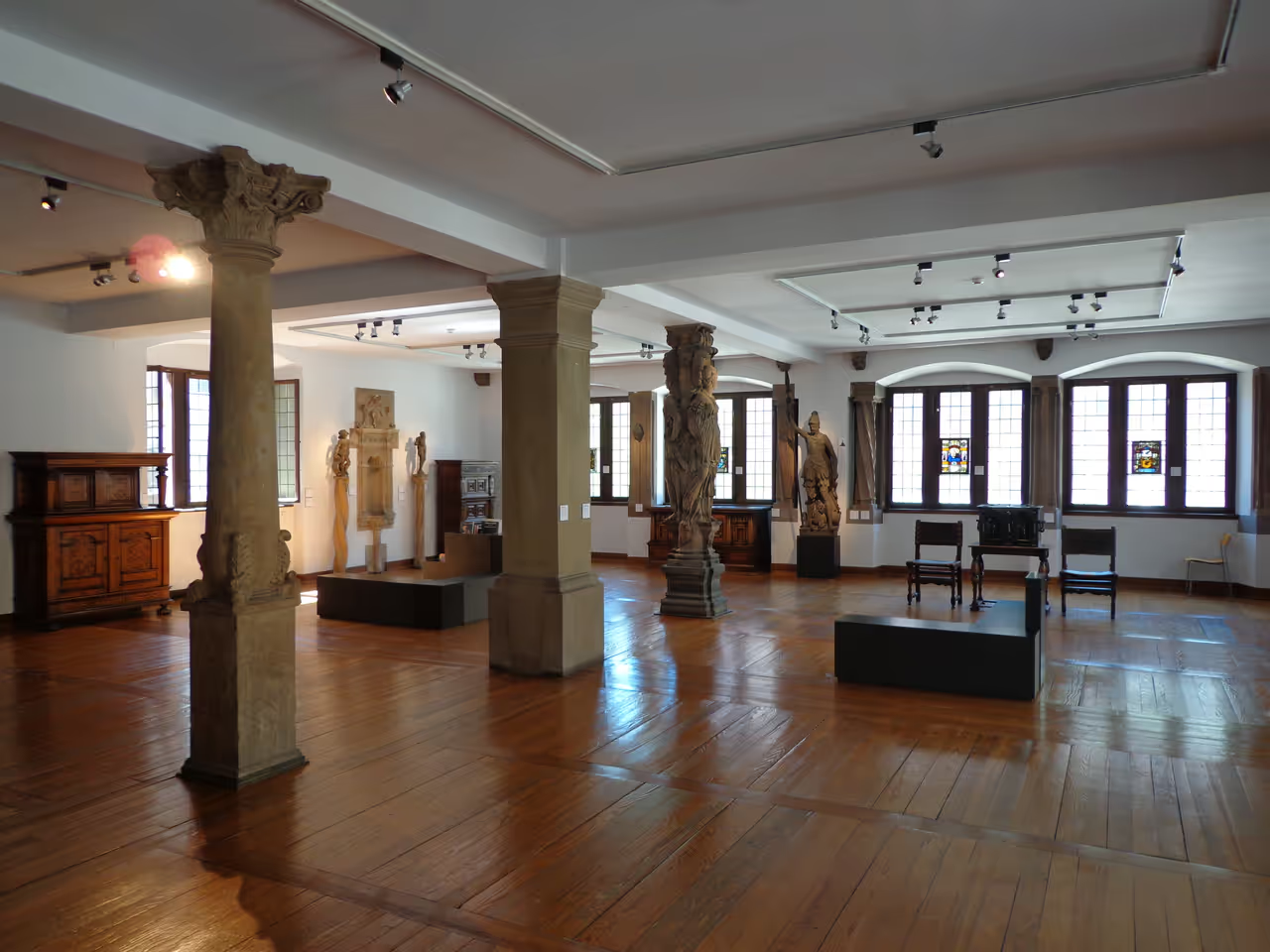
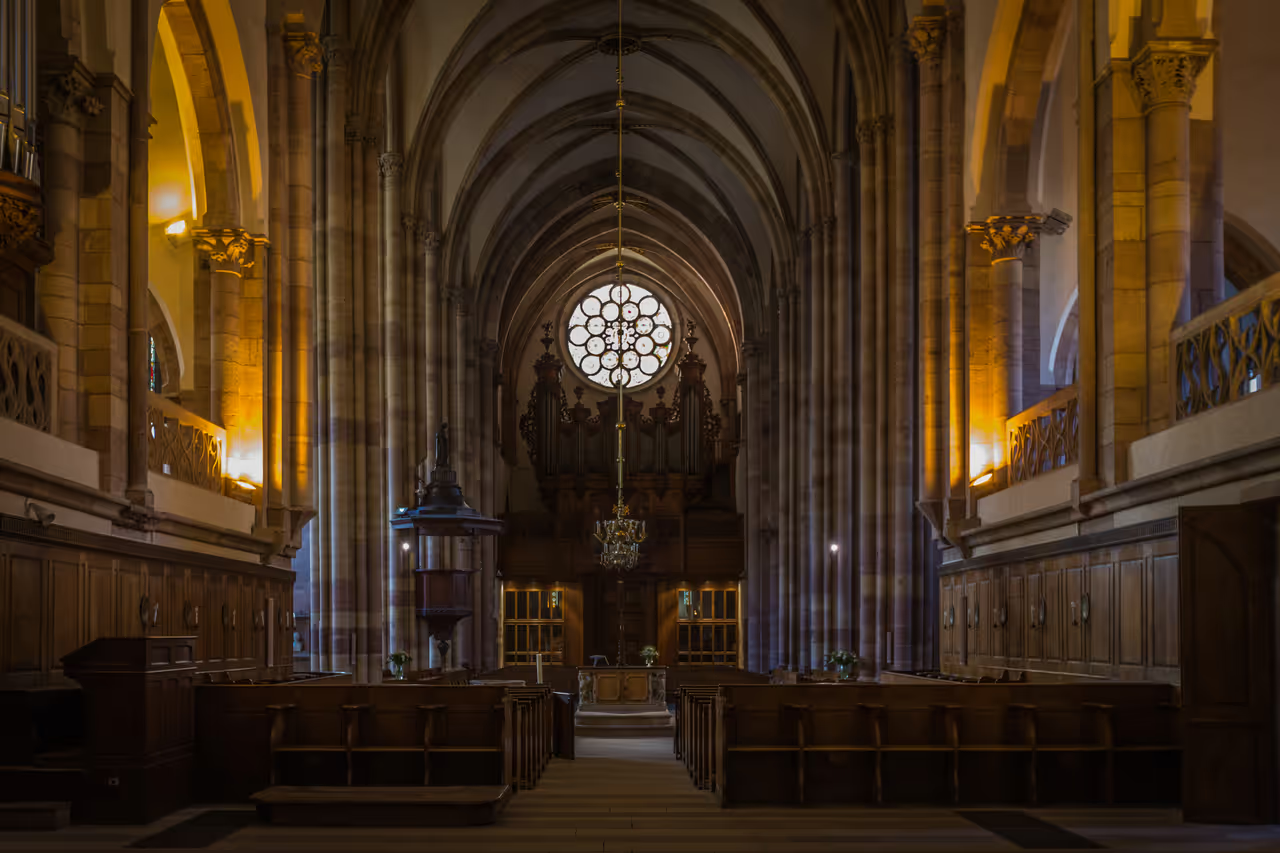
This highly focused itinerary captures the absolute essence of the city for visitors short on time. You will spend your day entirely within the historical core, exploring the staggering gothic architecture and the most picturesque canal streets. It provides a perfect balance of awe inspiring monuments and relaxed, atmospheric wandering. You will experience the quintessential charm that earned the city its UNESCO status.
view itinerary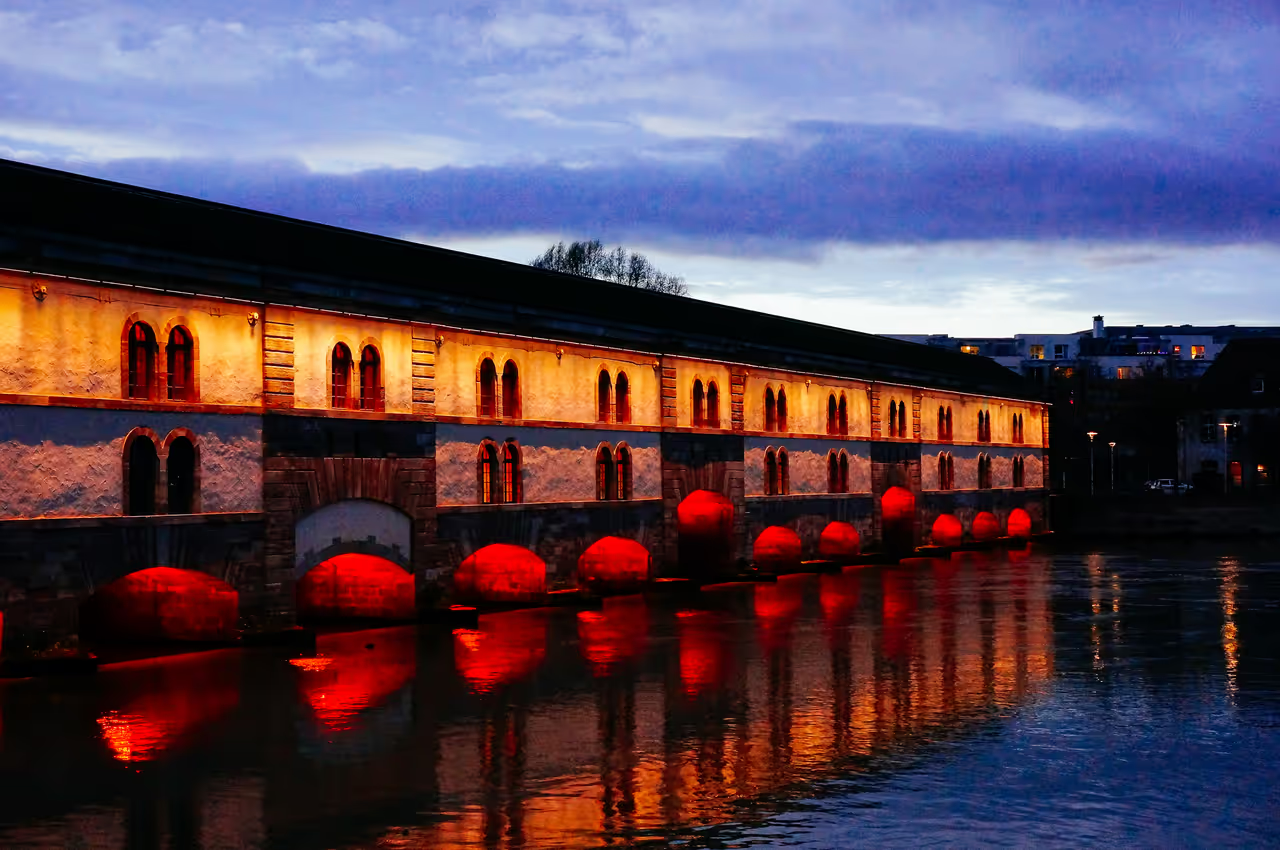
3 Days in Strasbourg: Heritage & Europe Itinerary
A comprehensive journey that allows you to fully appreciate the city's dual identity as a medieval jewel and a modern European capital. After exploring the historical centre, you will dive into the grand imperial architecture and the sleek international institutions. This pace leaves plenty of time to enjoy long meals at traditional Winstubs and relaxed walks through the parks. It is the ideal duration for a deeply satisfying city break.
view itinerary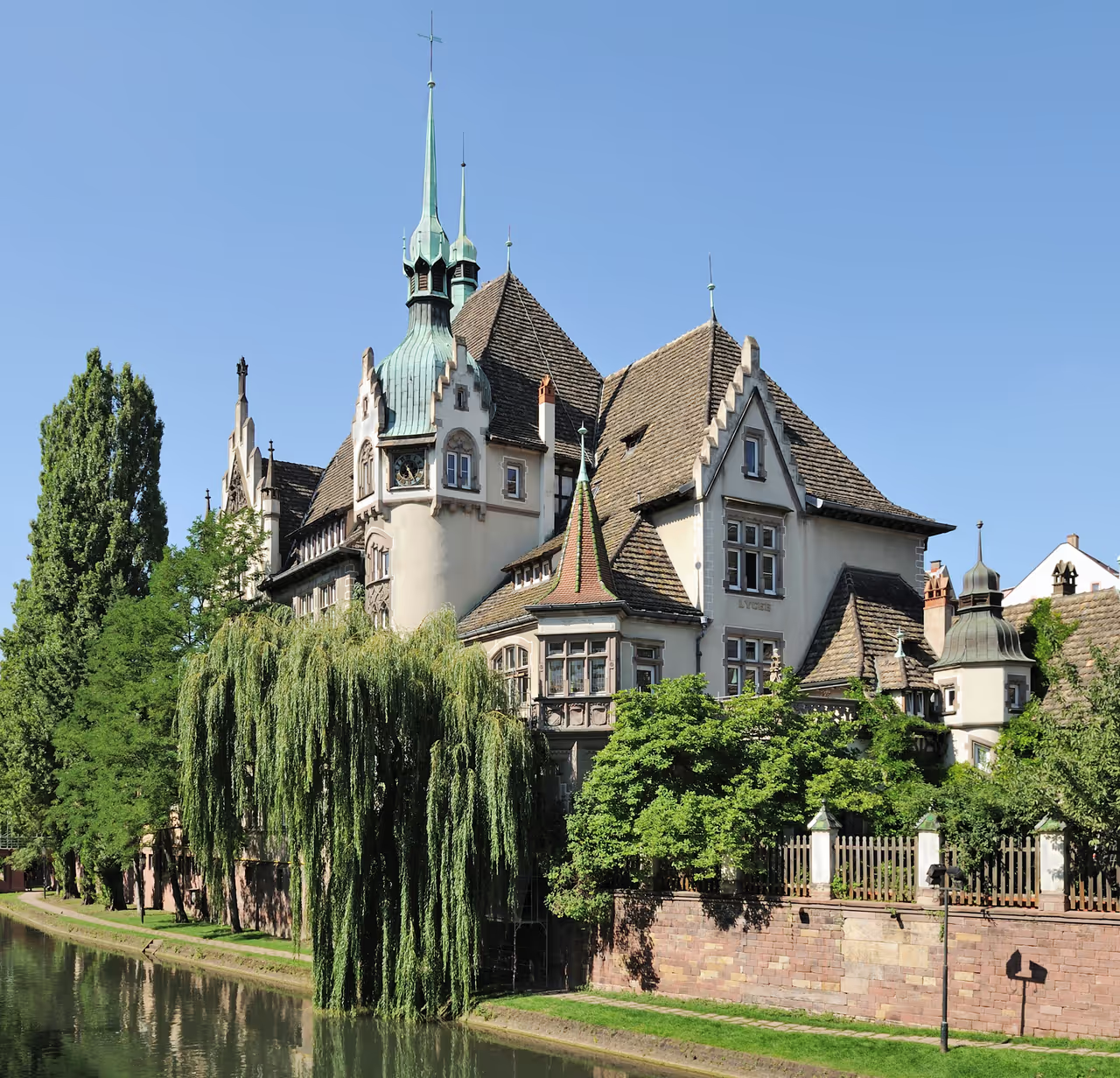
5 Days in Strasbourg: The Complete Experience Itinerary
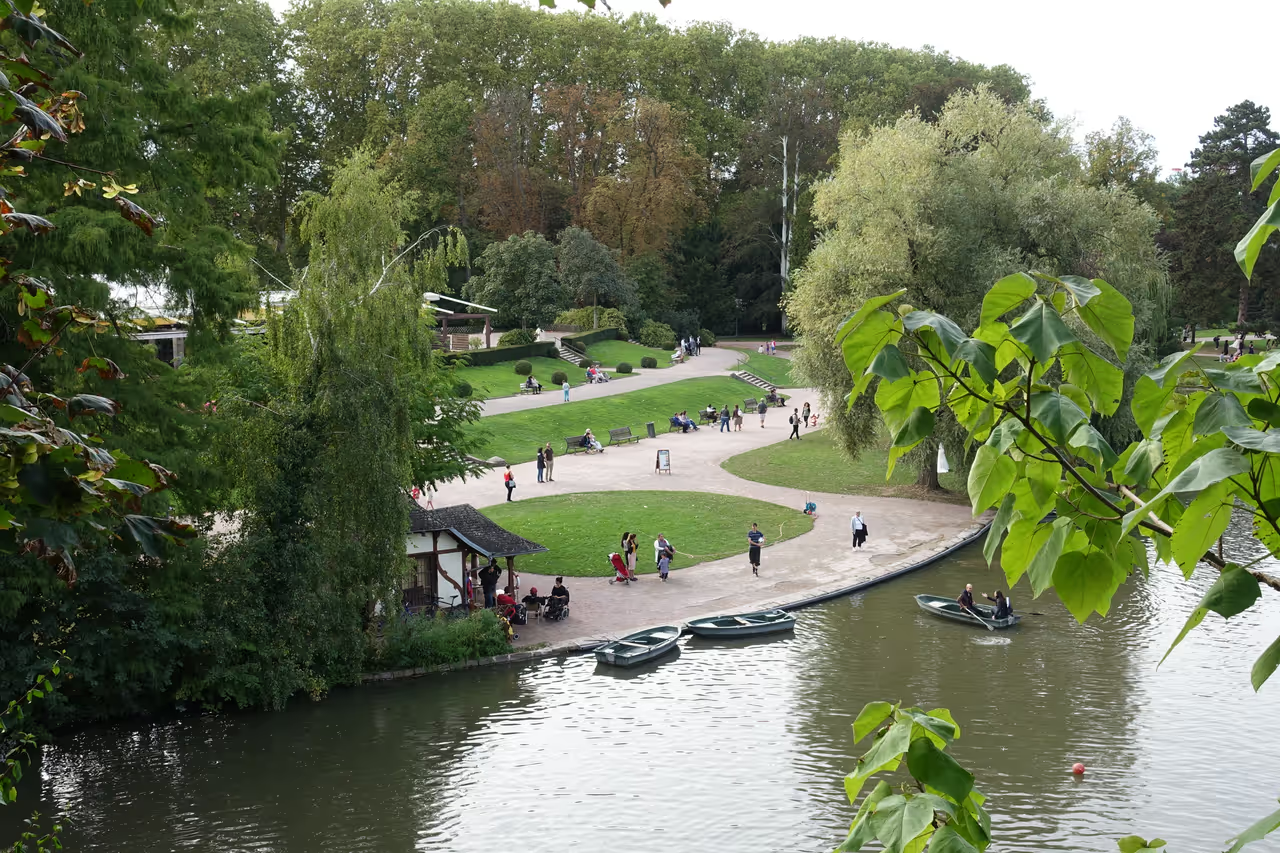
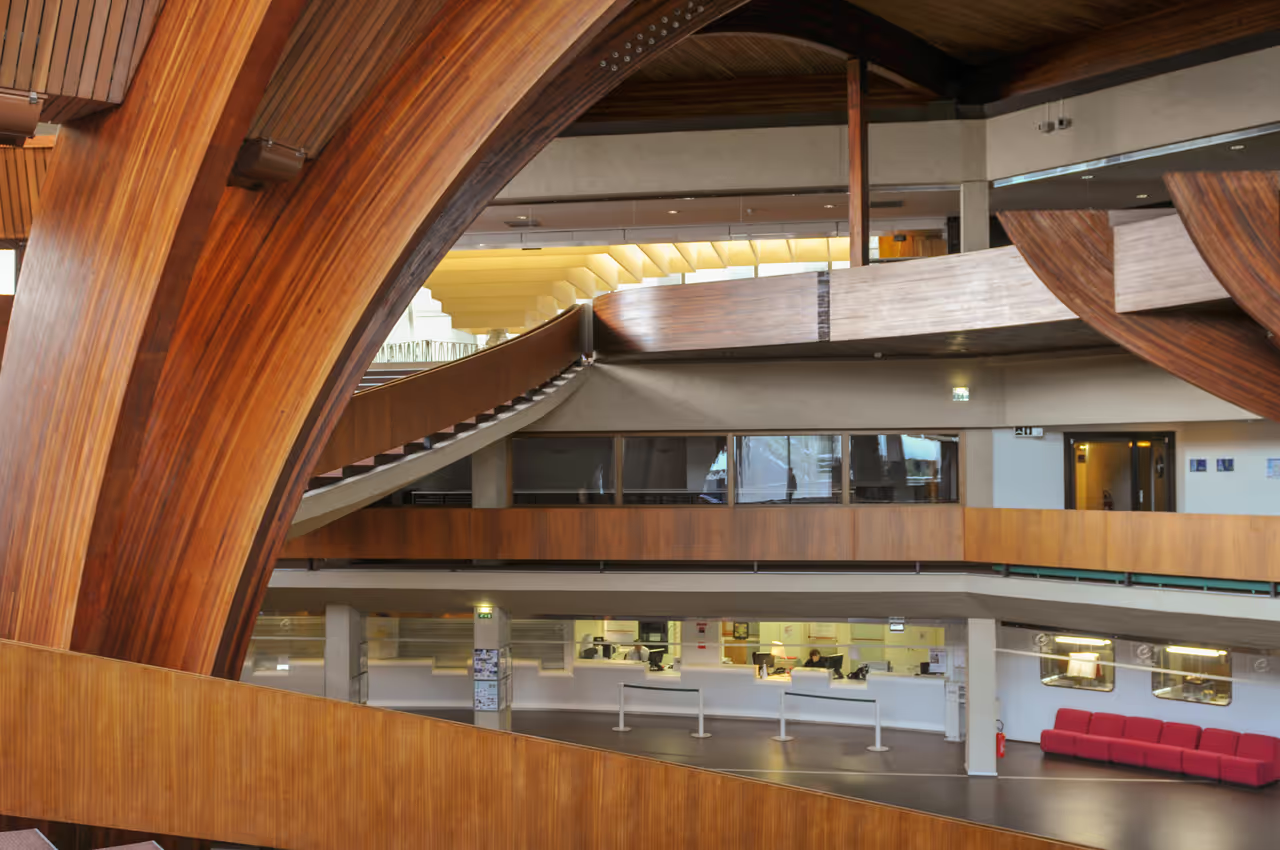
An immersive, unhurried exploration that ventures well beyond the typical tourist paths. Over five days, you will uncover hidden historical oddities, explore vast green spaces crossing international borders, and absorb the city's vibrant modern culture. This itinerary allows you to truly sync with the local rhythm, mixing world class attractions with quiet, atmospheric discoveries. It is perfect for the curious traveller wanting a deep connection with the region.
view itinerary
Food in Strasbourg


UNESCO World Heritage Sites
Free Things to do in Strasbourg
Parks & Nature
Orangerie Park
Spanning 26 hectares opposite the European Parliament, Orangerie Park is Strasbourg's most cherished green retreat. Stroll along...
view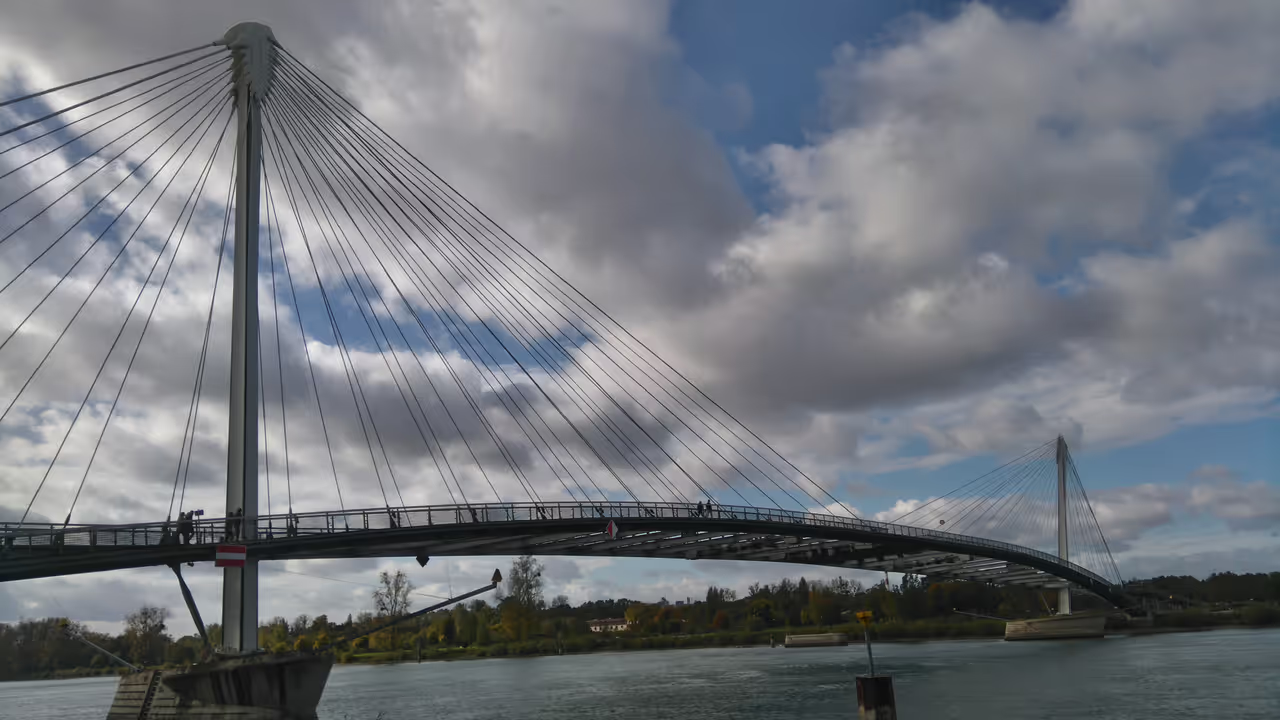
Two Shores Garden
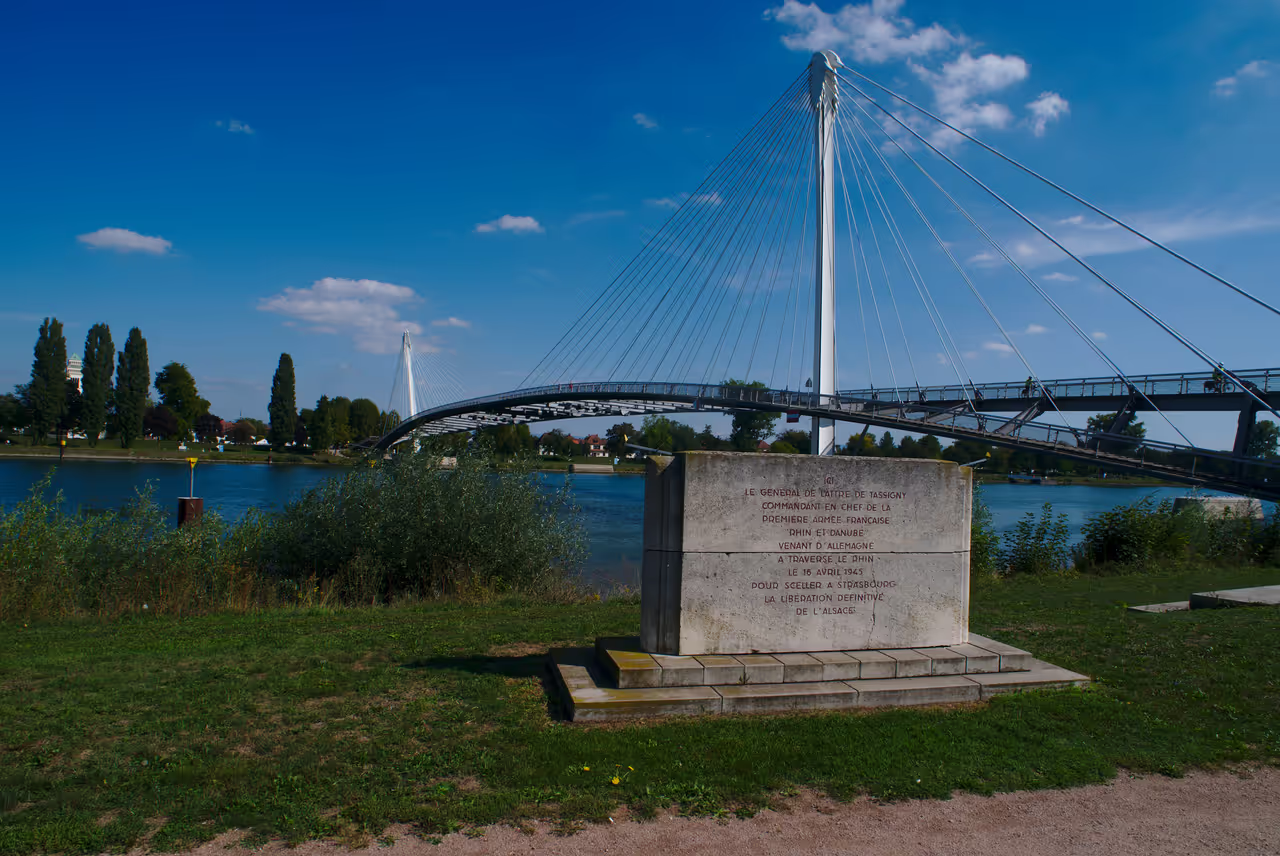
Spanning the scenic Rhine river between France and Germany, the Garden of the Two Shores represents a heartwarming symbol of...
view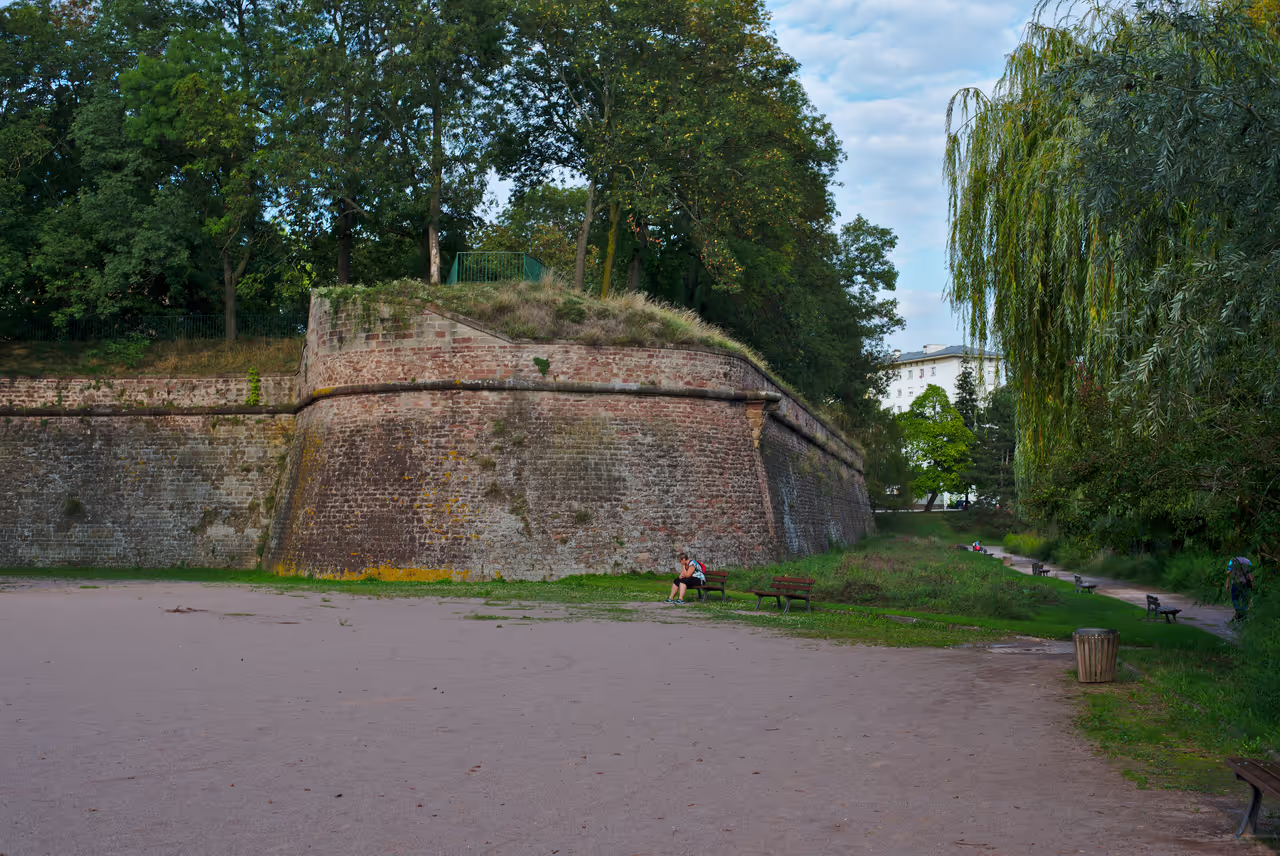
Citadel Park
Spanning 11 hectares in eastern Strasbourg, Citadel Park offers a charming mix of military heritage and modern leisure. Built...
view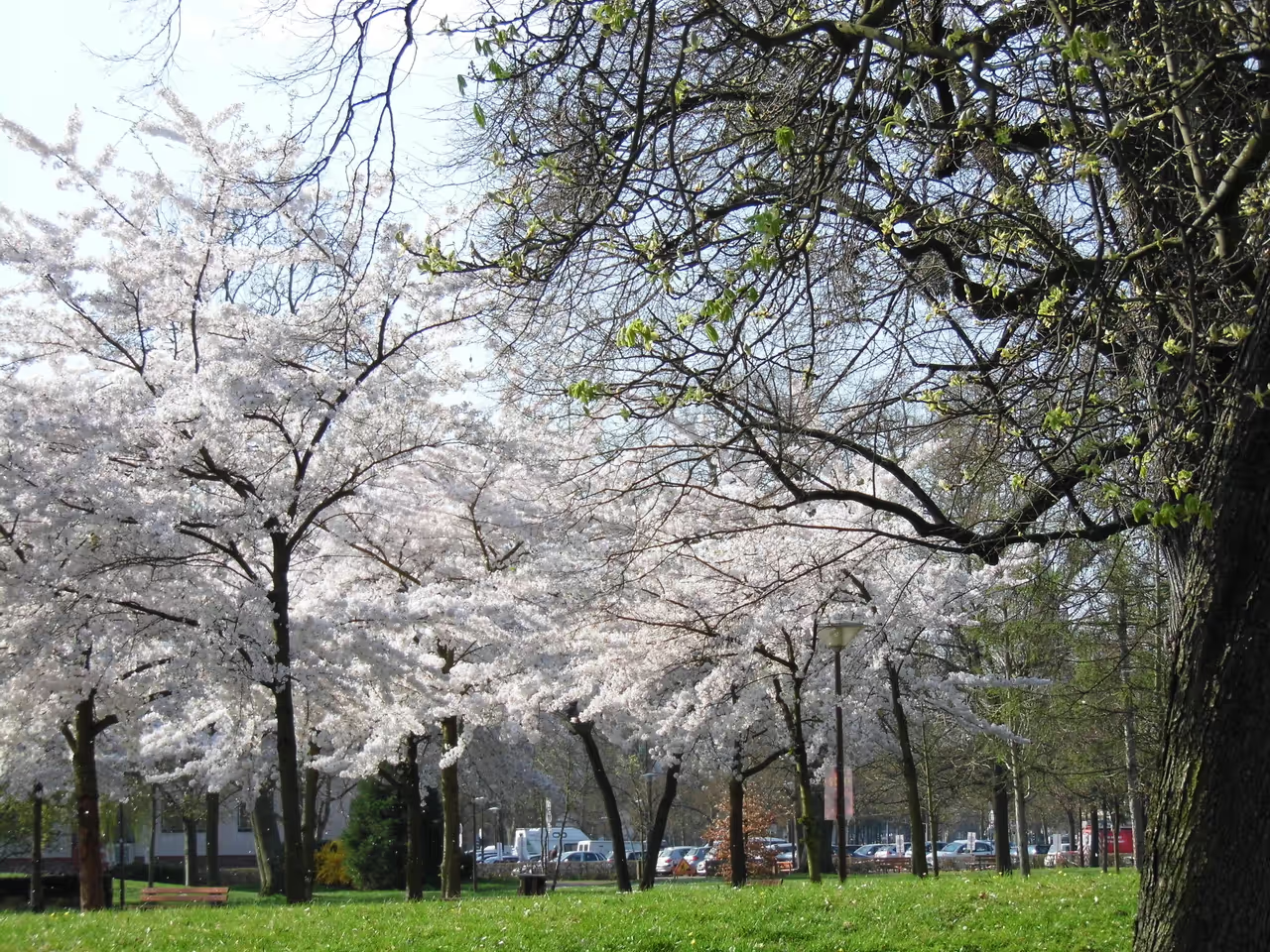
Contades Park
Nestled in Strasbourg's elegant Neustadt district, Contades Park offers a tranquil leafy retreat filled with century-old trees...
view
Highlights & Must-Sees
Batorama River Tour
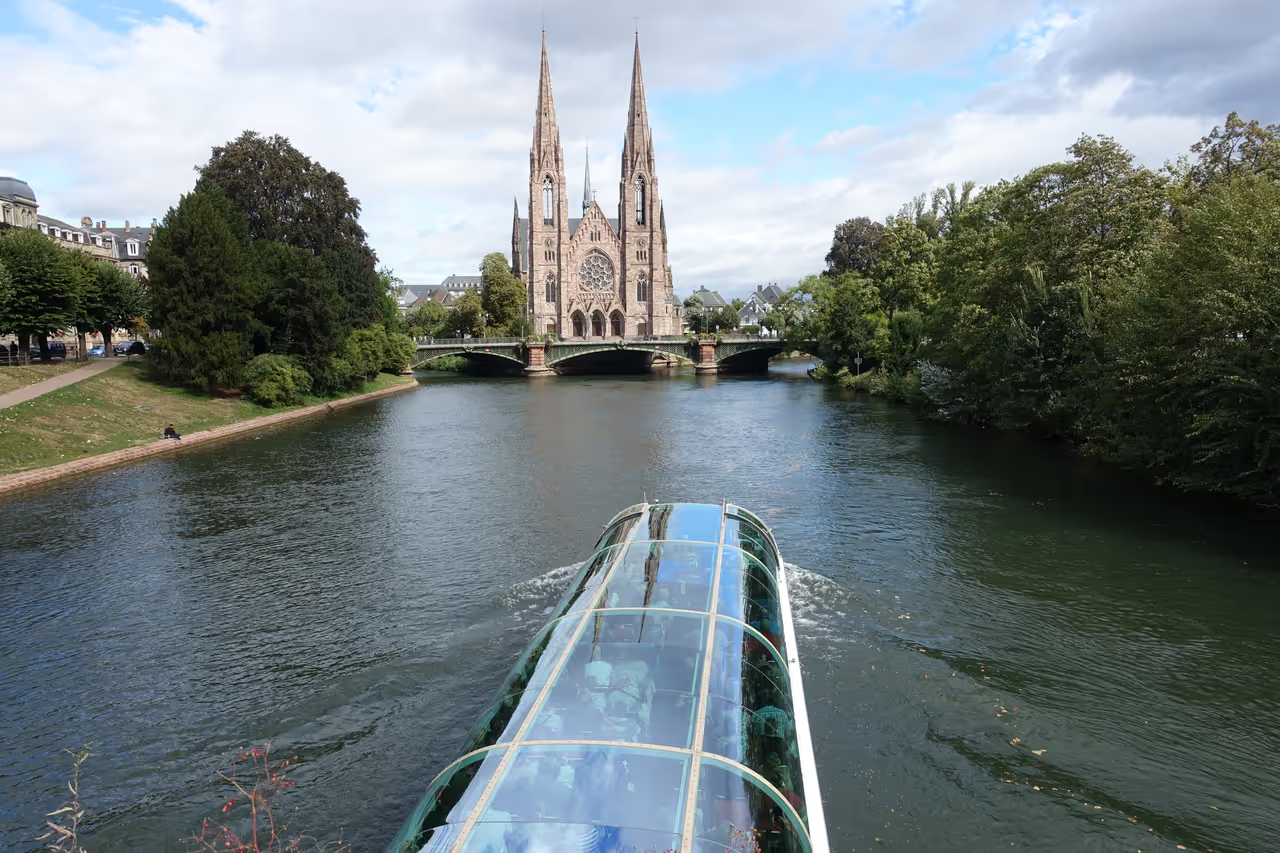
A highly popular guided boat tour that glides along the Ill river, offering spectacular waterline views of the city's historical...
view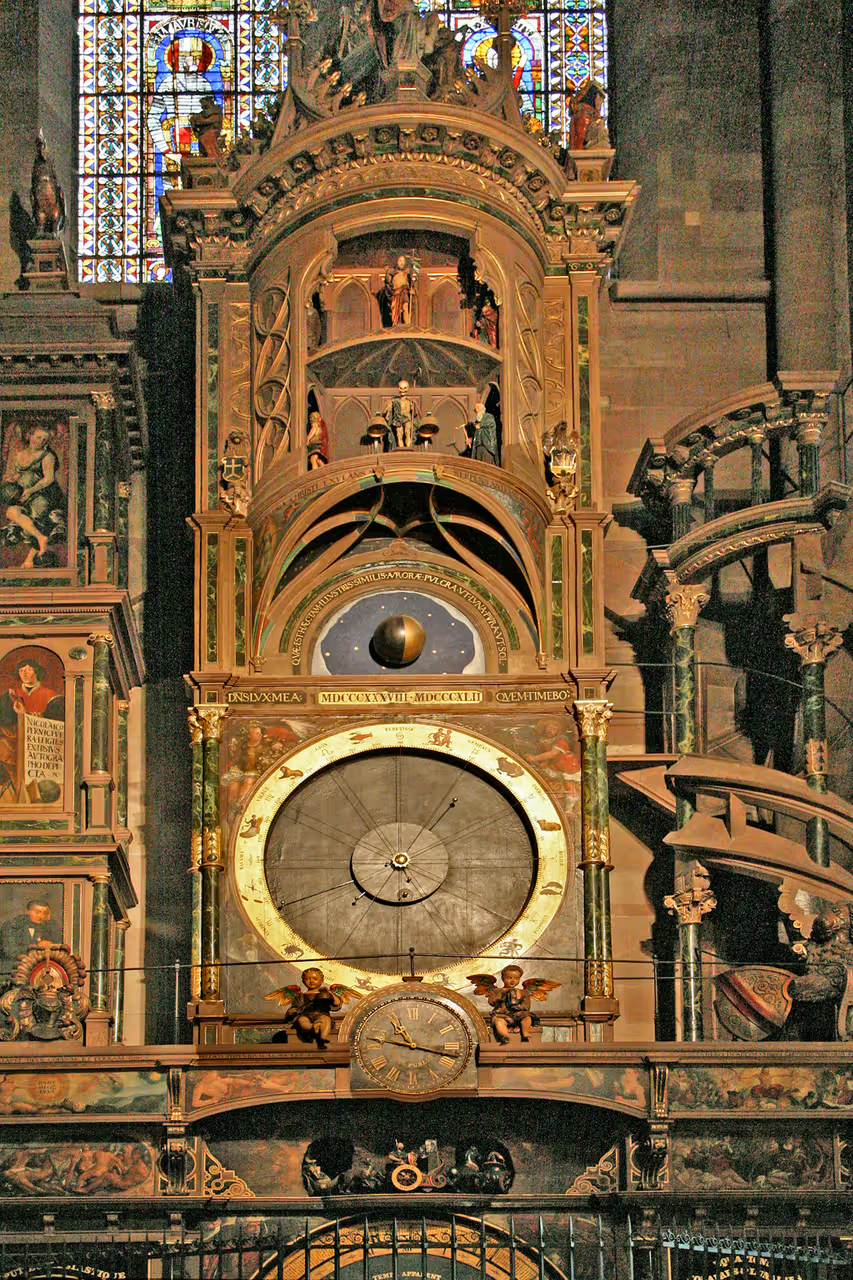
Astronomical Clock
An astonishing Renaissance masterpiece of mathematics and horology located inside the Cathedral. This incredibly complex...
viewEuropean Parliament
The spectacular, glass clad headquarters where the democratic representatives of the European Union gather for their plenary...
viewKammerzell House
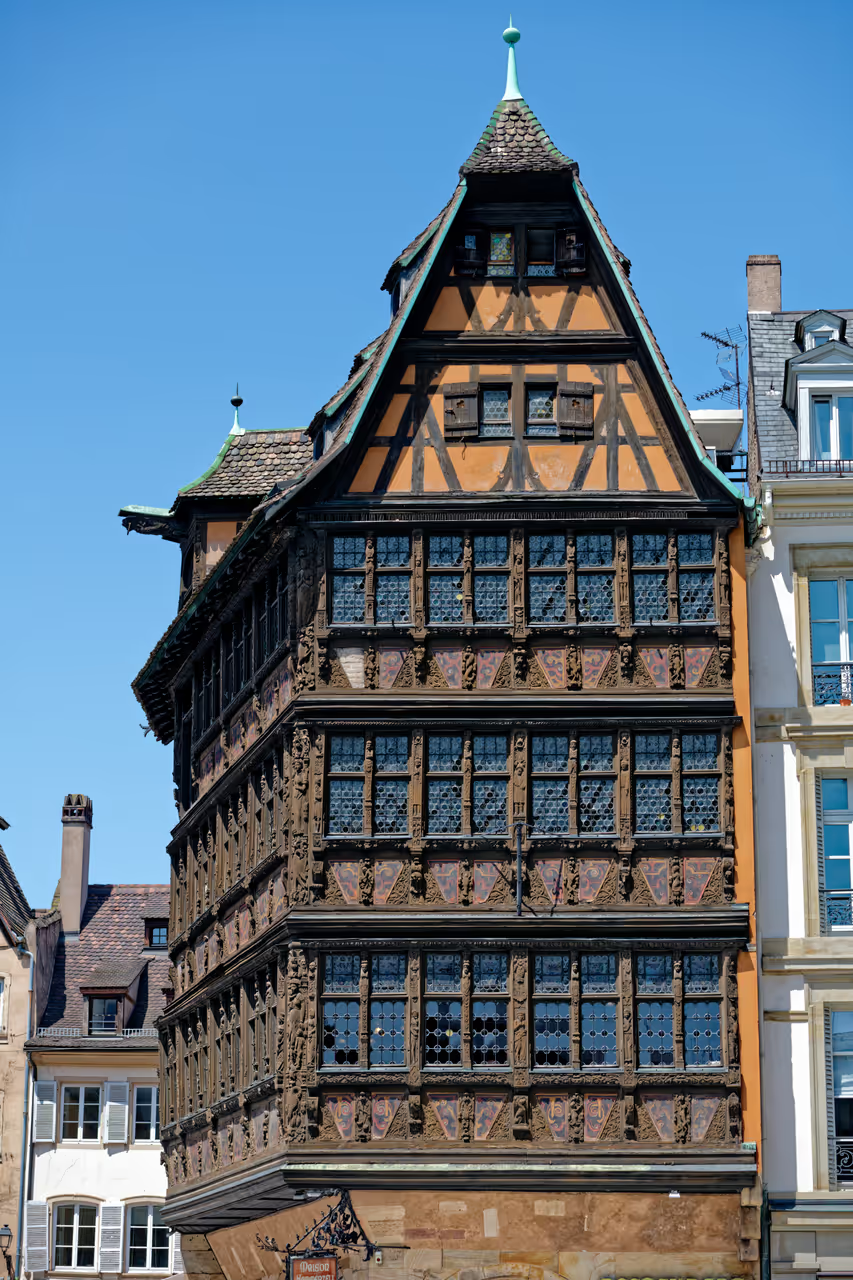
One of the most famous and exquisitely decorated buildings in the city, standing proudly on the cathedral square. The dark...
view
Best Walks in Strasbourg
 HIGHLY RECOMMENDED
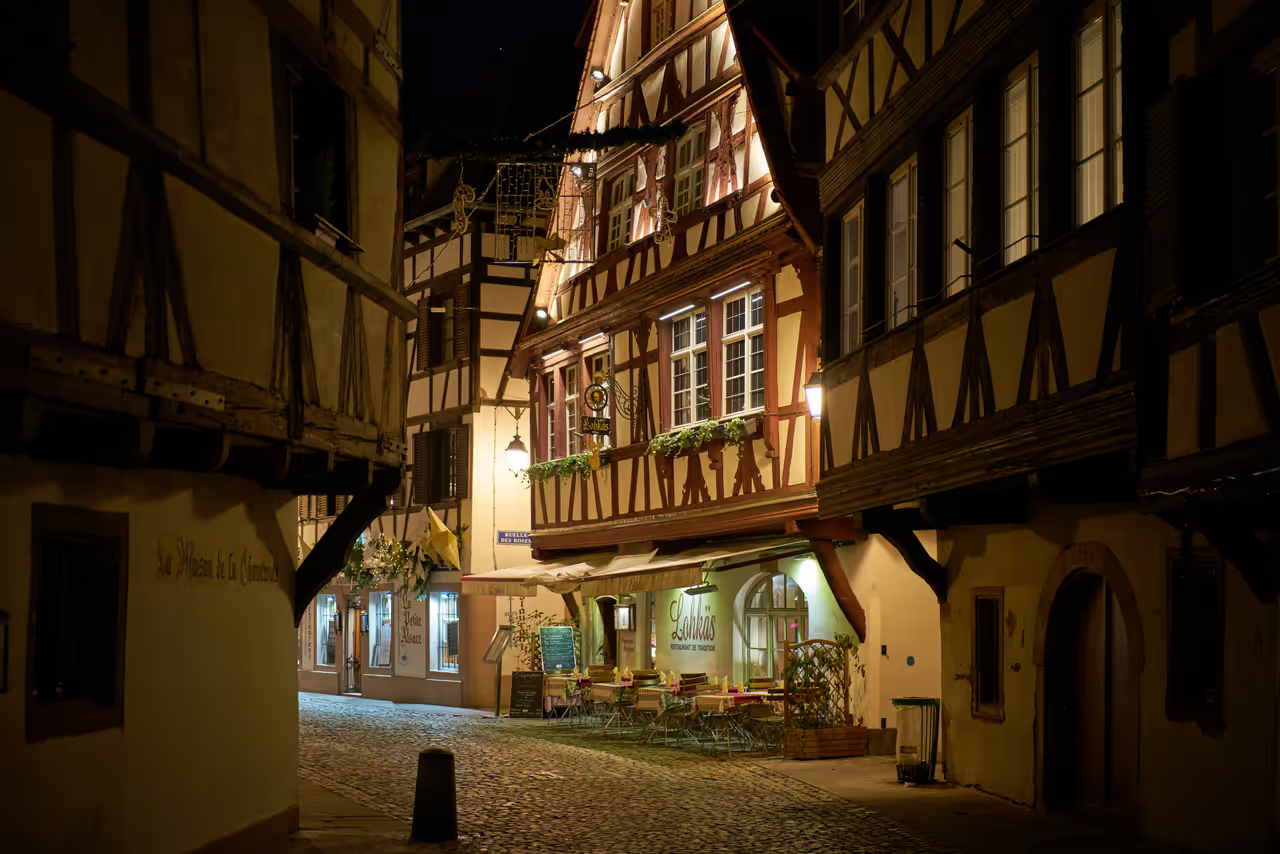
Petite France Stroll
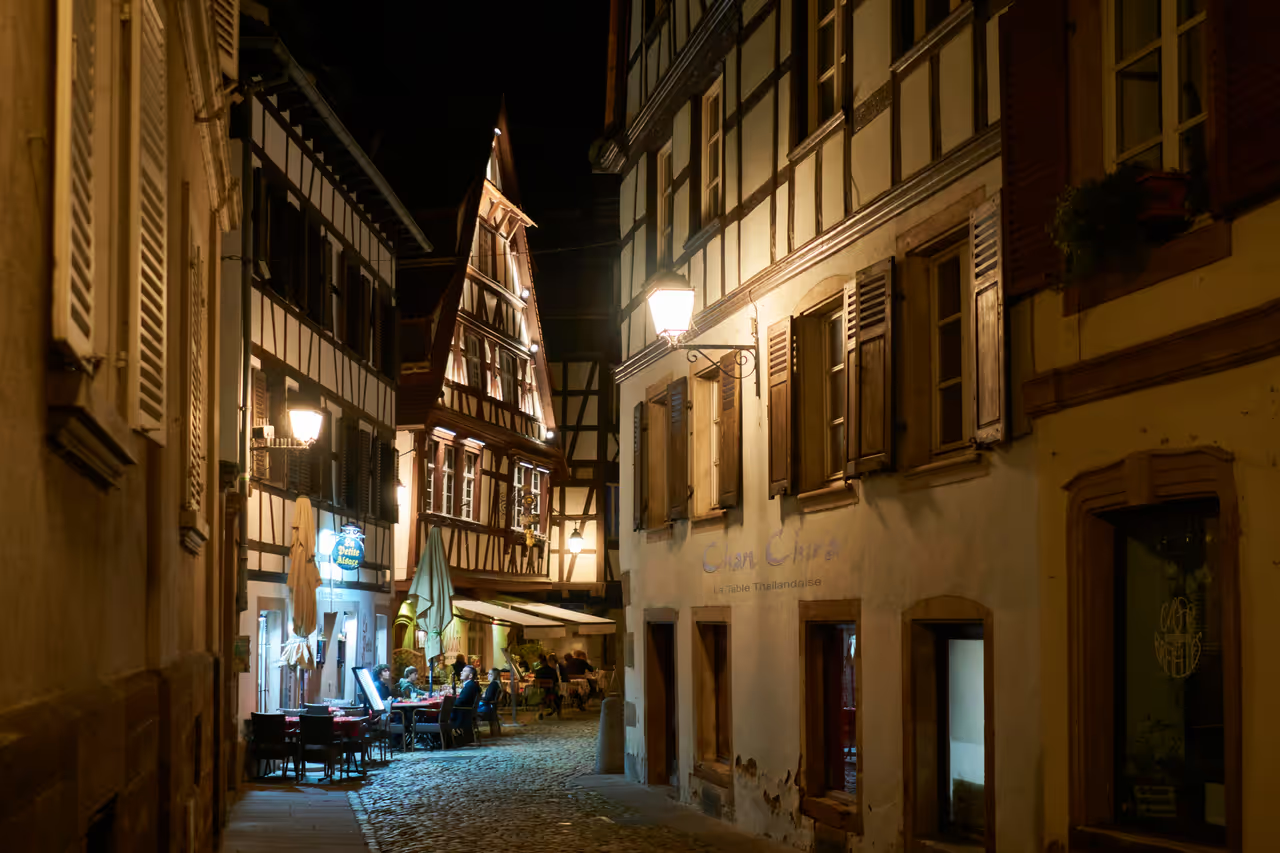
A deeply romantic walk through the city's most iconic and beautifully preserved medieval quarter. You will wander along narrow, cobblestone streets lined with incredibly colourful, timber framed houses dating back to the 16th century. The area is crisscrossed by calm canals and shaded by weeping willows, creating a remarkably tranquil atmosphere. Every corner offers a picture perfect view, making it a joy to explore without a strict destination. It is an immersive journey into the city's historical artisan past.
Neustadt Boulevards
A majestic walk through the grand, imperial district built during the German annexation in the late 19th century. You will stroll down wide, tree lined avenues that stand in stark contrast to the narrow alleys of the medieval centre. The architecture here is monumental, featuring elaborate facades, heavy stone public buildings, and intricate Art Nouveau details. The atmosphere feels regal, spacious, and highly organised. It is a fascinating exploration of a completely different era of the city's history.
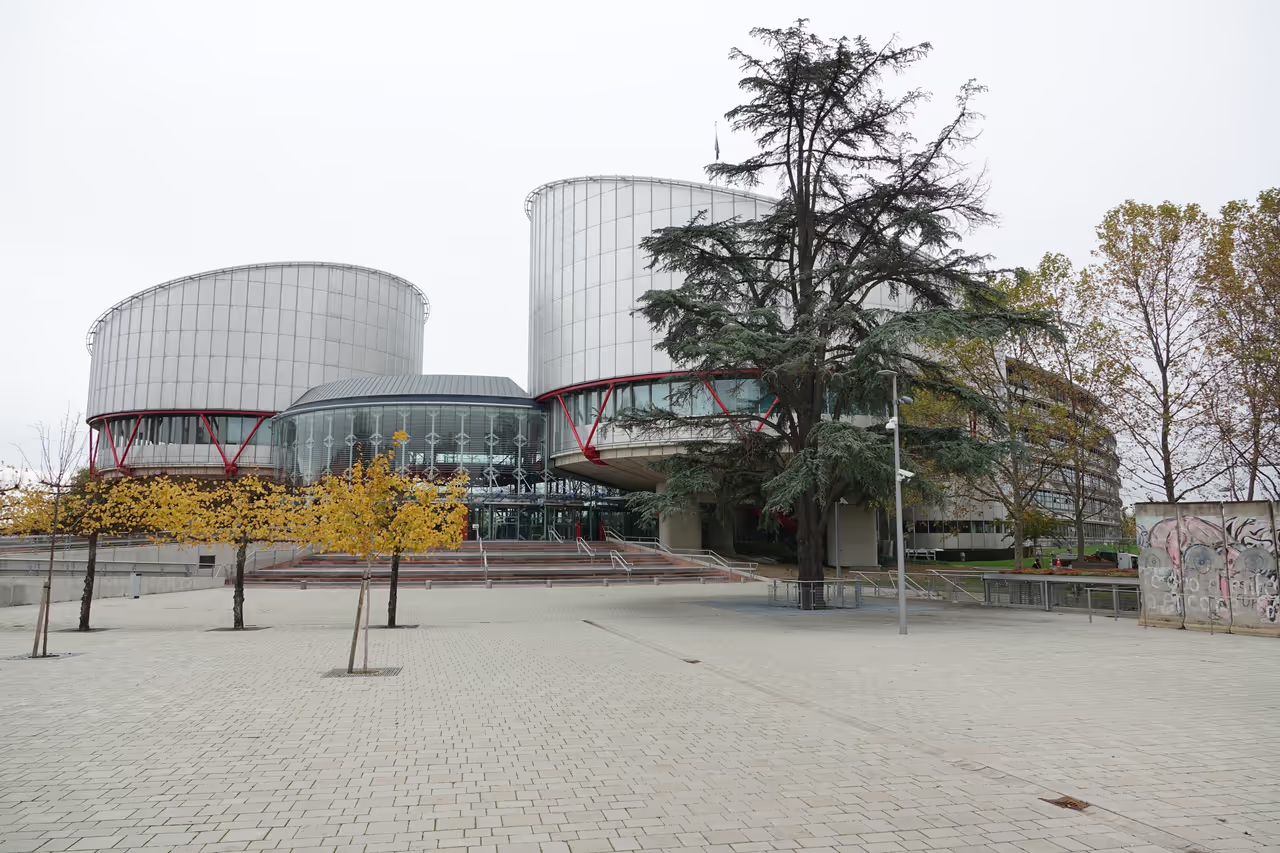
Orangerie to European Parliament
A relaxing and thought provoking walk that bridges the city's most beloved park with its modern political identity. You will begin among the manicured lawns and romantic pavilions of a classic 18th century garden. The path then leads you toward the sleek, contemporary glass structures of the international institutions. The juxtaposition of natural beauty and cutting edge architecture is visually fascinating. It provides a quiet, green corridor into the heart of modern Europe.
Architecture & Landmarks
Kammerzell House
A breathtaking testament to the wealth and craftsmanship of the city's Renaissance merchants. The incredibly detailed, dark wood...
viewEuropean Court of Human Rights
A bold, highly expressive piece of contemporary architecture designed by the acclaimed architect Richard Rogers. The building...
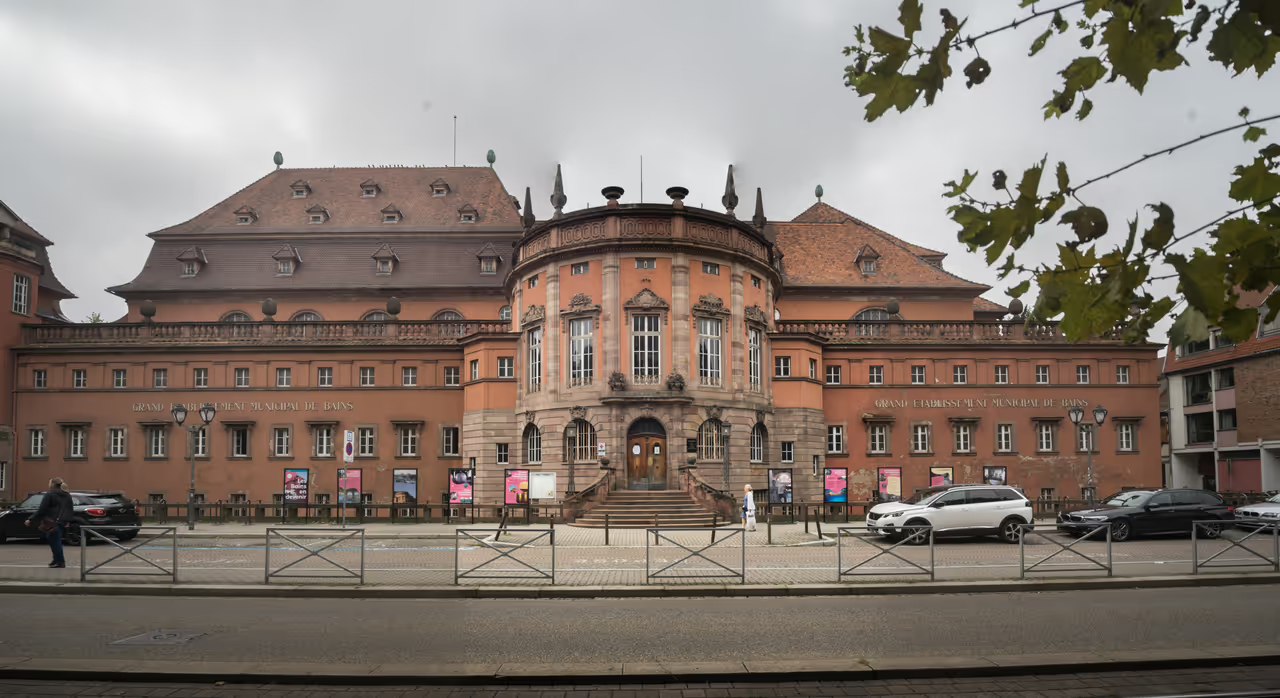
viewMunicipal Baths
A stunning, highly atmospheric public bathhouse that feels like stepping back into the early 20th century. The exterior is an...
view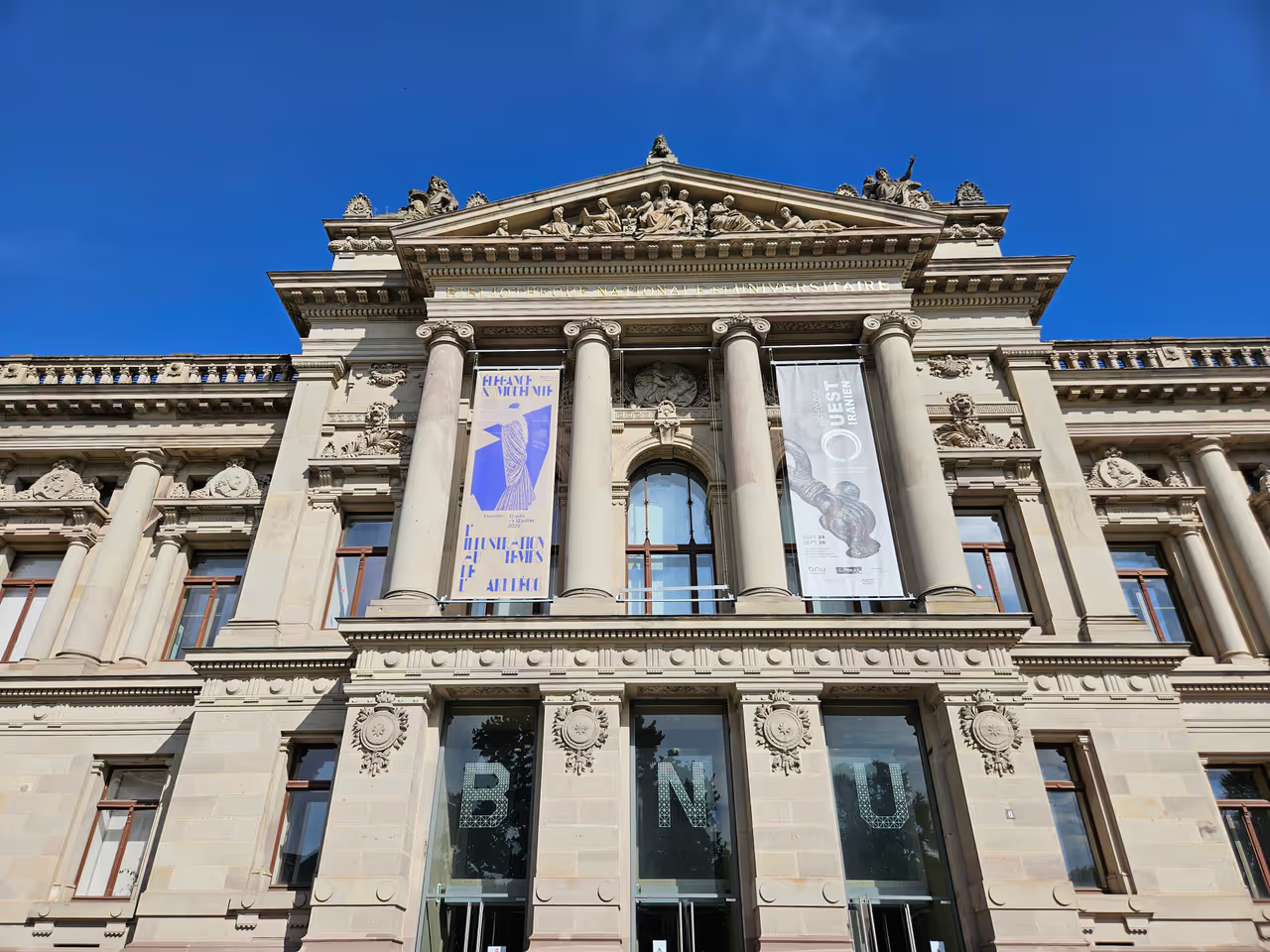
National and University Library
A grand, highly formal edifice that anchors the eastern edge of the imperial Place de la République. The perfectly symmetrical...
view
Markets & Shopping
Strasbourg Nightlife
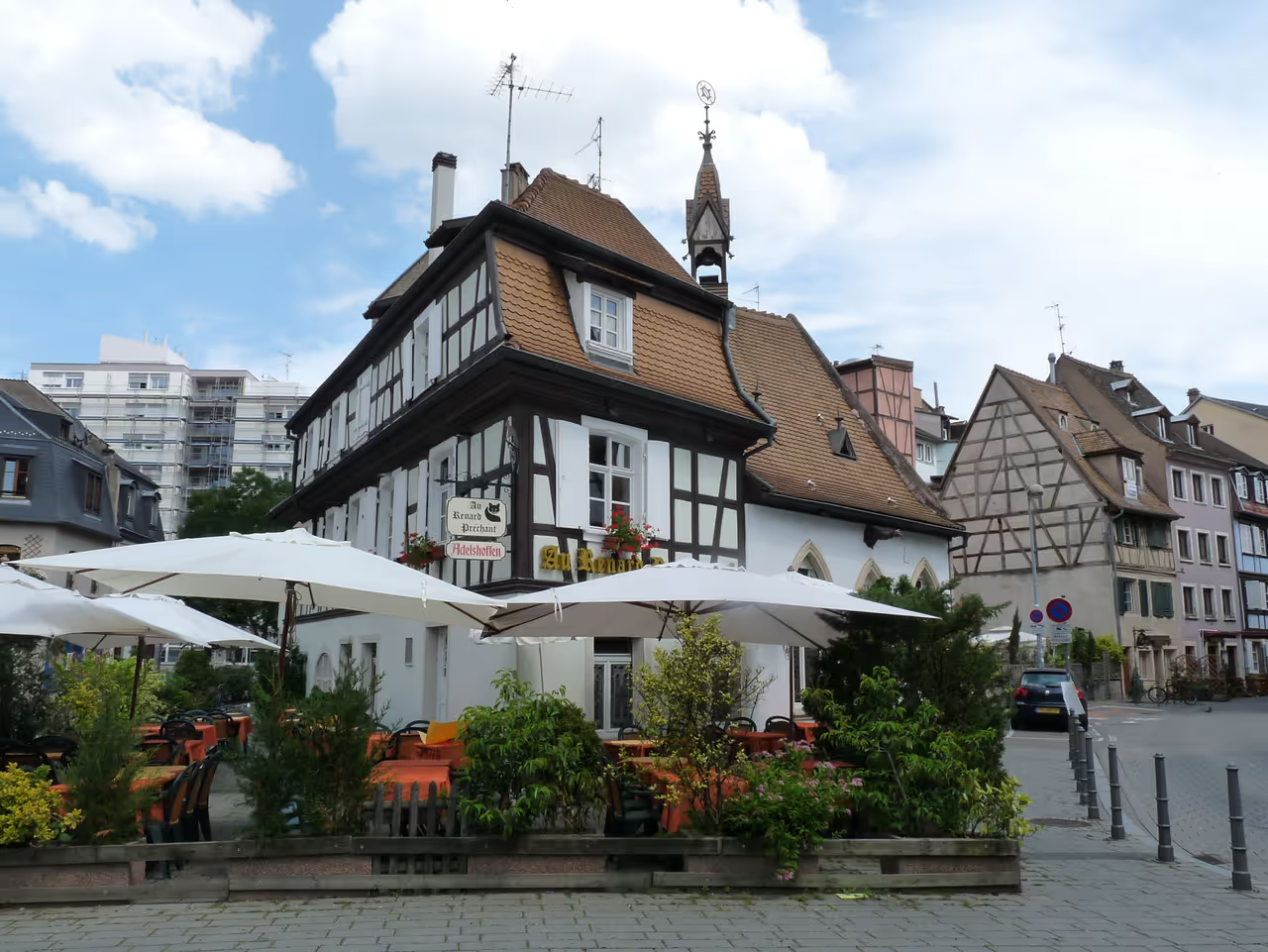
Photo Spots
Activities & Experiences
Cycling Routes
 HIGHLY RECOMMENDED
Two Shores Route
A fantastic, easy ride that highlights the modern friendship between France and Germany. You will cycle from the historic city centre straight out to the banks of the mighty Rhine. The highlight of the journey is crossing the elegant pedestrian and cyclist bridge into the German town of Kehl. The paths are wide, incredibly well maintained, and mostly separated from car traffic. It is a joyful, highly symbolic ride that takes you through some of the city's newest urban developments.
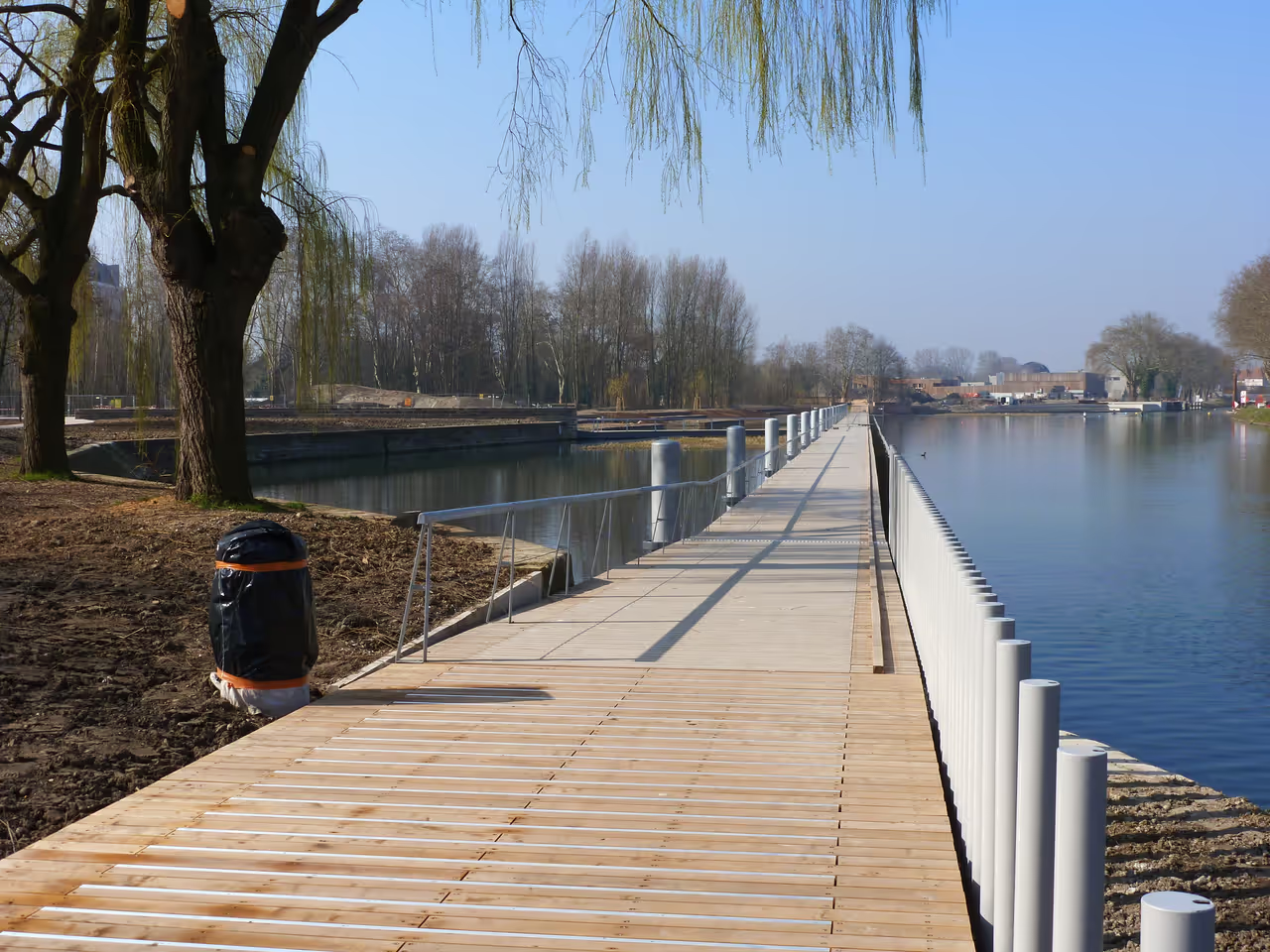
Ill River Canal Loop
A highly picturesque route that follows the intricate waterways winding through and around the city. You will ride under weeping willows, past historic locks, and alongside impressive waterfront architecture. The water has a calming effect, and the paths are generally flat and shaded by mature trees. It offers a fantastic perspective on how the city was built to integrate with its rivers. This ride is perfect for a lazy afternoon when you want to enjoy nature without leaving the urban limits.
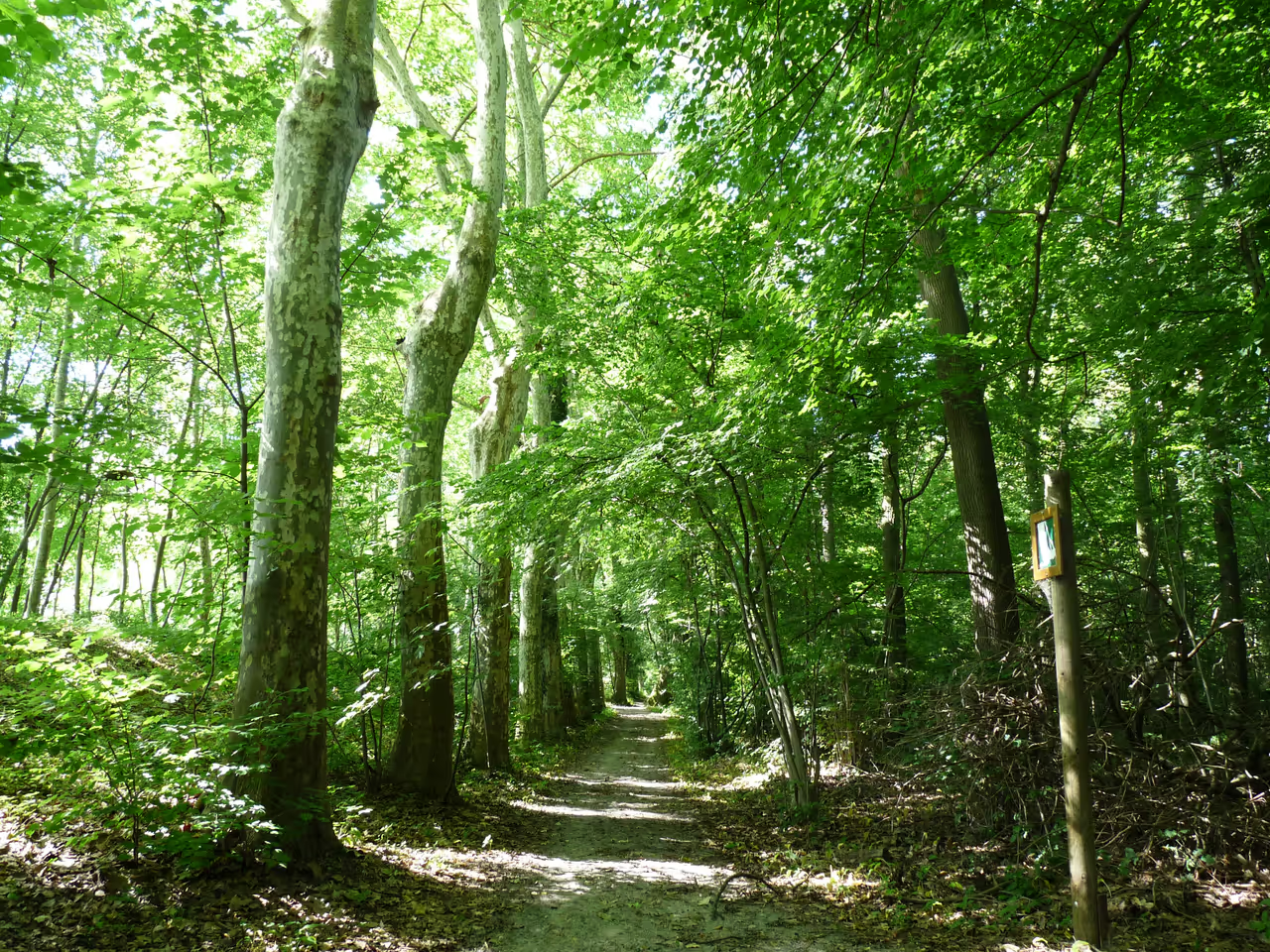
Forts Trail
An incredible 85 kilometre route that takes you on a journey through the region's military history and natural beauty. The path loops around the city on both the French and German sides of the Rhine, connecting the remnants of an old defensive belt. You will pedal through dense forests, past rural villages, and alongside impressive 19th century fortifications. The terrain is mostly flat and well paved, making it a comfortable ride despite its length. It is a perfect day trip for those wanting to escape the urban centre and explore the surrounding countryside.
Self-Guided Tours
- HIGHLY RECOMMENDED
European Institutions Tour
A fascinating journey through the sleek, modern district that shapes the political landscape of the continent. This tour takes you away from the medieval centre and into a world of contemporary glass and steel architecture. You will discover the buildings where crucial human rights and legislative decisions are made. The route offers a powerful narrative about post-war reconciliation and the ongoing project of European unity. It is an essential experience for understanding the city's modern identity and global importance.
- HIGHLY RECOMMENDED
Medieval Grande Île Tour
A captivating exploration of the UNESCO World Heritage listed island that forms the historical core of the city. This route guides you through a labyrinth of narrow alleys, revealing centuries of architectural evolution. You will encounter towering gothic masterpieces, ornate Renaissance merchant houses, and charming cobblestone squares. The narrative focuses on the city's golden age as a Free Imperial City and a hub of humanistic thought. It is the definitive route for absorbing the city's quintessential fairytale charm.
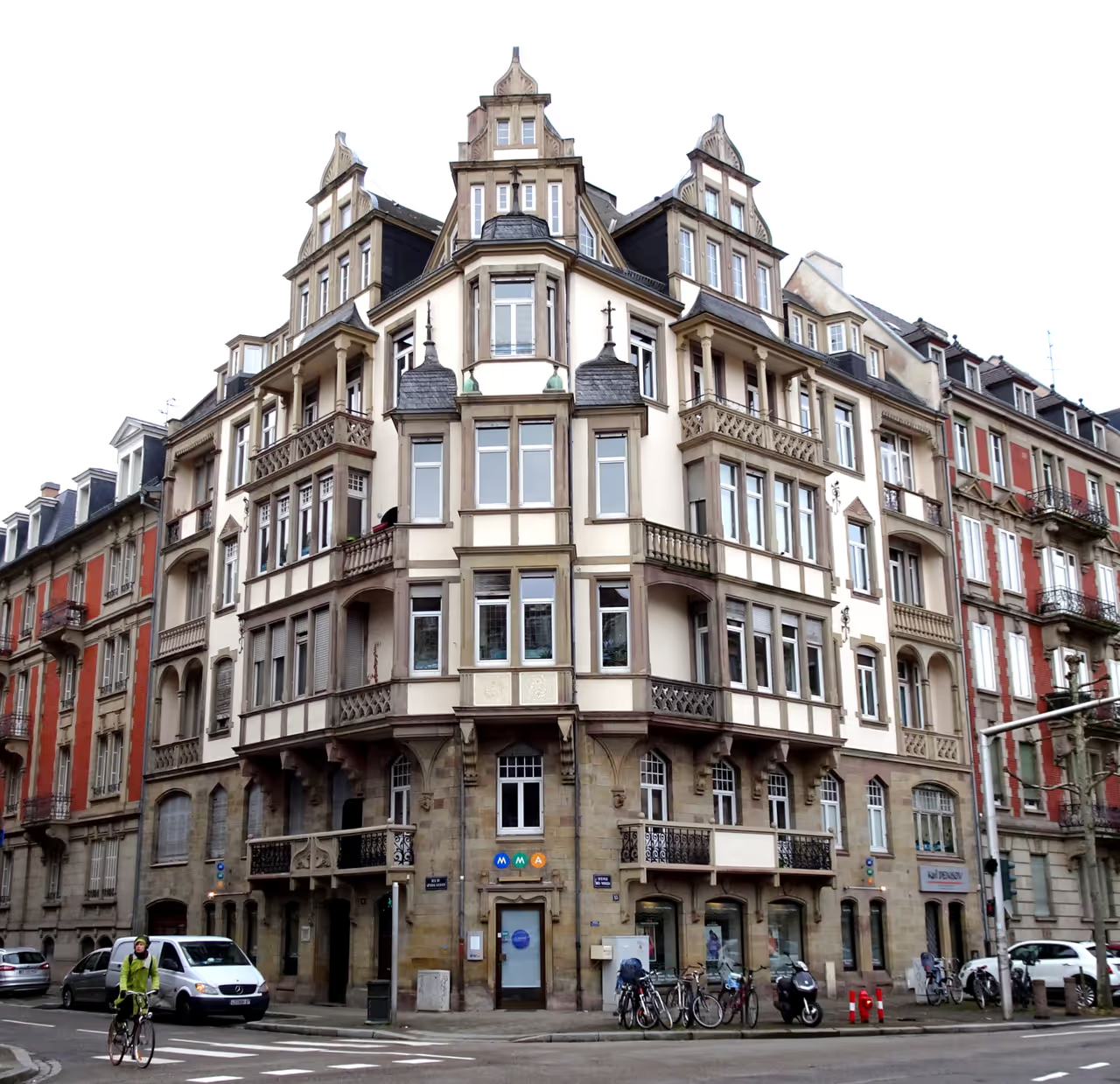
Art Nouveau & Wilhelminian Tour
An architectural deep dive into the massive urban expansion initiated by the German Empire in the late 19th century. This tour focuses on the grand Neustadt district, revealing a completely different side of the city's visual identity. You will explore monumental state buildings designed to impress, alongside whimsical, highly decorated Art Nouveau private residences. The narrative highlights the intense, state sponsored effort to Germanise the city through architecture. It is a visually rich journey for anyone interested in 19th and 20th century design.
Annual Festivals & Events
 HIGHLY RECOMMENDED
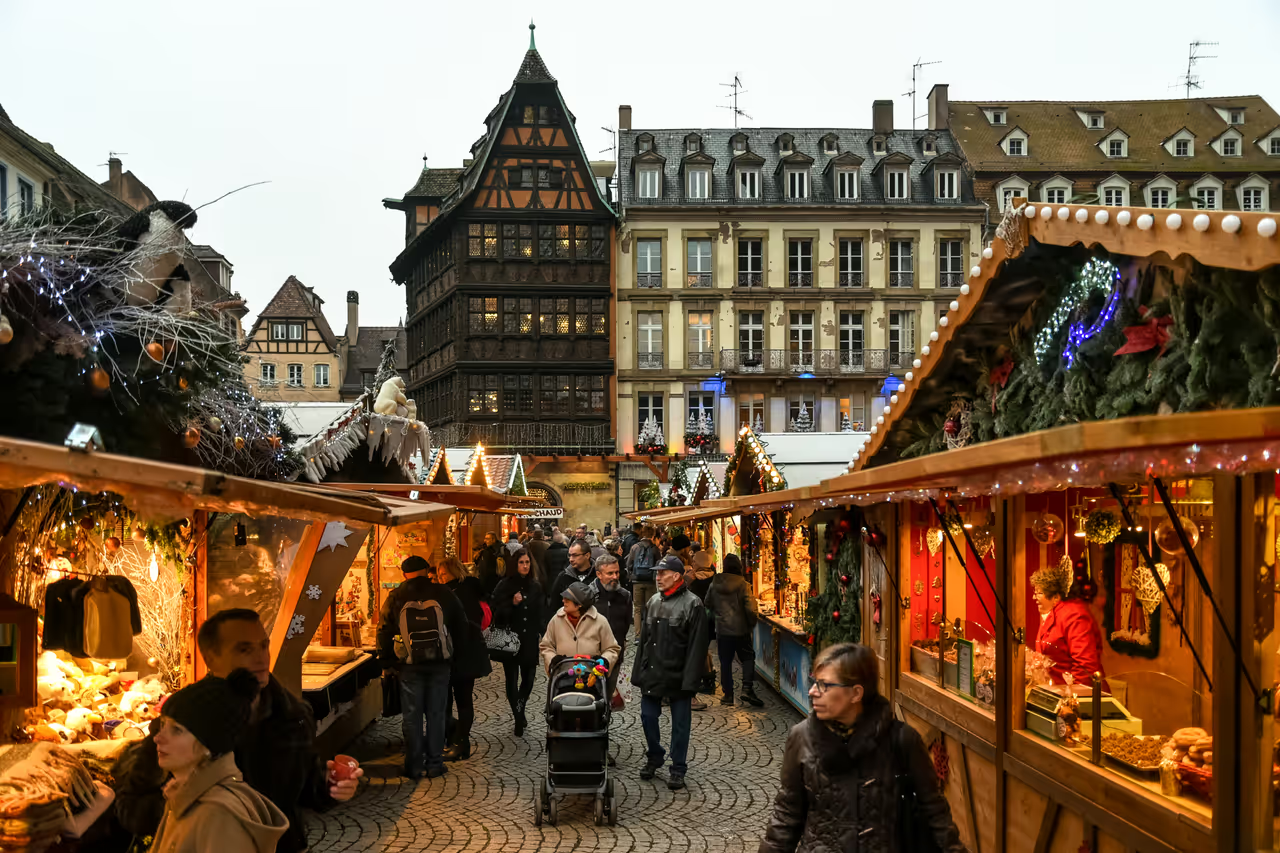
Strasbourg Christmas Market
One of the oldest and most famous Christmas markets in Europe, dating back to 1570. The entire city transforms into a winter wonderland with miles of twinkling lights and a towering Christmas tree on Place Kléber. Hundreds of wooden chalets sell artisanal crafts, warm spiced wine, and traditional Alsatian treats. The festive atmosphere attracts millions of visitors from across the globe. It is an incredibly magical experience that completely takes over the historic centre.
Artefacts Festival
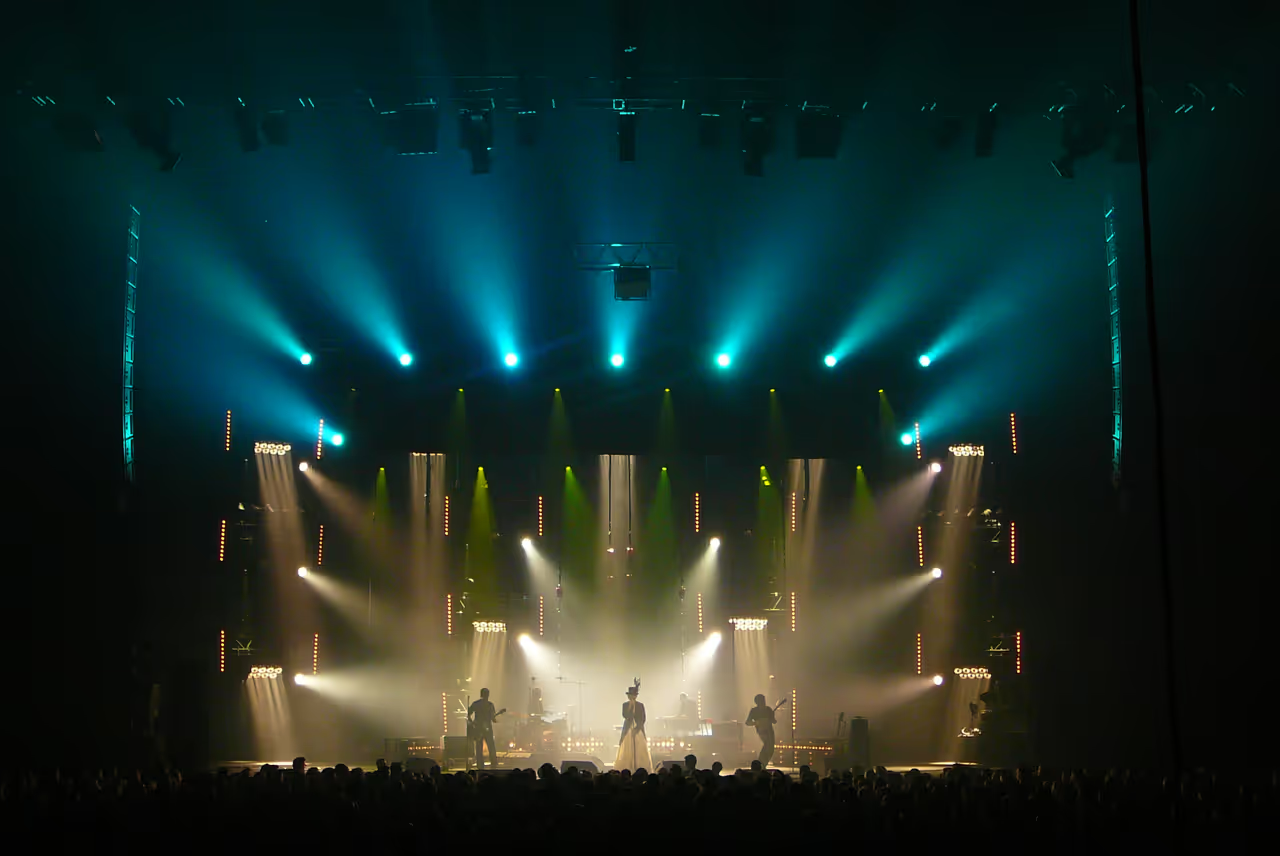
A major contemporary music festival that kicks off the spring season with high energy performances. It gathers both rising stars and established international acts across various genres including rock, electronic, and hip hop. The concerts are spread over several days and take place in prominent venues like the massive Zénith arena and the intimate Laiterie. It is a cornerstone event for the region's vibrant youth and music scene. The eclectic lineups ensure there is something for every music fan.
Strasbourg My Love
A ten day festival celebrating Valentine's Day and romance in the city. The event features a diverse programme including poetic concerts, exclusive parties, and unique culinary experiences. Visitors can enjoy slow dances in museums or romantic cruises along the illuminated canals. It is a playful and highly atmospheric event that highlights the city's charming architecture. The festival brings a wonderful warmth to the chilly winter nights.
Insider Tips
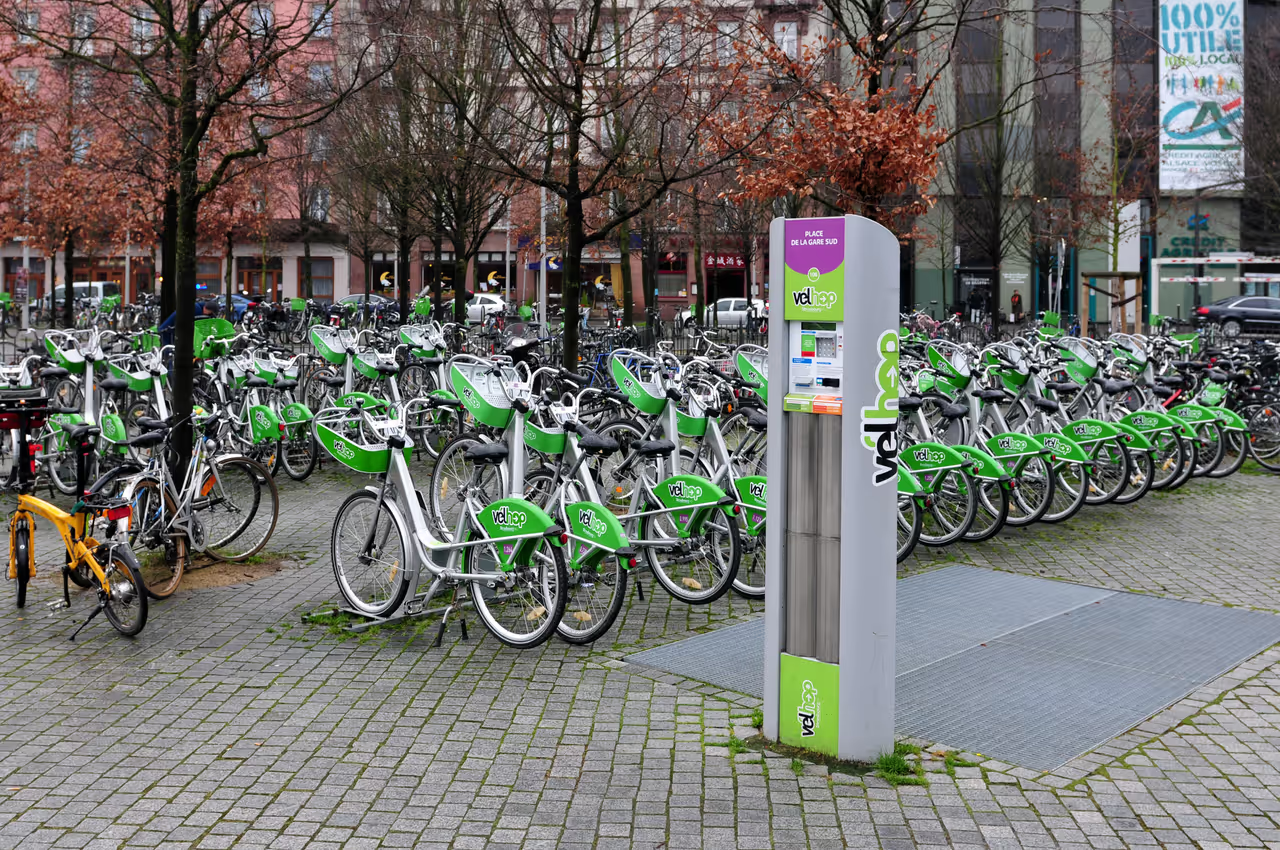
Rent a Vélhop bicycle from one of the automatic stations to explore the city exactly like a local.
Always carry a bit of cash, as some smaller bakeries and independent market stalls do not accept card payments for minor purchases.
Book a table at a traditional Winstub a few days in advance if you want to dine on a Friday or Saturday night.
A simple 'Bonjour' upon entering a shop and 'Merci, au revoir' upon leaving goes a very long way in ensuring friendly service.
While the city is incredibly safe, stay aware of your surroundings near the main train station late at night.
Plan your museum visits carefully, as entry to all city museums is completely free on the first Sunday of every month.
If you are visiting the Christmas markets, go during the daytime on a weekday to avoid the overwhelming weekend crowds.
Check out the local wine selections at the Coop supermarkets for great quality bottles at surprisingly affordable prices.
PERFECT FOR
Strasbourg appeals to culture seekers, history enthusiasts, and romantics wanting a picturesque escape. Foodies will love the hearty Alsatian cuisine and renowned local wines. It is also an excellent destination for cyclists and eco-conscious travellers looking for a green, accessible urban experience.
VIBE
Strasbourg offers a seamless blend of a fairytale village and a progressive diplomatic hub. The atmosphere shifts from romantic and historic along the timber framed canals of Petite France to sleek and modern in the European Quarter. It feels wonderfully walkable, highly bicycle friendly, and consistently energetic thanks to its massive student population.
Frequently Asked Questions about Strasbourg
While we strive to keep this information accurate and up to date, we recommend verifying any details independently before making decisions based on them.
Similar Destinations in France
Continue your journey. Explore these highly recommended cities and uncover more of what France has to offer.