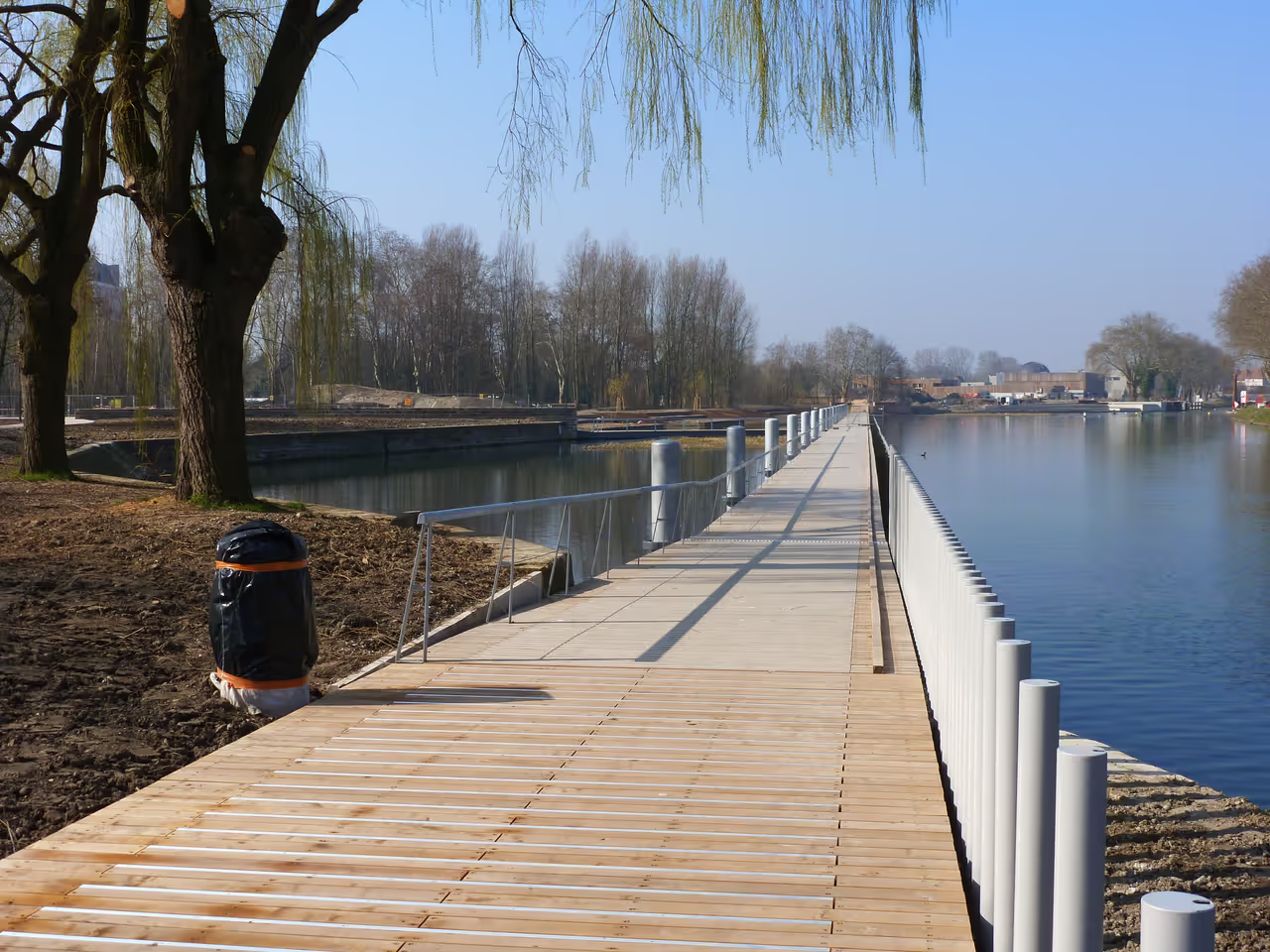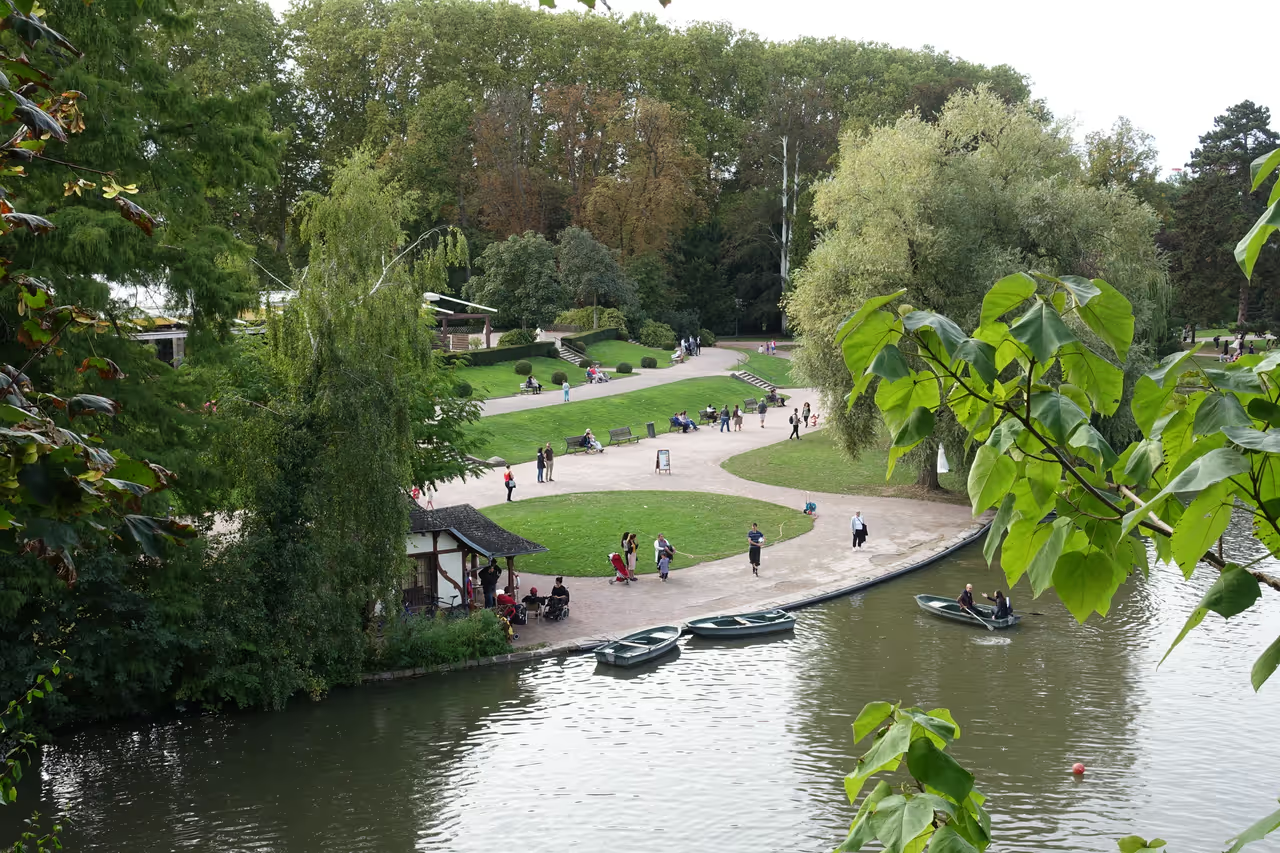
Orangerie Park
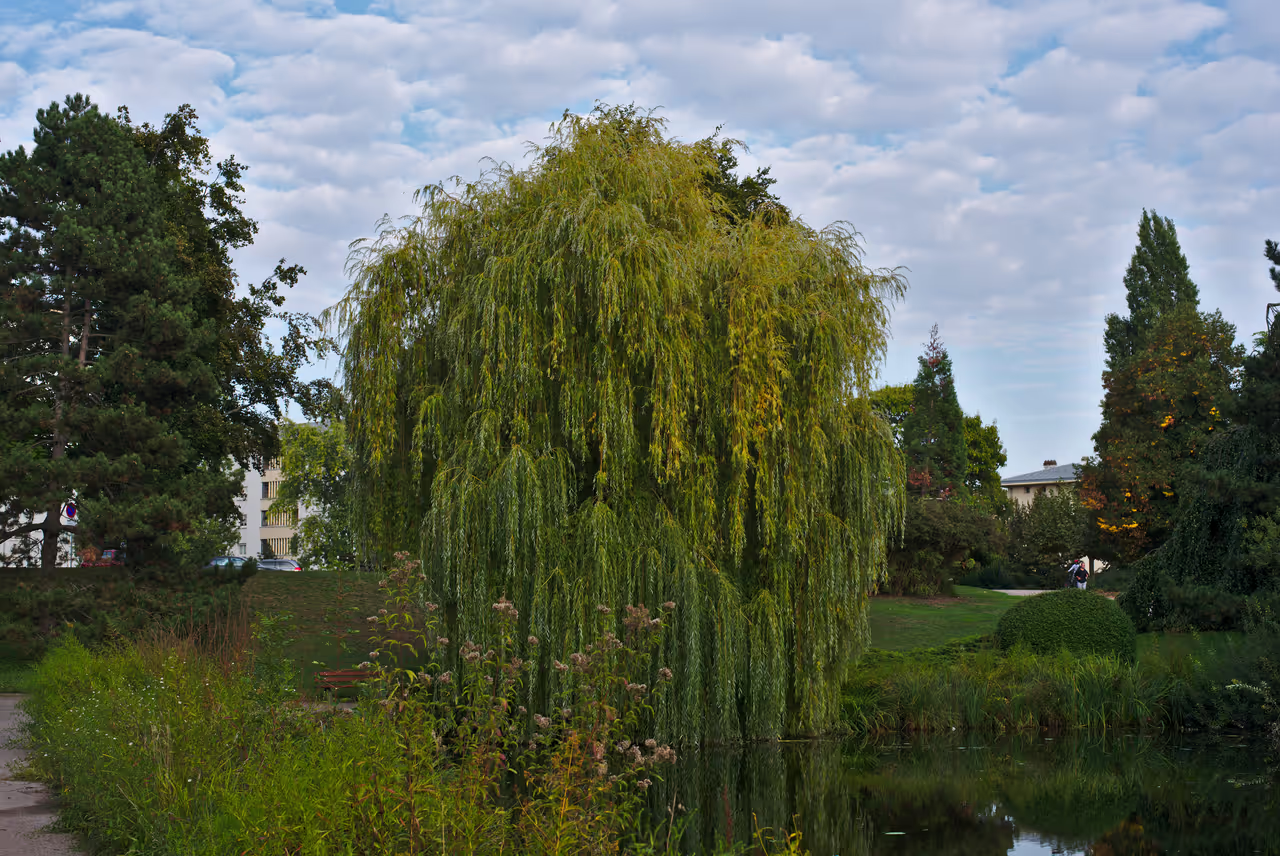
Spanning 26 hectares opposite the European Parliament, Orangerie Park is Strasbourg's most cherished green retreat. Stroll along leafy avenues, hire a rowing boat on the peaceful lake, or admire the elegant Joséphine Pavilion surrounded by vibrant flowerbeds. The park is renowned as the cradle of Alsace's stork rescue effort, where you can frequently spot these majestic birds nesting high in the treetops. You will also discover a fine dining restaurant nestled inside a rustic 17th-century timber-framed farmhouse. Whether you want a tranquil afternoon walk or a fun family day out with ice cream, this park offers a delightful blend of history and leisure.
Videos
History of Orangerie Park
The story of Orangerie Park began in the 18th century, though its precise origins remain a subject of romantic debate among historians. While some attribute its early layout to Louis XIV's famed gardener André Le Nôtre, local military engineer Antoine du Chaffat drew up early plans for the land in 1735. The turning point came during the French Revolution, when republican forces confiscated 140 orange trees from aristocrats at the Château de Bouxwiller. To house these prized citrus trees, Strasbourg municipal architect Pierre-Valentin Boudhors constructed the elegant Joséphine Pavilion in 1804, named in honour of Empress Joséphine Bonaparte. The park underwent a dramatic transformation in 1895 during the German annexation era, when Strasbourg hosted the major Industrial and Craft Exhibition of Alsace Lorraine. Landscape designers expanded the grounds to 26 hectares, excavating a scenic artificial lake and building a romantic cascading waterfall. To add charm to the exhibition, an authentic 17th century timber-framed house named the Buerehiesel was dismantled in Molsheim, transported into the park, and painstakingly reassembled piece by piece. This grand expansion successfully merged French classicism with German romantic park architecture, securing its status as the green heart of the city. Over the following century, the park evolved alongside Strasbourg's rise as a European capital. After a disastrous fire destroyed the Joséphine Pavilion in 1968, the city rebuilt the historic monument to its original glory. The park also became famous as the sanctuary that saved the white stork, the beloved symbol of Alsace, from near extinction in the region during the 1970s. Today, three historic orange trees still survive in the greenhouses, preserving a living link to the park's revolutionary past while visitors enjoy rowing across the lake or dining under ancient platanus trees.
Events spanning 235 years
Fun Facts
- • Children can drive vintage style miniature cars on a dedicated track inside the park known as L'École de Conduite, an attraction that has operated for generations.
- • During the French Revolution, 140 orange trees confiscated from the aristocratic Château de Bouxwiller were presented to Strasbourg, creating the original garden collection that gave the park its name.
- • Empress Joséphine Bonaparte personally stayed in Strasbourg on several occasions, inspiring the name of the central neoclassical pavilion constructed in 1804.
- • In 2026, the park transformed its historic zoo into the Arche de l'Orangerie, a modern space dedicated entirely to animal welfare and environmental education.
- • Located directly opposite the European Parliament, the park serves as a favourite sanctuary for international diplomats and European politicians.
- • Only three original orange trees survive today, carefully preserved inside the park greenhouses and shown to the public on select dates.
- • The artificial lake and its picturesque cascading waterfall were excavated during the German annexation of Strasbourg in 1895.
- • The historic Buerehiesel restaurant situated inside the park was originally built in Molsheim around 1600 before being dismantled and reassembled here for the 1895 Industrial Exhibition.
- • The park played a vital role in rescuing the white stork, the official bird of Alsace, from near extinction in France through a specialized repopulation programme started on the grounds.
Orangerie Park FAQ
While we strive to keep this information accurate and up to date, we recommend verifying any details independently before making decisions based on them.
Orangerie Park Map & Neighborhood Explorer
This interactive map is centered on Orangerie Park. Zoom in and move the map around to automatically discover Wikipedia photos and summaries of other nearby sights, monuments, and historical points of interest and stories in real-time!
Places near Orangerie Park
Make the most of your trip. Check out these top-rated spots located nearby.
 469m
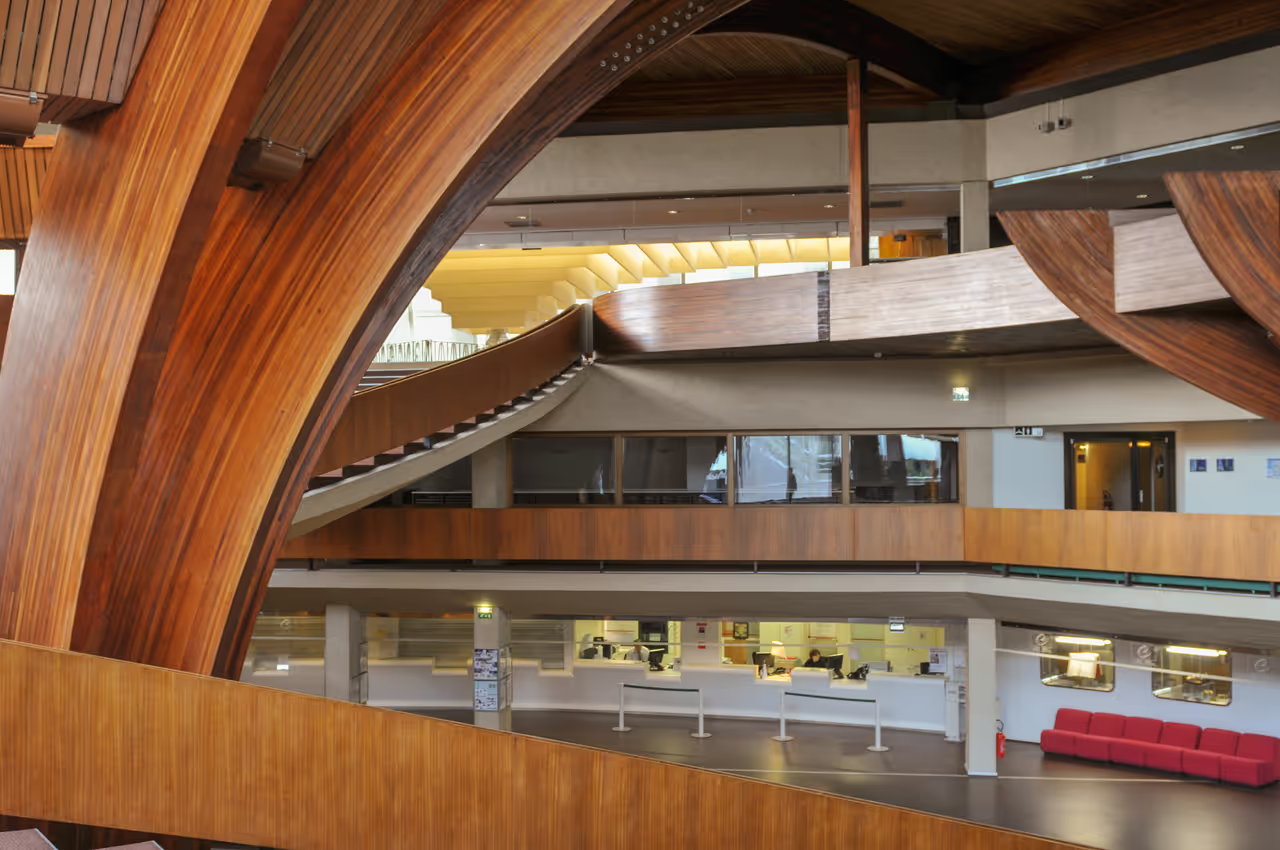
469mEuropean Parliament
The spectacular, glass clad headquarters where the democratic representatives of the European Union gather for their plenary sessions. The sheer scale and modern design of the building, featuring a massive central courtyard and an imposing hemicycle, are deeply impressive. It stands as a powerful, physical symbol of post war reconciliation and continental unity. Exploring the visitor centre offers profound insights into how European legislation is drafted and debated. It is a highly educational experience that puts the city's global importance into perspective.
highlight view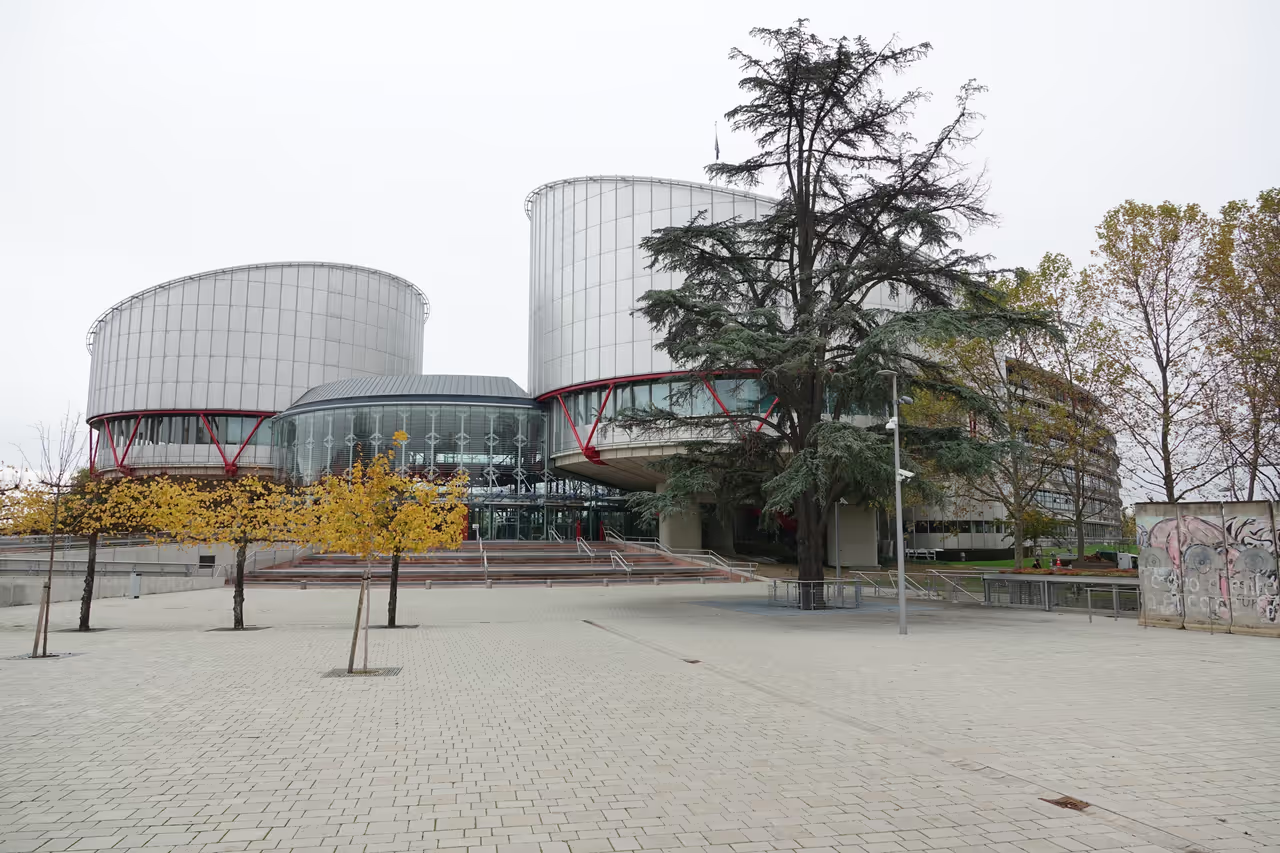 672m
672mEuropean Court of Human Rights
A bold, highly expressive piece of contemporary architecture designed by the acclaimed architect Richard Rogers. The building consists of two massive, gleaming metallic cylinders that are meant to visually represent the scales of justice. The extensive use of glass throughout the structure is a deliberate choice to symbolise transparency in the legal process. It curves elegantly alongside the Ill river, interacting beautifully with the natural environment. It is a striking, forward looking design that perfectly suits its heavy democratic purpose.
architecture view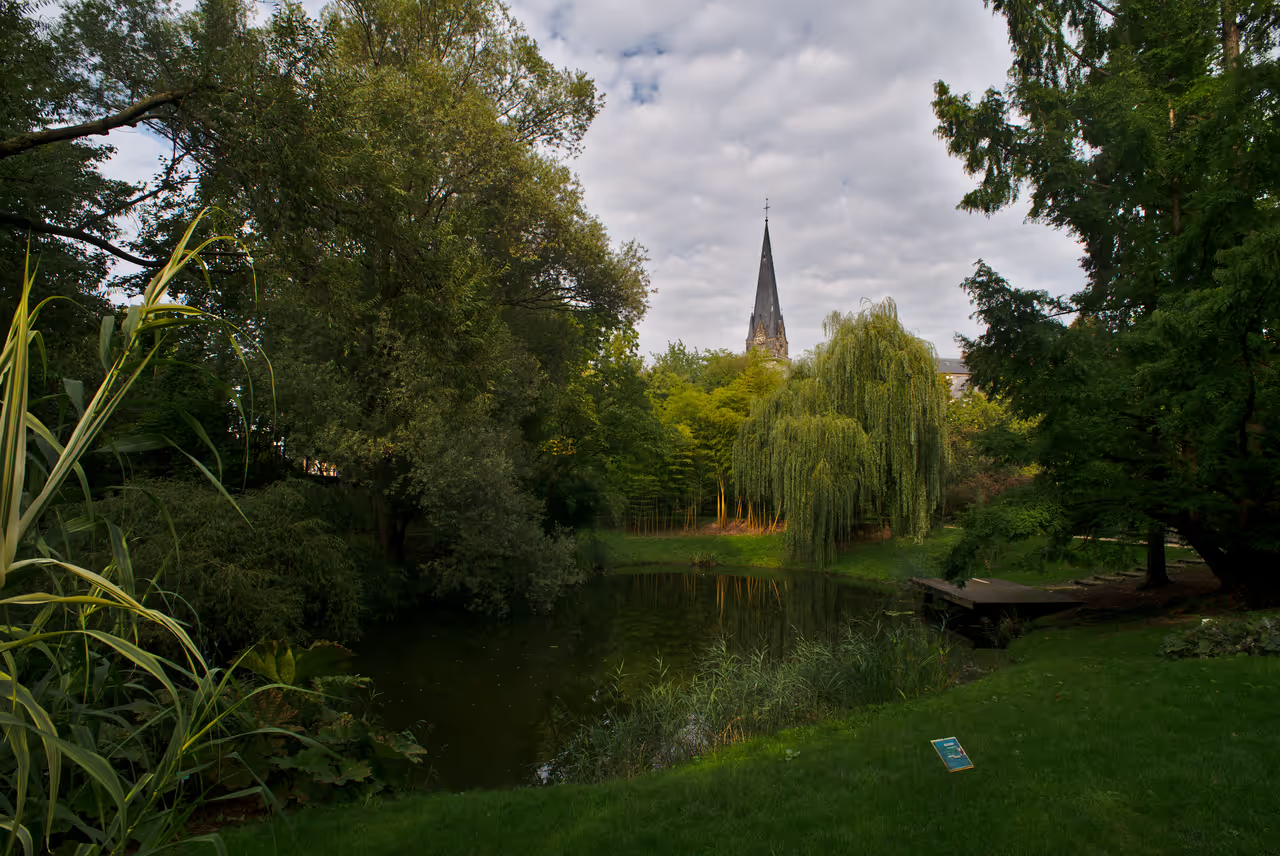 1017m
1017mStrasbourg University Botanical Garden
Tucked behind the historic University Palace in the elegant Neustadt district, the Strasbourg University Botanical Garden is an enchanted sanctuary where nature and academic heritage meet. Spanning 3.5 hectares, it ranks as France's second oldest botanical garden, caring for over 6,000 plant species from around the globe. Visitors can meander along peaceful pathways lined with remarkable trees, explore historic glasshouses, or admire the grand Strasbourg Astronomical Observatory rising directly from the centre of the grounds. From giant Amazonian water lilies to an intriguing 17th-century polyhedral sundial, every corner holds a delightful surprise. It offers an invigorating green retreat for keen plant lovers and curious wanderers alike.
park & nature view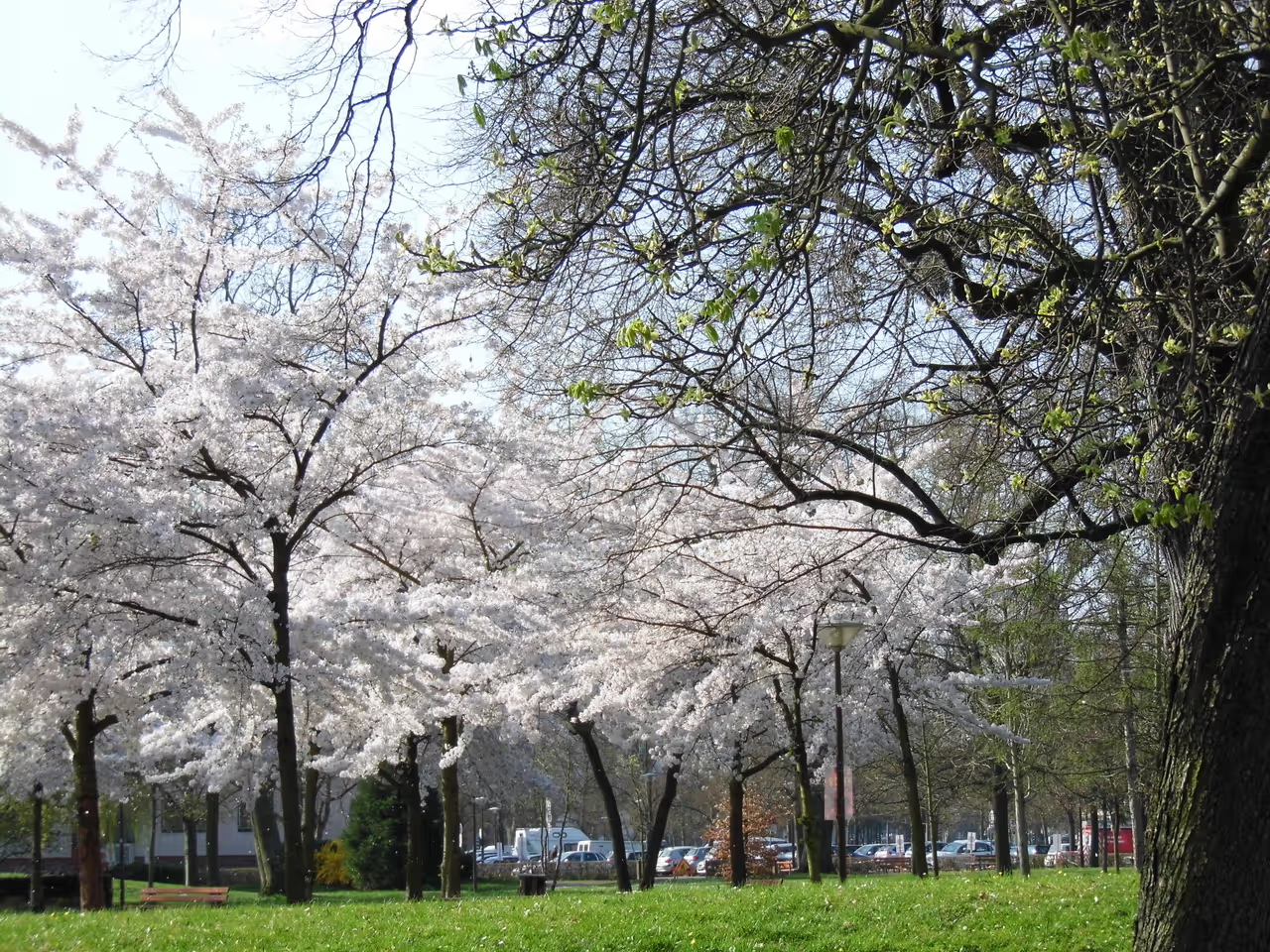 1312m
1312mContades Park
Nestled in Strasbourg's elegant Neustadt district, Contades Park offers a tranquil leafy retreat filled with century-old trees and rich local history. Originally laid out in 1764, this green expanse boasts picturesque walking paths, dynamic play areas, and scenic views along the winding Aar River. Visitors can marvel at the charming 19th-century cast-iron bandstand, which still hosts romantic evening music concerts throughout the summer. Architectural gems like the fairy-tale Villa Osterloff and the striking Peace Synagogue frame its borders, adding distinct character to every stroll. Whether you are relaxing by the water or catching a live performance, it is a delightful spot to soak in authentic Alsatian charm.
park & nature view
Featured on These Itineraries and Routes
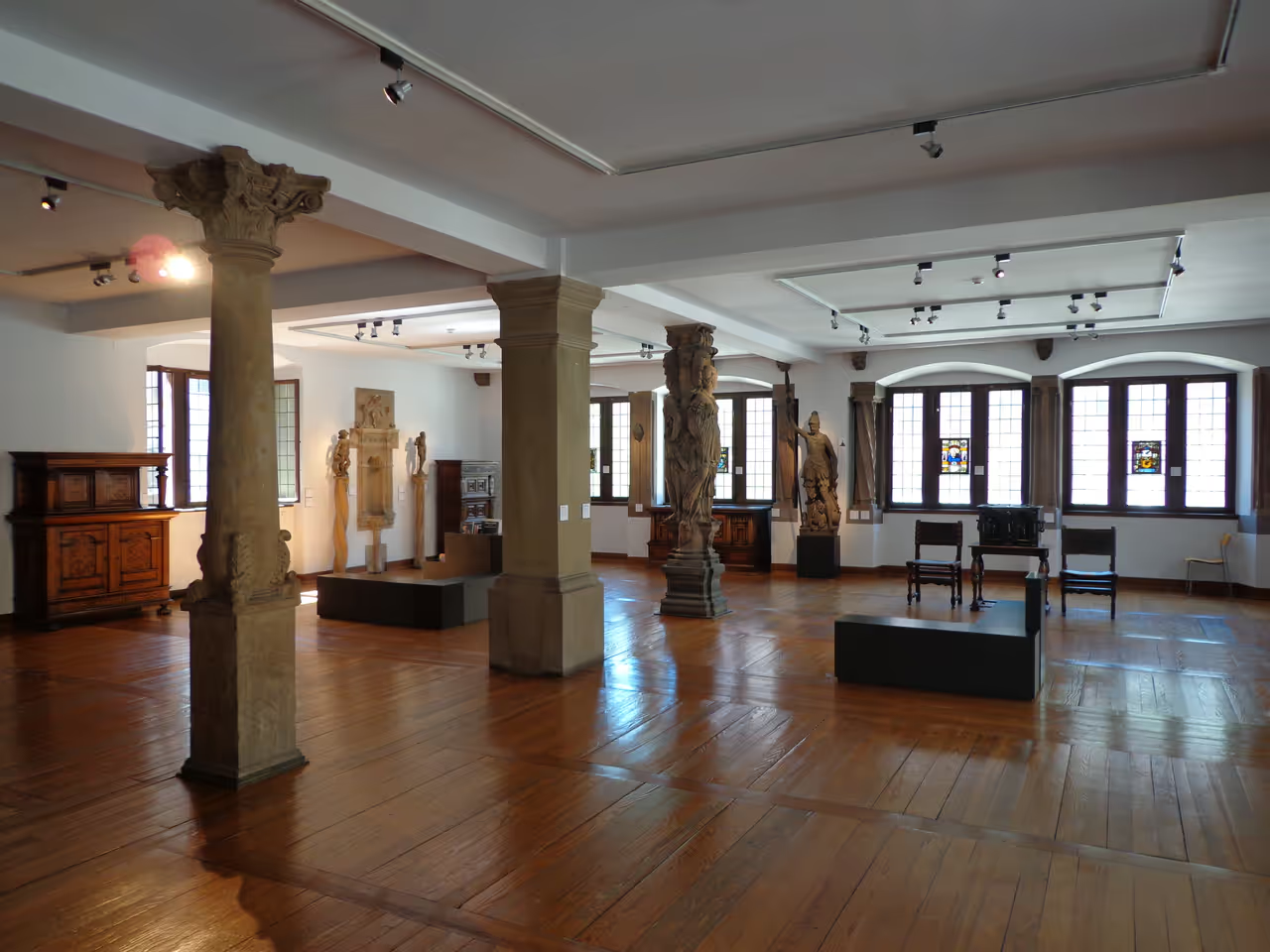
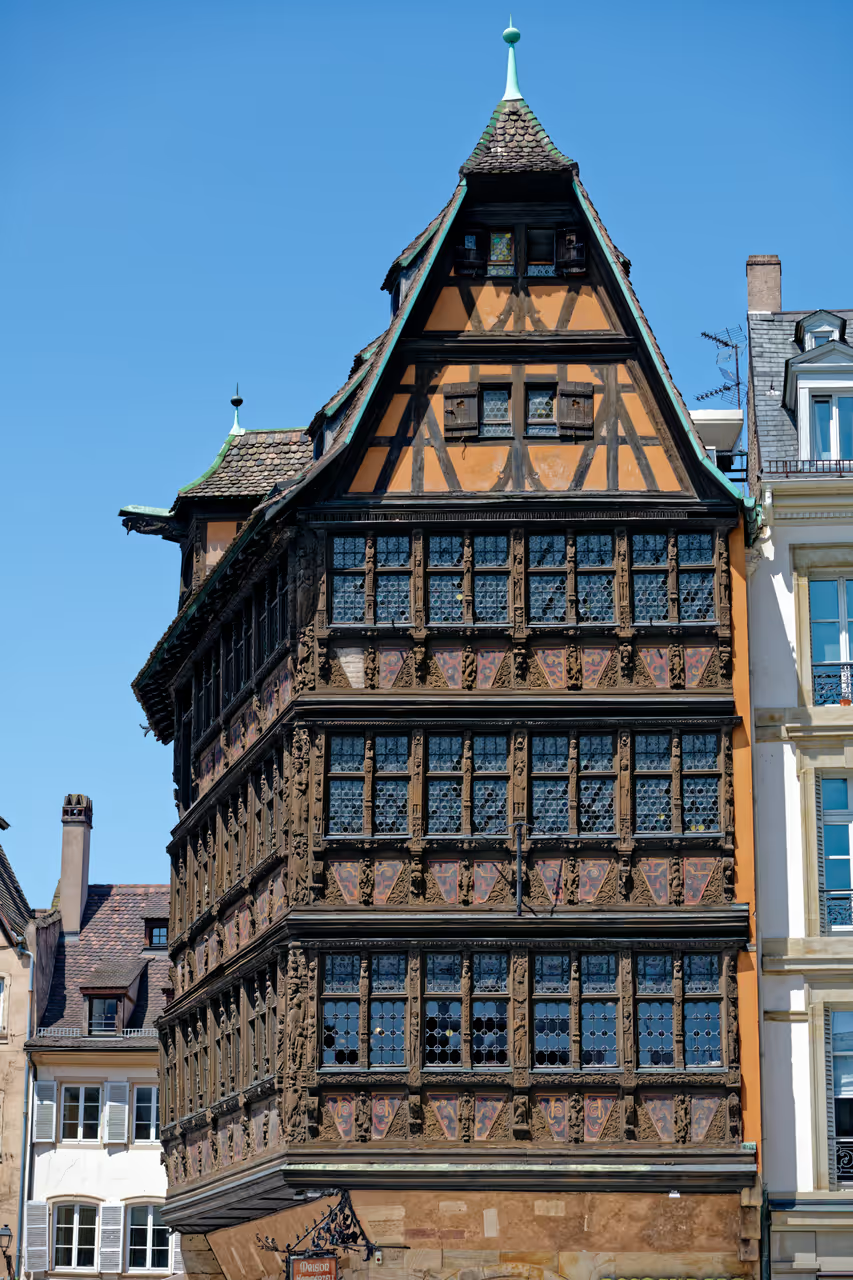
3 Days in Strasbourg: Heritage & Europe Itinerary
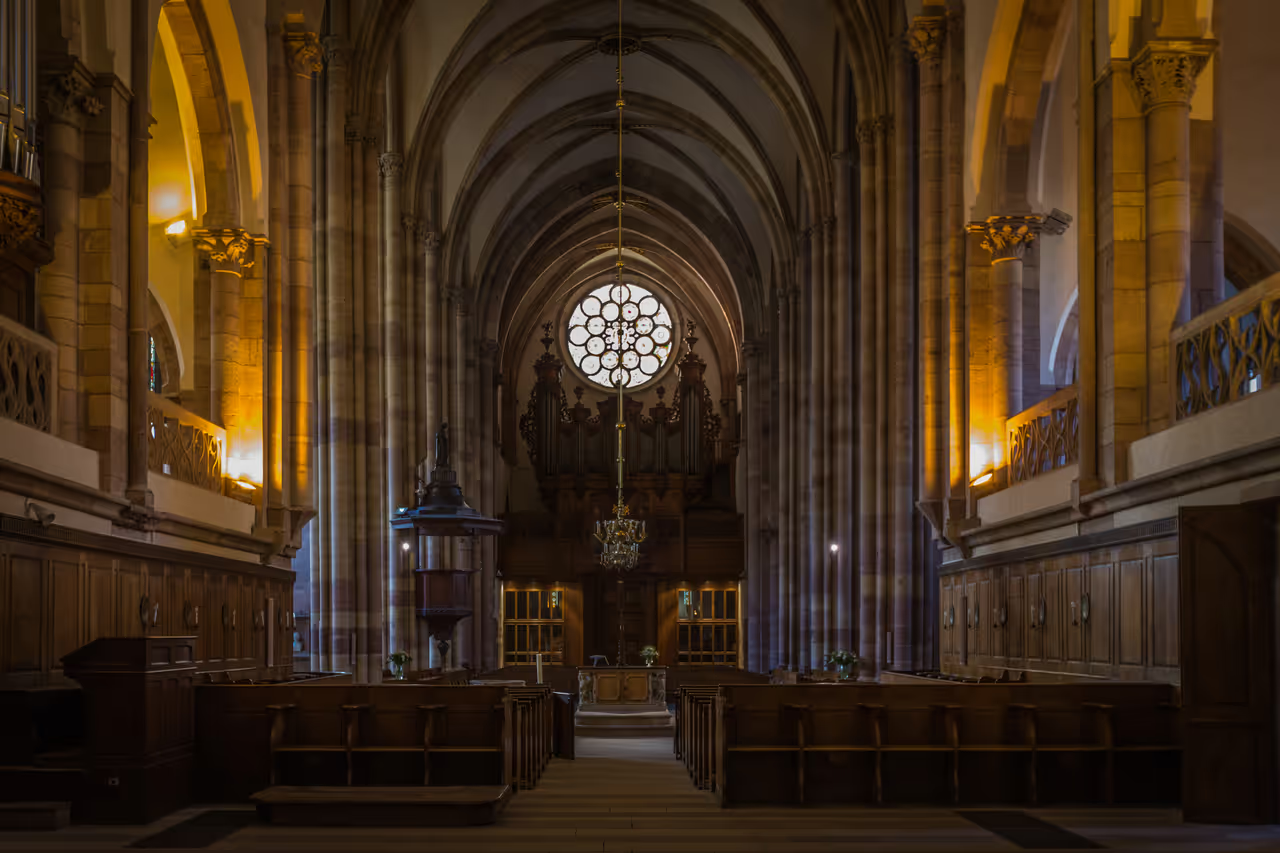
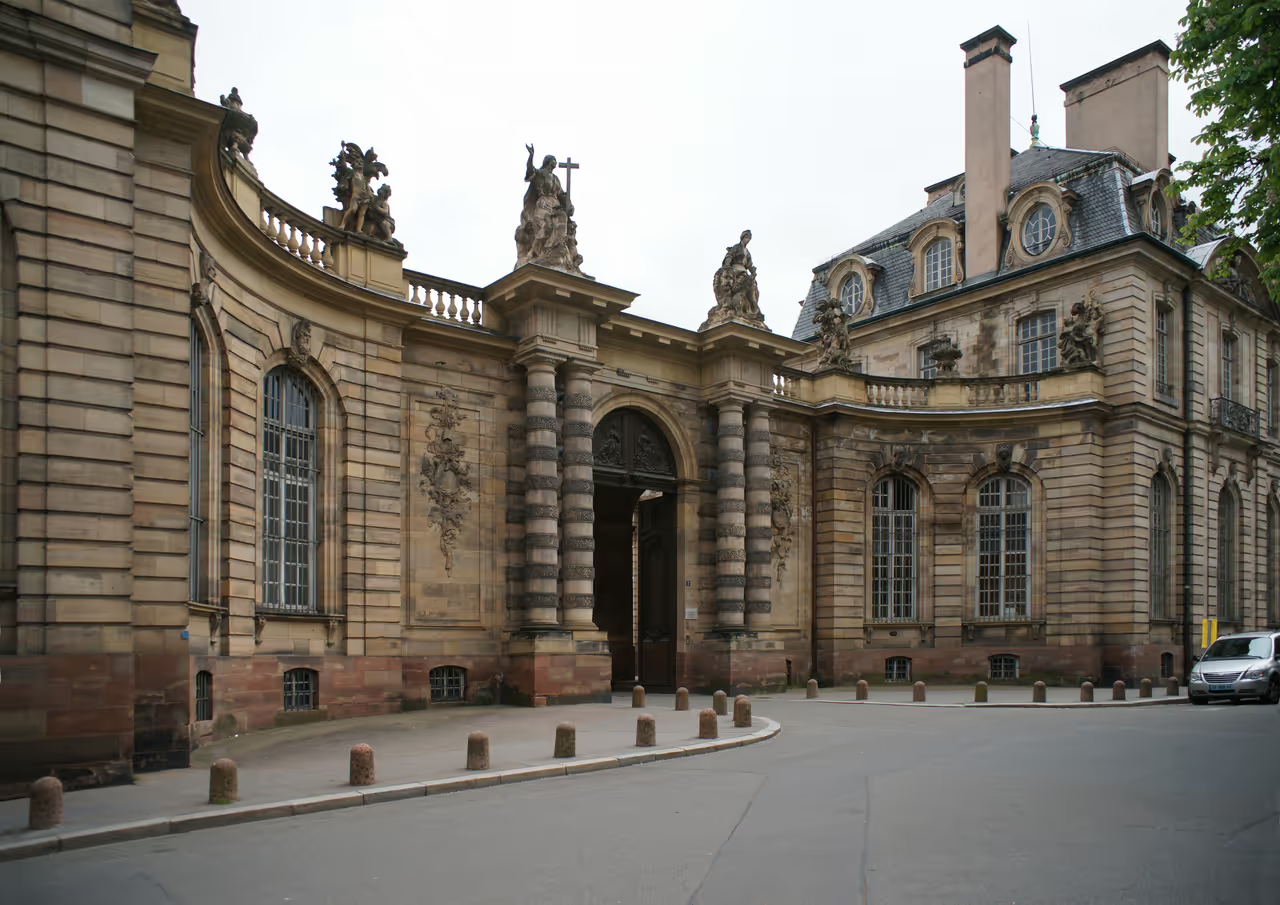
A comprehensive journey that allows you to fully appreciate the city's dual identity as a medieval jewel and a modern European capital. After exploring the historical centre, you will dive into the grand imperial architecture and the sleek international institutions. This pace leaves plenty of time to enjoy long meals at traditional Winstubs and relaxed walks through the parks. It is the ideal duration for a deeply satisfying city break.
view itinerary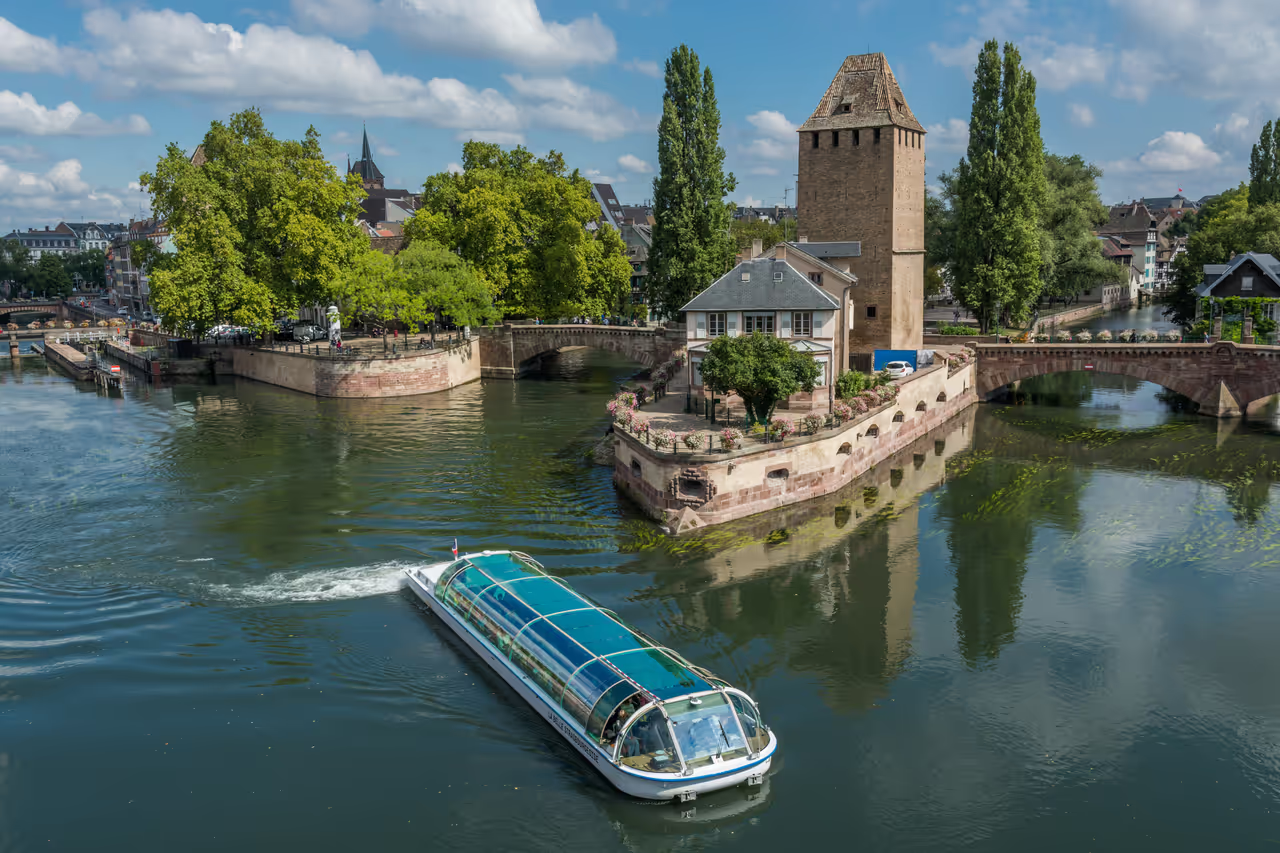
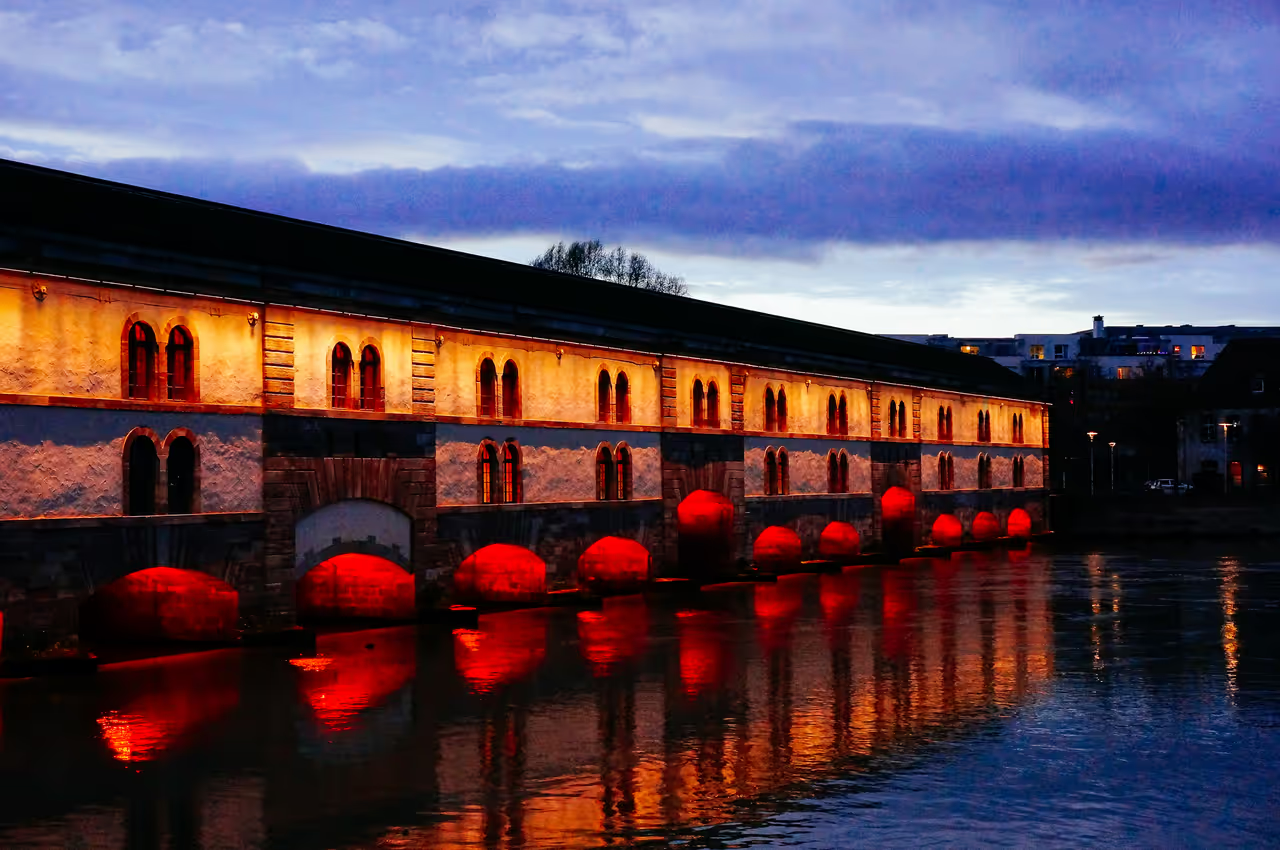
5 Days in Strasbourg: The Complete Experience Itinerary
An immersive, unhurried exploration that ventures well beyond the typical tourist paths. Over five days, you will uncover hidden historical oddities, explore vast green spaces crossing international borders, and absorb the city's vibrant modern culture. This itinerary allows you to truly sync with the local rhythm, mixing world class attractions with quiet, atmospheric discoveries. It is perfect for the curious traveller wanting a deep connection with the region.
view itinerary
Forts Trail
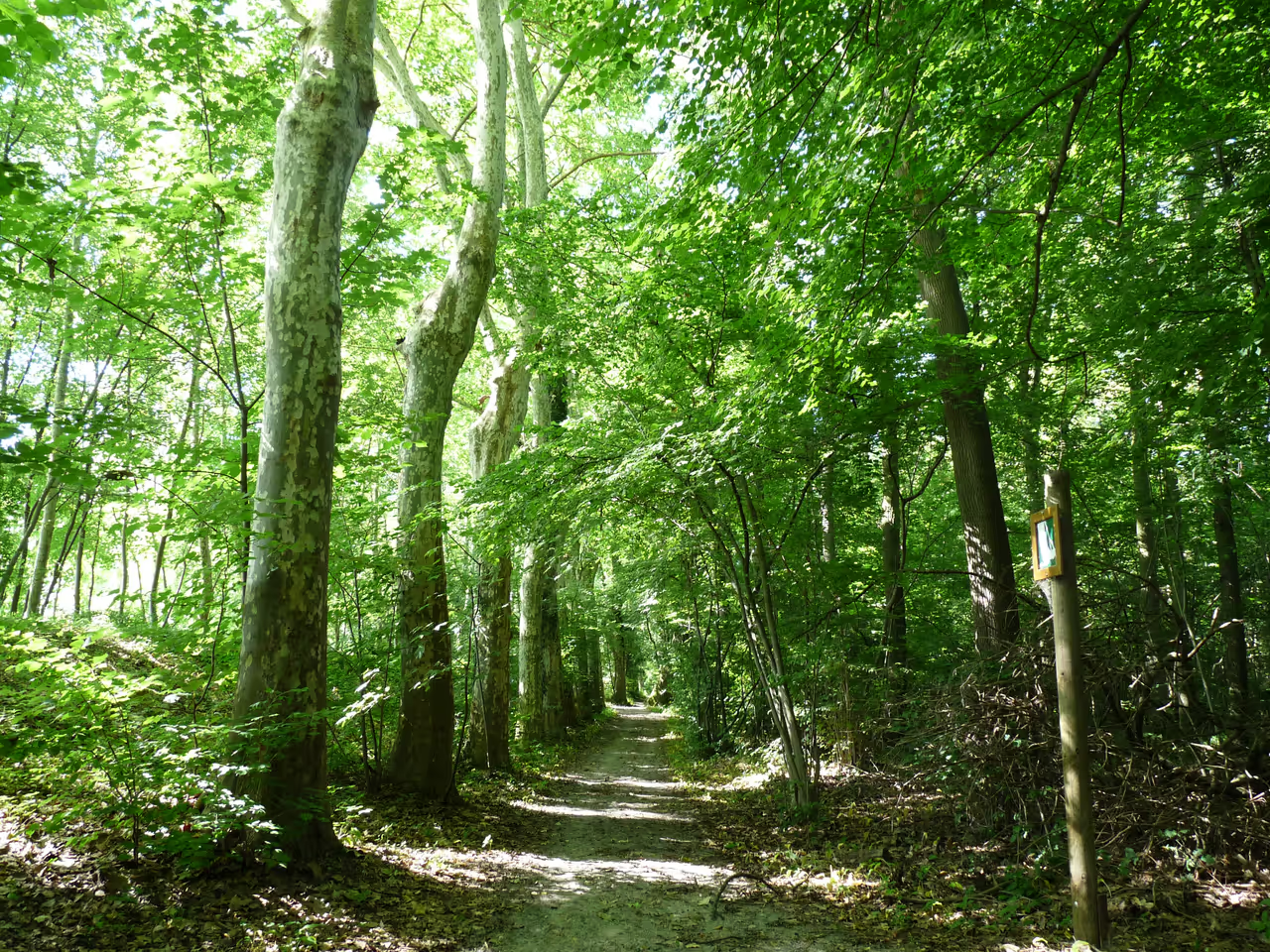
An incredible 85 kilometre route that takes you on a journey through the region's military history and natural beauty. The path loops around the city on both the French and German sides of the Rhine, connecting the remnants of an old defensive belt. You will pedal through dense forests, past rural villages, and alongside impressive 19th century fortifications. The terrain is mostly flat and well paved, making it a comfortable ride despite its length. It is a perfect day trip for those wanting to escape the urban centre and explore the surrounding countryside.
view cycling route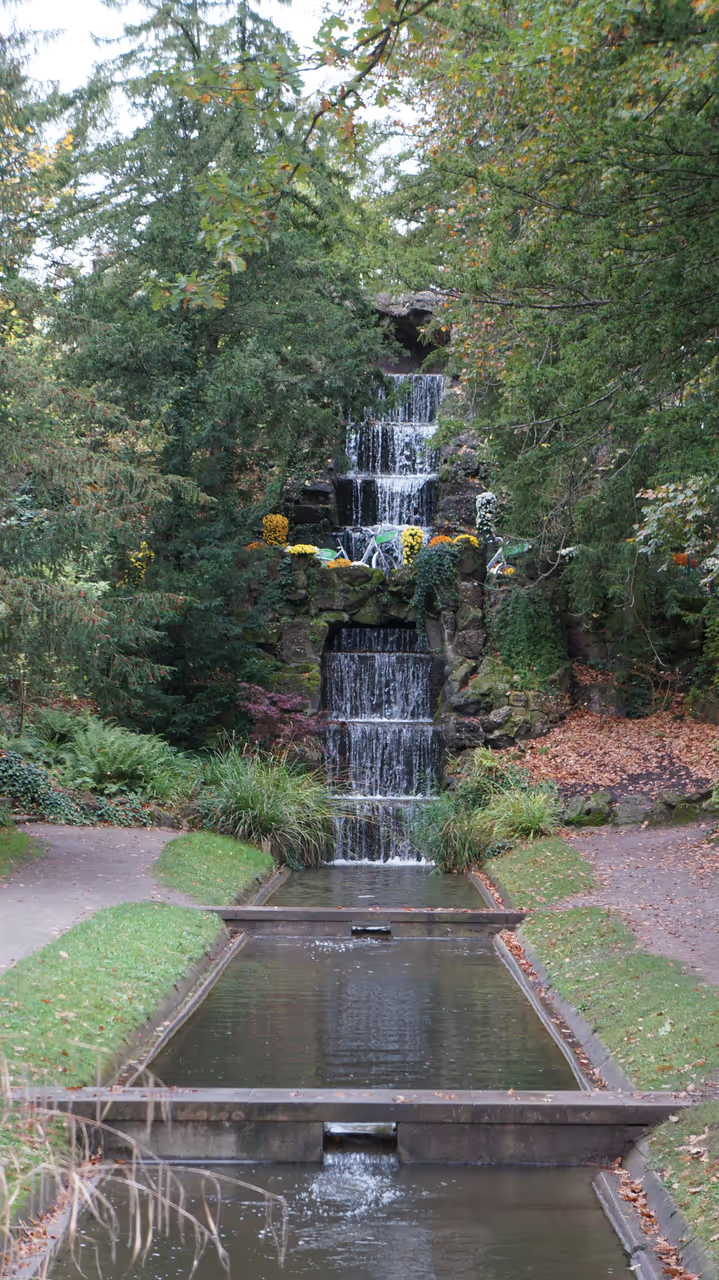

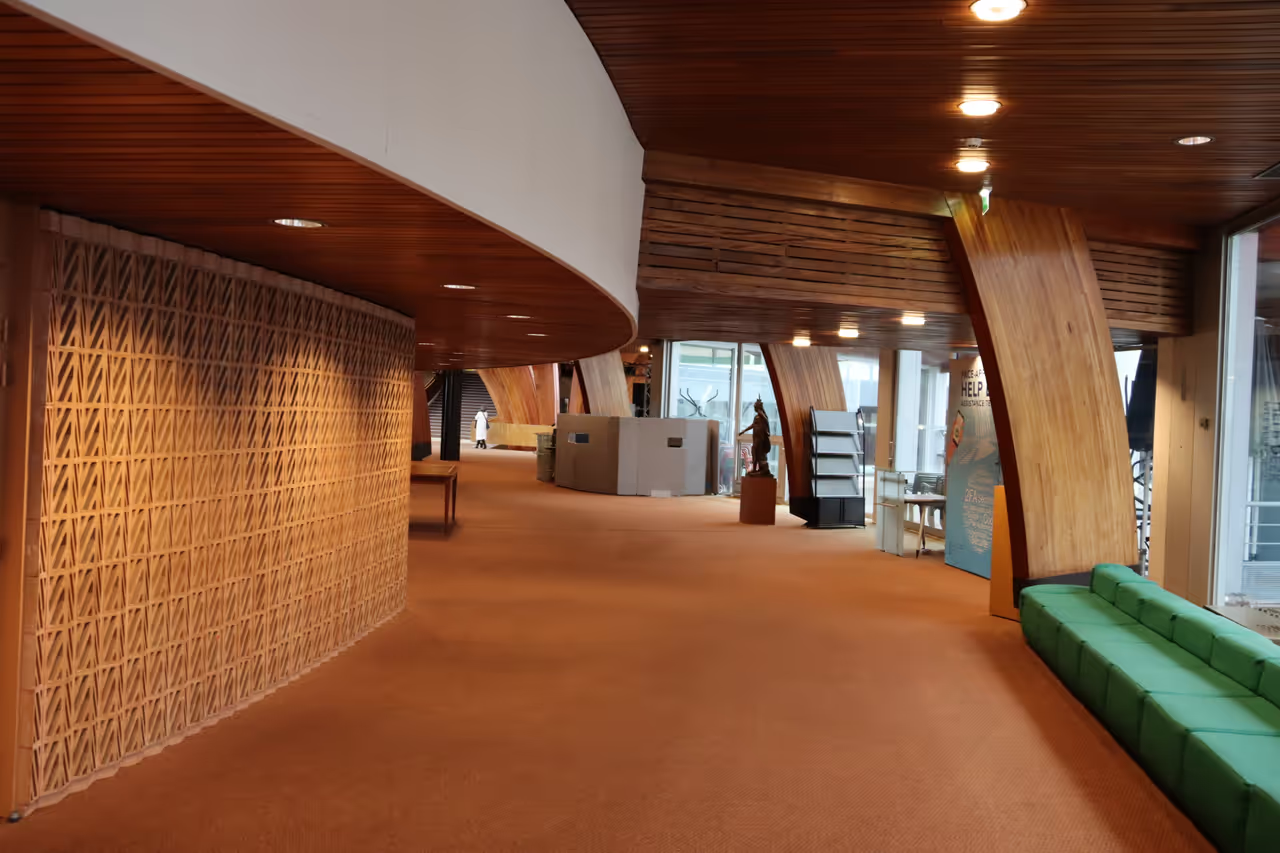
Orangerie to European Parliament
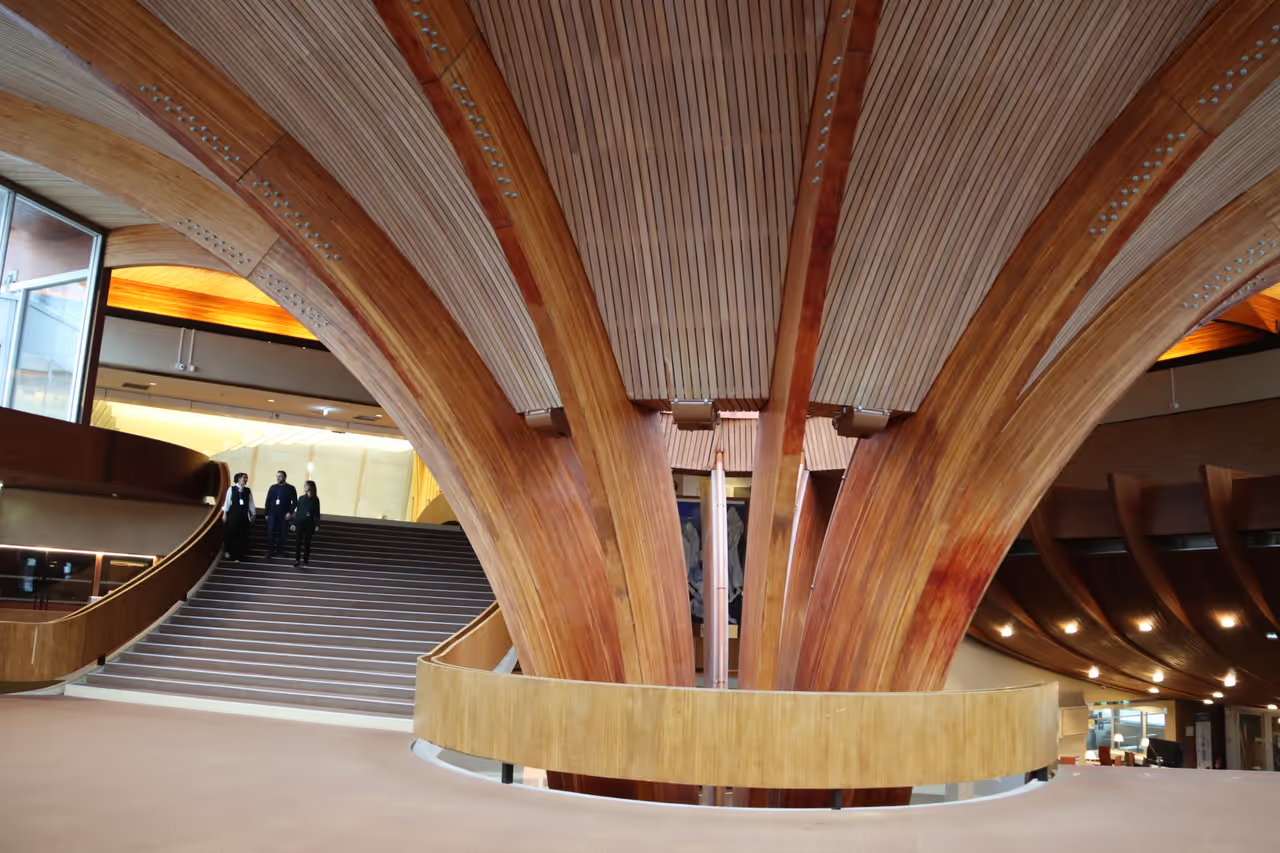
A relaxing and thought provoking walk that bridges the city's most beloved park with its modern political identity. You will begin among the manicured lawns and romantic pavilions of a classic 18th century garden. The path then leads you toward the sleek, contemporary glass structures of the international institutions. The juxtaposition of natural beauty and cutting edge architecture is visually fascinating. It provides a quiet, green corridor into the heart of modern Europe.
view walking route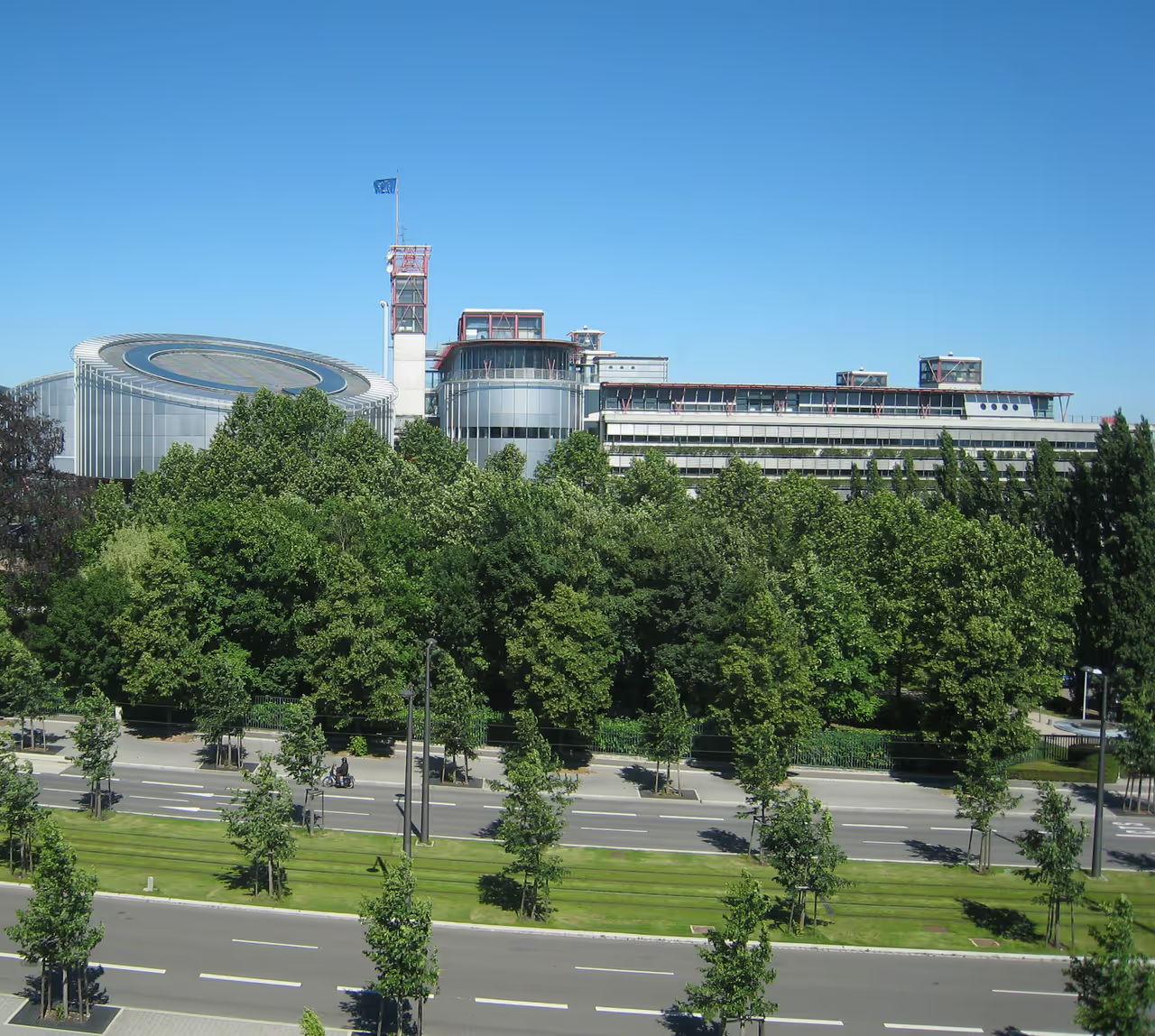
European Institutions Tour
A fascinating journey through the sleek, modern district that shapes the political landscape of the continent. This tour takes you away from the medieval centre and into a world of contemporary glass and steel architecture. You will discover the buildings where crucial human rights and legislative decisions are made. The route offers a powerful narrative about post-war reconciliation and the ongoing project of European unity. It is an essential experience for understanding the city's modern identity and global importance.
view self-guided tour
See all nature & parks in Strasbourg
Two Shores Garden, Citadel Park, Contades Park, Heyritz Park, Robertsau Forest, Strasbourg University Botanical Garden...