Strasbourg University Botanical Garden
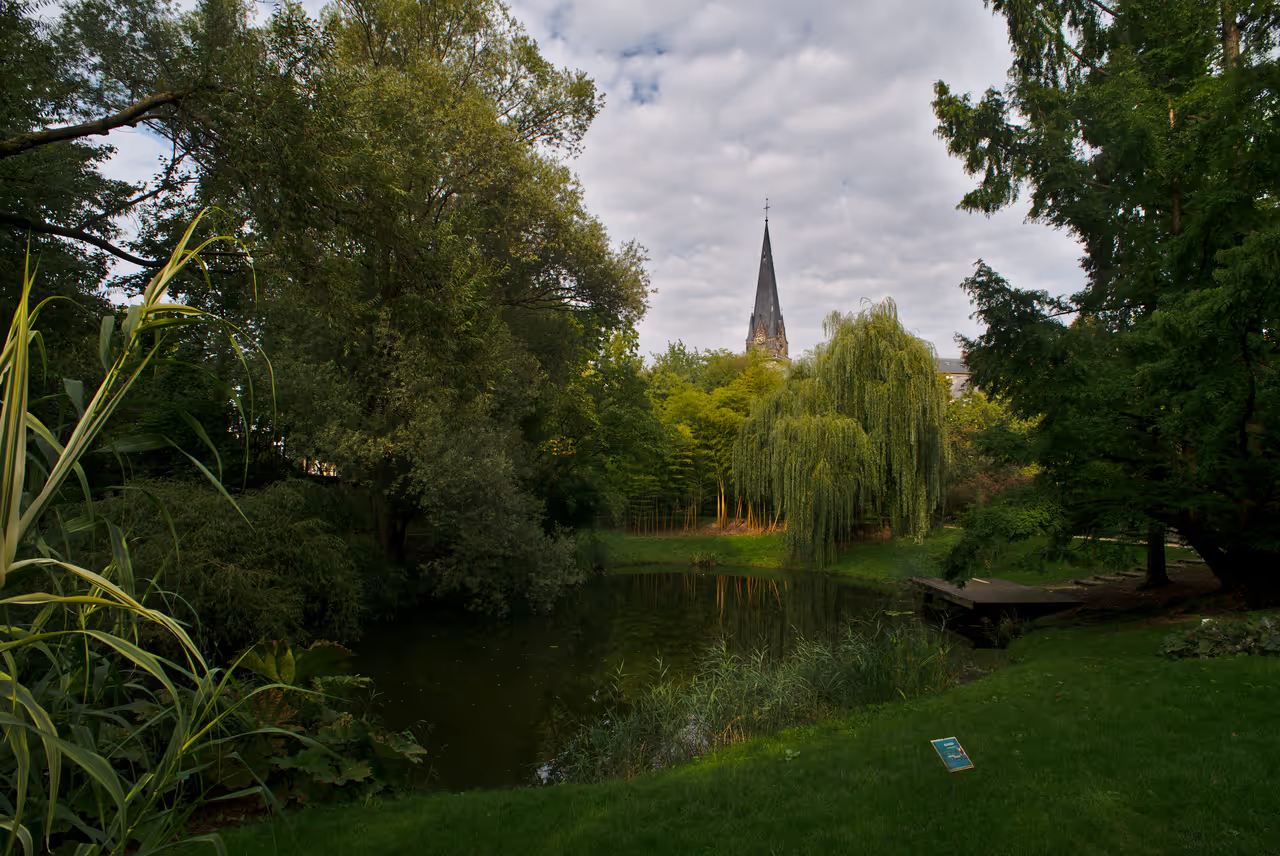
Tucked behind the historic University Palace in the elegant Neustadt district, the Strasbourg University Botanical Garden is an enchanted sanctuary where nature and academic heritage meet. Spanning 3.5 hectares, it ranks as France's second oldest botanical garden, caring for over 6,000 plant species from around the globe. Visitors can meander along peaceful pathways lined with remarkable trees, explore historic glasshouses, or admire the grand Strasbourg Astronomical Observatory rising directly from the centre of the grounds. From giant Amazonian water lilies to an intriguing 17th-century polyhedral sundial, every corner holds a delightful surprise. It offers an invigorating green retreat for keen plant lovers and curious wanderers alike.
Videos
History of Strasbourg University Botanical Garden
The origins of the Strasbourg Botanical Garden trace back to 1619 during a vibrant flourish of Renaissance humanism. Created by Johann Rudolf Saltzmann, a professor of practical medicine, the initial garden was established as an medicinal garden in the Krutenau district on land previously used by a religious convent. Designed to educate medical students on the therapeutic qualities of flora, the collection quickly blossomed as exotic species were imported from botanical expeditions across Europe and beyond. Over the centuries, the garden expanded its collections, but its most poignant chapter occurred during the Siege of Strasbourg in 1870. Cut off from city cemeteries during the heavy bombardment, local residents had to convert the peaceful grounds into a temporary burial place, interring over 1,600 war victims in a matter of weeks. Shellfire damage followed by severe storms destroyed the original glasshouses, leaving the garden's future uncertain. Following the annexation of Alsace-Lorraine, German planners envisioned a magnificent Imperial University and relocated the garden to its present site in 1884. Designed in the romantic English landscape style by architect Hermann Eggert and world-renowned botanist Anton de Bary, the new grounds featured grand arboretums and state-of-the-art glasshouses. Today, this living museum bridges centuries of scientific curiosity and remains a proud green jewel for university researchers and local visitors alike.
Events spanning 376 years
Fun Facts
- • An intricate 26-sided sandstone sundial created in 1694 was forgotten inside a city dam warehouse for decades before being rediscovered in 1993.
- • During the 1870 Siege of Strasbourg, more than 1,653 bodies were buried within its grounds over six weeks when access to city cemeteries became impossible.
- • In May 2024, the garden weather station recorded 220.5 millimetres of rainfall, setting an all-time monthly record for Strasbourg since monitoring began in 1922.
- • It is the second oldest botanical garden in France, founded in 1619 and predated only by the garden in Montpellier.
- • The Strasbourg Astronomical Observatory sits directly in the centre of the botanical garden, creating a rare convergence of astronomy and natural science.
- • The de Bary greenhouse was specifically engineered in the 1880s to cultivate the Victoria amazonica, a giant Amazon water lily with leaves capable of supporting remarkable weight.
- • The garden arboretum protects over 2,200 specimen trees and shrubs, including rare bald cypresses and a towering Caucasian wingnut.
- • The garden features a giant sequoia uprooted from California's Sierra Nevada in 1883 that survived bitter winter frosts, severe floods, and a 1980 lightning strike.
RESOURCES
Official WebsiteStrasbourg University Botanical Garden FAQ
While we strive to keep this information accurate and up to date, we recommend verifying any details independently before making decisions based on them.
Strasbourg University Botanical Garden Map & Neighborhood Explorer
This interactive map is centered on Strasbourg University Botanical Garden. Zoom in and move the map around to automatically discover Wikipedia photos and summaries of other nearby sights, monuments, and historical points of interest and stories in real-time!
Places near Strasbourg University Botanical Garden
Make the most of your trip. Check out these top-rated spots located nearby.
 507m
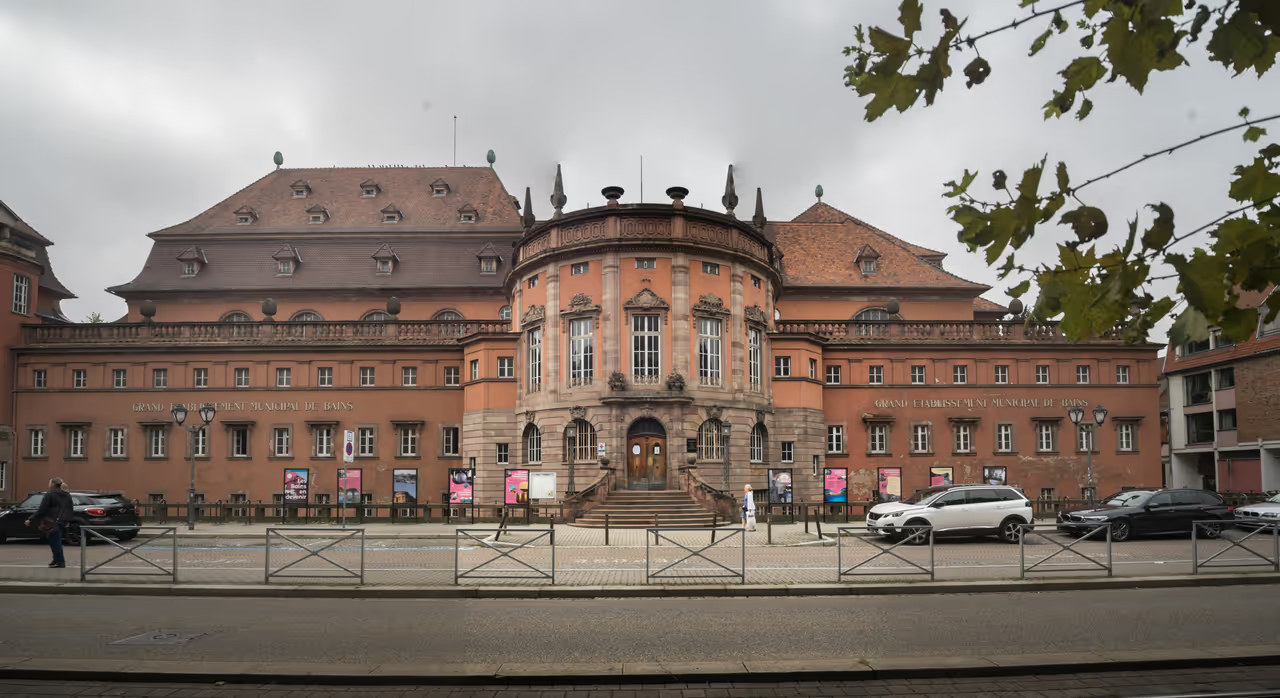
507mMunicipal Baths
A stunning, highly atmospheric public bathhouse that feels like stepping back into the early 20th century. The exterior is an imposing mix of red brick and pale sandstone, showcasing robust neo-Romanesque shapes. Inside, the architecture flows into delicate Jugendstil curves, featuring elegant ceramic tiles, classical columns, and vaulted ceilings. It was designed to provide luxurious hygiene facilities to the public during the German imperial period. Recently restored, the building remains a glorious, functioning piece of historical civic pride.
architecture view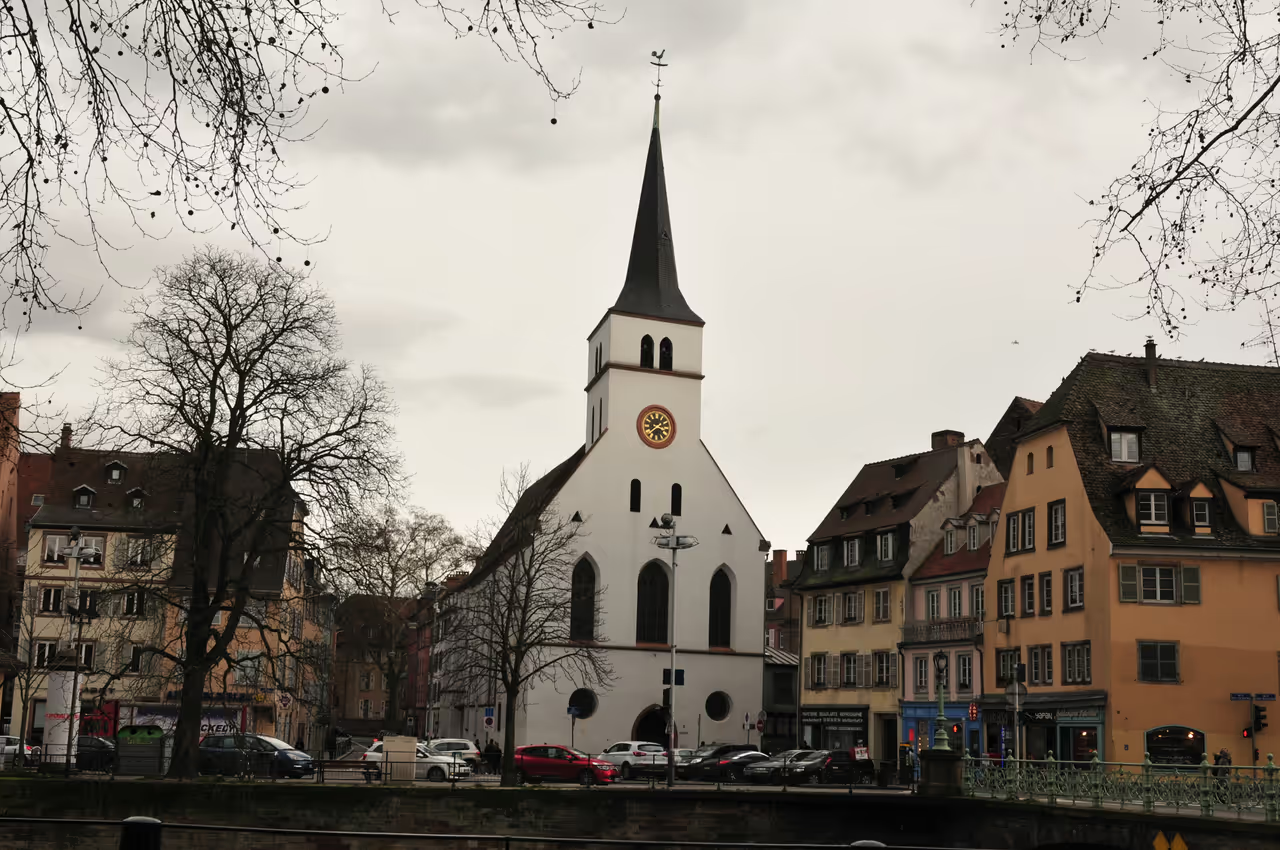 694m
694mSt William's Church
An incredibly picturesque and slightly eccentric Lutheran church situated along the banks of the Ill. The building is most famous for its noticeable structural obliquity; the exterior literally leans outward, giving it a wonderfully crooked, precarious appearance. Inside, you will find stunning pre-Renaissance stained glass windows and an exceptional 14th century tomb with detailed effigies. It also boasts a fantastic musical tradition, hosting high quality choral performances. It is a deeply atmospheric, slightly bizarre piece of historical architecture.
hidden gem view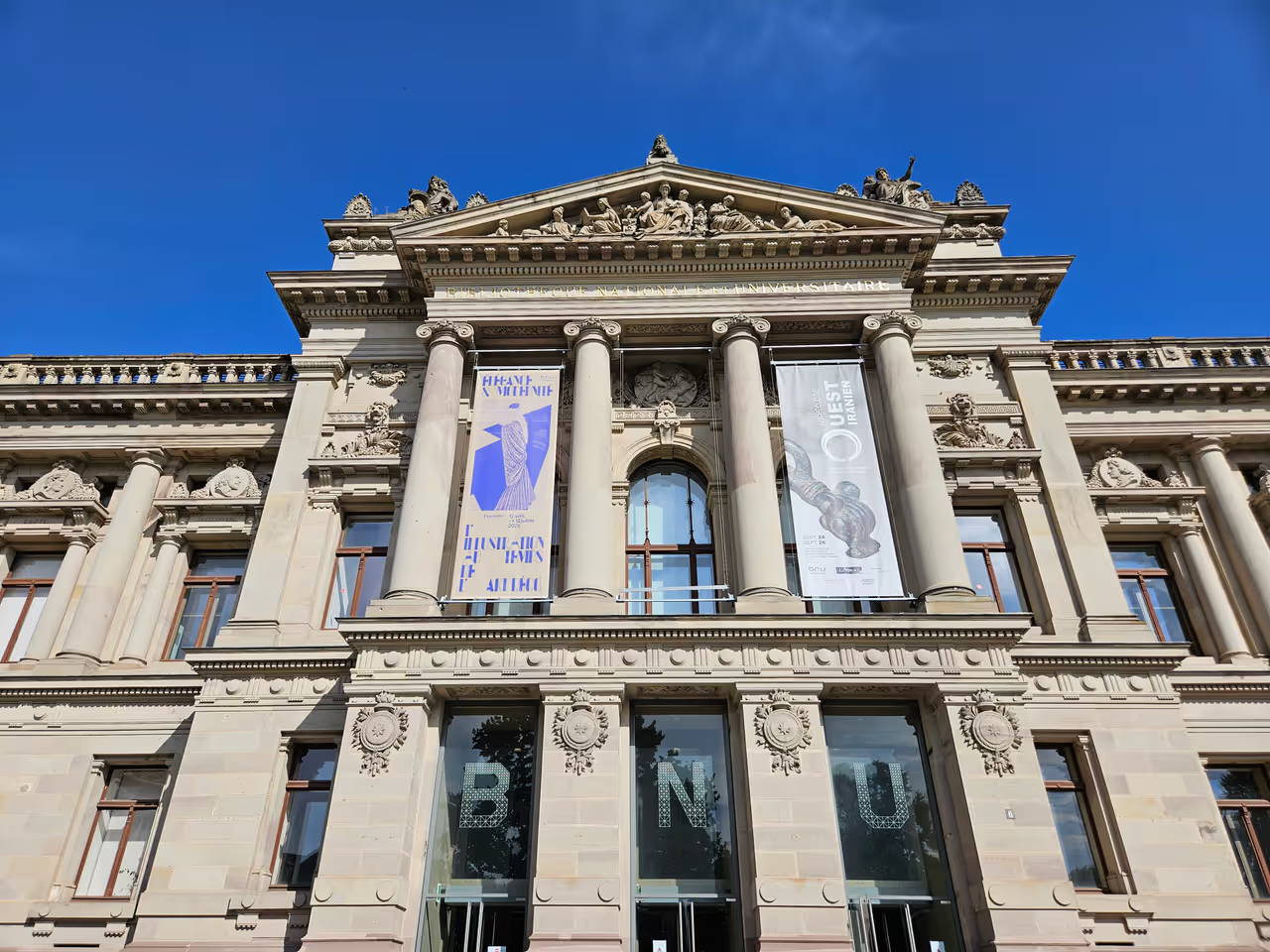 874m
874mNational and University Library
A grand, highly formal edifice that anchors the eastern edge of the imperial Place de la République. The perfectly symmetrical facade features imposing columns, detailed stonework, and a majestic central cupola. It was built by the German administration to replace the magnificent library destroyed during the 1870 siege, designed to showcase intellectual superiority. The exterior projects classical stability, while the interior has been dramatically modernised to serve contemporary students. It is a stunning example of late 19th century academic architecture.
architecture view 959m
959mKrutenau District
Once a neighborhood of boatmen and fishermen, this area is now the undisputed heart of student nightlife. It is packed with incredibly diverse bars, cheap eateries, and lively pubs that stay busy well into the night. The streets here have a relaxed, bohemian feel with a constant buzz of conversation and clinking glasses. It is the perfect place to enjoy an inexpensive pint of local beer or grab a late night kebab. The youthful energy makes it one of the most welcoming spots for an evening out.
nightlife view
See all nature & parks in Strasbourg
Orangerie Park, Two Shores Garden, Citadel Park, Contades Park, Heyritz Park, Robertsau Forest...