Contades Park
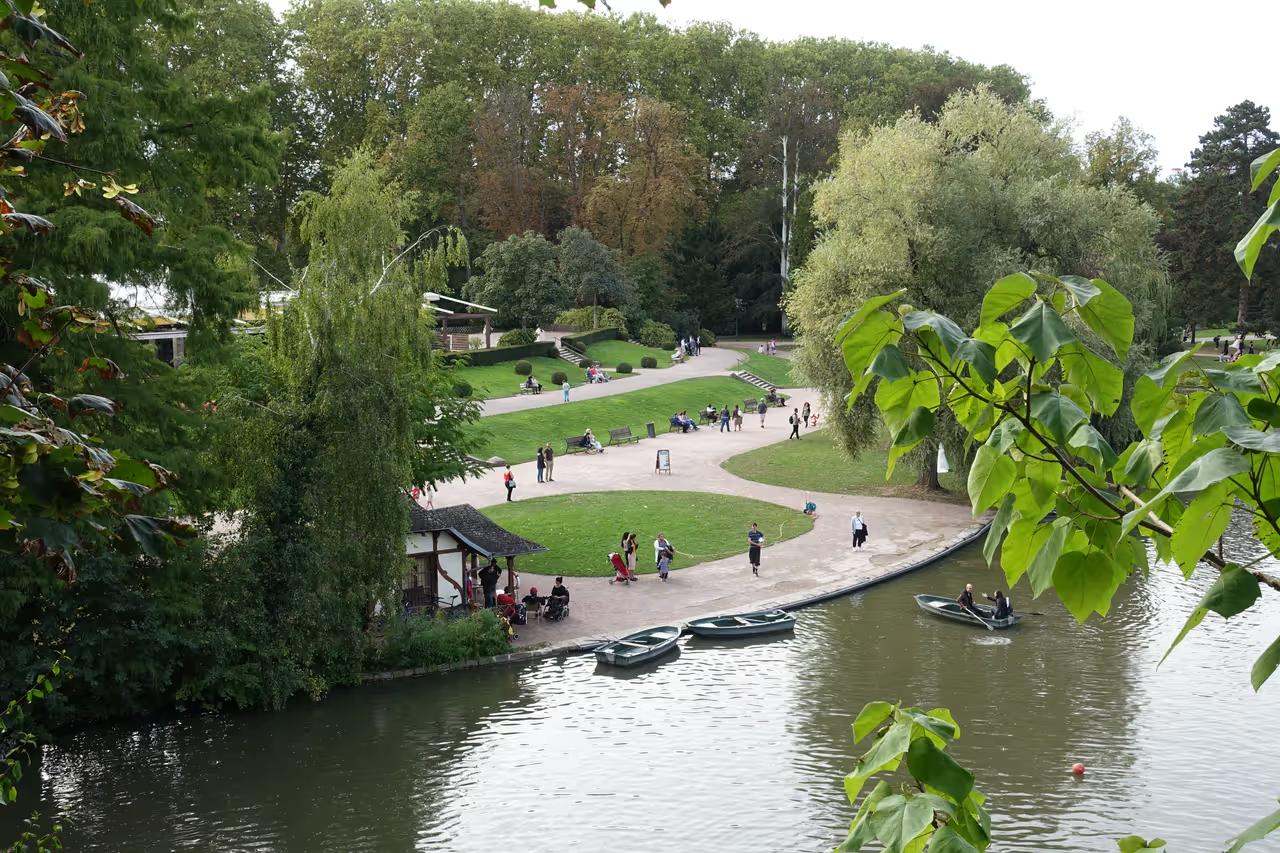
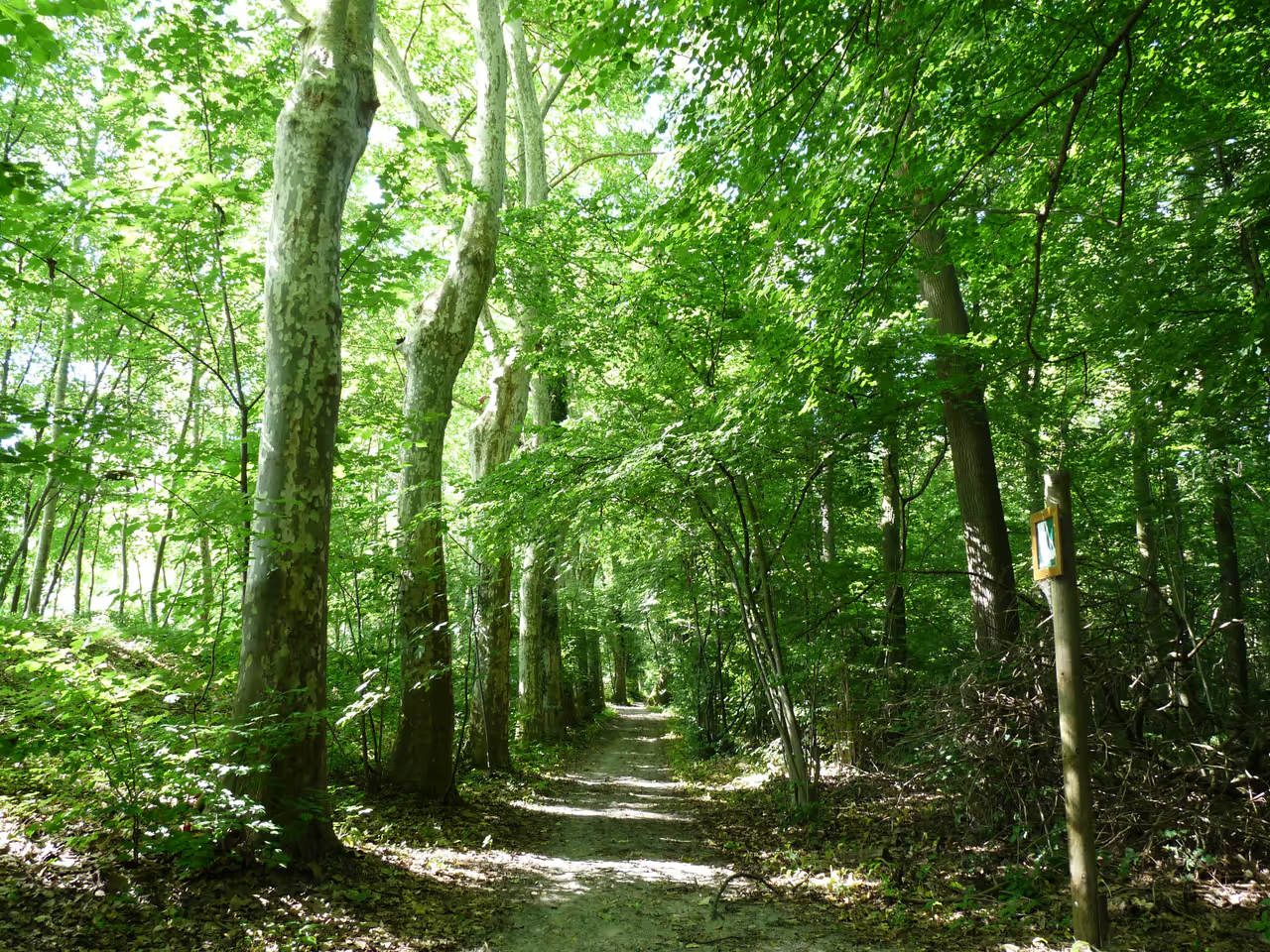
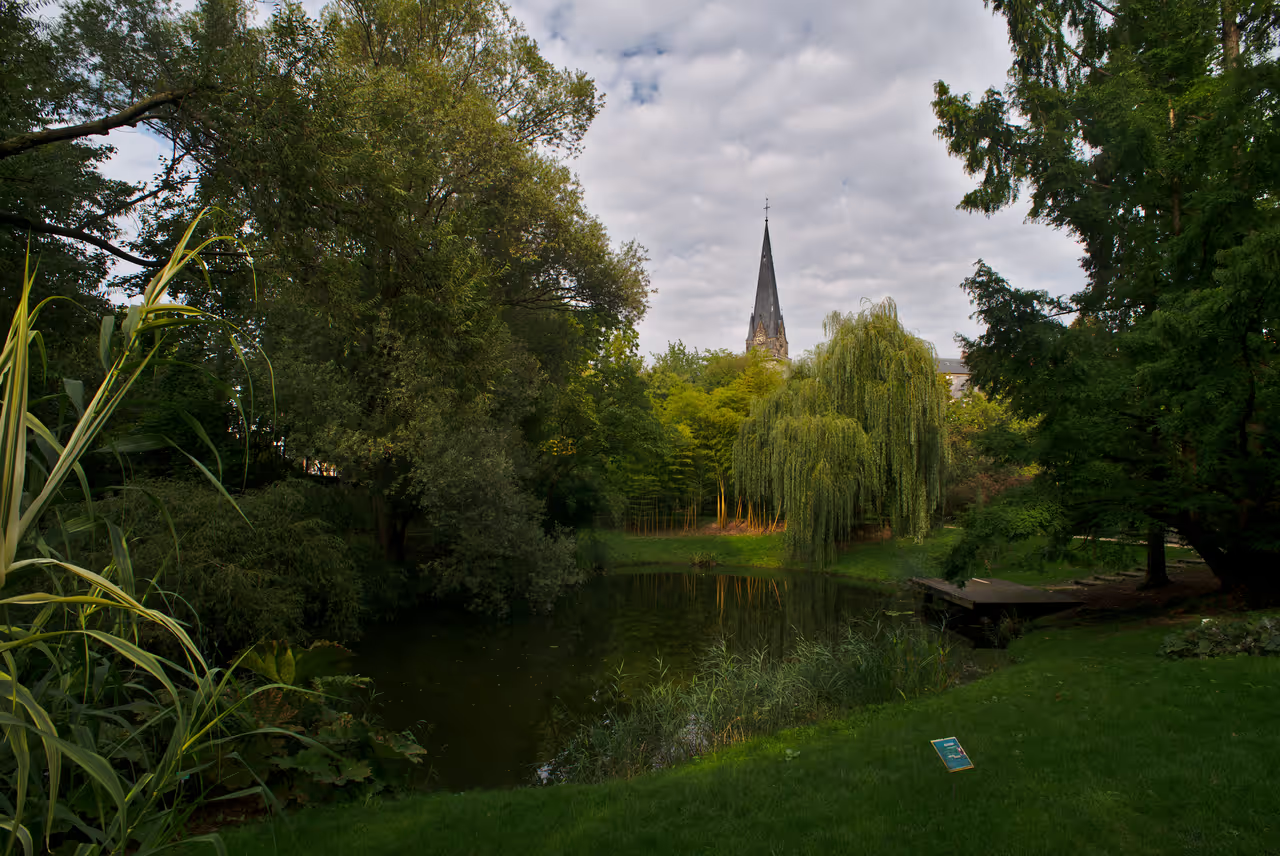
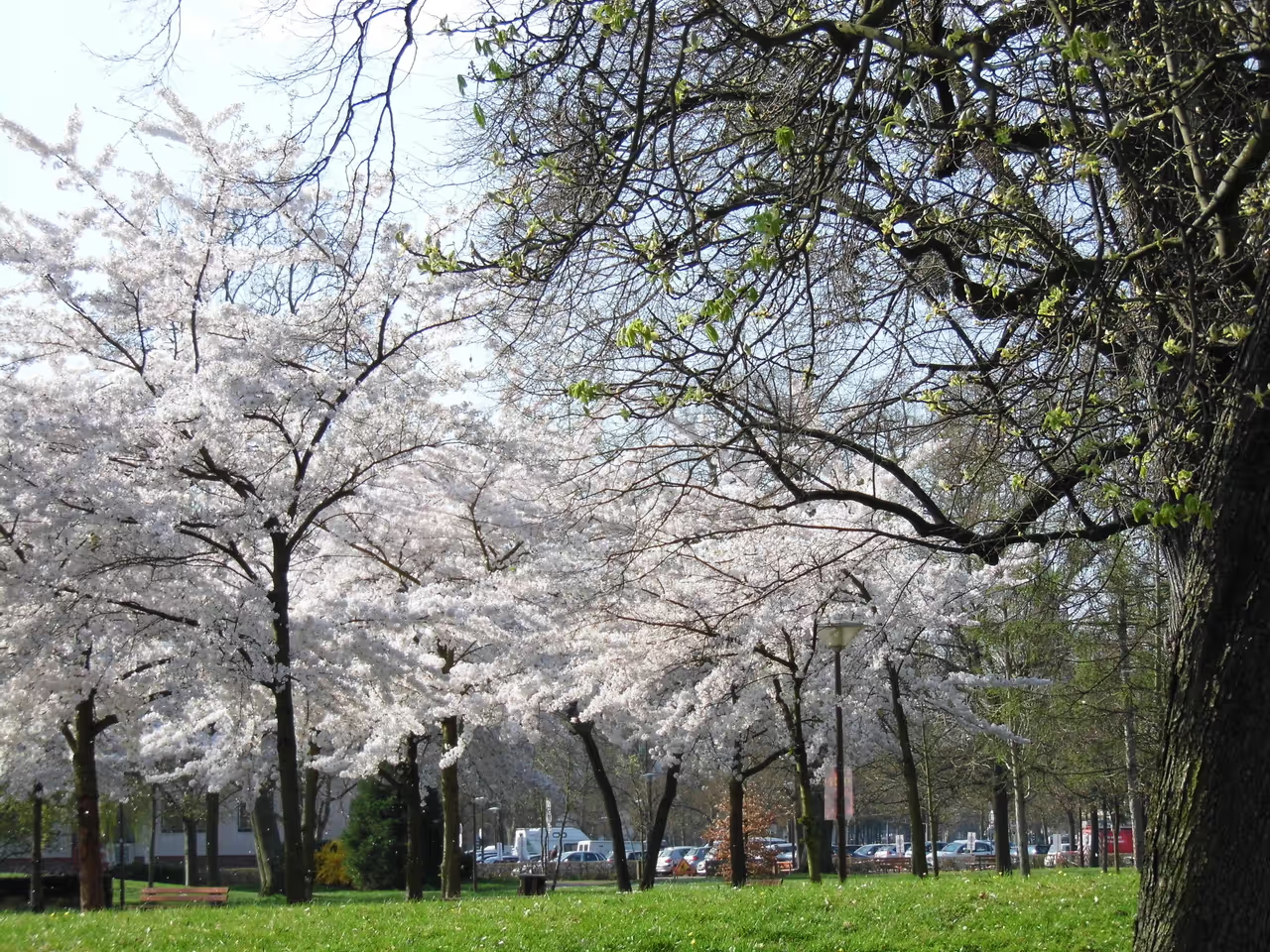
Nestled in Strasbourg's elegant Neustadt district, Contades Park offers a tranquil leafy retreat filled with century-old trees and rich local history. Originally laid out in 1764, this green expanse boasts picturesque walking paths, dynamic play areas, and scenic views along the winding Aar River. Visitors can marvel at the charming 19th-century cast-iron bandstand, which still hosts romantic evening music concerts throughout the summer. Architectural gems like the fairy-tale Villa Osterloff and the striking Peace Synagogue frame its borders, adding distinct character to every stroll. Whether you are relaxing by the water or catching a live performance, it is a delightful spot to soak in authentic Alsatian charm.
History of Contades Park
Before becoming Strasbourg's beloved green haven, the grounds of Contades Park served a far more utilitarian purpose. In the Middle Ages, the open fields outside the city gates were used as a target range by local crossbowmen and arquebusiers. Everything changed in 1764 when Marshal Louis Georges Érasme de Contades, the commander of Alsace, envisioned a graceful public promenade lined with linden trees. His grand vision transformed a military training ground into a sophisticated urban getaway for local residents. The nineteenth century brought whimsical additions and dramatic transformations to the park. Pleasure gardens sprouted across the landscape, entertaining visitors with exotic features such as bear pits, artificial grottoes, a mini circular railway, and even a temple dedicated to Apollo. During the German annexation following the Franco-Prussian War, urban planners integrated the park into the new architectural masterplan of the Neustadt, slightly redesigning its boundaries while maintaining its status as a social epicentre. Tragedy and renewal marked the twentieth century, as air raid shelters constructed during the Second World War eventually gave way to modern civic landmarks. The inauguration of the Grande Synagogue de la Paix in 1958 cemented the park's role as a symbol of unity and peace. Today, carefully restored pathways reflect the original eighteenth-century vision, preserving a living bridge between Strasbourg's military past and its vibrant present.
Events spanning 194 years
Fun Facts
- • An air-raid shelter was constructed beneath the southern lawn during the Second World War where the main synagogue now stands.
- • Before becoming a park, the land was known as the Schiessrain and was used as an archery range by medieval crossbowmen.
- • During the mid-19th century, private leisure gardens inside the park featured exotic attractions including a bear pit, a temple of Apollo, and a mini circular railway.
- • In 1793, military commanders ordered every single tree in the park to be chopped down to prevent enemy forces from taking cover during a siege.
- • Open-air river baths operated on the banks of the Aar River next to the park until the 1960s, complete with a 50-metre competition pool.
- • The historic Villa Osterloff bordering the park is a protected historic monument built in a dramatic blend of medieval and Renaissance styles.
- • The park's famous octagonal bandstand originally stood in front of the Strasbourg Opera House at Place Broglie before being moved to the park.
- • When Alsace was annexed into the German Empire, city planners reshaped the park to integrate it into the imperial Neustadt district.
Contades Park FAQ
While we strive to keep this information accurate and up to date, we recommend verifying any details independently before making decisions based on them.
Contades Park Map & Neighborhood Explorer
This interactive map is centered on Contades Park. Zoom in and move the map around to automatically discover Wikipedia photos and summaries of other nearby sights, monuments, and historical points of interest and stories in real-time!
Places near Contades Park
Make the most of your trip. Check out these top-rated spots located nearby.
 495m
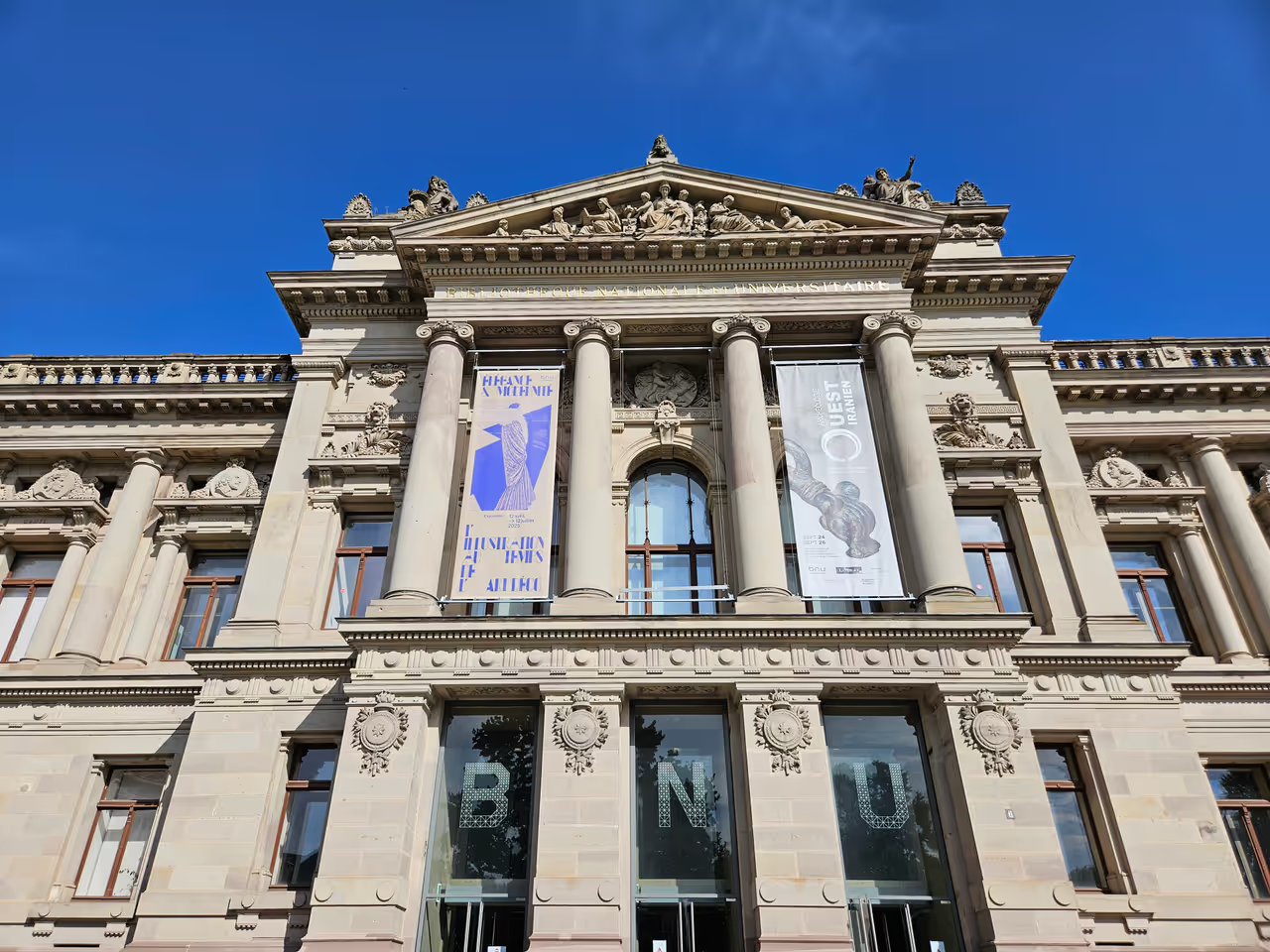
495mNational and University Library
A grand, highly formal edifice that anchors the eastern edge of the imperial Place de la République. The perfectly symmetrical facade features imposing columns, detailed stonework, and a majestic central cupola. It was built by the German administration to replace the magnificent library destroyed during the 1870 siege, designed to showcase intellectual superiority. The exterior projects classical stability, while the interior has been dramatically modernised to serve contemporary students. It is a stunning example of late 19th century academic architecture.
architecture view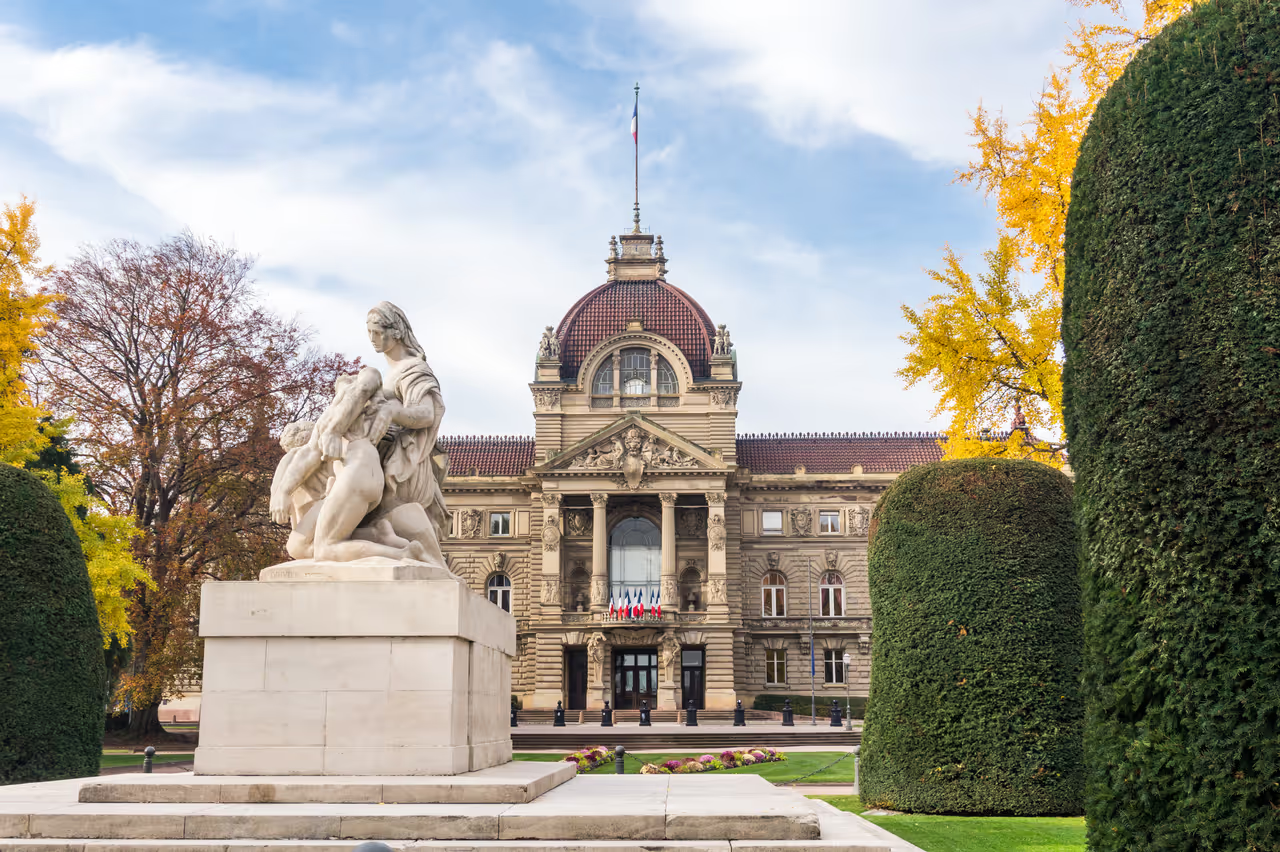 505m
505mPalace of the Rhine
An imposing, heavily ornamented monument designed to project the absolute authority of the German Empire. Built in the late 19th century as a residence for the Kaiser, it dominates the monumental Place de la République. The heavy stone masonry, massive central dome, and eclectic mix of classical and renaissance styles create an aura of unyielding power. It is a cornerstone of the Neustadt district and a physical reminder of the city's shifting national identity. The sheer scale of the building is meant to be overwhelming.
architecture view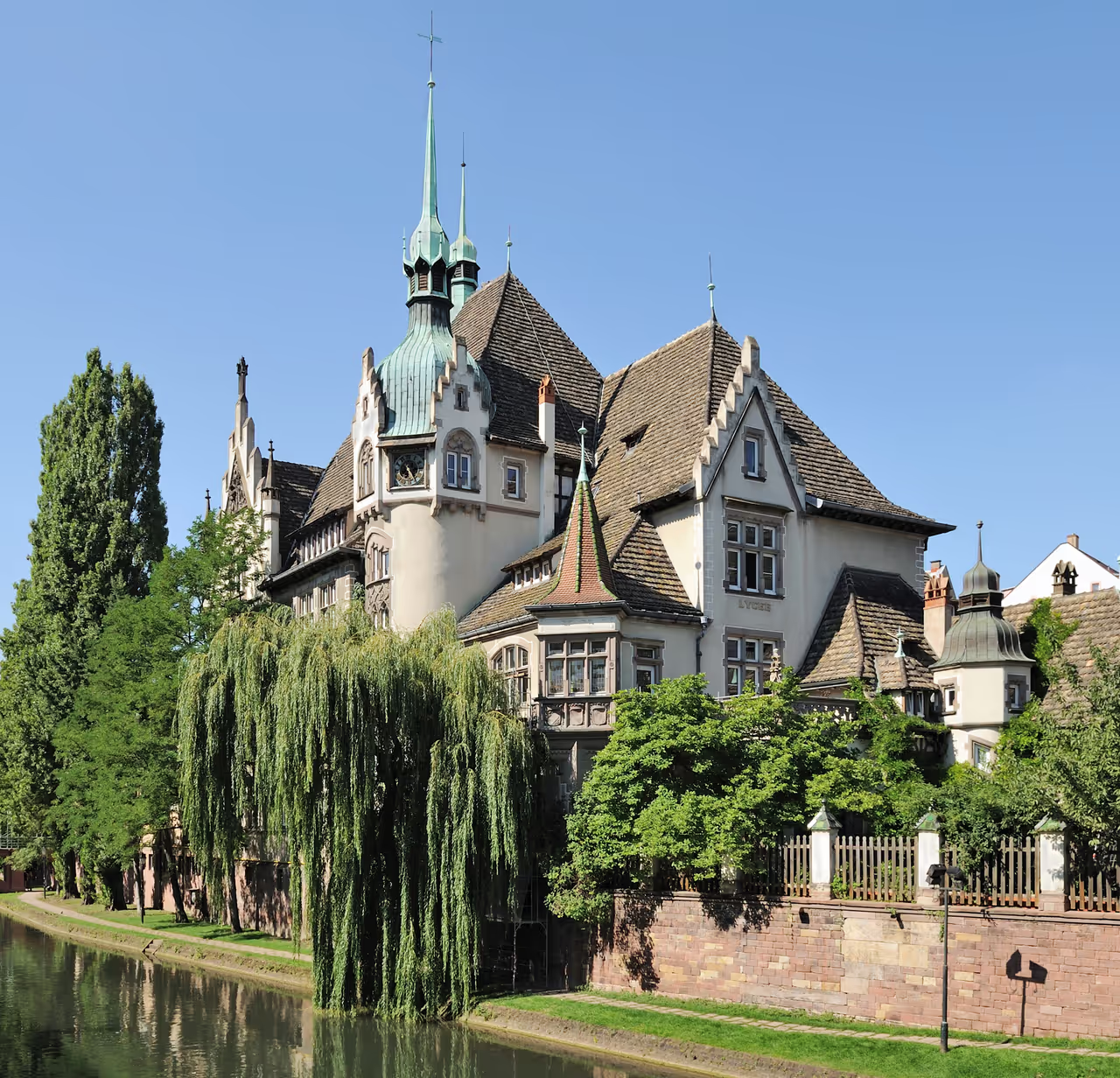 514m
514mNeustadt
Built during the German annexation from 1880 to 1914, the Neustadt or New Town tripled Strasbourg size and created a magnificent showcase of imperial architecture. Broad tree lined avenues link palatial public squares, seamlessly bridging historic waterways with grand civic monuments. Walking through these streets reveals an extraordinary blend of Neo Renaissance structures, imposing public institutions, and whimsical Art Nouveau villas. It represents one of the best preserved urban districts of its era in Europe, having remarkably escaped heavy damage during wartime bombings. A stroll here offers an intriguing glimpse into a complex dual heritage that makes Strasbourg so captivating.
unesco heritage site view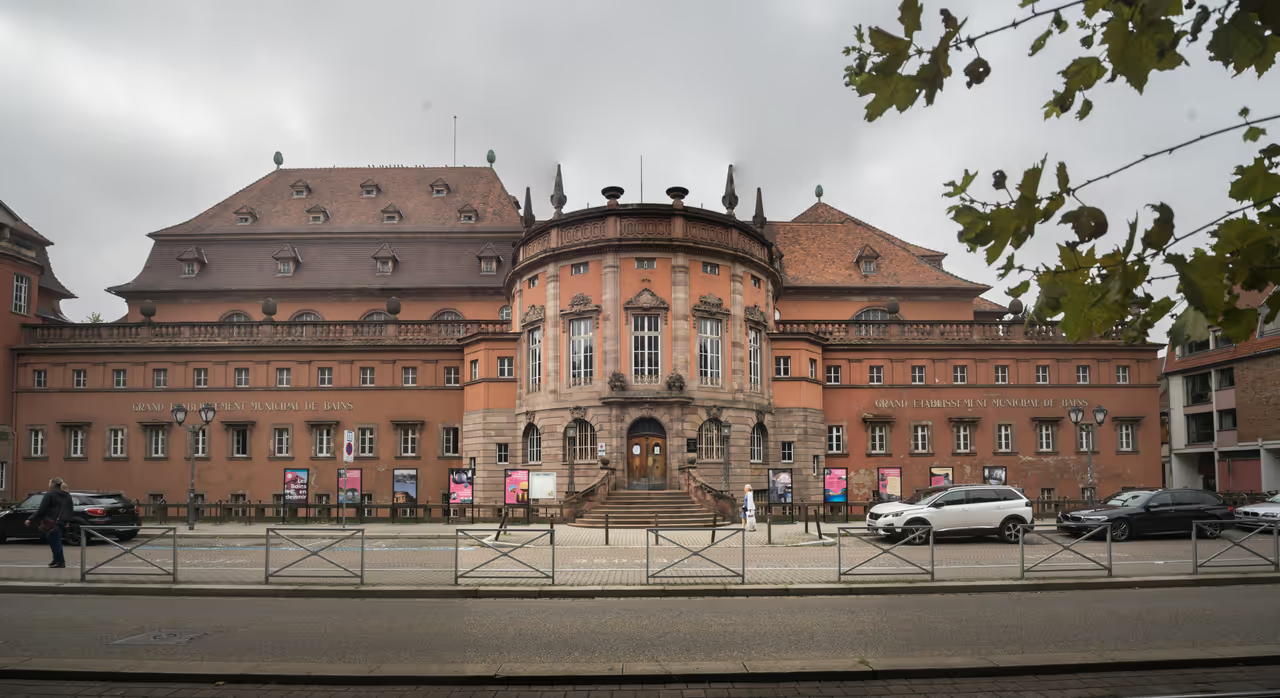 878m
878mMunicipal Baths
A stunning, highly atmospheric public bathhouse that feels like stepping back into the early 20th century. The exterior is an imposing mix of red brick and pale sandstone, showcasing robust neo-Romanesque shapes. Inside, the architecture flows into delicate Jugendstil curves, featuring elegant ceramic tiles, classical columns, and vaulted ceilings. It was designed to provide luxurious hygiene facilities to the public during the German imperial period. Recently restored, the building remains a glorious, functioning piece of historical civic pride.
architecture view
See all nature & parks in Strasbourg
Orangerie Park, Two Shores Garden, Citadel Park, Heyritz Park, Robertsau Forest, Strasbourg University Botanical Garden...