Neustadt
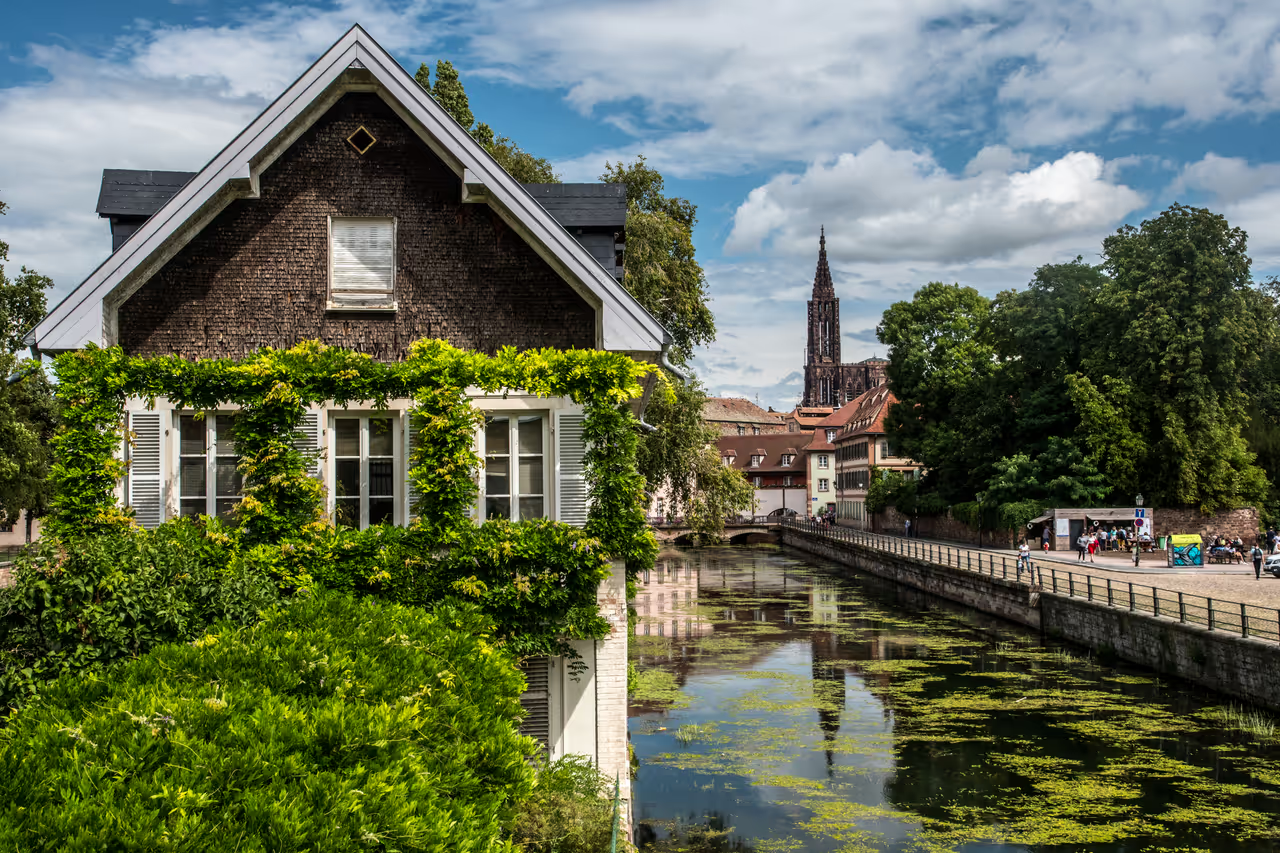
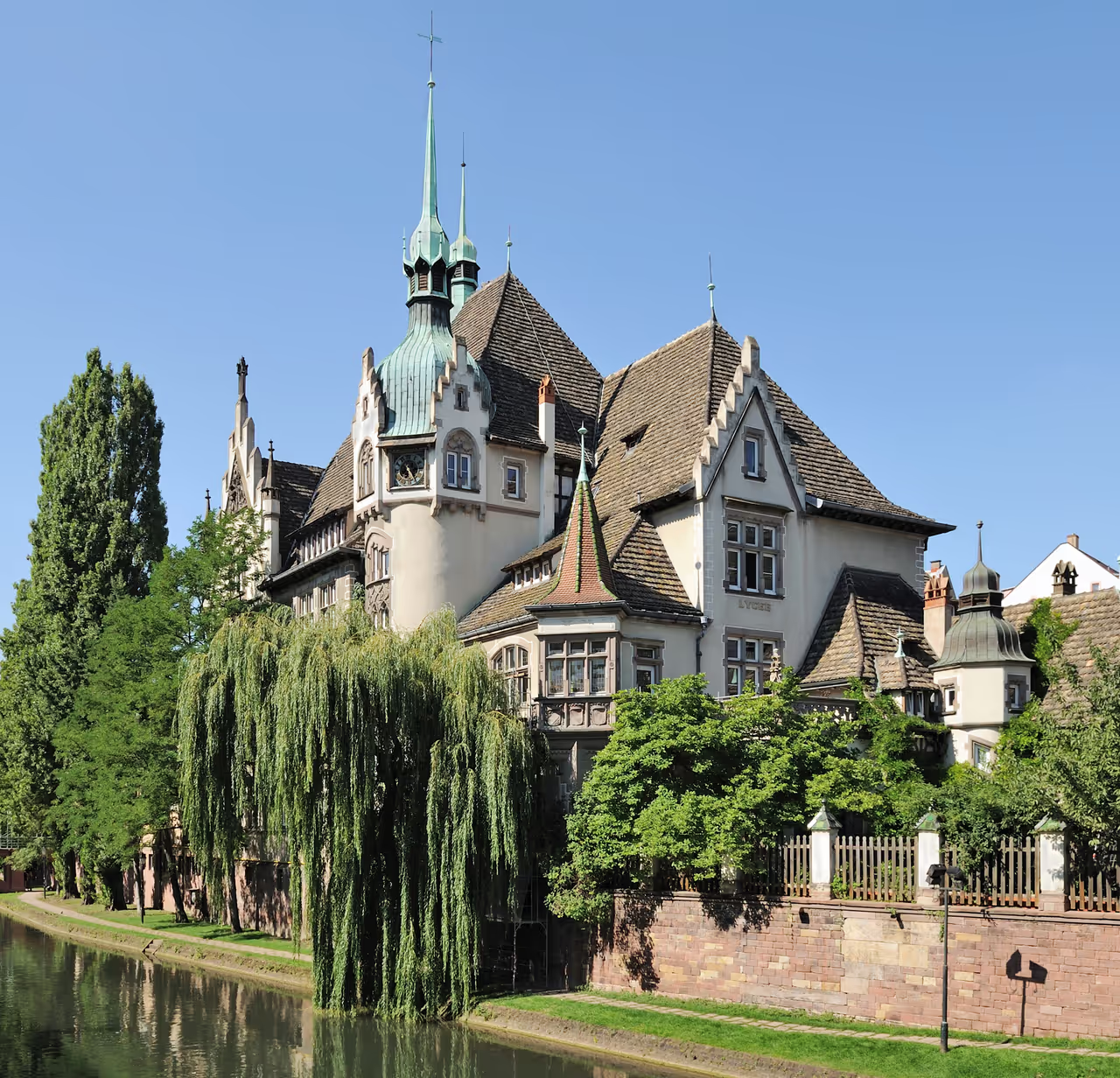
Built during the German annexation from 1880 to 1914, the Neustadt or New Town tripled Strasbourg size and created a magnificent showcase of imperial architecture. Broad tree lined avenues link palatial public squares, seamlessly bridging historic waterways with grand civic monuments. Walking through these streets reveals an extraordinary blend of Neo Renaissance structures, imposing public institutions, and whimsical Art Nouveau villas. It represents one of the best preserved urban districts of its era in Europe, having remarkably escaped heavy damage during wartime bombings. A stroll here offers an intriguing glimpse into a complex dual heritage that makes Strasbourg so captivating.
Videos
History of Neustadt
Following the Franco Prussian War in 1870 and the Treaty of Frankfurt in 1871, Strasbourg found itself annexed into the newly forged German Empire. Designated as the capital of the imperial territory of Alsace Lorraine, the ancient medieval fortress city needed a dramatic transformation to match its new political weight. Imperial authorities launched an ambitious urban expansion plan that tripled the city surface area. German architects and city planners designed a sweeping network of wide boulevards, public baths, lush parks, and majestic monuments, showcasing advanced Prussian engineering alongside grandeur meant to solidify imperial prestige. At the core of this grand layout lies the imperial axis, anchored by the sweeping Place de la Republique and framed by power, knowledge, and culture. The monumental Palais du Rhin, constructed as a residence for Kaiser Wilhelm I, stood opposite the newly established Imperial University, creating an intentional symbolic dialogue between imperial governance and academic enlightenment. Architects blended regional pink Vosges sandstone with eclectic stylistic revivals, ranging from Neo Gothic spires to fluid Art Nouveau facades, creating a strikingly harmonious cityscape that differed starkly from traditional French urban design. After the First World War restored Strasbourg to France in 1918, local sentiment toward the district fluctuated, leading to the removal of imperial statues and even narrow escapes from postwar redevelopment. Over time, appreciation for this unique cultural blend grew, culminating in the historic UNESCO World Heritage listing in 2017. Today, the Neustadt stands as a celebrated bridge between French and German architectural heritage, where grand historical vision meets vibrant contemporary city life.
Events spanning 146 years
Fun Facts
- • Building codes in the district required modern comforts, ensuring gas and running water were connected to every floor of residential apartments, marked by small blue plaques still visible today.
- • In the Sainte Helene island quarter of Neustadt, city planners deliberately abandoned straight avenues for winding, picturesque lanes inspired by Austrian architect Camillo Sitte to create a tranquil garden suburb feel.
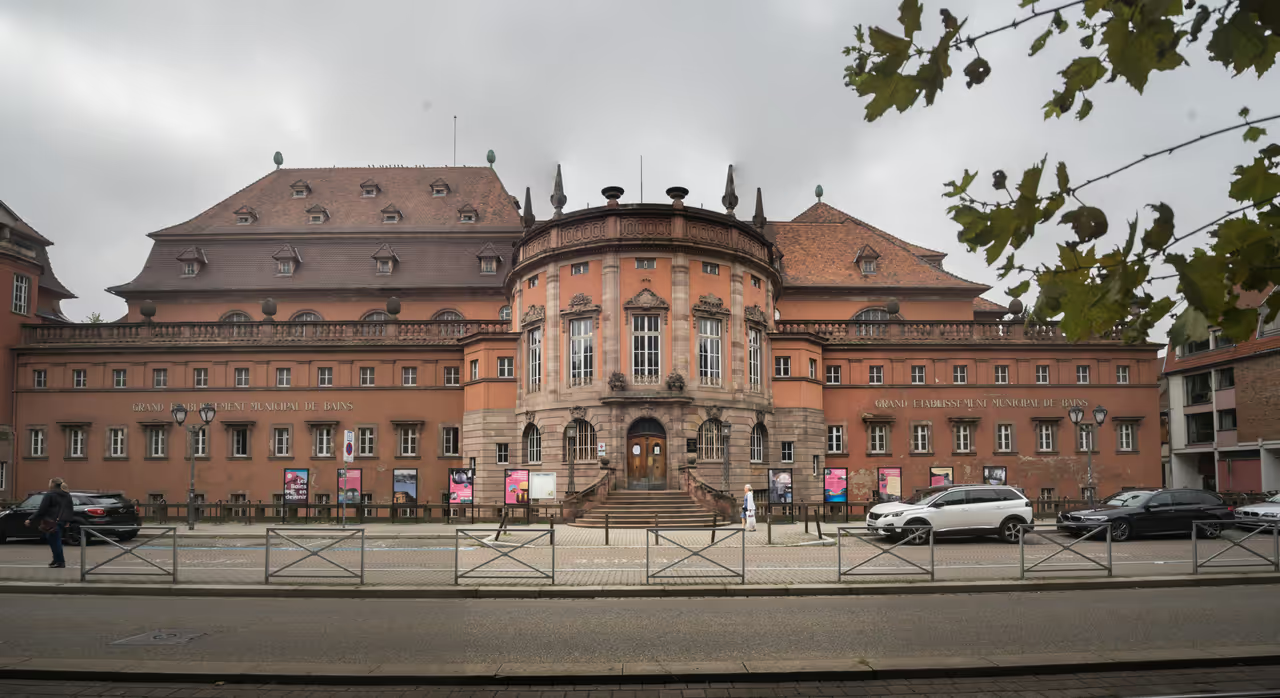
- • Municipal baths in Strasbourg, constructed during the German imperial period, featured pioneering public hygiene facilities, including steam rooms, indoor pools, and hydrotherapy suites.
- • The Auto Mathis Palace, constructed in the Neustadt in the early 20th century, was the largest multi storey automobile garage in Europe and the third largest in the world at the time.
- • The Palais du Rhin, originally constructed as a residence for German Emperor Wilhelm I, came remarkably close to being demolished in 1957 to build a modern administrative office tower.
- • The district houses a curious architectural gem known as the Egyptian House, built in 1905 with a facade featuring detailed wall paintings and motifs inspired by ancient Egyptian art.
- • The iconic Pont de la Fonderie bridge connecting the old medieval city to the Neustadt is guarded by four massive cast bronze lions crafted by sculptor Alfred Marzolff.
- • To guard against devastating floods from the nearby Ill river, urban planners raised the ground level of the entire Neustadt district by two to three metres using massive earthworks, a height difference still visible along Quai Zorn.
RESOURCES
Heritage UNESCO SiteNeustadt FAQ
While we strive to keep this information accurate and up to date, we recommend verifying any details independently before making decisions based on them.
Neustadt Map & Neighborhood Explorer
This interactive map is centered on Neustadt. Zoom in and move the map around to automatically discover Wikipedia photos and summaries of other nearby sights, monuments, and historical points of interest and stories in real-time!
Places near Neustadt
Make the most of your trip. Check out these top-rated spots located nearby.
 116m
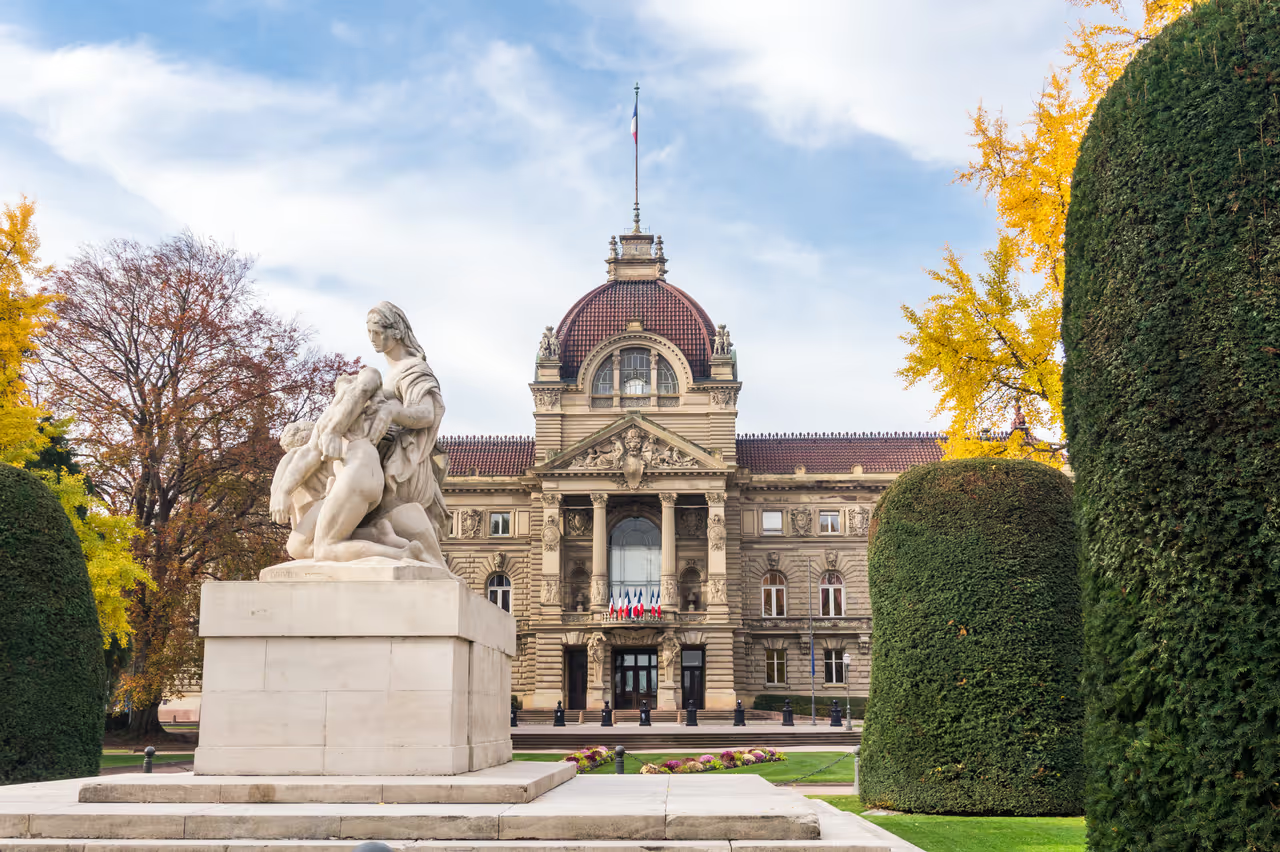
116mPalace of the Rhine
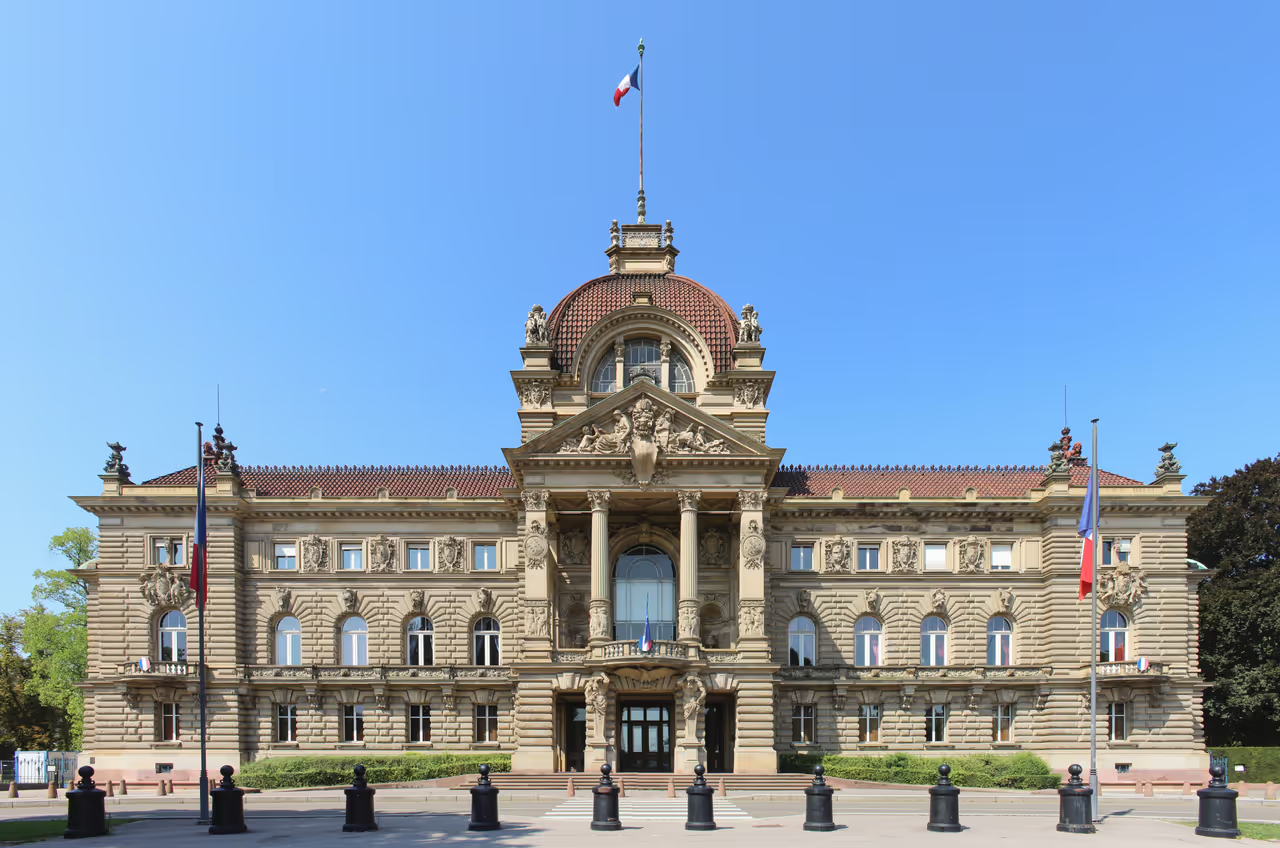
An imposing, heavily ornamented monument designed to project the absolute authority of the German Empire. Built in the late 19th century as a residence for the Kaiser, it dominates the monumental Place de la République. The heavy stone masonry, massive central dome, and eclectic mix of classical and renaissance styles create an aura of unyielding power. It is a cornerstone of the Neustadt district and a physical reminder of the city's shifting national identity. The sheer scale of the building is meant to be overwhelming.
architecture view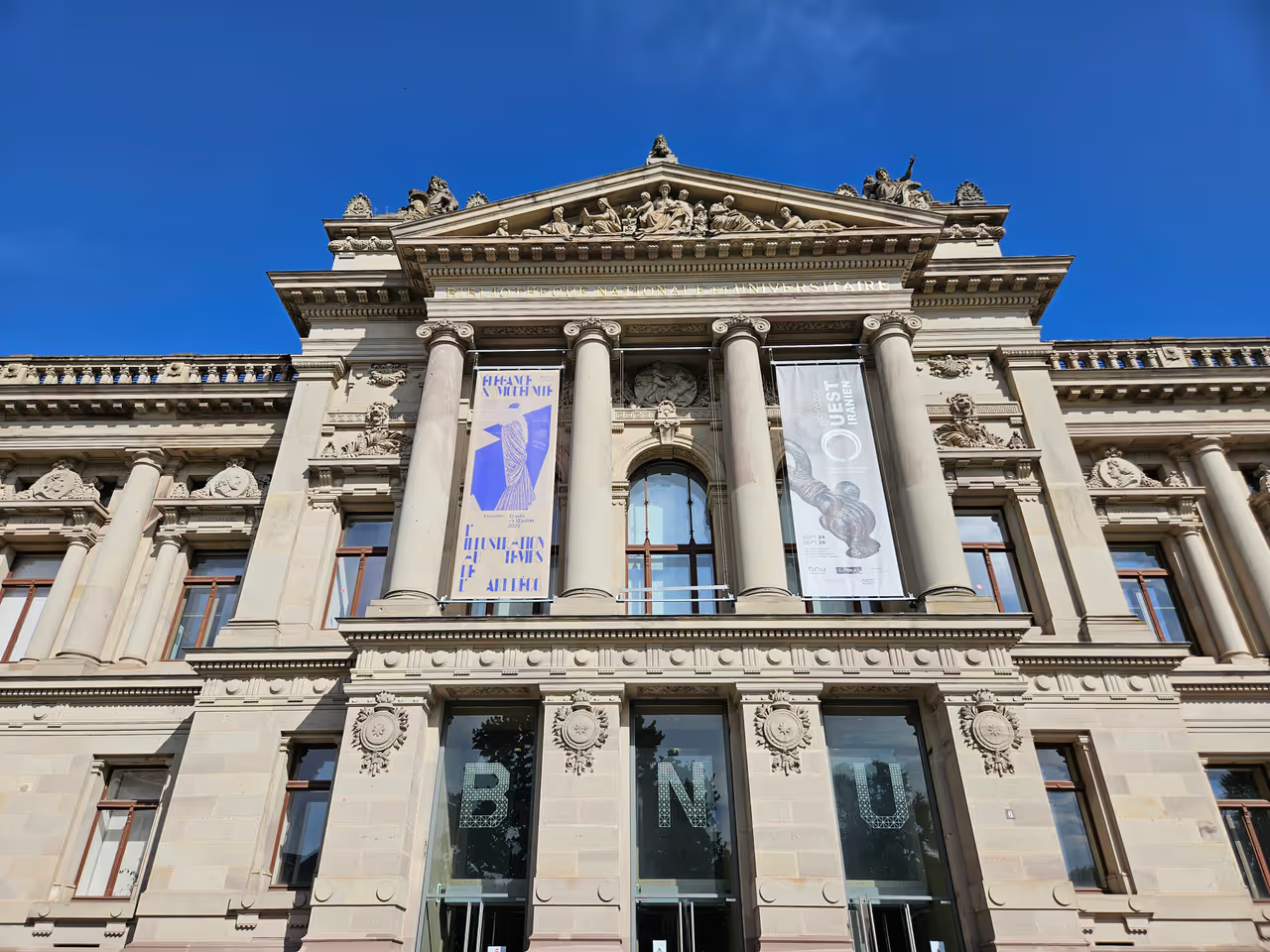 117m
117mNational and University Library
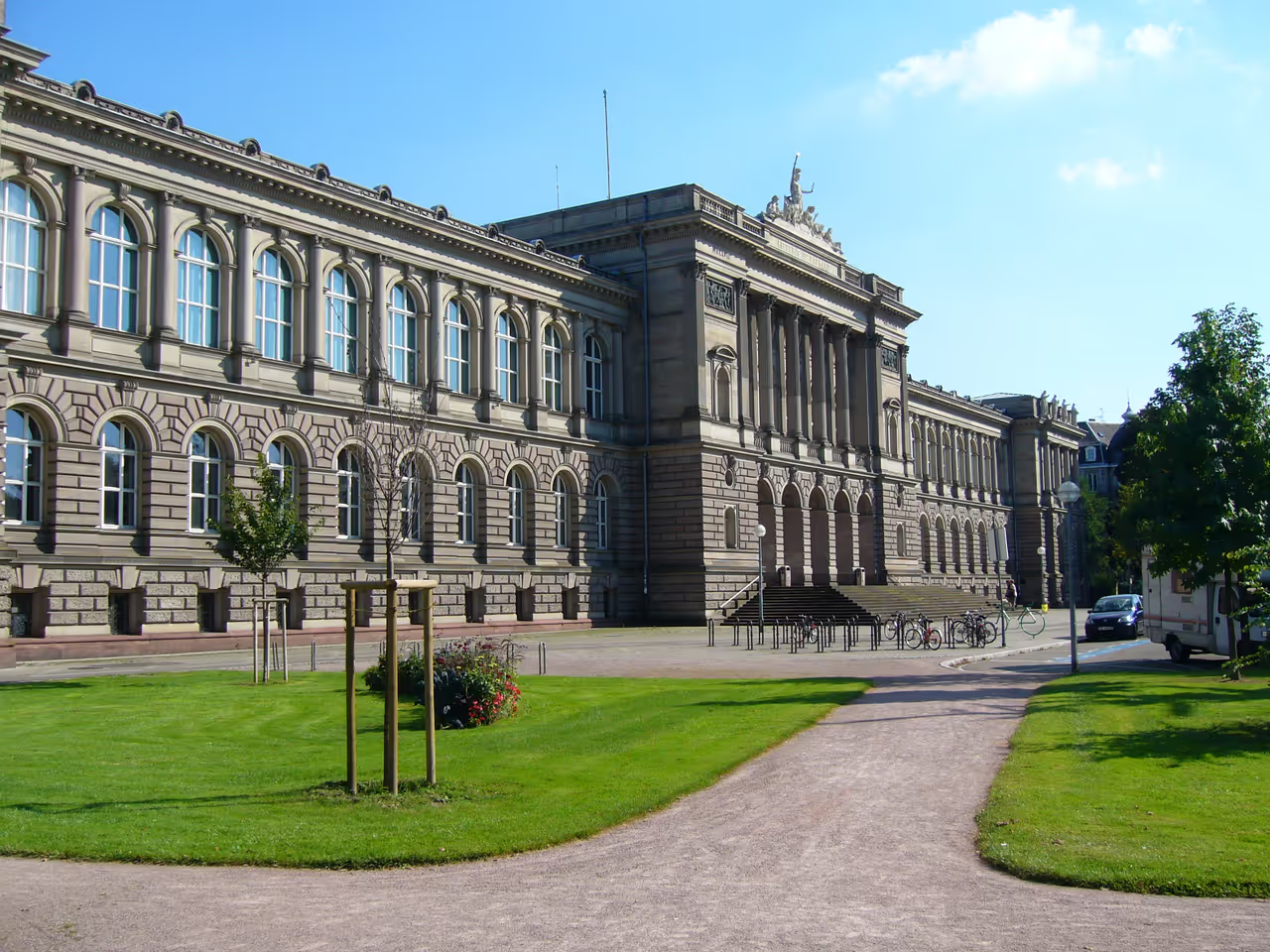
A grand, highly formal edifice that anchors the eastern edge of the imperial Place de la République. The perfectly symmetrical facade features imposing columns, detailed stonework, and a majestic central cupola. It was built by the German administration to replace the magnificent library destroyed during the 1870 siege, designed to showcase intellectual superiority. The exterior projects classical stability, while the interior has been dramatically modernised to serve contemporary students. It is a stunning example of late 19th century academic architecture.
architecture view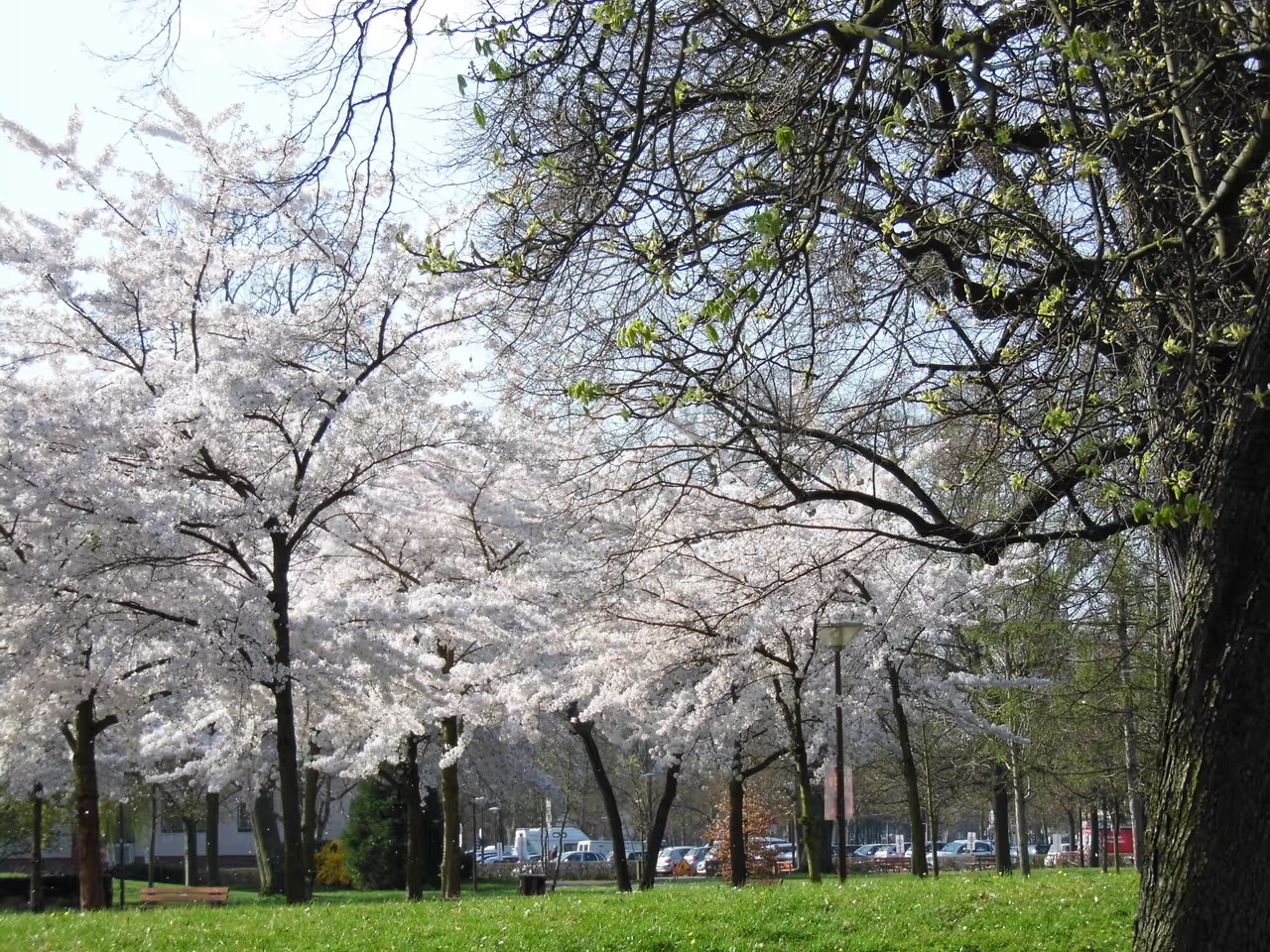 514m
514mContades Park
Nestled in Strasbourg's elegant Neustadt district, Contades Park offers a tranquil leafy retreat filled with century-old trees and rich local history. Originally laid out in 1764, this green expanse boasts picturesque walking paths, dynamic play areas, and scenic views along the winding Aar River. Visitors can marvel at the charming 19th-century cast-iron bandstand, which still hosts romantic evening music concerts throughout the summer. Architectural gems like the fairy-tale Villa Osterloff and the striking Peace Synagogue frame its borders, adding distinct character to every stroll. Whether you are relaxing by the water or catching a live performance, it is a delightful spot to soak in authentic Alsatian charm.
park & nature view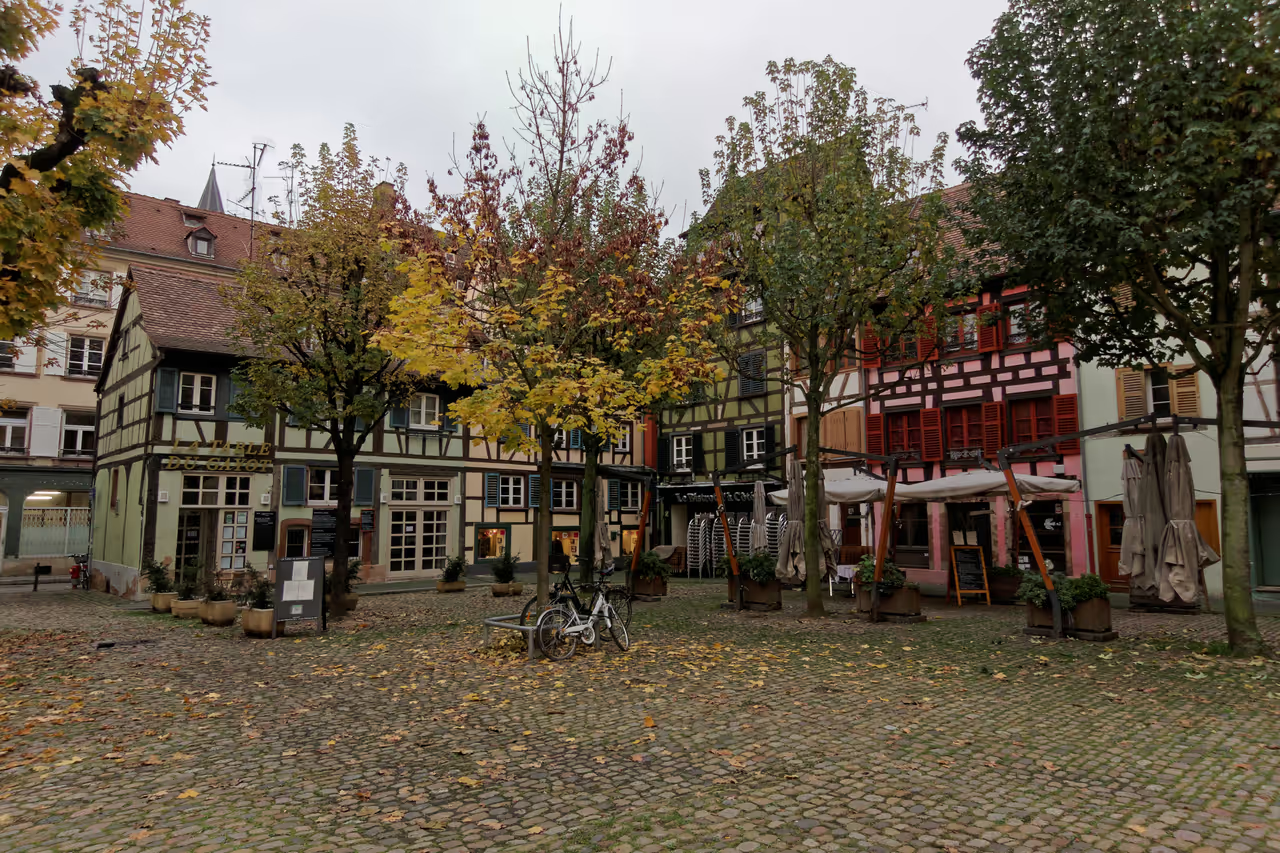 539m
539mGayot Market Square
A hidden, enclosed cobblestone square located just behind the Cathedral, completely surrounded by colourful timber framed houses. It feels like a secret village courtyard hidden within the bustling city. The tight, intimate space is filled with cafe tables and large parasols, creating a highly vibrant, convivial scene. It is a fantastic location for capturing the lively, everyday cafe culture against a deeply historical, colourful backdrop.
photo spot view
Featured on These Itineraries and Routes
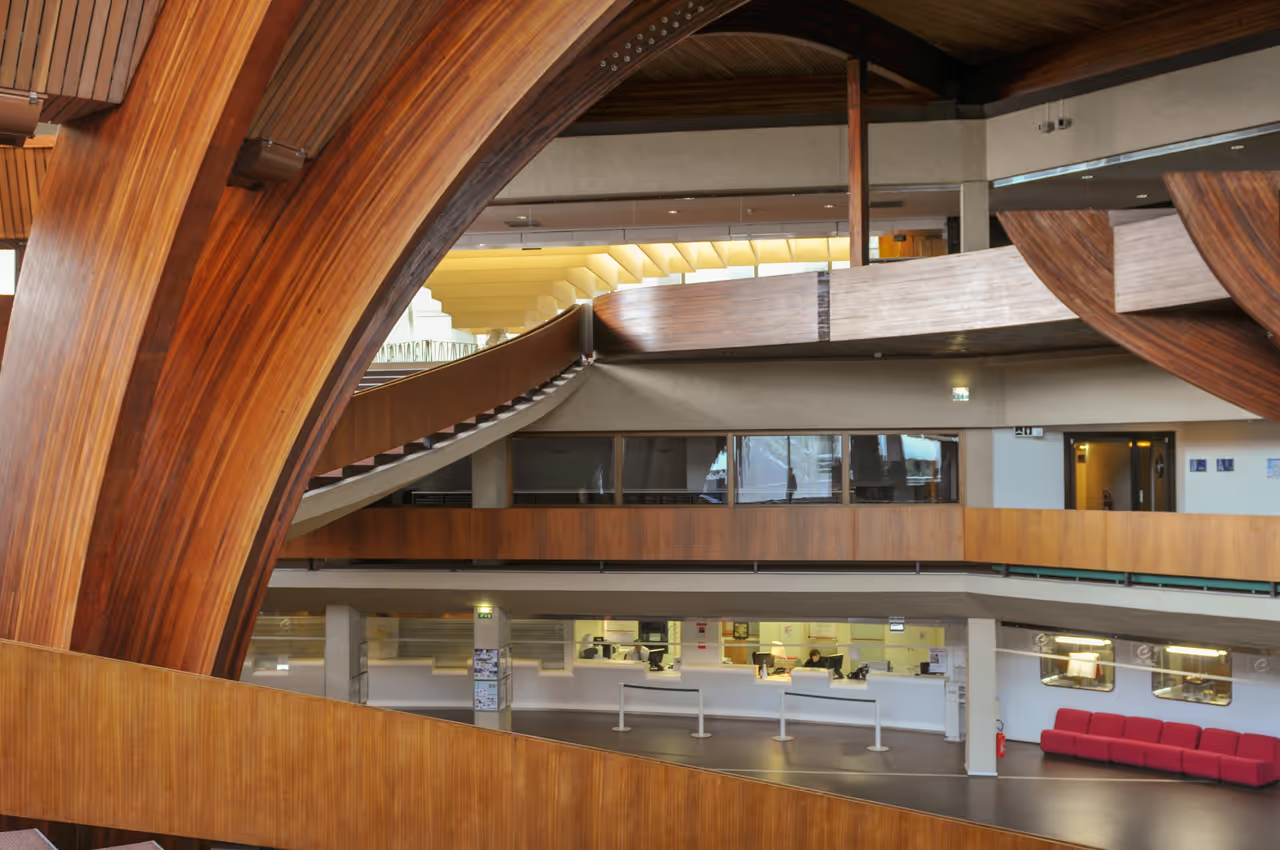
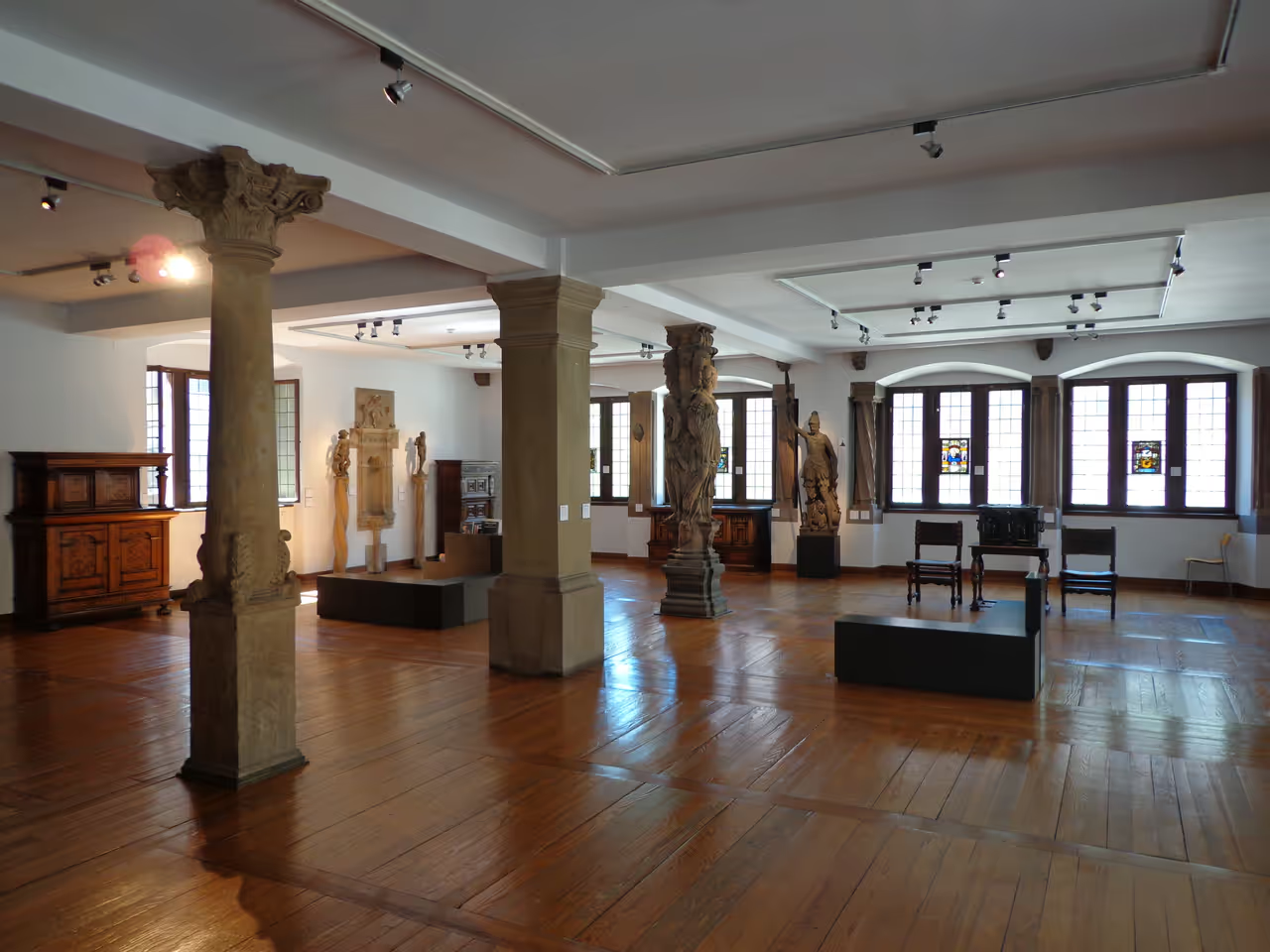
3 Days in Strasbourg: Heritage & Europe Itinerary
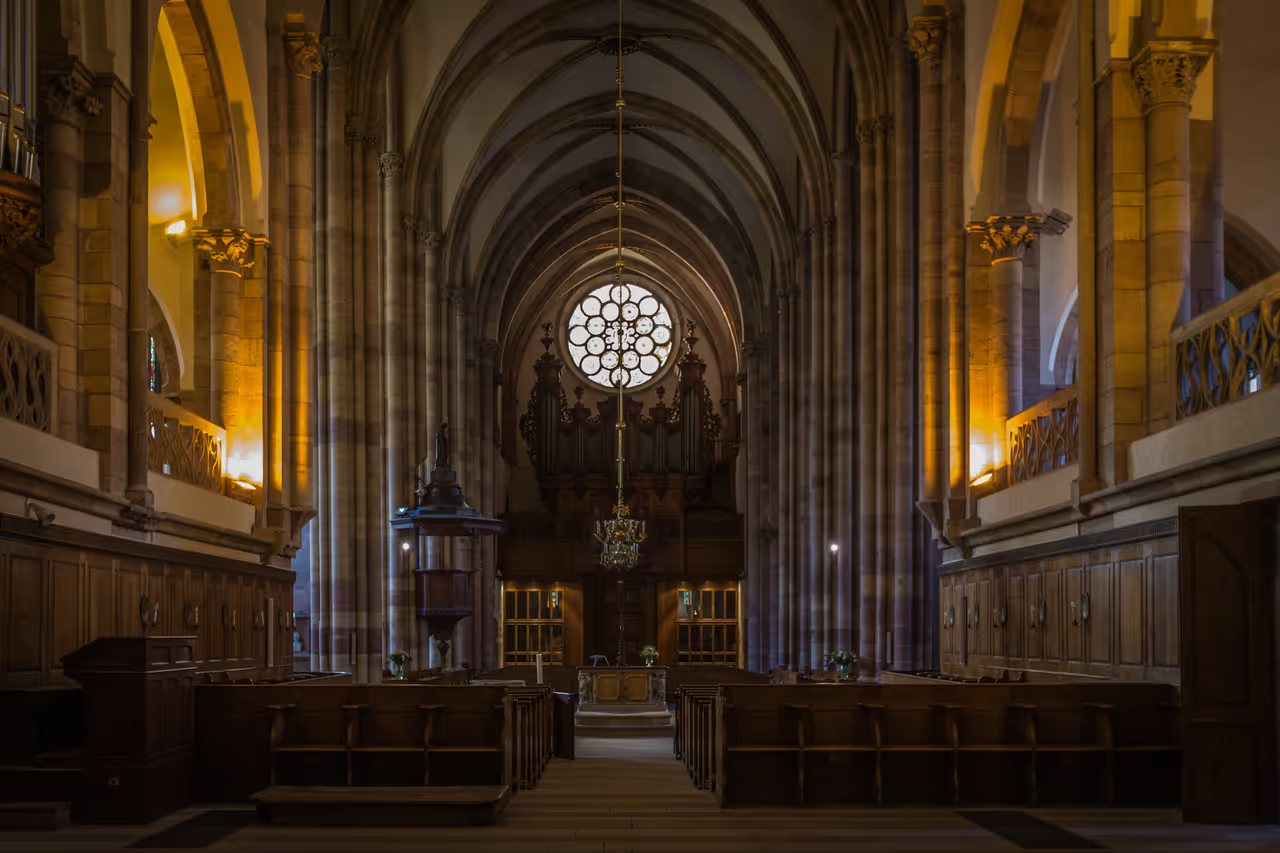
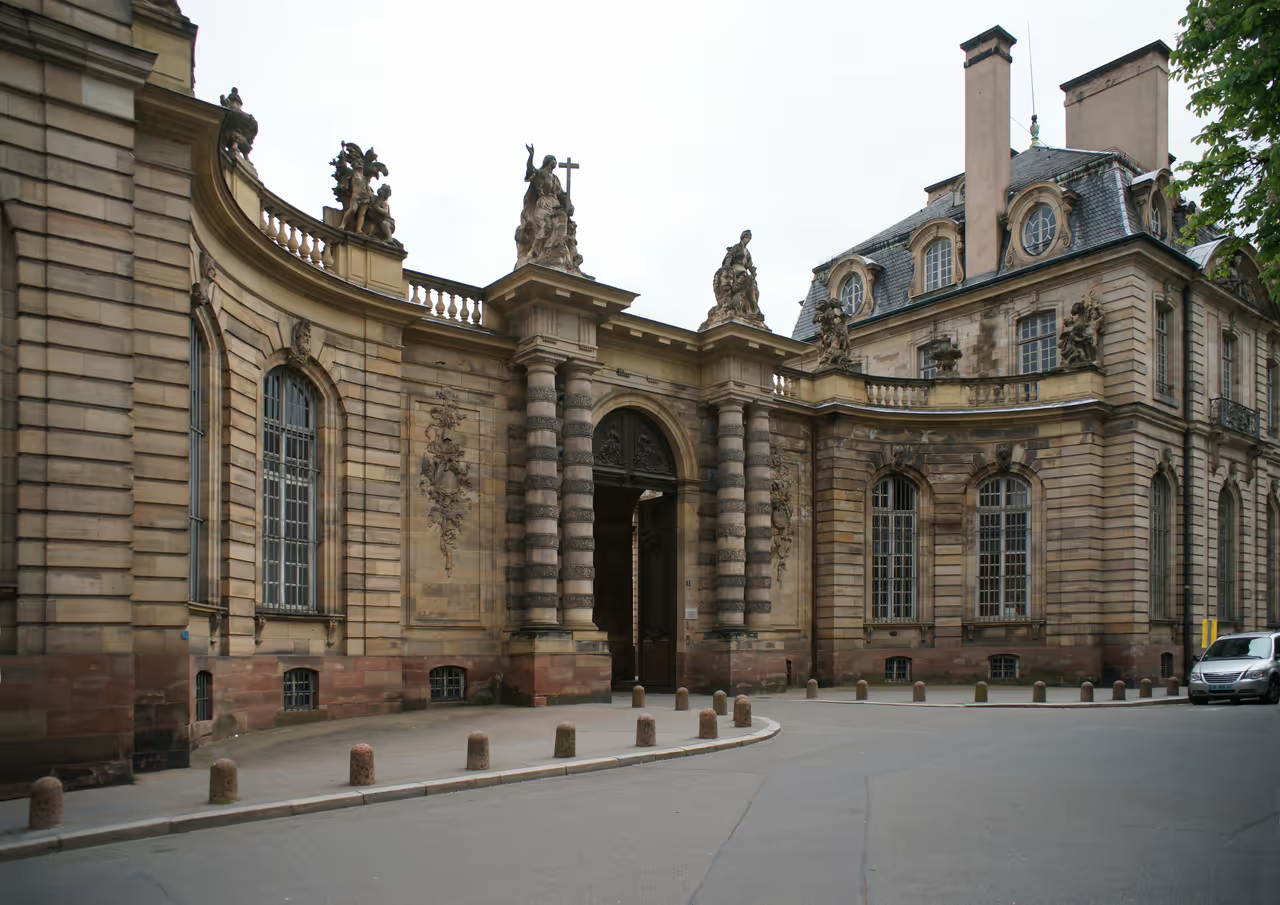
A comprehensive journey that allows you to fully appreciate the city's dual identity as a medieval jewel and a modern European capital. After exploring the historical centre, you will dive into the grand imperial architecture and the sleek international institutions. This pace leaves plenty of time to enjoy long meals at traditional Winstubs and relaxed walks through the parks. It is the ideal duration for a deeply satisfying city break.
view itinerary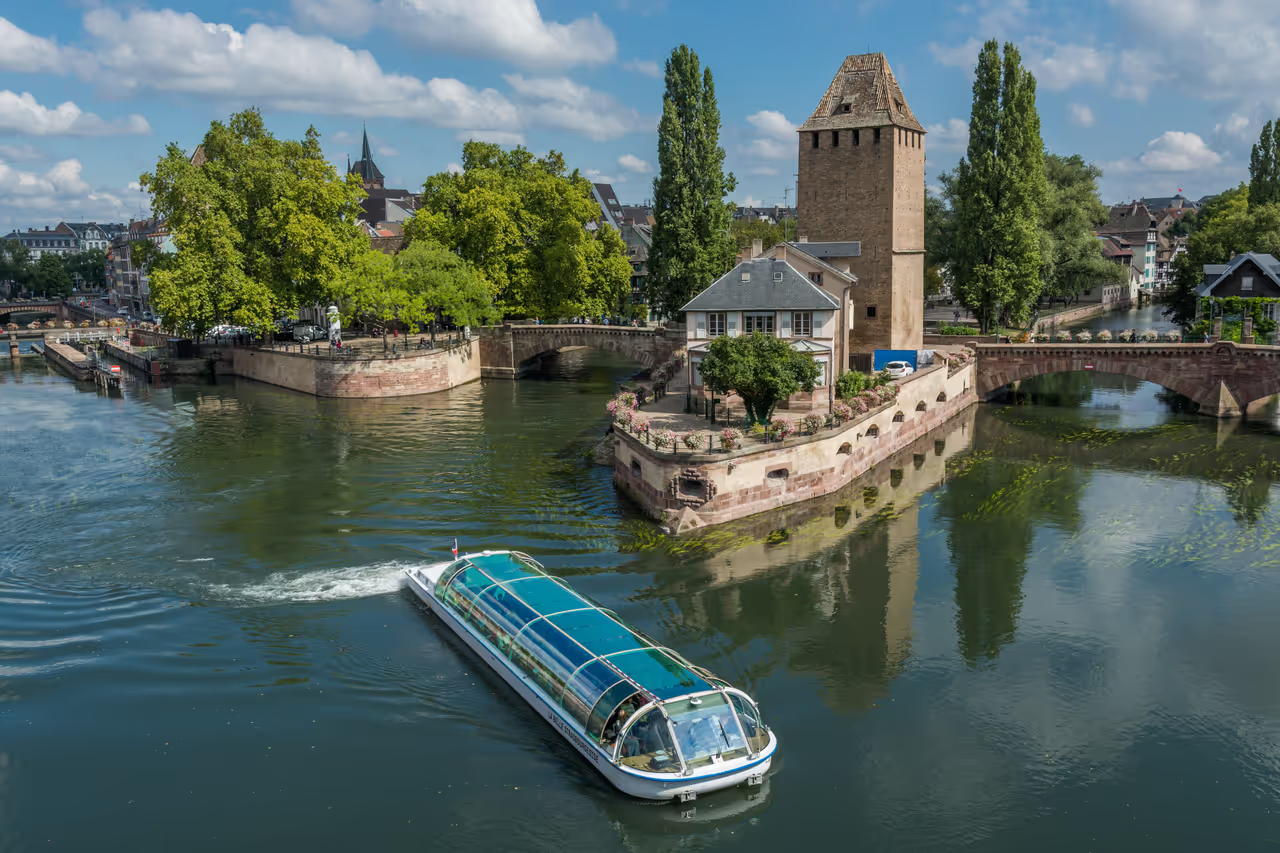
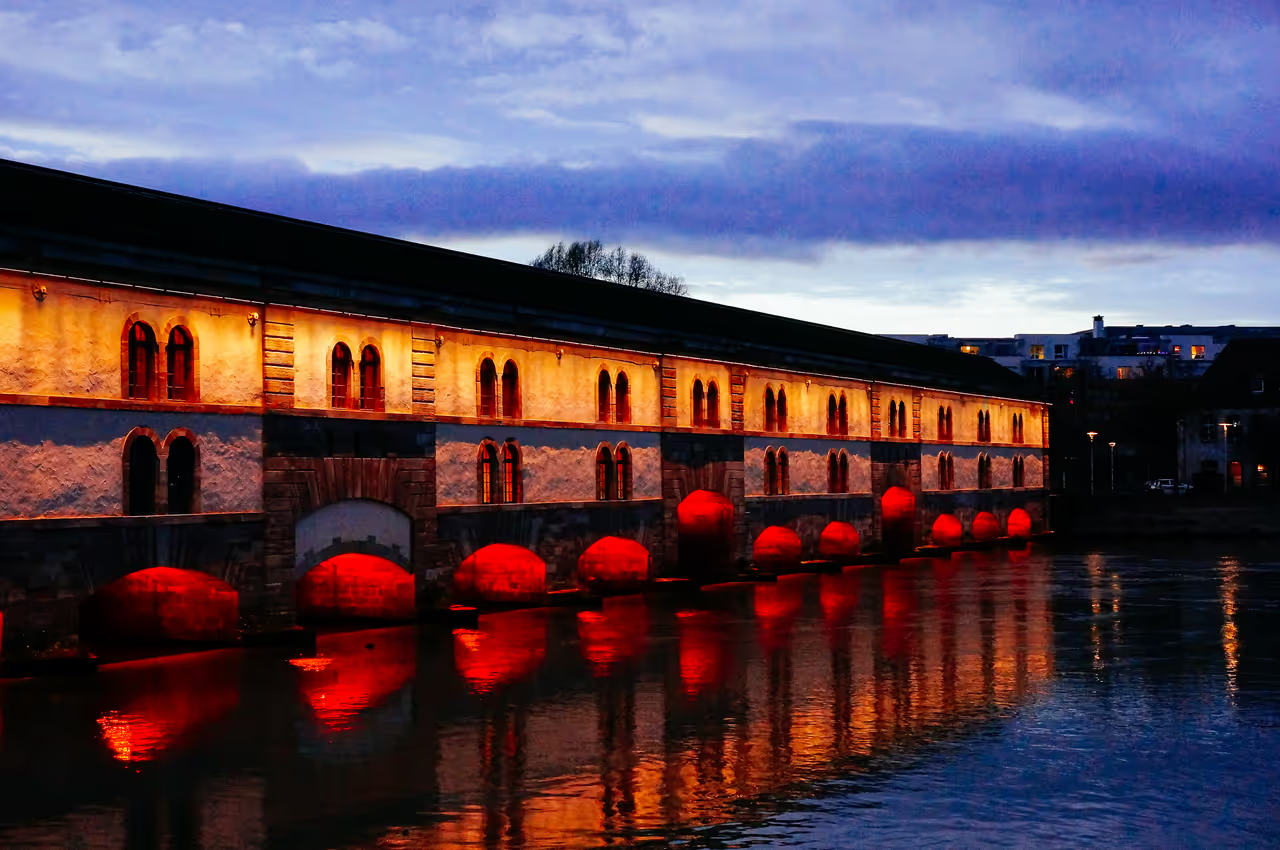

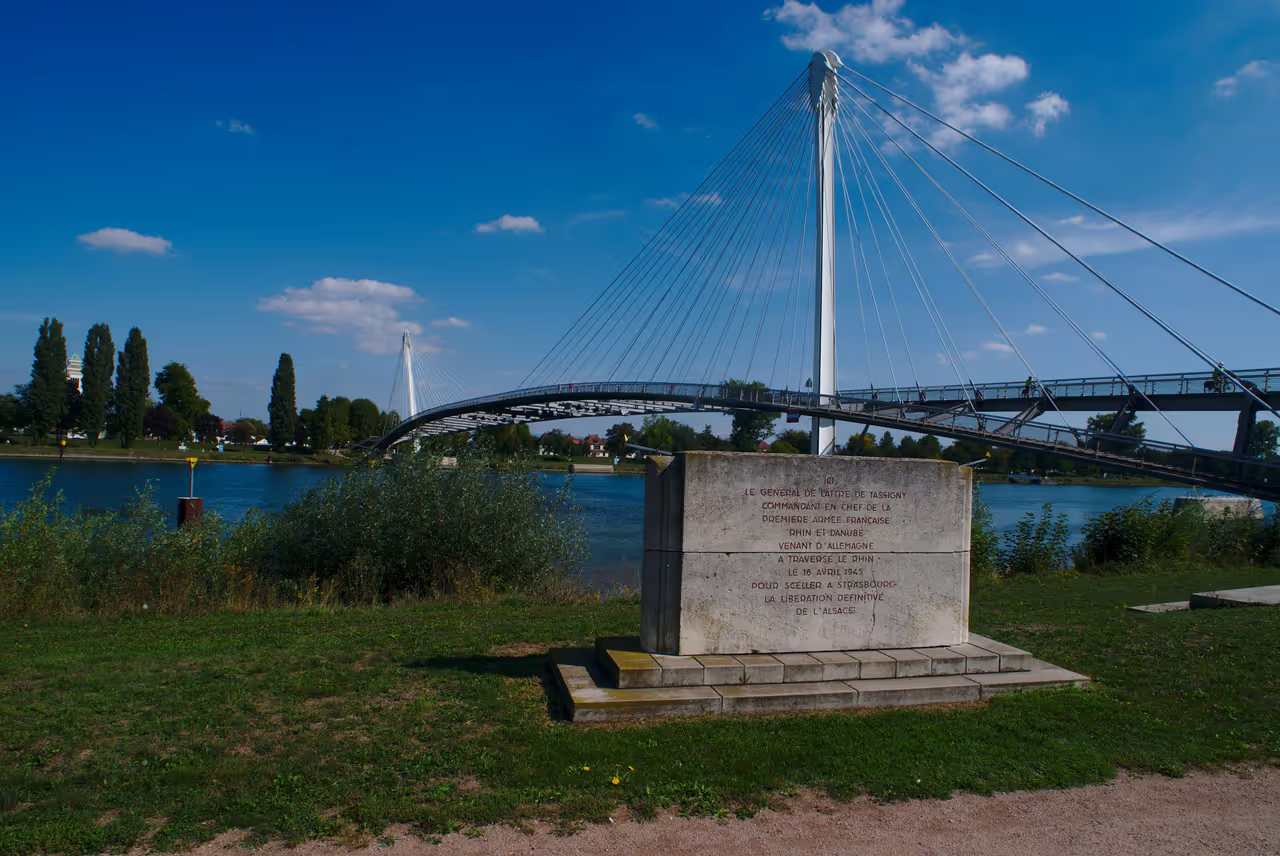
5 Days in Strasbourg: The Complete Experience Itinerary
An immersive, unhurried exploration that ventures well beyond the typical tourist paths. Over five days, you will uncover hidden historical oddities, explore vast green spaces crossing international borders, and absorb the city's vibrant modern culture. This itinerary allows you to truly sync with the local rhythm, mixing world class attractions with quiet, atmospheric discoveries. It is perfect for the curious traveller wanting a deep connection with the region.
view itinerary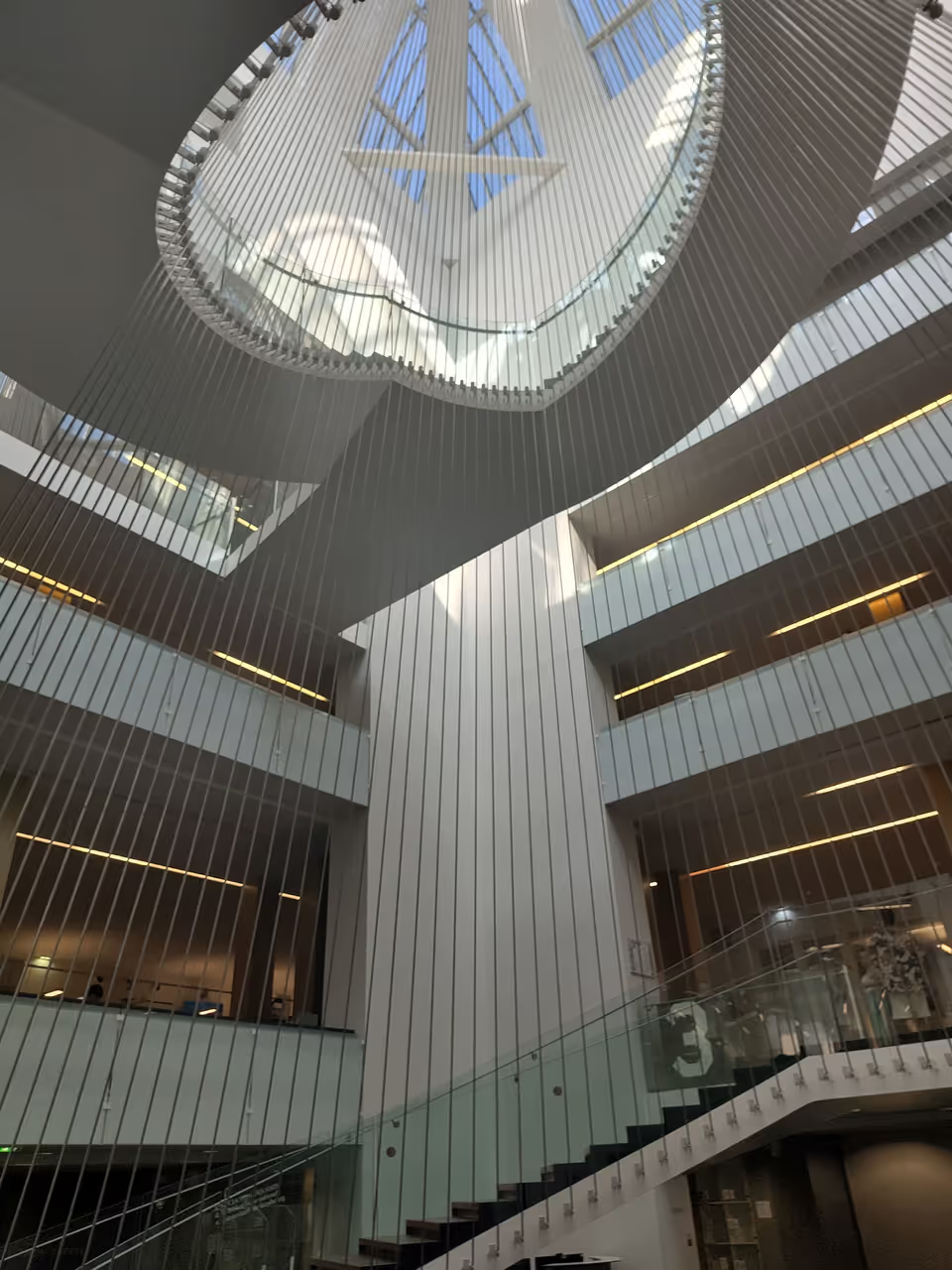
Neustadt Boulevards
A majestic walk through the grand, imperial district built during the German annexation in the late 19th century. You will stroll down wide, tree lined avenues that stand in stark contrast to the narrow alleys of the medieval centre. The architecture here is monumental, featuring elaborate facades, heavy stone public buildings, and intricate Art Nouveau details. The atmosphere feels regal, spacious, and highly organised. It is a fascinating exploration of a completely different era of the city's history.
view walking route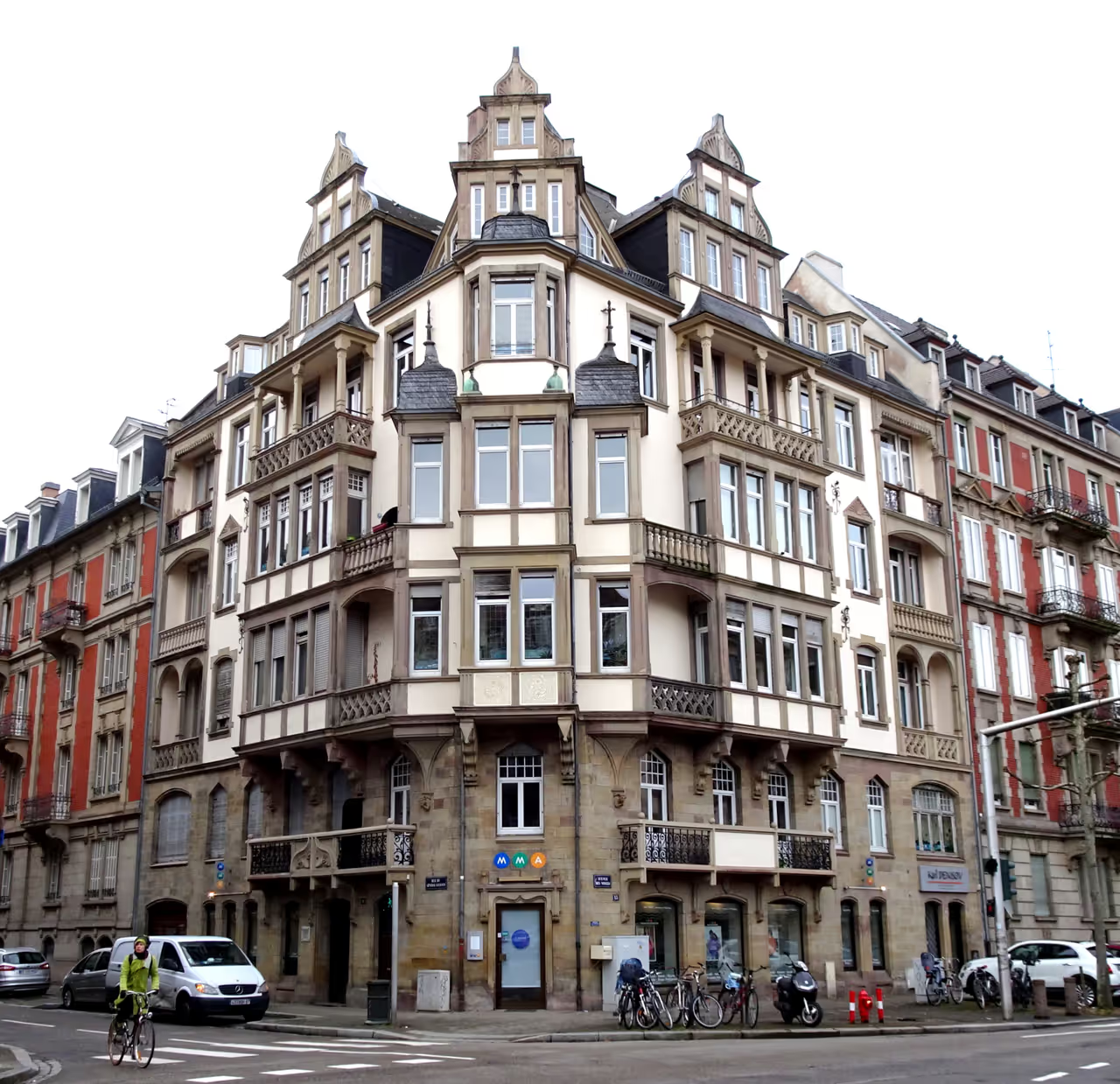
Art Nouveau & Wilhelminian Tour
An architectural deep dive into the massive urban expansion initiated by the German Empire in the late 19th century. This tour focuses on the grand Neustadt district, revealing a completely different side of the city's visual identity. You will explore monumental state buildings designed to impress, alongside whimsical, highly decorated Art Nouveau private residences. The narrative highlights the intense, state sponsored effort to Germanise the city through architecture. It is a visually rich journey for anyone interested in 19th and 20th century design.
view self-guided tour
See all unesco sites in Strasbourg
Grande Île...