Covered Bridges of Strasbourg
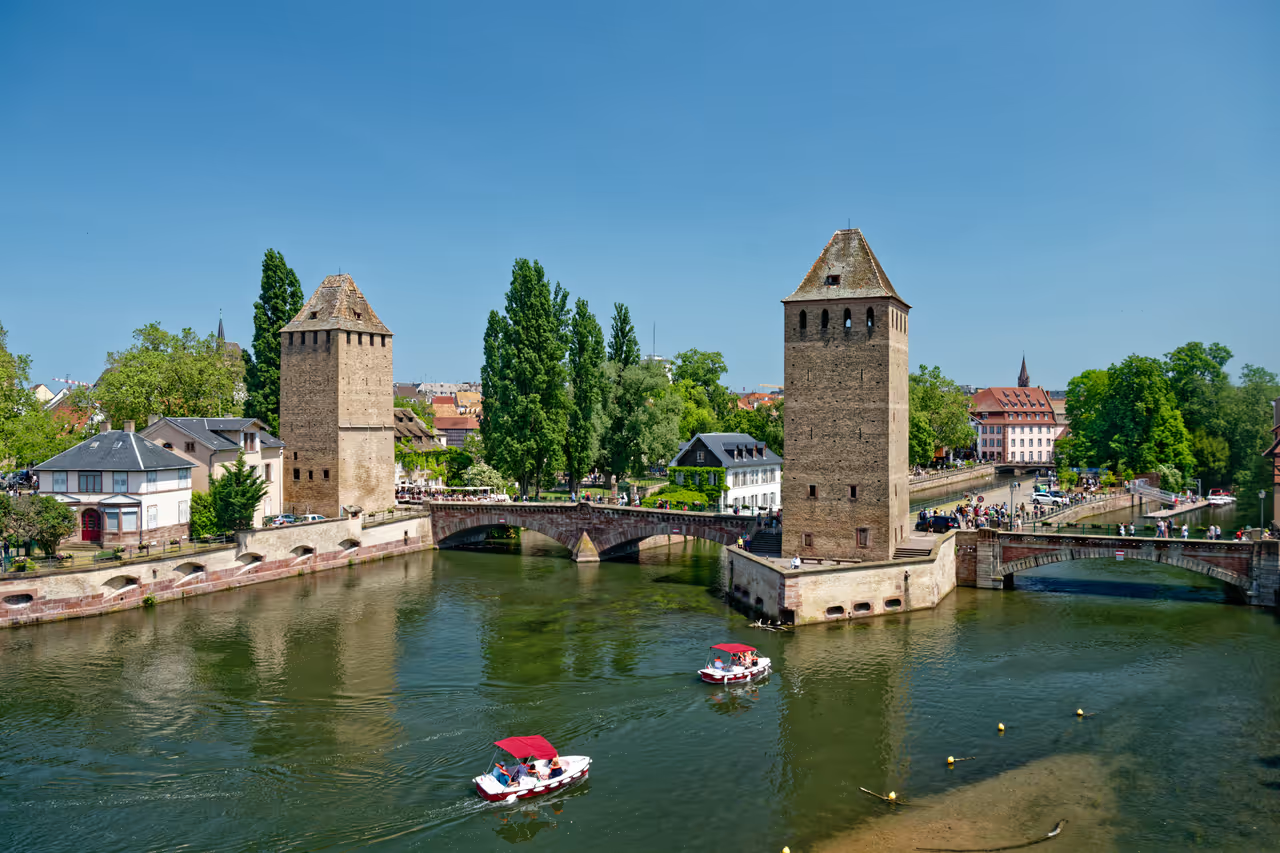
Standing proudly at the entrance to the historic Petite France quarter, the Covered Bridges offer one of the most enchanting vistas in Strasbourg. Despite losing their original wooden roofs over two centuries ago, these impressive structures retain their romantic name and rich defensive heritage. Three stone arch bridges span the arms of the River Ill, punctuated by four imposing medieval fortification towers that once guarded the medieval city. Walking across these Rhine-cobbled pathways gives visitors sweeping views of timber-framed houses and the nearby Vauban Dam. It is an ideal location to capture memorable photographs and admire centuries of Alsatian engineering. A visit here offers a memorable connection to the defensive origins of this remarkable border city.
Videos
History of Covered Bridges of Strasbourg
In the mid thirteenth century, the citizens of Strasbourg set out to secure their prosperous city against potential attacks from the river. Between 1230 and 1250, they erected four wooden bridges flanked by five formidable square towers across the channels of the River Ill. To shield defenders from enemy archers and incoming artillery, the elevated walkways were enclosed with timber walls and topped with tile roofs. This distinctive design gave the structure its enduring name, the Covered Bridges. Over subsequent centuries, the defensive complex was continuously upgraded with stone piers, heavy iron portcullises, and specialized artillery embrasures. As military technology evolved, the strategic role of the bridges began to transform. The completion of the nearby Vauban Dam in the late seventeenth century provided a new method of river defense, rendering the older medieval bridges obsolete. With their tactical function reduced, the sturdy towers were converted into city prisons. Inmates were locked inside tight oak cells, leaving behind poignant reminders of their confinement by carving hundreds of names and dates into the wooden walls. In 1784, the medieval wooden roofs were removed, opening the bridge paths to the elements. The nineteenth century brought major changes to the site. A fire in 1863 severely damaged one of the five towers, leading to its removal shortly after. Soon after, the remaining wooden bridge walkways were dismantled and replaced with elegant stone arch structures in 1865. In 1976, Strasbourg pedestrianised the entire crossing, paving the paths with smooth Rhine pebbles and transforming this medieval defense site into a scenic promenade.
9 Events spanning 746 years
Fun Facts
- • Cells constructed inside the towers in 1529 measured only 6.5 square metres with no heating or sanitation facilities.
- • Despite being known as the Covered Bridges, the walkways have not had roofs since 1784.
- • Heavy iron portcullises added in 1570 allowed guards to seal off river channels within moments during emergencies.
- • Inmates imprisoned inside the tower cells between 1530 and 1595 carved over 500 distinct graffiti inscriptions into the oak walls.
- • The Executioner Tower contained oak jail cells on its second floor that remained in active use until 1823.
- • The surface of the modern pedestrian crossing is paved with natural river stones harvested directly from the Rhine.
- • There were originally five fortification towers along the crossing, but one was demolished following a fire in 1863.
- • Tree ring analysis on timber inside the Lockkeeper Tower revealed wood dating back to 1229.
Covered Bridges of Strasbourg FAQ
While we strive to keep this information accurate and up to date, we recommend verifying any details independently before making decisions based on them.
Covered Bridges of Strasbourg Map & Neighborhood Explorer
This interactive map is centered on Covered Bridges of Strasbourg. Zoom in and move the map around to automatically discover Wikipedia photos and summaries of other nearby sights, monuments, and historical points of interest and stories in real-time!
Places near Covered Bridges of Strasbourg
Make the most of your trip. Check out these top-rated spots located nearby.
 138m
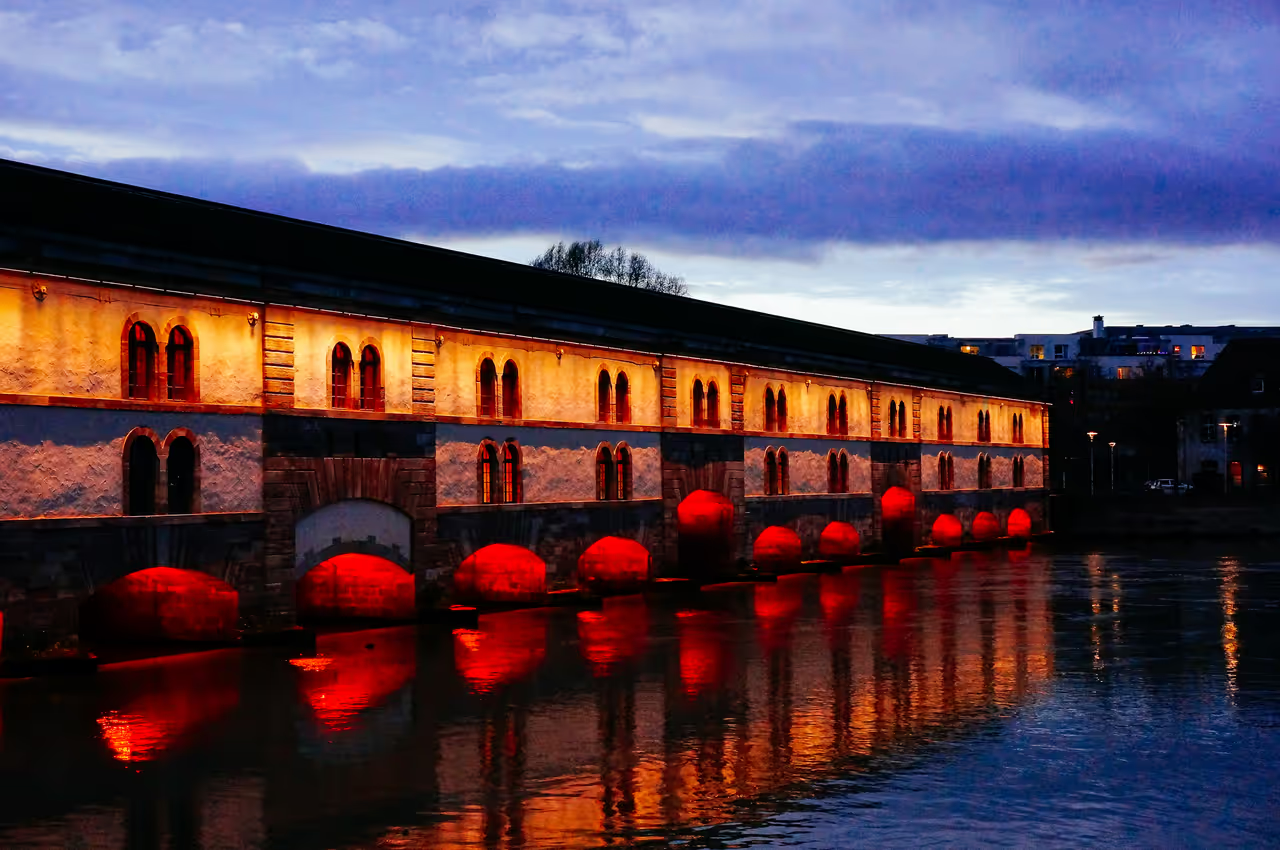
138mVauban Dam
Spanning the tranquil waters of the Ill River, the Barrage Vauban is one of Strasbourg's most impressive engineering marvels and historical landmarks. Designed by the famed military engineer Vauban in the late 17th century, this fortified lock bridge served as a defensive barrier capable of flooding the southern approaches to the city. Today, it offers visitors an exciting journey through military history alongside breathtaking panoramic views. Walking through its covered gallery reveals plaster casts and statues rescued from the cathedral, while the green roof terrace provides wonderful photo opportunities over the medieval Ponts Couverts and towering spire of Notre-Dame. It is an essential stop for anyone exploring the picturesque Petite France district.
attraction view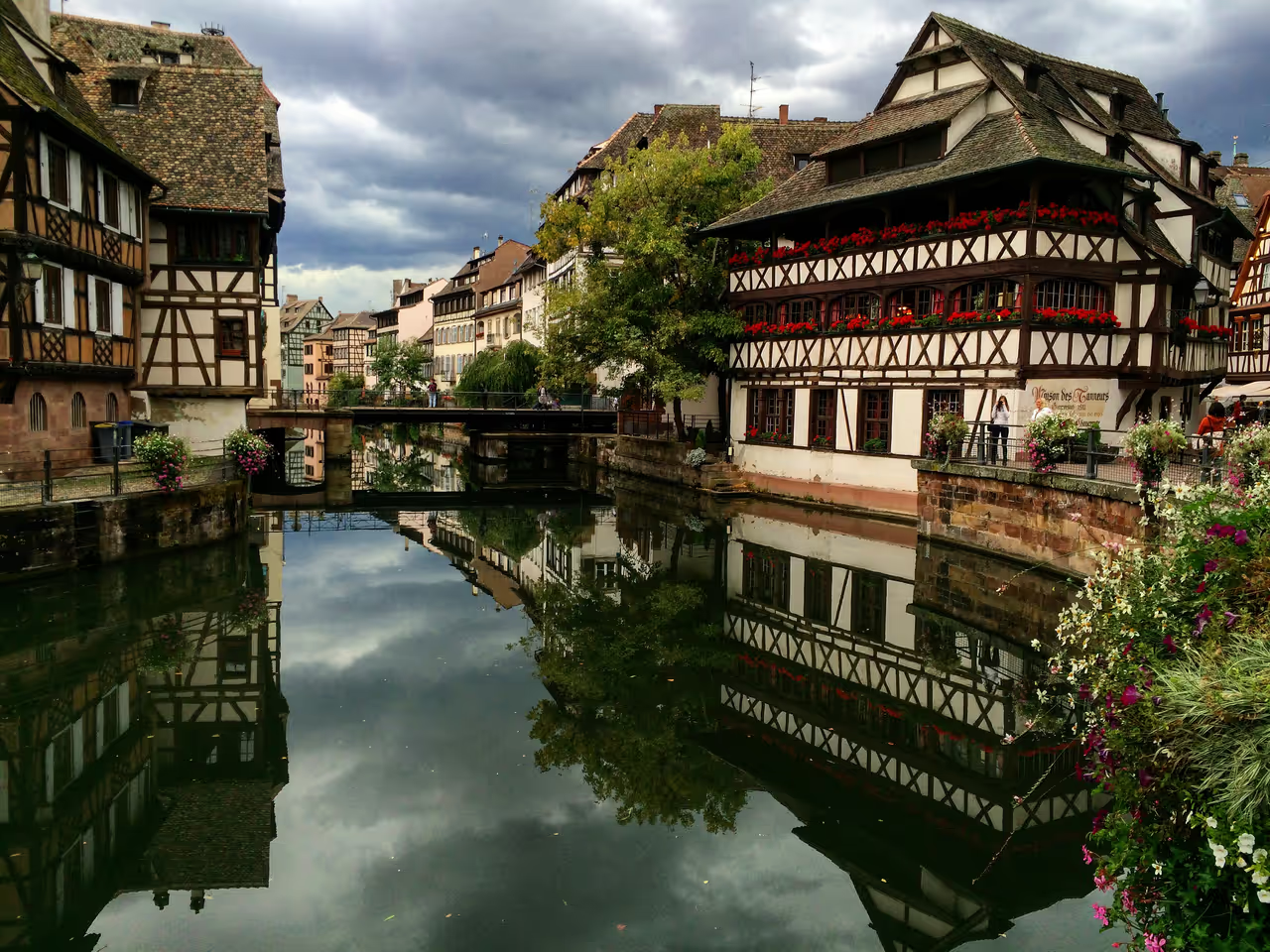 144m
144mPetite France
Step into a postcard fairy tale as you wander through Petite France, the most scenic historic quarter of Strasbourg. Located on the western tip of the Grande Île, this enchanted neighbourhood is laced with peaceful canals, vibrant half-timbered houses, and cobblestone lanes overflowing with flowers. Once an industrial hub of tanners, millers, and fishermen, today it offers a magical riverside atmosphere filled with traditional Alsatian winstubs and charming waterfront cafés. You can watch the unique turning bridge open for sightseeing boats, marvel at medieval defensive towers, or simply soak in centuries of rich Franco-German heritage. A stroll through these romantic alleyways is an indispensable highlight of any visit to Alsace.
attraction view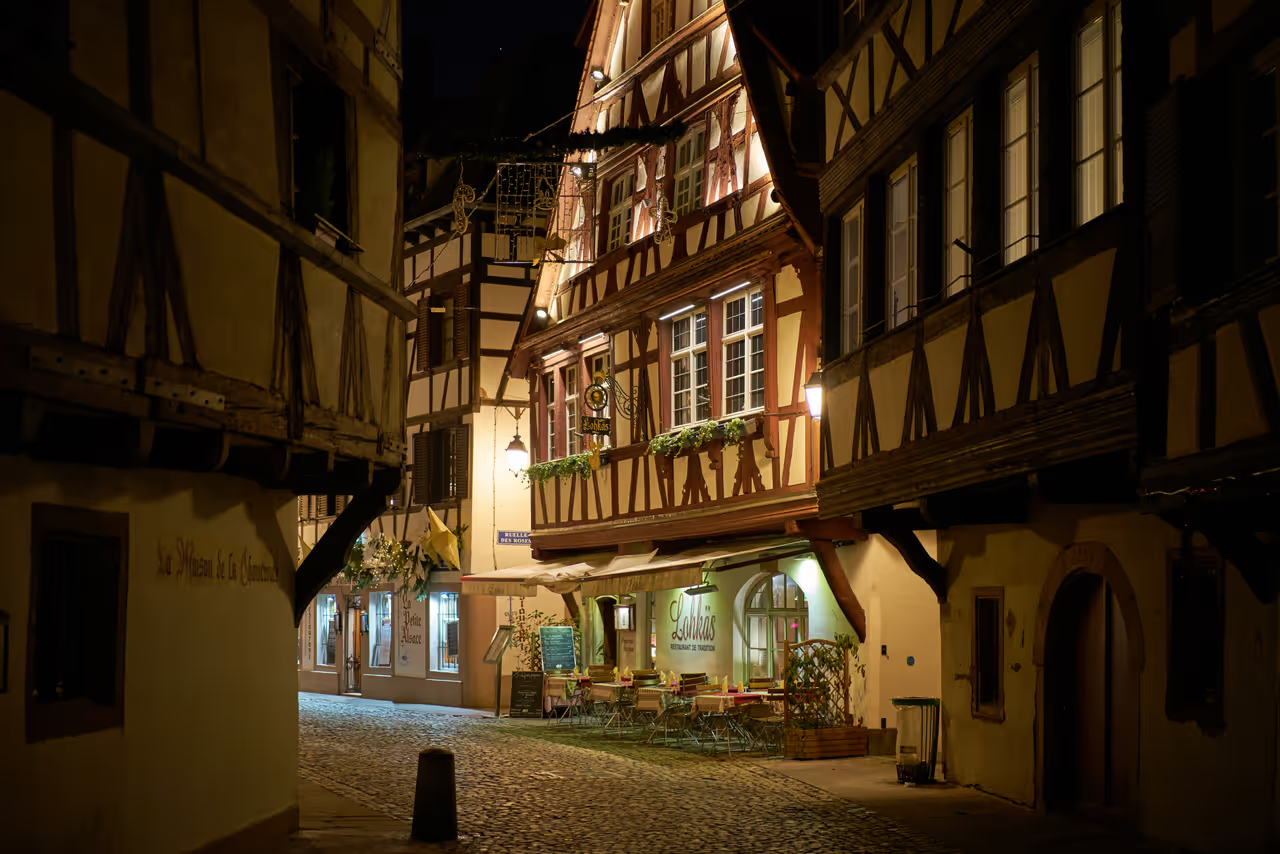 215m
215mPlant Bath Street
The absolute focal point of the Petite France district, offering the most concentrated cluster of perfectly preserved half timbered houses. The street curves gently alongside the canal, creating a dynamic leading line for photographs. The brightly painted facades and heavy wooden beams look particularly stunning when decorated with blooming summer flowers or winter holiday lights. It is incredibly popular, so arriving early is crucial for an unobstructed shot.
photo spot view 249m
249mMuseum of Modern and Contemporary Art
A striking, glass fronted building situated on the banks of the Ill river, housing an extensive collection of art from the 1870s to the present day. The bright, spacious galleries feature works by renowned masters like Monet, Picasso, and Kandinsky, alongside prominent local artists like Jean Arp. The architecture of the museum itself is a masterpiece, offering a massive, light filled nave that serves as a central artery. The rooftop terrace features a fantastic cafe with some of the best panoramic views of the Petite France district. It is a vibrant, inspiring space for art lovers.
highlight view
Explore Similar Places in This Collection
Featured on This Route
See all attractions in Strasbourg
Palais Rohan, Petite France, Strasbourg Cathedral, Vauban Dam...