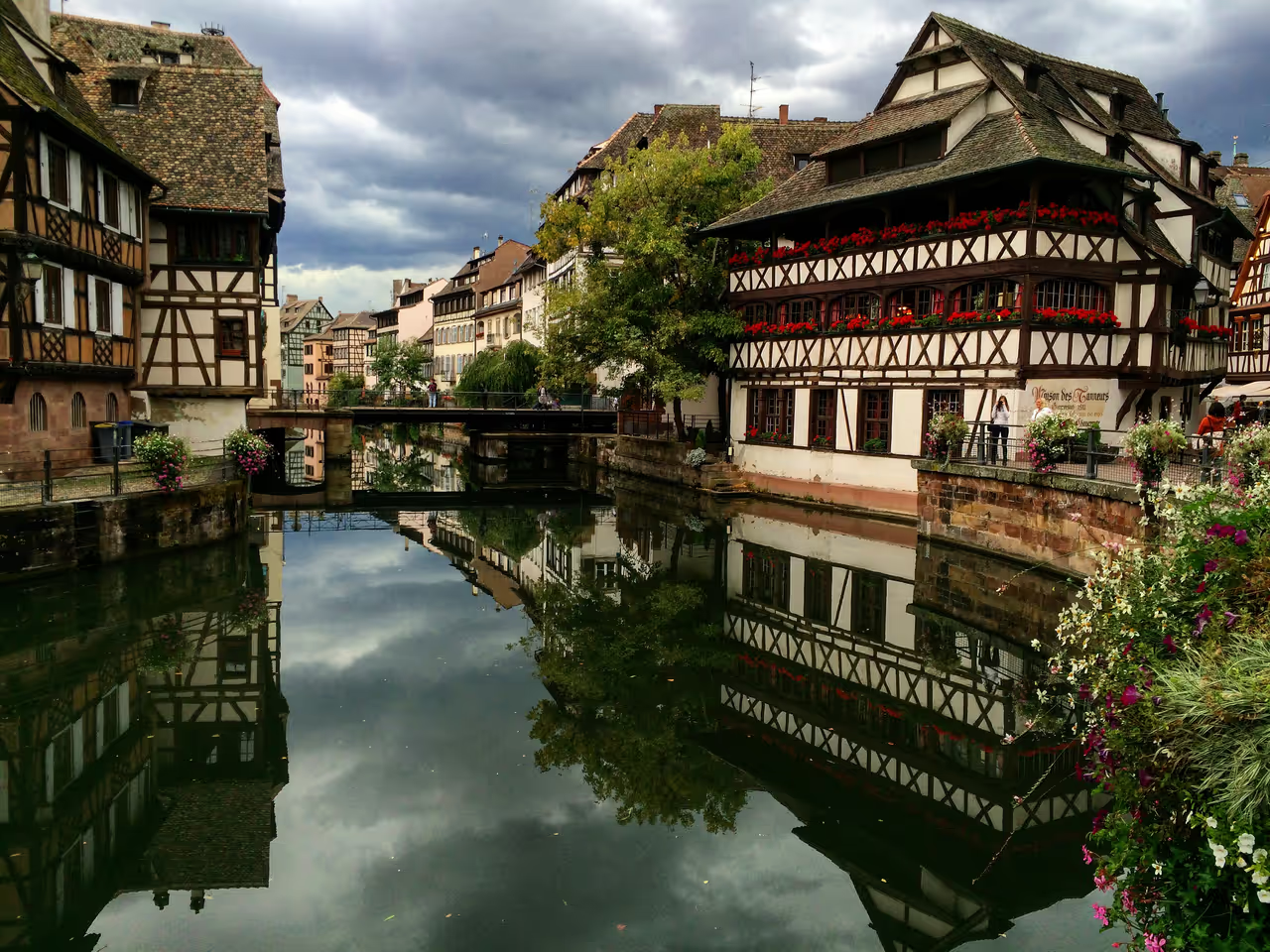
Petite France
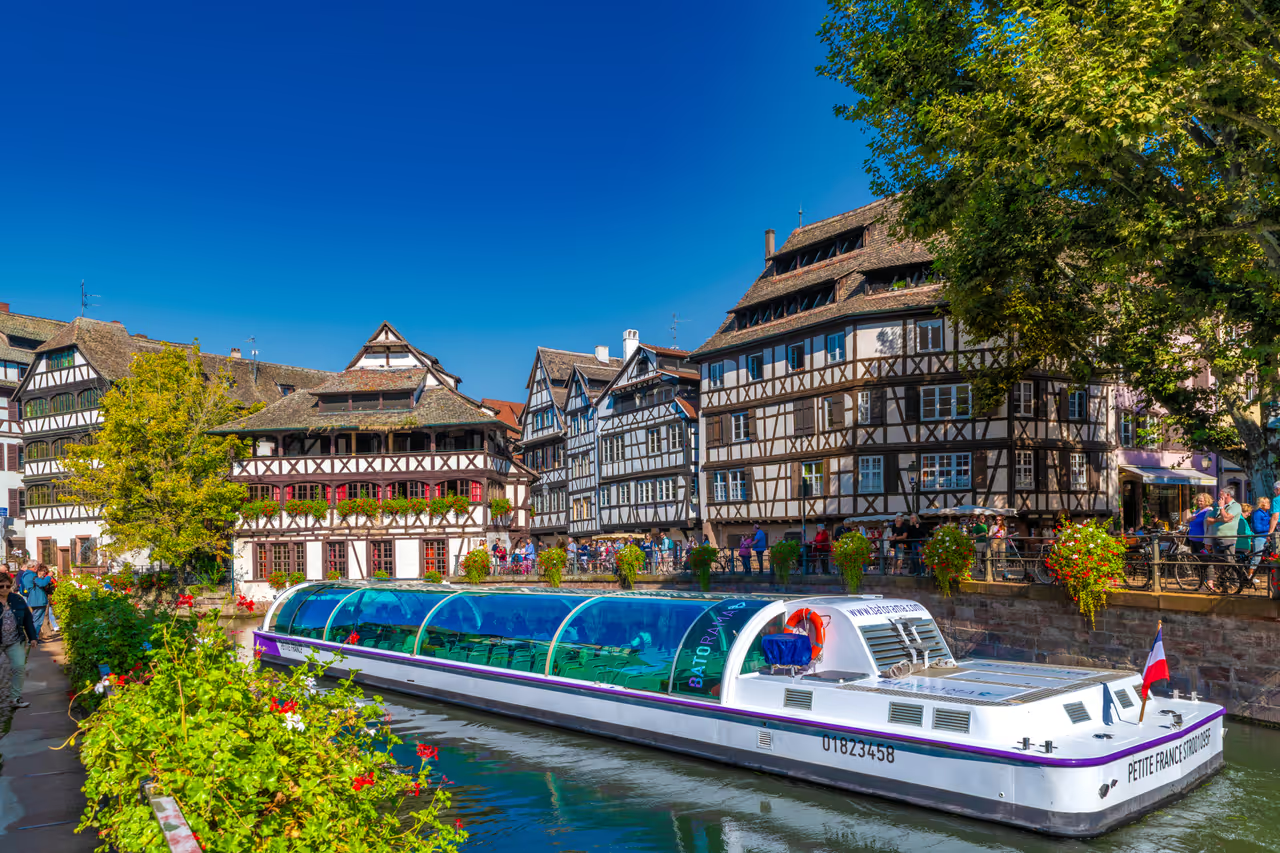
Step into a postcard fairy tale as you wander through Petite France, the most scenic historic quarter of Strasbourg. Located on the western tip of the Grande Île, this enchanted neighbourhood is laced with peaceful canals, vibrant half-timbered houses, and cobblestone lanes overflowing with flowers. Once an industrial hub of tanners, millers, and fishermen, today it offers a magical riverside atmosphere filled with traditional Alsatian winstubs and charming waterfront cafés. You can watch the unique turning bridge open for sightseeing boats, marvel at medieval defensive towers, or simply soak in centuries of rich Franco-German heritage. A stroll through these romantic alleyways is an indispensable highlight of any visit to Alsace.
Videos
History of Petite France
In the Middle Ages, the district now known as Petite France was far from the idyllic haven seen today. Settled where the river Ill splits into a maze of waterways, it was a working-class enclave inhabited by fishermen, grain millers, and leather tanners. Tanning was a foul-smelling trade that required massive amounts of water, leading workers to construct half-timbered homes with steep, open lofts designed specifically for drying hides in the wind. The quarter was considered a rough, neglected corner of Strasbourg, home to hardworking artisans, social outcasts, executioners, and dark waterfront taverns. The neighbourhood gained its intriguing title in the early sixteenth century following a health crisis. Mercenaries returning from the Italian Wars under King Charles VIII brought syphilis back to the region, a illness locals promptly dubbed the French disease. In 1503, city authorities built a dedicated hospital to quarantine sufferers, eventually moving the institution in 1687 to Rue des Moulins. Locals referred to this medical home as the Französel or Petite France, and over time, the playful moniker expanded to cover the surrounding channels and timbered alleys. Over the centuries, Strasbourg transformed from a heavily fortified border city into a thriving European capital, and Petite France underwent an extraordinary renaissance. The centuries-old tanneries were lovingly restored, the industrial icehouses turned into luxury accommodation, and the defensive Covered Bridges gained national historic recognition. Designated a UNESCO World Heritage Site in 1988, Petite France stands as a proud symbol of Alsatian resilience, seamlessly blending medieval craftsmanship with timeless charm.
Events spanning 487 years
Fun Facts
- • Before electric refrigeration existed, the Les Anciennes Glacières ice factory in Petite France produced massive blocks of ice for breweries across Alsace.
- • During the 16th century, Petite France was considered a rough edge of town where the official city executioner lived alongside leather craftsmen and river fishermen.
- • Petite France sits on a river delta where the Ill splits into five separate channels, forming a natural moat system utilized since Roman times.
- • The Pont du Faisan is a manual swing bridge that rotates horizontally at water level to allow river cruise barges to pass through the narrow canal.
- • The historic Maison des Tanneurs, built in 1572 right along the river, served as a guildhall before turning into one of Strasbourg's most cherished traditional restaurants.
- • The iconic Covered Bridges lost their protective wooden roofs in the 18th century, but locals kept using the medieval name Ponts Couverts anyway.
- • The poetic name Petite France originated from a 16th-century military hospital built to treat syphilis, which Germans colloquially called the French disease.
- • The signature steeply sloped roofs of the quarter's half-timbered houses were built with open, ventilated attics specifically to dry animal hides for leather production.
Petite France FAQ
While we strive to keep this information accurate and up to date, we recommend verifying any details independently before making decisions based on them.
Petite France Map & Neighborhood Explorer
This interactive map is centered on Petite France. Zoom in and move the map around to automatically discover Wikipedia photos and summaries of other nearby sights, monuments, and historical points of interest and stories in real-time!
Places near Petite France
Make the most of your trip. Check out these top-rated spots located nearby.
 90m
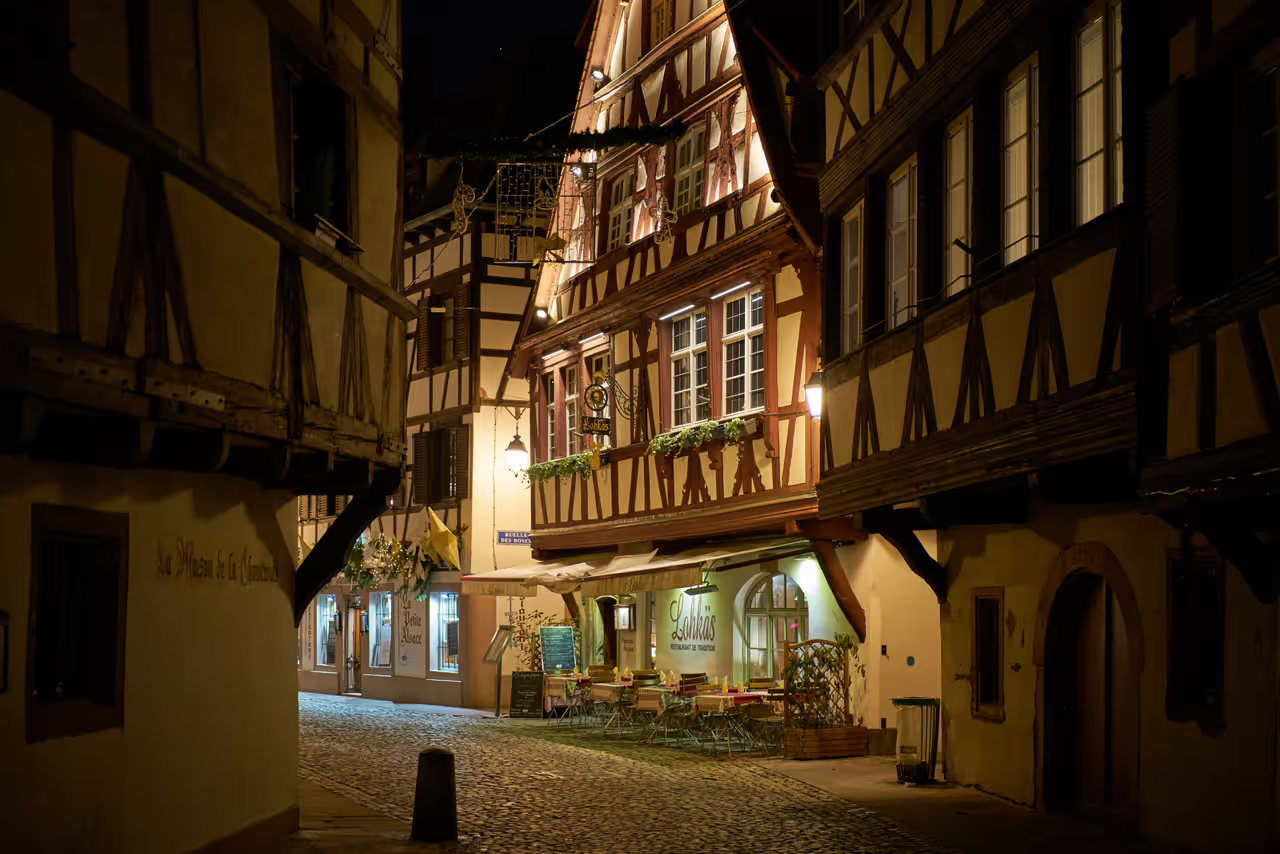
90mPlant Bath Street
The absolute focal point of the Petite France district, offering the most concentrated cluster of perfectly preserved half timbered houses. The street curves gently alongside the canal, creating a dynamic leading line for photographs. The brightly painted facades and heavy wooden beams look particularly stunning when decorated with blooming summer flowers or winter holiday lights. It is incredibly popular, so arriving early is crucial for an unobstructed shot.
photo spot view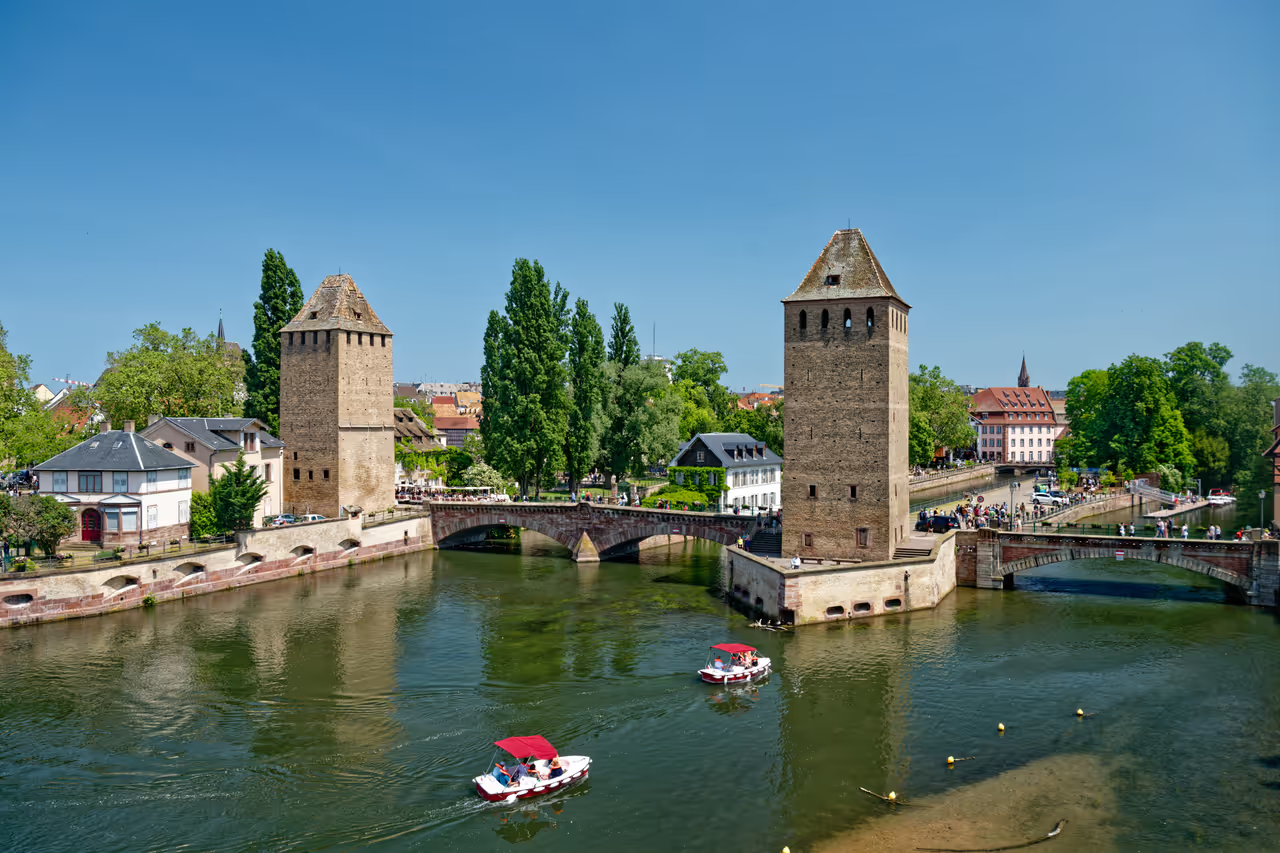 144m
144mCovered Bridges of Strasbourg
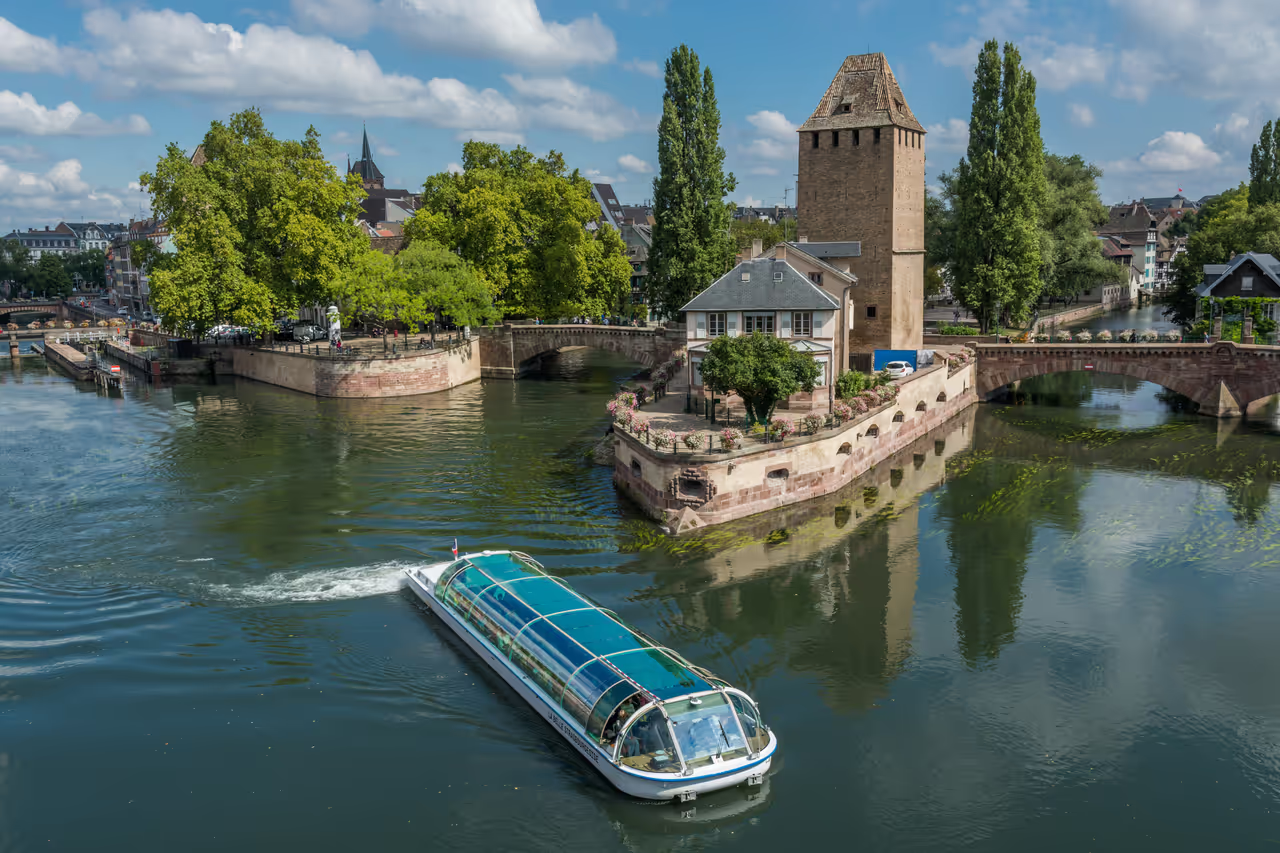
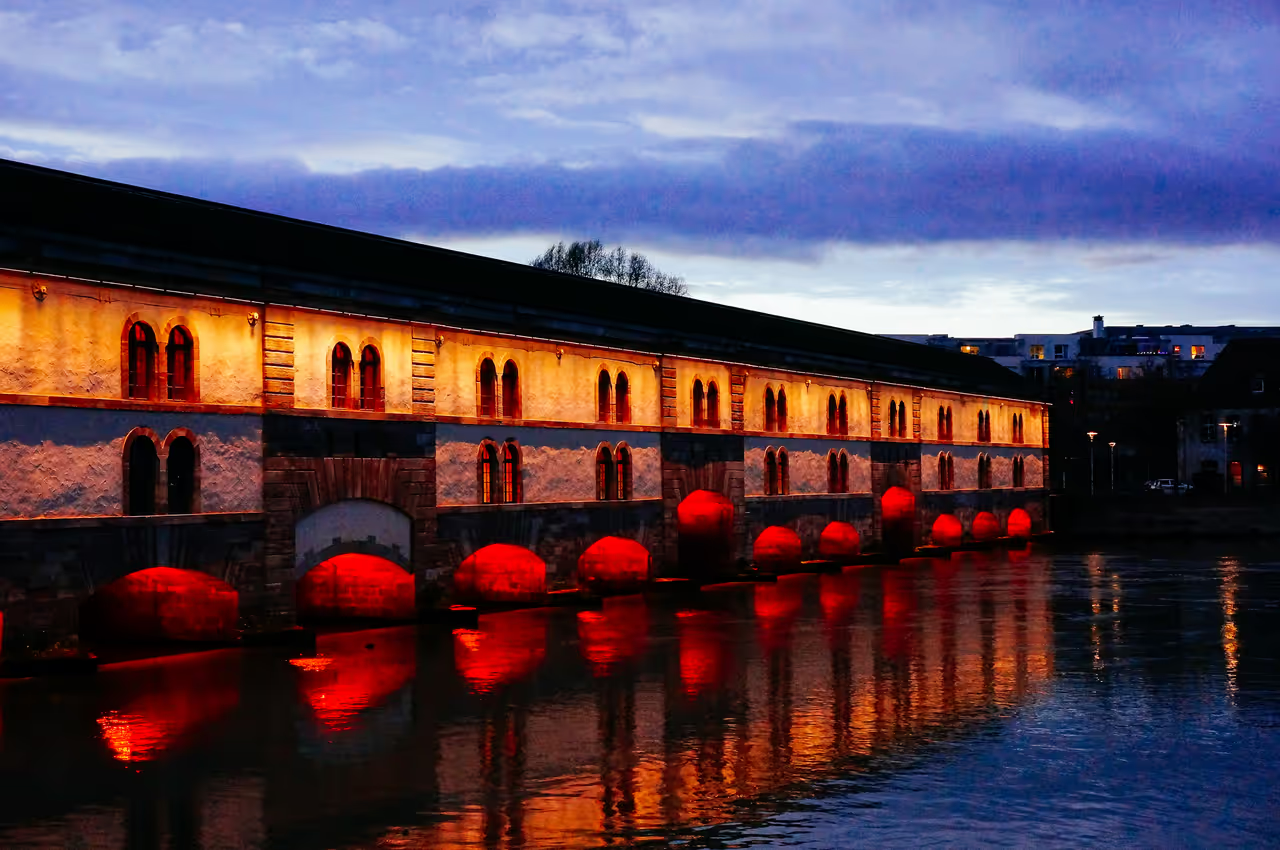
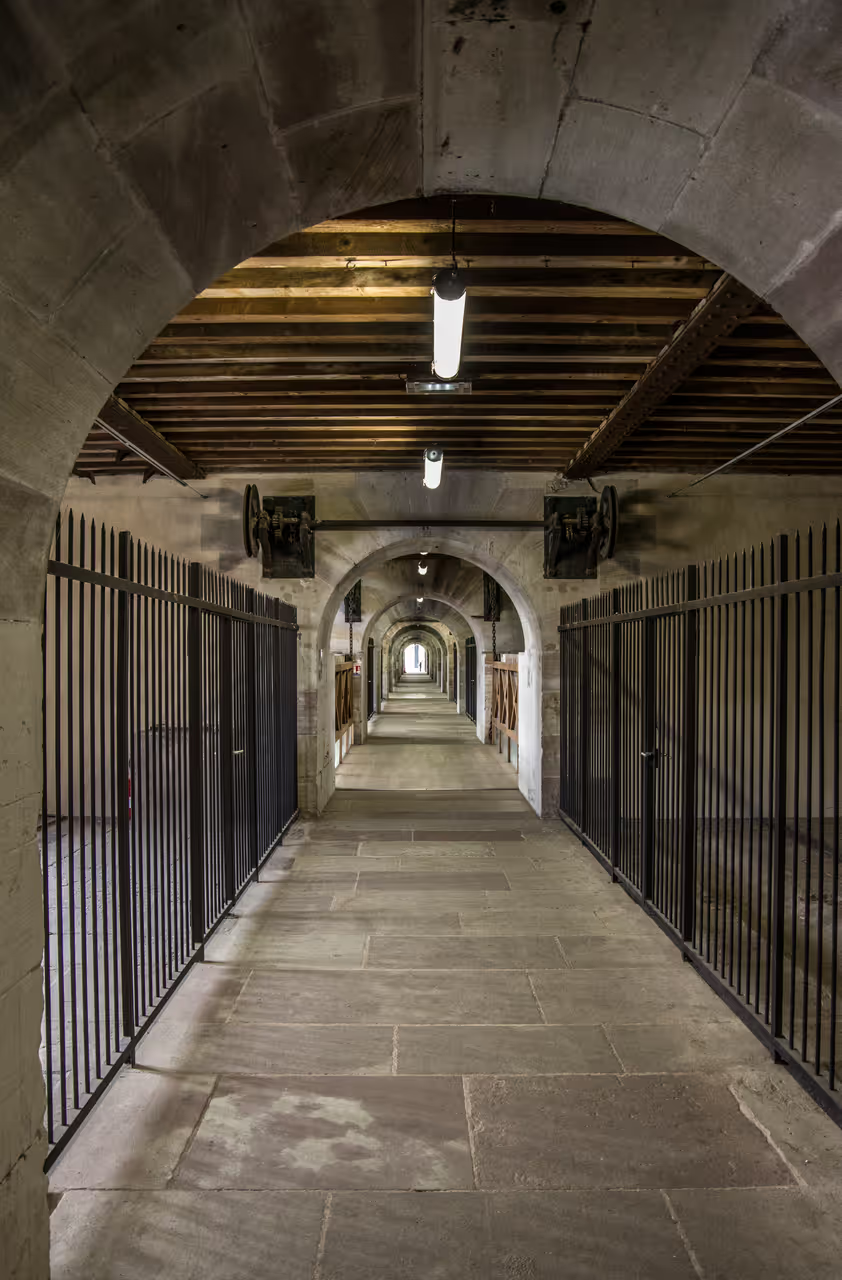
Standing proudly at the entrance to the historic Petite France quarter, the Covered Bridges offer one of the most enchanting vistas in Strasbourg. Despite losing their original wooden roofs over two centuries ago, these impressive structures retain their romantic name and rich defensive heritage. Three stone arch bridges span the arms of the River Ill, punctuated by four imposing medieval fortification towers that once guarded the medieval city. Walking across these Rhine-cobbled pathways gives visitors sweeping views of timber-framed houses and the nearby Vauban Dam. It is an ideal location to capture memorable photographs and admire centuries of Alsatian engineering. A visit here offers a memorable connection to the defensive origins of this remarkable border city.
attraction view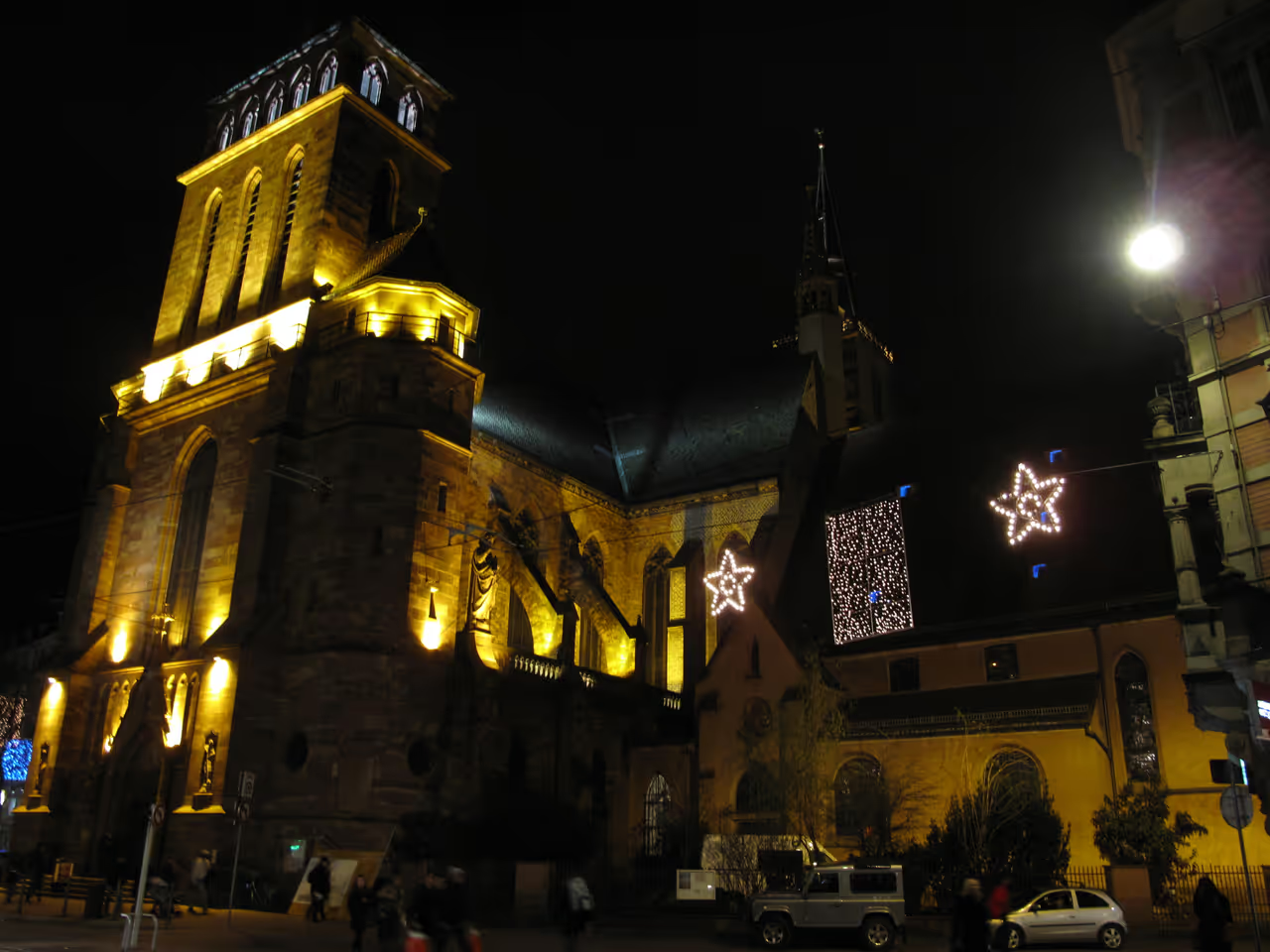 176m
176mOld St Peter's Church
A fascinating architectural and religious anomaly located right on the edge of the historic centre. This building is actually composed of two entirely separate churches—one Catholic and one Protestant—joined together in an L-shape. This 'simultaneum' arrangement was forced upon the city by Louis XIV in the 17th century to reintroduce Catholicism. You can literally walk from the bright, modern Catholic section into the older, austere Protestant nave. It is a quiet, powerful physical manifestation of the region's turbulent religious history.
hidden gem view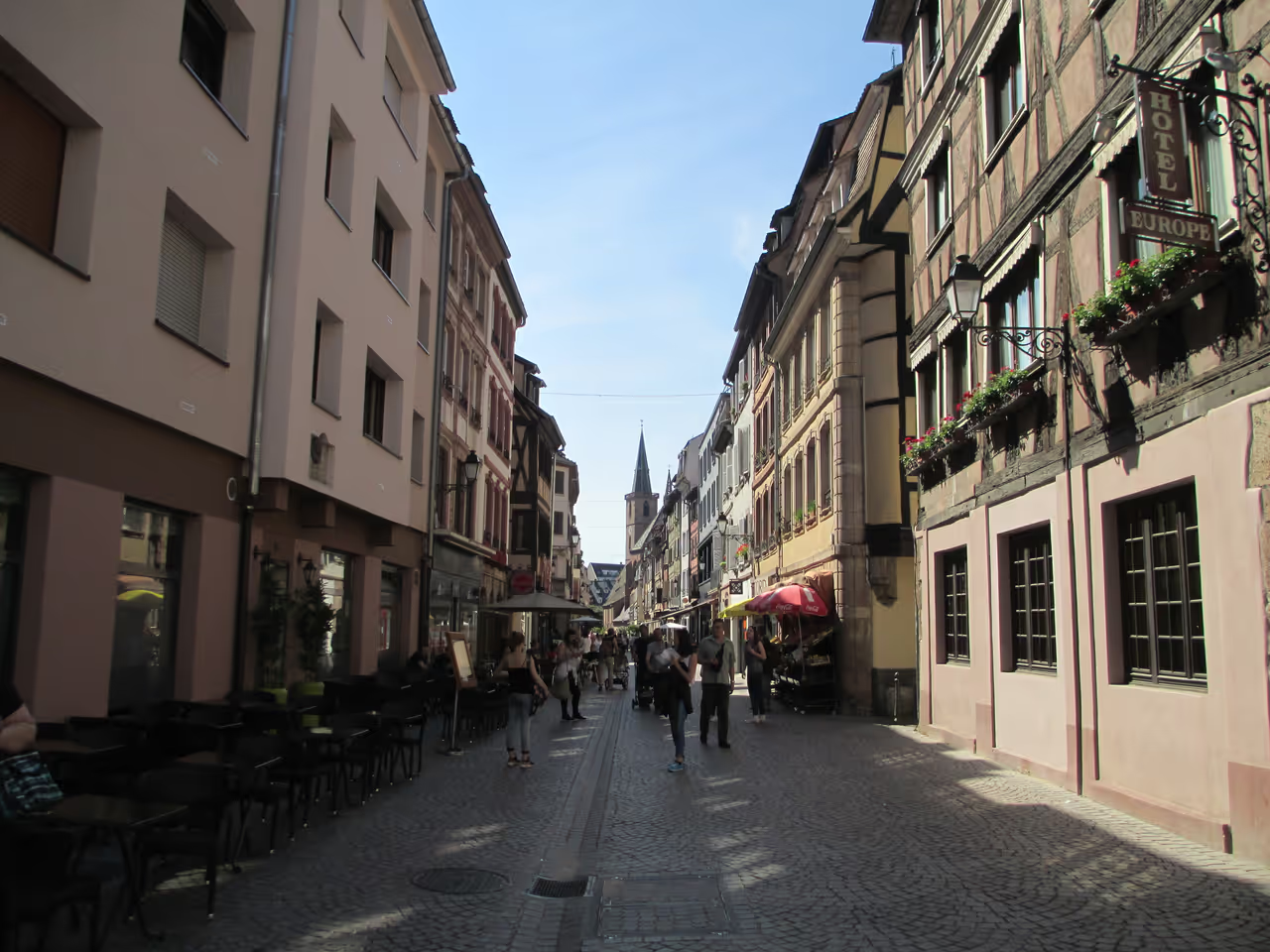 189m
189mGrand'Rue & Langstross
One of the longest and oldest streets on the Grande Île, running east to west and packed with activity. During the day it is a busy shopping thoroughfare, but at night it transforms into a bustling corridor of cafes and late night eateries. It is a great place to start an evening with a casual meal before heading to a nearby pub. The street is beautifully lit and constantly moving with pedestrians. It provides a fantastic cross section of the city's diverse population.
nightlife view
Featured on These Itineraries and Routes
1 Day in Strasbourg: The Medieval Heart Itinerary
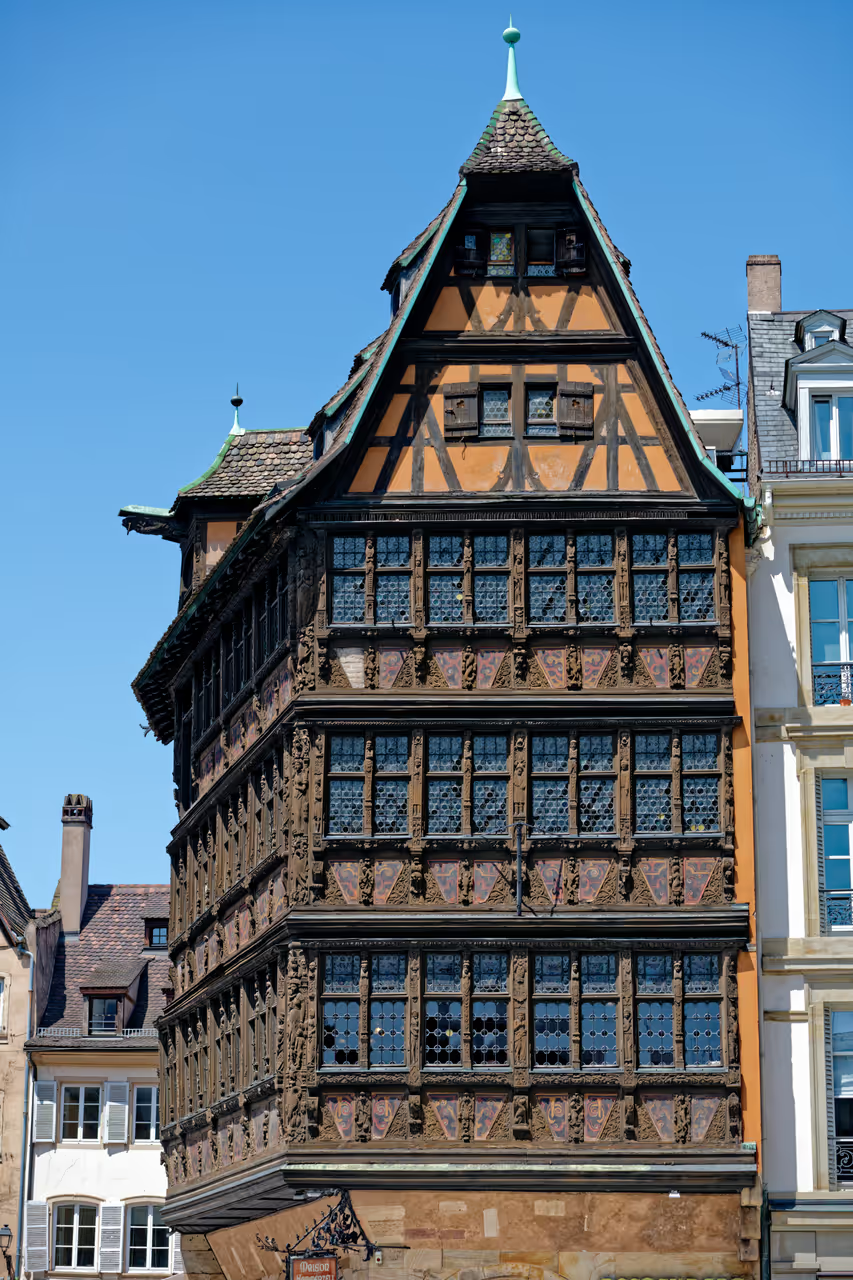
This highly focused itinerary captures the absolute essence of the city for visitors short on time. You will spend your day entirely within the historical core, exploring the staggering gothic architecture and the most picturesque canal streets. It provides a perfect balance of awe inspiring monuments and relaxed, atmospheric wandering. You will experience the quintessential charm that earned the city its UNESCO status.
view itinerary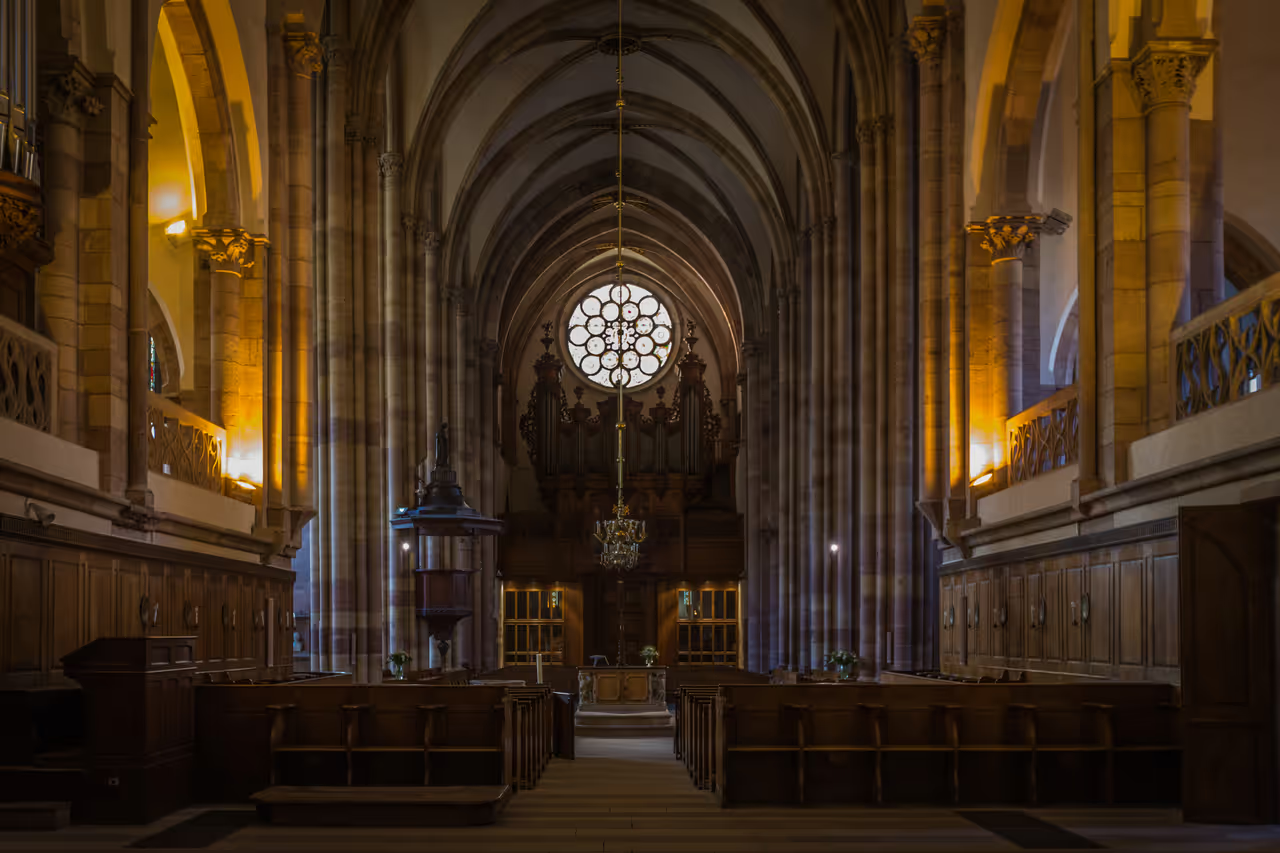
3 Days in Strasbourg: Heritage & Europe Itinerary
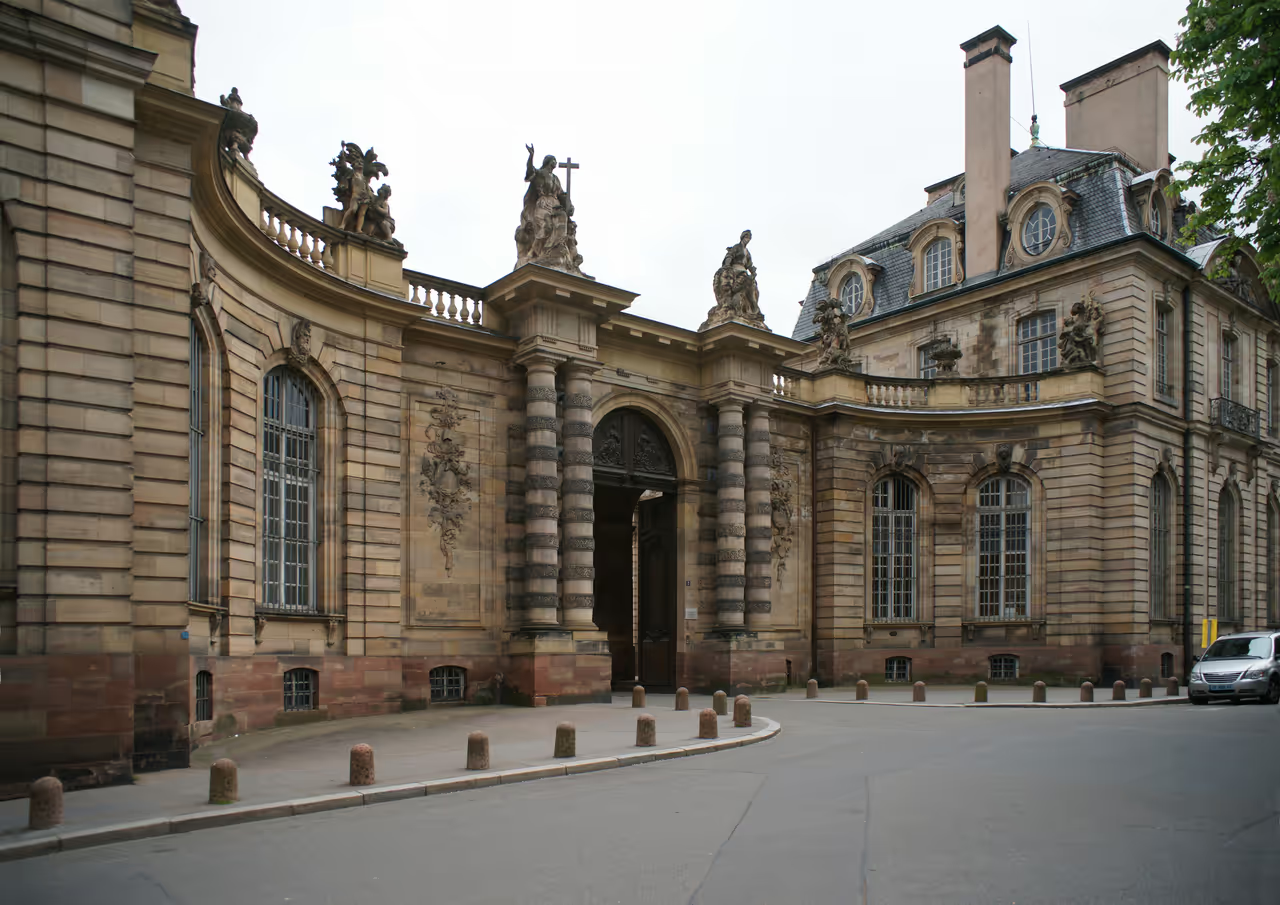
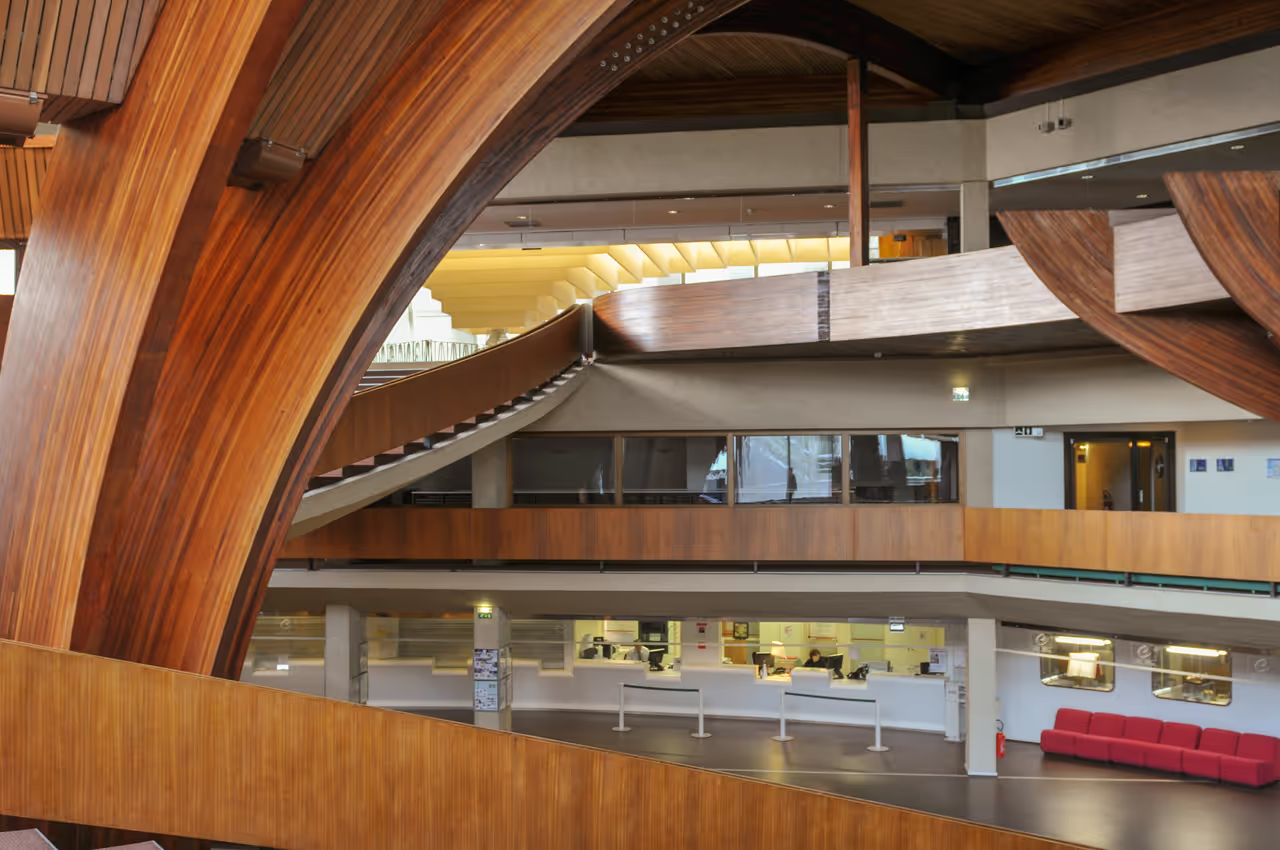
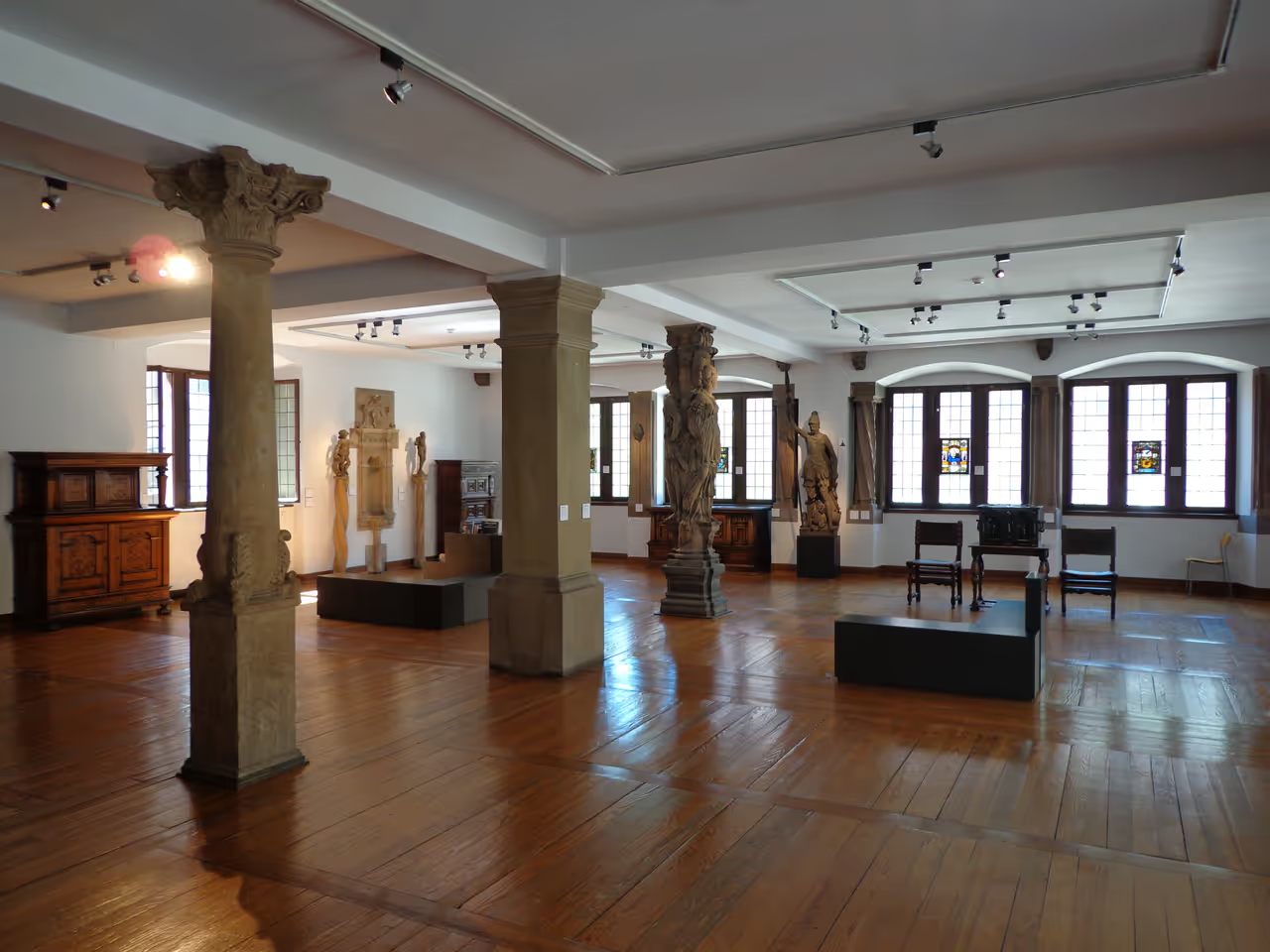
A comprehensive journey that allows you to fully appreciate the city's dual identity as a medieval jewel and a modern European capital. After exploring the historical centre, you will dive into the grand imperial architecture and the sleek international institutions. This pace leaves plenty of time to enjoy long meals at traditional Winstubs and relaxed walks through the parks. It is the ideal duration for a deeply satisfying city break.
view itinerary
5 Days in Strasbourg: The Complete Experience Itinerary
An immersive, unhurried exploration that ventures well beyond the typical tourist paths. Over five days, you will uncover hidden historical oddities, explore vast green spaces crossing international borders, and absorb the city's vibrant modern culture. This itinerary allows you to truly sync with the local rhythm, mixing world class attractions with quiet, atmospheric discoveries. It is perfect for the curious traveller wanting a deep connection with the region.
view itinerary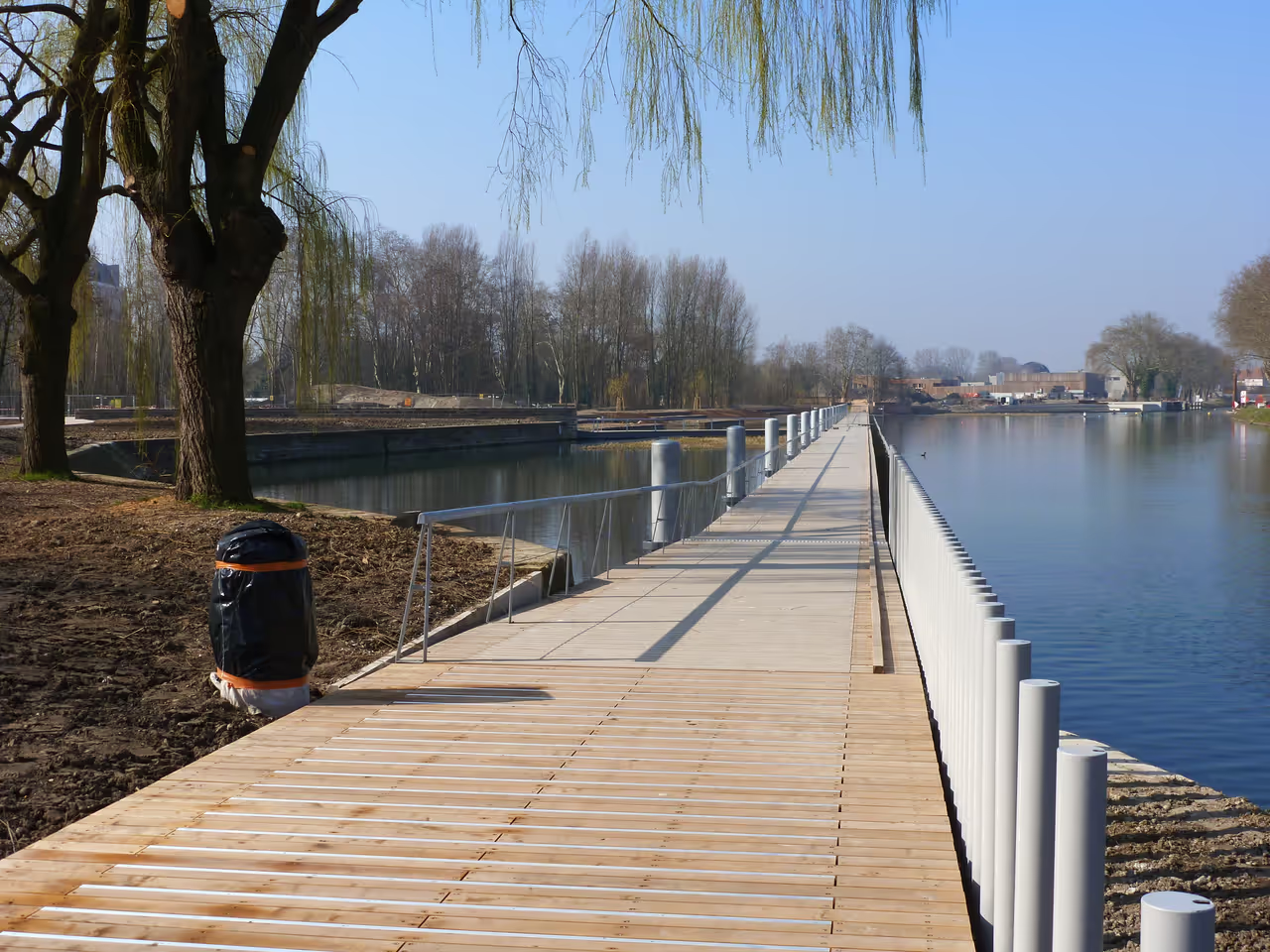
Ill River Canal Loop
A highly picturesque route that follows the intricate waterways winding through and around the city. You will ride under weeping willows, past historic locks, and alongside impressive waterfront architecture. The water has a calming effect, and the paths are generally flat and shaded by mature trees. It offers a fantastic perspective on how the city was built to integrate with its rivers. This ride is perfect for a lazy afternoon when you want to enjoy nature without leaving the urban limits.
view cycling route
See all attractions in Strasbourg
Covered Bridges of Strasbourg, Palais Rohan, Strasbourg Cathedral, Vauban Dam...